
Benin
Benin, the birthplace of Vodou and a land of vibrant traditions, offers a fascinating blend of rich history, cultural heritage, and breathtaking natural beauty in the heart of West Africa.
Overview
Benin, located in the heart of West Africa, is an authentic and colorful destination where history, culture, and nature converge. As the birthplace of Vodou and a former center of the transatlantic slave trade, the country offers profound historical experiences. Discover UNESCO-listed royal palaces in Abomey, the floating village of Ganvié, vibrant markets in Cotonou, and hear touching stories at the Ouidah Museum of History. From exhilarating safari adventures in Pendjari National Park to savoring delectable dishes like Amiwo and Acarajé, Benin captivates with its authenticity and warmth.
Official language
French
Government
Presidential democracy
Best time to visit
November to February
Nature
Benin's landscapes are a breathtaking blend of lush tropical regions, savannas, and wetlands. The majestic Pendjari National Park in the north is one of West Africa's most remarkable reserves, home to elephants, lions, leopards, hippos, and rare bird species. It's a paradise for safari enthusiasts and photographers, especially in the dry season from November to February when wildlife congregates near waterholes. Along the coast, golden beaches like Fidjrosse stretch invitingly, where the Atlantic Ocean meets palm-fringed shores. The unique floating village of Ganvié, built on stilts in the middle of Lake Nokoué, is surrounded by rich birdlife and serene waterways. The tropical climate offers a delightful window from November to February, making it the perfect time to explore Benin's natural treasures, whether through tranquil boat rides or thrilling encounters with Africa's wildlife.
Travel to Benin
Traveling to Benin is an immersive journey into authentic West Africa, with experiences ranging from historical discoveries to scenic adventures. The best time to visit is from November to February when the weather is dry and pleasant. Flights typically arrive in Cotonou, the country's largest city and commercial center, from where you can easily explore both coastal areas and the interior. Adventurers can take safaris in Pendjari National Park, navigate the canals of Ganvié, relax on Fidjrosse Beach, or engage in Vodou rituals and market atmospheres. Benin is a safe and welcoming environment for adventurous travelers eager to experience a blend of culture, history, and nature without the crowds of mass tourism. Its compact size allows for the exploration of diverse attractions in a short period, all while enjoying the famously warm hospitality of the local people.
Culture
Benin is a vibrant cultural hub in West Africa, celebrated as the birthplace of Vodou, a religion and way of life that is still practiced and celebrated with colorful ceremonies, music, and dance. The impressive royal palaces in Abomey, with their earthen walls and intricate reliefs, tell the stories of the glory of the Dahomey kings. In Cotonou and Porto-Novo, lively markets are brimming with textiles, crafts, and spices, as the streets pulse with music and the irresistible aromas of street food. Ganvié exemplifies the adaptability of the Beninese people to their environment, creating unique communities on water. The culinary scene is a journey of flavors featuring dishes like Amiwo, Acarajé, Pâte Rouge, and Yovo Doko, blending local ingredients with historical influences from Africa, Europe, and the Americas. Traditional music, drum rhythms, and dance are integral parts of daily life, underscoring a deep-rooted sense of hospitality among the populace.
History
Benin's history is intricately intertwined with the Kingdom of Dahomey, which flourished from the 17th century until the late 19th century. Renowned for its formidable military, including the famed female warriors, Dahomey played a significant role in the transatlantic slave trade, with Ouidah serving as a central shipping port. For nearly three centuries, the country was a hub for trade, cultural exchange, and political power in West Africa. The colonial period under French rule left a significant mark until Benin achieved independence in 1960. Today, numerous historical sites, including the royal palaces of Abomey and the Ouidah Museum of History, provide poignant insights into both the greatness and the tragedies of the nation's past.
Top attractions
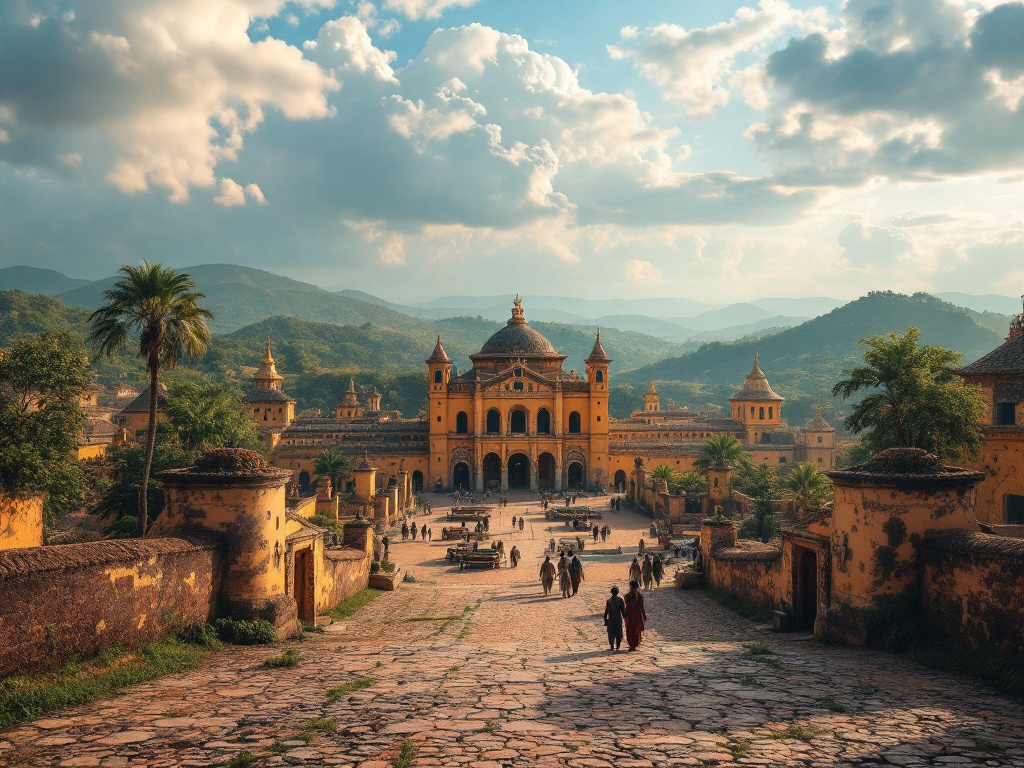
The Royal Palaces of Abomey
An impressive complex of earthen palaces that tells the story of the Dahomey Kingdom and Benin's royal heritage.
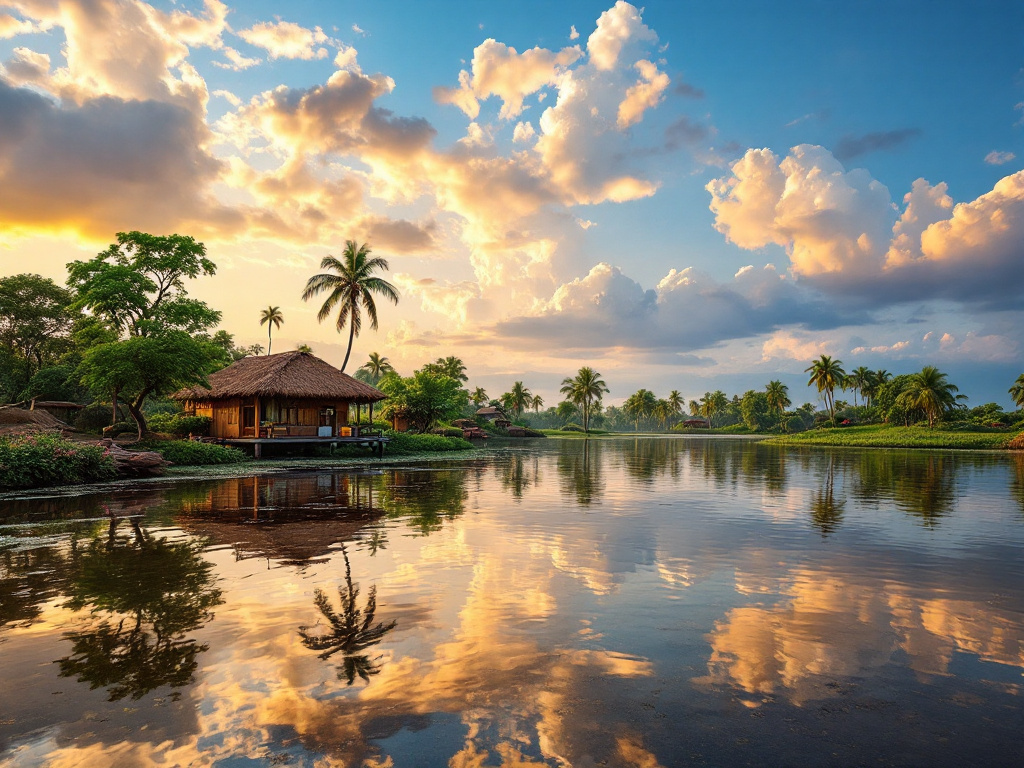
Ganvié
A fascinating village built on water in Lake Nokoué, often called the Venice of Africa.
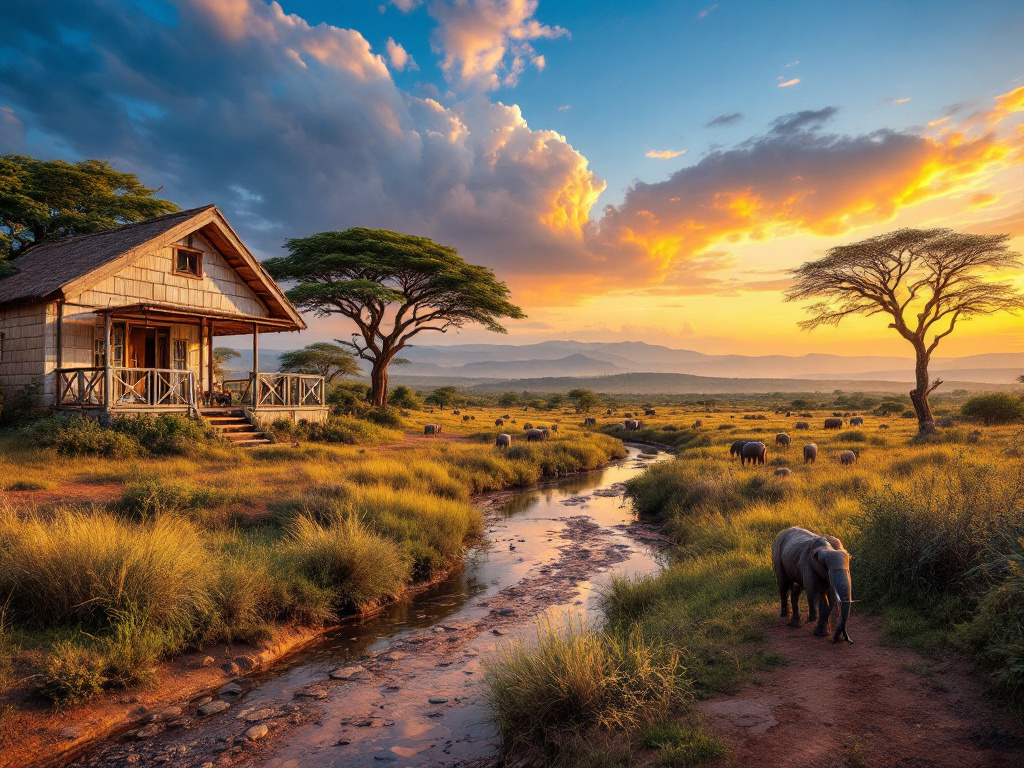
Pendjari National Park
Benin's most famous national park with rich wildlife and vast savannas.
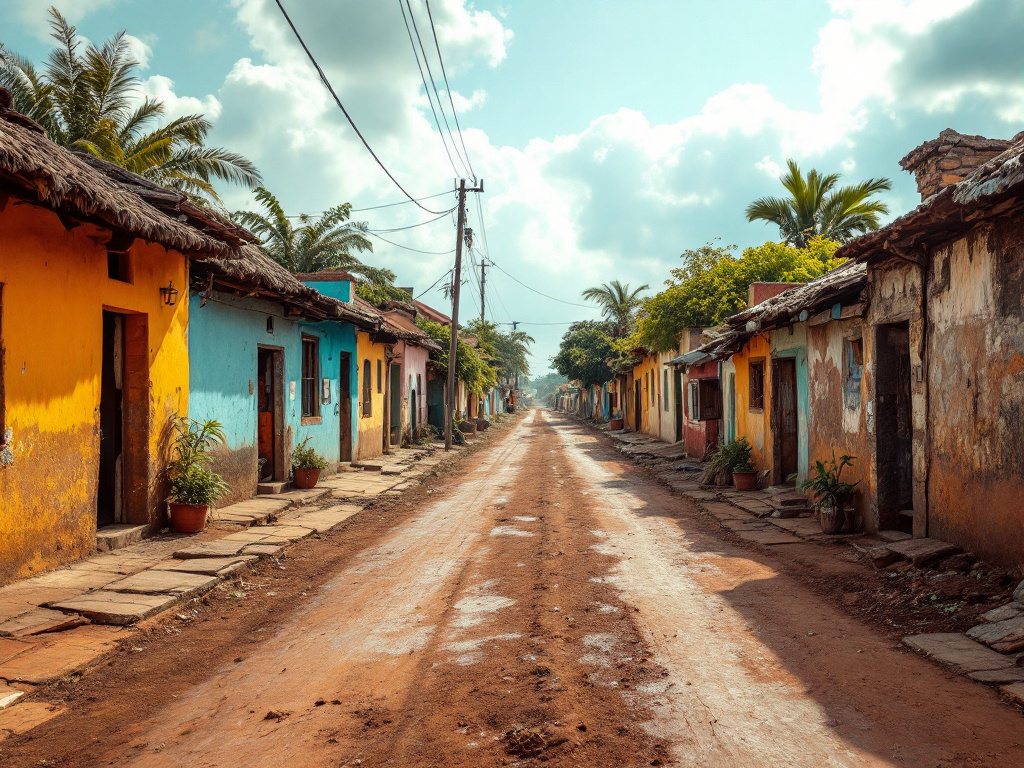
The Slave Route in Ouidah
A historical route marking the slaves' last journey to the sea.

The Python Temple
An important vodun temple known for its sacred pythons.
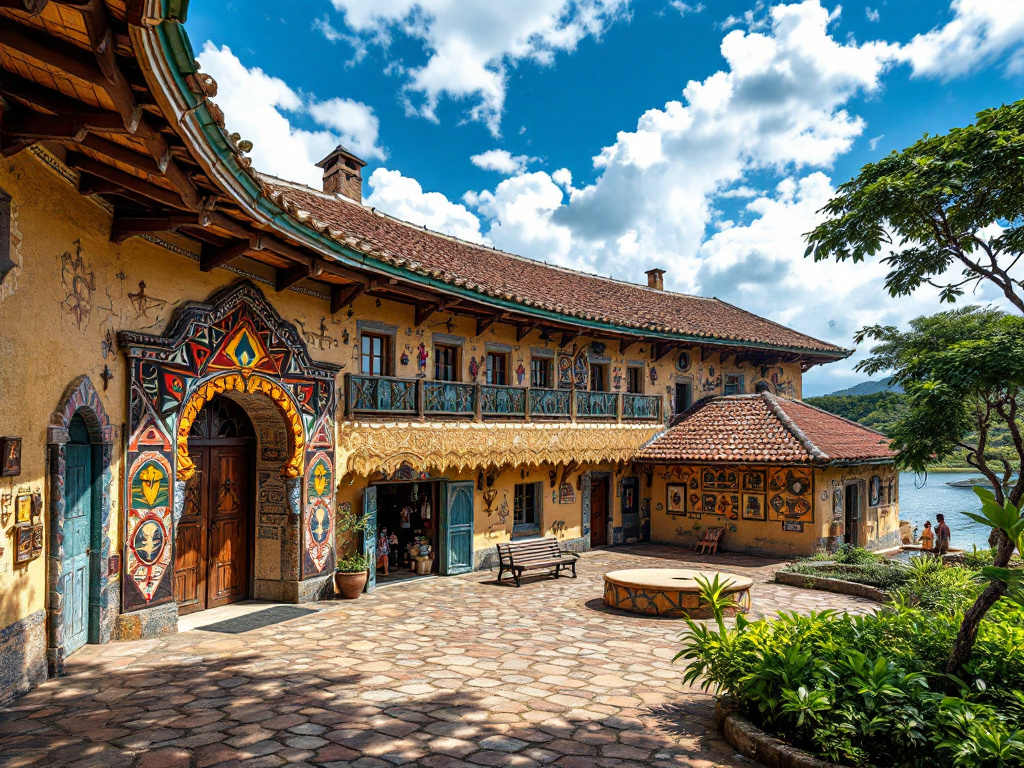
The Ethnographic Museum in Porto-Novo
Museum focusing on Benin's ethnic and cultural diversity.
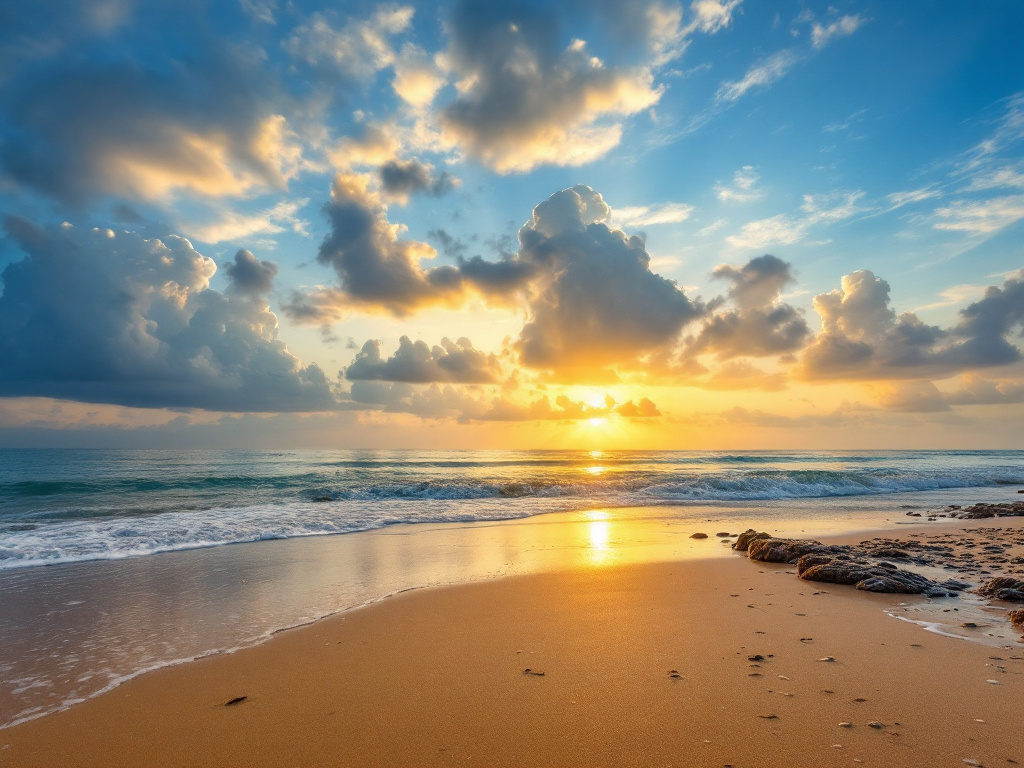
Grand Popo Beach
A quiet beach destination known for culture and relaxation.
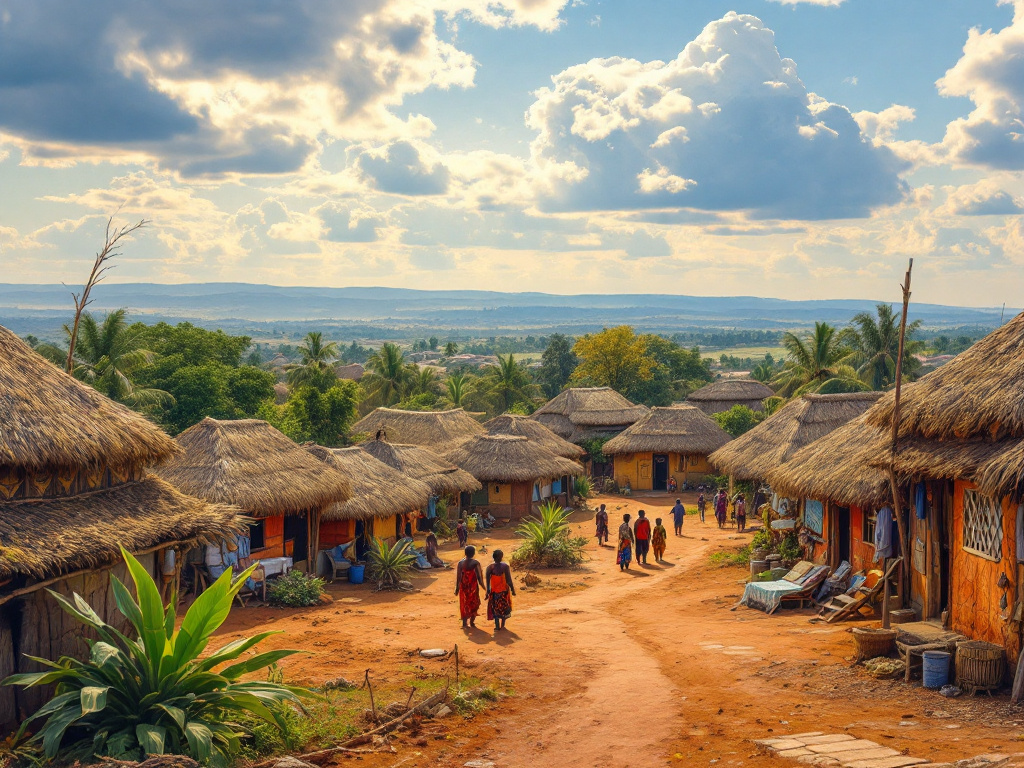
Taneka Villages
Traditional villages in northern Benin with unique architecture.
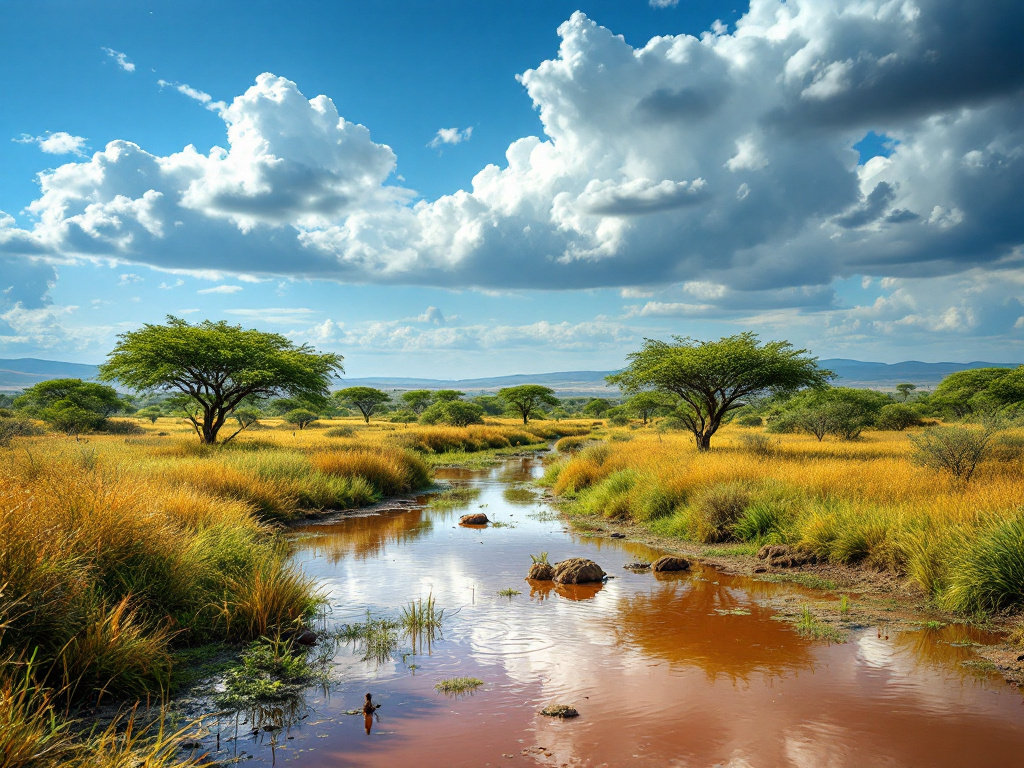
W National Park
UNESCO-protected national park shared with Niger and Burkina Faso.
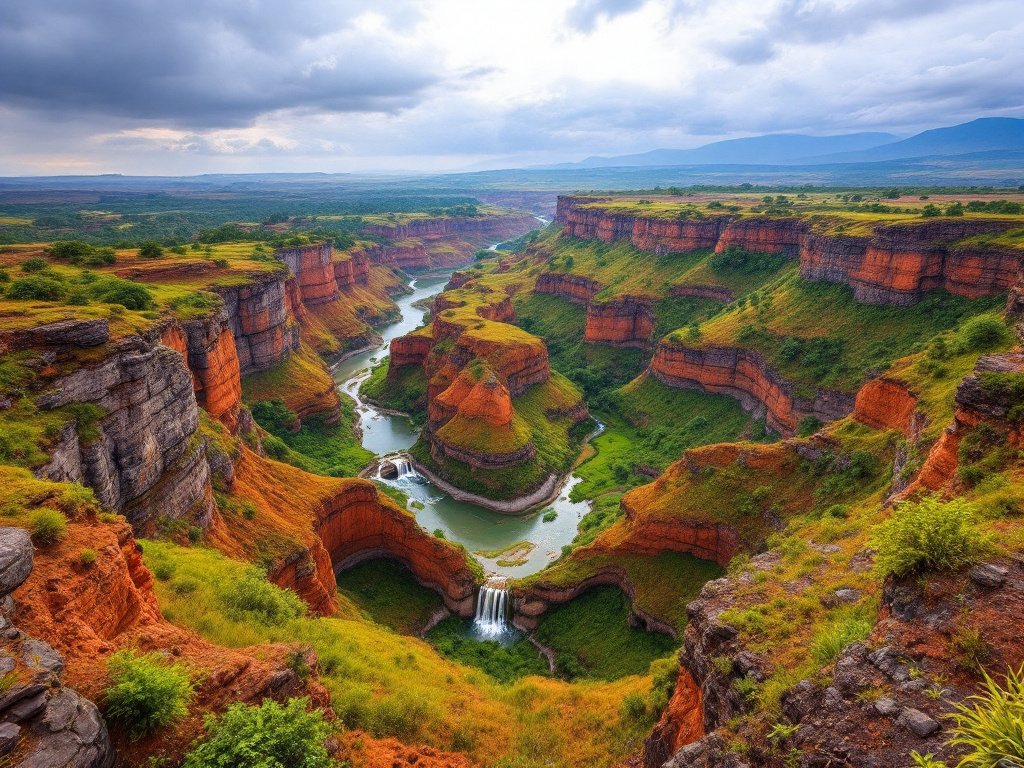
The Atakora Mountains
A scenic mountain area in northern Benin with great hiking opportunities.
Famous cuisine
Culinary overview
Benin's cuisine is a colorful blend of local ingredients, traditional cooking methods, and influences from both West Africa and the colonial era. Corn, cassava, rice, and beans form the basis of many dishes, often accompanied by spicy sauces and fresh vegetables. Fish and seafood are popular along the coast, while meat dishes and wild herbs dominate in the northern regions. Street food is an important part of the food culture, where small stalls serve everything from fried snacks to hearty stews. The flavors are intense, often using chili, peanuts, and palm oil, and meals are often accompanied by local drinks such as ginger juice or palm wine.
Must-try dishes
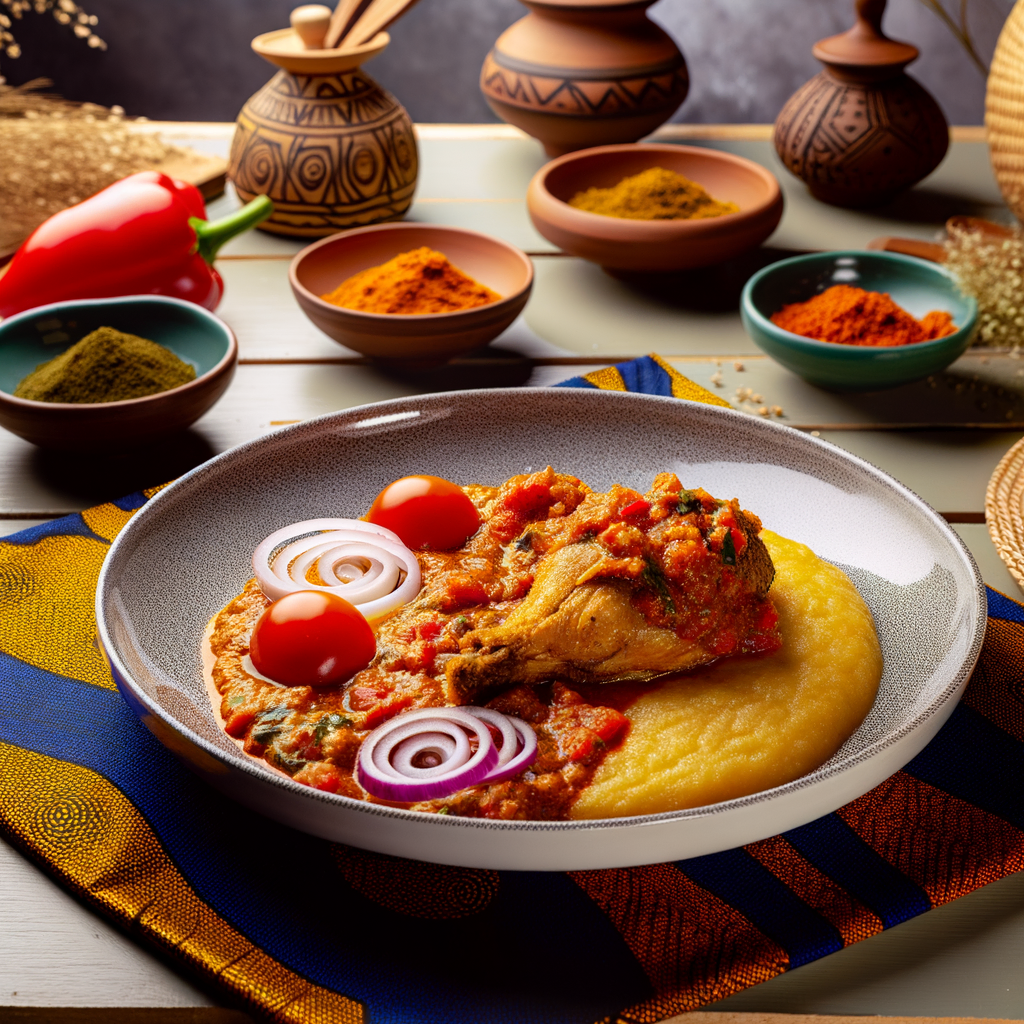
Amiwo
A spiced corn porridge colored with tomato and palm oil, often served with fried chicken or fish and a rich sauce. Amiwo is a festive dish that is often served on special occasions.
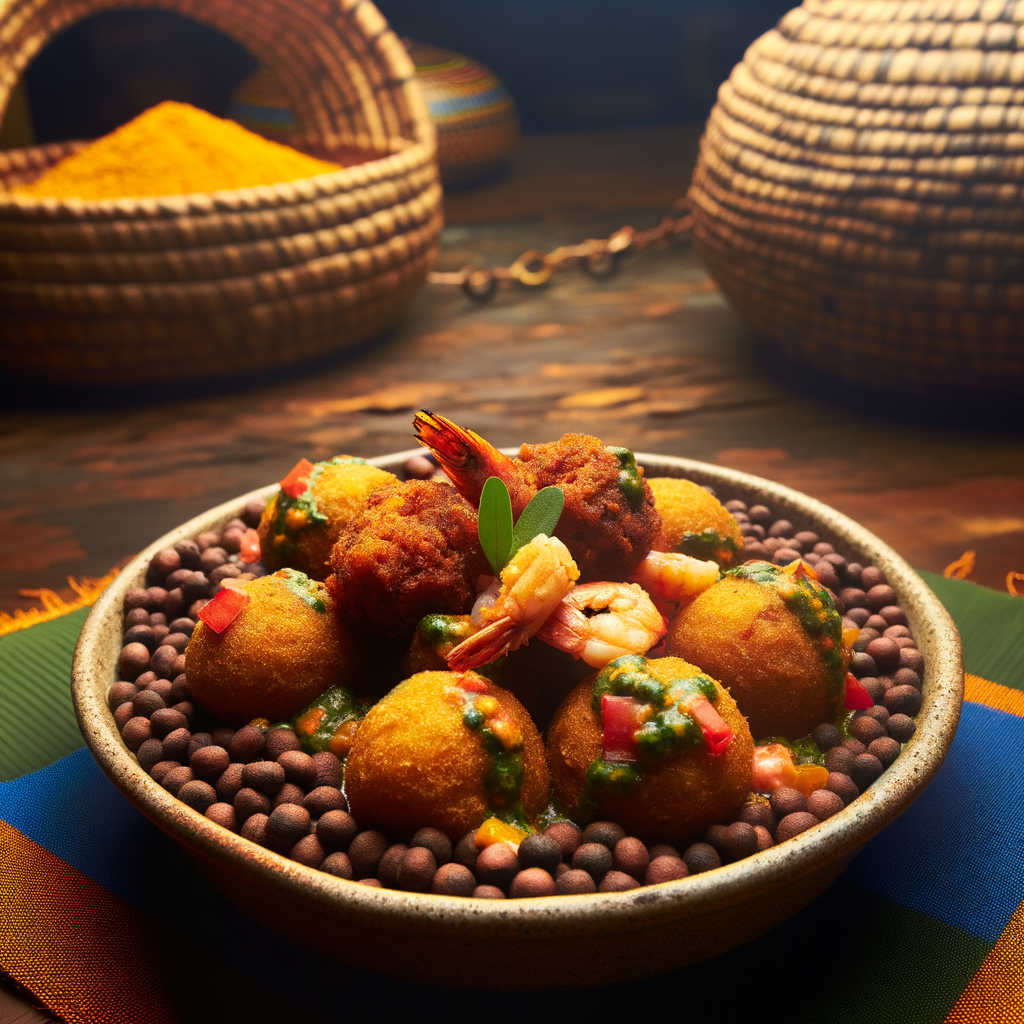
Acarajé
Fried balls made from blended black-eyed peas, filled with spiced shrimp and vegetables. The dish has roots in Afro-Brazilian culture but is also popular in Benin.
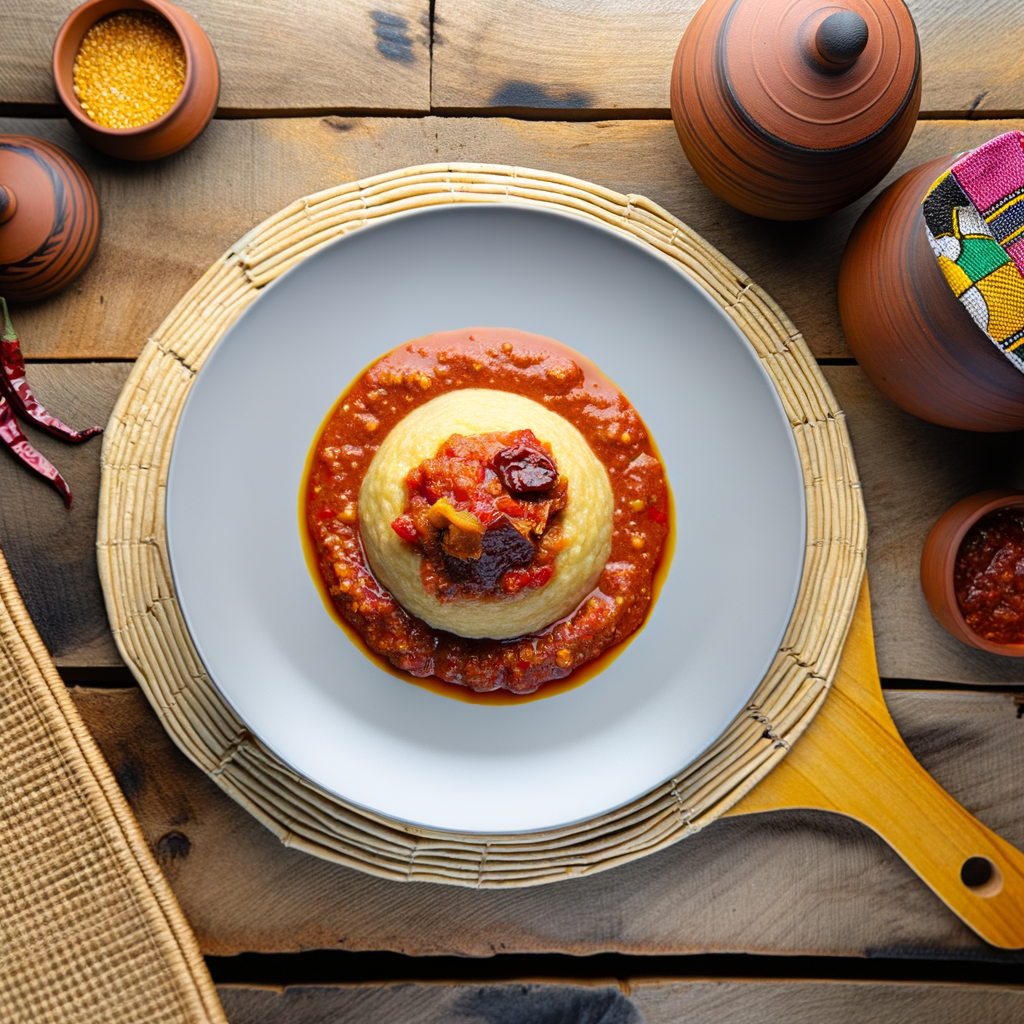
Pâte Rouge
A firm corn or cassava porridge served with a red sauce made from tomatoes, chili, and palm oil. A staple dish in many Beninese homes.
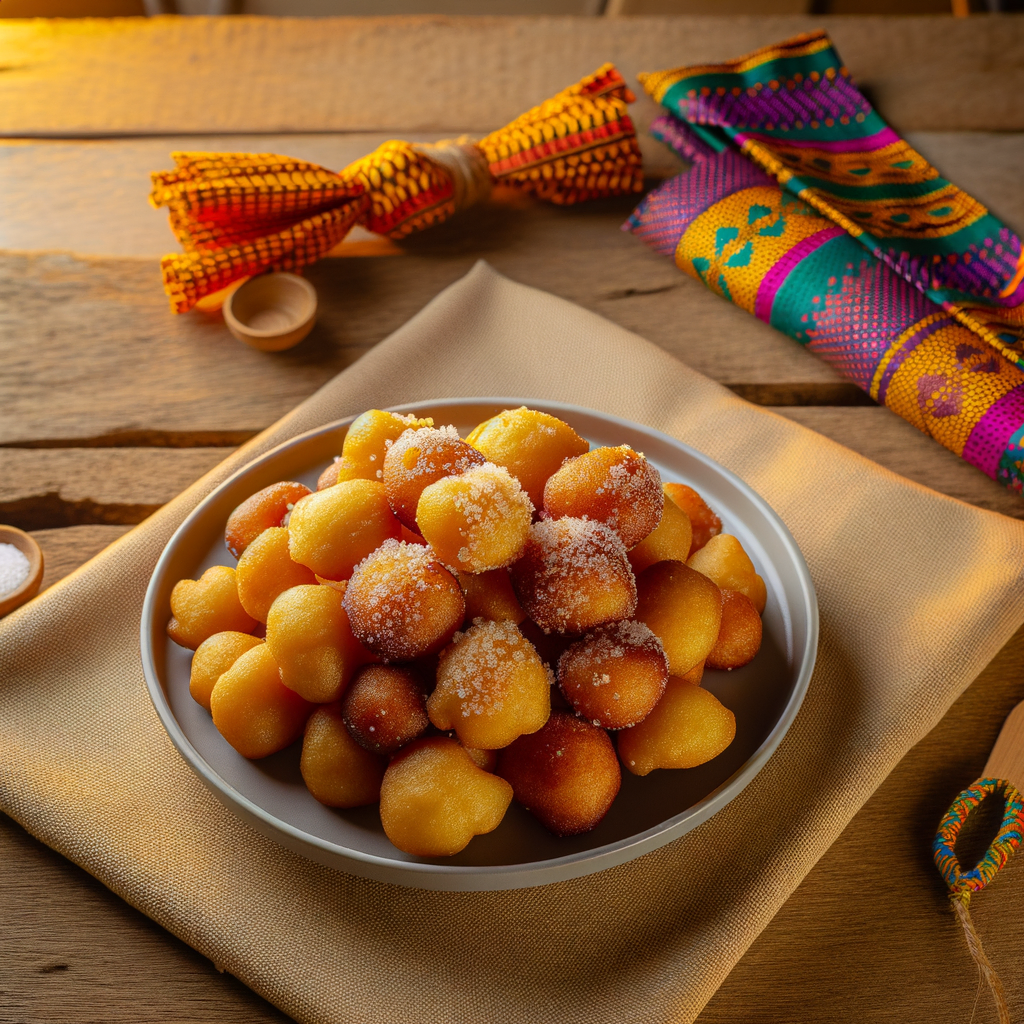
Yovo Doko
Sweet, fried dough balls, often dusted with sugar. A popular street snack, especially among children.
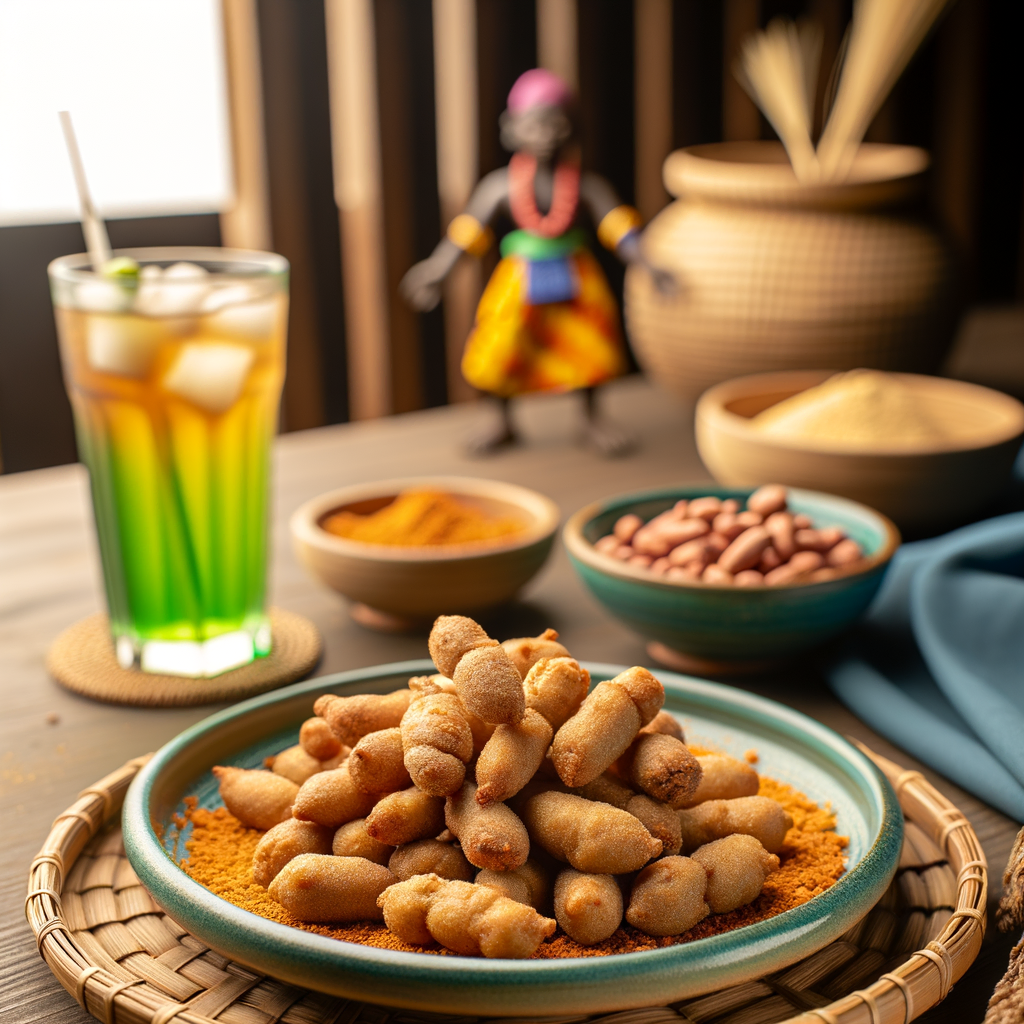
Kuli-Kuli
Crispy snacks made from roasted and ground peanuts, shaped into small sticks or balls. Perfect as a snack with a cold drink.
Restaurant information
Tipping
Tipping is not mandatory in Benin but is appreciated. In restaurants, it is common to round up the bill or give 5-10% of the total if the service has been good.
Travel information
Currency
Vestafrikansk CFA-franc (XOF)
Language
French
Best time to visit
November to February
Major cities
Porto-Novo and other major cities
More countries in Africa
Discover more destinations in this region