
Cape Verde
Cape Verde, a breathtaking archipelago in the Atlantic Ocean, offers a harmonious blend of dramatic mountains, pristine beaches, and a vibrant Creole culture – perfect for both adventure and relaxation.
Overview
Cabo Verde, an enchanting archipelago in the Atlantic, is located just 500 km west of Senegal and offers a unique blend of dramatic mountain landscapes, endless sandy beaches, and vibrant coastal towns. With nine inhabited islands, each possessing its distinctive charm—from the lush valleys of Santo Antão to the golden shores of Sal and Boa Vista—this destination is a paradise for hikers, beach lovers, and cultural enthusiasts alike. Here, you can conquer the active Pico do Fogo volcano, explore the UNESCO-listed Cidade Velha, and immerse yourself in the lively Cape Verdean culture through music, dance, and delicious local cuisine.
Official language
Portuguese
Government
republic
Best time to visit
November to June
Nature
Cabo Verde is a captivating archipelago where the deep blue Atlantic meets lush mountains and arid sun-kissed plains. Santo Antão is a hiker’s paradise with its verdant valleys and steep trails that offer breathtaking viewpoints. The golden beaches of Sal and Boa Vista provide perfect conditions for kite and windsurfing, while the crystal-clear waters invite snorkelers and divers to explore the vibrant underwater life. Dominating the landscape of Fogo, the majestic Pico do Fogo volcano rises dramatically, surrounded by fertile fields and vineyards thriving in the volcanic soil. The islands enjoy a sunny climate year-round, with sparse rainfall creating a unique interplay of light and colors, enhancing the natural beauty. From the wild beauty of the mountains to the rich marine life, Cabo Verde is a true haven for nature enthusiasts.
Travel to Cape Verde
Traveling to Cabo Verde is stepping into a realm of sun, sea, and culture. Direct flights from various European cities make this archipelago easily accessible, and its sunny climate offers an ideal escape year-round, with the best season from November to June. Travelers can choose to island-hop to experience the contrasts between lush mountains, volcanic landscapes, and endless beaches, or immerse themselves in the unique charm of a single island. Activities range from hiking in Santo Antão, volcano climbing on Fogo, diving and surfing in Sal and Boa Vista, to historical discoveries in Cidade Velha. The local hospitality, combined with authentic culinary experiences and lively music, ensures that every visit is unforgettable. Cabo Verde is perfect for adventurers, cultural travelers, and those seeking relaxation in exotic surroundings.
Culture
The culture of Cabo Verde is a vibrant fusion of African and Portuguese influences, shaped by centuries of history as an Atlantic trading hub. At the heart of the national identity is music, with the melancholic morna, immortalized by Cesária Évora, alongside the lively coladeira and funaná that get the streets dancing. The language is a blend of Portuguese and Cape Verdean Creole, reflecting the islands' multicultural heritage. Culinary experiences are a journey of their own, featuring signature dishes like cachupa—a slow-cooked stew of corn, beans, and meat or fish—along with freshly caught seafood and pastel com diablo dentro. Daily life is marked by a relaxed rhythm where music, dance, and community play vital roles. Festivals and markets breathe life into the towns, filling them with colors, scents, and sounds, while the warm hospitality ensures visitors quickly feel part of the island's vibrant pulse.
History
Cabo Verde's history is deeply rooted in its strategic position in the Atlantic Ocean. Discovered and colonized by the Portuguese in the 15th century, the islands quickly became an important trading post, especially during the transatlantic slave trade. Cidade Velha, located on Santiago Island, is now a UNESCO World Heritage site and the first European settlement in the tropics, showcasing both colonial grandeur and darker chapters of history. After centuries under Portuguese rule, Cabo Verde achieved independence in 1975. The nation's past is characterized by migration, trade, and cultural exchange, crafting the unique identity that still defines the islands today.
Top attractions
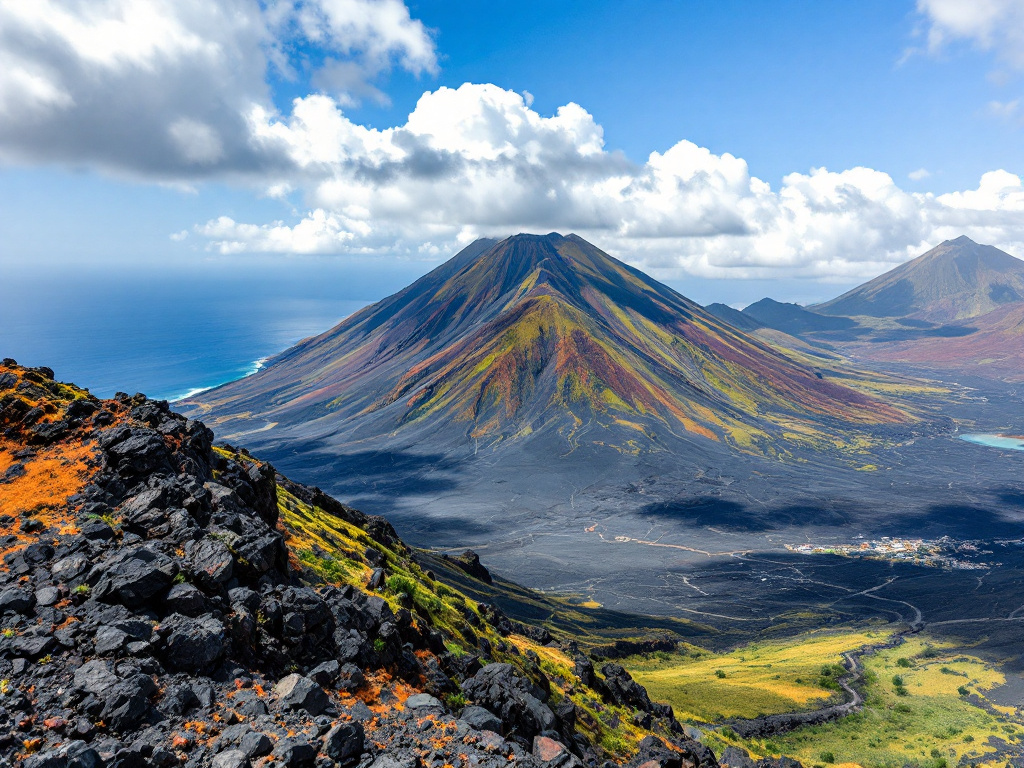
Pico do Fogo
The highest point in Cape Verde and a dramatic active volcano that offers challenging hikes and outstanding views over lava fields.
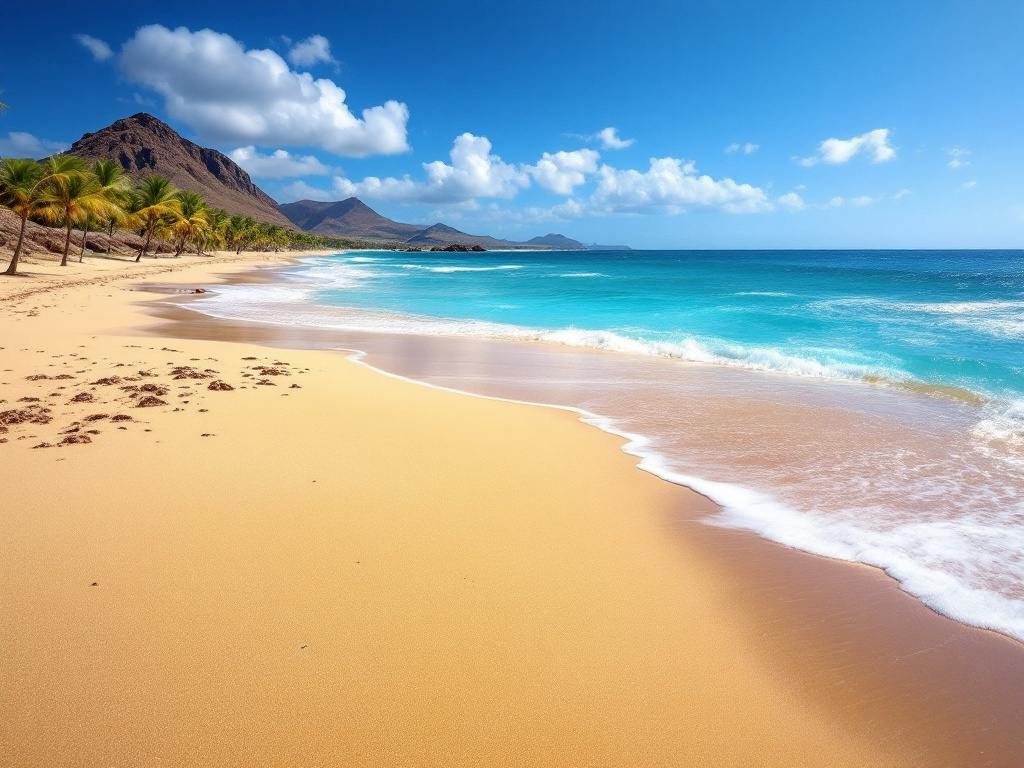
Santa Maria Beach
One of Cape Verde's most popular beaches with soft sand, turquoise water, and good facilities.
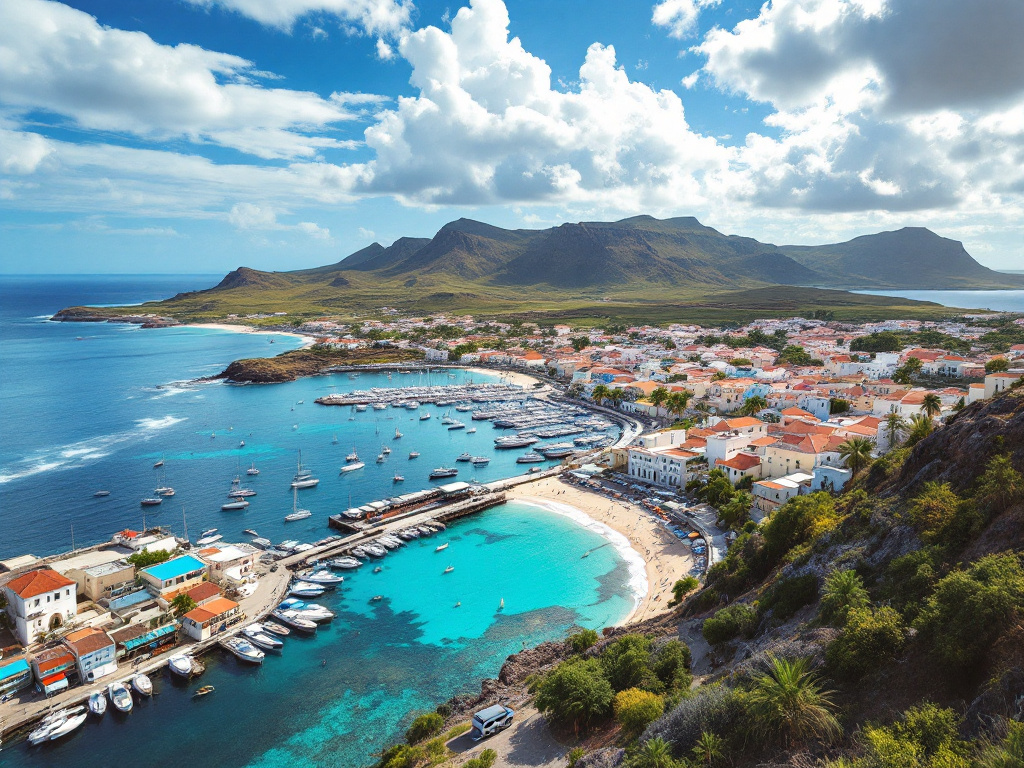
Cidade Velha
Historic coastal town and UNESCO World Heritage site, known for colonial ruins and Cape Verde's early history.
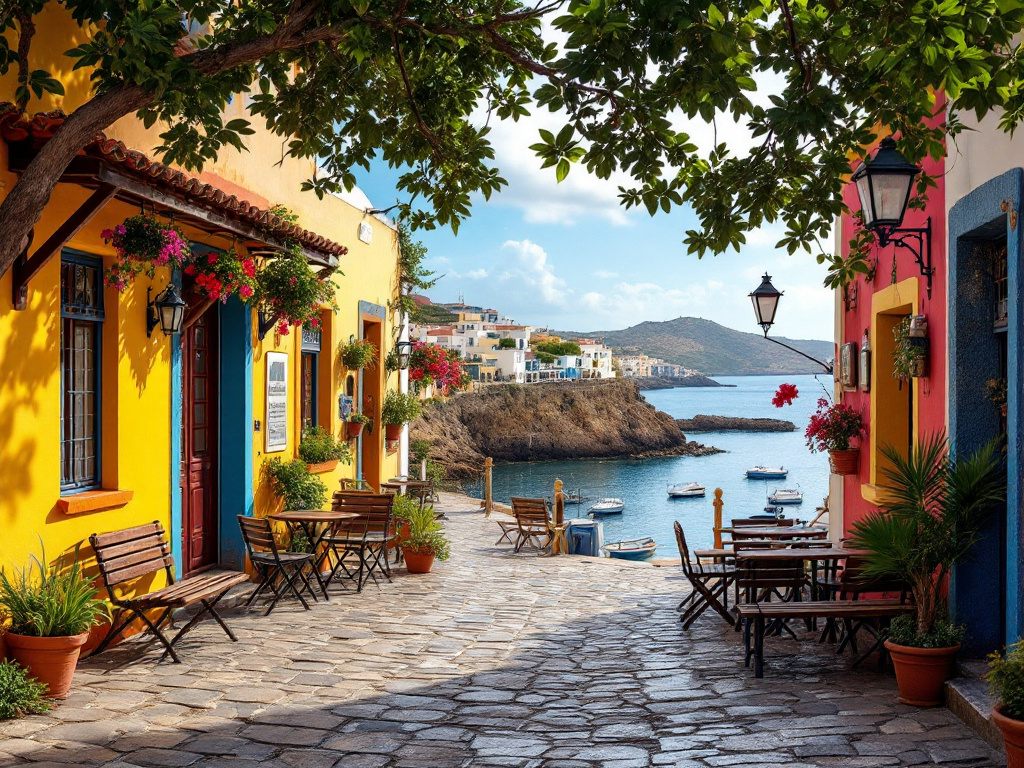
Mindelo Harbor
The cultural heart of Mindelo with music, cafes, and a view over the harbor.
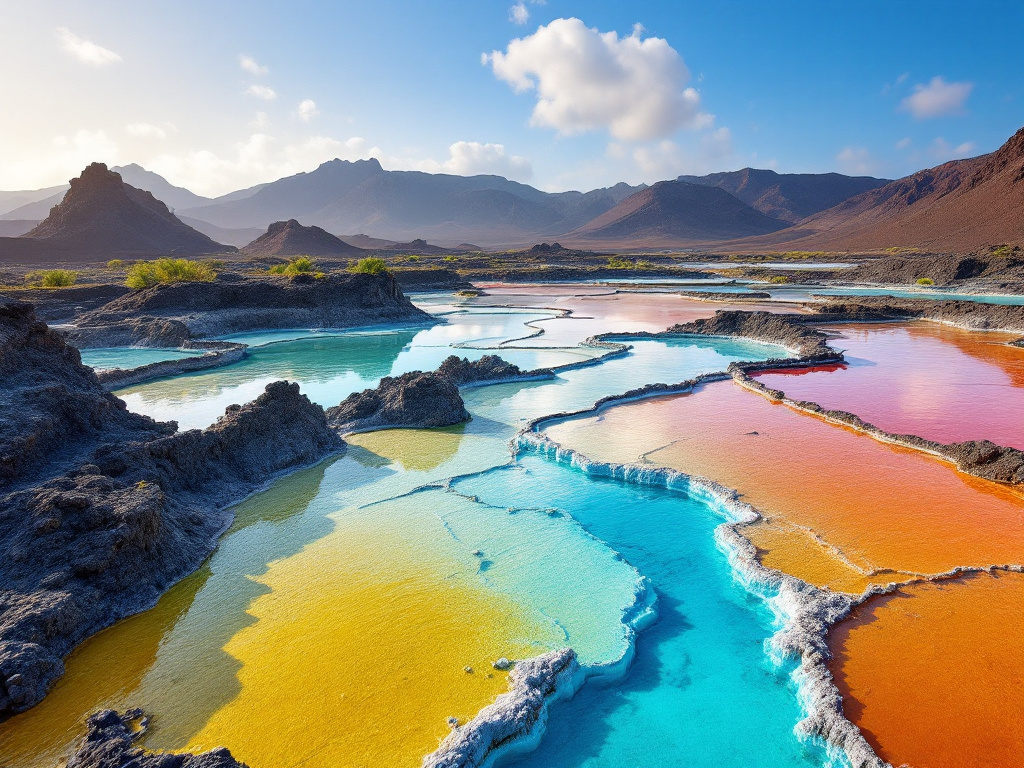
Salinas de Pedra de Lume
Historical salt mines in a volcanic crater, known for their floating effect like in the Dead Sea.
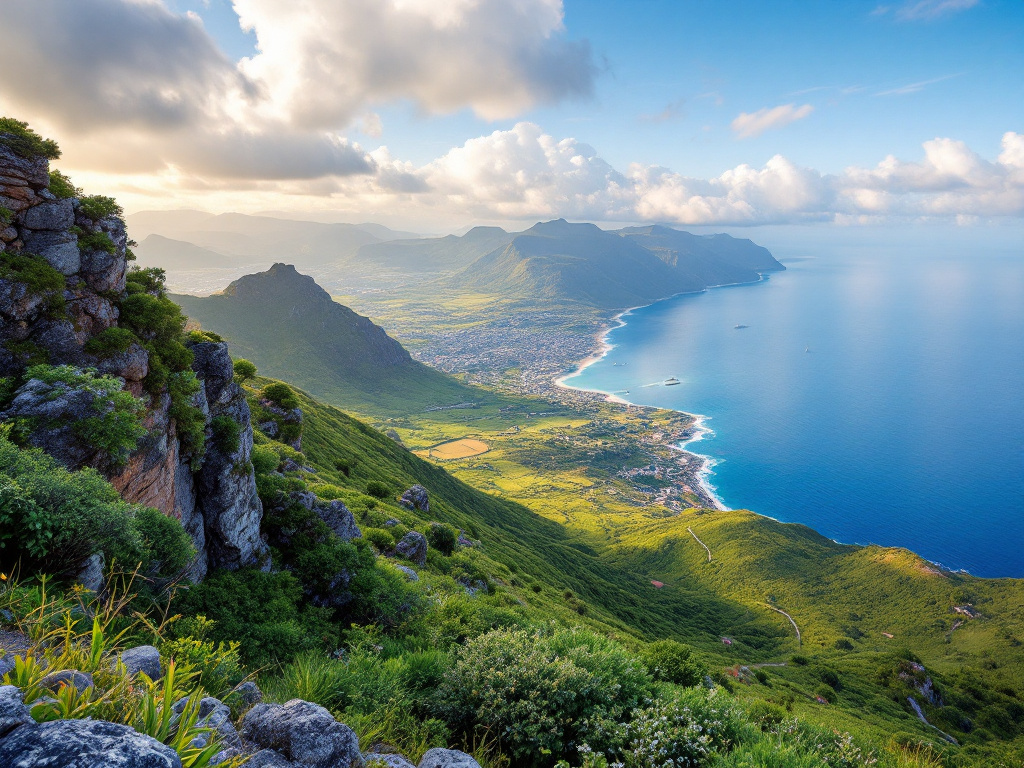
Serra Malagueta Natural Park
A lush mountain park on Santiago with hiking trails and beautiful views of the island.
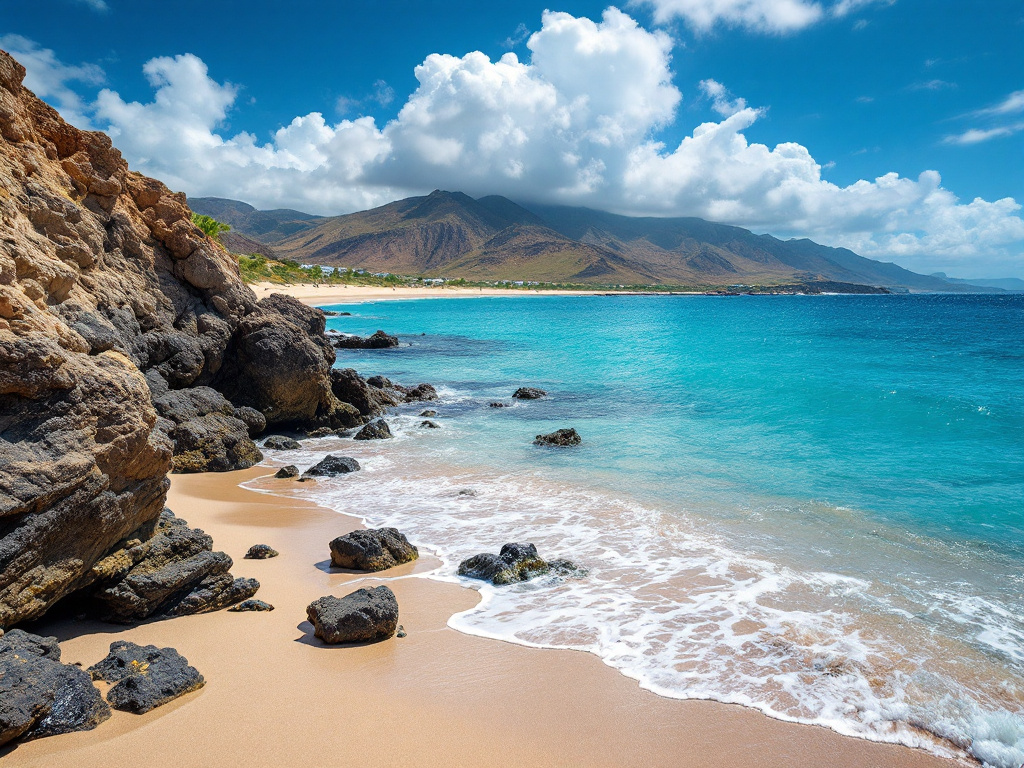
Tarrafal Beach
An idyllic beach on Santiago with calm water and local charm.
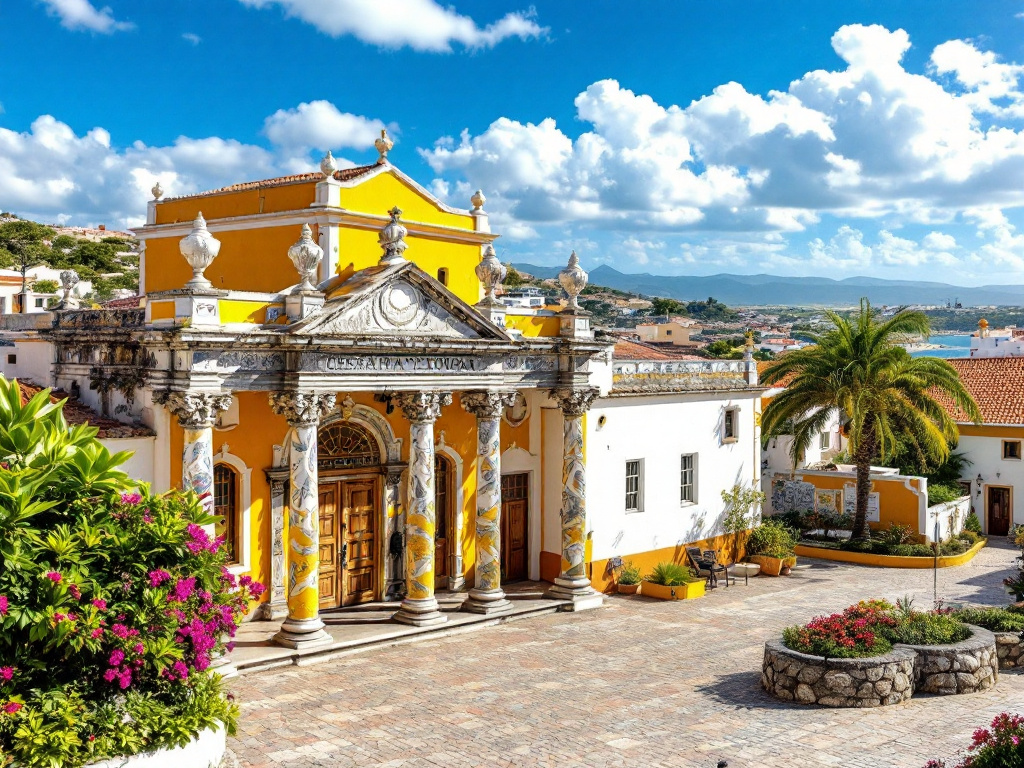
Cesária Évora Museum
Museum dedicated to the world-famous morna singer Cesária Évora.
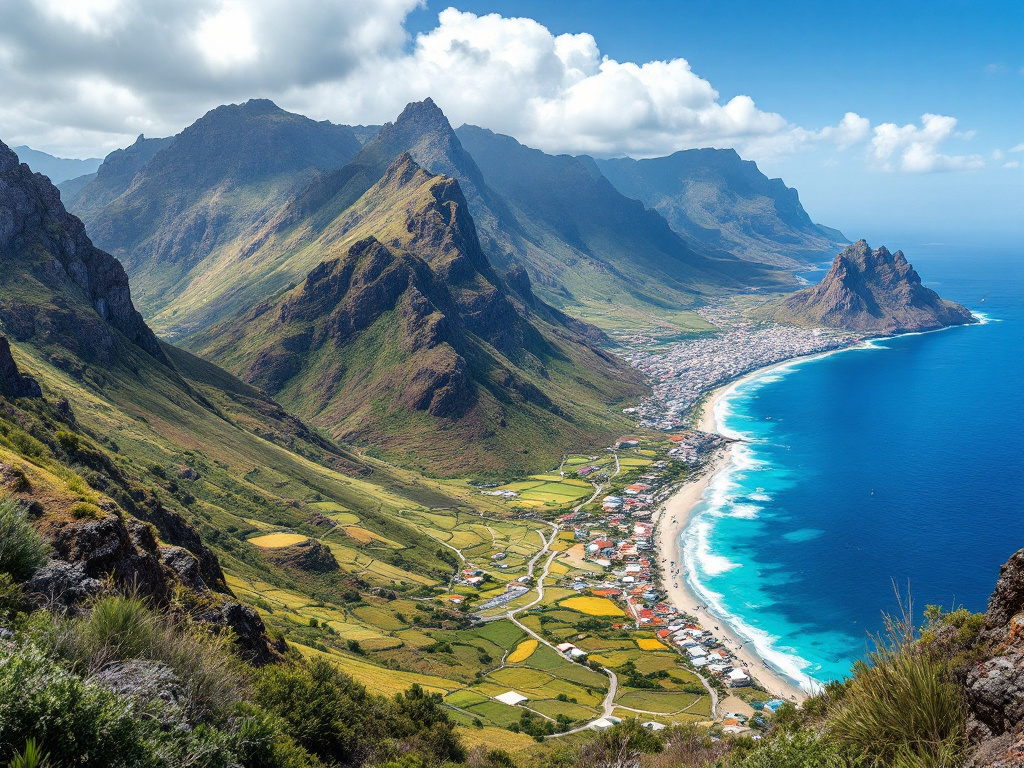
Santo Antão Valley
One of Cape Verde's most beautiful hiking destinations with lush valleys and mountainous landscapes.
Famous cuisine
Culinary overview
Cape Verdean cuisine is a flavorful fusion of African and Portuguese traditions, characterized by fresh seafood, local vegetables, and spices. The food reflects the islands' history as a trading hub, and the dishes are often simple but full of flavor. Fish and seafood are central, and many meals are accompanied by grogue, the local sugarcane rum. Guests can experience everything from street kitchens with freshly fried snacks to cozy taverns and exclusive restaurants with sea views.
Must-try dishes
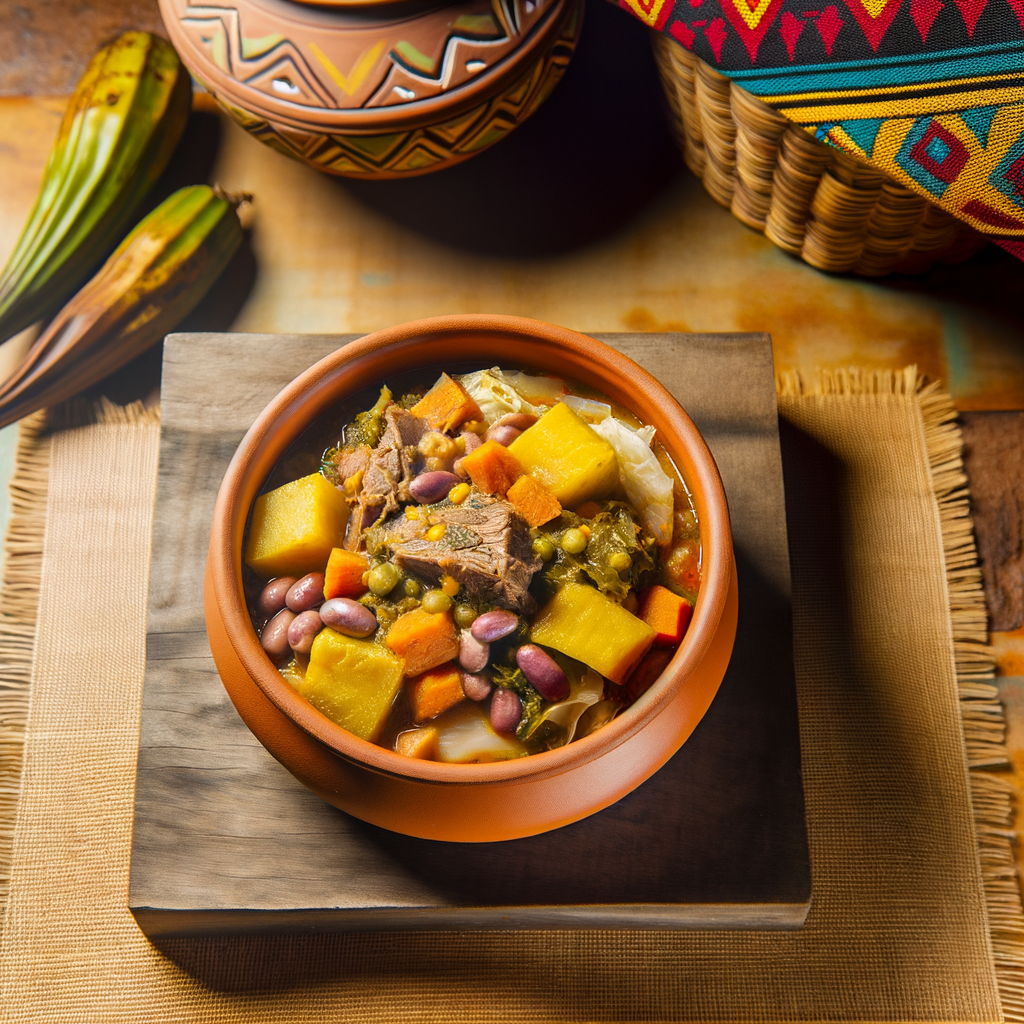
Cachupa
The national dish of Cape Verde – a slowly simmered stew made of corn, beans, sweet potatoes, cassava, cabbage, and often meat or fish. Served both as a lunch and breakfast dish.
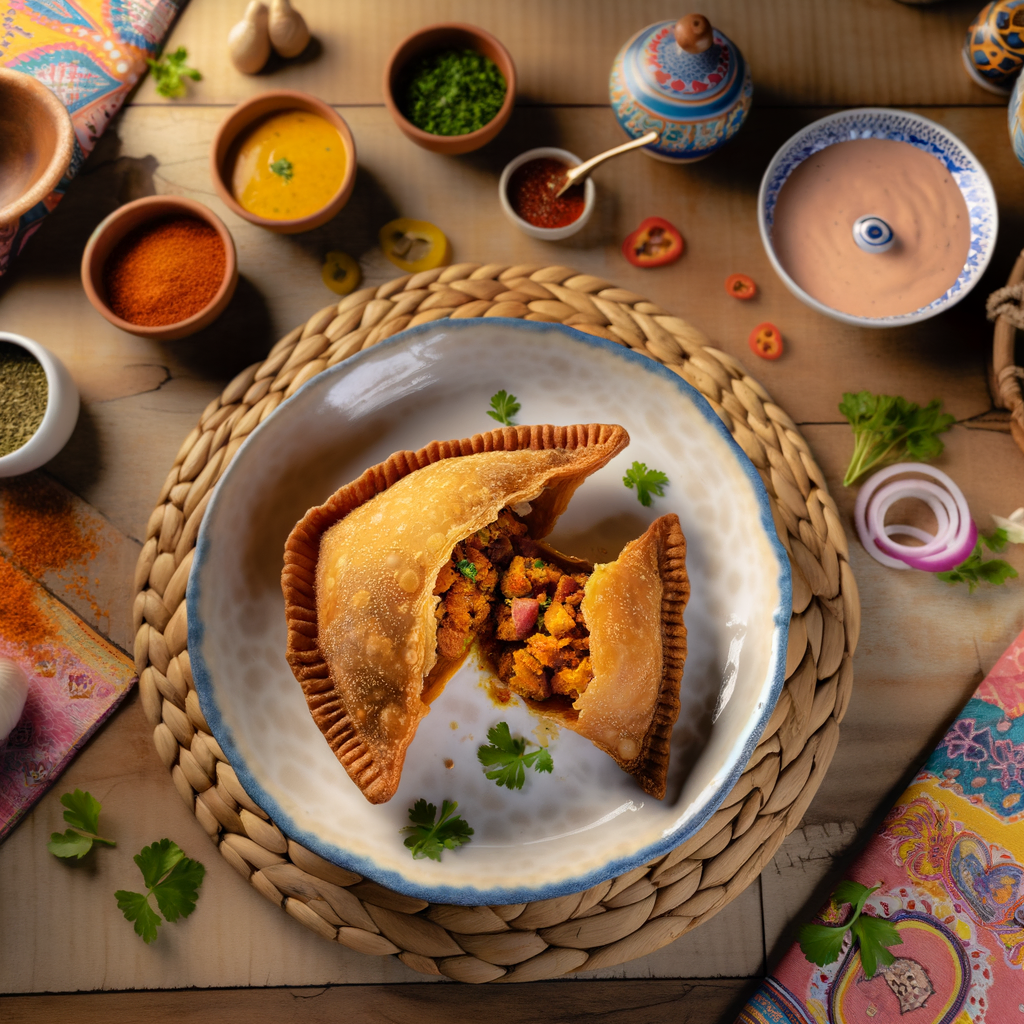
Pastel com diablo dentro
A crispy, deep-fried pastry filled with spiced tuna or meat. The name means 'pastry with the devil inside' and refers to the strong flavor.
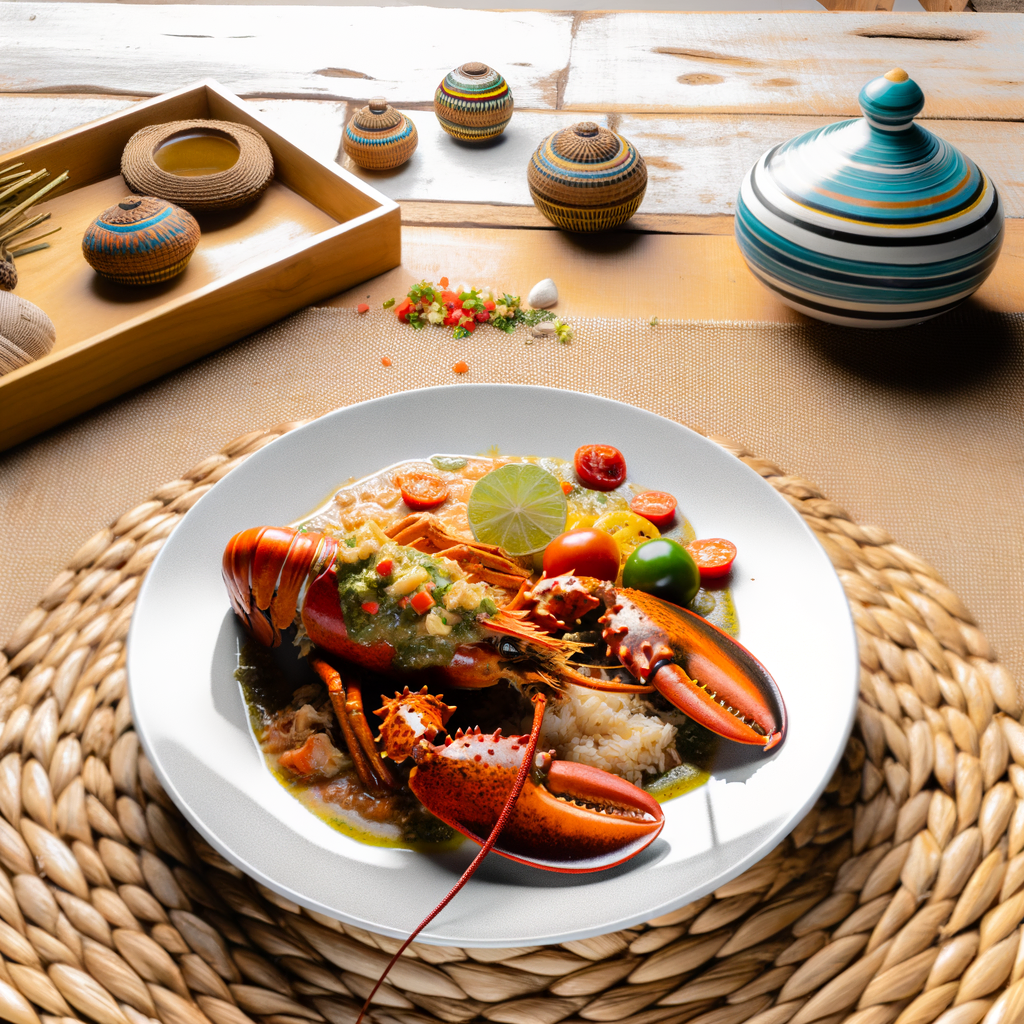
Lagostada
A luxurious lobster dish, often prepared with garlic, butter, and herbs, served with rice or vegetables. Very popular in coastal restaurants.
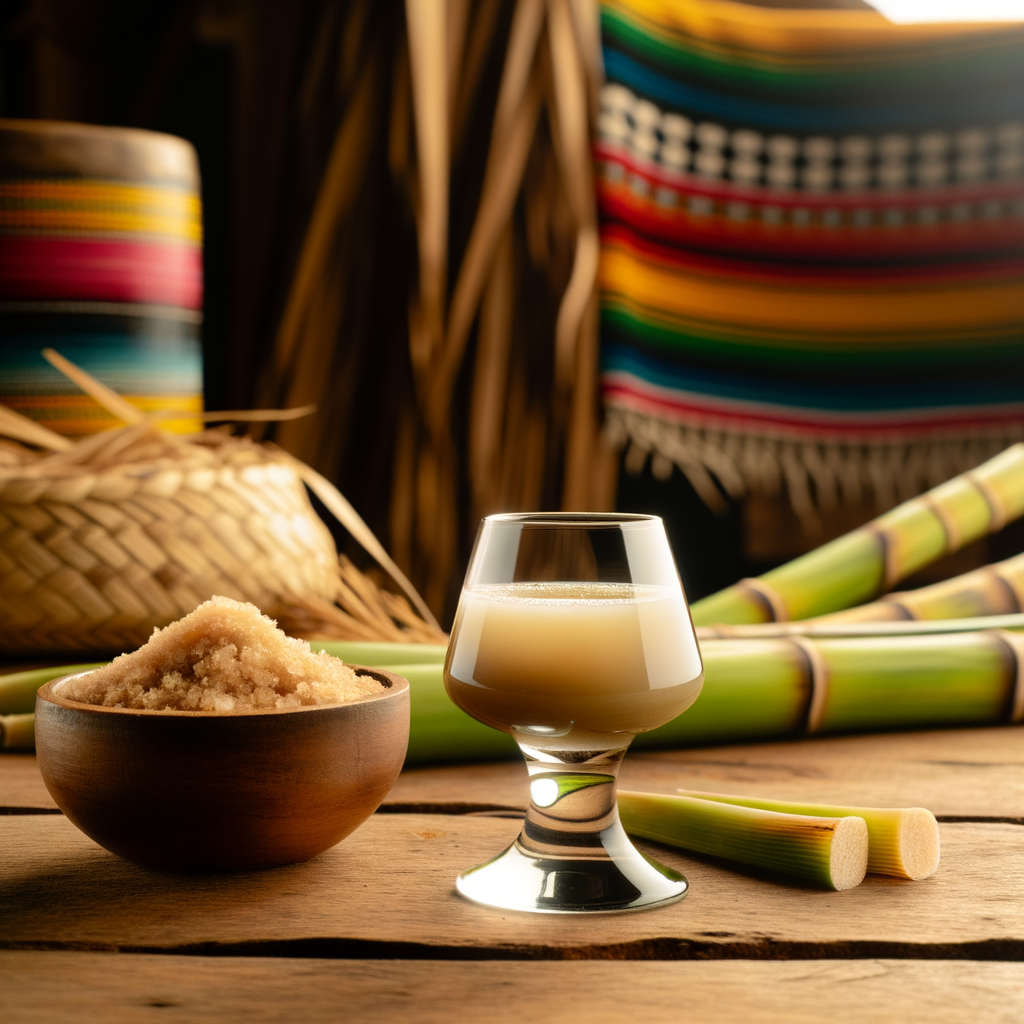
Grogue
A strong local rum made from sugarcane, often enjoyed as an aperitif or digestif. It can also be used in cocktails.
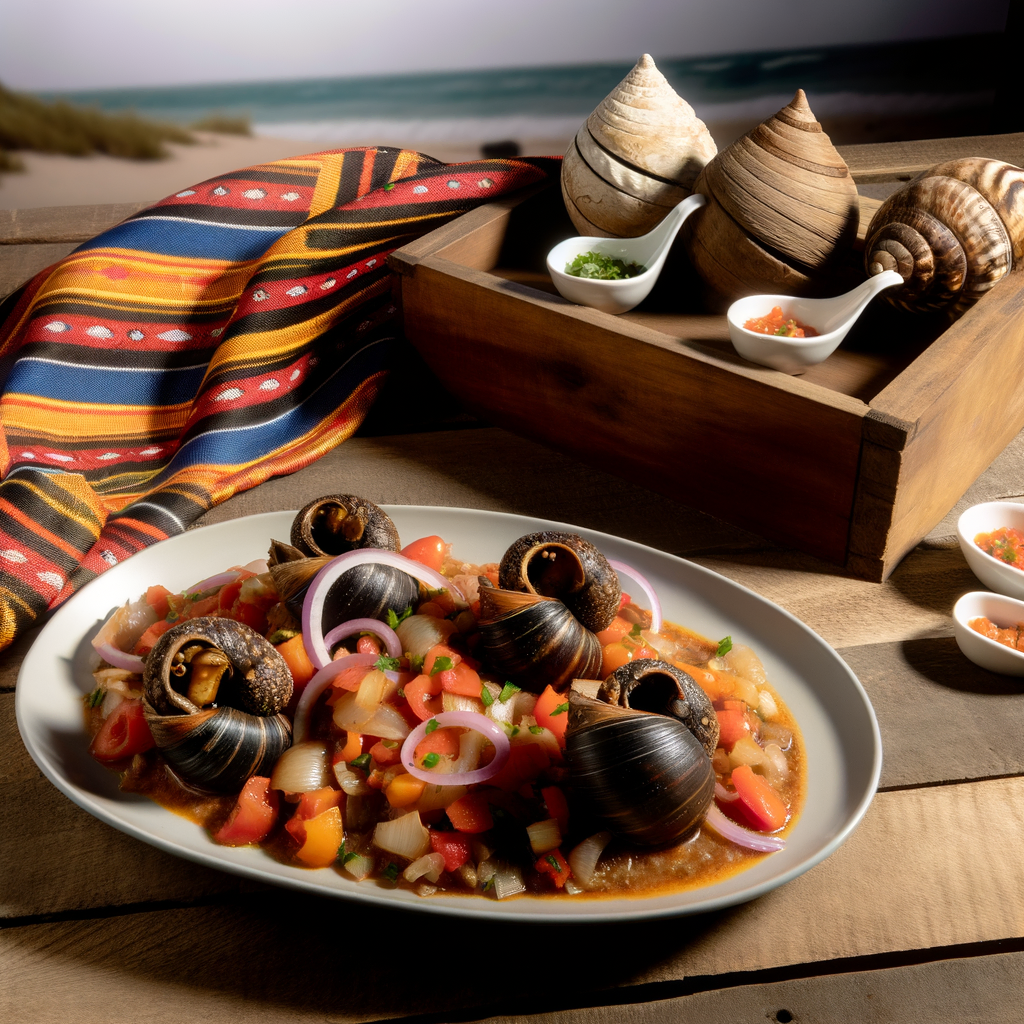
Buzio
A dish made with large sea snails, prepared in a spicy sauce with onions, tomatoes, and bell peppers. A specialty of the islands with rich marine life.
Restaurant information
Tipping
Tipping is not mandatory in Cape Verde, but it is appreciated. In restaurants, it is common to round up or give about 5-10% of the bill if the service has been good.
Travel information
Currency
Cape Verdean escudo (CVE)
Language
Portuguese
Best time to visit
November to June
Major cities
Praia and other major cities
More countries in Africa
Discover more destinations in this region