
Eritrea
Eritrea, a hidden gem in East Africa, captivates with its rich history, vibrant culture, and stunning landscapes, offering an adventure off the beaten path for curious travelers.
Overview
Eritrea, located along Africa's Red Sea coast, is a hidden gem for travelers seeking authentic experiences away from the tourist trail. The capital city, Asmara, is a UNESCO World Heritage Site that captivates with its exceptional collection of modernist architecture from the 1930s and 1940s. From the pristine Dahlak islands with their crystal-clear waters and vibrant coral reefs to Massawa, which enchants with its Arab-Ottoman charm, Eritrea offers an extraordinary blend of culture, history, and stunning natural scenery. Explore the colorful markets of Keren and the ancient ruins of Qohaito, immersing yourself in a land that beautifully merges its rich past with a vibrant present.
Official language
Tigrinya
Government
Enhedsstat med Presidential system
Best time to visit
October to February
Nature
Eritrea's landscapes are as diverse as they are stunning, ranging from the dramatic coastlines of the Red Sea to the lofty plateaus and arid desert within its heart. The Dahlak Archipelago is a diver's and snorkeler's dream, boasting crystal-clear waters, vibrant marine life, and untouched beaches that offer a sense of total seclusion. Along the coast, mangrove forests and coral reefs thrive, while the interior features lush highlands around Asmara, where the climate is mild and the views breathtaking. To the west and north, dry plains and mountains create striking contrasts in scenery. Bird enthusiasts will revel in the rich avian life, particularly in wetland areas, while the desert regions showcase an astonishing, almost lunar beauty. This natural variety makes Eritrea an ideal destination for lovers of the outdoors, eager to immerse themselves in coastal adventures, mountain hikes, and cultural discoveries all in one trip.
Travel to Eritrea
Traveling to Eritrea is a journey off the beaten path, allowing travelers to experience authentic settings and a welcoming population. The best time to visit is from October to February when the climate is perfect for city sightseeing and coastal explorations. Fly into Asmara and delve into the city's UNESCO-protected architecture before heading to Massawa and the Dahlak Islands for sun, sea, and snorkeling. Inland adventures await at the Keren market and the Qohaito ruins, where the vibrancy of daily life meets the splendor of ancient history. This journey requires some planning, but the reward is a unique insight into a country that harmoniously blends history, culture, and nature in a way few other destinations can match.
Culture
Eritrea's culture is a fascinating fusion of African, Arab, and European influences, shaped by centuries of trade and colonial history. In Asmara, visitors are greeted by a unique architectural legacy from the Italian colonial era, where art deco, rationalism, and futurism create an extraordinary urban tapestry. The city's cafes and markets buzz with life, offering a delightful culinary journey featuring traditional dishes like injera with zigni or shiro, often accompanied by strong coffee brewed in local ceremonies. Massawa reflects a rich Arab-Ottoman cultural heritage with its narrow streets, coral stone buildings, and a maritime ambiance. At the Keren market, people from diverse ethnic backgrounds gather to trade everything from spices to handicrafts. The warm hospitality of the Eritrean people, along with the country's cultural diversity showcased in languages, music, and traditions, makes every interaction a memorable experience.
History
Eritrea's history is deeply rooted in the ancient civilizations of the Horn of Africa. Archaeological sites such as Qohaito reveal settlements that date back thousands of years, featuring ruins of temples, tombs, and ancient roads. The region has been influenced by the Aksumites, Ottoman rulers, and later the Italian colonial powers, which have left a significant mark, particularly on Asmara. Following World War II, Eritrea was annexed by Ethiopia, leading to a protracted struggle for independence that culminated in liberation in 1993. This complex history has fostered a strong national identity and a rich cultural heritage, with each chapter contributing to the unique tapestry that defines modern Eritrea.
Top attractions
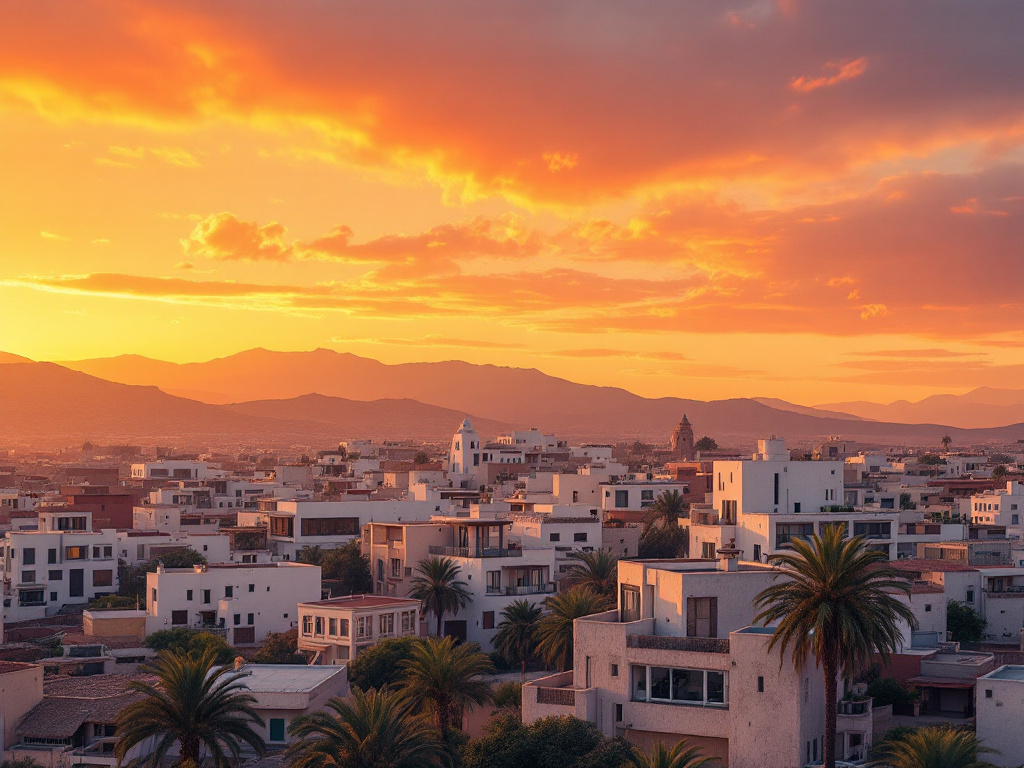
Asmara's modernist architecture
Asmara is known for its unique collection of well-preserved modernist architecture from the Italian colonial period.
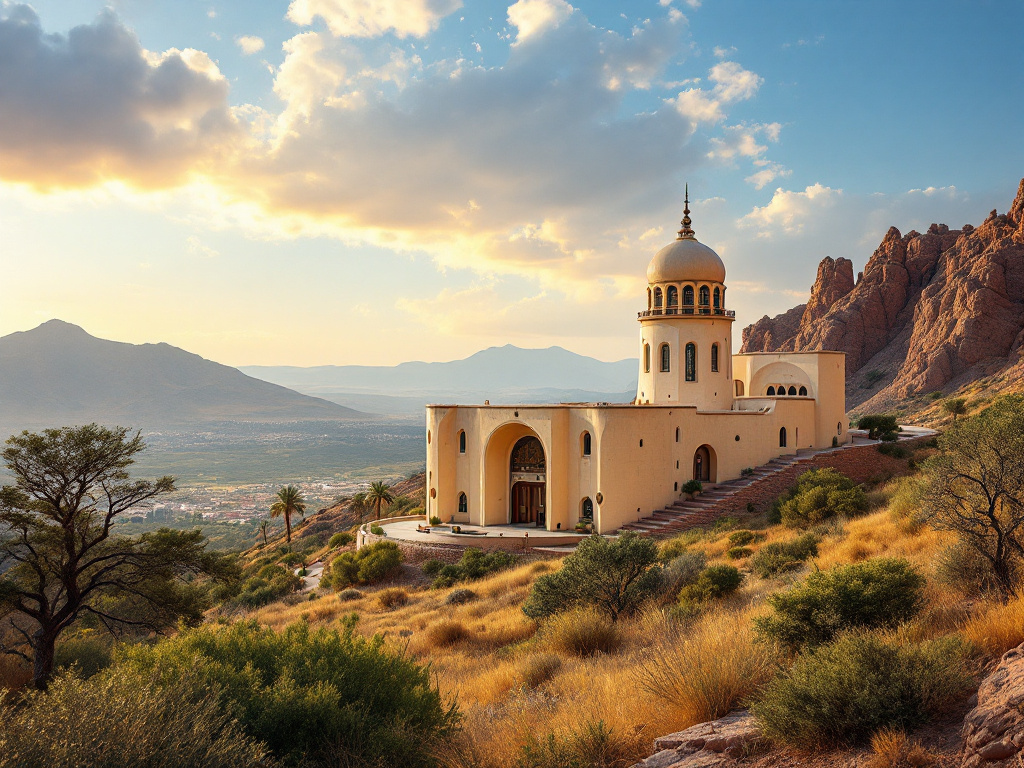
Fiat Tagliero building
A futuristic building from 1938, known as an icon of Asmara's art deco heritage.
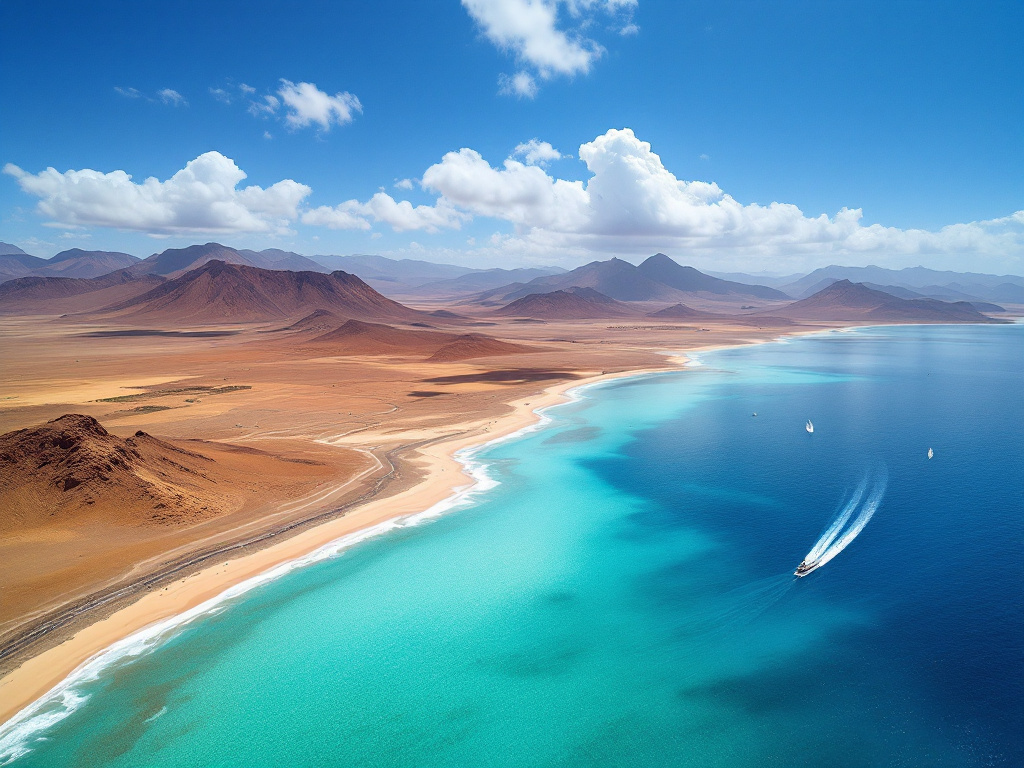
Dahlak Islands
A beautiful archipelago in the Red Sea known for its rich marine life and peaceful surroundings.
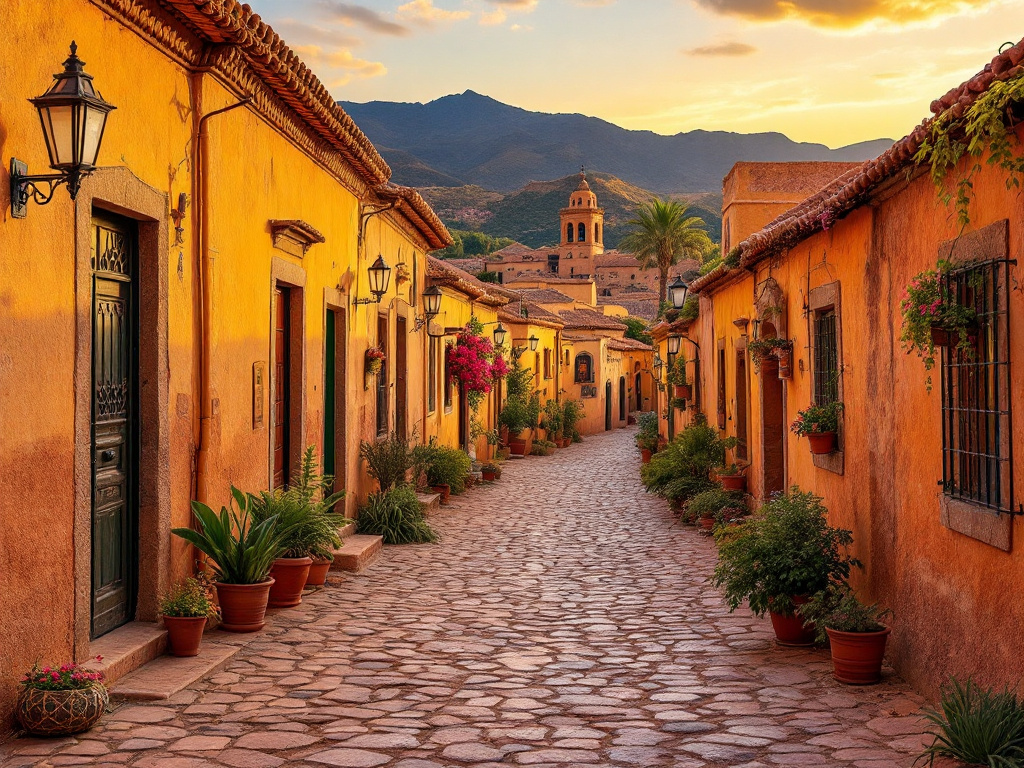
Massawa's old town
A historic coastal district with clear Ottoman and Arab influences.
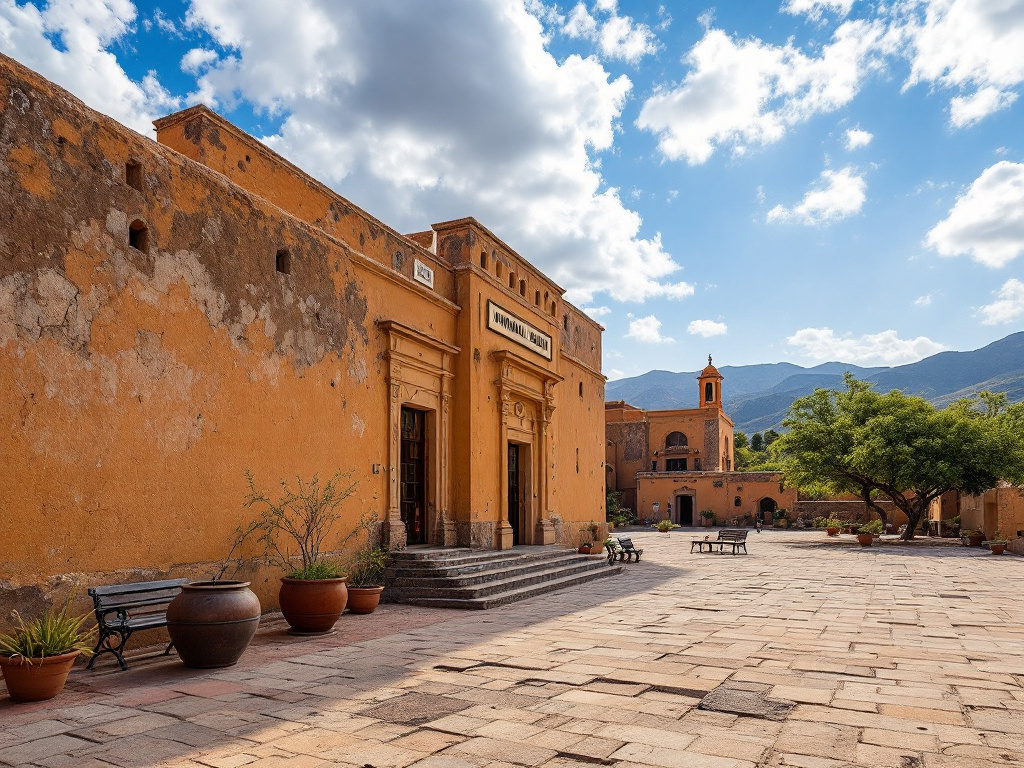
Asmara National Museum
The museum provides an overview of Eritrea's prehistory and recent national developments.
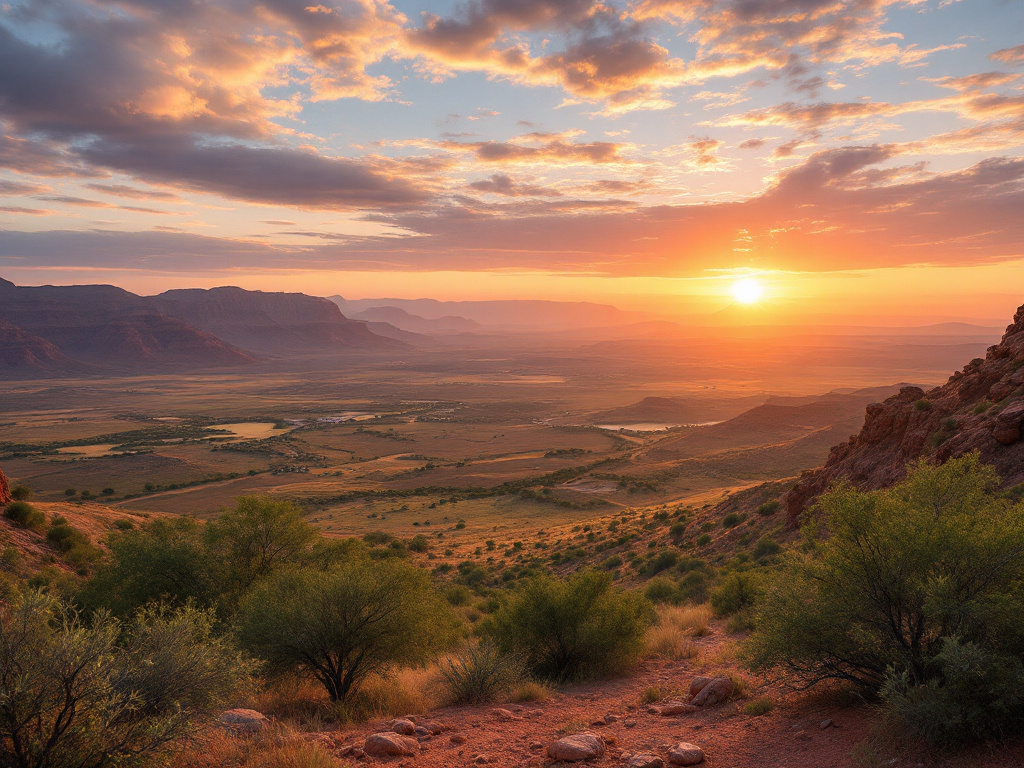
Debus Gheleba National Park
A lesser-known national park with varied nature and peaceful surroundings.
Keren camel market
A lively and authentic market where camel trading still plays a central role.
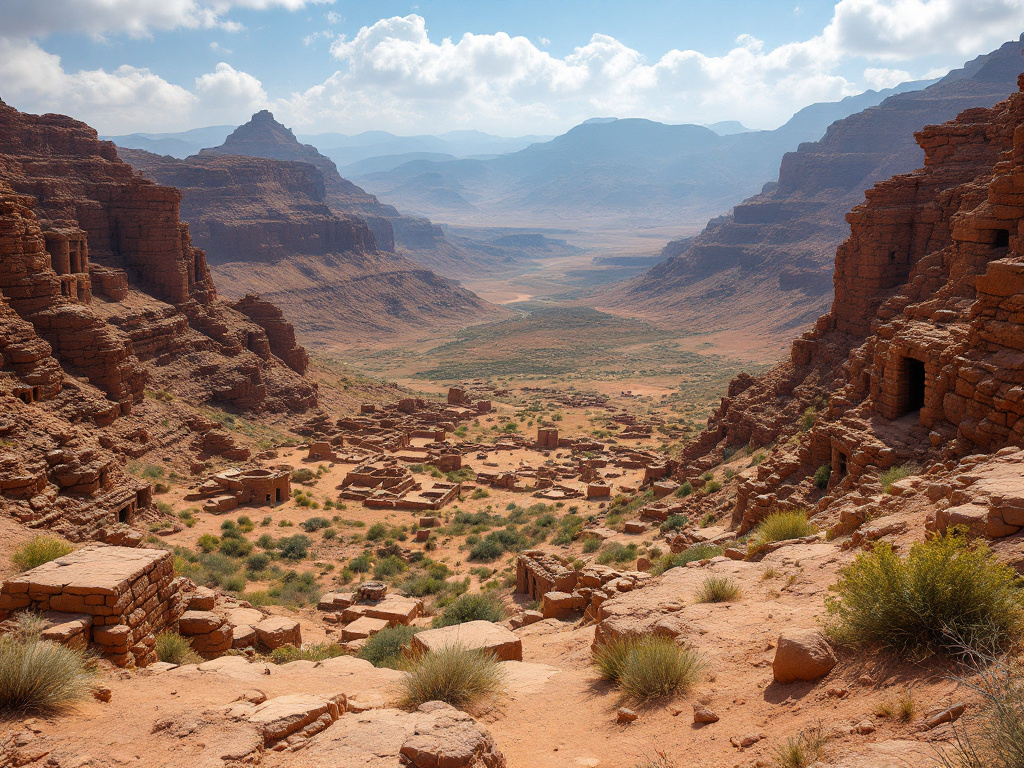
Qohaito plateau
An archaeological plateau with ruins from an ancient civilization and magnificent views.
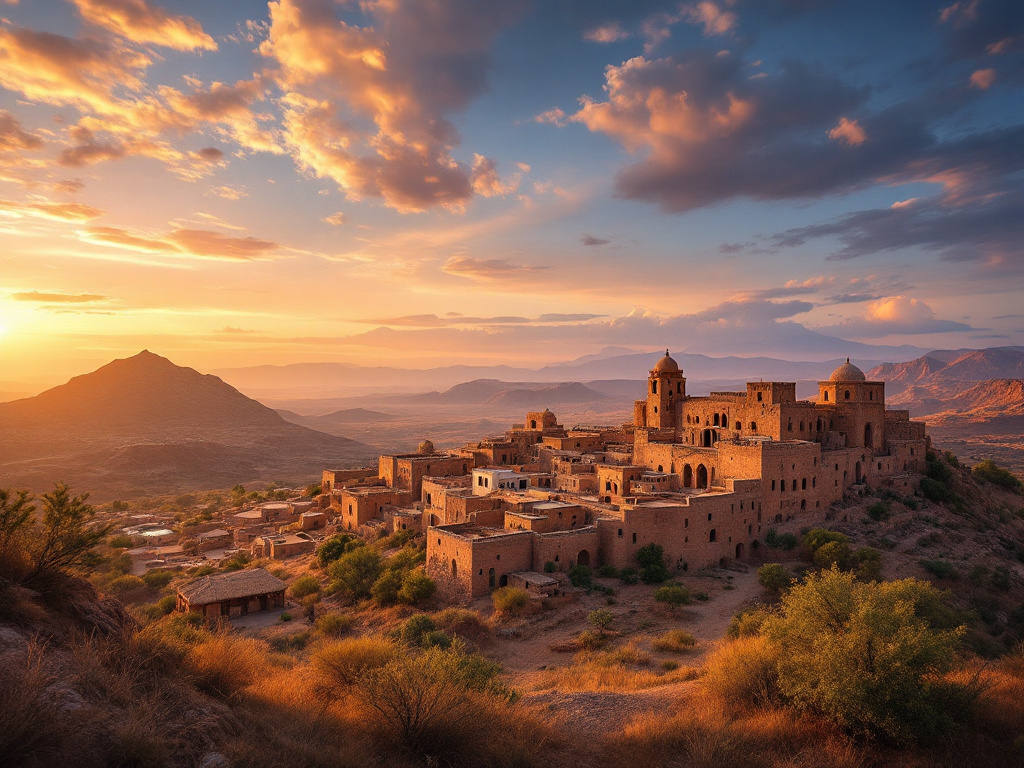
Adi Keih's historic town
A smaller mountain town with historical buildings and a relaxed atmosphere.
Famous cuisine
Culinary overview
Eritrea's cuisine is a flavorful blend of African, Arab, and Italian influences, reflecting the country's history and cultural diversity. Meals are often shared communally, where diners eat with their hands from a large injera – a sour, spongy flatbread that serves as both plate and utensils. Spices like berbere mix give the dishes a characteristic heat and depth, while lentils, chickpeas, and vegetables play a central role in everyday meals. Italian colonial influence is seen in pasta and coffee culture, and coffee is often served as a ceremonial experience with roasted coffee, incense, and small snacks.
Must-try dishes
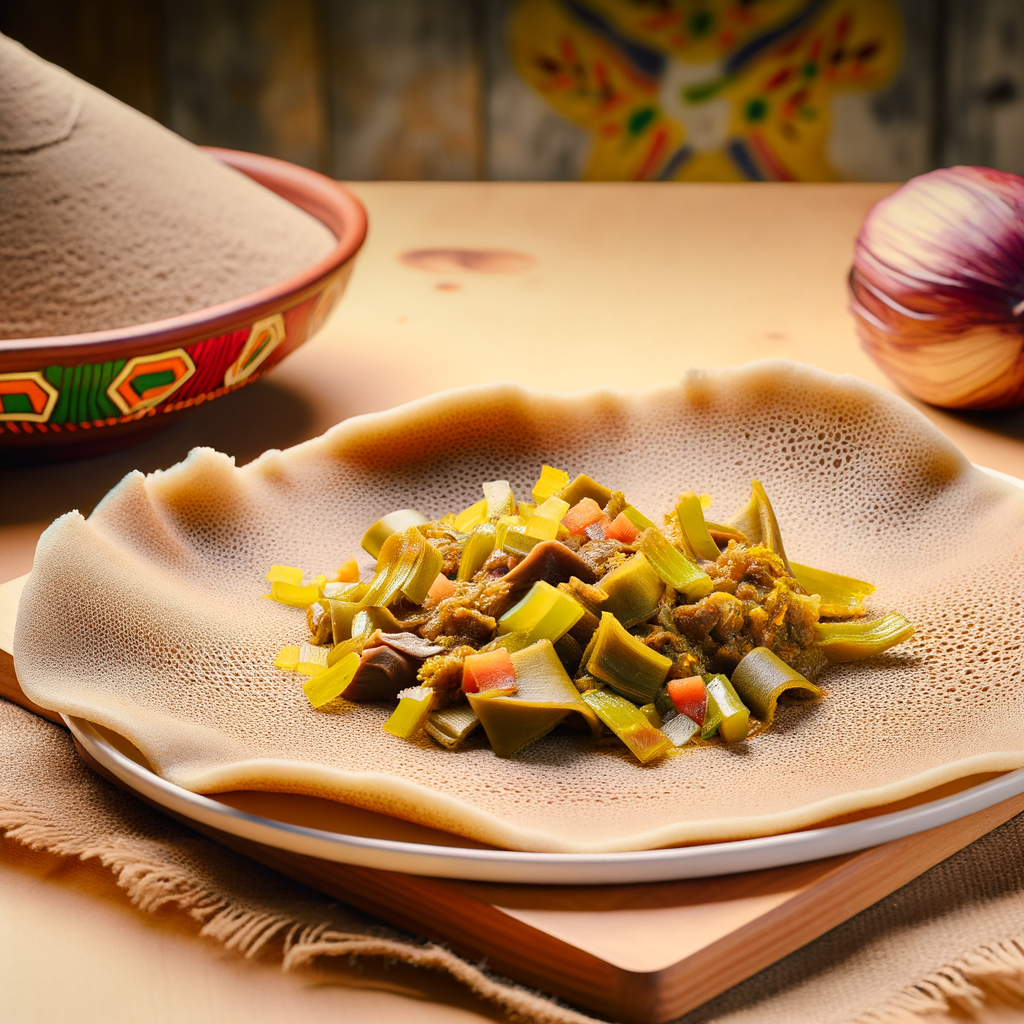
Injera
A sour, spongy flatbread made from teff flour, used as the base for most meals. Injera serves as both plate and utensils, where pieces are torn off to scoop up stews and salads.
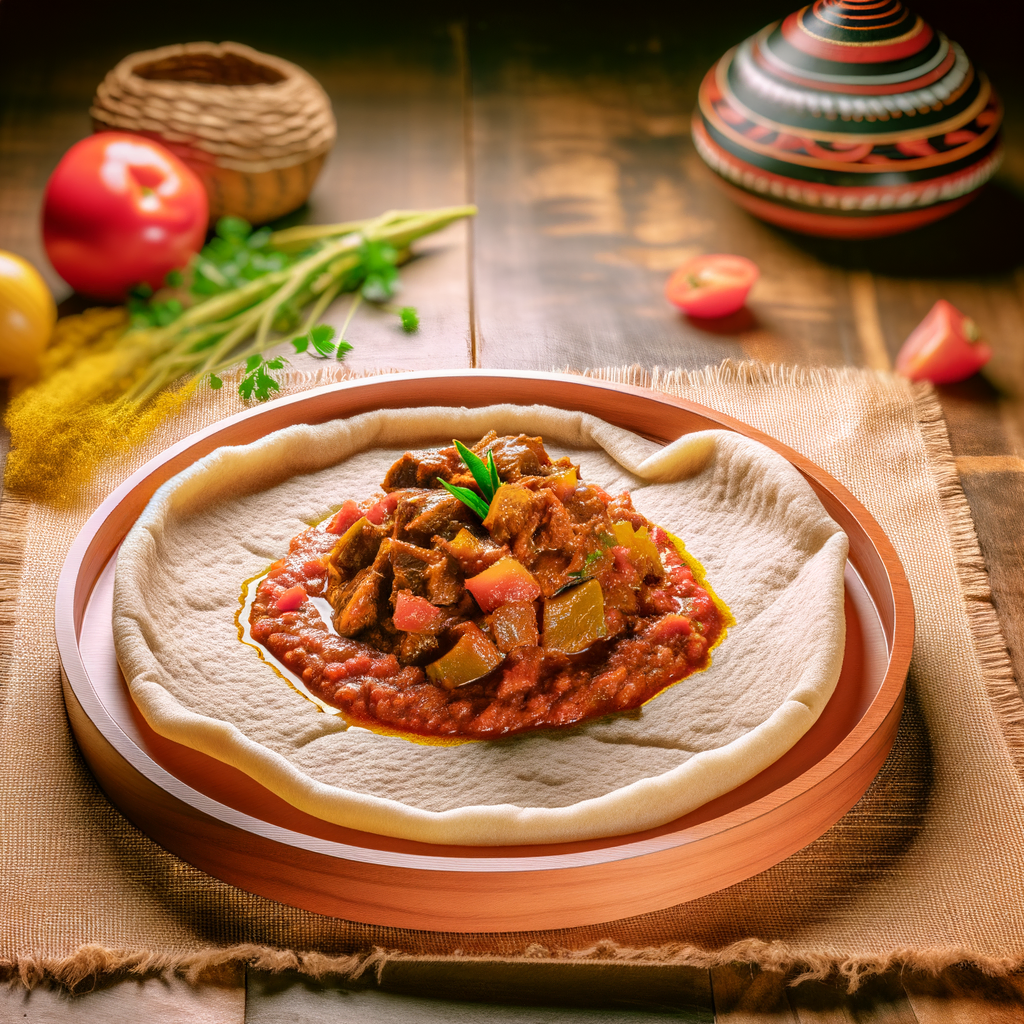
Zigni
A spicy meat stew, often made with beef, tomato, and berbere spice blend. Traditionally served on top of injera and eaten with hands.
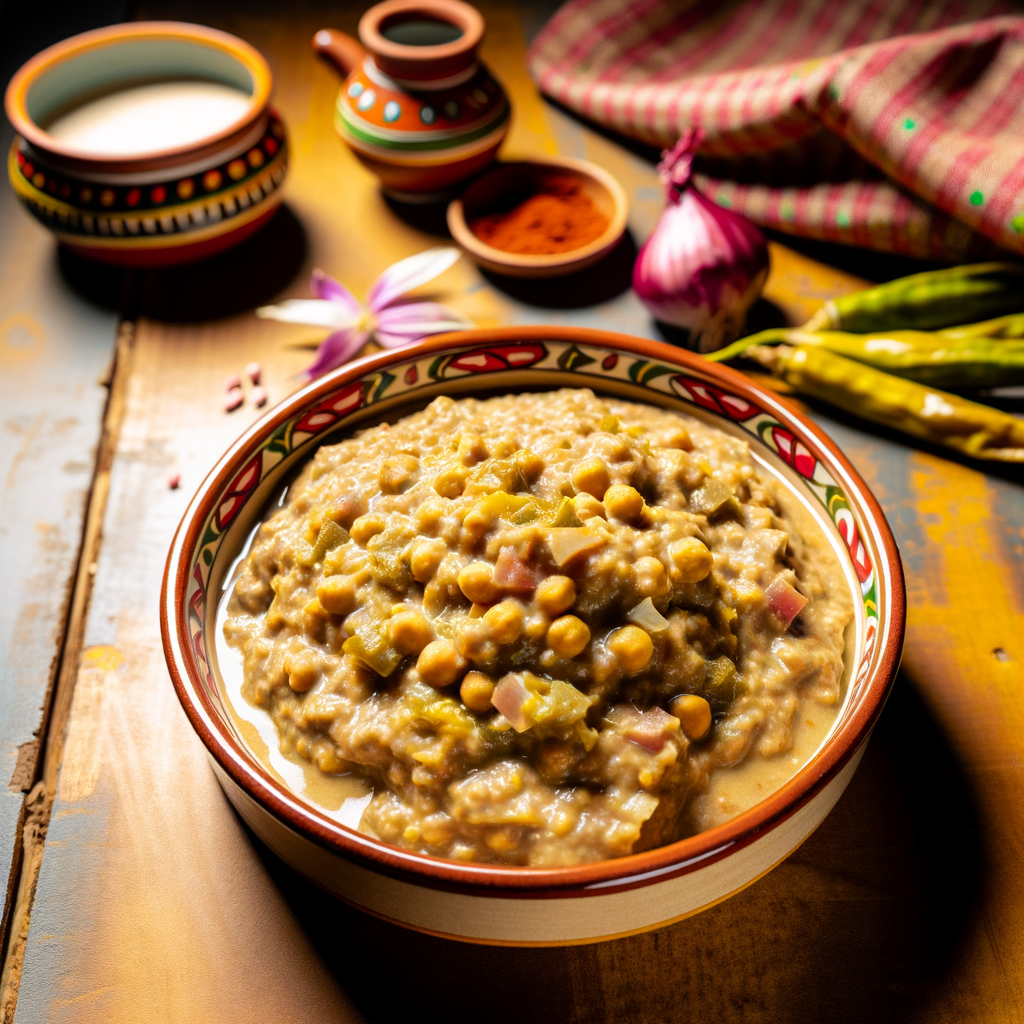
Shiro
A creamy stew of ground chickpeas or lentils, prepared with onions, garlic, and spices. A popular vegetarian dish often served on both regular and festive occasions.
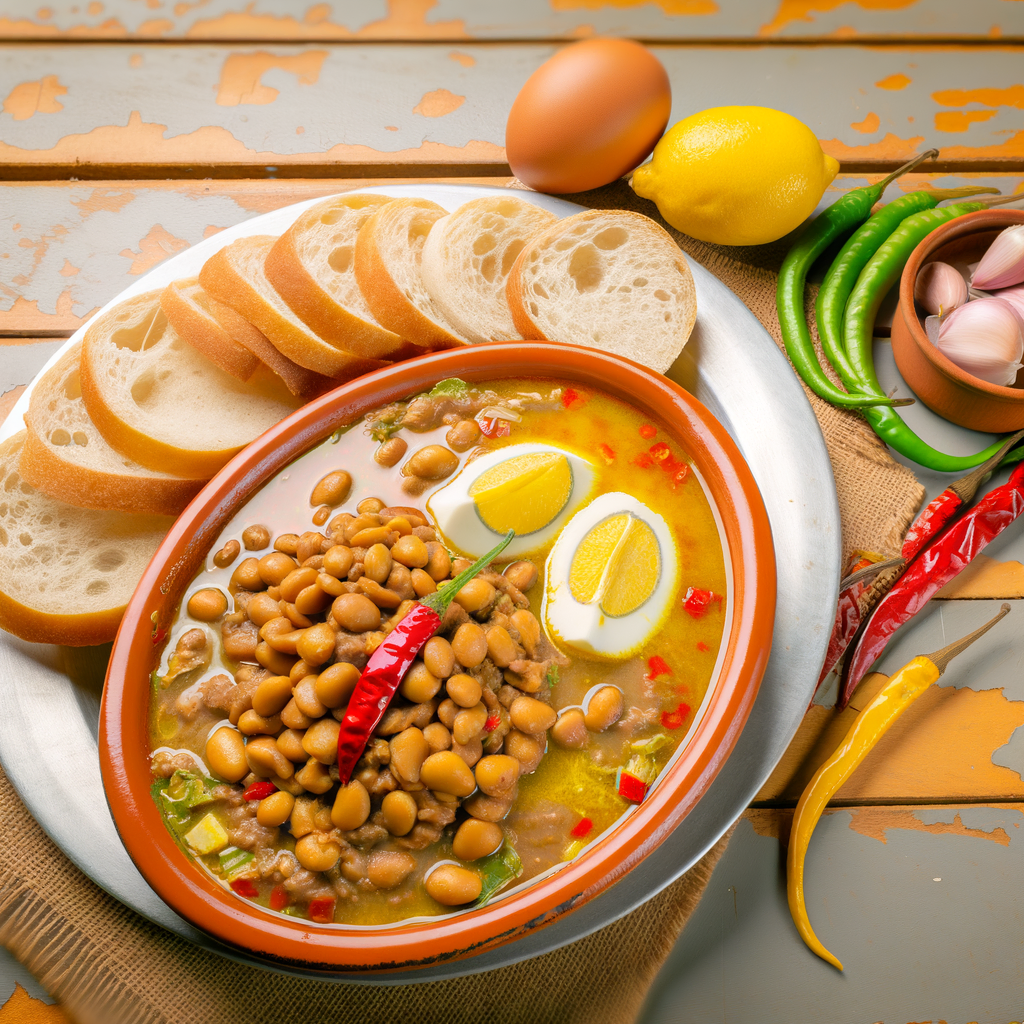
Ful medames
A breakfast dish of stewed fava beans, seasoned with olive oil, lemon, garlic, and chili. Served with bread and sometimes eggs.
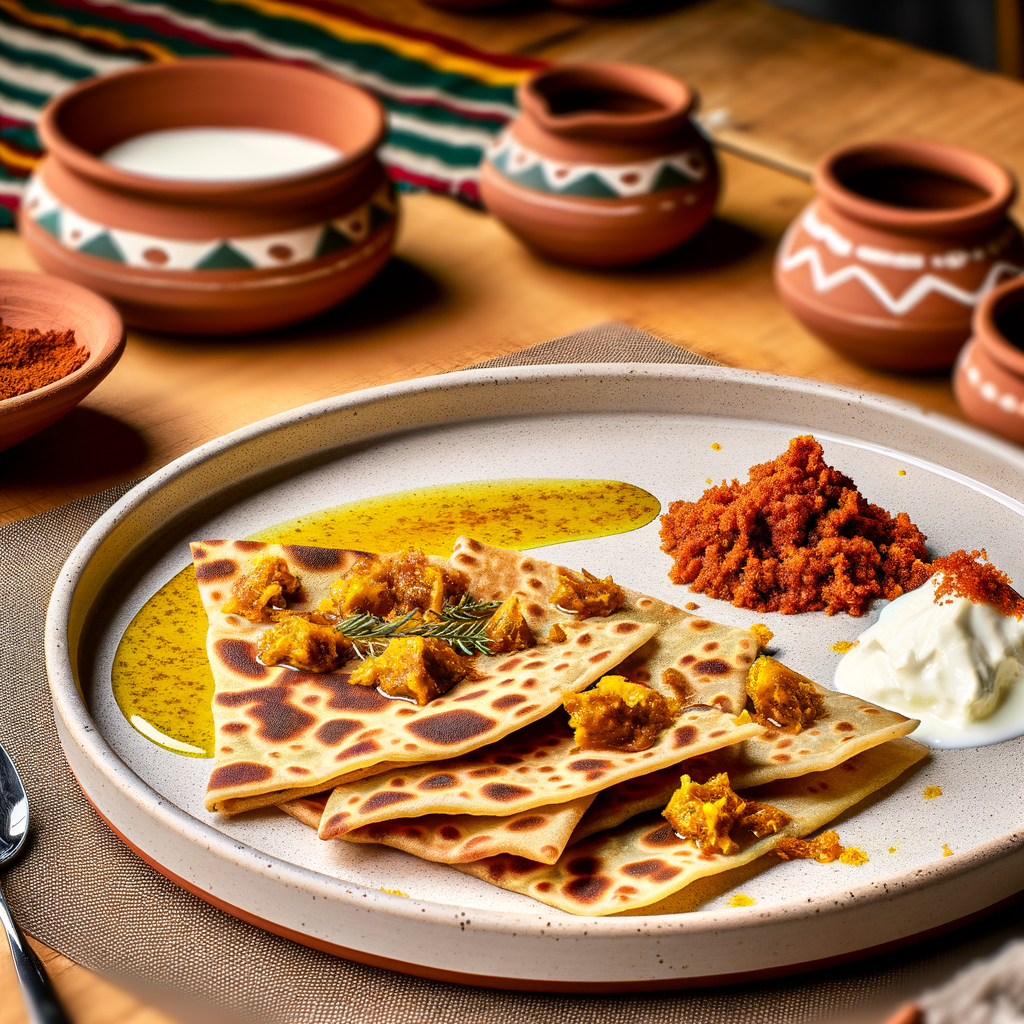
Kitcha fit-fit
A traditional breakfast dish where flatbread is mixed with spiced butter and berbere, often served with yogurt or honey.
Restaurant information
Tipping
Tipping is not a fixed part of the culture in Eritrea, but it is appreciated to round up or give 5-10% at restaurants, especially in tourist areas.
Travel information
Currency
Nakfa (ERN)
Language
Tigrinya
Best time to visit
October to February
Major cities
Asmara and other major cities
More countries in Africa
Discover more destinations in this region