
Jamaica
Jamaica, the heartbeat of the Caribbean, blends reggae rhythms, stunning beaches, lush mountains, and a vibrant culture into an unforgettable island experience.
Overview
Jamaica, the heart of the Caribbean, is a colorful island filled with life, music, and natural beauty. Here, golden sandy beaches like Seven Mile Beach meet the lush landscapes of the Blue and John Crow Mountains, a UNESCO World Heritage site. Experience the cascading Dunn's River Falls, dive into the soul of reggae in Kingston at the Bob Marley Museum, and savor authentic dishes like Jerk Chicken and Ackee with Saltfish. With its warm hospitality, crystal-clear waters, and unique cultural heritage, Jamaica is a paradise for both adventurers and beach lovers seeking unforgettable experiences.
Official language
Engelsk
Government
Parlamentarisk demokrati og konstitutionelt monarki
Best time to visit
November to mid-December
Nature
Jamaica boasts a breathtaking blend of tropical beaches, majestic mountains, and lush rainforests. The coastline is adorned with gems like the iconic Seven Mile Beach, featuring soft, white sand, along with secluded coves and vibrant coral reefs that beckon snorkelers and divers alike. The interior is dominated by the Blue and John Crow Mountains, a UNESCO World Heritage site, enveloped in misty forests and home to rare species such as the Jamaican black parrot. Natural wonders like Dunn's River Falls offer refreshing pools for swimming amidst verdant surroundings. The island's climate nurtures rich ecosystems filled with exotic flowers, fruit trees, and mangrove forests, while its rivers and lagoons invite kayaking and boat tours. From stunning sunsets over the Caribbean Sea to morning fog in the mountains, Jamaica's nature is a constant invitation to explore its unparalleled beauty, best experienced between November and mid-December when conditions are ideal for outdoor adventures.
Travel to Jamaica
Traveling to Jamaica is an experience rich with contrasts and opportunities. From luxurious resorts in Montego Bay to charming guesthouses in quaint coastal towns, accommodation options abound for every taste. The best travel period is from November to mid-December, when the weather is sunny and pleasant, and the island is less crowded. Flights primarily arrive in Kingston or Montego Bay, providing easy access to the island's highlights. Transportation can be managed via rental cars, taxis, or organized tours, depending on your desired level of flexibility. Jamaica offers activities for everyone – from hiking in the mountains and relaxing on the beach to diving in coral reefs or immersing yourself in local culture. Food markets overflow with fresh fruits, spices, and street food, making the local culinary scene a must-experience. With its blend of nature, culture, and legendary hospitality, Jamaica is the ideal destination for both adventurers and those seeking pure relaxation.
Culture
Jamaica's culture is a vibrant fusion of African, European, and indigenous influences, manifesting in its music, dance, cuisine, and language. Reggae, the heartbeat of the island, has put Jamaica on the global map, with legends like Bob Marley leading the way. Kingston buzzes with music clubs, art galleries, and street art, while small towns and villages offer local markets and artisanal crafts. Jamaican cuisine is a journey through flavors, featuring signature dishes like Jerk Chicken, Ackee and Saltfish, and Curry Goat, often accompanied by Rice and Peas. The local dialect is a delicious mix of English and Jamaican Patois, reflecting the island's rich history and identity. Colorful celebrations like Carnival and Reggae Sumfest draw locals and visitors together in joyous festivity, embodying the legendary hospitality that welcomes travelers with open arms and a relaxed spirit, where 'No problem' is more than a saying – it's a way of life.
History
Jamaica's history is characterized by the presence of the indigenous Taino people, European colonization, and African influence. The island was colonized by the Spanish in the 15th century before becoming a British possession in 1655. The plantation economy, reliant on sugar and slavery, profoundly shaped Jamaican society. After centuries of struggle for freedom, slavery was abolished in 1834, paving the way for Jamaica to gradually attain self-governance. In 1962, Jamaica achieved full independence from Britain, yet retained the monarch as head of state. The Maroon communities, descendants of escaped slaves, played a crucial role in resisting colonial power, preserving unique traditions that can still be experienced today. This rich tapestry of heritage and resilience continues to resonate in the island's identity.
Top attractions
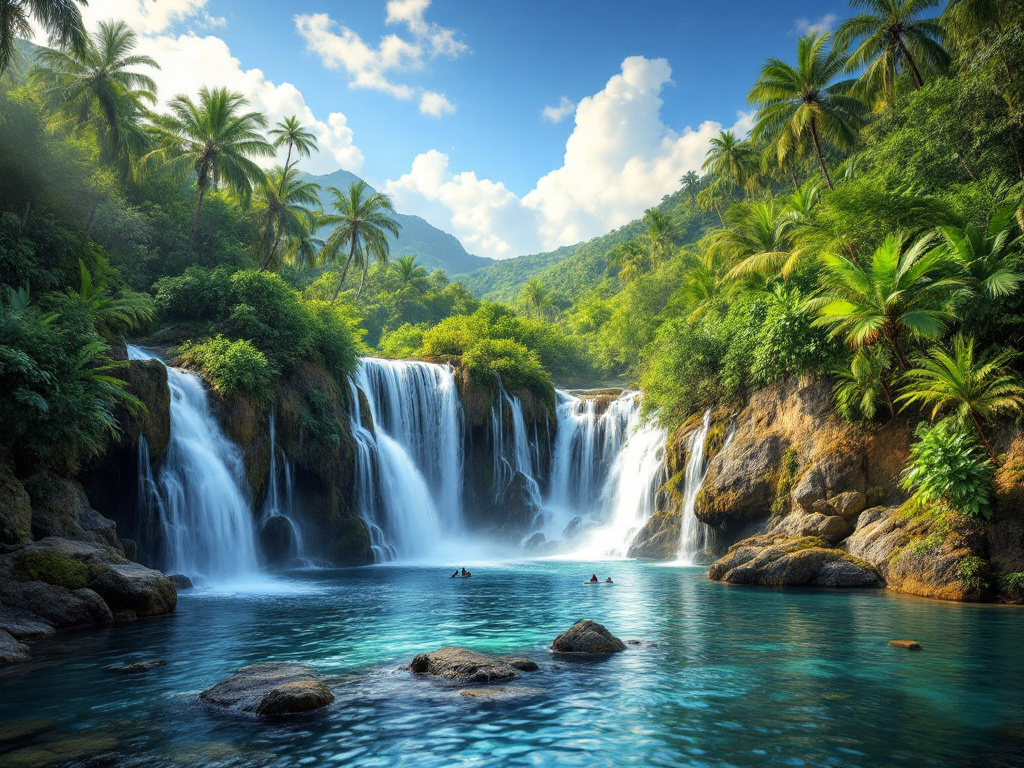
Dunn's River Falls
One of Jamaica's most famous waterfalls, where visitors can climb the tiered cascades and cool off in the crystal clear water.
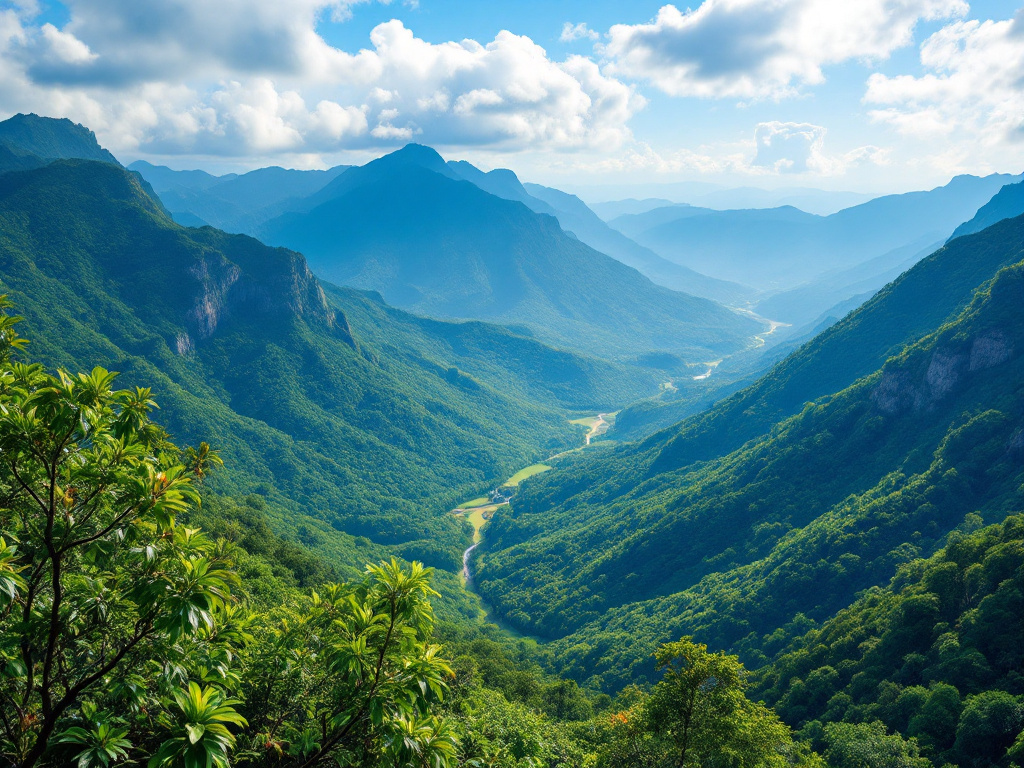
Blue Mountains National Park
A lush mountain area known for its coffee, biodiversity and some of the Caribbean's best hiking trails.
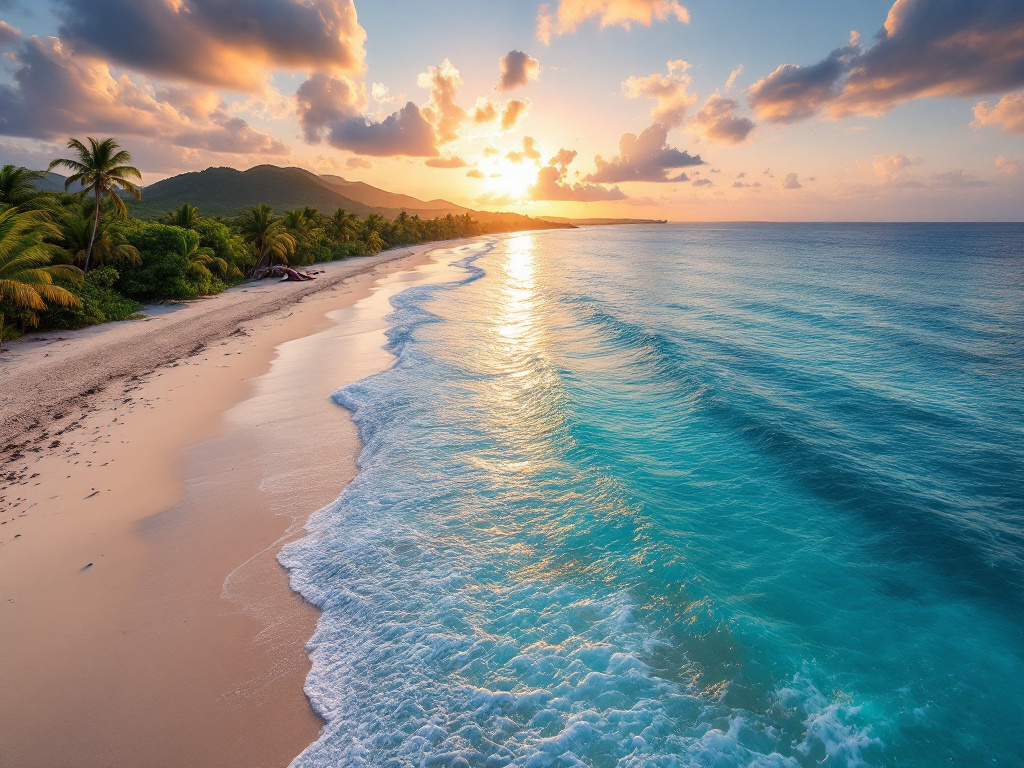
Seven Mile Beach
A famous beach in Negril known for its soft sand, calm waters, and relaxed Caribbean vibe.
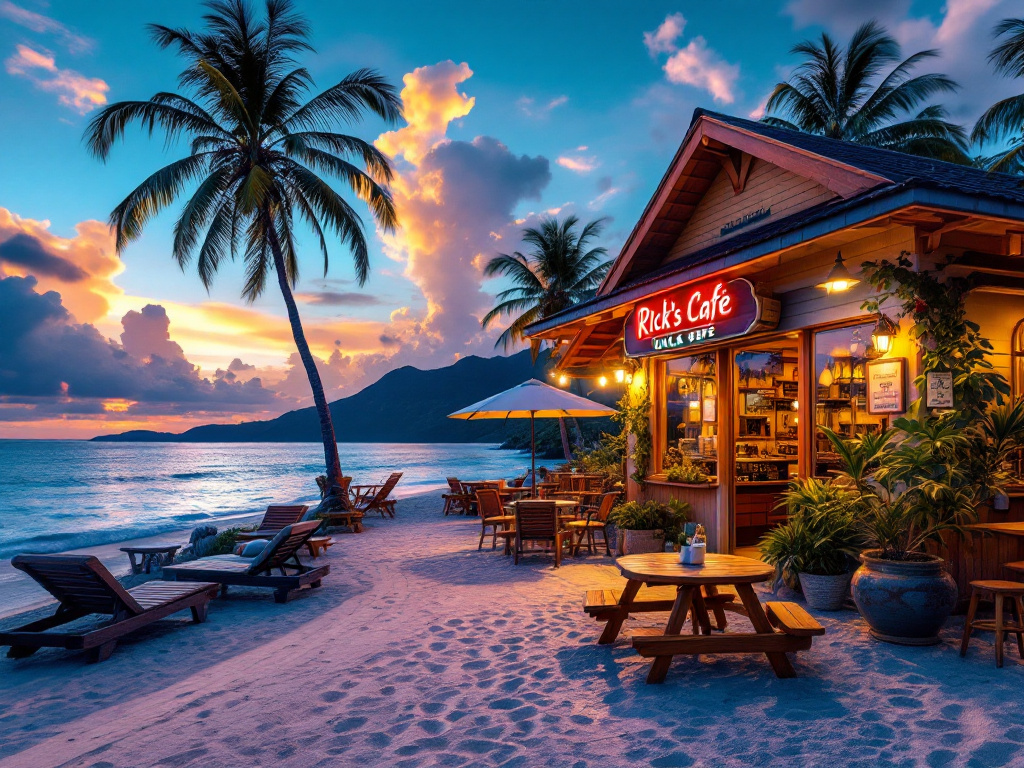
Rick's Café
A legendary meeting place in Negril famous for cliff diving, music, and spectacular sunsets.
Bob Marley Museum
A museum in Kingston dedicated to reggae legend Bob Marley, located in his former home.
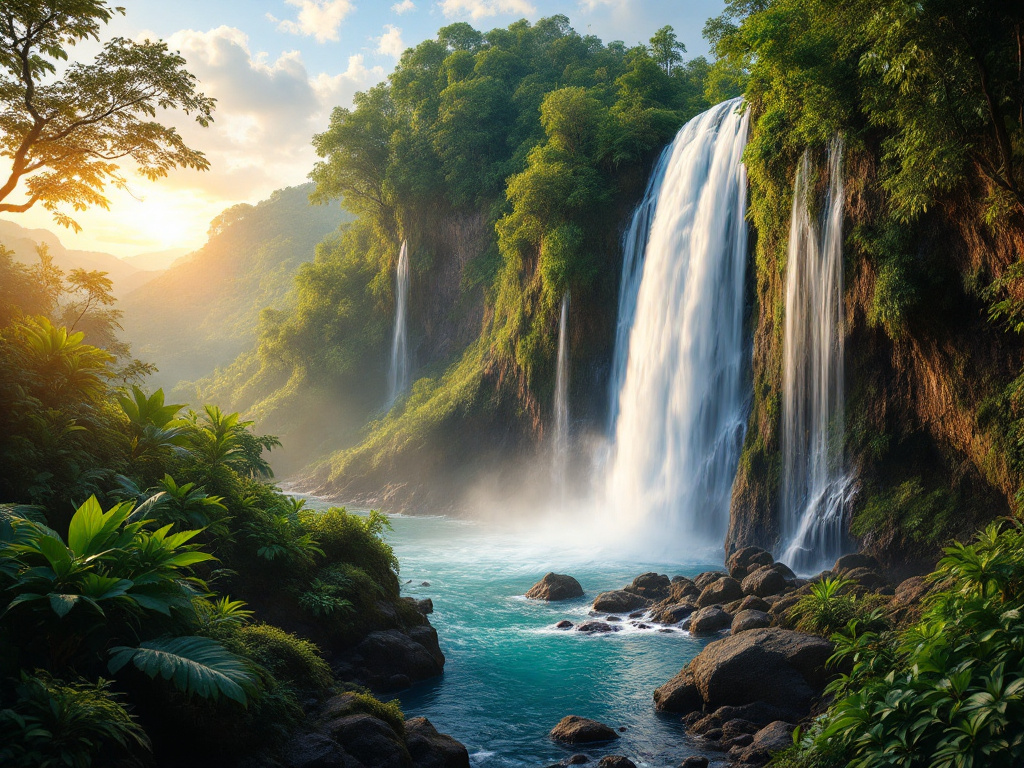
YS Falls
A scenic waterfall area in St. Elizabeth with several cascades and a relaxed atmosphere.
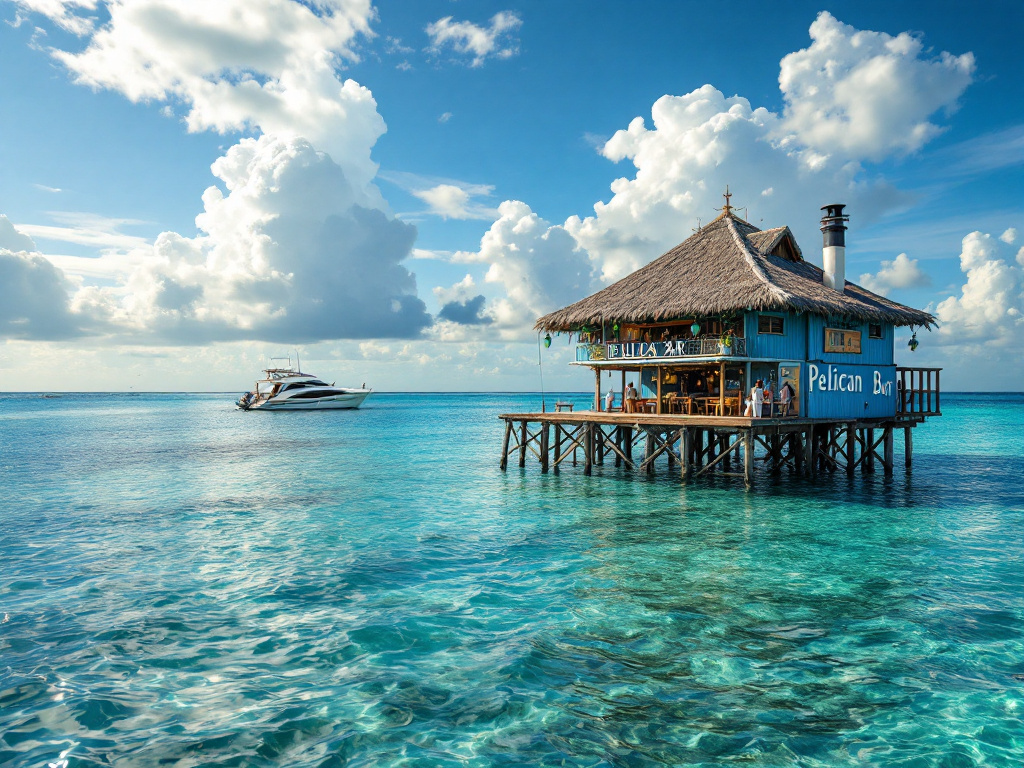
Pelican Bar
A famous bar built on stilts in the sea, only accessible by boat and known for its unique location.
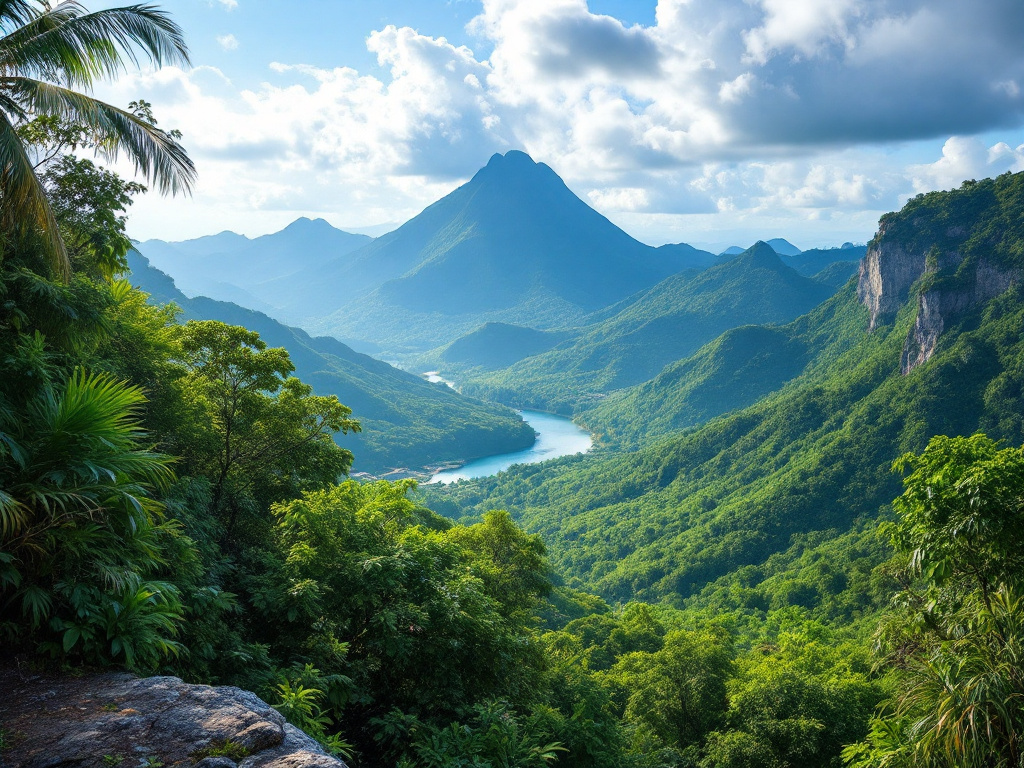
Mystic Mountain
An adventure park in the mountains above Ocho Rios with zipline, rides, and stunning views.
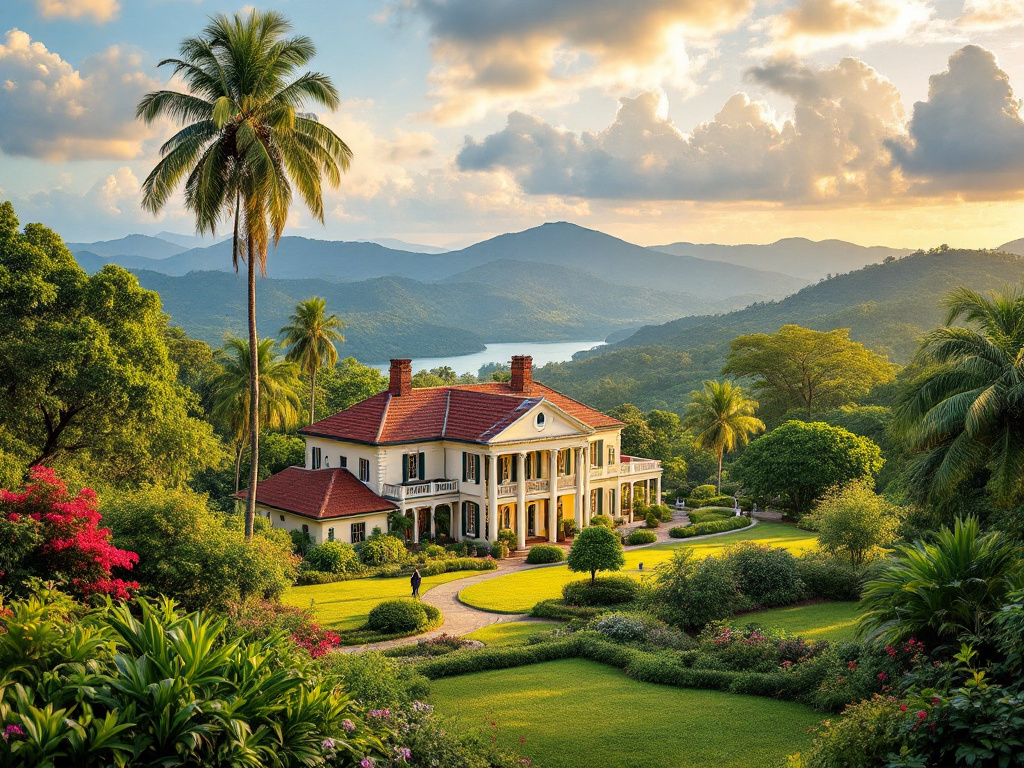
Devon House
A historic mansion in Kingston that provides insight into Jamaica's colonial past and local culinary experiences.
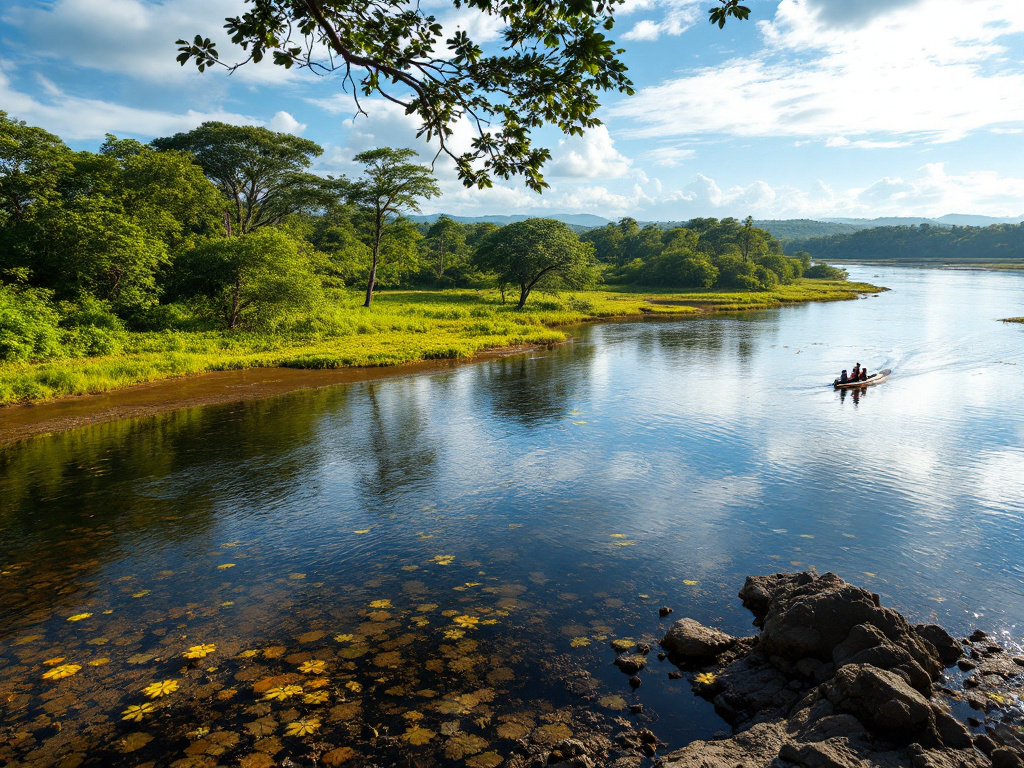
Black River Safari
A tranquil river safari where visitors can experience crocodiles, mangroves, and rich bird life.
Famous cuisine
Culinary overview
Jamaicas kulinariske scene er en farverig blanding af afrikanske, europæiske og asiatiske indflydelser, krydret med øens egen unikke smag. Gadeboder serverer duftende jerk-kød, mens strandrestauranter frister med friskfanget fisk og skaldyr. Kokos, krydderier som piment og ingefær samt tropiske frugter spiller en central rolle i mange retter. Måltider ledsages ofte af ris og ærter, og friskpresset juice eller rombaserede cocktails er populære drikkevarer. Maden er en vigtig del af den jamaicanske kultur, og måltider nydes ofte i fællesskab med musik og samtale.
Must-try dishes
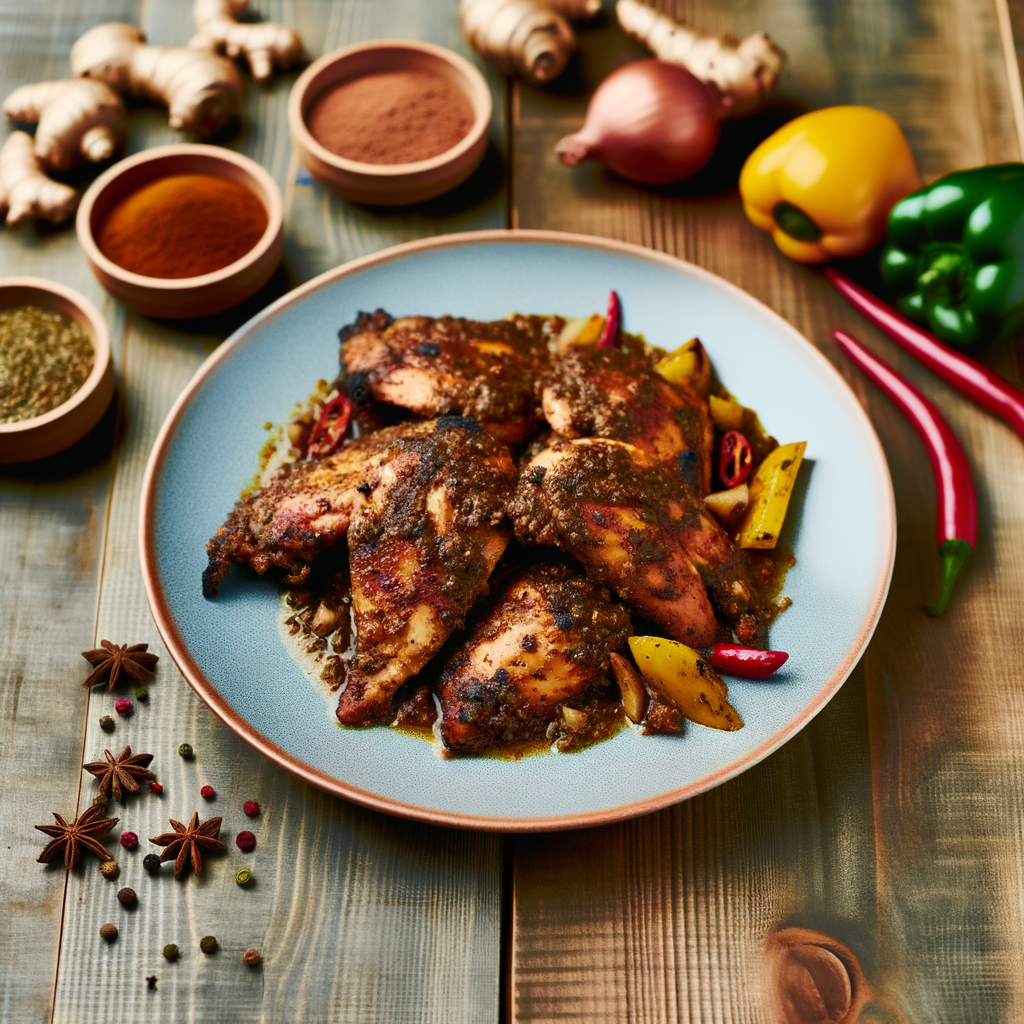
Jerk Chicken
Grillet kylling marineret i en krydret blanding af piment, ingefær, hvidløg, chili og timian. Traditionelt tilberedt over pimento-træ for en røget smag.
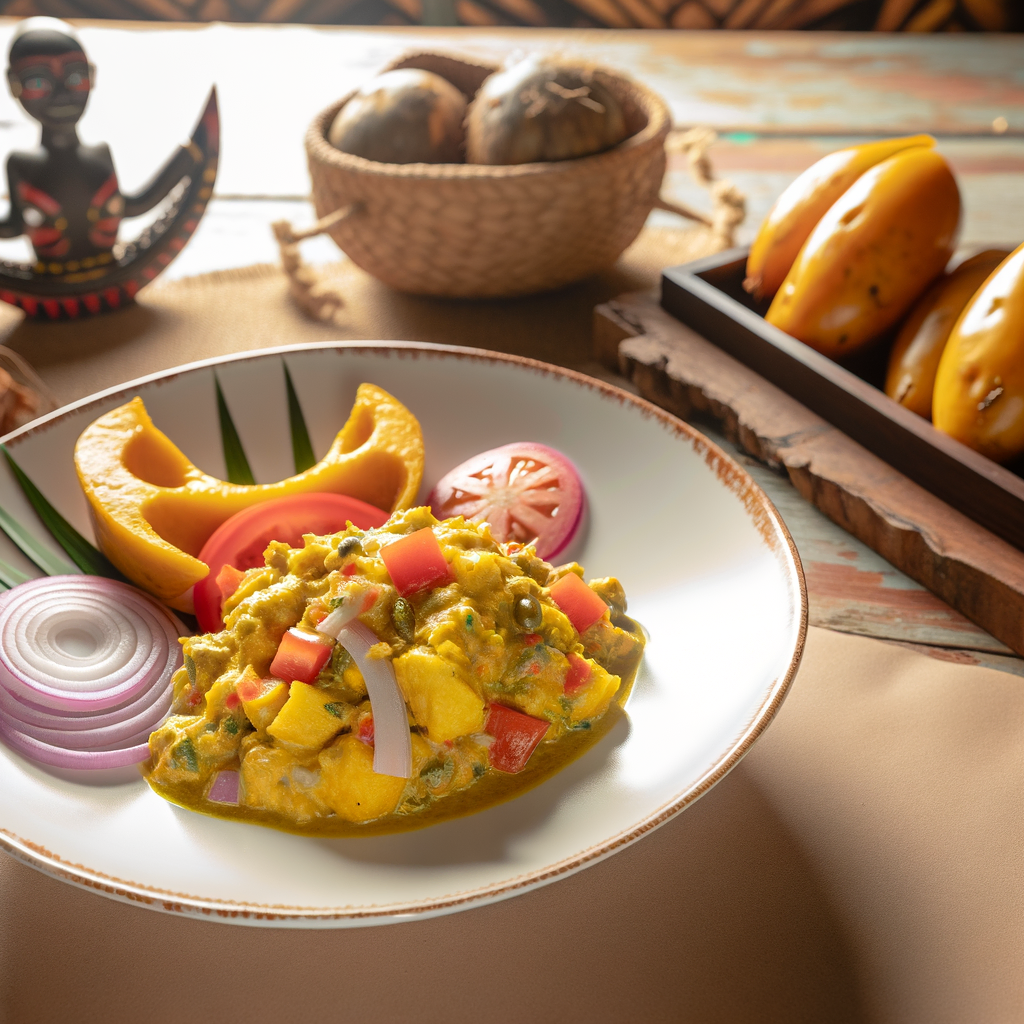
Ackee og Saltfisk
Jamaicas nationalret bestående af den cremede ackee-frugt blandet med saltet torsk, løg, tomater og krydderier. Serveres ofte med stegte dumplings eller brødfrugt.
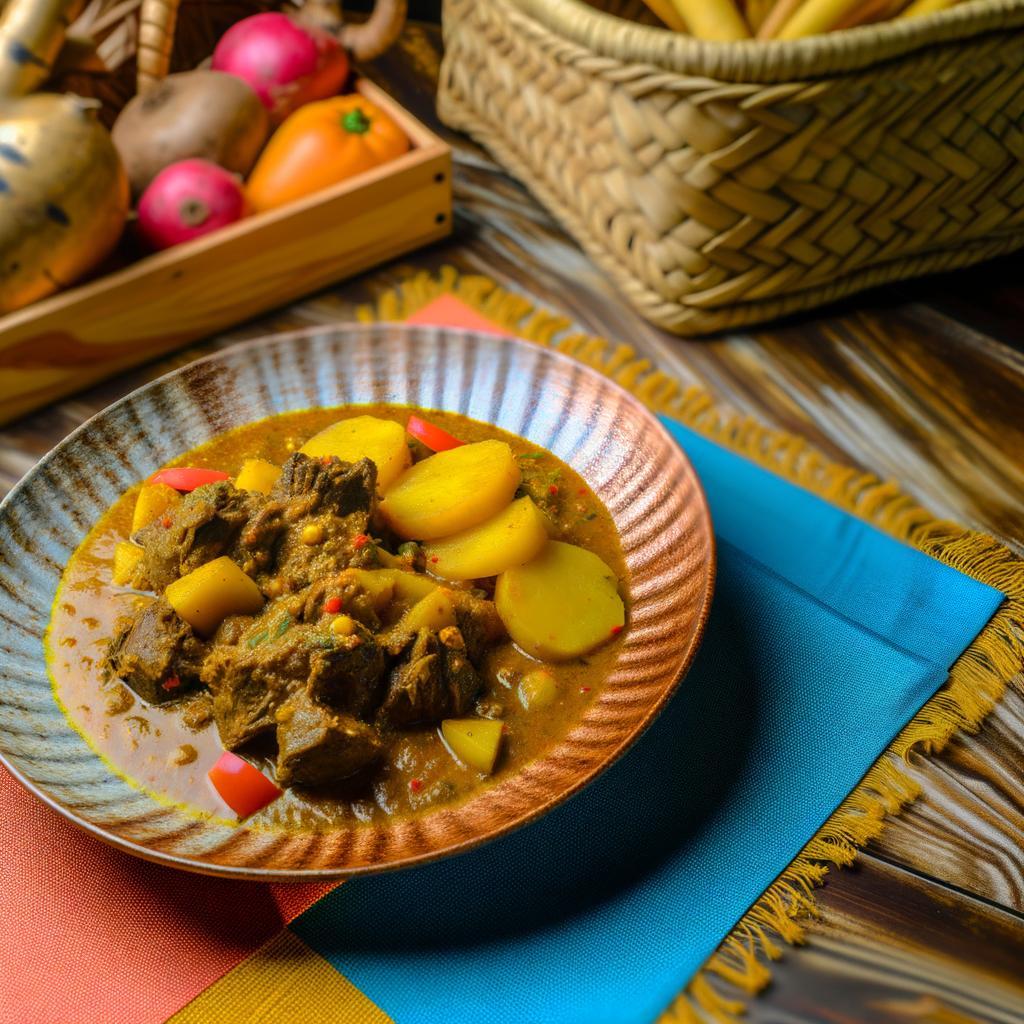
Curry Goat
Mørt gedekød simret i en aromatisk karryblanding med kartofler og krydderier. En festret, ofte serveret ved særlige lejligheder.
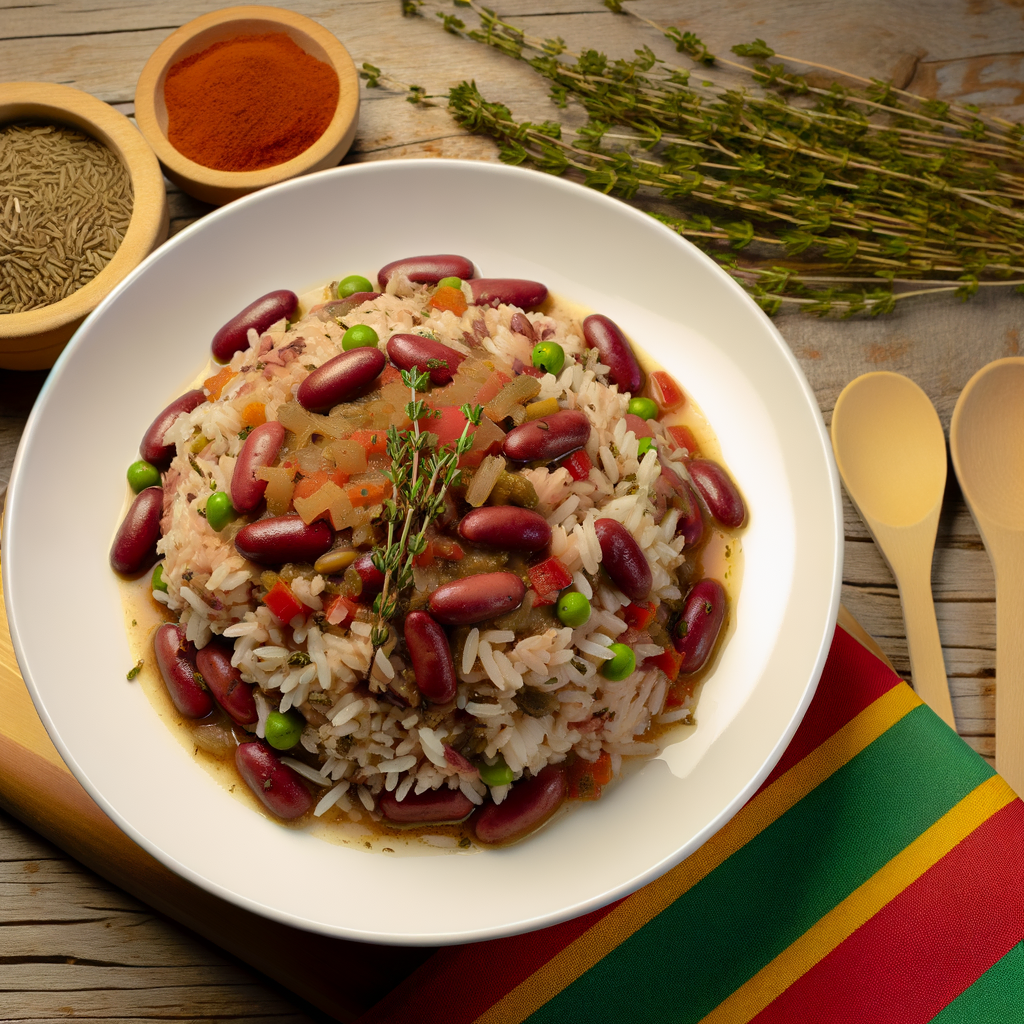
Rice and Peas
En klassisk tilbehørsret lavet af ris, røde kidneybønner (kaldet 'peas' på Jamaica), kokosmælk og krydderier som timian og piment.
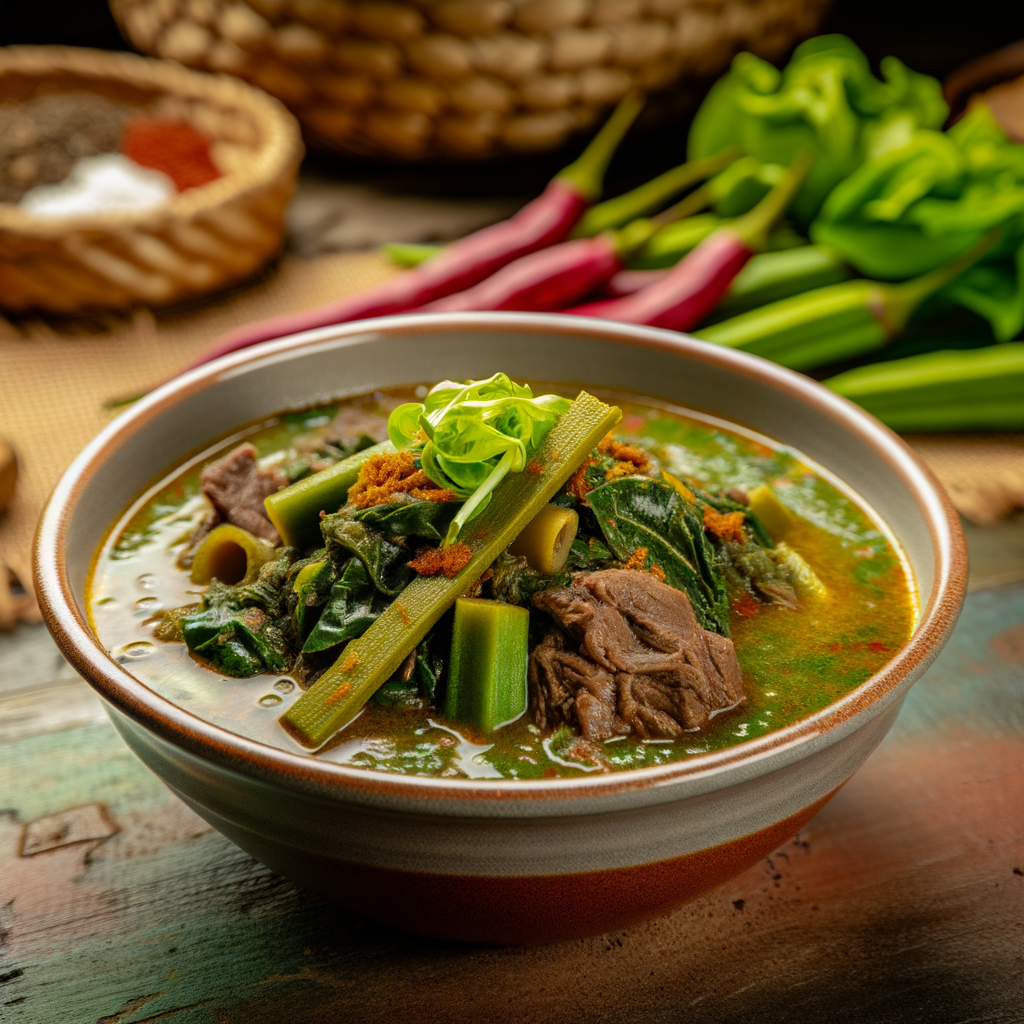
Pepper Pot Soup
En kraftig suppe med oksekød, callaloo (en grøn bladgrøntsag), okra og krydderier. Kendt for sin varme og fyldige smag.
Restaurant information
Tipping
Drikkepenge er ikke altid inkluderet i regningen. Det er almindeligt at give 10-15% drikkepenge på restauranter, hvis servicegebyr ikke er tilføjet. På barer runder man ofte op.
Travel information
Currency
Jamaicansk dollar (J$)
Language
Best time to visit
November to mid-December
Major cities
Kingston and other major cities
Fremhævede destinationer
Ekstraordinære steder nøje udvalgt af vores rejseeksperter, som tilbyder unikke oplevelser og betagende landskaber.
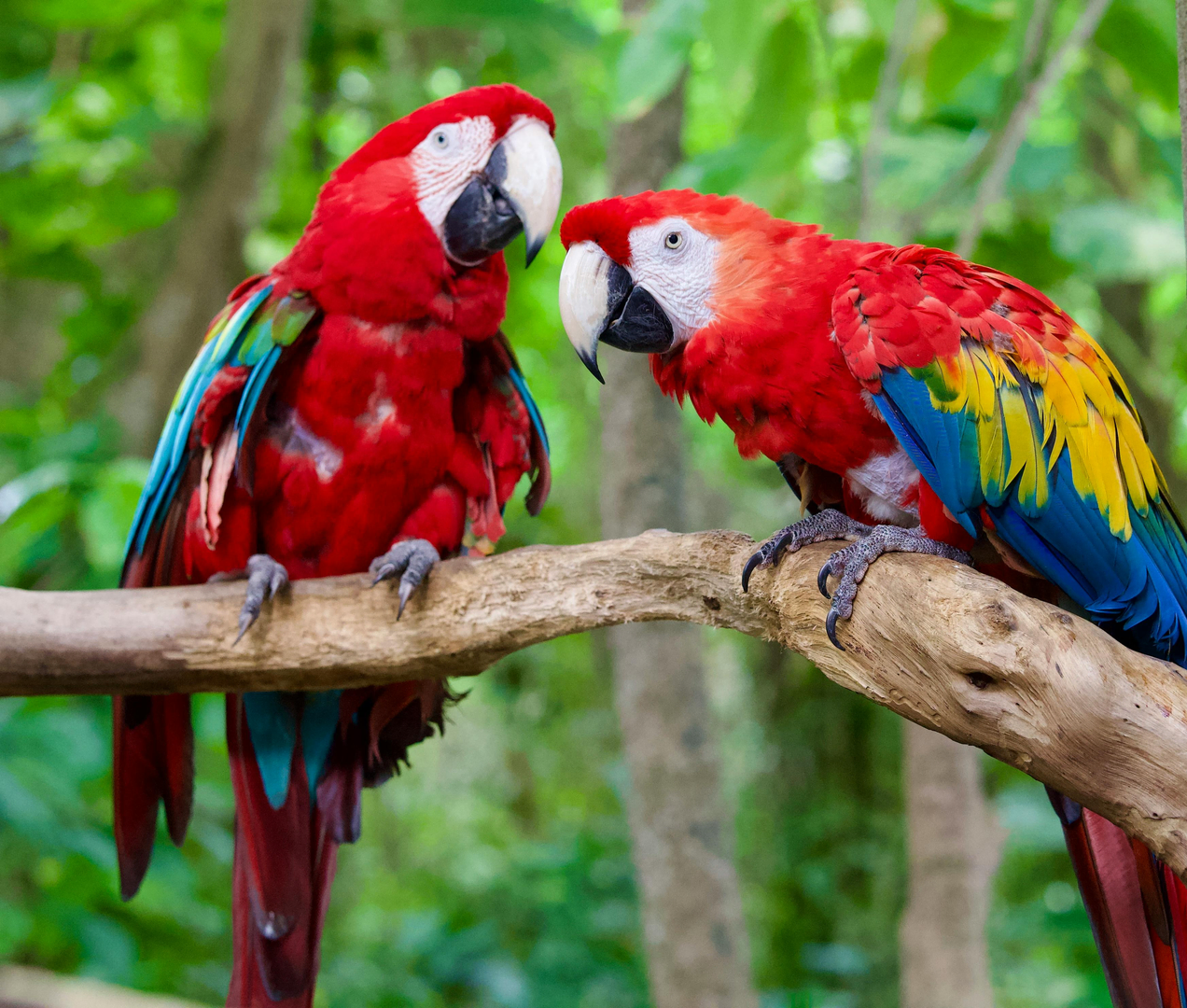
A vibrant city filled with reggae, culture, and tropical charm.
Kingston – The Heart of Reggae and Tropical Adventure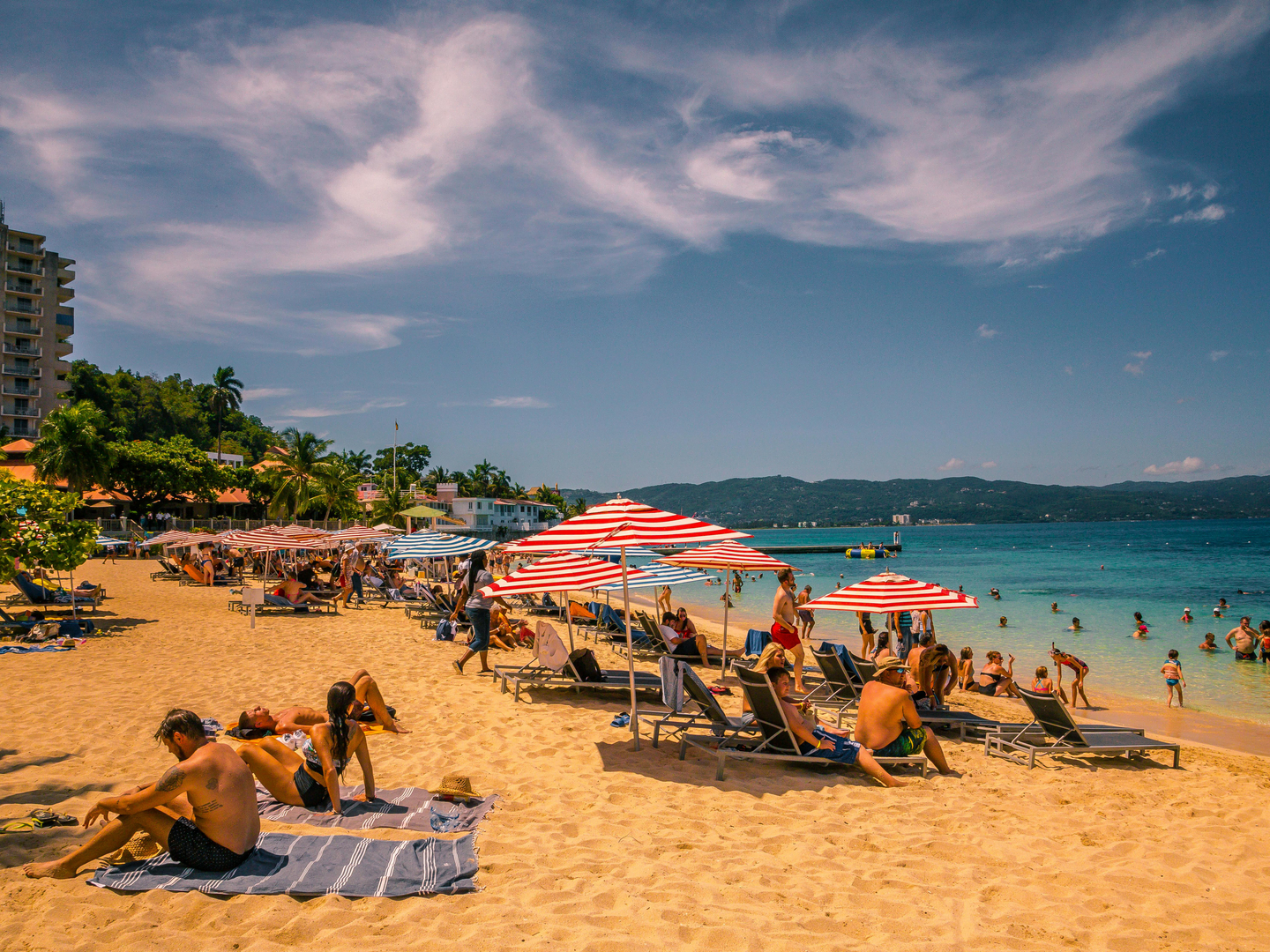
White sandy beaches, turquoise waters, and a laid-back Caribbean atmosphere.
Montego Bay – Jamaica's Sunny Paradise