
Lebanon
Lebanon, a Mediterranean treasure connecting East and West with its rich history, vibrant culture, and breathtaking landscapes, where ancient traditions meet modern resilience.
Overview
Lebanon is a Mediterranean gem where East meets West in a unique blend of history, culture, and nature. Here, you can trek through UNESCO-protected cedar forests, explore Roman temples in Baalbek, wander the ancient Phoenician seaport of Byblos, and immerse yourself in the vibrant urban life of Beirut. The country offers sunny beaches, dramatic mountain landscapes, and a culinary heaven that tempts with tabbouleh, hummus, and manakish. With its warm hospitality and rich cultural heritage, Lebanon is an unforgettable destination for history lovers, nature enthusiasts, and adventurers alike.
Official language
Arabic
Government
Parliamentary republic
Best time to visit
March-May and September-November
Nature
Lebanon boasts a mesmerizing tapestry of Mediterranean coastline, lush valleys, and majestic mountain ranges. The Qadisha Valley, a UNESCO World Heritage site, offers dramatic canyons, ancient monasteries, and hiking trails that weave through landscapes steeped in history and spirituality. The Cedars of God, another protected UNESCO site, is home to some of the world's oldest cedar trees, symbolizing the nation's deep roots. To the west, golden beaches meet the azure sea, ideal for relaxation or water sports. In the mountains, you can experience snow in winter and cool, green surroundings in summer, making Lebanon a year-round destination. The Jeita Grotto, with its stunning stalactites and stalagmites, is a natural wonder that attracts visitors from around the globe. The combination of sea, mountains, and valleys in such a compact area makes Lebanon one of the most diverse natural landscapes in the Middle East.
Travel to Lebanon
Traveling to Lebanon is a journey through time, culture, and nature within a compact area where everything is just a few hours' drive away. From the lively streets of Beirut, you can quickly reach both mountain peaks and beautiful beaches. The best times to visit are spring (March to May) and autumn (September to November), when the weather is mild and perfect for sightseeing, hiking, and outdoor activities. The country offers a unique combination of experiences: explore UNESCO sites like Baalbek and Qadisha Valley, watch the sunset over the Mediterranean, or savor the flavors of Lebanese cuisine. Transportation options are plentiful, and the warmth of the Lebanese people makes traveling safe and memorable. Lebanon is an ideal choice for travelers looking to blend cultural heritage, natural beauty, and modern urban life all in one trip.
Culture
Lebanon's culture is a vibrant blend of Arabic, French, and English influences, shaped by millennia of civilizational interplay. Beirut, often referred to as the Paris of the Middle East, buzzes with art, music, and gastronomy, where contemporary galleries and cafés stand side by side with historic buildings. Lebanese cuisine is a central aspect of the culture, featuring fresh salads like tabbouleh, spicy dishes like kibbeh, and flatbreads topped with za’atar. The nation is renowned for its hospitality, welcoming visitors as family. Traditional festivals celebrate both religious and cultural events, while the music scene ranges from classical Arab to modern fusion. Byblos, one of the oldest continuously inhabited cities in the world, serves as a cultural hub where history and modernity blend seamlessly. Lebanon is also home to a rich tapestry of faiths coexisting harmoniously, reflected in its architecture—from mosques to churches—and its open, cosmopolitan atmosphere.
History
Lebanon’s history spans thousands of years and includes some of the world’s most significant civilizations. The Phoenicians, known for their seafaring and trading prowess, founded cities such as Byblos, Sidon, and Tyre, which became vital trade hubs in the Mediterranean. Later, the Romans left behind monumental structures like the temples of Baalbek. The Umayyad Caliphate added its architectural mark in Anjar, while Crusaders built fortifications along the coast. The Ottoman Empire dominated for centuries until Lebanon came under French mandate after World War I, eventually gaining independence in 1943. The country’s history is characterized by both flourishing periods and conflicts but is equally marked by a remarkable resilience to rebuild and preserve its rich cultural heritage.
Top attractions
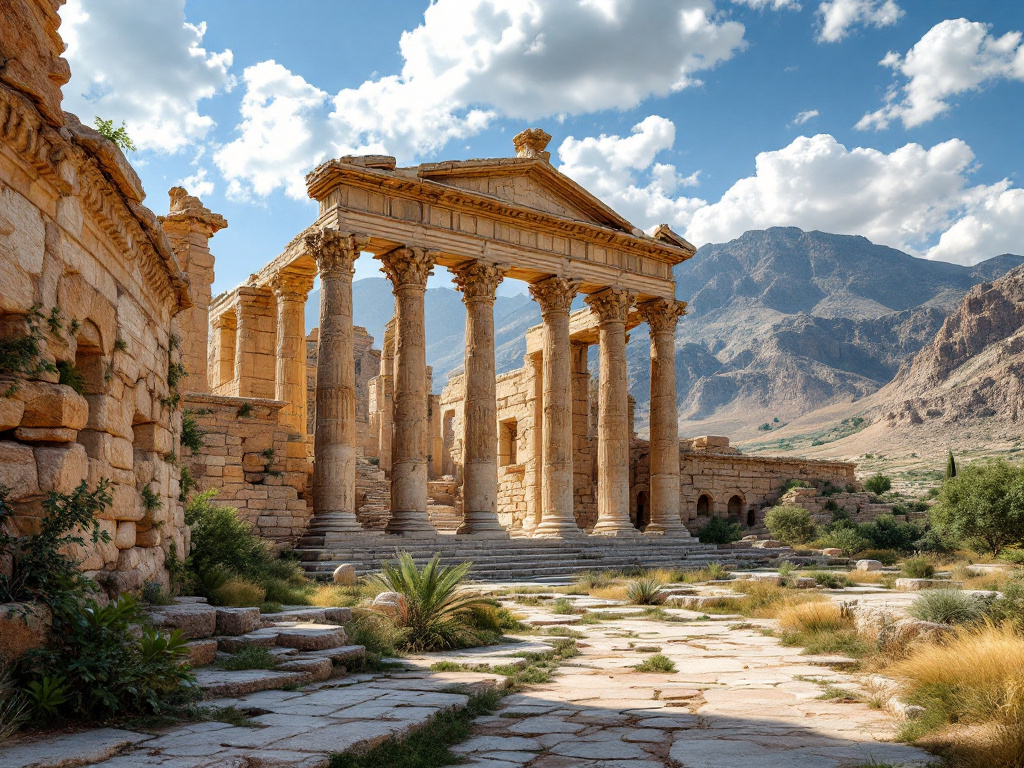
Baalbek's Roman Temples
A massive Roman temple complex known for its giant columns and impressive ancient architecture.
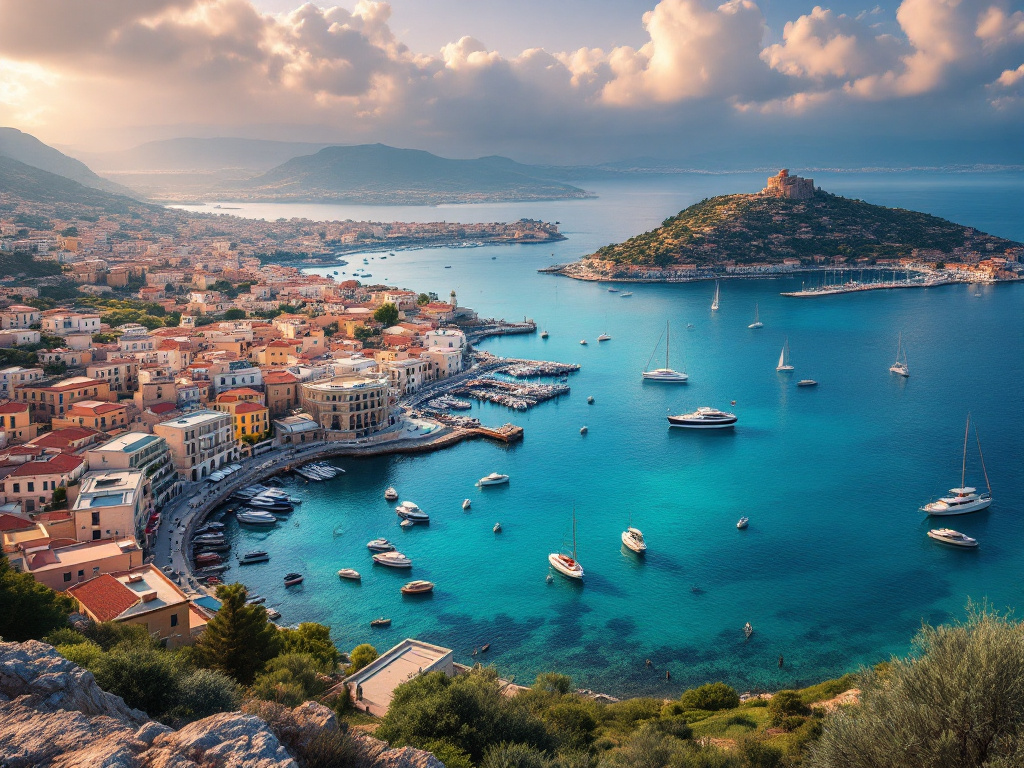
Byblos Old Town and Harbor
A historic coastal city with layers of Phoenician, Roman, and medieval history around a picturesque harbor.
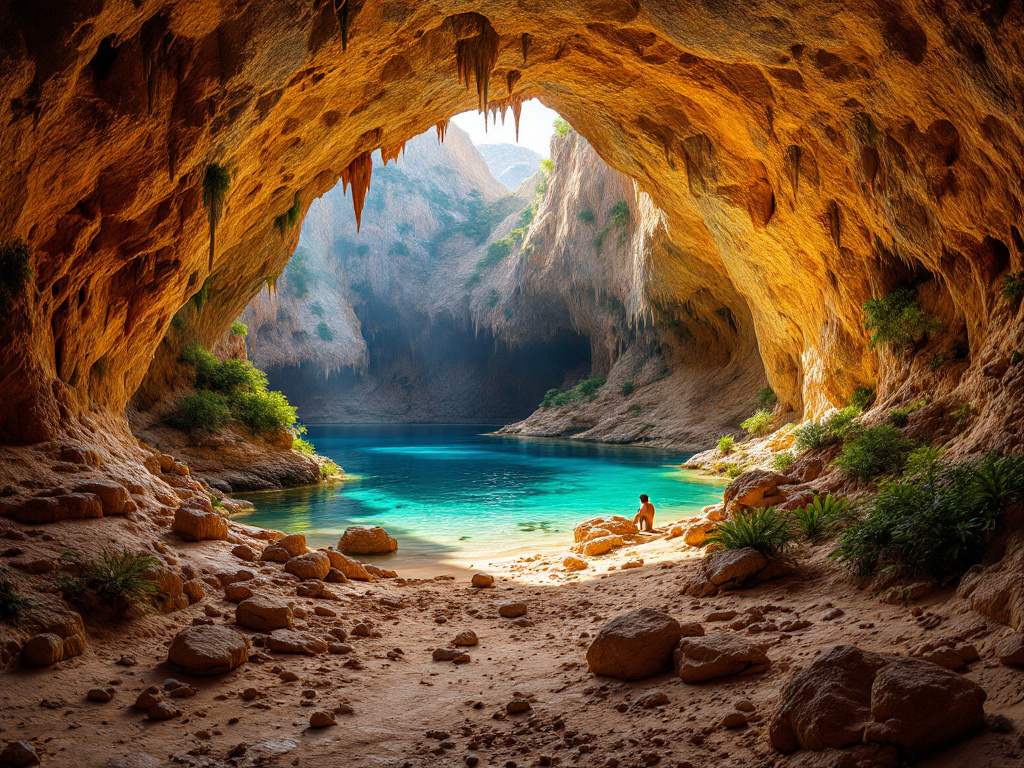
Jeita Grotto
A spectacular limestone cave consisting of two levels with impressive formations and underground waterways.
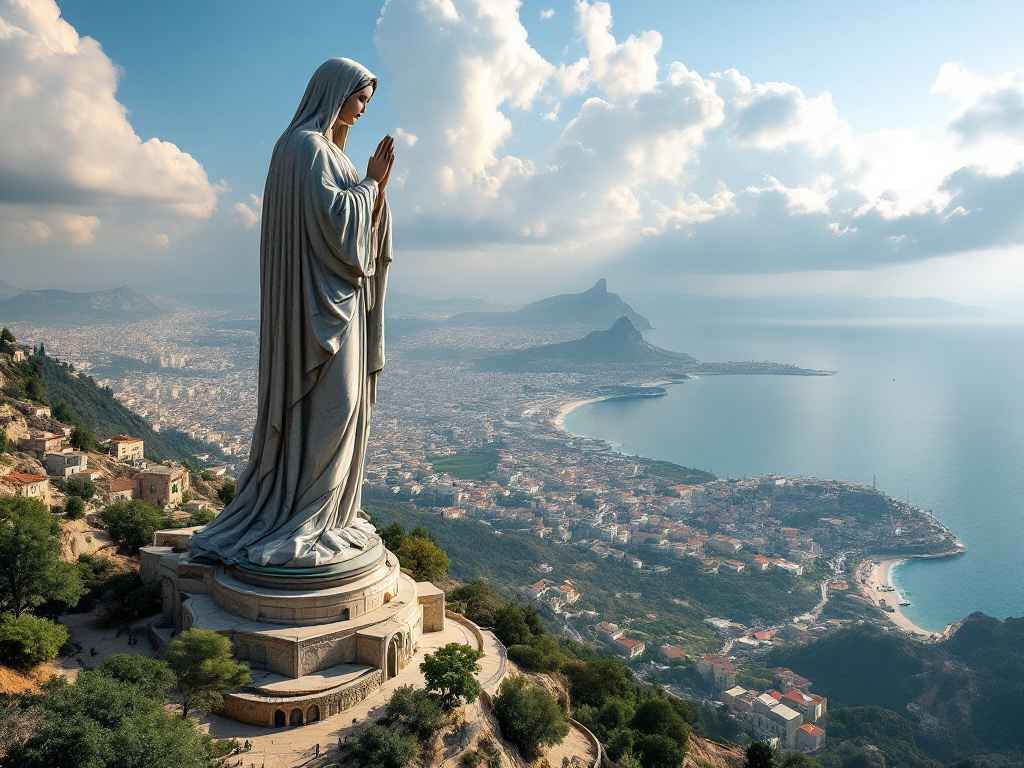
Our Lady of Harissa
A large Maronite statue of the Virgin Mary overlooking Jounieh Bay.
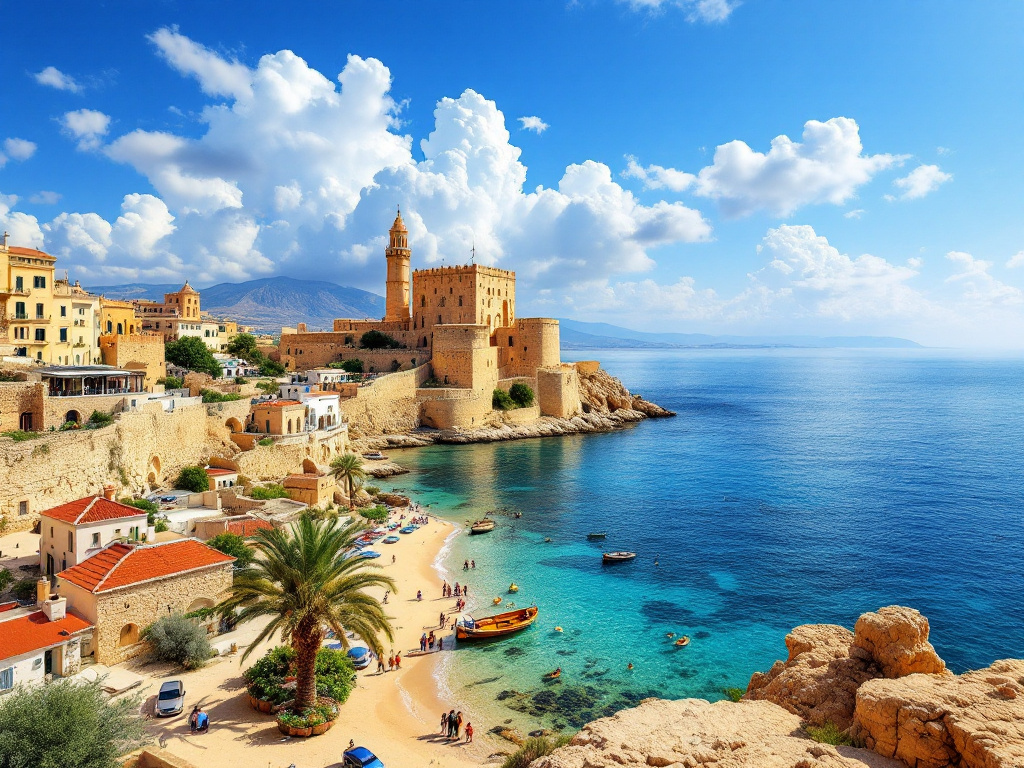
Sidon Sea Castle
A historic Crusader castle built out into the sea with connecting stone bridge.
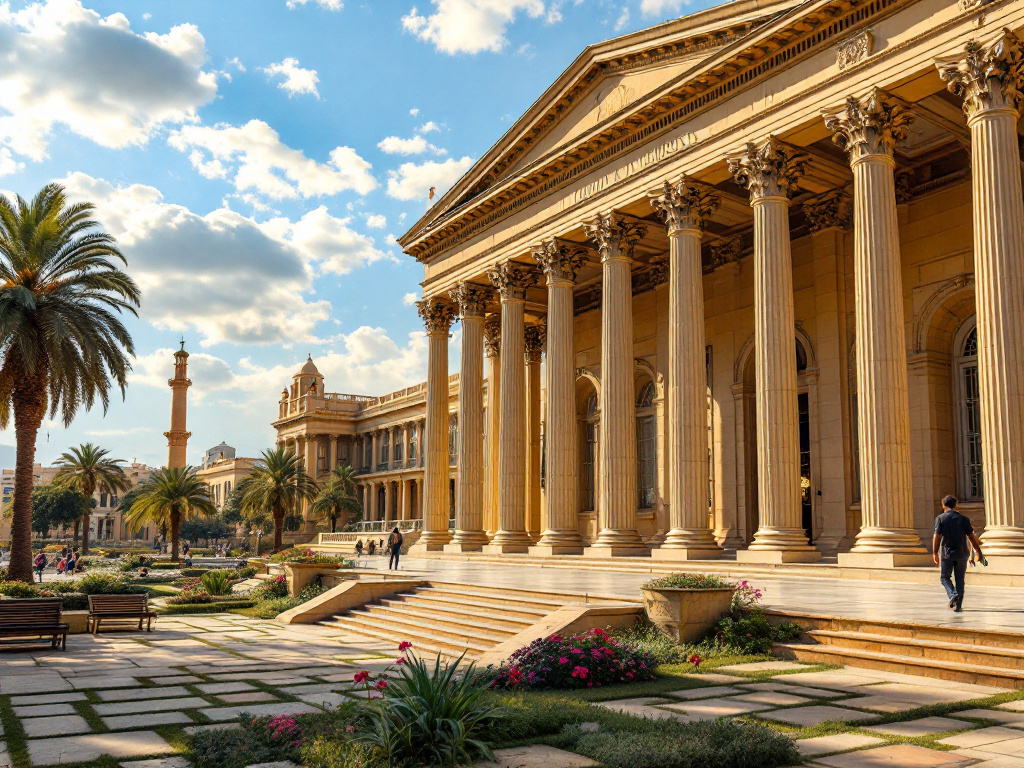
National Museum of Beirut
The country's most important archaeological museum with items from prehistoric to medieval times.
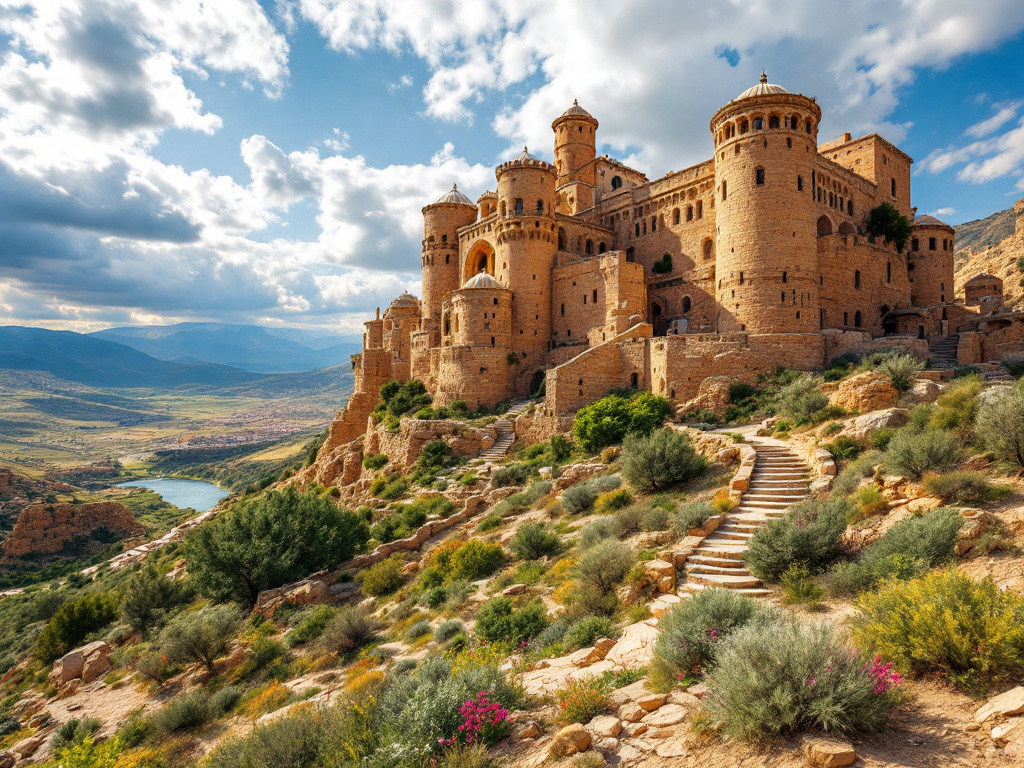
God's Cedars
A protected grove of ancient cedar trees, which is a strong national symbol.
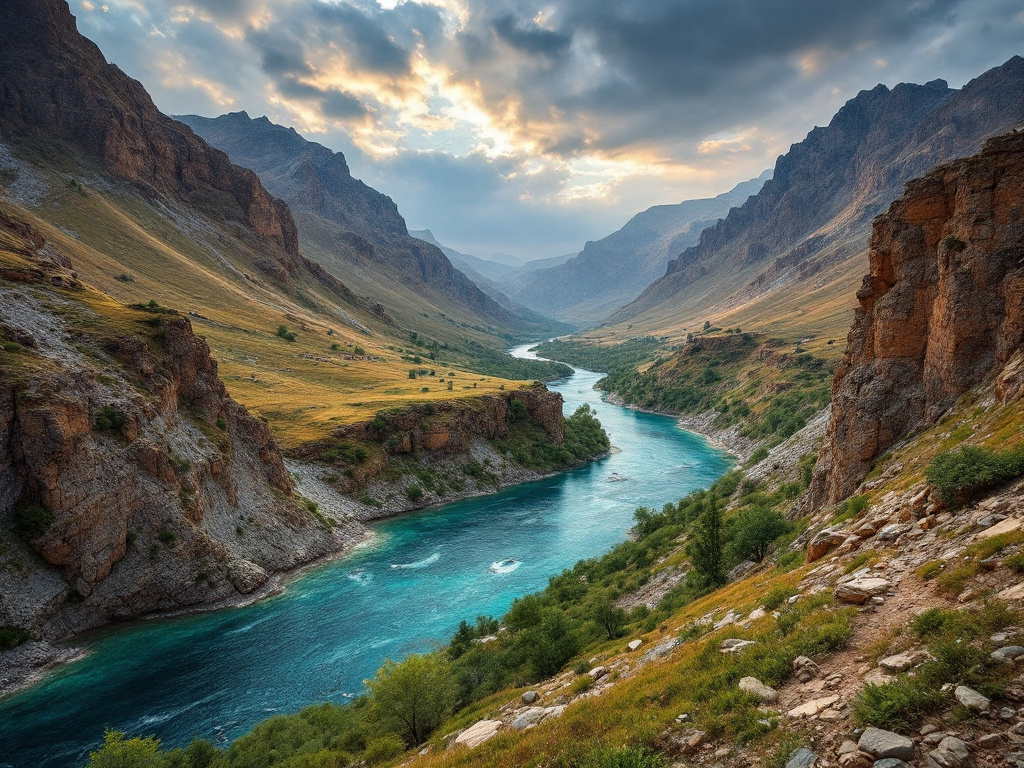
Qadisha Valley
A dramatic mountain valley known for its early Christian monasteries and scenic hiking trails.
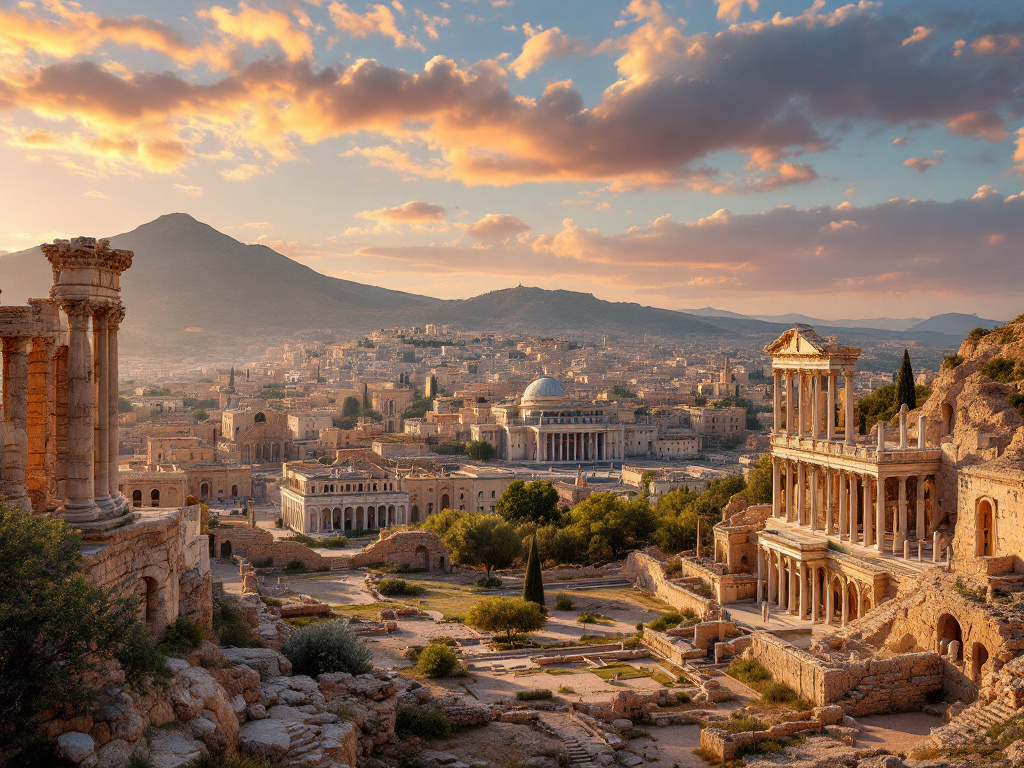
Tyre's Roman Ruins
A comprehensive Roman ruins area with one of the largest preserved hippodromes in the world.
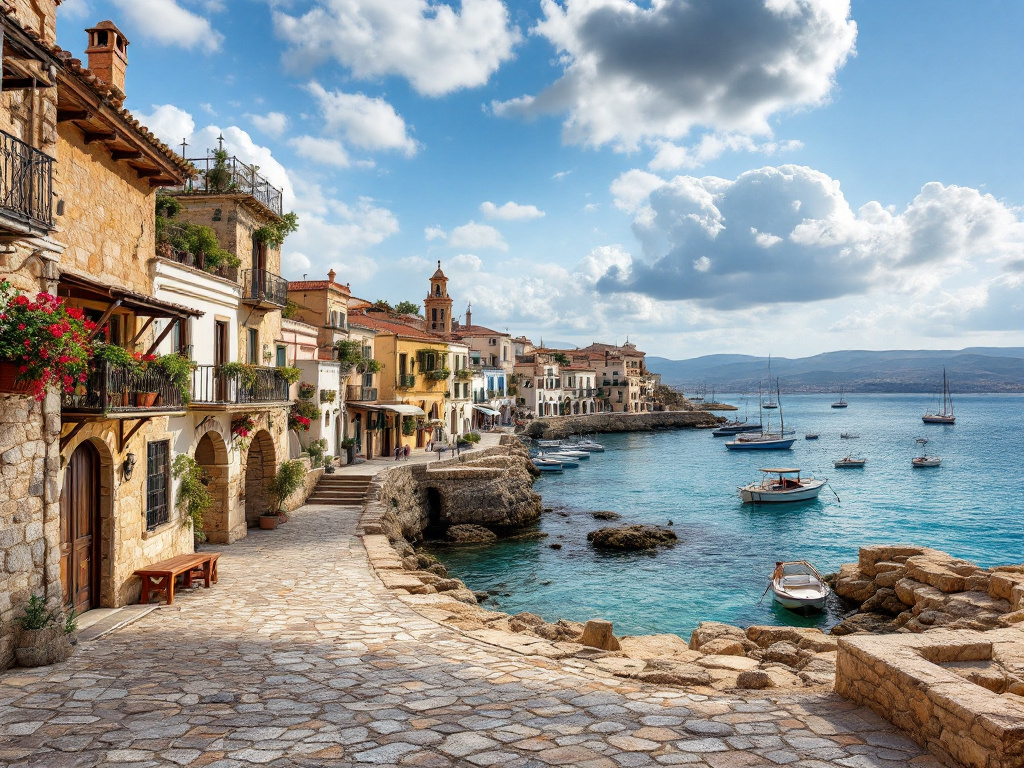
Batroun's Old Quarter
A charming coastal neighborhood known for its ancient sea wall and relaxed Mediterranean atmosphere.
Famous cuisine
Culinary overview
Lebanese cuisine is a culinary bridge between the Mediterranean and the Middle East, known for its freshness, variety, and use of herbs, olive oil, and lemon. Meals are often shared as mezze – small dishes served for sharing – making dining a social experience. Lebanon is also famous for its bread, especially manakish, and sweet desserts like baklava. From street stalls in Beirut's busy streets to elegant restaurants overlooking the sea, the country offers a gastronomic journey that reflects its rich history and cultural diversity.
Must-try dishes
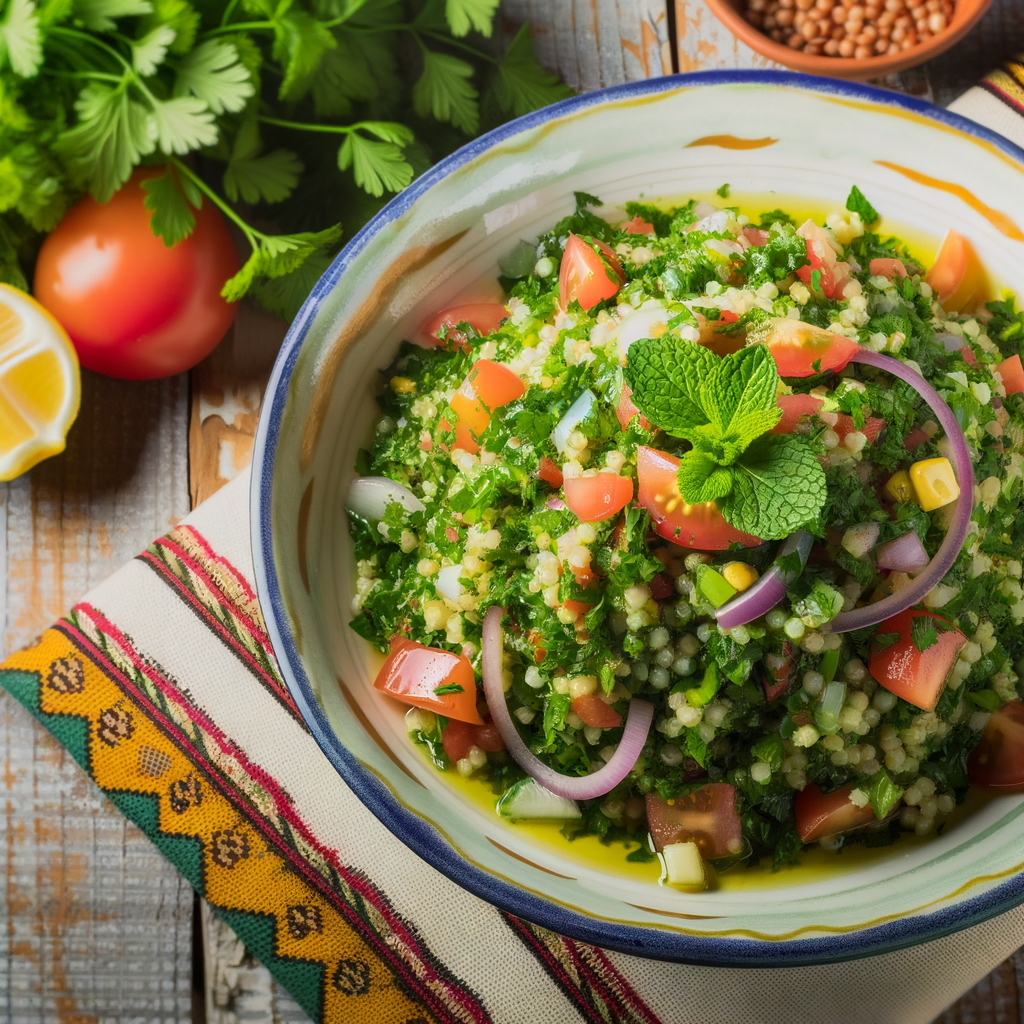
Tabbouleh
A fresh salad made of parsley, mint, tomatoes, onions, bulgur, olive oil, and lemon juice. It is often served as part of mezze and is known for its fresh and tangy flavor.
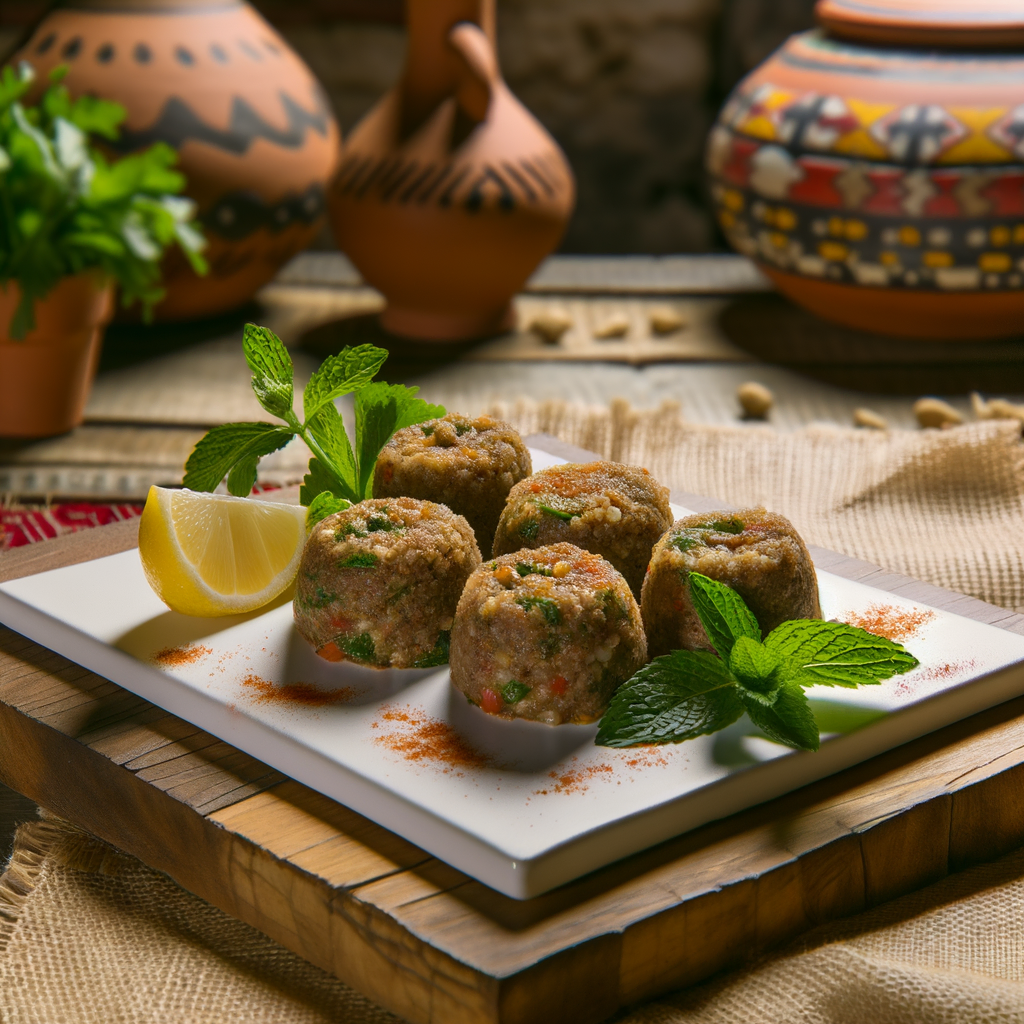
Kibbeh
Lebanon's national dish, consisting of minced lamb or beef mixed with bulgur and spices, often shaped into small balls or flat patties. Can be served raw (kibbeh nayeh), baked, or fried.
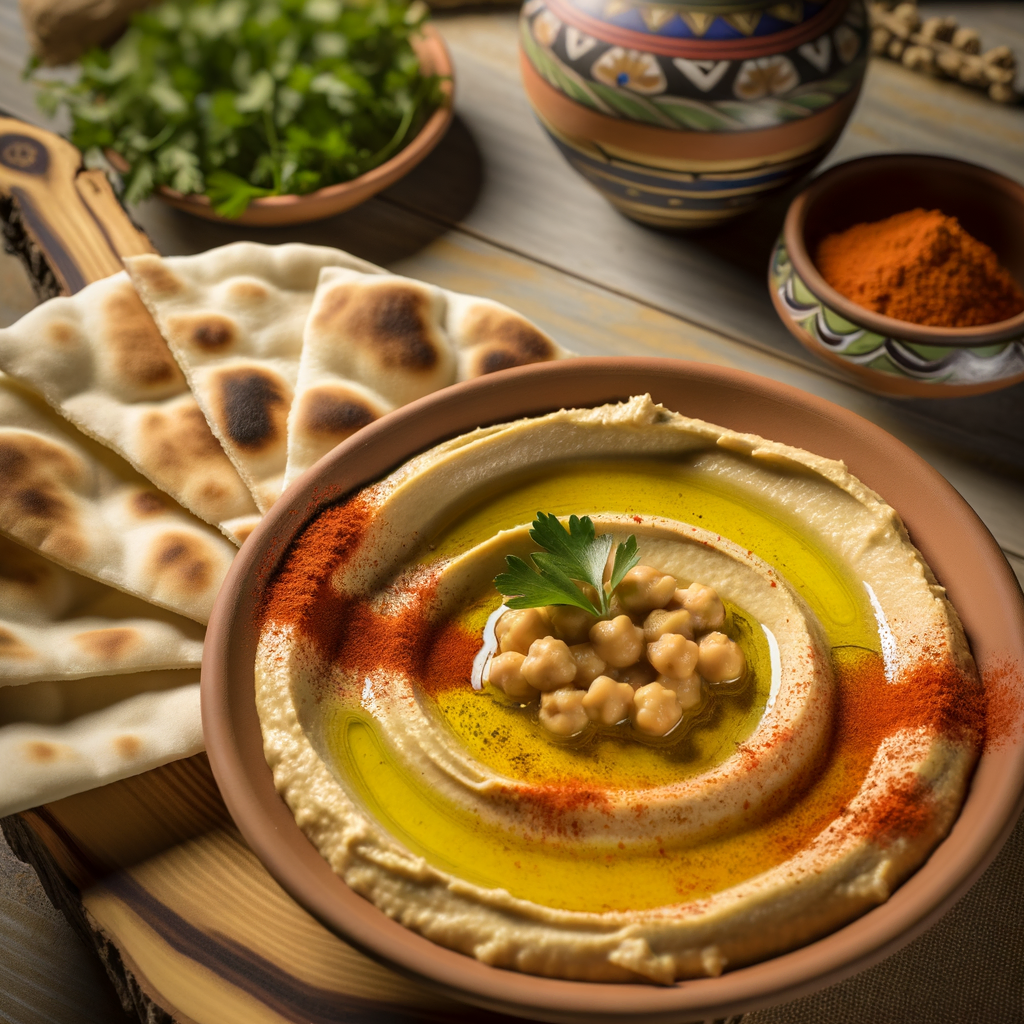
Hummus
A creamy puree of chickpeas, tahini, lemon juice, and garlic, served with olive oil and often garnished with paprika or parsley. Eaten with freshly baked flatbread.
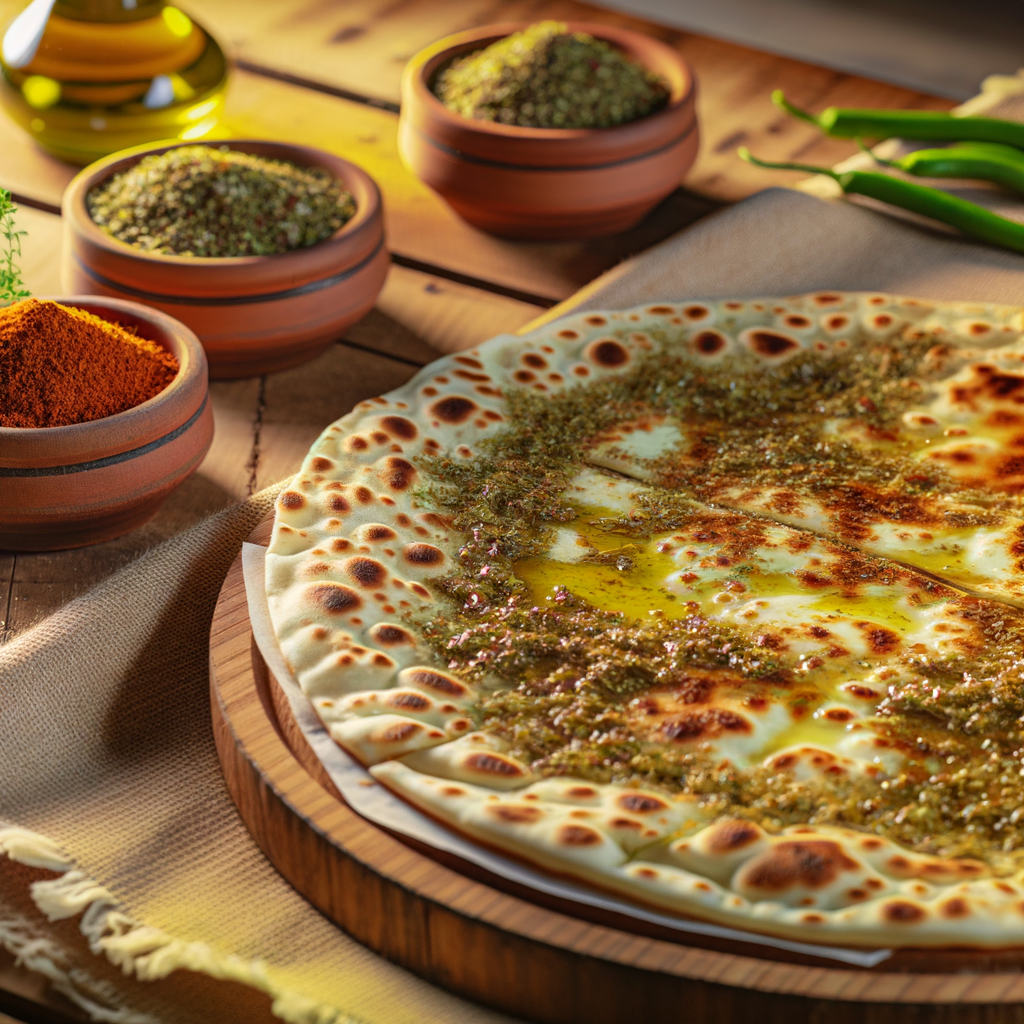
Manakish
A flatbread topped with za'atar (a mix of thyme, sesame seeds, and sumac), cheese, or meat. Often eaten for breakfast or as a snack.
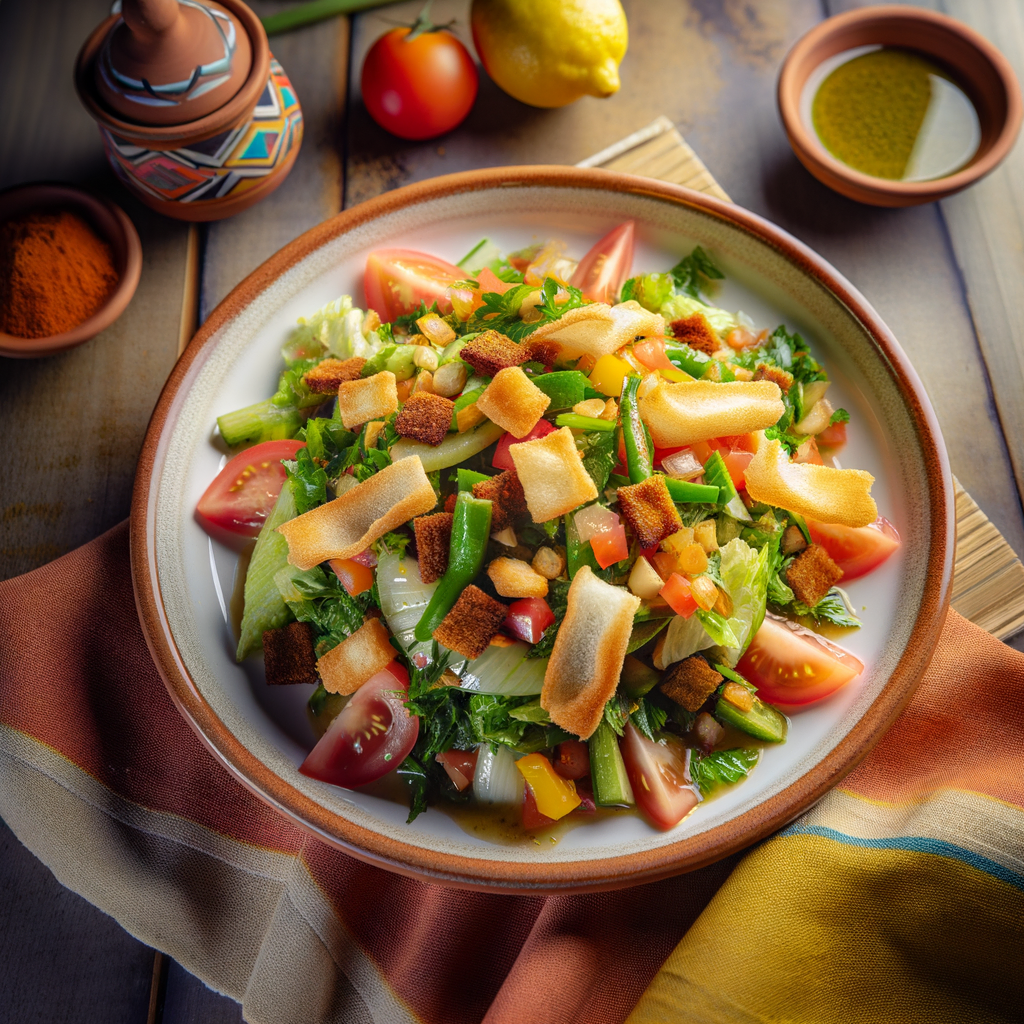
Fattoush
A crisp salad with mixed vegetables, fried bread pieces, and a dressing of olive oil, lemon juice, and sumac. Known for its fresh and slightly tangy flavor.
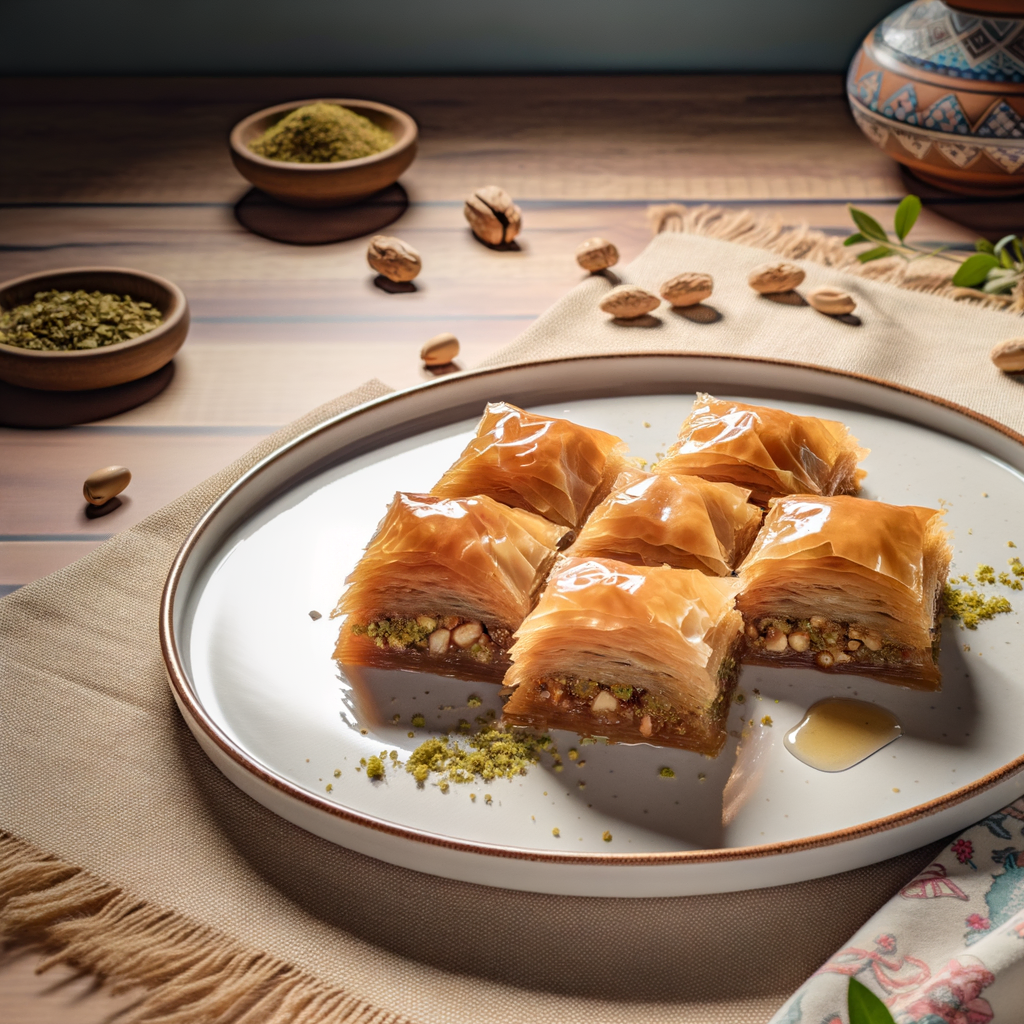
Baklava
A sweet dessert made of layers of phyllo pastry filled with chopped nuts and sweetened with syrup or honey. Popular throughout the Middle East, but with a distinctive Lebanese finesse.
Restaurant information
Tipping
In Lebanon, tipping is appreciated but not always mandatory. At restaurants, 10% tip is standard if the service charge is not included. For taxis and small cafés, it is common to round up the amount.
Travel information
Currency
Libanesisk pund (ل.ل)
Language
Arabic
Best time to visit
March-May and September-November
Major cities
Beirut and other major cities
More countries in Asia
Discover more destinations in this region