
Martinique
Martinique, the jewel of the French Antilles, shines with volcanic peaks, pristine beaches, lush gardens, and a vibrant blend of Creole and French culture.
Overview
Martinique, the jewel of the French Antilles, brings together dramatic nature, French elegance, and Caribbean soul. Here, volcanic peaks like Mont Pelée meet golden beaches such as Les Salines, alongside lush rainforests teeming with exotic flora. The island's inviting markets, colonial architecture, and culinary scene tempt with Creole specialties and local rum cocktails. From historical ruins in Saint-Pierre to tropical gardens in Balata, Martinique is a paradise for adventurers, culture enthusiasts, and beach lovers alike.
Official language
Fransk
Government
Oversøisk region og departement i Frankrig
Best time to visit
December to April
Nature
Martinique is a true paradise for nature lovers, where dramatic landscapes and tropical biodiversity come together. The iconic Mont Pelée rises majestically in the north, an active volcano whose lush slopes provide perfect trails for hiking and exploration. The region surrounding Pitons du Carbet offers steep paths through dense rainforests, where the melodies of birds and the scent of exotic flowers accompany your journey. In the south, you'll find Les Salines Beach, one of the Caribbean's most stunning beaches, showcasing soft white sands and crystal clear waters ideal for swimming and snorkeling. The island's coast alternates between dramatic cliffs, hidden coves, and serene lagoons, making it perfect for sailing and diving. Martinique also boasts rich mangrove forests and coral reefs that support vibrant marine life. The combination of volcanic terrain, lush vegetation, and idyllic beaches makes the island a unique destination for outdoor enthusiasts, with the best time to visit being from December to April when the weather is sunny and dry.
Travel to Martinique
Traveling to Martinique is an experience filled with contrasts and beauty. With direct flights available from Europe and good connections via other Caribbean islands, the island is easily accessible. The best time to visit is from December to April, when the weather is sunny and dry, perfect for beach life and outdoor adventures. Travelers can relax on Les Salines Beach, hike Mont Pelée, or explore the colorful streets of Fort-de-France. The island is ideal for road trips, allowing visitors to experience both the dramatic volcanic landscapes of the north and the tranquil beaches of the south. Martinique also offers excellent opportunities for sailing, snorkeling, and diving in crystal-clear waters. With a blend of French comfort, Caribbean charm, and rich cultural heritage, Martinique is an ideal choice for those seeking an authentic yet convenient tropical getaway.
Culture
Martinique is a cultural melting pot where French elegance meets Caribbean warmth and Creole joy. The capital, Fort-de-France, buzzes with life, featuring colorful markets, colonial architecture, and lively cafes. Here, visitors can admire the impressive Fort-de-France Cathedral and explore streets filled with artisanal crafts and local specialties. Music and dance play central roles in daily life, from traditional bèlè rhythms to contemporary zouk. The Creole cuisine is a culinary adventure in itself, offering dishes like accras de morue, colombo, and boudin, often enjoyed with freshly squeezed juices or tropical rum cocktails. Festivals and carnivals fill the streets with colors, costumes, and music, inviting both locals and visitors to join in the celebration. The French influence is evident in the language, gastronomy, and relaxed café culture, while the Caribbean heritage shines through in the traditions, music, and warm hospitality. Martinique offers an authentic cultural experience where each day is a celebration of life.
History
The history of Martinique is marked by the forces of nature and human destiny. The island was discovered by Europeans in the 15th century and became a French colony, where sugar plantations and the slave trade played central roles. The most dramatic event in recent history was the eruption of Mont Pelée in 1902, which devastated the town of Saint-Pierre and claimed almost all its inhabitants. Today, the ruins stand as a haunting reminder of the disaster and are an important historical site. Martinique is now an overseas department of France, giving the island a unique blend of French administration and Caribbean cultural heritage. This blend is reflected in the architecture, museums, and many traditions that are still upheld, creating a fascinating tapestry of history.
Top attractions
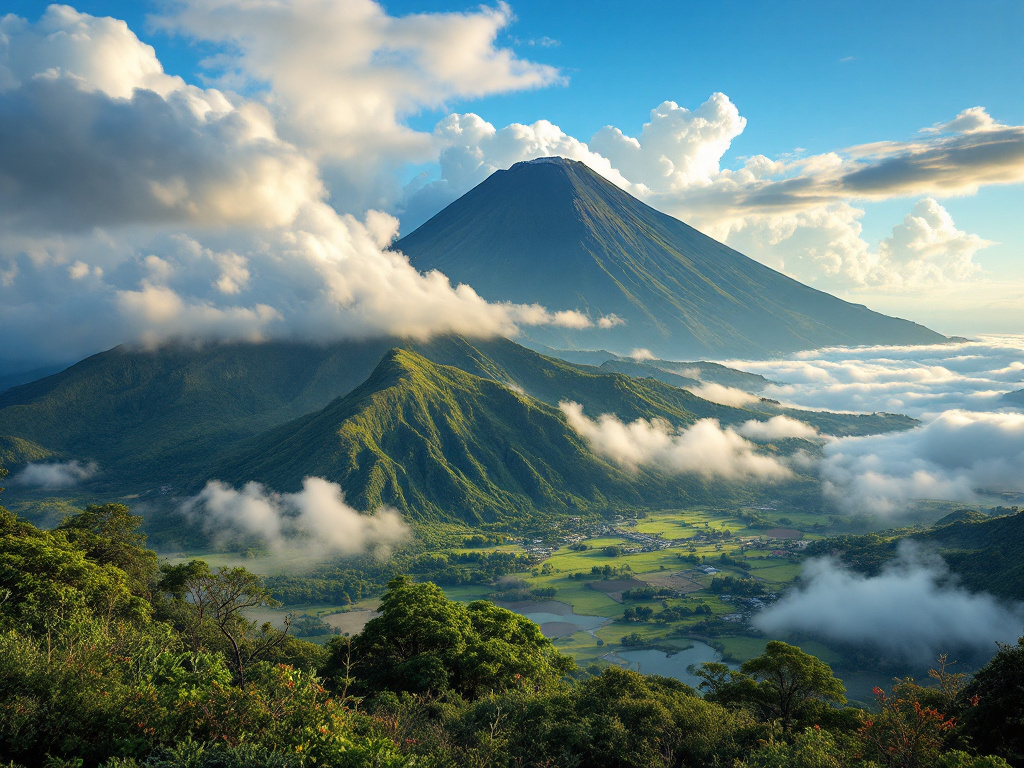
Mont Pelée
The most famous volcano in Martinique, known for its historical eruption and stunning landscapes.
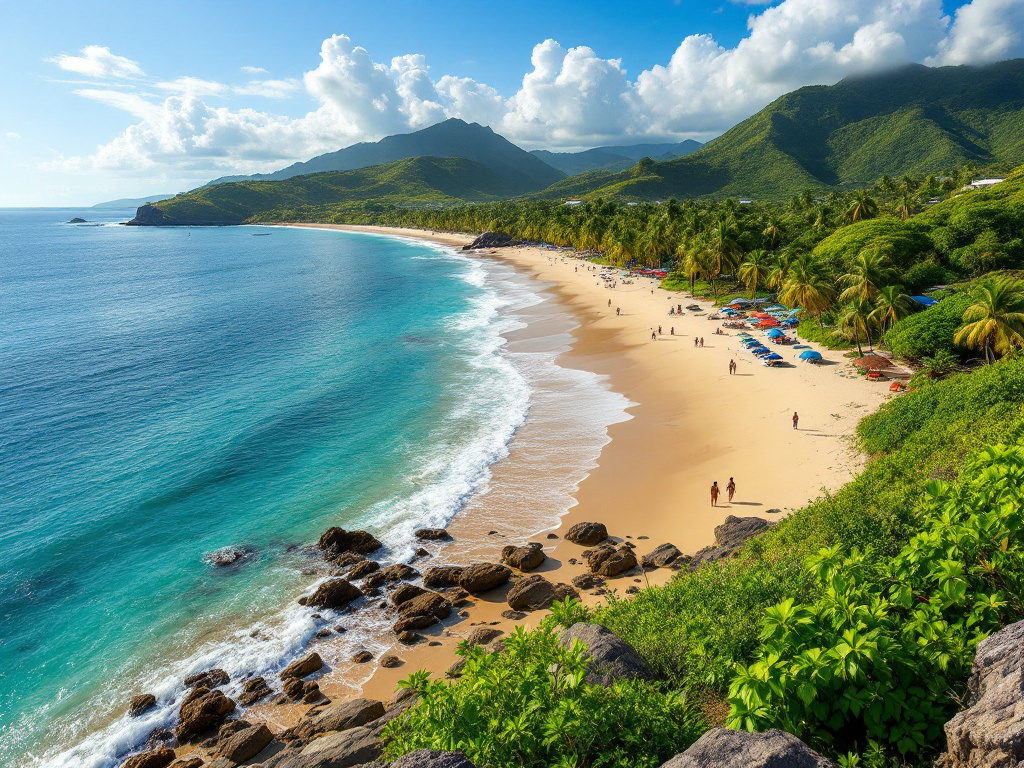
Les Salines Beach
One of the island's most beautiful and popular beaches with a classic Caribbean atmosphere.
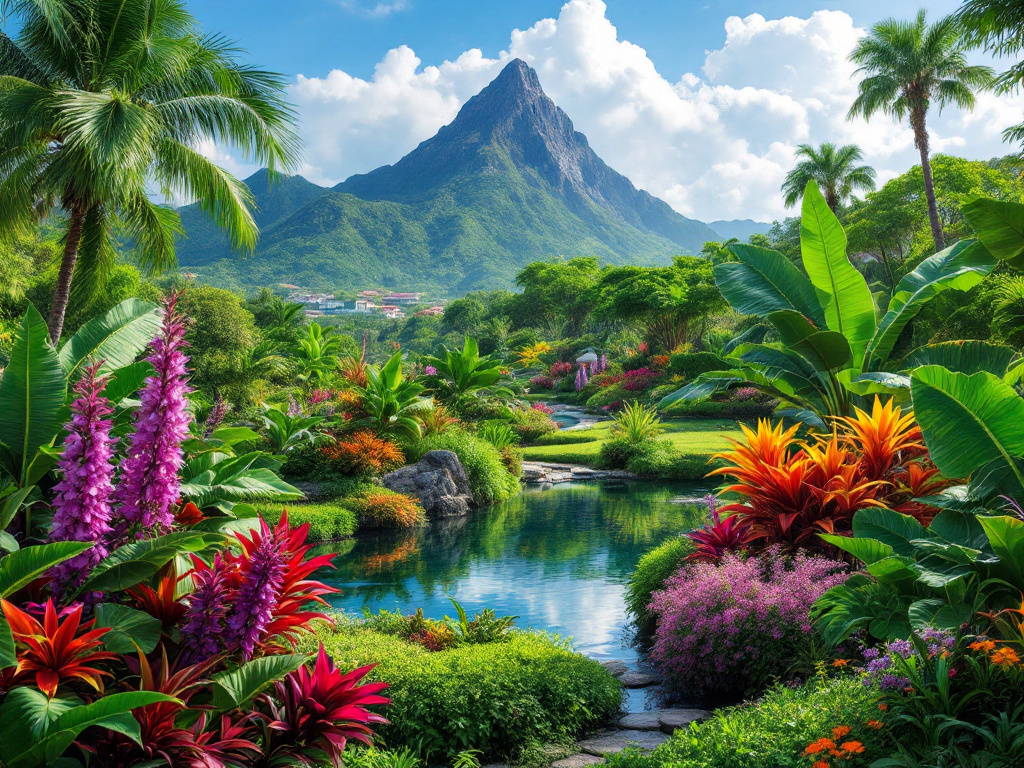
Balata Garden
A beautiful botanical garden with thousands of tropical plants and hanging bridges in the treetops.
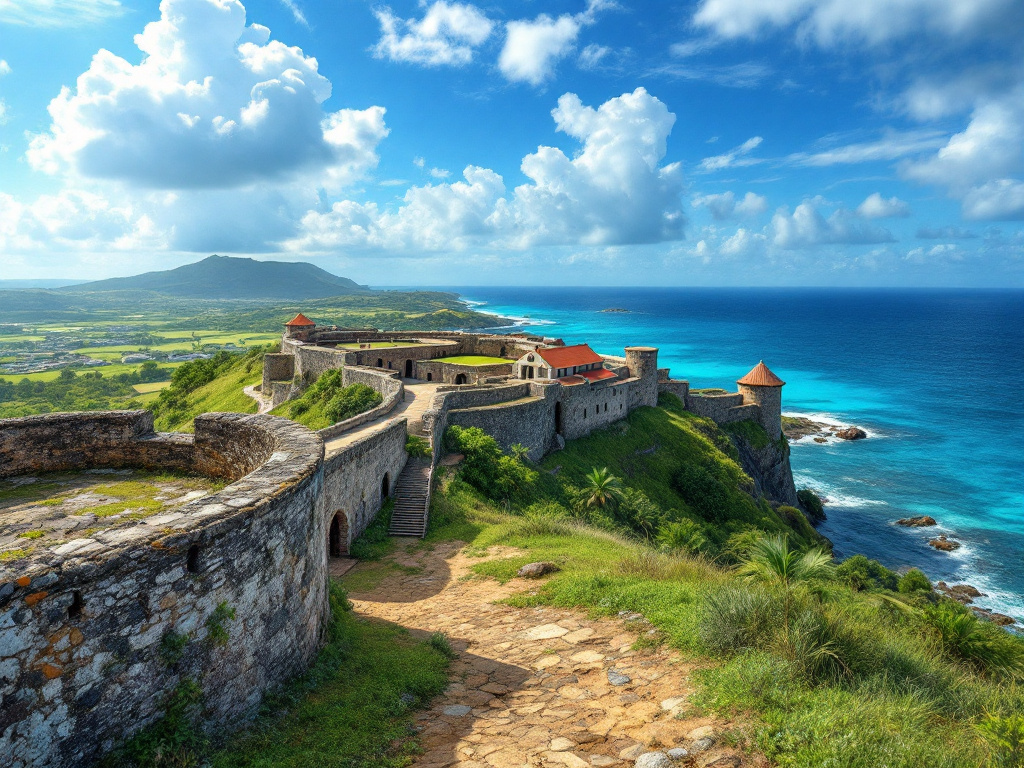
Fort Saint-Louis
Historical fort from the colonial period with a strategic location and a beautiful view of the bay.
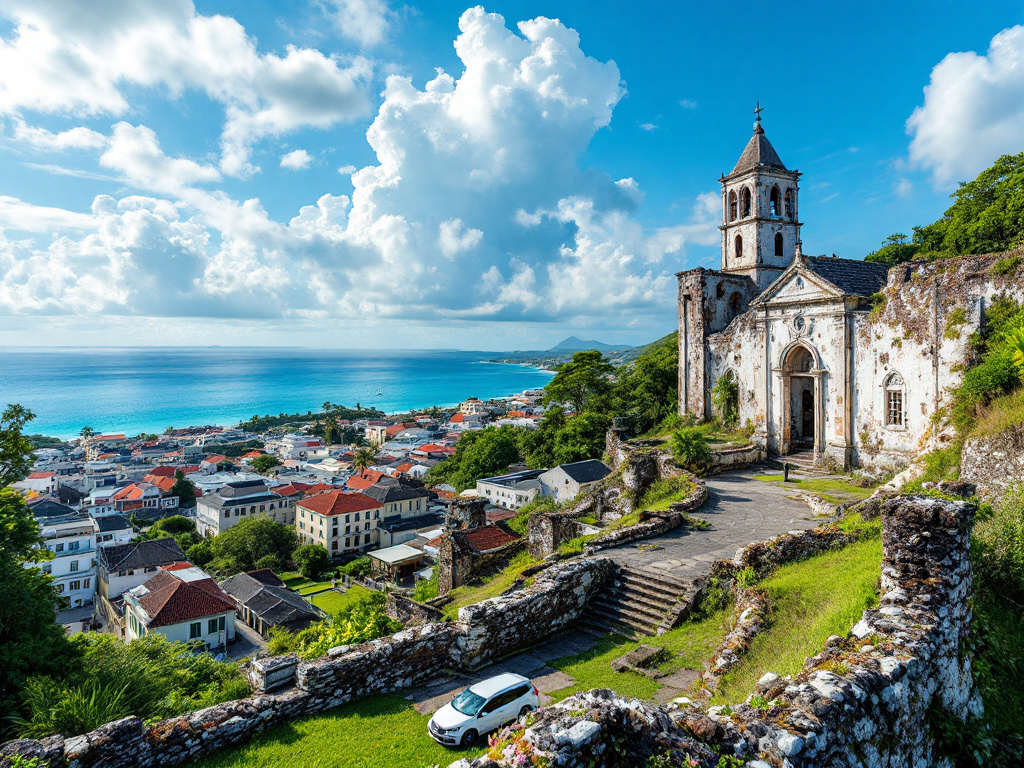
The Ruins of Saint-Pierre
The remains of the former capital, destroyed by Mont Pelée's eruption in 1902.
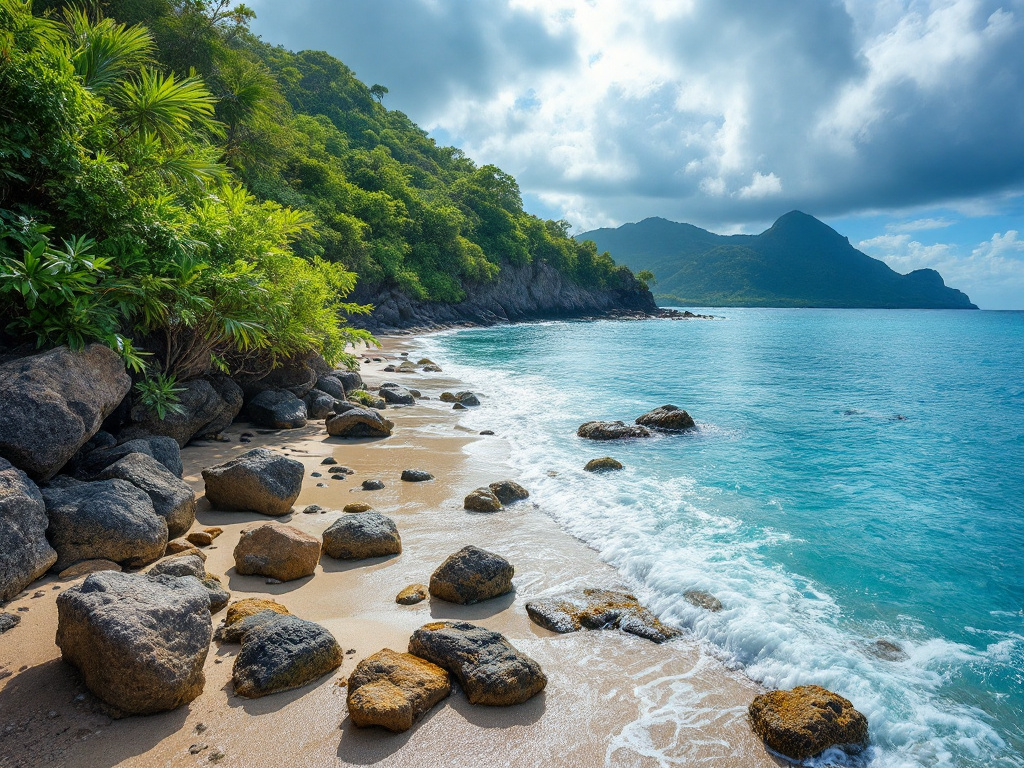
Caravelle Peninsula
Scenic peninsula known for biodiversity, hiking trails, and dramatic coastlines.
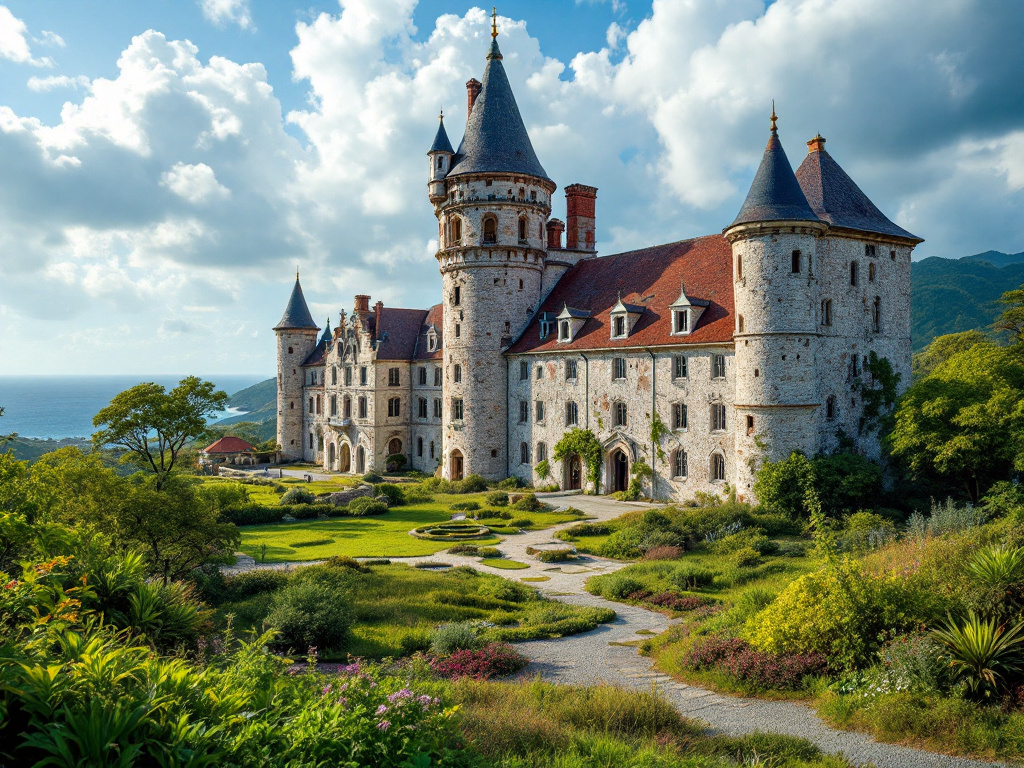
Château Dubuc
Well-preserved ruins of a former sugar plantation with significant historical importance.
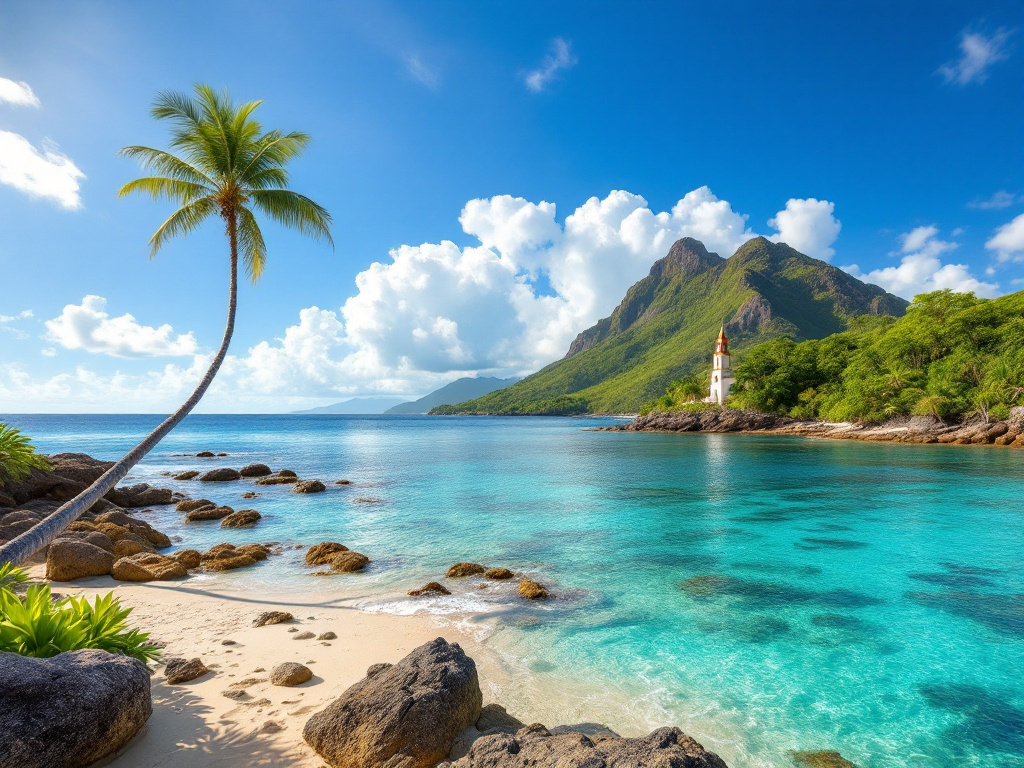
Anse d'Arlet
Charming coastal village known for its beach, church, and clear snorkeling conditions.
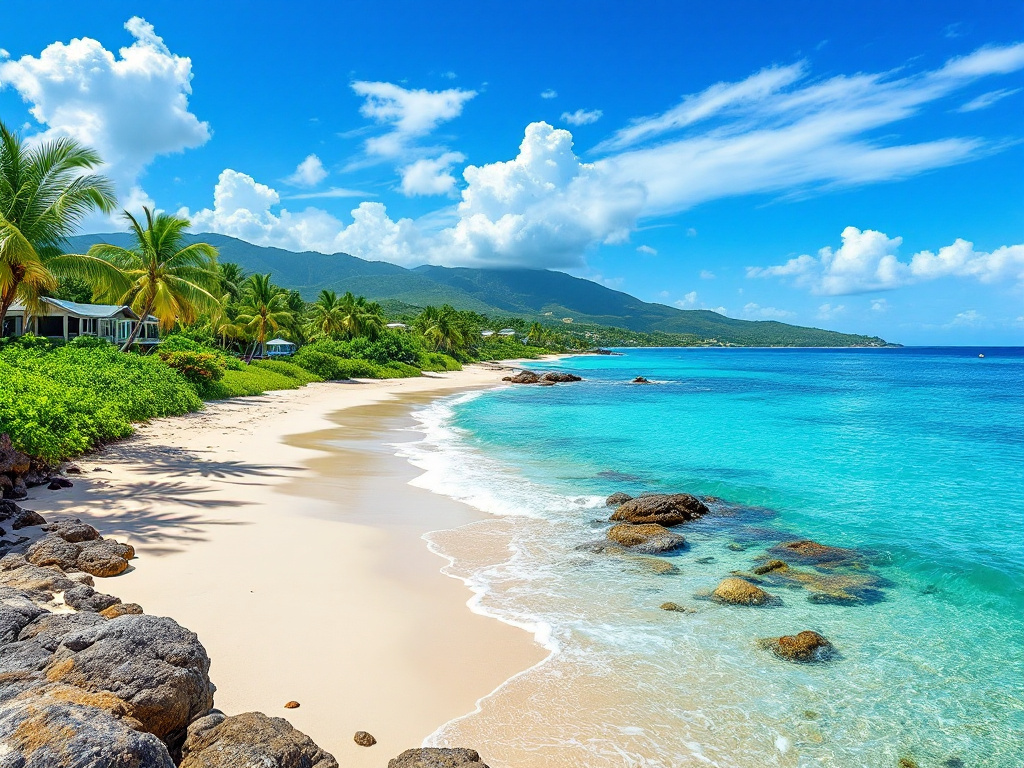
Grande Anse
Popular beach known for its wide shoreline and beautiful sunsets.
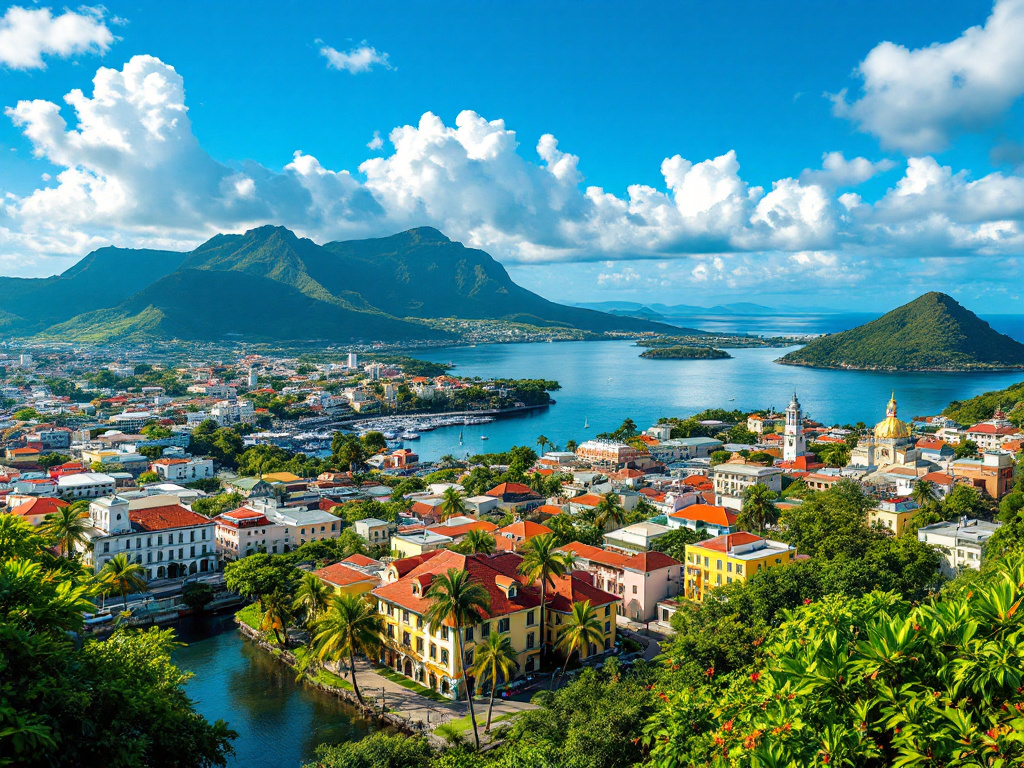
Fort-de-France Market
Colorful market filled with local flavors, scents, and Caribbean vibes.
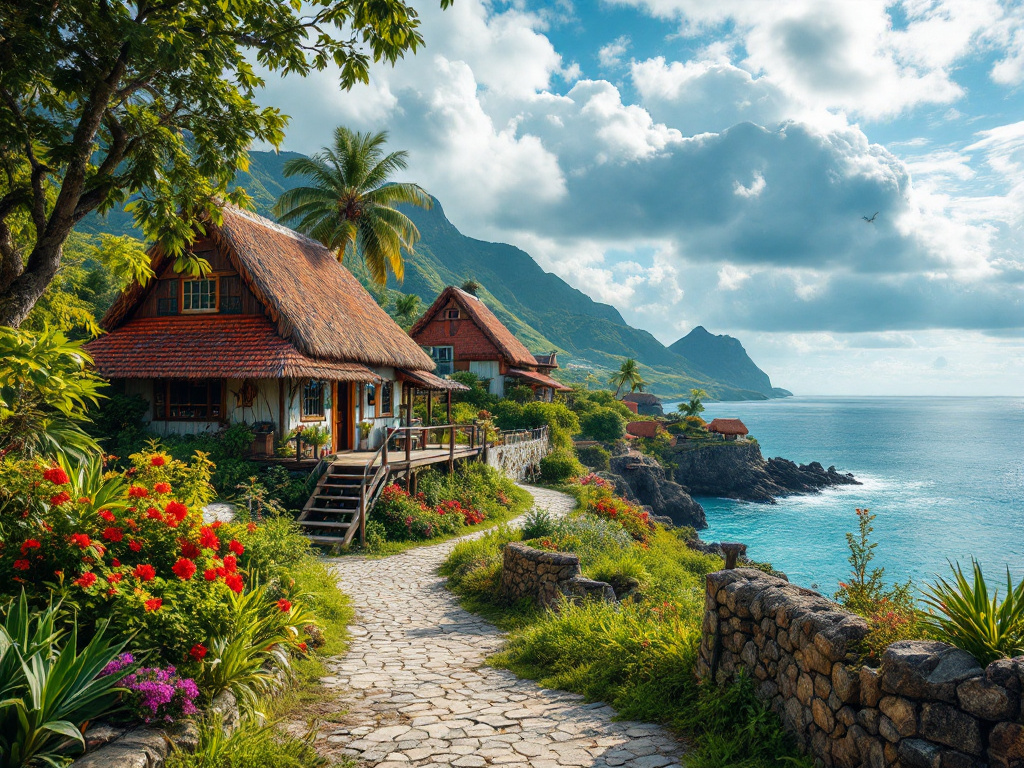
Habitation Clément
Famous rum distillery and cultural site with gardens, a museum, and tastings.
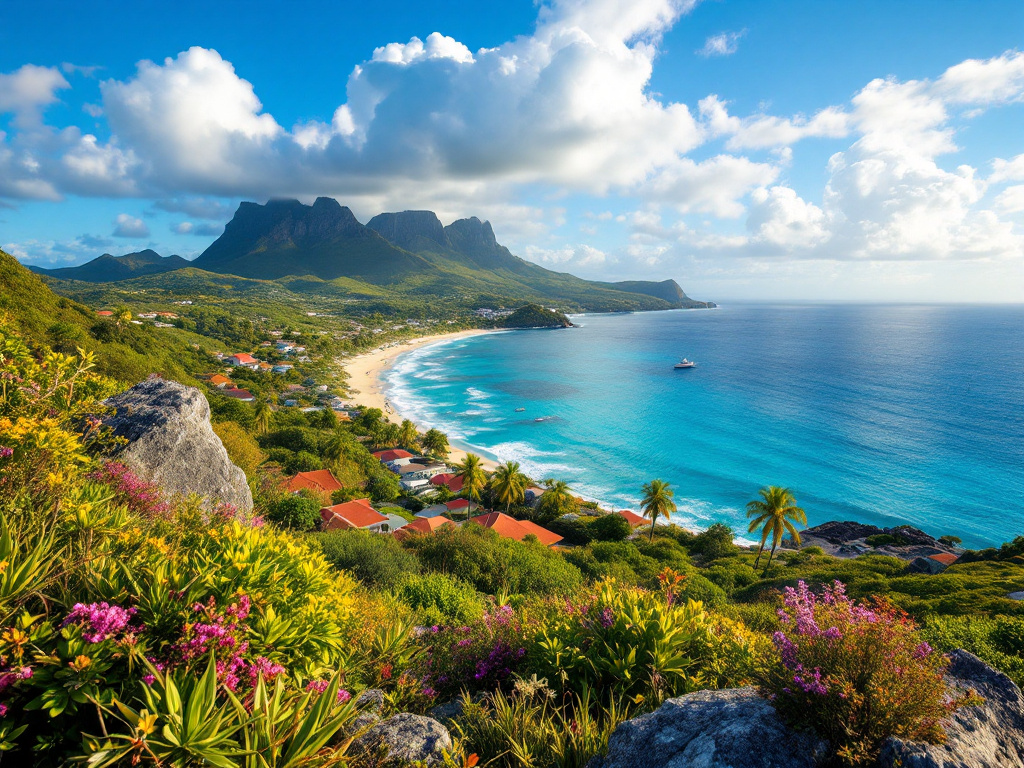
The Bays of Le François
A network of beautiful bays and small islands ideal for boat excursions and snorkeling.
Famous cuisine
Culinary overview
Martiniques kulinariske scene er en harmonisk blanding af franske teknikker og kreolske smage, præget af friske råvarer fra både hav og land. Øens køkken er farverigt, krydret og dybt forbundet med dens historie og kultur. Fra gadekøkkener, der serverer sprøde accras de morue, til elegante restauranter med udsigt over havet, er madoplevelserne varierede og autentiske. Lokale markeder bugner af tropiske frugter, krydderier og friskfanget fisk, mens romdestillerier tilbyder smagsprøver på øens berømte agricole-rom. Måltider er ofte sociale begivenheder, og gæstfriheden er en central del af madkulturen.
Must-try dishes
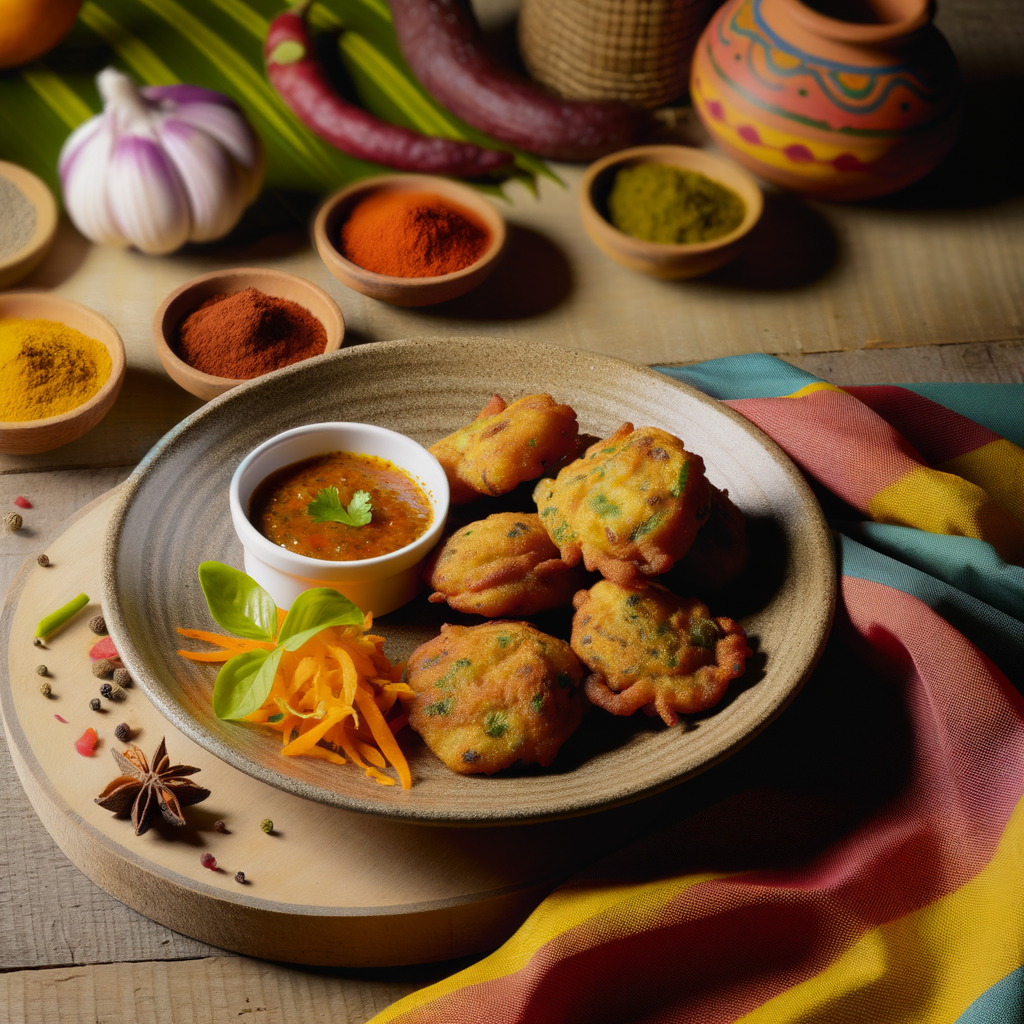
Accras de Morue
Små, sprøde fritter af saltet torsk blandet med krydderurter og krydderier. Serveres ofte som snack eller forret, ledsaget af en krydret dip.
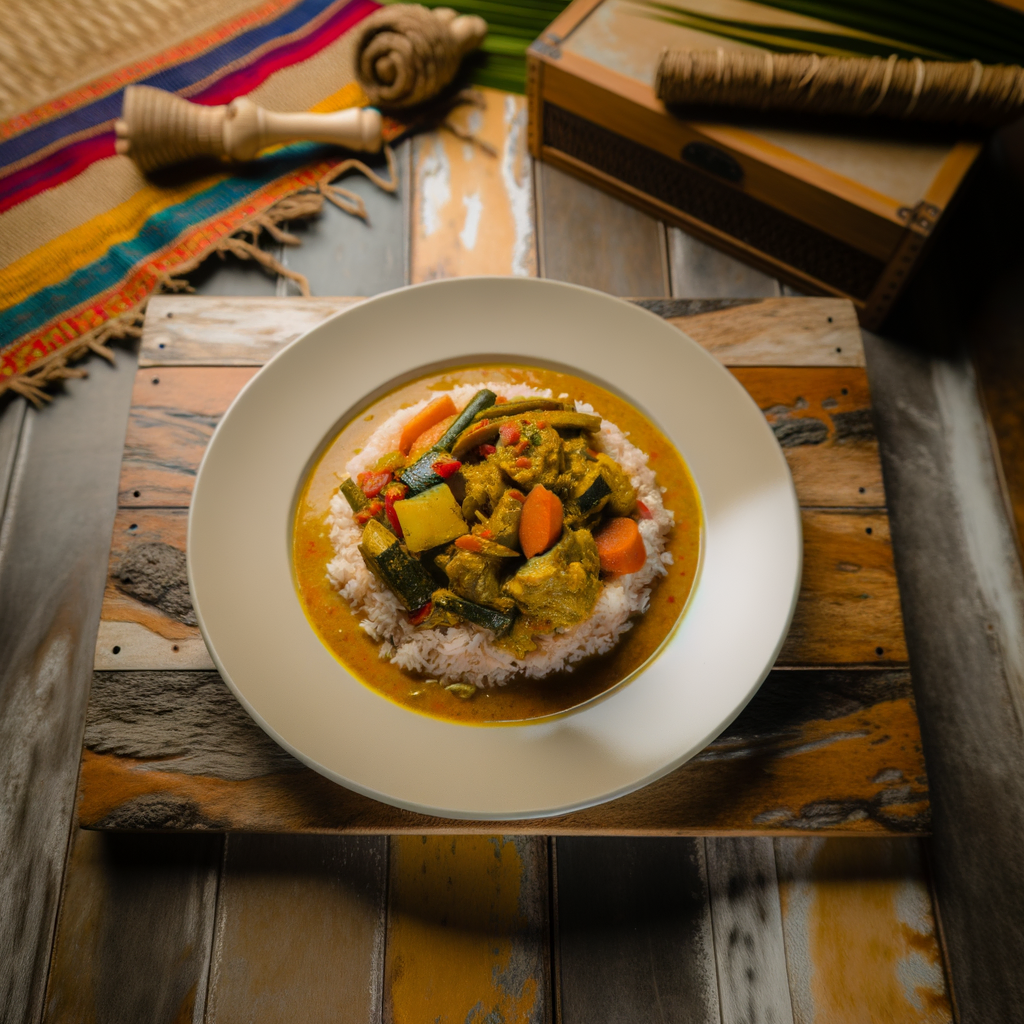
Colombo
En krydret karryret med indisk inspiration, typisk lavet med kylling, ged eller fisk, tilsat lokale grøntsager og serveret med ris.
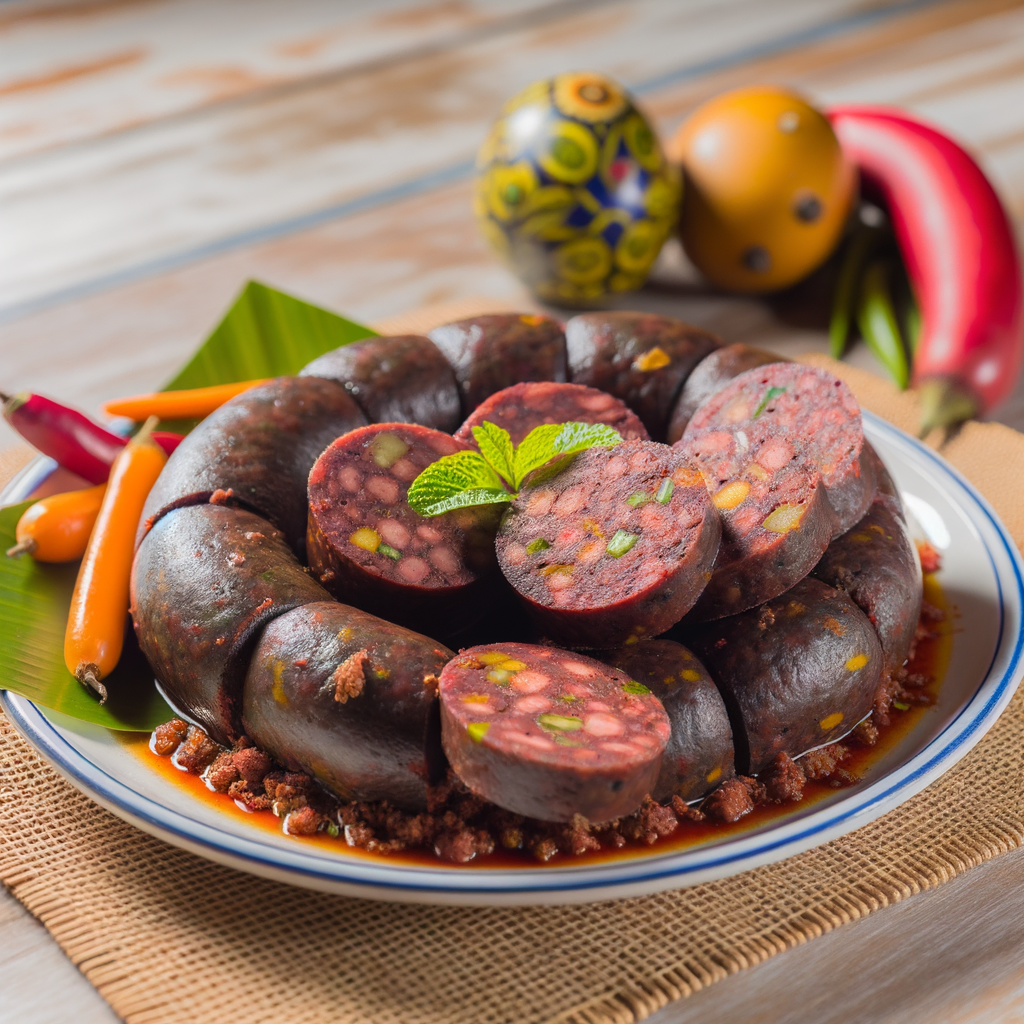
Boudin Créole
En krydret blodpølse lavet med svinekød, krydderier og urter, ofte serveret ved festlige lejligheder.
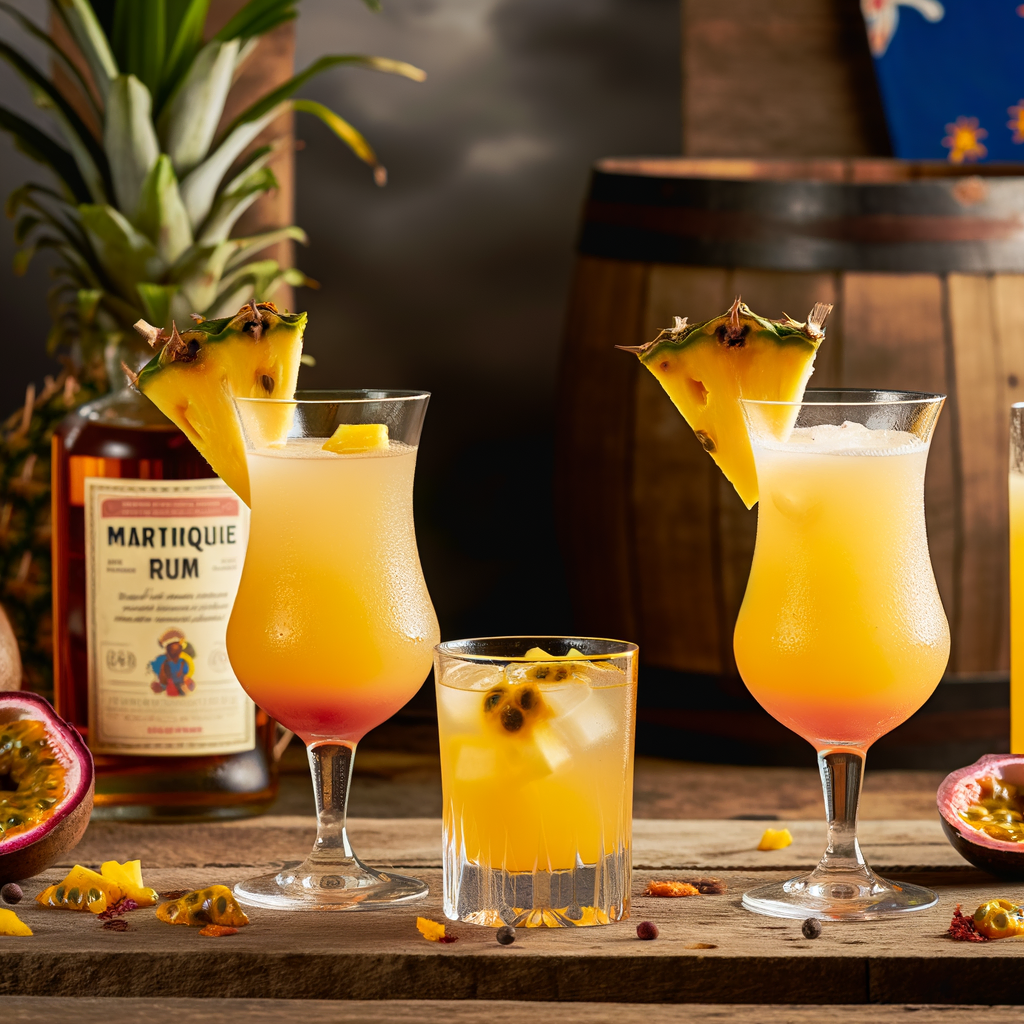
Tropical Rum Cocktails
Forfriskende cocktails baseret på lokal agricole-rom, blandet med friskpresset frugtjuice som ananas, mango eller passionsfrugt.
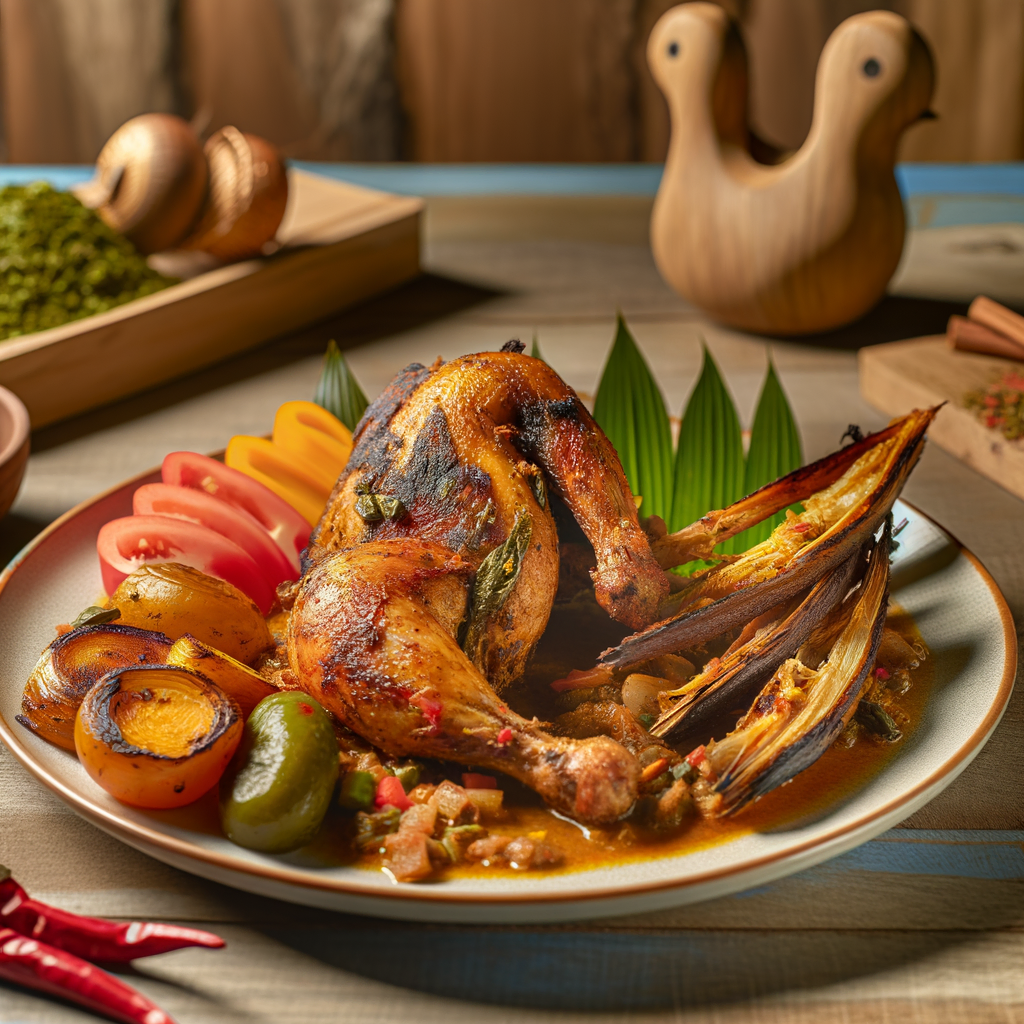
Poulet Boucané
Røget kylling marineret i krydderier og tilberedt over åben ild, hvilket giver en intens og aromatisk smag.
Restaurant information
Tipping
På Martinique er service normalt inkluderet i regningen (service compris), men det er almindeligt at runde op eller efterlade småpenge som tak for god service.
Travel information
Currency
Euro (€)
Language
Best time to visit
December to April
Major cities
Fort-de-France and other major cities
Fremhævede destinationer
Ekstraordinære steder nøje udvalgt af vores rejseeksperter, som tilbyder unikke oplevelser og betagende landskaber.