
Northern Ireland
Northern Ireland, where rugged coastlines meet vibrant cities, offers a rich tapestry of history, culture, and culinary experiences, crowned by the iconic Giant’s Causeway and the legacy of Titanic.
Overview
Northern Ireland offers an unforgettable travel experience where dramatic coastal cliffs, historic cities, and vibrant culture collide. Discover the world-famous Giant's Causeway with its mysterious basalt formations, explore Belfast and its Titanic history, or feel the thrill on the Carrick-a-Rede Rope Bridge. From Derry’s medieval walls to picturesque villages and delicious dishes like Ulster Fry and Irish Stew, Northern Ireland presents a unique blend of nature, history, and hospitality. The best time to visit is from May to September, when the weather is mild and the days are long.
Official language
English
Government
Delegeret administration under Det Forenede Kongerige
Best time to visit
May to September
Nature
Northern Ireland's nature is both dramatic and captivating. The rugged beauty of the Causeway Coast is a highlight, where the sea meets towering cliffs and hidden coves. The Giant's Causeway, a UNESCO World Heritage Site, impresses with its 40,000 natural basalt columns formed by volcanic activity millions of years ago, shrouded in legends of the giant Finn McCool. Along the coast, visitors can cross the exhilarating Carrick-a-Rede Rope Bridge, connecting the mainland to a small island above crashing waves. Inland, rolling green hills, tranquil lakes, and lush valleys provide excellent hiking and cycling opportunities. The famous Dark Hedges, an avenue of intertwined beech trees, creates a fairytale atmosphere and serves as a favorite photography spot. For nature lovers, Northern Ireland is a paradise where coastal walks can be combined with explorations of quaint fishing villages and scenic routes, all within easy reach.
Travel to Northern Ireland
Traveling to Northern Ireland is both easy and rewarding. With English as the primary language and the pound sterling as currency, many travelers find it straightforward to navigate. Belfast and Derry are accessible by flights from several European cities, and ferry connections from Scotland and England provide convenient access by sea. The ideal travel period is between May and September, when the weather is pleasant, days are extended, and the landscape is in full bloom. Public transport connects major cities, but car rental offers the freedom to explore coastal roads and hidden gems. Accommodation options range from cozy B&Bs to luxury hotels, and the local hospitality ensures a memorable stay. Whether you seek adventure in nature, historical landmarks, or culinary delights, Northern Ireland is a destination that beautifully combines it all in a compact and accessible way.
Culture
The culture of Northern Ireland is a vibrant blend of Celtic traditions, British influence, and modern creativity. Music plays a central role, ranging from traditional folk melodies to rock and pop, with pubs bustling with lively tunes and communal singing. Belfast stands as a cultural powerhouse, home to art galleries, theaters, and festivals, while Derry is renowned for its rich storytelling and hosts one of the world's largest Halloween celebrations. The languages spoken—English, Irish (Gaelic), and Ulster Scots—reflect the region's diverse heritage. Culinary experiences in Northern Ireland feature hearty and flavorful dishes such as Ulster Fry, Irish Stew, and Boxty, often made with locally sourced ingredients. Markets and food festivals offer a chance to savor everything from freshly caught fish to artisanal cheese. The welcoming locals take pride in their culture, making visitors feel at home and providing an authentic experience of the region's soul.
History
Northern Ireland's history is complex and fascinating, marked by both grand achievements and challenging periods. From ancient myths of giants to medieval fortified cities, the area has always been strategically and culturally significant. Derry’s city walls, built in the 17th century, are among the best-preserved in Europe, bearing witness to a time of political and religious strife. Belfast emerged as an industrial powerhouse in the 19th century, most famously known for shipbuilding—home to the Titanic, launched in 1912. The 20th century saw Northern Ireland at the center of political conflicts known as The Troubles, but recent decades have ushered in peace and renewed optimism, opening doors for tourism and cultural development.
Top attractions
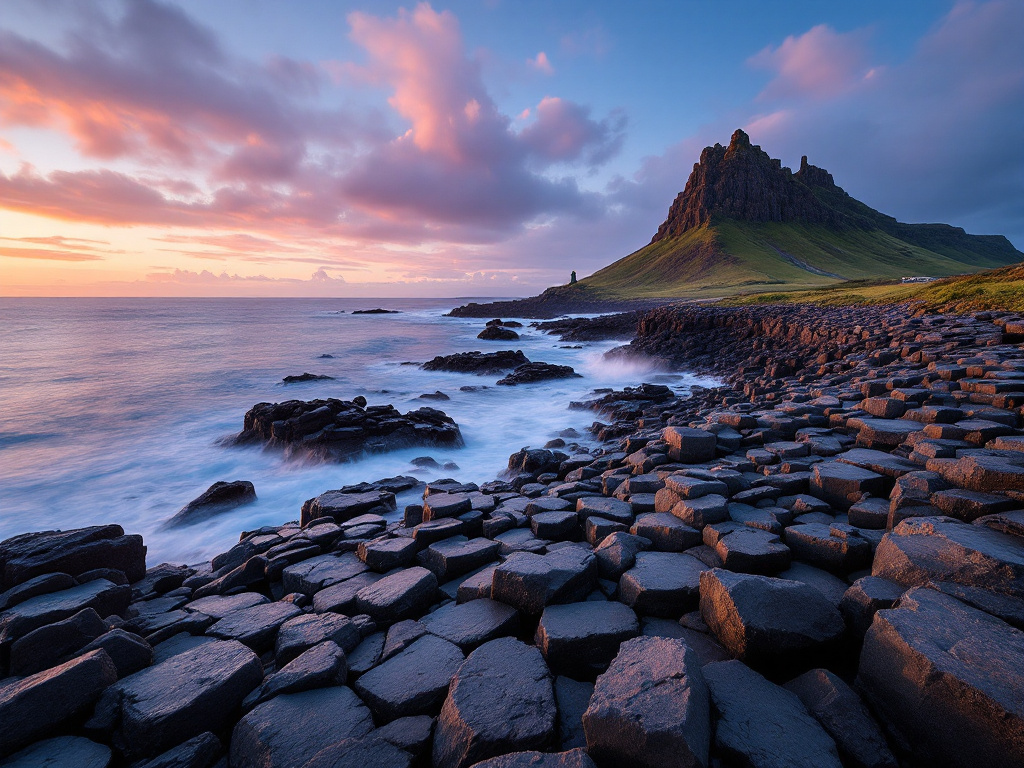
Giant’s Causeway
A spectacular coastal landscape with thousands of hexagonal basalt columns formed by volcanic activity millions of years ago.
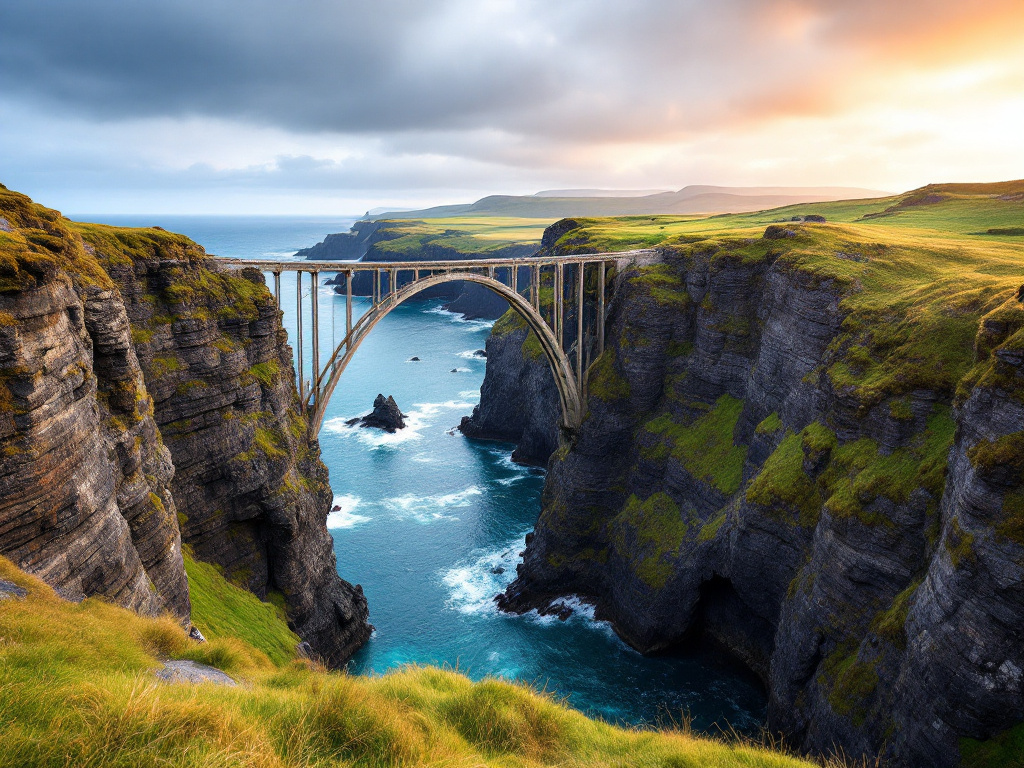
Carrick-a-Rede Rope Bridge
An iconic rope bridge that connects the mainland to a small rocky island, providing an adrenaline-pumping experience.
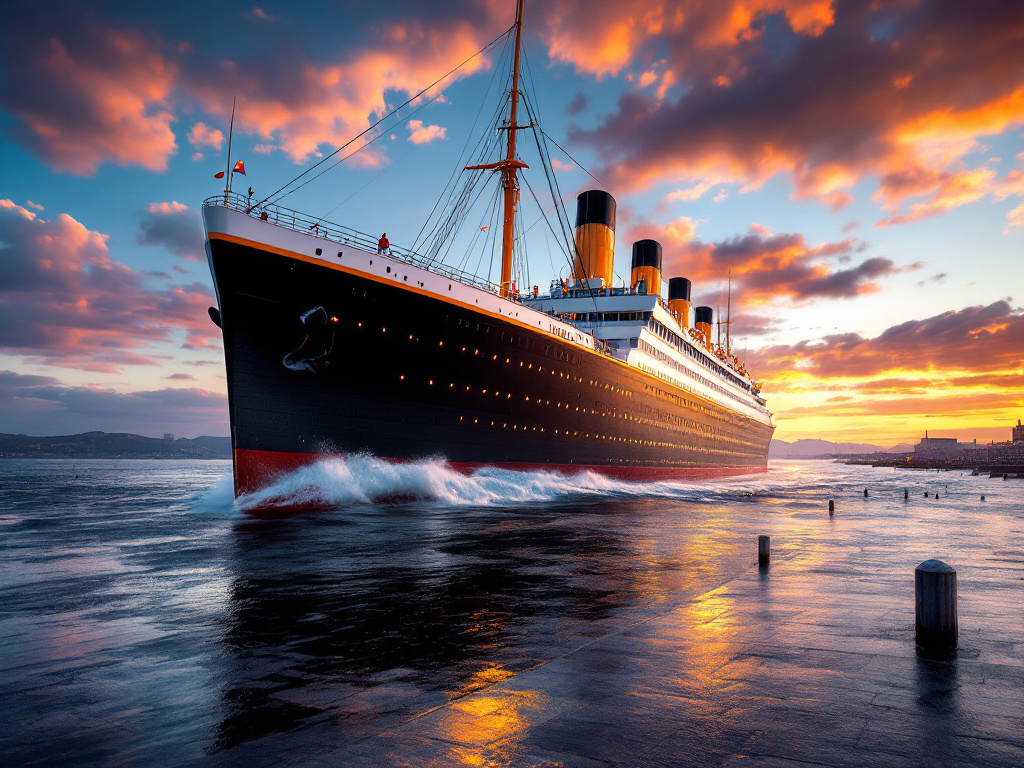
Titanic Belfast
An award-winning museum that tells the story of RMS Titanic from design to sinking.
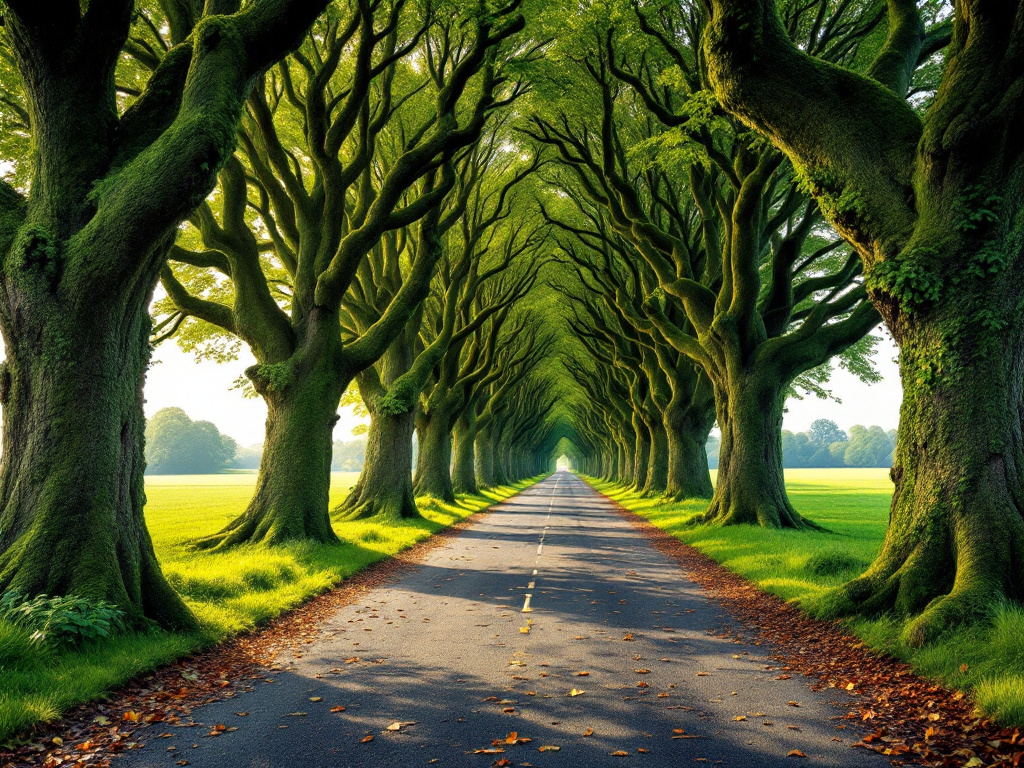
The Dark Hedges
A famous avenue of intertwined beech trees, known for its mysterious atmosphere.
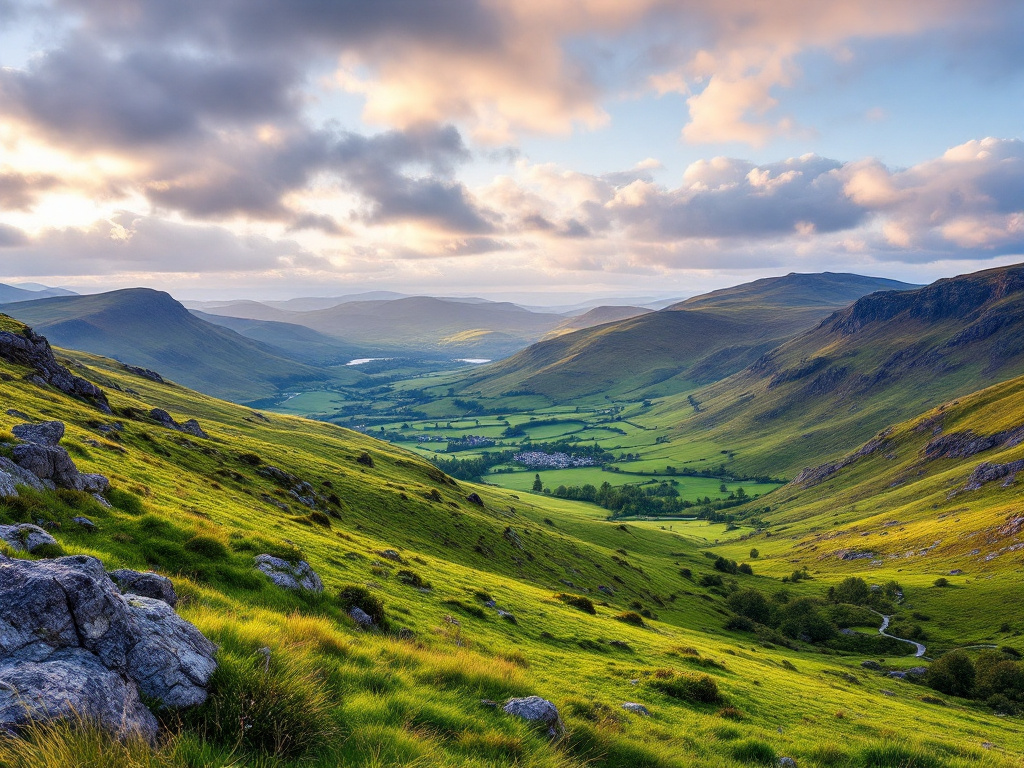
Mourne Mountains
A scenic mountain area that has inspired literature and offers some of the best hikes in Northern Ireland.
Famous cuisine
Culinary overview
Northern Ireland's culinary scene is a mix of traditional Irish dishes, fresh local ingredients, and modern gastronomy. The country is known for its hearty breakfasts, filling stews, and the use of potatoes in many variations. Coastal areas offer freshly caught fish and seafood, while rural areas provide quality meat and dairy products. The food culture is characterized by hospitality and simplicity, but also by a growing interest in innovative dishes and local specialties. Markets, pubs, and cozy cafés are perfect places to experience the authentic taste of Northern Ireland.
Must-try dishes
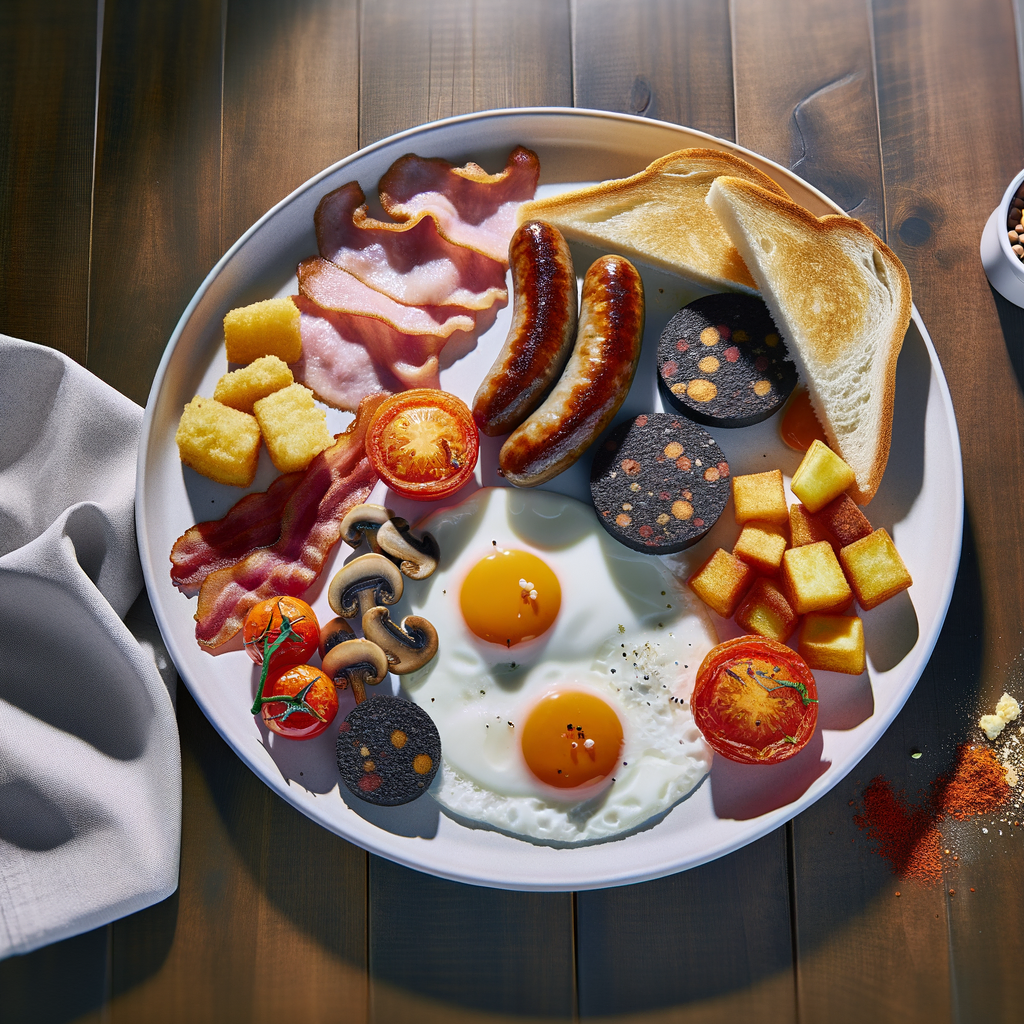
Ulster Fry
A classic Northern Irish breakfast consisting of fried eggs, bacon, sausages, black pudding, tomatoes, mushrooms, and soda bread and potato bread. Often served with tea or coffee.
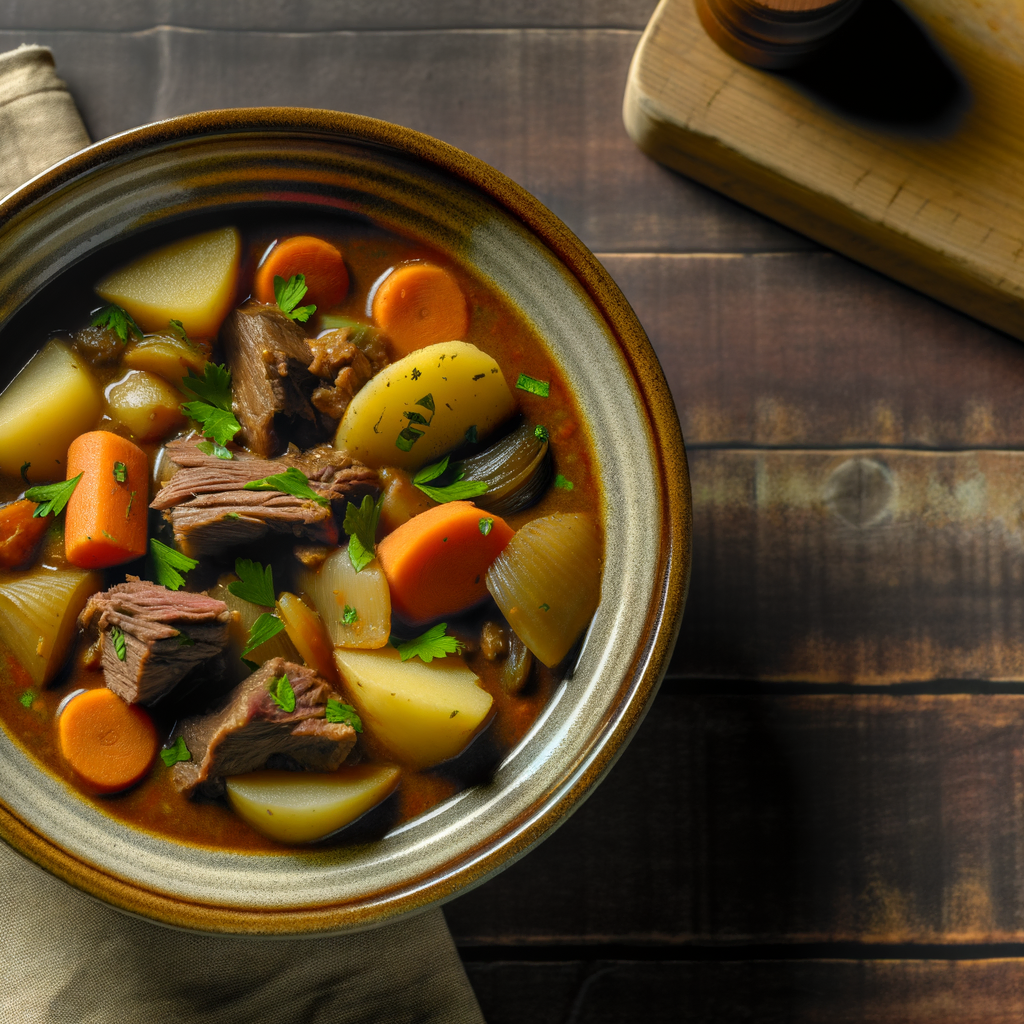
Irish Stew
A traditional stew made with lamb or beef, potatoes, carrots, onions, and parsley. Slow-cooked to achieve a rich and hearty flavor.
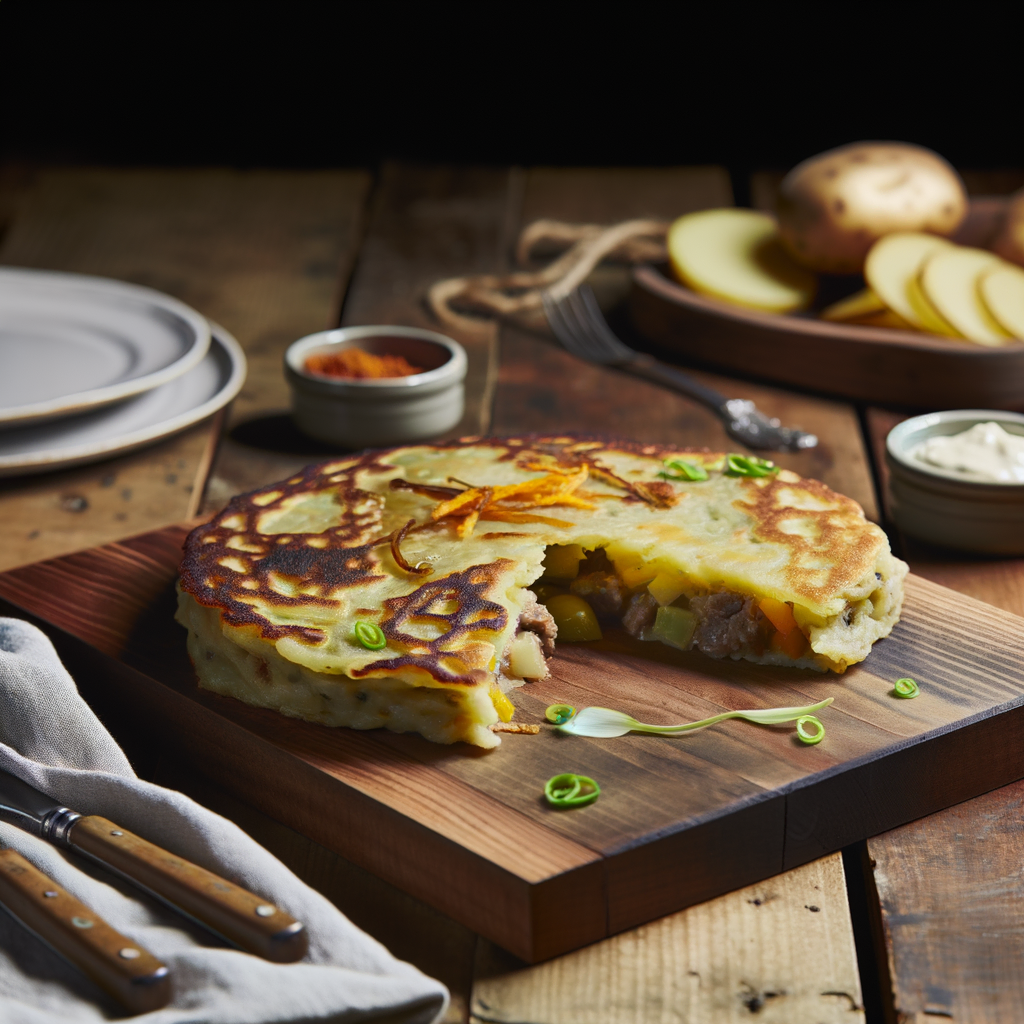
Boxty
A potato pancake made from both raw and cooked potatoes, flour, and buttermilk. Can be served as a side dish or stuffed with meat and vegetables.
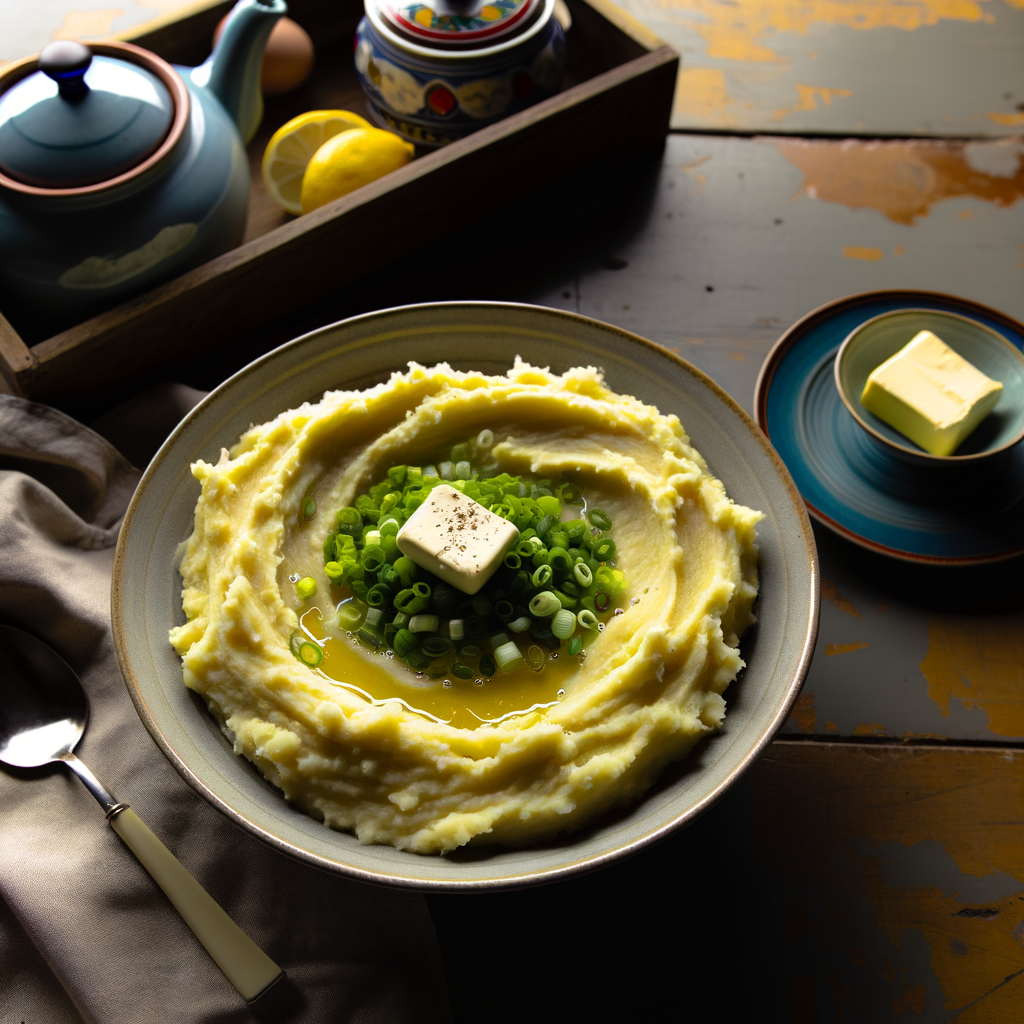
Champ
Mashed potatoes mixed with chopped spring onions, butter, and milk. A simple yet flavorful dish often served as a side to meat dishes.
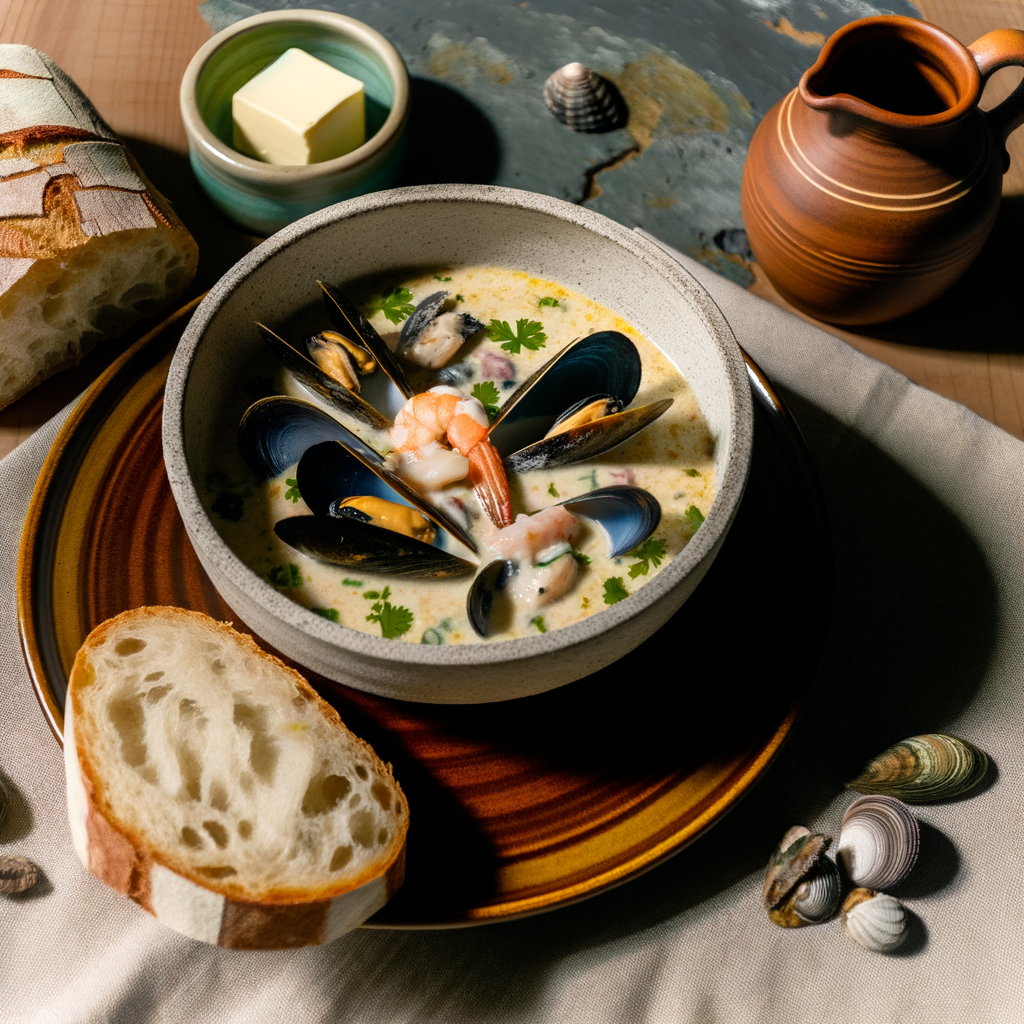
Seafood Chowder
A creamy soup filled with freshly caught fish, mussels, and shrimp, often served with freshly baked bread.
Restaurant information
Tipping
Tipping is not always expected in Northern Ireland, as service is often included in the bill. If service is not included, it is common to give around 10% for good service. In pubs, tipping is not necessary unless dining at a table.
Travel information
Currency
Pund Sterling (£)
Language
English
Best time to visit
May to September
Major cities
Belfast and other major cities
More countries in Europe
Discover more destinations in this region