
French Polynesia
French Polynesia, a paradise of 118 islands, enchants with emerald-green peaks, turquoise lagoons, and a warm, relaxed island culture that’s perfect for slowing down and enjoying life.
Overview
French Polynesia is a tropical paradise nestled in the azure expanse of the Pacific Ocean, comprising 118 islands, each with its unique allure. Here, you'll find Bora Bora's crystal-clear lagoons, Moorea's emerald peaks, and Papeete's bustling capital filled with vibrant markets and exotic cuisine. From the UNESCO World Heritage site of Taputapuātea on Raiatea to world-class diving in Rangiroa and Fakarava, the islands offer both adventure and relaxation. With an ideal climate from May to October, this destination is a dream come true for honeymooners, family vacations, and cultural immersion.
Official language
French
Government
Overseas Collectivity of France
Best time to visit
May to October
Nature
French Polynesia is a breathtaking tapestry of vibrant hues and diverse landscapes. The islands are embraced by turquoise lagoons, protected by coral reefs teeming with tropical fish, sharks, and rays. Moorea captivates with its dramatic emerald peaks rising from the sea, while Bora Bora is renowned for its iconic volcanic silhouette and azure waters. Rangiroa and Fakarava are celebrated among the world's best diving and snorkeling spots, where visitors can encounter everything from colorful corals to majestic pelagic species. Inland, lush rainforests, cascading waterfalls, and fragrant vanilla plantations await discovery. The tropical climate is especially pleasant from May to October, when cool trade winds create an ideal environment for both water activities and hiking. Sunsets over the lagoons paint the sky in shades of pink, orange, and purple, while the night sky reveals a blanket of stars, unmarred by urban light pollution. Here, nature is not just beautiful; it embodies the soul and rhythm of the islands.
Travel to French Polynesia
Traveling to French Polynesia feels like stepping into a postcard of tropical beauty. Flights from Europe typically connect through Los Angeles or Auckland to Tahiti, from where inter-island flights or ferries link the other islands. Many travelers opt to combine several islands to experience lush, mountainous landscapes alongside flat atolls with pristine beaches. Accommodation ranges from luxurious overwater bungalows on Bora Bora to charming guesthouses run by local families. Activities are wonderfully varied, including snorkeling, diving, sailing, hiking, exploring vanilla plantations, and visiting historical marae. The best time to visit is from May to October when the weather is dry and sunny. Food lovers will indulge in the Polynesian-French cuisine, while culture enthusiasts can immerse themselves in dance, music, and artisanal crafts. French Polynesia is ideal for romantic getaways, family adventures, and those seeking a deeper connection to nature and culture.
Culture
The culture of French Polynesia is deeply rooted in Polynesian traditions intertwined with French influences, resulting in a unique blend of language, art, and lifestyle. Tahitian dance, such as the sensual 'ori tahiti', narrates the islands' history and mythology through vibrant performances accompanied by drums and song. Crafts like woven mats, wood carving, and pearl jewelry serve not just as souvenirs but as vessels of cultural heritage. Papeete, the capital, thrives as a cultural hub, with markets overflowing with fresh fruits, fish, and local delicacies like Poisson Cru and coconut bread. Tahitian vanilla enjoys a global reputation for its intense aroma, gracing both cuisine and perfume. Spirituality remains significant, with sacred marae—ceremonial stone sites—found across several islands, notably the historic Taputapuātea on Raiatea, a UNESCO World Heritage site. Warm hospitality is a cornerstone of the culture, as visitors are welcomed with friendly smiles and a relaxed pace of life, where time is measured in sunrises and sunsets.
History
The history of French Polynesia is shaped by Polynesian navigators who sailed vast ocean stretches over a thousand years ago, guided by the stars. These early settlers established complex societies rich in spiritual traditions centered around marae—sacred ceremonial spaces. In the 18th century, European explorers like James Cook arrived, leading to cultural exchange and eventual colonization. In 1880, Tahiti and its surrounding islands officially became a French colony, and today, French Polynesia stands as an overseas collectivity of France. The UNESCO site Taputapuātea on Raiatea attests to the islands' central role in Polynesian culture and religion. The history is a blend of proud indigenous heritage and French influence, continues to shape the community today.
Top attractions
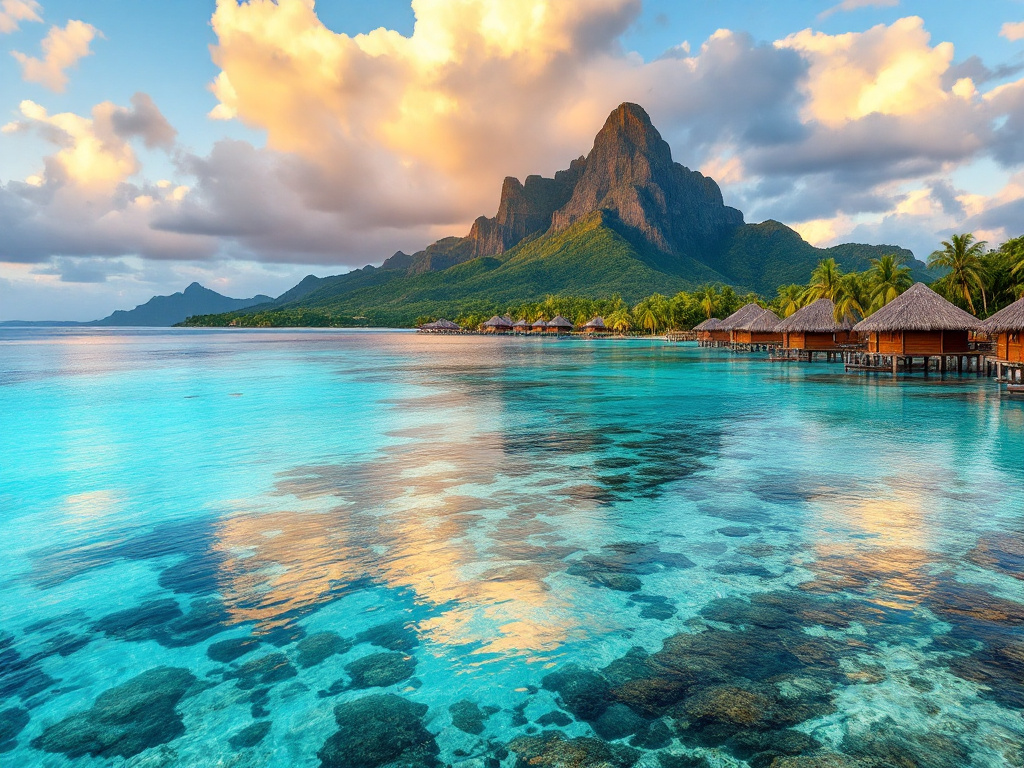
Bora Bora Lagoon
World-famous tropical lagoon known for its turquoise water, luxurious resorts, and tranquil atmosphere.
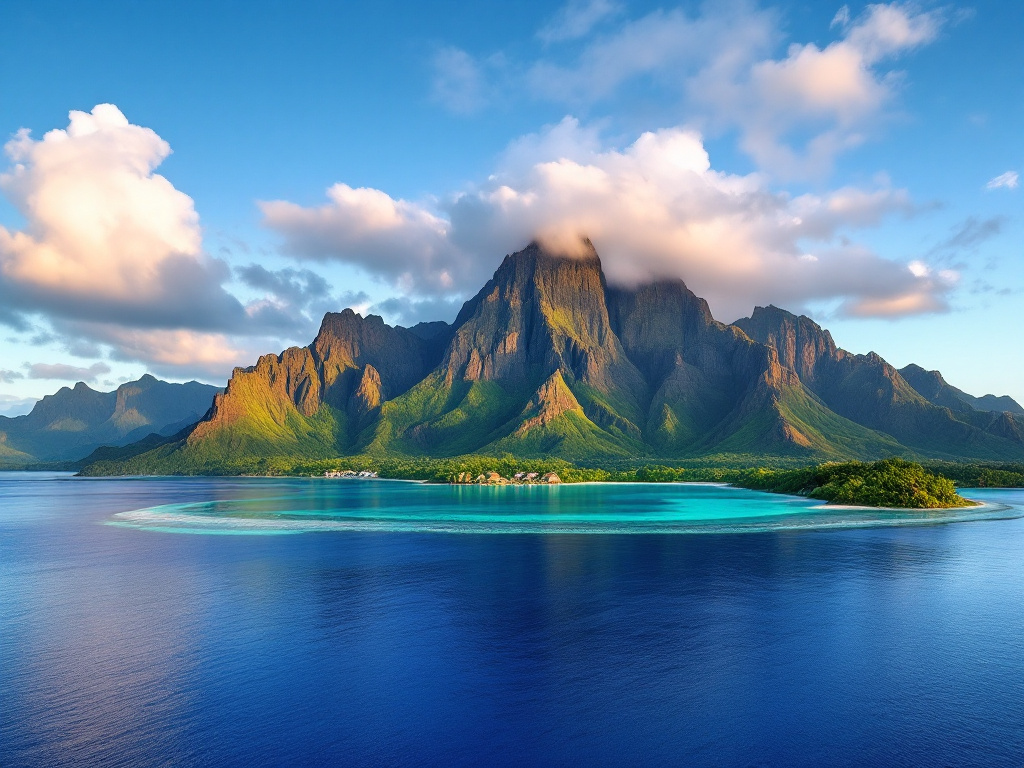
Mount Otemanu
Remains of an extinct volcano that rises dramatically above Bora Bora, offering stunning views.
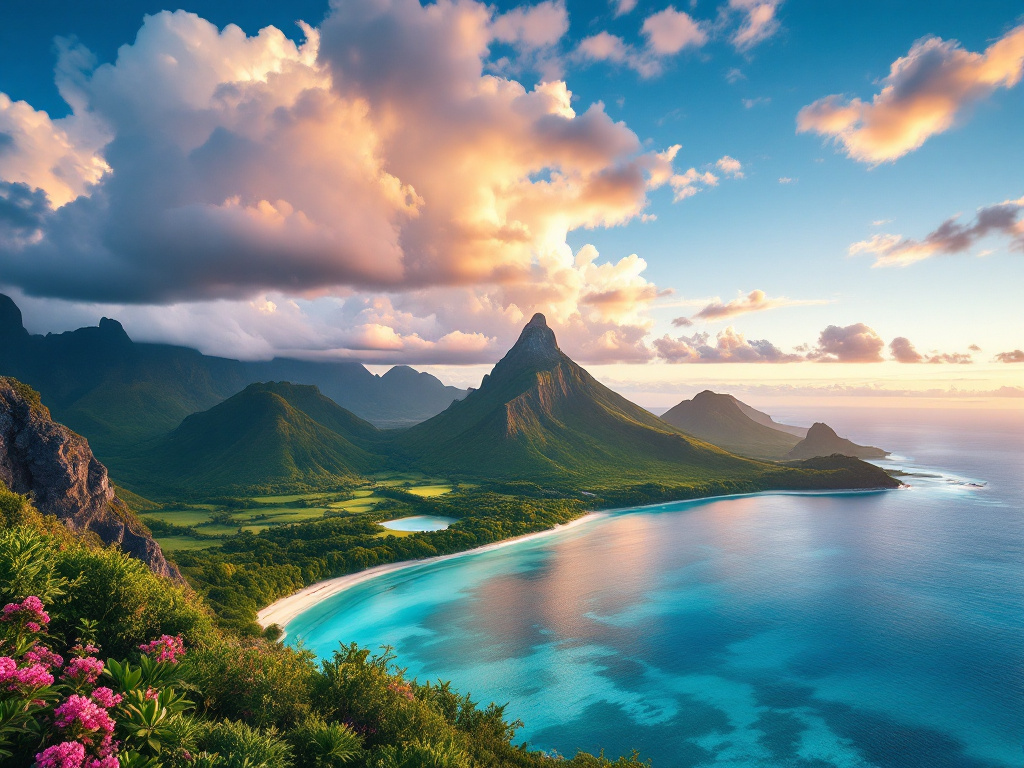
Belvedere Lookout Moorea
Popular viewpoint with panoramic views over Moorea's dramatic bays and lush mountains.
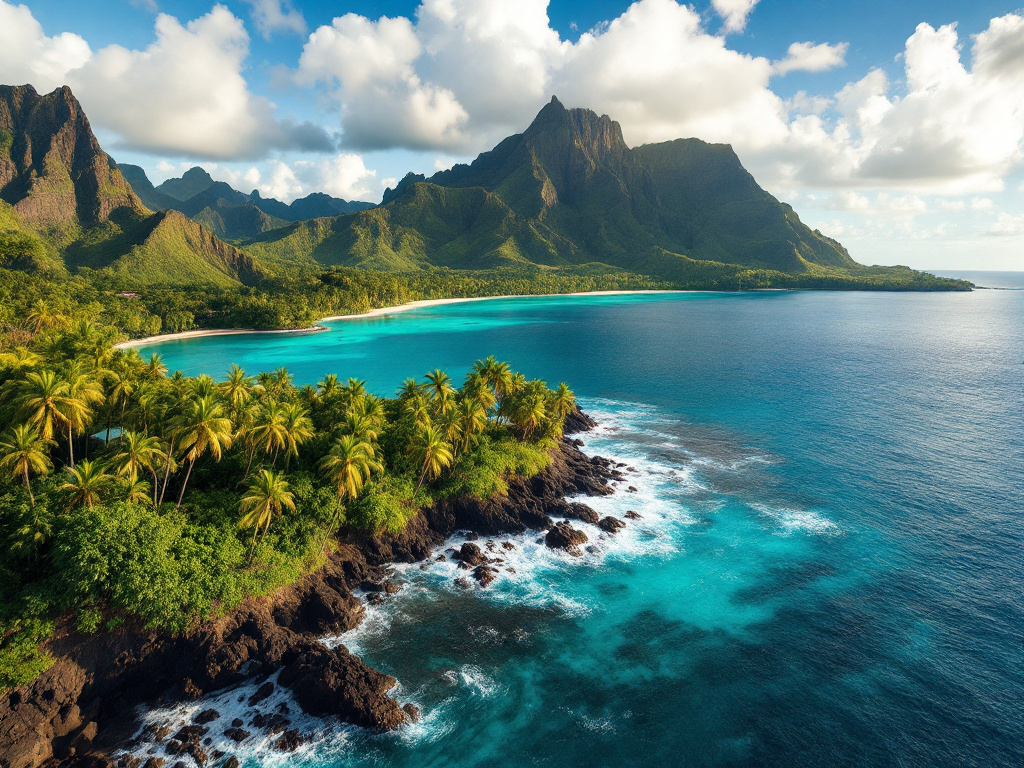
Teahupo'o Wave
One of the world’s most famous and powerful waves, respected by surfers worldwide.
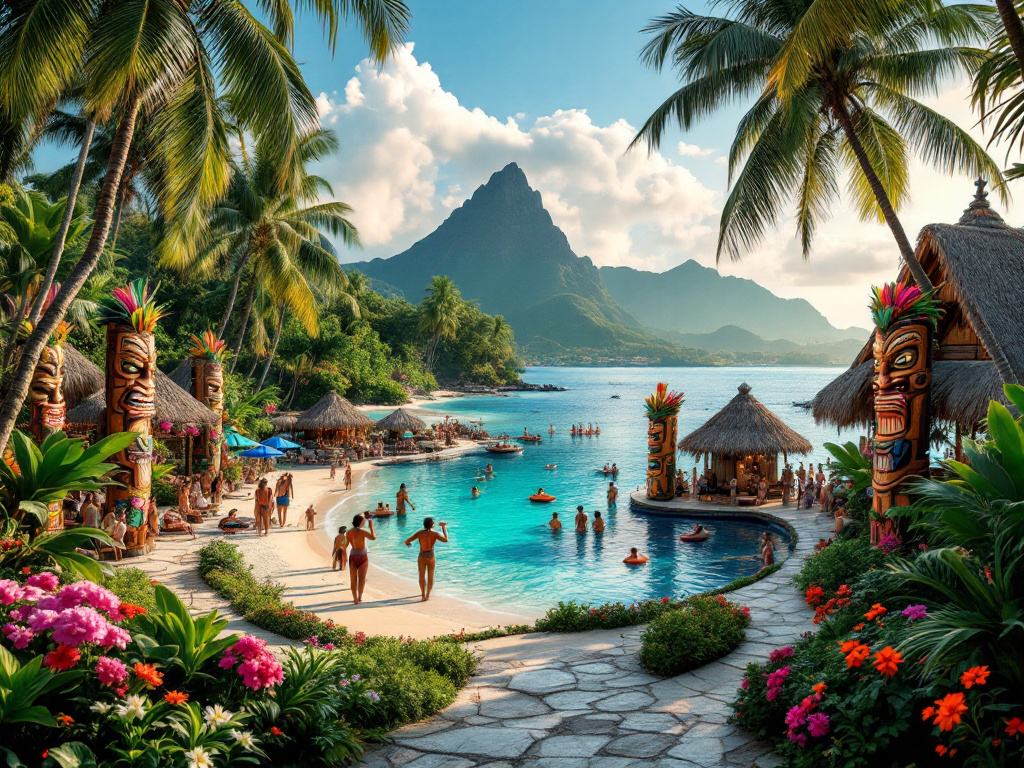
Tiki Village
A vibrant cultural center showcasing Polynesian traditions through dance, music, and food.
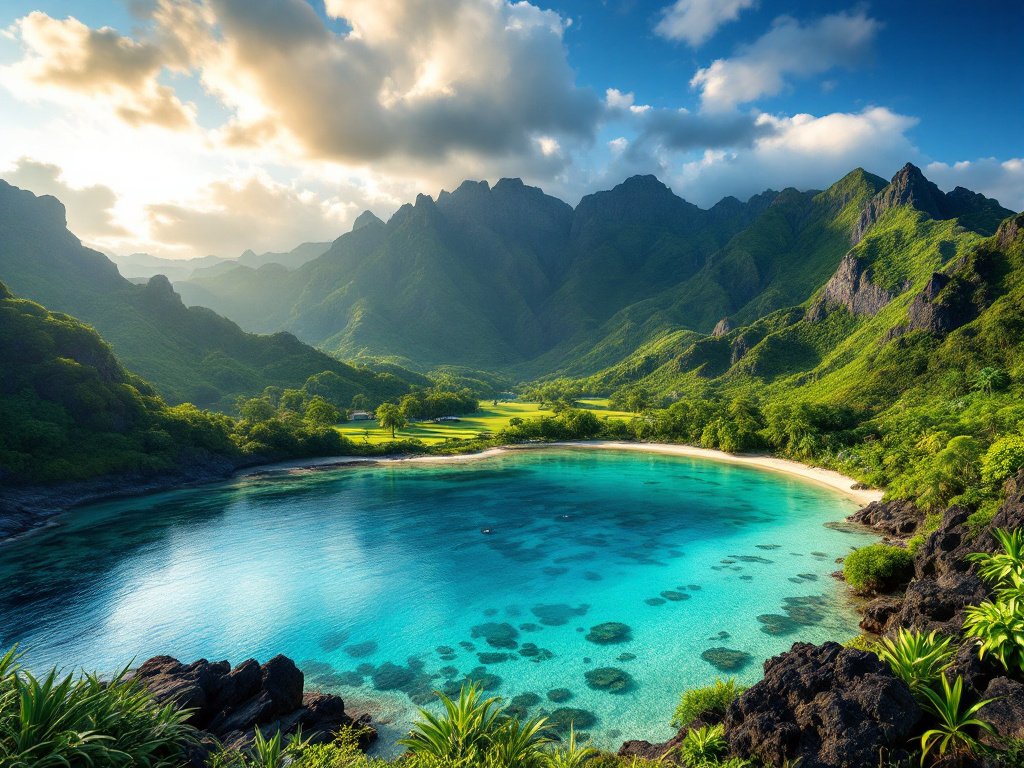
Fautaua Falls
One of Tahiti's highest and most impressive waterfalls, surrounded by dense rainforest.
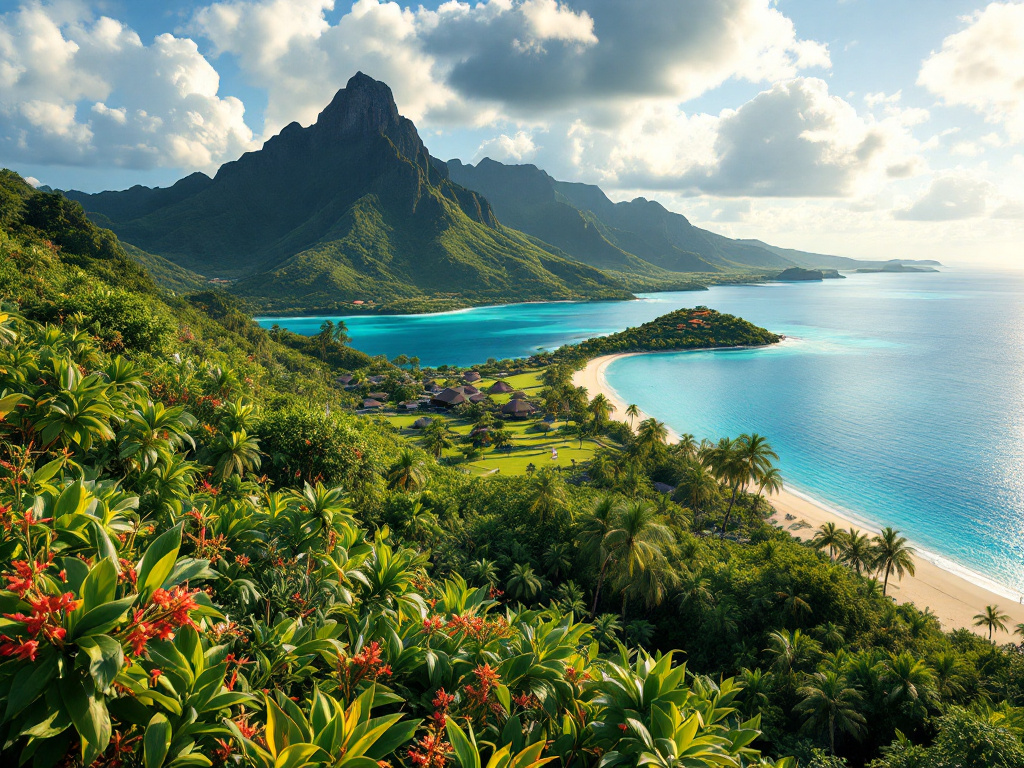
Taha'a Vanilla Plantation
Educational experience about the cultivation of the famous Tahitian vanilla on the fragrant island of Taha'a.
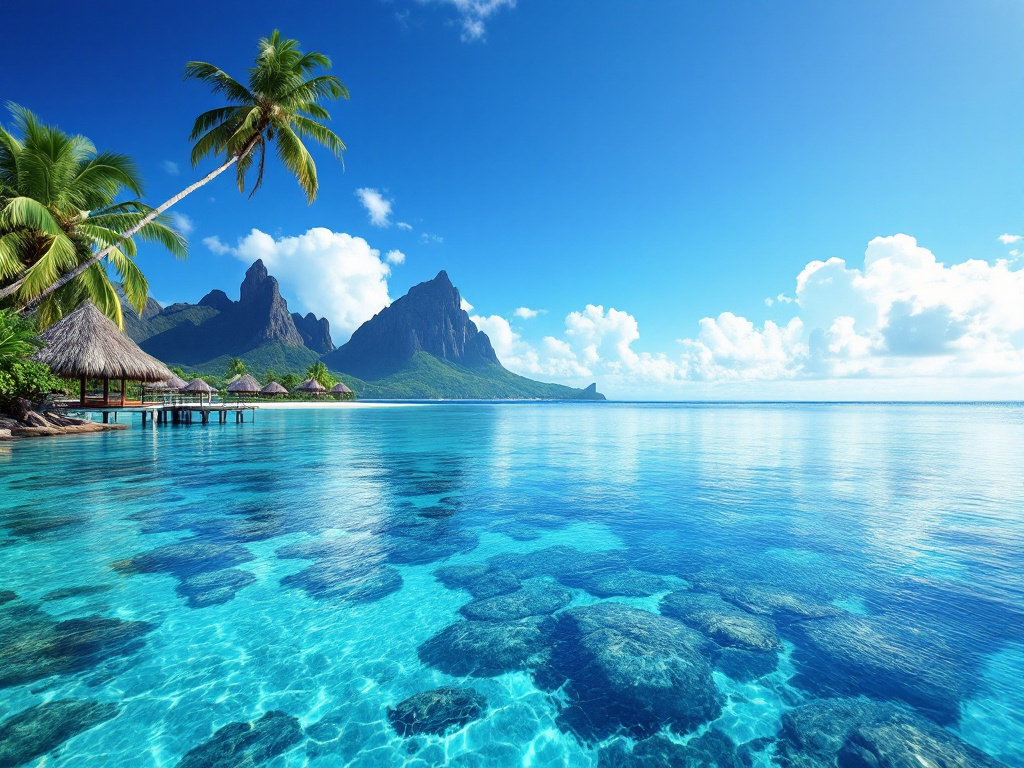
The Blue Lagoon Rangiroa
An idyllic, shallow lagoon inside Rangiroa Atoll, perfect for relaxation and snorkeling.
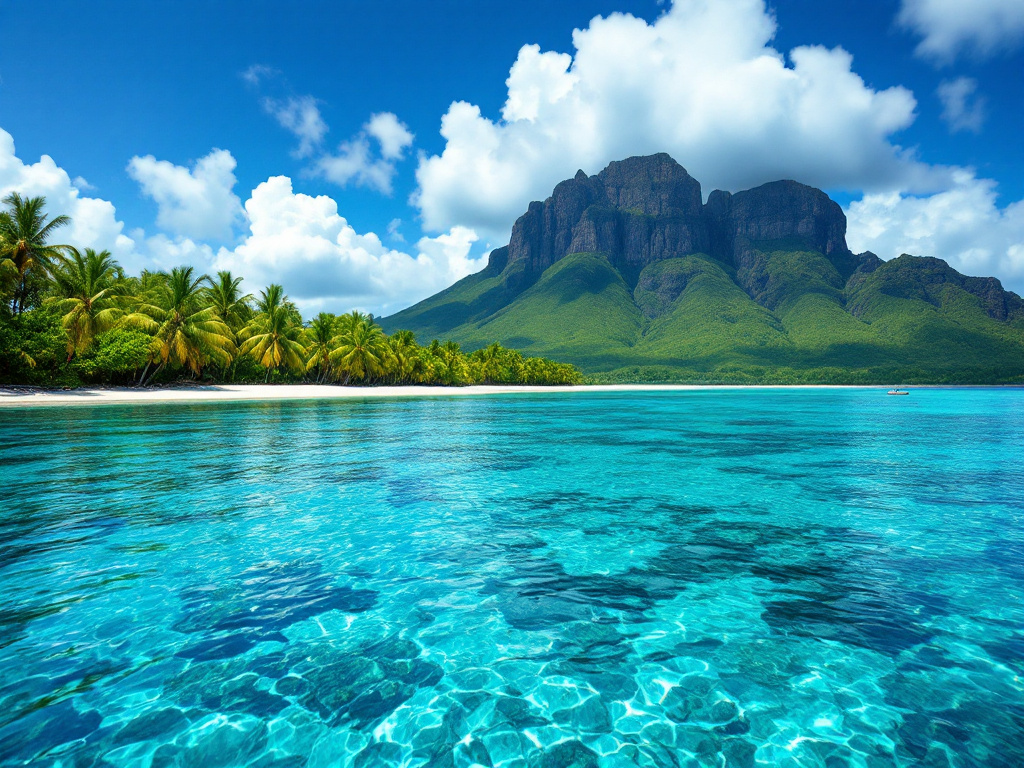
Fakarava Biosphere Reserve
UNESCO-protected atoll known for some of the best diving in French Polynesia.
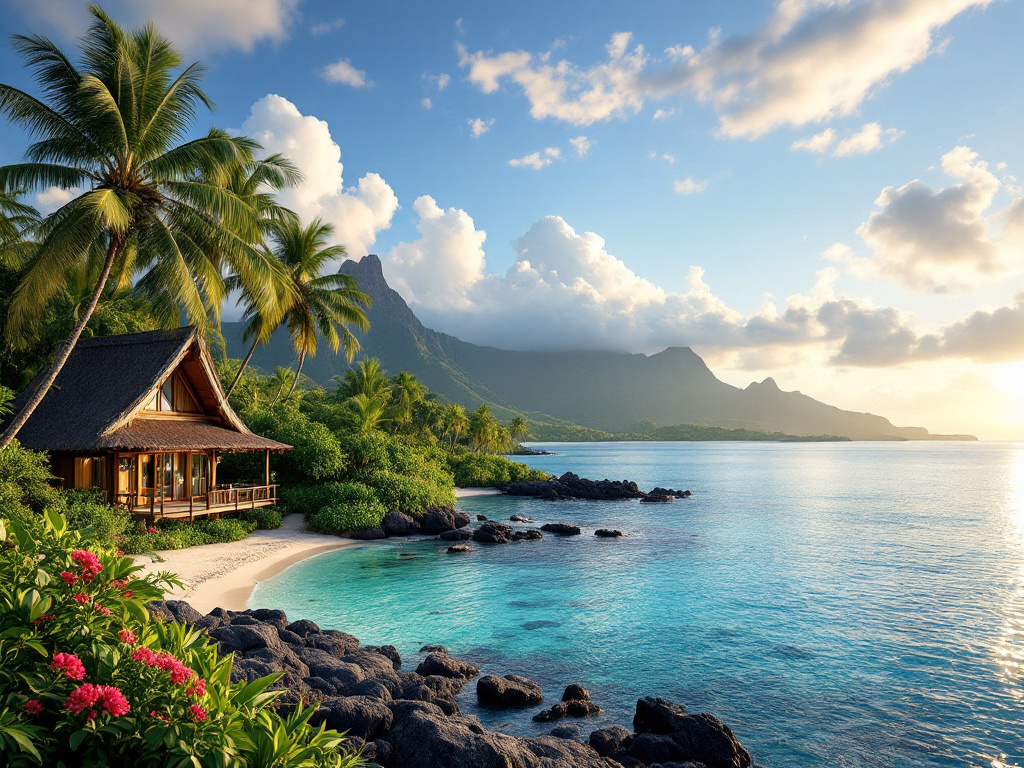
Marae Arahurahu
A restored Polynesian temple site that provides insight into Tahiti's spiritual and ceremonial past.
Famous cuisine
Culinary overview
Polynesian cuisine is a harmonious blend of local ingredients, French techniques, and tropical flavors. Fresh fish, coconut, taro, and tropical fruits are staples in many dishes, often prepared with simple yet flavorful methods like grilling over an open fire or slow baking in an underground oven called 'ahima'a'. French Polynesia is known for its high-quality vanilla, which is used in both desserts and savory dishes. The markets are brimming with colorful fruits, freshly caught fish, and handmade delicacies, while the restaurants range from small beach cafés to exclusive gourmet spots overlooking the lagoons.
Must-try dishes
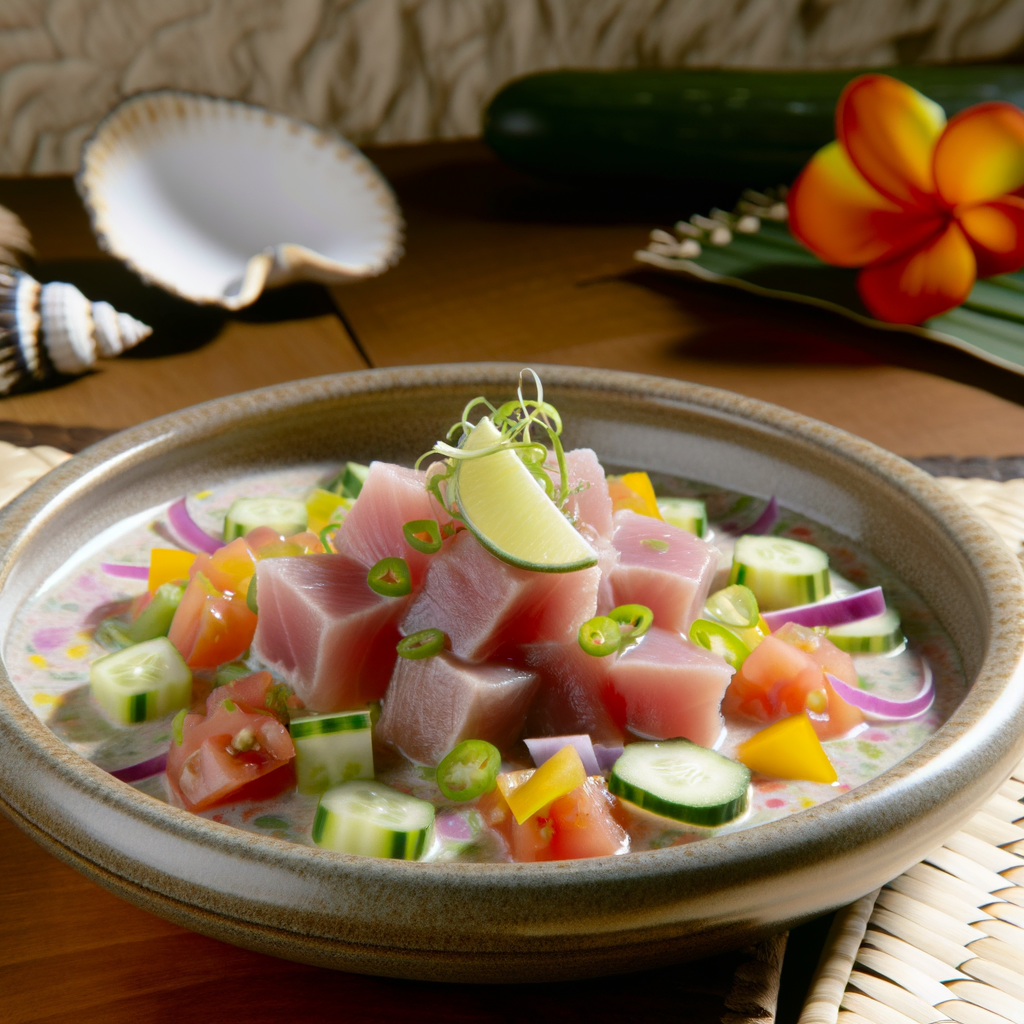
Poisson Cru
The national dish of French Polynesia, consisting of raw tuna marinated in lime juice and mixed with fresh coconut milk, served with vegetables. A refreshing and light dish, perfect for the tropical climate.
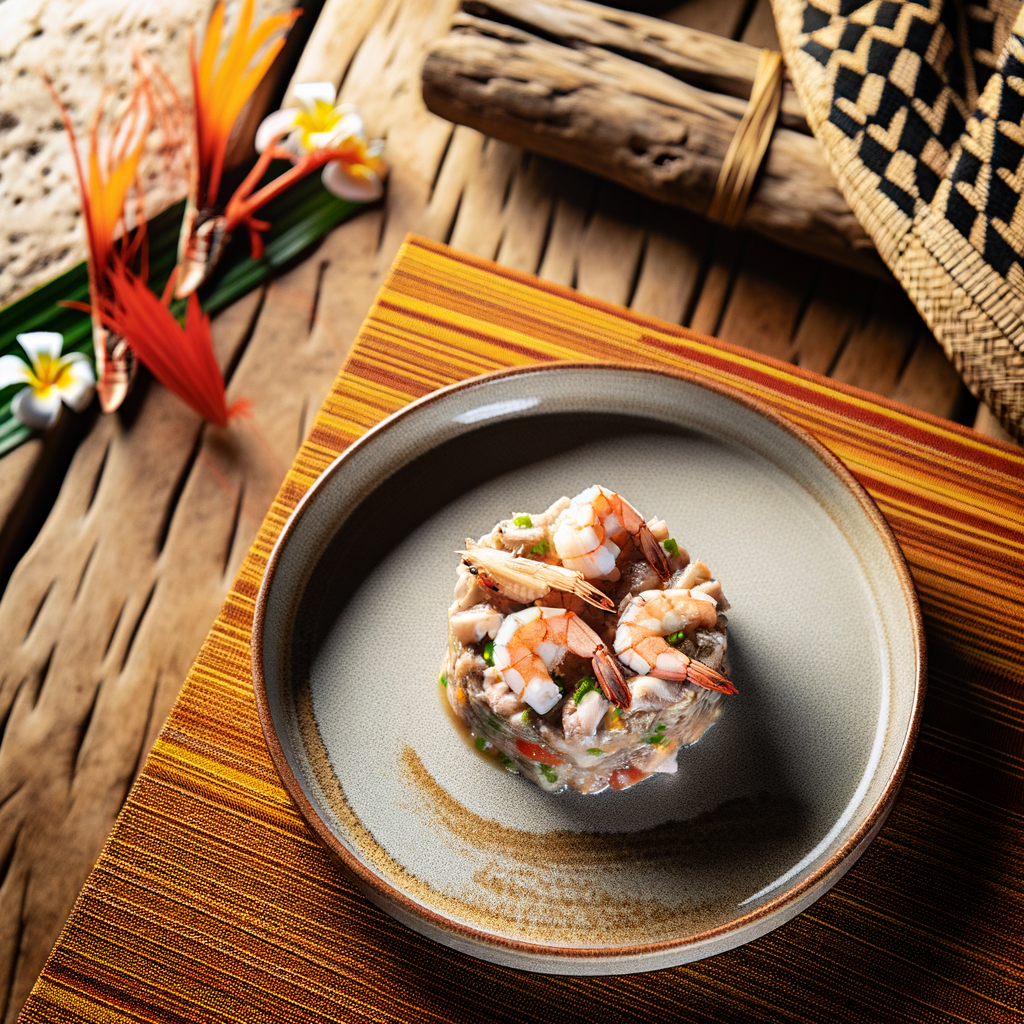
Fafaru
A traditional Polynesian specialty where fish is fermented in seawater and shrimp, giving it a strong and unique flavor for the adventurous.
Taro
A starchy root vegetable used in many dishes. It can be boiled, baked, or mashed and is often served as a side to fish or meat.
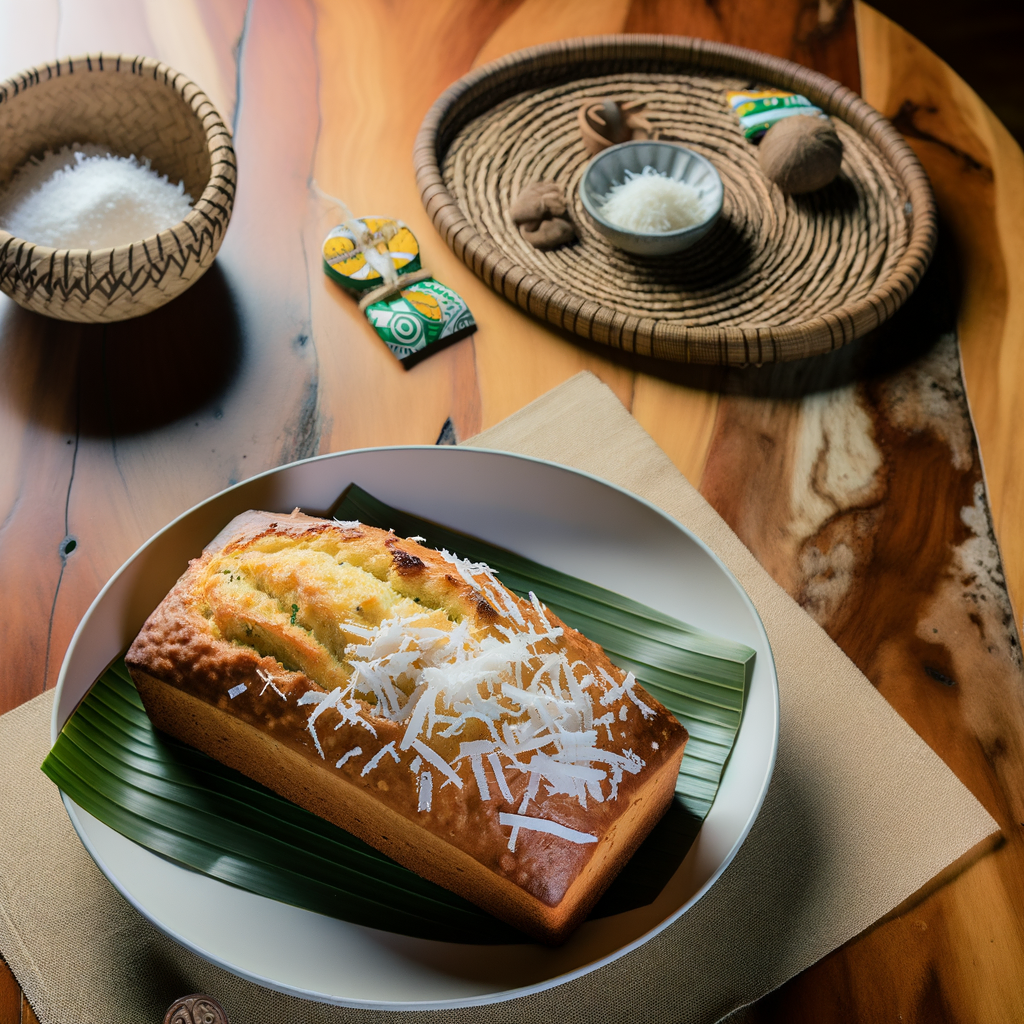
Coconut Bread
A sweet and moist bread made with coconut milk and grated coconut, often served for breakfast or as a snack.
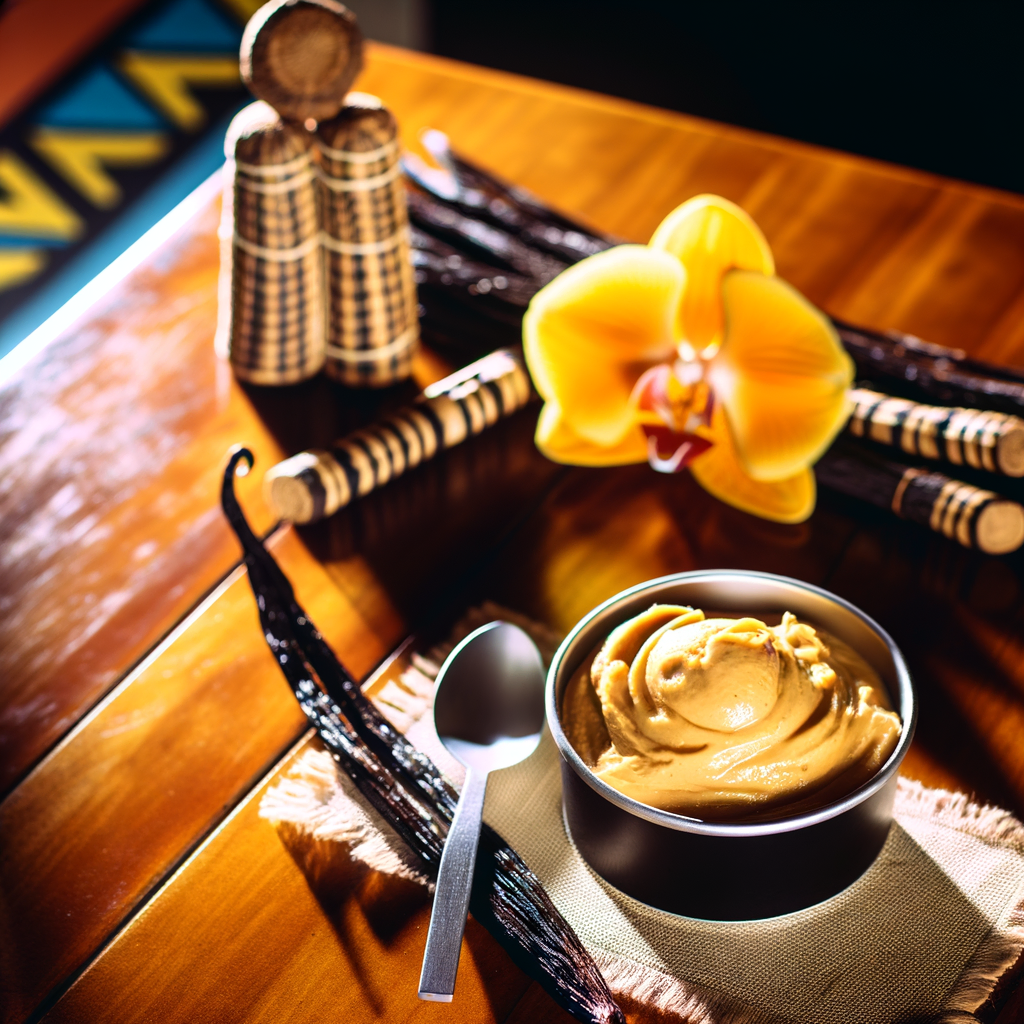
Tahitian Vanilla
World-renowned for its intense aroma and complex flavor. Used in desserts such as vanilla ice cream, crème brûlée, and cakes, but also in savory dishes with fish or seafood.
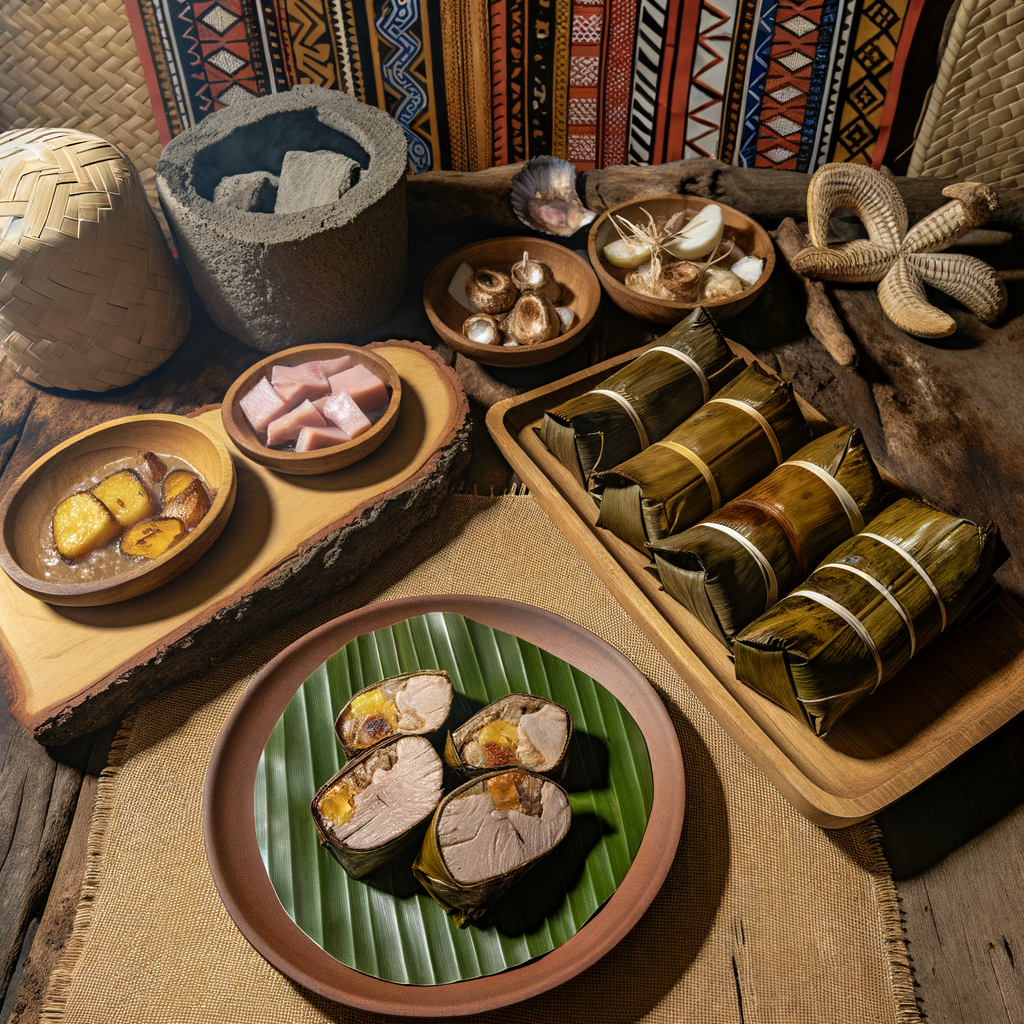
Ahima'a
A traditional underground oven where meat, fish, taro, and bananas are slowly cooked wrapped in banana leaves over hot stones for several hours, resulting in a smoky and juicy flavor.
Restaurant information
Tipping
Tipping is not a standard part of the culture in French Polynesia, as service is typically included in the price. However, if you wish to reward good service, it is appreciated to round up or give a small extra gesture.
Travel information
Currency
CFP Franc (₣)
Language
French
Best time to visit
May to October
Major cities
Papeete and other major cities
More countries in Oceania
Discover more destinations in this region