
Poland
Poland, a Central European gem, combines vibrant cities like Kraków and Warsaw with tranquil landscapes of forests, lakes, and hills, offering a perfect blend of history, culture, and outdoor adventure.
Overview
Poland, located in the heart of Central Europe, offers a fascinating blend of history, culture, and natural beauty that promises an unforgettable travel experience. Discover the medieval charm of Kraków with its Wawel Castle, delve into the magical Wieliczka Salt Mines, or feel the weight of history in Warsaw's reconstructed Old Town. From the tranquil Masurian Lakes to the wild bison of Białowieża Forest and the maritime atmosphere of Gdańsk, Poland provides a unique mix of urban vibrancy and untouched nature—seasoned with delicious dishes like pierogi and bigos.
Official language
Polish
Government
Parliamentary republic
Best time to visit
May-September
Nature
Poland's nature is a stunning treasure trove of contrasts, from pristine primeval forests to shimmering lake landscapes. In the east lies Białowieża Forest, one of Europe's last primeval woods, home to the majestic European bison. The Masurian Lakes in the north serve as a paradise for sailors, kayakers, and nature lovers, surrounded by lush forests and quaint villages. The Baltic coast invites visitors with its wide sandy beaches and dunes, while the southern mountain ranges – the Tatra, Sudetes, and Beskids – entice adventurers with hiking trails, skiing, and breathtaking vistas. Rivers like the Vistula and Oder weave through the landscape, creating fertile valleys perfect for cycling and birdwatching. Poland offers a full seasonal experience, showcasing blooming springs, warm summers, colorful autumns, and snow-covered winters. With its stunning beauty and rich biodiversity, Poland is the ideal destination for travelers seeking authentic nature experiences.
Travel to Poland
Traveling to Poland is both easy and rewarding. The country boasts a well-developed transport network, with international airports in cities like Warsaw, Kraków, and Gdańsk, as well as excellent train and bus connections. The best time to visit is from May to September when the weather is ideal for city explorations and outdoor adventures. Known for its affordability compared to many other European destinations, Poland offers travelers the chance to experience rich culture and nature without breaking the bank. Visitors can blend city breaks with nature getaways, from a weekend in Kraków to sailing on the Masurian Lakes or hiking in the Tatra Mountains. With its rich history, vibrant culture, and diverse landscapes, Poland is an ideal choice for culture enthusiasts, nature lovers, and foodies alike. Its warm hospitality and authentic atmosphere ensure it’s a place you’ll want to return to time and again.
Culture
Poland's culture is deeply rooted in traditions, art, and a strong national identity. The country has produced great composers like Chopin and painters such as Matejko, with Polish folk music and dance still alive in its villages. Cities like Kraków and Warsaw buzz with cultural events, ranging from classical concerts to contemporary art exhibitions. The culinary scene is an essential part of the experience, with dishes like pierogi, bigos, and żurek reflecting the country's agricultural heritage and culinary creativity. Crafts such as pottery from Bolesławiec and traditional embroidery showcase a proud tradition of artistry. Poland is also known for its hospitality, where guests are welcomed with warmth and genuine interest. Religion plays a significant role, with many churches and monasteries serving as architectural masterpieces. Festivals like Wianki in Kraków or Midsummer celebrations along the rivers bring people together in vibrant and colorful traditions.
History
Poland's history is marked by grandeur, resilience, and renewal. From the might of its medieval kingdom and the height of the Polish-Lithuanian Commonwealth to the dramatic partitions of the country in the 18th century, Poland has repeatedly fought for its independence. During World War II, the country suffered immense losses, with places like Auschwitz-Birkenau serving as poignant reminders of tragedy. The complete destruction of Warsaw and its subsequent reconstruction symbolize Polish willpower and strength. After decades under communist rule, Poland emerged as a free democracy in 1989, powered by the Solidarity movement, and today proudly stands as a member of the EU.
Top attractions
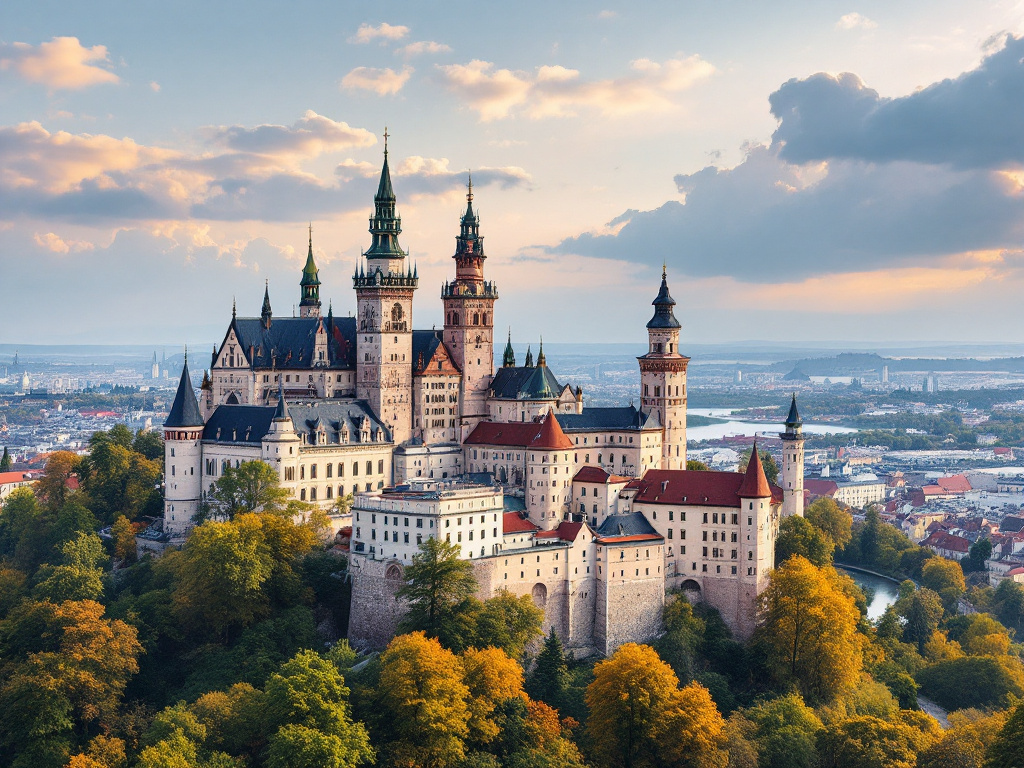
Wawel Castle
The historic royal castle on Wawel Hill is one of Poland's most important cultural monuments and a symbol of the country's royal heritage.
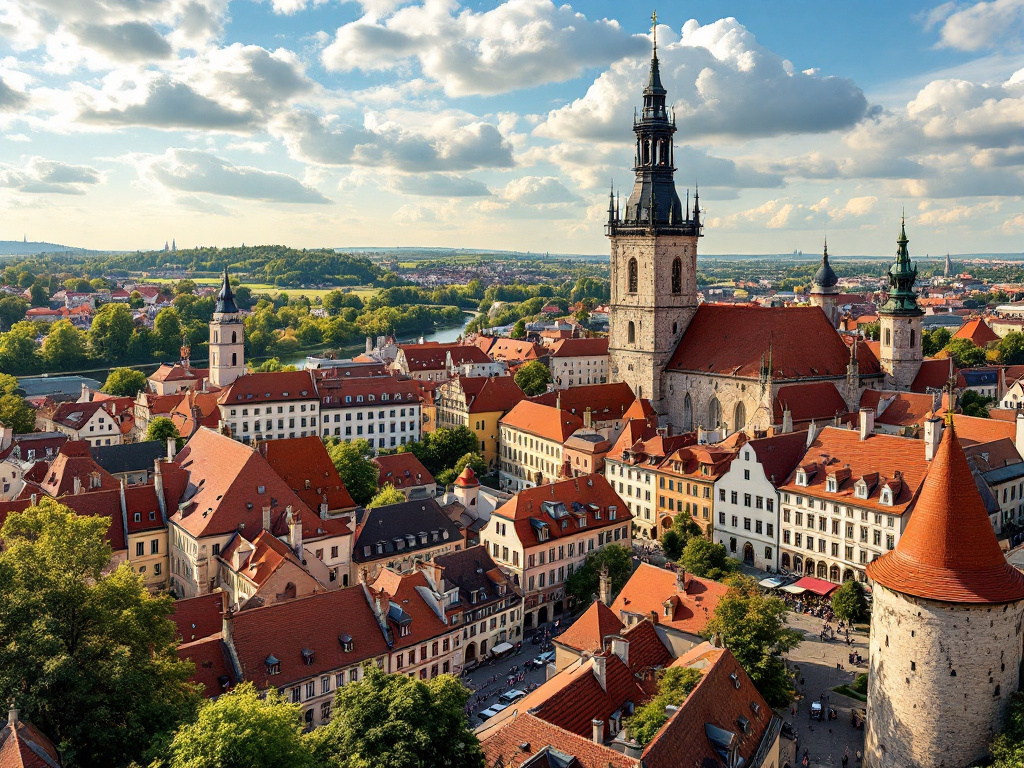
Kraków's Old Town
One of Europe's best-preserved medieval cities with impressive squares, historic buildings, and a lively atmosphere.
Auschwitz-Birkenau Memorial
A preserved Nazi concentration and extermination camp complex that serves as a museum and memorial to the Holocaust.
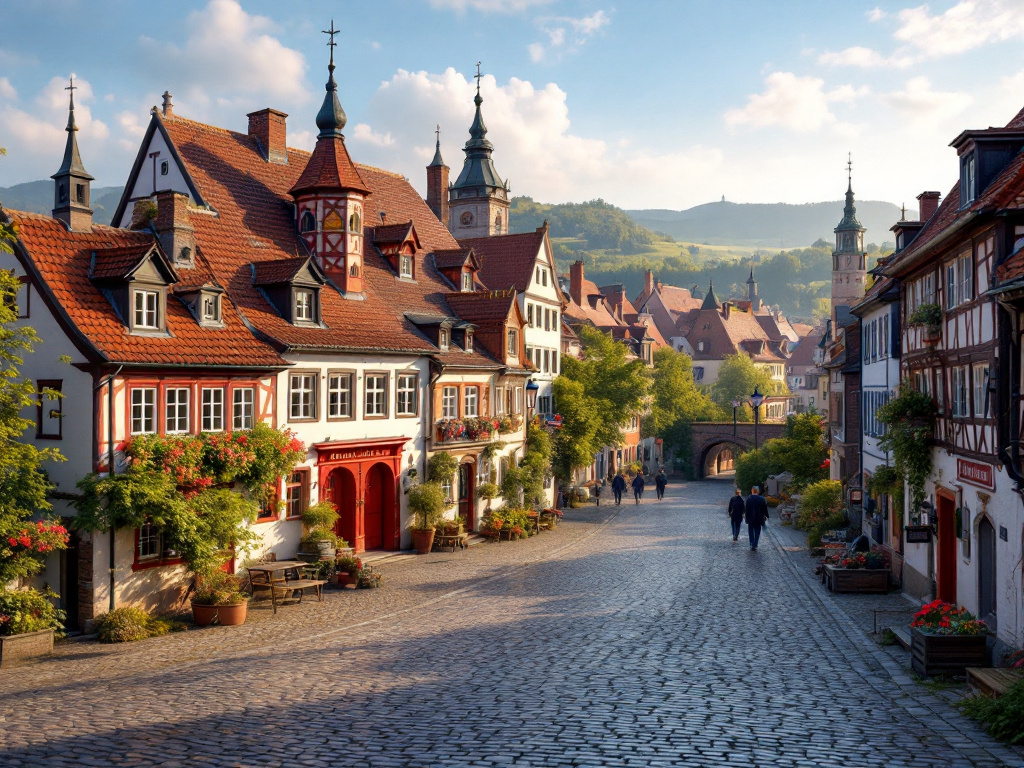
Warsaw's Old Town
Beautifully rebuilt historic center showcasing Warsaw's resilience and cultural heritage.
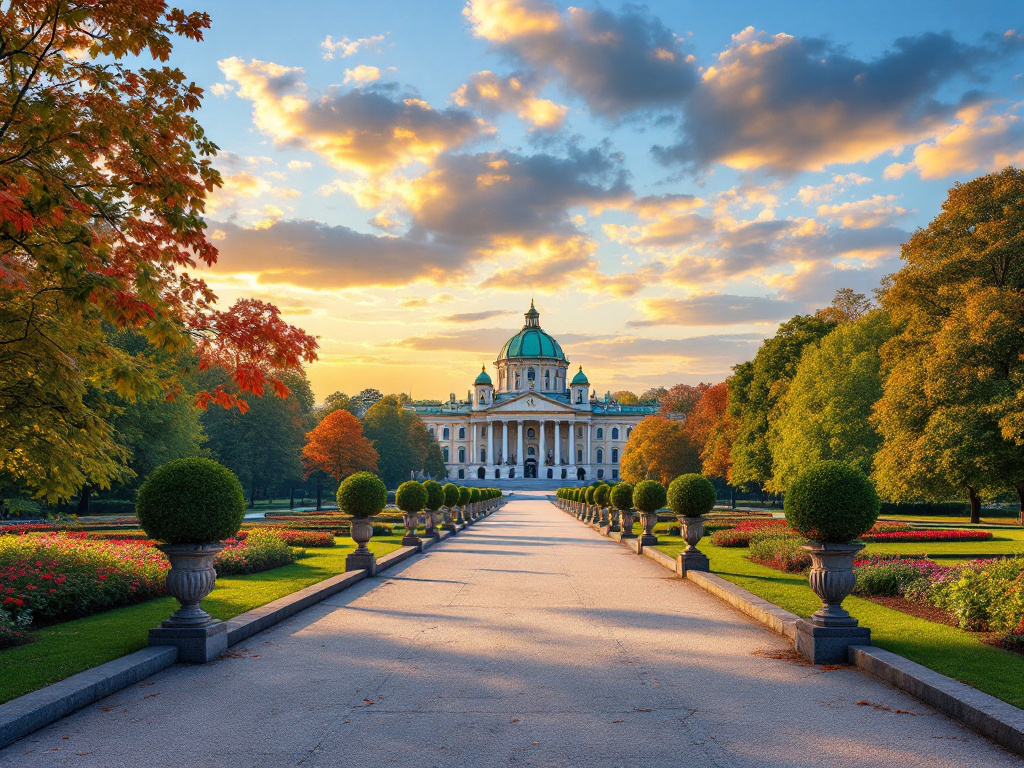
Łazienki Park
One of Europe's best city parks with palaces, lakes, and a peaceful atmosphere in the heart of the capital.
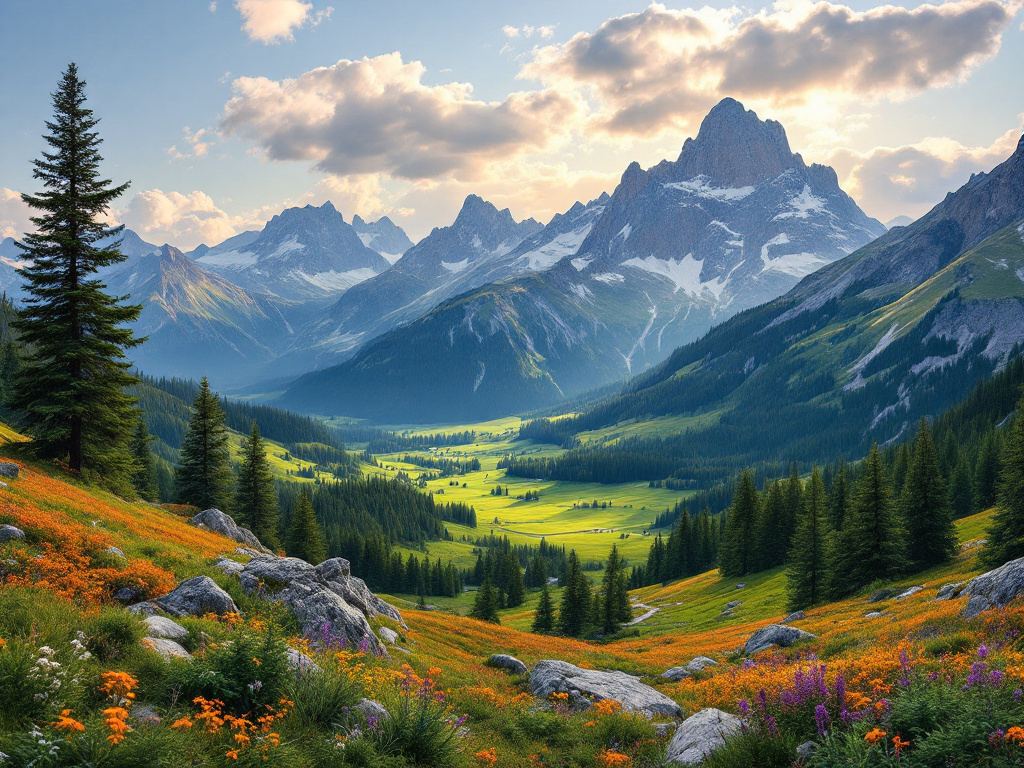
Tatra National Park
Poland's most spectacular mountain area with dramatic landscapes and a wealth of outdoor activities.
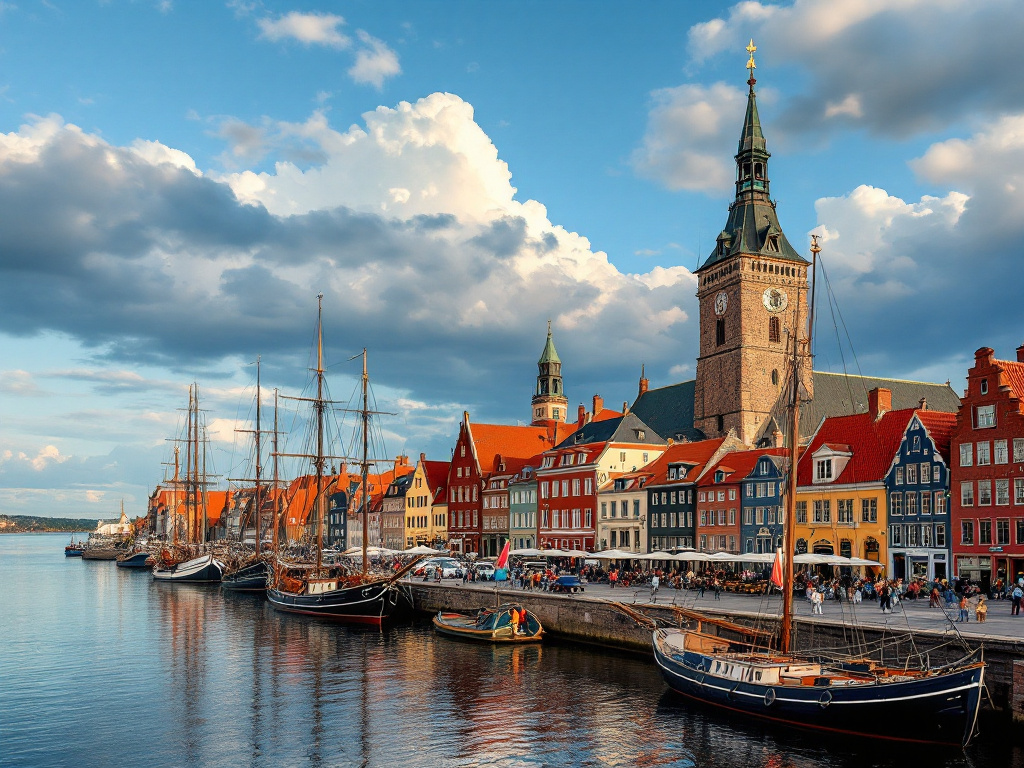
Gdańsk's Old Town
A charming historic harbor city with a strong connection to trade, culture, and Poland's modern history.
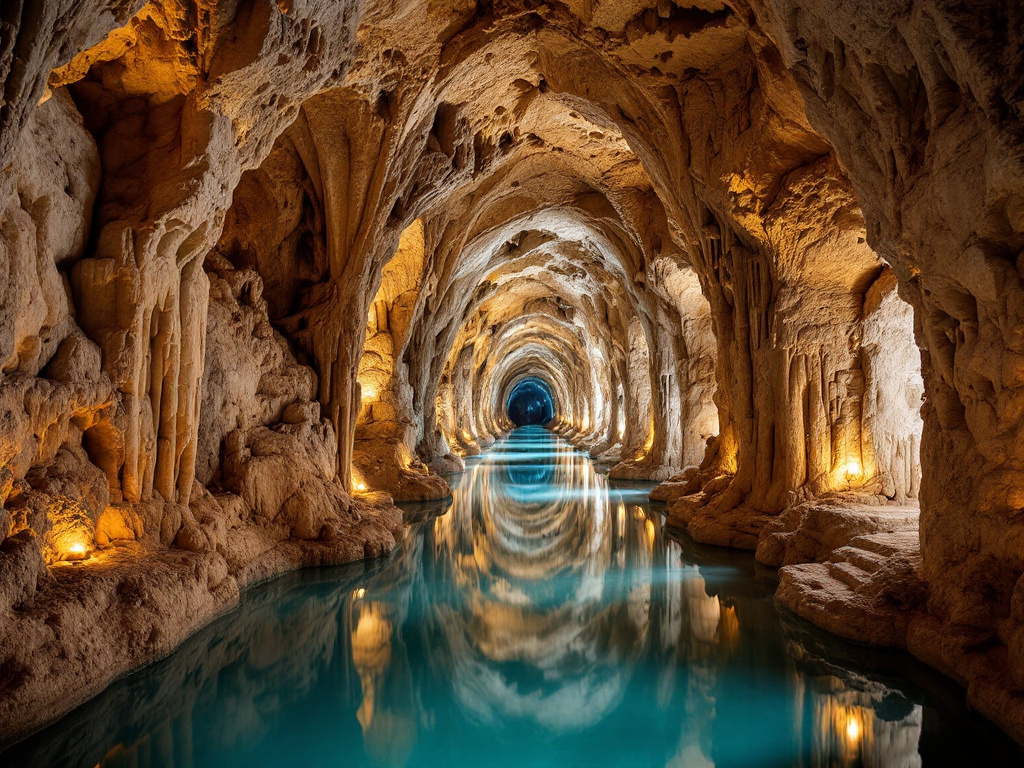
Wieliczka Saltmine
An impressive underground world of salt, art, and history, carved over centuries.
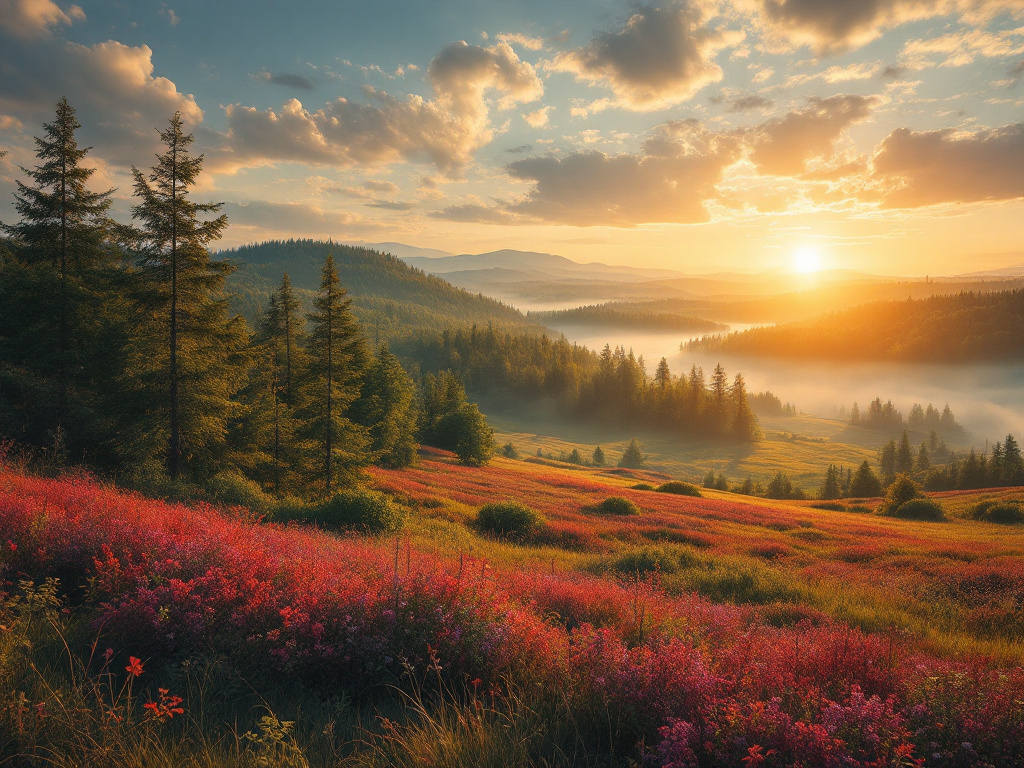
Białowieża Forest
A unique primeval forest and natural heritage, known for its untouched ecosystem and rare animal species.
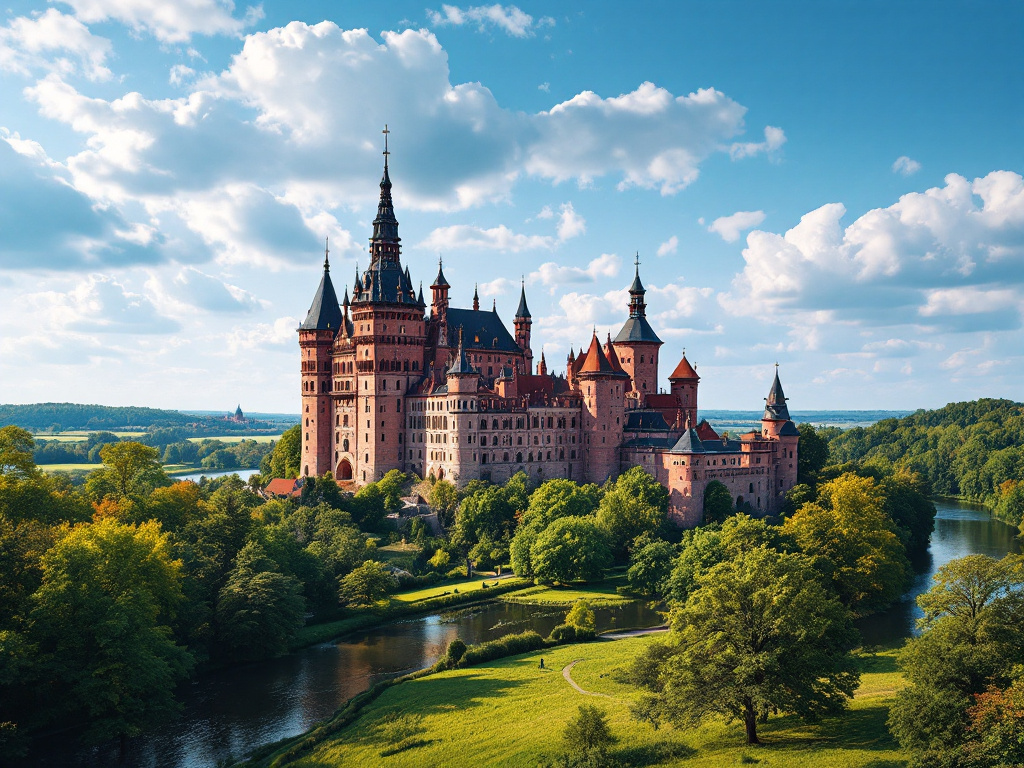
Malbork Castle
An enormous medieval castle and former headquarters of the Teutonic Order, known for its impressive size.
Famous cuisine
Culinary overview
Polish cuisine is a rich blend of Slavic traditions and influences from neighboring countries. Dishes are often hearty and based on local ingredients such as cabbage, potatoes, mushrooms, and meat. Soups play a significant role, and bread is often served as a side. Hospitality is an important part of the food culture, and meals are enjoyed in the company of family and friends. At markets and in small bakeries, you can find a wealth of local specialties, while modern restaurants often give classic dishes a new twist.
Must-try dishes
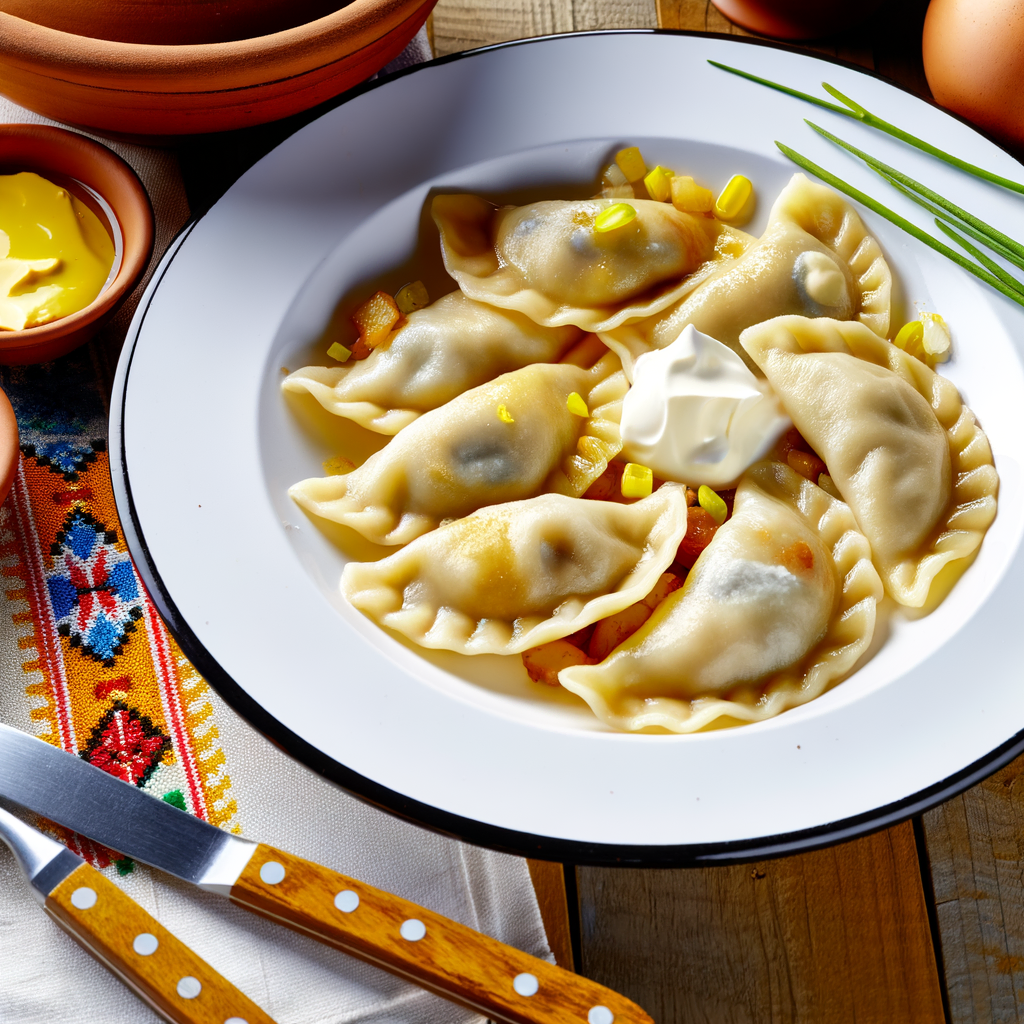
Pierogi
Handmade dumplings filled with ingredients such as potato and cheese, meat, mushrooms, or fruit. Often served with butter, onions, or sour cream.
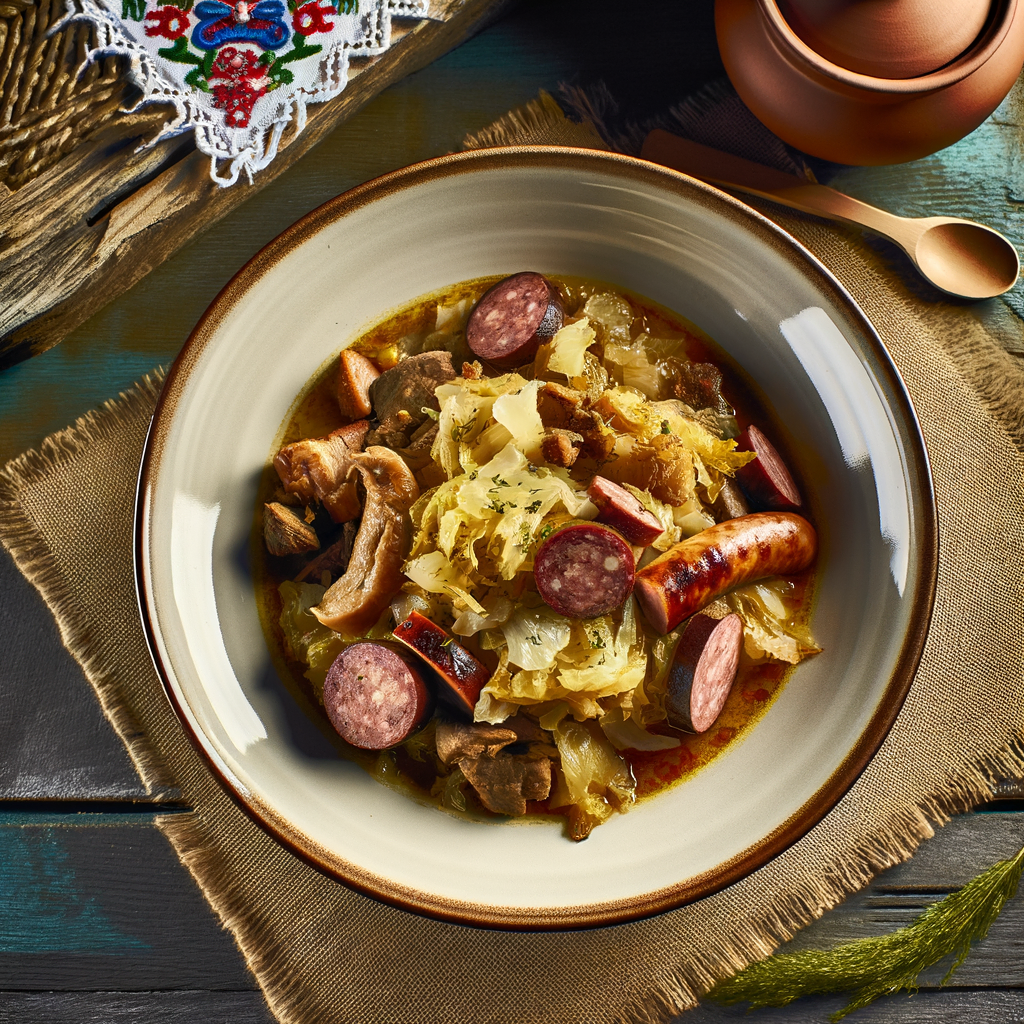
Bigos
A traditional hunter's stew made from sauerkraut, fresh cabbage, various types of meat, and sausages, simmered for several hours for a deep and rich flavor.
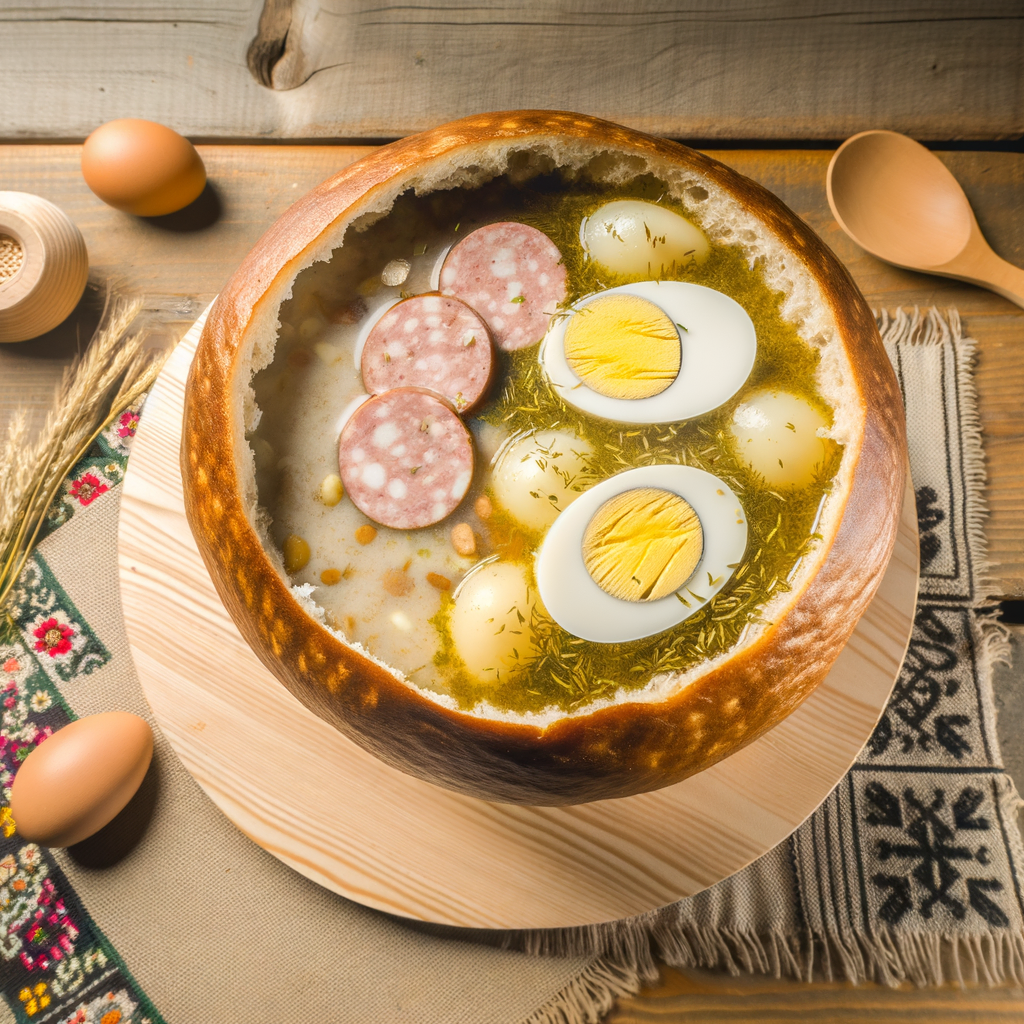
Żurek
A sour rye soup with white sausage, eggs, and often potatoes. Served in some places in a hollowed-out bread bowl.
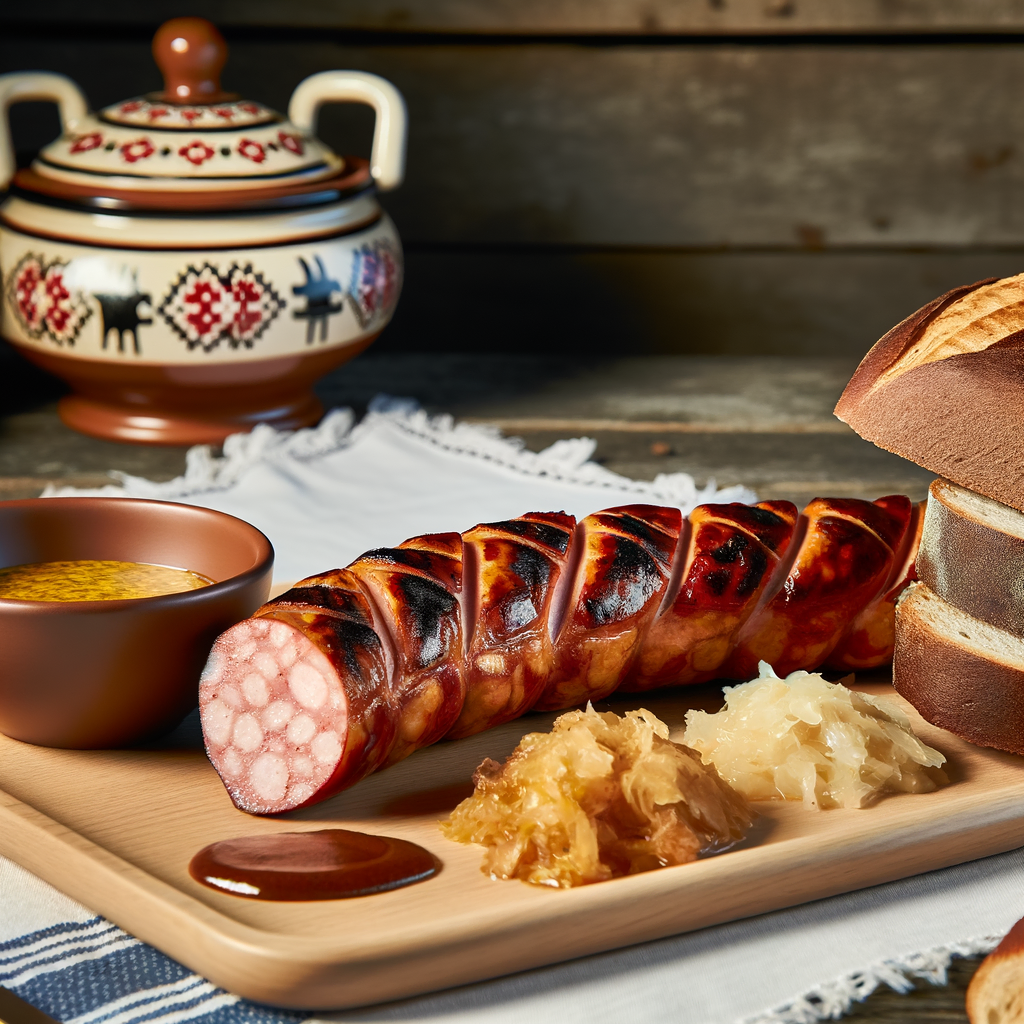
Kielbasa
Polish sausage in many varieties, often smoked and seasoned with garlic and marjoram. Served grilled, boiled, or fried.
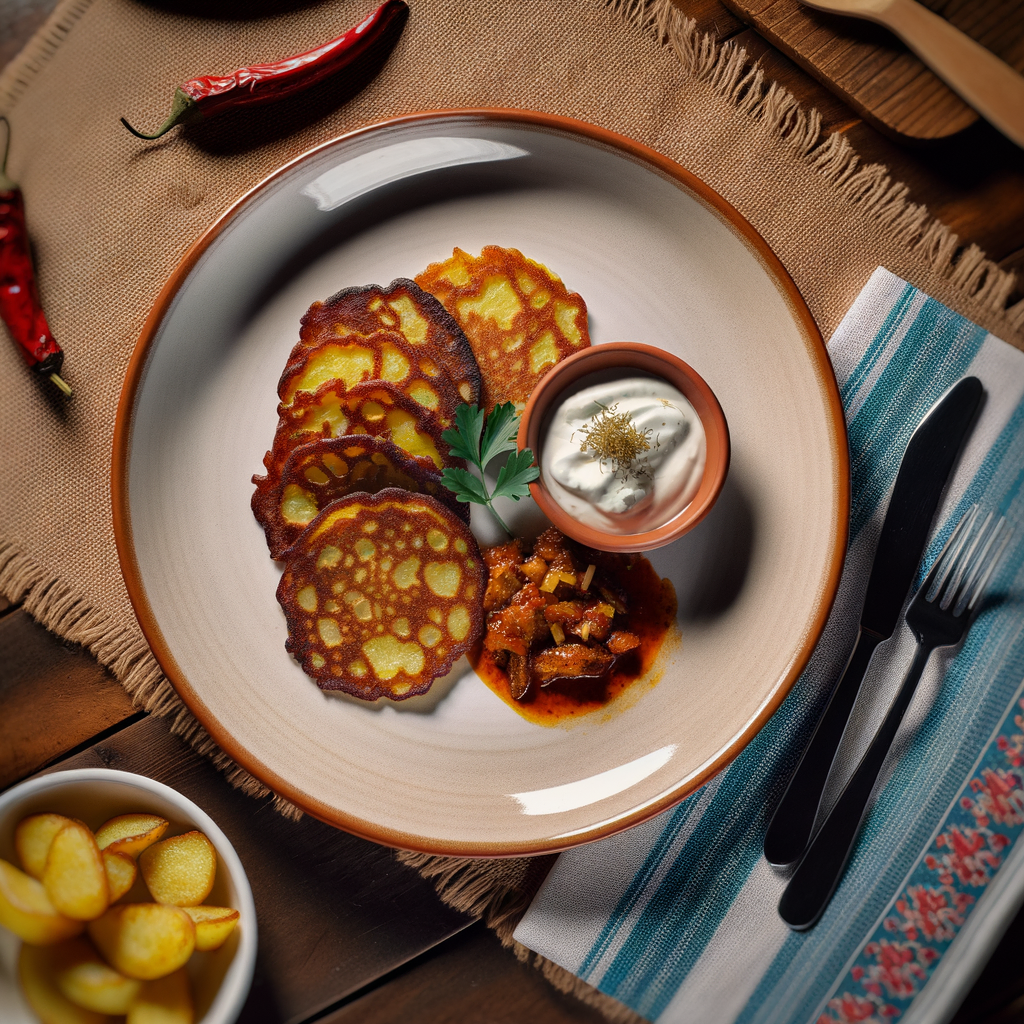
Placki ziemniaczane
Crispy potato pancakes served with sour cream or a meat sauce. A popular dish both at home and in restaurants.
Restaurant information
Tipping
In Poland, tipping is not mandatory, but it is common to give 10% at restaurants if you are satisfied with the service. At cafes and bars, you can round up to the nearest whole amount.
Travel information
Currency
Polsk zloty (zł)
Language
Polish
Best time to visit
May-September
Major cities
Warszawa and other major cities
More countries in Europe
Discover more destinations in this region