
Overview
Suriname, the smallest nation in South America, is a hidden gem brimming with authentic experiences. Here, lush rainforests meet exotic wildlife and an unparalleled cultural diversity. The capital city, Paramaribo, listed as a UNESCO World Heritage Site, offers a charming array of Dutch colonial architecture, vibrant markets, and the chance to savor local delicacies like Pom and Roti. From the pristine landscapes of the Central Suriname Nature Reserve to the enchanting Galibi, where sea turtles emerge under a starlit sky, the country is an adventure seeker’s paradise. With its warm-hearted locals and an atmosphere free from mass tourism, Suriname stands as an ideal destination for travelers eager to immerse themselves in a harmonious blend of culture, history, and nature.
Official language
Dutch
Government
Presidential republic
Best time to visit
February-April and August-November
Nature
Suriname is a treasure trove of untouched natural beauty, where over 90% of the territory is blanketed by dense tropical rainforest. This makes it a stunning paradise for biodiversity enthusiasts. The Central Suriname Nature Reserve, a UNESCO World Heritage Site, spans an impressive 1.6 million hectares, housing rare species such as jaguars, giant otters, and anteaters. Visitors can marvel at cascading waterfalls, crystal-clear rivers, and a rich variety of bird species. The Brownsberg Nature Reserve offers breathtaking views of the Brokopondo Reservoir and boasts lush hiking trails that lead adventurers through vibrant jungles, with opportunities to spot howler monkeys. Along the coastline, the Galibi Nature Reserve is a magical place where sea turtles come ashore to lay their eggs, offering a breathtaking sight under the starry sky. The best times to experience this natural wonder are during the dry seasons from February to April and August to November, ideal for jungle treks and wildlife encounters.
Travel to Suriname
Traveling to Suriname is like stepping into a world where nature, culture, and history intertwine beautifully. Flights typically connect through Amsterdam to reach Paramaribo, making it accessible for travelers from Europe. Ideal travel seasons are during the dry months from February to April and August to November, when the climate is perfect for city explorations and jungle adventures. In Paramaribo, you can stroll through UNESCO-protected streets, indulge in local cuisine, and bask in the relaxed atmosphere. Adventurous spirits can embark on riverboat cruises, venture into the rainforest on hiking expeditions, or visit remote villages. With the absence of mass tourism, Suriname promises an authentic travel experience, allowing you to connect deeply with both the stunning landscape and the welcoming locals. This is the perfect destination for those seeking something truly different and unforgettable.
Culture
Suriname's culture is a vibrant mosaic of ethnic groups and traditions, reflecting the diverse heritage of its people. The population is a rich tapestry of descendants from African slaves, Indian contract workers, Javanese, Chinese, and indigenous peoples, creating a unique blend of languages, religions, and customs. Dutch is the official language, but many locals also speak Sranan Tongo, Hindi, and Javanese in their daily lives. This cultural diversity shines through in the culinary scene, with delectable dishes like Pom, Roti, Saoto Soup, and Bakabana showcasing influences from multiple continents. Music and dance are integral to Surinamese life, with lively kaseko rhythms and vibrant Indian and Javanese festivities. Paramaribo, the cultural heart, is adorned with colorful markets, colonial architecture, and a lively atmosphere where Hindu temples, mosques, and churches coexist. Everyday life here embodies a harmonious blend of traditions and communities, illustrating the beauty of coexistence.
History
Suriname's historical narrative is characterized by a complex legacy of colonization and cultural fusion. Originally inhabited by indigenous peoples, the region was colonized by the Dutch in the 1600s, who established sugar plantations powered by African slave labor. The abolition of slavery in 1863 led to an influx of contract workers from India, Java, and China, further shaping the nation's multicultural identity. Over time, Paramaribo emerged as a bustling trade center, still displaying the influence of Dutch colonial architecture. Suriname gained independence from the Netherlands in 1975, while maintaining strong cultural and linguistic ties. The country's history tells a compelling story of migration, resilience, and the blending of diverse traditions, making it a fascinating destination for history enthusiasts.
Top attractions
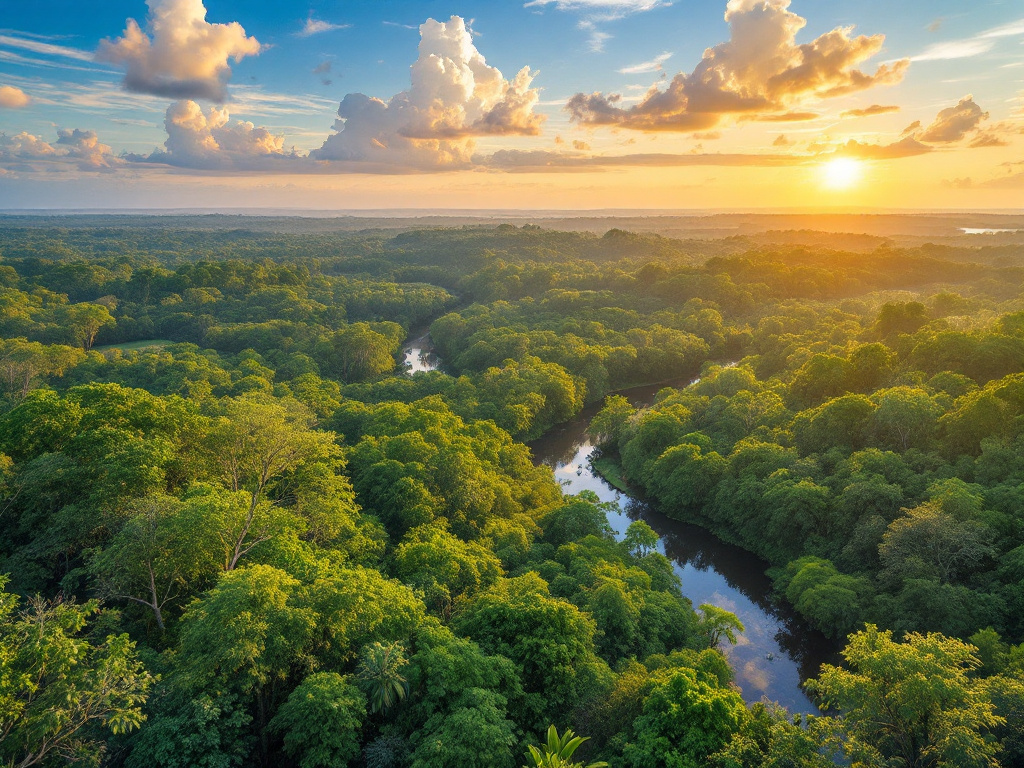
Central Suriname Nature Reserve
A vast protected rainforest area with exceptional biodiversity and minimal human impact.
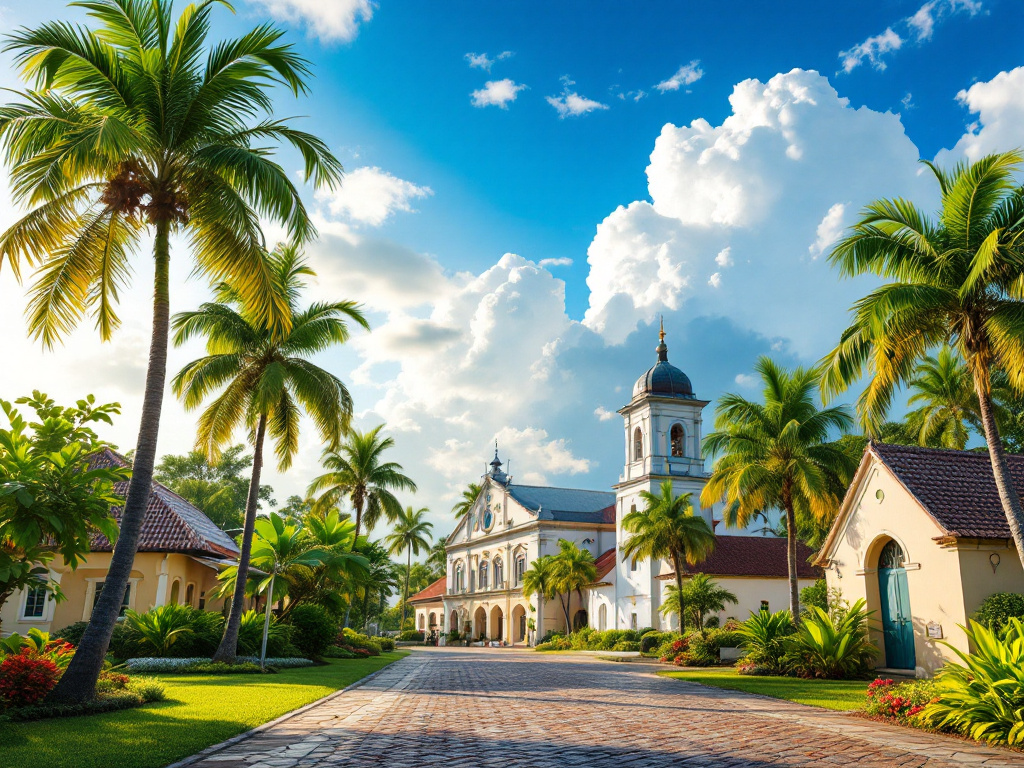
The Historic Inner City of Paramaribo
A vibrant historic center with well-preserved wooden buildings and cultural diversity.
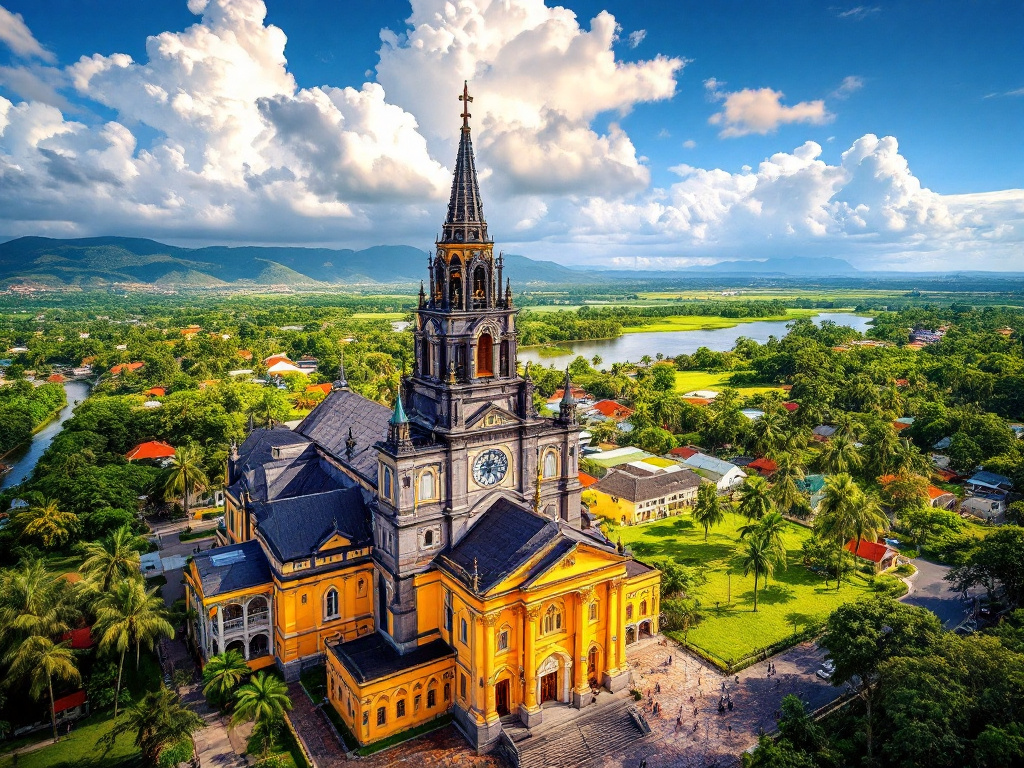
Saint Peter and Paul Cathedral
A monumental wooden cathedral and one of Paramaribo's most famous landmarks.

Voltzberg
An iconic granite monolith in the rainforest with spectacular views from the top.
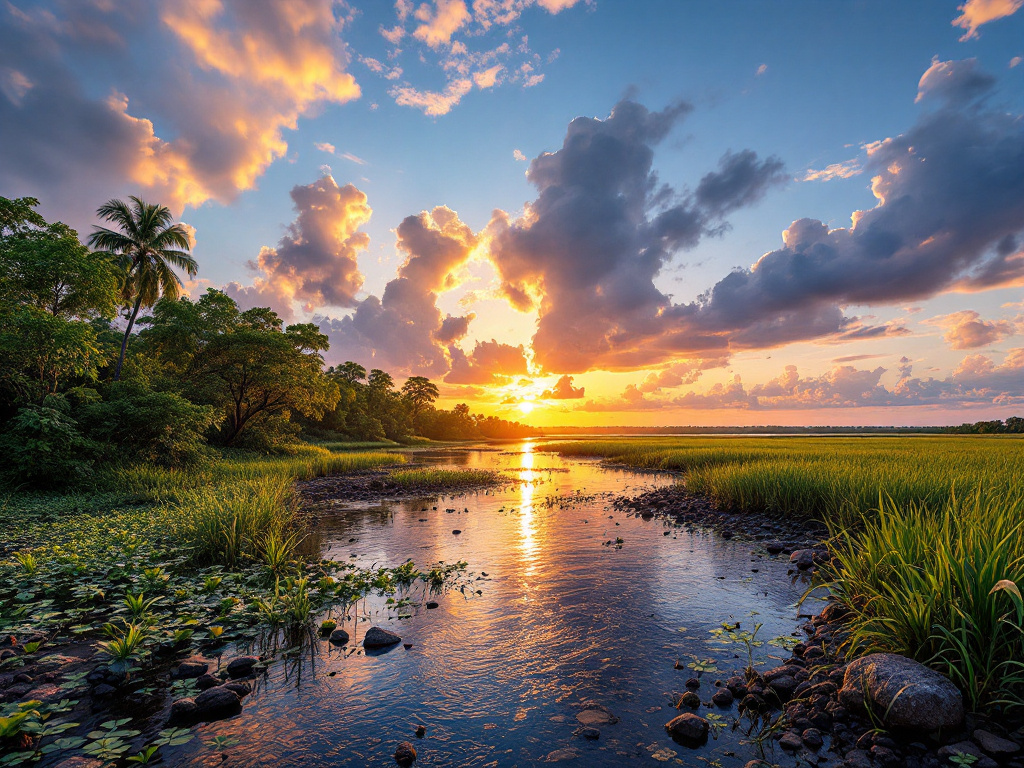
Galibi Nature Reserve
A protected coastal reserve known for turtles and natural beaches.
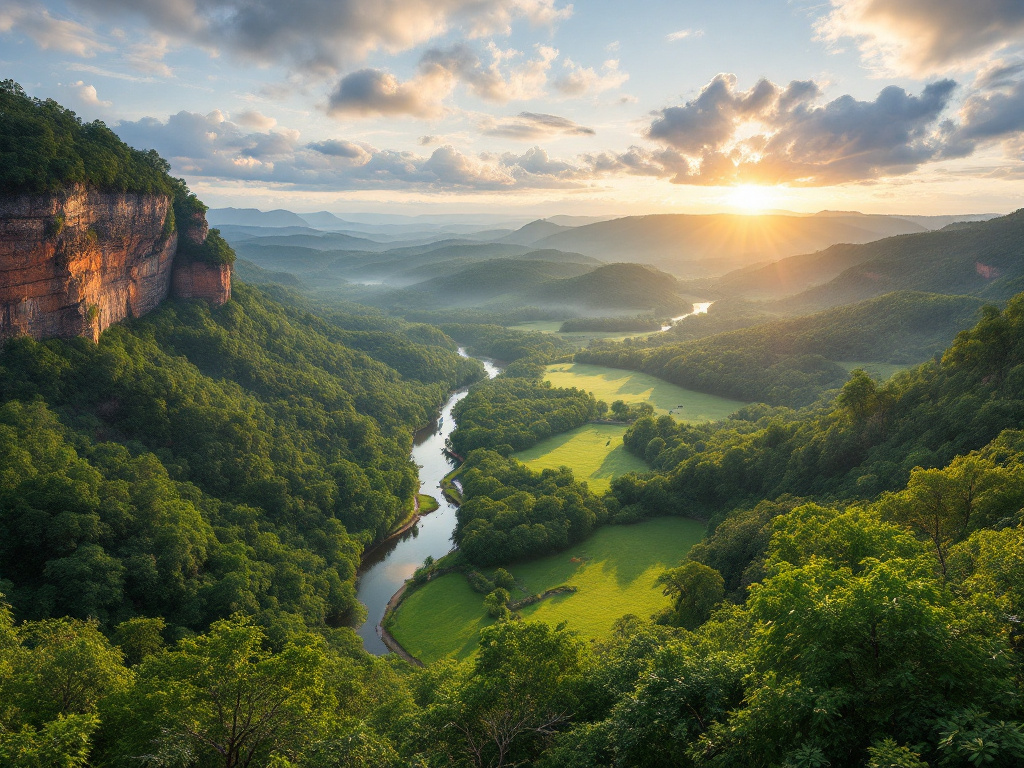
Brownsberg Nature Park
A popular nature park with waterfalls, rainforest, and viewpoints.
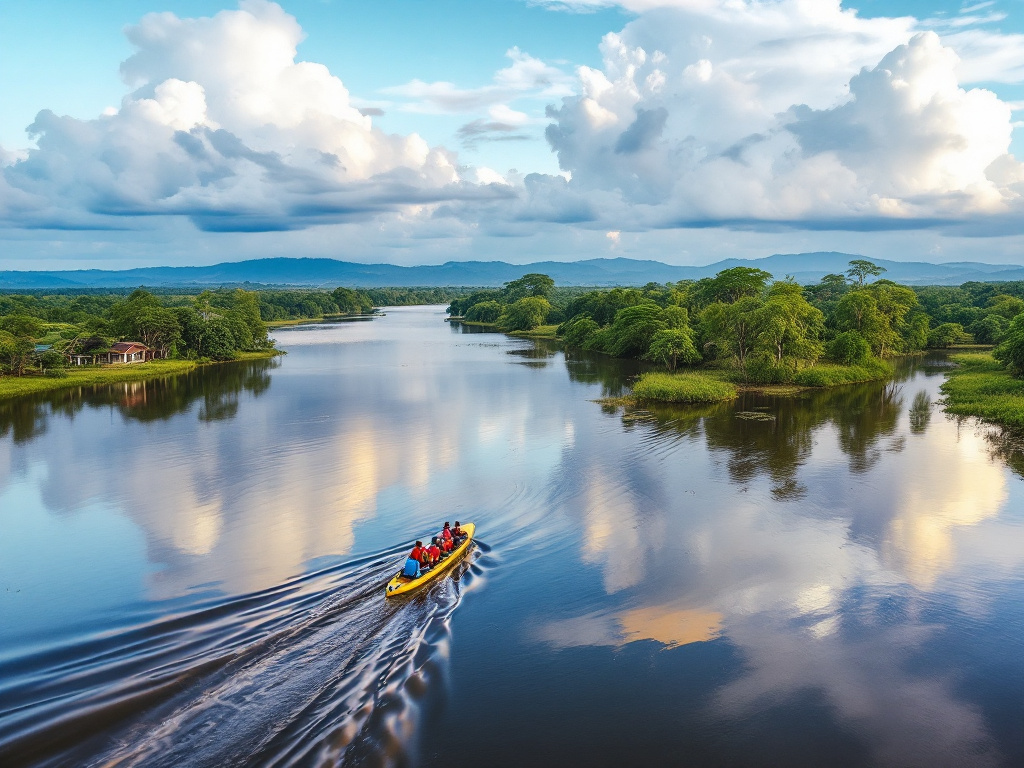
Boat Tour on the Suriname River
A relaxing boat tour that provides a different perspective on city and nature.
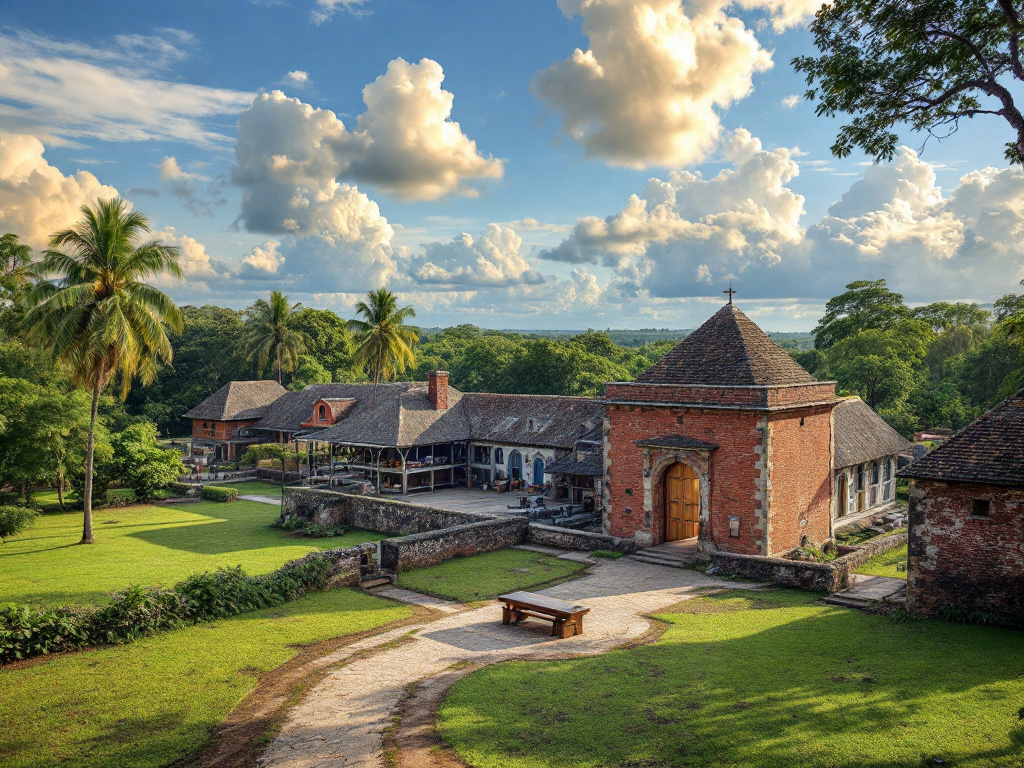
Fort Zeelandia
A historical fort and museum that tells Suriname's colonial past.
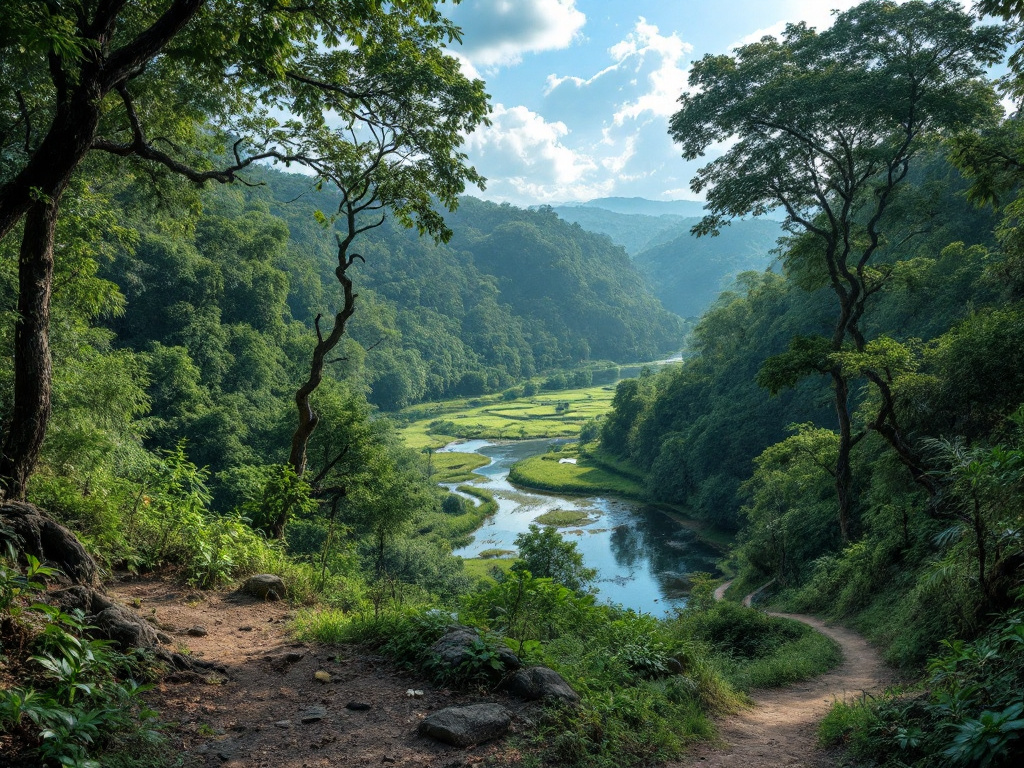
Peperpot Nature Park
An urban nature park ideal for short trips and active relaxation.
Famous cuisine
Culinary overview
Suriname's food culture is a culinary reflection of the country's diverse population. Here, Indian, Javanese, African, Chinese, and indigenous traditions meet in a colorful blend of flavors and techniques. At the street markets in Paramaribo, you can taste everything from spicy roti dishes to sweet banana desserts, while restaurants offer everything from rustic home-cooked meals to modern fusion cuisine. Rice, chicken, fish, and tropical fruits are central ingredients, and spices like coriander, cumin, and chili give the dishes their distinctive depth.
Must-try dishes
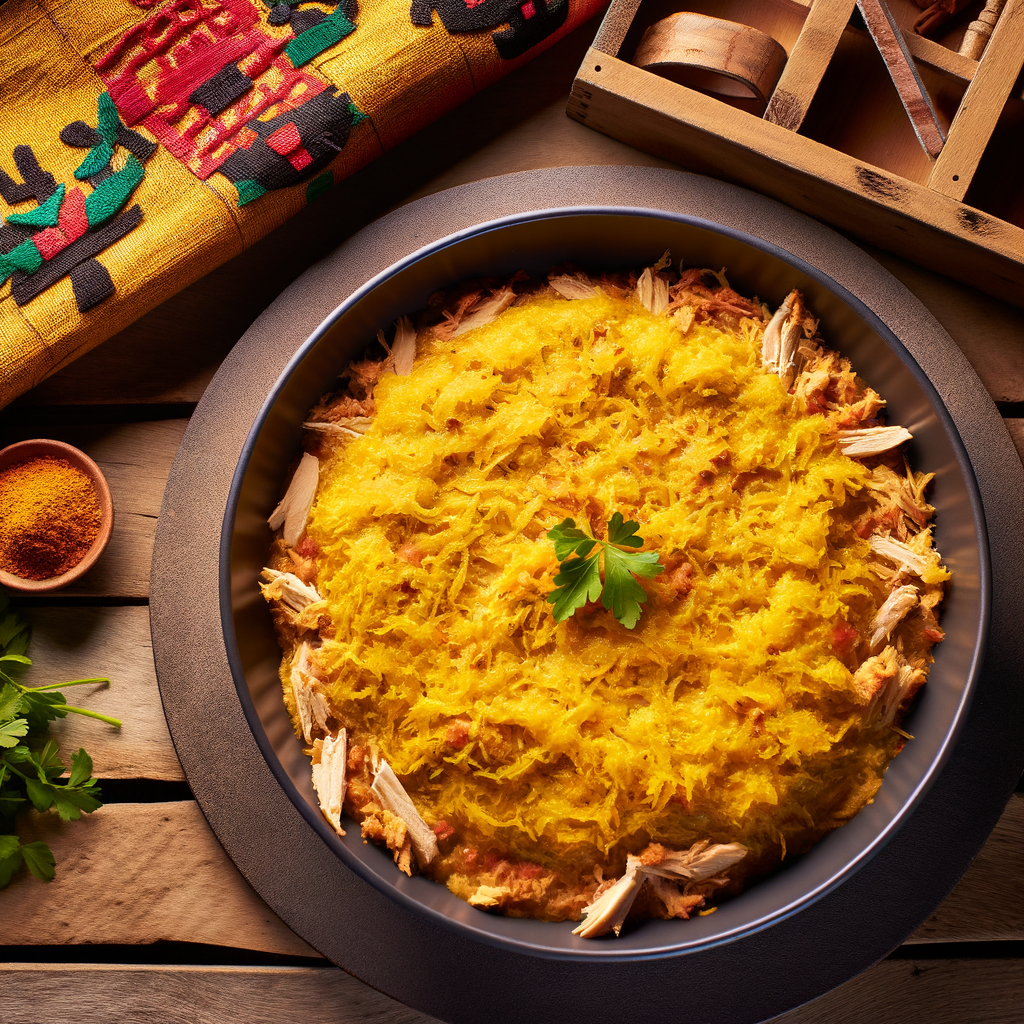
Pom
A festive dish made of grated pomtayo root mixed with spiced chicken or turkey, baked to a golden and creamy consistency. Often served on special occasions.
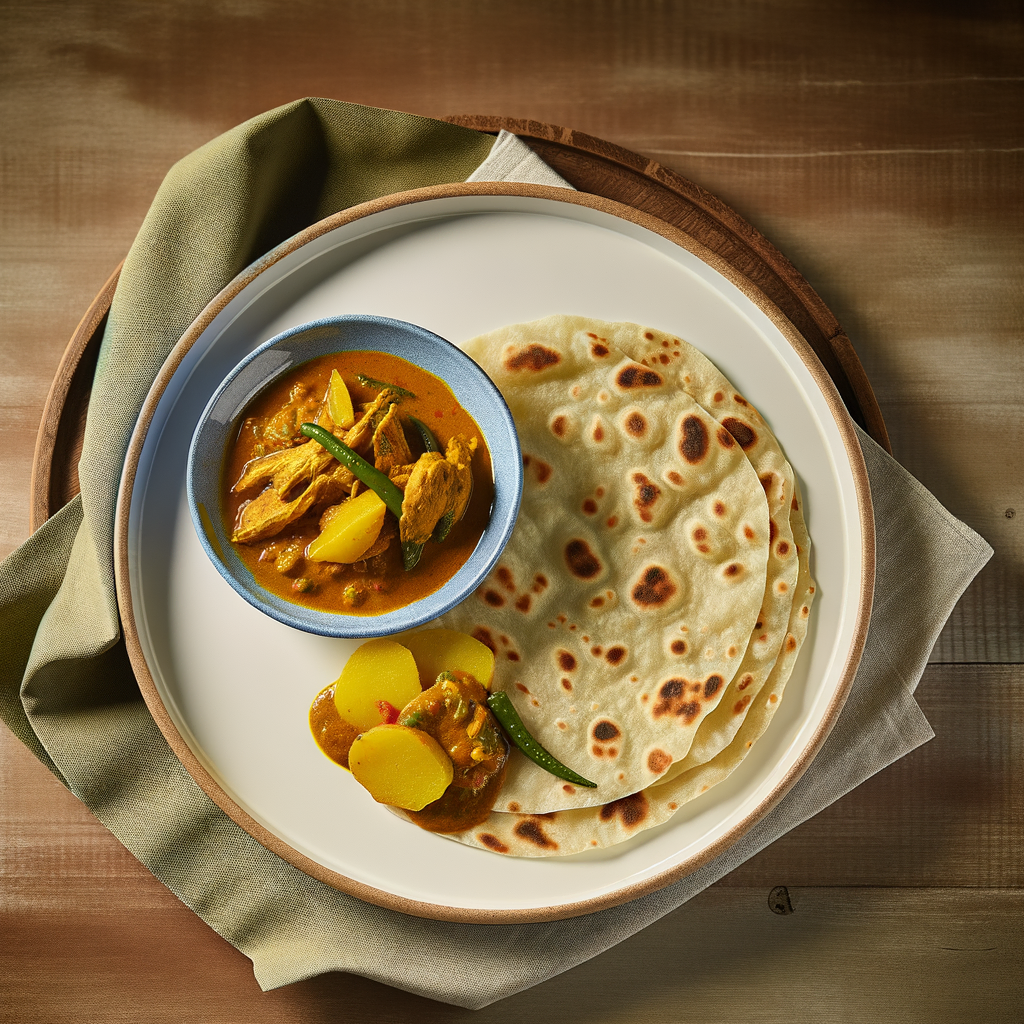
Roti
A soft, round flatbread served with curry dishes, often with chicken, potatoes, and vegetables. Inspired by Indian cuisine but with a Surinamese twist.
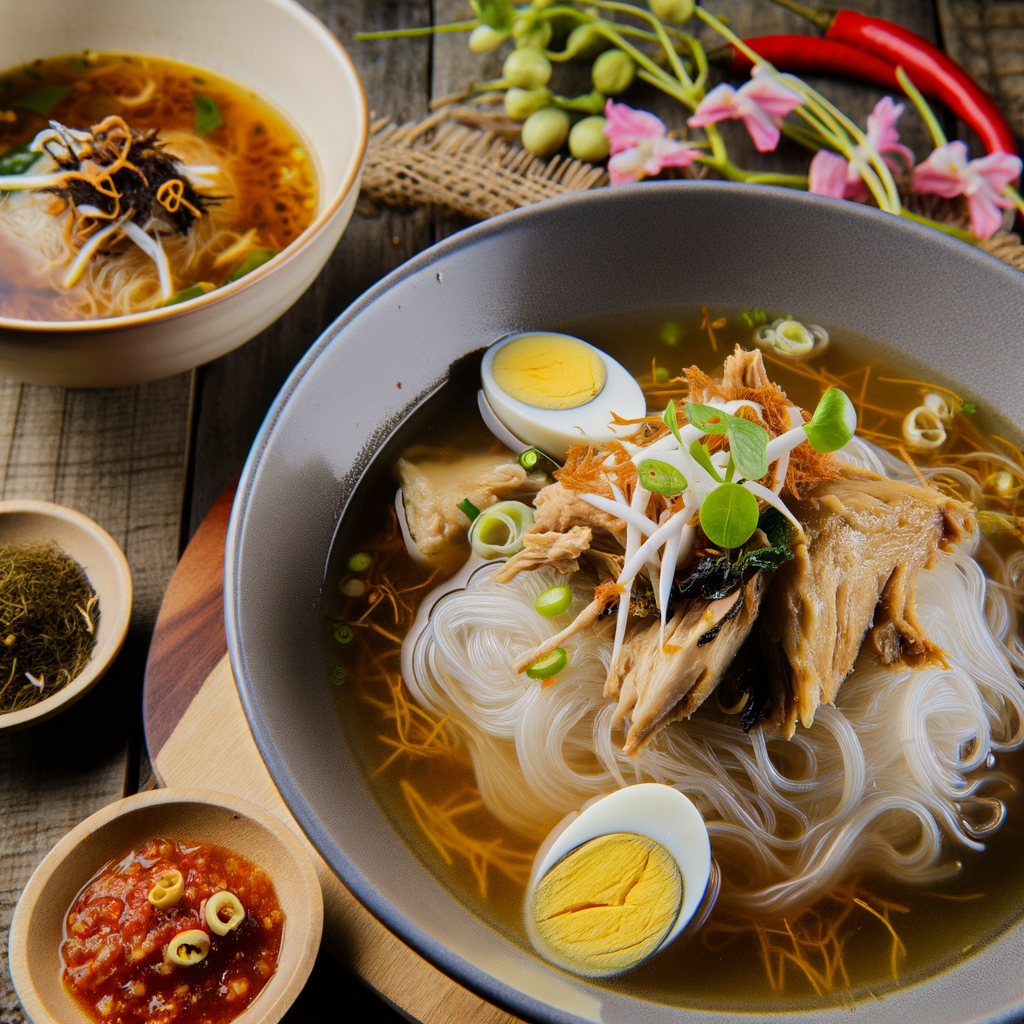
Saoto soup
An aromatic Javanese-inspired chicken soup with glass noodles, bean sprouts, egg, and fresh herbs. Served with sambal and soy sauce.
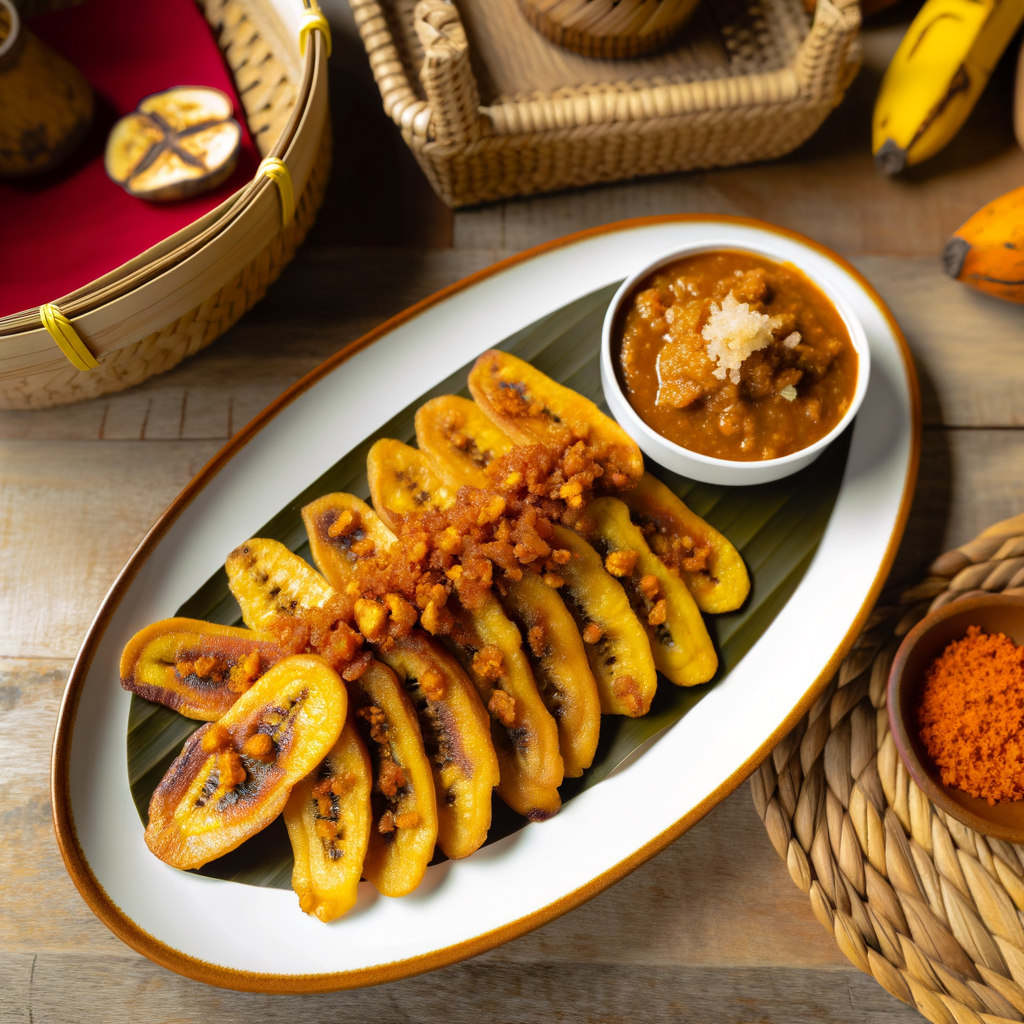
Bakabana
Fried banana slices, often served with a spicy peanut sauce. A popular snack on the street and for market days.
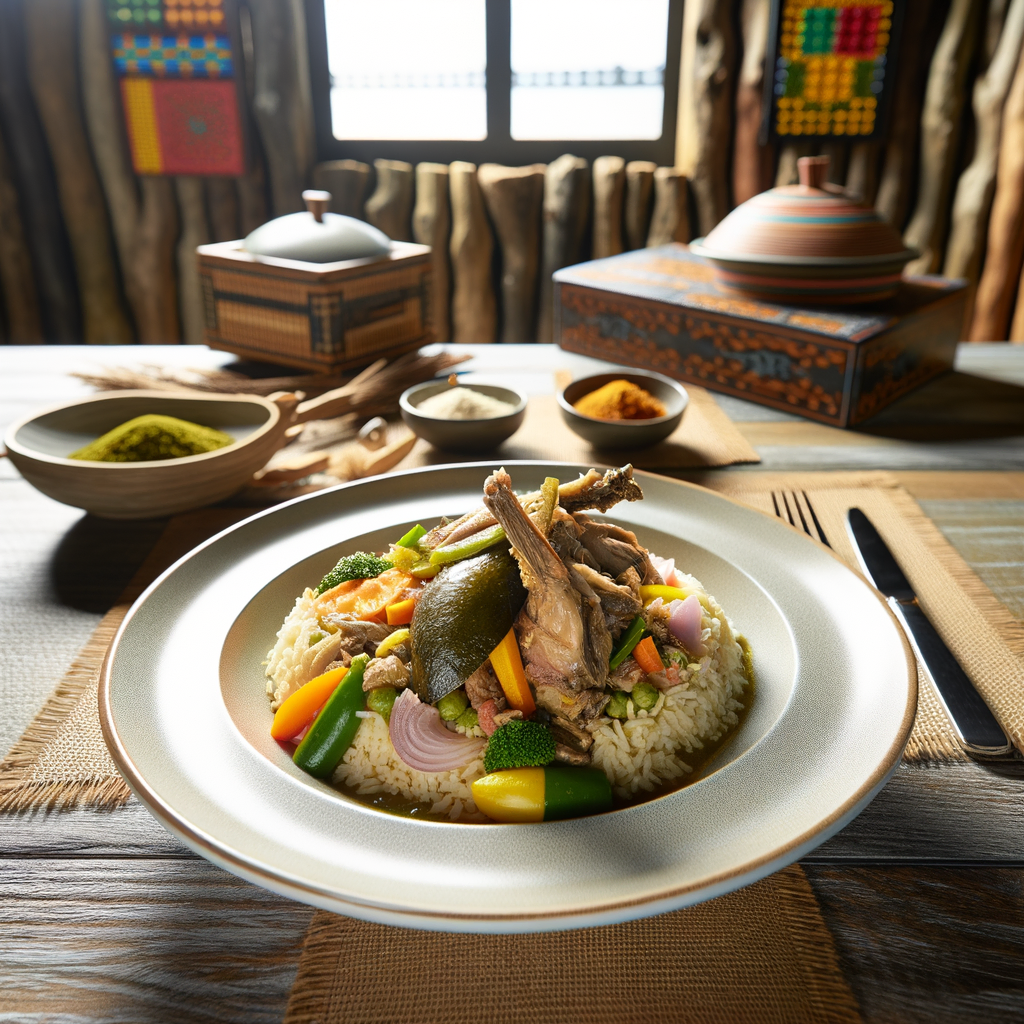
Moksi Alesi
A traditional rice dish where rice is cooked together with meat, fish or seafood, along with vegetables and spices. The name means 'mixed rice'.
Restaurant information
Tipping
Tipping is not mandatory in Suriname, but it is appreciated to round up or give about 10% at restaurants if the service has been good.
Travel information
Currency
Surinamsk dollar (SRD)
Language
Dutch
Best time to visit
February-April and August-November
Major cities
Paramaribo and other major cities
More countries in South America
Discover more destinations in this region