
El Salvador
El Salvador, known as the 'Land of Volcanoes,' offers world-class surfing, colorful villages, and breathtaking natural beauty – all packed into a compact paradise full of adventure.
Overview
Nestled in Central America, El Salvador is a compact gem known as the 'Land of Volcanoes', where dramatic landscapes, golden sunsets over the Pacific, and colorful colonial towns converge. Here, you can surf world-class waves at El Tunco, trek to the summit of Santa Ana Volcano for unforgettable views of emerald green crater lakes, or explore the vibrant Ruta de las Flores filled with artistic murals and coffee plantations. With a rich cultural heritage, unique archaeological sites like Joya de Cerén, and a mouthwatering culinary scene featuring pupusas and local delicacies, El Salvador captures the hearts of adventurers and culture enthusiasts alike. Experience a journey where ancient history meets breathtaking nature in every corner of this enchanting country.
Official language
Spanish
Government
republic
Best time to visit
November to April
Nature
El Salvador, known as the 'Land of Volcanoes', offers a breathtaking array of landscapes that beckon nature lovers and adventure seekers alike. With over 20 volcanoes, many of which are still active, the country is adorned with lush mountain slopes, crater lakes, and mineral-rich soils. The Santa Ana Volcano is a must-visit, providing stunning views of a turquoise crater lake surrounded by majestic peaks. The coastline along the Pacific features dark sandy beaches like El Tunco and El Zonte, which attract surfers from around the globe. Dive into the cooler climate and fresh air of the Ruta de las Flores, where you'll find green valleys, coffee plantations, and charming villages blooming with flowers. Tranquil spots like Lake Coatepeque, set in an ancient volcanic crater, invite swimming and kayaking. National parks and reserves protect a vibrant array of wildlife, including tropical birds and exotic plants, making El Salvador a true paradise for outdoor enthusiasts. The best time to visit is from November to April, when the weather is dry and perfect for exploring these natural wonders.
Travel to El Salvador
Traveling to El Salvador is an experience brimming with contrasts and authenticity. The country's manageable size allows visitors to easily blend beach, mountain, and city adventures within a few days. The best time to visit is between November and April when the weather is dry and sunny, ideal for surfing, hiking, and cultural excursions. San Salvador serves as a vibrant base, equipped with modern amenities, markets, and nightlife. From there, you can swiftly reach the Santa Ana Volcano, the charming streets of Suchitoto, or the wave-laden coasts of El Tunco. Transportation options are readily available, and local guides offer tours to both natural and cultural gems. Prices are generally affordable, and the use of the US dollar makes it convenient for international travelers. With its blend of warmth, hospitality, adventure, and history, El Salvador offers an ideal setting for an authentic Central American travel experience free from the crowds of mass tourism.
Culture
El Salvador's culture is a vivid tapestry woven from indigenous traditions and Spanish colonial influences, creating a vibrant atmosphere in its small towns and villages. The town of Suchitoto serves as a cultural hub, showcasing colonial architecture, cobblestone streets, and a thriving arts scene with flourishing galleries and theaters. The Ruta de las Flores enchants visitors with its picturesque villages, colorful murals, local markets, and festivals celebrating everything from coffee to flowers. Music and dance are integral parts of life, with marimba and cumbia rhythms filling the air. The culinary scene is not to be missed, particularly the beloved pupusas, stuffed corn tortillas that are the national dish, often served with curtido, a tangy pickled slaw. Traditional crafts such as weaving, pottery, and wood carving reflect the country’s heritage, while cities embrace modern art and design. Salvadoran hospitality is legendary, welcoming visitors to join in local festivities and family gatherings for an authentic glimpse into daily life.
History
El Salvador's history is rich and complex, deeply rooted in the legacy of the Maya civilization. The remarkable site of Joya de Cerén, a UNESCO World Heritage Site often referred to as 'America's Pompeii', offers a well-preserved glimpse into a pre-Columbian Maya village buried under volcanic ash. Following the Spanish colonization in the 16th century, El Salvador became a significant producer of indigo and later coffee, which shaped its economy and society. The 20th century marked a period of turmoil, including a devastating civil war from 1980 to 1992 that left lasting scars but also led to democratic reforms. Today, El Salvador is undergoing a cultural and economic resurgence, with its storied past preserved through museums, monuments, and lively traditions that continue to resonate within its communities.
Top attractions
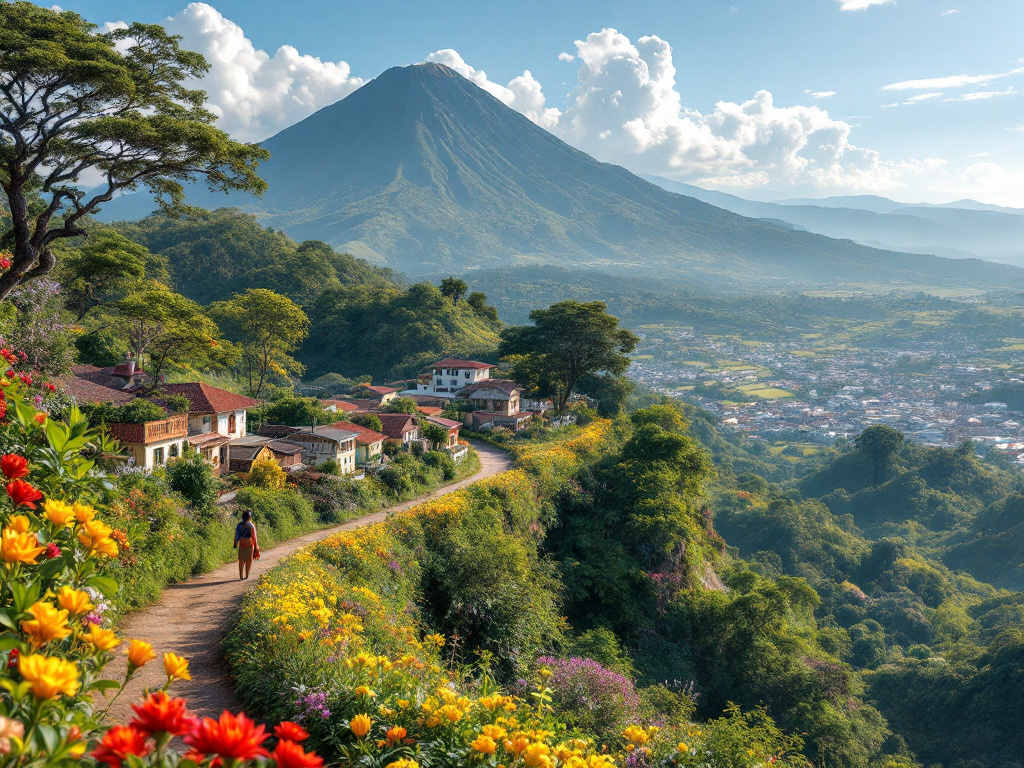
Route of the Flowers
A popular tourist route through small, colorful towns known for food festivals, art, and coffee.

El Tunco Beach
A famous black sand beach known for surfing, sunsets, and a laid-back atmosphere.
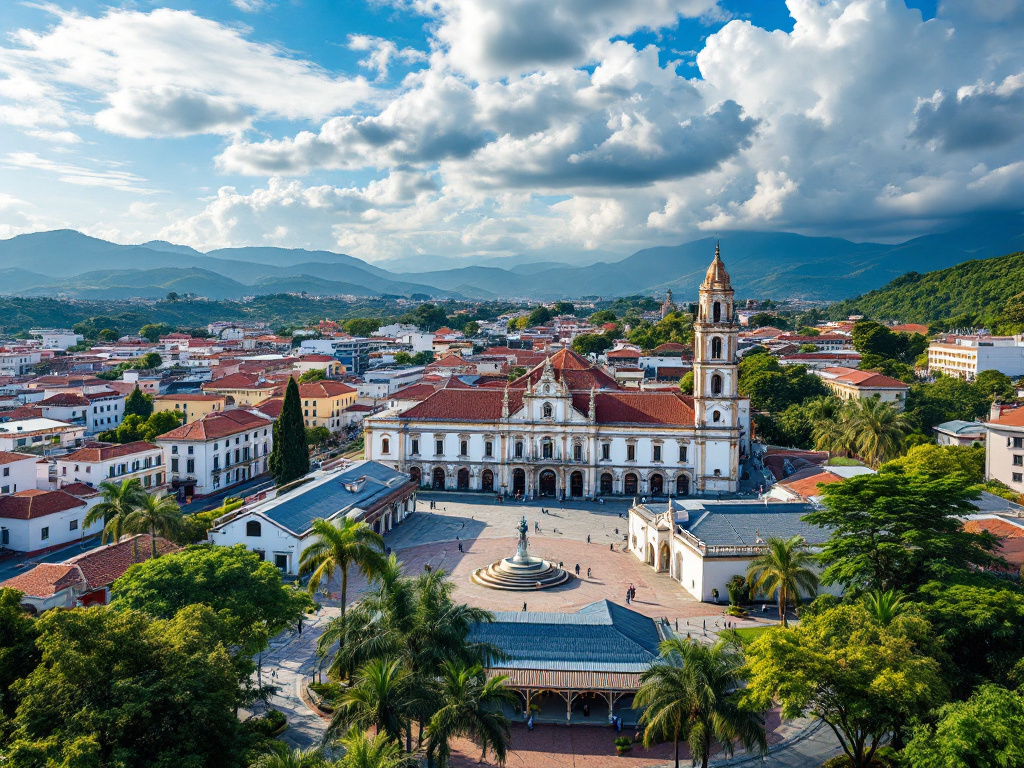
San Salvador Historical Center
The heart of the capital with historical buildings, museums, and lively squares.
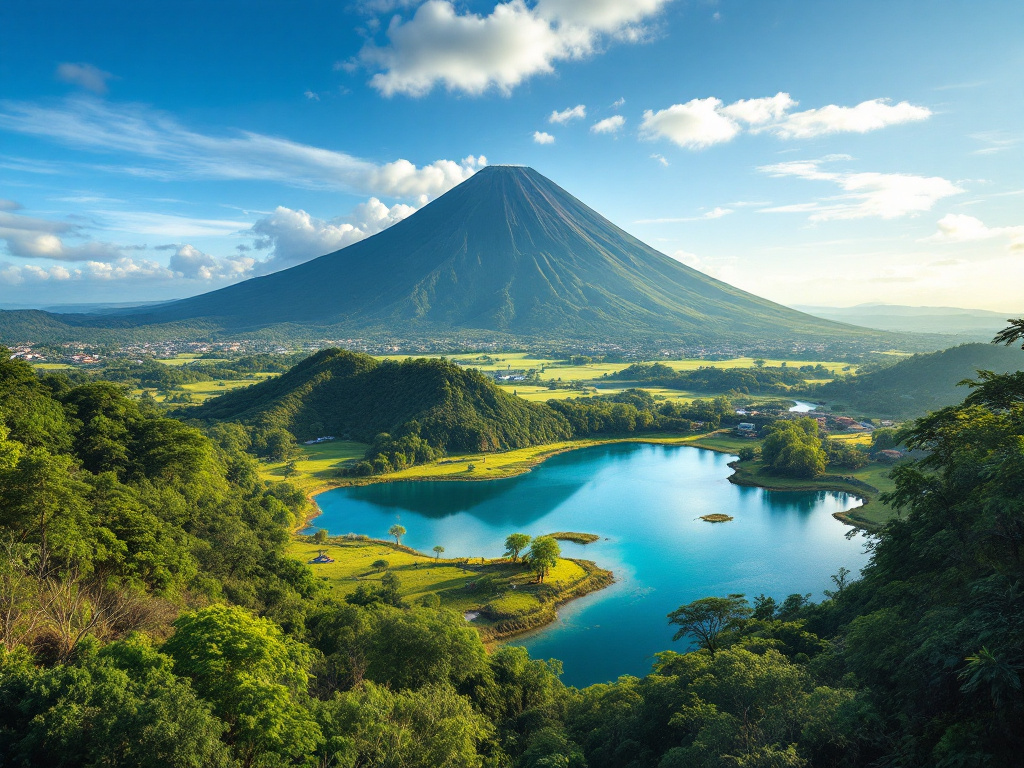
Coatepeque Lake
A beautiful volcanic lake surrounded by mountains, known for clear water and serene surroundings.
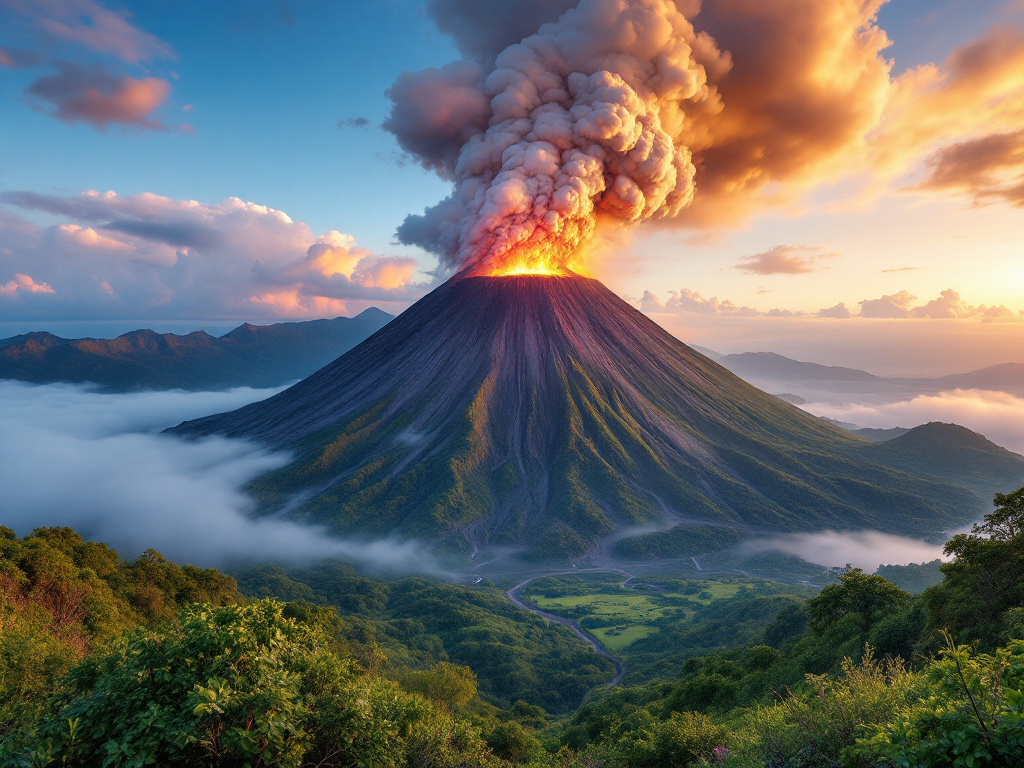
Santa Ana Volcano
El Salvador's highest volcano with an impressive crater lake at the top.
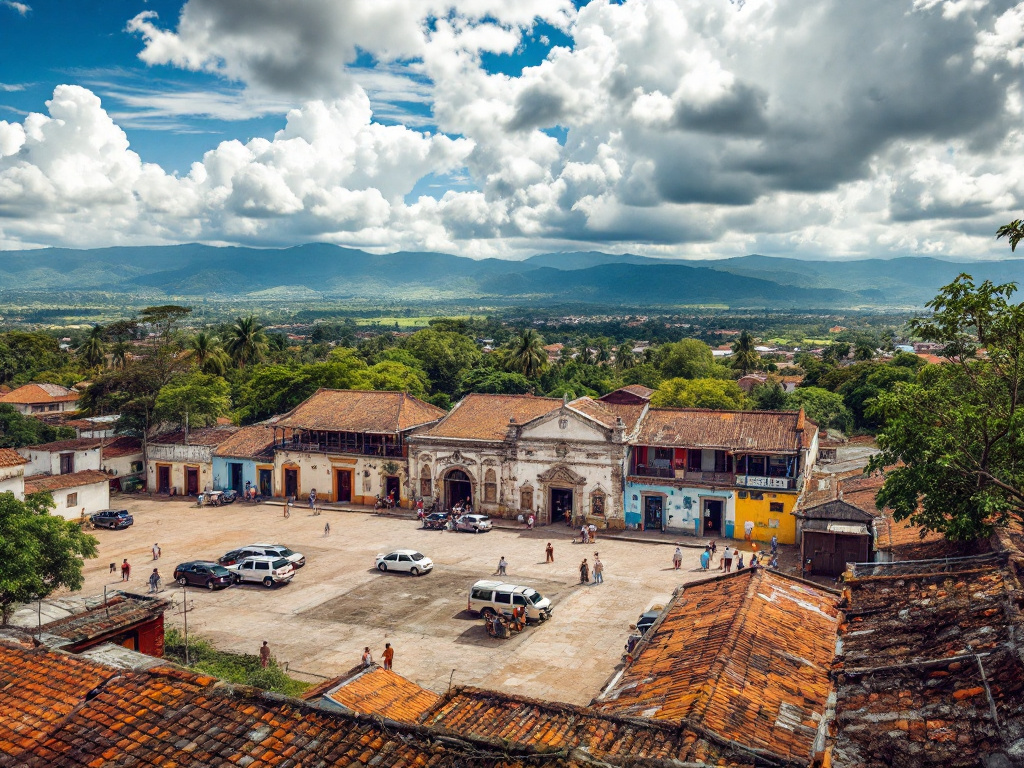
Suchitoto
A charming colonial town known for art, culture, and beautiful views.
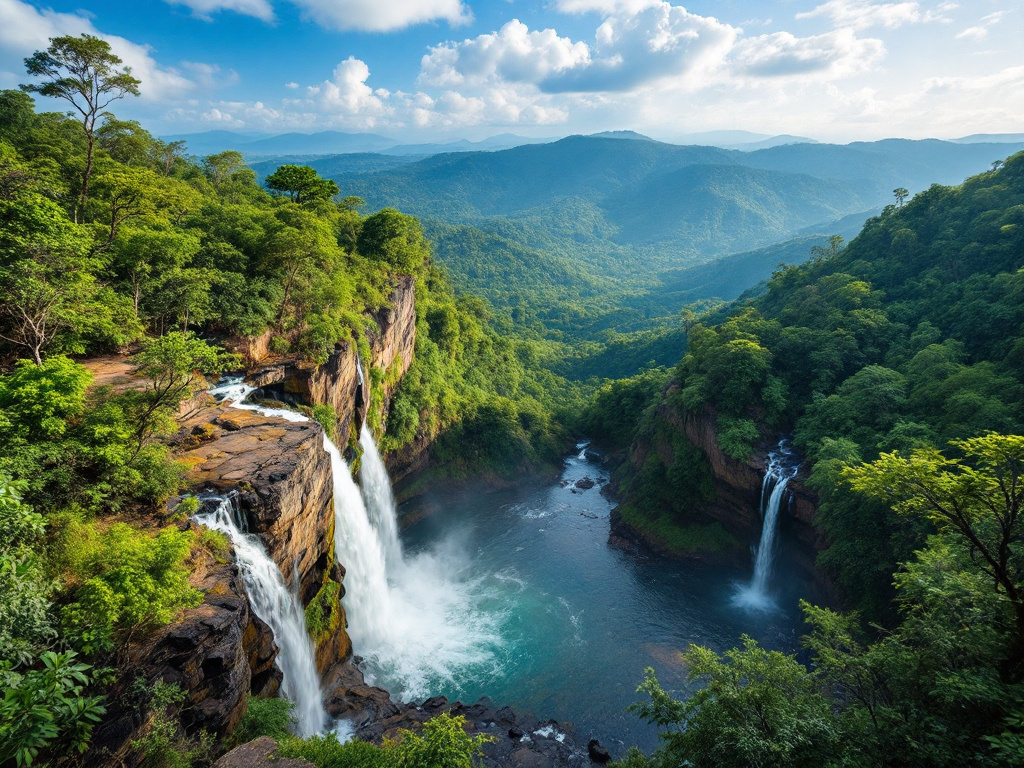
El Imposible National Park
One of the country's most important national parks with rich biodiversity and hiking trails.
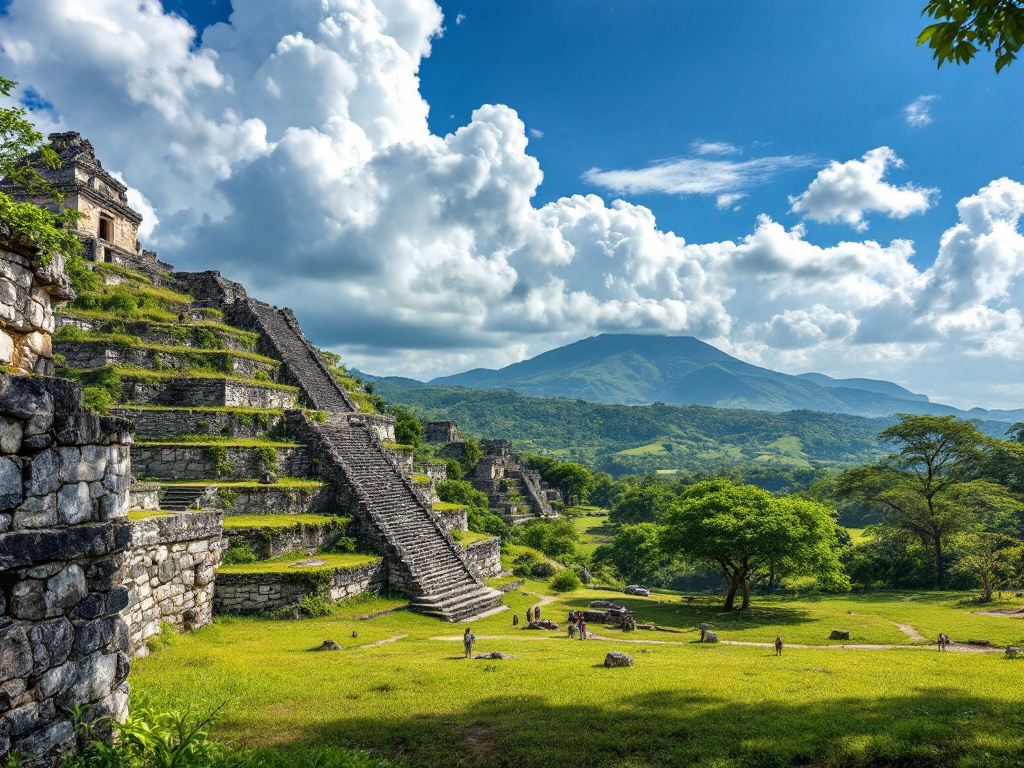
Tazumal Ruins
An important archaeological site with well-preserved Maya ruins.
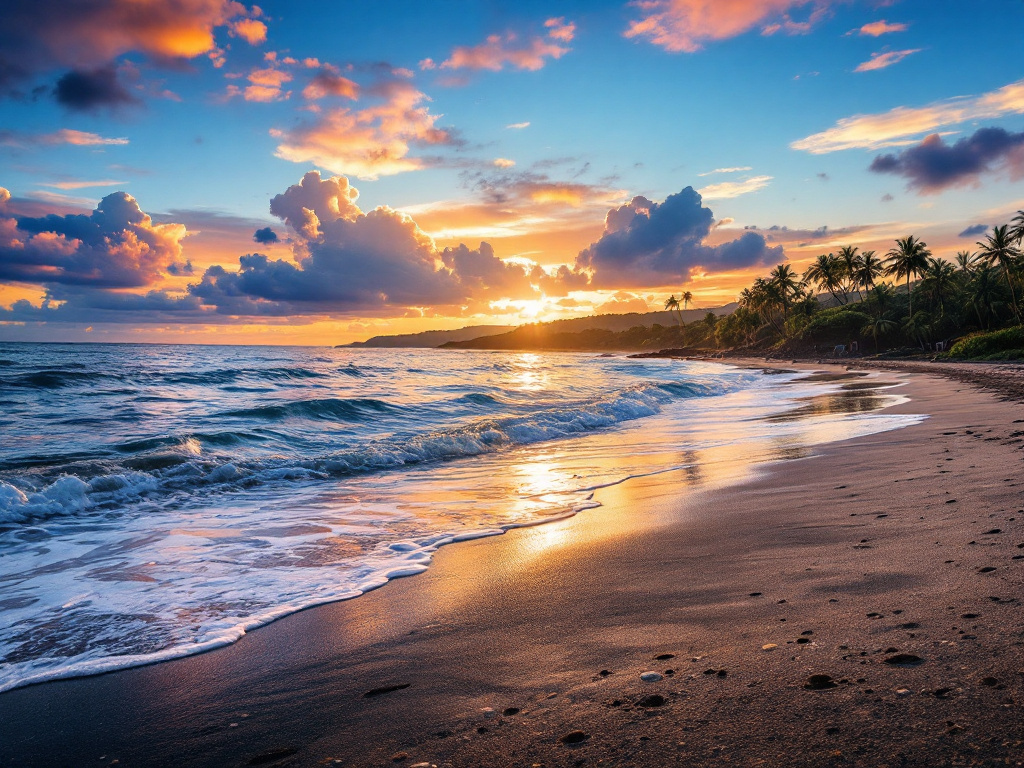
El Zonte Beach
A quieter beach destination popular among surfers and families.
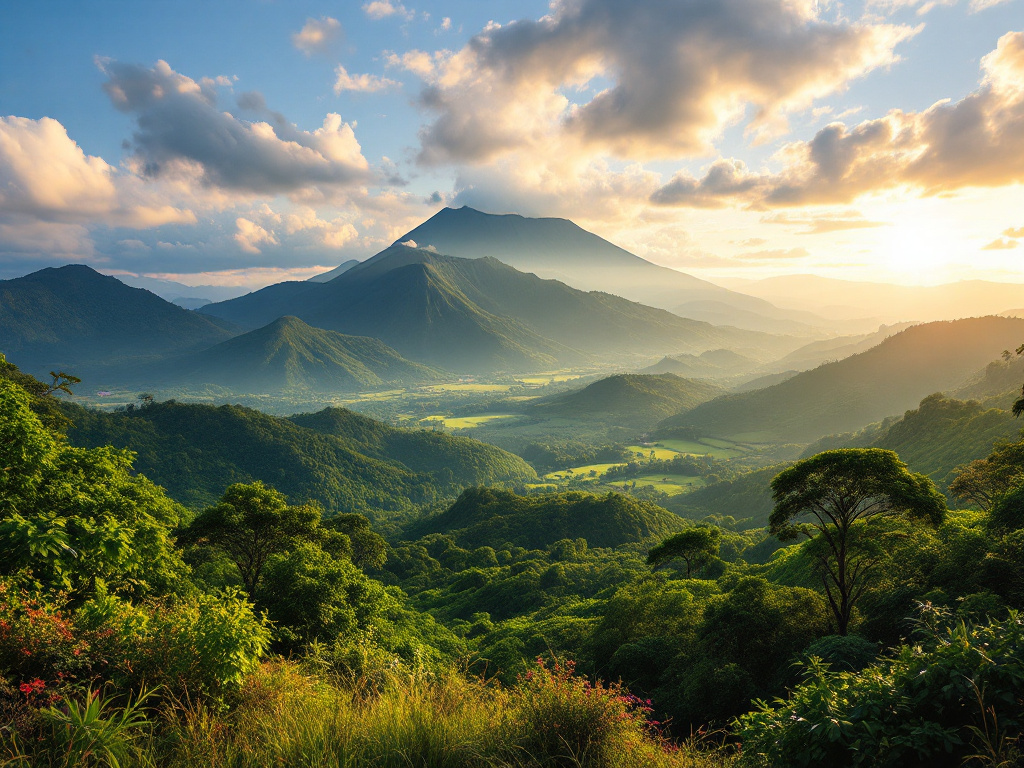
Cerro Verde National Park
A scenic national park with views of several volcanoes and easy trails.
Famous cuisine
Culinary overview
El Salvador's cuisine is a flavorful blend of indigenous Mesoamerican traditions and Spanish colonial influences. The country's most iconic dish, the pupusa, is a symbol of national pride and is enjoyed by both locals and visitors. Fresh ingredients such as corn, beans, rice, yuca, and bananas are staples in many dishes, often accompanied by fresh salads and pickled vegetables. Coastal areas offer freshly caught fish and seafood, while the mountainous regions are known for aromatic coffee. Meals are often a social event, and street food plays a central role in the food culture. Travelers can expect intense flavors, spicy salsa, and a welcoming atmosphere at the table.
Must-try dishes
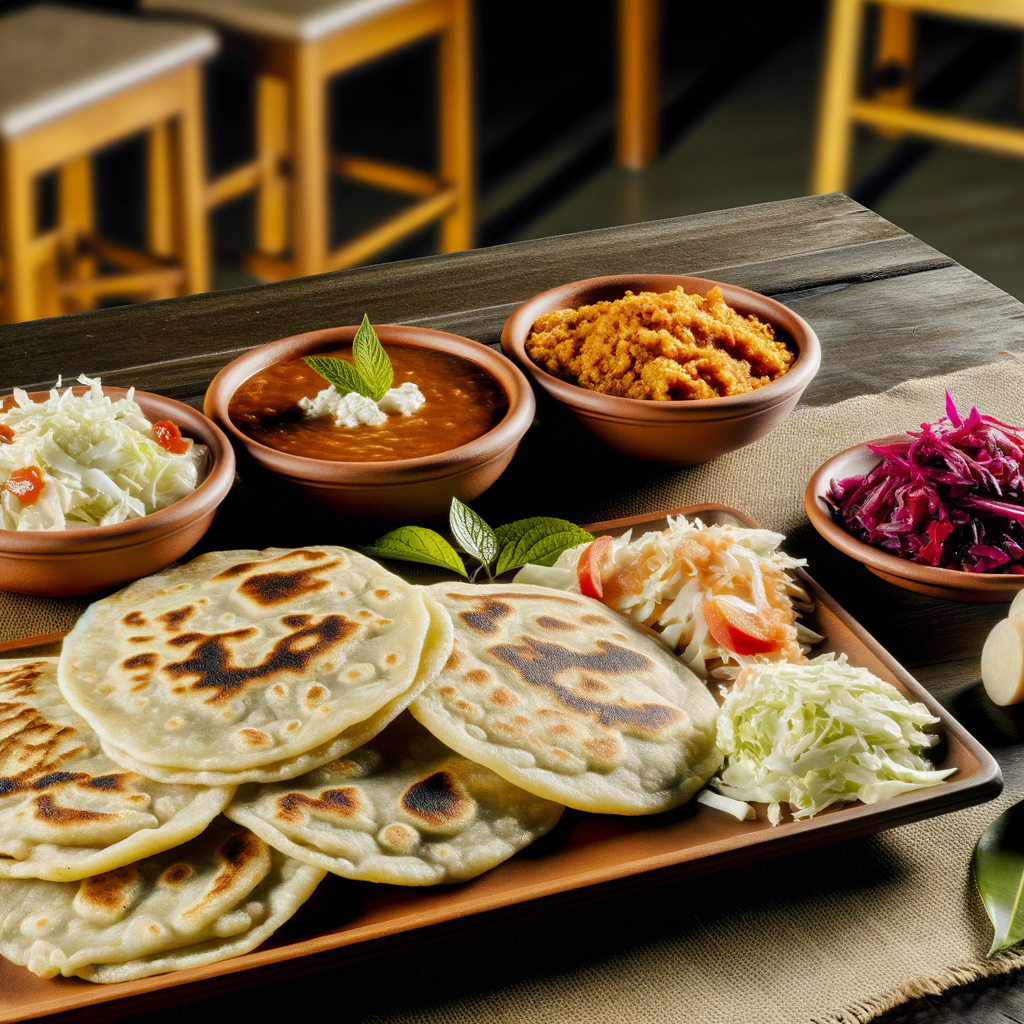
Pupusas
Thicker corn tortillas filled with cheese, beans, chicharrón (pork), or a combination, served with curtido (pickled cabbage) and tomato sauce.
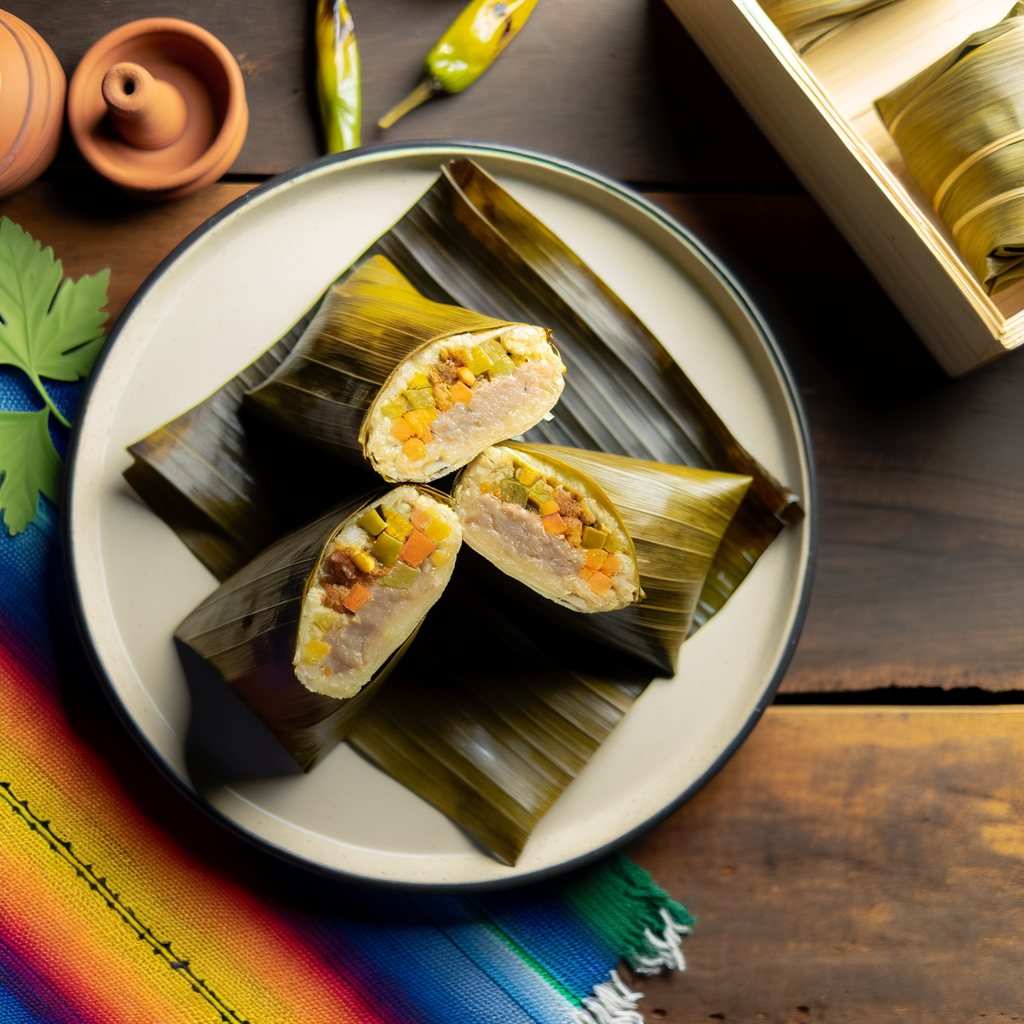
Tamales
Corn dough filled with meat, vegetables, or beans, wrapped in banana leaves and steamed, resulting in a soft and aromatic texture.
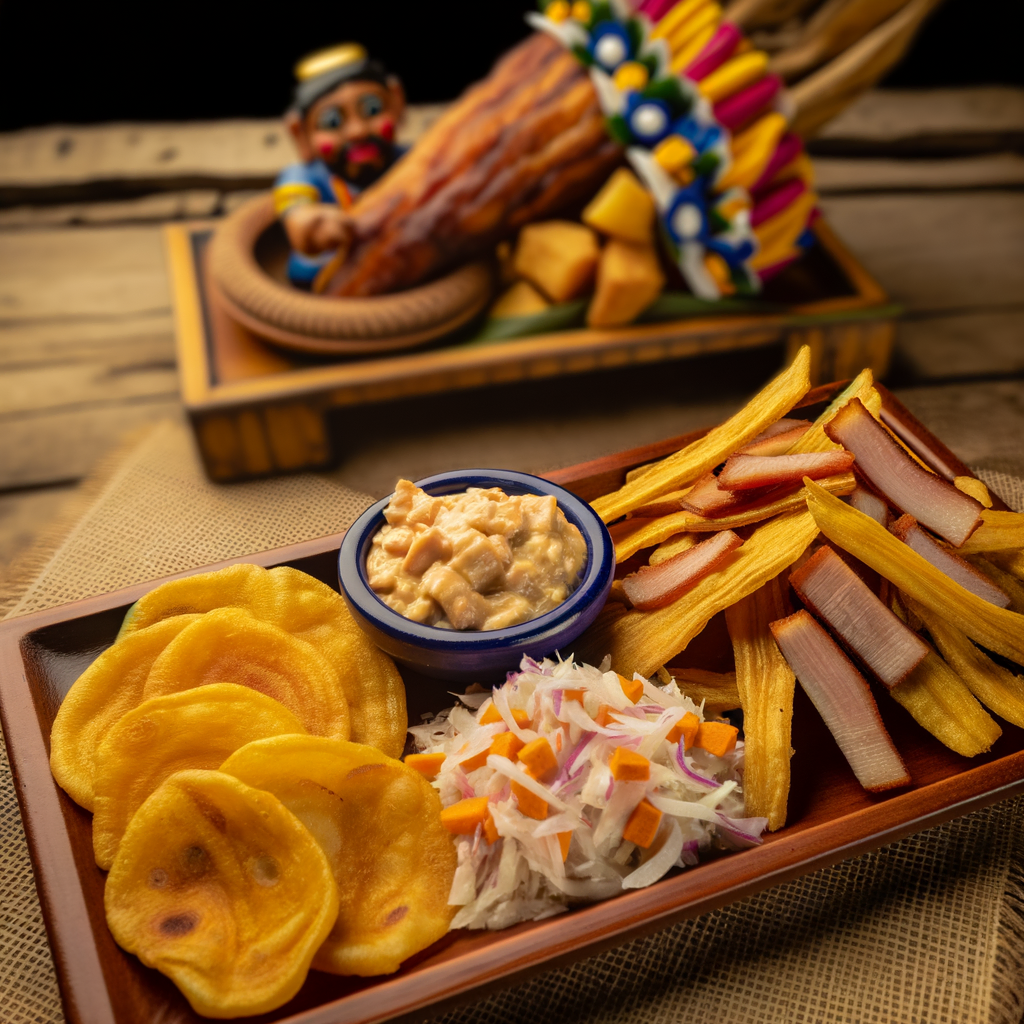
Yuca Frita
Fried cassava served with chicharrón and curtido, a popular snack or lunch dish.
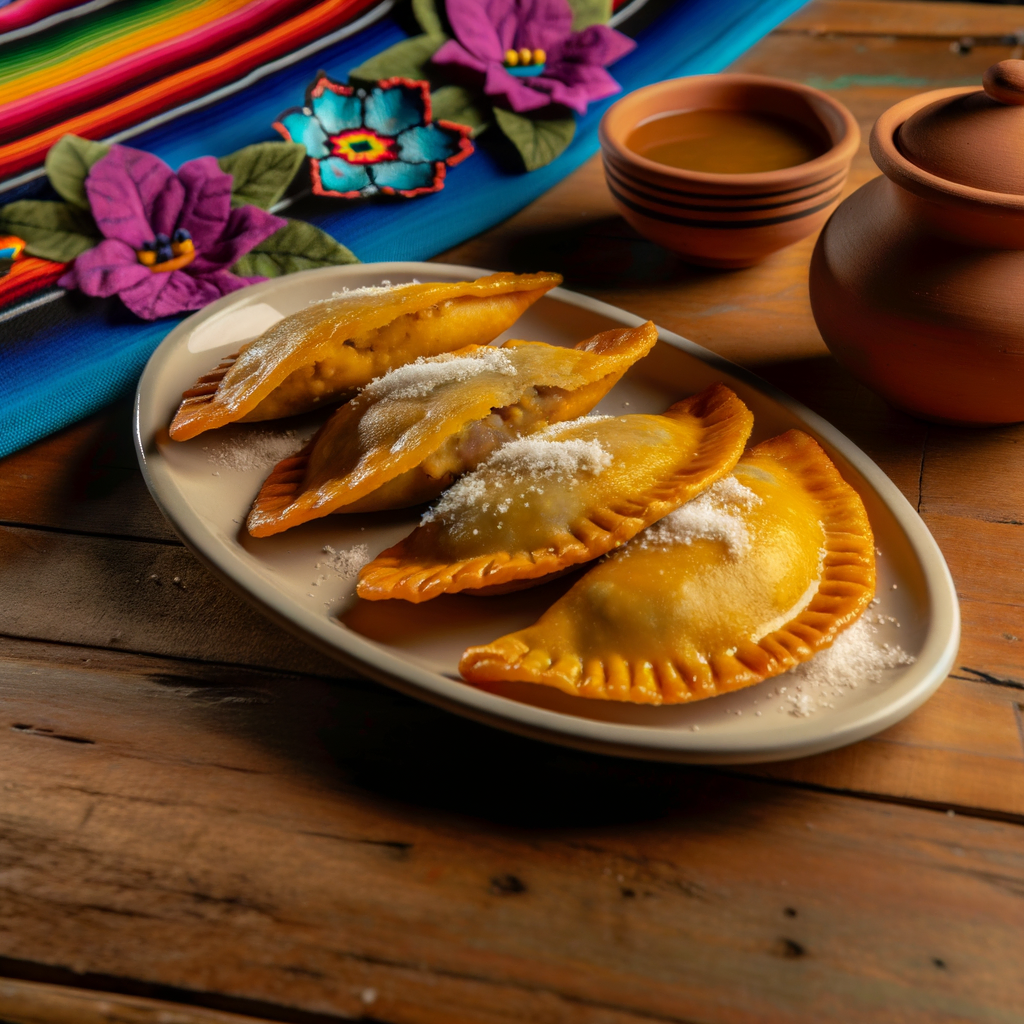
Empanadas de Plátano
Sweet empanadas made from mashed plantains filled with sweetened bean puree, often dusted with sugar.
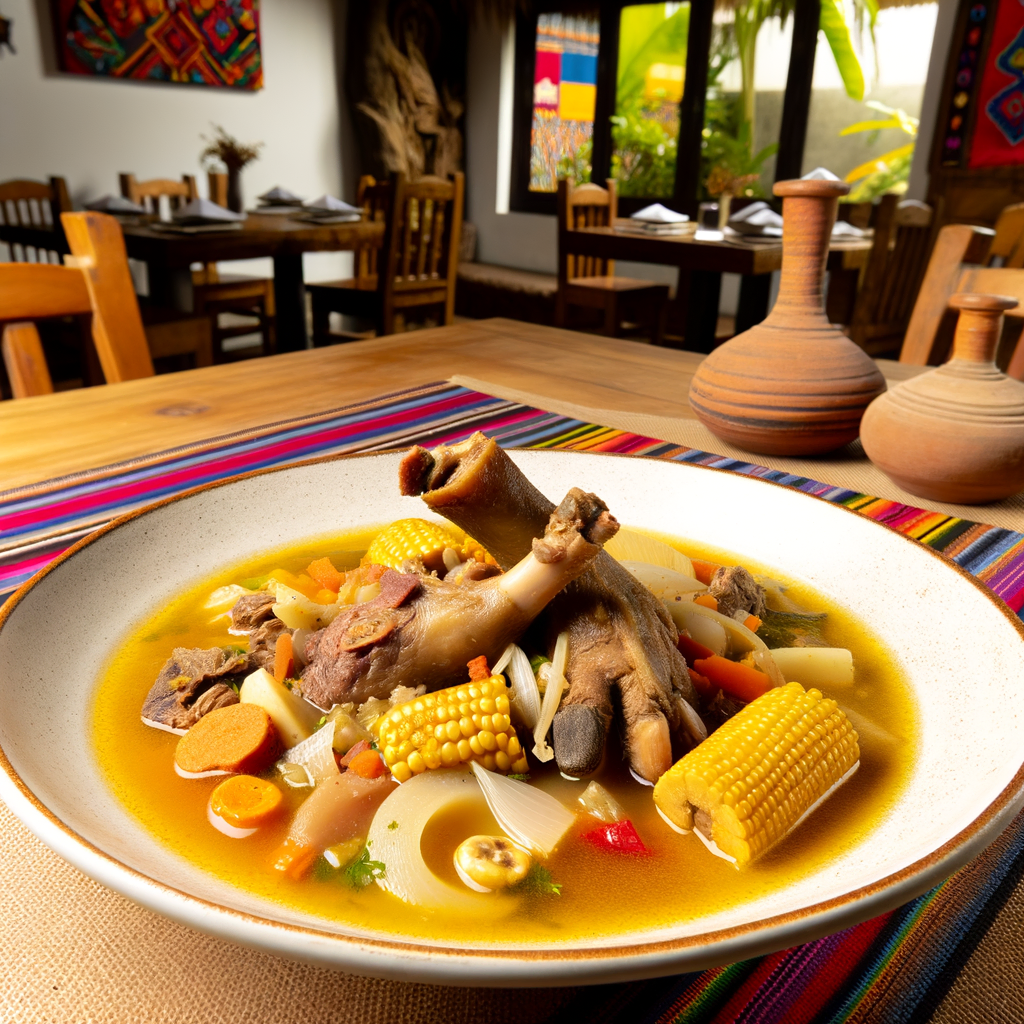
Sopa de Pata
A hearty soup made with beef feet, vegetables, yuca, and corn, seasoned with herbs and often served as a filling meal.
Restaurant information
Tipping
Tipping is not always expected in El Salvador, but it is appreciated. In restaurants, it is common to give 10% of the bill if service is not already included. In markets and street food places, tipping is rarely done.
Travel information
Currency
Amerikansk dollar (USD)
Language
Spanish
Best time to visit
November to April
Major cities
San Salvador and other major cities
More countries in North America
Discover more destinations in this region