
A Guide to Whale Watching on Maui
Experience the majestic migration of humpback whales to Maui and get the best tips on when, where, and how to see them in their natural habitat.
Whales are some of the most spectacular animals on Earth, and seeing dozens of them during the peak whale watching season on the already magical island of Maui makes it one of the best places in the world to experience whales.
As whales migrate to different parts of the globe to find warmer waters to give birth to their young, around 10,000 to 12,000 humpback whales make the journey from Alaska and British Columbia to Hawaii – especially to the Maui Nui Basin – to be closer to the equator and its warmer waters, where they mate, give birth, and raise their calves.
Even after the devastating wildfire in Lahaina in 2023, Maui still welcomes visitors with open arms to experience everything the Hawaiian island has to offer. Anyone visiting Maui during the peak whale watching season can expect an incredible show, no matter which part of the island they are staying on. But knowing when and where to go to see one of nature’s most impressive spectacles can make a big difference.
When is the best time to see whales?
Maui is beautiful year-round, but if your goal is to spot the magnificent whales, it’s best to visit during the peak whale watching season, which typically runs from mid-January to March, with February and March being particularly active months.
This follows the migratory patterns of humpback whales, which travel over 4,800 kilometers south each year to the warmer waters of the ʻAuʻau Channel, located between Maui and the neighboring islands of Molokaʻi and Lānaʻi, to breed and give birth to their young.
If you can’t make it during these months, you may still be lucky enough to see whales in November and December, when they begin to arrive. In March, many whales start to leave the area, although you can still spot some all the way into April.

Where should you go to see whales?
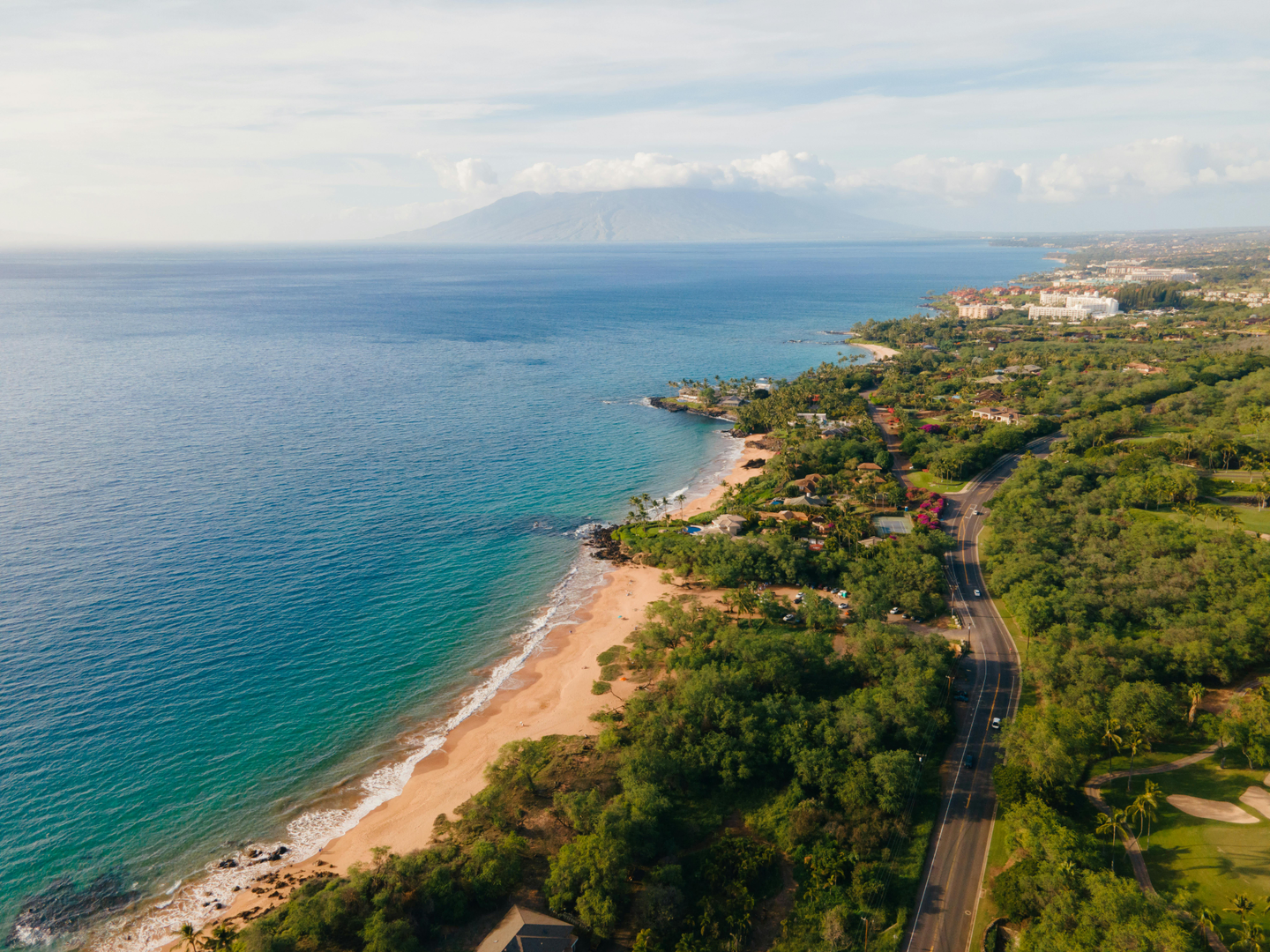
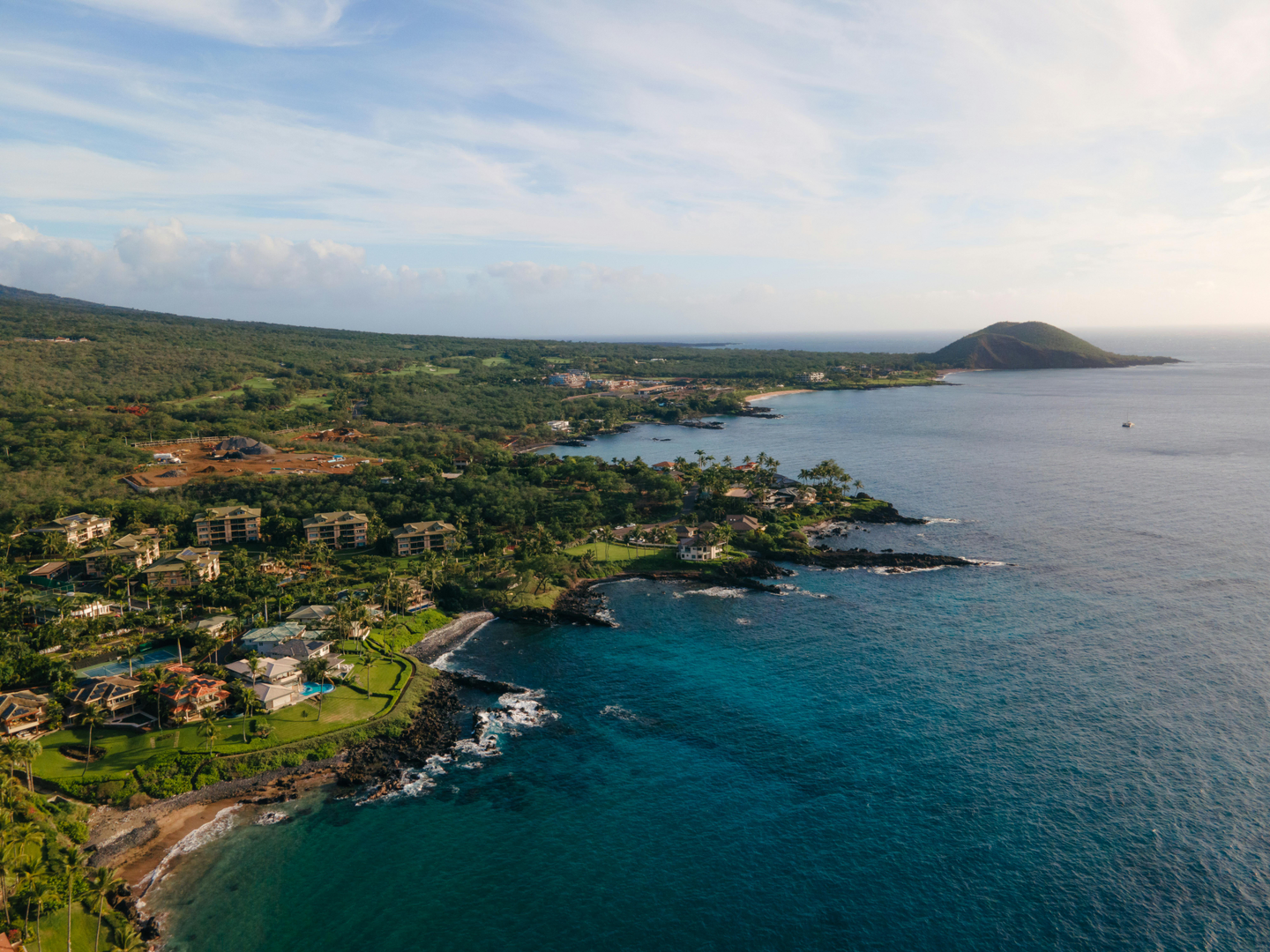
Most whale enthusiasts will likely take a boat tour from Ma’alaea Harbor (about a 20-minute drive from Wailea), but you can also take a walk along the Wailea Beach Path, which connects many of the largest resorts in Wailea. This cliffside path gives you a vertical advantage, so bring binoculars and head out early to secure a coveted bench for morning or sunset whale watching.
McGregor Point Lookout and Lighthouse, near Lahaina, is also worth a visit if you’re driving from Wailea to Ka’anapali or heading to Ma’alaea Harbor for a tour. There is a parking area, and during peak season there are often naturalists from the Pacific Whale Foundation hosting informational stations at the lookout.
Ka’anapali Beach is called ‘Whale Soup’ for a reason – the chances of seeing whales here are extremely high during the season.
If you’re staying oceanfront at a hotel such as Westin Maui Resort & Spa or Sheraton Maui Resort & Spa, there’s a strong chance you’ll spot a whale – or several dozen – right from your balcony.
How do you choose a boat tour?
The most popular way to see whales is to take a guided tour. The difference between operators mainly lies in the size of the boat and the amenities they offer. Larger catamarans often provide breakfast or sunset drinks and snacks, while smaller boats can get closer to the whales.
Raft-style boats take smaller groups and can quickly navigate closer to the whales. For those seeking adventure, Hawaiian Paddle Sports Maui offers kayak tours where you can get close to nature.

Regardless of which method you choose, remember that federal law requires boats to keep a distance of at least 100 yards from humpback whales to protect the animals and their natural behavior.