A first-time guide to Ladakh, India
Experience the former kingdom of Ladakh – a high-altitude desert with dramatic mountain landscapes, Buddhist monasteries, and a culture deeply rooted in tradition.
A short, spectacular flight over the ice-clad Himalayas from India’s warm northern plains – or a slow and scenic road trip from the Himalayan foothills – brings you to the extraordinary former kingdom of Ladakh.
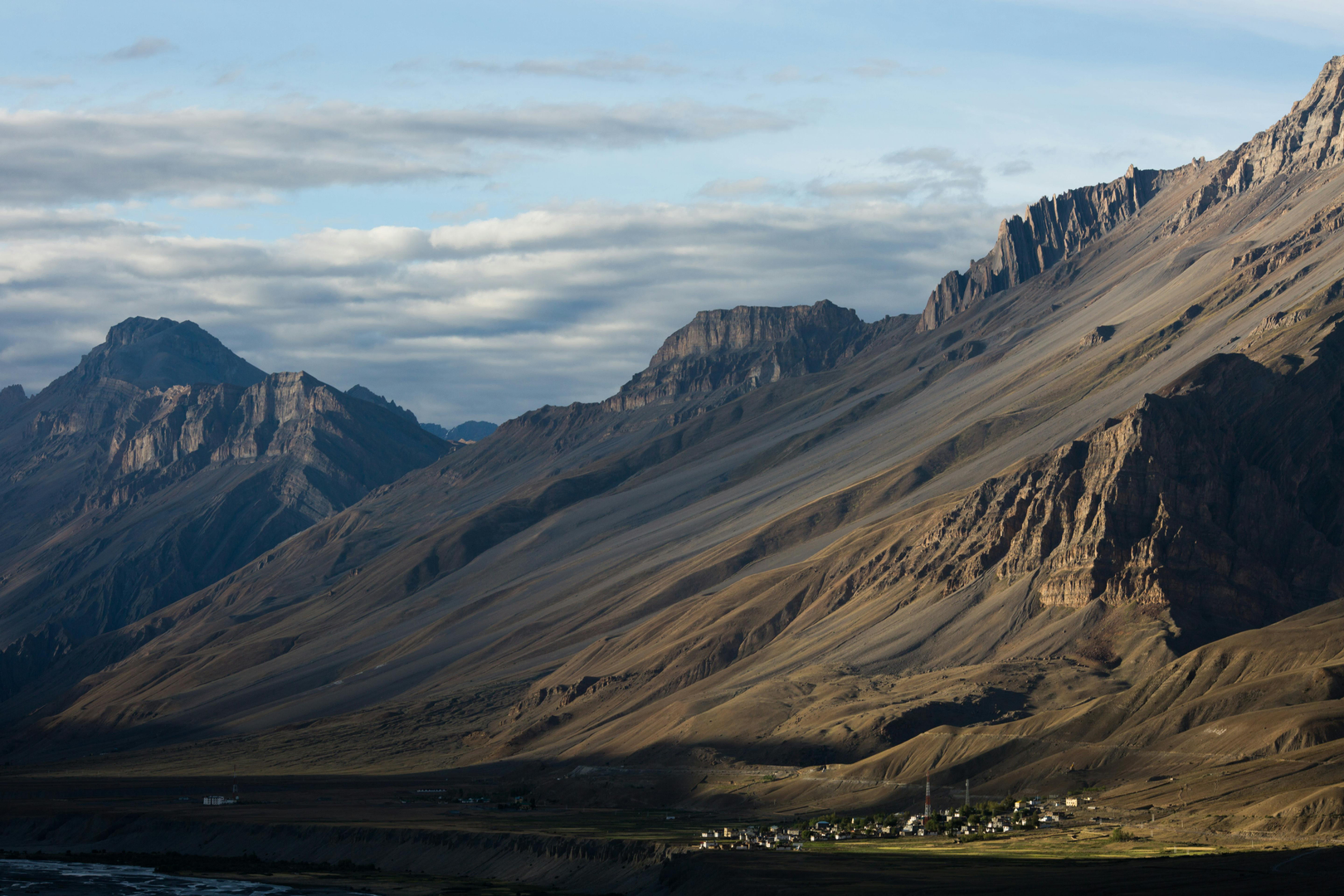
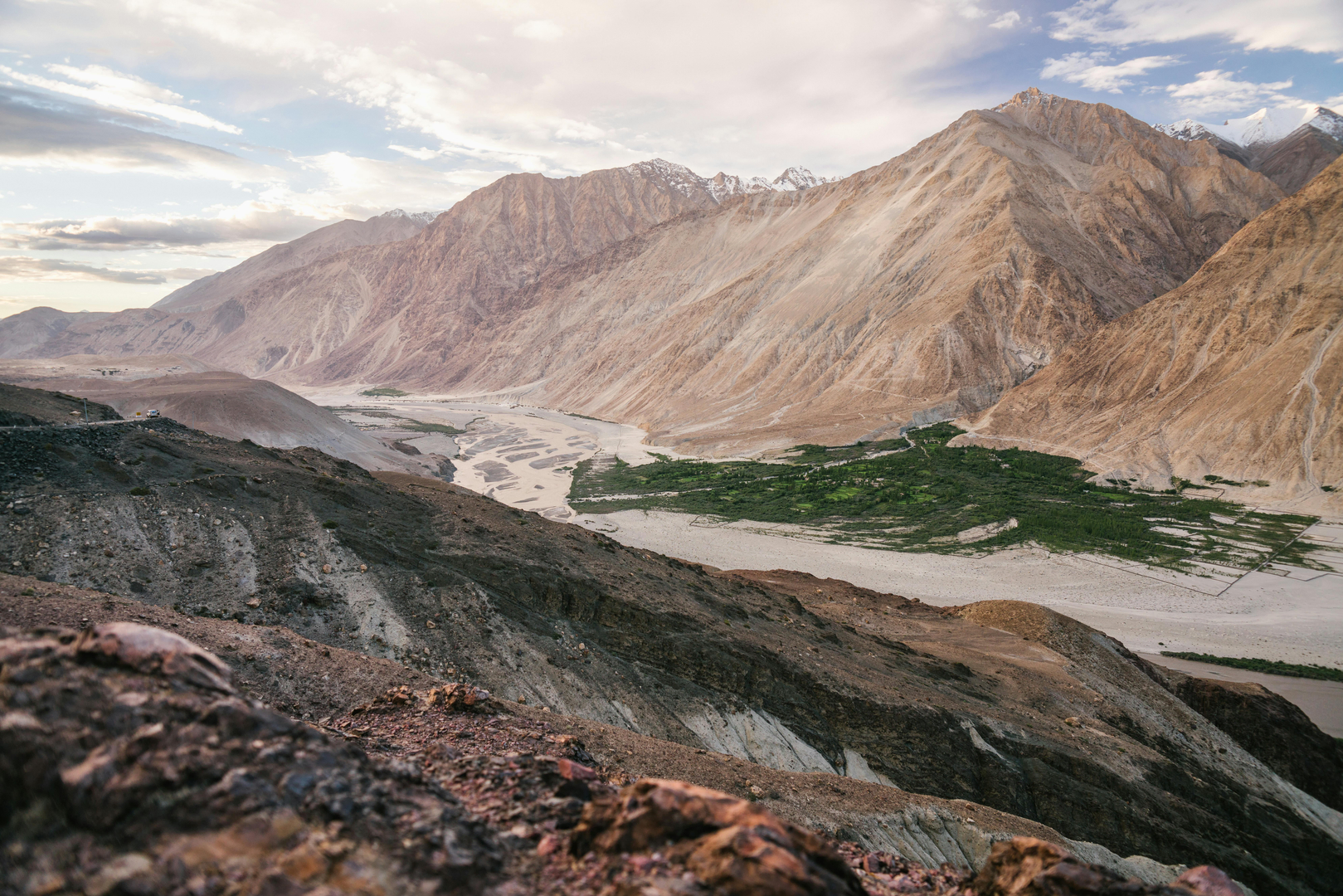
This spectacular region is essentially a high-altitude desert, where tectonic upheavals and extreme weather have shaped massive mountain ranges into some of the rawest and wildest landscapes on earth. The valleys here are filled with fast, clear mountain rivers and are dotted with villages of flat-roofed, Tibetan-inspired houses and structures that reflect the Ladakhi people’s deeply rooted Buddhist faith.
Summer and winter in Ladakh
Summer – from late May to September – brings the warmest weather, with average daytime highs around 20ºC in the valleys. Ladakh lies north of the great Himalayan range, so while monsoon rains drench most of northern India during these months, it remains dry here.
Winter (November to March) is cold, with temperatures often between -12ºC and 0ºC in the capital, Leh. But with far fewer tourists during these cold months, local life returns to how it was before tourism.
Transport and travel planning
Year-round flights connect Leh with Delhi, Chandigarh, Srinagar, and Jammu. There is also road access to Ladakh from Manali in Himachal Pradesh and from Srinagar in Kashmir. Roads from Manali cross 5,000 m passes and are usually closed due to snow from November to May.
A popular way to travel to and around Ladakh is by motorcycle. Thousands of Royal Enfield motorcycles are available for rent in Leh and Manali, offering a unique freedom to explore the region.
Monasteries and spiritual atmosphere
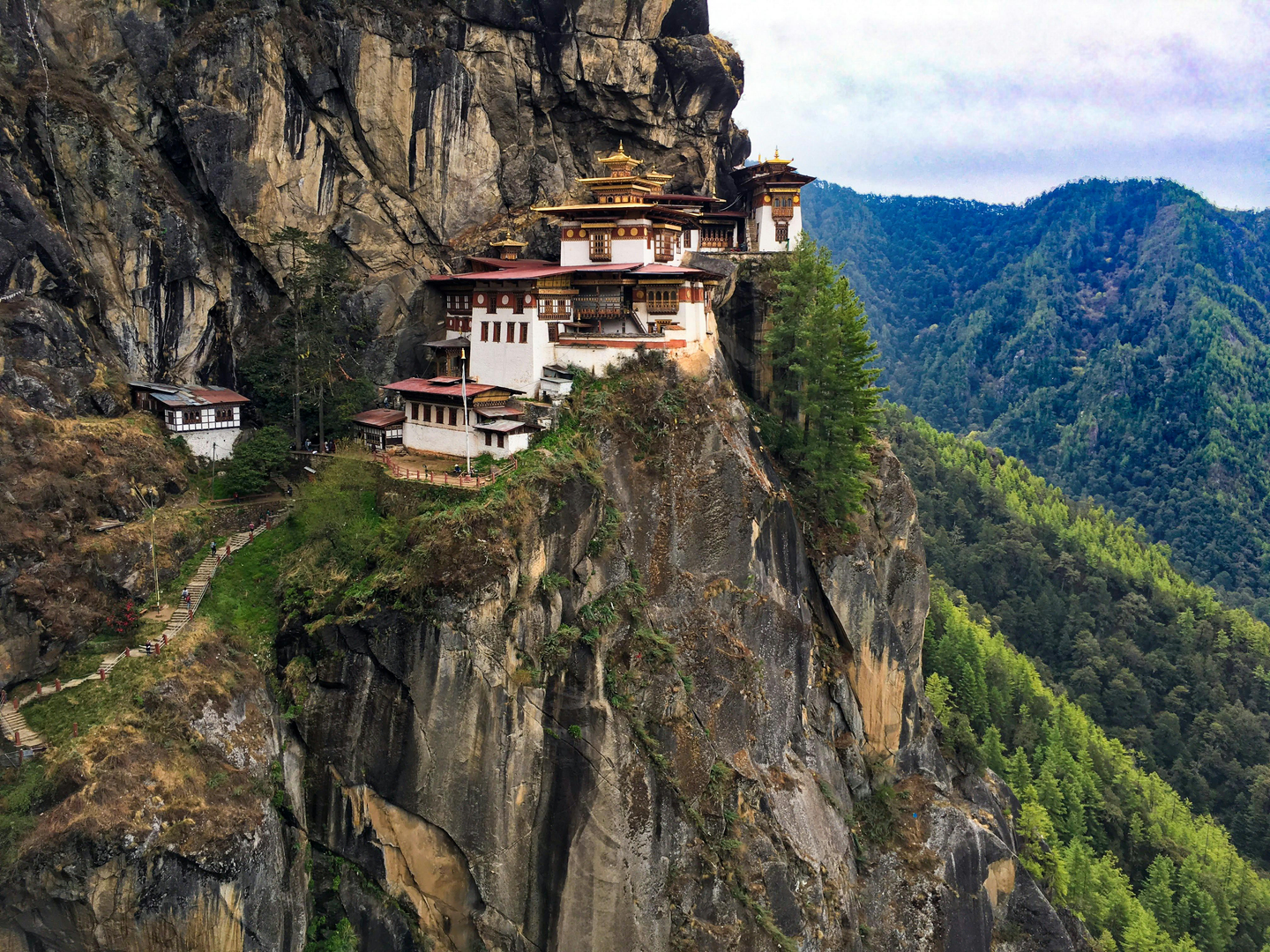
Ladakh’s many gompas (Tibetan Buddhist monasteries) form the core of Ladakhi spiritual life. They are also a highly picturesque part of the landscape, with white buildings often cascading over rocky outcrops.
Attending the morning prayers at a gompa is an unforgettable experience, where you can feel the deep calm and spiritual energy that characterize the area.
Trekking and scenic routes
The perfect way to experience Ladakh’s mountain landscapes and reach remote villages is on foot. From gentle valley walks to demanding high-altitude treks, there are many options for both beginners and experienced hikers.
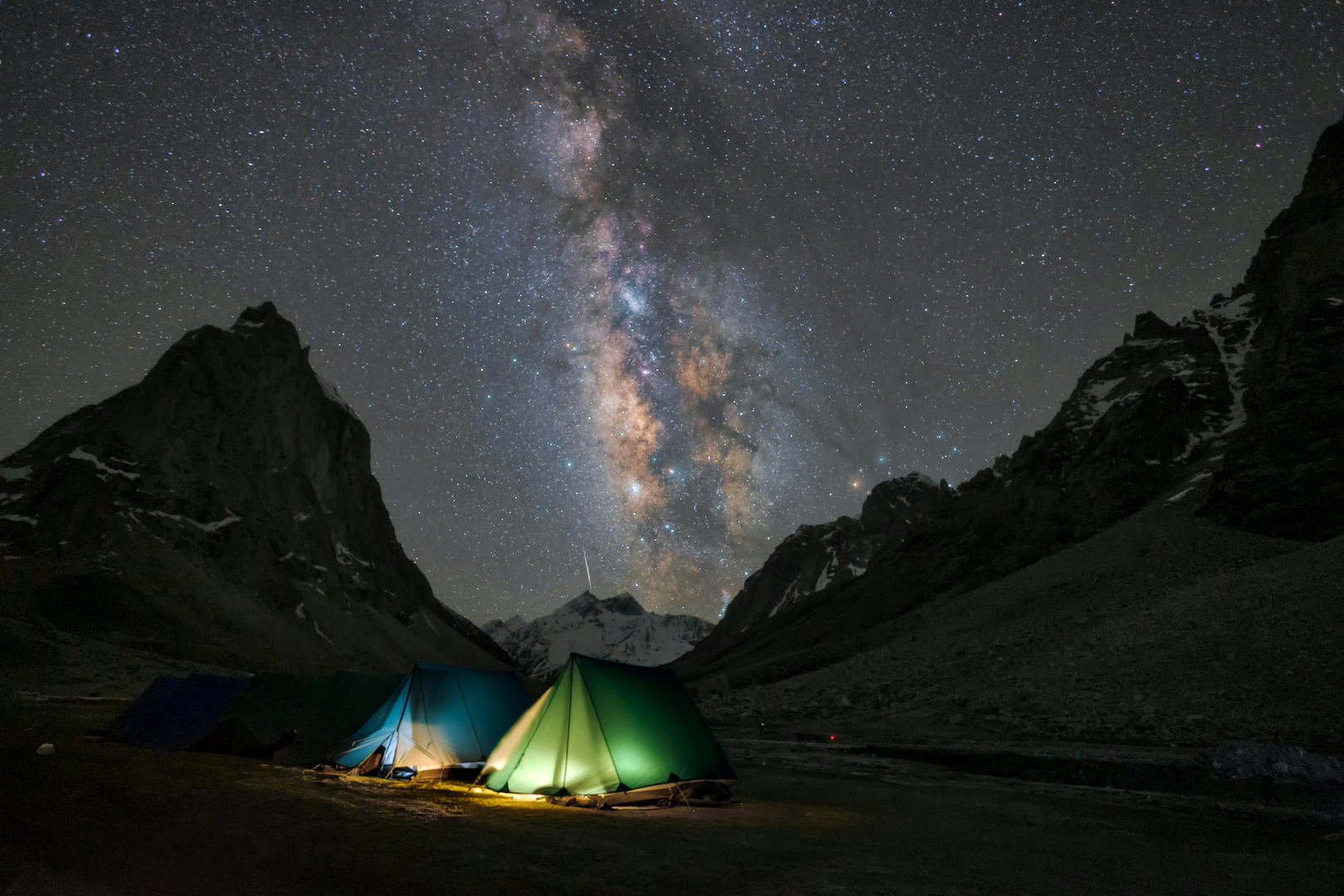
The Markha Valley trek is a classic route that takes you through villages and over mountain passes. Homestays in the villages allow you to experience local life and hospitality up close.
Practical travel tips
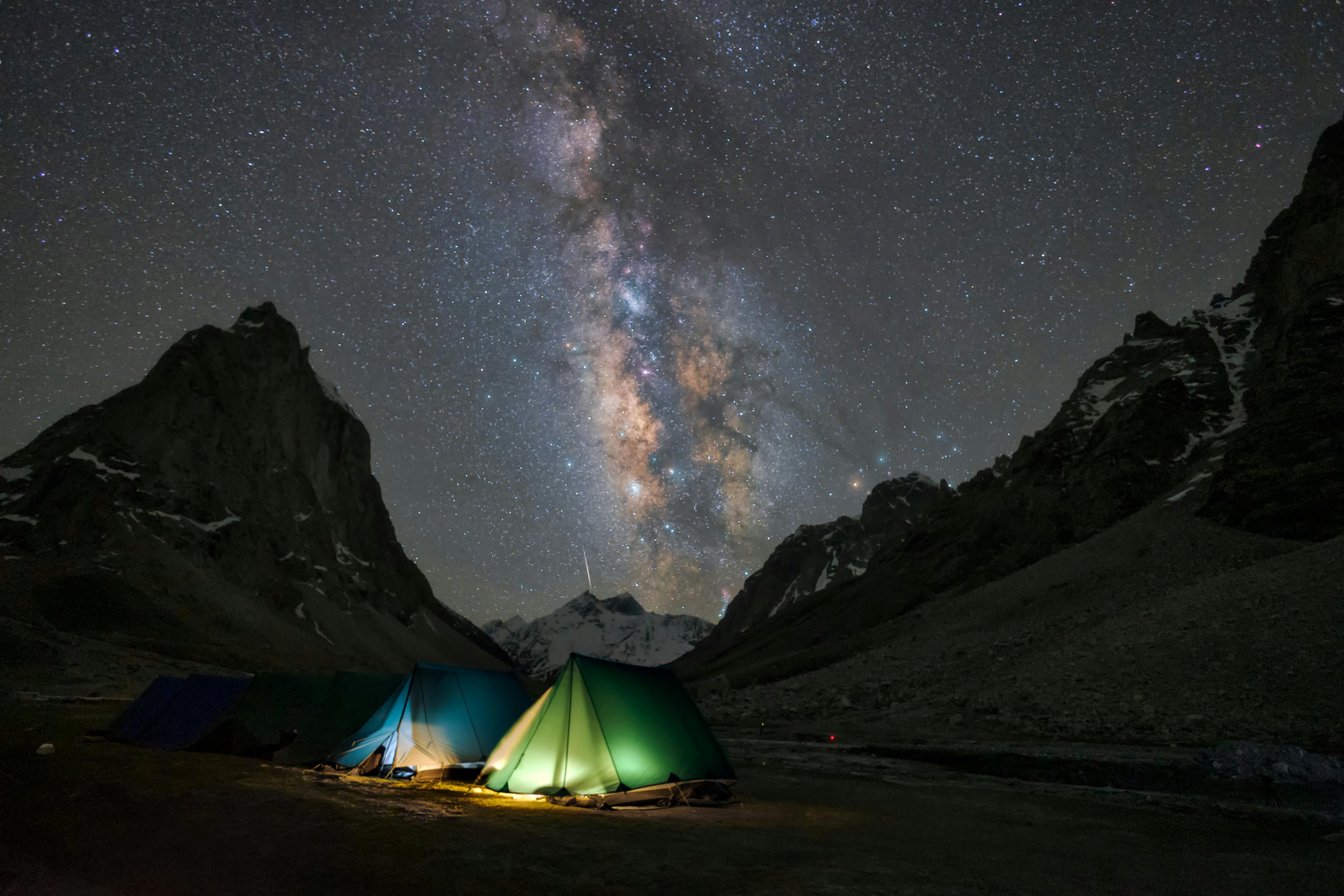
- Pack warm clothing, as nighttime temperatures can drop close to freezing, even in summer.
- Bring cash for trips outside Leh, as access to ATMs is limited.
- Non-Indians need a Protected Area Permit (PAP) to visit areas near Ladakh’s northern and eastern borders.
- Remember sun protection – the high altitude means stronger UV rays.
- Drink plenty of water to avoid altitude sickness, and acclimatize gradually.