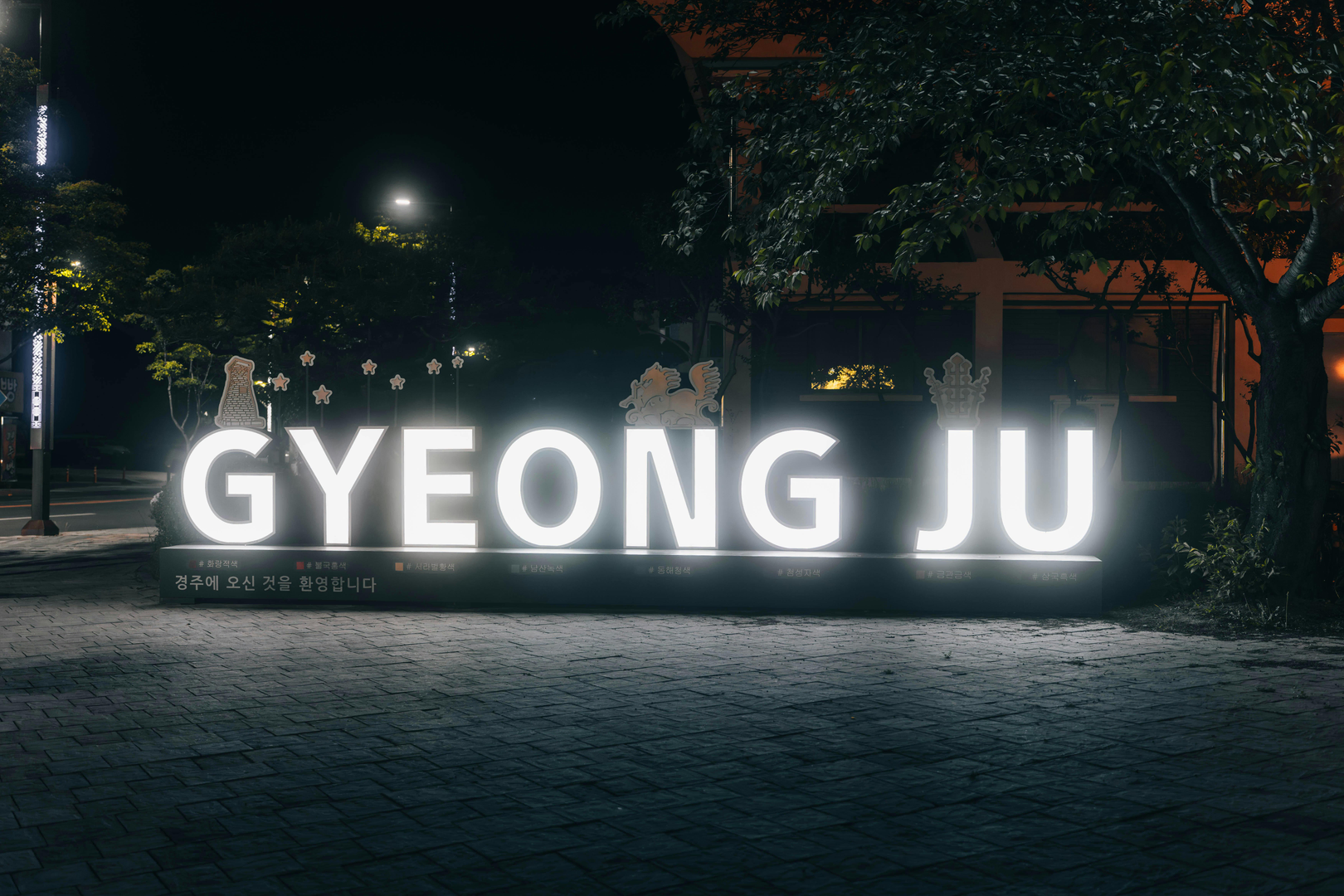

Gyeongju: A Journey to South Korea’s Ancient Capital
Experience South Korea’s historical gem, known as the museum without walls, and explore more than 1,000 years of cultural heritage from the Silla Kingdom.
Gyeongju, often called the museum without walls, is one of South Korea’s most fascinating destinations. As the ancient capital of the Silla Kingdom, which ruled for more than 1,000 years, the city is filled with historical treasures that offer a unique insight into Korea’s rich cultural heritage. If you are planning a trip to South Korea, Gyeongju should be at the top of your list.
Historical Highlights
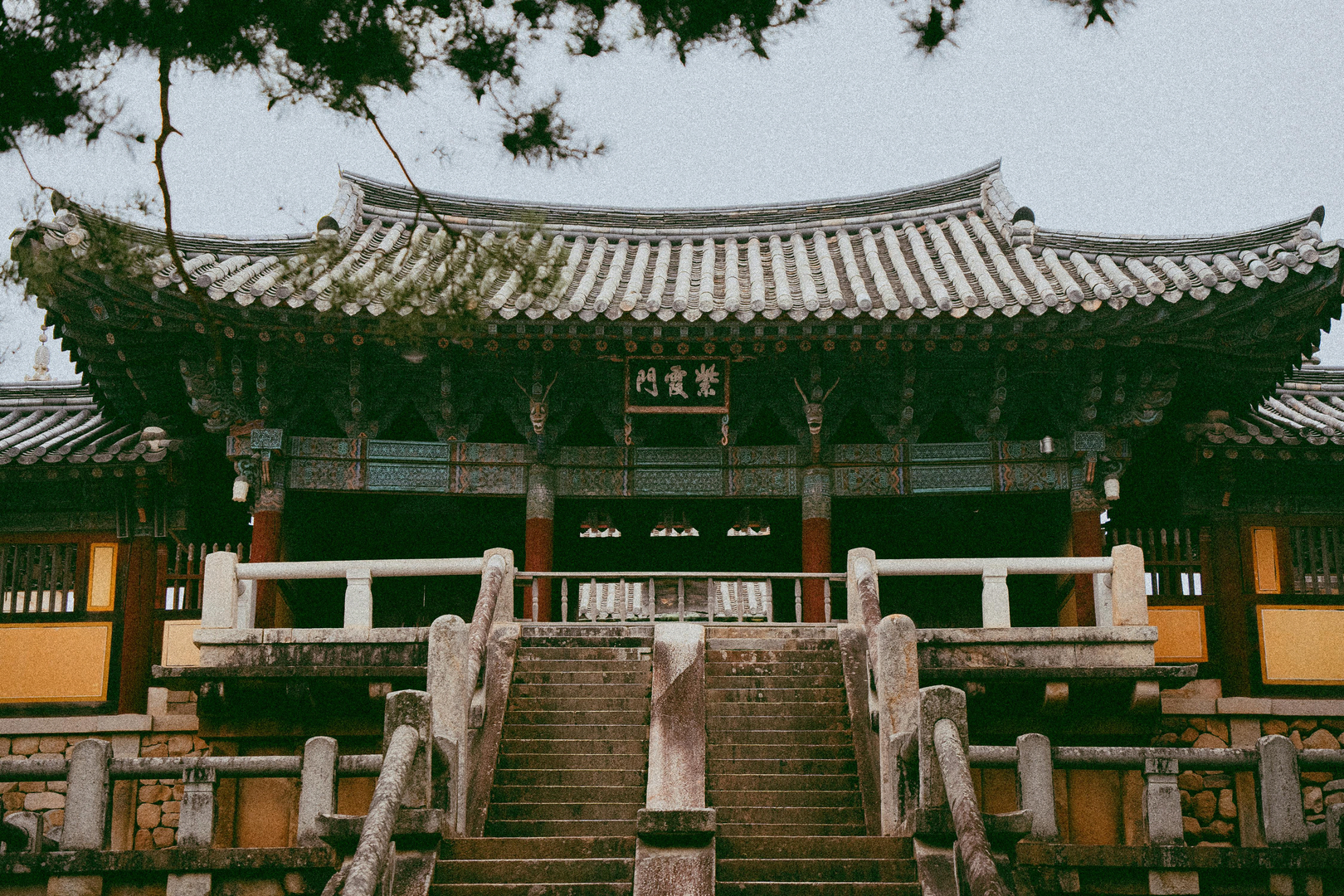
Gyeongju is home to some of Korea’s most iconic historical sites. A must-see is Bulguksa Temple, a UNESCO World Heritage Site, known for its architectural beauty and spiritual significance. Close to the temple you will find the Seokguram Grotto, another UNESCO gem, where an impressive Buddha statue watches over the city.
Another attraction not to be missed is the Cheomseongdae Observatory, the world’s oldest surviving astronomical observatory. It was built in the 7th century and offers a fascinating insight into the scientific advancements of the Silla dynasty.
Tumuli Park and Burial Mounds
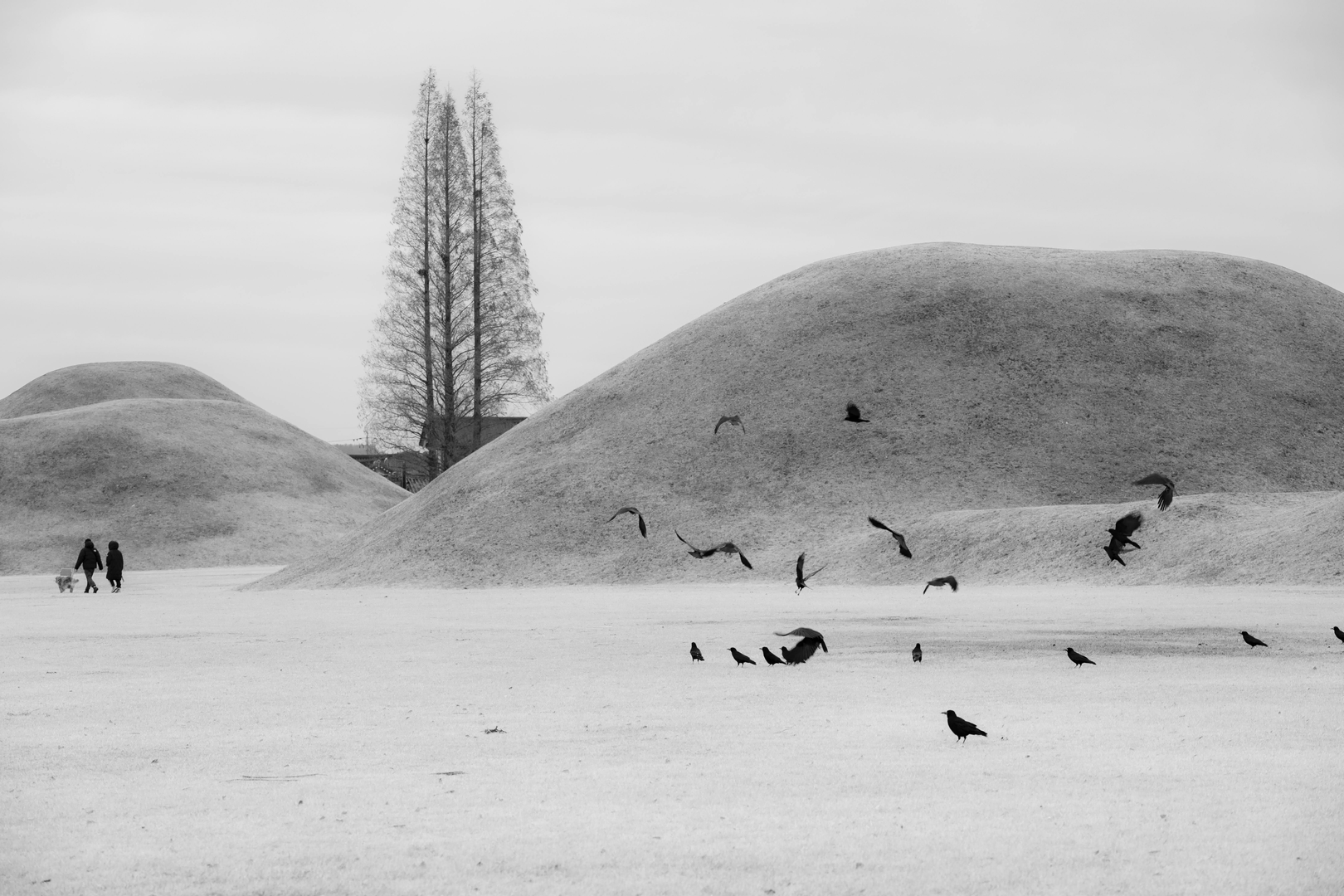
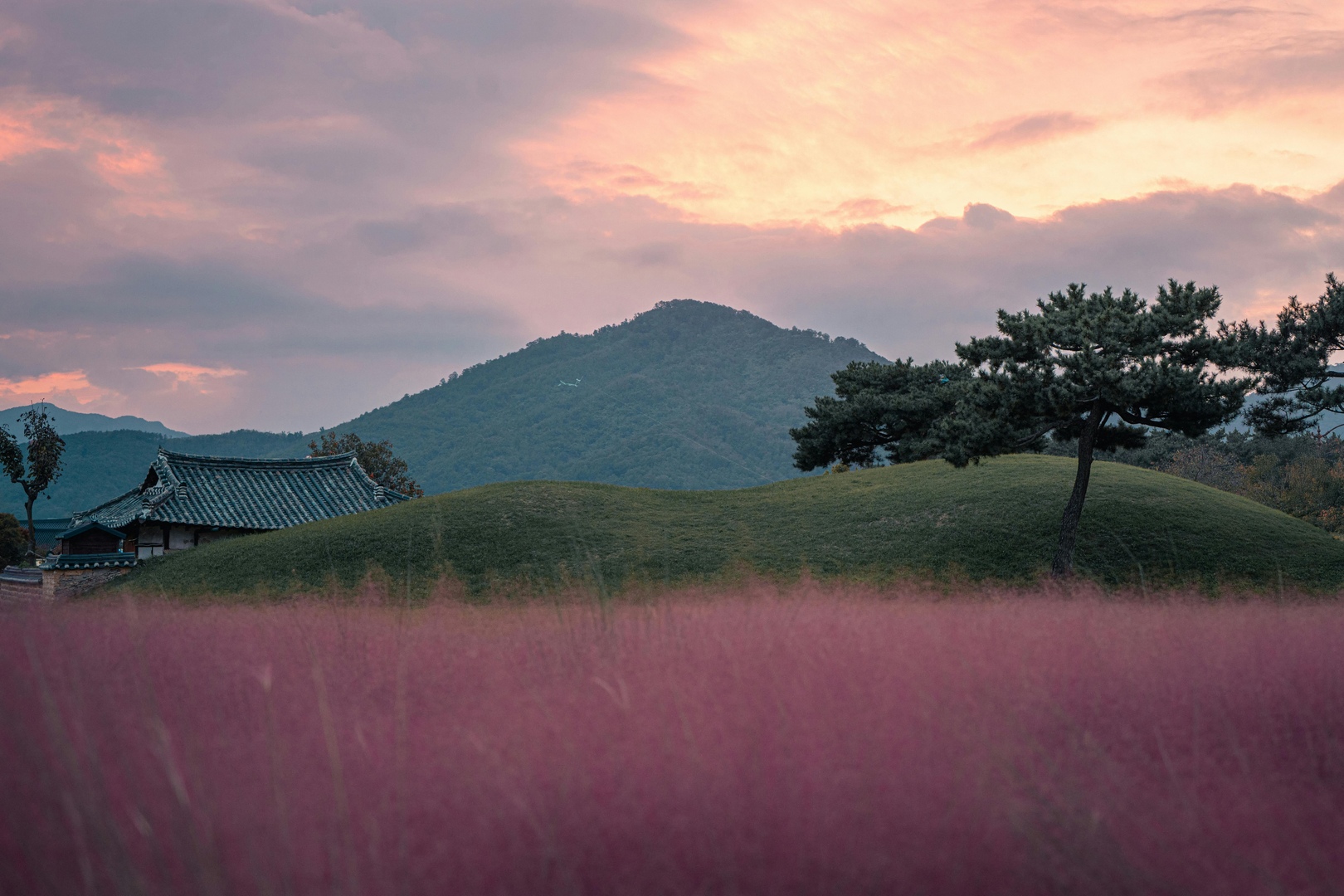
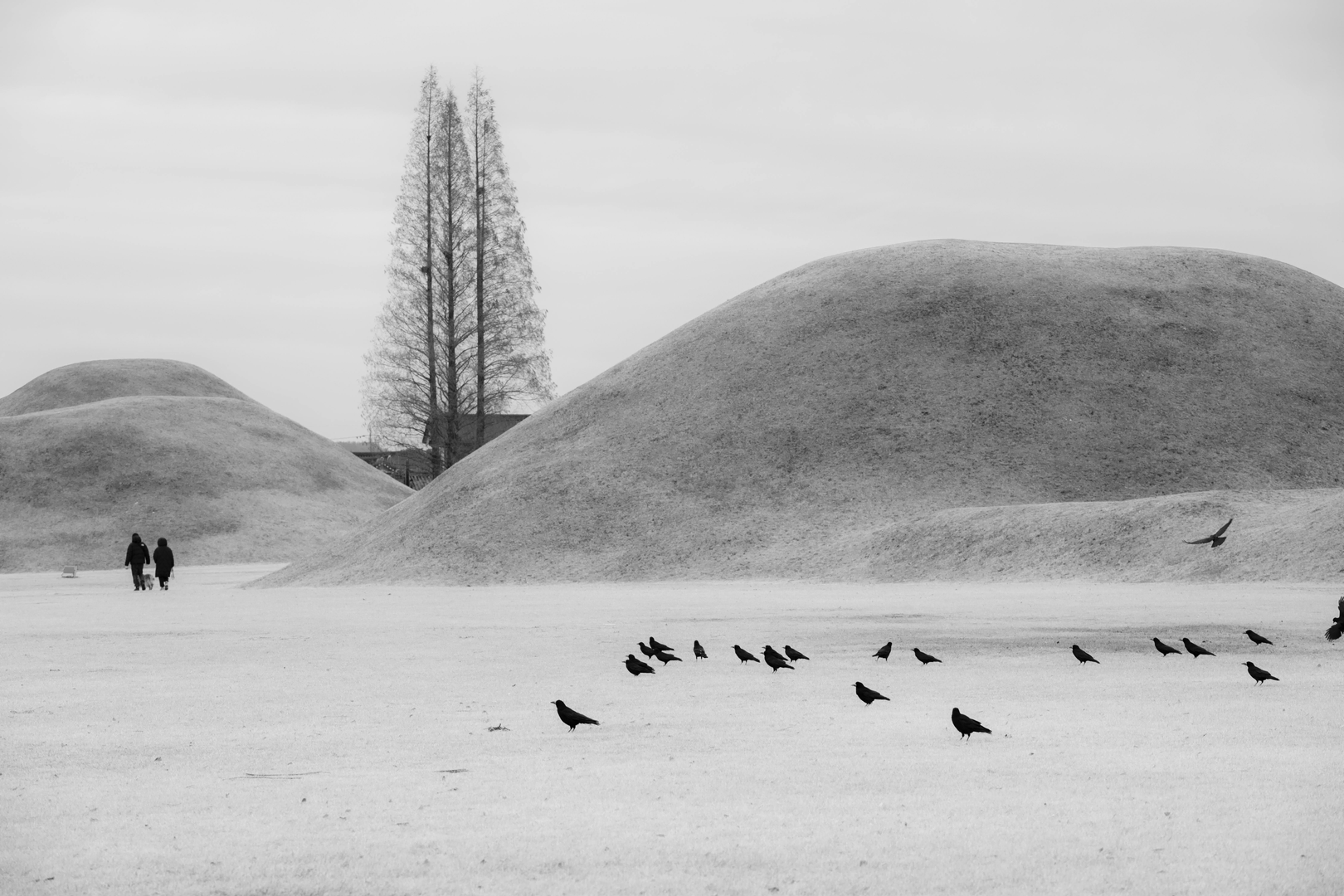
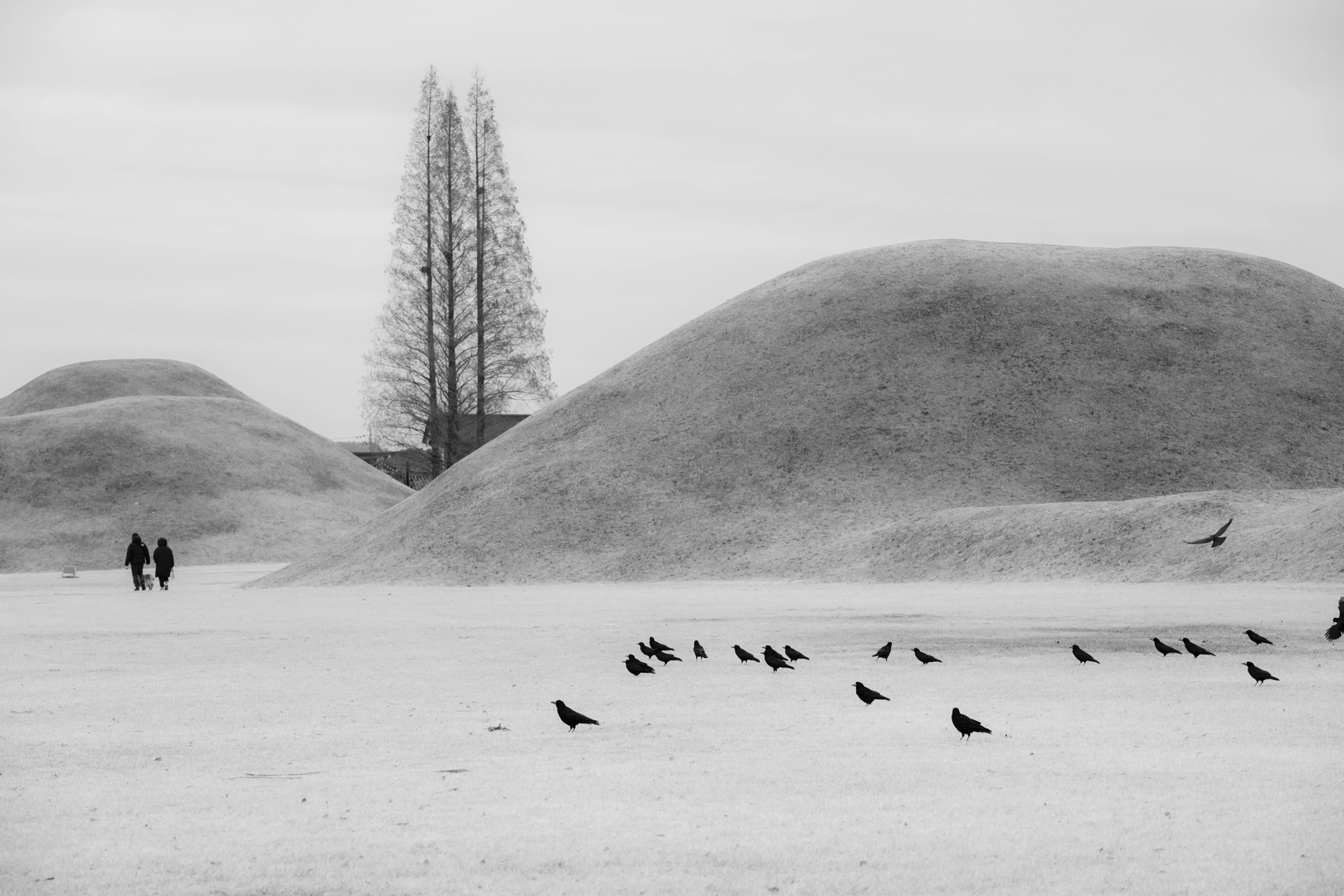
Gyeongju is also known for its many burial mounds scattered throughout the city. Tumuli Park is a wonderful place to explore these ancient royal tombs. Here you can walk among the grass-covered mounds and even step inside some of them, such as the Cheonmachong Tomb, where you can see artifacts from the Silla period.

Scenic Experiences
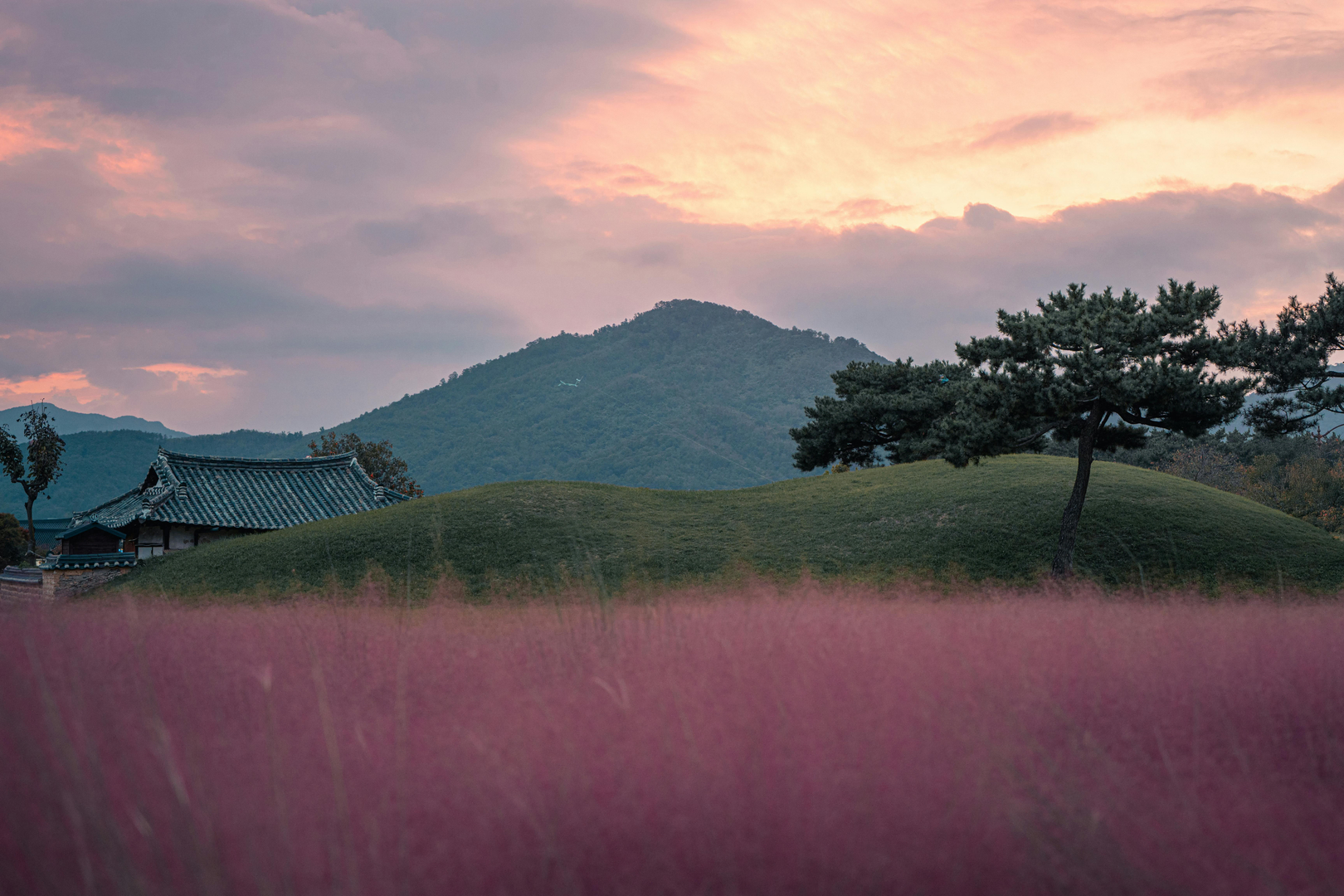
For nature lovers, Gyeongju offers a range of beautiful landscapes. Anapji Pond, an artificial lake created during the Silla dynasty, is especially enchanting in the evening when the lights are reflected in the water. If you have time, you should also take a trip to Mount Namsan, which is filled with ancient Buddhist reliefs, pagodas, and temples.
Modern Gyeongju
Although Gyeongju is rich in history, the city also has a modern side. You can find cozy cafés, local markets, and restaurants serving traditional dishes such as ssambap (rice with various side dishes wrapped in lettuce leaves). Gyeongju is also known for its hwangnam-ppang, a sweet red bean paste pastry that is perfect as a souvenir.
Practical Tips
- Transportation: Gyeongju is easily accessible by train from Seoul or Busan. The KTX high-speed train is the fastest option.
- Best Time to Visit: Spring (March–May) and autumn (September–November) are ideal times to visit, as the weather is pleasant and nature is at its most beautiful.
- Accommodation: The city offers everything from traditional hanok guesthouses to modern hotels, so there is something for every taste and budget.
Final Thoughts
Gyeongju is a destination that combines the grandeur of the past with the conveniences of the present. Whether you are a history enthusiast, a nature lover, or simply looking for a unique travel experience, Gyeongju will not disappoint. So pack your bags and get ready to explore one of South Korea’s most fascinating cities!