
Experience the magic of Istria: A travel guide to Croatia's hidden gem
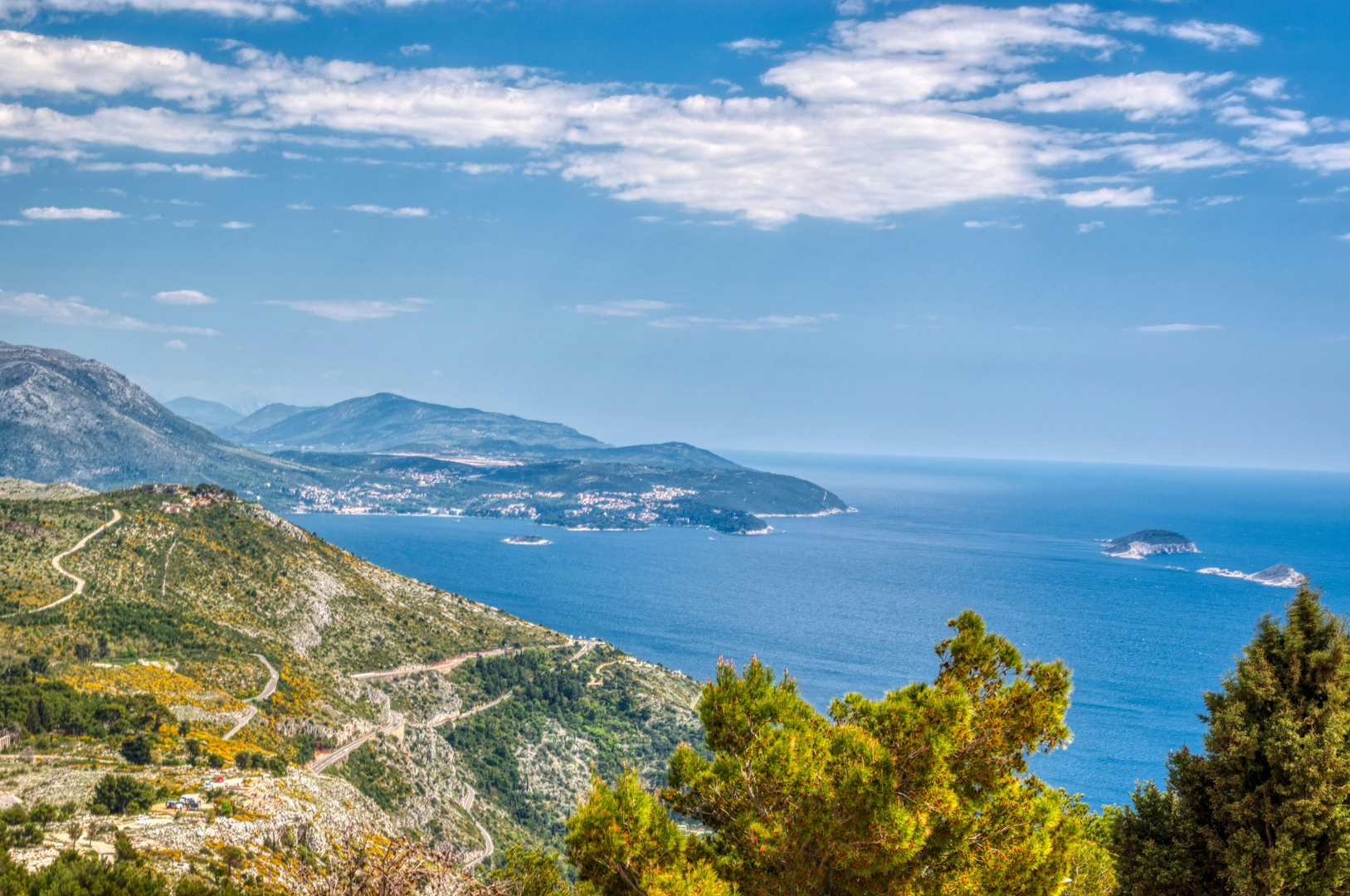
The Istrian peninsula, located in northwestern Croatia, is a destination that is often overlooked by travelers, yet hides a world of beauty and experiences. With its rolling hills, olive groves, and vineyards, the landscape resembles Tuscan Italy, but with its own unique charm. Here you will find a perfect blend of nature, culture, and gastronomy that makes Istria an ideal destination for both adventure seekers and pleasure lovers.
Charming coastal towns
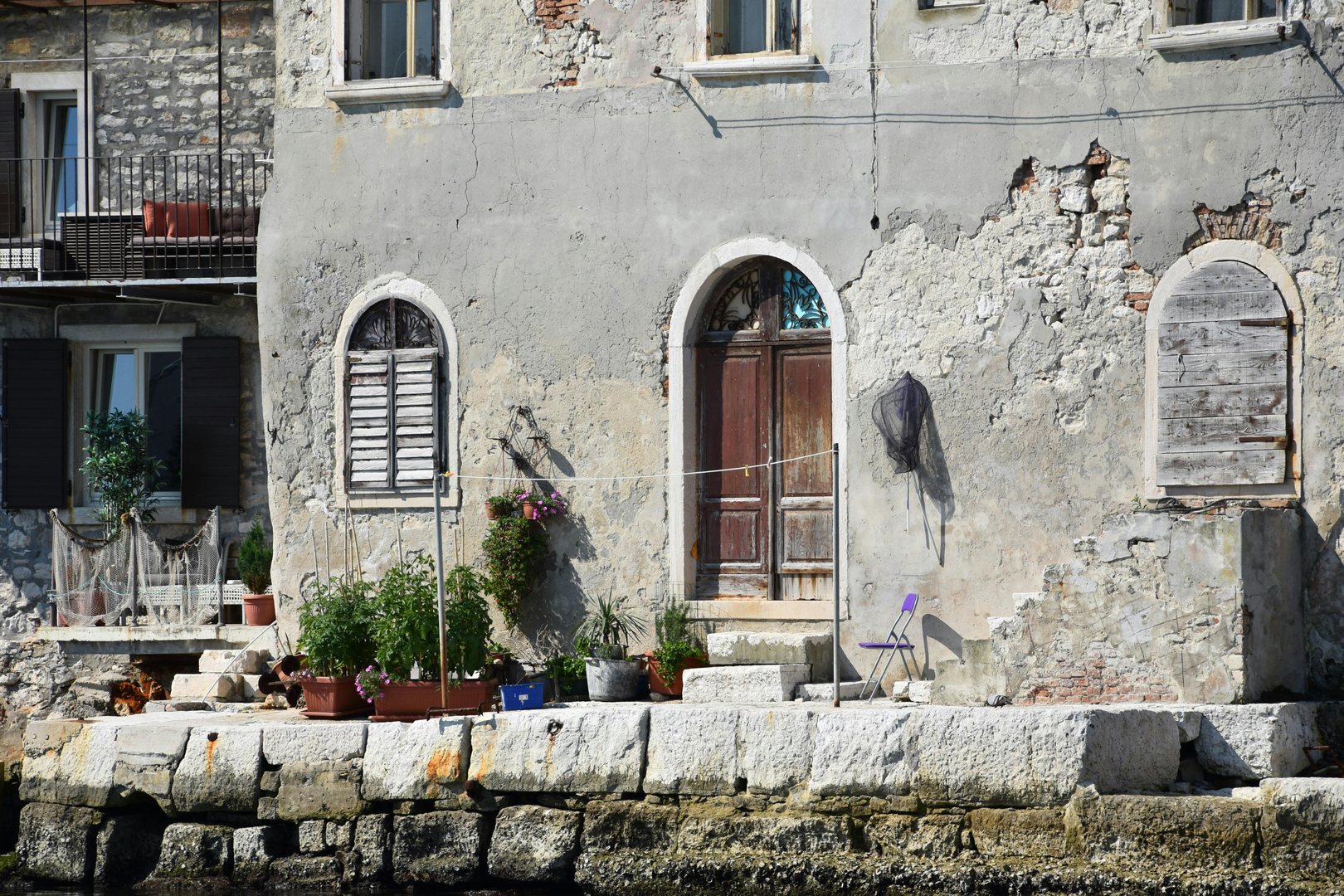
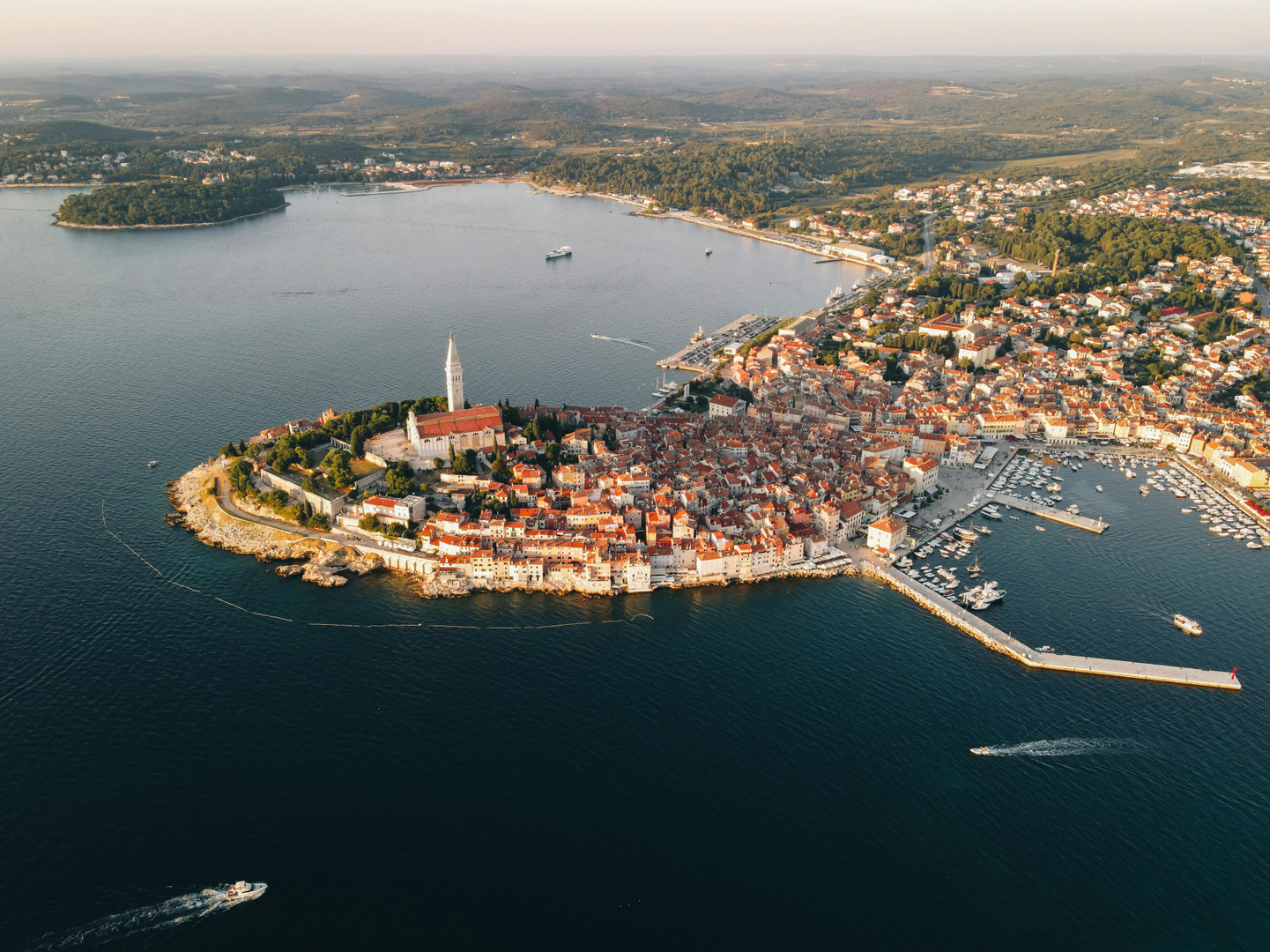
Along Istria’s coastline lies a series of picturesque towns that exude history and atmosphere. The town of Rovinj is an absolute must-see with its colorful houses, narrow cobblestone streets, and the impressive Church of St. Euphemia that towers over the town. Poreč, another popular destination, is known for its UNESCO-protected Euphrasian Basilica and its lively harbor promenade. If you are seeking tranquility and authentic Croatian charm, you can visit the small fishing town of Vrsar, where time seems to stand still.
Vineyards and gastronomy
Istria is also known as Croatia’s culinary heart. The region is famous for its truffles, especially the rare white truffles, which can be tasted in many local dishes. Combine this with a tasting of Istria’s award-winning wines, such as Malvazija and Teran, and you have a gastronomic experience that is hard to surpass. Many wineries offer guided tours and tastings, where you can learn about wine production and enjoy the fantastic views over the vineyards.
Nature and activities
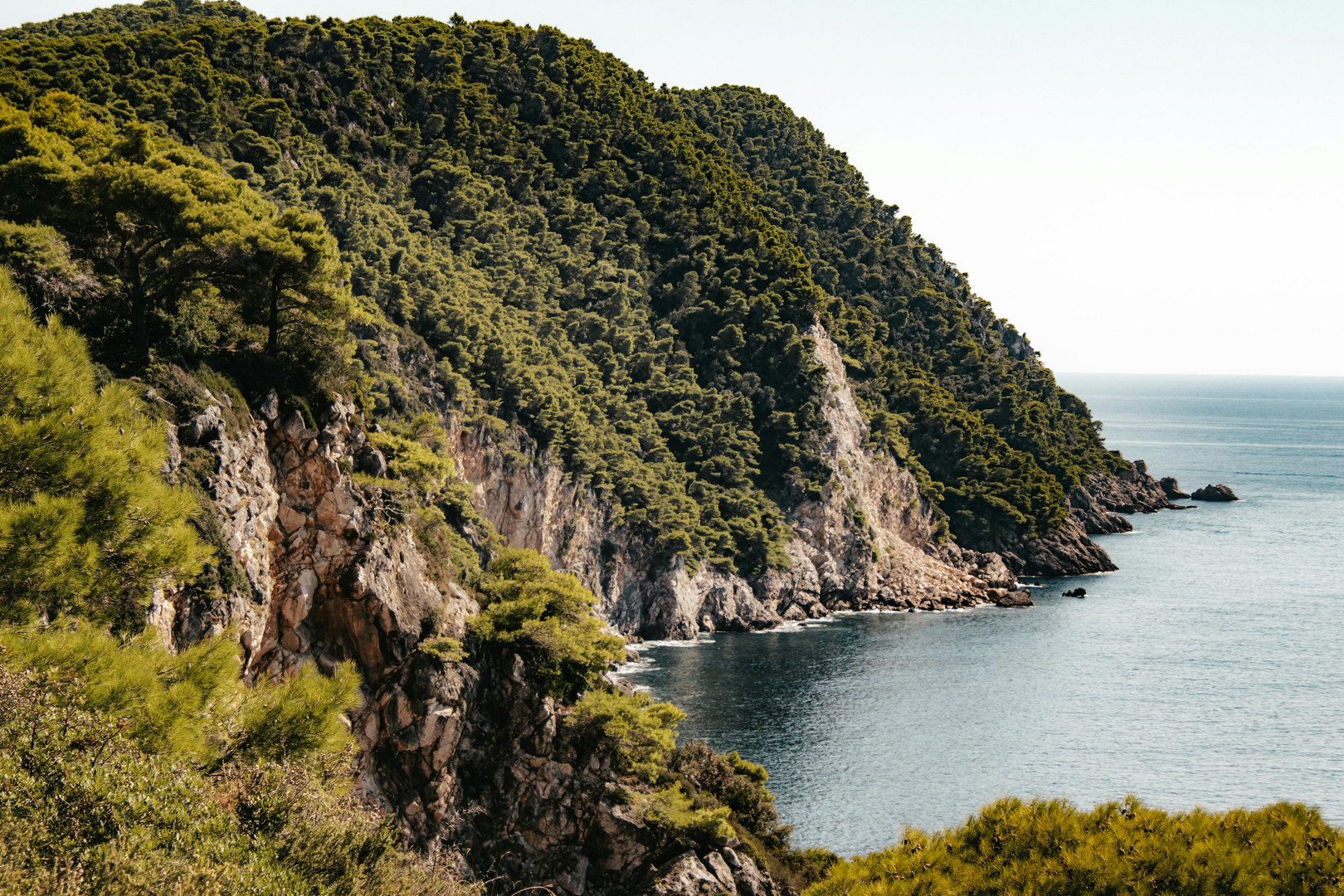
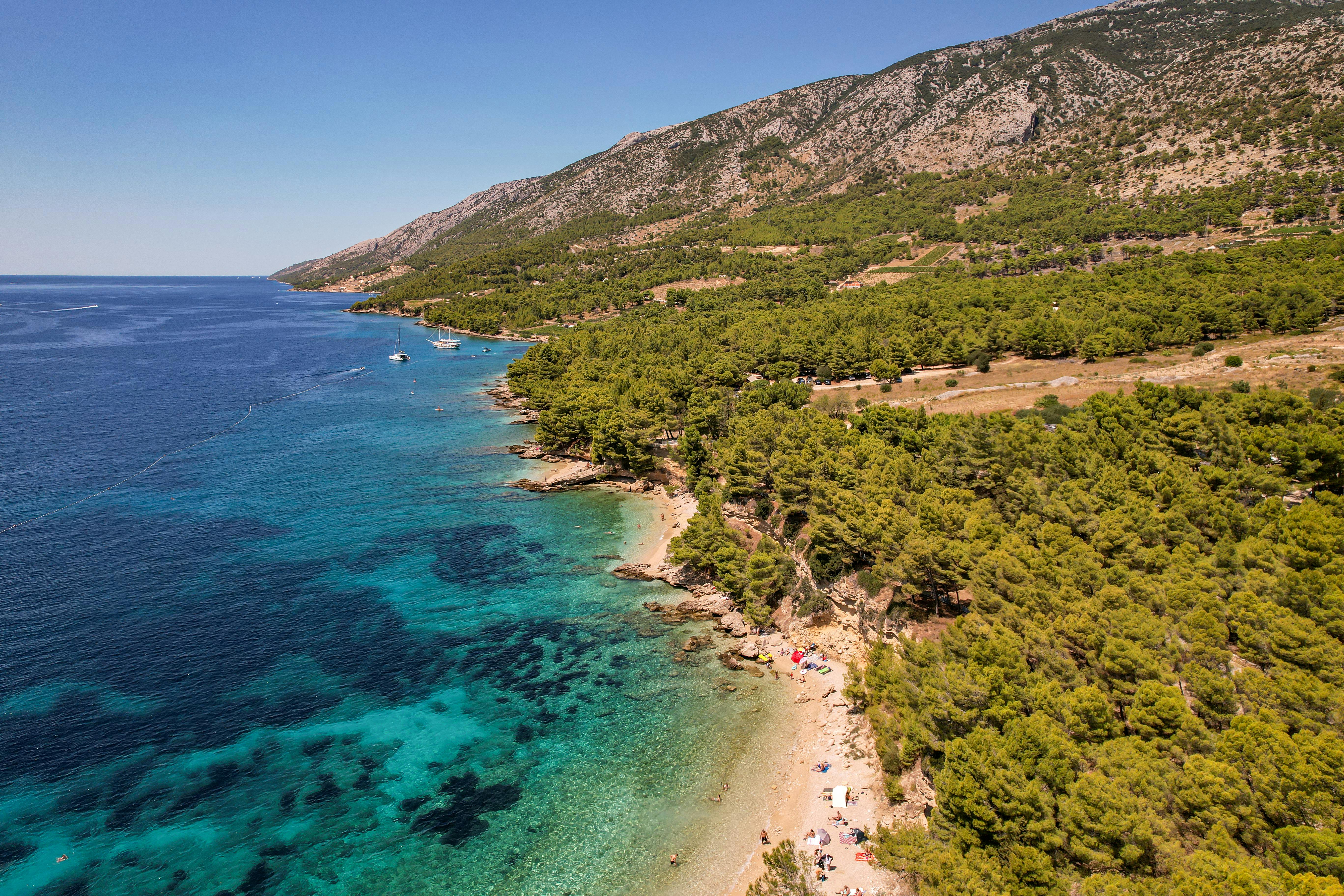
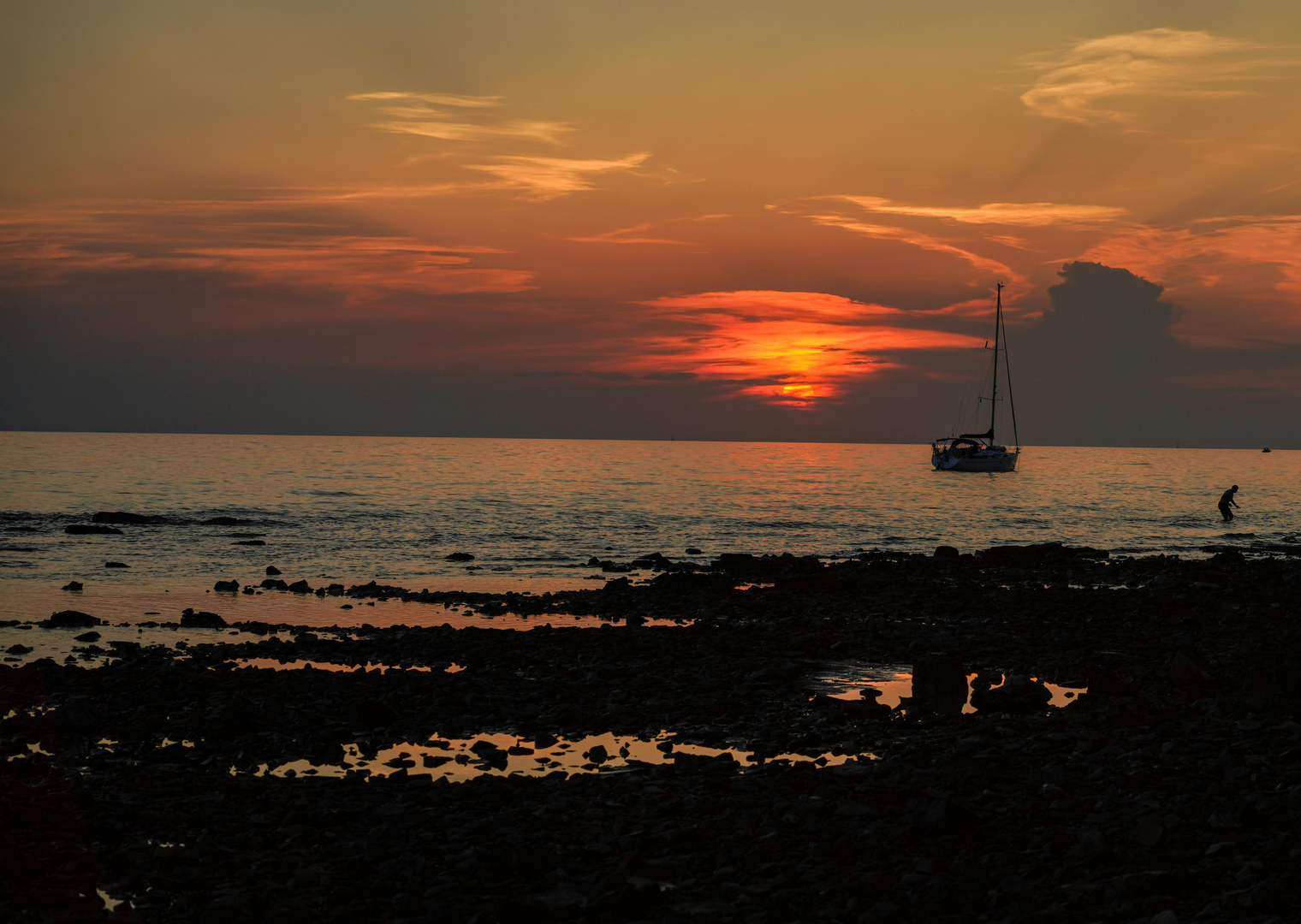
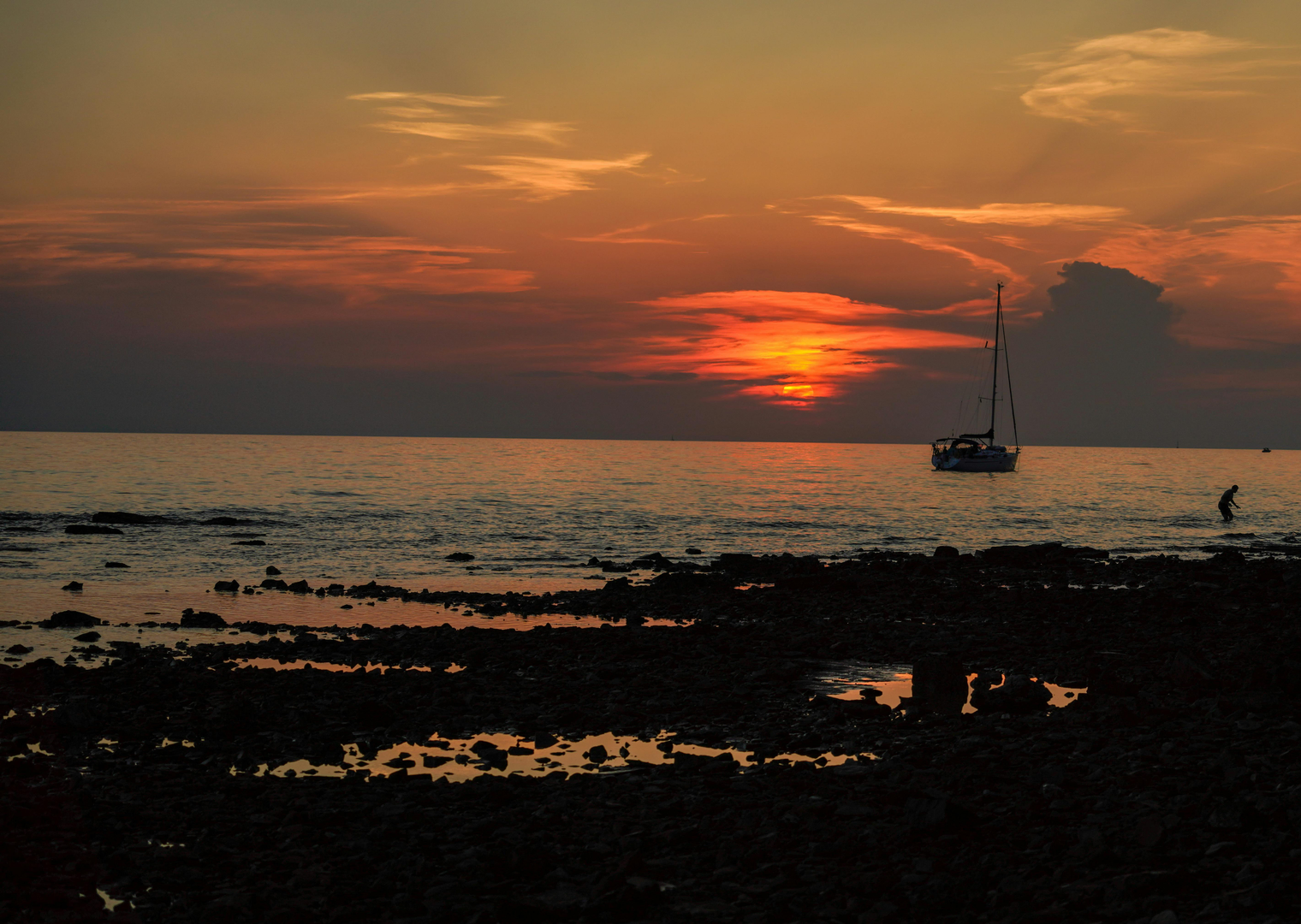
For nature lovers, Istria is a paradise. Explore Brijuni National Park, an archipelago with lush landscapes, historic ruins, and rich wildlife. Go hiking or cycling through the green hills and forests, or dive into the crystal-clear Adriatic Sea to experience the underwater world. The region is also home to many small, hidden beaches where you can enjoy the sun in peace and quiet.
Culture and history
Istria has a rich history that dates back to Roman times. Visit Pula, the region’s largest city, and experience the impressive Roman amphitheater, which is still used for concerts and events. Explore medieval towns such as Motovun and Grožnjan, where artists and craftsmen have created a creative environment that attracts visitors from all over the world.
Practical tips
The best time to visit Istria is from spring to early autumn, when the weather is mild and sunny. The region is easily accessible by car from both Italy and Slovenia, and there are also direct flights to Pula from several European cities. Remember to pack comfortable shoes for hiking and exploration, and be ready to enjoy the best that Croatia has to offer.