
Iran
Iran, the heart of the Middle East, is a land filled with ancient wonders, a vibrant Persian culture, and unmatched hospitality that welcomes you with open arms.
Overview
Iran, the heart of the Middle East, offers a unique blend of ancient history, magnificent architecture, and unforgettable hospitality. From the majestic ruins of Persepolis to the colorful tiles of Nasir al-Mulk Mosque and the impressive Imam Square in Isfahan, the country provides a journey through time and culture. Discover lush coastlines along the Caspian Sea, golden desert landscapes, and a culinary world rich in flavors like kebab, ghormeh sabzi, and fesenjan. Iran is a treasure trove of UNESCO World Heritage sites, poetry, and traditions that will captivate any traveler.
Official language
Persian (Farsi)
Government
Islamic republic
Best time to visit
March-May and September-November
Nature
Iran's landscapes are as diverse as its rich cultural heritage. To the north, the lush shores of the Caspian Sea welcome you with verdant forests and rice fields cascading down the mountainsides. The western Zagros Mountains rise majestically with their snow-capped peaks and deep valleys, perfect for trekking and immersing yourself in nature. In the south, the dramatic desert landscapes of Dasht-e Kavir and Dasht-e Lut unfold with golden sand dunes, salt flats, and striking rock formations, creating an almost surreal atmosphere. Experience arid steppes in the east and southeast, where oases with date palms and quaint villages dot the terrain. The climate ranges from subtropical by the coast to continental in the highlands, allowing visitors to witness everything from blooming spring valleys to snow-covered mountain tops. National parks like Golestan and Kavir provide refuge for rare species such as the Persian leopard and gazelle. This incredible variety makes Iran a paradise for nature lovers, offering the chance to combine cultural experiences with breathtaking scenery.
Travel to Iran
Traveling to Iran is an experience that marries history, culture, and nature in a way few countries can rival. The best time to visit is in spring (March to May) and autumn (September to November) when the weather is mild, perfect for exploring both cities and nature. International travelers typically arrive in Tehran, which boasts modern museums, historical palaces, and lively markets. From the capital, it’s easy to access UNESCO sites like Persepolis, Imam Square in Isfahan, and Golestan Palace. The transportation network includes domestic flights, trains, and buses, allowing for both city life and remote natural areas to be explored. Renowned for their hospitality, many travelers highlight encounters with the local people as the highlight of their journey. With rich cuisine, colorful bazaars, and architectural masterpieces, Iran is an ideal destination for those seeking authentic experiences off the beaten path.
Culture
Persian culture is one of the oldest and most influential in the world, characterized by its poetry, art, music, and deep respect for traditions. Iranian cities are vibrant museums where colorful bazaars fill the air with aromas of spices, saffron, and freshly baked bread. The architecture ranges from pre-Islamic ziggurats to the lavish mosques and palaces of the Safavid era, adorned with stunning mosaics in blues and turquoises. Poetry holds a central place in daily life, with poets like Hafez and Rumi still quoted among locals. The Persian culinary journey is a delight, featuring dishes like ghormeh sabzi, fesenjan, and crispy tahdig, often accompanied by freshly brewed tea. Hospitality is a cornerstone of the culture, with visitors frequently welcomed into homes to share a meal. Traditional teahouses serve as social hubs where music and conversation flourish, while crafts like carpet weaving, miniature painting, and pottery showcase a proud artistic legacy that continues to thrive.
History
Iran's history spans over 5,000 years and is intertwined with some of the world's most significant civilizations. As the heart of the mighty Persian Empire under Cyrus the Great and Darius I, it became a center for trade, culture, and innovation. Persepolis, the ceremonial capital, stands as a testament to this golden era. Following the conquests of Alexander the Great, Iran fell under various empires, including the Parthians and Sassanids, before the Islamic conquest in the 7th century introduced new cultural and religious currents. The Safavid dynasty in the 16th and 17th centuries marked a renaissance of arts, architecture, and commerce. Iranian history is marked by both grandeur and challenges, yet it consistently showcases a strong cultural continuity that has persisted through the ages.
Top attractions
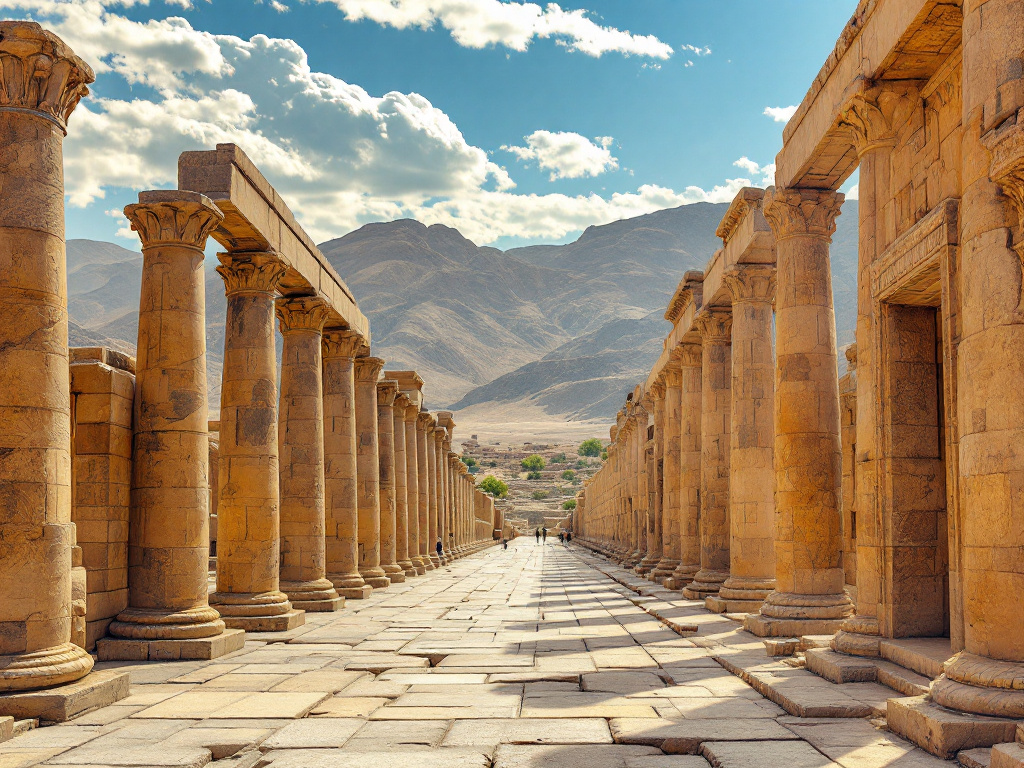
Persepolis
Persepolis was the ceremonial capital of the Persian Empire and impresses with enormous stone terraces, reliefs, and monumental history.
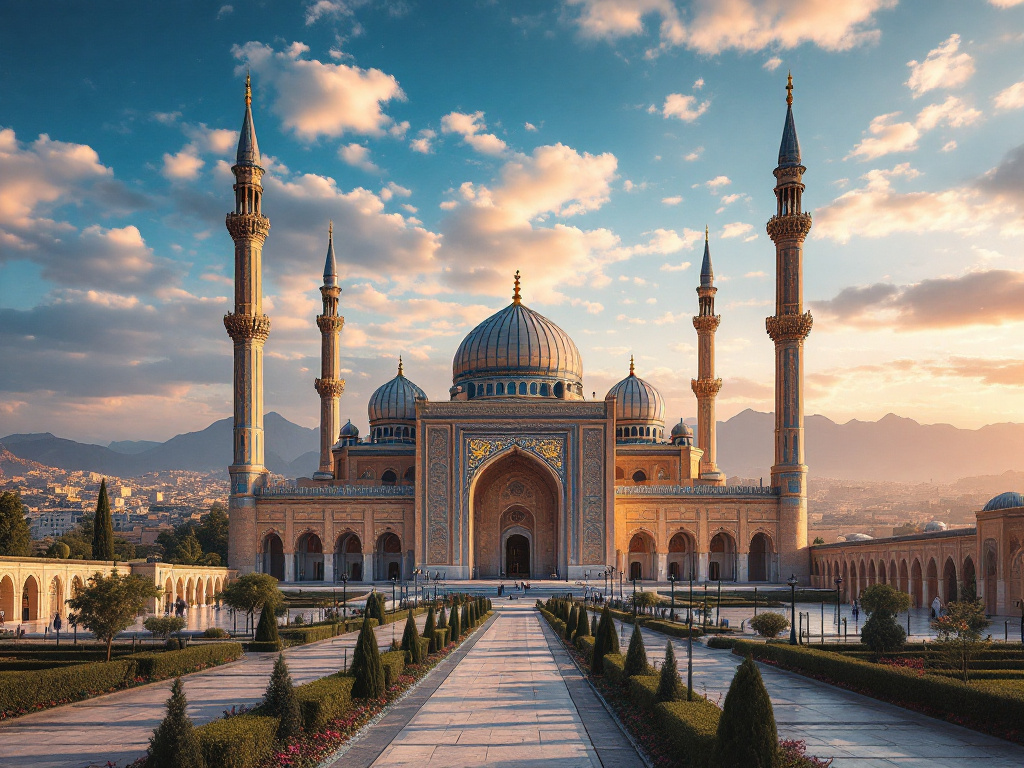
Imam Mosque
One of Iran's most beautiful mosques, known for its detailed tiles and harmonious proportions at Naqsh-e Jahan Square.
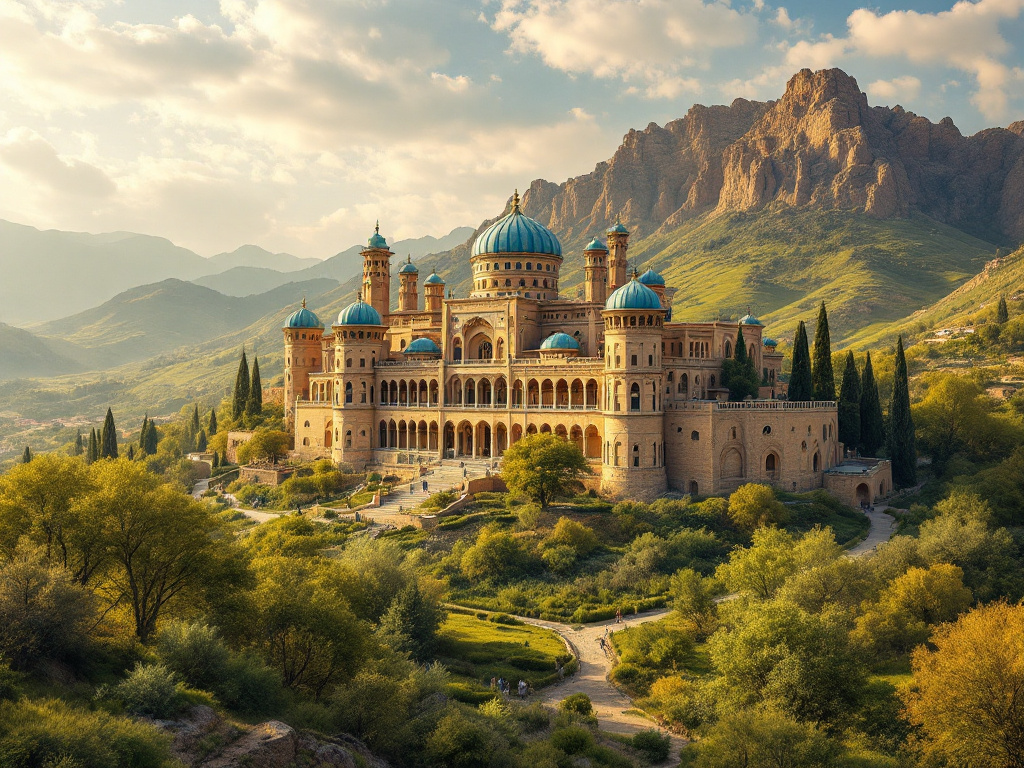
Golestan Palace
Golestan Palace was home to the kings of Iran and showcases a blend of Persian tradition and European influence.
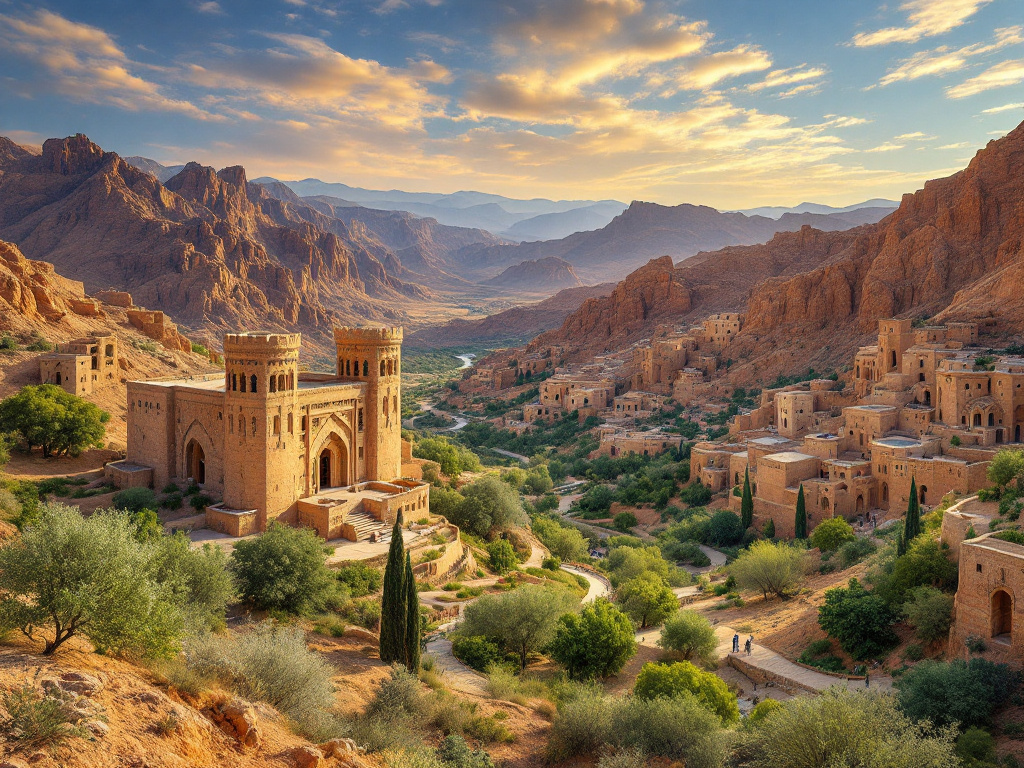
Yazd's Wind Catchers
Yazd's iconic wind catchers showcase ingenious traditional architecture for cooling in the desert climate.
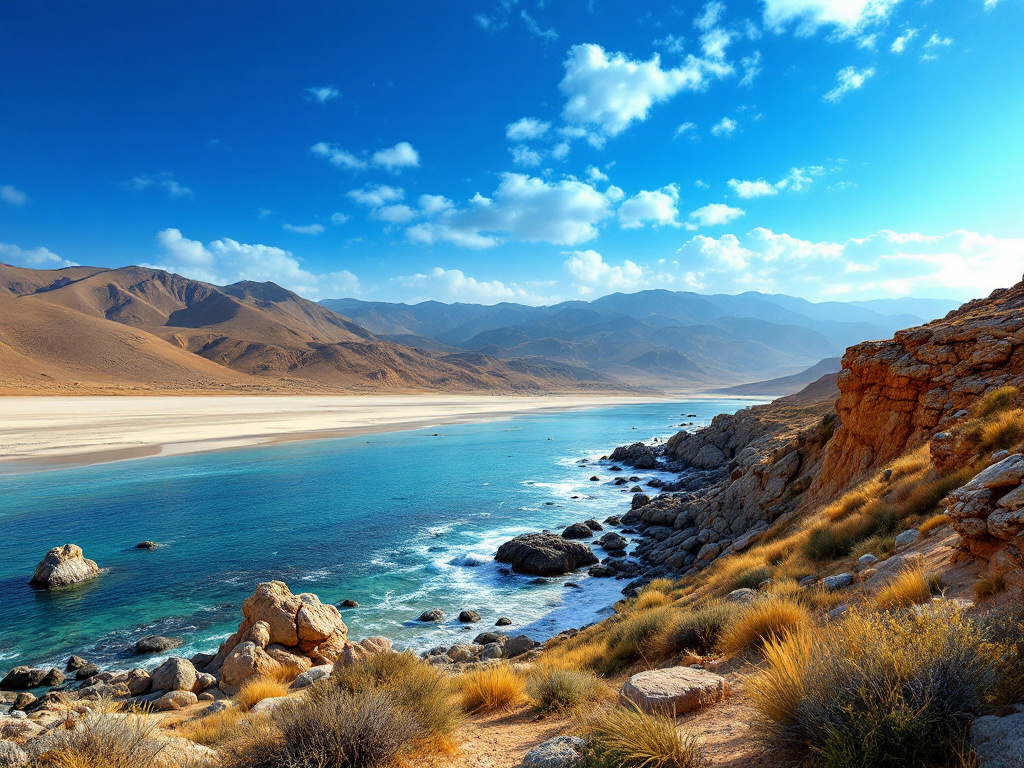
Caspian Sea Coast
The northern coast of the Caspian Sea is popular for its green surroundings and relaxing beach life.
Famous cuisine
Culinary overview
The Iranian cuisine is a harmonious blend of aromatic spices, fresh herbs, and slow-cooked dishes that reflect the country’s diverse culture and history. From juicy kebabs and spicy stews to sweet desserts and fragrant rice dishes, the food is both a social and cultural experience. Meals are often shared in large families or with guests, and hospitality plays a central role. The bazaars are filled with dried fruits, nuts, saffron, and spices, while the tea houses offer a relaxing place to enjoy black tea and local snacks.
Must-try dishes
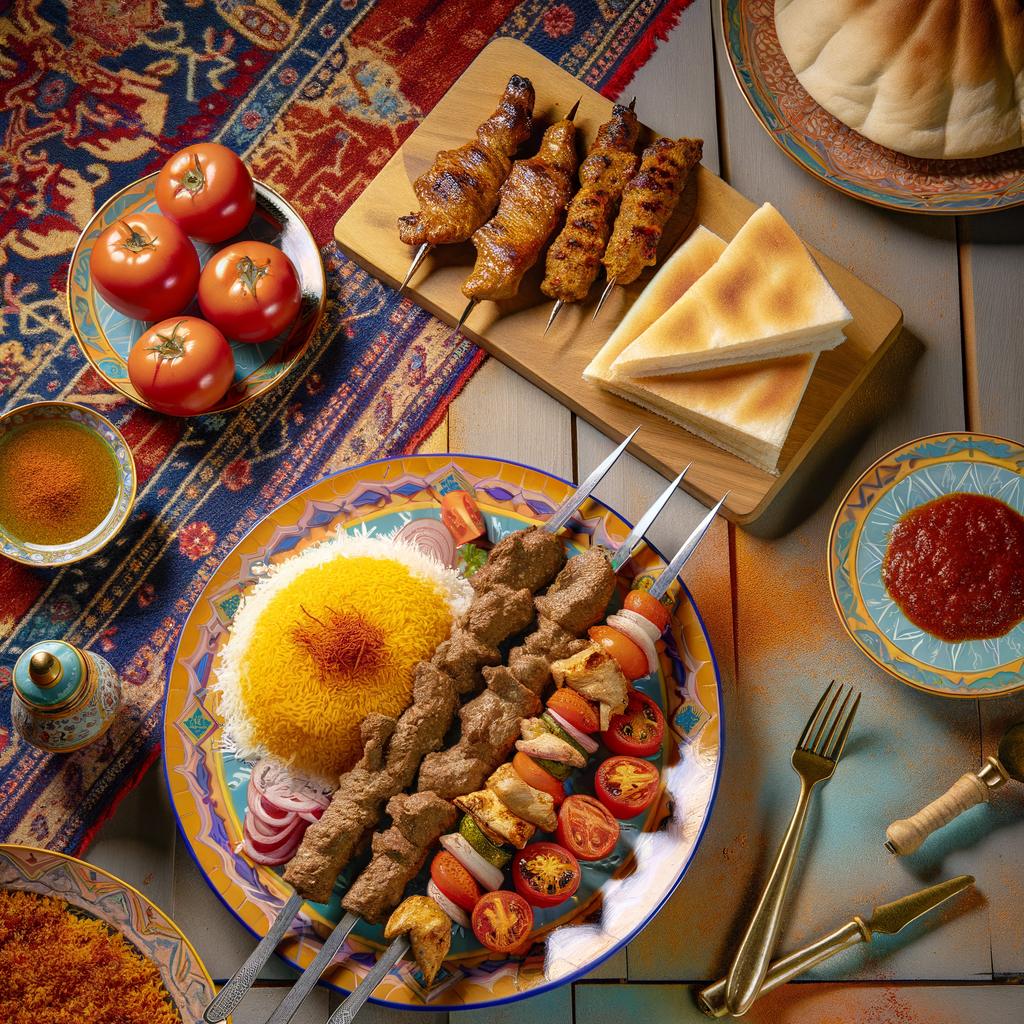
Kebab
Juicy skewers of lamb, chicken, or beef, often served with saffron rice, grilled tomatoes, and fresh bread.
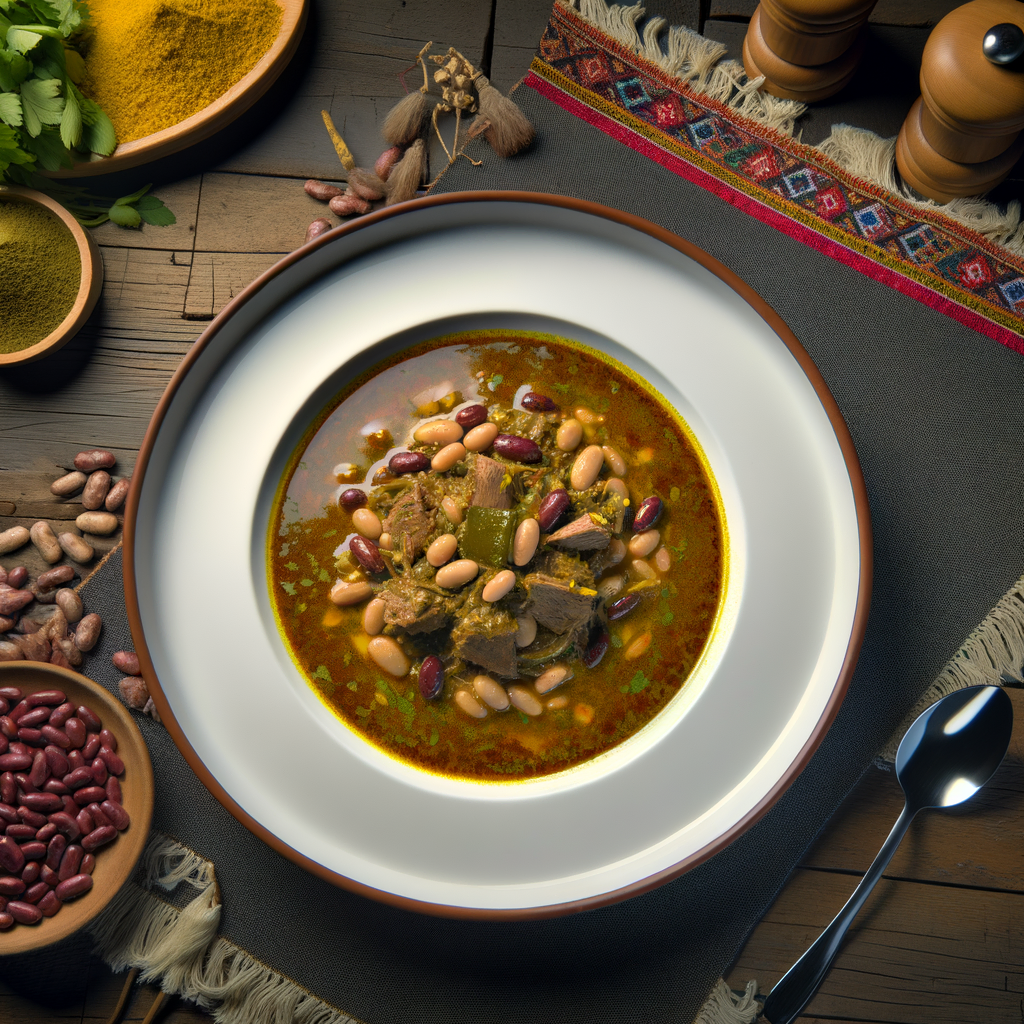
Ghormeh Sabzi
An aromatic stew made from fresh herbs, kidney beans, and lamb, flavored with dried lime for a tangy depth.
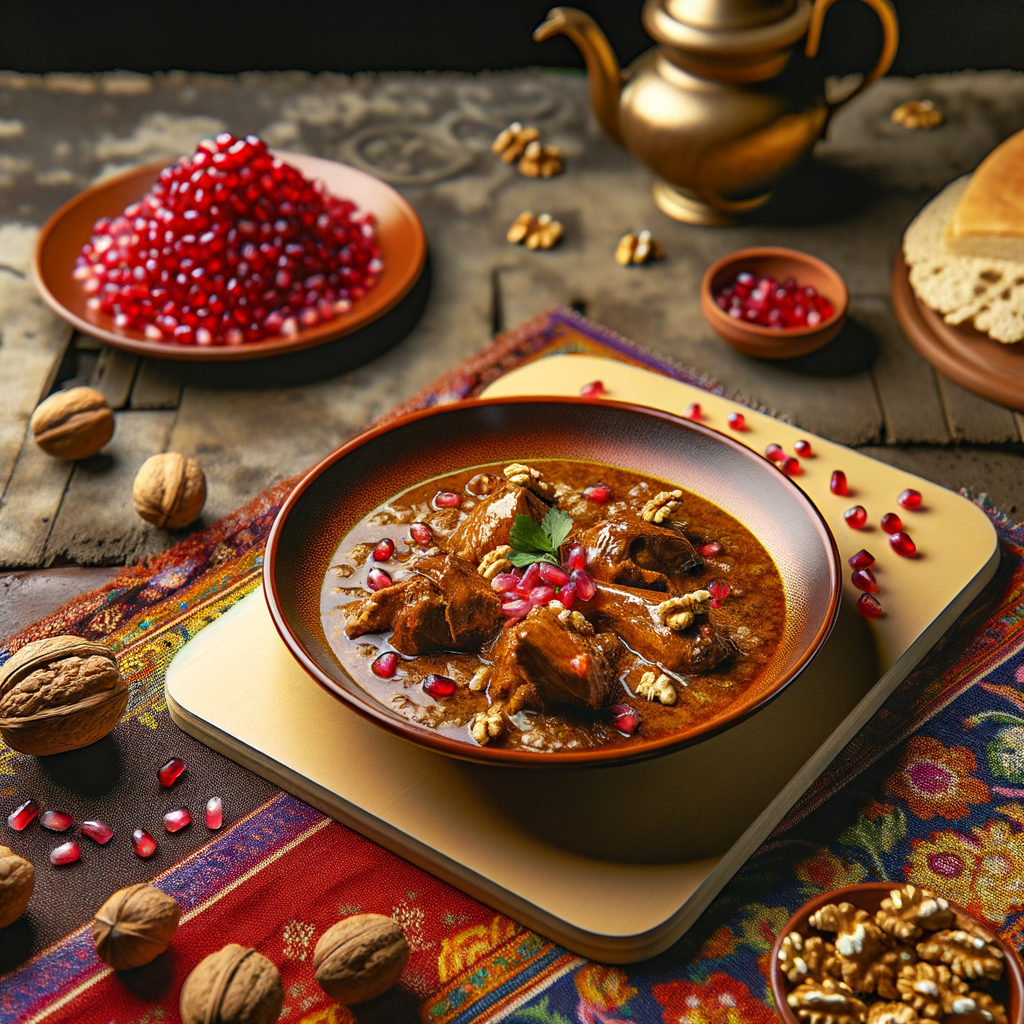
Fesenjan
A luxurious stew of chicken or duck, cooked in a sauce of walnuts and pomegranate syrup, providing a perfect balance between sweet and sour.
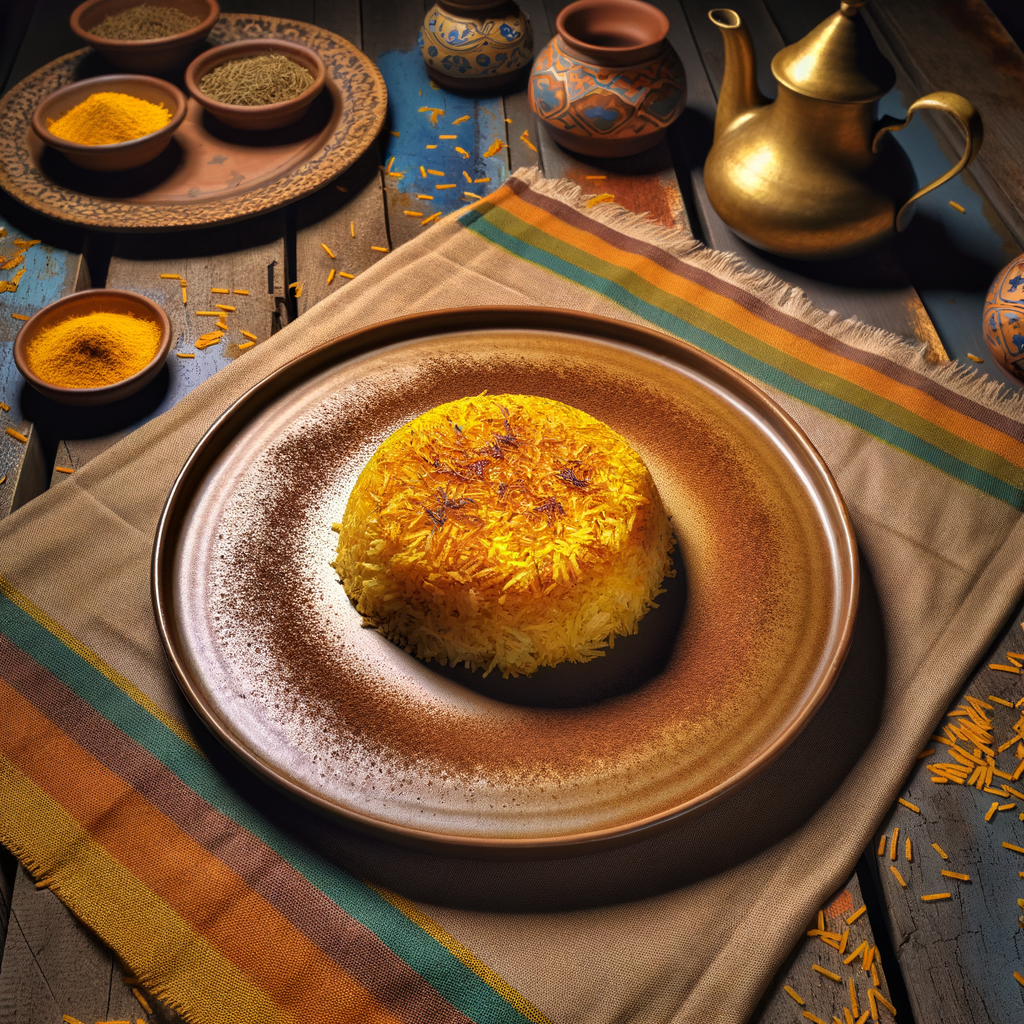
Tahdig
The crispy, golden bottom of rice that forms during cooking – a highly valued part of any Iranian meal.
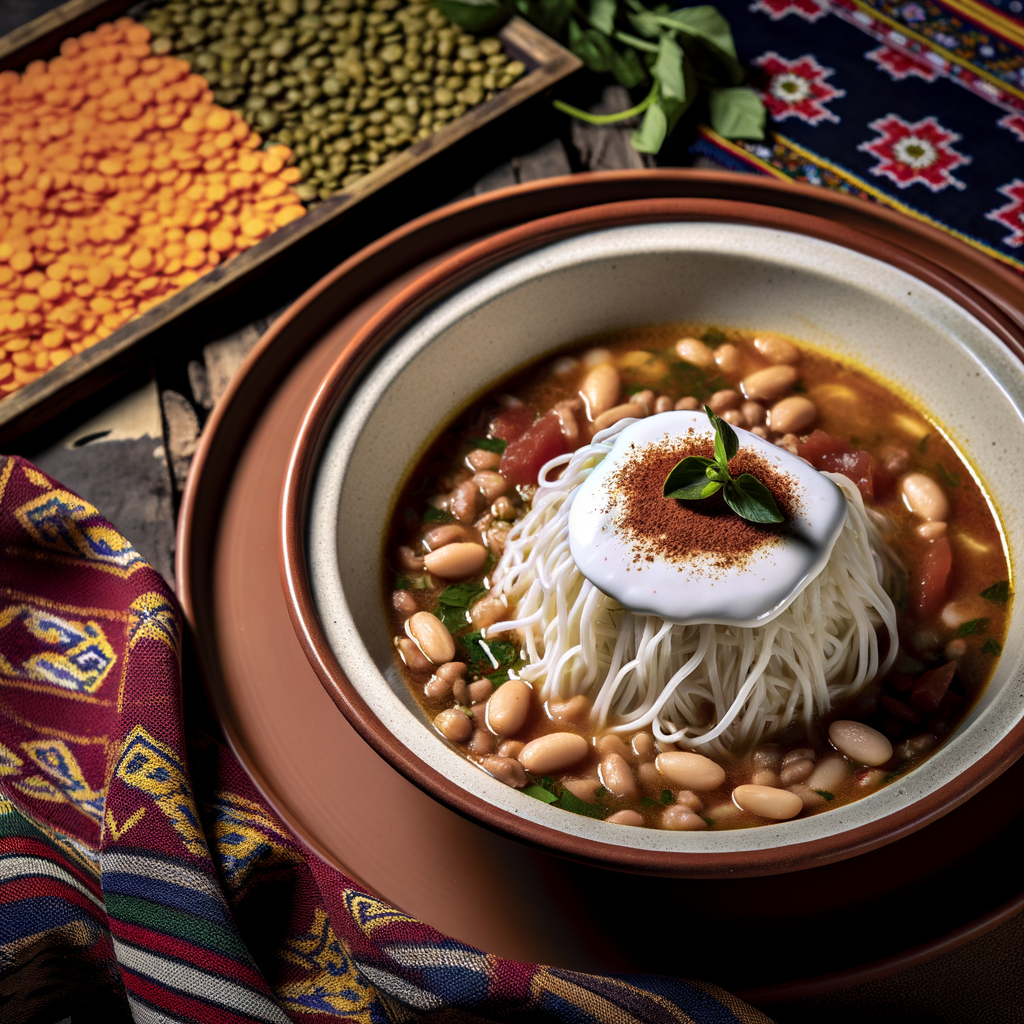
Ash Reshteh
A thick noodle soup with beans, lentils, fresh herbs, and topped with kashk (fermented whey), perfect for cold days.
Restaurant information
Tipping
Tipping is not mandatory in Iran, but rounding up or giving about 5-10% at restaurants is appreciated, especially in more touristy areas. In local eateries, it is often included in the bill.
Travel information
Currency
Iranian Rial (﷼)
Language
Persian (Farsi)
Best time to visit
March-May and September-November
Major cities
Teheran and other major cities
More countries in Asia
Discover more destinations in this region