
Jordan
Jordan, a Middle Eastern gem, captivates with ancient wonders like Petra, the peaceful Dead Sea, and the majestic desert landscapes of Wadi Rum.
Overview
Jordan is a Middle Eastern gem where ancient wonders collide with dramatic landscapes. From the iconic, rose-red city of Petra, known as the 'Rose City', to the endless desert of Wadi Rum and the serene healing waters of the Dead Sea, this land promises experiences that enchant and inspire. Discover Amman's fusion of historical citadels and contemporary city life, explore the Roman ruins of Jerash, and feel the deep spirituality at Bethany Beyond the Jordan. With warm hospitality, tantalizing cuisine, and an ideal climate in spring and autumn, Jordan is an unforgettable destination for adventurers and culture enthusiasts alike.
Official language
Arabic
Government
Constitutional monarchy
Best time to visit
March-May and September-November
Nature
Jordan is a captivating destination that offers a stunning tapestry of landscapes, from the golden sands of the desert to lush green valleys. Wadi Rum, known as the 'Valley of the Moon', features breathtaking sandstone formations and deep canyons where adventurous souls can witness sunsets painting the sky in vibrant reds and golds. The Dead Sea, the lowest point on Earth, boasts mineral-rich waters famous for their buoyancy and therapeutic properties. Nature enthusiasts can explore the rich biodiversity of Dana Biosphere Reserve, where you can hike through rocky cliffs and discover serene oases. Spring and autumn are the ideal seasons to visit, offering pleasant temperatures for both trekking in the desert and enjoying the vibrant life of the cities.
Travel to Jordan
Traveling to Jordan is a journey through time, nature, and culture. The country is easily accessible via Queen Alia International Airport near Amman, with an efficient infrastructure making it simple to explore both urban and natural wonders. The best times to visit are during spring (March-May) and autumn (September-November), offering comfortable weather for adventure and exploration. Visitors can combine must-see sights like Petra, Wadi Rum, and the Dead Sea with lesser-known gems such as the Dana Biosphere Reserve or the Byzantine mosaics in Um er-Rasas. Accommodations range from luxury hotels to authentic Bedouin camps under the stars, ensuring a memorable stay. Jordan's safe and welcoming atmosphere makes it an ideal choice for solo travelers, couples, and families seeking a unique blend of adventure, history, and relaxation.
Culture
Jordanian culture is deeply rooted in tradition, hospitality, and a rich historical legacy. The people are renowned for their warm welcome, often accompanied by a cup of sweet tea or coffee. Food lovers will revel in the culinary delights, sampling dishes like mansaf, the national dish made of lamb, rice, and yogurt, alongside falafel, hummus, and maqluba. The bustling souks of Amman buzz with life, filled with the enticing aromas of spices and freshly baked bread. Religion plays a central role, with significant Muslim and Christian holy sites, including Bethany Beyond the Jordan, a vital pilgrimage destination. The arts flourish in modern Jordan, as seen in the vibrant galleries and music scenes in Amman, where traditional craftsmanship meets contemporary creativity.
History
Jordan's history stretches back thousands of years, serving as a crossroads for some of the world's most significant civilizations. From the Nabateans who constructed the iconic city of Petra to the Roman ruins of Jerash, the country tells a story of rich heritage. Biblical narratives weave through the land, with Bethany Beyond the Jordan recognized as the site of Jesus' baptism. Under the Islamic Caliphate, Jordan thrived with remarkable art and architecture, evident in places like Quseir Amra with its unique frescoes. Later, it became part of the Ottoman Empire before achieving independence as a kingdom under King Abdullah I in the 20th century. Today, Jordan's history of trade, faith, and cultural exchange is palpable in its vibrant cities and archaeological treasures.
Top attractions

Petra
Petra is Jordan's most famous attraction, an ancient city carved into pink rock and listed as a UNESCO World Heritage site.

Wadi Rum
Wadi Rum is a dramatic desert landscape known for its red sand cliffs and Bedouin experiences.

The Dead Sea
The Dead Sea is the Earth's lowest point and known for its extremely salty water, which allows you to float.
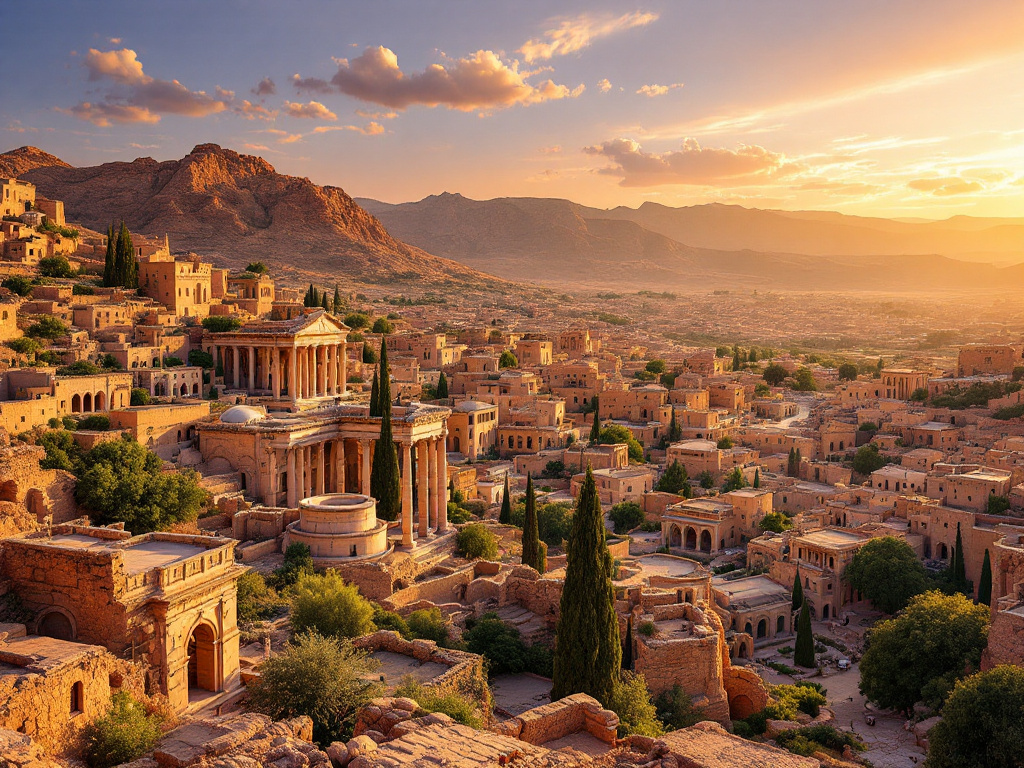
Jerash
Jerash is one of the best-preserved Roman cities outside Italy with impressive monuments.
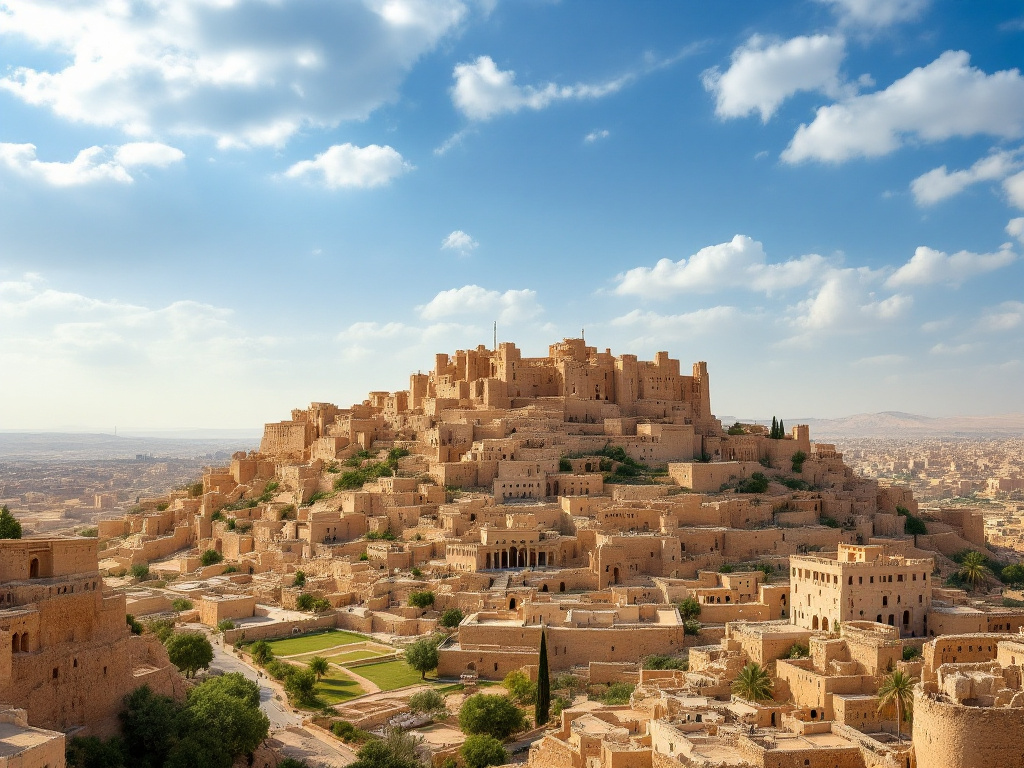
Amman Citadel
Amman Citadel is located on one of the city's highest hills and contains ruins from various ancient periods.
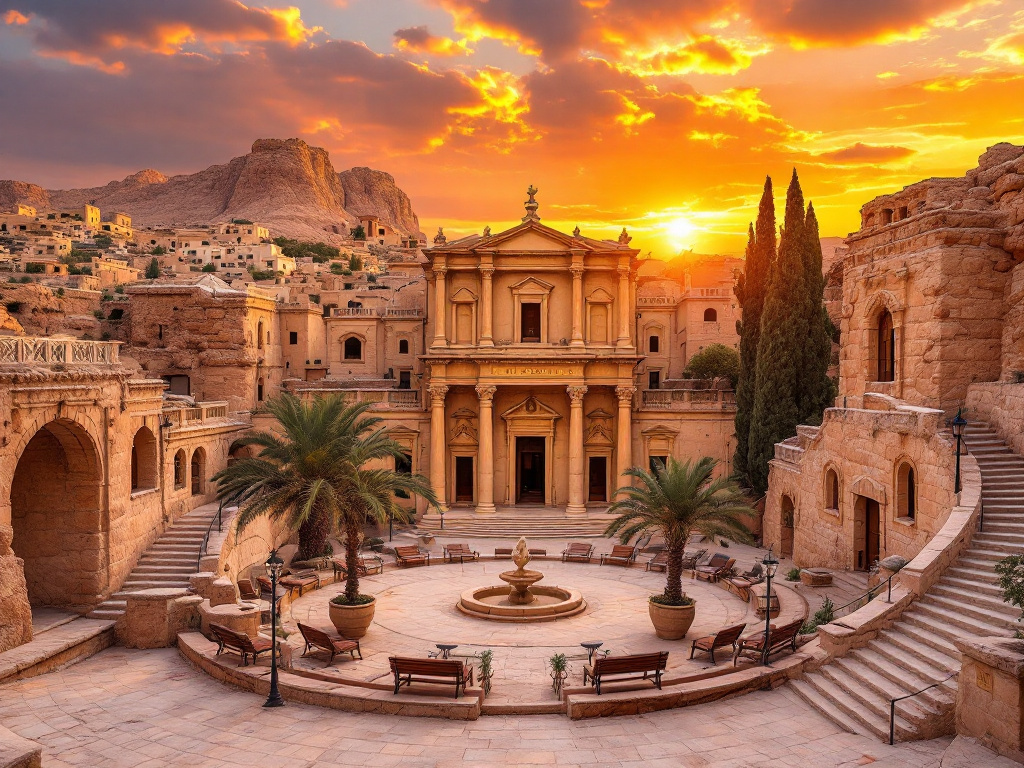
The Roman Theatre in Amman
The Roman Theatre in Amman is an impressive relic from the 2nd century with capacity for thousands of spectators.
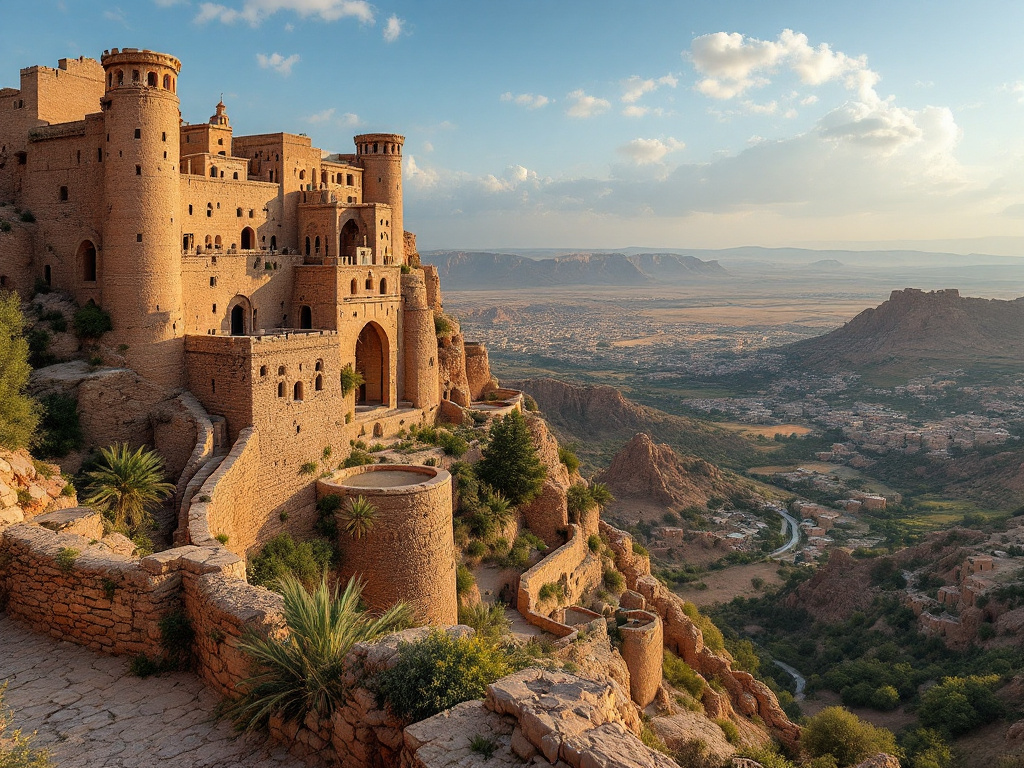
Ajloun Castle
Ajloun Castle is an Islamic fortress from the medieval period with views over northern Jordan.
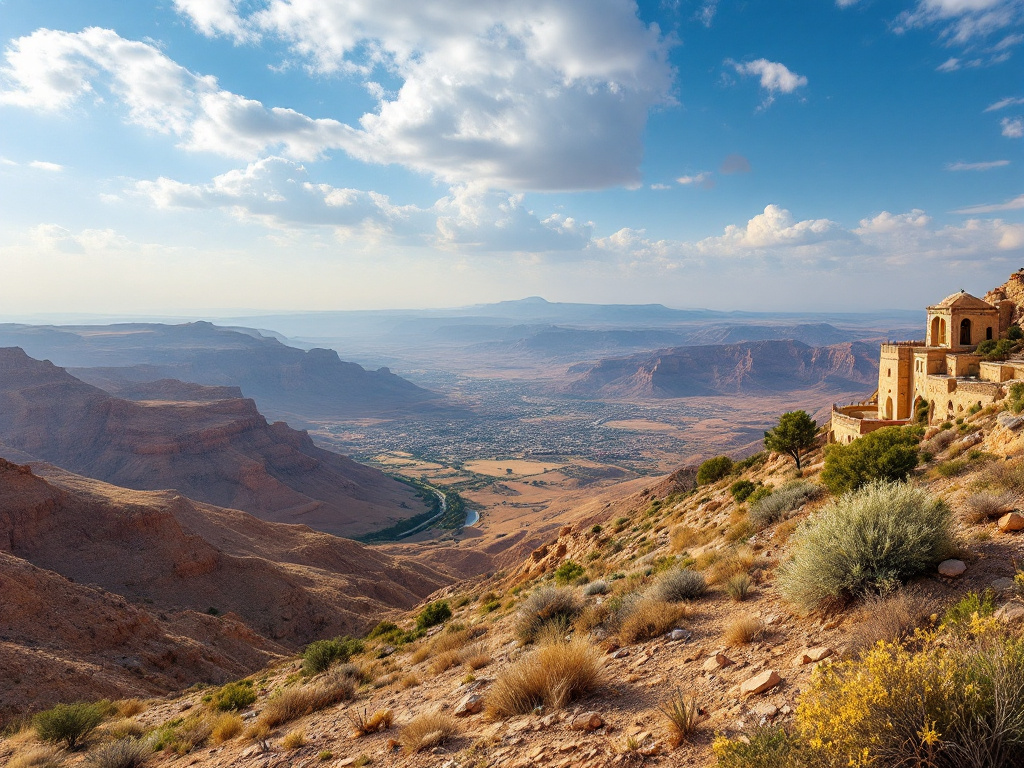
Mount Nebo
Mount Nebo is an important religious site with a panoramic view over the Jordan Valley.

Aqaba
Aqaba is Jordan's only coastal city and known for clear water, coral reefs, and a relaxed vacation atmosphere.

Little Petra
Little Petra is a lesser-known Nabataean site close to Petra with fewer people and beautiful rock carvings.
Famous cuisine
Culinary overview
Jordanian cuisine is a rich blend of Bedouin traditions, Levantine flavors, and Mediterranean inspiration. Meals are often social events where hospitality plays a central role. Fresh vegetables, legumes, spices like cumin and cinnamon, as well as lamb and chicken are common ingredients. Street food like falafel and shawarma is widespread, while traditional dishes such as mansaf are served on special occasions. Mint tea and strong Arabic coffee are constant companions to meals.
Must-try dishes
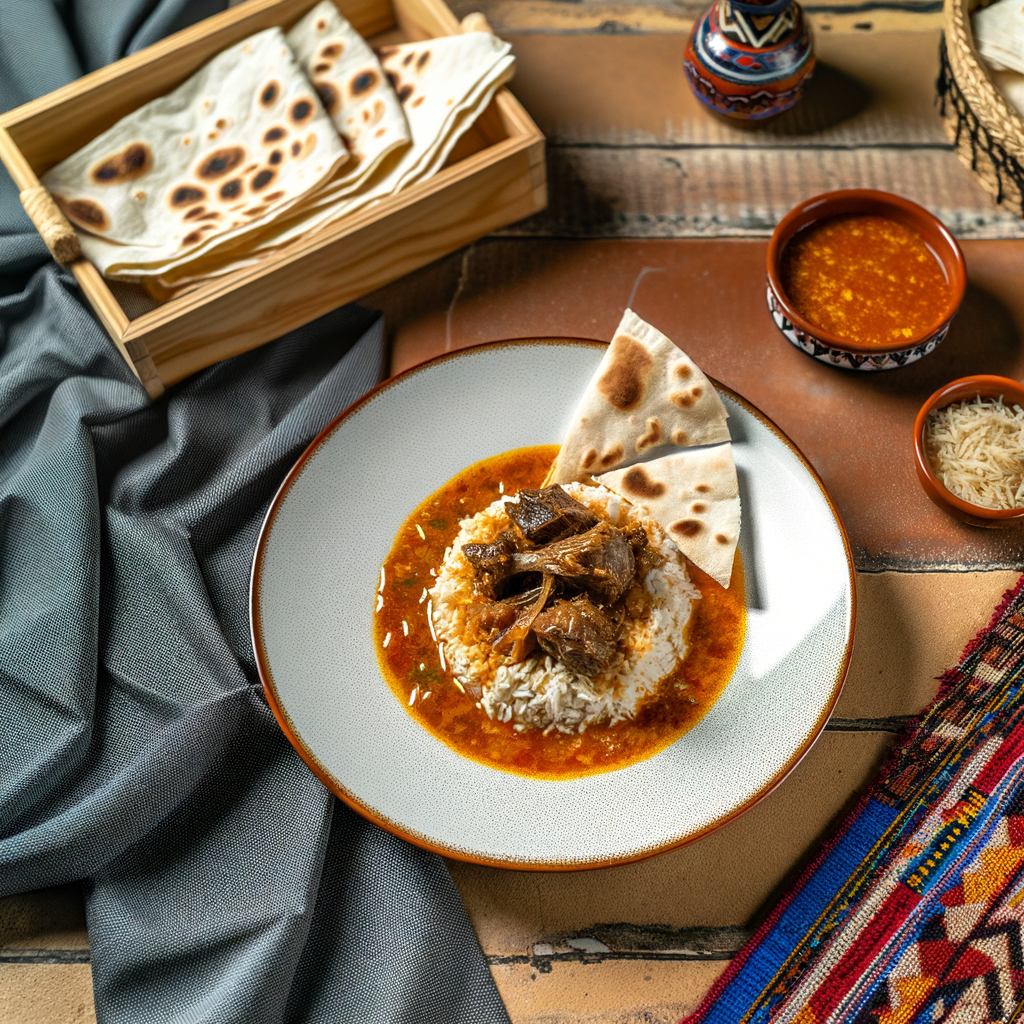
Mansaf
Jordan's national dish, made of lamb cooked in a sauce of dried yogurt (jameed) and served with rice and flatbread. The dish is deeply rooted in Bedouin culture and symbolizes hospitality.
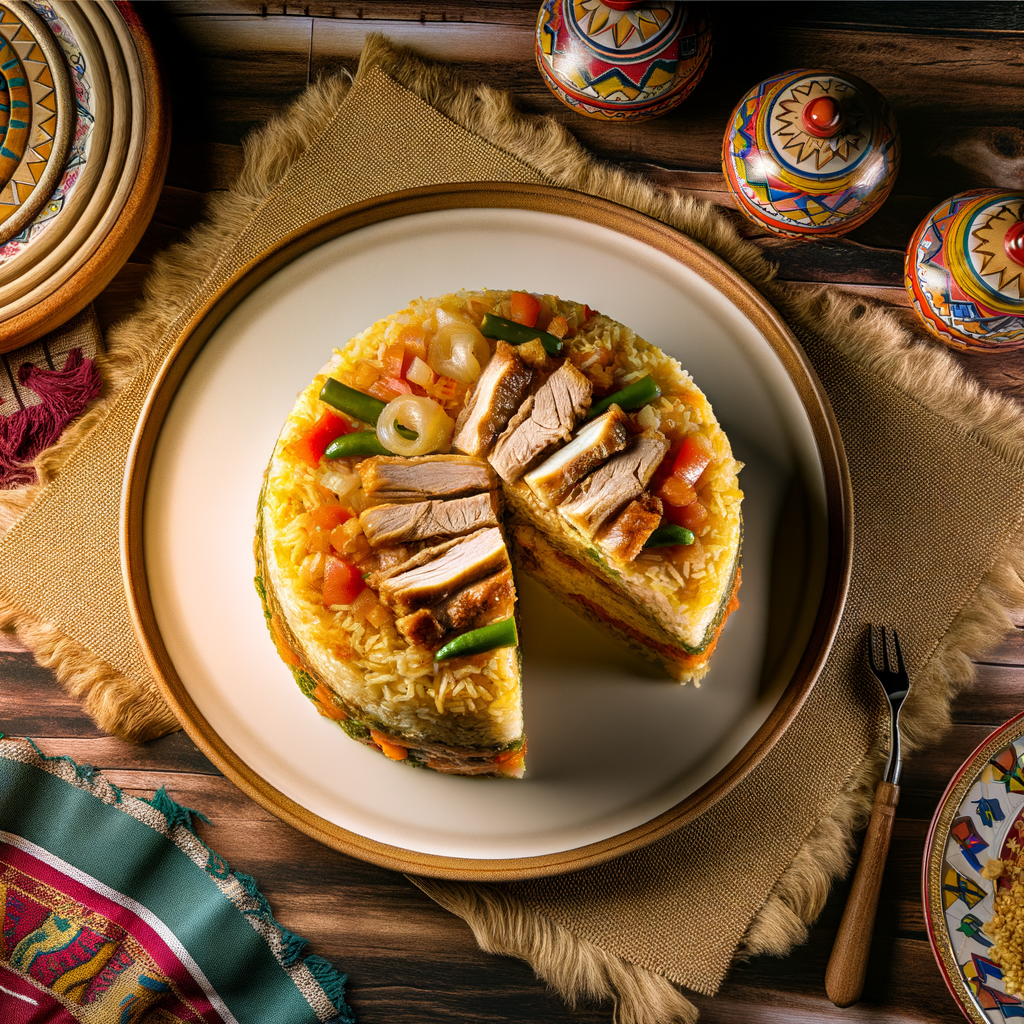
Maqluba
A layered dish of rice, vegetables, and meat (often chicken or lamb), flipped upside down when served. The name literally means 'upside down.'
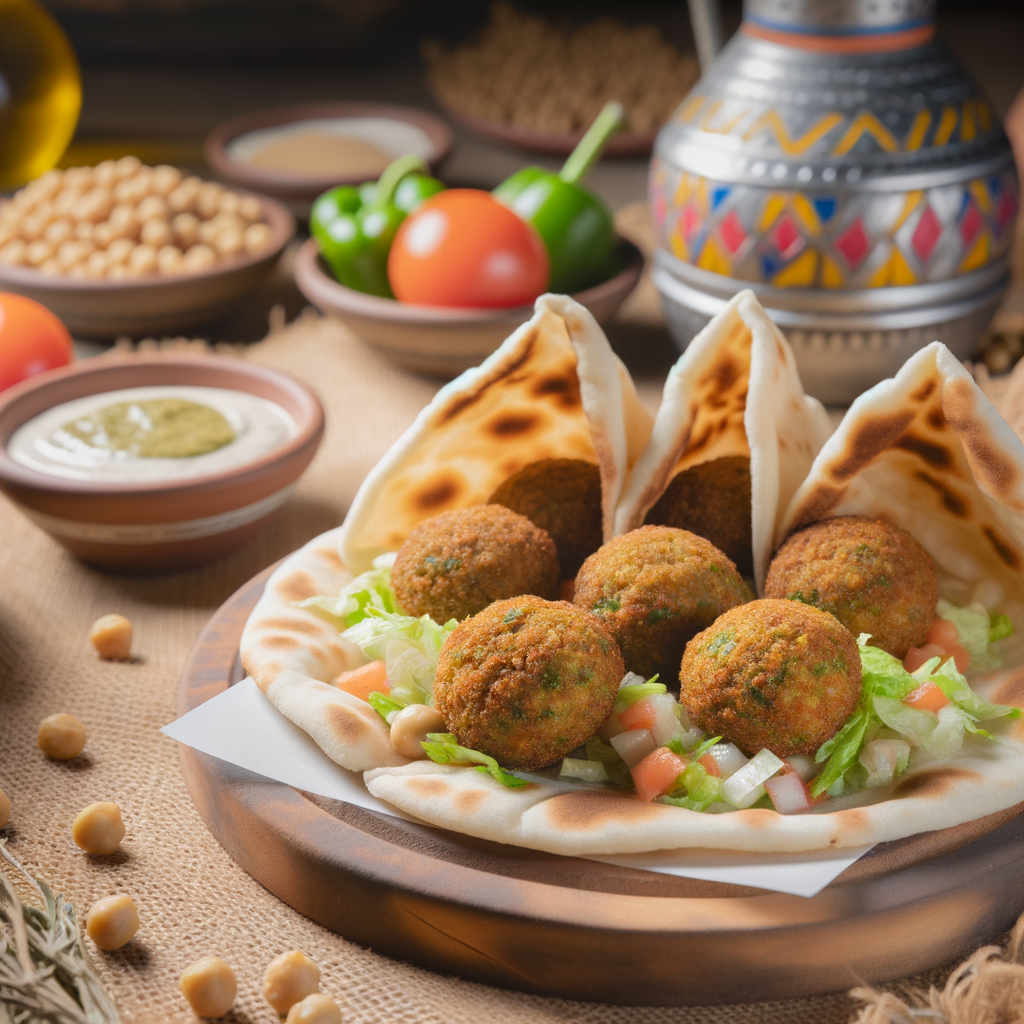
Falafel
Fried balls of ground chickpeas and spices, often served in pita bread with salad and tahini sauce. A popular street food throughout Jordan.
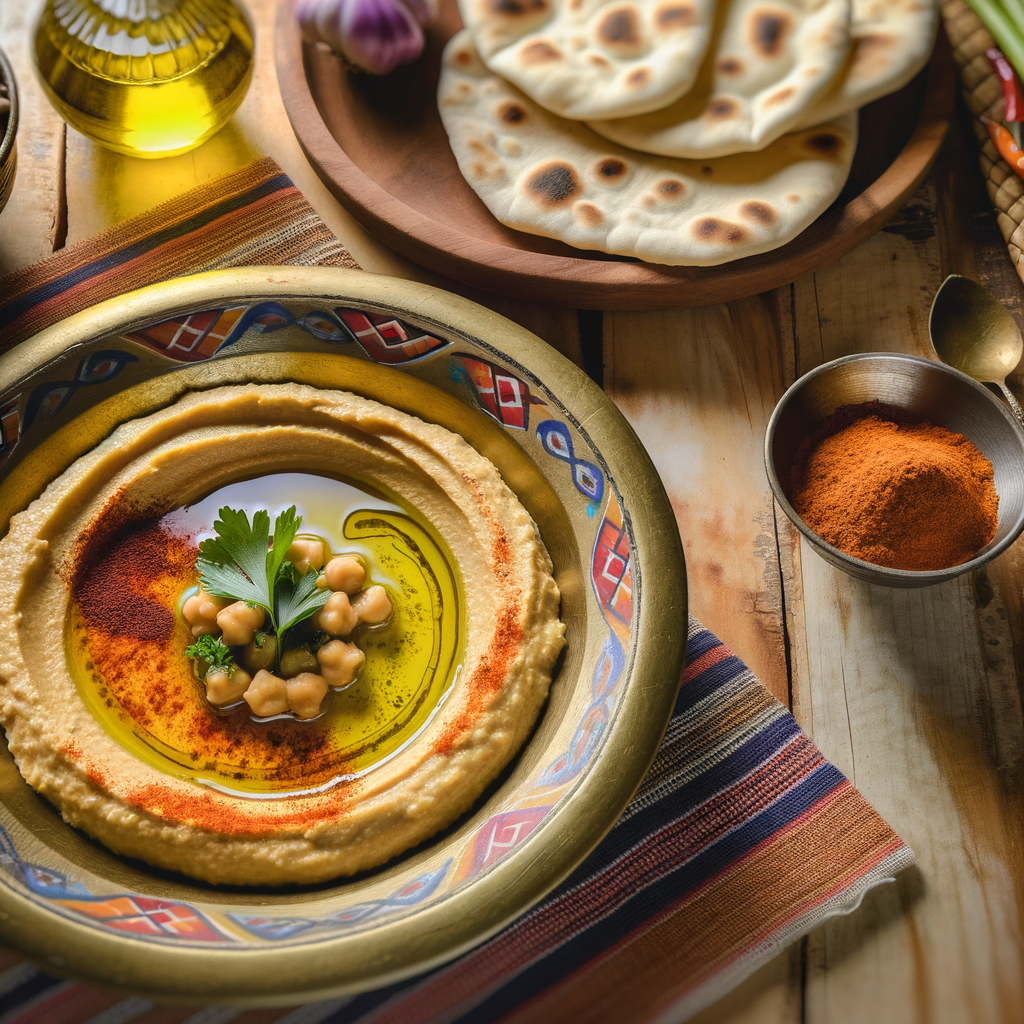
Hummus
A creamy puree of chickpeas, tahini, lemon, and garlic, served as a dip or side dish. Often accompanied by warm flatbread.
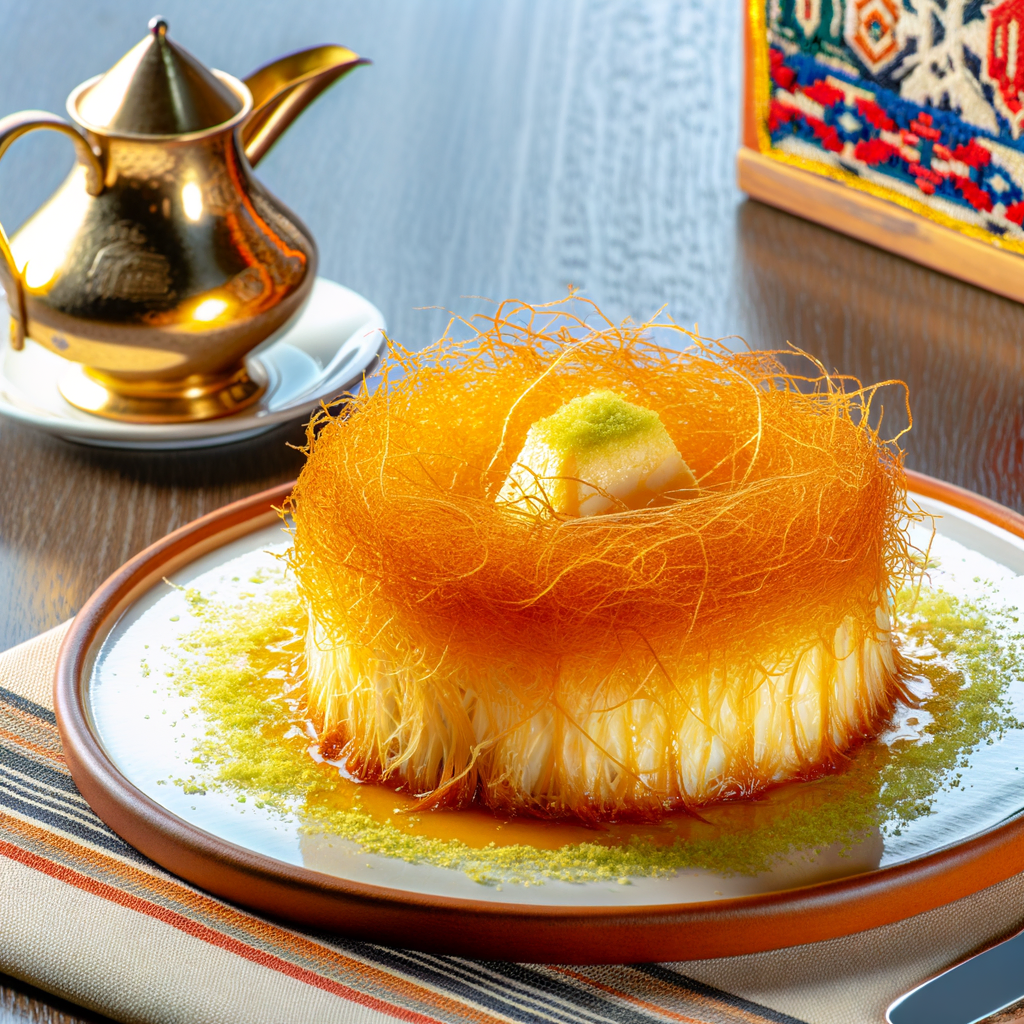
Kunafa
A sweet dessert made of thin strands of filo dough, filled with cheese or cream and drenched in sugar syrup. Popular especially in the city of Nablus, but also widespread in Jordan.
Restaurant information
Tipping
In Jordan, it is common to give 10% in tips at restaurants if service is not already included. At cafes and for smaller bills, rounding up is acceptable. Taxi drivers do not expect tips, but rounding up is appreciated.
Travel information
Currency
Jordanian dinar (JOD)
Language
Arabic
Best time to visit
March-May and September-November
Major cities
Amman and other major cities
More countries in Asia
Discover more destinations in this region