
Kuwait
Kuwait, a gem on the Arabian Peninsula, unites modern architectural marvels with a rich cultural heritage and offers a unique charm, untouched by the glamor often associated with the Gulf.
Overview
Kuwait, a gem on the Arabian Peninsula, offers an enchanting mix of modern architecture, historical treasures, and authentic Arab hospitality. In Kuwait City, iconic landmarks like the Kuwait Towers pierce the skyline, while the Grand Mosque captivates with its splendid architecture. Visitors can immerse themselves in cultural riches at the Tareq Rajab Museum, relax in the serene Al Shaheed Park, or embark on a historical journey to Failaka Island, rich in archaeological finds. With a culinary landscape featuring flavors like machboos and mutabbaq samak, alongside a mild climate from November to March, Kuwait is the perfect destination for lovers of culture and history.
Official language
Arabic
Government
Constitutional monarchy
Best time to visit
November to March
Nature
Kuwait showcases a mesmerizing landscape dominated by vast stretches of desert that serve as a golden backdrop for its vibrant cities and historical sites. The arid climate is offset by lush oases like Al Shaheed Park, where modern landscaping harmonizes with serene green spaces in the bustling metropolis. Along the coastline of the Persian Gulf, you'll find stunning beaches with crystal-clear waters, perfect for witnessing breathtaking sunsets that paint the sky in warm hues. Failaka Island stands out as a unique natural and cultural crossroads, where sandy shores meet archaeological ruins. The best time to experience the great outdoors is between November and March, when the weather is mild and inviting, making it ideal for outdoor activities. Here, the tranquil silence of the desert is juxtaposed with the refreshing sea breeze, offering a sense of freedom that captivates every visitor.
Travel to Kuwait
Traveling to Kuwait is a seamless experience that marries comfort, culture, and authenticity. The country is easily accessible via Kuwait International Airport, which connects to major cities around the globe. The ideal time to visit is from November to March, with pleasant temperatures perfect for sightseeing and outdoor adventures. Kuwait City boasts modern hotels, shopping centers, and eateries, all set against a backdrop free of excessive commercialization found in other Gulf states. Travelers can enjoy a relaxed atmosphere as they explore historical sites like Failaka Island, visit iconic landmarks such as the Kuwait Towers, and immerse themselves in local culture through food experiences and bustling markets. With its blend of contemporary conveniences and genuine Arab charm, Kuwait promises a unique and memorable travel adventure.
Culture
The culture of Kuwait is deeply rooted in Arab traditions yet open to modern influences, creating a unique blend that welcomes newcomers with genuine hospitality. The people are known for their warm demeanor, making travelers feel at home. In Kuwait City, the cultural heartbeat is vibrant, with museums like the Tareq Rajab Museum housing stunning collections of Islamic art, jewelry, and historical artifacts. The majestic Grand Mosque stands not just as a religious center but as an architectural marvel. Kuwaiti cuisine plays a vital role in its cultural fabric, featuring delightful dishes such as machboos, a flavorful rice dish with meat or fish, and mutabbaq samak, a savory fish delicacy. Traditional sweets like gers and a delicious cake called ogaily reflect a proud culinary heritage. Music, poetry, and storytelling are integral to the society, celebrating both the achievements of the past and the creativity of the present, preserving an authentic cultural experience that is truly special.
History
Kuwait's rich history spans thousands of years, with traces of ancient settlements found on Failaka Island that showcase influences from Greek and Mesopotamian civilizations. In more recent history, Kuwait emerged as a vital trading hub connecting Mesopotamia with India and East Africa, becoming particularly renowned for its pearl diving industry. The discovery of oil in the 20th century significantly transformed the country's economy and modernization efforts. Despite facing challenges, such as the invasion of 1990 and subsequent liberation, Kuwait has successfully retained its national identity and evolved into a stable constitutional monarchy. This rich historical tapestry is visible in its museums, architecture, and the strong connections the people maintain with their traditions, all of which contribute to its unique narrative.
Top attractions
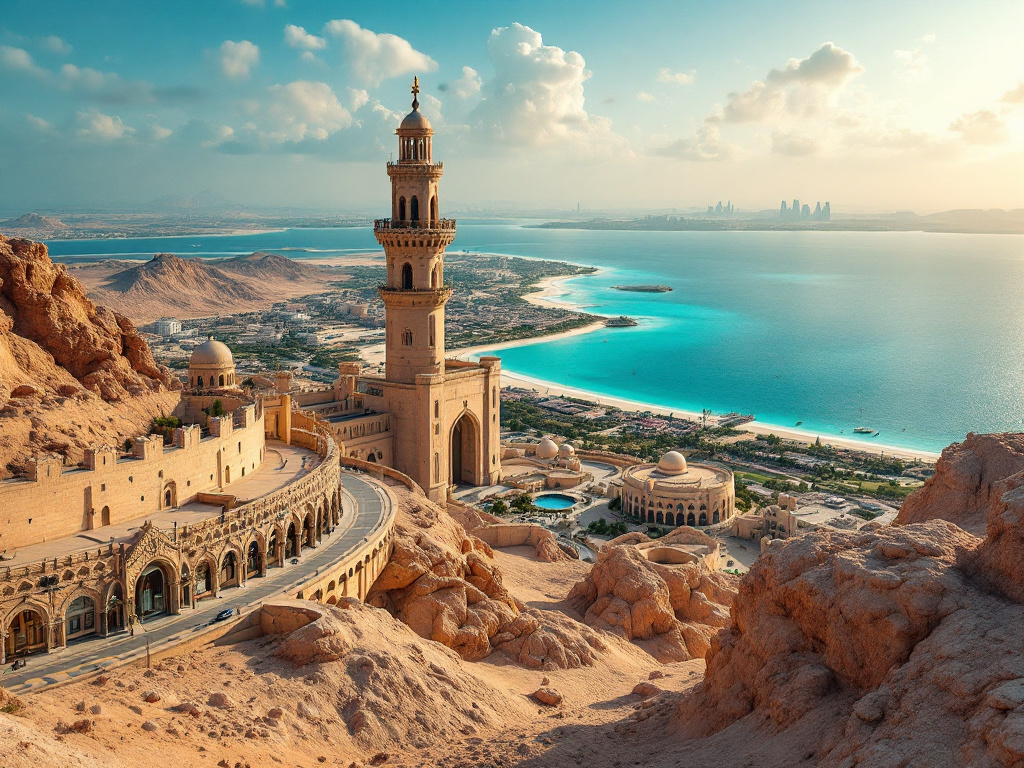
Kuwait Towers
Kuwait's most famous landmark with spectacular views of the Arabian Gulf.
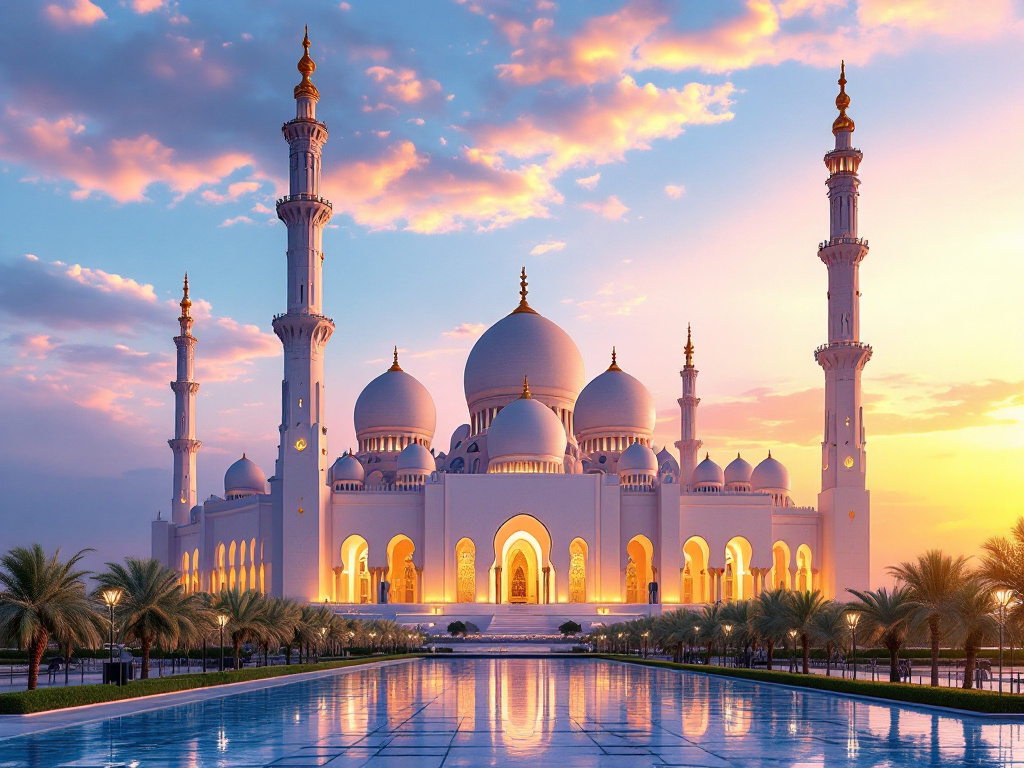
Grand Mosque of Kuwait
The country's largest mosque and an architectural masterpiece with guided tours for visitors.
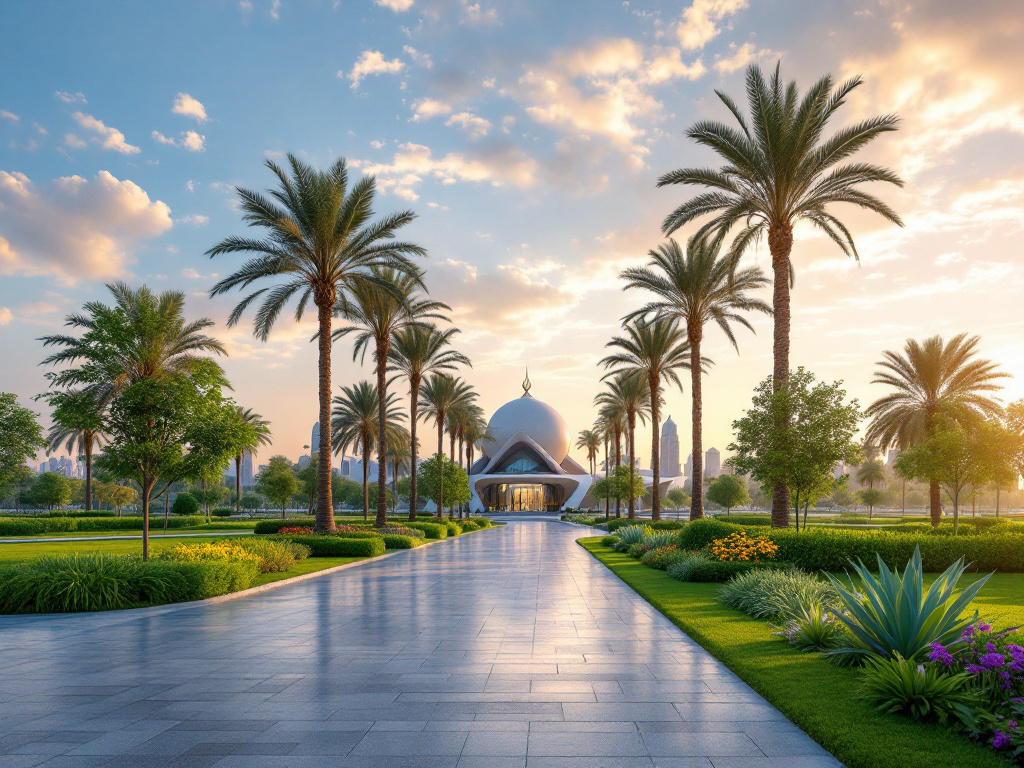
Al Shaheed Park
A modern urban park with green areas, museums, and cozy cafés.
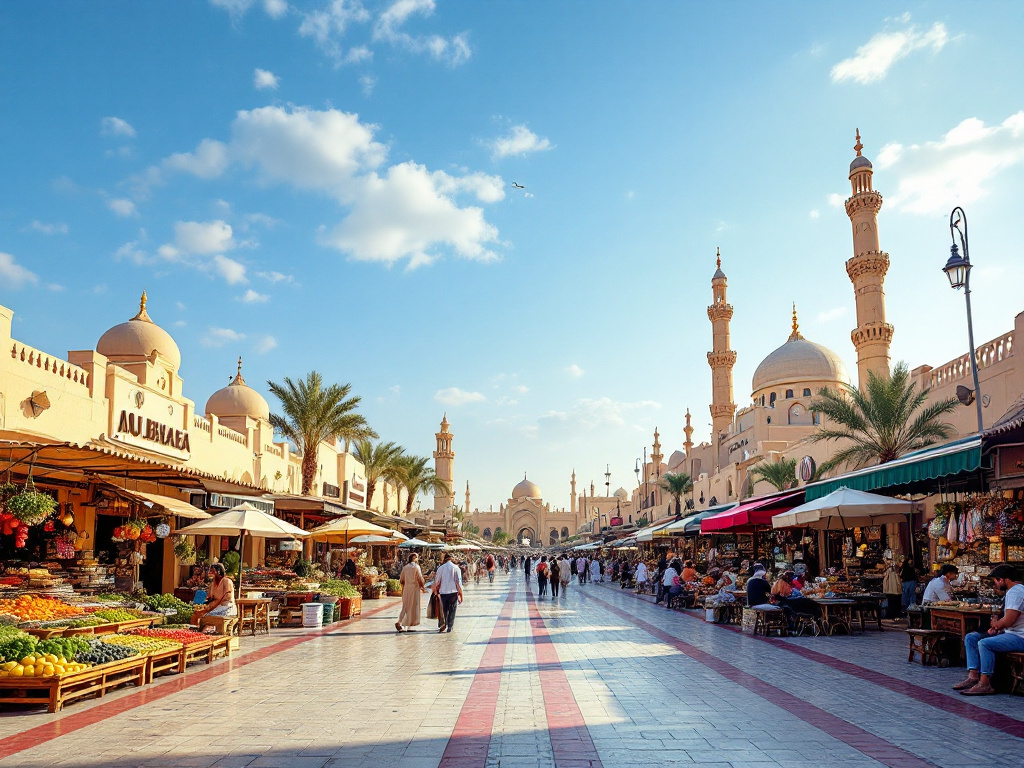
Souq Al-Mubarakiya
A vibrant traditional market with food, spices, and local products.

Green Island
An artificial island with green areas and a relaxing atmosphere by the sea.
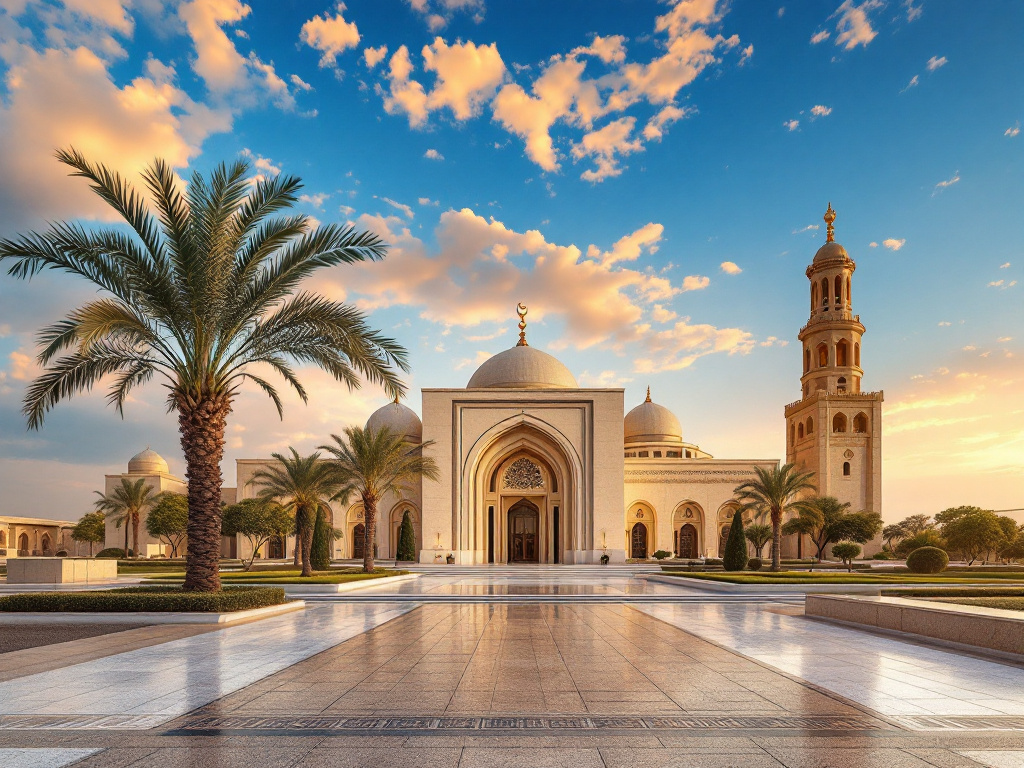
Tareq Rajab Museum
A renowned museum with an extensive collection of Islamic art.
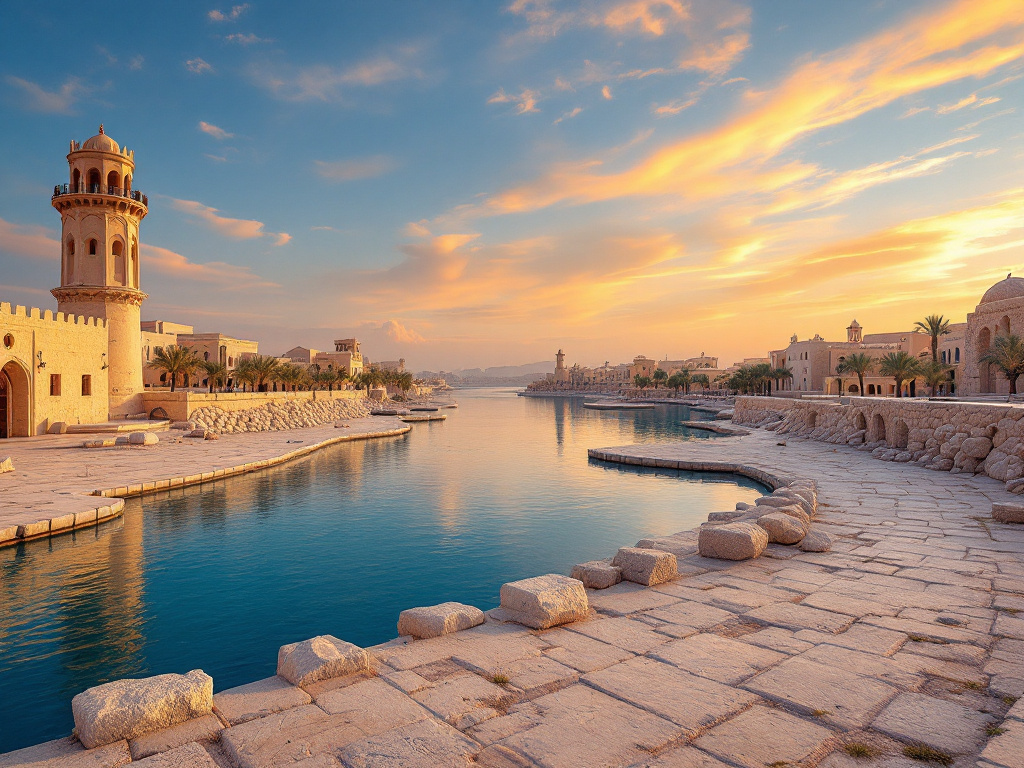
Failaka Island
A historical island with archaeological finds and traces of Greek settlement.
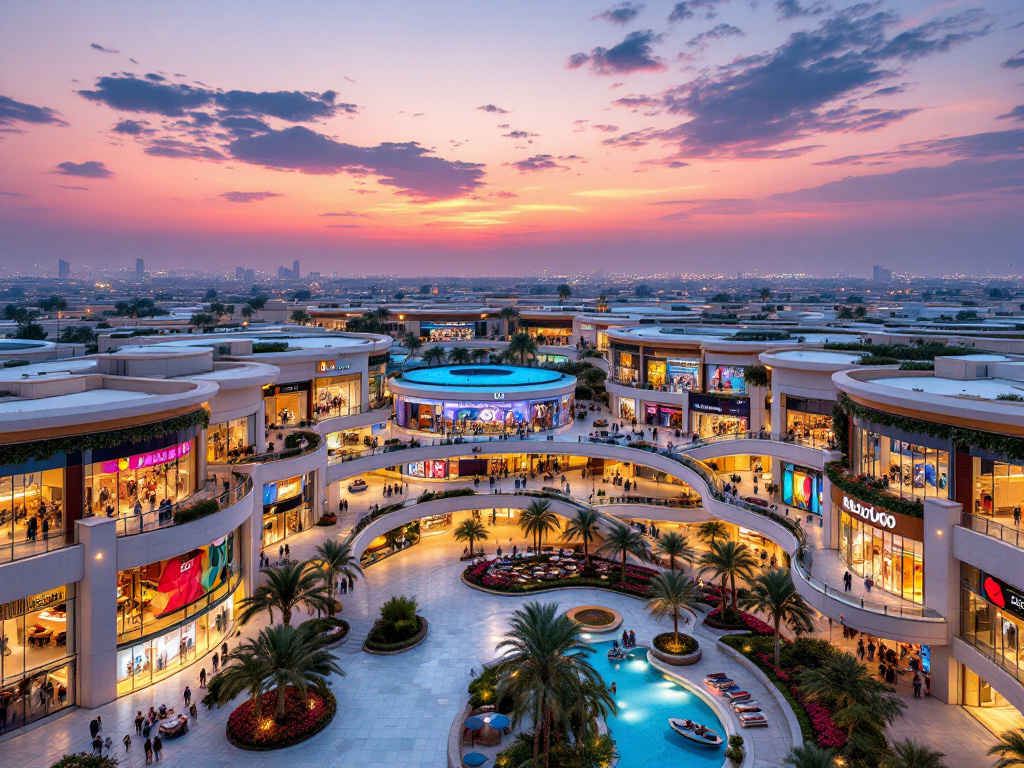
360 Mall
A modern shopping center with shopping, entertainment, and dining.
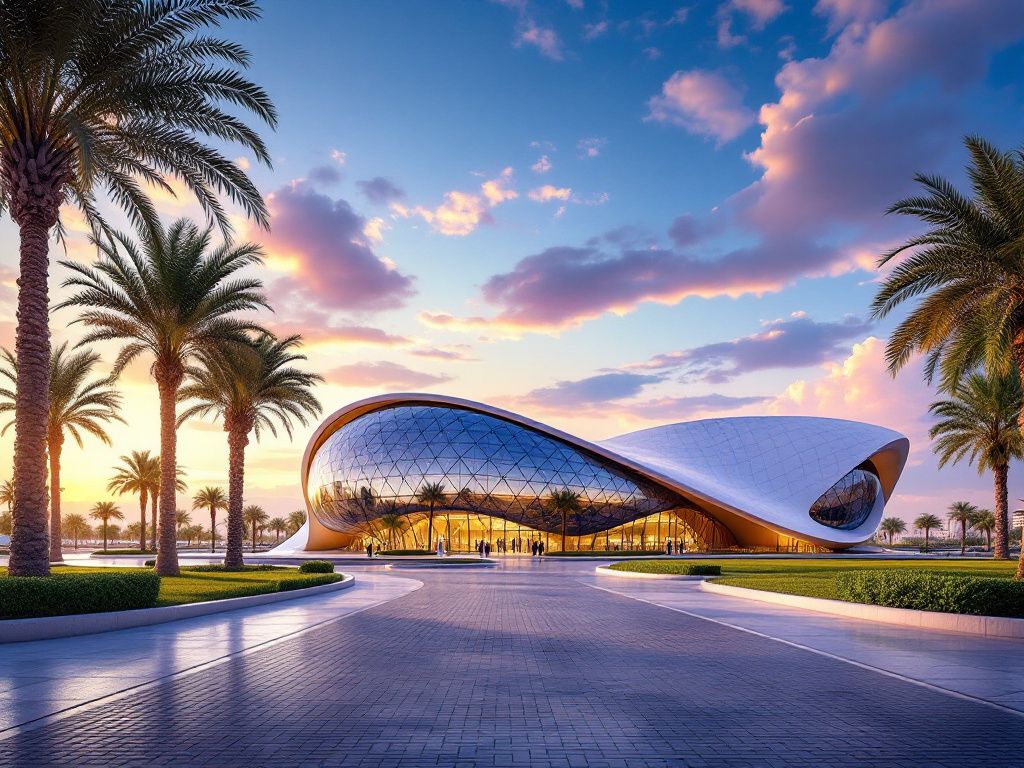
Kuwait Scientific Center
A popular center focusing on science, marine life, and learning for all ages.
Famous cuisine
Culinary overview
Kuwait's culinary scene is a melting pot of Arab, Persian, Indian, and Mediterranean influences. The country's cuisine reflects its maritime history and desert culture, where fresh fish, rice dishes, and aromatic spices play key roles. Traditional meals are often shared in large family or social gatherings, and hospitality is an important part of the dining experience. From bustling souks filled with the aromas of cardamom and saffron to modern restaurants serving creative interpretations of classic dishes, Kuwait offers a unique flavor journey.
Must-try dishes
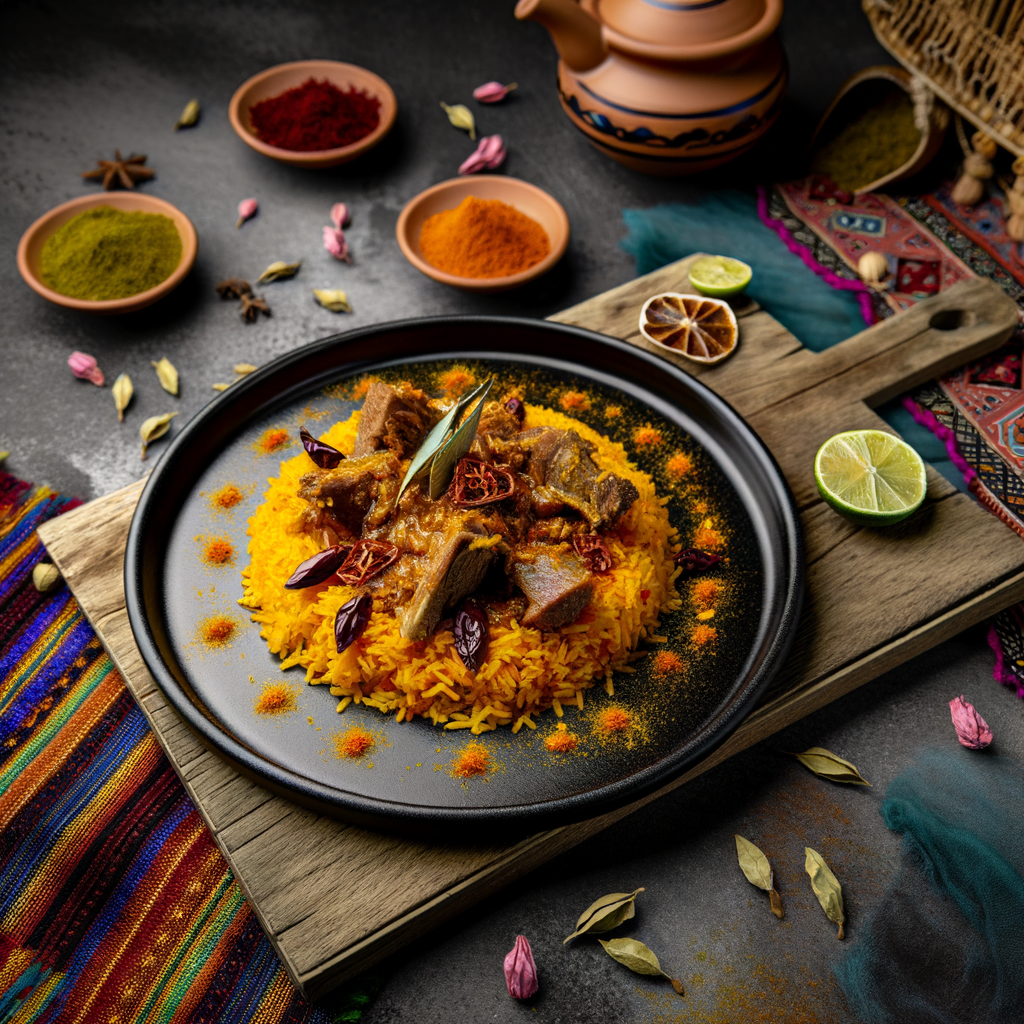
Machboos
The national dish of Kuwait – a spiced rice dish often served with lamb, chicken, or fish, cooked with saffron, cardamom, and dried lime for a deep, aromatic flavor.
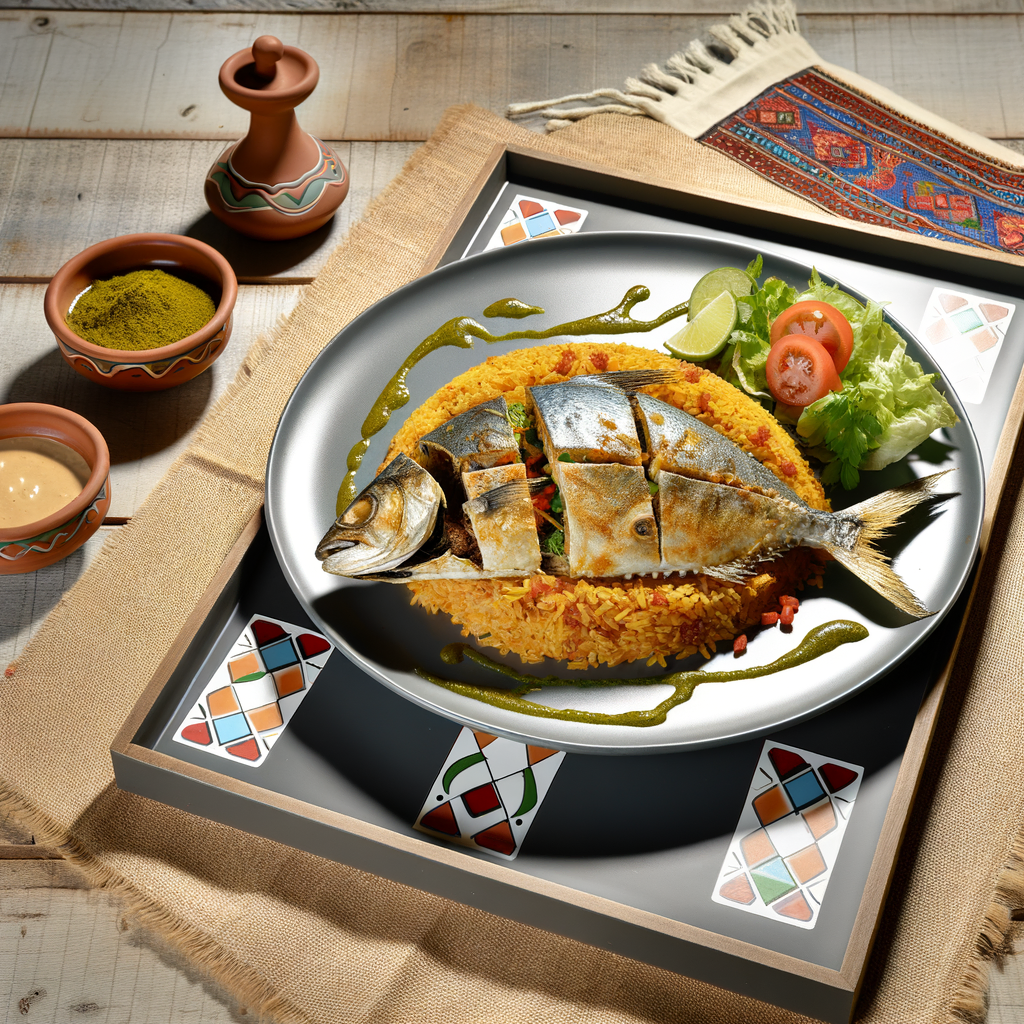
Mutabbaq Samak
A traditional fish dish where freshly caught fish is stuffed with spiced rice and baked or grilled, often served with salad and tahini.
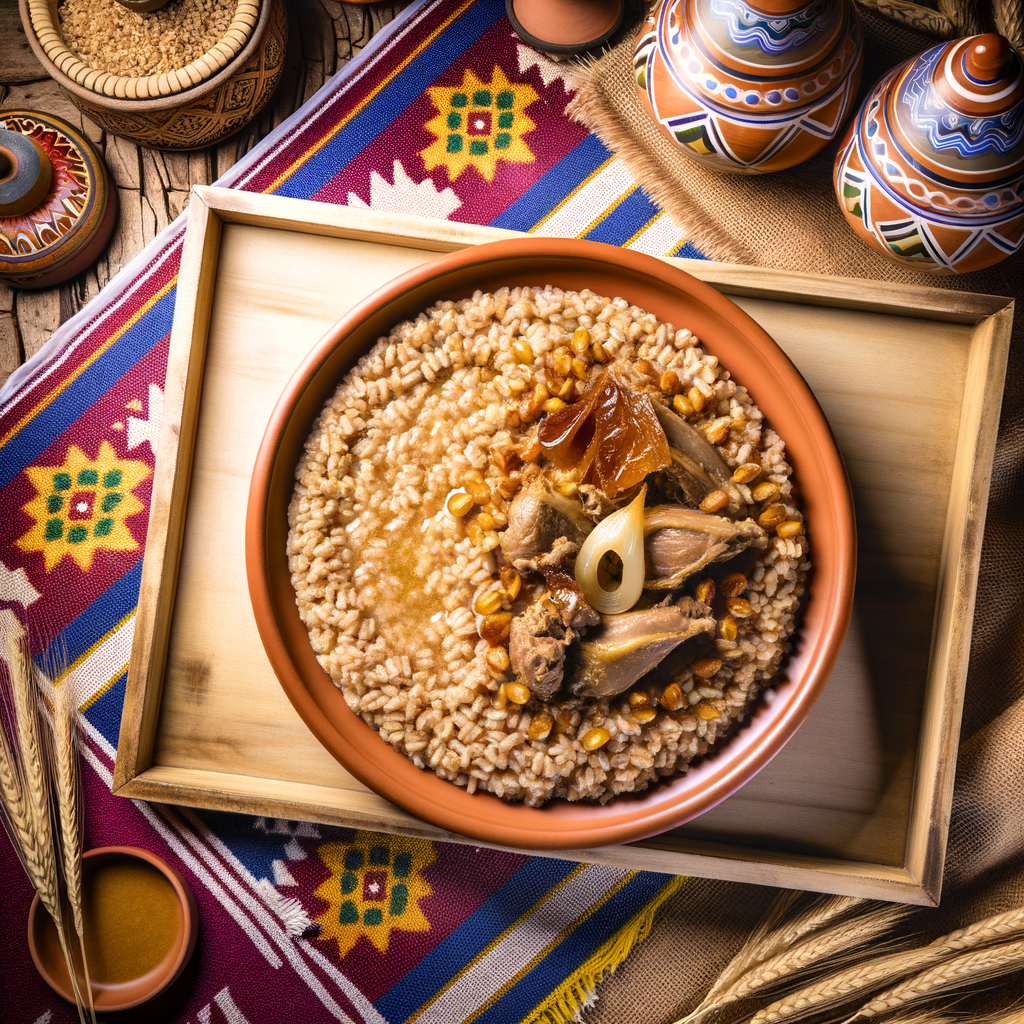
Harees
A soft wheat dish slowly cooked with meat (typically lamb or chicken), popular during Ramadan for its nourishing and mild flavor.
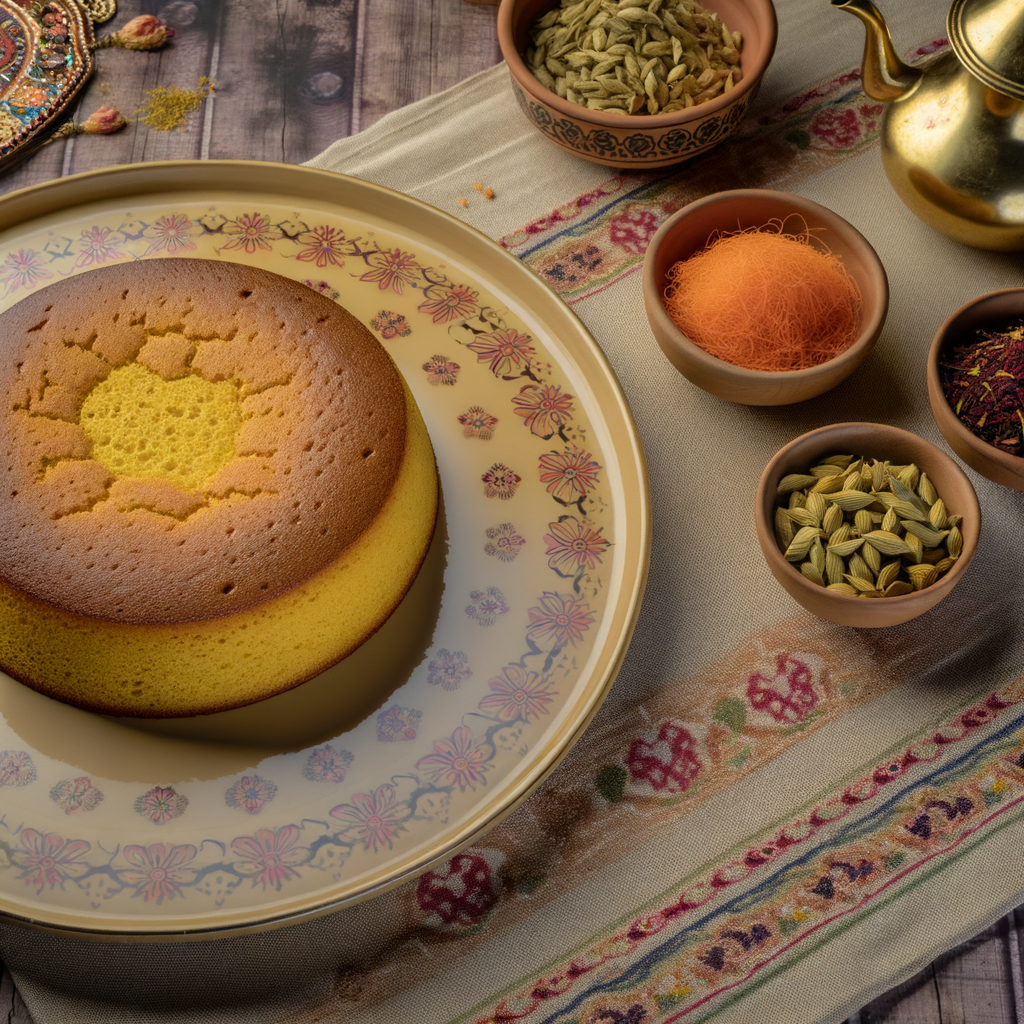
Gers Ogaily
An aromatic sponge cake flavored with cardamom, saffron, and rosewater, often served with tea or coffee.
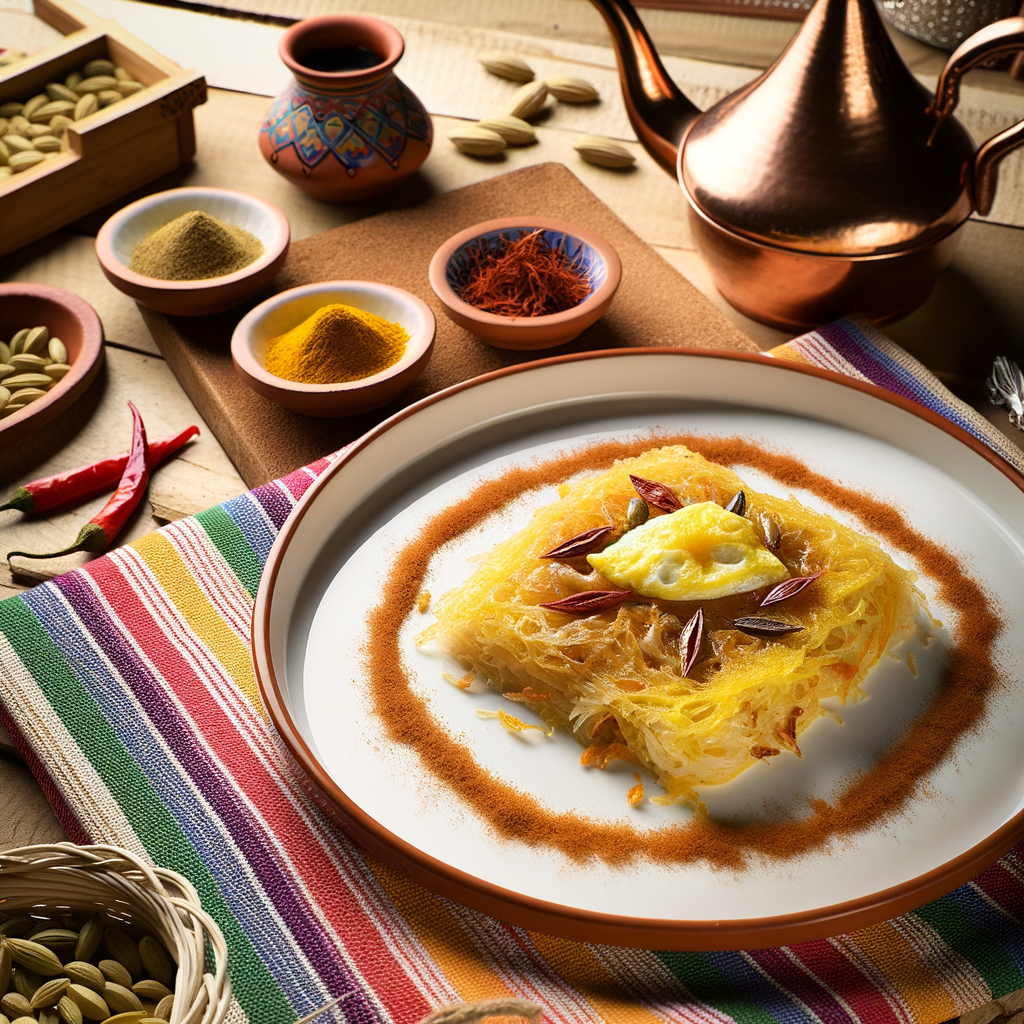
Balaleet
A sweet and savory breakfast dish made of vermicelli noodles with sugar, cardamom, and saffron, topped with an omelet.
Restaurant information
Tipping
Tipping is not mandatory in Kuwait, but it is common to round up or give 5-10% at restaurants as a gesture for good service.
Travel information
Currency
Kuwaiti dinar (KD)
Language
Arabic
Best time to visit
November to March
Major cities
Kuwait City and other major cities
More countries in Asia
Discover more destinations in this region