
Cayman Islands
Dive into the Cayman Islands, where pristine beaches meet vibrant coral reefs, and a blend of Caribbean charm and global finance creates a truly unique paradise.
Overview
The Cayman Islands, a British Overseas Territory in the heart of the Caribbean, invite travelers to experience their crystal-clear waters, white sandy beaches, and a relaxed island vibe. Discover the iconic Seven Mile Beach, swim with welcoming rays at Stingray City, and explore the enchanting Cayman Crystal Caves. George Town blends duty-free shopping with glimpses into the islands' role as an international financial center. With world-class dive sites like Bloody Bay Marine Park and a tropical climate, the Cayman Islands are the ultimate destination for adventure, romance, and relaxation.
Official language
English
Government
British Overseas Territory
Best time to visit
December to April
Nature
The Cayman Islands are a sensory wonderland, comprising three islands: Grand Cayman, Cayman Brac, and Little Cayman. Surrounded by turquoise waters and protected by some of the world's most impressive coral reefs, these islands are perfect for outdoor enthusiasts. Seven Mile Beach stands out with its soft, white sand and calm, clear waters, making it ideal for swimming and snorkeling. Adventure seekers will find the Cayman Crystal Caves intriguing, filled with stalactites, stalagmites, and sparkling crystals. Bloody Bay Marine Park is a diver's paradise, boasting vibrant corals, tropical fish, and dramatic wall dives. The islands' tropical climate ensures lush vegetation, mangrove forests, and a rich diversity of birdlife, making them a haven for both land and water-based encounters with nature.
Travel to Cayman Islands
Traveling to the Cayman Islands is a luxurious experience filled with adventure and natural beauty. The best time to visit is from December to April, when the weather is sunny and dry. Direct flights from North America and good connections from Europe make it convenient to get here. Accommodations range from exclusive beach resorts to cozy boutique hotels. Activities are plentiful: dive in world-class sites, snorkel among colorful corals, explore underground caves, or unwind on some of the world's most beautiful beaches. Shopping enthusiasts can revel in duty-free outlets in George Town, while food lovers can indulge in freshly caught fish and local delicacies. Whether you're seeking romance, family fun, or adrenaline-pumping escapades, the Cayman Islands offer an unforgettable mix of comfort and Caribbean charm.
Culture
The culture of the Cayman Islands is a harmonious blend of Caribbean joy and British influence, seasoned with international flavors from the global financial scene. Music and dance take center stage, particularly during annual festivals like Batabano Carnival, where colorful costumes and lively rhythms fill the streets. The local cuisine reflects the ocean's bounty, featuring dishes like conch fritters, Cayman-style fish, and traditional turtle stew, often topped off with sweet cassava cake. George Town serves as the cultural heart of the islands, showcasing art galleries, craft shops, and historical buildings that narrate the islands' evolution. The warm hospitality of the locals and their laid-back lifestyle ensure visitors have an authentic and welcoming experience, creating a unique cultural identity that is rich in tradition and modernity.
History
The history of the Cayman Islands is marked by seafaring, colonialism, and commerce. First discovered by Europeans in 1503 when Christopher Columbus passed by, the islands remained uninhabited for centuries before becoming a refuge for shipwrecked sailors, pirates, and treasure hunters. Officially a British territory by the Treaty of Madrid in 1670, the islands witnessed significant developments over time, with Pedro St. James, known as 'The Castle,' being a crucial historical site where the first legislative assembly met in 1831, paving the way to self-governance. The economy transitioned from fishing and turtle hunting to becoming a global financial hub in the 20th century, while tourism emerged as a vital source of income, further enriching the islands' diverse history.
Top attractions
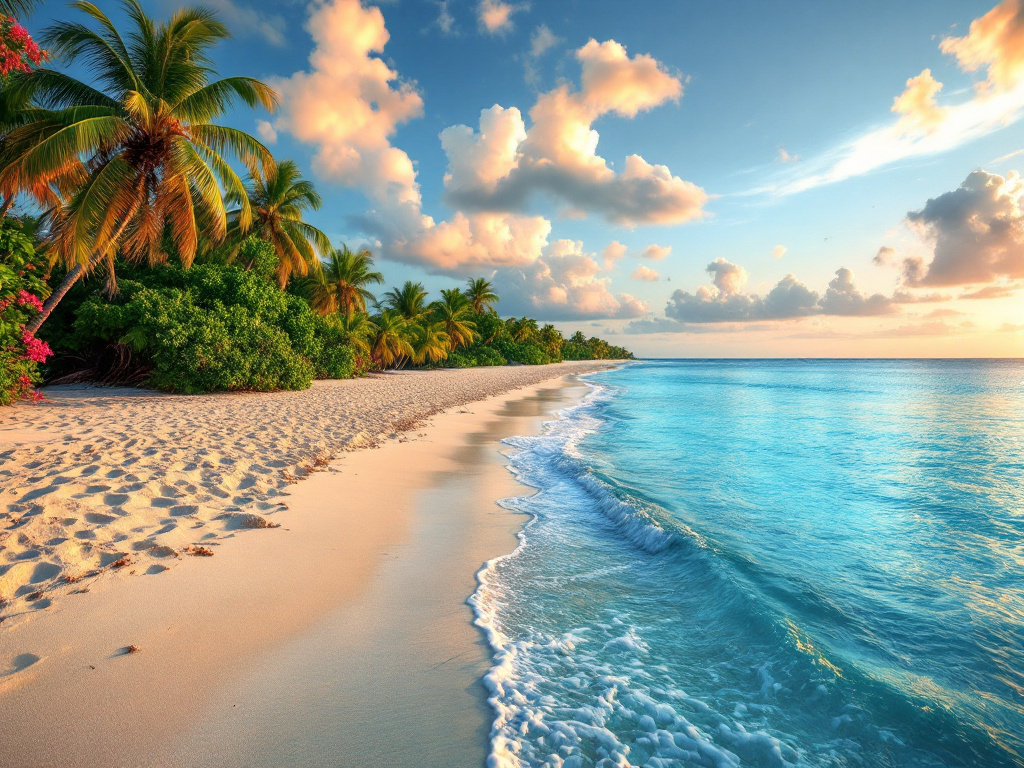
Seven Mile Beach
Cayman Islands' most famous beach with soft sand, calm waves, and easy access to hotels and restaurants.
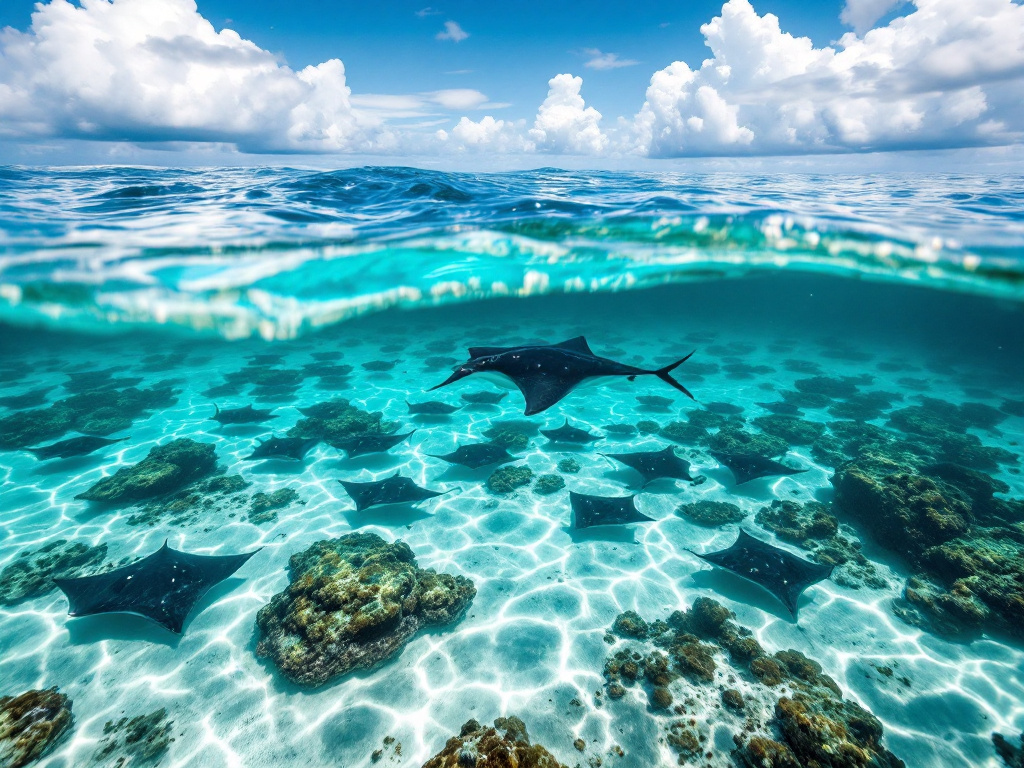
Stingray City
A shallow sandbar where visitors can meet and feed southern stingrays in their natural environment.
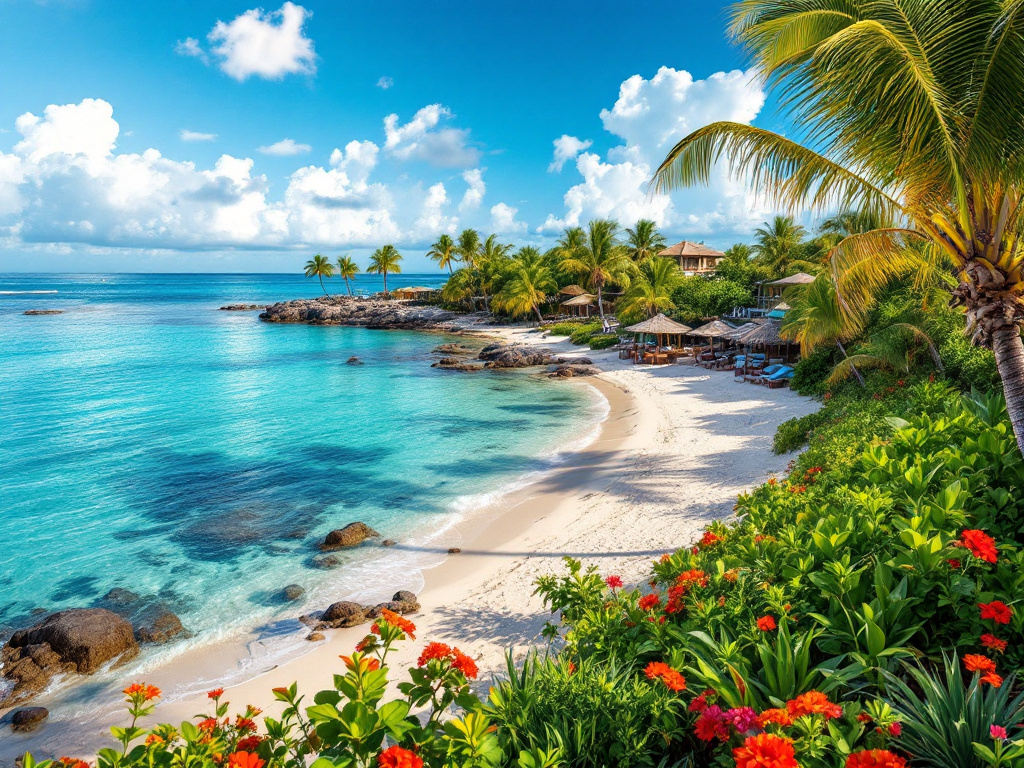
Rum Point
A laid-back beach area with restaurants, hammocks, and clear views of North Sound.
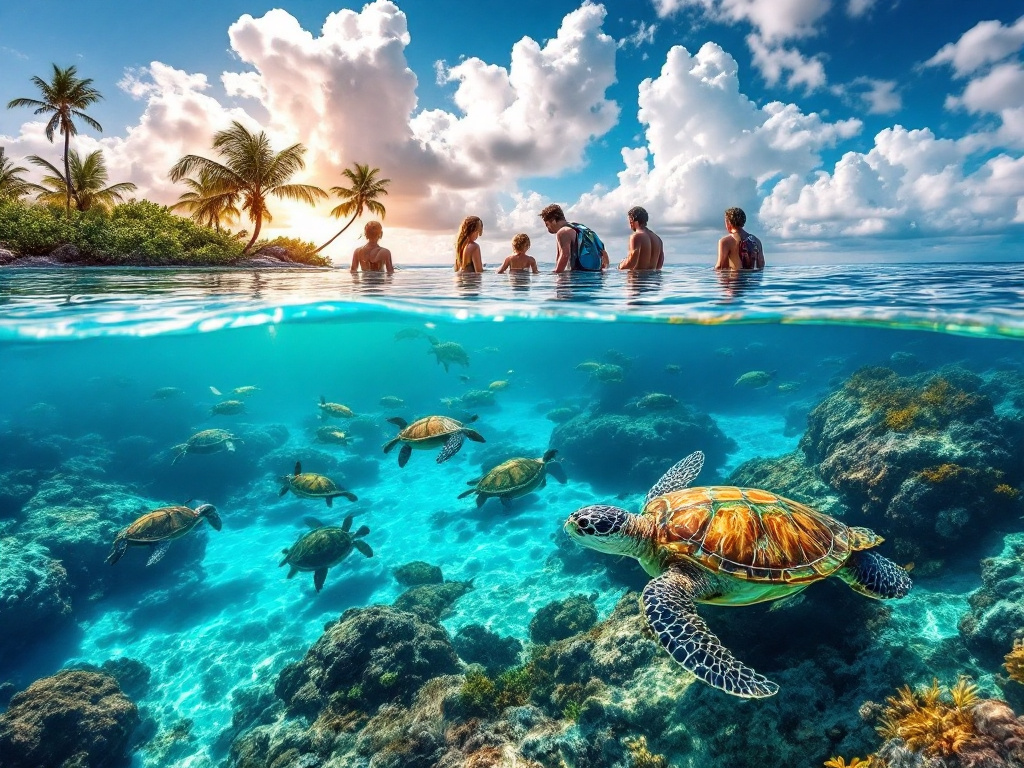
Cayman Turtle Centre
A center dedicated to the protection and education of sea turtles with interactive experiences.
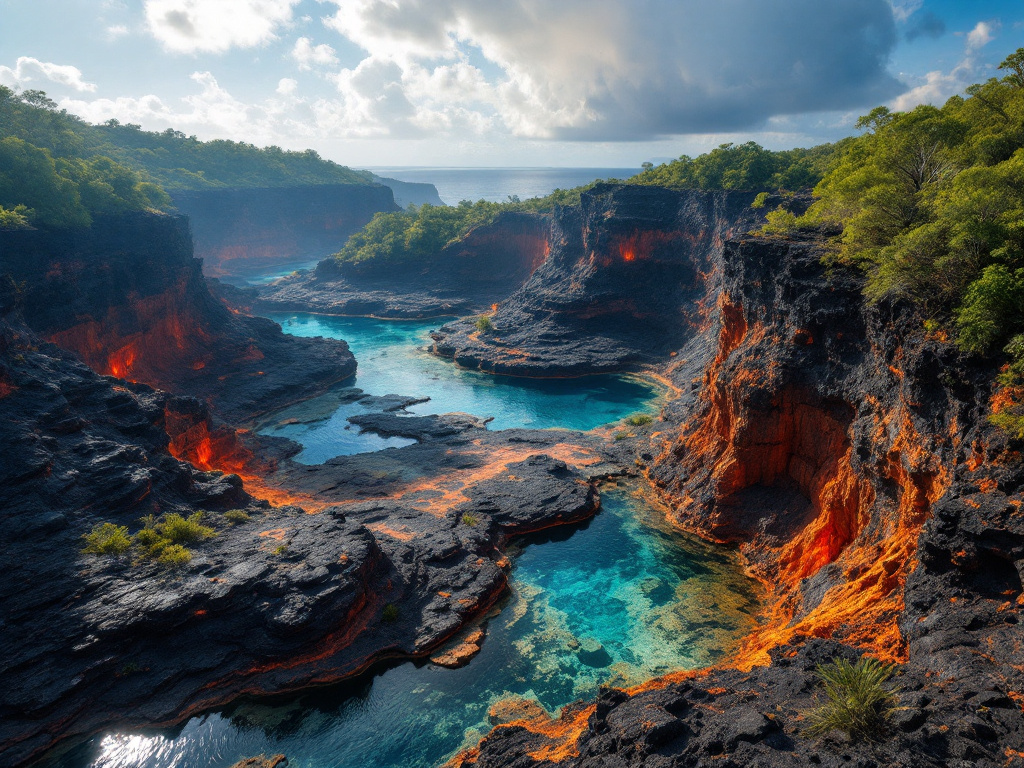
Hell Geological Site
A dramatic area with dark, jagged limestone formations known as Hell.
Queen Elizabeth II Botanic Park
A peaceful botanical garden focusing on local plants and the conservation of blue iguanas.
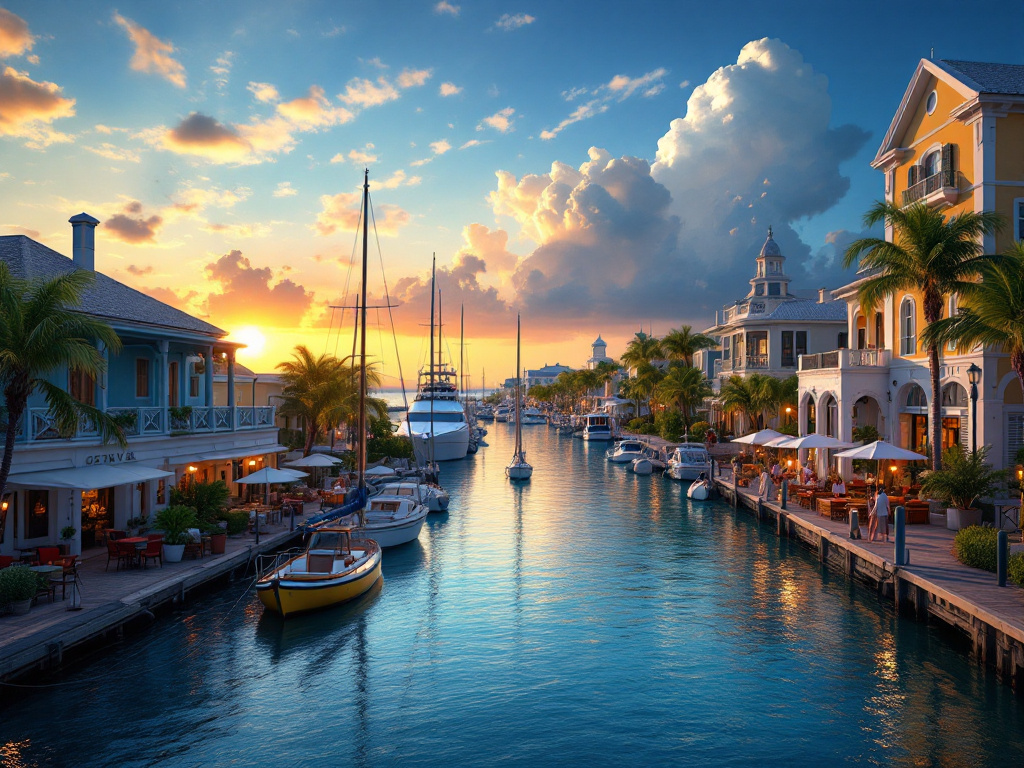
George Town Harbour
The heart of the capital with shopping, restaurants, and views of cruise ships.
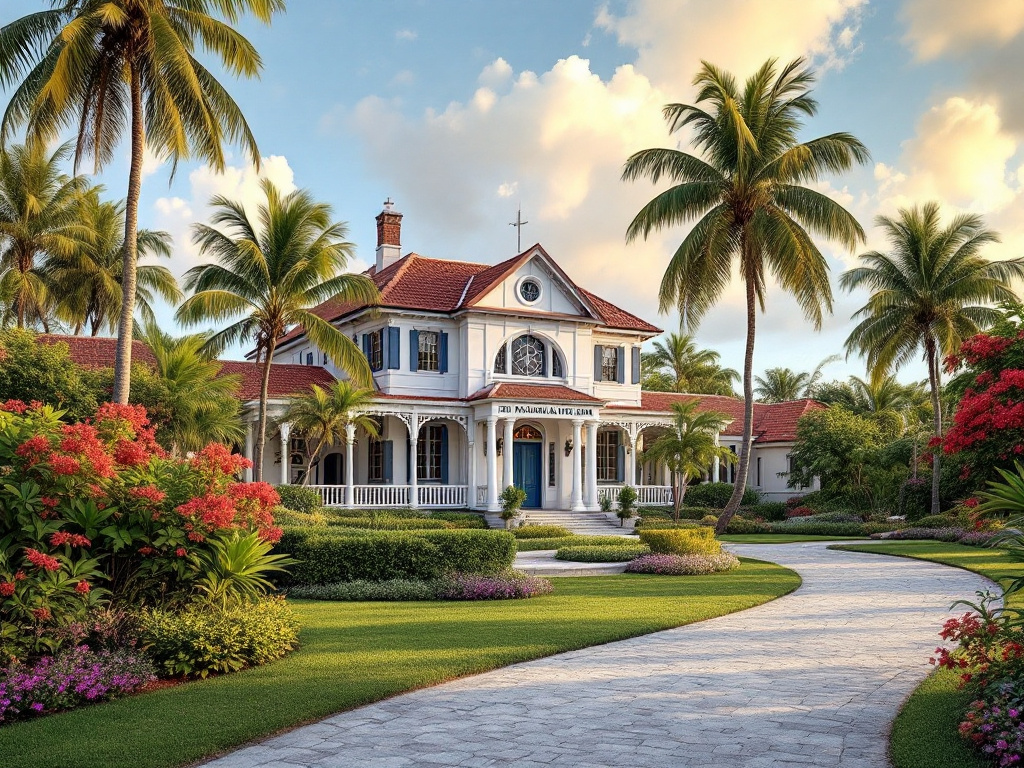
Cayman Islands National Museum
A museum telling the story of Cayman Islands' culture, seafaring, and people.
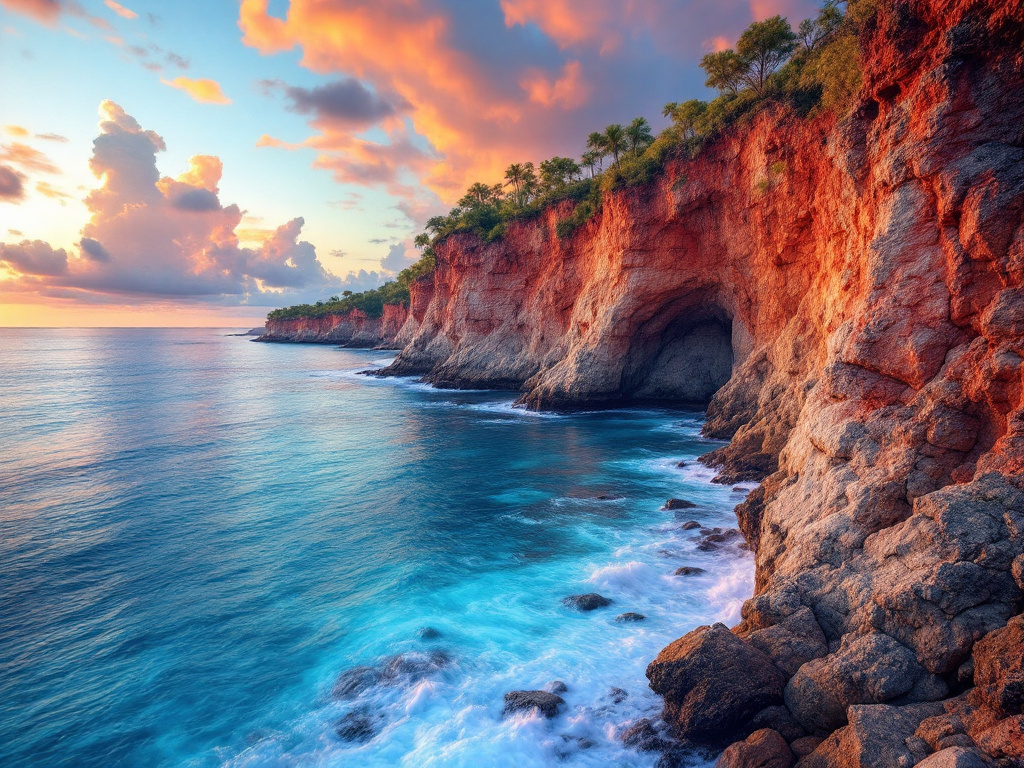
Bloody Bay Wall
World-famous diving site with dramatic vertical walls and exceptional biodiversity.
Famous cuisine
Culinary overview
The culinary scene of the Cayman Islands is a flavorful blend of Caribbean traditions, British influence, and fresh seafood ingredients. The islands are known for their fish and seafood, especially conch, mahi-mahi, and turtle soup, as well as sweet desserts made from local ingredients like cassava and coconut. Dining experiences range from beach bars with grilled dishes to exclusive gourmet restaurants with international chefs. Local markets offer fresh fruits, spices, and homemade specialties that provide an authentic glimpse into the islands' flavors and culture.
Must-try dishes
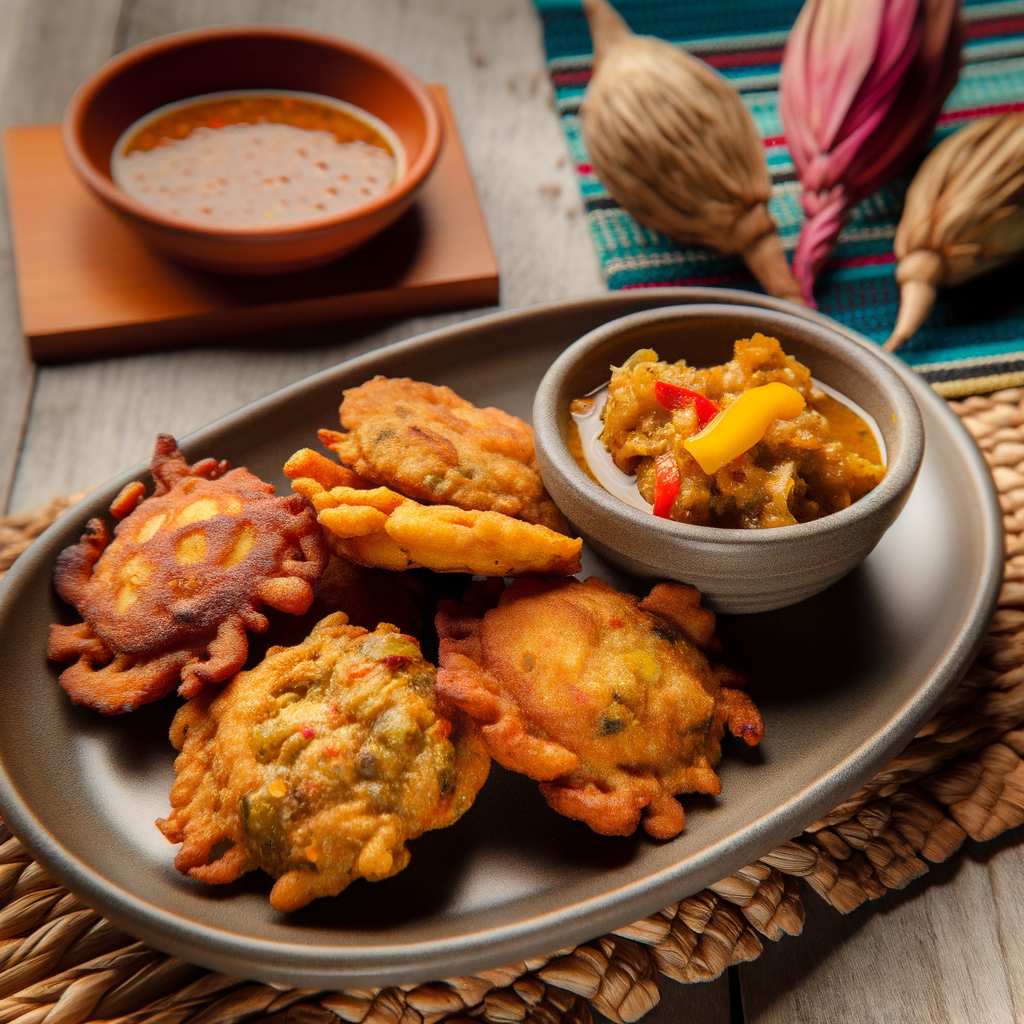
Conch Fritters
Crispy fritters made from minced conch, mixed with spices, bell peppers, and onions, served with a spicy dip. A popular snack across the island.
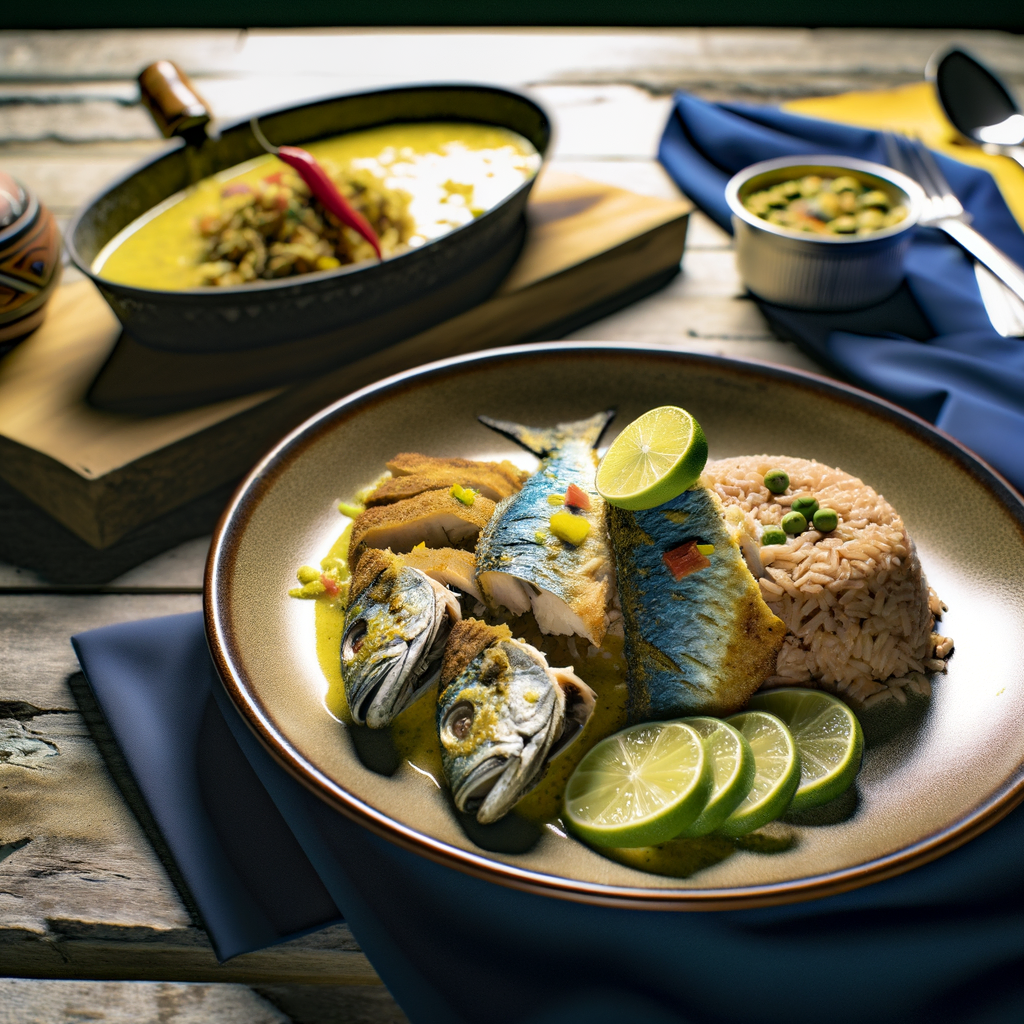
Cayman-style fish
Freshly caught fish, often mahi-mahi or snapper, marinated in lime, garlic, and spices, then fried or grilled and served with rice and peas.
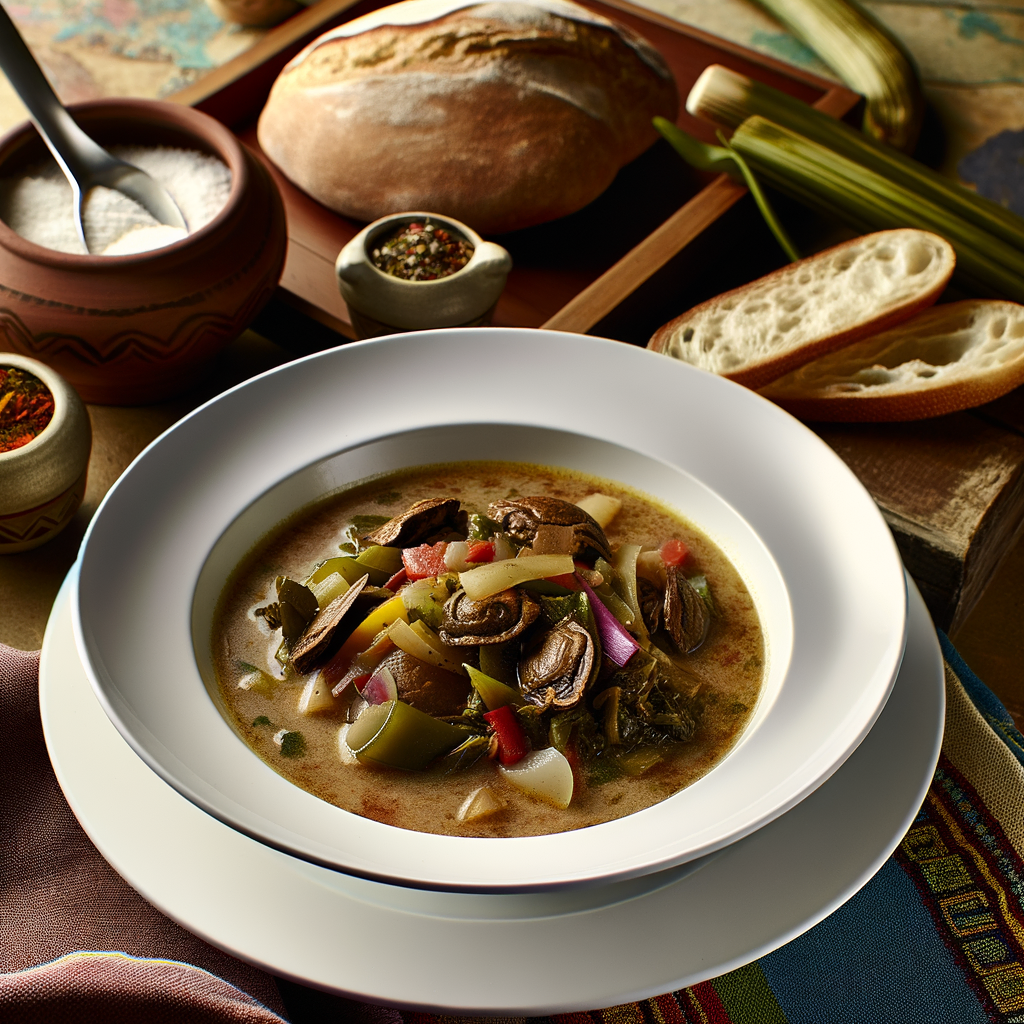
Turtle Stew
A traditional dish made from turtle meat, simmered slowly with spices, vegetables, and coconut milk. A historic delicacy that is often now made with sustainable alternatives.
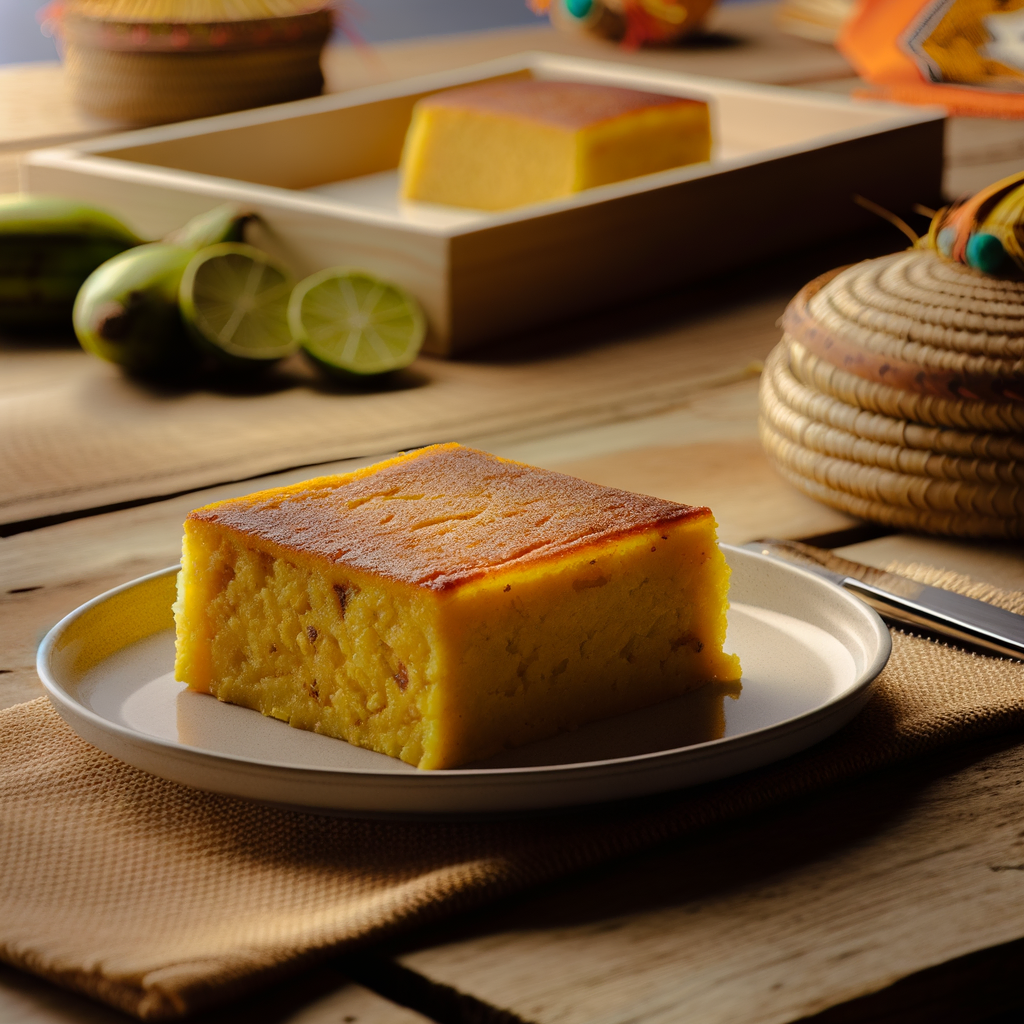
Cassava Cake
A sweet, dense cake made from grated cassava, coconut milk, sugar, and spices. Often served on festive occasions.
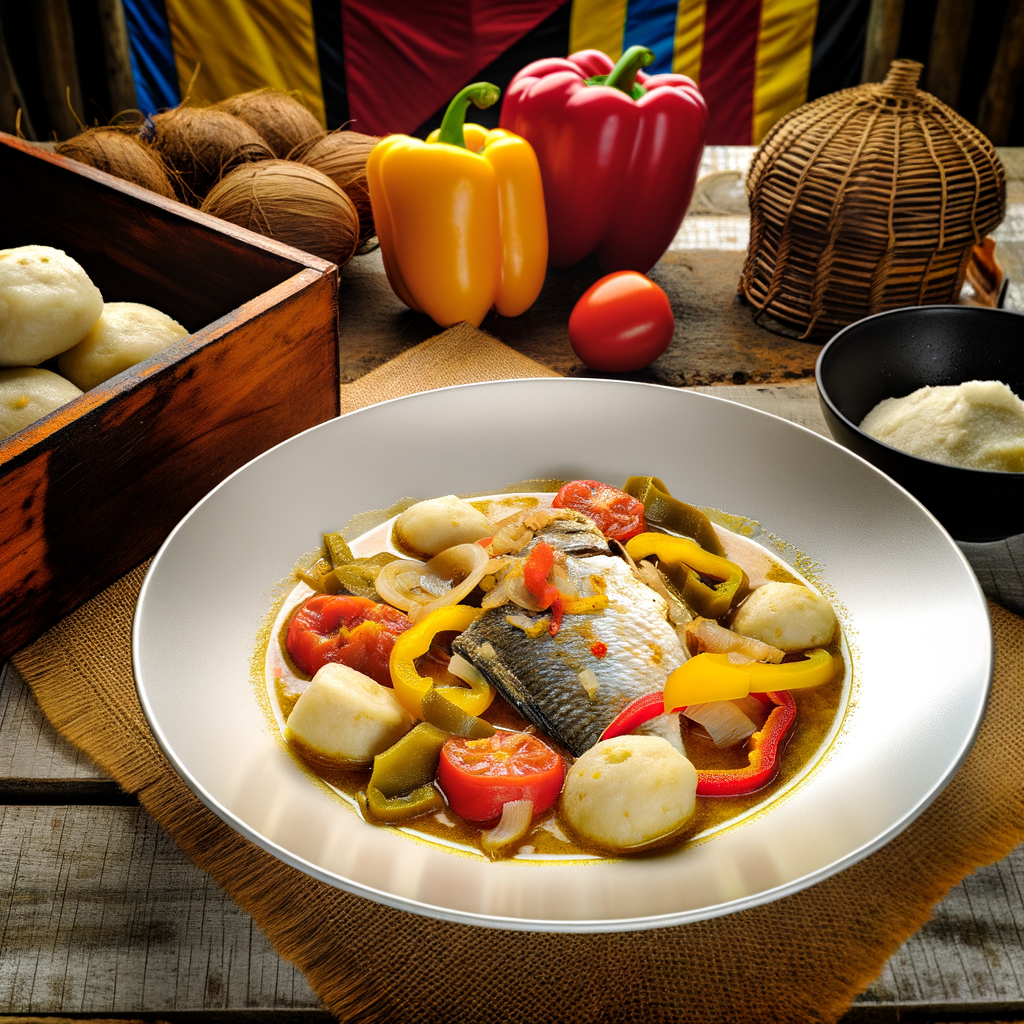
Fish Rundown
A creamy fish dish where fish simmers in coconut milk with onions, bell peppers, tomatoes, and spices, often served with dumplings or breadfruit.
Restaurant information
Tipping
Tipping is not always included in the bill in the Cayman Islands. It is common to give 15-20% in tips at restaurants if a service charge has not already been added. Small tips are also appreciated for taxi drivers and hotel staff.
Travel information
Currency
Cayman Islands dollar (KYD)
Language
English
Best time to visit
December to April
Major cities
George Town and other major cities
More countries in North America
Discover more destinations in this region