
Moldova
Moldova, a hidden gem in Eastern Europe, enchants with its pristine landscapes, world-class wine experiences, and the charming allure of rarely trodden paths, offering a unique mix of tradition and tranquility.
Overview
Nestled between Romania and Ukraine, Moldova is one of Europe's best-kept secrets. Here, you will discover rolling vineyards, idyllic villages, and historical treasures like the spectacular Orheiul Vechi, a monastery complex carved directly into the cliffs. Wine lovers will rejoice in world-renowned cellars such as Cricova and Milestii Mici, where expansive underground tunnels house centuries of winemaking tradition. Chișinău, the capital, blends Soviet architecture with lush parks and a thriving cultural scene. Moldova invites you to experience authentic adventures away from mass tourism—where leisurely exploration, warm hospitality, and culinary delights await.
Official language
Rumænsk
Government
Parlamentarisk Republik
Best time to visit
April-June and September-October
Nature
Moldova's landscapes are a serene tapestry of rolling hills, expansive vineyards, and charming villages that reflect the country's rich agricultural traditions. The Dniester River meanders through valleys, providing lush areas perfect for hiking and cycling. Spring and autumn unveil the country’s beauty with mild temperatures and vibrant colors. Notable sites like Orheiul Vechi offer dramatic cliff formations and breathtaking views of the river valley, while small villages are enveloped in blooming gardens and tranquil forests. Although Moldova lacks high mountains, its calm rural charm invites leisurely exploration and immersion in the natural rhythm of life. Birdwatchers and nature enthusiasts will delight in the rich wildlife, particularly in the wetlands along the rivers. The combination of vineyard landscapes, river valleys, and pristine natural areas makes Moldova an idyllic destination for those seeking peaceful beauty.
Travel to Moldova
Traveling to Moldova feels like stepping into a timeless world where authenticity reigns. Ideal for those looking to avoid crowded destinations, the country offers rich local traditions and unforgettable experiences. Flights to Chișinău connect the country with several European cities, making it a convenient entry point for exploring both the vineyards and historic landmarks. A visit to Cricova and Milestii Mici is essential for wine enthusiasts, while culture buffs will appreciate the wonders of Orheiul Vechi and Soroca Fort. The mild climate from April to June and September to October creates perfect conditions for experiencing both nature and culture. Public transport can be limited, so consider renting a car or joining guided tours to reach more remote gems. Moldova promises a journey where hospitality, delightful cuisine, and tranquil landscapes leave lasting memories.
Culture
Moldova's culture embodies a captivating blend of Romanian roots, Slavic influences, and local traditions that resonate through its language, music, and cuisine. Folk music, often accompanied by lively dance, plays a vital role in celebrations, and traditional attire is proudly worn during special events. The culinary scene reflects the heart of Moldovan hospitality, featuring beloved dishes like mamaliga (cornmeal porridge), placinta (stuffed pastries), sarmale (cabbage rolls), and aromatic soups like zeama. Wine production is not merely an industry but a cultural heritage celebrated through harvest festivals and tastings. In Chișinău, a vibrant arts and music scene thrives, with galleries, theaters, and cafés buzzing with creativity. The country’s multicultural makeup, with a mix of Romanians, Russians, Ukrainians, and Gagauzes, adds to the rich tapestry of traditions thriving side by side. Festivals such as Easter and wine festivals unite communities in colorful, lively celebrations.
History
Moldova's history is marked by its strategic location between powerful empires, with human settlement dating back to antiquity. It was once part of the Principality of Moldavia and has been influenced by Ottoman, Russian, and later Soviet control. The Soroca Fort, built in the 15th century, stands as a testament to the region's military significance as a border fortress. Under Soviet rule, Moldova became a crucial agricultural region, all while experiencing cultural suppression. Independence was declared in 1991, and since then, Moldova has focused on strengthening its national identity and economy. The architectural landscape reflects this tumultuous history, showcasing everything from medieval monasteries to Soviet-era buildings, alongside a population that cherishes its heritage.
Top attractions
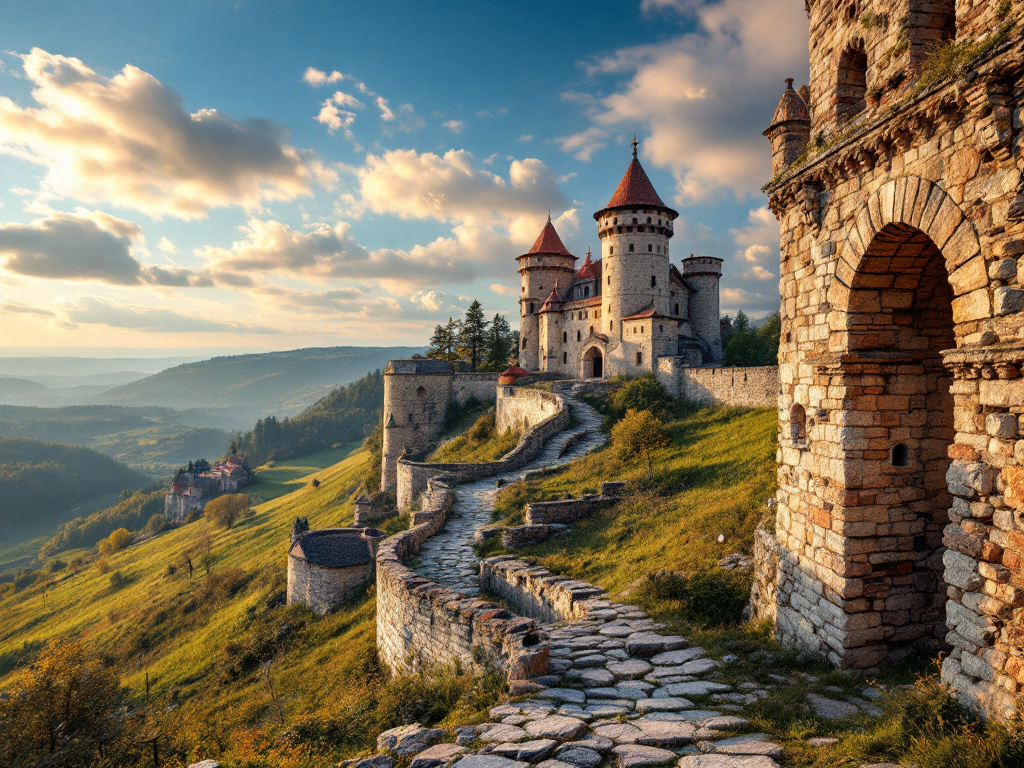
Orheiul Vechi
One of Moldova's most important historical areas with monasteries carved into the cliffs and remains from several civilizations.
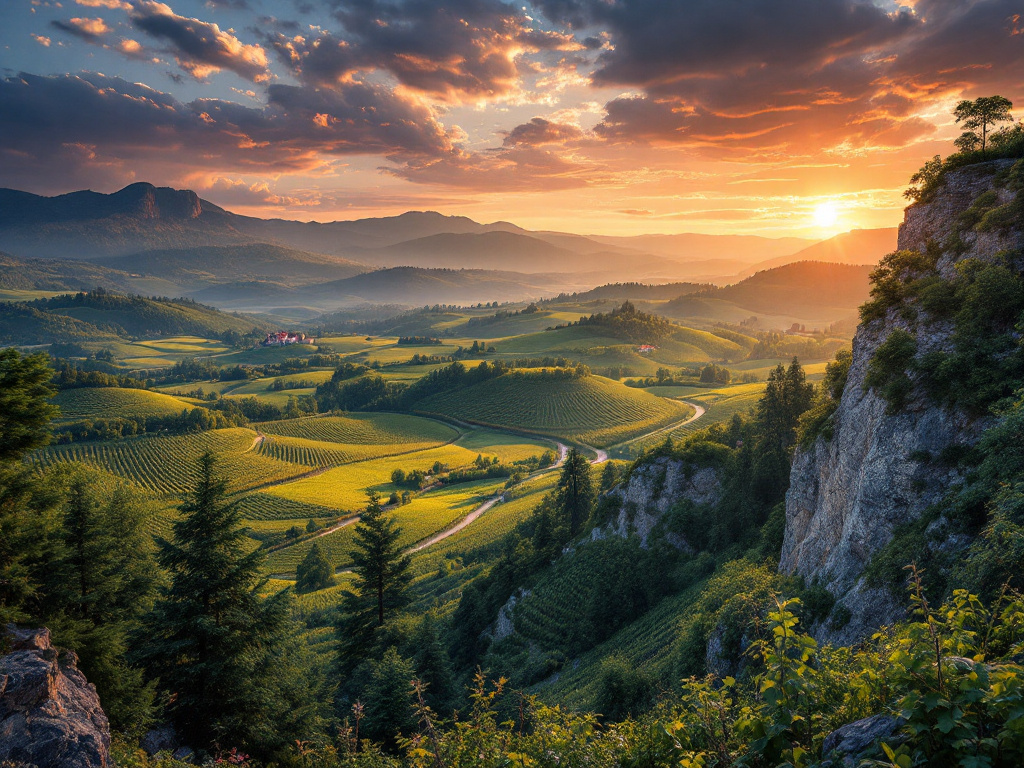
Cricova Wine Cellars
World-famous underground wine cellars with kilometers of tunnels filled with Moldova's wine tradition.
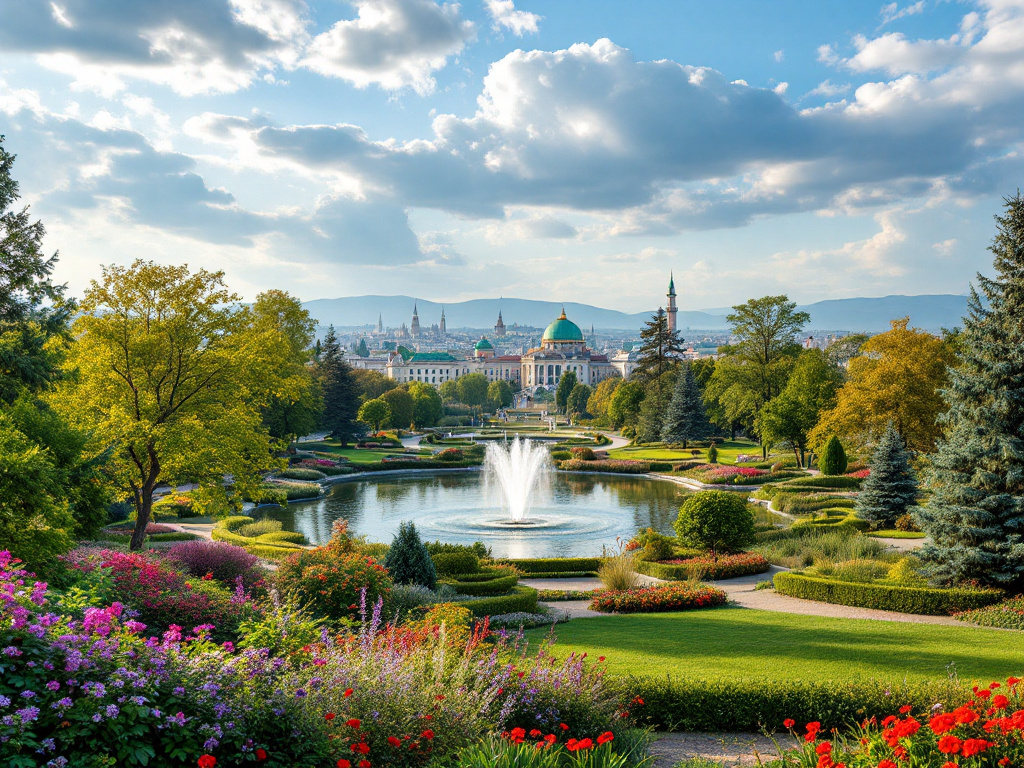
Ștefan cel Mare Central Park
A classic city park in the heart of the capital, ideal for relaxation and short breaks.
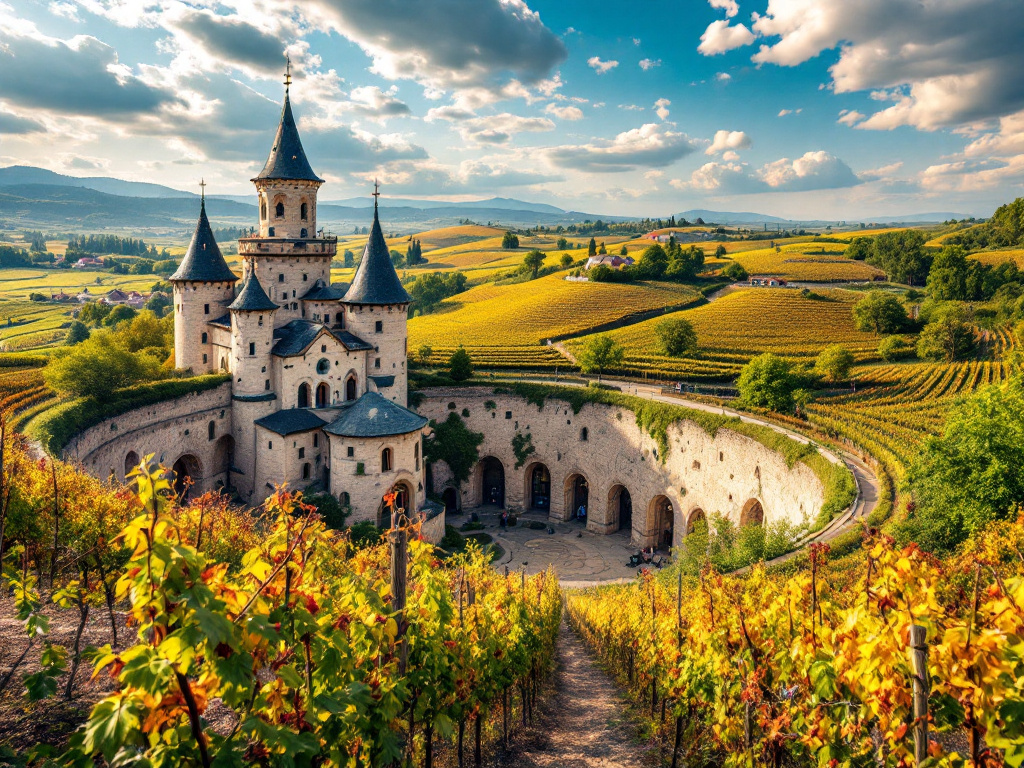
Milestii Mici Wine Cellars
A massive underground wine system known for its Guinness World Record in wine collections.
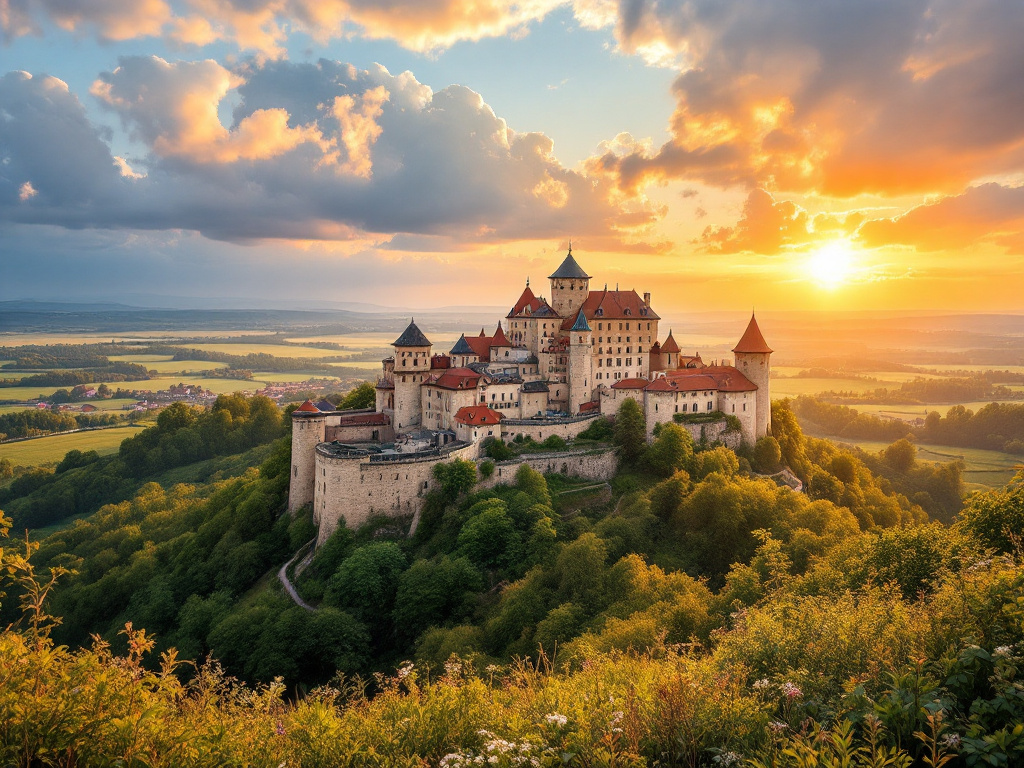
Soroca Fortress
A well-preserved medieval fortress that once protected Moldova's northern border.
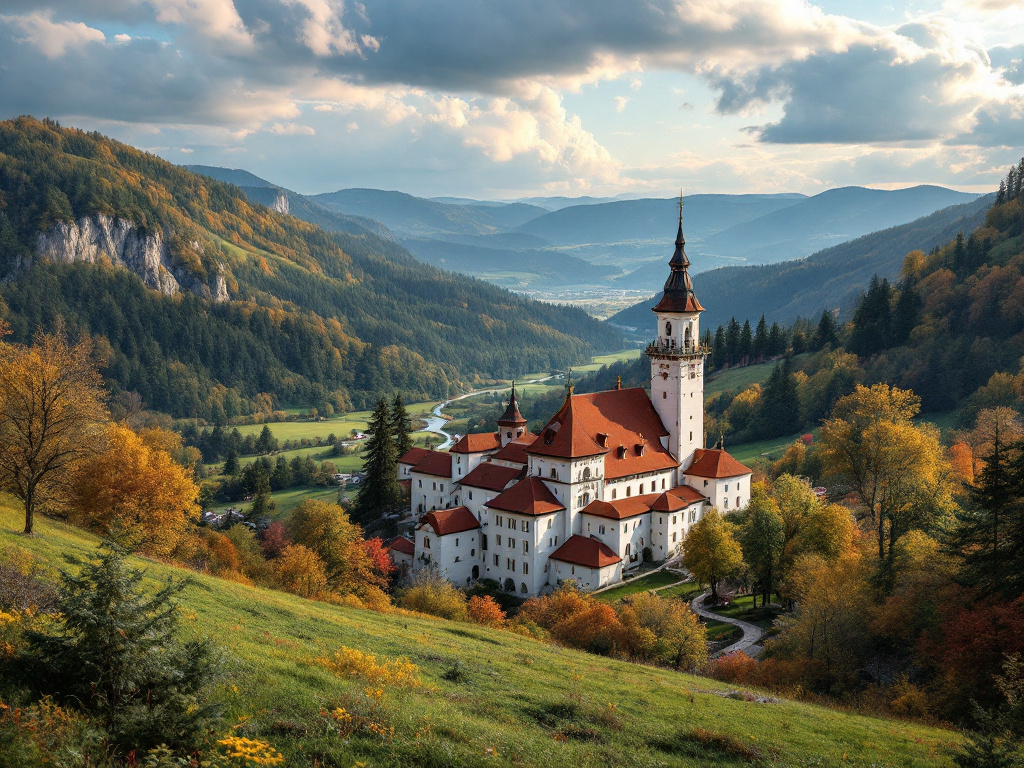
Tipova Monastery Complex
A peaceful monastery complex built into the cliffs along the Dniester River.
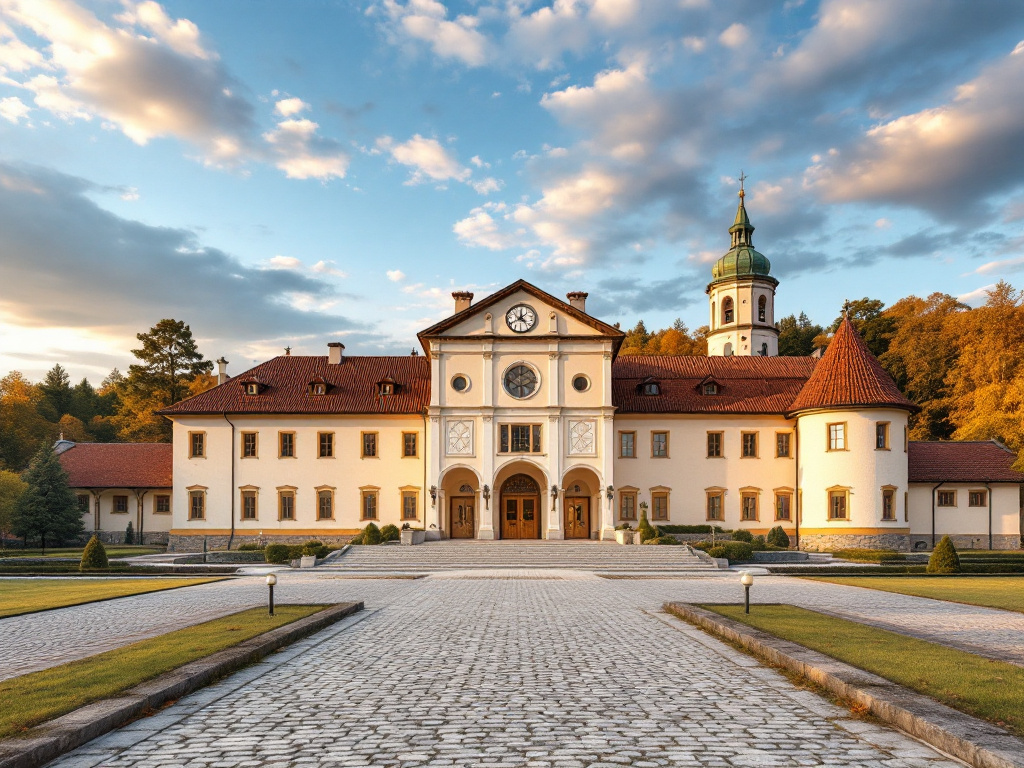
National Museum of Moldova's History
A central museum that tells Moldova's history from ancient times to modernity.
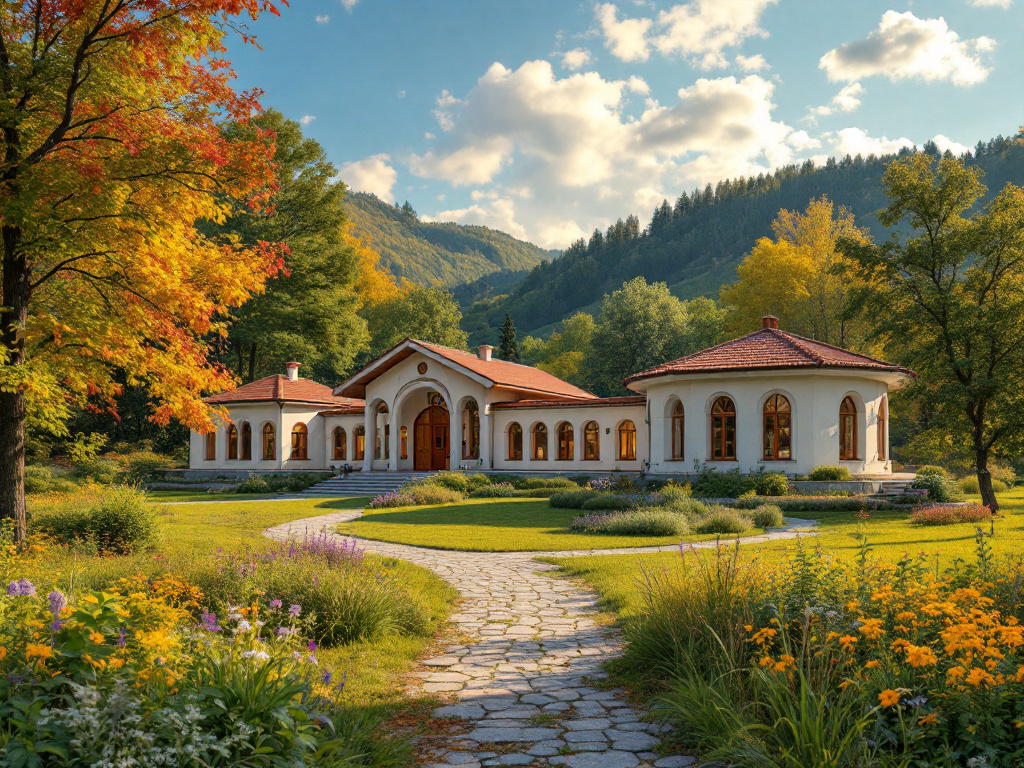
Gagauzia Cultural Center
A center dedicated to the unique culture and history of the Gagauz people in southern Moldova.
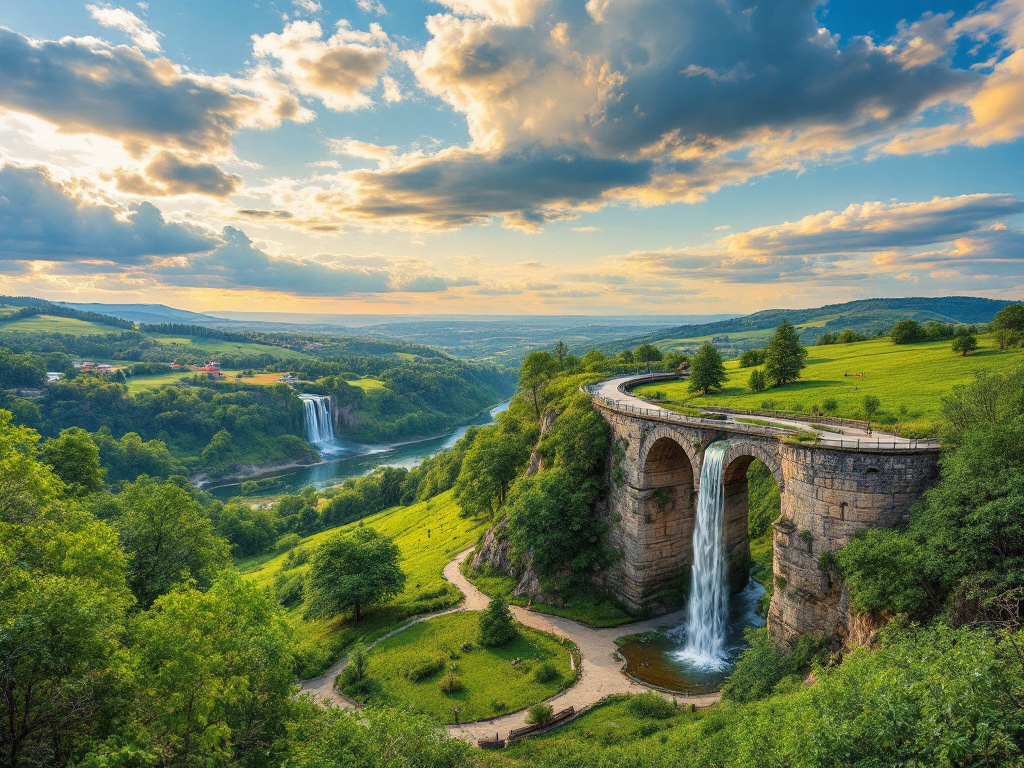
Valea Morilor Lake
A popular recreational lake and park in the capital, perfect for relaxation and exercise.
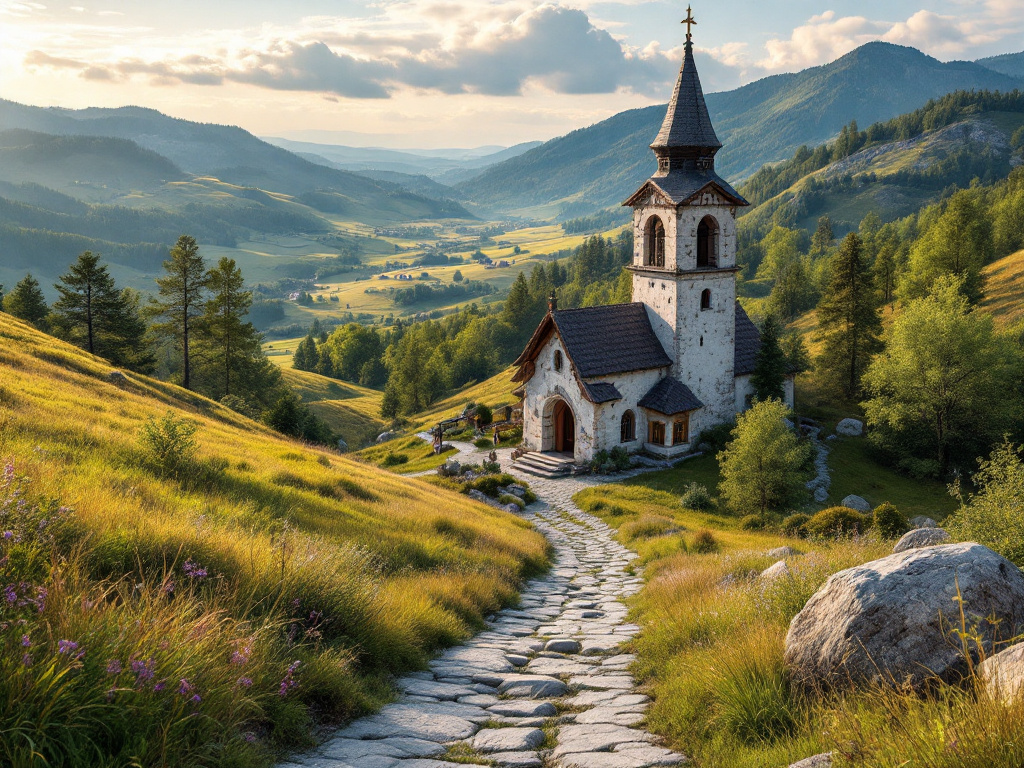
Saharna Waterfall
A scenic area with small waterfalls and religious significance for the locals.
Famous cuisine
Culinary overview
Moldovas madkultur er dybt forankret i landets landbrugstraditioner og påvirket af både rumænsk, russisk, tyrkisk og ukrainsk køkken. Måltiderne er ofte baseret på friske, lokale råvarer som majsmel, kål, kød og sæsonens grøntsager. Vin spiller en central rolle i måltiderne, og mange familier producerer deres egen vin. Traditionelle retter serveres ofte ved festlige lejligheder, og gæstfrihed er en vigtig del af spiseoplevelsen – det er ikke ualmindeligt, at man bliver budt på hjemmelavet mad og vin, selv af fremmede.
Must-try dishes
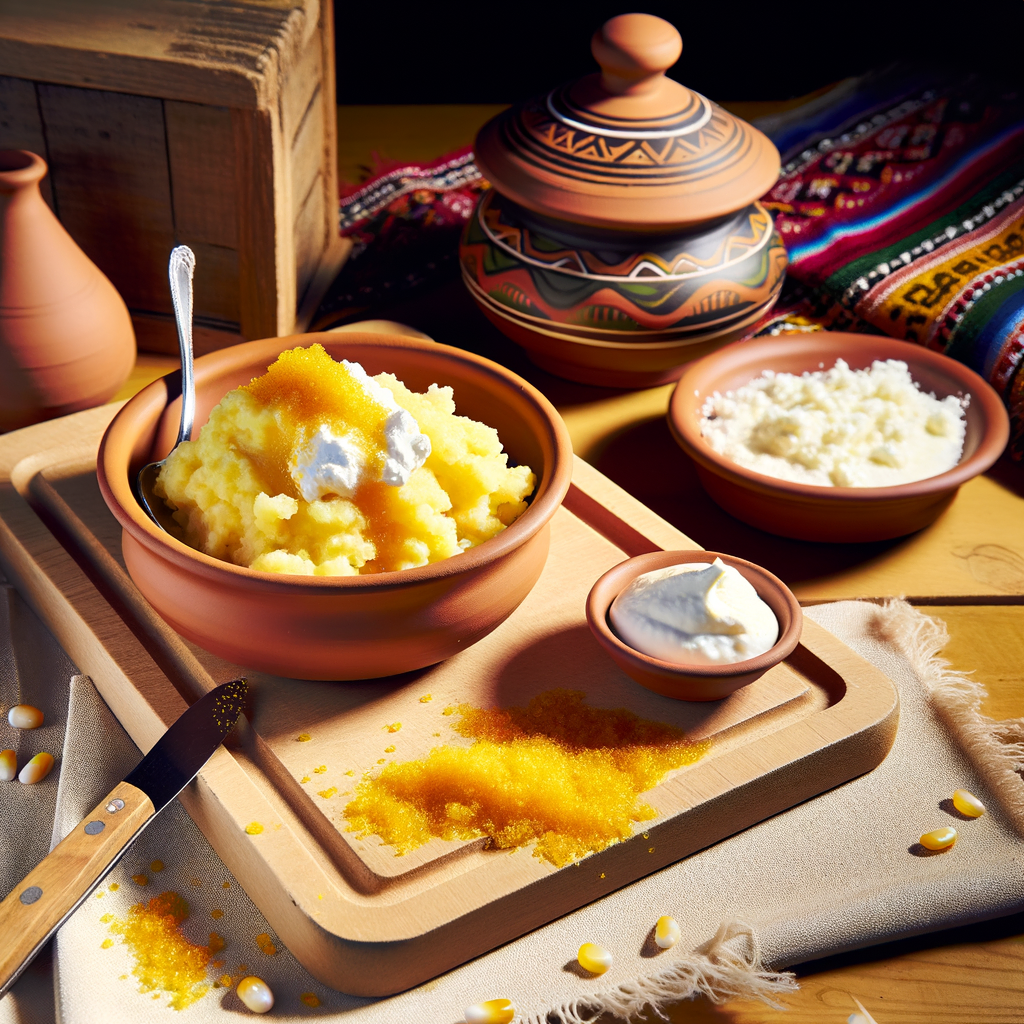
Mamaliga
En traditionel majsgrød, ofte serveret med ost, cremefraiche og gryderetter. Mamaliga er et symbol på moldovisk landkøkken og spises både til hverdag og fest.
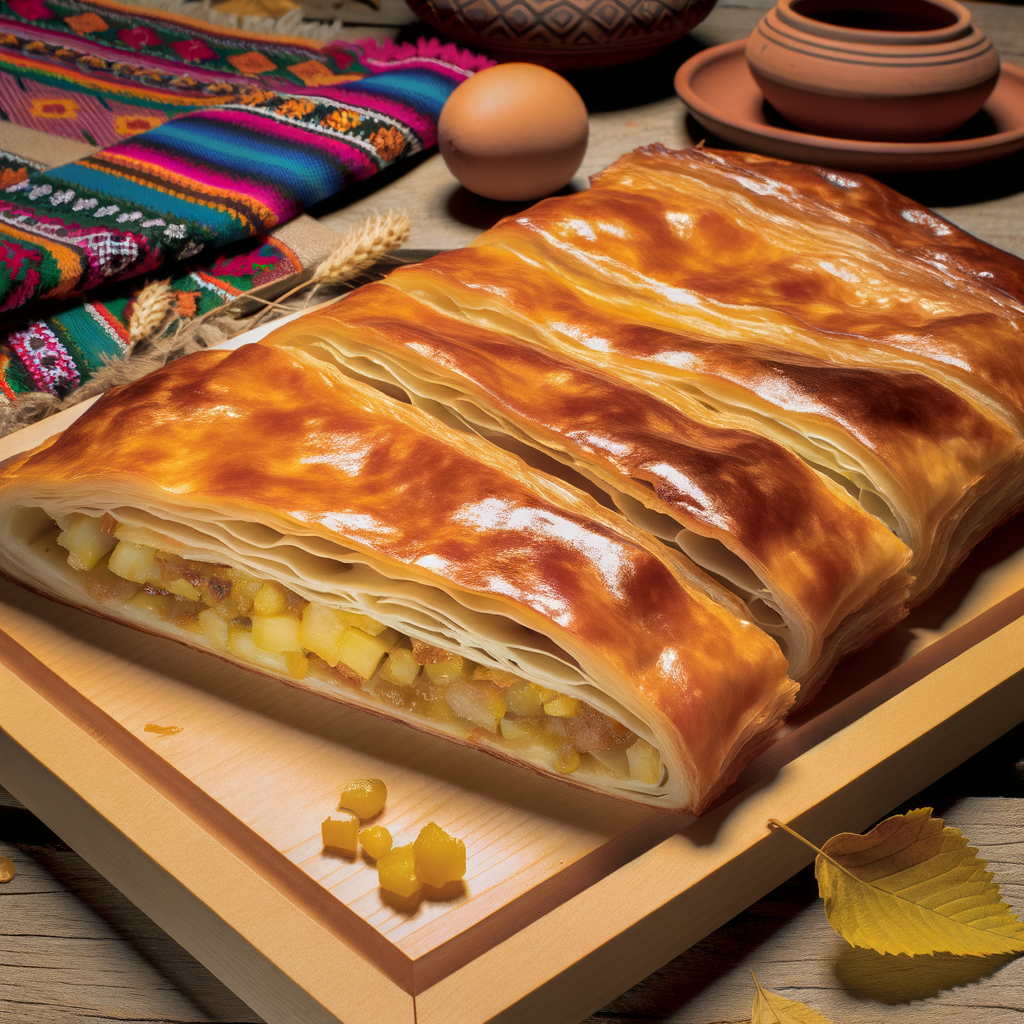
Placinta
En fyldt dejkage, der kan være sød eller salt, med fyld som ost, kartofler, kål eller æbler. Placinta er en populær snack eller morgenmad i hele landet.
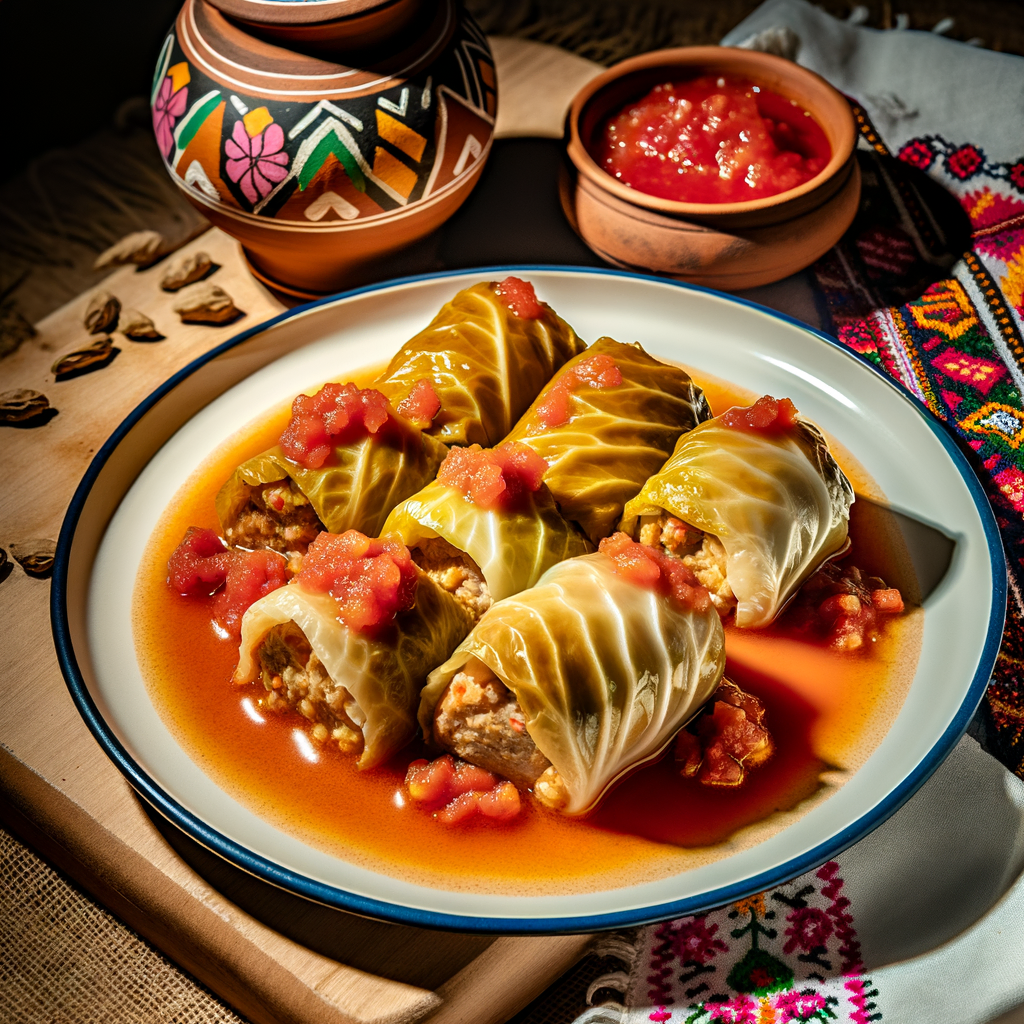
Sarmale
Kålruller fyldt med en blanding af hakket kød, ris og krydderier, kogt langsomt i tomatsauce. Serveres ofte ved højtider og familiefester.
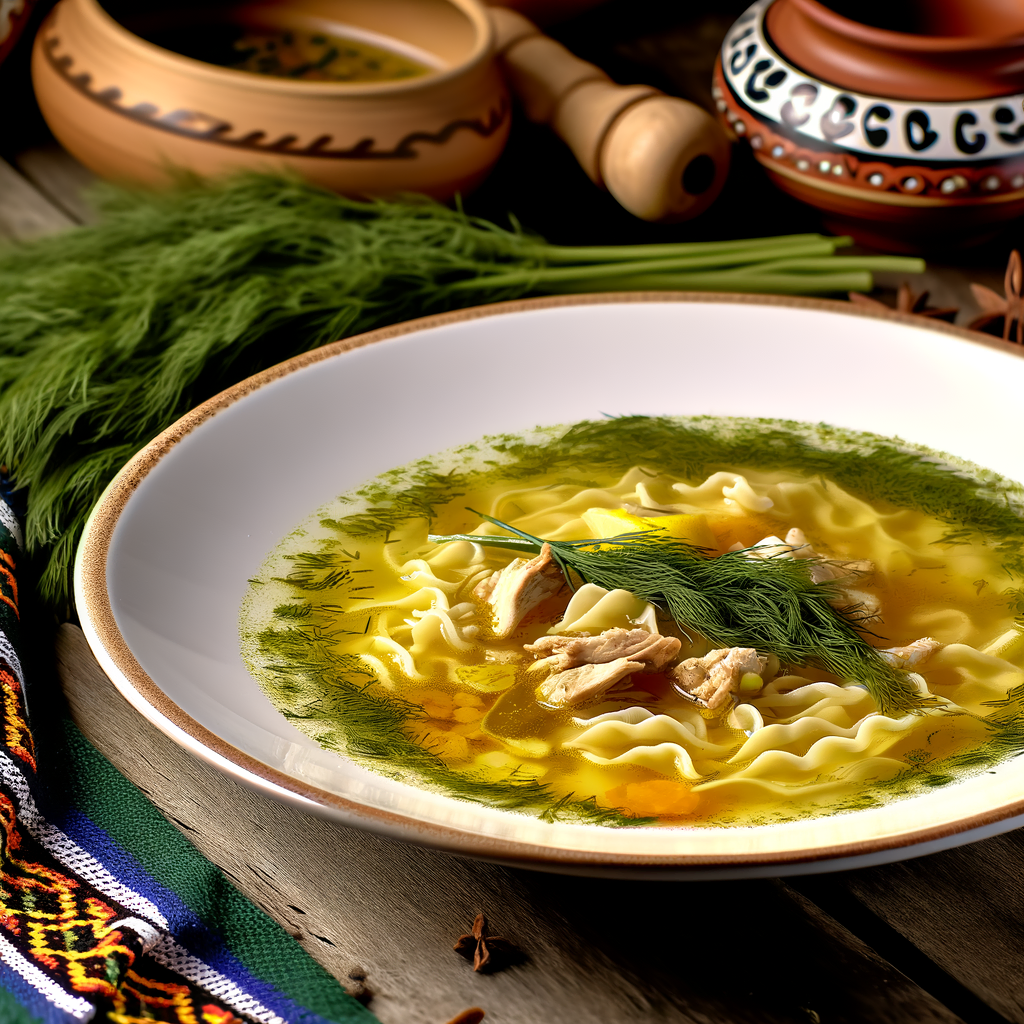
Zeama
En aromatisk kyllingesuppe med hjemmelavede nudler og frisk dild, ofte tilsat en smule citronsaft for friskhed. Zeama er en klassisk comfort food i Moldova.
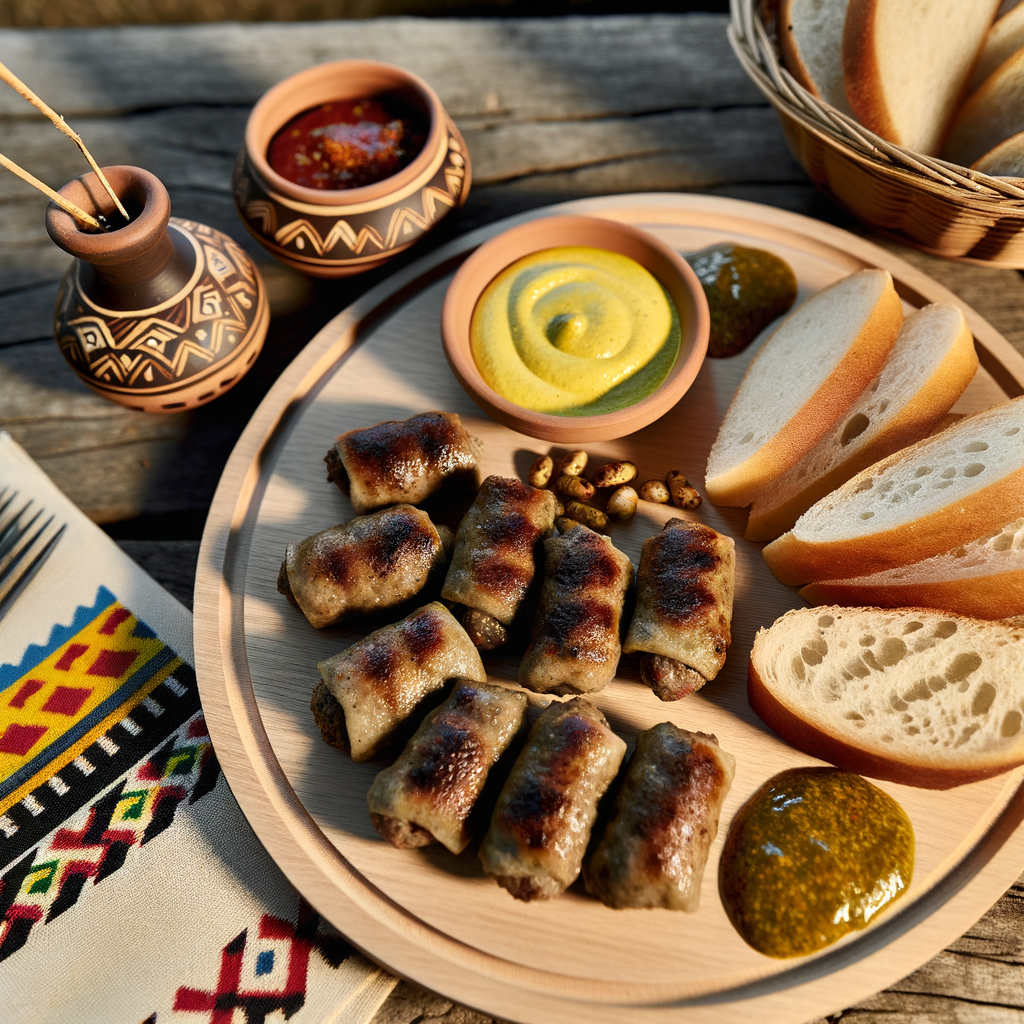
Mititei
Små, krydrede kødruller lavet af hakket okse- og svinekød, grillet og serveret med sennep og frisk brød. En favorit ved udendørs sammenkomster.
Restaurant information
Tipping
Drikkepenge er ikke obligatoriske i Moldova, men det er almindeligt at runde op eller give 5-10% af regningen som tak for god service.
Travel information
Currency
Moldovisk leu (MDL)
Language
Best time to visit
April-June and September-October
Major cities
Chișinău and other major cities
Fremhævede destinationer
Ekstraordinære steder nøje udvalgt af vores rejseeksperter, som tilbyder unikke oplevelser og betagende landskaber.
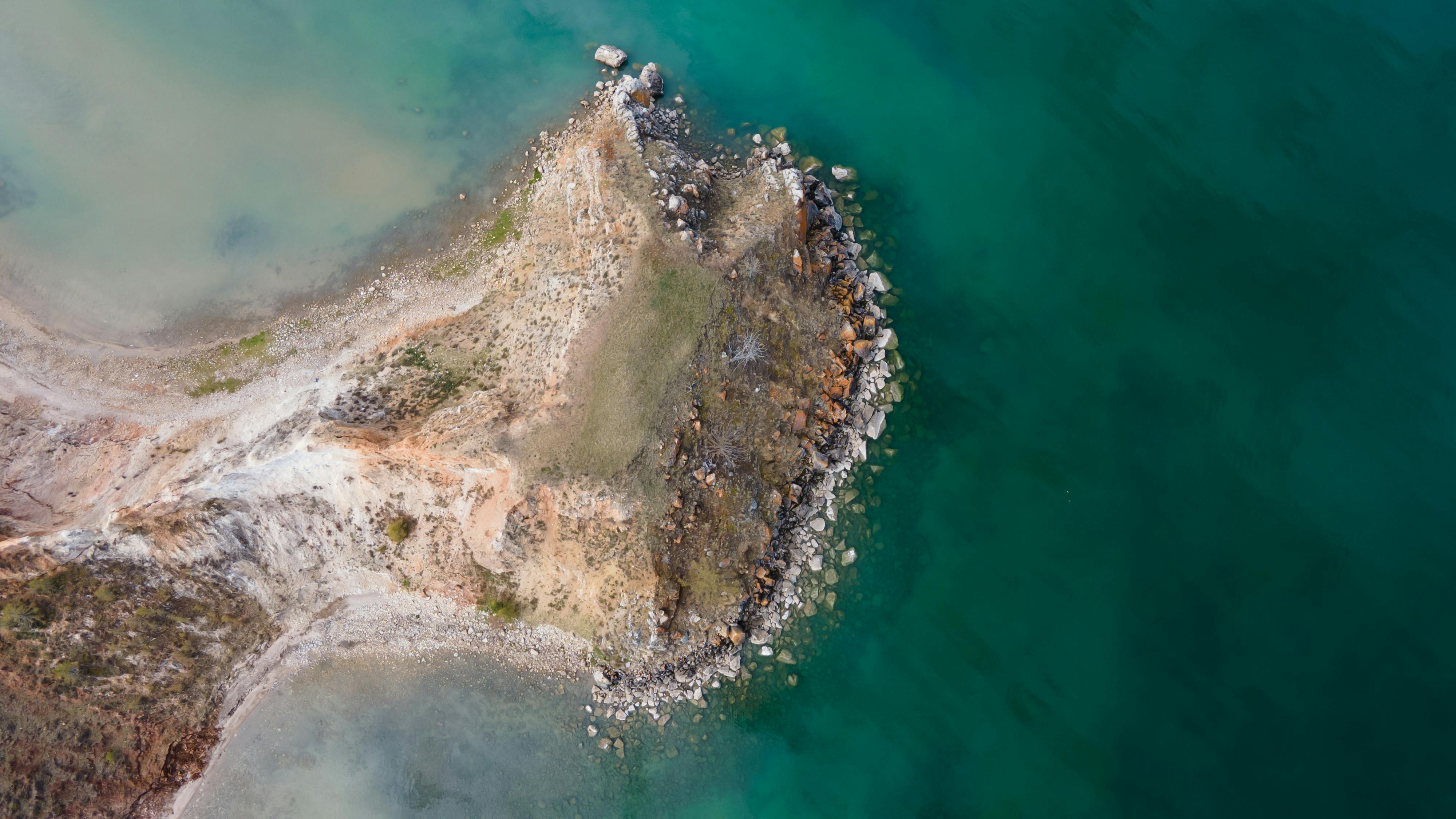
A city filled with history, green parks, and a growing wine industry.
Chisinau – Moldova's charming capital city