
Montenegro
Montenegro, where majestic mountains meet stunning beaches, offers a mix of natural beauty, rich history, and warm hospitality – proof that great experiences can come in small packages.
Overview
Montenegro is a hidden gem in Eastern Europe, where dramatic mountains meet the glistening Adriatic coast. Explore the UNESCO-protected Kotor with its Venetian fortifications, luxuriate on the beaches of Sveti Stefan, and embark on wild adventures in Durmitor National Park, home to the breathtaking Tara Canyon – the deepest in Europe. The country seamlessly combines Mediterranean charm with Balkan spirit, offering everything from historic monasteries to thrilling white-water rafting. With its compact size, warm hospitality, and ideal climate from May to September, Montenegro is perfect for those seeking a blend of culture, nature, and relaxation.
Official language
Montenegrin
Government
Parliamentary republic
Best time to visit
May-September
Nature
Montenegro is a breathtaking mosaic of diverse landscapes, where dramatic mountains plunge into the shimmering Adriatic Sea. Its coastline boasts crystal-clear bays, golden beaches, and charming fishing villages, while the rugged interior is dominated by the soaring Dinaric Alps. The UNESCO-listed Durmitor National Park is a highlight, featuring snow-capped peaks, icy glacial lakes, and the awe-inspiring Tara River Canyon, the deepest in Europe, perfect for rafting and kayaking. With lush valleys, blooming meadows, and rugged highlands, Montenegro is a paradise for outdoor enthusiasts, offering hiking, biking, and climbing. The coastline is adorned with verdant olive groves and vineyards, while untouched nature reserves inland are home to bears, wolves, and rare bird species. Thanks to the unique combination of sea and mountains, it is possible to ski in the morning and swim in the sea by afternoon. Montenegro truly is an outdoor haven where nature's contrasts create unforgettable experiences. The best time to visit is from May to September when the weather is warm and sunny, perfect for both beach fun and mountain adventures.
Travel to Montenegro
Visiting Montenegro is like stepping into a compact land of adventure, where you can experience both glamorous coastlines and rugged mountains in just a few days. The country is easily accessible via Podgorica and Tivat airports, with many choosing to arrive by ferry from Italy. The optimal time for a visit is from May to September, when sunny weather highlights both beach activities and hiking. Travelers can explore the UNESCO-protected Kotor, indulge in luxury on Sveti Stefan, trek through Durmitor, or go rafting in Tara Canyon. Montenegro is also ideal for road trips, with short distances and routes boasting spectacular views. With a cost of living often lower than neighboring countries and a welcoming populace, visitors enjoy great value for their money. Whether you're after cultural experiences, outdoor adventures, or beach relaxation, Montenegro is a destination that promises to surprise and delight.
Culture
Montenegro's culture is a captivating blend of Balkan traditions and Mediterranean influences, shaped by centuries of encounters between East and West. In ancient towns like Kotor and Budva, the Venetian heritage is palpable in the architecture, while remote mountain villages preserve ancient customs, music, and folk costumes. The nation's religious diversity is reflected in its Orthodox monasteries like Ostrog, Catholic churches, and mosques, each a testament to its complex history. Hospitality is a cornerstone of life here; visitors are often invited to share a meal with locals, featuring specialties like Njeguški pršut, cevapi, and burek served with pride. Music and dance play a central role in festivals and weddings, where traditional gusle songs narrate stories of heroism and love. Handicrafts such as embroidery, wood carving, and ceramics persist as part of the national identity, making Montenegro a place where culture is not just seen but profoundly experienced through tastes, sounds, and human connections.
History
Montenegro's history is marked by resilience and a quest for independence. The region has been inhabited since ancient times and has witnessed periods under Roman, Byzantine, and Ottoman rule. In the Middle Ages, small principalities emerged, many maintaining a remarkable degree of autonomy even during the Ottoman Empire. Renowned for their mountain warriors, Montenegrins became symbols of freedom in the Balkans. In the 19th century, Montenegro gained international recognition as an autonomous principality and later kingdom. After a period as part of Yugoslavia, Montenegro regained its independence in 2006. This rich history is alive in the numerous fortresses, monasteries, and monuments that stand as testaments to a proud and independent nation.
Top attractions
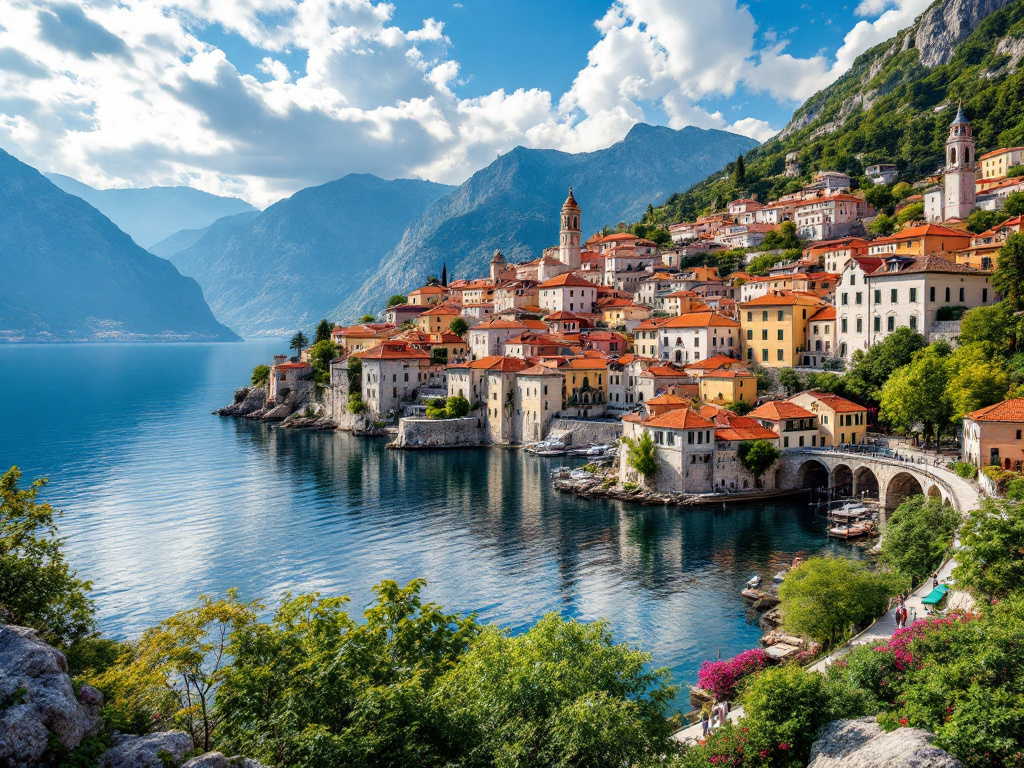
Kotor Old Town
A well-preserved medieval town with narrow cobblestone streets, historic churches, and impressive city walls.
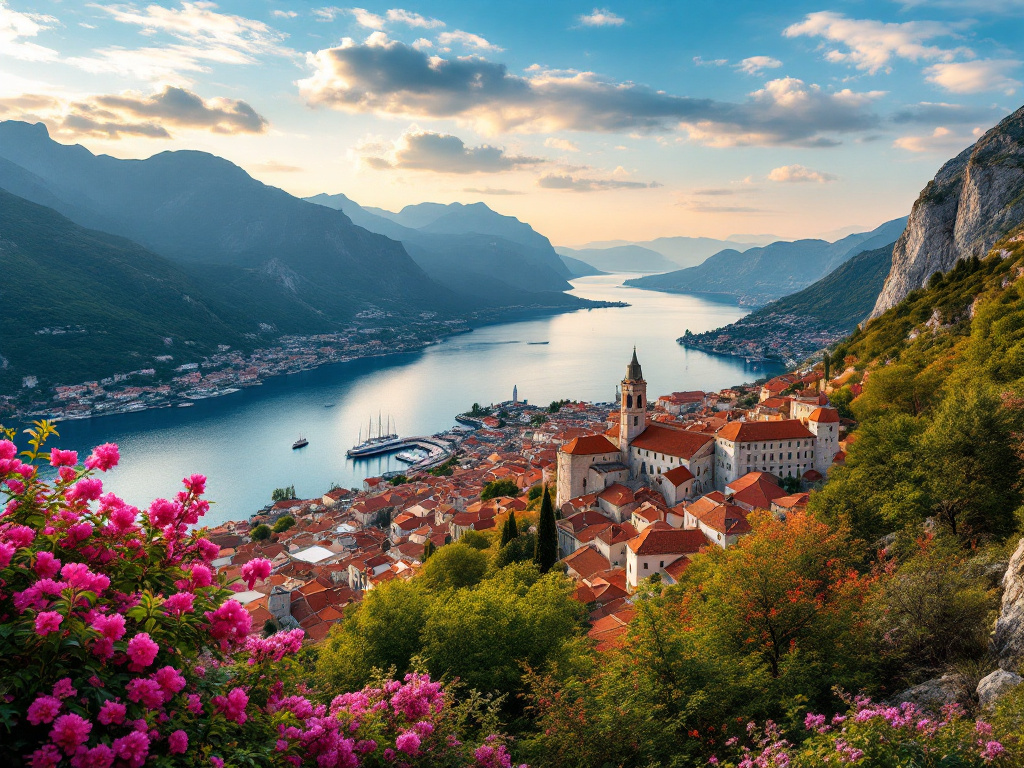
St. John's Fortress
A mountain fortress overlooking Kotor with spectacular views of the bay and city.
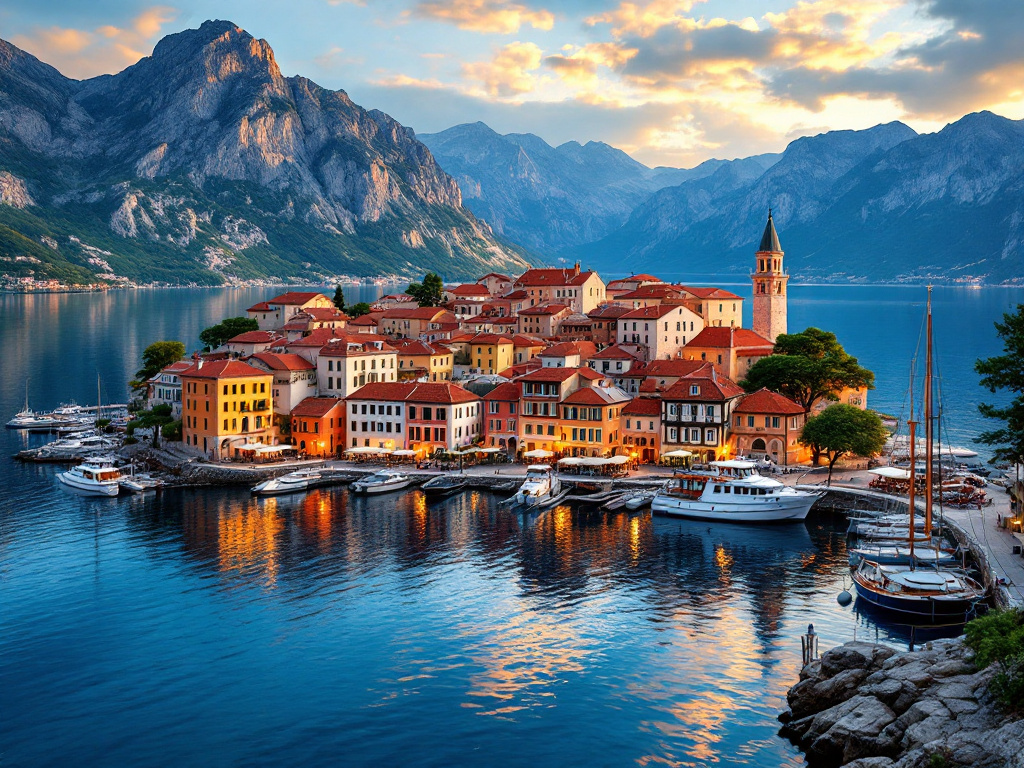
Perast
A small historical coastal town known for its beautiful architecture and calm atmosphere.
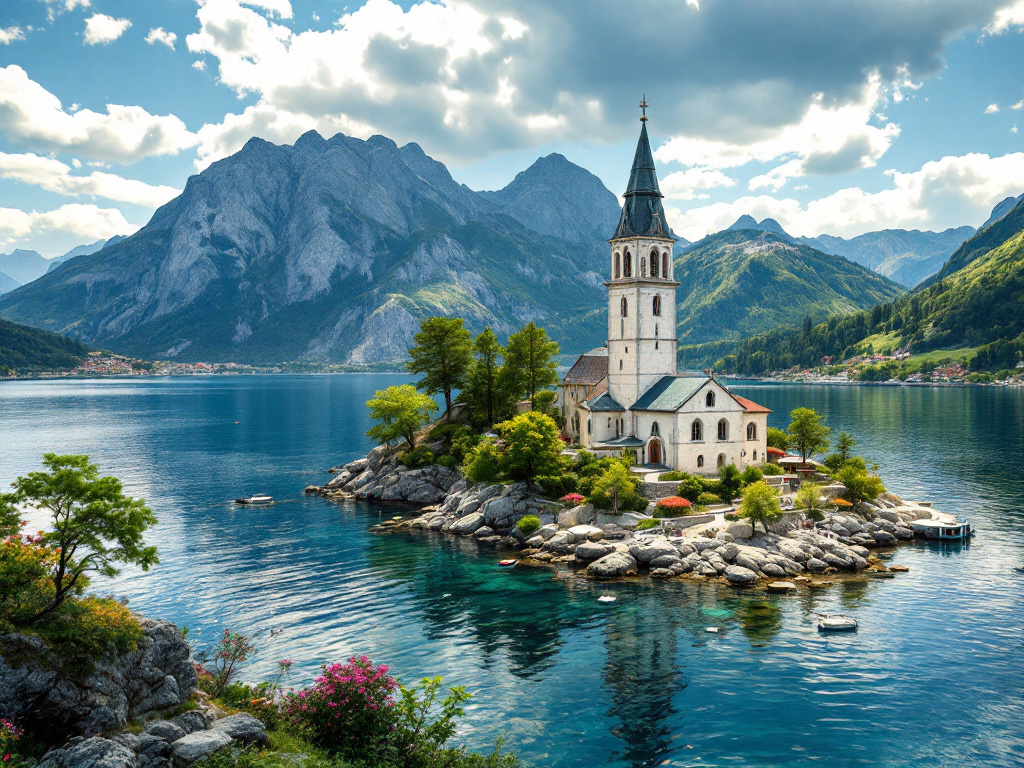
Our Lady of the Rocks
A unique artificial island with a historic church, built on stones thrown into the sea over centuries.
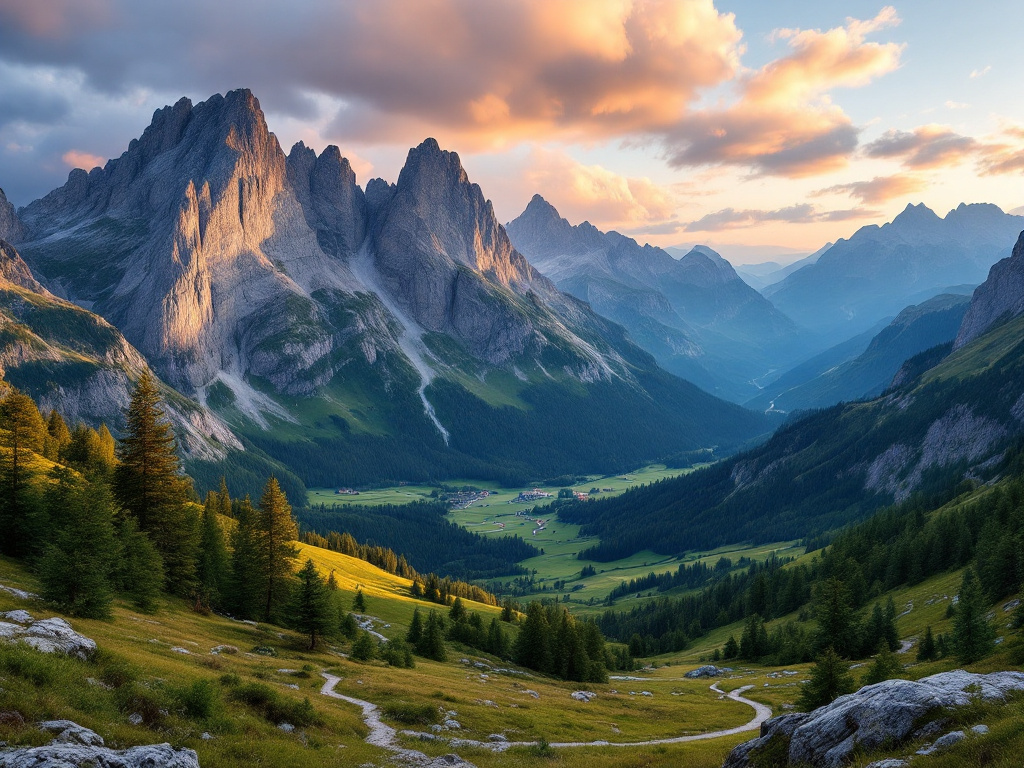
Durmitor National Park
A spectacular national park with mountains, glacial lakes, and deep gorges.
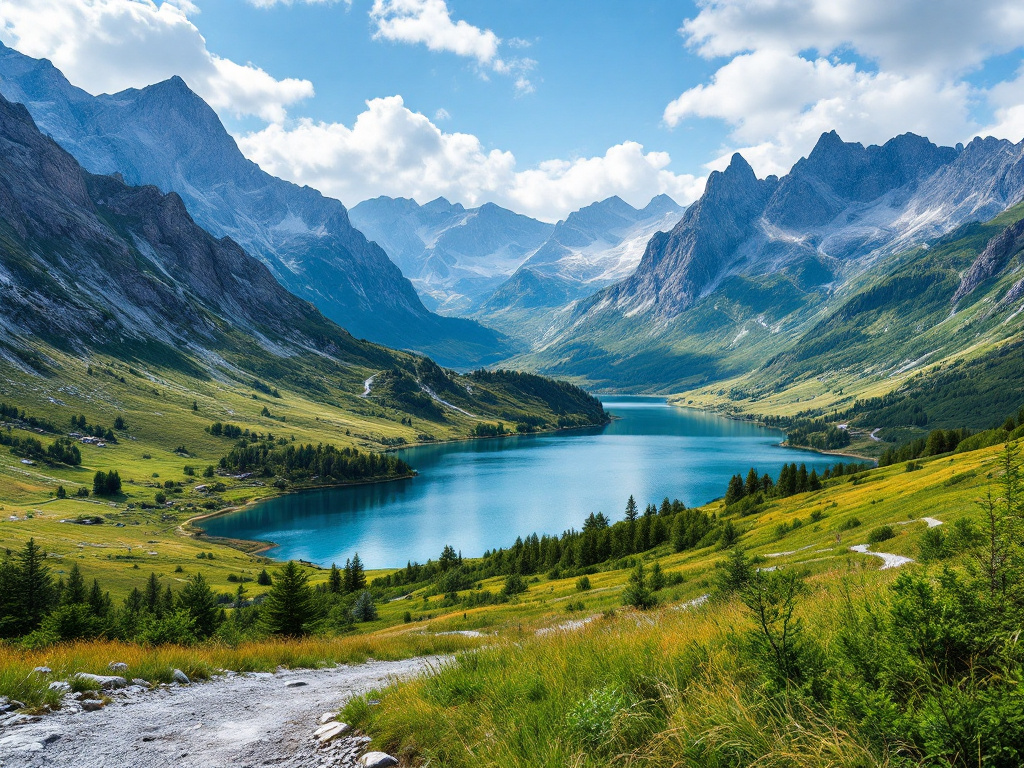
Black Lake
A beautiful glacial lake surrounded by pine forest and mountain peaks.
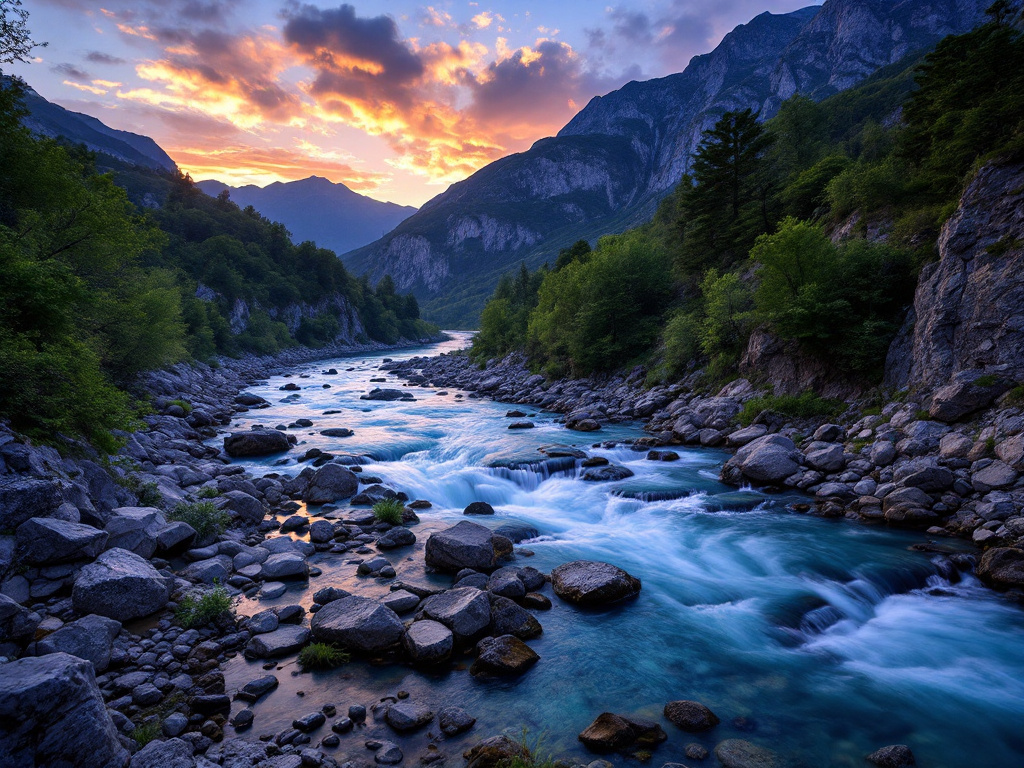
Tara Canyon
A dramatic river canyon known for rafting and wild nature experiences.
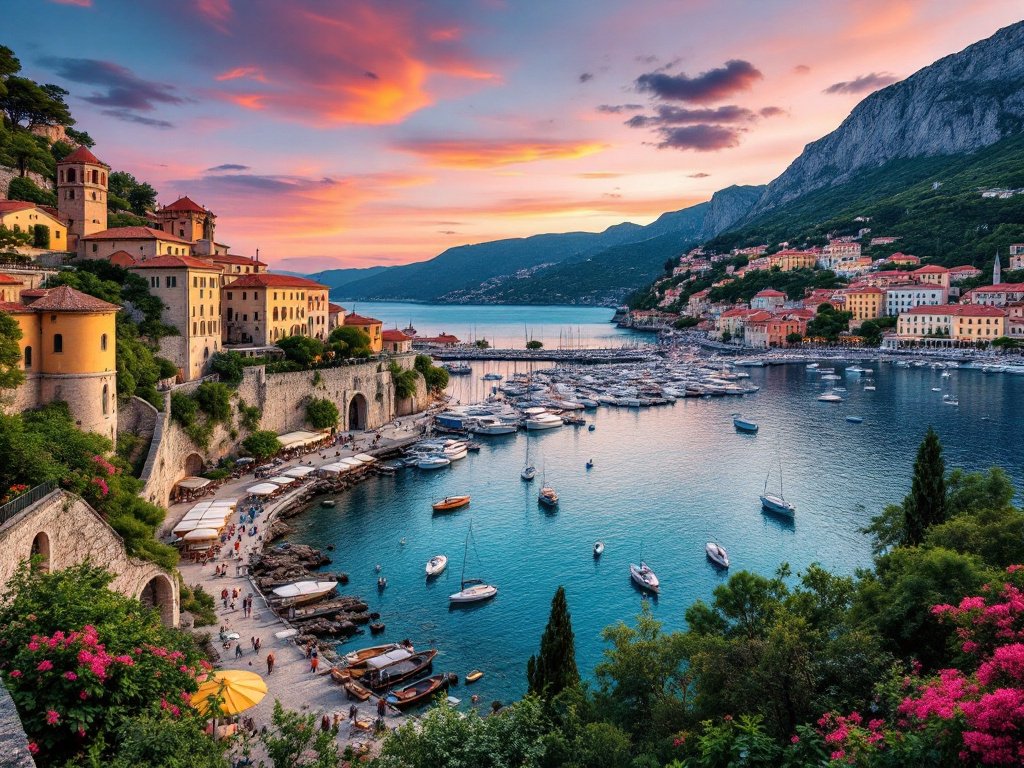
Budva Old Town
A historic city core by the Adriatic Sea with beaches, cafes, and ancient walls.
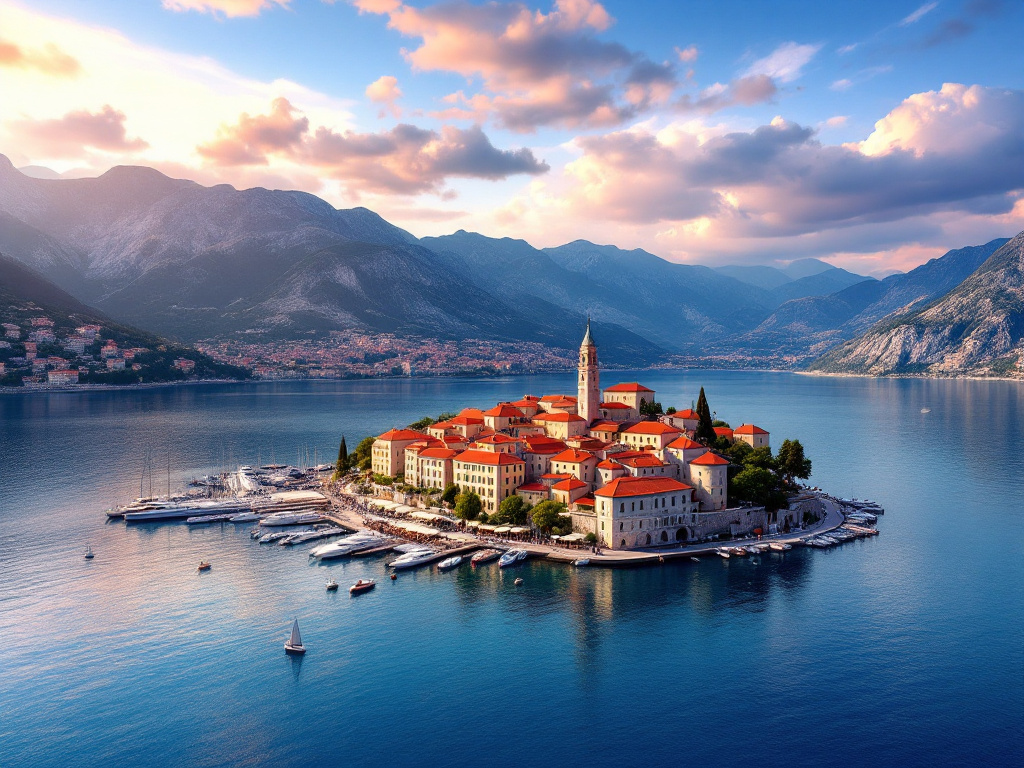
Sveti Stefan
One of Montenegro's most photographed spots with a small island connected to the mainland.
Famous cuisine
Culinary overview
Montenegro's cuisine is a harmonious blend of Balkan traditions and Mediterranean influences. Along the coast, fresh fish and seafood dominate, often prepared simply with olive oil, lemon, and herbs. In the mountainous areas, you find heartier dishes such as stews, smoked meats, and corn-based specialties. The country is known for its local cheeses, wines, and the air-dried ham Njeguški pršut. Markets are filled with fresh vegetables, olives, and homemade products, and meals are often enjoyed at a relaxed pace with family and friends.
Must-try dishes
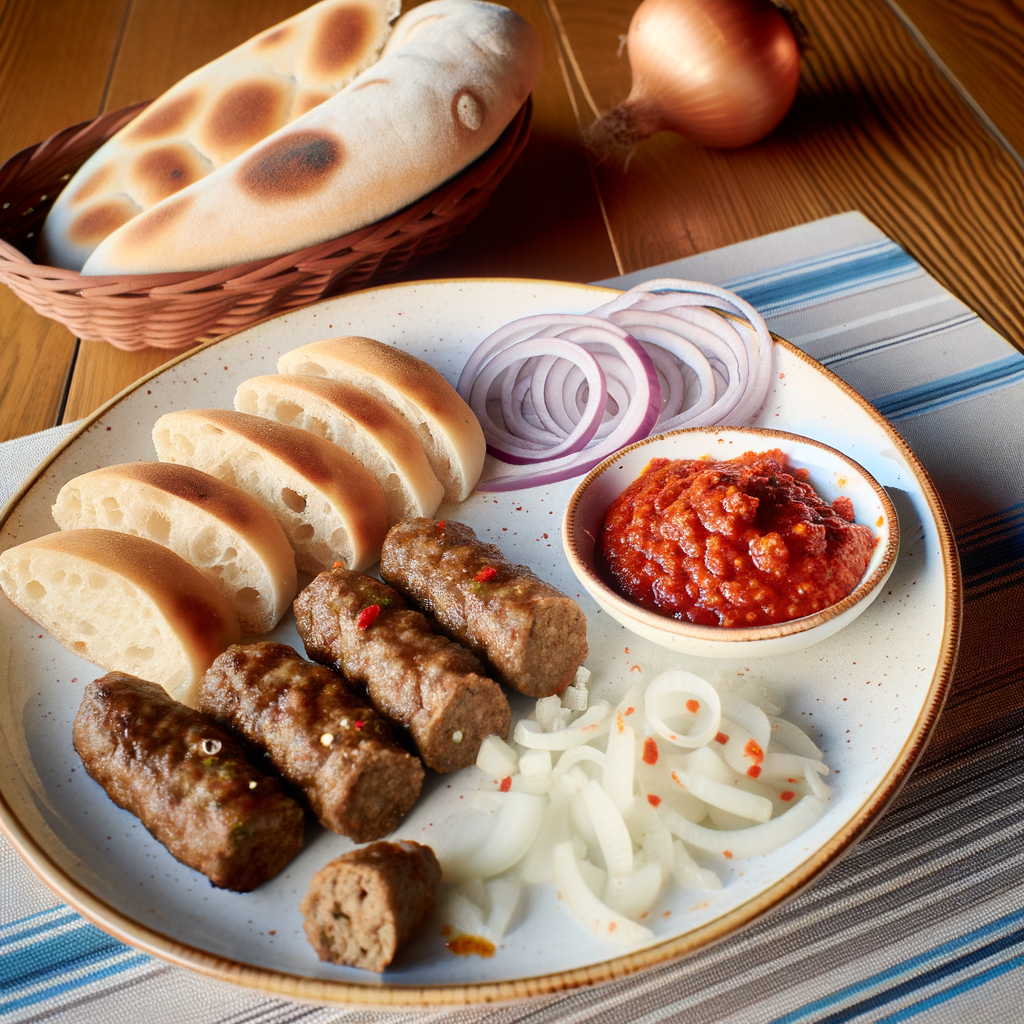
Cevapi
Small, spiced minced meat rolls made from beef or lamb, served with freshly baked lepinja bread, chopped onions, and ajvar – a pepper and eggplant puree.
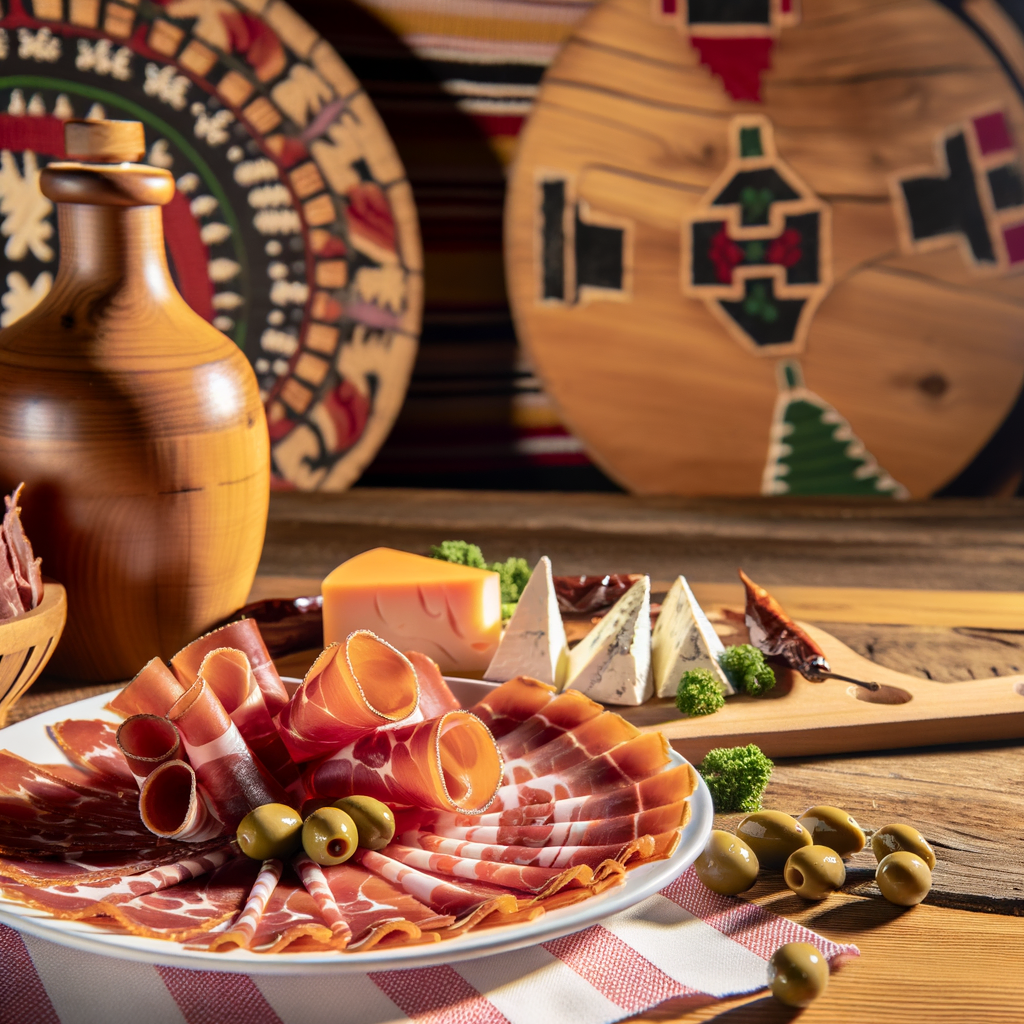
Njeguški pršut
A famous air-dried ham from the village of Njeguši, smoked over beech and dried in mountain air, often served in thin slices with cheese and olives.
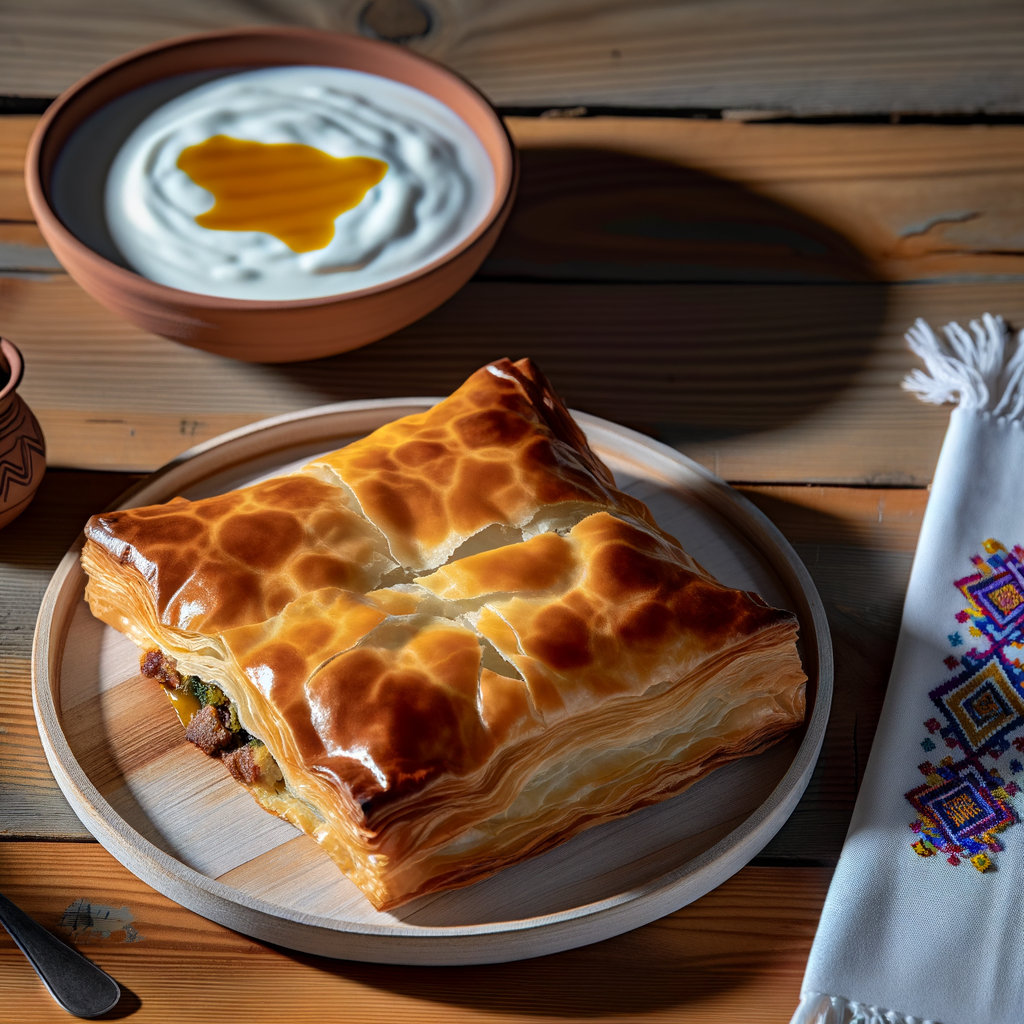
Burek
A crispy puff pastry pie filled with either meat, cheese, or spinach, often eaten for breakfast with yogurt.
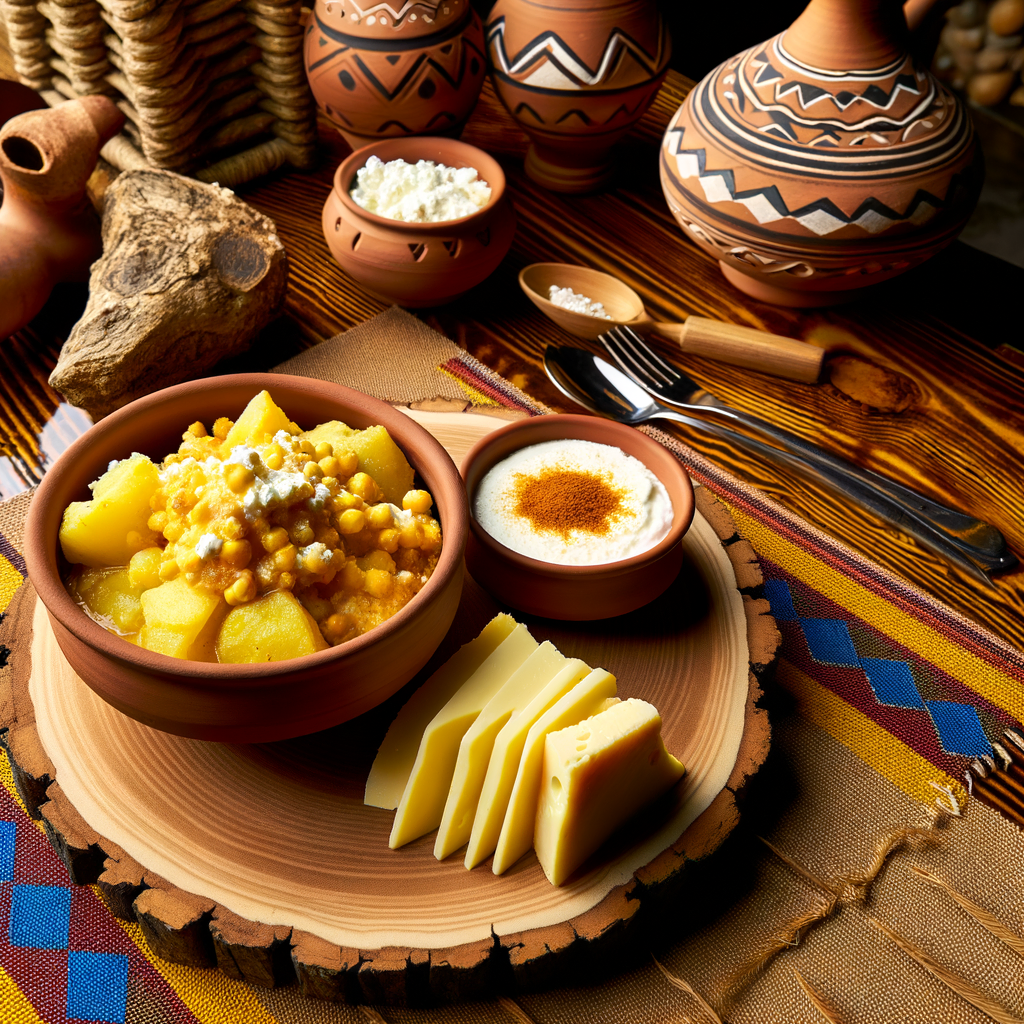
Kacamak
A traditional mountain dish made from cornmeal and potatoes, served with fresh cheese or kajmak (a creamy dairy product).
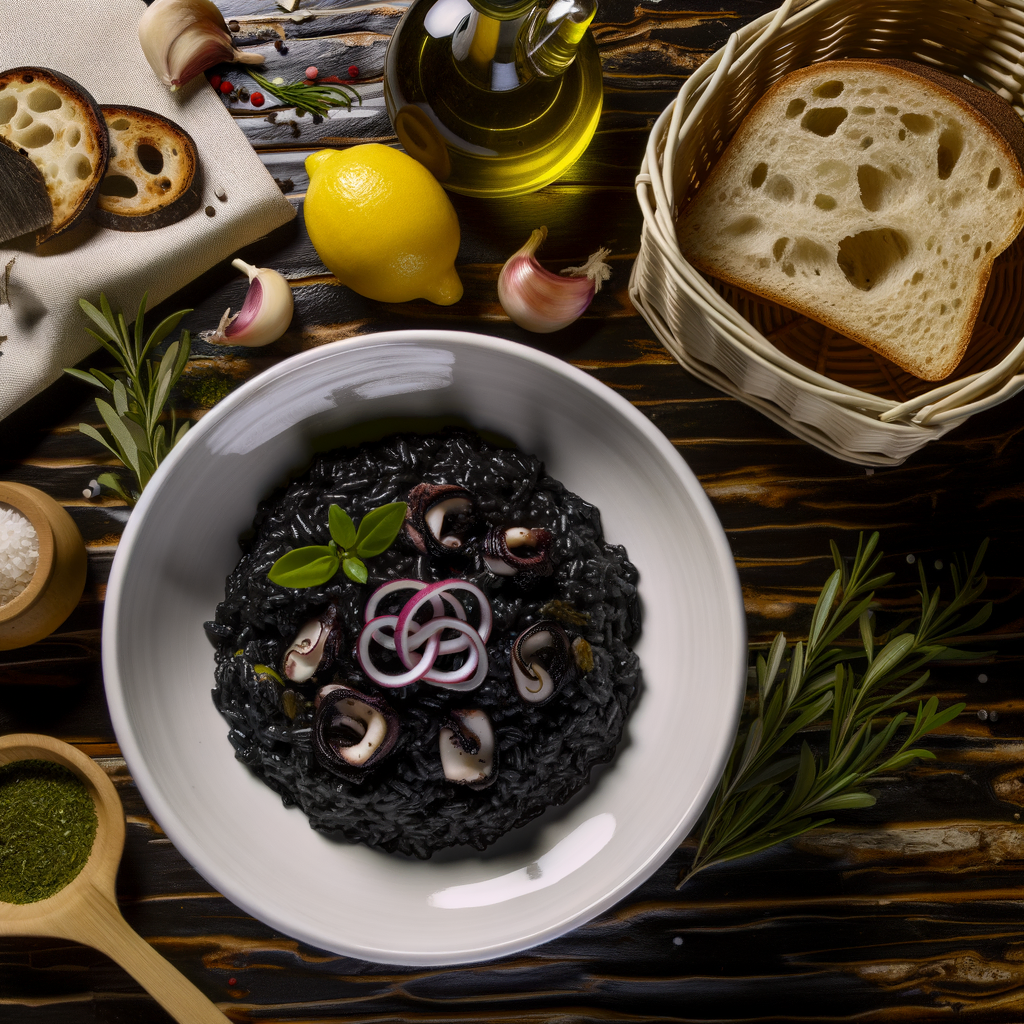
Crni Rižot
A black squid risotto, popular along the coast, prepared with fresh squid and squid ink for an intense sea flavor.
Restaurant information
Tipping
Tipping is not mandatory in Montenegro, but it is appreciated to round up or give around 5-10% of the bill, especially in restaurants with table service.
Travel information
Currency
Euro (€)
Language
Montenegrin
Best time to visit
May-September
Major cities
Podgorica and other major cities
More countries in Europe
Discover more destinations in this region