
Madagascar
Madagascar, the jewel of the Indian Ocean, captivates with its unique wildlife, majestic baobab trees, lush rainforests, and pristine beaches – a paradise for adventurers unlike any other place.
Overview
Madagascar, the jewel of the Indian Ocean, is a true paradise for adventurous travelers. This enchanting island captivates with its iconic baobab trees, dramatic limestone formations of Tsingy de Bemaraha, lush rainforests teeming with endemic lemurs, and pristine beaches of Nosy Be. Here, stunning nature meets rich cultural heritage, from UNESCO-protected royal hills to vibrant markets and delectable local dishes. With an ideal climate from April to October, Madagascar stands out as a unique destination where you can blend hiking, diving, and cultural experiences into one unforgettable journey.
Official language
Malagasy and French
Government
republic
Best time to visit
April-October
Nature
Madagascar's nature is among the most unique and diverse in the world. Over 90% of its flora and fauna are found nowhere else on the planet, making it a true haven for nature enthusiasts. Iconic sites like the Avenue of the Baobabs rise majestically across the landscape, while the dramatic limestone formations of Tsingy de Bemaraha astonish with their rugged splendor and deep gorges. In the lush rainforests of Atsinanana, you can encounter rare lemurs, colorful chameleons, and an array of exotic birds. National parks such as Andasibe-Mantadia and Ranomafana offer hiking trails through dense jungles, cascading waterfalls, and thermal springs. Coastal regions, especially around Nosy Be, boast white sandy beaches, vibrant coral reefs, and crystal-clear waters, perfect for snorkeling and diving. The best time to experience Madagascar's breathtaking nature is from April to October when the climate is dry and pleasant, ideal for both outdoor adventures and relaxation on the beach.
Travel to Madagascar
Traveling to Madagascar is a once-in-a-lifetime experience, where adventure, nature, and culture conveniently intertwine. The best time to visit is from April to October, when the weather is dry and comfortable, making it perfect for hiking in national parks and relaxing on the beach. Flights typically arrive in the capital, Antananarivo, from where you can explore various regions of the island. Consider guided tours to destinations like the Avenue of the Baobabs, boat trips to Nosy Be, or trekking adventures in Tsingy de Bemaraha. Madagascar is ideal for travelers seeking to escape mass tourism and embrace something truly unique. Accommodation ranges from simple guesthouses to luxurious lodges in natural settings. With its combination of spectacular landscapes, rare wildlife, and warm local communities, Madagascar is a destination that promises lasting memories.
Culture
Madagascar's culture is a captivating blend of African, Asian, and European influences, shaped by centuries of trade and migration. Malagasy is the primary language spoken, but French is also widely used, especially in urban areas. Music and dance are integral to daily life, with rhythms and melodies that reflect the island's diverse roots. Local crafts, such as wood carving, weaving, and jewelry making, are prevalent, often inspired by the forms and colors of nature. The cuisine is a delightful culinary journey, featuring dishes like the aromatic national dish romazava, grilled zebu, and the sweet treat koba made from peanuts and rice. Traditions and rituals, including famadihana (the reburial of ancestors), demonstrate a deep respect for lineage and a strong sense of community among the Malagasy people. A visit to local markets and villages offers an authentic glimpse into everyday life and the renowned hospitality of the Malagasy.
History
Madagascar's history is marked by migration, kingdoms, and colonialism. The island was first settled by people from both Southeast Asia and East Africa, creating a unique ethnic and cultural tapestry. From the 16th to 19th centuries, several powerful kingdoms emerged, including the Merina kingdom, which unified much of the island. Ambohimanga, a UNESCO World Heritage site, served as an important political and spiritual center for the Merina people. In the late 19th century, Madagascar became a French colony, significantly impacting its language, architecture, and infrastructure. The nation achieved independence in 1960 and has since endeavored to preserve its cultural heritage and remarkable natural environment.
Top attractions
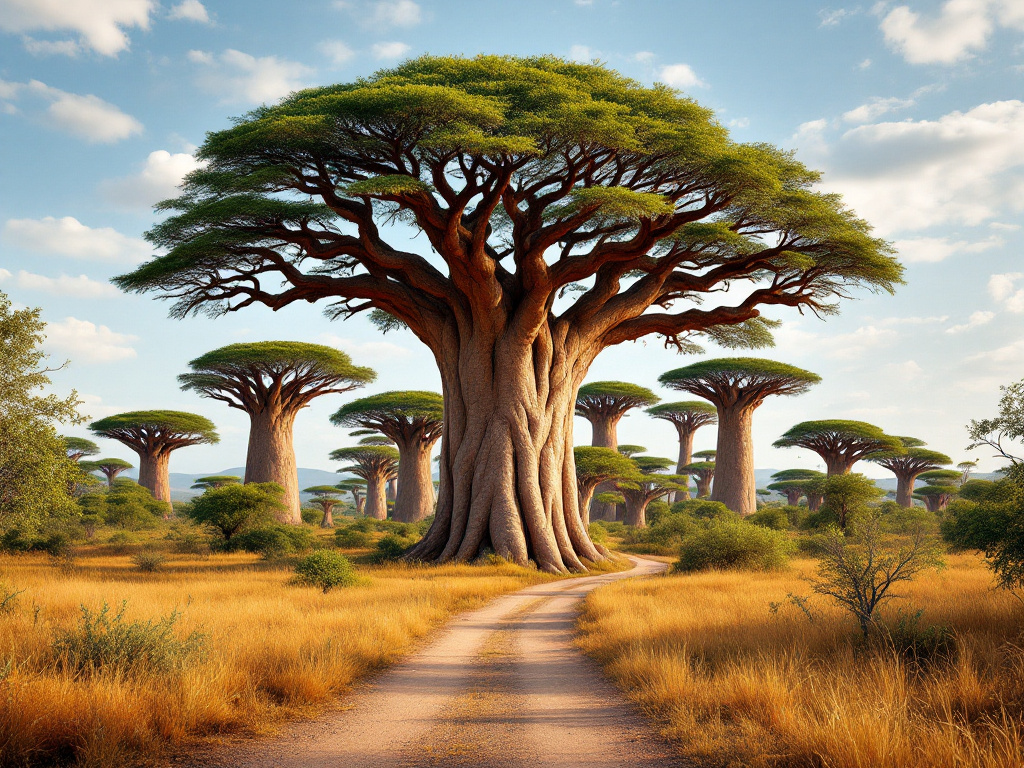
Avenue of the Baobabs
A famous dirt road surrounded by majestic baobab trees, which has become a symbol of Madagascar's unique nature.
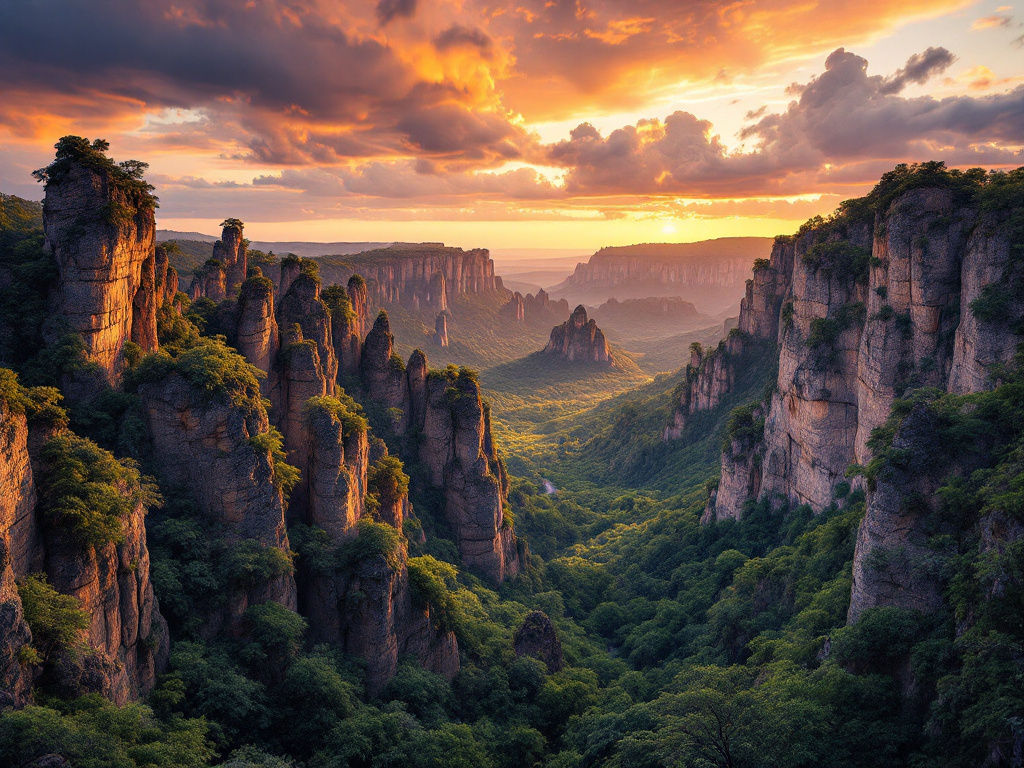
Tsingy de Bemaraha National Park
A dramatic landscape of pointed limestone cliffs, known as a stone forest, and one of Madagascar's most spectacular natural areas.
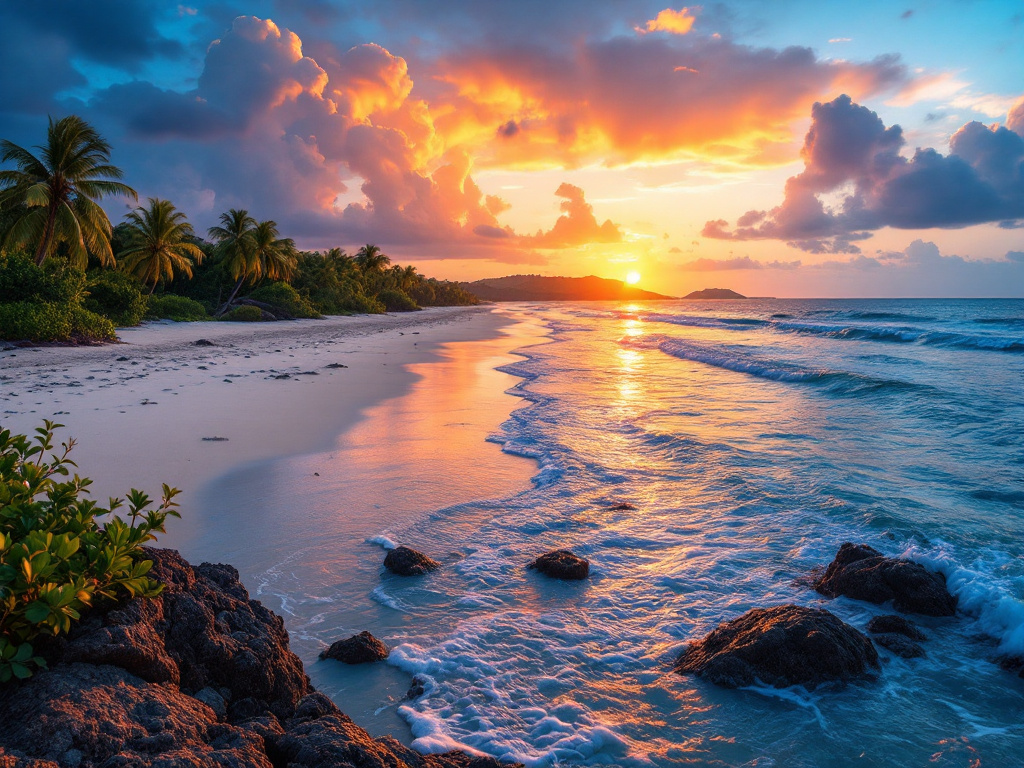
Nosy Be
A popular tropical island known for its beaches, marine life, and relaxed atmosphere.
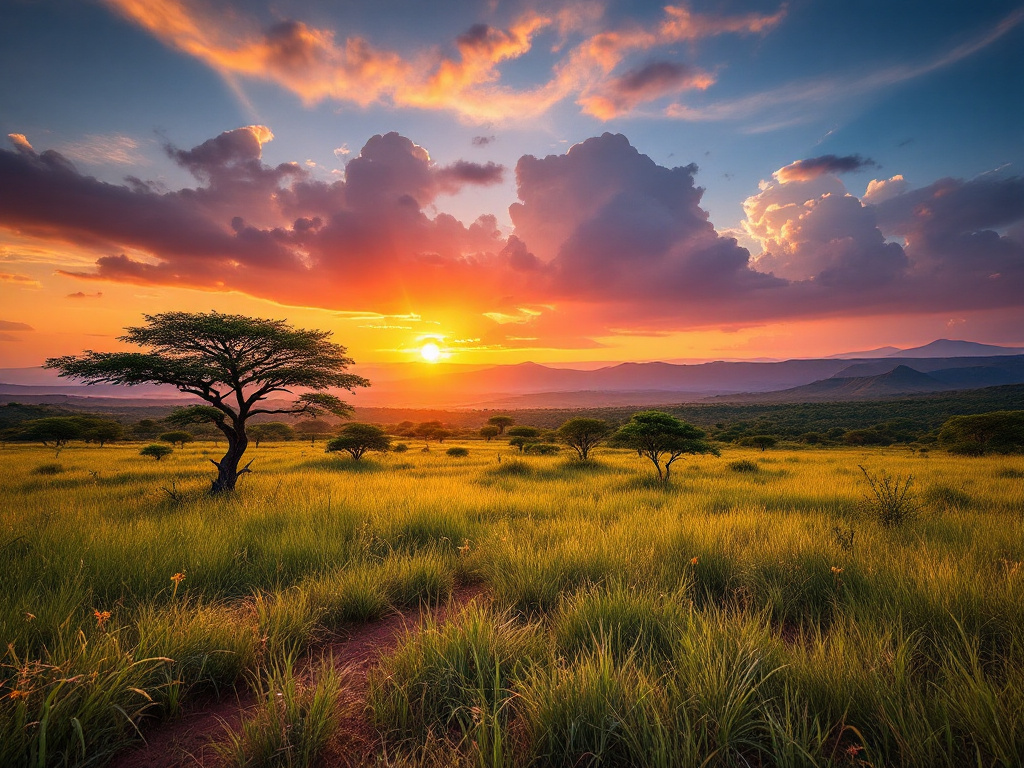
Ranomafana National Park
A lush national park with high biodiversity and some of the world's rarest primates.
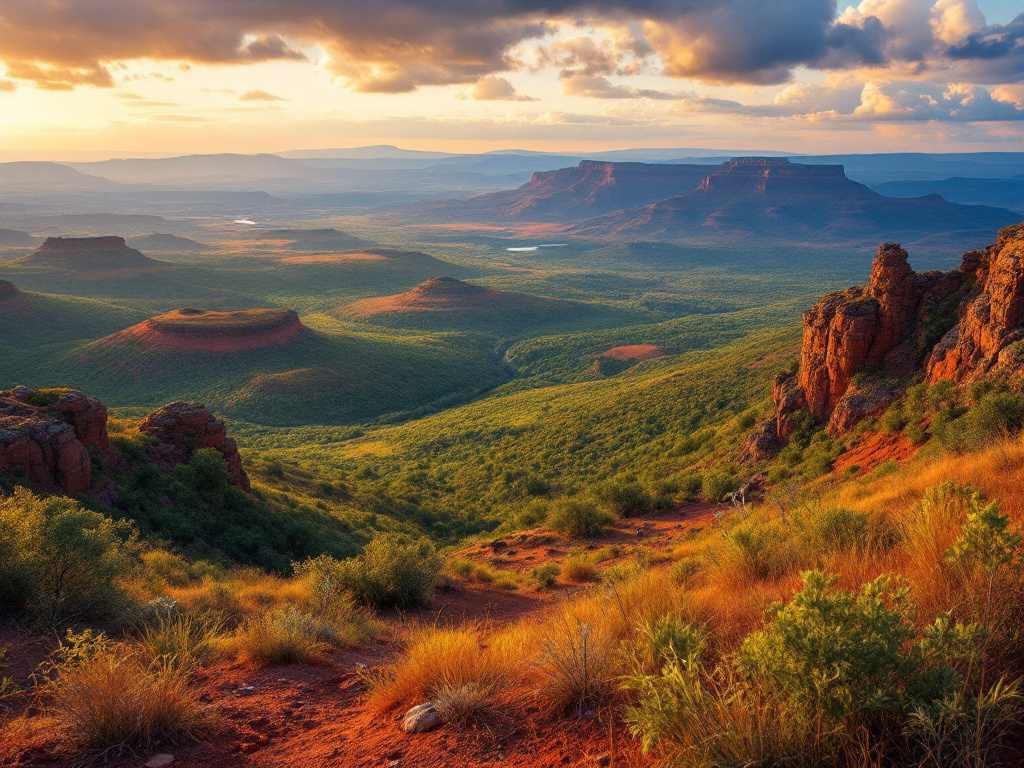
Isalo National Park
A dramatic and dry landscape with canyons, plateaus, and hidden oases, perfect for hiking.
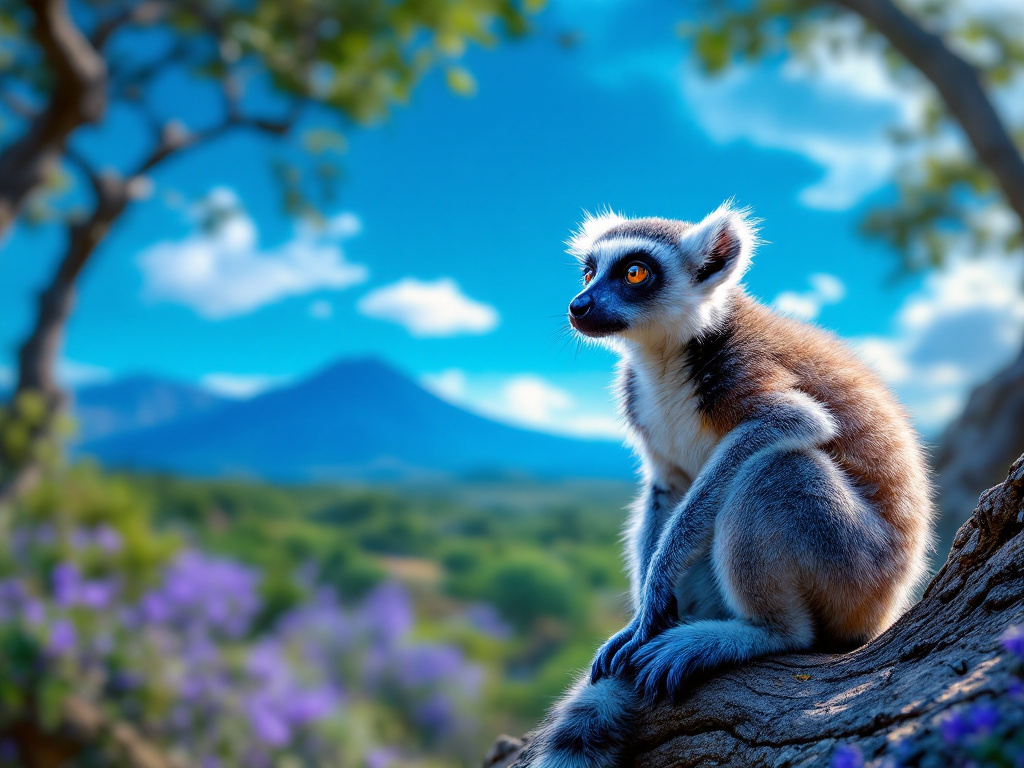
Lemur Park
A private park near the capital where visitors can experience lemurs up close in natural surroundings.
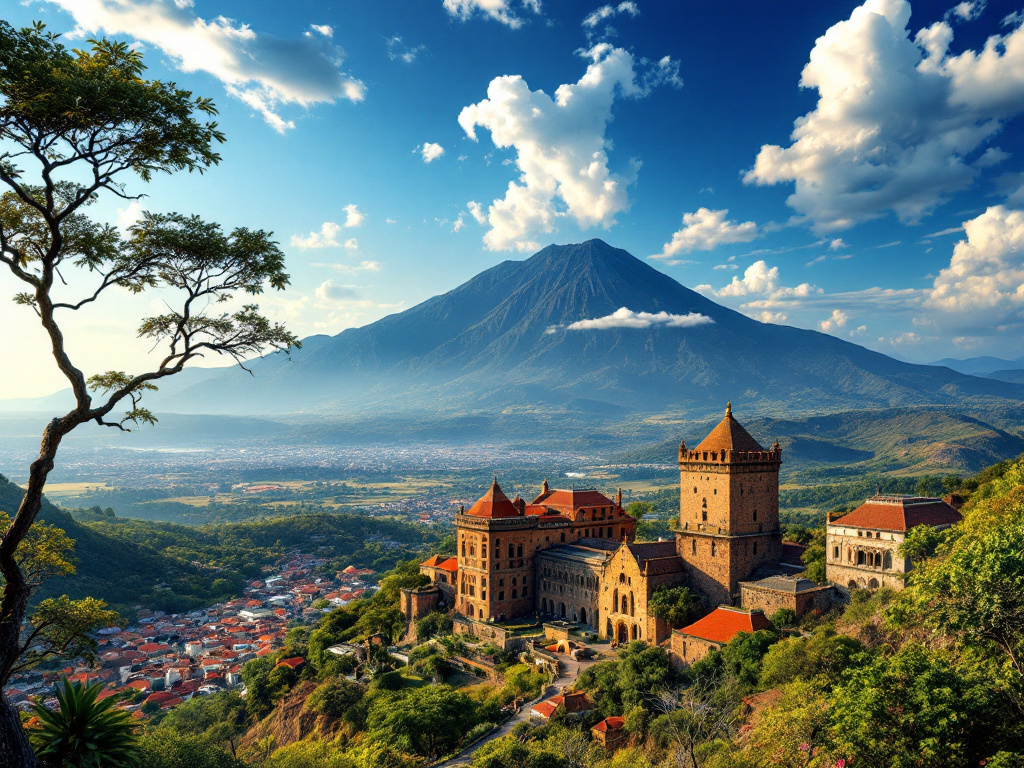
Queen's Palace Rova
A historic palace complex that was once the center of Madagascar's kingdom and offers a stunning view of the capital.
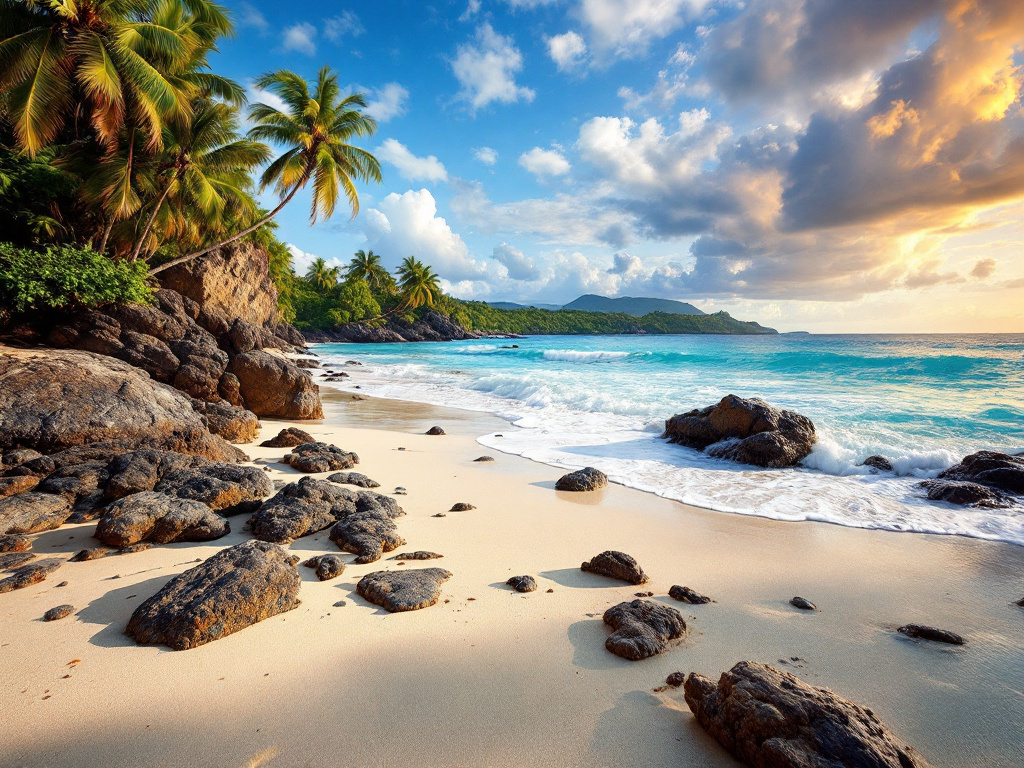
Anakao Beach
A peaceful beach destination known for its local charm, clear waters, and relaxed atmosphere.
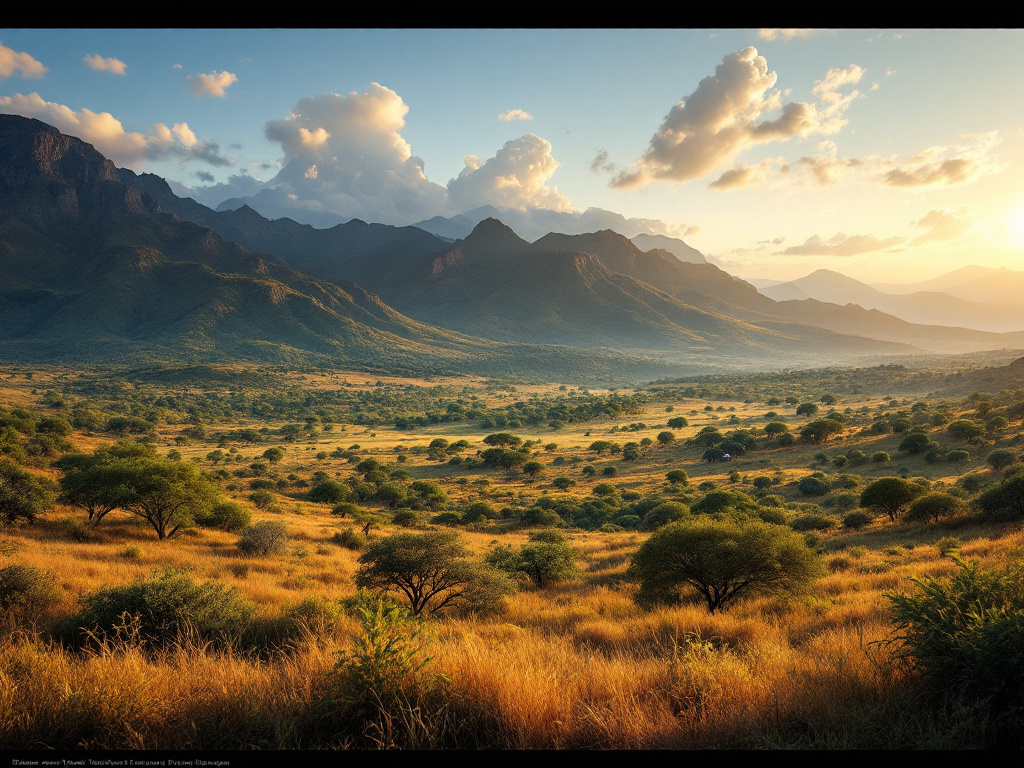
Kirindy Forest Reserve
A famous reserve where you can experience Madagascar's wildlife, including lemurs and fossas, especially at night.
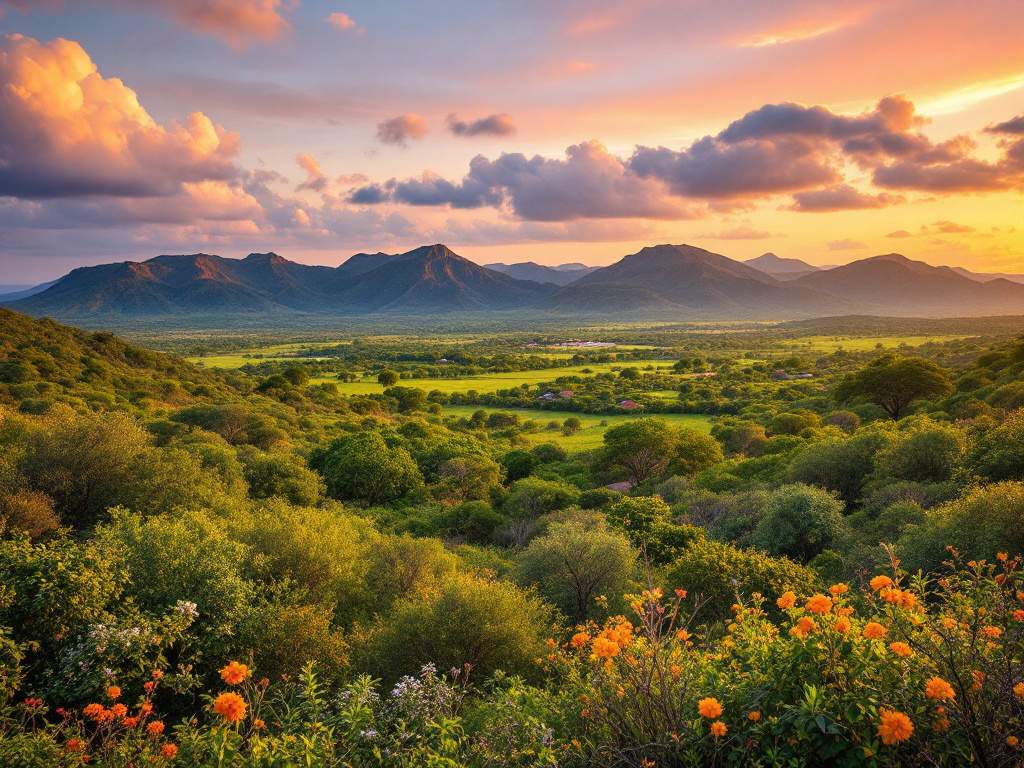
Lokobe Nature Reserve
A protected rainforest area on Nosy Be with rich biodiversity and opportunities for guided nature tours.
Famous cuisine
Culinary overview
Madagascar's cuisine is a fascinating blend of African, Asian, and French influences. The country's dishes are often based on rice as the main ingredient, accompanied by meat, fish, or vegetables, and flavored with fresh herbs. Street stalls offer cheap and authentic taste experiences, while restaurants in the cities serve everything from traditional dishes to modern fusion. Madagascar's food culture is closely tied to local ingredients such as zebu meat, tropical fruits, and vanilla, and meals are often enjoyed communally.
Must-try dishes
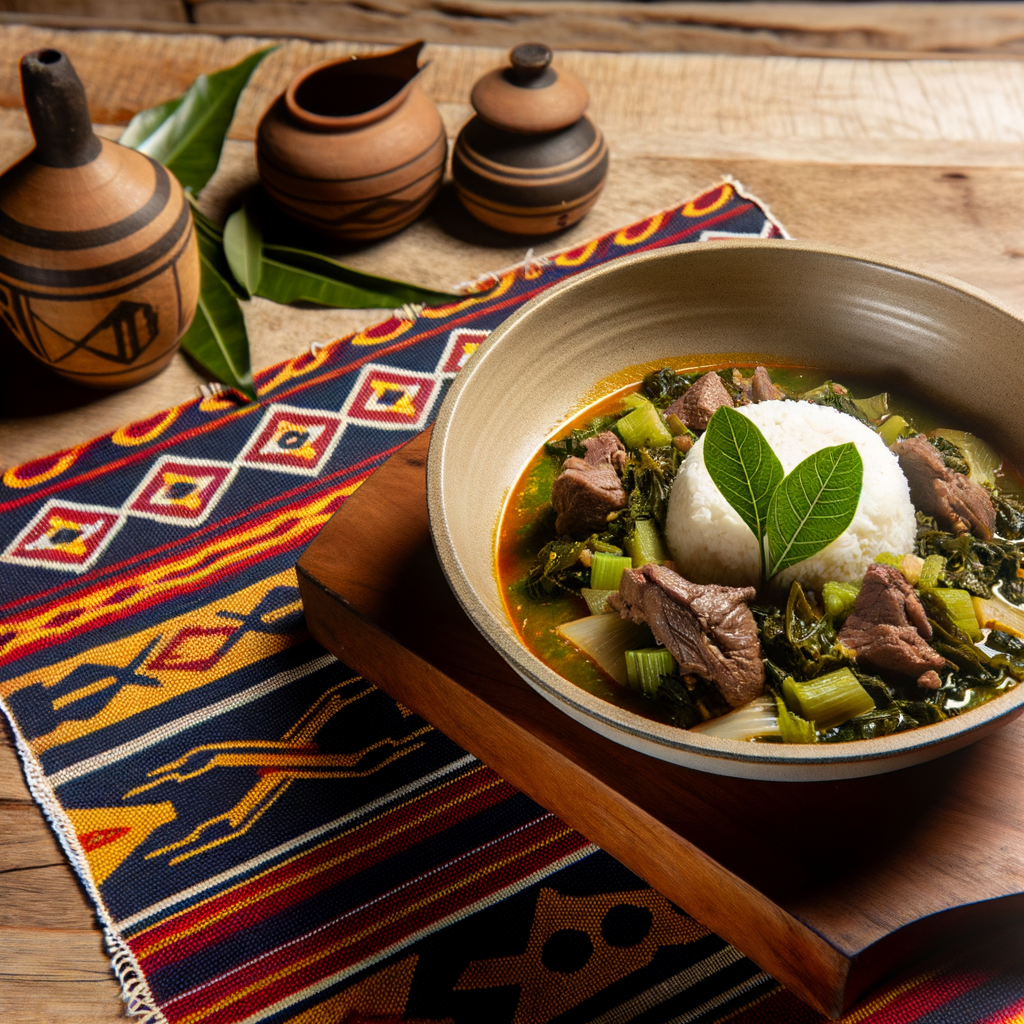
Romazava
The national dish of Madagascar, an aromatic stew made with zebu meat, green leafy vegetables, and herbs such as ginger and garlic. Traditionally served with rice.
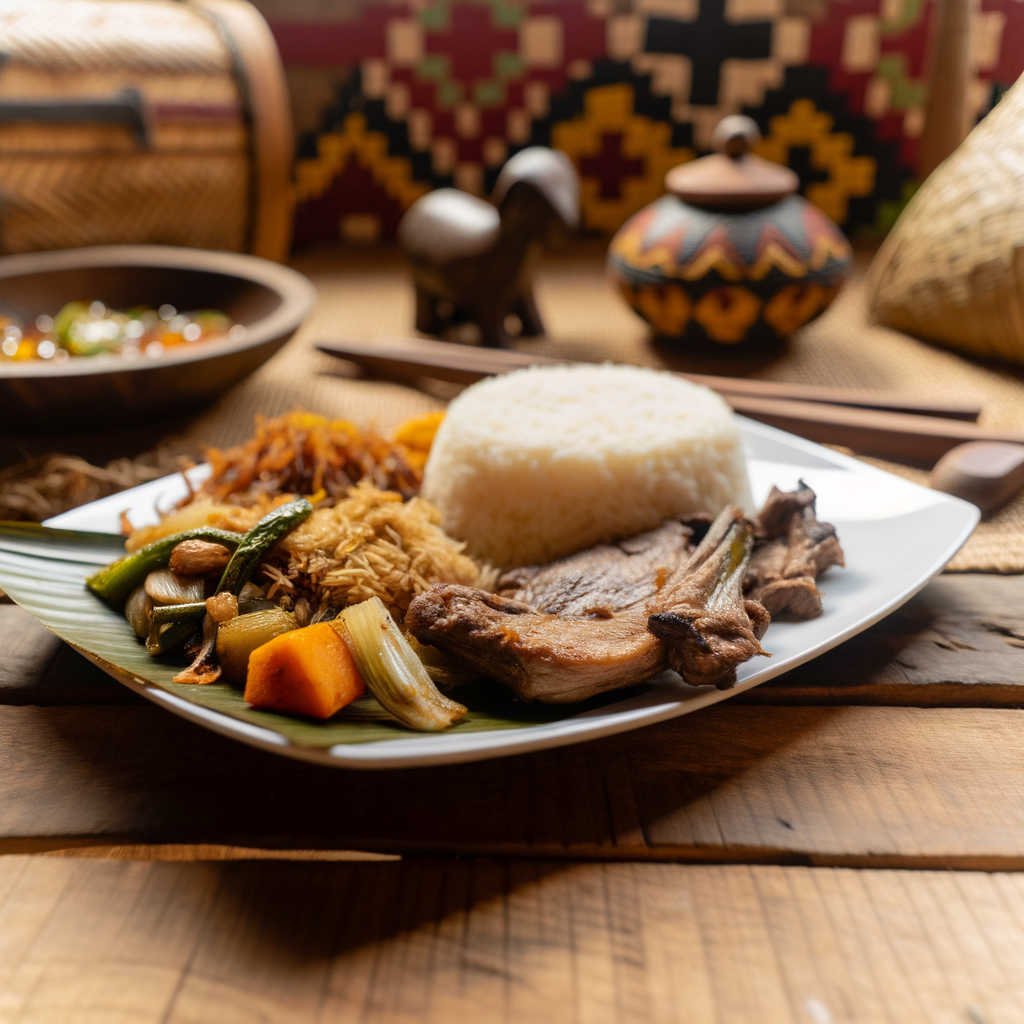
Zebu-grill
Grilled zebu meat, often marinated in local spices. The meat is tender and juicy, served with rice or fried vegetables.
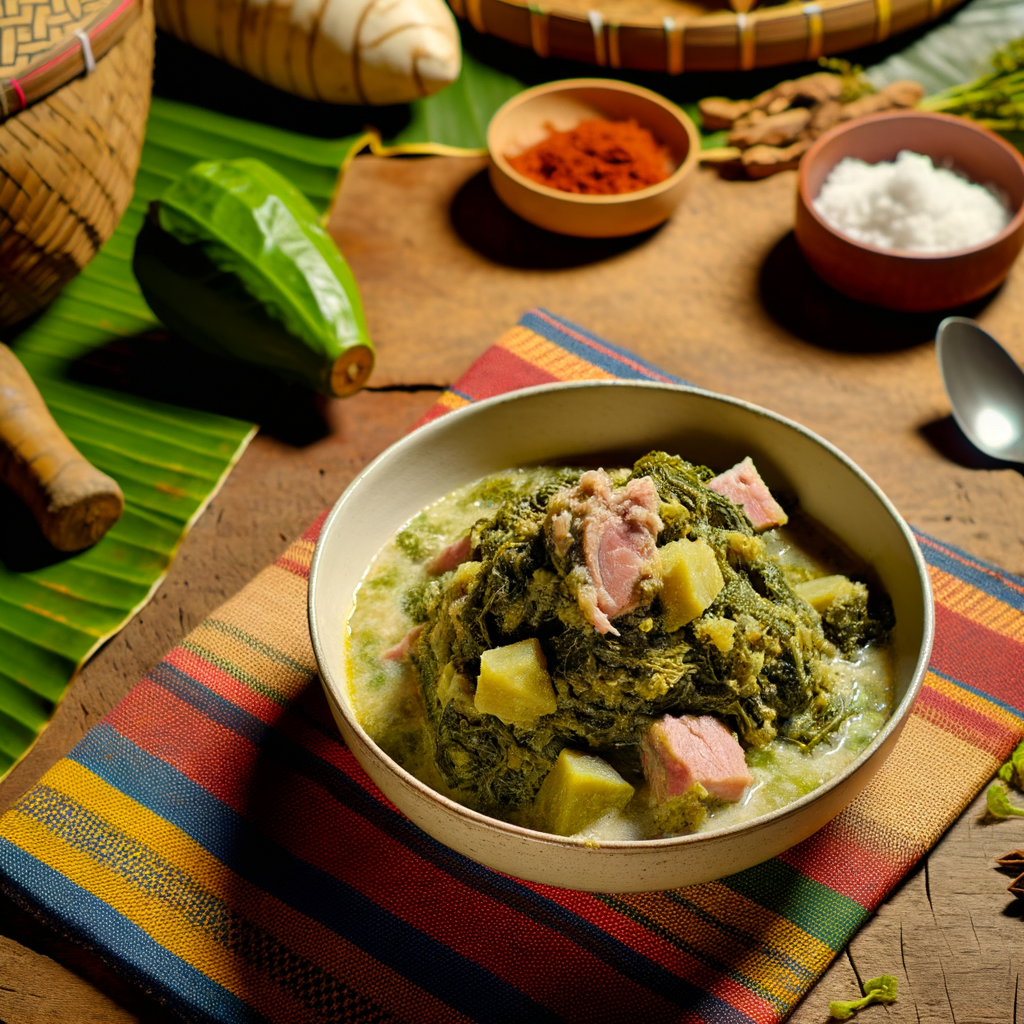
Ravitoto
A traditional dish made from crushed cassava leaves cooked with pork and coconut milk. A hearty and flavorful dish that reflects the roots of Malagasy cuisine.
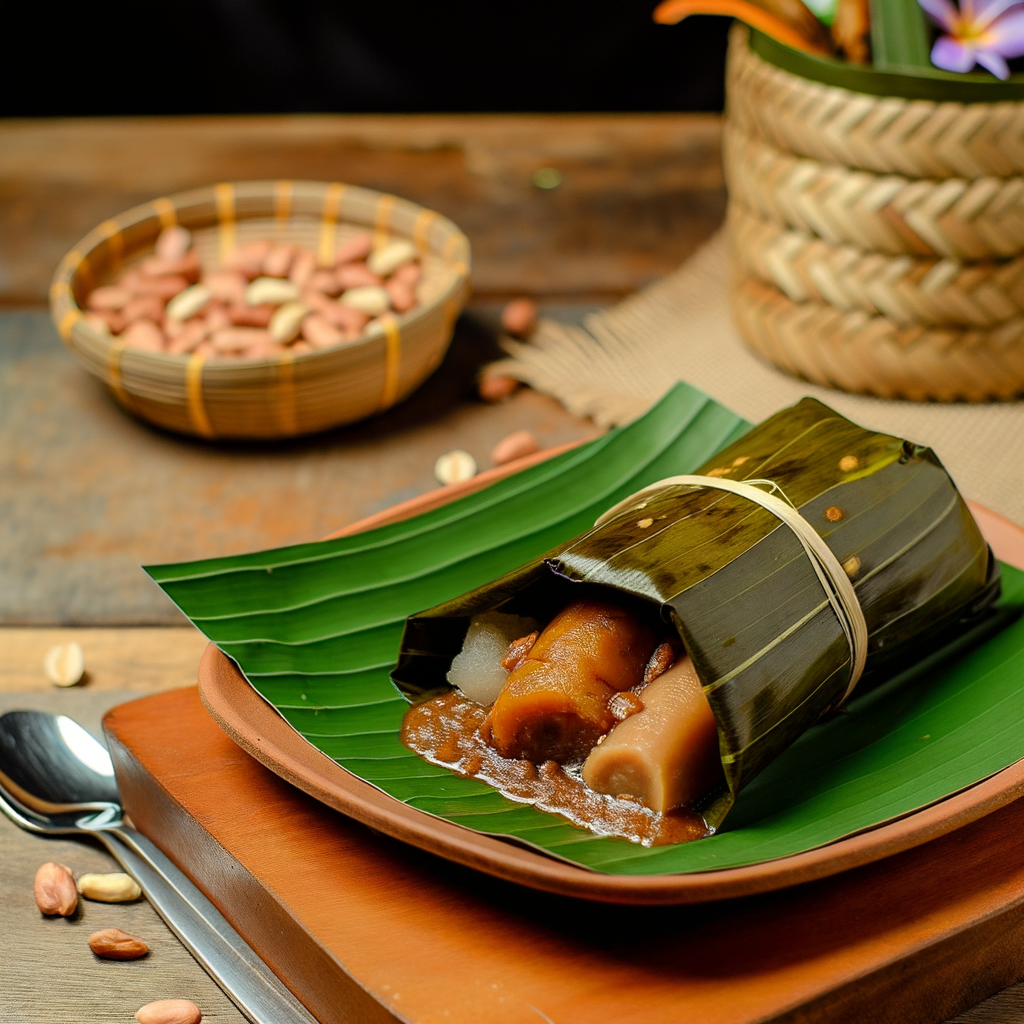
Koba
A sweet dessert made from peanuts, brown sugar, and banana, wrapped in banana leaves and steamed. It has a unique, nutty flavor.
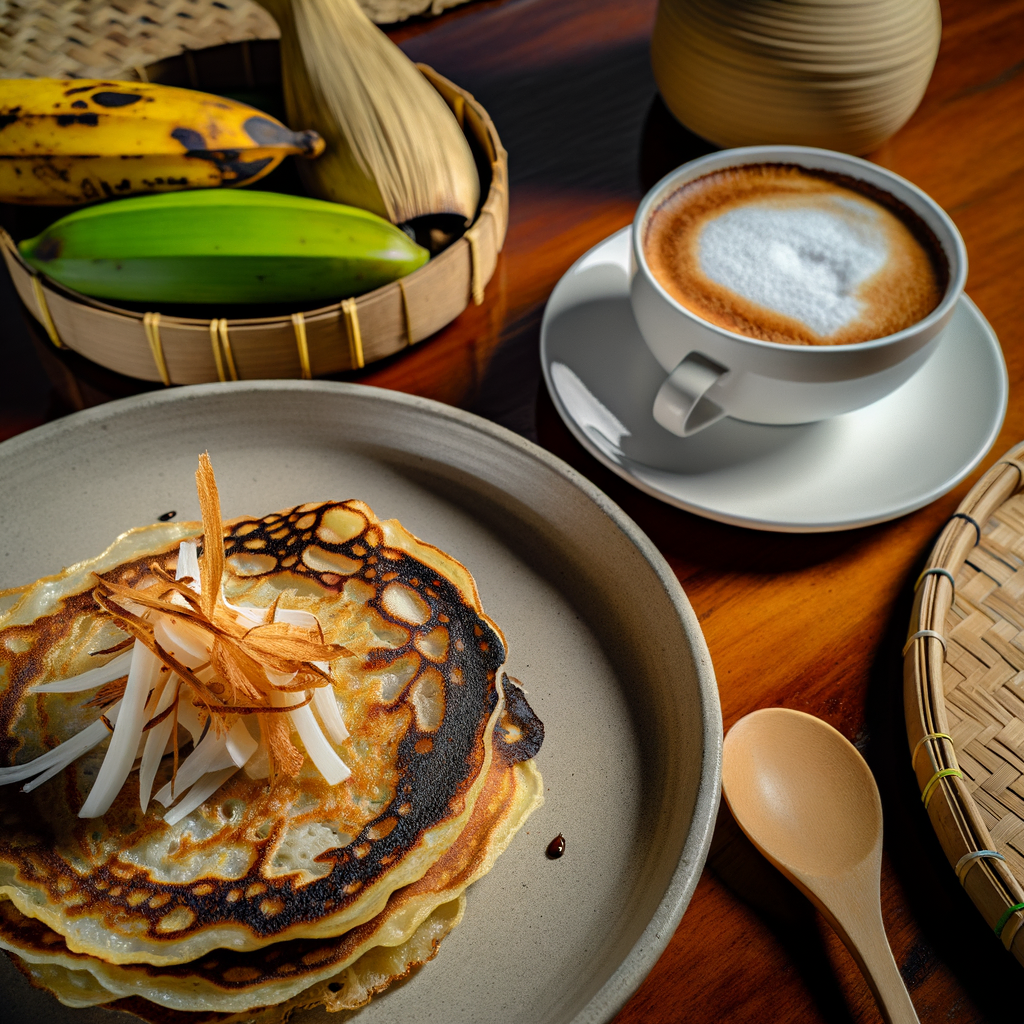
Mofo Gasy
A popular breakfast pancake made of rice and coconut dough, slightly sweetened and grilled over coals. Often served with coffee.
Restaurant information
Tipping
Tipping is not mandatory in Madagascar, but appreciated. In restaurants, it is common to round up or give around 5-10% of the bill if the service has been good.
Travel information
Currency
Ariary (Ar)
Language
Malagasy and French
Best time to visit
April-October
Major cities
Antananarivo and other major cities
More countries in Africa
Discover more destinations in this region