Montserrat
Montserrat, the Caribbean's Emerald Isle, is a land of resilience and natural beauty, where lush rainforests meet volcanic landscapes, and history whispers through its abandoned capital, Plymouth.
Overview
Discover Montserrat, the 'Emerald Isle of the Caribbean', a hidden gem for travelers seeking authentic experiences away from the crowds. This small British territory harmoniously blends lush rainforests, dramatic volcanic landscapes, and crystal-clear beaches. The Soufrière Hills Volcano has shaped both the environment and culture, with the abandoned capital of Plymouth serving as a fascinating reminder of nature’s power. Explore verdant mountain trails, relax on secluded beaches like Rendezvous Bay, and experience a warmth of hospitality as vibrant as the Caribbean sun.
Official language
English
Government
British Overseas Territory
Best time to visit
December to April
Nature
Montserrat, known as 'The Emerald Isle of the Caribbean', captivates with its lush rainforests, striking volcanic landscapes, and serene beaches. The Soufrière Hills Volcano, having erupted in the 1990s, has shaped not only the island's geography but also created rich new ecosystems. Hiking trails like Oriole Walkway and Silver Hills offer breathtaking views of the turquoise Caribbean Sea, while birdwatchers can glimpse rare species in the dense forests. The island's coastline presents a mix of black volcanic sand beaches and the pristine white sands of Rendezvous Bay, accessible only by foot or boat – a true haven for those seeking tranquility. With waters ideal for snorkeling and diving, colorful coral reefs and vibrant marine life await beneath the surface. The best time to visit is from December to April, when the weather is dry, making it perfect for outdoor adventures.
Travel to Montserrat
Visiting Montserrat is like stepping into another world – one devoid of mass tourism yet brimming with genuine experiences. The island is most easily reached by ferry or a short flight from Antigua, and visitors can immediately sense the tranquil atmosphere upon arrival. The ideal travel time is from December to April, when the weather is dry and pleasant, perfect for hiking, beach lounging, and exploring volcanic landscapes. Travelers can visit the Montserrat Volcano Observatory to learn about the island's geology, embark on guided tours of the ghostly capital, or spend a day unwinding at the remote Rendezvous Bay. Montserrat is perfect for adventurous souls, nature lovers, and culture enthusiasts seeking an unfiltered Caribbean experience – a place where you can immerse yourself in natural beauty, historical drama, and the warm hospitality of the locals.
Culture
Montserrat boasts a vibrant and authentic culture, deeply influenced by its African and Irish roots, earning it the nickname 'The Emerald Isle of the Caribbean'. Music is an integral part of life here, with calypso, soca, and reggae filling the air during festivals like St. Patrick's Week, where the island's Irish heritage comes alive through parades, dancing, and colorful costumes. The local culinary scene is a feast for the senses, featuring spicy dishes like Goat Water, saltfish with dumplings, and fresh breadfruit, often enjoyed with Johnny Cakes. The warmth of Montserratians shines through their hospitality and strong sense of community, making visitors feel right at home. Handicrafts inspired by the island’s nature and history can be found in local markets, reflecting the resilience and pride of its people and their unique identity.
History
Montserrat's history is a dramatic tale of colonization and natural disasters. First settled by Irish immigrants under British colonial rule in the 17th century, the island continues to display clear cultural imprints from this period. In 1995, the Soufrière Hills Volcano awakened after centuries of dormancy, leading to devastating eruptions that buried the capital, Plymouth, in ash and forced a large portion of the population to evacuate. This catastrophe fundamentally altered the island's geography and lifestyle. Today, Plymouth stands as a poignant and modern ruin, a testament to nature's might. Montserrat has since rebuilt in the northern part of the island, and the story of resilience and adaptation is now a core aspect of its identity.
Top attractions
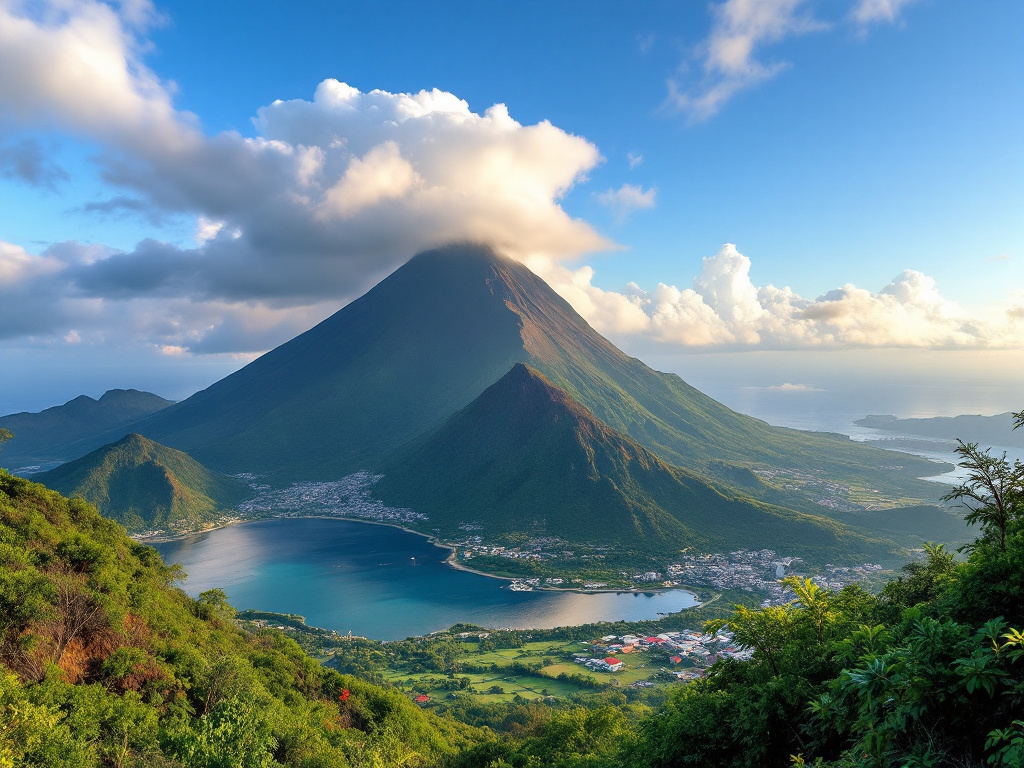
Soufrière Hills Volcano
Montserrat's most famous natural phenomenon, an active volcano that shaped the island's modern history after the eruptions in the 1990s.
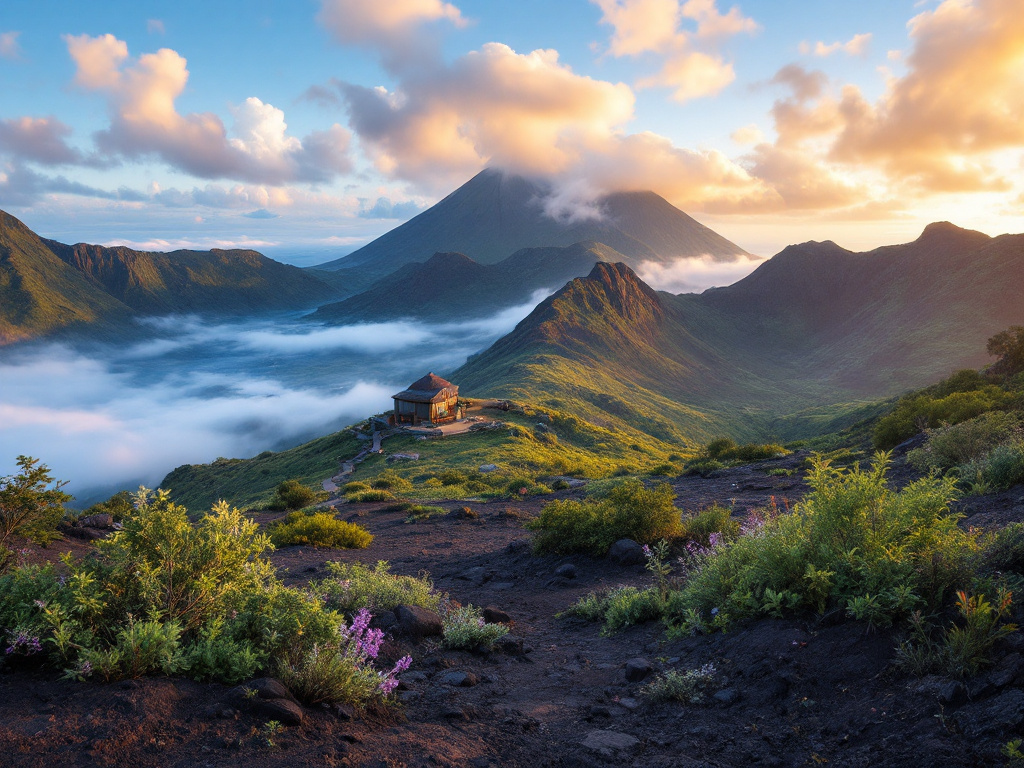
Montserrat Volcano Observatory
A center dedicated to monitoring and communicating about the Soufrière Hills volcano and its impact on Montserrat.
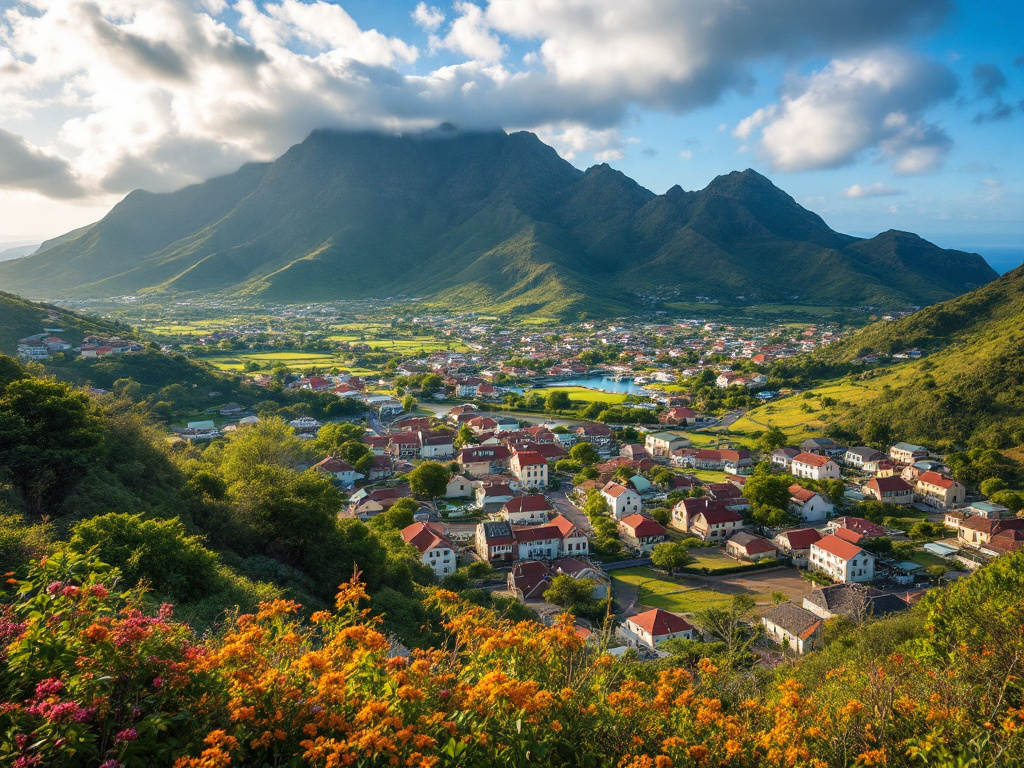
Plymouth Ghost Town
The former capital, abandoned after volcanic eruptions, provides a strong insight into the island's dramatic history.
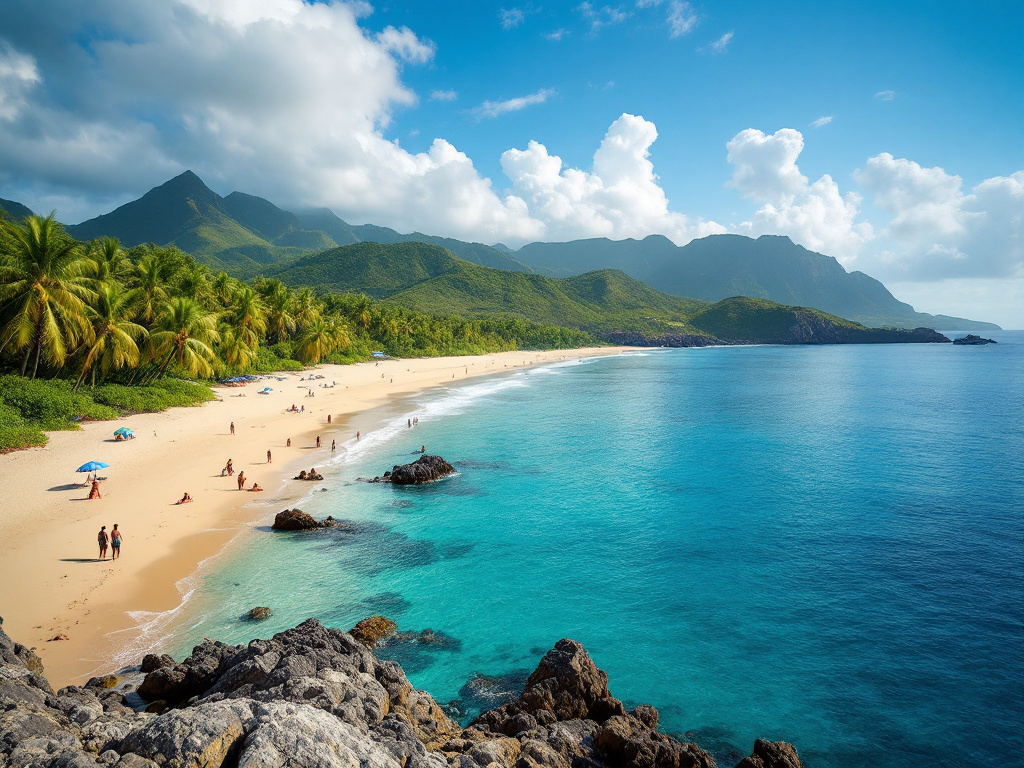
Little Bay Beach
A popular beach with dark sand and calm waters, ideal for relaxation near Montserrat's harbor.
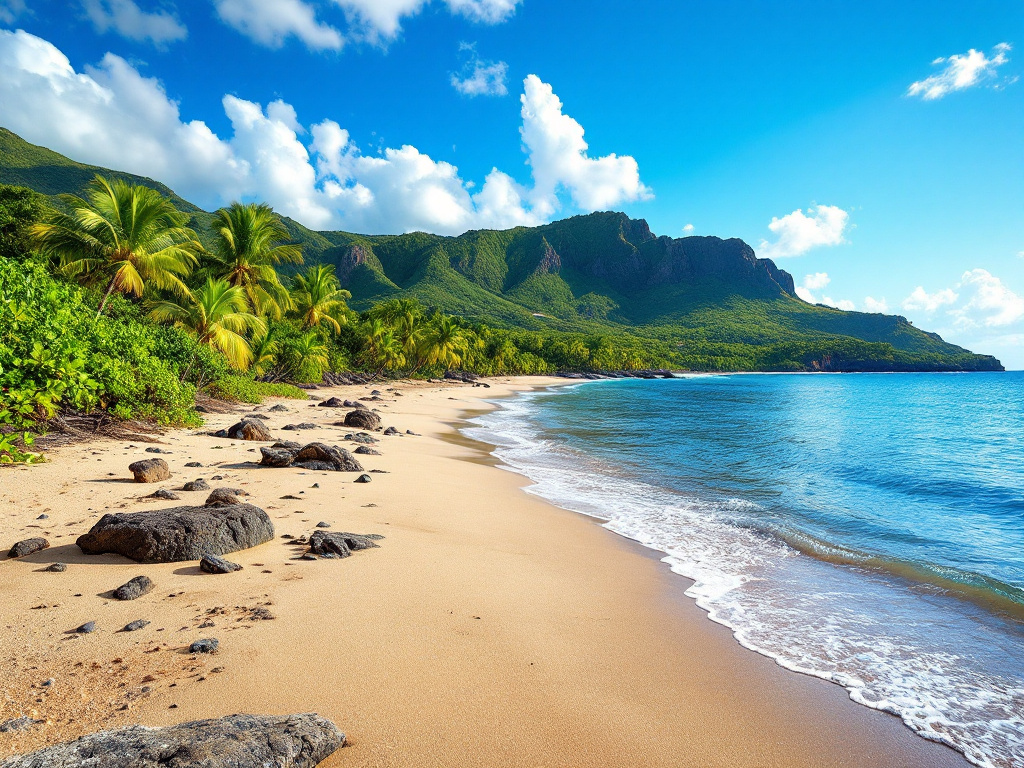
Woodlands Beach
A quiet and less visited beach, perfect for those seeking peace and nature.
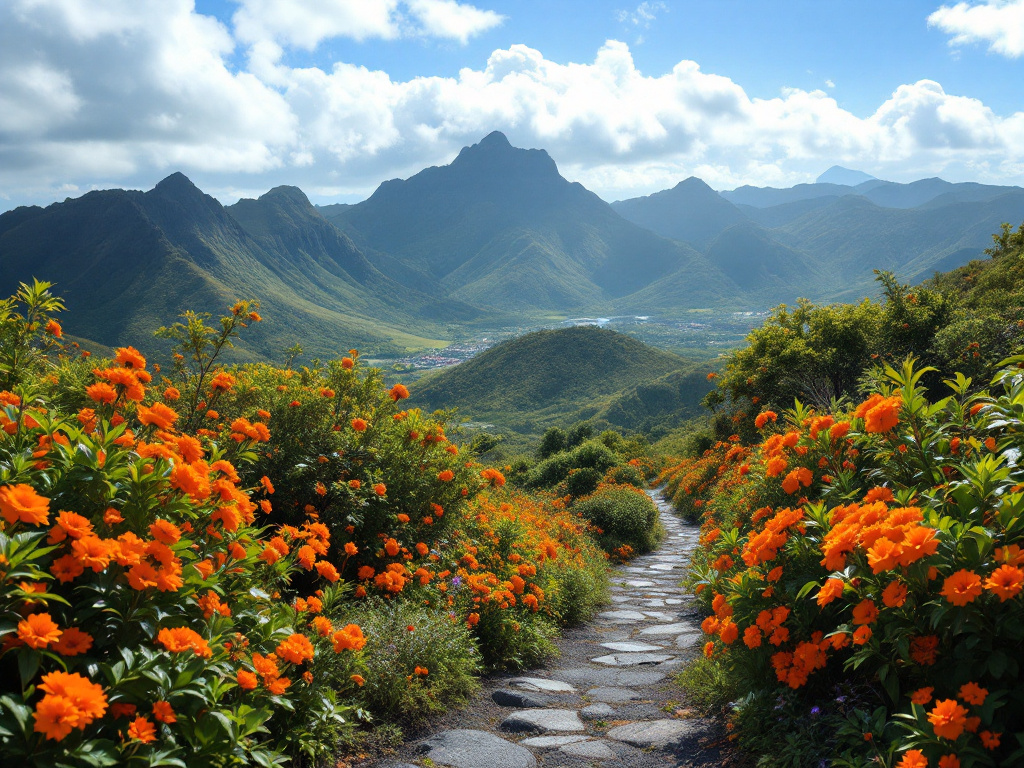
Oriole Walkway
A scenic trail through Centre Hills known for Montserrat's national bird, the oriole.
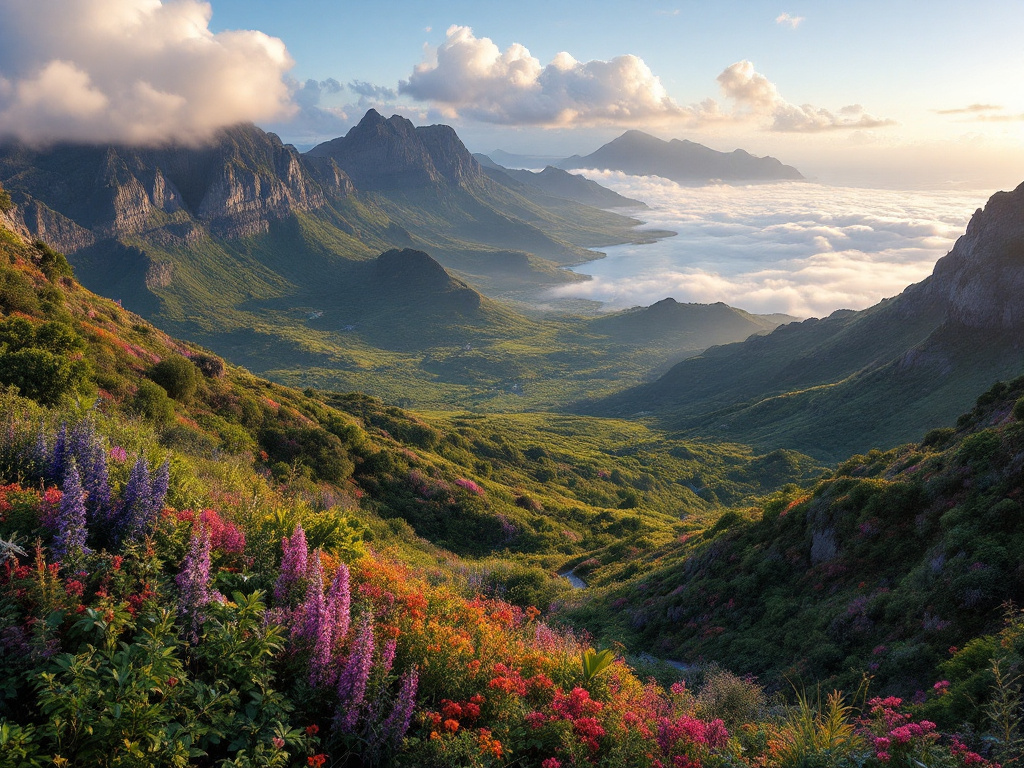
Centre Hills
A hilly area with rainforest and unique biodiversity in the middle of Montserrat.
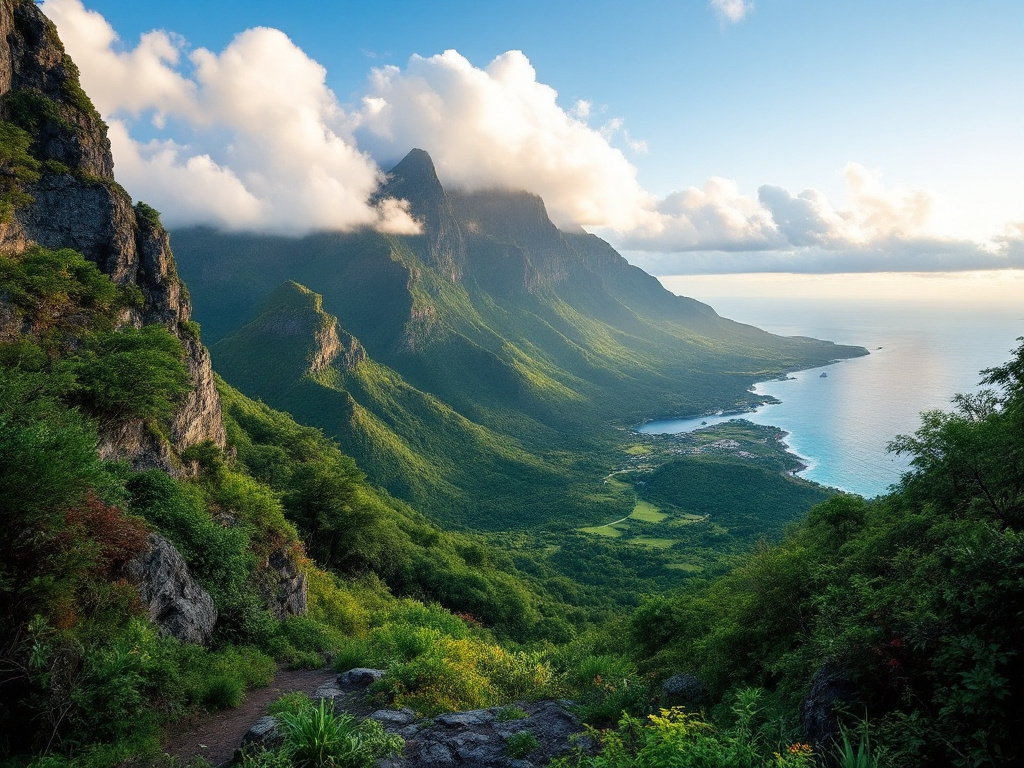
Runaway Ghaut
A historic gorge used as a escape route during plantation times, now a scenic hiking trail.
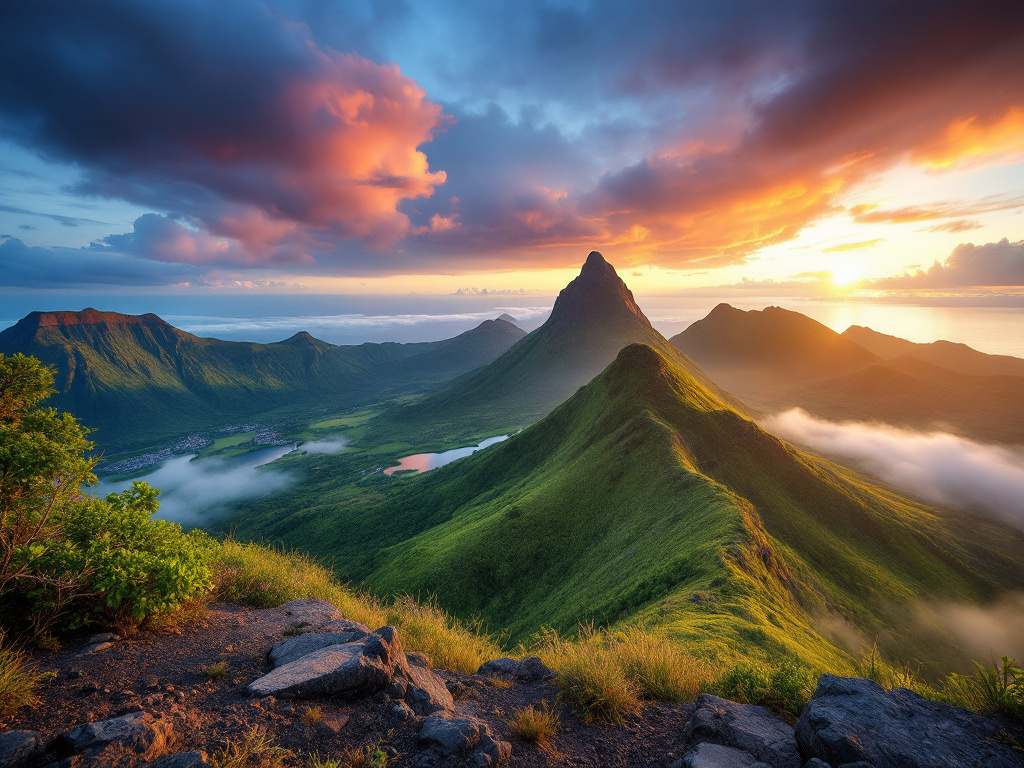
Jack Boy Hill Lookout
A easily accessible viewpoint with panoramic views of the Soufrière Hills Volcano.
Famous cuisine
Culinary overview
Montserrat's food culture is a flavorful blend of Caribbean traditions, British colonial history, and local ingredients. The island's cuisine is characterized by fresh fish and seafood, tropical fruits, root vegetables, and spicy stews. Many dishes are slowly cooked to develop deep flavors, and meals are often enjoyed in the company of family and friends. Street food is popular, especially on market days, where you can find freshly made Johnny Cakes and grilled fish. The culinary experience is closely tied to the island's history and nature, and many dishes have roots in both African and European food traditions.
Must-try dishes
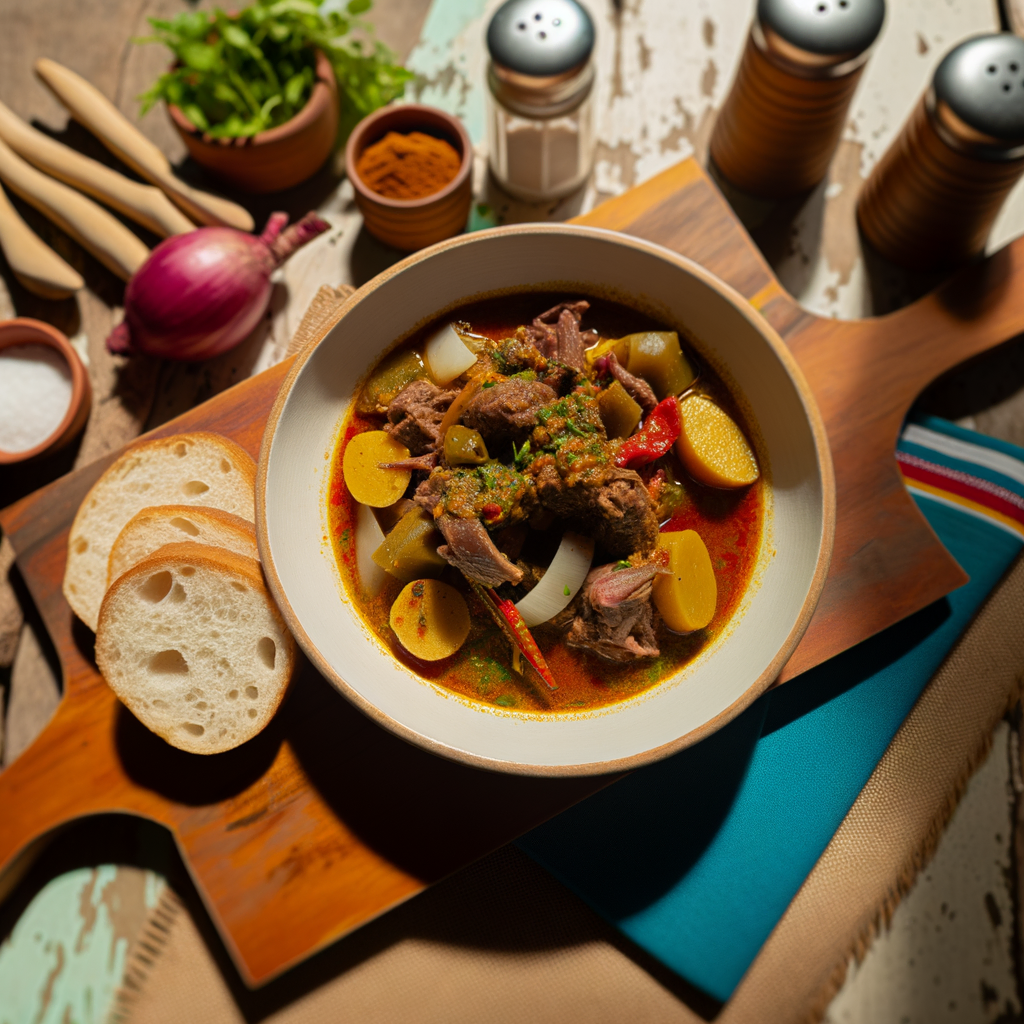
Goat Water
A spicy goat stew that is Montserrat's national dish. It is prepared with tender goat meat, spices like nutmeg and cinnamon, as well as vegetables. Often served with bread or dumplings.
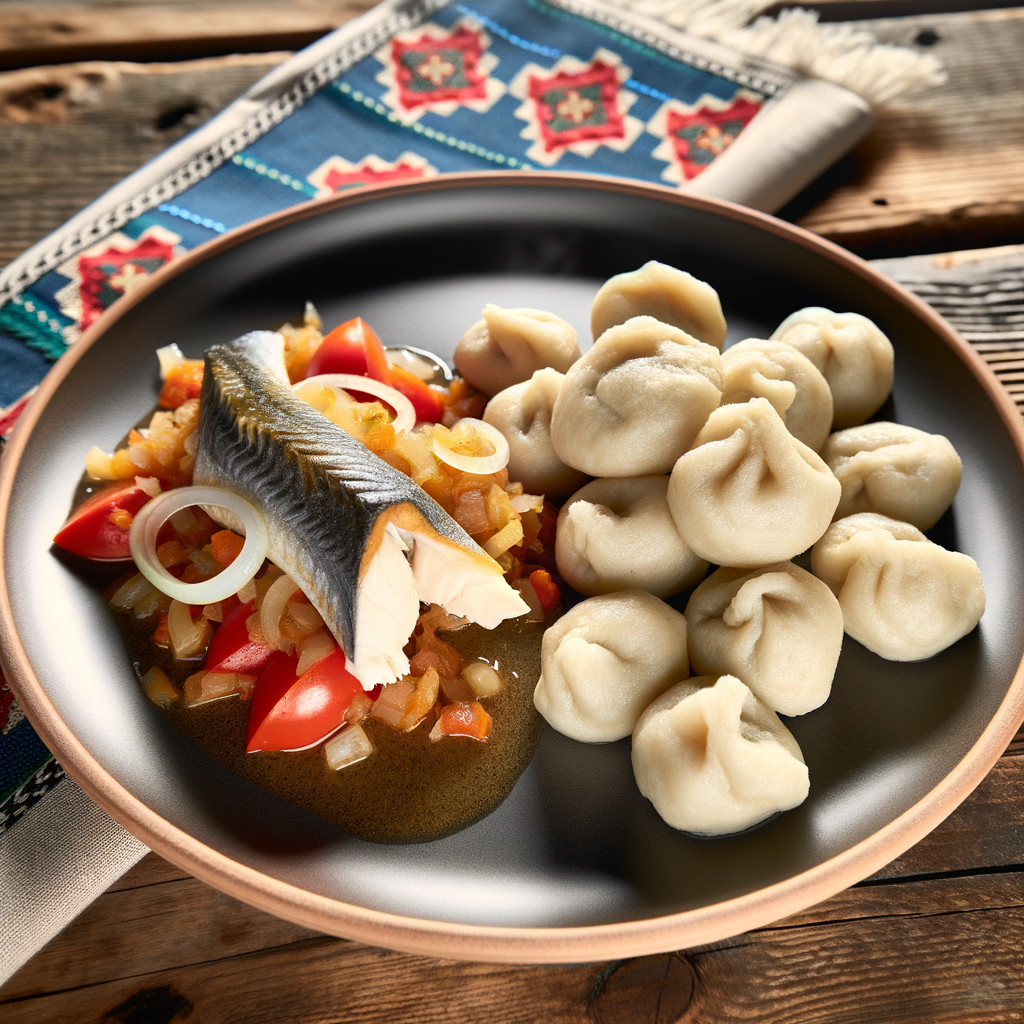
Saltfish and Dumplings
Salted cod that is soaked and cooked with onions, tomatoes, and spices, served with boiled or fried dough balls (dumplings). A classic breakfast or lunch dish.
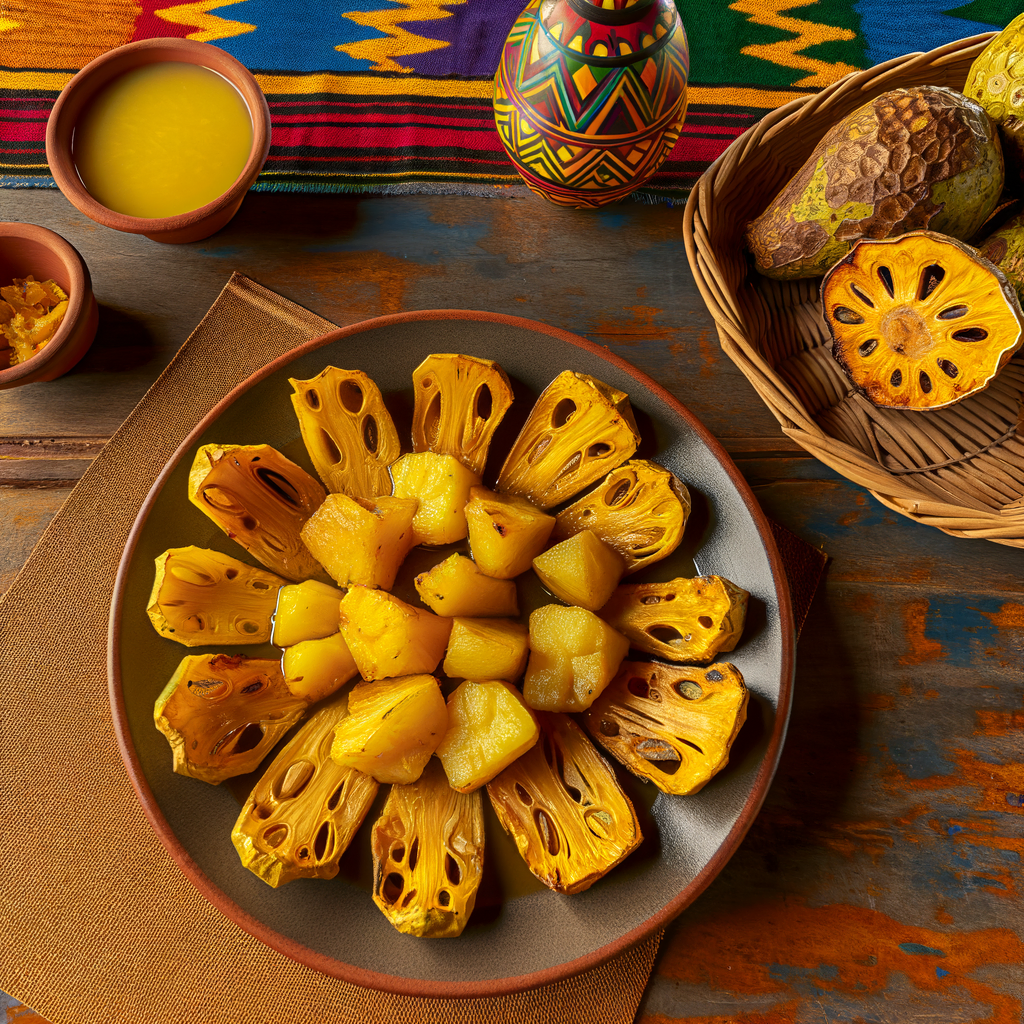
Breadfruit
A starchy fruit that is often baked or fried and served as a side dish with meat and fish dishes. The taste is similar to potato with a hint of nut.
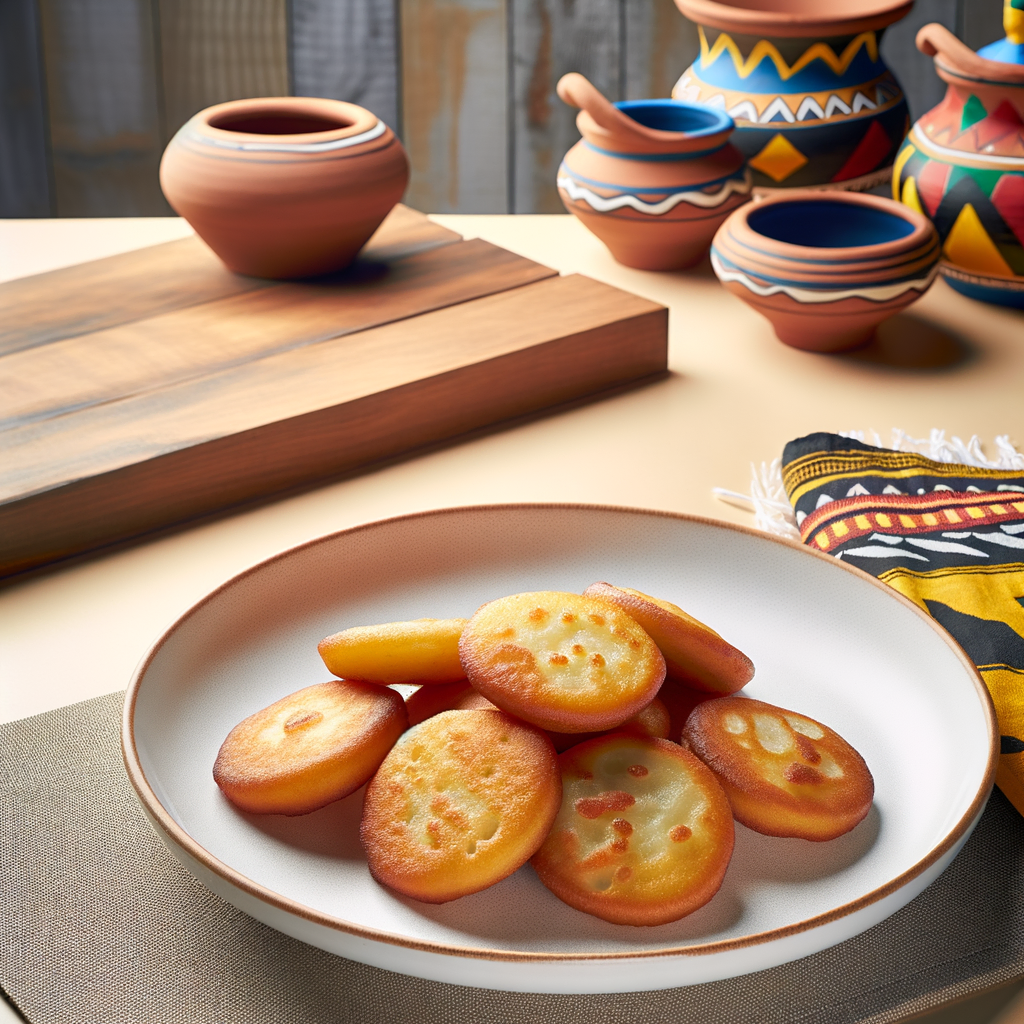
Johnny Cakes
Small fried breads made of flour, sugar, and butter. They are crispy on the outside and soft on the inside, often eaten as a snack or side dish.
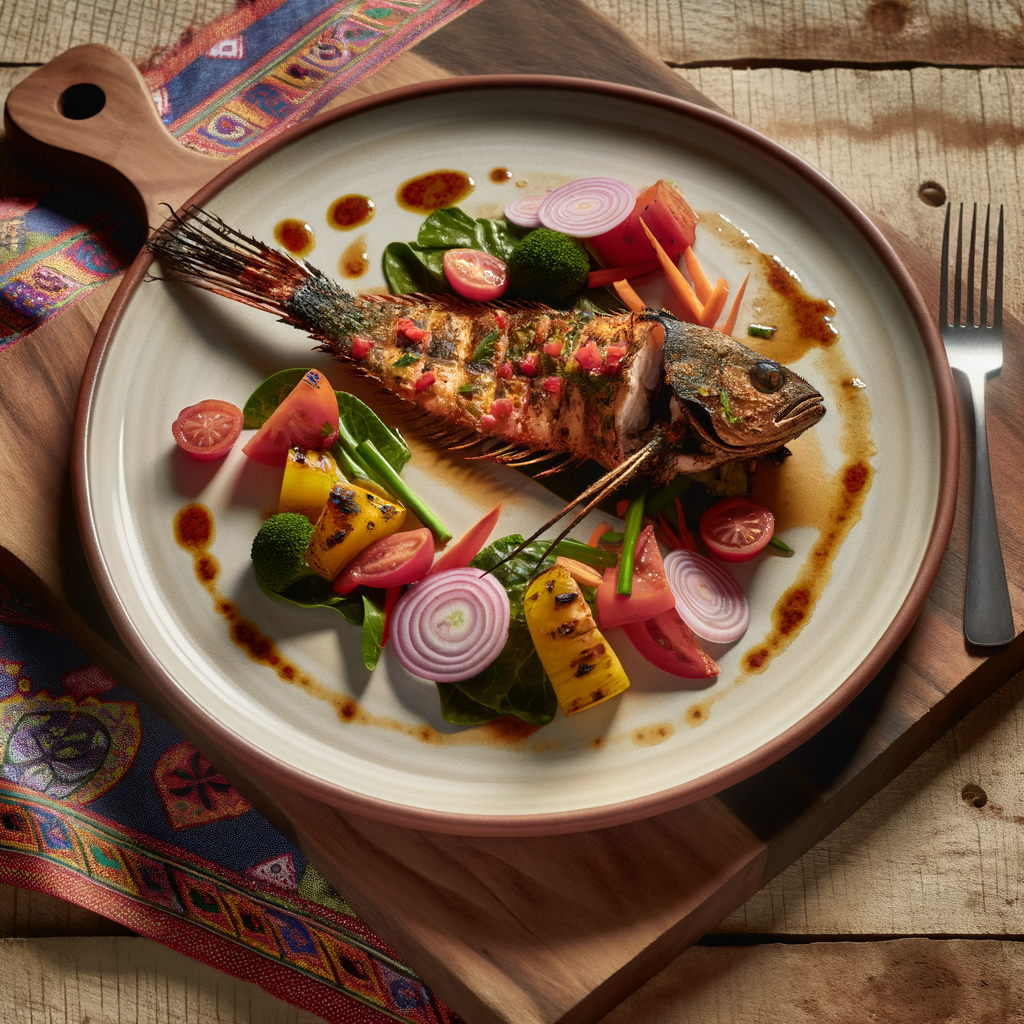
Grilled Lionfish
A sustainable fish dish where the invasive lionfish is grilled with local herbs and served with fresh vegetables.
Restaurant information
Tipping
Tipping is not always expected in Montserrat, but it is appreciated. In restaurants, it is common to give 10% of the bill if a service charge is not already included.
Travel information
Currency
Østkaribisk dollar (XCD)
Language
English
Best time to visit
December to April
Major cities
Brades (de facto) and other major cities
More countries in North America
Discover more destinations in this region