
Malawi
Malawi, the Warm Heart of Africa, enchants with the glimmering Lake Malawi, majestic mountains, and abundant wildlife, offering a haven of natural beauty and cultural richness.
Overview
Explore Malawi, a land renowned for its spectacular natural beauty and unmatched warmth, where every moment is an adventure waiting to unfold. The jewel of Malawi is Lake Malawi, listed as a UNESCO World Heritage Site, celebrated for its fresh waters teeming with endemic cichlid species. Dive into crystal-clear waters, hike the heights of Mount Mulanje, or embark on thrilling safaris through Majete and Liwonde National Parks, where wildlife thrives. With its colorful markets, traditional dances, and enticing local cuisine, Malawi invites travelers to experience the beating heart of Africa – an unforgettable journey that will leave you enriched and inspired.
Official language
English and Chichewa
Government
Presidential democracy
Best time to visit
May to October (dry season)
Nature
Malawi, known as 'The Warm Heart of Africa', is a breathtaking natural wonder that combines stunning landscapes and rich wildlife. Lake Malawi, one of the world's clearest and deepest freshwater lakes, dominates the region, providing a sanctuary for an astonishing variety of endemic cichlid fish. Travelers can indulge in snorkeling, diving, or sailing while enjoying idyllic beaches and tranquil islands like Domwe Island. The south is graced by the majestic Mount Mulanje, renowned for its dramatic granite peaks and lush valleys, perfect for trekking and mountain climbing. Meanwhile, the rolling grasslands of Nyika National Park flourish with diverse wildlife, including zebras and rare orchids. Adventurous souls can embark on safaris in Majete and Liwonde National Parks to witness elephants, lions, hippopotamuses, and rhinoceroses in their natural habitats. The best time to explore Malawi is during the dry season from May to October, offering ideal conditions for outdoor adventures, wildlife encounters, and relaxing by the serene shores of Lake Malawi.
Travel to Malawi
Traveling to Malawi offers an enriching blend of adventure and authentic cultural encounters. The best time to visit is during the dry season from May to October, when the weather is typically perfect for safari adventures, trekking, and unwinding by the lake. International travelers usually arrive through Lilongwe or Blantyre airports, both offering convenient access to national parks and the stunning lakefront. It's advisable to check visa requirements based on your nationality and be mindful of travel costs. For an even deeper African experience, consider combining your Malawi adventure with trips to neighboring Zambia or Mozambique. Whether you are scaling mountains, diving in vibrant waters, or immersing yourself in local traditions, Malawi is poised to create memories that will last a lifetime.
Culture
The culture of Malawi is as vibrant as its landscapes, characterized by the warmth and hospitality of its people. Visitors are often greeted with cheerful smiles and open arms, reflecting the nation's welcoming spirit. In bustling markets throughout Lilongwe and Blantyre, one can experience a sensory delight of colorful textiles, handmade crafts, and the enticing aroma of local cuisine. Traditional dances, accompanied by rhythmic drumming and singing, play a vital role in celebrations and ceremonies, offering a glimpse into Malawi's rich heritage. Food is at the heart of daily life, with nsima, a staple dish made from maize, being served alongside freshly caught chambo fish, zesty kachumbari salad, or sweet mandasi. Music and storytelling are woven into the fabric of Malawian life, with both Chichewa and English commonly spoken. This unique blend of tradition and modernity makes Malawi a captivating destination that connects visitors deeply with its cultural rhythms.
History
Malawi's history is a tapestry of tradition interwoven with moments of significant change. For thousands of years, various Bantu tribes have inhabited the region, introducing agriculture, crafts, and trade. The 19th century saw European explorers and missionaries, including David Livingstone, arrive, highlighting the struggle against the slave trade. By 1891, the territory was established as the British colony of Nyasaland. Following decades of colonial rule, Malawi gained independence in 1964 under Hastings Banda as its first president. Since the advent of multi-party democracy in 1994, the nation has focused on strengthening its economy and preserving its natural heritage, while enhancing tourism as a vital income source. This rich historical narrative provides depth to the vibrant culture and enduring spirit of the Malawian people.
Top attractions
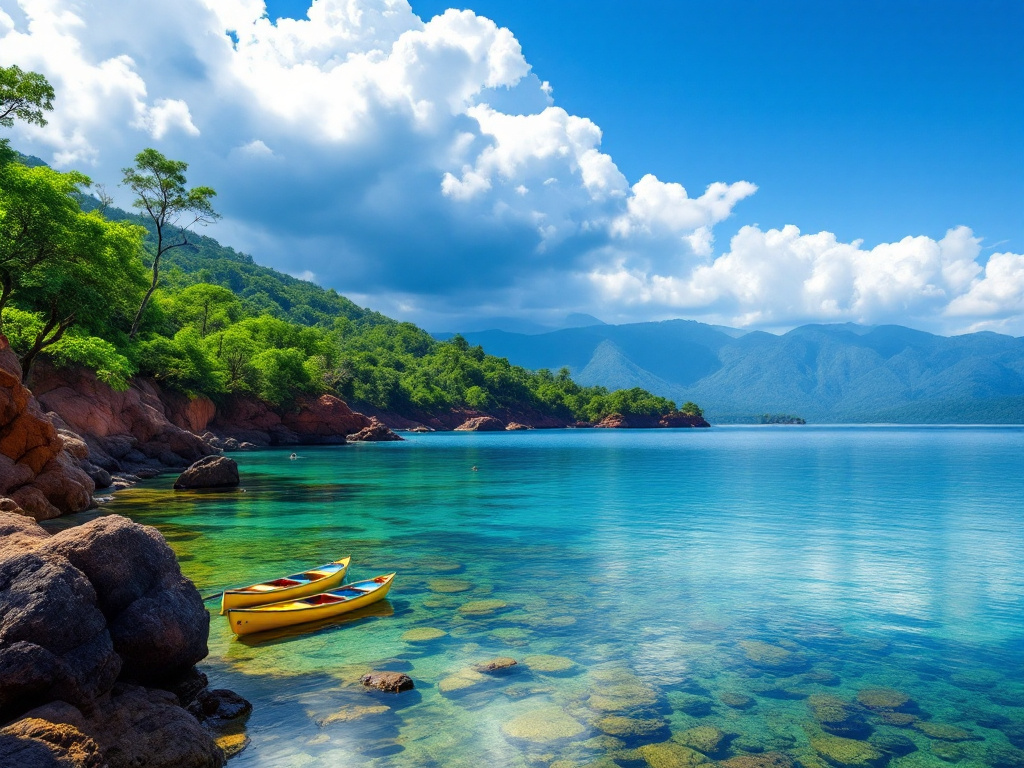
Lake Malawi National Park
Malawi's most famous natural area with clear water, unique fish species, and relaxing beaches along Africa's third-largest lake.
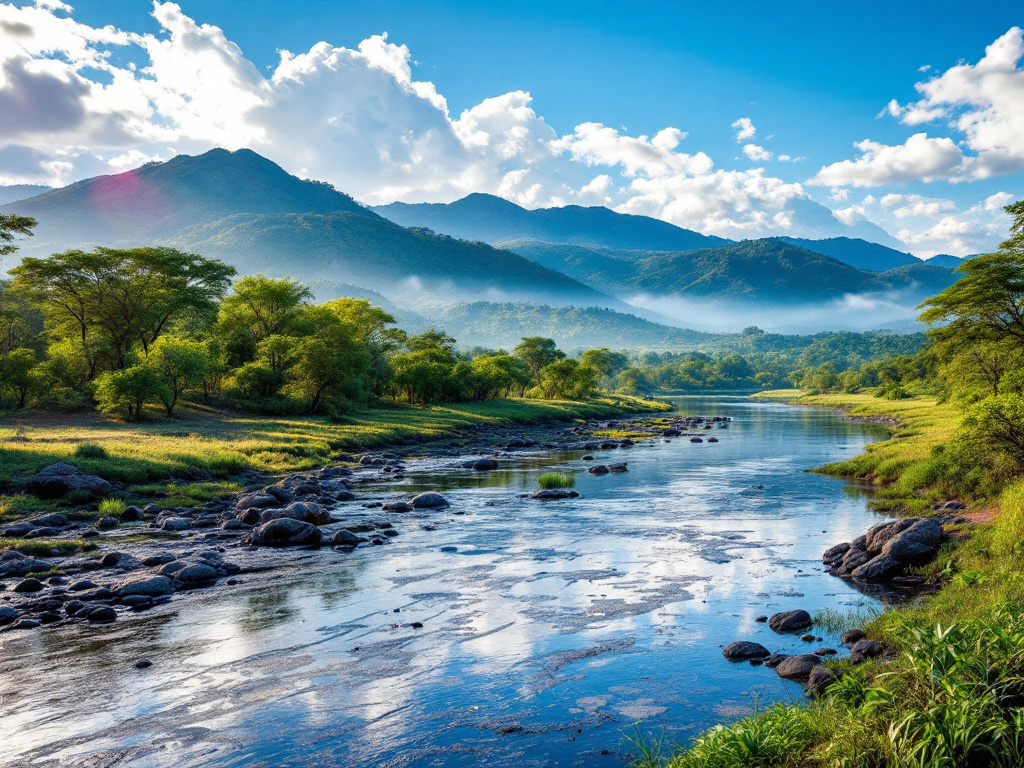
Liwonde National Park
One of the country's leading safari parks known for elephants, river safari, and diverse wildlife along the Shire River.
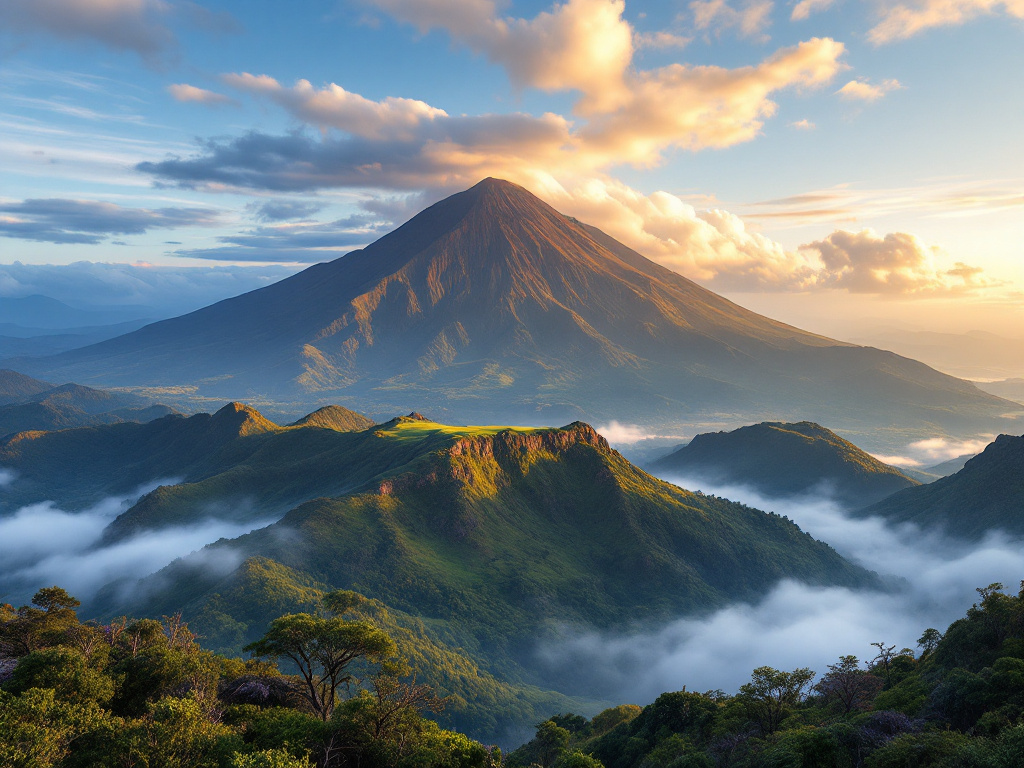
Mount Mulanje
Malawi's highest mountain massif with dramatic cliffs, waterfalls, and challenging hiking routes.
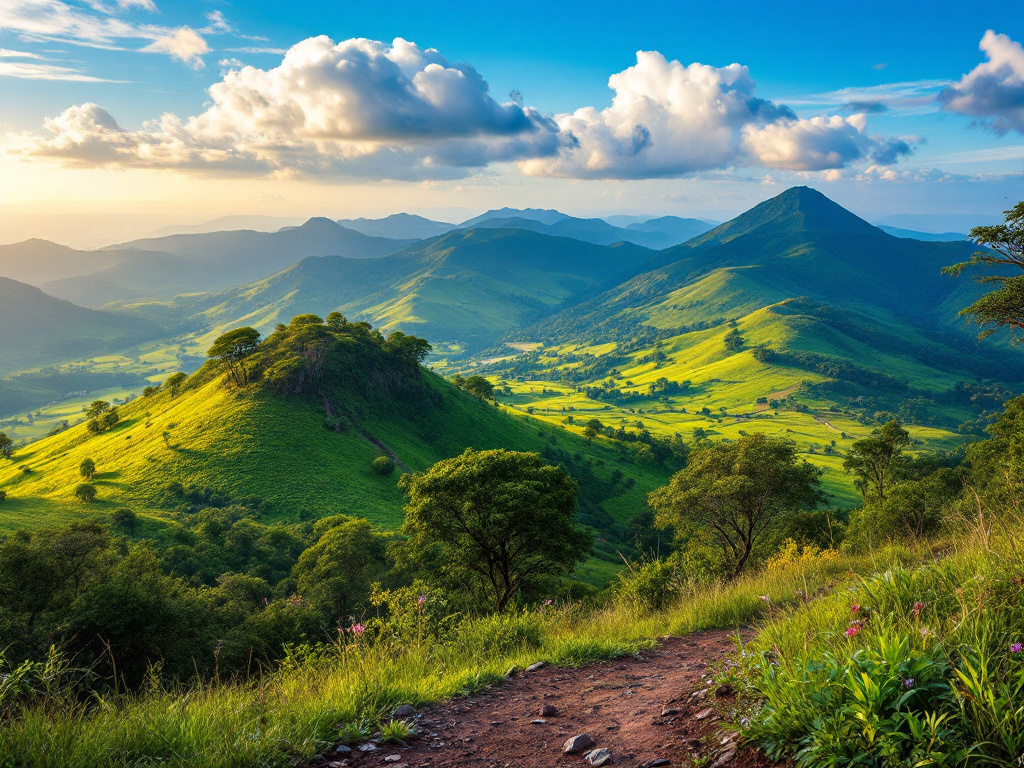
Zomba Plateau
A green high plateau with a cool climate, hiking trails, and some of the country’s best views.
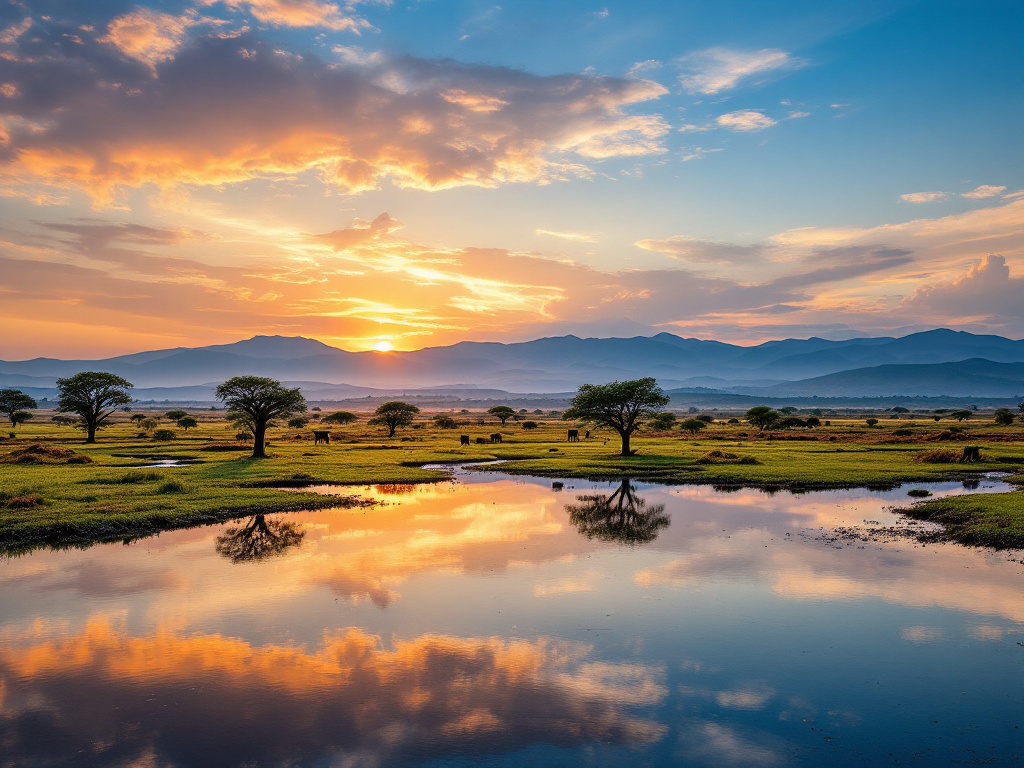
Nkhotakota Wildlife Reserve
A large and wild reserve known for forest landscapes and ambitious nature restoration projects.
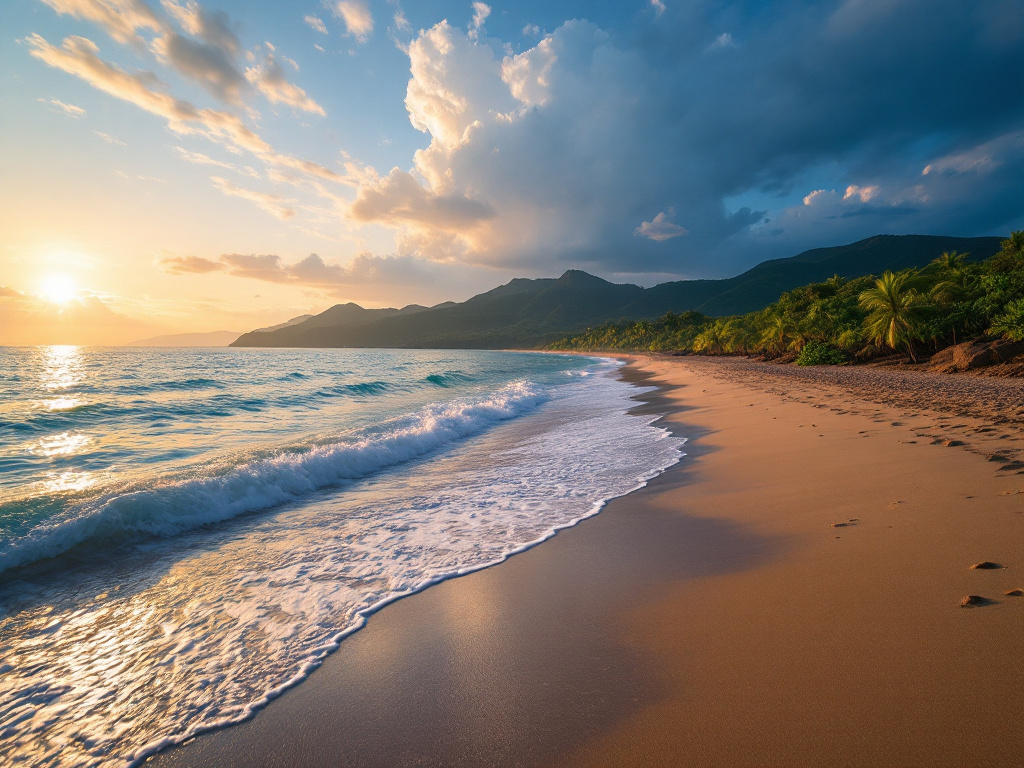
Cape Maclear Beach
A popular beach at Lake Malawi known for a relaxed atmosphere and clear freshwater.
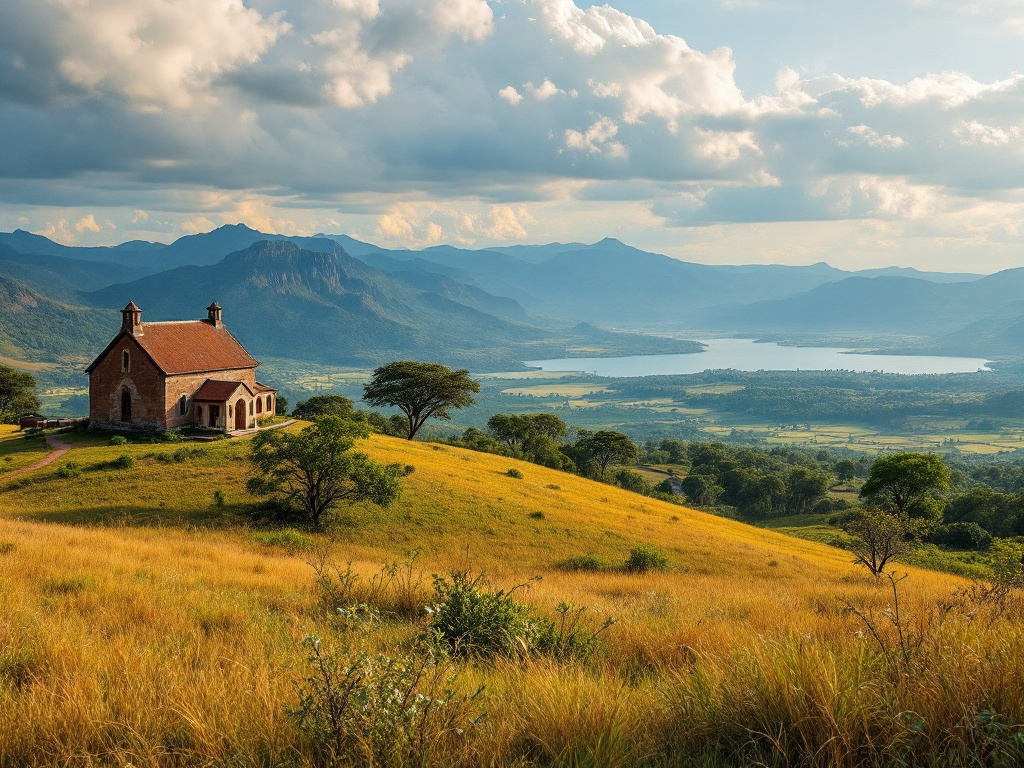
Livingstonia Mission
A historic Scottish mission located on a ridge with impressive views over the lake.
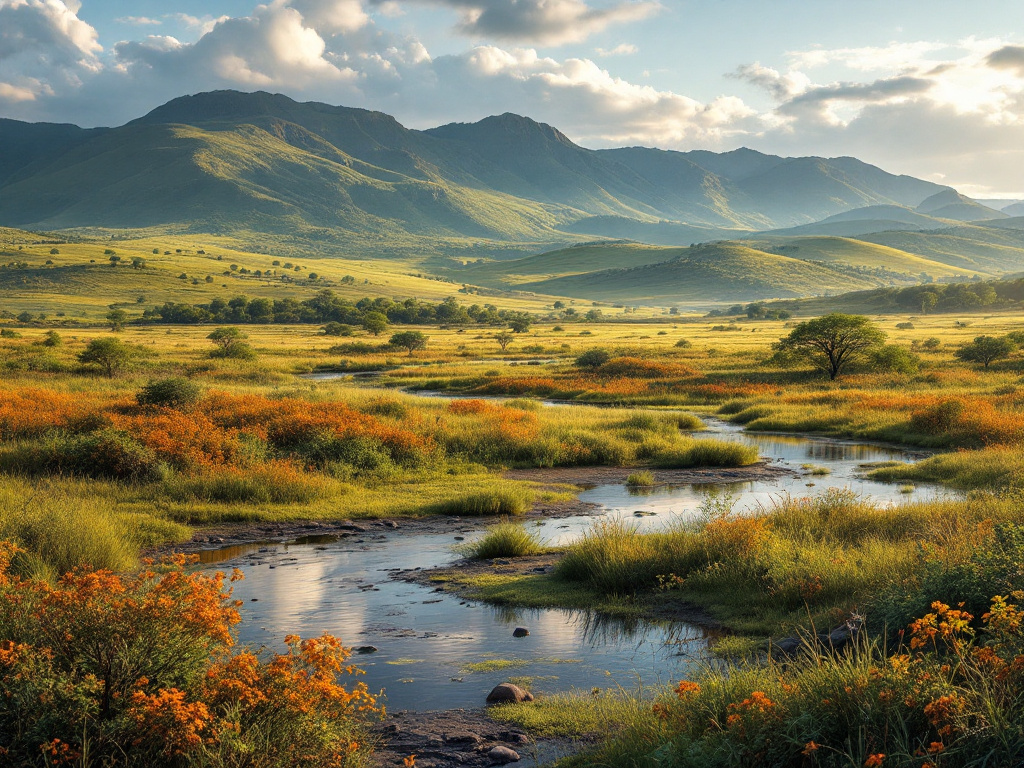
Viphya Forest Reserve
A tranquil forest area in northern Malawi, ideal for relaxing hikes.
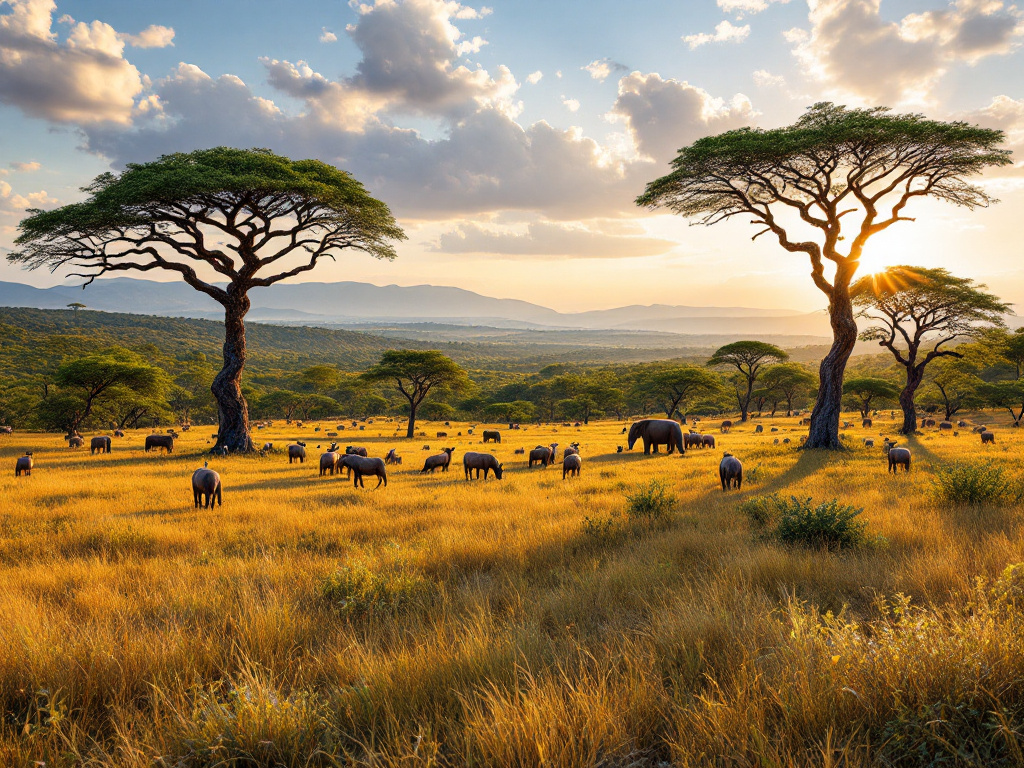
Majete Wildlife Reserve
An excellent safari reserve known for successful reintroduction of large mammals.
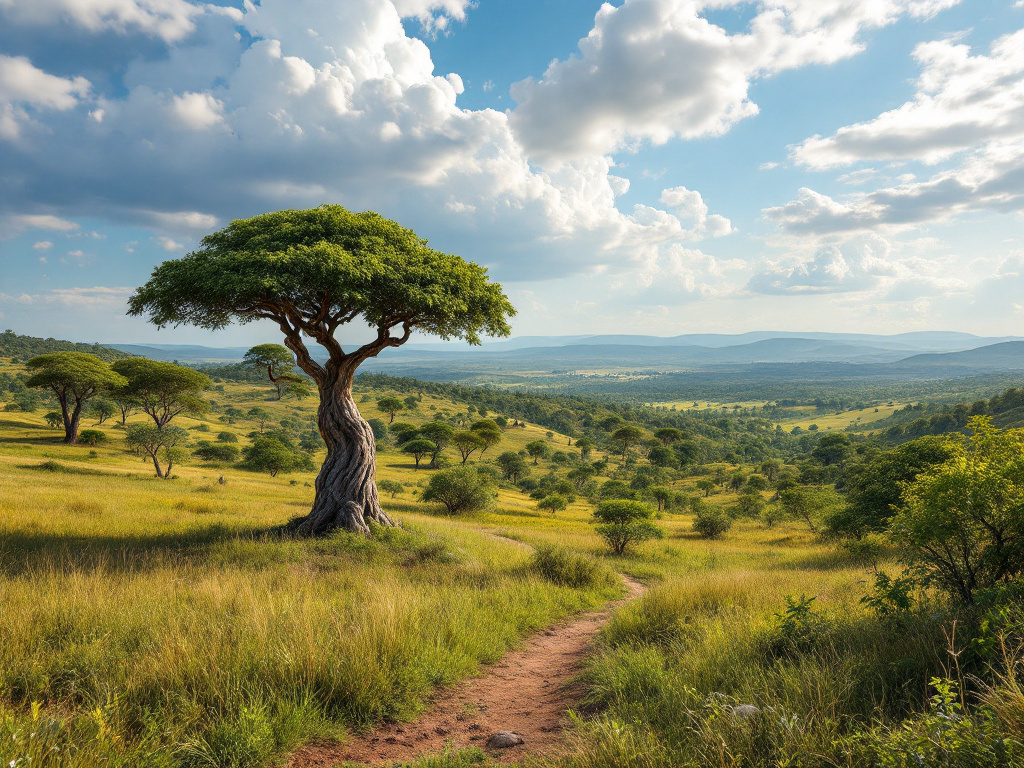
Chongoni Rock Art Area
An important prehistoric area with hundreds of rock paintings reflecting Malawi's cultural roots.
Famous cuisine
Culinary overview
Malawi's food culture is a harmonious blend of local ingredients, traditional cooking methods, and influences from neighboring countries. The cornerstone of most meals is nsima, a firm corn porridge usually served with various accompaniments such as vegetables, beans, meat, or freshly caught fish from Lake Malawi. Meals are often a social event where family and friends gather around food. Markets are brimming with fresh fruits such as mangoes, papayas, and bananas, while street vendors offer quick snacks like mandasi. Lake Malawi's fish, especially chambo, is a culinary pride, and many dishes are prepared over an open fire to preserve the authentic flavor.
Must-try dishes
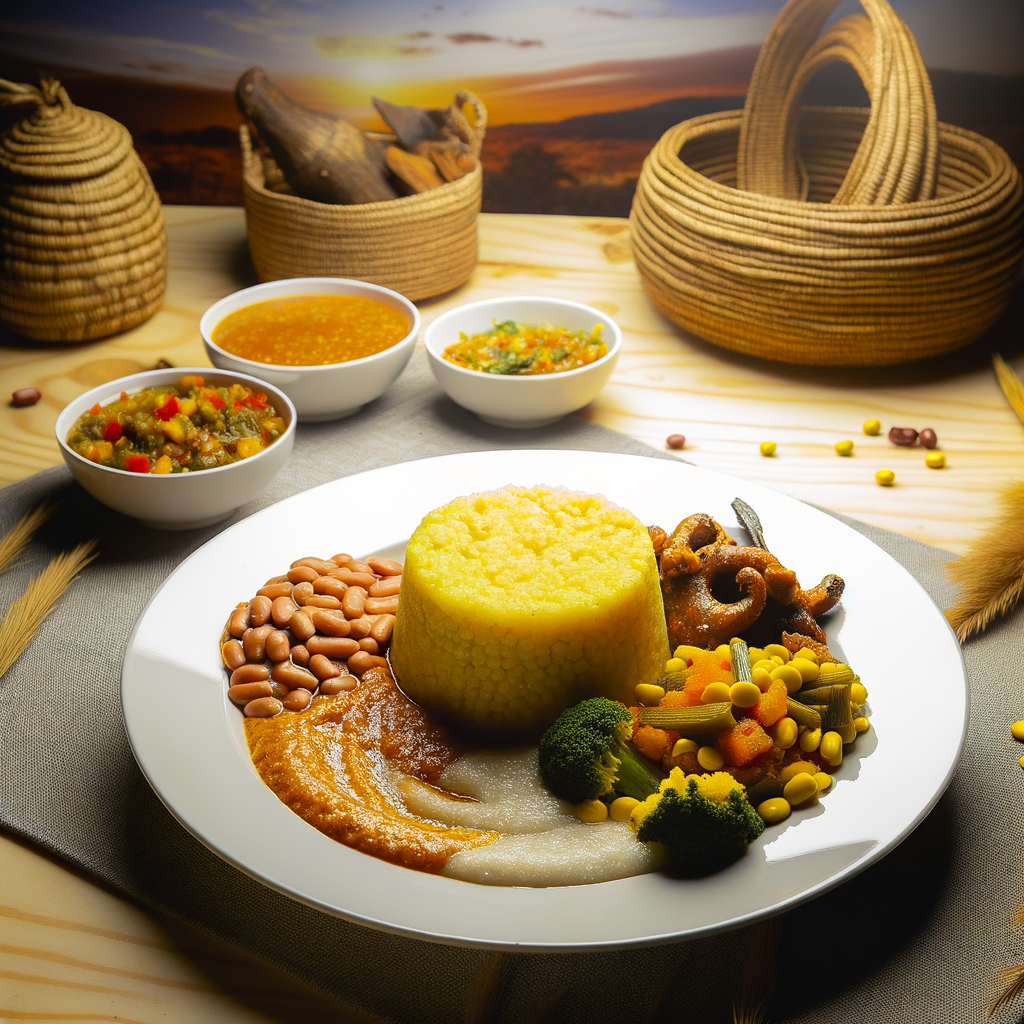
Nsima
A firm corn porridge that is Malawi's national dish. It is typically served with vegetables, beans, meat, or fish and is eaten by hand. Nsima is both filling and versatile and is a central part of the daily diet.
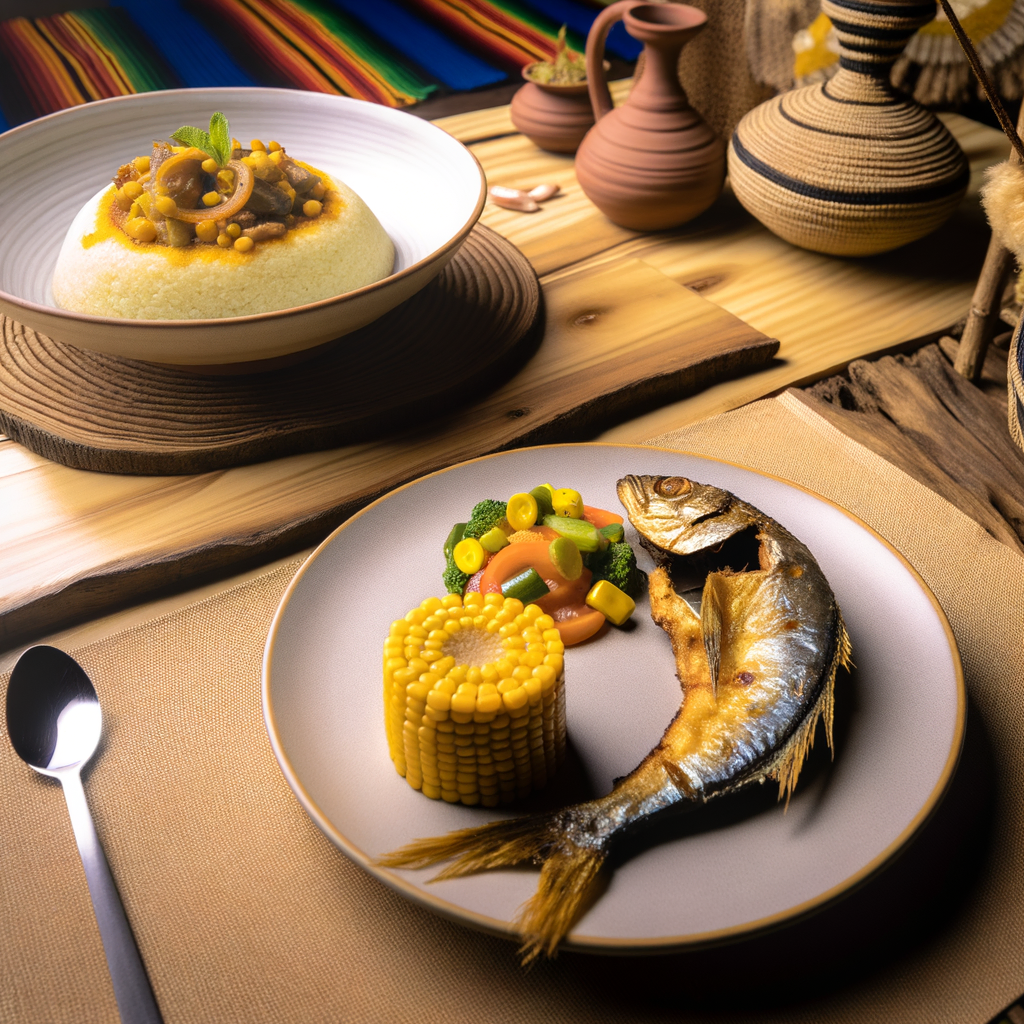
Chambo
A local fish from Lake Malawi, often grilled or fried and served with nsima and vegetables. Chambo is known for its mild, delicate flavor and is one of the country's most sought-after ingredients.
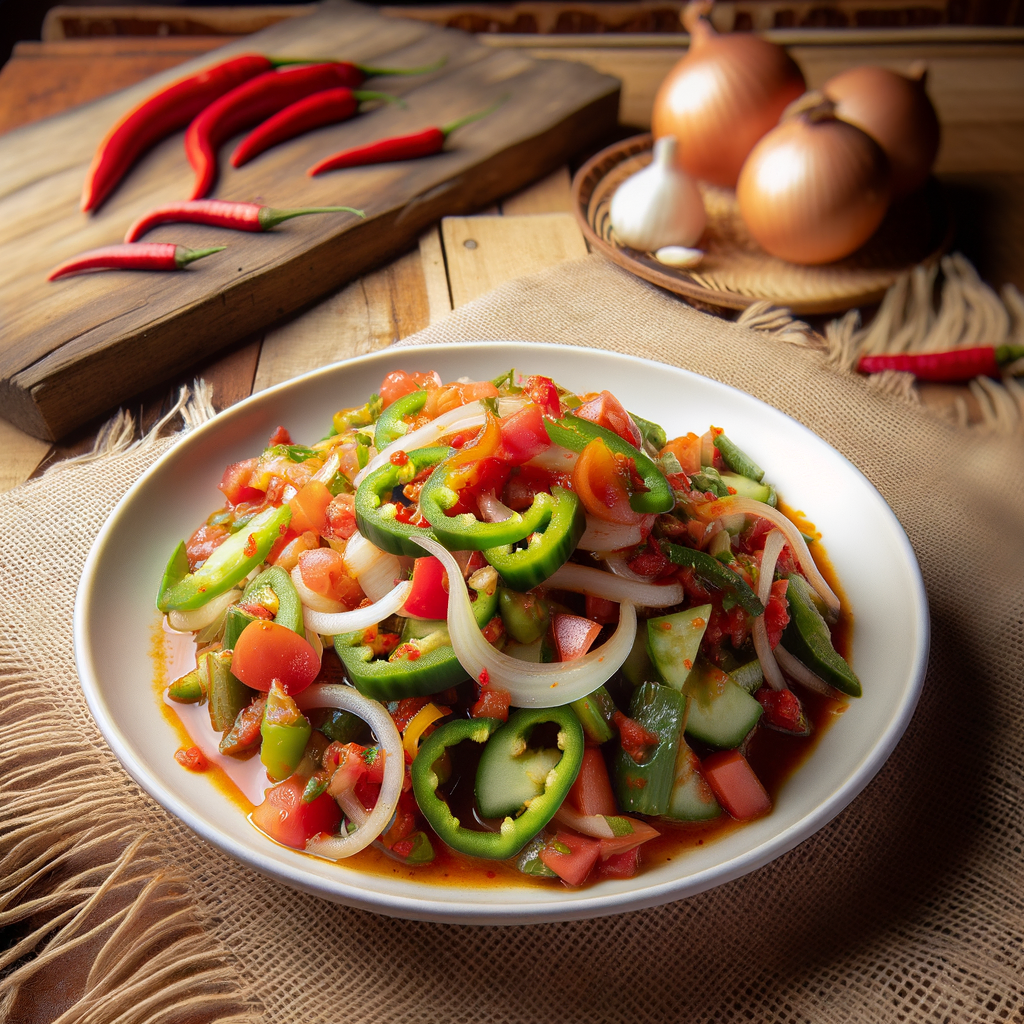
Kachumbari
A fresh salad made from tomatoes, onions, chili, and sometimes cucumber. It is often served as a side dish to grilled meat or fish and provides a fresh, tangy contrast to the hearty main dishes.
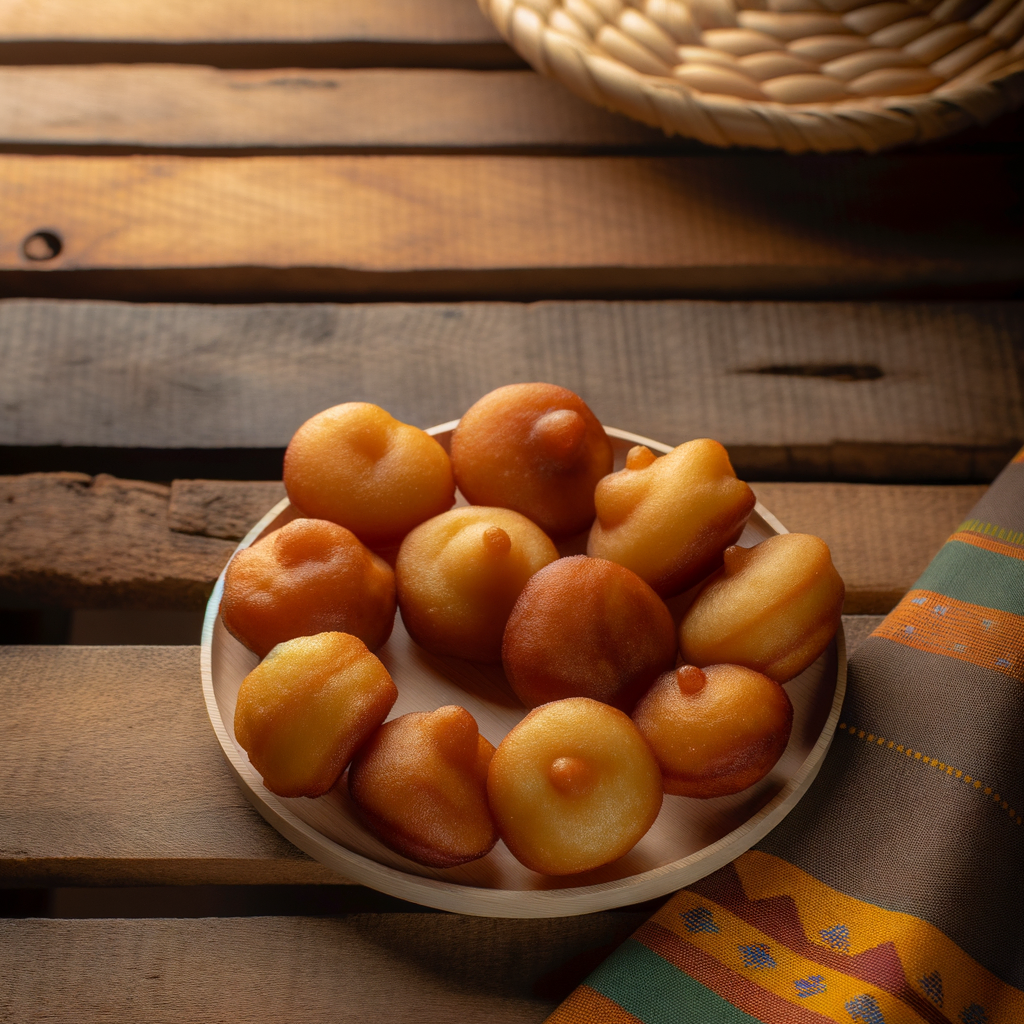
Mandasi
Small, sweet deep-fried balls that resemble donuts. They are often eaten for breakfast or as a snack and can be found at markets and street corners throughout the country.
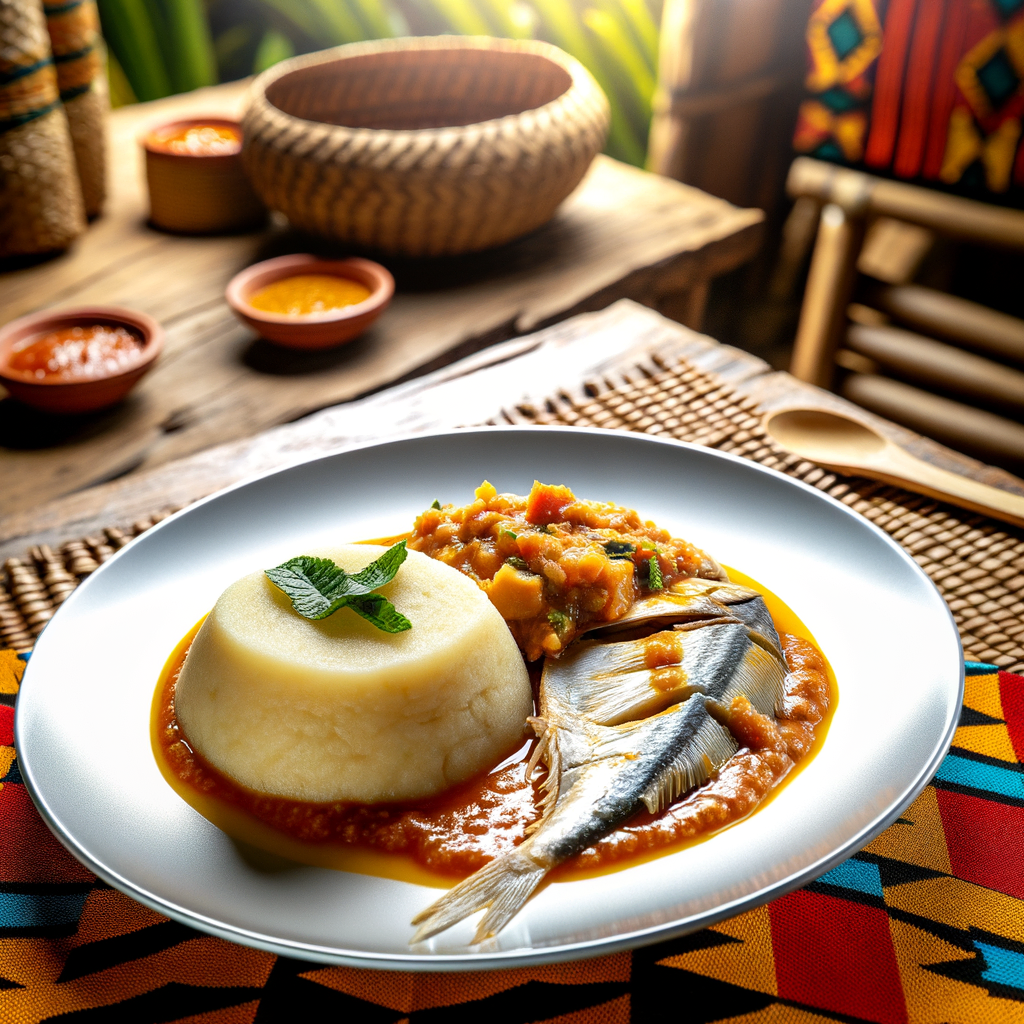
Kondowole
A chewy, elastic cassava porridge that is popular in Malawi's northern regions. It is typically served with fish or meat in sauce and has a distinctive texture.
Restaurant information
Tipping
Tipping is not mandatory in Malawi, but it is appreciated. In restaurants, many round up or give about 5-10% of the bill if the service has been good.
Travel information
Currency
Malawian kwacha (MK)
Language
English and Chichewa
Best time to visit
May to October (dry season)
Major cities
Lilongwe and other major cities
More countries in Africa
Discover more destinations in this region