
Scotland
Scotland, where ancient castles meet breathtaking landscapes, offers a richly woven tapestry of history, wildlife, and warm hospitality – home to haggis, whisky, and timeless charm.
Overview
Scotland is a country where dramatic Highland scenes, mysterious lochs, and historic cities create an unforgettable travel experience. From the UNESCO-listed areas of Edinburgh and the majestic Edinburgh Castle to the rugged coastlines of the Isle of Skye and the legendary depths of Loch Ness, Scotland offers both adventure and culture. Here, prehistoric monuments, industrial heritage sites, and culinary delights like haggis and Scotch whisky come together in an atmosphere rich with authenticity and hospitality.
Official language
English
Government
Devolutionært parlament under et Constitutional monarchy
Best time to visit
May-September
Nature
Scotland's breathtaking landscapes offer an enchanting experience for nature lovers. The Highlands, with their dramatic mountains, deep valleys, and mist-covered lochs like the famous Loch Ness, create a nearly mythical scenery. Glencoe captivates visitors with its stunning views and rich history, while the Isle of Skye enchants with rugged coastlines, rolling green hills, and hidden coves. The St. Kilda archipelago, a UNESCO World Heritage site, is home to rare bird species and towering sea cliffs that rise majestically from the Atlantic Ocean. The Orkney Islands feature gentle, rolling fields and coastlines adorned with ancient stone structures. Scotland's numerous hiking trails cater to all, from challenging routes in Cairngorms National Park to peaceful paths along lochs and through woodlands. In spring and summer, the landscape bursts into a symphony of colors, while wildlife – from highland deer to coastal seabirds – flourishes. This captivating nature invites adventurers to hike, bike, kayak, and observe wildlife in all its splendor.
Travel to Scotland
Traveling to Scotland is filled with diverse experiences and charm. The best time to visit is from May to September, when the weather is mild, the days are long, and the landscape is in full bloom. Visitors can easily reach Scotland by flying into Edinburgh or Glasgow, or by train and ferry from other parts of the UK. The country is ideal for road trips, allowing travelers to explore both urban centers and secluded natural areas. Edinburgh and Glasgow offer vibrant culture, shopping, and gastronomy, while the Highlands and islands provide peace, adventure, and stunning views. Popular activities include whisky trails, castle tours, and hiking, and it's simple to combine city breaks with nature experiences. Known for its hospitality, Scotland's accommodation options range from cozy B&Bs to luxurious castle hotels. Whether you seek history, nature, or culture, Scotland is a destination that delivers on all fronts.
Culture
Scotland's vibrant culture is deeply rooted in traditions, music, and storytelling that have been passed down through generations. The country proudly showcases its Celtic heritage, still alive in the Scots Gaelic and Scots languages, as well as through music traditions featuring bagpipes and folk dancing. Edinburgh acts as a cultural epicenter, hosting world-renowned festivals like the Edinburgh International Festival and the Fringe, where artists from around the globe unite. The culinary scene is equally rich, embracing classic dishes like haggis, Cullen Skink, and shortbread, alongside the iconic Scotch whisky produced in distilleries throughout the nation. Craftsmanship, tartan patterns, and clan traditions are evident in everyday life, while storytelling – both oral and written – plays a significant part in the cultural tapestry. From cozy pubs filled with live music to grand theaters and museums, the culture remains lively and diverse. Scots are known for their warm hospitality, humor, and pride in their heritage, ensuring that every journey feels authentically engaging.
History
Scotland's history is marked by proud kingdoms, dramatic battles, and a resilient national identity. The remnants of ancient monuments in the Heart of Neolithic Orkney – some of the best-preserved in Europe – tell tales of long-lost civilizations, while medieval castles like Stirling and Edinburgh Castle reflect centuries of development. The history of conflict with England during the medieval period has significantly influenced both architecture and folklore. The Industrial Revolution left its imprint on places like New Lanark, renowned for social reforms and textile production. Scotland has maintained its unique culture and political identity through a devolved parliament, making its history an integral part of its present-day character, where past and present intertwine inexorably.
Top attractions
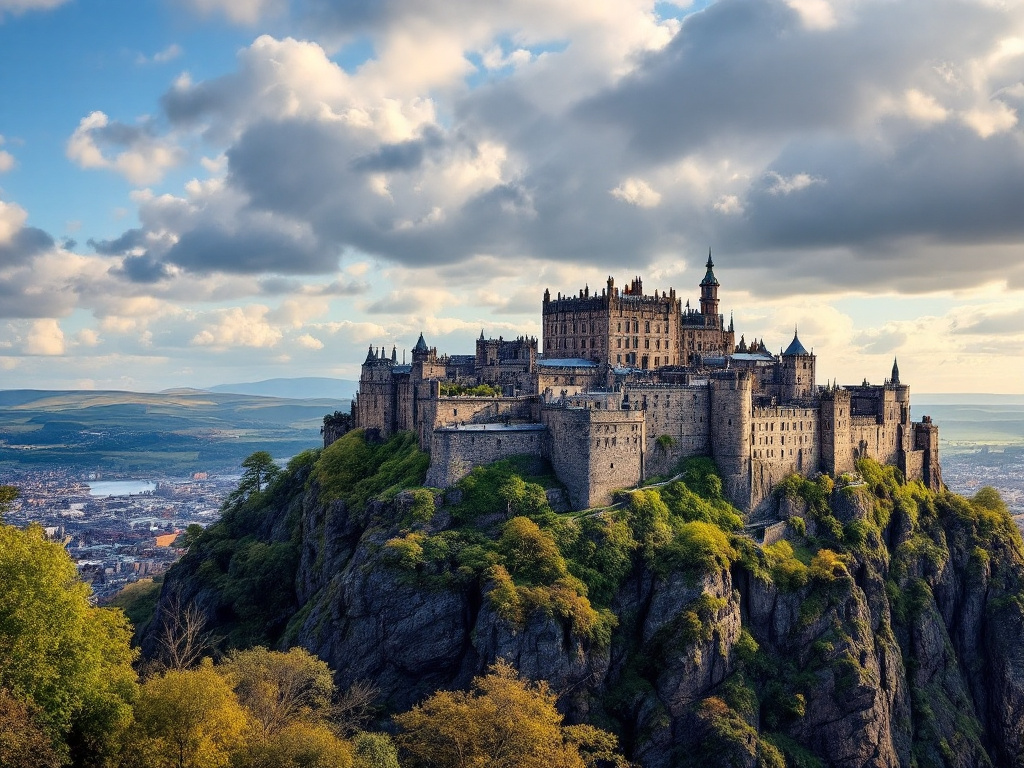
Edinburgh Castle
A majestic castle sitting atop a volcanic rock that dominates the Edinburgh skyline and tells Scotland's dramatic story.
Loch Ness
A deep and mysterious lake in the Scottish Highlands, world-famous for the legend of the Loch Ness monster.
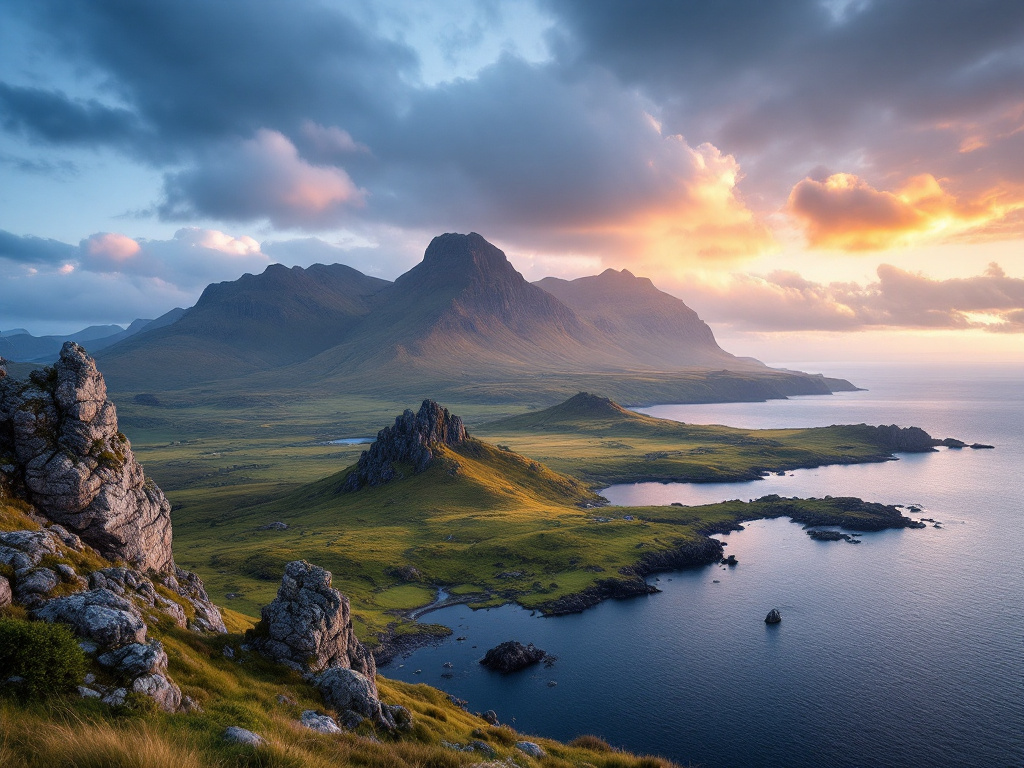
Isle of Skye
One of Scotland's most spectacular islands with raw nature, mountains, coastlines, and iconic views.
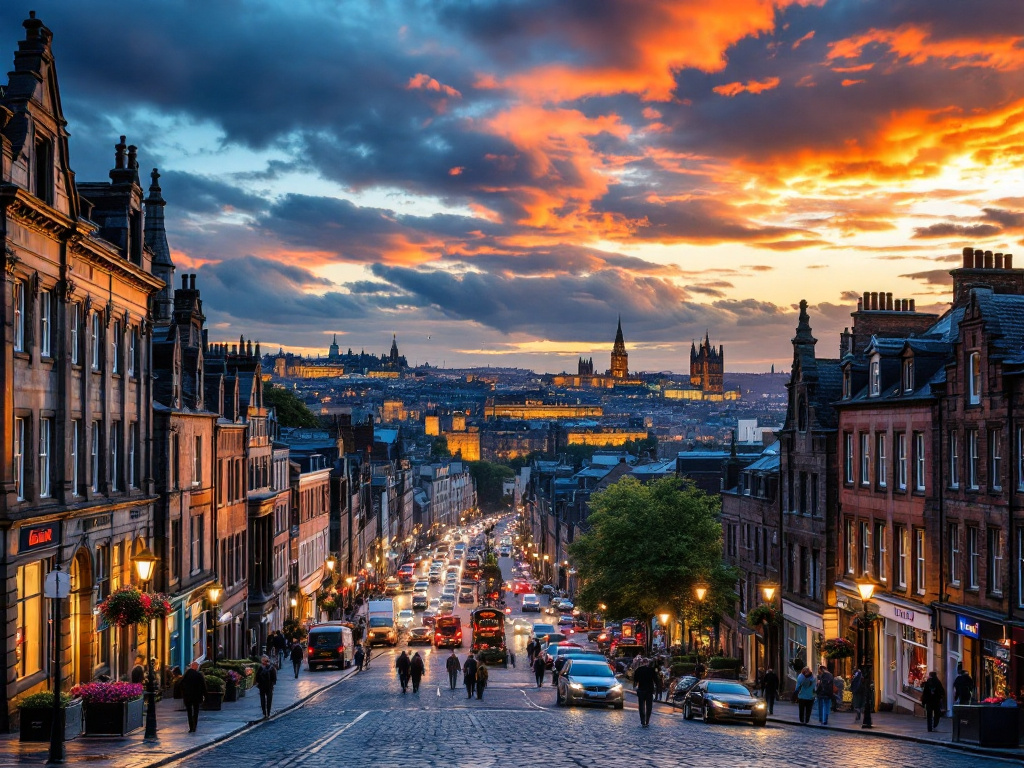
Royal Mile
A famous historic street that connects Edinburgh Castle with Holyrood Palace.
Ben Nevis
Scotland's highest mountain and a popular challenge for hikers and climbers.
Urquhart Castle
A dramatic castle ruin on the shores of Loch Ness with rich history and stunning views.
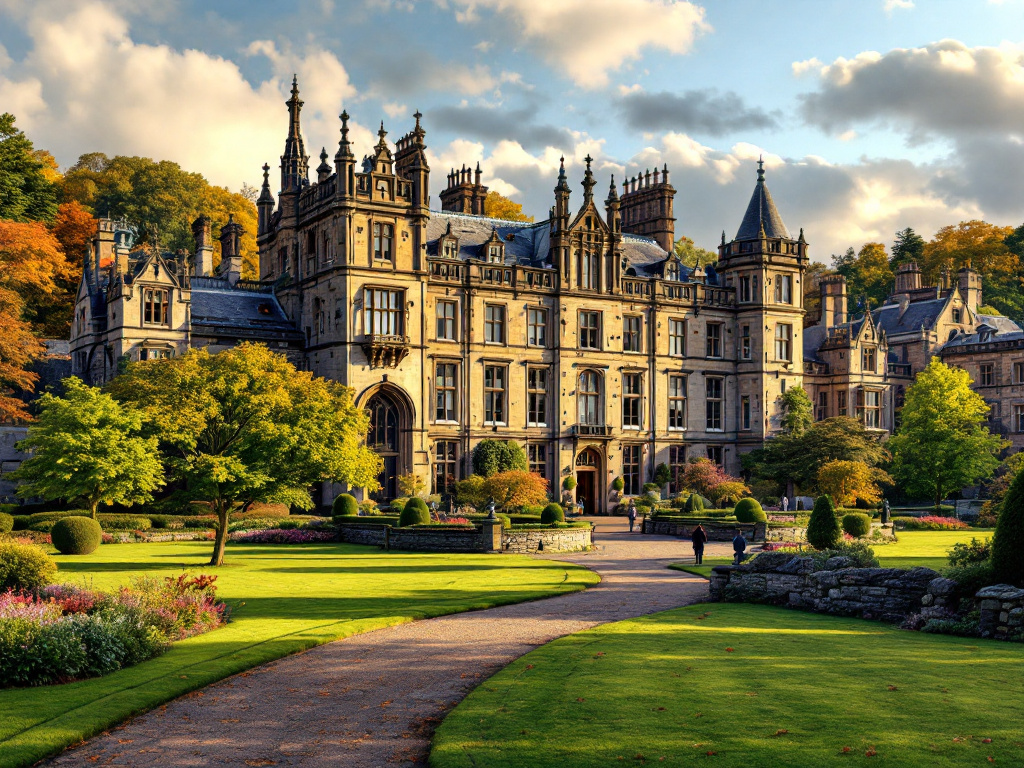
Holyrood Palace
The official residence of the British monarch in Scotland, located at the end of the Royal Mile.
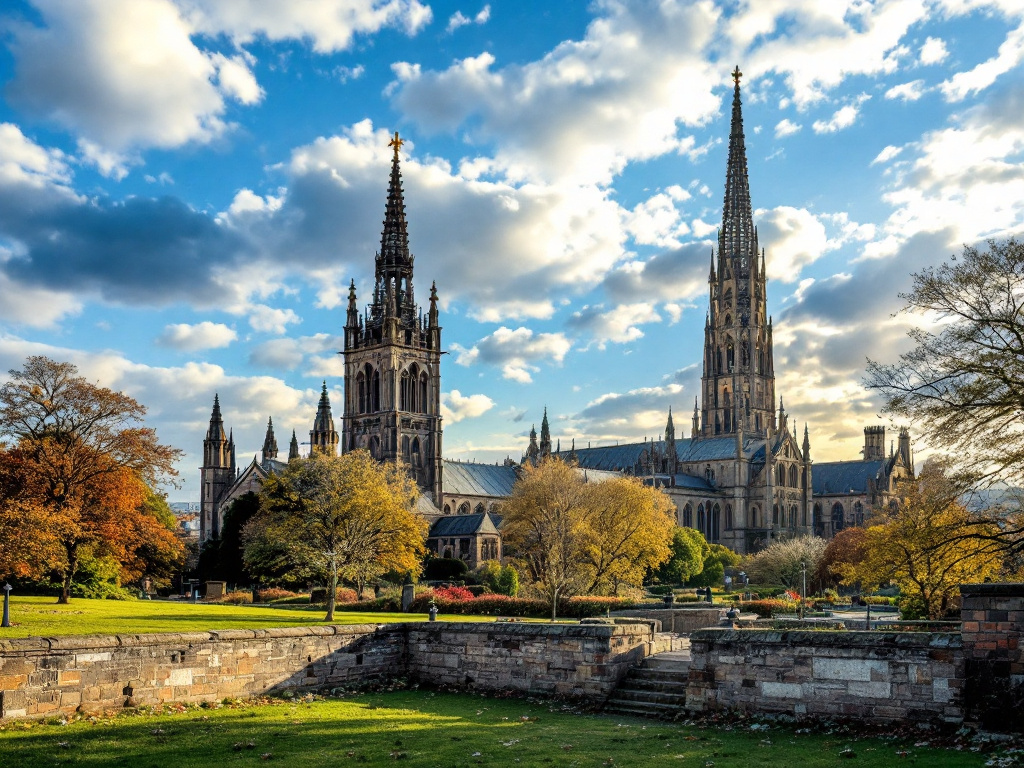
Glasgow Cathedral
An impressive medieval cathedral and one of Glasgow's oldest buildings.
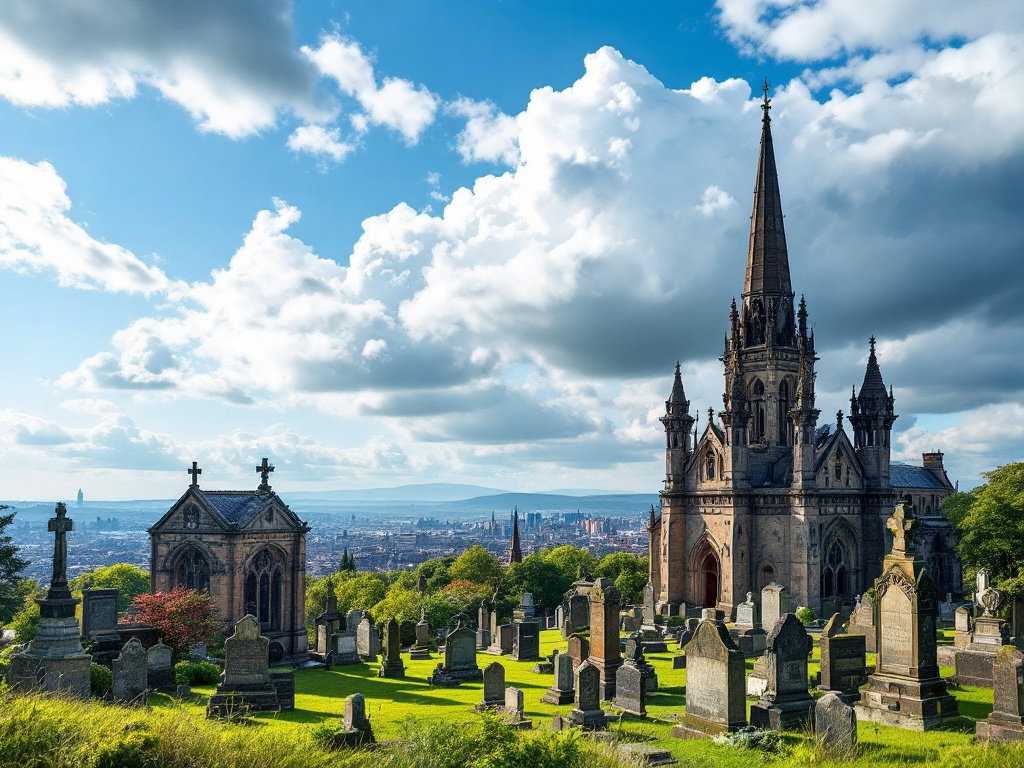
Glasgow Necropolis
A large Victorian cemetery on a hill with stunning views over Glasgow.
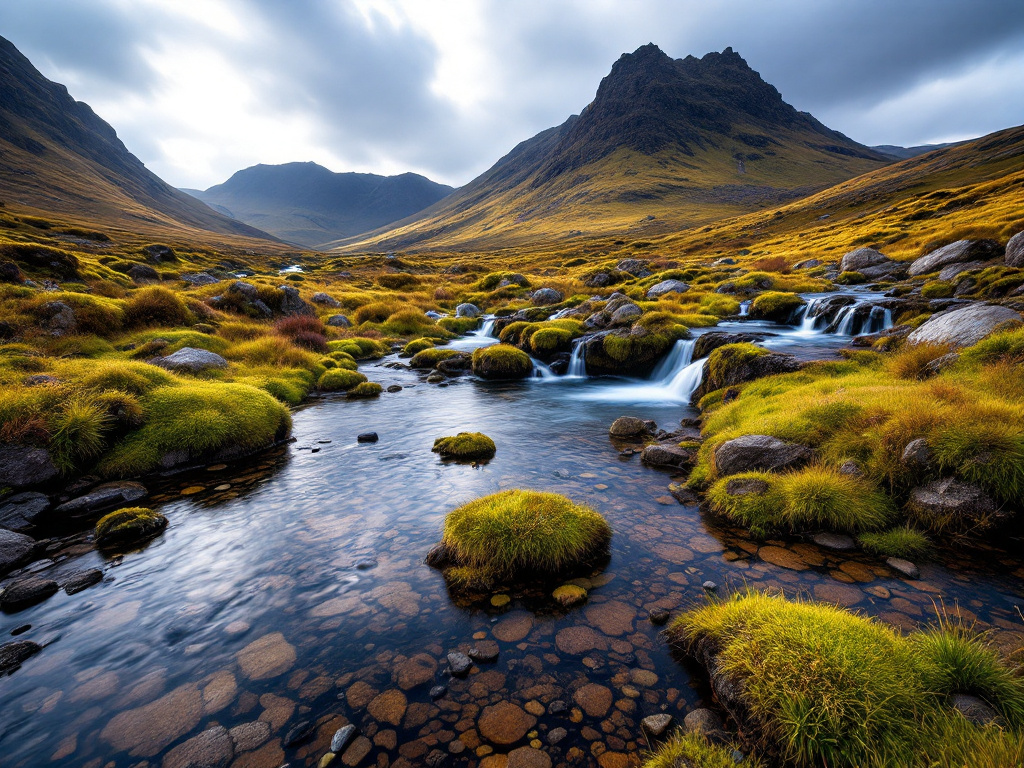
Fairy Pools
A series of beautiful natural pools and small waterfalls on the Isle of Skye.
Famous cuisine
Culinary overview
Scottish cuisine is a blend of old traditions and modern innovation. From hearty dishes that reflect the country's harsh climate and agricultural history to refined flavors in Michelin restaurants, Scotland offers a culinary journey filled with character. Local ingredients such as salmon, game, seafood, and root vegetables play a central role, while whisky and beer are natural companions to meals. Markets, pubs, and fine dining places provide a wide range of experiences, and many dishes have deep roots in the country's history.
Must-try dishes
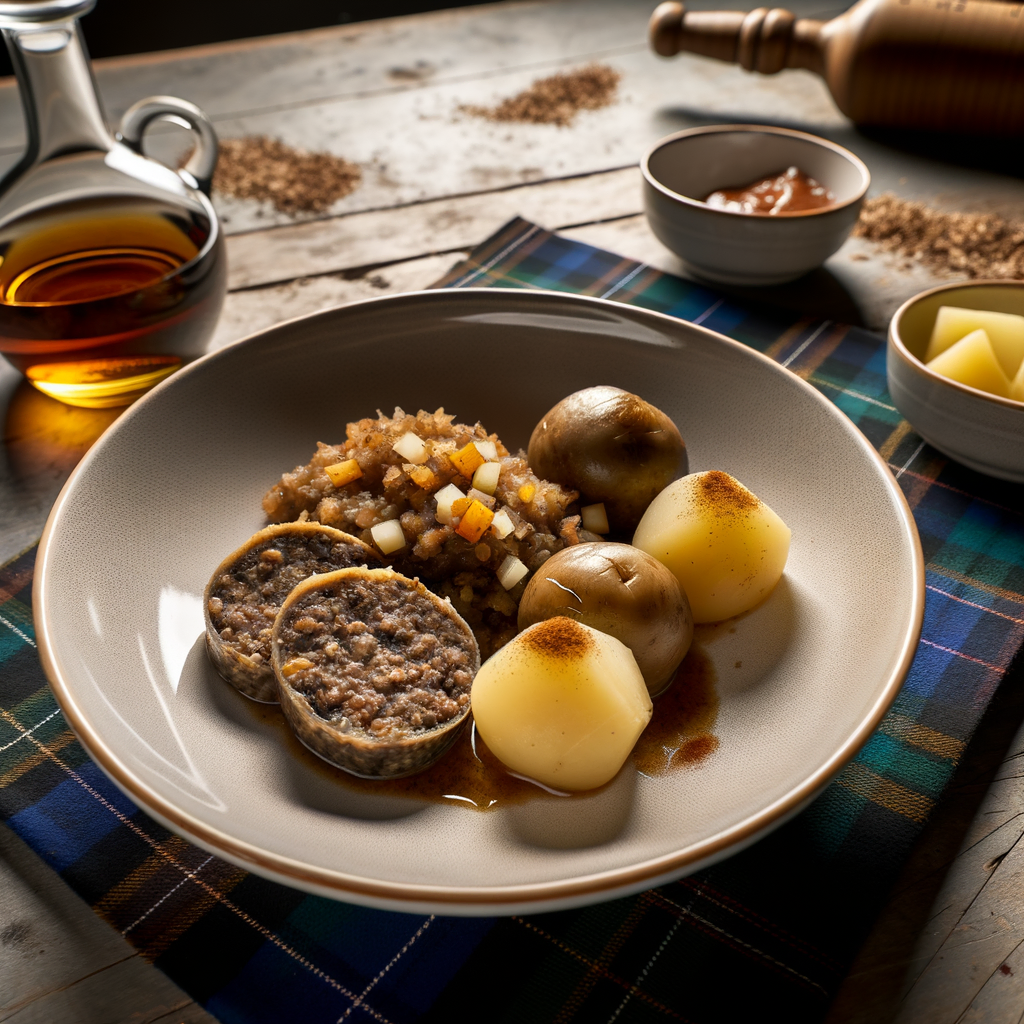
Haggis
A traditional Scottish dish made from sheep's offal mixed with oatmeal, onions, spices, and cooked in a sheep's stomach. Often served with 'neeps and tatties' (boiled turnips and potatoes) and a whisky sauce.
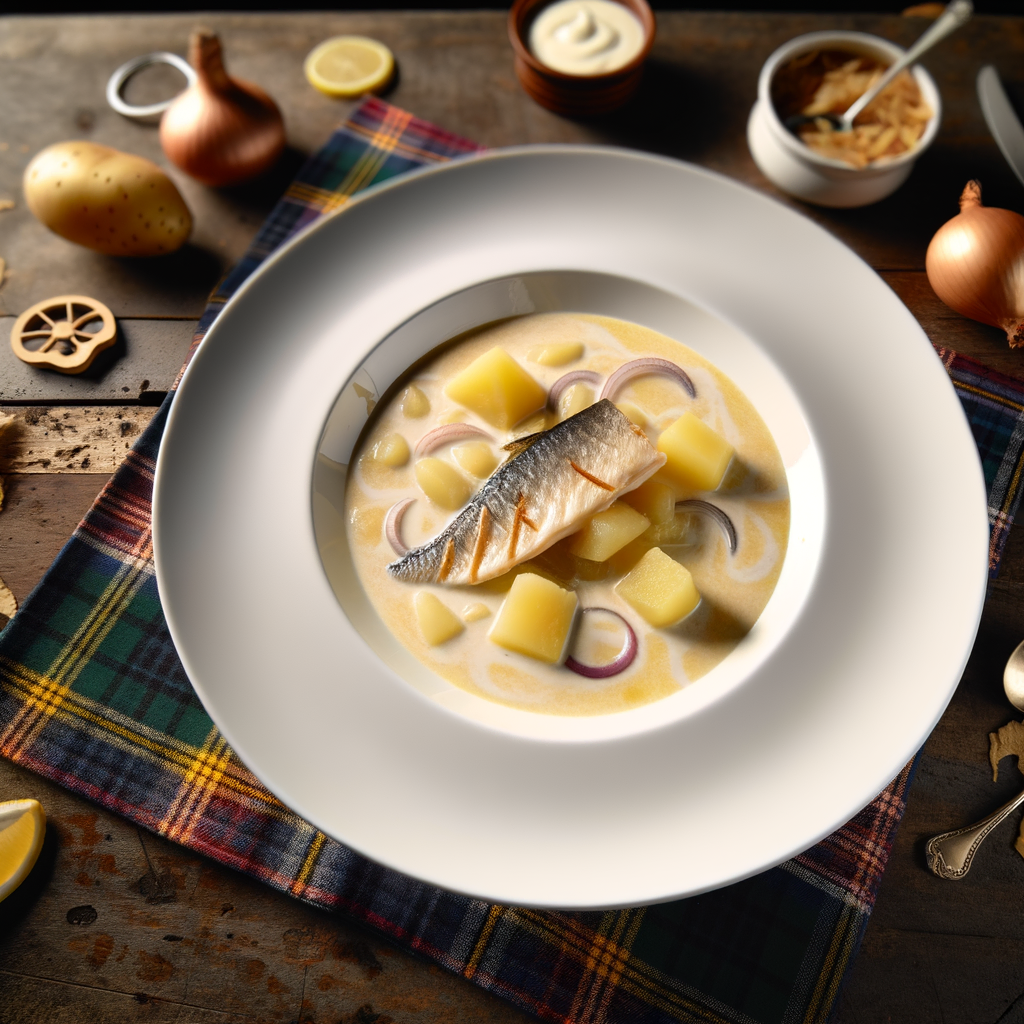
Cullen Skink
A creamy soup from the fishing town of Cullen, made from smoked haddock, potatoes, onions, and milk or cream. A warming dish, perfect for cool days.
Shortbread
Buttery cookies with a crisp and crumbly texture, often served with tea or as a sweet ending to a meal.

Scotch Whisky
Not a dish, but an essential part of Scottish food culture. Whisky is produced in various regions, each with its own character, from smoky Islay varieties to smooth Speyside whiskies.
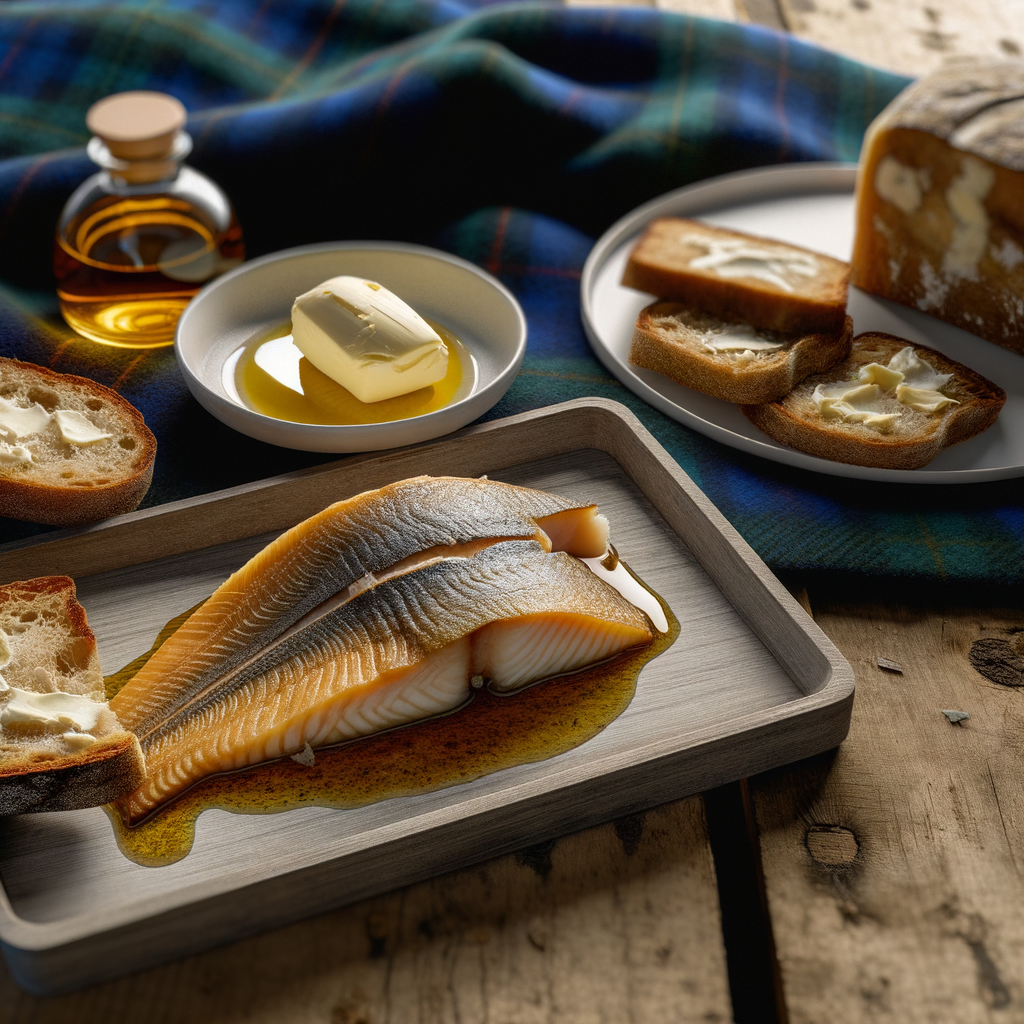
Arbroath Smokie
Smoked haddock from the town of Arbroath, cooked over oak wood chips. Often served warm with bread and butter.
Restaurant information
Tipping
In Scotland, tipping is not mandatory, but it is customary to give about 10% at restaurants if you are satisfied with the service. In pubs, tipping is not necessary unless there is table service.
Travel information
Currency
British pund (£)
Language
English
Best time to visit
May-September
Major cities
Edinburgh and other major cities
More countries in Europe
Discover more destinations in this region