
Sudan
Sudan, where ancient pyramids rise from golden sand dunes, the Blue and White Nile unite, and vibrant coral reefs flourish – an undiscovered gem in Northeast Africa.
Overview
Sudan is an undiscovered gem in Northeast Africa, where ancient pyramids rise majestically from golden desert sands, and the confluence of the Blue and White Niles creates a breathtaking spectacle in Khartoum. The country offers extraordinary archaeological treasures such as the Meroë pyramids and the sacred Gebel Barkal, paired with untouched natural beauty like the crystal-clear waters and colorful coral reefs of Sanganeb Marine National Park. Here, history, culture, and nature converge in an authentic atmosphere, far from mass tourism—perfect for adventurers and history lovers alike seeking unique experiences.
Official language
Arabic
Government
Federal republic
Best time to visit
November to February
Nature
Sudan boasts a dramatic and diverse landscape that is sure to captivate any nature enthusiast. In the north, vast desert plains extend endlessly, where golden sands embrace a brilliant blue sky, and the ancient Meroë pyramids stand as silent sentinels of an ancient civilization. The Nile River flows gracefully through the country, bringing life to lush riverbanks that nurture quaint villages and agricultural endeavors. To the east, the Red Sea coastline features the Sanganeb Marine National Park, a UNESCO World Heritage Site known for its crystal-clear waters, vibrant coral reefs, and abundant marine life, making it a paradise for divers and snorkelers. In the west and south, rolling savannas and majestic mountains provide habitats for a variety of wildlife, from graceful gazelles to rare bird species. The stark contrasts of Sudan’s natural beauty—from arid deserts to life-giving rivers and the breathtaking vistas of mountains—make it a stunning destination to explore, particularly during the milder months from November to February.
Travel to Sudan
Traveling to Sudan is a journey back in time, delving into the heart of an authentic culture. The ideal time to visit is from November to February, when the climate is milder, making it perfect for exploring both the vast desert landscapes and the lush banks of the Nile. Khartoum serves as a natural starting point, where travelers can witness the remarkable joining of the Blue and White Nile and explore the Khartoum National Museum, home to invaluable artifacts. From there, embark on adventures to the Meroë pyramids, the archaeological wonders of the Napata region, and the pristine underwater experiences at Sanganeb Marine National Park. A spirit of adventure is essential for traveling to Sudan, but the rewards are immense—unforgettable encounters with local communities, unique historical sites, and pristine natural experiences free from the crowd.
Culture
The culture of Sudan is a fascinating tapestry woven from Arab, African, and Nubian traditions, shaped by millennia of history and trade. Renowned for their legendary hospitality, the Sudanese people welcome visitors with tea and warm smiles. The culinary scene is rich and flavorful, with traditional dishes such as ful medames (spiced fava beans), kisra (a fermented flatbread), asida (a wheat-based porridge), and tamia, the Sudanese version of falafel, showcasing the country's diverse palate. Music and dance are integral to social gatherings, with traditional instruments like the tambur and oud playing a significant role. Handicrafts such as weaving, pottery, and jewelry-making reflect a vibrant artistic heritage. Religion deeply influences daily life, with Islam being the predominant faith, enriched by local traditions that celebrate the country’s diverse demographics. Sudan is a place where the legacy of the past blends seamlessly with the vibrancy of contemporary life, creating a rich cultural mosaic.
History
Sudan's history is steeped in the ancient Nubian kingdom, which flourished along the Nile for thousands of years. Home to several significant civilizations, including the Kingdom of Kush, Sudan is renowned for its impressive Meroë pyramids and its historical ties with ancient Egypt. The Gebel Barkal and Napata regions served as religious and political hubs, where temples and monuments stand as enduring testaments to a glorious past. In modern times, Sudan's narrative has been shaped by colonial influences under British-Egyptian rule, followed by its hard-won independence in 1956. The country's history has also been marked by complex political and social transitions, yet the archaeological wonders and historical sites remain open windows to a magnificent heritage, inviting exploration and discovery.
Top attractions
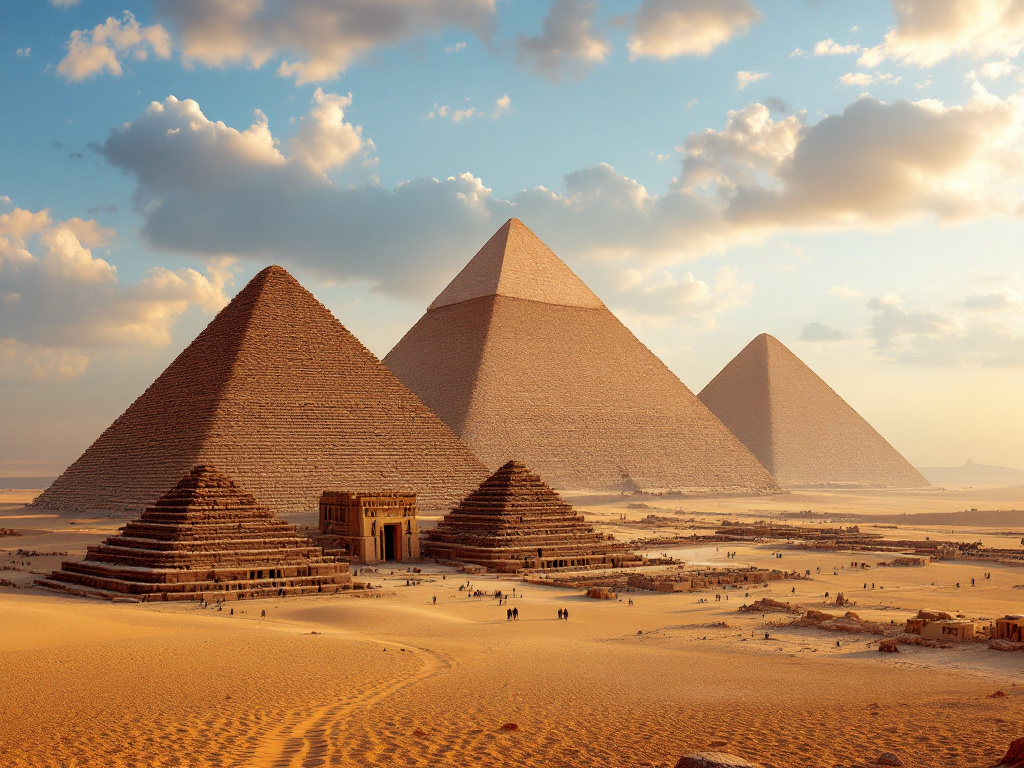
The Pyramids of Meroë
An impressive complex of Nubian pyramids that testify to the ancient Kushite kingdom and Sudan's rich history.
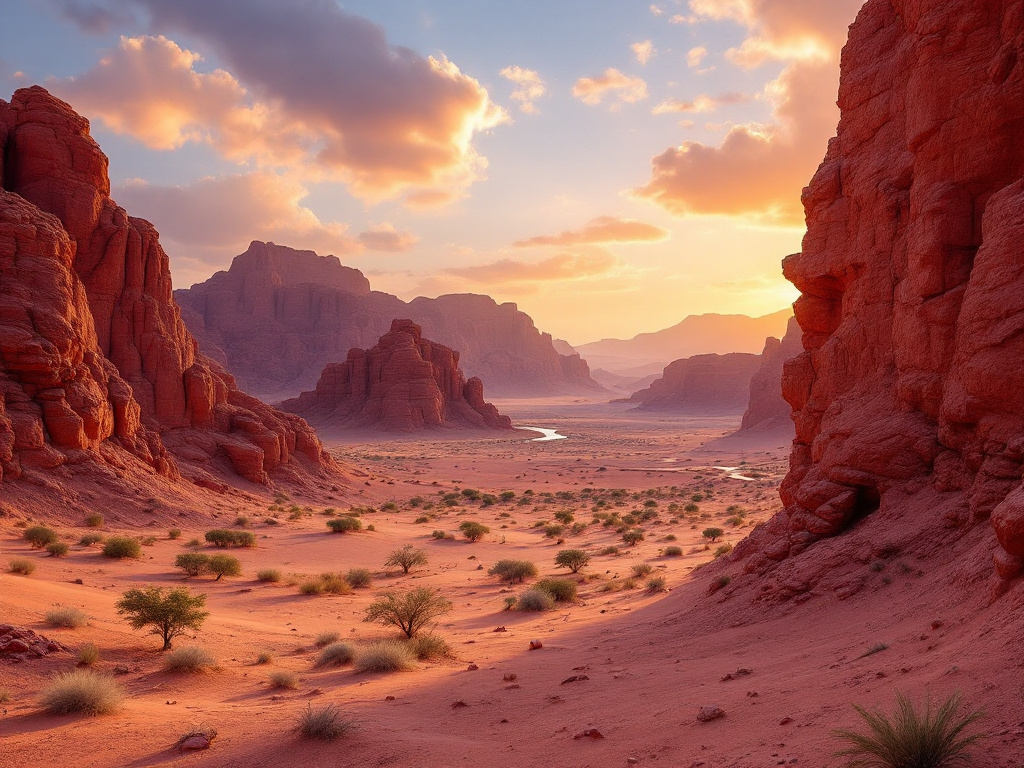
Jebel Barkal
A sacred mountain and archaeological site of great significance in ancient Nubia.
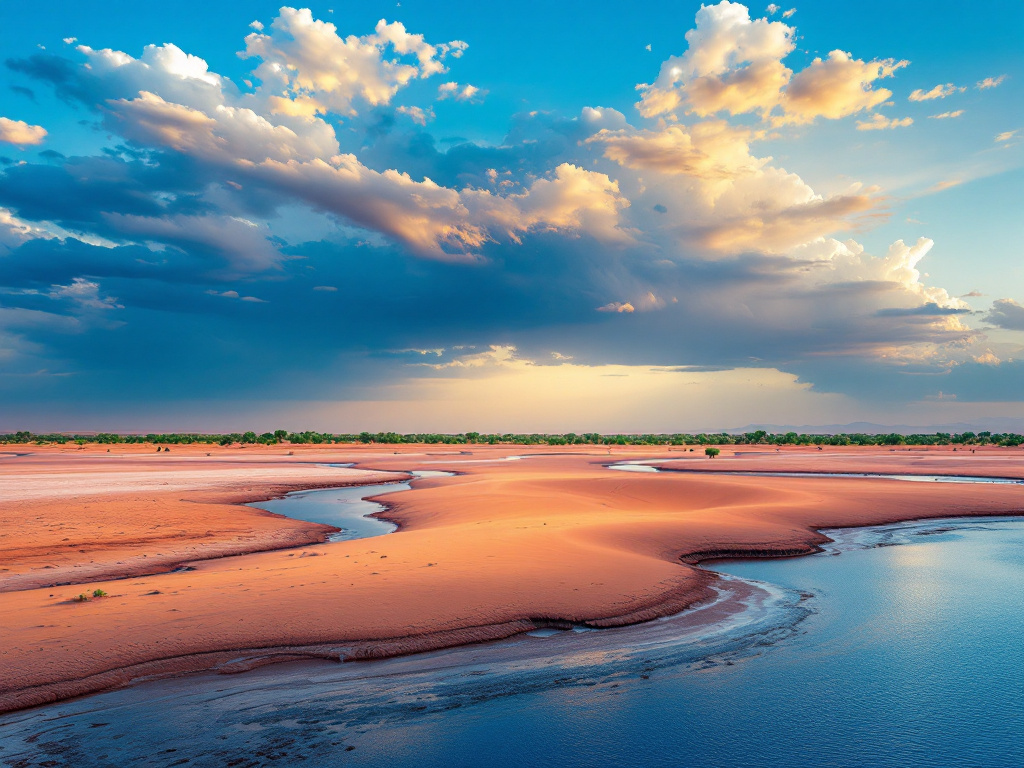
Sudd Wetlands
A vast and biologically rich wetland along the Nile, known for its unique ecosystem.
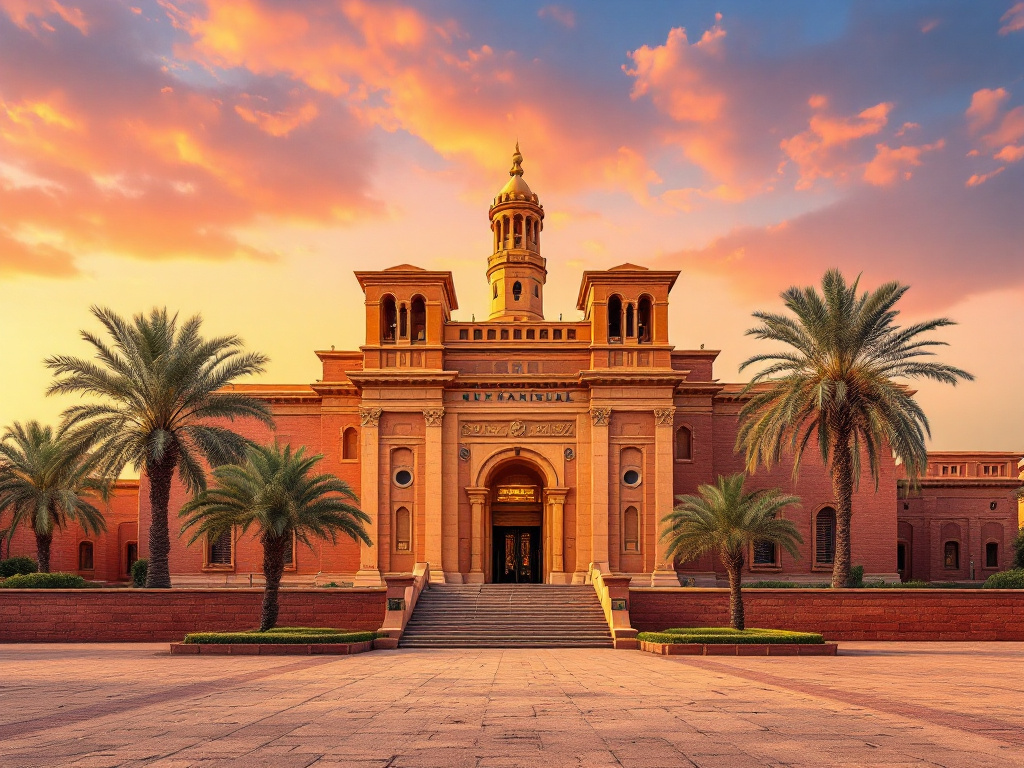
Sudan National Museum
The largest museum in Sudan with extensive collections from Nubia and antiquity.
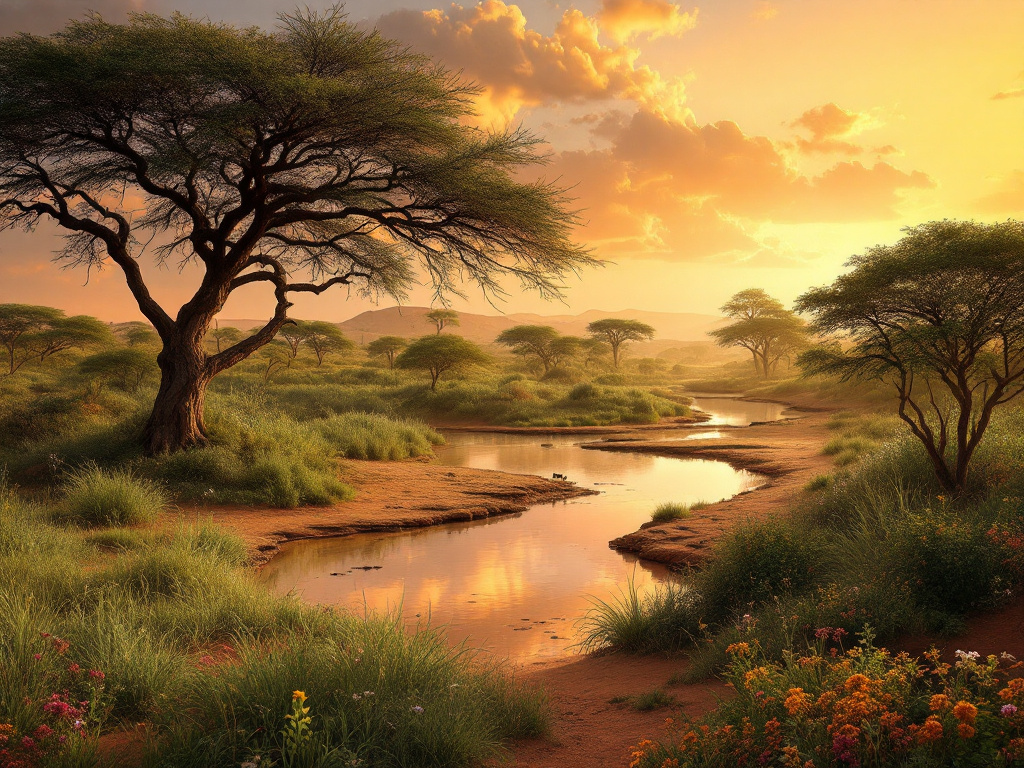
Dinder National Park
One of Sudan's most important nature parks with rich wildlife and vast savanna areas.
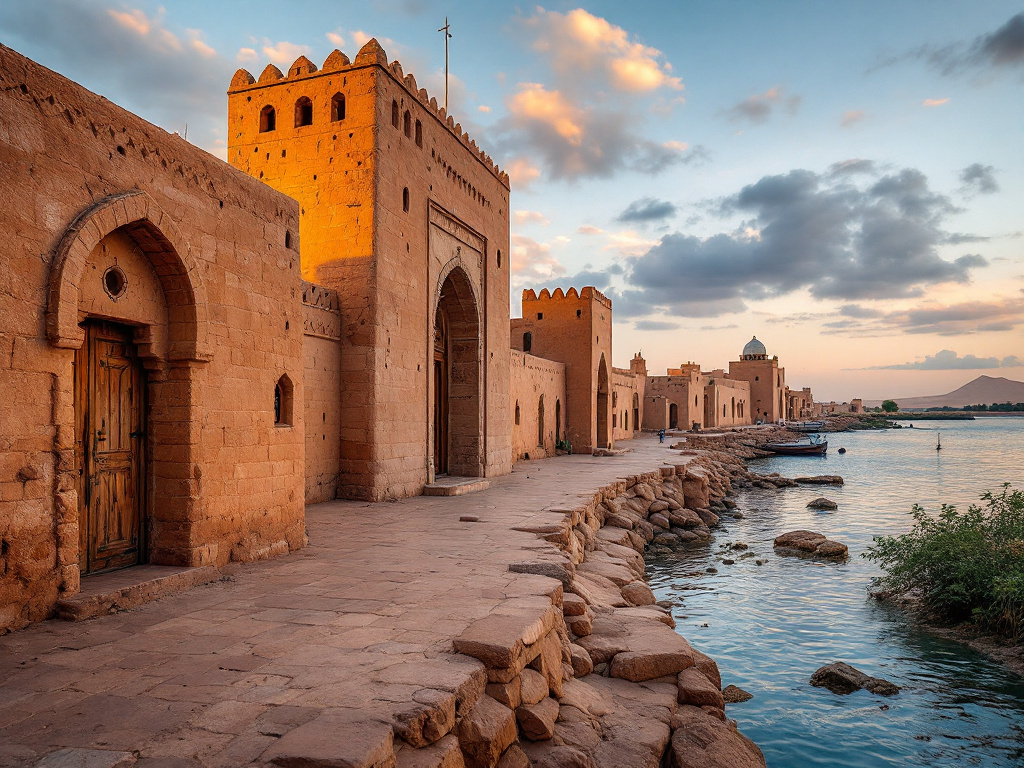
Suakin Island
A historical island town by the Red Sea with characteristic Ottoman architecture.
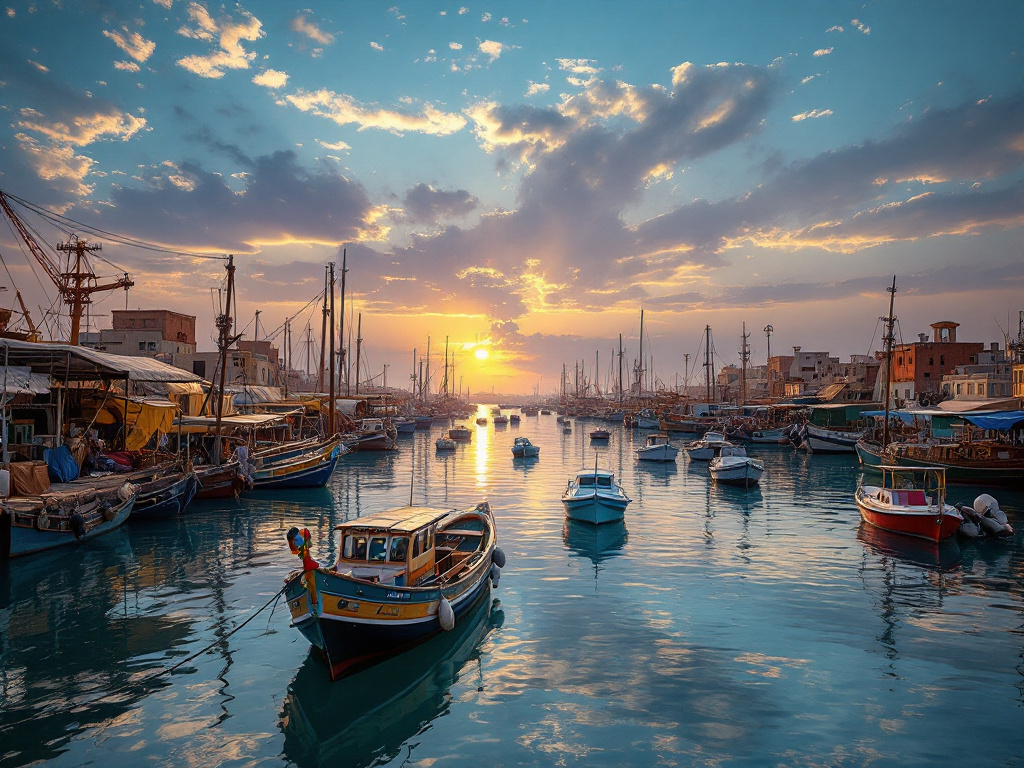
Coral Reefs of Port Sudan
Some of the Red Sea's best-preserved coral reefs, popular among divers.
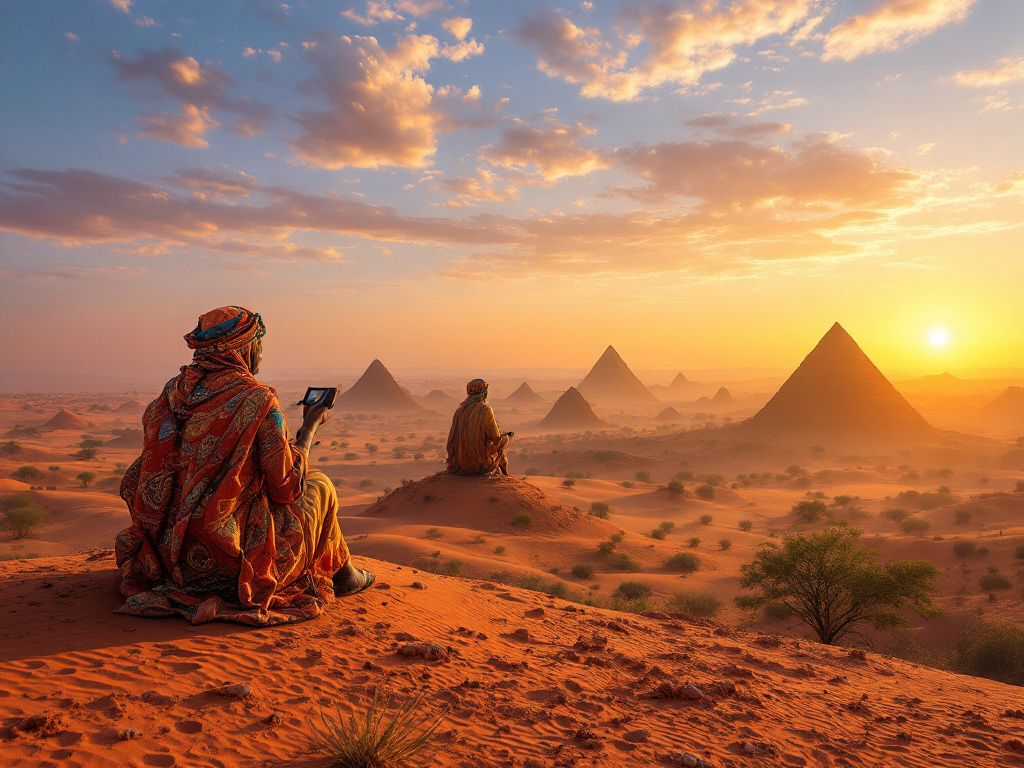
Nuba Mountains
A beautiful mountain region with strong cultural traditions and scenic landscapes.
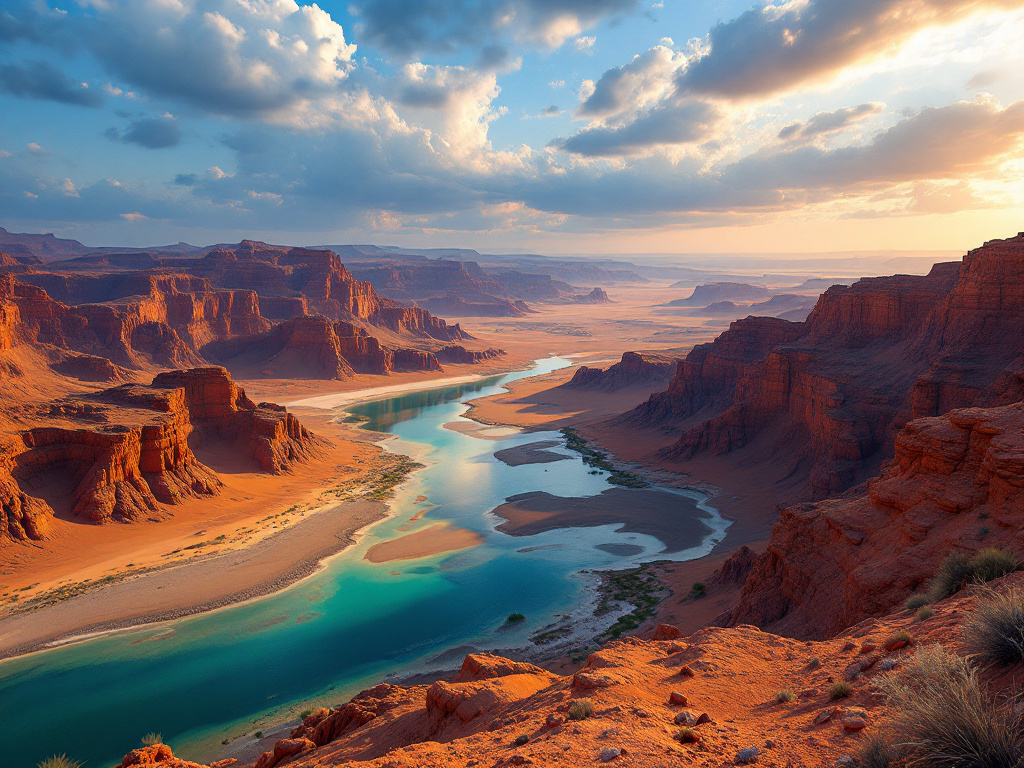
Bayuda Desert
A rugged and dramatic desert known for its volcanic landscapes and remote location.
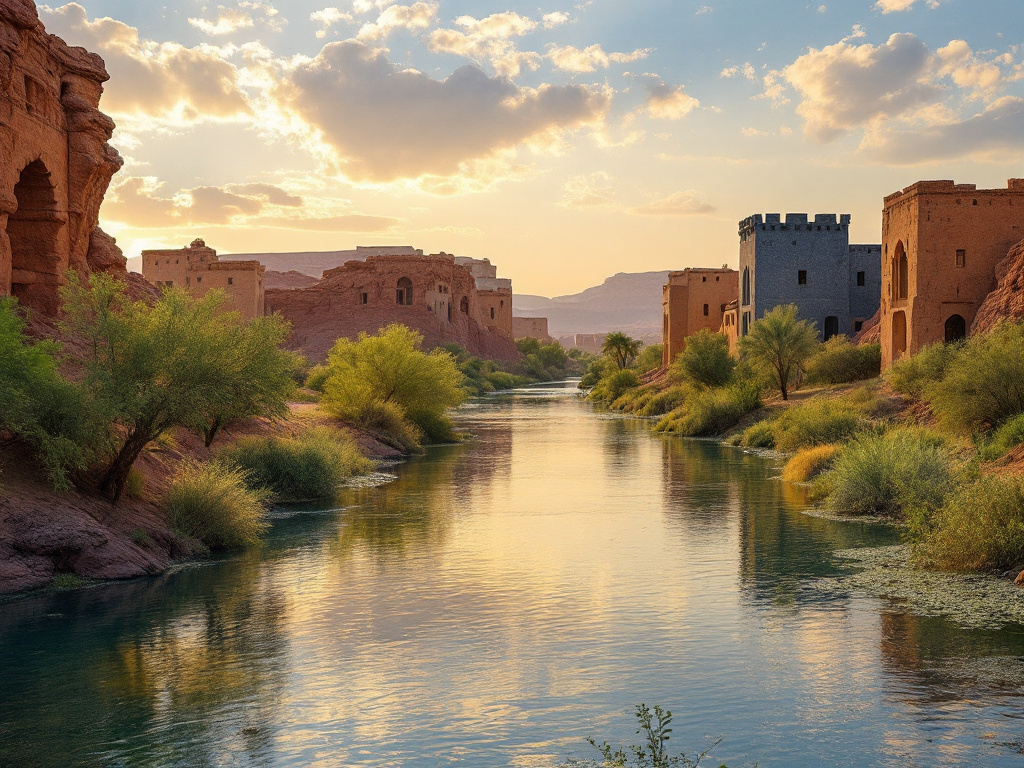
Tuti Island
A peaceful river island in the heart of Khartoum where local culture and nature meet.
Famous cuisine
Culinary overview
Sudanese cuisine is a melting pot of Arabic, African, and Middle Eastern flavors. Meals are often based on simple yet flavorful ingredients such as lentils, beans, millet, and freshly baked bread. Hospitality is a central part of the food culture, and it is common to share dishes at the table. Spices such as cardamom, cumin, and coriander are used liberally, and tea or coffee is often served after meals. Street food is popular in the cities, while traditional dishes still dominate in rural areas.
Must-try dishes
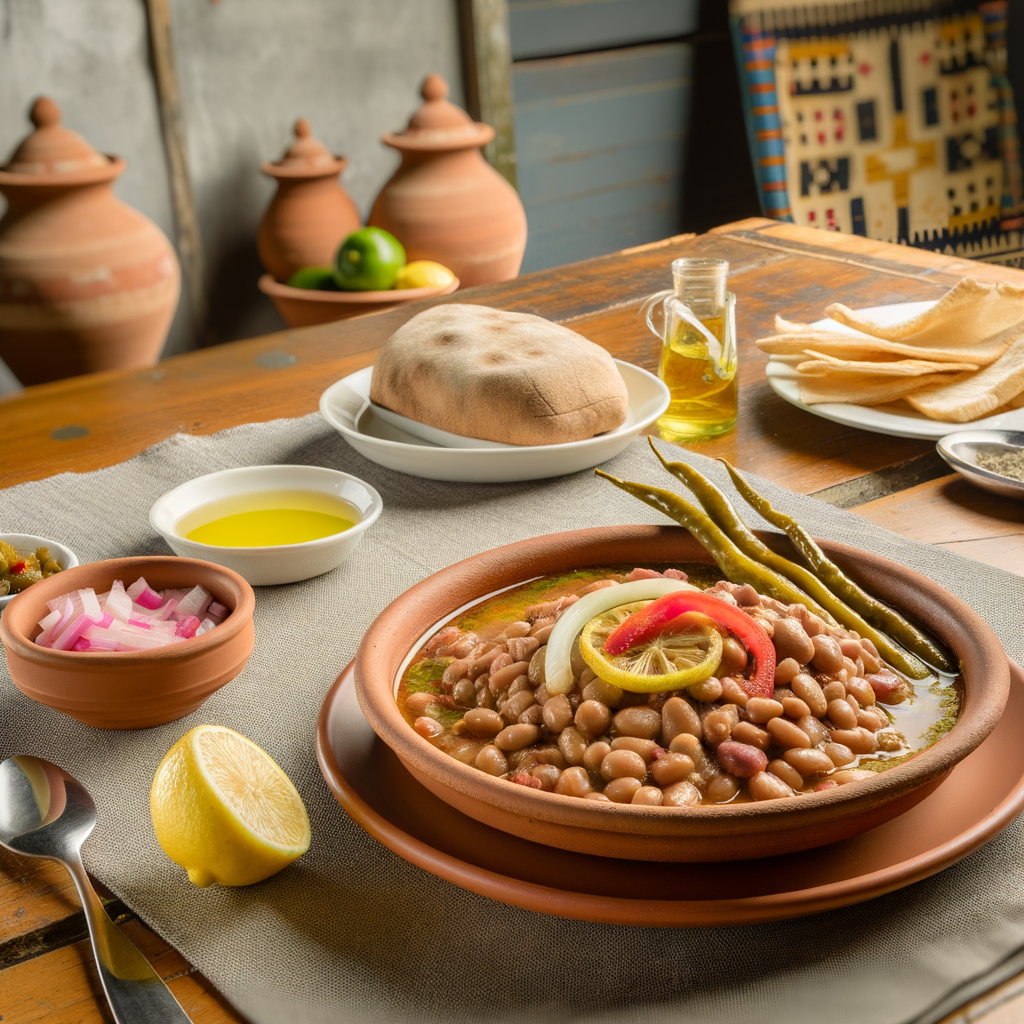
Ful medames
A classic breakfast dish made of slowly cooked brown beans, often served with olive oil, lemon juice, onions, and bread. It is nutritious and an important part of the daily diet in Sudan.
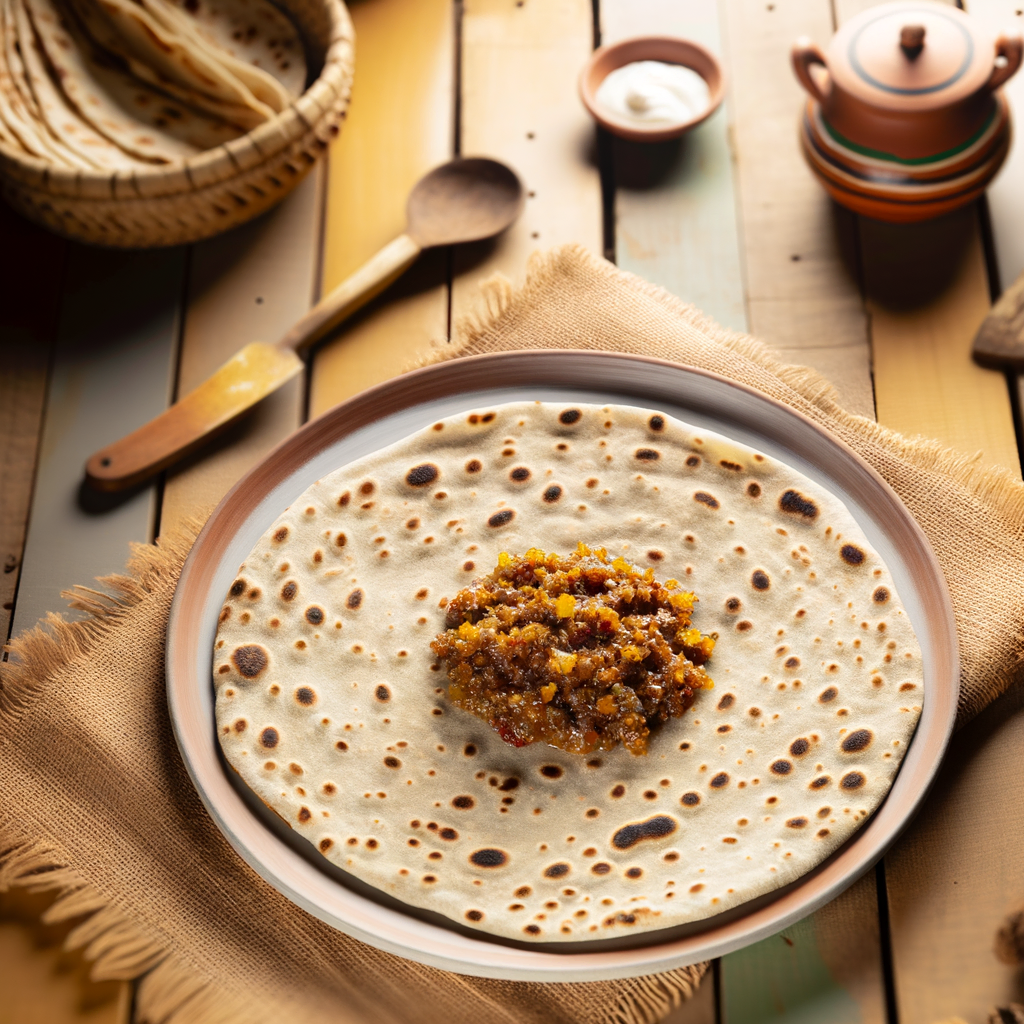
Kisra
A thin, sourdough-based flatbread made from durra (sorghum), used to scoop up stews and sauces. Kisra is an essential part of traditional meals.
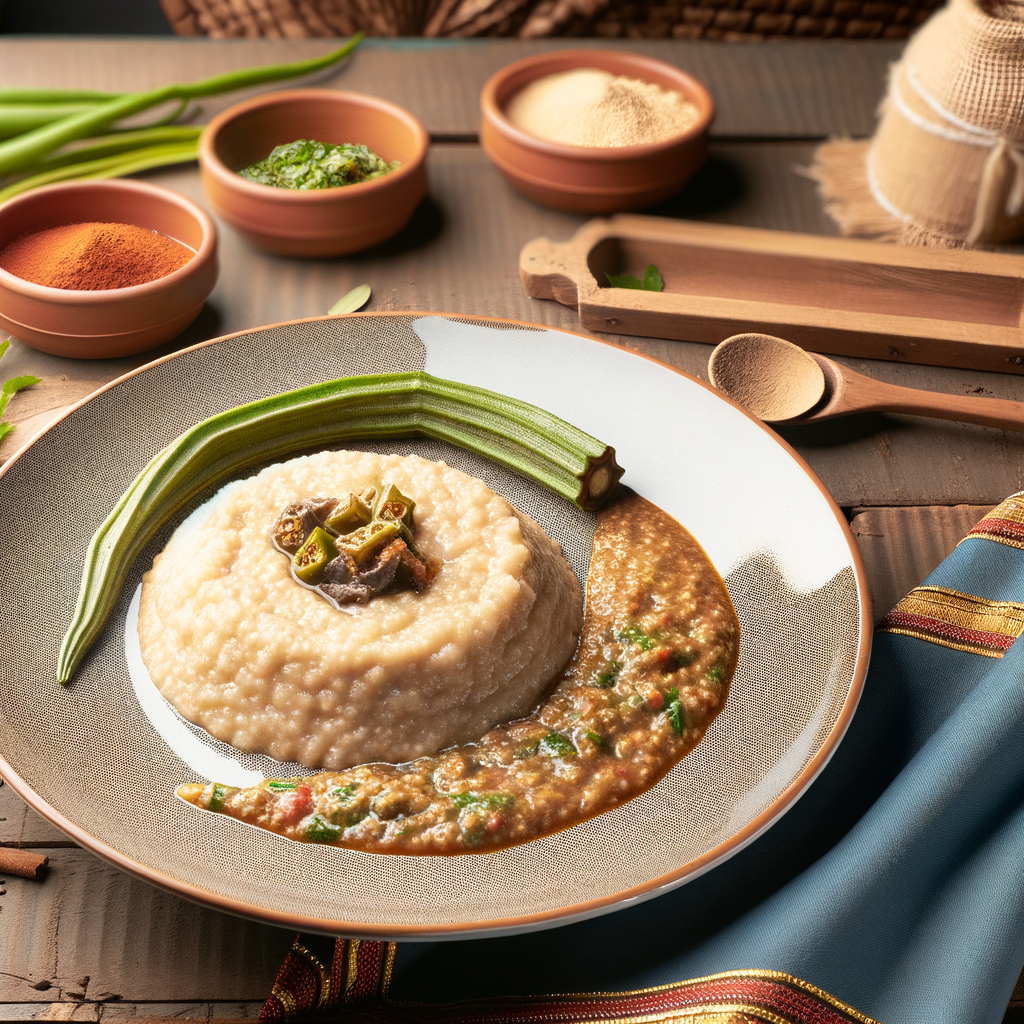
Asida
A thick porridge made from wheat flour or durra, served with a sauce of okra or meat. The dish is often eaten with hands and is popular at festive occasions.
.webp)
Tamia (Sudanese falafel)
Fried balls made from blended fava beans seasoned with herbs and spices. Often served in bread with vegetables and tahini sauce.
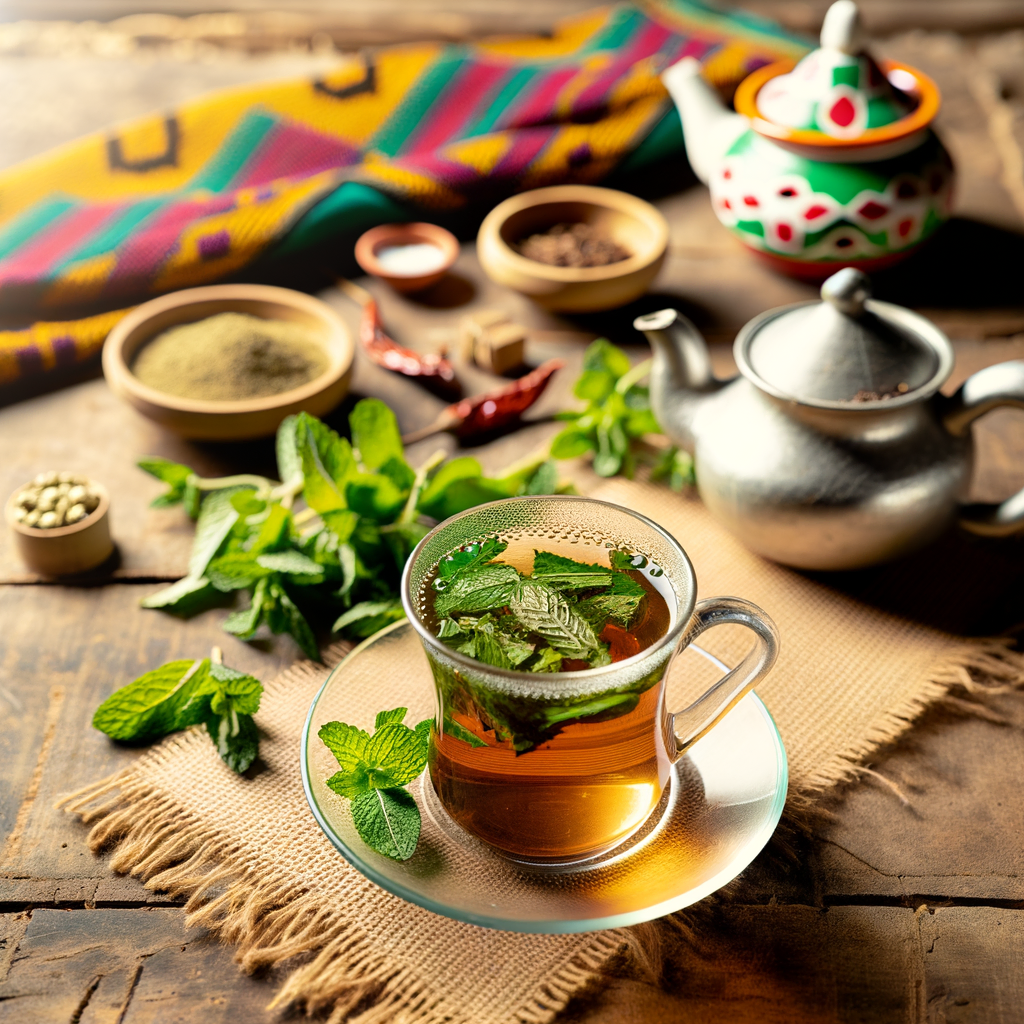
Shai bil na'na'
Black tea brewed with fresh mint leaves, a popular drink in Sudan, often served after meals as a social tradition.
Restaurant information
Tipping
Tipping is not mandatory in Sudan, but it is appreciated to round up or give around 5-10% in restaurants, especially in tourist areas. It is not expected at markets and small eateries.
Travel information
Currency
Sudanesisk pund (SDG)
Language
Arabic
Best time to visit
November to February
Major cities
Khartoum and other major cities
More countries in Africa
Discover more destinations in this region