
Canada
Canada: A country with majestic mountains, vibrant culture, and unforgettable adventures, where moose roam free, and maple syrup sweetens life.
Overview
Canada is a destination that harmonizes stunning nature, rich history, and vibrant urban life. From the thundering Niagara Falls to the snow-capped peaks of the Rocky Mountains, the country offers unforgettable experiences. Explore UNESCO World Heritage sites like L’Anse aux Meadows, navigate the historic Rideau Canal, or delve into world-class dinosaur fossil sites in Dinosaur Provincial Park. With two official languages, a welcoming populace, and culinary delights like poutine and maple syrup, Canada is the ideal choice for both adventurers and culture enthusiasts.
Official language
English and French
Government
Forbundsstat med Parliamentary democracy and Constitutional monarchy
Best time to visit
May-September
Nature
Canada boasts some of the world's most varied and breathtaking natural landscapes. In the west, the majestic Rocky Mountains rise with their snow-capped peaks, deep valleys, and crystal-clear lakes, offering unforgettable hiking and wildlife watching experiences in Banff and Jasper National Parks. Travel east to witness the iconic Niagara Falls, one of the planet's most impressive waterfalls, while dramatic fjords and rugged coastlines line the country’s shores. Further north, the Arctic tundra stretches out, home to polar bears, the northern lights, and endless vistas. Canada’s national parks, like Nahanni, Wood Buffalo, and Gros Morne, protect rare species such as the whooping crane, bison, and grizzly bear. From the prairies of Alberta to the dense forests of British Columbia and the wild archipelagoes of the Atlantic provinces, nature is an inseparable part of Canada’s identity. Here, you can kayak among icebergs, trek through blooming meadows, or hit world-class ski slopes. Canada is a paradise for nature lovers, where each landscape tells its own unique story.
Travel to Canada
Traveling to Canada is an experience filled with contrasts and opportunities. The best time to visit is from May to September when the climate is perfect for both urban adventures and outdoor exploits. Frequent flights from Europe connect to major cities like Toronto, Vancouver, Montreal, and Calgary, which are excellent launch points for further exploration. Domestic travel can be done by train, bus, or car, and many choose to rent a vehicle or camper to explore the vast distances at their own pace. Canada offers everything from luxurious city hotels to cozy log cabins in the wilderness. Whether you seek skiing in Whistler, iceberg kayaking in Newfoundland, hiking in Banff, or experiencing the French charm of Quebec City, the transportation and infrastructure are well-developed. The country’s hospitality, safety, and high standard of living make it a welcoming and comfortable destination for solo travelers, families, and adventurous groups.
Culture
Canada's culture is a vibrant blend of Indigenous traditions, French and British heritage, and modern multiculturalism. The country’s two official languages, English and French, reflect its historical duality, notably felt in Quebec where French language and culture flourish. Cities like Toronto, Vancouver, and Montreal brim with artistic expression, music, and culinary delights, hosting festivals year-round—from jazz celebrations to winter carnivals. The rich heritage of Indigenous peoples is alive through art, dance, and storytelling that narrate millennia of tradition. Canadian cuisine is as diverse as its populace; iconic treats like poutine, butter tarts, Nanaimo bars, and maple syrup offer unforgettable flavors, while international fare thrives in urban hubs. Sports, particularly hockey, occupy a central role, almost a national passion. Canada’s culture is characterized by openness, tolerance, and a strong connection to nature, ensuring that encounters with the country are both warm and inspiring.
History
Canada's history spans from the millennia-long presence of Indigenous peoples to European colonization and the establishment of a modern nation. Prior to European arrival, diverse Indigenous nations inhabited the land, each with unique languages, cultures, and traditions. John Cabot arrived on the east coast in 1497, paving the way for French and British colonies in the 16th and 17th centuries. Quebec was founded in 1608, and after centuries of rivalry, Canada became a self-governing dominion within the British Empire in 1867. The UNESCO World Heritage site of L’Anse aux Meadows in Newfoundland testifies to Viking exploration over 1,000 years ago. Throughout the 20th century, Canada evolved into an independent nation with a robust economy and cultural identity, all while maintaining strong ties to the Commonwealth.
Top attractions
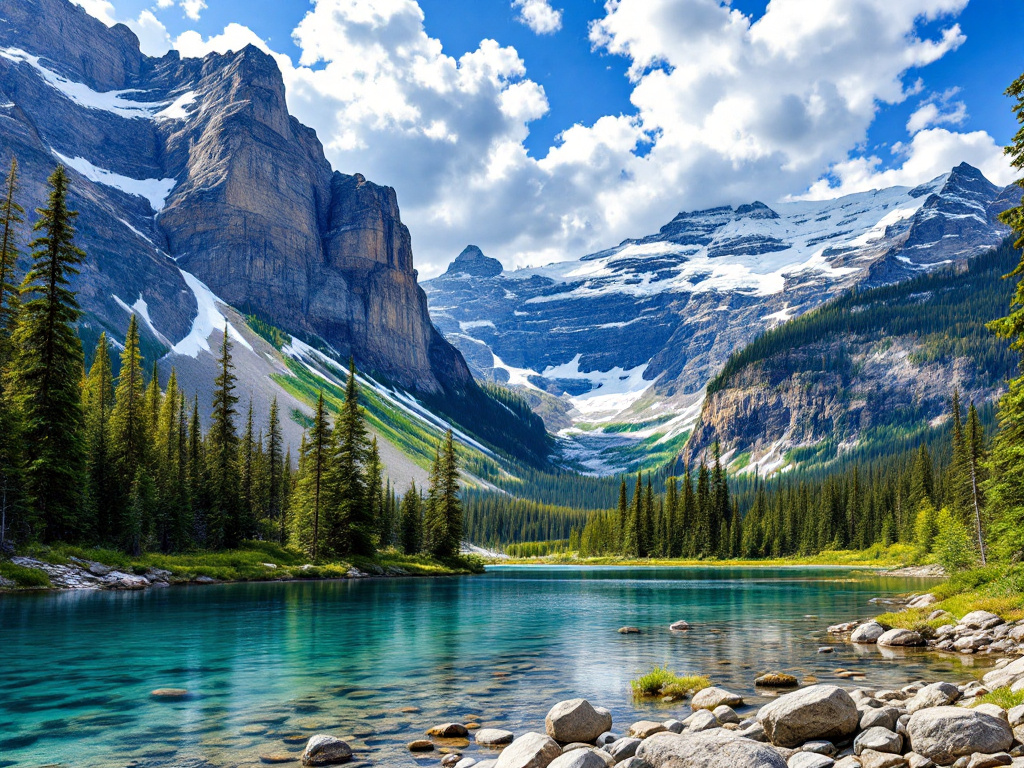
Banff National Park
Canada's oldest national park with spectacular mountains, lakes, and outdoor experiences year-round.
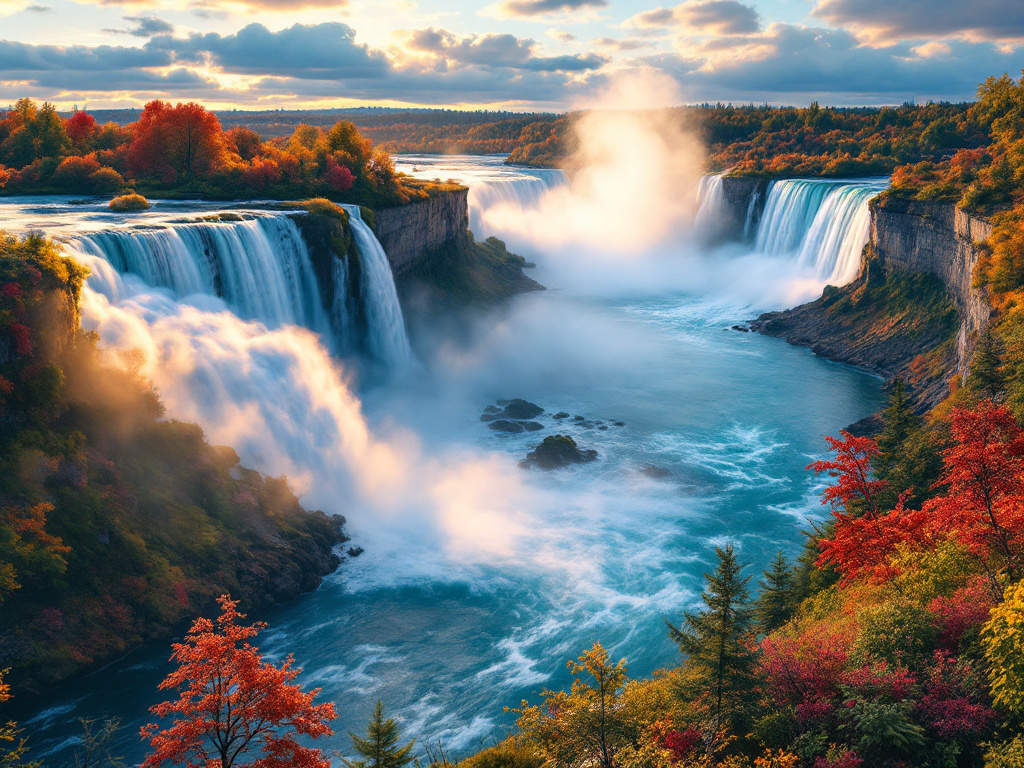
Niagara Falls
World-famous waterfall on the border between Canada and the USA with powerful water flows.

CN Tower
One of the world's tallest freestanding towers with spectacular views of Toronto.
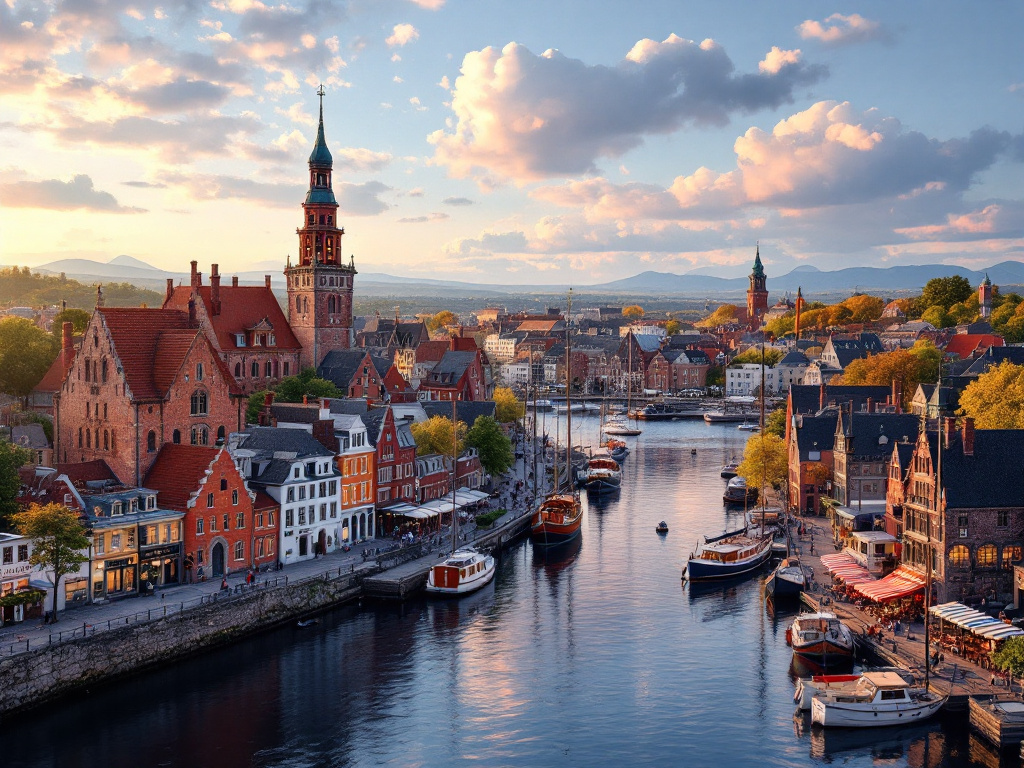
Old Quebec
Historic city core with European atmosphere and rich cultural heritage.

Stanley Park
A large green oasis in Vancouver with forests, beaches, and recreational paths.
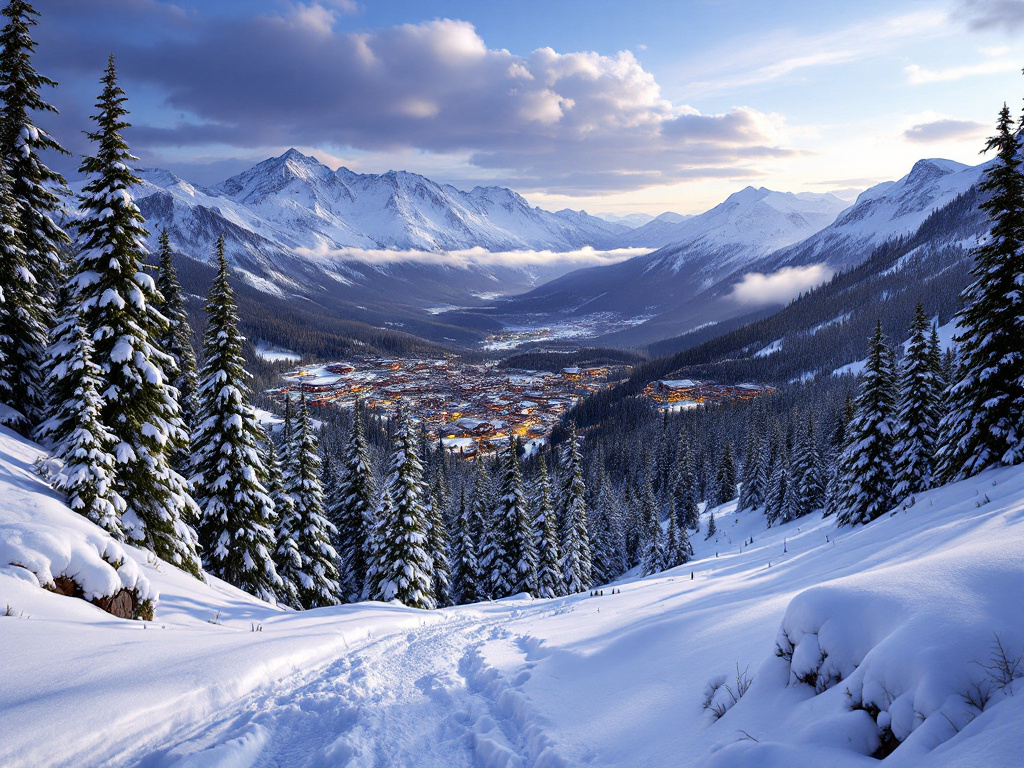
Whistler Blackcomb
World-class mountain resort known for winter sports and summer activities.
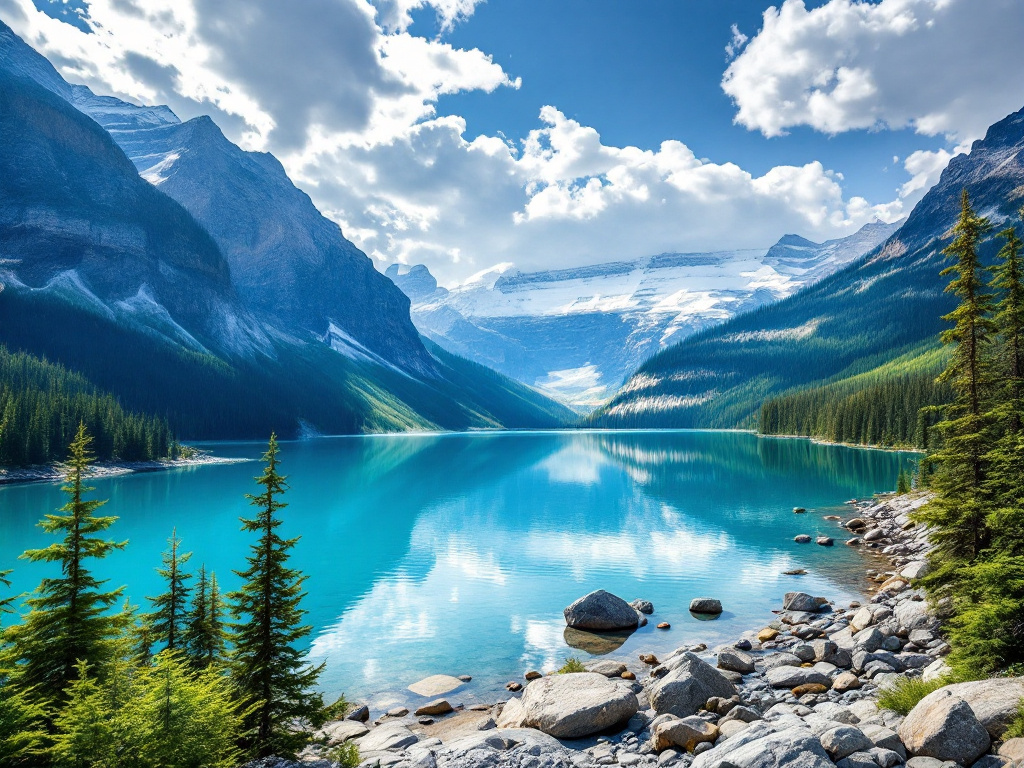
Lake Louise
One of Canada's most photographed lakes surrounded by towering mountains.
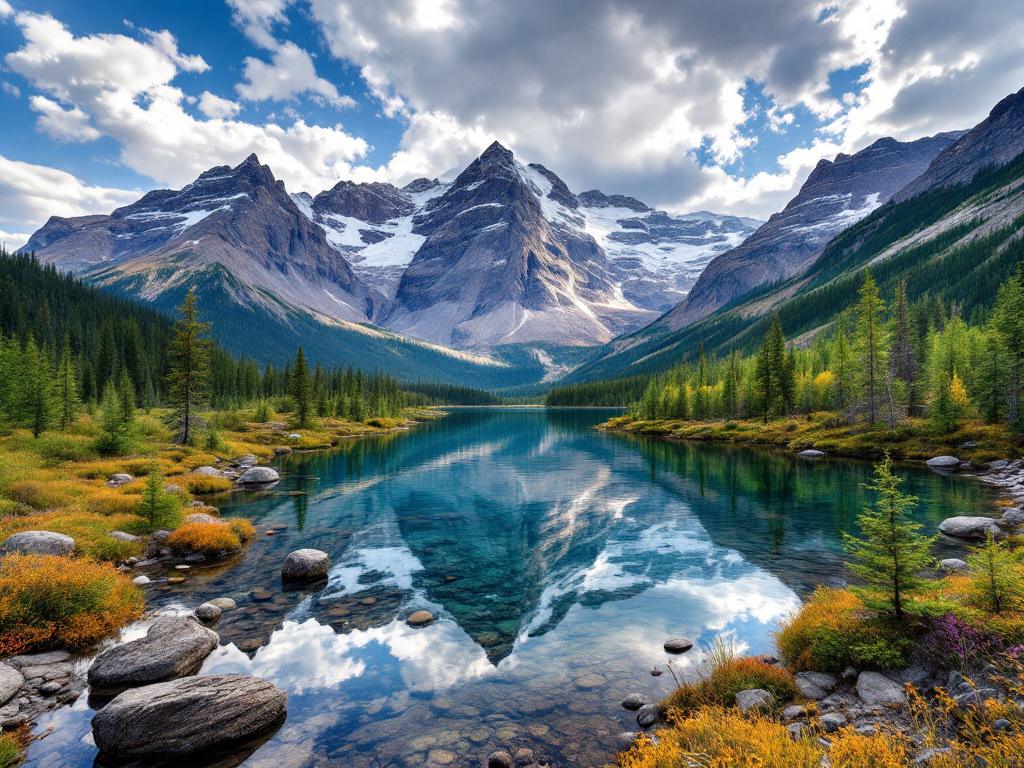
Jasper National Park
Majestic national park known for tranquility, nature, and the night sky.
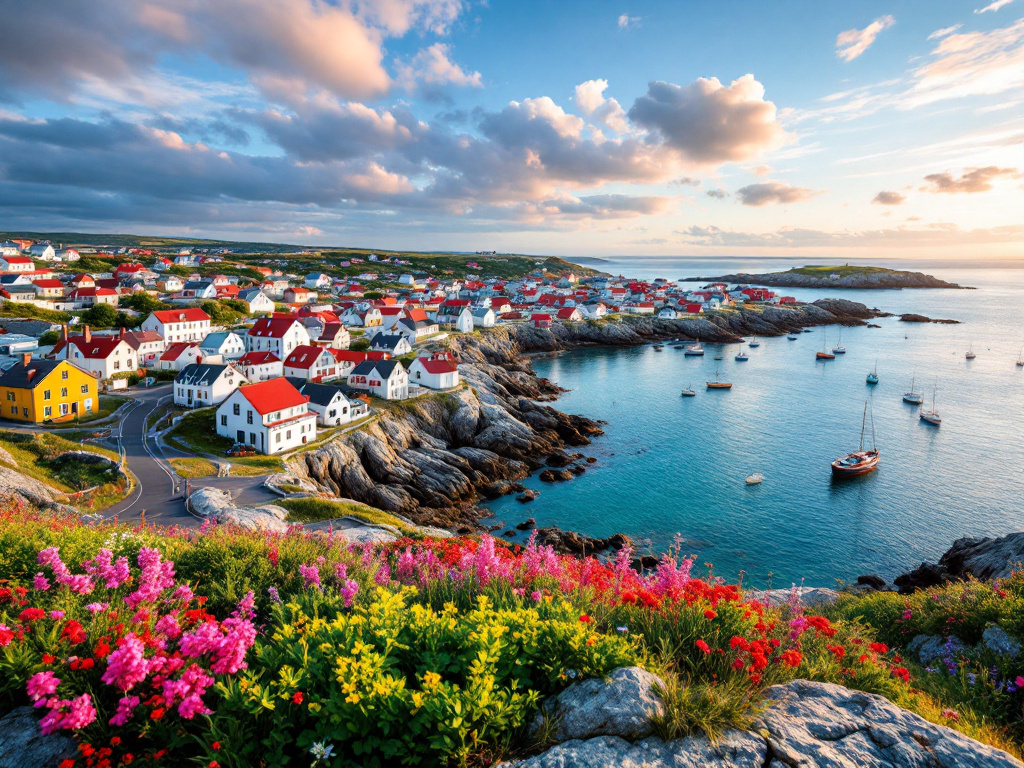
Peggy's Cove Lighthouse
One of Canada's most photographed lighthouses by the rocky coastline.
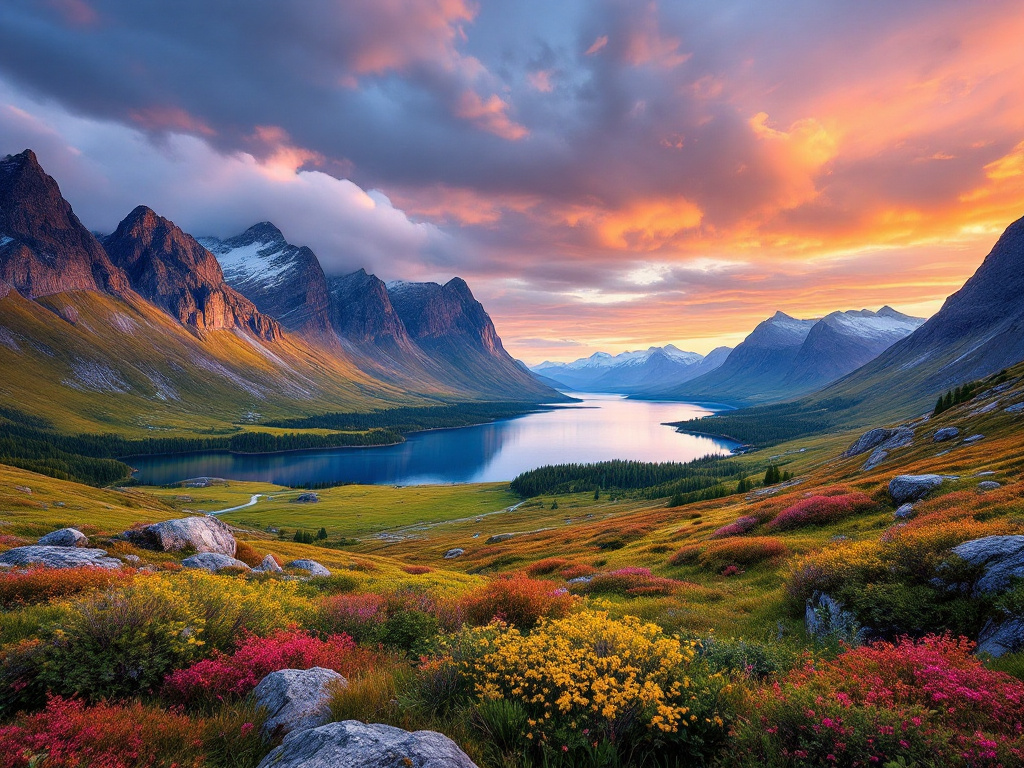
Gros Morne National Park
UNESCO-listed national park with dramatic landscapes and geological significance.
Famous cuisine
Culinary overview
Canada's food culture is a melting pot of British, French, and indigenous traditions, supplemented by immigrant influences from around the world. From coast to coast, the country offers everything from freshly caught Pacific salmon in British Columbia to French-inspired dishes in Quebec. Maple syrup is a national icon, while street food like poutine has achieved cult status. Local markets, microbreweries, and wine regions like Okanagan Valley add depth to the culinary experience.
Must-try dishes

Poutine
A classic comfort food from Quebec consisting of crispy French fries topped with cheese curds and drizzled with hot brown gravy.
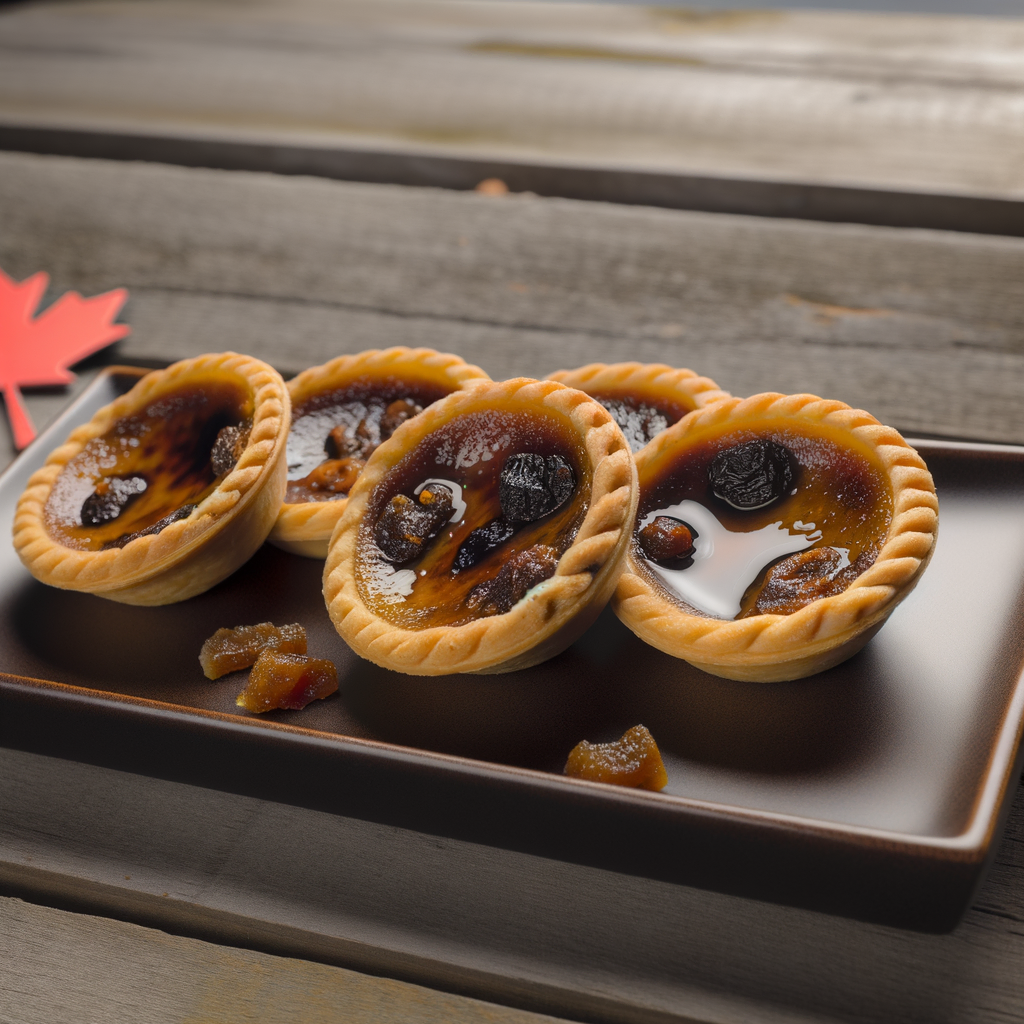
Butter Tarts
A sweet dessert tart with a rich, caramelized syrup filling, often with raisins or nuts, and a flaky pastry crust.

Nanaimo Bars
A layered no-bake dessert from British Columbia, with a base of cookies and coconut, a layer of vanilla cream, and a top layer of chocolate.

Tourtière
A traditional French-Canadian meat pie, typically filled with spiced pork or a mix of meats, served especially during the Christmas season.

Maple Syrup
Pure Canadian maple syrup, tapped from sugar maple trees in the spring, used as a topping for pancakes, waffles, and in baked goods.
Restaurant information
Tipping
In Canada, it is customary to tip 15-20% at restaurants, depending on the quality of service. At bars, it is typical to give 1-2 CAD per drink, and for taxis, the amount is rounded up or about 10% is given.
Travel information
Currency
Canadian Dollar (CAD)
Language
English and French
Best time to visit
May-September
Major cities
Ottawa and other major cities
More countries in North America
Discover more destinations in this region