
Curaçao
Curaçao, a southern Caribbean gem, enchants with hidden beaches, rich marine life, and a colorful blend of culture, history, and natural beauty – truly a Caribbean dream come to life.
Overview
Curaçao is a colorful gem in the southern Caribbean, where crystal-clear waters, hidden beaches, and a unique blend of cultures come together. The capital, Willemstad, recognized as a UNESCO World Heritage Site, enchants visitors with its pastel-colored Dutch colonial architecture and charming neighborhoods like Punda and Otrobanda. The island is a paradise for divers, snorkelers, and nature lovers, offering coral reefs, dramatic coastlines, and national parks such as Christoffel and Shete Boka. With a warm climate year-round, an authentic Caribbean atmosphere, and rich culinary experiences, Curaçao is the perfect destination for adventure and relaxation alike.
Official language
Papiamento and Dutch
Government
Forfatningsmæssig monarchy (del af Kongeriget Nederlandene)
Best time to visit
May to November
Nature
Curaçao boasts an astonishing diversity of landscapes that captivate all who visit. The coastline features pristine white sandy beaches like Playa Kenepa Grandi, dramatic cliffs, and intriguing caves at Shete Boka National Park, where waves crash against the rocks in a spectacular display. Outdoor enthusiasts can trek through Christoffel National Park, traversing lush trails that lead to the island's highest point, Christoffel Mountain, offering breathtaking panoramic views over the turquoise Caribbean Sea. Beneath the waves lies an underwater paradise filled with colorful coral reefs, shipwrecks, and vibrant marine life, making Curaçao one of the best diving and snorkeling destinations in the Caribbean. Don’t miss the uninhabited Klein Curaçao, where untouched beaches and crystal-clear waters provide the perfect backdrop for spotting sea turtles. The island's dry climate fosters a unique landscape dotted with cacti and aloe, contrasting beautifully with the azure waters, allowing visitors to indulge in the beauty of nature year-round.
Travel to Curaçao
Traveling to Curaçao means stepping into a vibrant world of colors, warmth, and unforgettable experiences. The island is easily accessible with direct flights from several international airports, and as part of the Kingdom of the Netherlands, the infrastructure is well-developed and secure. With pleasant weather year-round, the ideal travel period spans from May to November when the conditions are dry and sunny. Curaçao offers the perfect balance between relaxation and adventure—dive amongst the coral reefs and wrecks, explore historic neighborhoods, and savor local delicacies. Its compact size allows for easy exploration of both urban life and nature in a single day. With friendly locals, a rich cultural scene, and an authentic Caribbean atmosphere, Curaçao is the ultimate choice for travelers seeking a blend of culture, history, nature, and beach life.
Culture
Curaçao's culture is a vibrant tapestry woven from Dutch, African, Latin American, and Caribbean influences, which is reflected in its languages, cuisine, music, and architecture. The local language, Papiamento, harmoniously blends elements of Portuguese, Spanish, Dutch, and African tongues, coexisting with Dutch, English, and Spanish. Willemstad, the cultural heart of the island, dazzles with colorful buildings, lively markets, and art galleries showcasing everything from modern art to traditional crafts. Music and dance are integral to daily life, featuring rhythms of tumba and salsa alongside vibrant carnival parades that fill the streets with color and energy. Curacaoan cuisine is a culinary journey, with dishes like Keshi Yena (stuffed cheese), Funchi (cornmeal), and Pastechi (stuffed pastries) telling the story of the island's multicultural heritage. The relaxed lifestyle and warm hospitality ensure that visitors feel right at home, while the rich cultural heritage continually reminds everyone of the island's fascinating history and diverse population.
History
Curaçao's history is a narrative of colonial exchanges and cultural interactions that shaped its identity. Discovered by the Spanish in the early 1500s, the island came under Dutch control in 1634, a legacy evident in its architecture and language. Willemstad flourished as a vital trading and port city, especially during the sugar and slave trade, becoming a hub for the Caribbean economy. The island's mixed population, composed of Europeans, Africans, and later Latin Americans, created a unique cultural melting pot. In 2010, Curaçao gained self-governing status within the Kingdom of the Netherlands, allowing for greater political autonomy while maintaining close ties to Holland. Today, remnants of its history can be seen in the colorful buildings, museums, and living traditions that breathe life into daily activities.
Top attractions
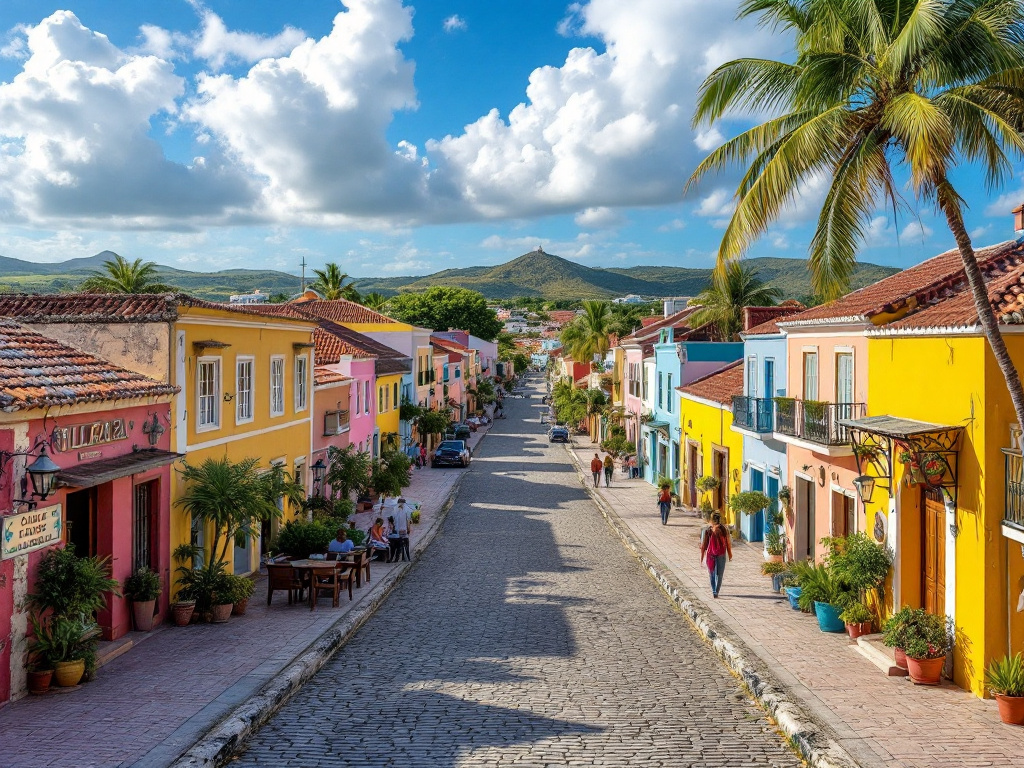
Willemstad Historical Center
The historical center of Willemstad features colorful buildings, narrow streets, and a rich colonial history along the harbor.
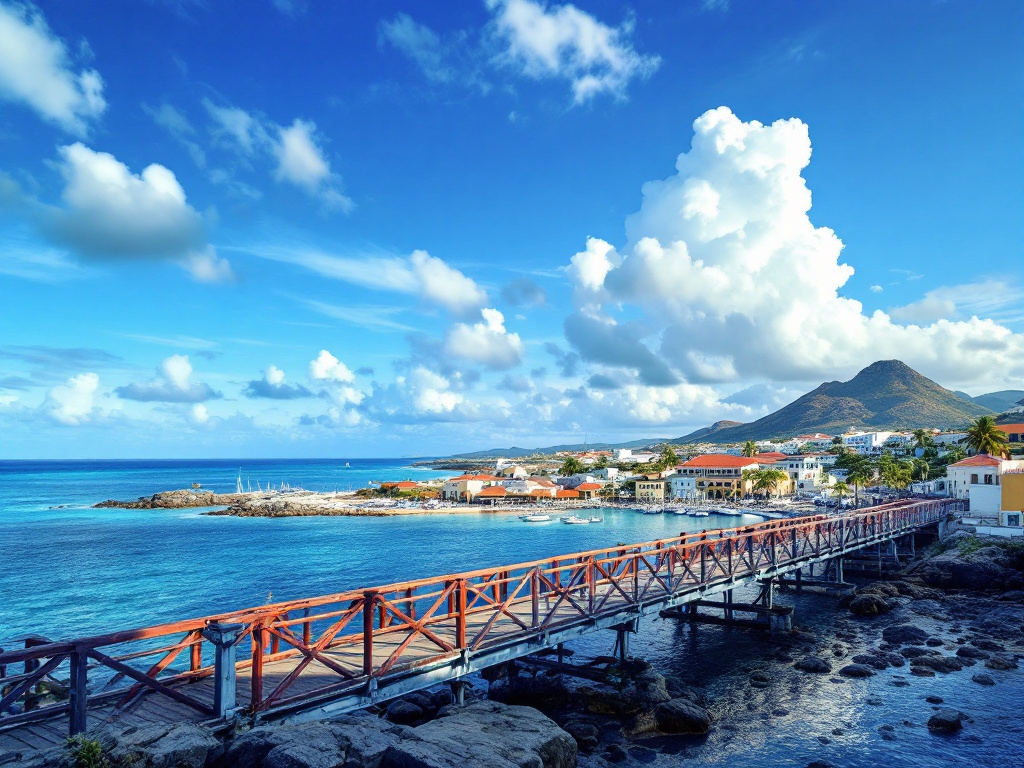
Queen Emma Bridge
An iconic floating bridge that connects Punda and Otrobanda, offering beautiful views of the harbor.
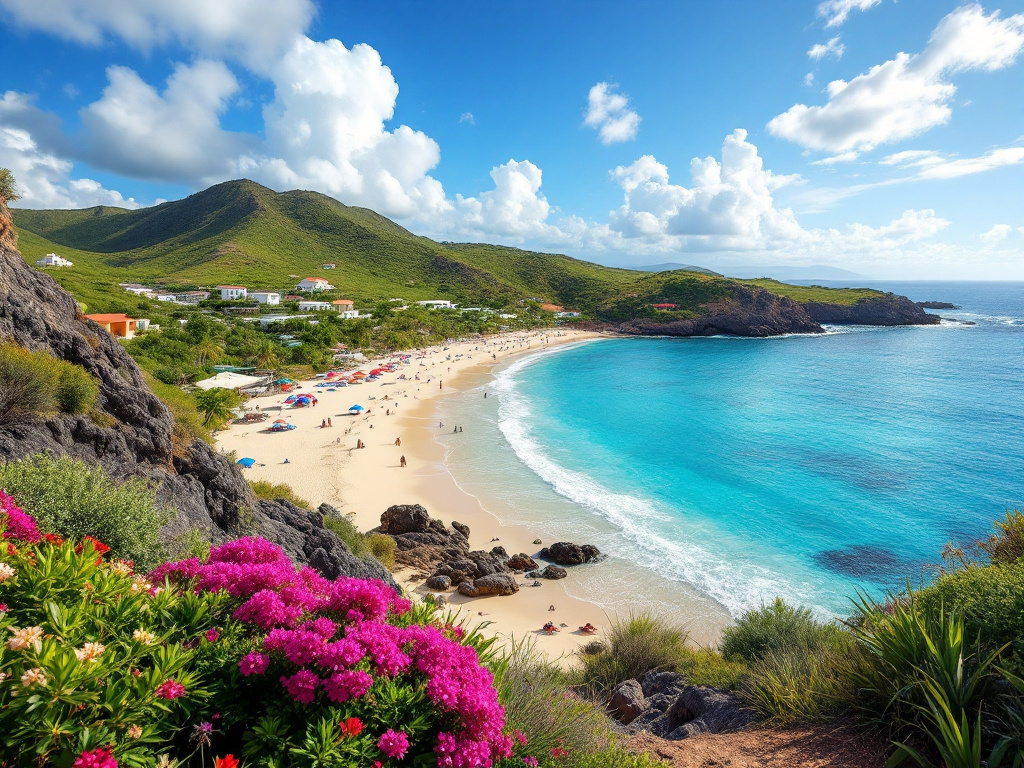
Playa Kenepa Grandi
One of Curaçao’s most famous beaches known for its crystal-clear water and scenic surroundings.
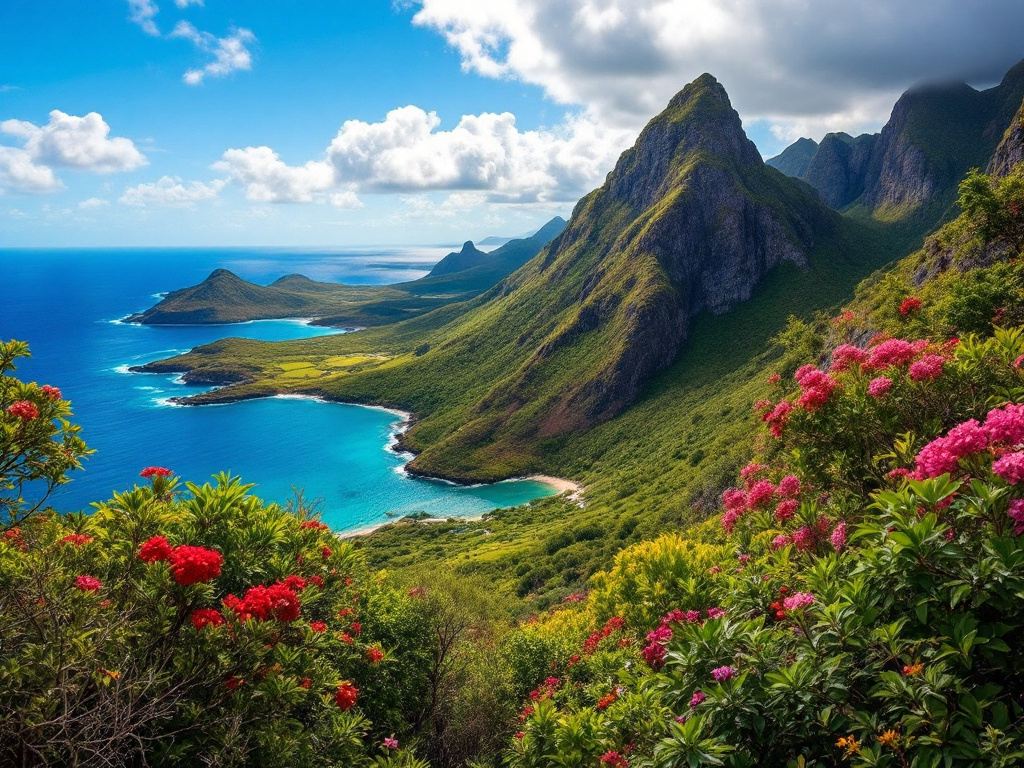
Christoffel National Park
The island's largest national park with hiking trails, viewpoints, and the highest mountain in Curaçao.
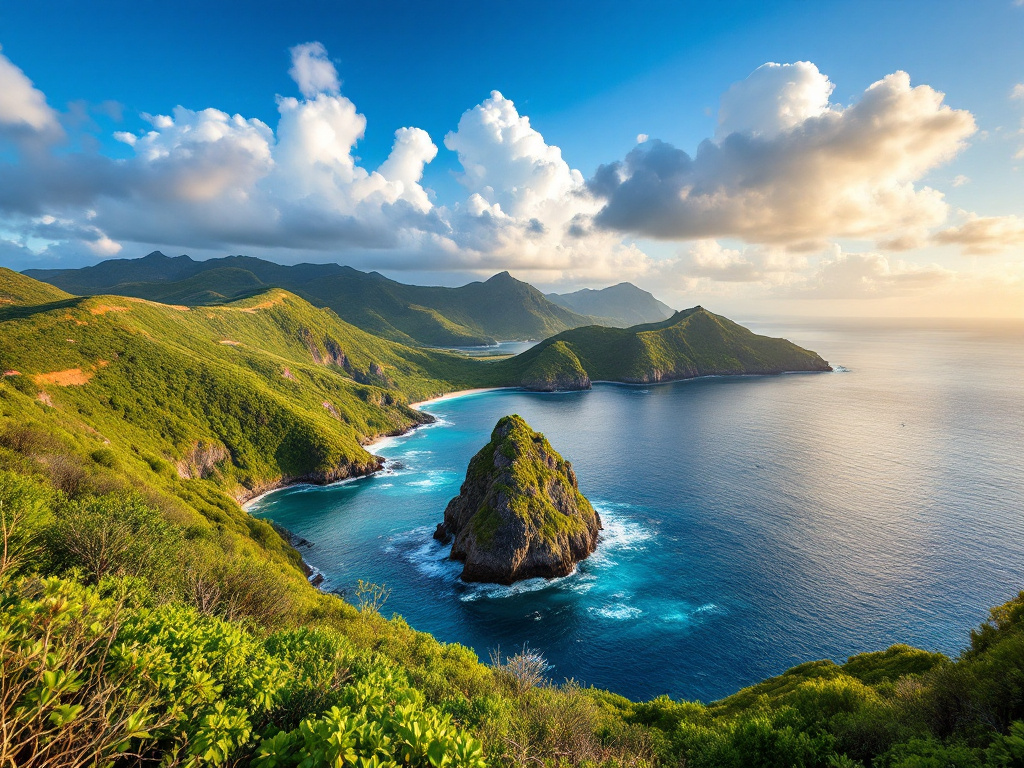
Shete Boka National Park
A scenic park with wild coastlines where waves dramatically crash against the cliffs.
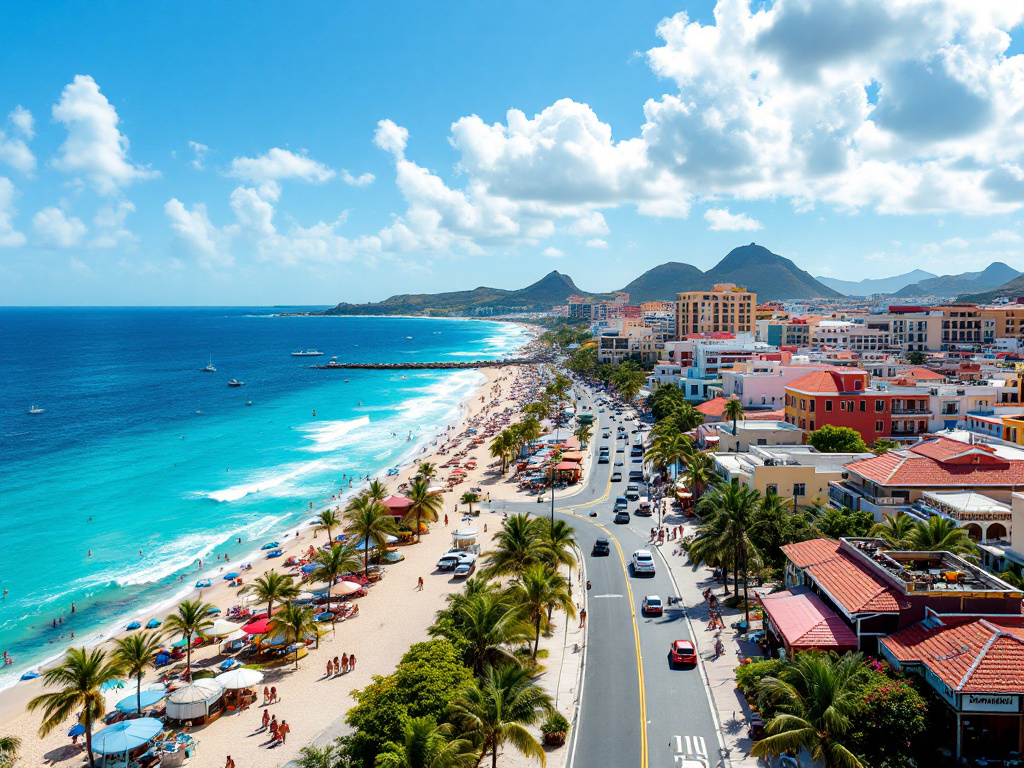
Mambo Beach Boulevard
A lively beach area with shops, bars, and restaurants along the coast.

Curaçao Sea Aquarium
A popular aquarium focusing on Caribbean marine life and educational experiences.
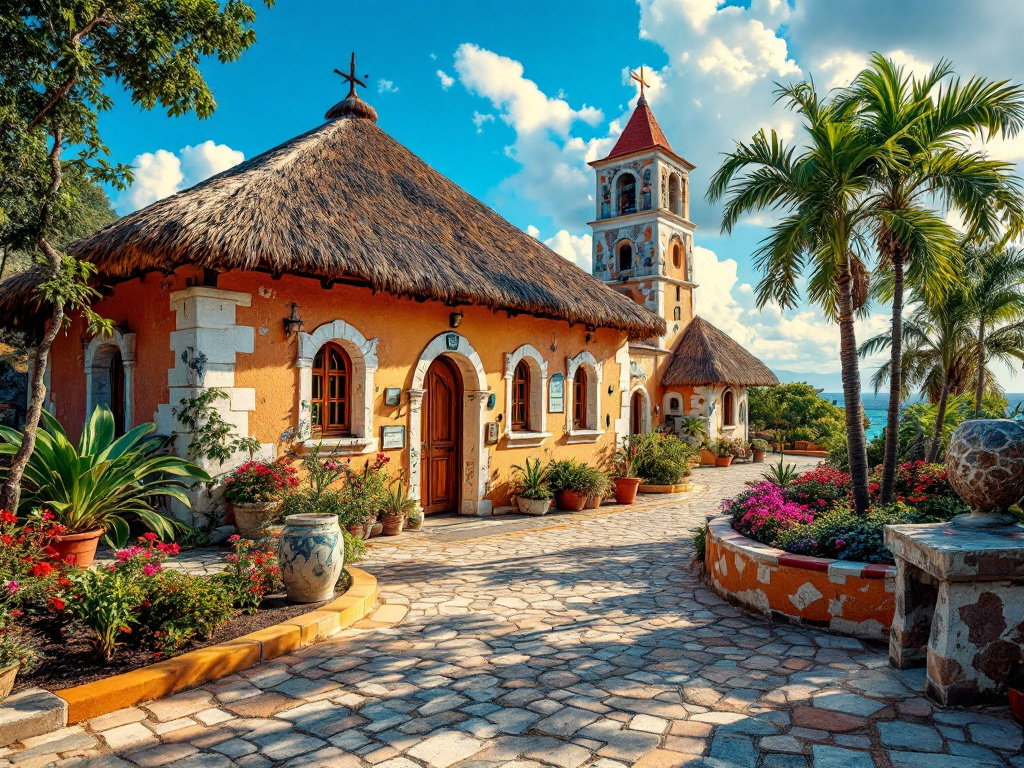
Kura Hulanda Museum
A museum conveying Curaçao's and the Caribbean's complex history through powerful exhibitions.
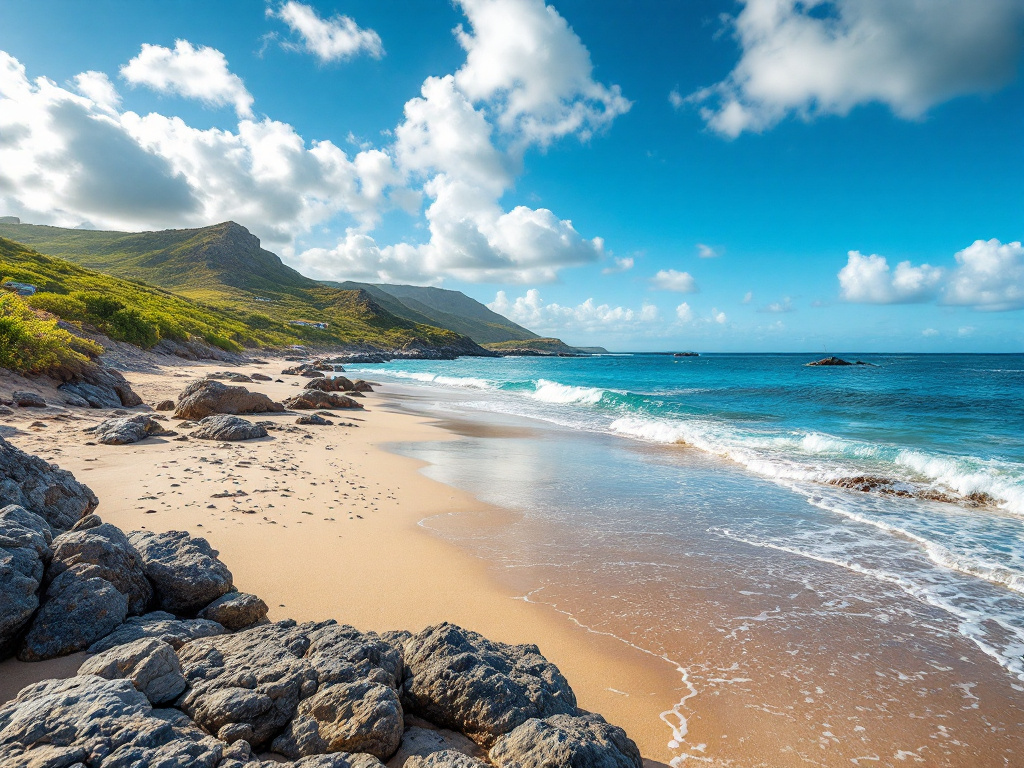
Jan Thiel Beach
A popular beach with good facilities, calm water, and a relaxed atmosphere.
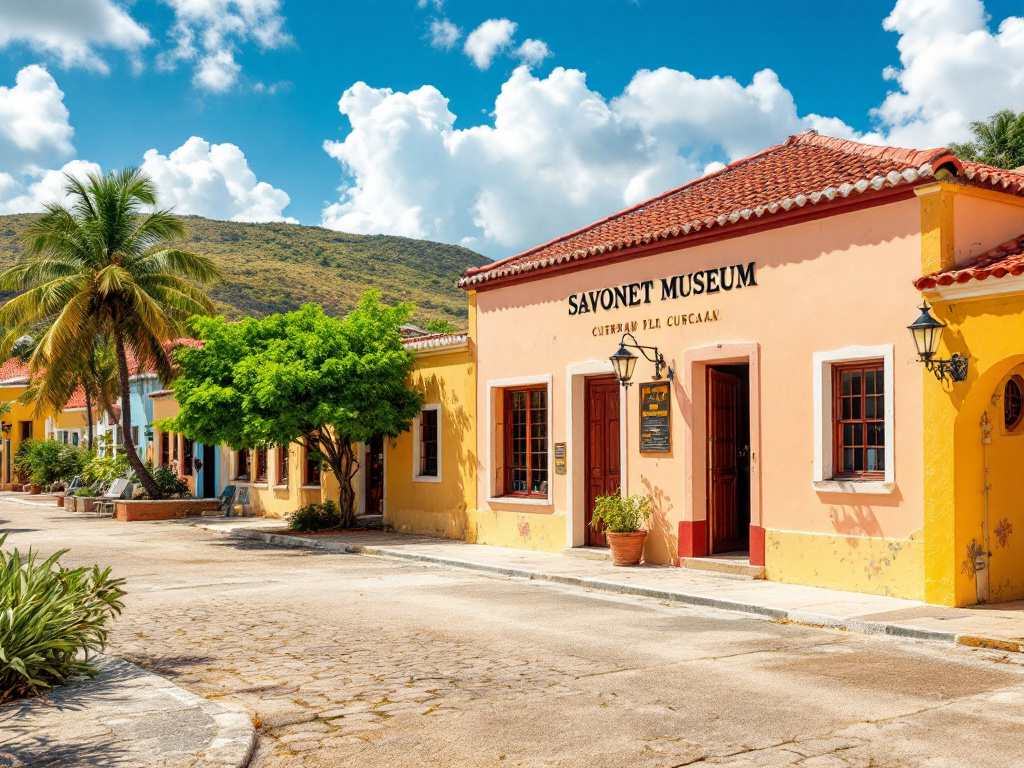
Savonet Museum
An informative museum providing insight into Curaçao's nature, culture, and history near Christoffel National Park.
Famous cuisine
Culinary overview
Curaçao's cuisine is a melting pot of flavors that reflects the island's multicultural history with influences from Dutch, African, Latin American, and Asian cuisines. Here you can find traditional dishes, street food, and modern fusion. Fresh fish and seafood, tropical fruits, and spiced stews are central elements. Markets like Marshe Bieuw in Willemstad provide an authentic insight into the local food culture, where you can taste homemade dishes prepared using old recipes. Curaçao also offers a growing scene for gourmet restaurants that combine local ingredients with international techniques.
Must-try dishes
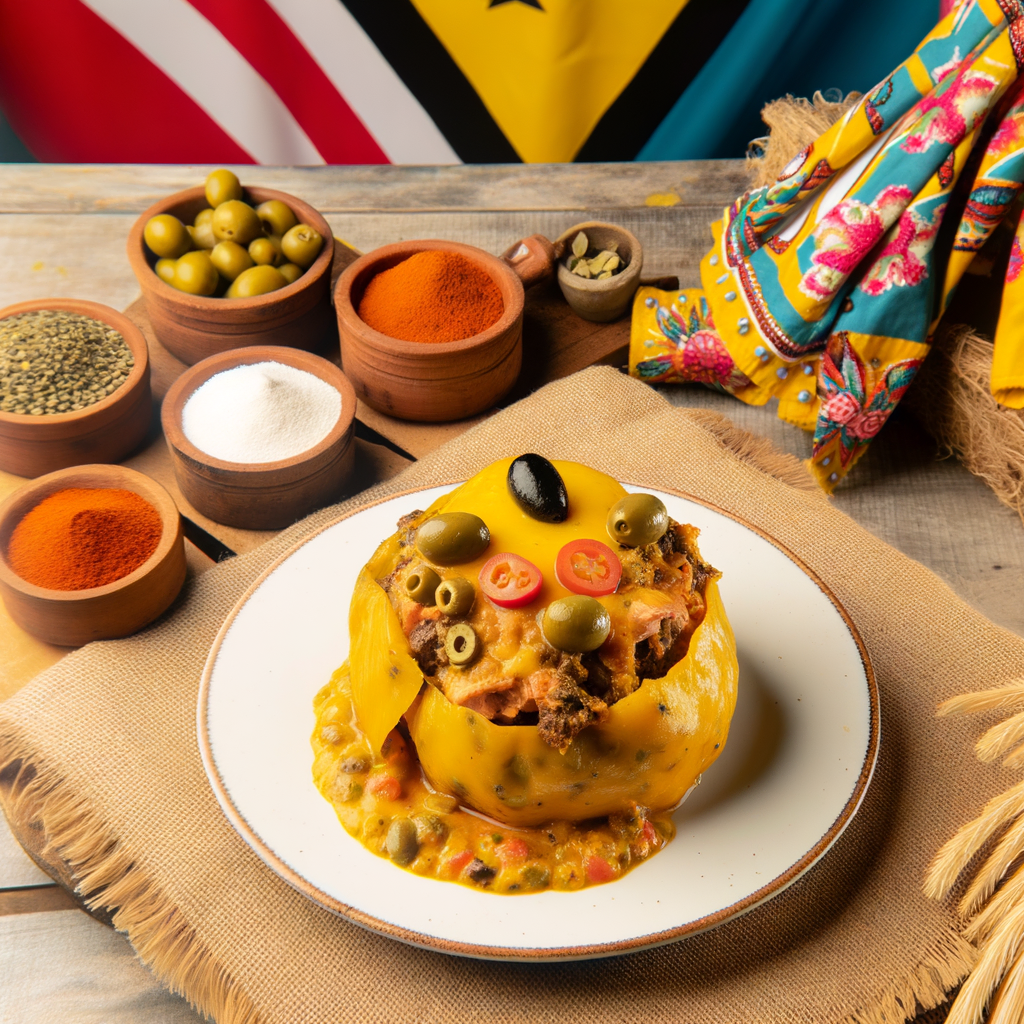
Keshi Yena
An iconic dish consisting of a large ball of melted cheese filled with spiced chicken or beef, olives, capers, and spices. The dish dates back to colonial times when cheese rinds were used to encase the filling.
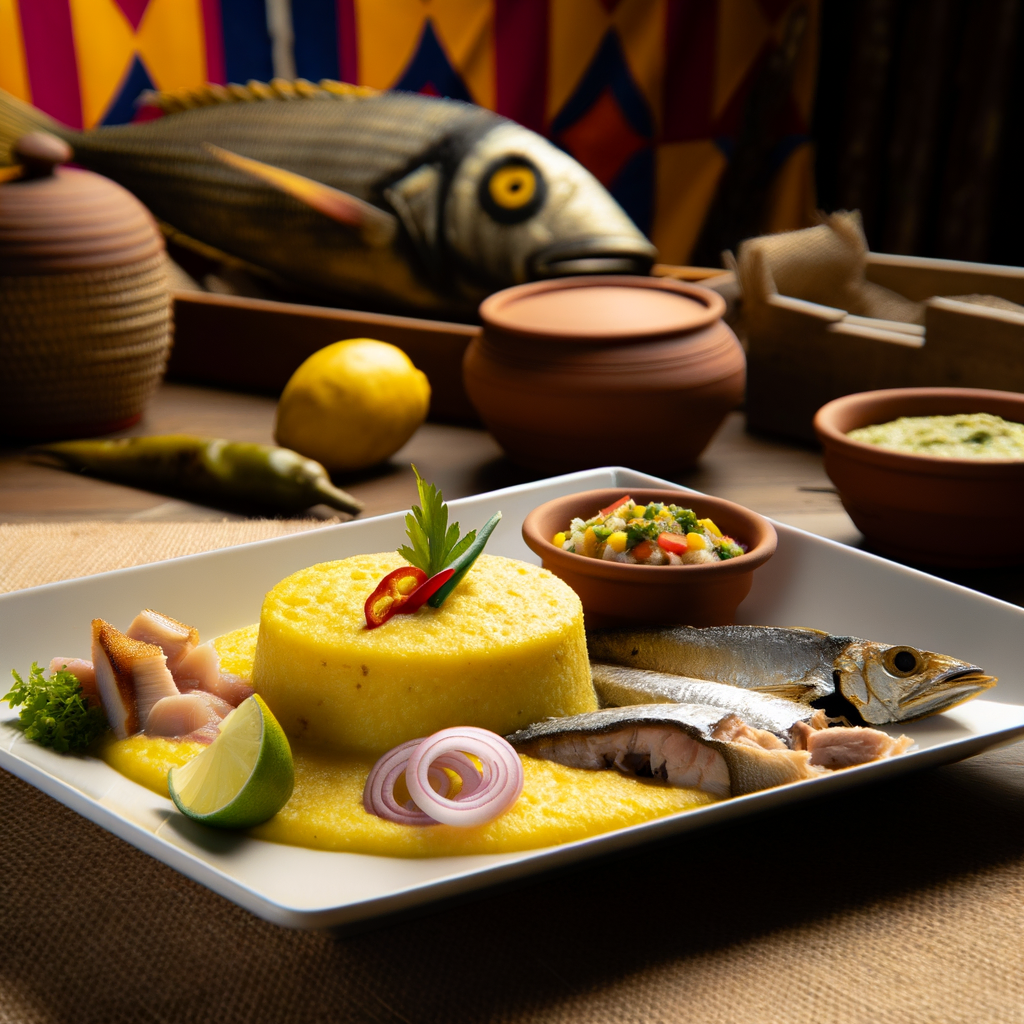
Funchi
A traditional cornmeal porridge, often served as a side dish to fish or meat. It has a creamy texture akin to polenta.
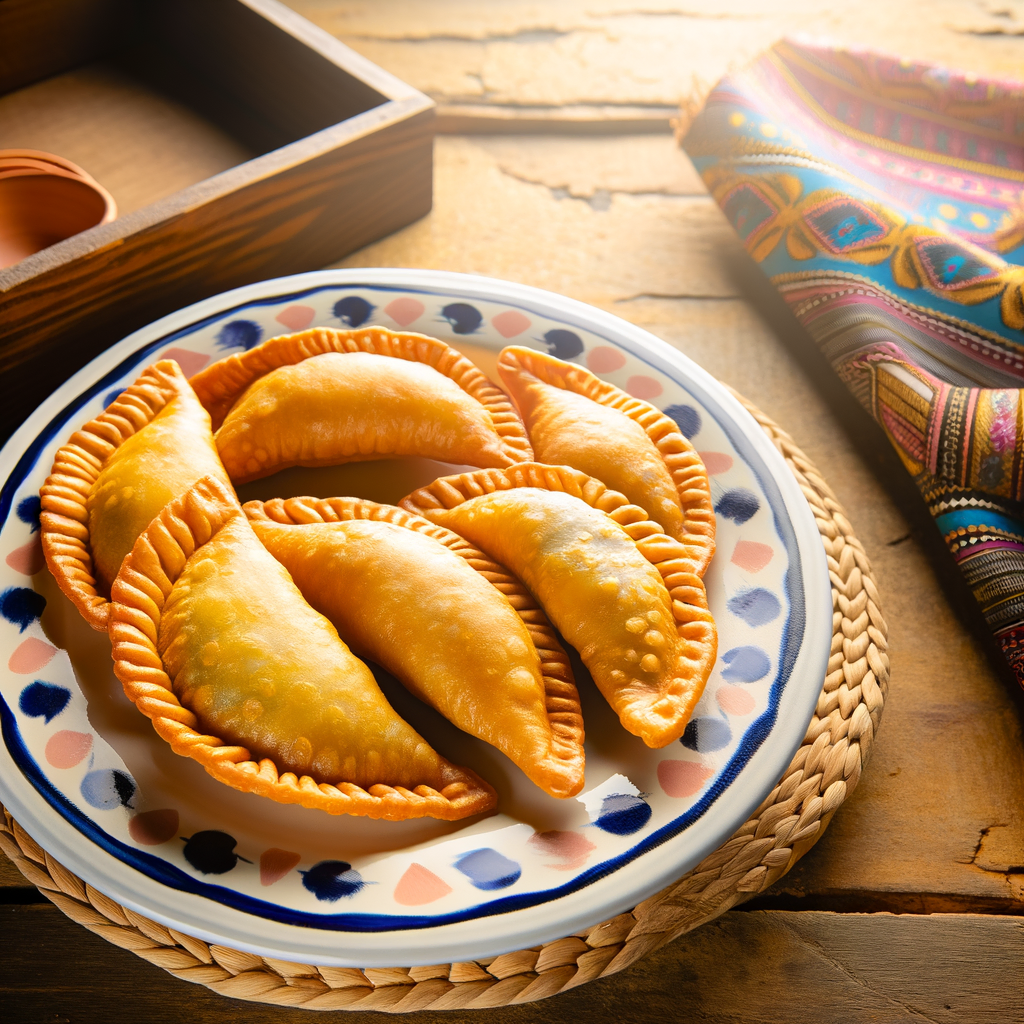
Pastechi
Fried dough pockets filled with cheese, meat, or fish. Popular as breakfast or a snack, especially at markets and street corners.
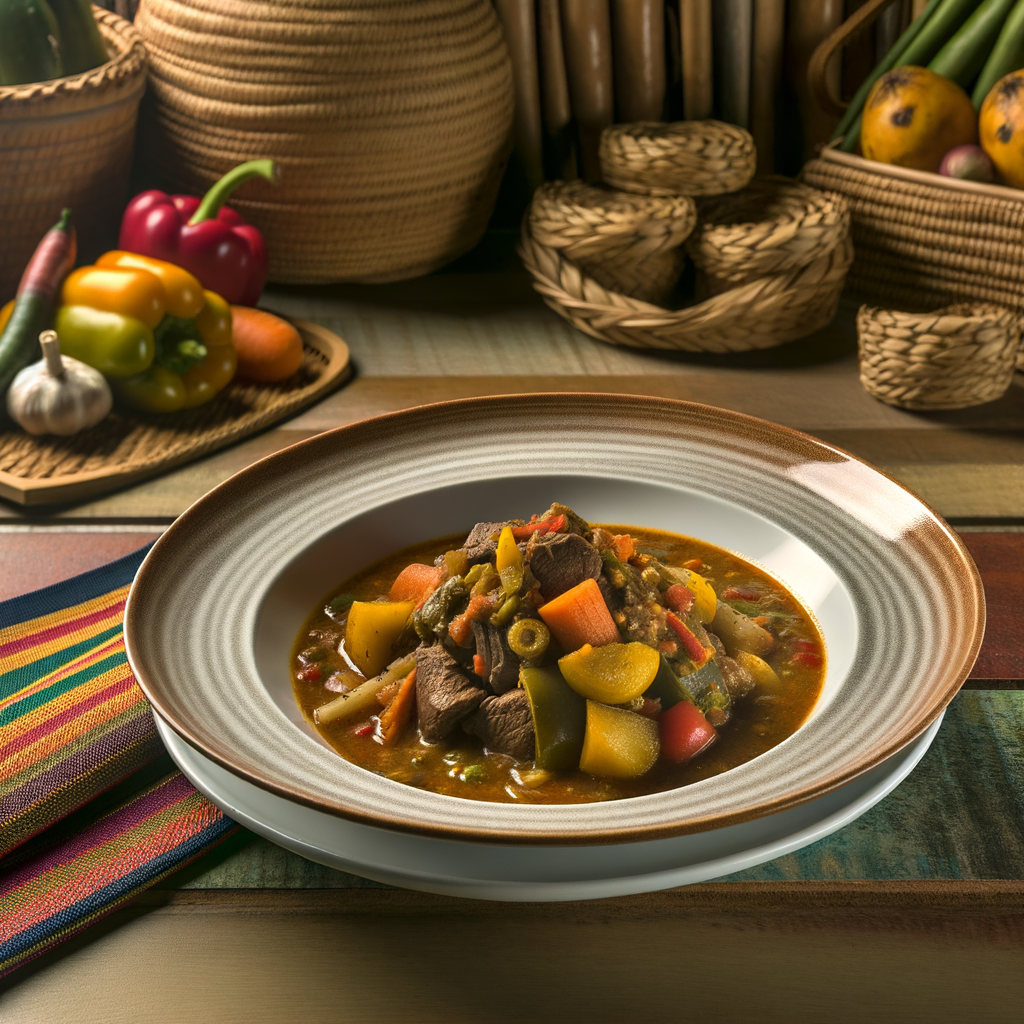
Stobá
A slowly simmered stew, often made with beef or goat, combined with vegetables and spices. A warming dish with deep flavors.
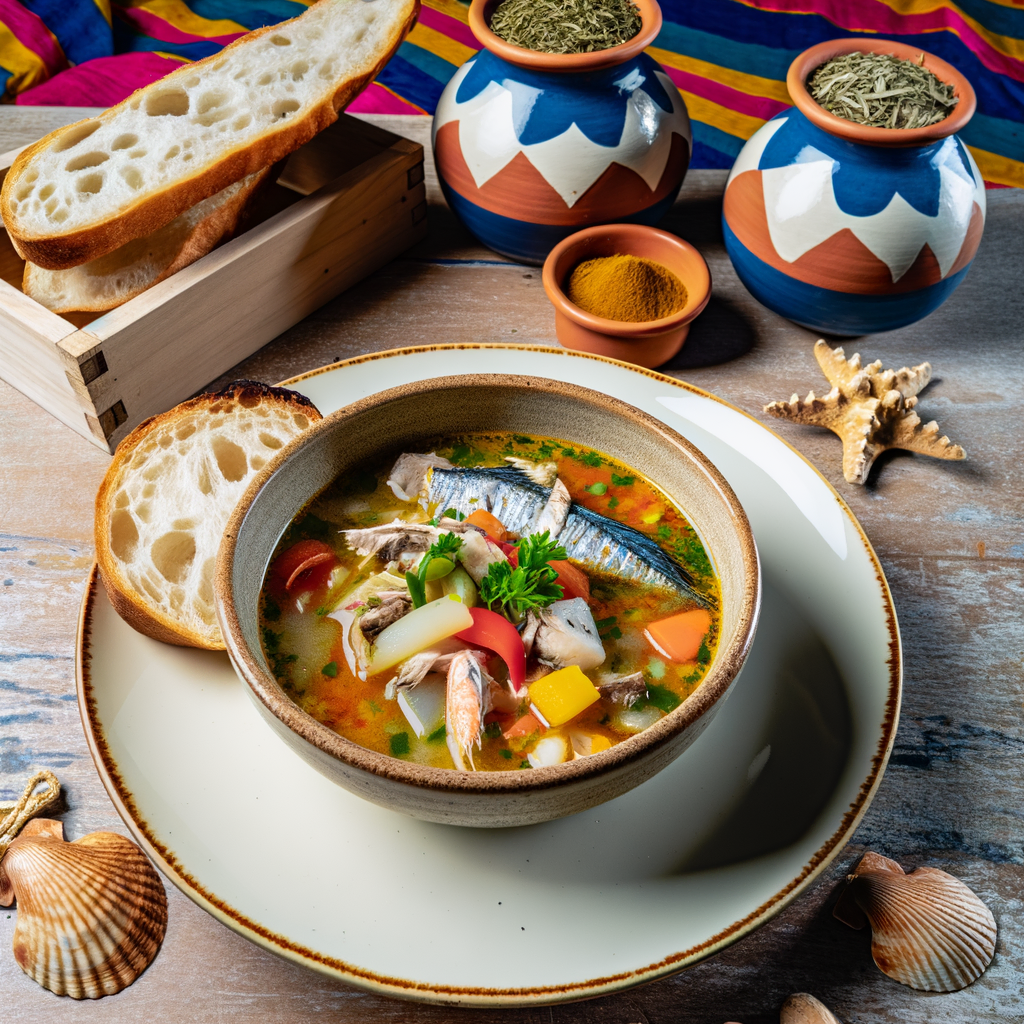
Sopi di Piska
A hearty fish soup with fresh fish, vegetables, and herbs. Often served with funchi or bread.
Restaurant information
Tipping
In Curaçao, tips are usually included in the bill as a service charge of 10-15%. If not included, it is customary to give 10-15% in tips depending on the level of service.
Travel information
Currency
Antilliansk gylden (ANG)
Language
Papiamento and Dutch
Best time to visit
May to November
Major cities
Willemstad and other major cities
More countries in North America
Discover more destinations in this region