
Dominican Republic
Experience the Dominican Republic, where Caribbean charm meets captivating diversity – amazing beaches, lush mountains, vibrant culture, and colonial history await you!
Overview
Discover the Dominican Republic – a Caribbean paradise where powdery white beaches, turquoise waters, and lush mountainous landscapes converge. From luxurious resorts in Punta Cana to the historic colonial district in Santo Domingo, the country offers both relaxation and cultural heritage. Explore the palm-lined beaches and whale-watching opportunities of the Samaná Peninsula, or find tranquility in the mountains surrounding Jarabacoa and Constanza. With a unique blend of Spanish, African, and indigenous traditions, a tropical climate, and a warm, welcoming populace, the Dominican Republic is a destination that surprises and enchants travelers.
Official language
Spanish
Government
Democratic republic
Best time to visit
December to April
Nature
The Dominican Republic is a true natural paradise, boasting an impressive geographical variety that encompasses everything from endless white sand beaches and crystal-clear waters to lush rainforests, dramatic mountain ranges, and hidden waterfalls. Punta Cana and Bávaro are famous for their postcard-perfect coastlines, while the Samaná Peninsula lures visitors with pristine coves, swaying palms, and opportunities to witness humpback whales in their natural habitat. In the central highlands, Jarabacoa and Constanza offer cooler climates, green valleys, and rushing rivers, perfect for hiking, river rafting, and mountain biking. To the southwest lies Bahía de las Águilas – one of the world's most unspoiled beaches, where nature remains untouched. National parks like Los Haitises showcase mangrove forests, limestone formations, and a rich variety of birdlife. With a tropical climate and diverse terrain, the Dominican Republic is an ideal destination for both beach lovers and nature enthusiasts, especially from December to April when the weather is dry and pleasantly warm.
Travel to Dominican Republic
Traveling to the Dominican Republic is an experience filled with contrasts – from luxurious beach resorts to authentic villages and wild natural adventures. The country is easily accessible with international airports in Punta Cana, Santo Domingo, and Puerto Plata, offering excellent connections to both North America and Europe. The best travel period is from December to April, when the weather is dry, sunny, and pleasantly warm. Travelers can choose from relaxing beach holidays, vibrant city experiences, and active adventures in the mountains or at sea. Transportation options include domestic flights, buses, and private transfers, making it convenient to explore different regions. With Dominican pesos as the local currency, Spanish as the primary language, and a friendly population, visitors will quickly feel at home. Whether seeking romance, family vacations, or solo adventures, the Dominican Republic presents a unique combination of Caribbean charm, history, and breathtaking beauty.
Culture
The Dominican culture is a vibrant tapestry woven from Spanish, African, and indigenous Taíno traditions, reflecting in everything from music and dance to food and art. Merengue and bachata serve as the musical heartbeat of the nation, echoing through the streets during festive occasions. In the historic colonial zone of Santo Domingo, visitors can admire 16th-century architecture, quaint cafes, and artisan crafts that tell the story of the country's rich history. Gastronomy plays a vital role, with daily favorites like mangú (mashed green plantains), La Bandera (rice, beans, and meat), and sancocho (hearty stew), alongside popular snacks like tostones (fried plantains). Markets brim with fresh fruits, spices, and local crafts, and the warm hospitality of the Dominican people makes every visitor feel welcome. Festivals like Carnaval Dominicano showcase the nation's creative spirit with colorful costumes, music, and dance, while religion, predominantly Catholicism, plays a central role in daily life, creating a sensory experience with every visit.
History
The Dominican Republic holds a fascinating history as home to the oldest European settlement in the Americas. Christopher Columbus landed here in 1492, shortly after which Santo Domingo was founded – the first permanent European city in the New World. The city became the center of Spanish colonial rule in the Caribbean, now home to a UNESCO-protected colonial zone featuring well-preserved buildings, churches, and fortresses from the 1500s. Its history is marked by periods of colonialism, pirate attacks, independence struggles, and political upheaval. The country achieved independence from Haiti in 1844 and has since evolved into a democratic republic. This rich history is alive in the architecture, museums, and numerous monuments that narrate both triumphs and challenges through the ages.
Top attractions
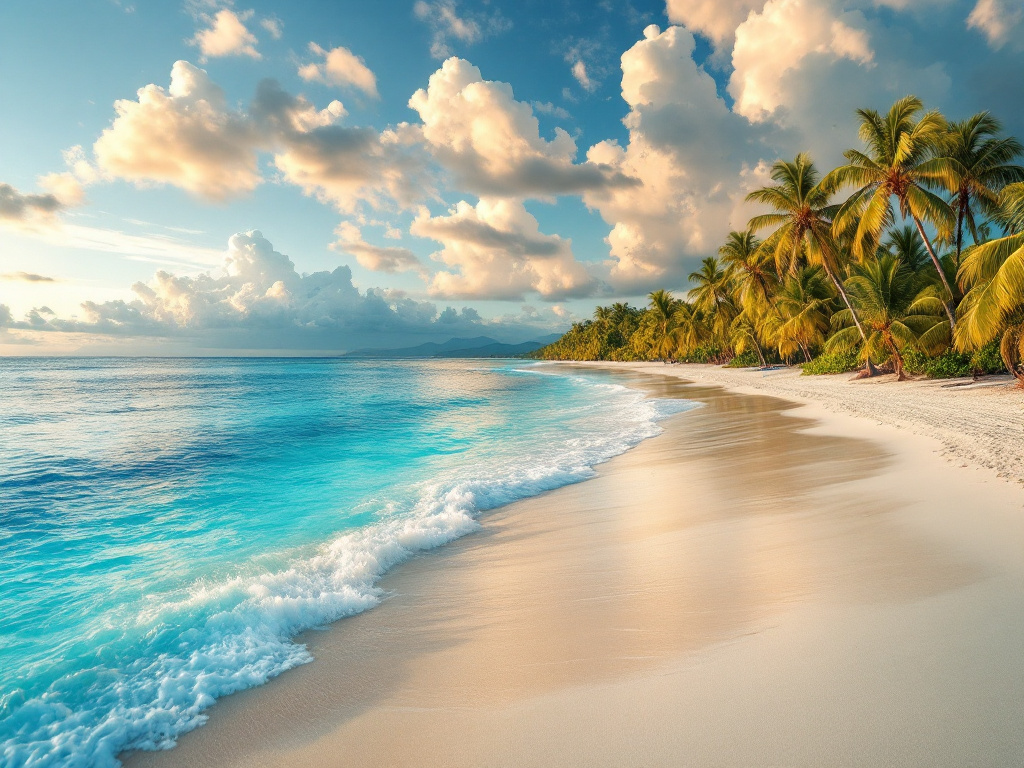
Punta Cana Beach
Punta Cana is known for its long beaches with fine white sand and luxurious resorts, perfect for relaxation and beach vacations.
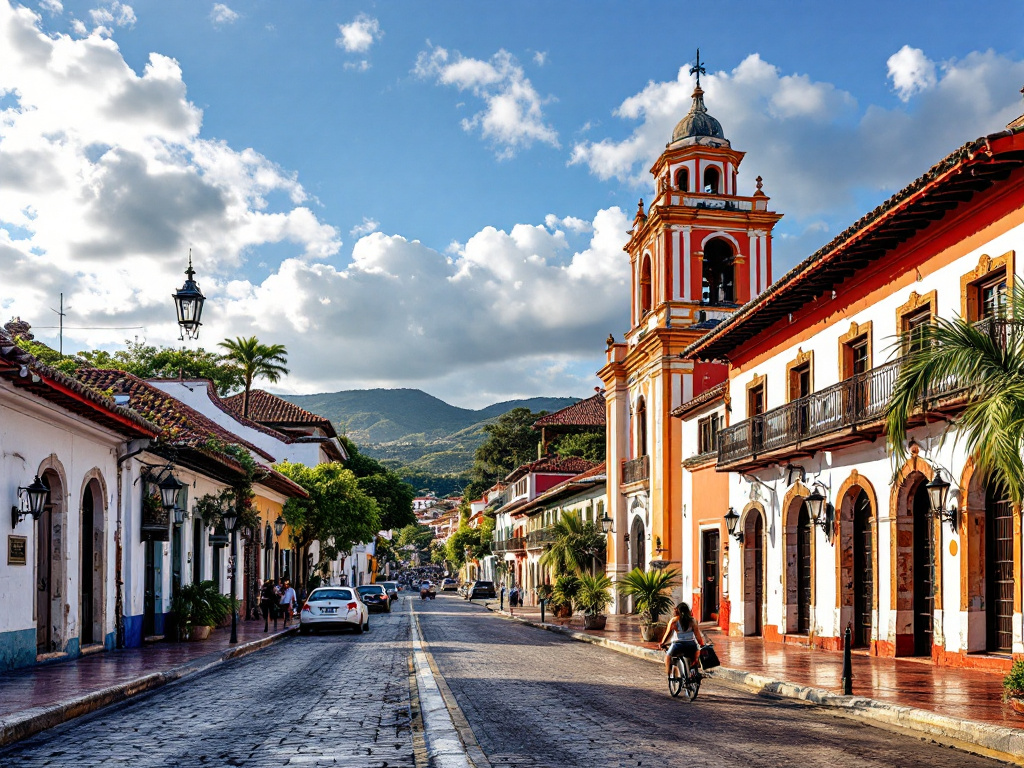
Colonial Zone
The Colonial Zone is the heart of Santo Domingo, featuring historic streets, museums, and colonial architecture from the 1500s.
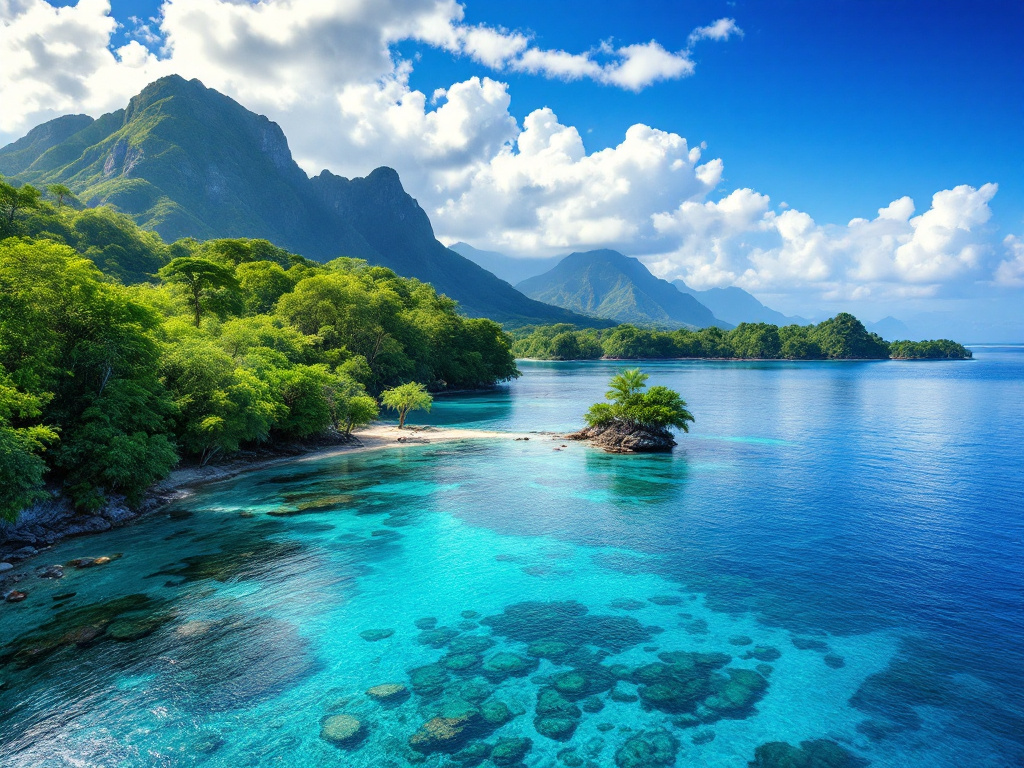
Los Haitises National Park
Los Haitises is a lush national park known for its mangroves, limestone cliffs, and ancient cave paintings.
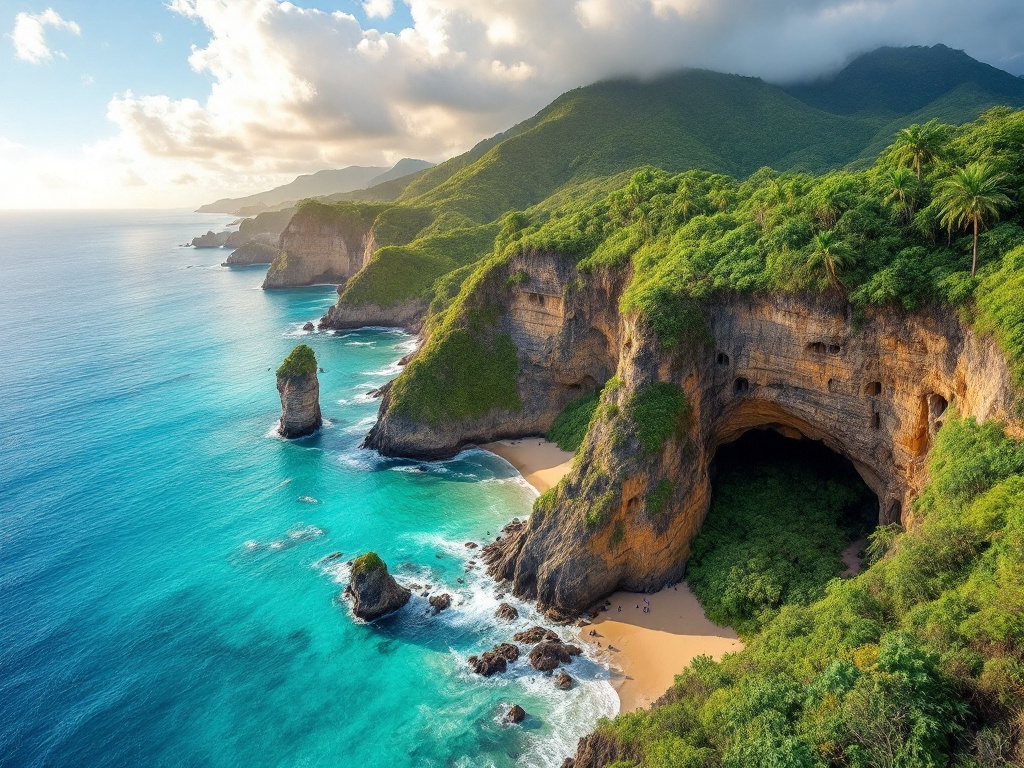
Whale Watching in Samaná
Every year, humpback whales visit Samaná Bay, providing a unique opportunity to see them up close.
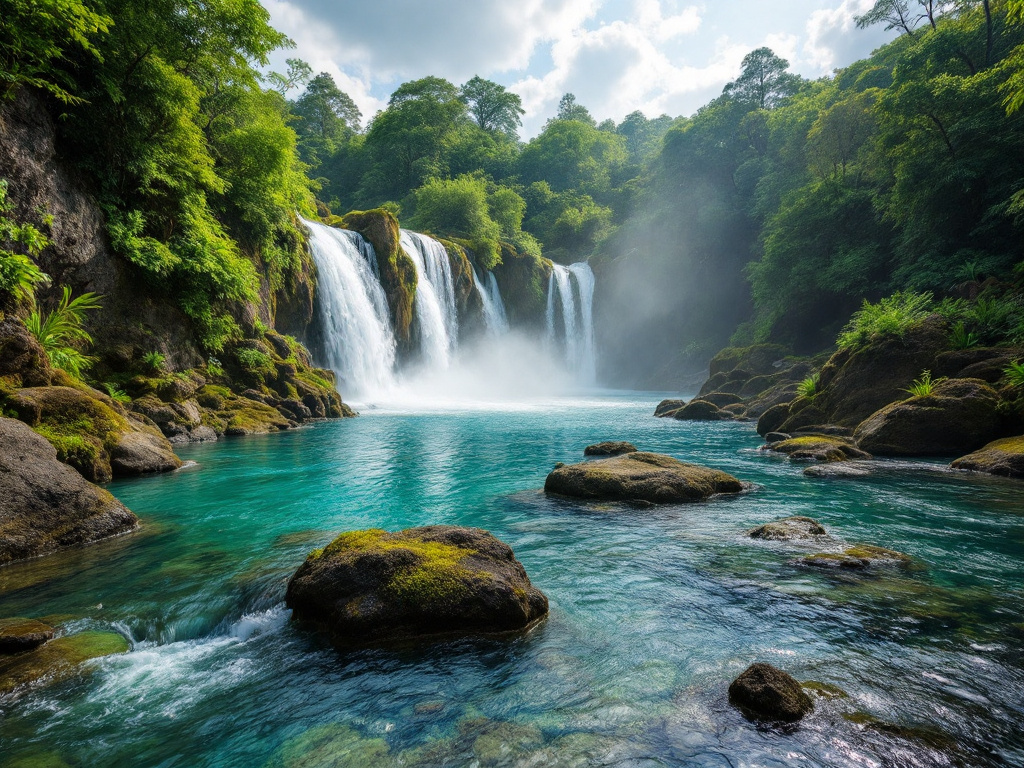
The Waterfalls of Jarabacoa
Jarabacoa offers beautiful waterfalls surrounded by mountains and lush nature, ideal for active travelers.
Pico Duarte
Pico Duarte is the highest point in the Caribbean and a popular destination for experienced hikers seeking adventure and spectacular views.
Famous cuisine
Culinary overview
Dominican cuisine is a flavorful blend of Spanish, African, and native Taíno traditions. Meals are often hearty and based on fresh ingredients like rice, beans, meat, fish, and tropical fruits. Street vendors serve everything from freshly made empanadas to sweet desserts like dulce de leche. Breakfast is often hearty, lunch is the main meal of the day, and dinner is lighter. The dishes reflect the country’s history and diversity, and each region has its own specialties.
Must-try dishes
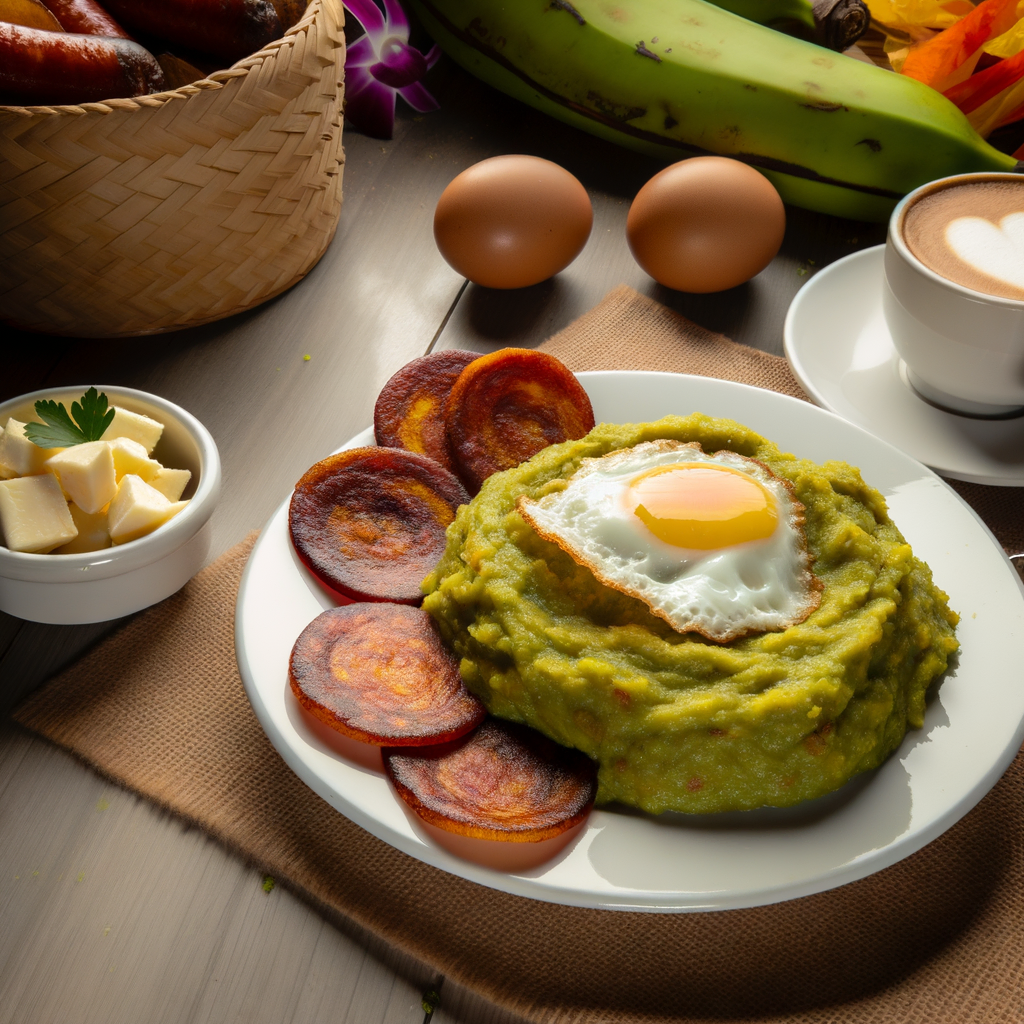
Mangú
A classic breakfast dish made from mashed green plantains, often served with fried eggs, salami, and cheese – known as 'los tres golpes'.
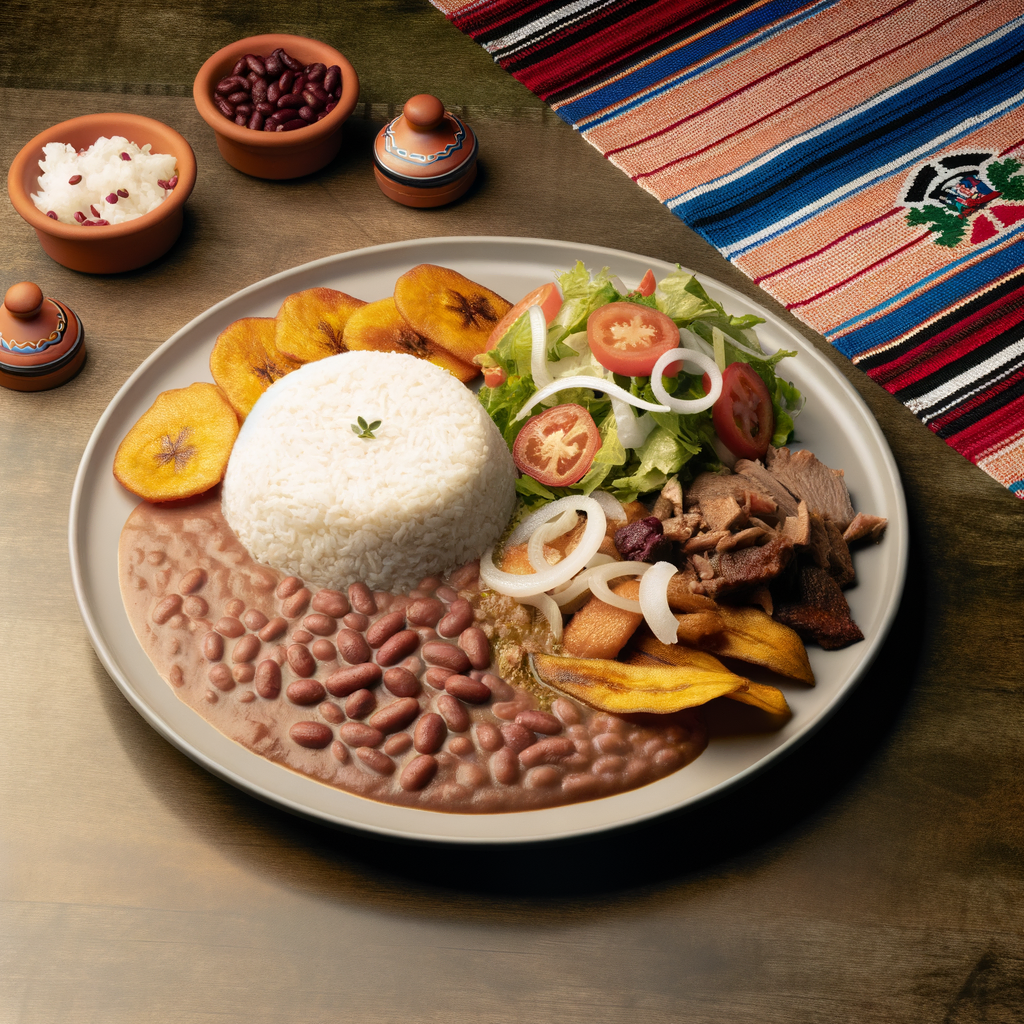
La Bandera
The national dish consisting of rice, red beans, and meat (often chicken or beef), served with salad and fried plantains.
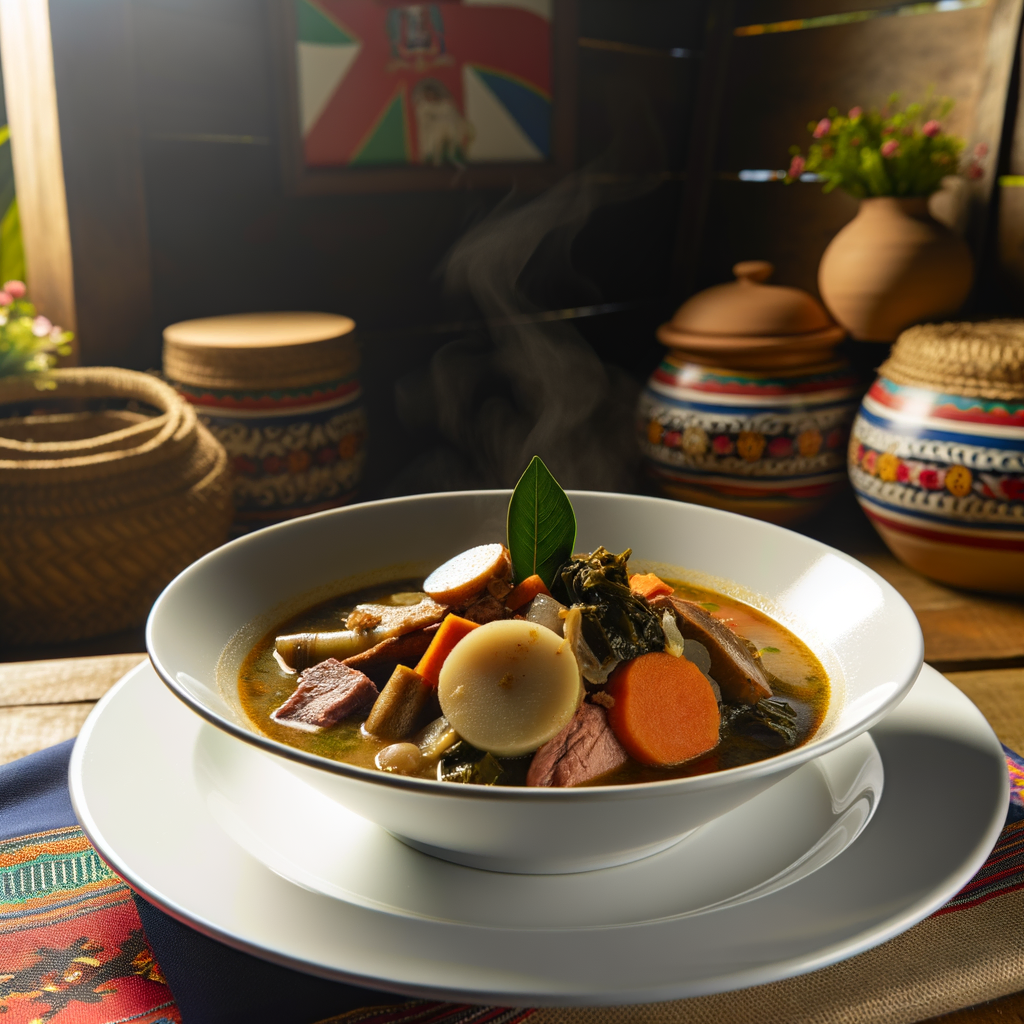
Sancocho
A hearty stew made with various kinds of meat, root vegetables, and greens, often prepared for special occasions.
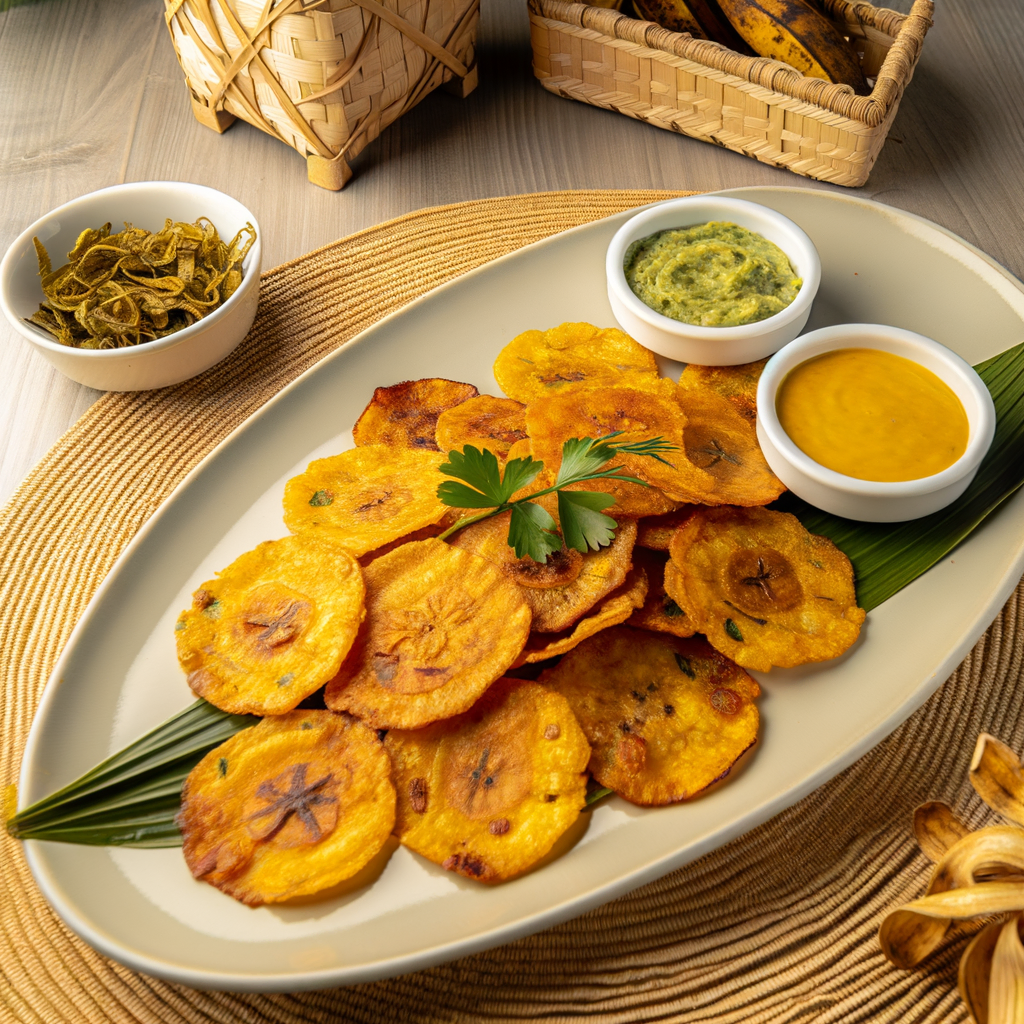
Tostones
Fried green plantains, pressed flat and served crispy as a snack or side dish.
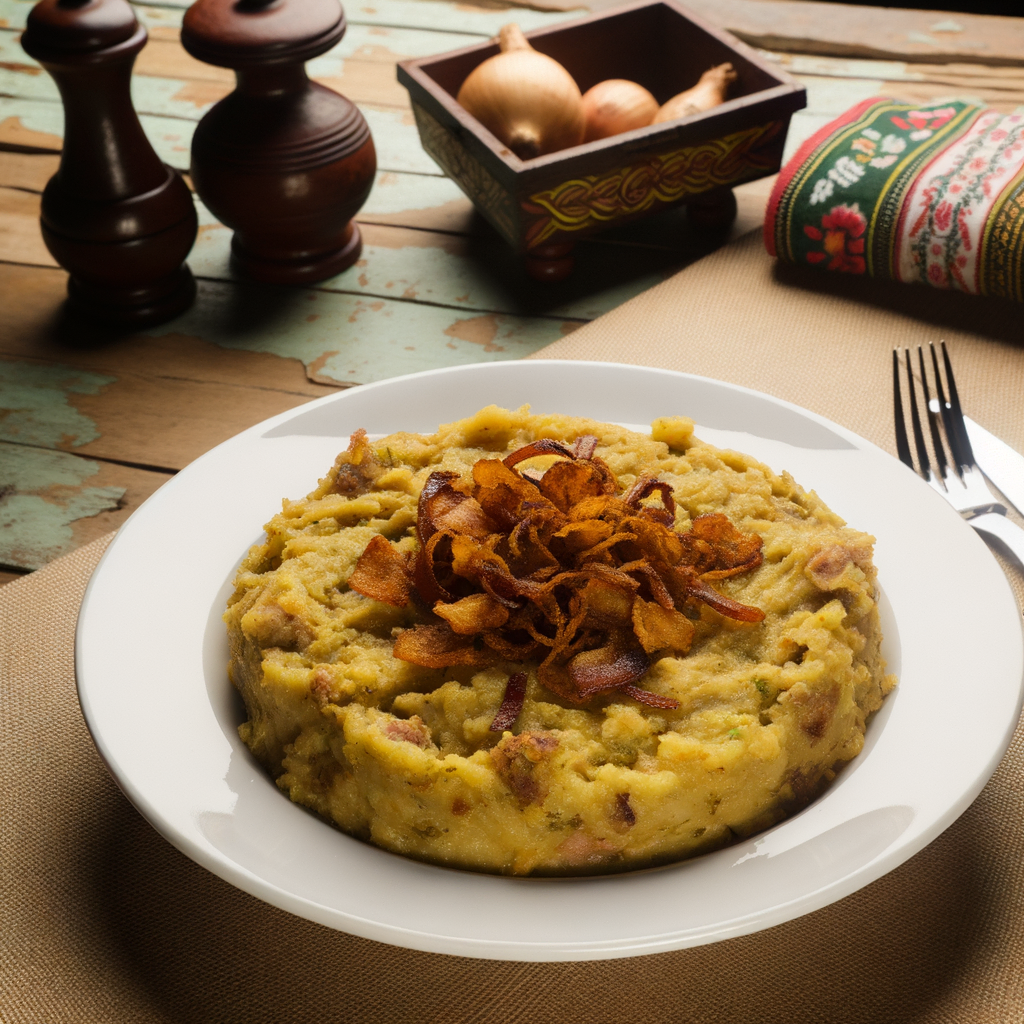
Mofongo
Mashed fried plantains mixed with garlic and pork cracklings, often served with meat or fish.
Restaurant information
Tipping
Tips are not always included in the bill. It is common to give 10% of the bill amount if a service charge is not added. In tourist areas, a little extra is often expected for good service.
Travel information
Currency
Dominican peso (DOP)
Language
Spanish
Best time to visit
December to April
Major cities
Santo Domingo and other major cities
More countries in North America
Discover more destinations in this region