
Fiji
Fiji, a paradise with over 300 islands, enchants with its turquoise waters, vibrant coral reefs, lush landscapes, and a warm blend of culture and hospitality.
Overview
Fiji is a tropical paradise in the heart of Oceania, boasting over 300 islands that beckon with turquoise lagoons, colorful coral reefs, and lush rainforests. Here, laid-back island life intertwines with a rich cultural heritage, from the historic town of Levuka to the vibrant Sri Siva Subramaniya Temple. Whether you dream of luxury on Denarau Island, island hopping in the Mamanuca and Yasawa Islands, or adventuring in Bouma National Heritage Park, Fiji offers unforgettable experiences. With sunny weather from May to October, it’s the perfect destination for beach lovers, divers, and those seeking authentic cultural encounters.
Official language
Fijiansk and English
Government
Parliamentary republic
Best time to visit
May to October
Nature
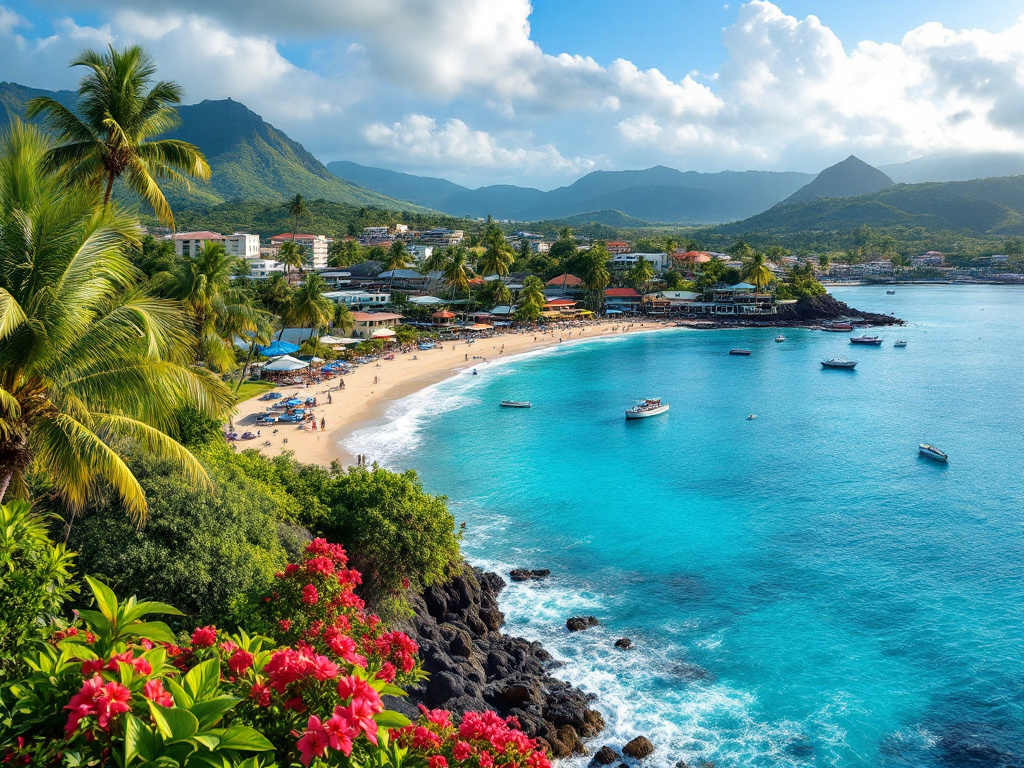
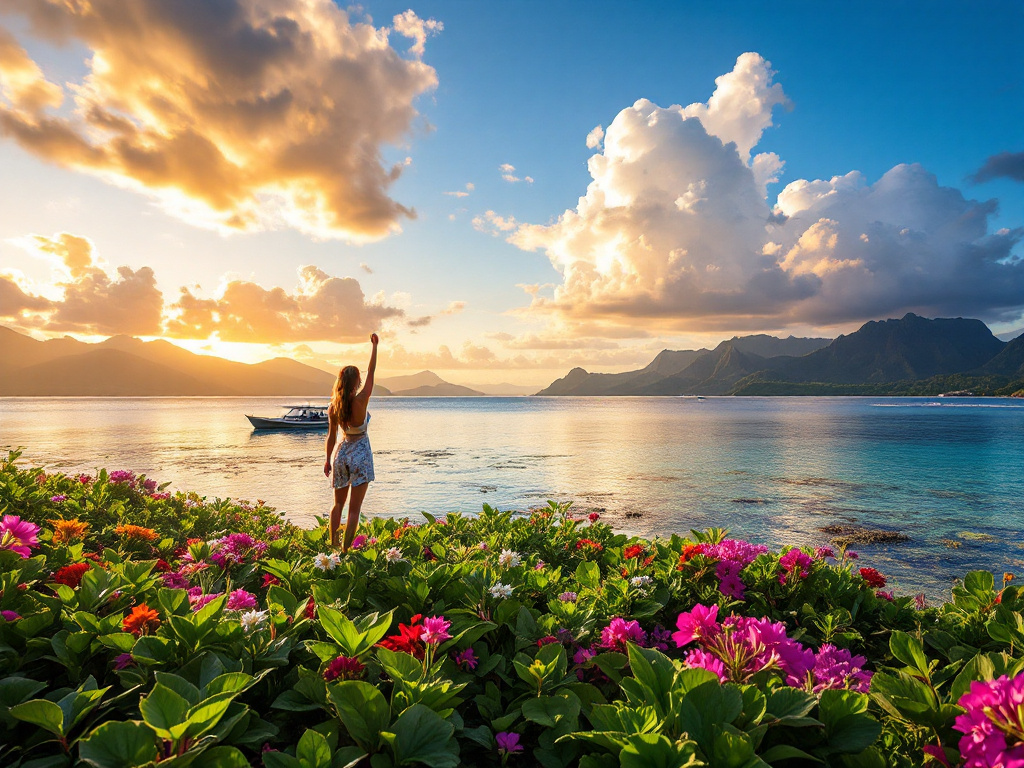
Fiji is a tropical paradise made up of over 300 islands, showcasing breathtaking landscapes where crystal-clear waters meet pristine white sand beaches and lush green hills. The islands are surrounded by some of the most vibrant coral reefs in the world, inviting divers and snorkelers to experience an underwater wonderland. The Mamanuca and Yasawa Islands boast postcard-perfect lagoons, while Bouma National Heritage Park on Taveuni impresses with its dramatic waterfalls and dense rainforests. The region is a haven for outdoor enthusiasts, with opportunities for hiking through tropical vegetation, swimming in natural pools, and kayaking along the stunning coastlines. The beauty of Fiji is accentuated during sunsets, painting the sky in vibrant hues of orange and purple, while the night sky unfolds a dazzling display of stars unhindered by light pollution. It's not just the stunning scenery; Fiji invites you to connect harmoniously with nature.
Travel to Fiji
Traveling to Fiji feels like stepping into a postcard of tropical beauty. Flights from major international airports in Australia, New Zealand, Asia, and the USA land at Nadi International Airport, the primary gateway to the islands. From there, domestic flights, ferries, or boat charters can easily take you to various islands. The best time to visit is from May to October, when the weather is dry, sunny, and ideal for beach life, diving, and island hopping. Many travelers choose to combine luxury resorts on Denarau Island with authentic village visits on smaller islands. The journey can be tailored for romantic getaways, family vacations, or adventurous backpacking trips. With a vast array of activities from snorkeling and diving to hiking and cultural experiences, Fiji is a destination that offers something for everyone. No matter where you go, you will be welcomed by the warm 'Bula' greeting, making your experience truly unique.
Culture
Fiji's culture is a vibrant tapestry woven from indigenous fijian traditions, Indian influences, and colonial history. The 'Bula' spirit embodies the warm and genuine hospitality that greets visitors all over the islands. Traditional ceremonies, such as the kava drinking ritual, are central to social life, while dance, song, and drumming are integral to festive occasions. In cities like Suva, colorful markets burst with fresh fruits, handmade jewelry, and woven mats that reflect the significance of local craftsmanship. The beautiful Sri Siva Subramaniya Temple in Nadi highlights the country's Hindu heritage, while the colonial town of Levuka offers a glimpse into the blend of European and local architecture. Culinary delights abound, ranging from Kokoda, a fresh ceviche-like dish, to Lovo, where meats and vegetables are slow-cooked in an earth oven. Fijian culture is not just observed; it's an immersive experience to savor, participate in, and feel in your heart.
History
Fiji's history is shaped by both indigenous traditions and outside influences. The islands have been inhabited for thousands of years by Melanesians and Polynesians who developed complex societies, led by chiefs and rich ceremonial practices. The arrival of European explorers and missionaries in the 19th century marked a significant turning point, leading to profound changes in the social landscape. Fiji became a British colony in 1874, a period that brought economic development yet also social challenges, including the introduction of Indian indentured laborers to sugar plantations. This rich blend of peoples and cultures has contributed to the modern Fijian identity. In 1970, Fiji gained independence, evolving into a parliamentary republic where tradition and modernity coexist harmoniously.
Top attractions
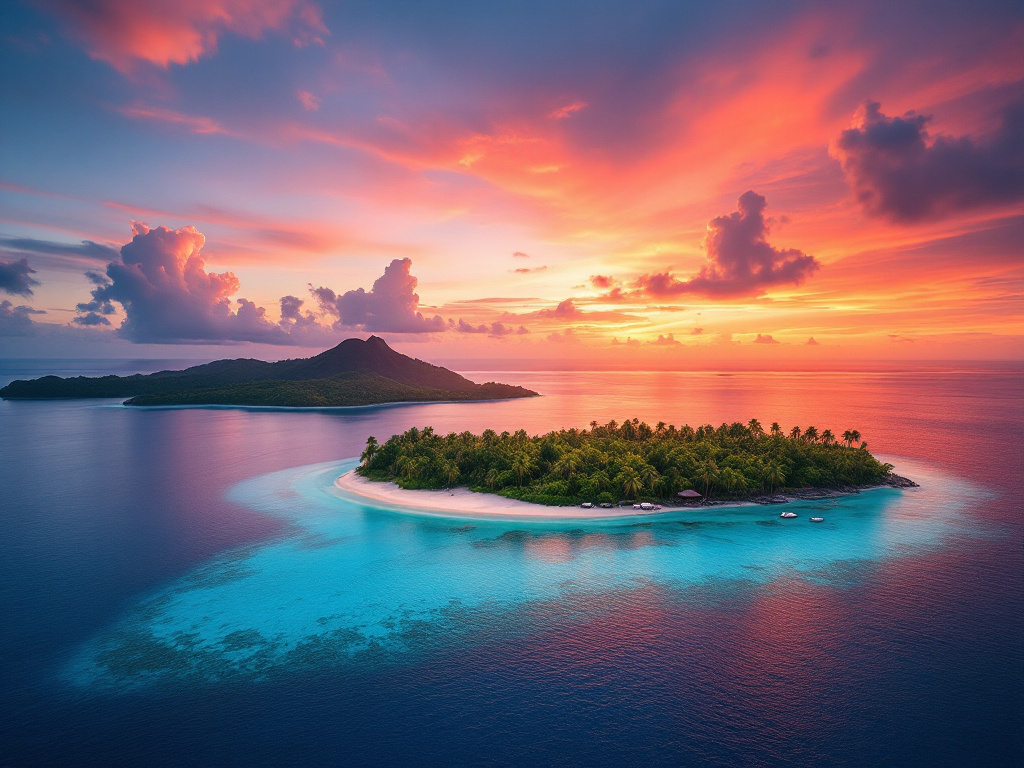
Mamanuca Islands
A beautiful island group near Nadi known for postcard beaches, calm lagoons, and easy access to snorkeling and relaxation.
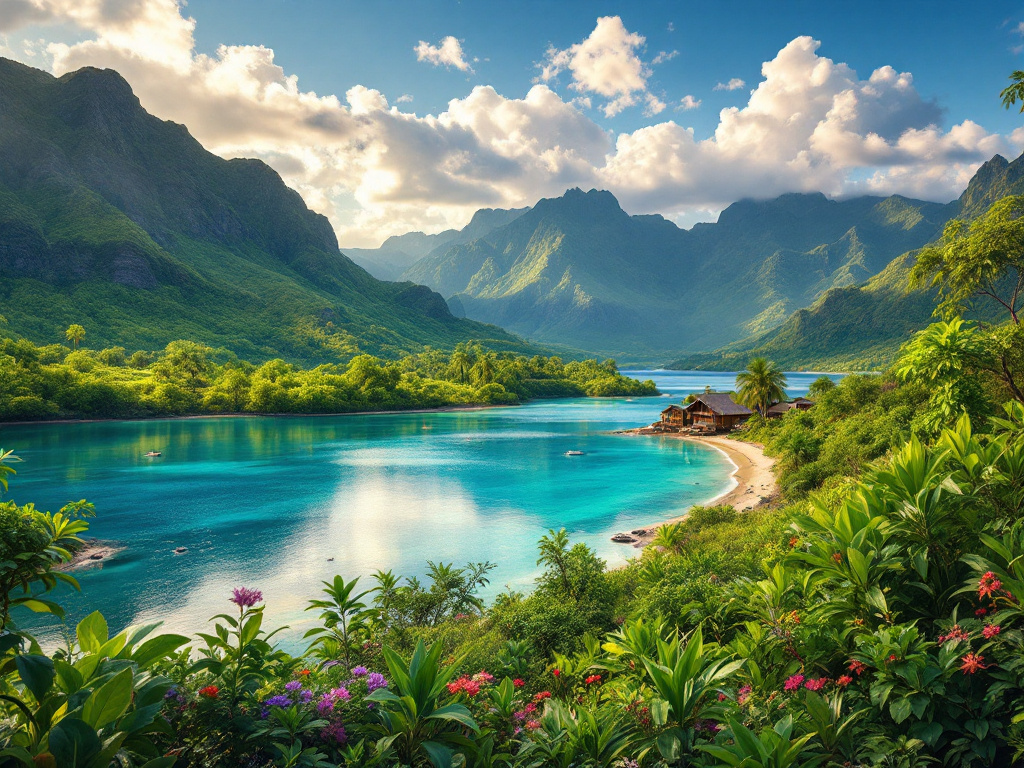
Yasawa Islands
A more remote island group with rugged nature, fewer visitors, and authentic Fijian experiences.
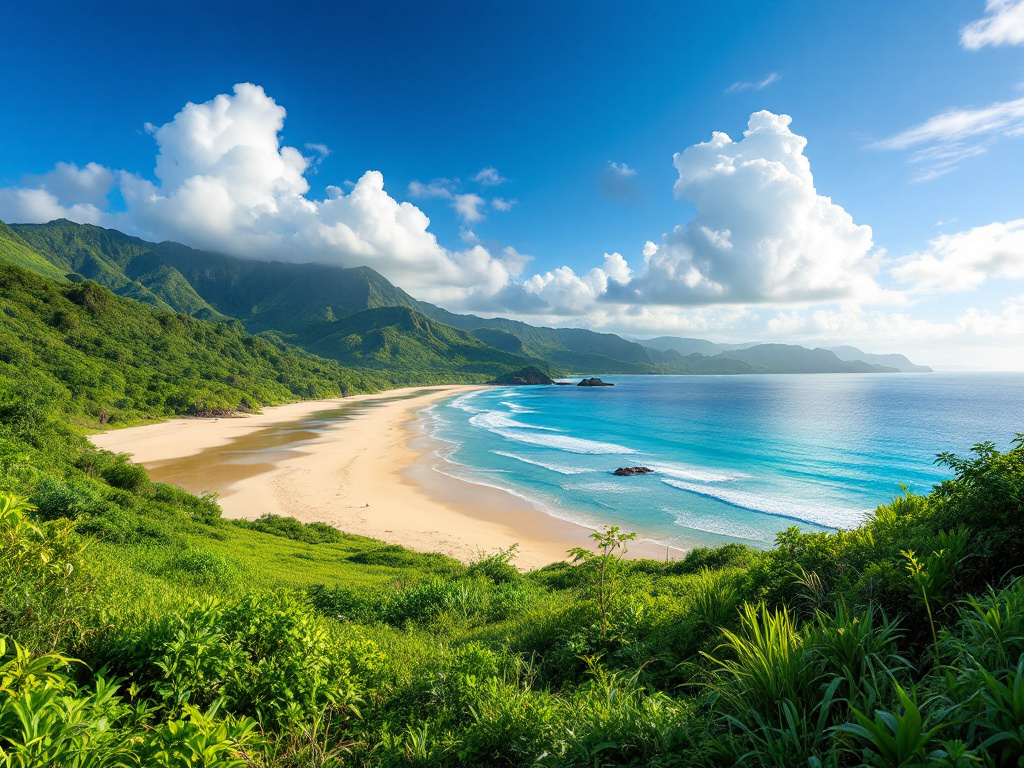
Sigatoka Sand Dunes National Park
A rare sand dune landscape in Fiji with both natural and cultural historical significance.
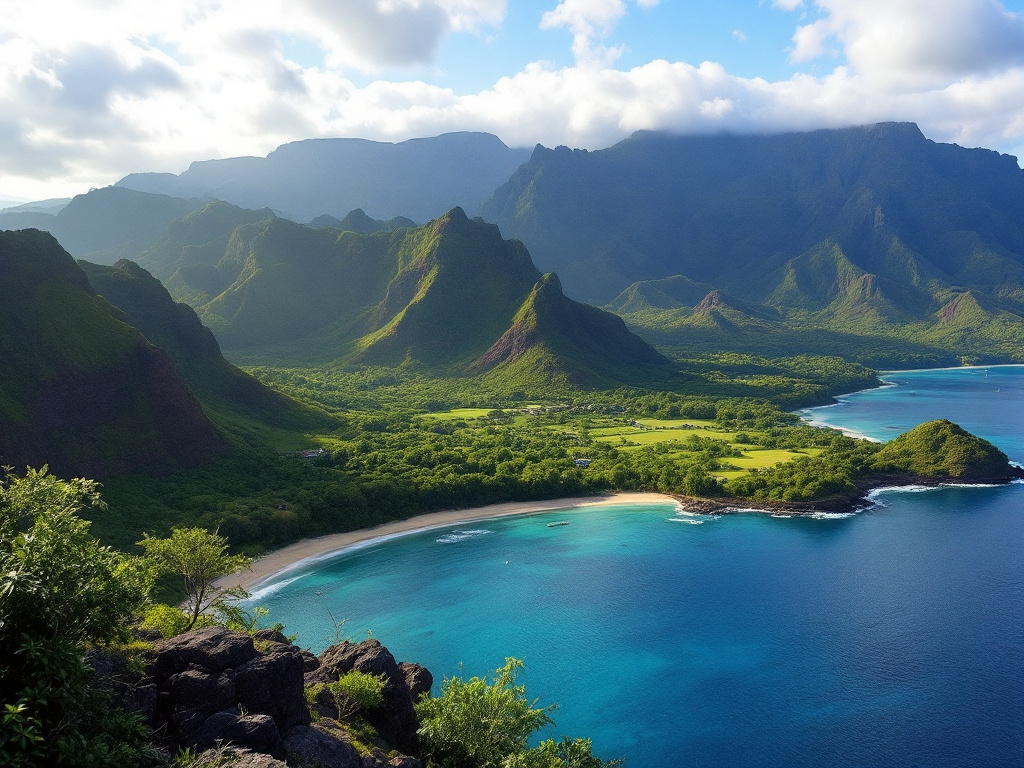
Bouma National Heritage Park
A lush national park on Taveuni with iconic waterfalls and rich hiking trails.
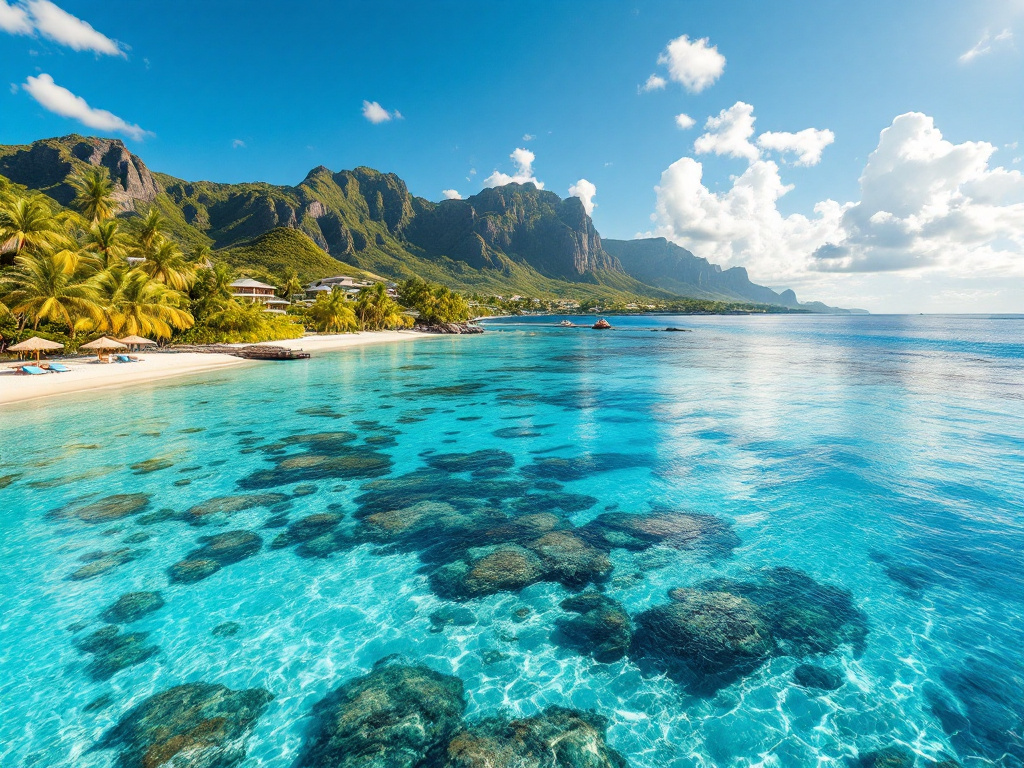
Coral Coast
A popular coastal stretch with beautiful reefs, beaches, and many family-friendly hotels.
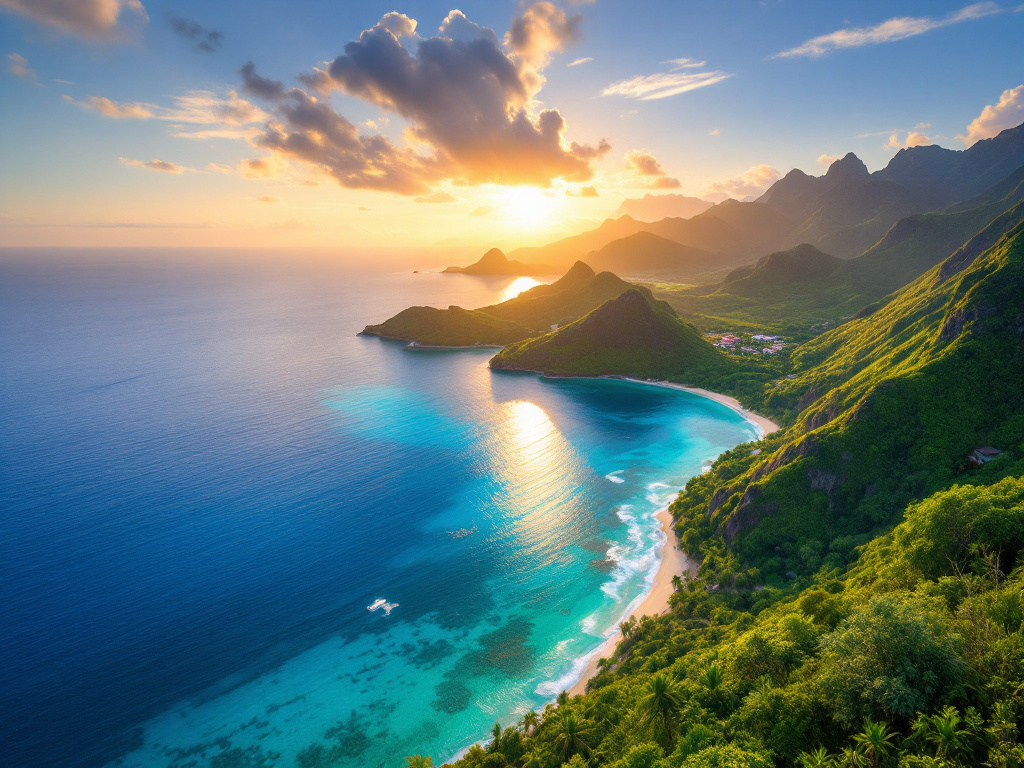
Taveuni Island
A lush island known for top-notch diving, waterfalls, and rainforest.
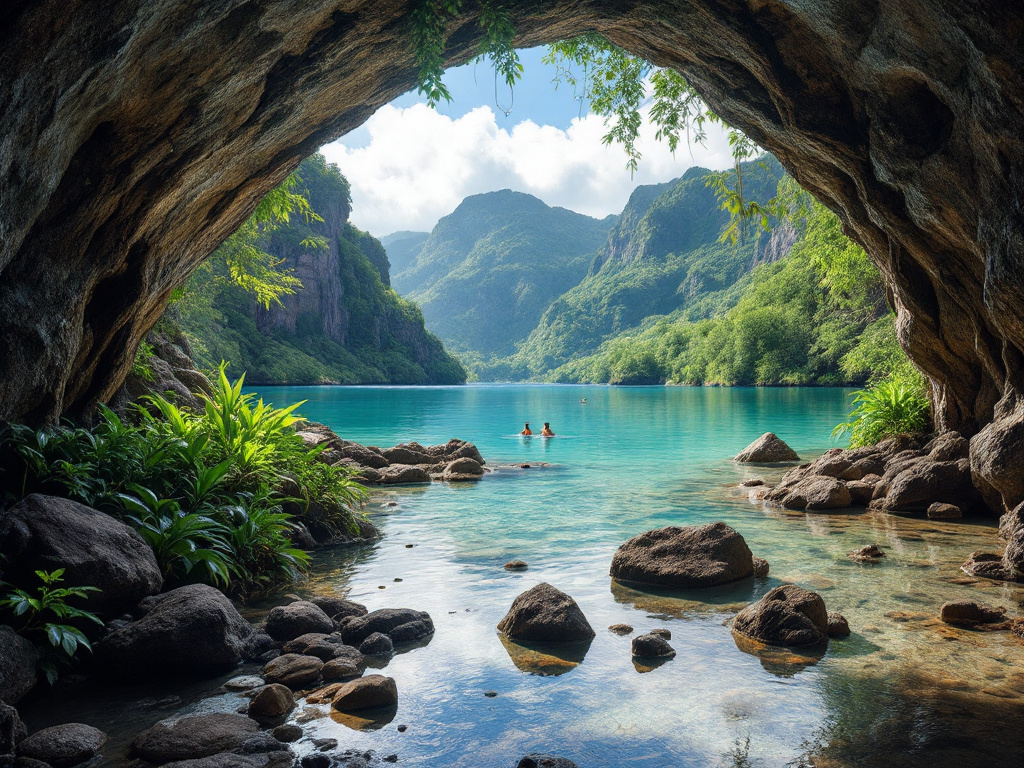
Sawa-i-Lau Caves
Spectacular limestone caves with a hidden lagoon on the Yasawa Islands.
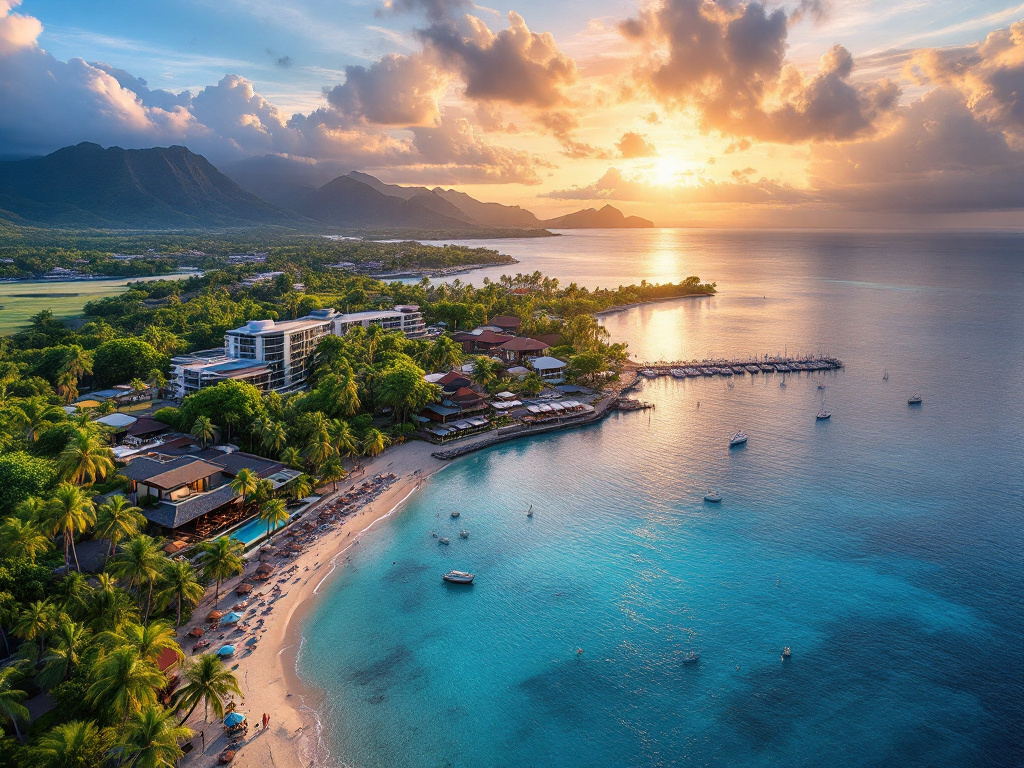
Denarau Island
A modern resort area with a marina, restaurants, and access to island hopping.
Suva Municipal Market
A colorful market in the capital with fresh fish, fruits, and local daily life.
Beqa Lagoon Shark Diving
World-renowned diving spot with the opportunity to see sharks in safe and controlled conditions.
Famous cuisine
Culinary overview
Fiji's food culture is an exciting blend of native traditions, Indian spices, and international influences. Fresh ingredients from the sea, tropical fruits, and root vegetables such as cassava and taro are key components. Many dishes are still prepared in traditional ways, such as in a 'lovo' – an earth oven where food is slowly cooked over hot stones. Coconut milk, lime, and chili are used extensively, and meals are often accompanied by fresh fruit. Street markets offer cheap and authentic tasting experiences, while resorts provide modern interpretations of classic dishes.
Must-try dishes
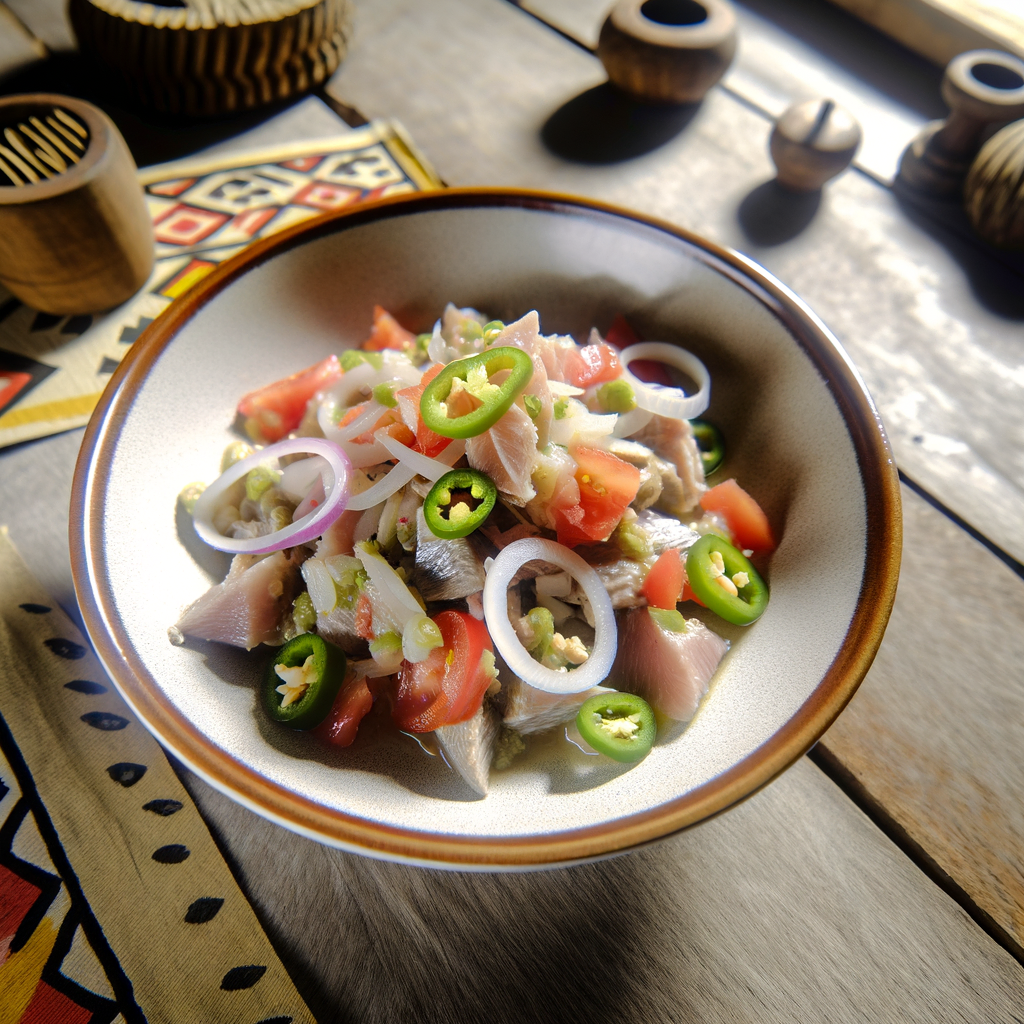
Kokoda
A traditional Fijian ceviche made from fresh fish marinated in lime juice and coconut milk, mixed with onions, tomatoes, and chili. Often served as an appetizer or light lunch.
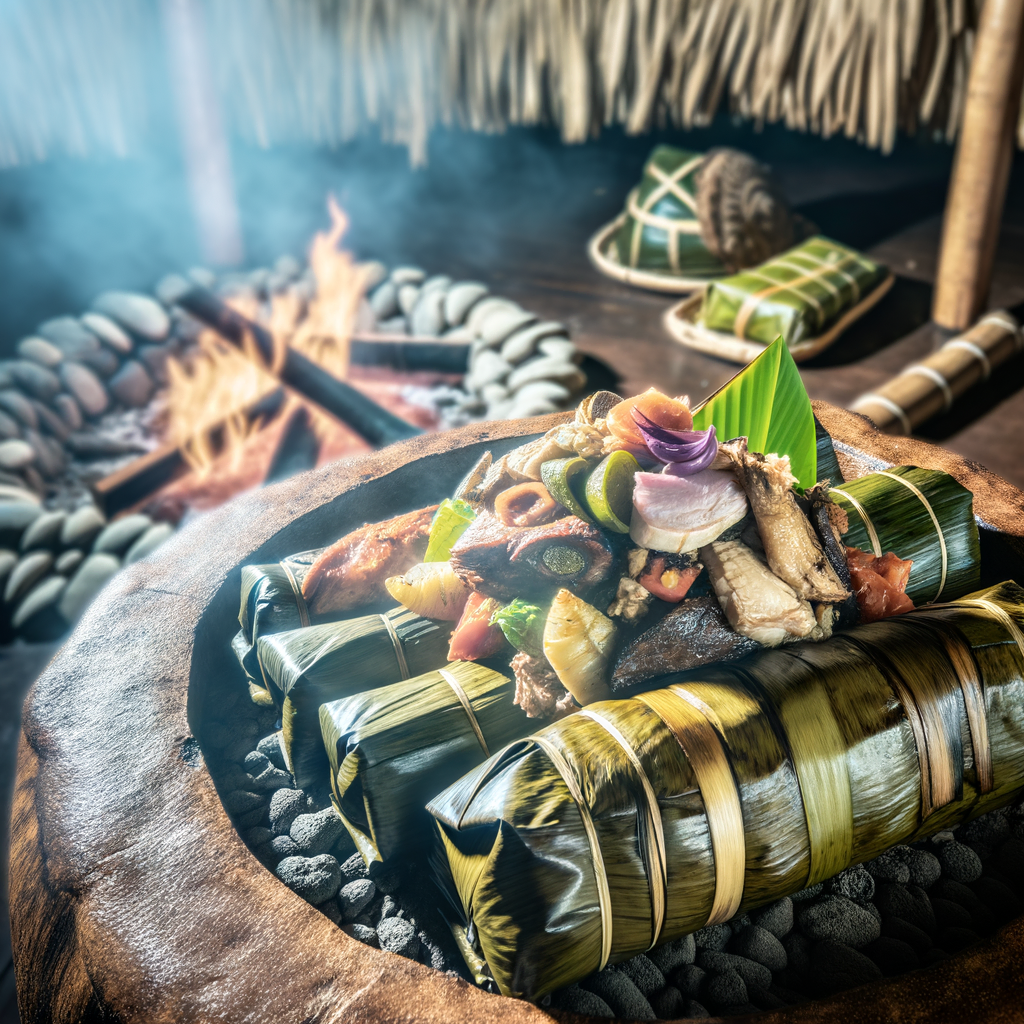
Lovo
A feast prepared in an earth oven, where meat, fish, and vegetables are wrapped in banana leaves and slowly baked over hot stones, resulting in a smoky and juicy flavor.
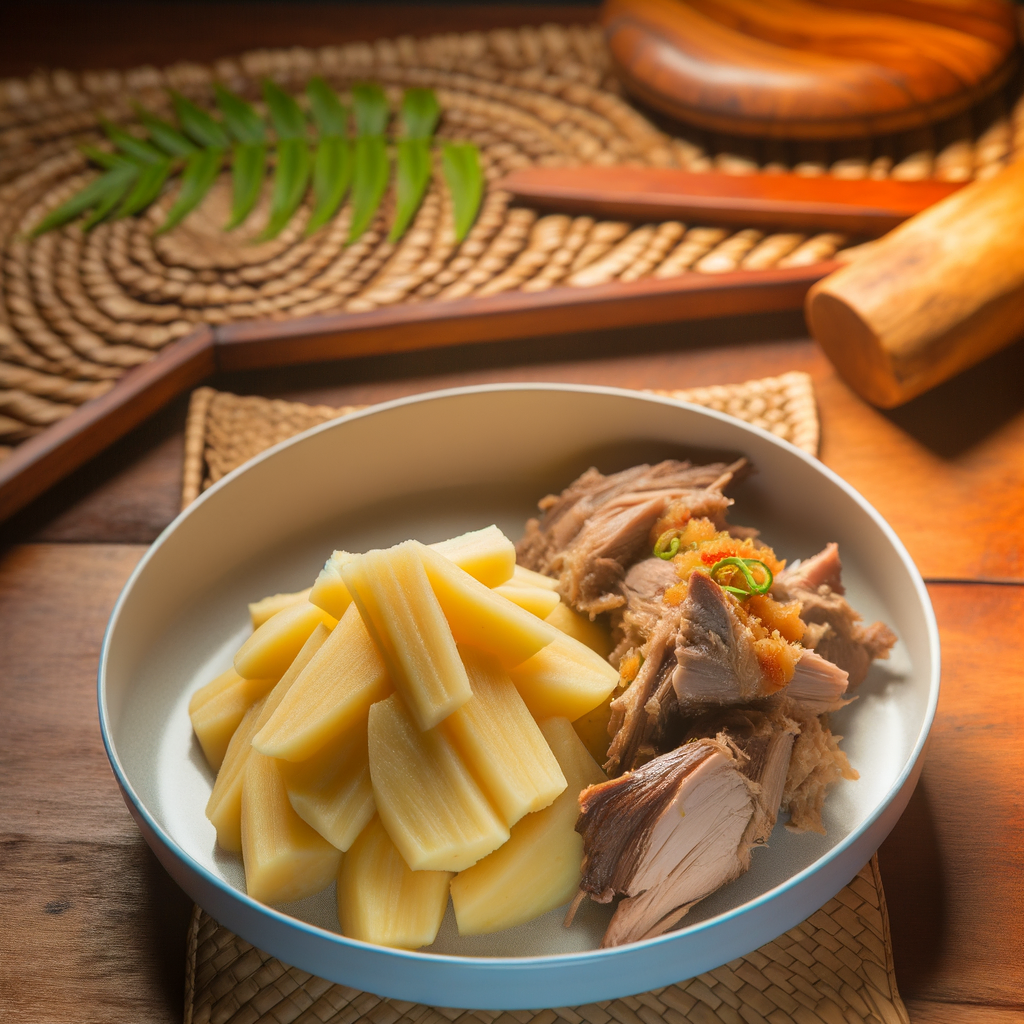
Cassava
A starchy root vegetable that is used as a staple food in Fiji. Served boiled, baked, or fried, often as a side dish to meat and fish dishes.
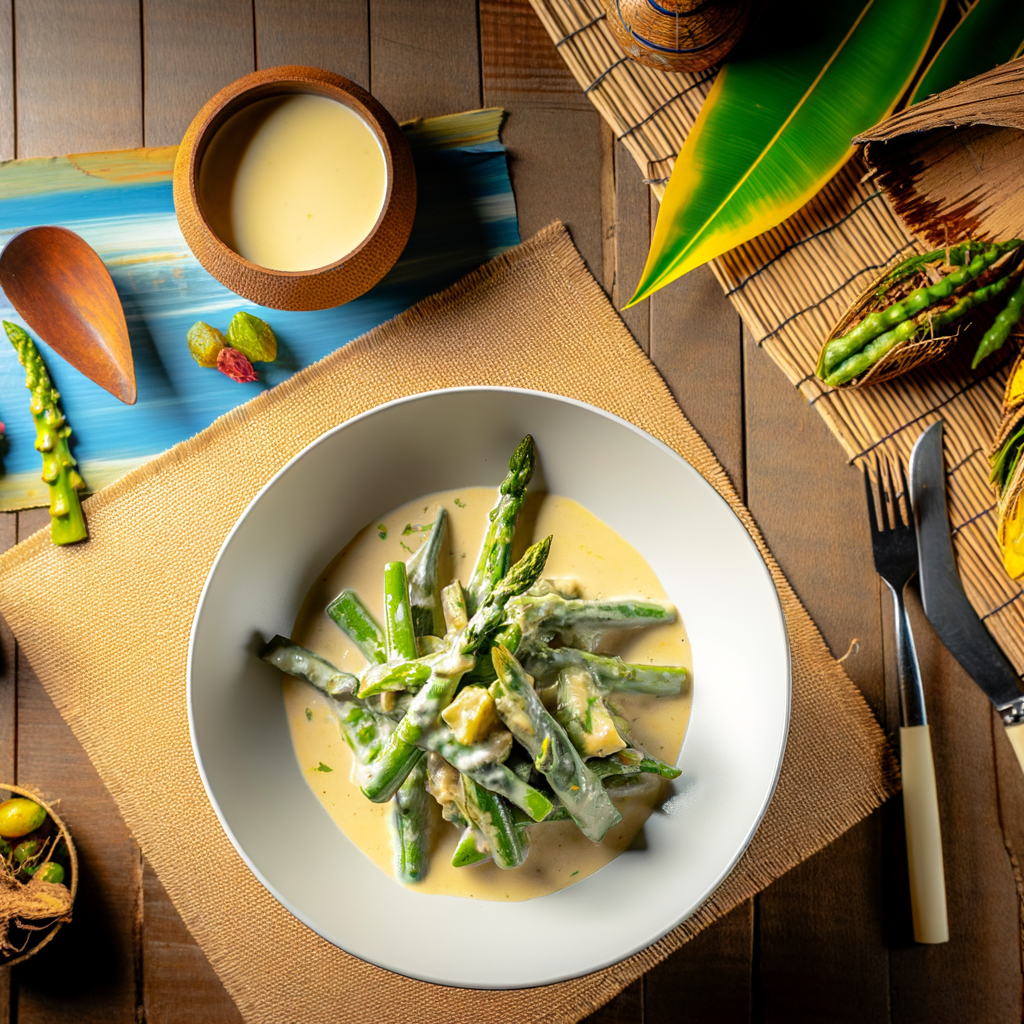
Duruka
Known as 'Fijian asparagus', this is a seasonal vegetable that is often cooked in coconut milk and served as a side dish.
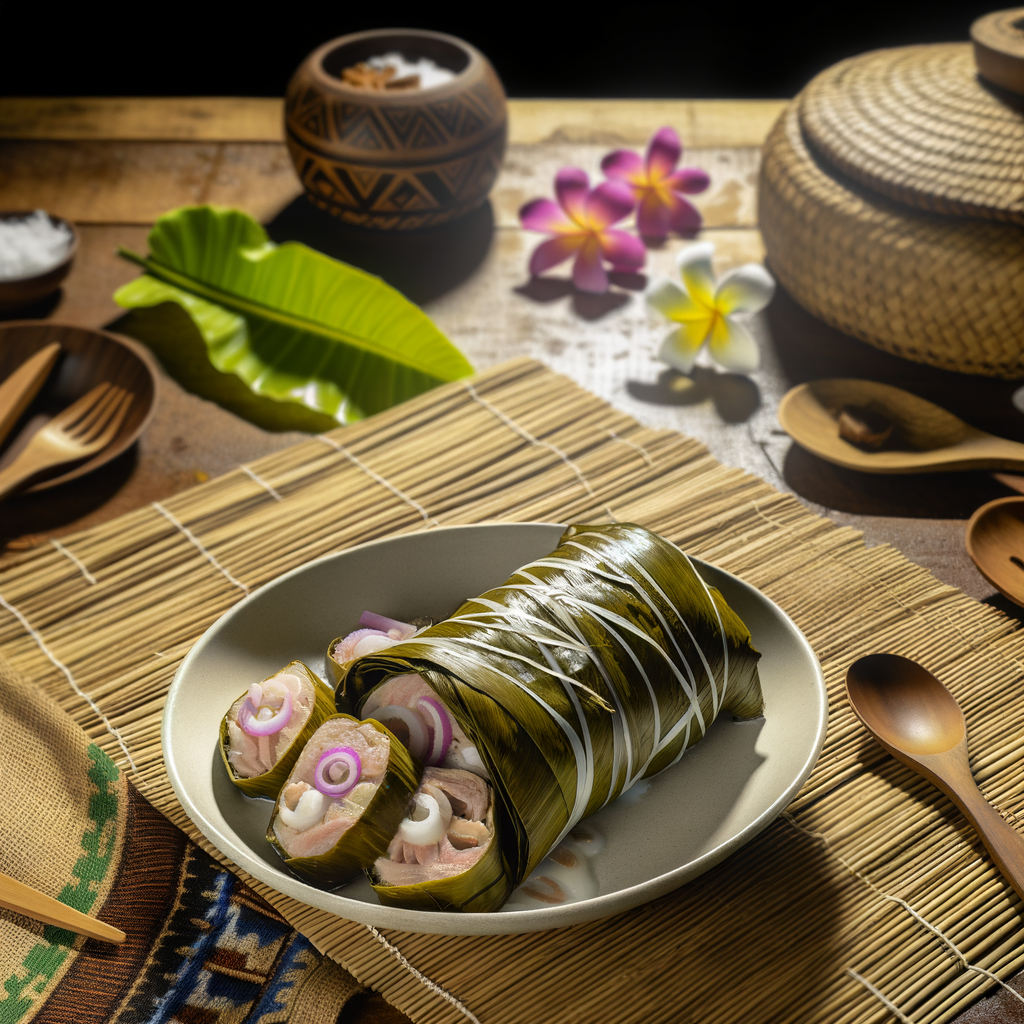
Palusami
Taro leaves filled with coconut milk and onions, wrapped and baked, creating a creamy and aromatic dish often served on festive occasions.
Restaurant information
Tipping
Tipping is not a standard part of the culture in Fiji, but it is appreciated if you round up or give 5-10% for good service at restaurants and hotels.
Travel information
Currency
Fijiansk dollar (FJD)
Language
Fijiansk and English
Best time to visit
May to October
Major cities
Suva and other major cities
More countries in Oceania
Discover more destinations in this region