
Overview
Grenada, known as 'The Spice Island,' is a Caribbean jewel where the scent of fresh nutmeg wafts through the air amidst stunning landscapes of rolling hills and pristine coastline. With breathtaking beaches like Grand Anse, lush rainforests, and unique experiences such as the Underwater Sculpture Park, this island paradise captivates the senses. The charming capital city of Saint George’s enchants with its colorful colonial buildings and historic landmarks, all while inviting you to immerse yourself in local life. Grenada blends natural beauty, rich culture, and delectable cuisine to create an unforgettable experience for travelers in search of both relaxation and adventure in the heart of the Caribbean.
Official language
English
Government
Parliamentary democracy and Constitutional monarchy
Best time to visit
December to April
Nature
Grenada is a tropical paradise where lush green hills, vibrant rainforests, and colorful flowers paint an idyllic landscape year-round. The crown jewel of these natural wonders is Grand Anse Beach, a postcard-perfect stretch featuring soft white sand and crystal-clear turquoise waters, perfect for swimming and snorkeling. Venture inland to discover Annandale Waterfalls, where clear water cascades into natural pools surrounded by rich vegetation. The surrounding sea is home to the Underwater Sculpture Park, an enchanting blend of art and marine life. Grenada's warm and tropical climate makes it an ideal place for growing nutmeg, cinnamon, and cocoa, filling the air with delightful aromas. With well-maintained rainforest trails leading to hidden viewpoints, and coral reefs teeming with colorful fish and sea turtles, the natural beauty of Grenada invites relaxation and active exploration alike, especially from December to April when conditions are perfect for outdoor adventures.
Travel to Grenada
Traveling to Grenada feels like stepping into a postcard of the Caribbean. The best time to visit is from December to April, when the weather is sunny and dry, and the sea is clear for swimming and snorkeling. Flights arrive at Maurice Bishop International Airport, conveniently located near popular beaches and accommodations. The island's compact size makes it easy to explore both its stunning coastlines and lush interiors within a short timeframe. Enjoy a blissful day at Grand Anse Beach, plunge into the creative depths of the Underwater Sculpture Park, hike to Annandale Waterfalls, or visit Belmont Estate to learn about cocoa production and spice history. Local markets in Saint George’s offer fresh fruits, spices, and handcrafted goods, perfect for souvenirs. Grenada caters to every traveler, featuring luxurious resorts, charming guesthouses, and authentic culinary experiences, making it an ideal destination for romantic escapes, family adventures, and cultural immersion.
Culture
Grenada's culture is a vibrant tapestry woven from African, European, and Caribbean influences, reflected in its music, dance, cuisine, and traditions. Known as 'The Spice Island,' Grenada is as much about its rich culinary heritage as it is about its spices, fostering a lively atmosphere that enhances daily life. The lively sounds of calypso, reggae, and soca fill the streets, particularly during the annual Carnival, where colorful costumes and spirited parades create a joyous celebration. Traditional dishes like Oildown, Callaloo Soup, and Nutmeg Ice Cream showcase local ingredients and historical recipes that offer a taste of the island's flavor. Craftsmanship shines in woven baskets and wooden carvings, showcasing the island's creative spirit. Saint George's, the capital, serves as the cultural heart of Grenada, boasting historic colonial buildings, bustling markets, and museums that reveal the island's artistic and historical narratives, making warmth and pride in heritage apparent to all visitors.
History
Grenada's history is a rich narrative of colonial struggles and cultural fusion. Originally inhabited by the Arawak and Carib Indians, the island was colonized by the French in the 17th century before coming under British control in 1762. The spice trade, notably in nutmeg, became the cornerstone of the island's economy, earning Grenada its well-known nickname. Grenada achieved independence from British rule in 1974, yet remained part of the Commonwealth. The 1980s were tumultuous, marked by political unrest, including a short-lived Marxist government and a U.S. invasion in 1983. Today, Grenada stands as a stable parliamentary democracy, with echoes of its past felt through fortresses, colonial architecture, and museums that offer visitors a window into its storied history and heritage.
Top attractions
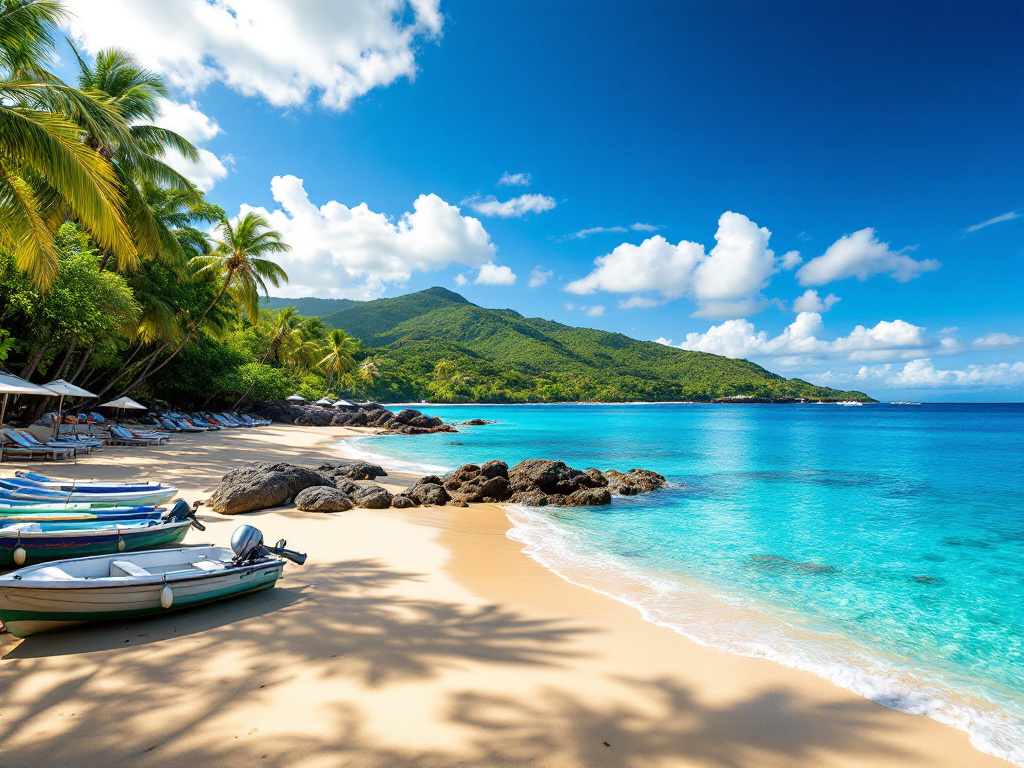
Grand Anse Beach
Grenada's most famous beach with soft sand, clear water, and a relaxed Caribbean atmosphere.
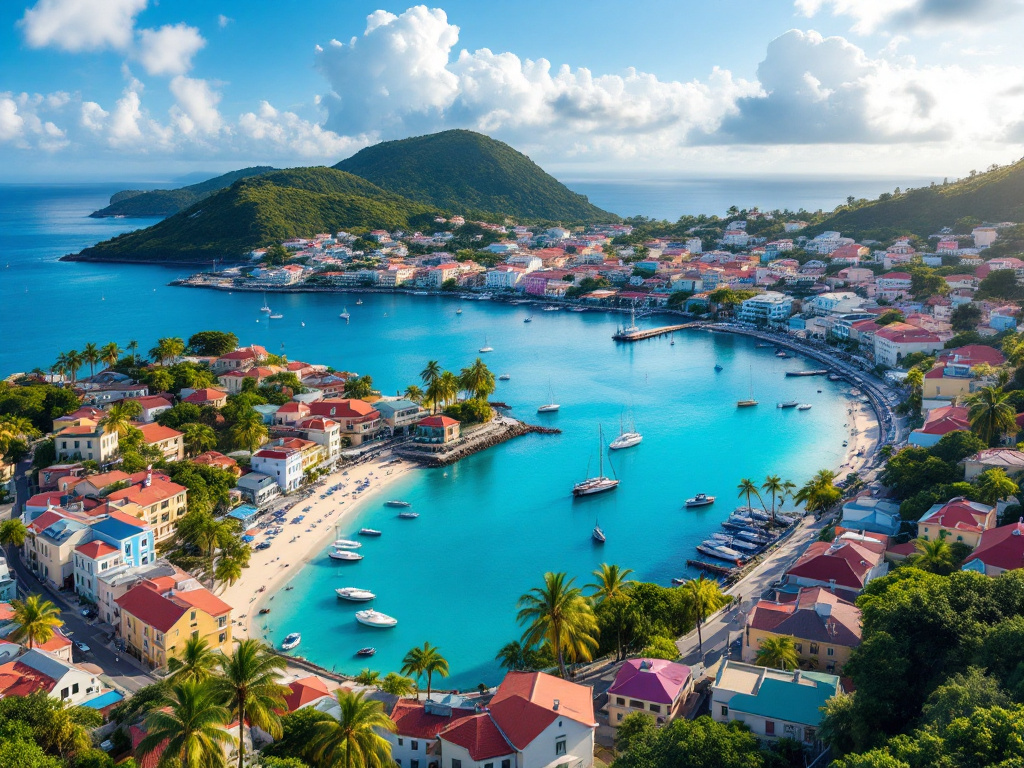
St. George's Harbor
A horseshoe-shaped harbor surrounded by pastel-colored buildings and a vibrant urban atmosphere.
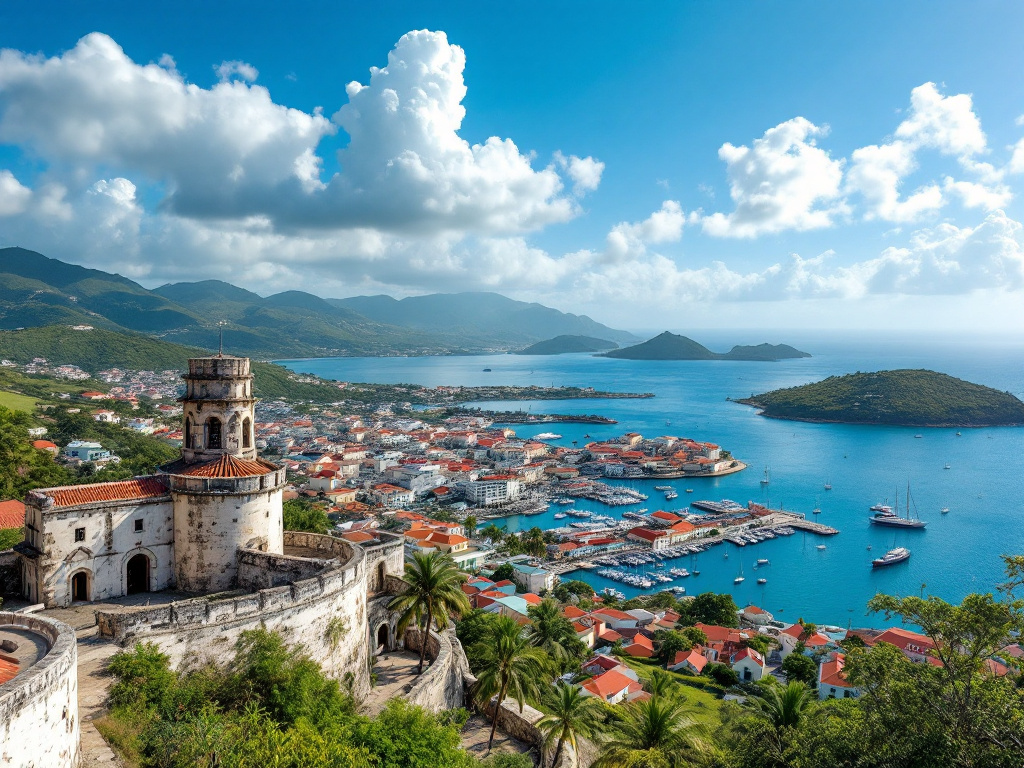
Fort George
A well-preserved colonial fort with spectacular views over the capital and the harbor.
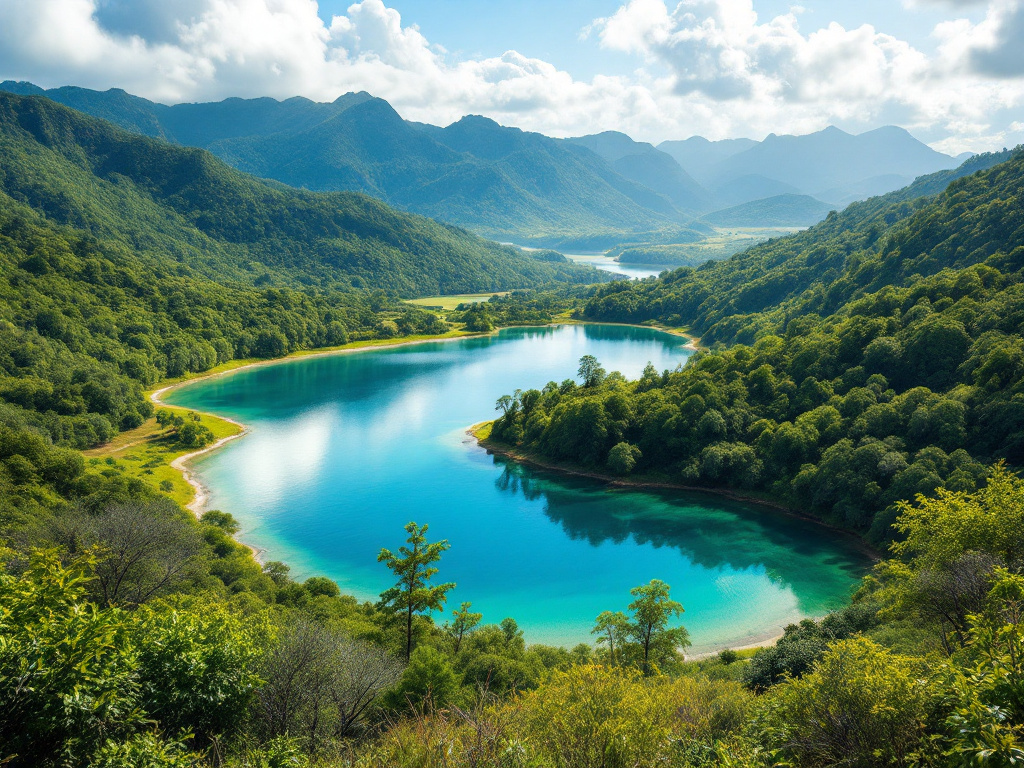
Grand Etang National Park
A lush national park with a crater lake, rainforest, and rich nature experiences.
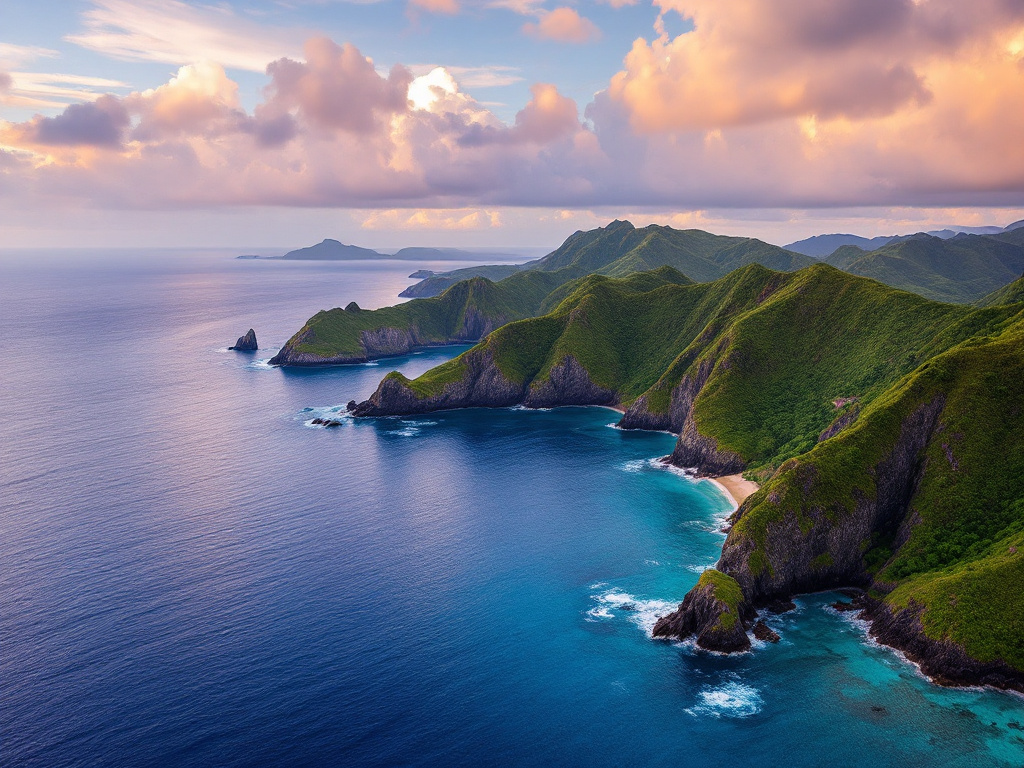
Seven Sisters Falls
A series of beautiful waterfalls surrounded by dense rainforest and cooling pools.
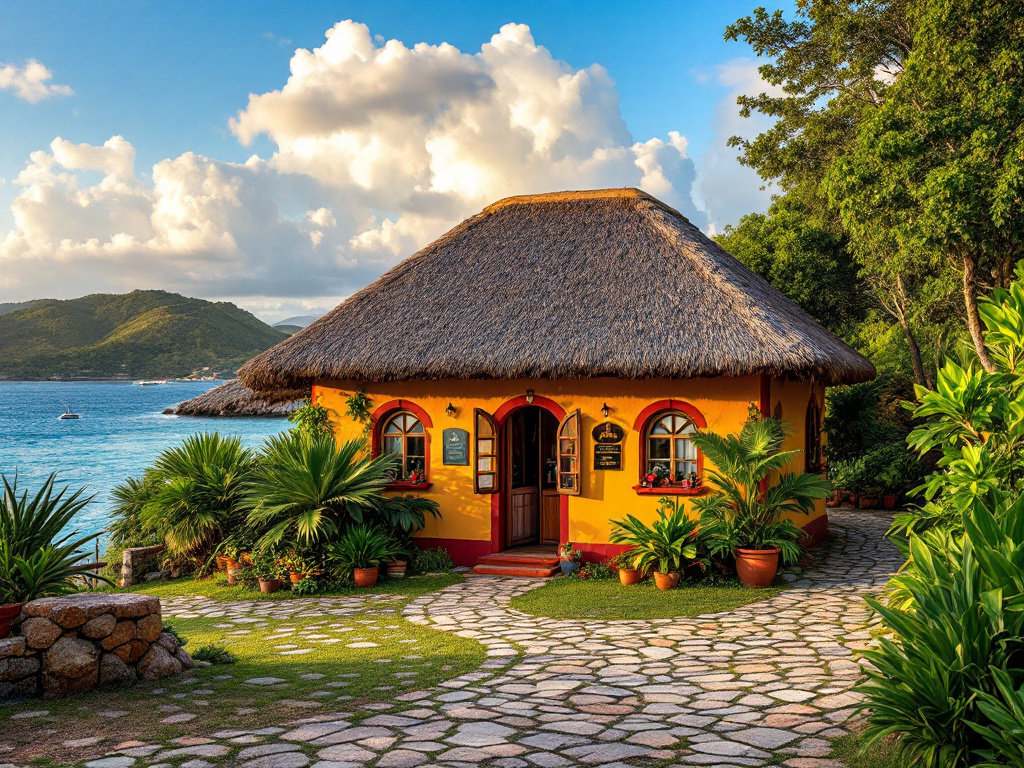
Nutmeg Museum
A small museum dedicated to the island's famous nutmeg production.
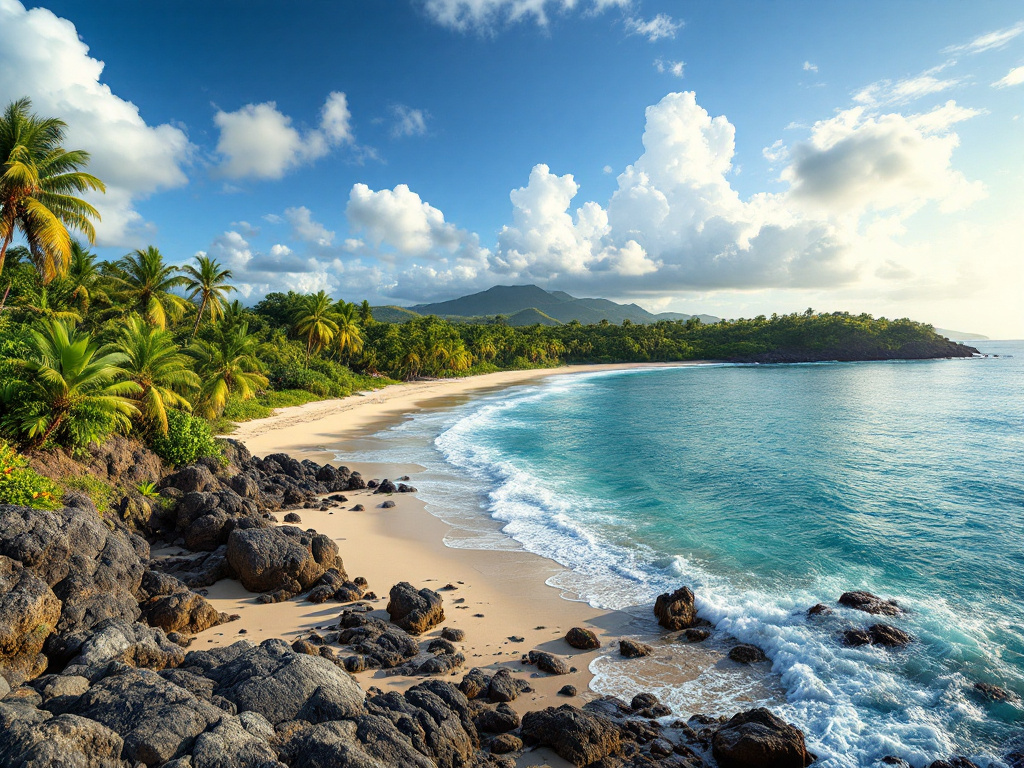
La Sagesse Nature Center
A calm nature reserve with beach, lagoon, and rich birdlife.
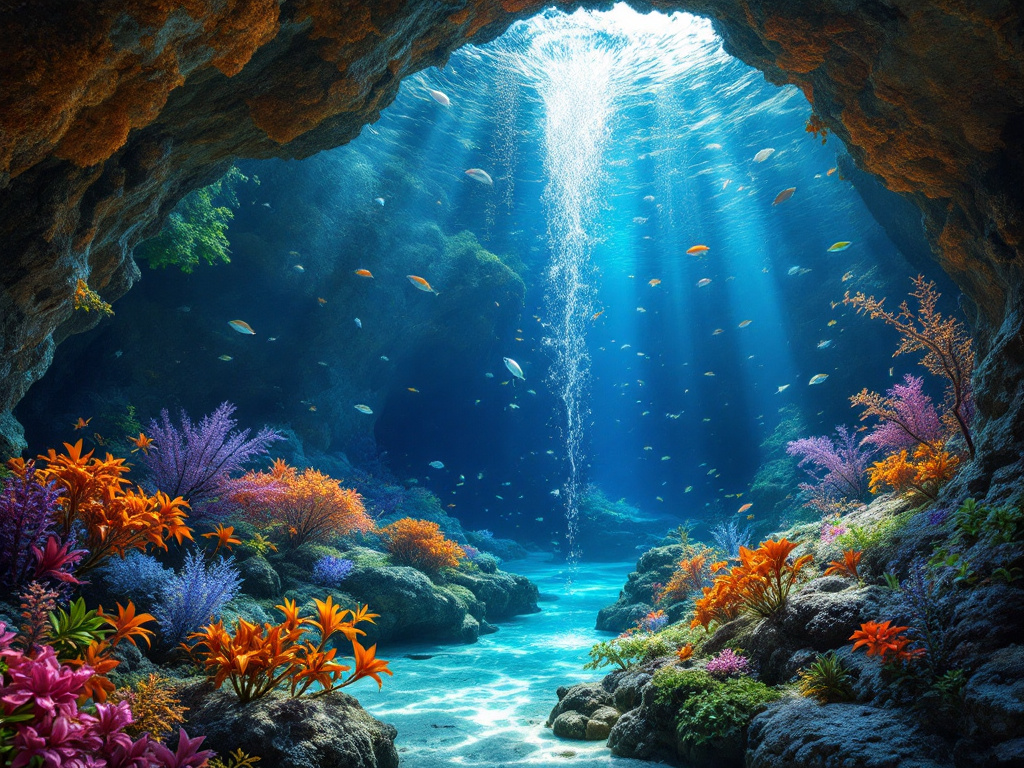
Underwater Sculpture Park
The world's first underwater sculpture park, where art and marine life merge.
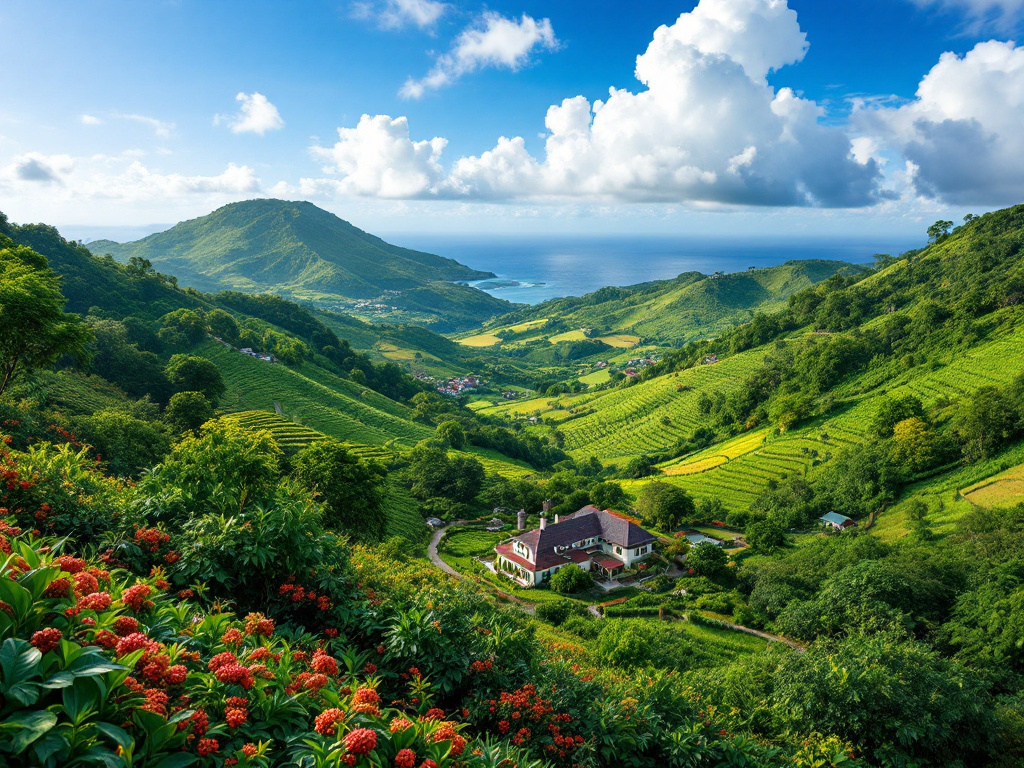
Belmont Estate
A historic plantation that provides insight into Grenada's cocoa and spice production.
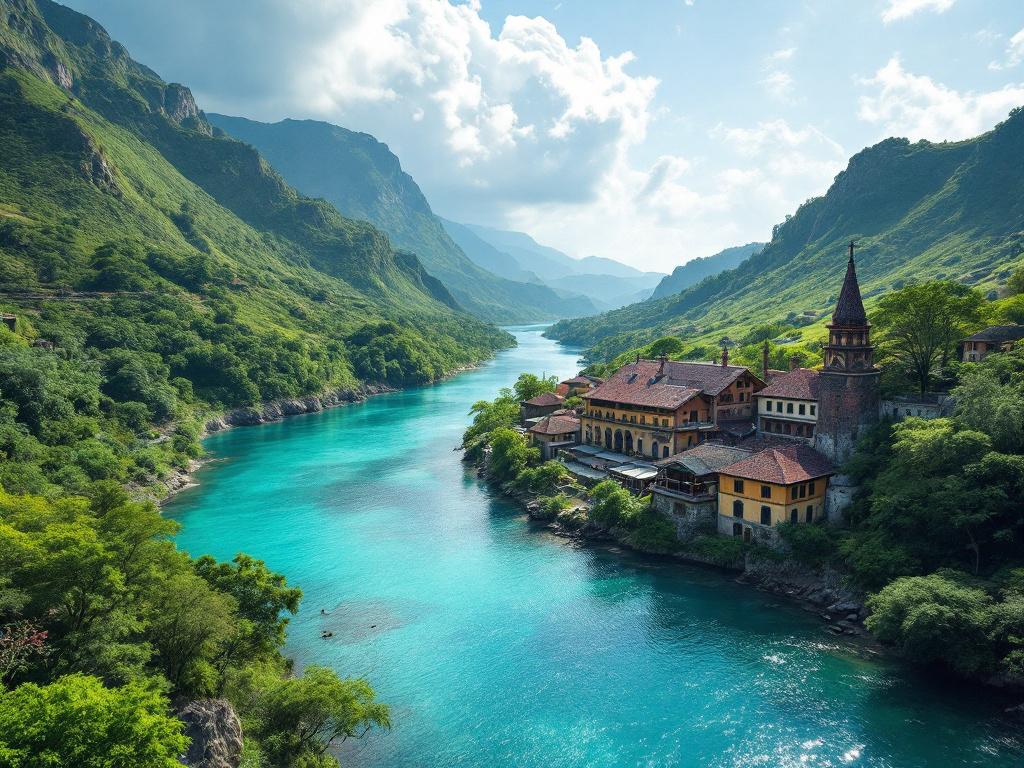
River Antoine Distillery
A historic distillery known for its strong rum and traditional methods.
Famous cuisine
Culinary overview
Grenada's culinary scene is a colorful blend of African, Indian, French, and British influences, spiced with the island's famous nutmeg, cinnamon, and cloves. Local markets are brimming with fresh tropical fruits, fish, and spices, and food is often prepared with love in small family-run kitchens. Street food is popular, especially at the beaches, where you can find everything from freshly caught fish to sweet coconut desserts. Meals are often a social event, where family and friends gather around large pots of simmering stews.
Must-try dishes
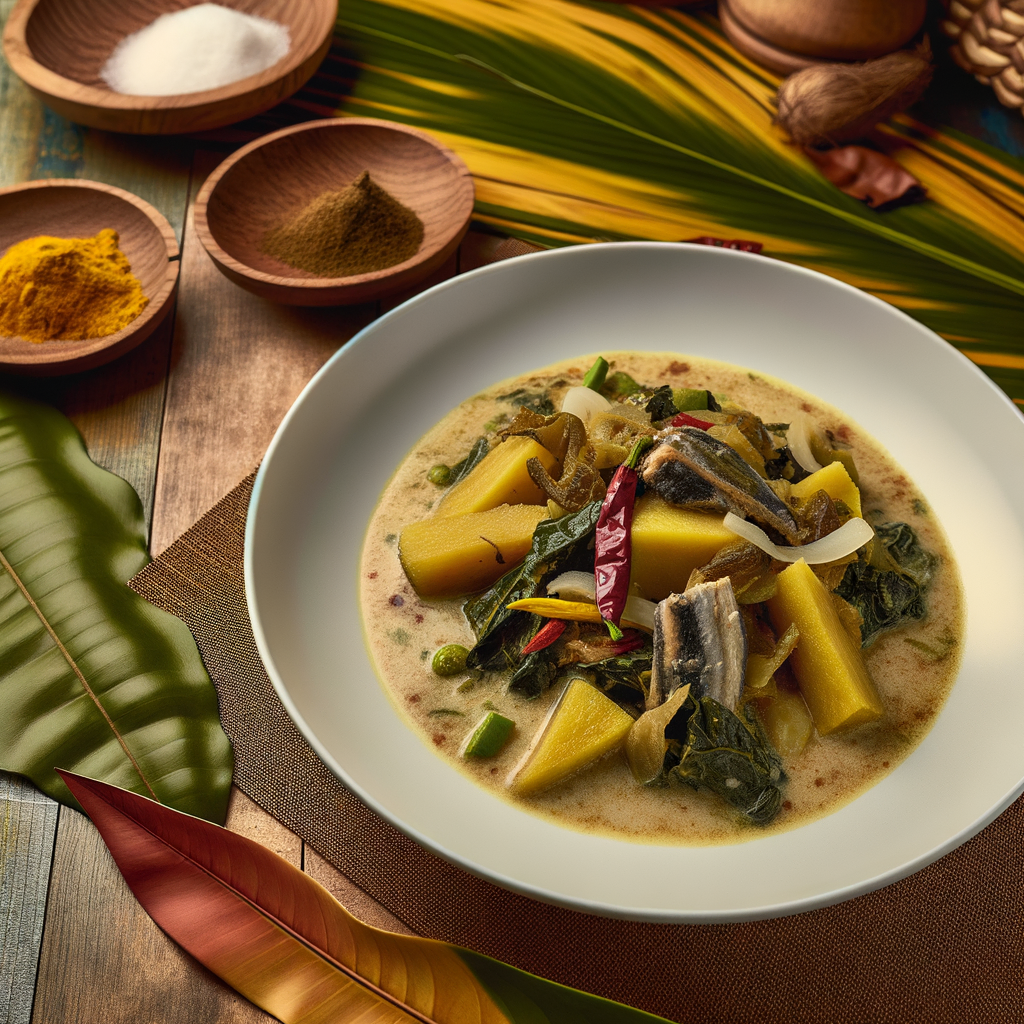
Oildown
Grenada's national dish – a creamy stew made with breadfruit, coconut milk, salted meat or fish, callaloo, and spices, slowly cooked to a rich and aromatic dish.
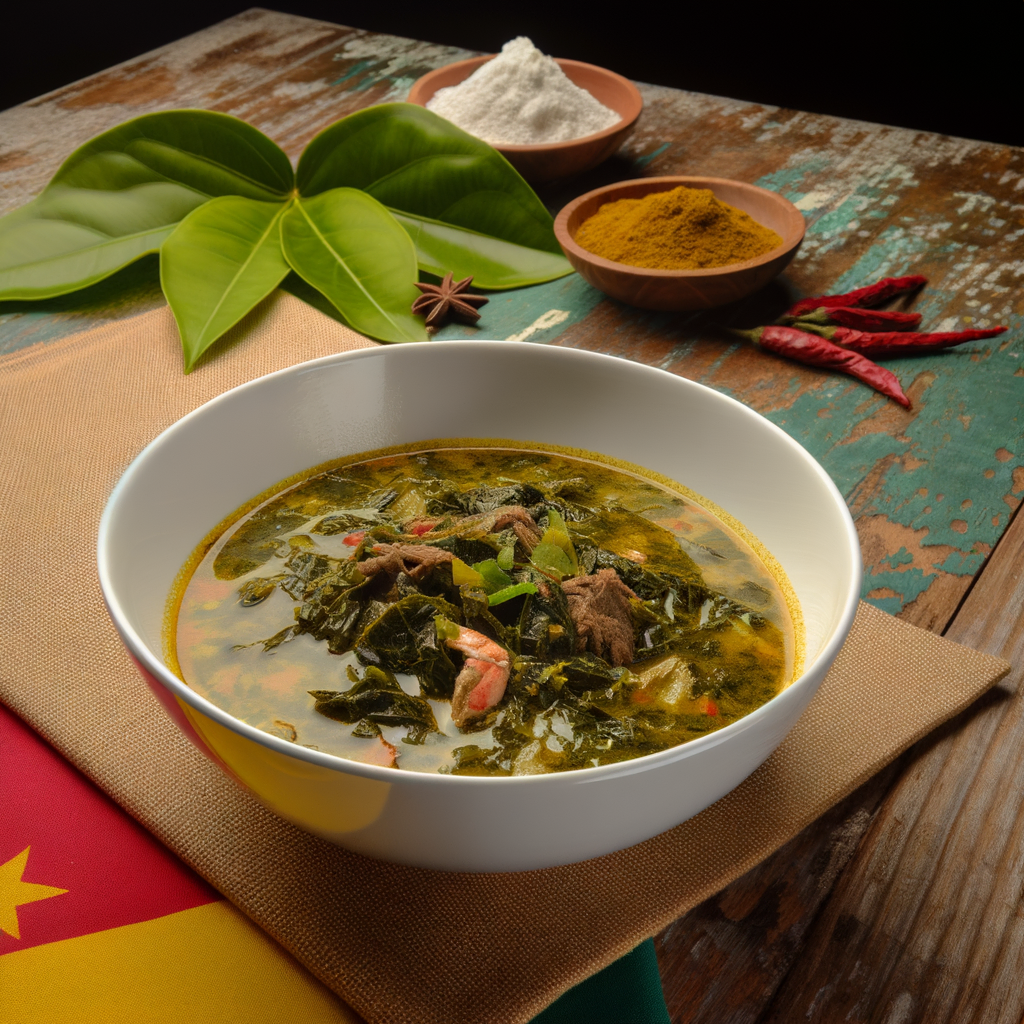
Callaloo Soup
A nutritious soup made from callaloo leaves (a local spinach-like plant), often combined with beef, crab, or fish and seasoned with local herbs.
Nutmeg Ice Cream
A sweet and spiced ice dessert that highlights Grenada's famous nutmeg, perfect as a refreshing ending to a meal.
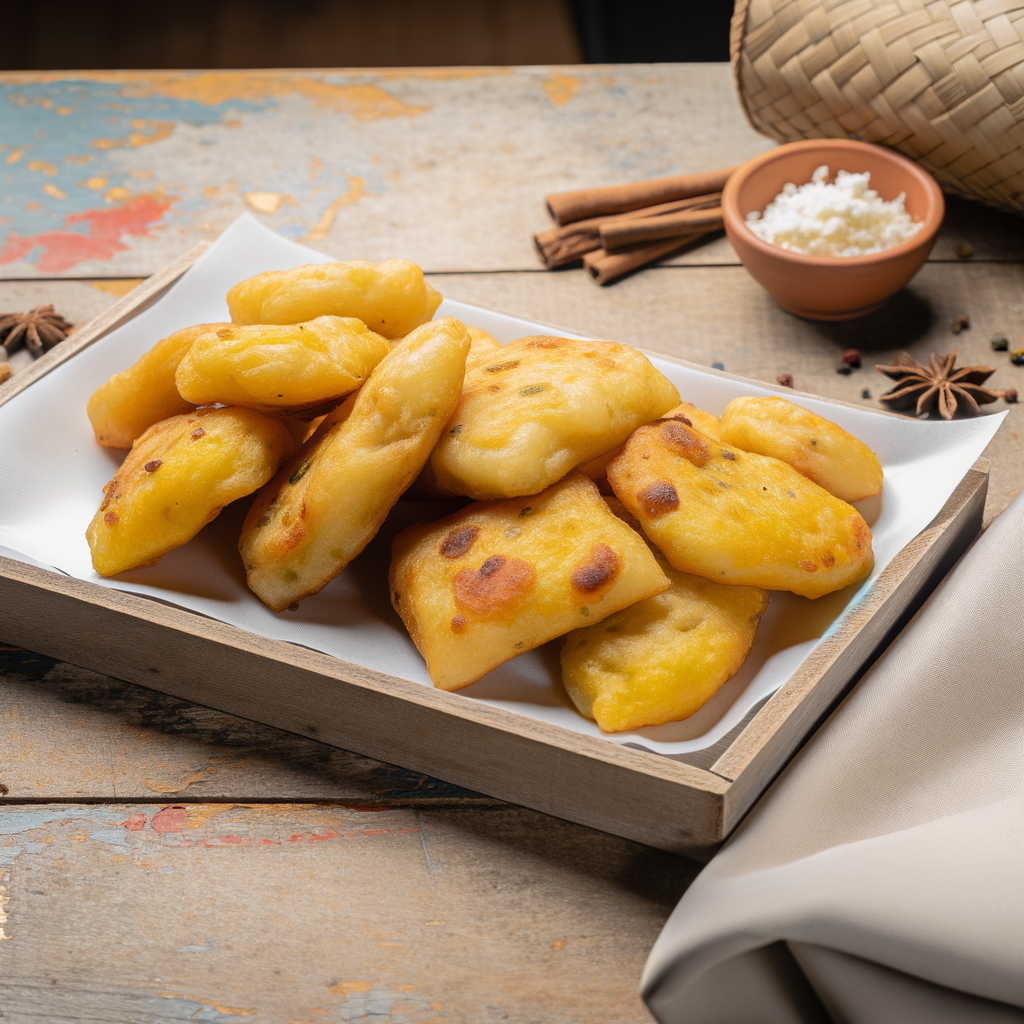
Fried Bake
A popular breakfast dish consisting of small, soft, and slightly crispy breads, often served with salted fish or cheese.
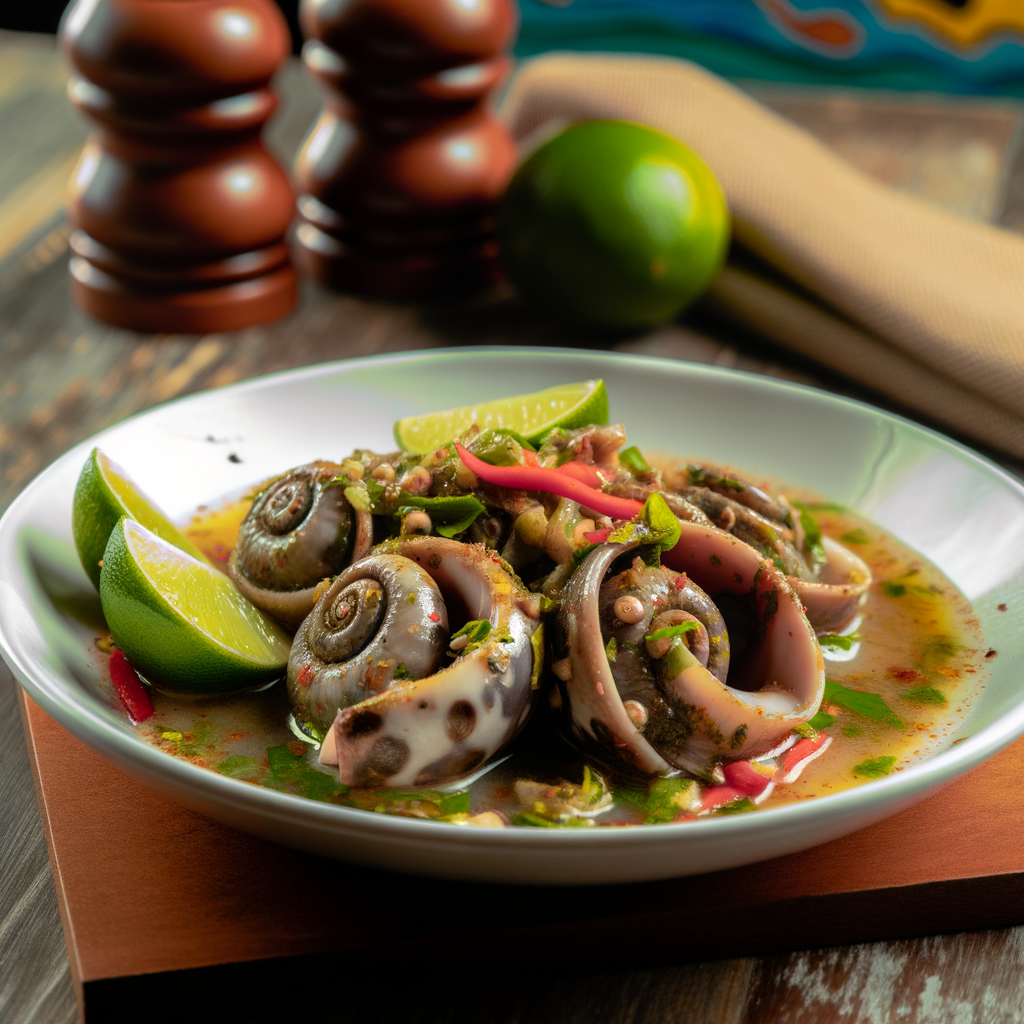
Lambi Souse
A tangy and spicy dish made from conch (sea snail), marinated in lime juice, pepper, and herbs, often served as an appetizer or snack.
Restaurant information
Tipping
Tips are not always expected in Grenada, as some restaurants include a service charge in the bill. If there is no service charge included, it is common to give 10% in tips for good service.
Travel information
Currency
Østkaribisk dollar (XCD)
Language
English
Best time to visit
December to April
Major cities
Saint George's and other major cities
More countries in North America
Discover more destinations in this region