
Haiti
Haiti, the vibrant heart of the Caribbean, is a nation with an indomitable spirit, rich culture, and breathtaking landmarks like Citadelle Laferrière, where optimism thrives despite challenges.
Overview
Haiti, located in the heart of the Caribbean, is a colorful and authentic destination where history, culture, and nature merge beautifully. From the majestic Citadelle Laferrière – the largest fortress in the Western Hemisphere – to the charming streets of Jacmel adorned with colonial architecture and vibrant art scenes, the country offers unique experiences. Explore the crystal-clear waterfalls at Bassin Bleu, unwind on the white sandy beaches of Labadee, and savor the rich flavors of Haitian cuisine. With its warm hospitality and zest for life, Haiti promises unforgettable encounters in the Caribbean.
Official language
Haitisk kreolsk and French
Government
republic
Best time to visit
November to March
Nature
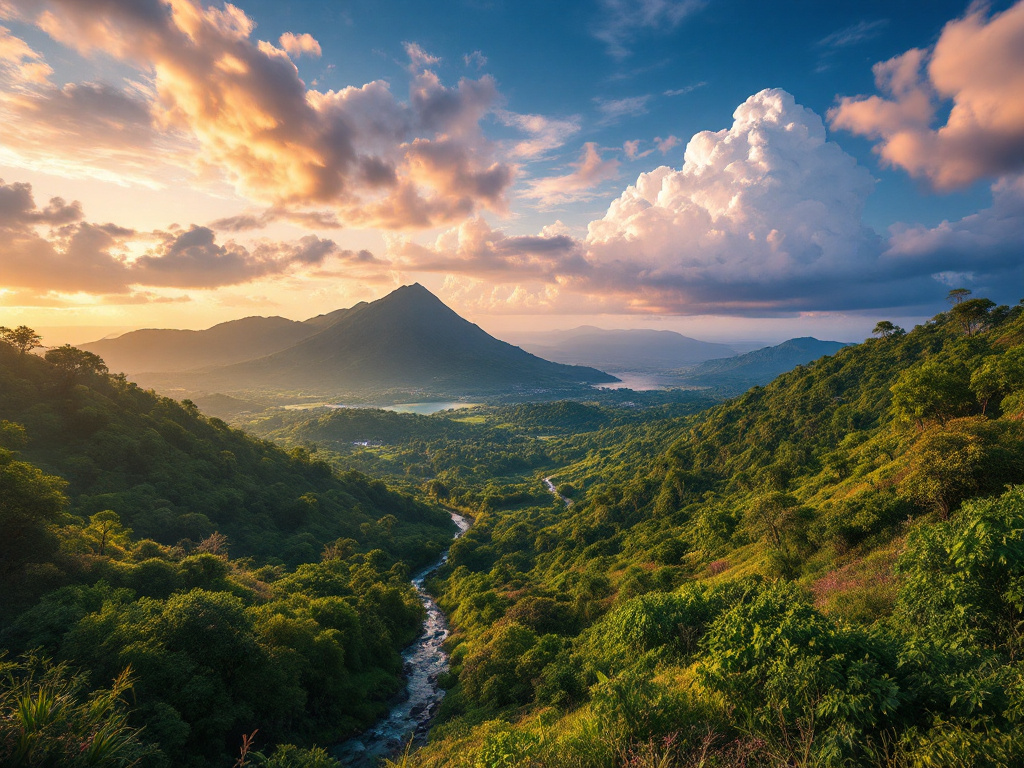
Haiti is a hidden gem in the Caribbean, featuring dramatic mountain landscapes, lush valleys, and postcard-perfect beaches. The northern region boasts majestic mountains, with Citadelle Laferrière standing proudly, surveying the clear blue sea. Near Jacmel, the natural wonder of Bassin Bleu, with its three turquoise pools linked by cascading waterfalls, is surrounded by dense tropical foliage, making it a paradise for nature enthusiasts. Coastal areas like Labadee offer white sandy beaches and crystal-clear waters, ideal for snorkeling and water sports. The tropical climate, especially from November to March, is dry and pleasant, making it the perfect time to explore both the coast and inland. Haiti's natural beauty is complemented by rich biodiversity, featuring unique bird species, coral reefs, and exotic plants, solidifying its status as a prime destination for eco-tourism. Adventurers can hike in the mountains, explore hidden caves, or simply relax and enjoy breathtaking sunsets over the Caribbean Sea.
Travel to Haiti
Traveling to Haiti presents an opportunity to experience an authentic Caribbean vibe, far from more commercial tourist destinations. The country boasts a distinctive blend of historical monuments, artistic towns, and unspoiled natural wonders. The best time to visit is from November to March when the weather is dry and pleasant. Travelers can dive into the lively markets of Port-au-Prince, embark on an art walk in Jacmel, hike up to Citadelle Laferrière, or relax on the beaches of Labadee. For the adventurous, Bassin Bleu is a must-see, while food lovers can indulge in the spicy delights of Haitian cuisine. Although Haiti faces its challenges, the legendary warmth and welcome of its people is unforgettable, making it a destination for those in search of depth, culture, and genuine human connections.
Culture
Haiti's culture is a vibrant mosaic of African, French, and Caribbean influences, reflected in its music, dance, art, and cuisine. The capital, Port-au-Prince, buzzes with life, where colorful markets brim with textiles, woodwork, and paintings that tell stories of the nation’s spirit. Jacmel, known as the artistic heart of Haiti, comes alive during Carnival with masks, costumes, and parades bursting with energy. Music genres like kompa and rara are integral to daily life, and dance complements every melody. Haitian cuisine is a flavorful journey, featuring dishes like griot (marinated pork), tassot (dried meat), and diri ak djon djon (rice with black mushrooms), while the iconic Soup Joumou is served each January 1st, symbolizing freedom. The Haitian philosophy of 'pa gen pwoblem' reflects an unwavering optimism and pride, making interactions with locals a warm and memorable experience.
History
Haiti's history is both dramatic and inspiring. As the first independent black republic in the world and the first nation in the Caribbean to abolish slavery, Haiti stands as a symbol of the struggle for freedom. Independence was declared in 1804 after a successful slave revolt against France, led by figures such as Toussaint Louverture and Jean-Jacques Dessalines. The National Historical Park, which includes Citadelle Laferrière, the Sans-Souci Palace, and Ramiers, is a UNESCO World Heritage Site that testifies to this era. The citadel, built by King Henri Christophe, is a monument to resilience and strategic brilliance. Despite facing political and economic challenges, Haiti's history has forged a strong national identity characterized by courage and determination.
Top attractions
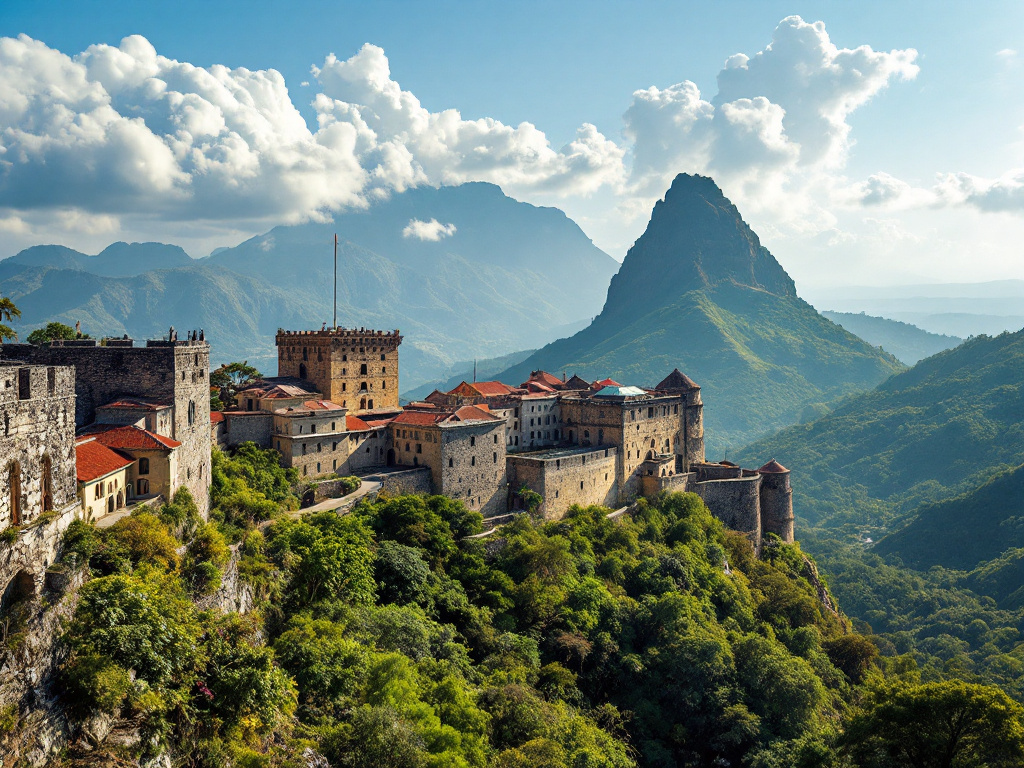
Citadelle Laferrière
A monumental fortress from the early 1800s, built to protect Haiti's independence and known for its impressive walls and views.
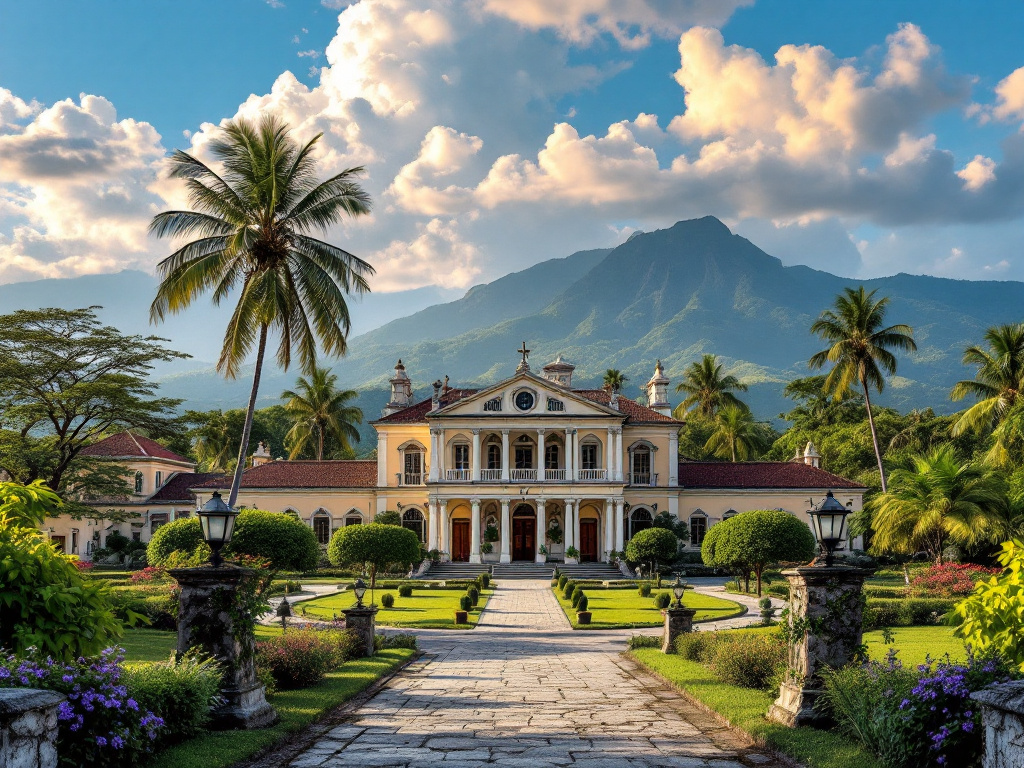
Sans-Souci Palace
Impressive palace ruins that once were the center of the Haitian kingdom under Henri Christophe.
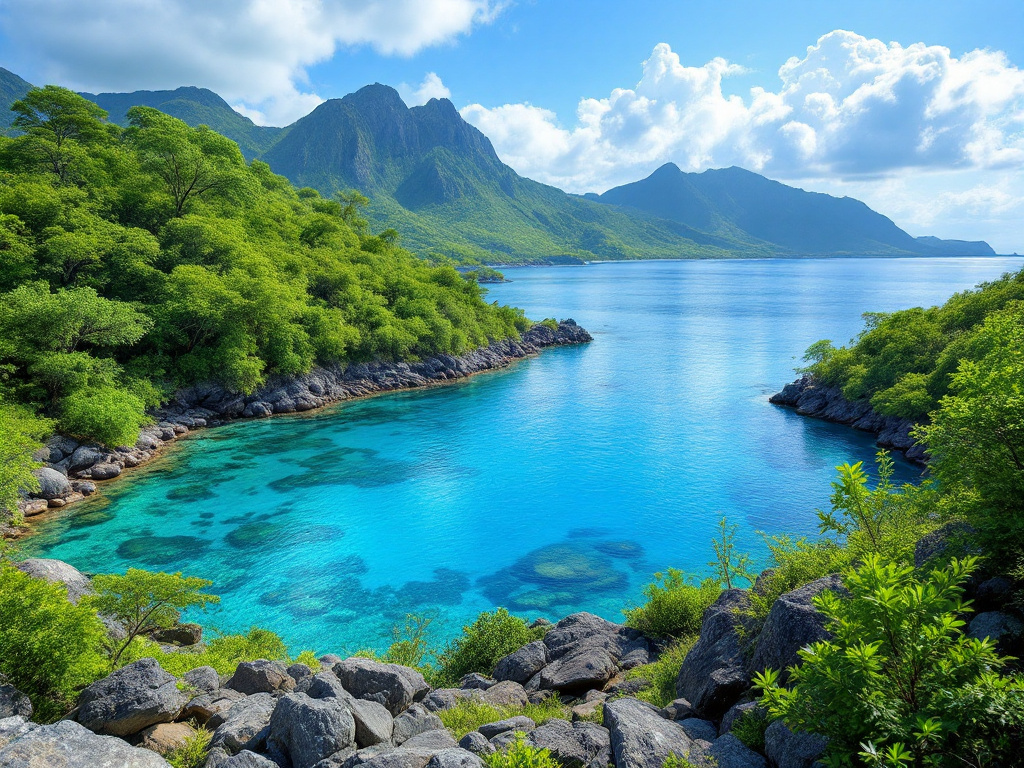
Bassin Bleu
A series of natural blue pools and waterfalls hidden in lush nature near Jacmel.
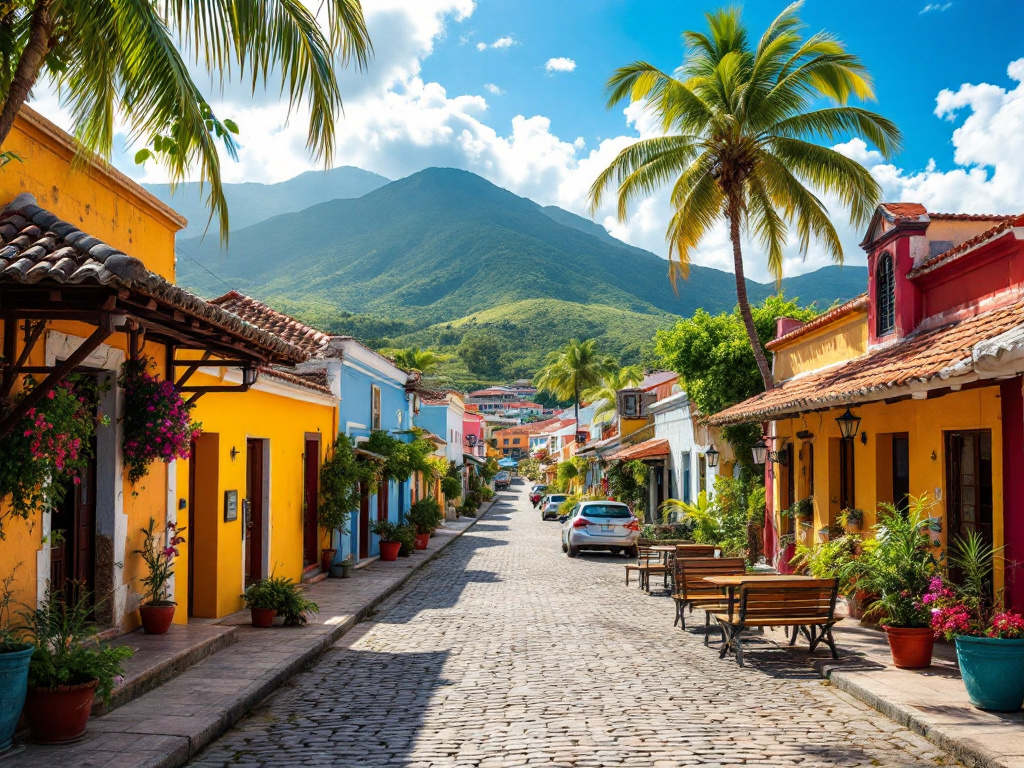
Jacmel Historical Center
Charming coastal town known for its colonial architecture, art scene, and lively carnival.
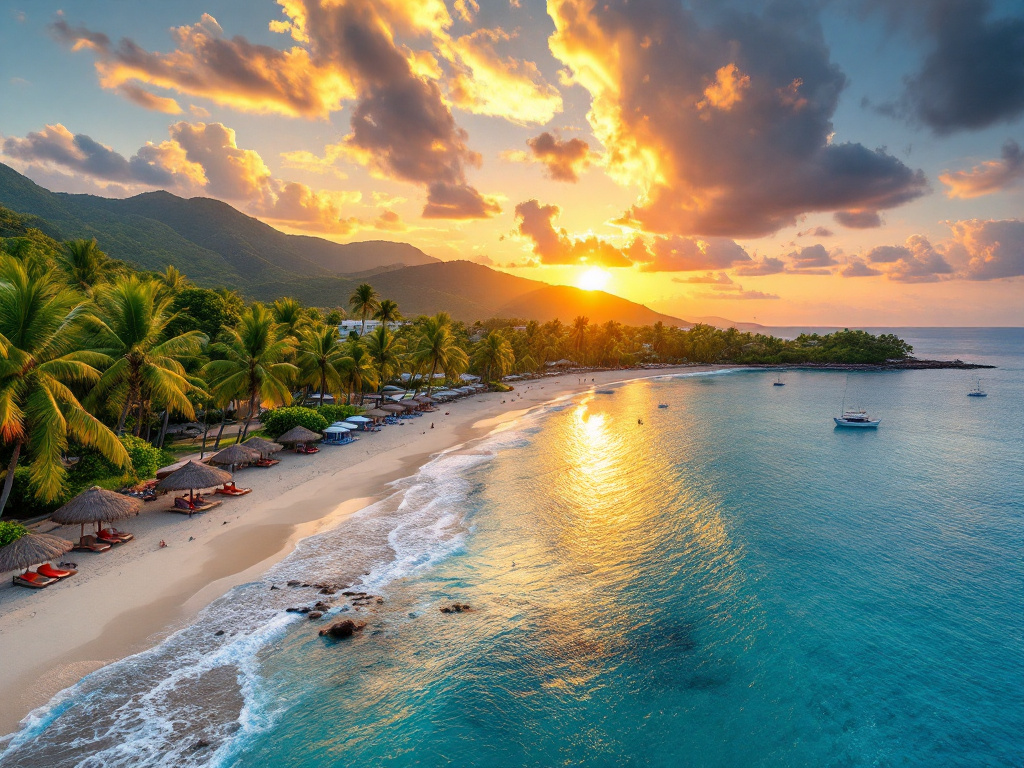
Labadee
A popular beach area known for clear water, water sports, and resort facilities.
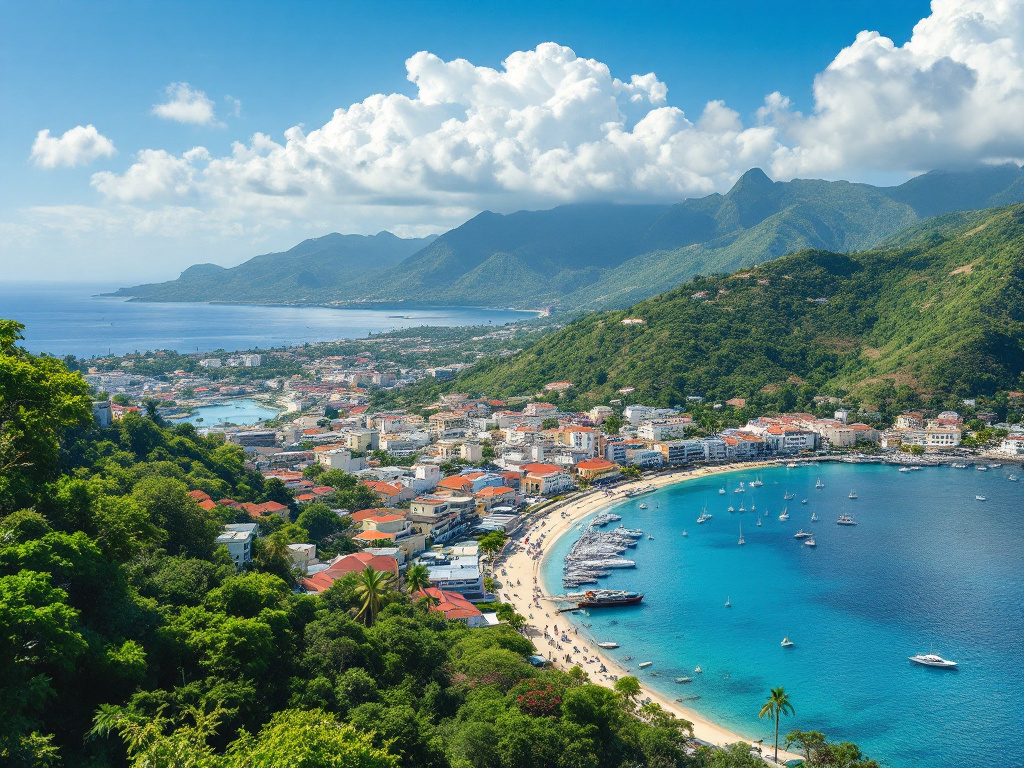
Cap-Haïtien
One of Haiti's oldest cities with rich history and access to several key attractions.
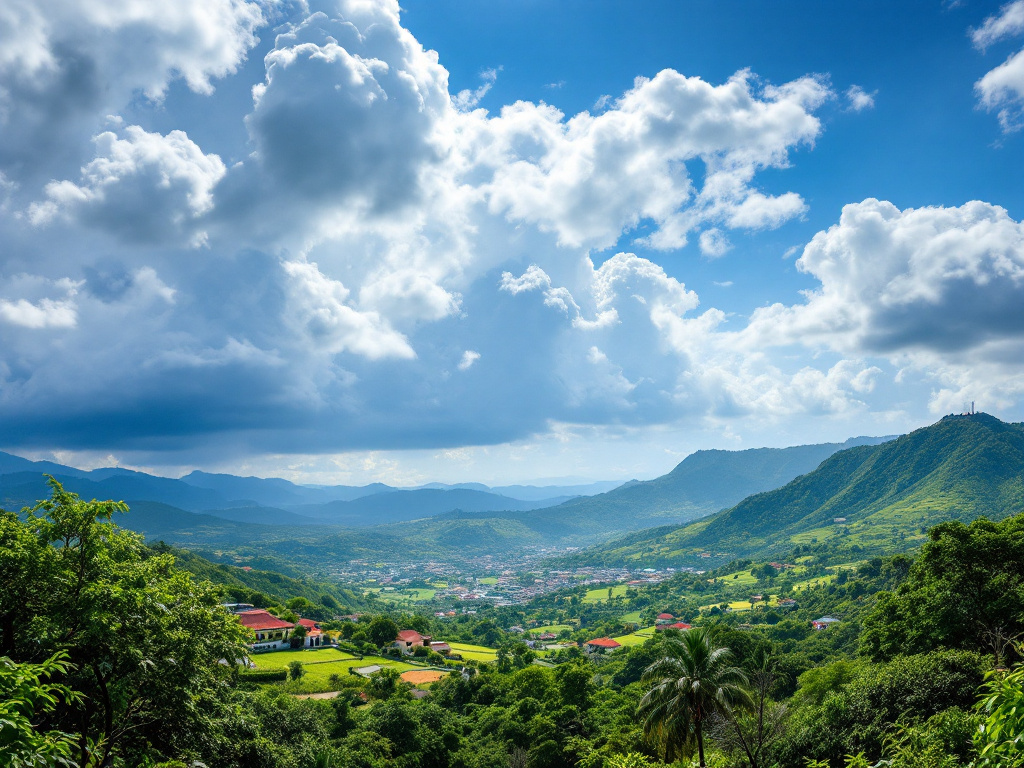
MUPANAH
The national museum that tells Haiti's history from pre-colonial times to the present.
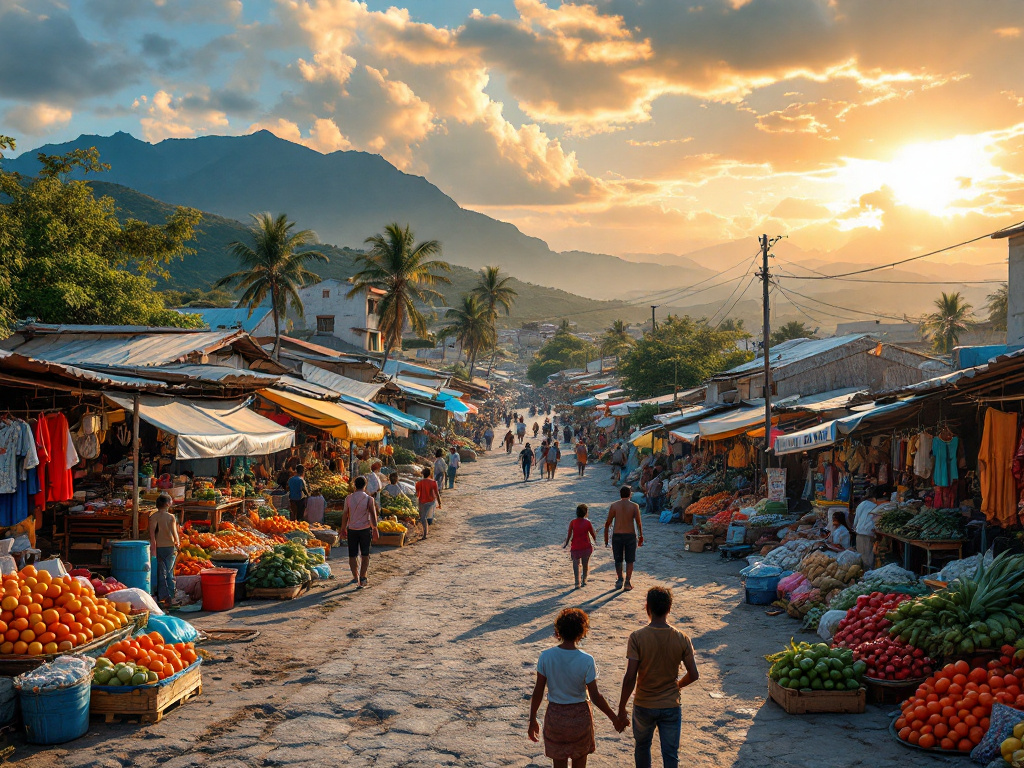
Marché en Fer
An iconic market in an iron structure filled with food, crafts, and daily life.
Île à Vache
An idyllic island known for untouched beaches and a relaxed pace away from the cities.
Saut-Mathurine
An impressive and powerful waterfall, considered the largest in Haiti.
Famous cuisine
Culinary overview
Haitian cuisine is a colorful blend of African, French, Spanish, and indigenous Taino influences, creating a unique flavor profile filled with spices, fresh ingredients, and intense aromas. The food is often hearty and spicy, focusing on rice, beans, meat, and tropical fruits. Street stalls and small local restaurants, known as 'manje lakay', serve authentic dishes, while larger cities also offer modern interpretations of classic recipes. Meals are often social events, and food plays a central role in both everyday life and festive occasions.
Must-try dishes
Griot
Marinated and fried pork, often served with pikliz (a spicy pickled vegetable mixture) and fried plantains. One of Haiti's most beloved dishes, perfect for festive occasions.
Tassot
Spicy, marinated, and fried meat, typically made from goat or beef, served with rice and beans. Known for its intense flavor and crispy texture.
Diri ak djon djon
Rice prepared with black djon djon mushrooms, which give the dish a characteristic dark color and deep umami flavor. Often served with meat or fish.
Soup Joumou
A historic soup made from pumpkin, meat, vegetables, and pasta, traditionally eaten on January 1st to celebrate Haiti's independence. A symbol of freedom and national pride.
Marinad
Small spicy fritters made from flour, water, and spices, often served as a snack or appetizer. Crunchy on the outside and soft on the inside.
Restaurant information
Tipping
Tipping is not always expected in Haiti, but at restaurants with table service, it is common to give 5-10% of the bill if a service charge is not included. At markets and street stalls, tipping is not necessary.
Travel information
Currency
Gourde (G)
Language
Haitisk kreolsk and French
Best time to visit
November to March
Major cities
Port-au-Prince and other major cities
More countries in North America
Discover more destinations in this region