
Kiribati
Kiribati, a remote Pacific paradise consisting of 33 atolls, offers pristine beaches, colorful coral reefs, and a rich maritime culture, with Tarawa as its vibrant capital.
Overview
Kiribati is a hidden paradise in the heart of the Pacific, made up of 33 breathtaking atolls and islands with powdery white beaches, turquoise waters, and a maritime culture that thrives vibrantly. From the bustling capital Tarawa to the serene Kiritimati (Christmas Island) and the magnificent, UNESCO-protected Phoenix Islands Protected Area, the country offers authentic experiences away from mass tourism. Here, you will find world-class diving, unique ecosystems, and welcoming communities serving fresh-caught fish, coconuts, and traditional dishes like Ika Mata. Discover the raw beauty of Kiribati and let its tranquil charm sweep you away.
Official language
English and Kiribatisk
Government
republic
Best time to visit
May to October
Nature
Kiribati is a nature lover's paradise, comprising 33 stunning atolls and islands scattered over a vast expanse of ocean. Here, crystal-clear waters meet pristine white sandy beaches, and vibrant coral reefs teem with life. The Phoenix Islands Protected Area, one of the largest marine reserves in the world, is a haven for rare seabirds, endangered sea turtles, and an incredible underwater ecosystem showcasing breathtaking coral formations. Divers and snorkelers can explore a pristine environment found in few places on Earth. Mangrove forests and lagoons create habitats for a myriad of marine species, while the open ocean attracts tuna, dolphins, and even sharks. On land, lush palm groves, breadfruit trees, and coconut palms enrich the landscape, playing a vital role in local livelihoods. Kiribati's natural beauty is both fragile and grand – a place where you can feel the raw tranquility that only the most remote island communities can offer. The best time to visit is between May and October when the weather is dry and pleasant.
Travel to Kiribati
Traveling to Kiribati is a journey to one of the world’s most remote and authentic destinations. Flights primarily connect through Fiji or Hawaii, and arriving on the islands feels like stepping into another world — far removed from bustling cities and mass tourism. The best time to visit is from May to October when the weather is dry and inviting, perfect for beach exploration, snorkeling in coral reefs, or sailing between islands. Travelers can experience the vibrant atmosphere of Tarawa, embark on diving adventures in the Phoenix Islands, or unwind in the peace of Kiritimati. Accommodations range from simple guesthouses to small resorts, often run by local families, providing unique insights into daily life. Kiribati is ideal for adventurers, divers, and those seeking a profound connection with nature and culture — a place where time slows down, and experiences are genuine.
Culture
The culture of Kiribati is deeply intertwined with the ocean and island traditions. Life here is closely linked to fishing, seafaring, and community, with many ancient customs still thriving alongside modern influences. Traditional dances and songs, often accompanied by drums and hand claps, narrate stories of ancestors, sea voyages, and the forces of nature. Crafts such as mat weaving and canoe making showcase a strong connection to both nature and history. The local cuisine is simple yet flavorful, with fresh fish, seafood, coconuts, and breadfruit as staple ingredients. A must-try dish for visitors is Ika Mata, freshly marinated raw fish in coconut milk and lime. Hospitality is a cornerstone of society, and visitors are often invited to partake in local ceremonies and meals. Kiribati’s culture is a vibrant mix of ancient Polynesian traditions and contemporary Pacific life, where community and respect for the natural world take center stage.
History
Kiribati's history is closely connected to the sea and the Polynesian and Micronesian peoples who first settled the islands thousands of years ago. Europeans discovered the islands in the 16th and 18th centuries, leading to British colonial rule as part of the Gilbert and Ellice Islands. In 1979, Kiribati achieved independence and became a republic. The country's history reflects both the influences of colonization and a strong preservation of traditional ways of life. In recent years, Kiribati has garnered international attention due to climate change and rising sea levels, which threaten its low-lying atolls. This unique history has shaped a resilient nation that embraces its heritage while confronting contemporary challenges.
Top attractions
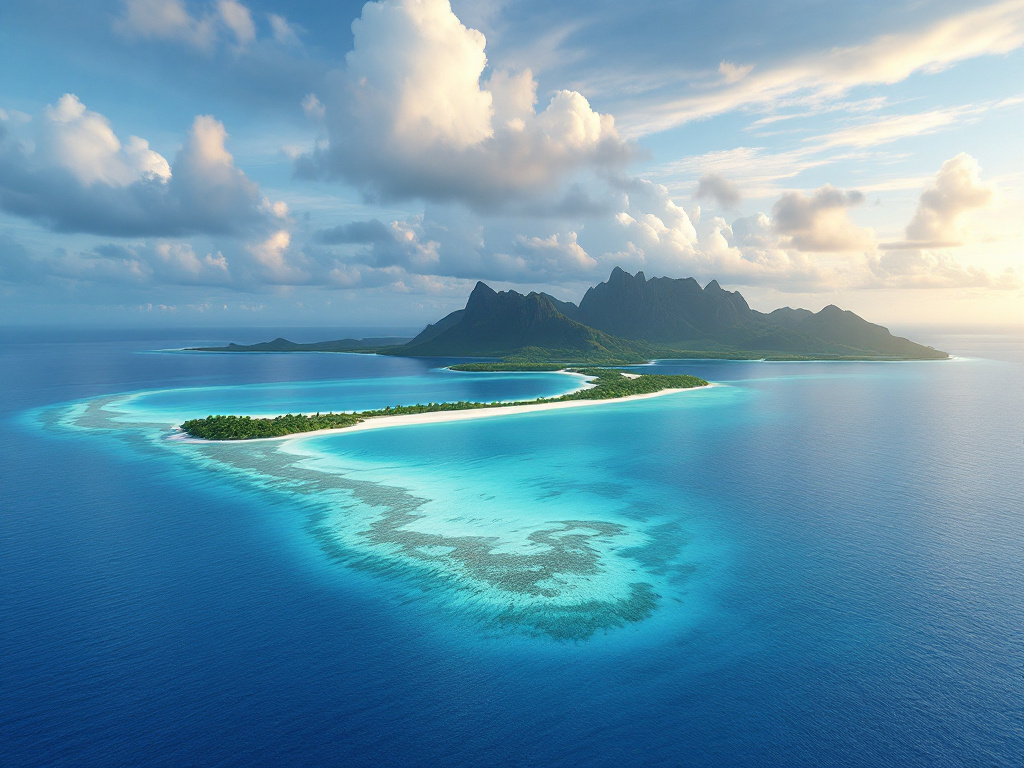
Tarawa Lagoon
A large, beautiful lagoon surrounding Tarawa Atoll, offering ideal conditions for swimming and snorkeling.
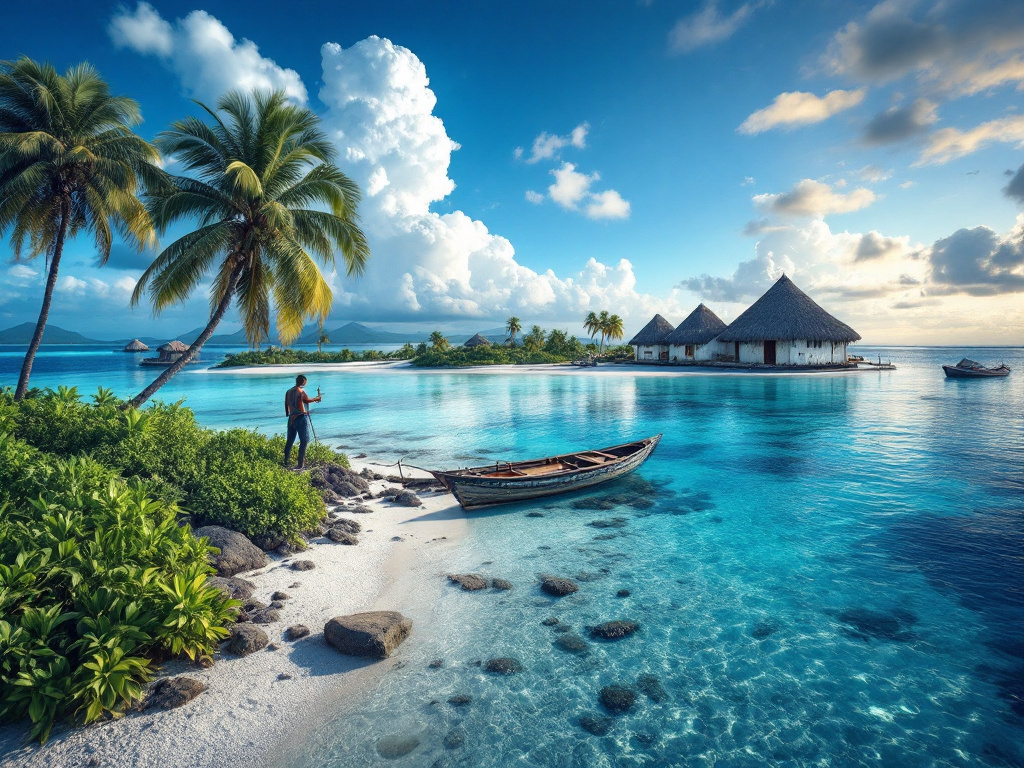
Betio Historical Sites from World War II
A selection of historical sites from the Battle of Tarawa, offering insights into Kiribati's role during World War II.
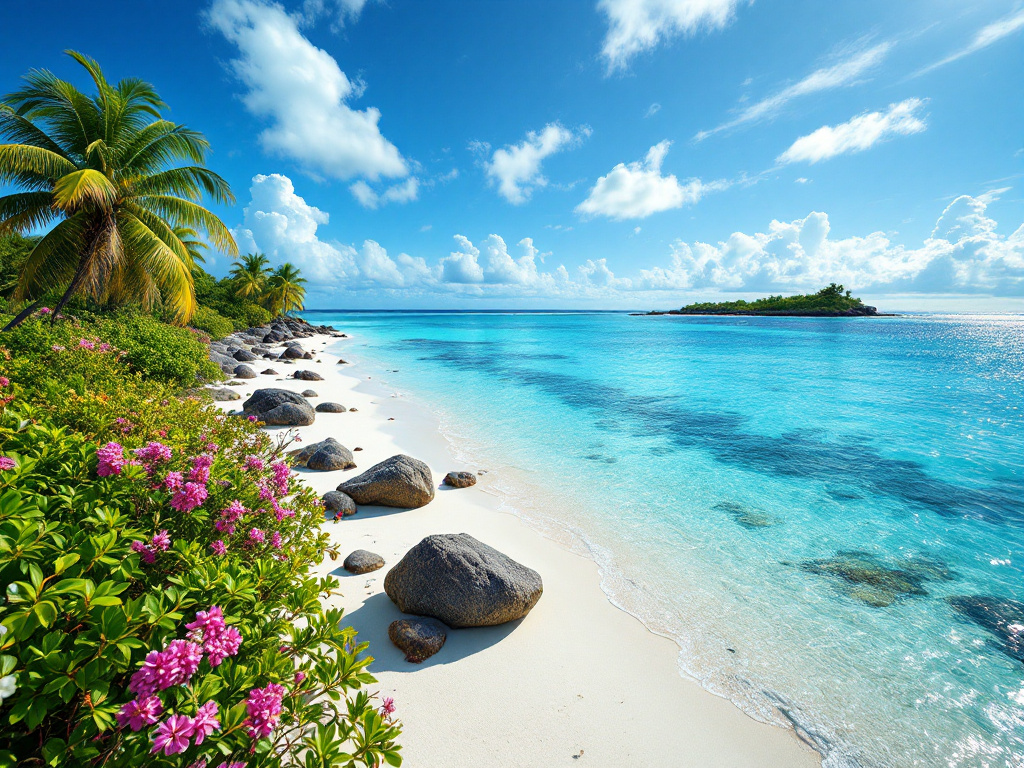
Kiritimati Marine National Park
A vast marine protected area around Kiritimati, known for its rich underwater life and clear waters.
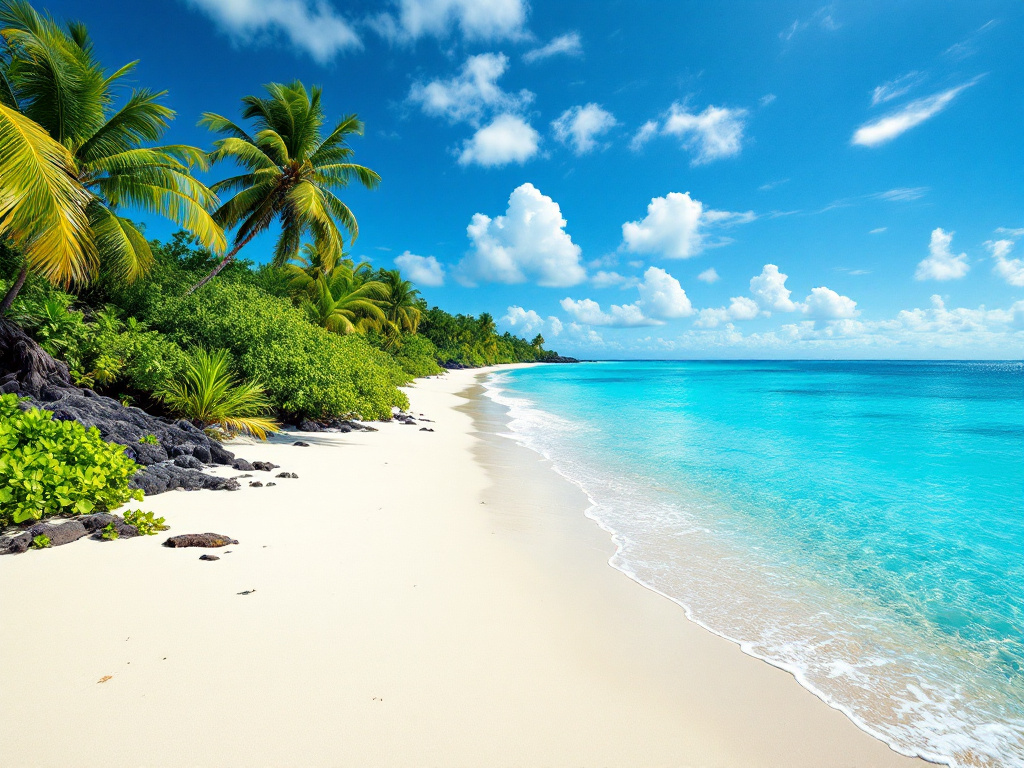
Kiritimati’s Deserted Beaches
Secluded and unspoiled beaches on Kiritimati, perfect for peace and nature experiences.
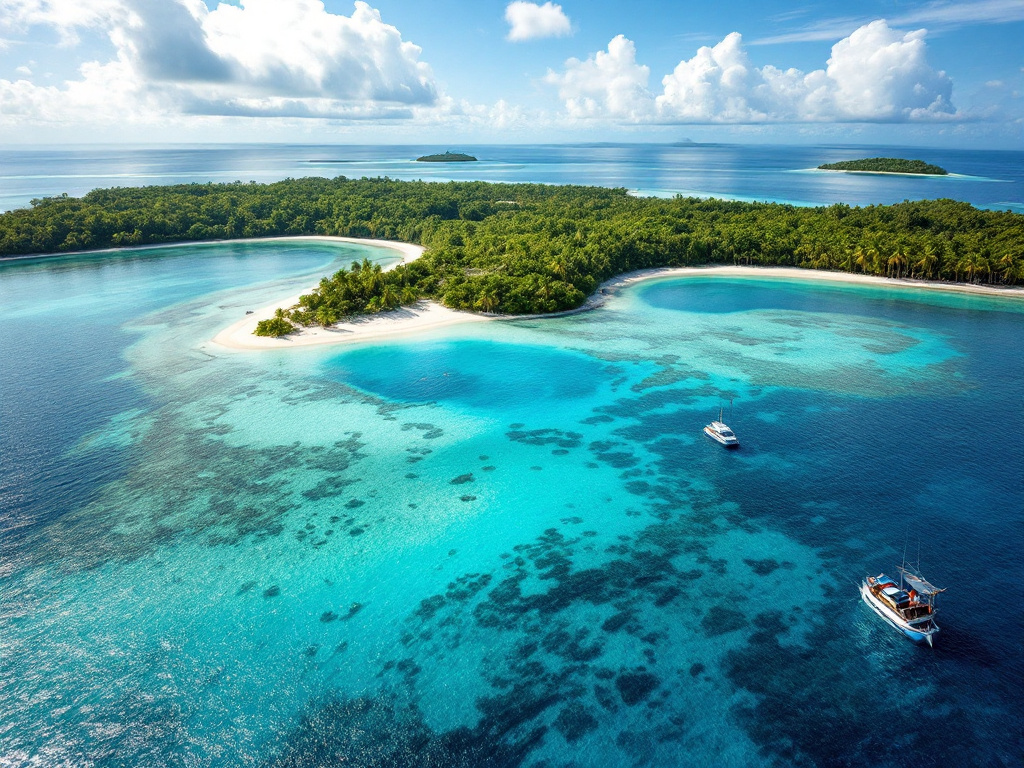
Tabuaeran Lagoon
A calm lagoon in the middle of the Tabuaeran Atoll, known for its clear water and peaceful ambiance.

Phoenix Islands UNESCO World Heritage
One of the largest marine protected areas in the world and a UNESCO World Heritage site.

Bonriki Culture Center
A culture center showcasing Kiribati's traditions, dance, music, and history.
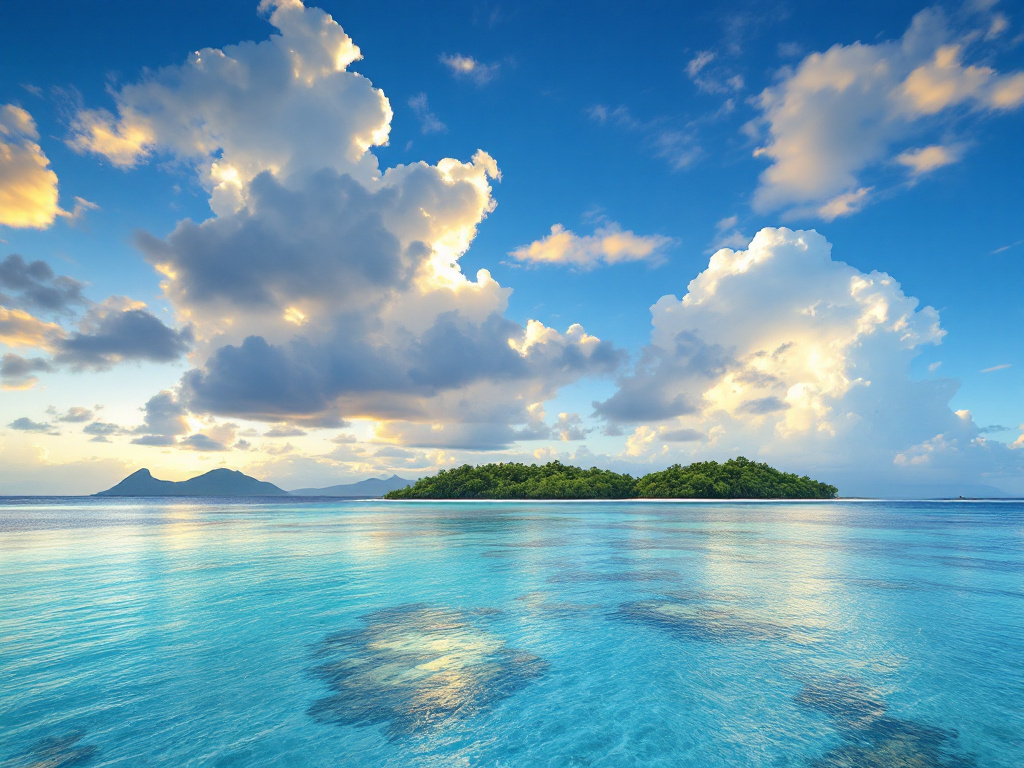
Abu Tebanga Coastal Viewpoint
A tranquil viewpoint with a wide view over the Pacific Ocean from Abaiang Atoll.
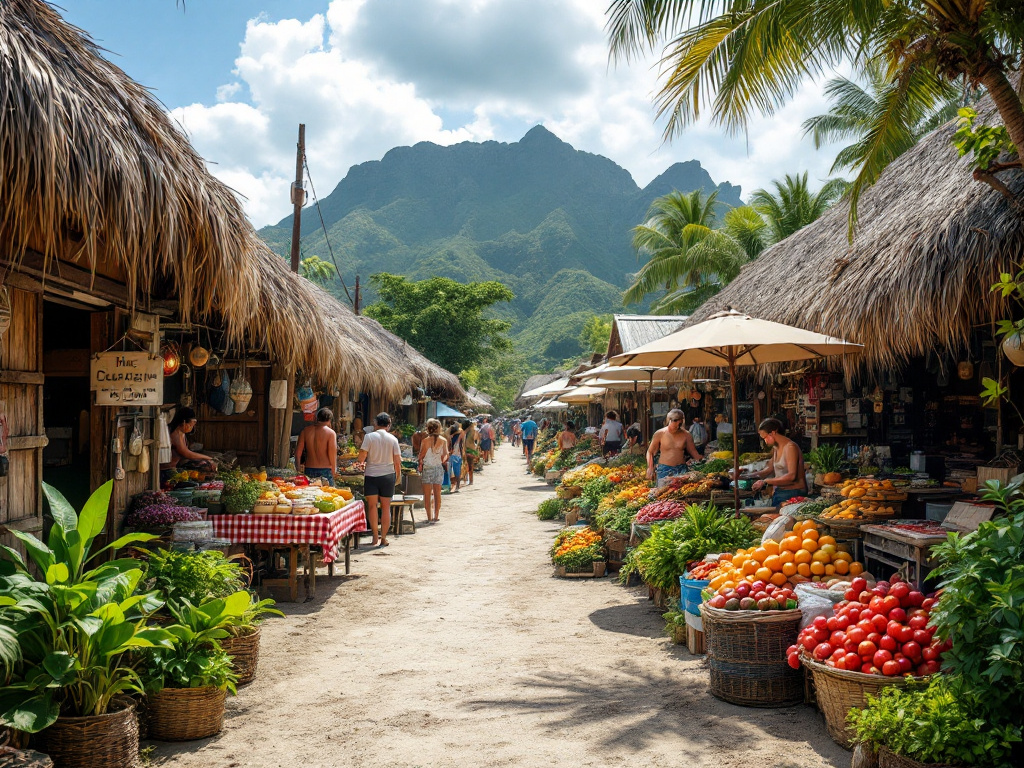
Niku Local Market
A vibrant local market where you can experience everyday life and taste local products.
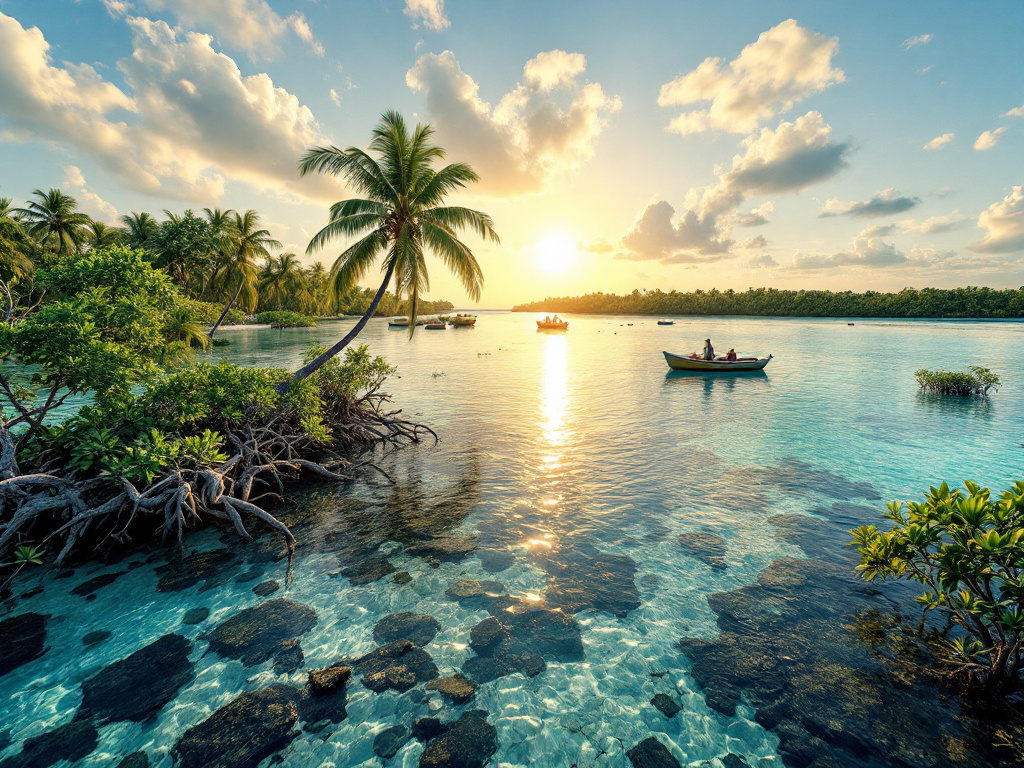
Mangrove Trail at Tarawa
A short nature trail through mangroves, showcasing the important coastal ecology of Kiribati.
Famous cuisine
Culinary overview
Kiribati's food culture is deeply rooted in the riches of the sea and the natural resources of the islands. Freshly caught fish, seafood, and coconuts are central ingredients, often prepared in a simple yet flavorful manner. Traditional dishes are often served at special occasions, accompanied by singing and dancing. Many meals are cooked in earth ovens (umu) or grilled over an open fire, giving them a distinctive smoky flavor. Visitors can expect an authentic and casual dining experience, where hospitality and community are at the center.
Must-try dishes
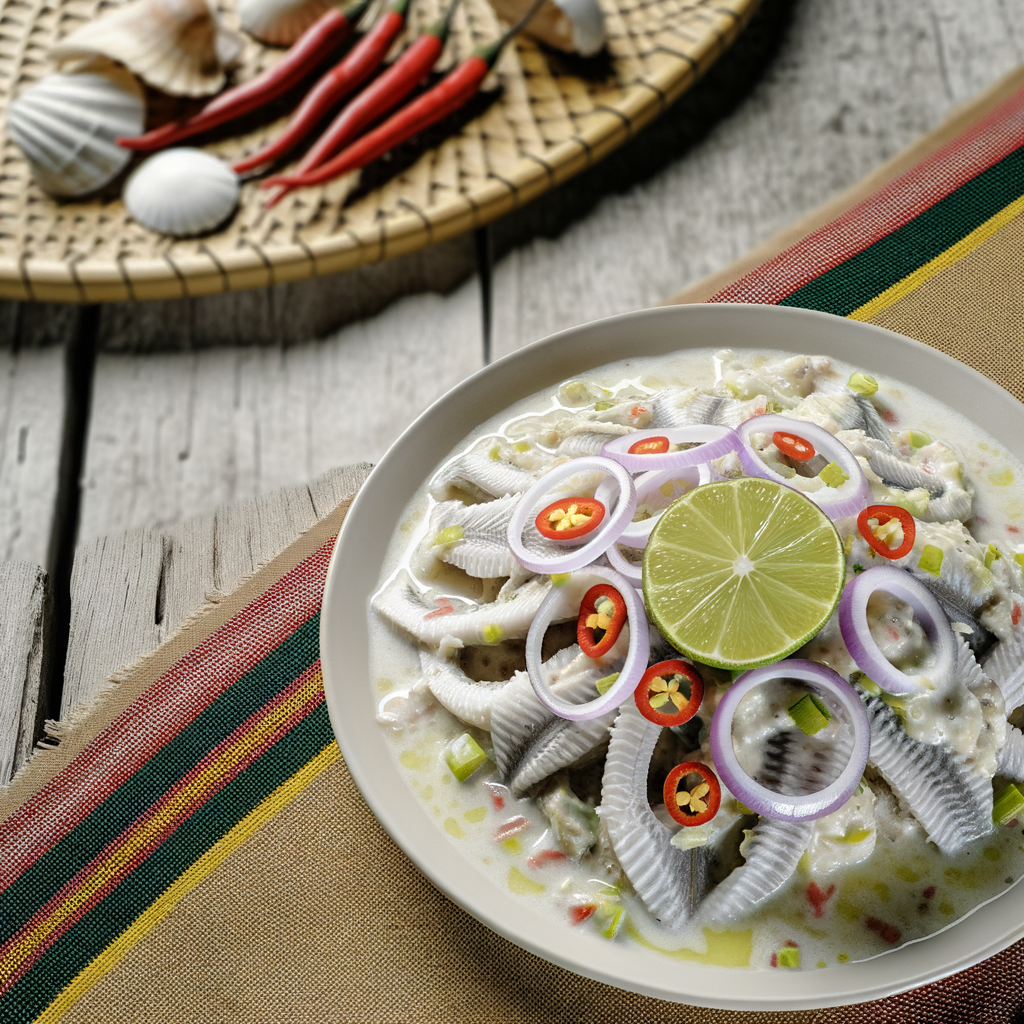
Ika Mata
A traditional dish of raw fish marinated in freshly squeezed coconut milk and lime juice, often served with onions and chili. Fresh, tangy, and creamy at the same time.
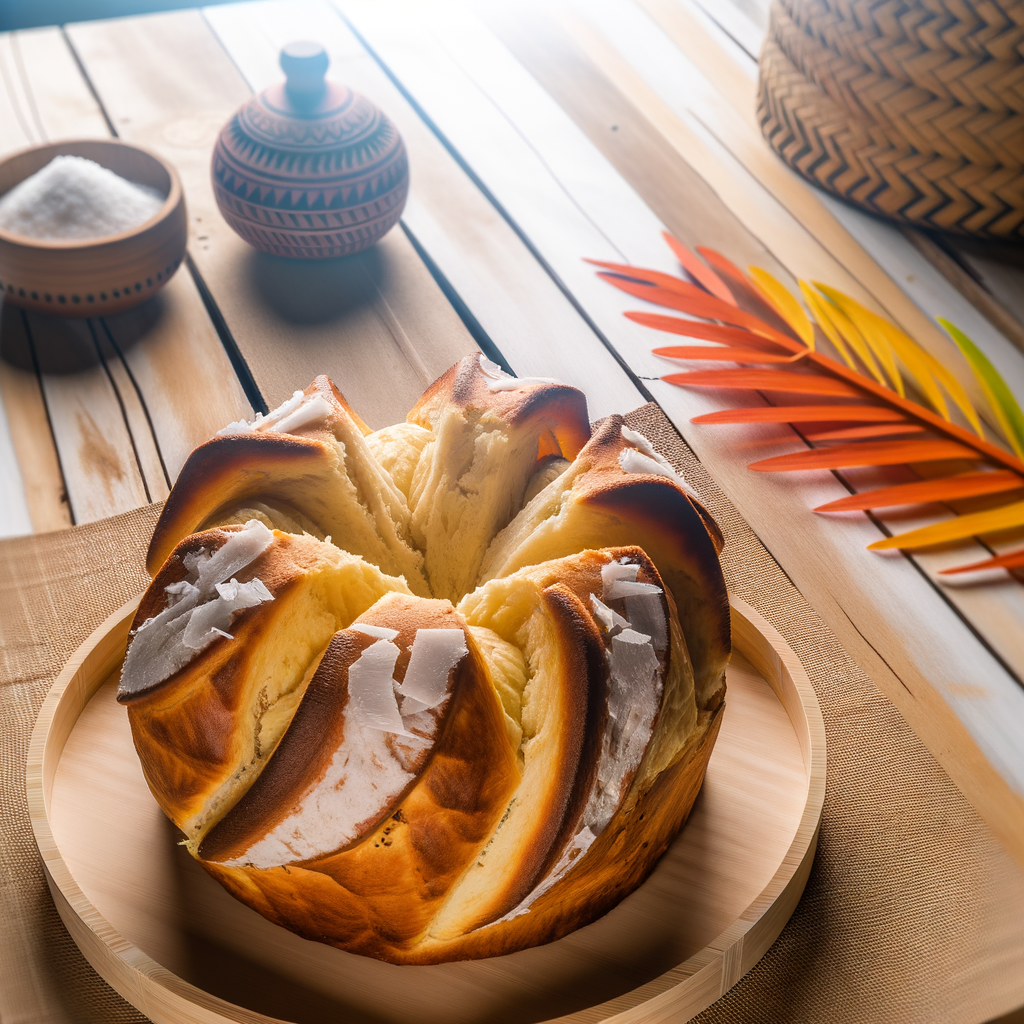
Te Bun
Sweet coconut bread made from flour, sugar, and coconut milk, baked to a soft and moist consistency. Often eaten as a snack or dessert.
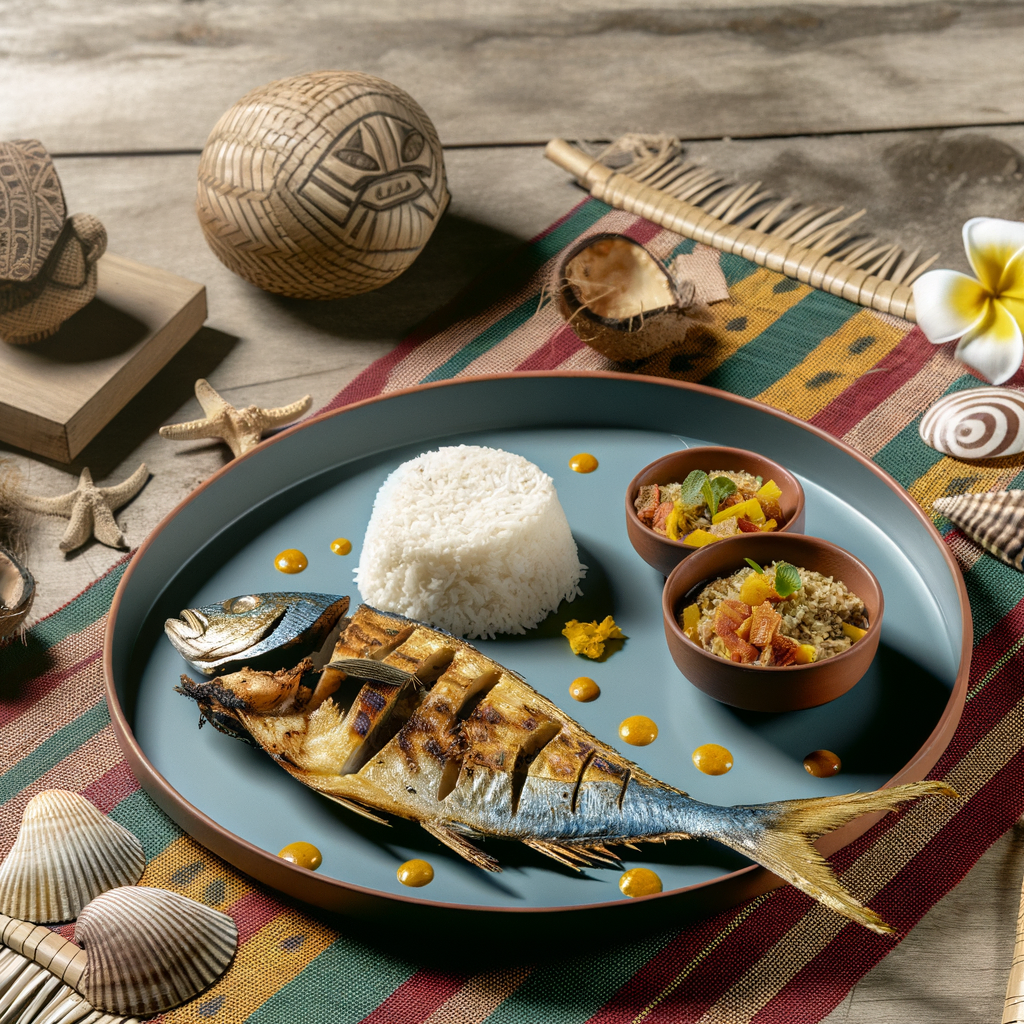
Grilled reef fish
Freshly caught fish from the coral reef, grilled over an open fire and served with rice and coconut-based sauces.
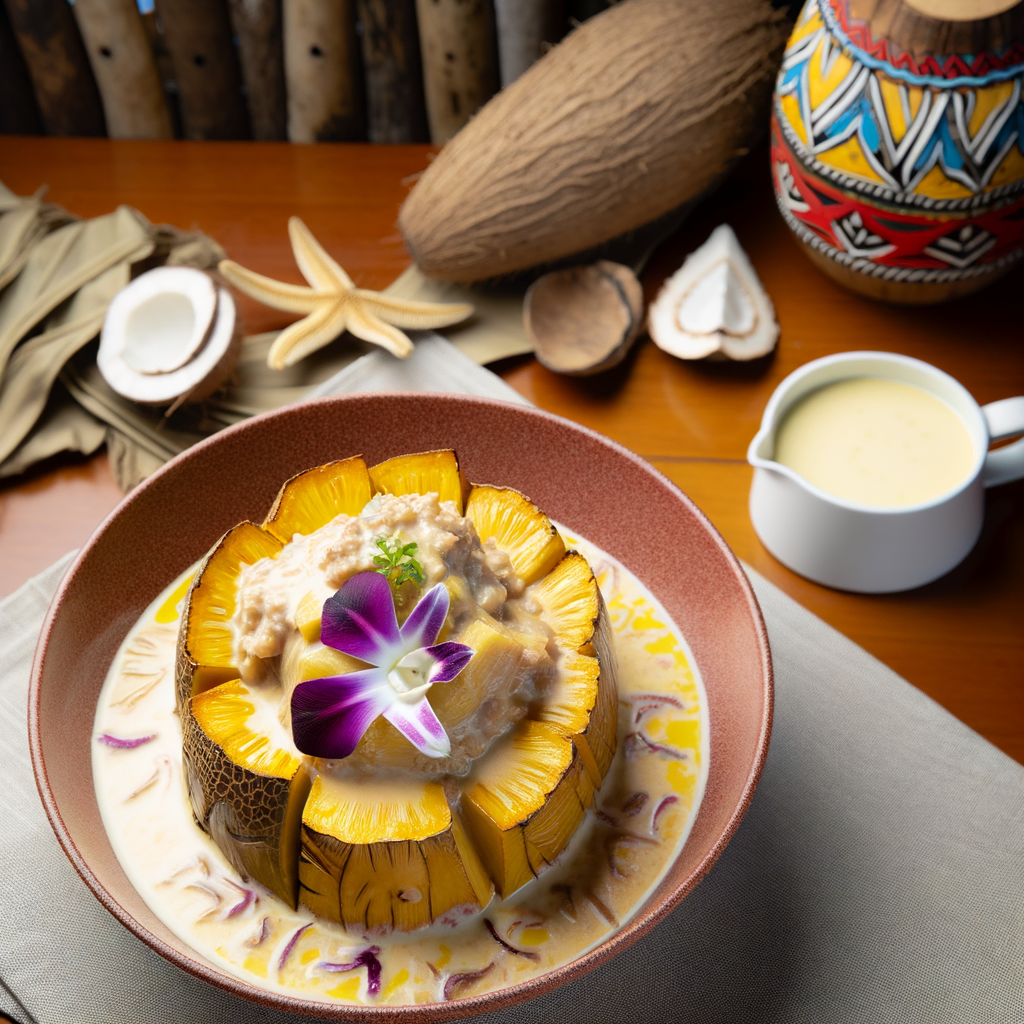
Breadfruit with coconut cream
Breadfruit steamed or baked and served with a rich coconut milk sauce. A hearty and traditional dish.
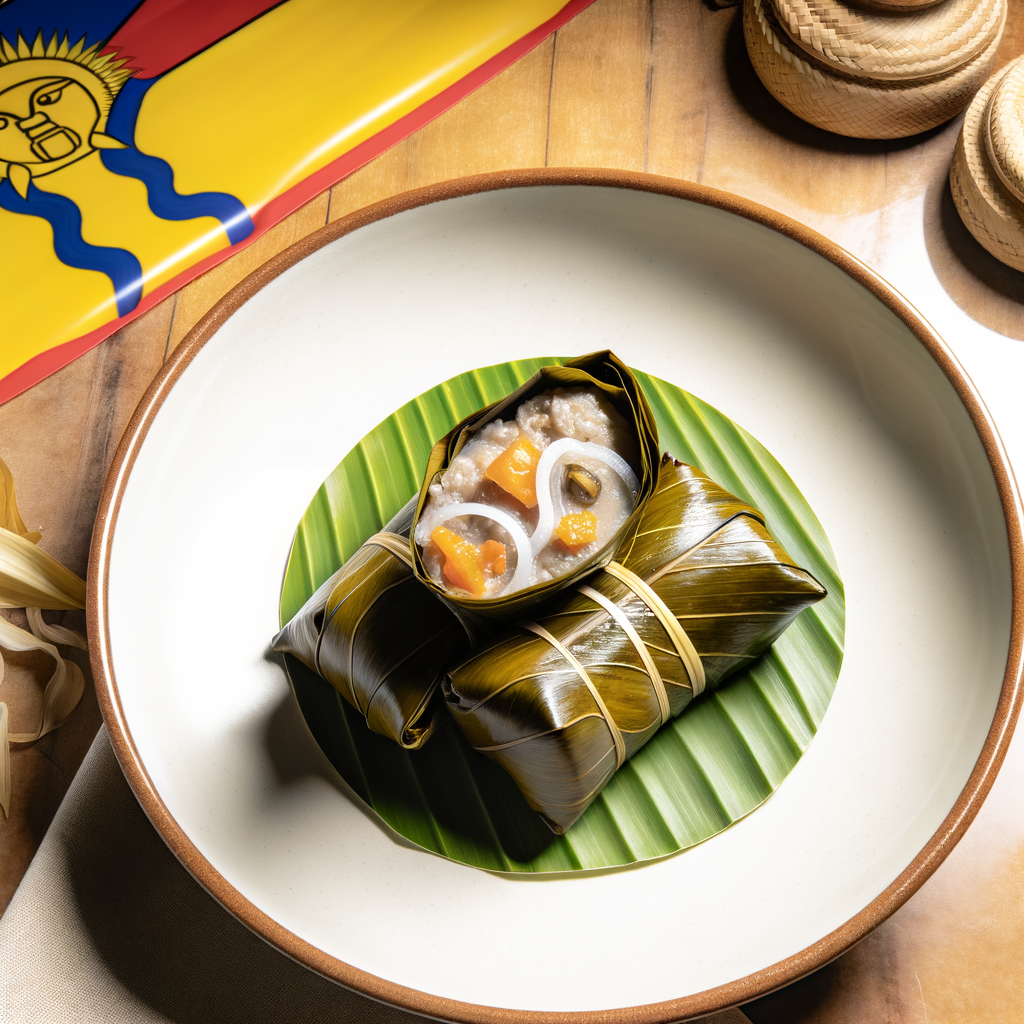
Palusami
Taro leaves filled with coconut milk and onions, wrapped and steamed to a soft, creamy dish with a slight sweetness.
Restaurant information
Tipping
Tipping is not a fixed part of the culture in Kiribati. In restaurants and cafés, it is not expected, but rounding up can be a friendly gesture, especially if the service has been good.
Travel information
Currency
Australian dollar (AUD)
Language
English and Kiribatisk
Best time to visit
May to October
Major cities
Tarawa and other major cities
More countries in Oceania
Discover more destinations in this region