
Panama
Panama, where turquoise seas meet lush cloud forests, is a vibrant blend of natural beauty, rich culture, and the iconic Panama Canal connecting two oceans.
Overview
Panama is a tropical paradise at the heart of Central America, where the iconic Panama Canal links the Pacific and Atlantic Oceans. The bustling modernity of Panama City meets the colonial charm of Casco Viejo, while untouched beaches, coral reefs, and lush cloud forests await in the San Blas Islands, Bocas del Toro, and Chiriquí. Whether you're scaling Volcán Barú for an unforgettable view of two oceans or savoring fresh ceviche by the shore, Panama offers a unique blend of adventure, culture, and history – making it the perfect destination for travelers seeking a bit of everything.
Official language
Spanish
Government
Presidential democracy
Best time to visit
December to April (dry season)
Nature
Panama is a treasure trove for nature lovers, offering an extraordinary range of landscapes from the turquoise waters of the Caribbean to the wild waves of the Pacific. The pristine San Blas Islands beckon with crystal-clear waters and palm-fringed beaches, while Bocas del Toro teems with vibrant coral reefs and lively marine life. Venture into the highlands of Chiriquí to hike through coffee plantations and cool mountain forests, or climb to the summit of the dormant Volcán Barú for breathtaking views of both oceans on clear days. With impressive biodiversity, Panama boasts hundreds of bird species, exotic mammals, and a wealth of tropical plants. National parks like Soberanía and Darién protect vast stretches of untouched nature, where you can encounter everything from toucans to jaguars. The best time to visit is during the dry season from December to April, when the weather is perfect for beach life and adventures in nature.
Travel to Panama
Traveling to Panama is an experience filled with contrasts and unforgettable moments. The best time to visit the country is during the dry season from December to April, when the weather is ideal for both beach fun and nature exploration. Panama City serves as a perfect base for day trips to both the Pacific and Caribbean coasts. Adventurous souls can hike to the summit of Volcán Barú, sail between the paradise beaches of San Blas, or snorkel in the coral reefs of Bocas del Toro. For cultural enthusiasts, Casco Viejo is a must-visit, as is the fascinating Miraflores Locks, which offers insight into the workings of the Panama Canal. The country is easily accessible through international flights, and the use of both Balboa and U.S. dollars makes it convenient for travelers. Whether you're searching for relaxation, nature, or culture, Panama is a destination that surprises and delights.
Culture
Panama's culture is a vibrant tapestry woven from indigenous traditions, Spanish colonial history, and a modern cosmopolitan lifestyle. Panama City pulses with urban energy, featuring skyscrapers, shopping centers, and a lively nightlife, while the historic neighborhood of Casco Viejo enchants visitors with its cobblestone streets, colorful buildings, and bustling plazas. The warm-hearted locals take pride in their diverse heritage, celebrated through music, dance, and gastronomy. Traditional festivals like Carnaval transform the streets into a kaleidoscope of colorful costumes and rhythmic drumming. Culinary delights abound, from freshly caught ceviche and hearty sancocho to crunchy patacones and the classic ropa vieja. The indigenous Guna people of the San Blas Islands keep their culture alive through vibrant crafts, such as the intricate mola textiles. Panama is a place where ancient traditions and contemporary influences harmoniously coexist.
History
Panama's history is deeply intertwined with its strategic location between two oceans. From colonial times, the region served as a crucial hub for Spanish trade, facilitating the transport of gold and silver across the isthmus. The opening of the Panama Canal in 1914 marked a revolutionary milestone in global commerce, as this engineering marvel transformed maritime trade routes. Once under American control, the canal was handed over to Panama in 1999, a pivotal moment in the nation's journey toward independence. Today, the canal stands not only as an economic lifeline but also as a symbol of national pride, representing Panama's unique position in world history.
Top attractions
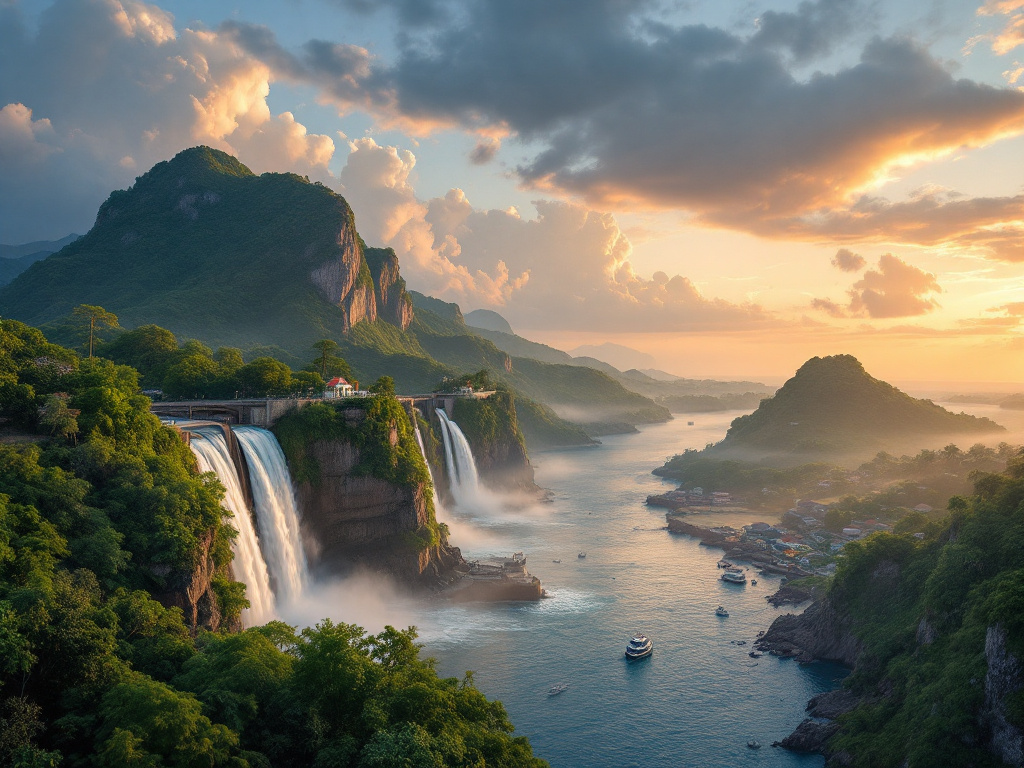
Panama Canal at Miraflores Locks
One of the world's most renowned engineering works, where visitors can see enormous cargo ships pass through the locks and learn about the canal's history.
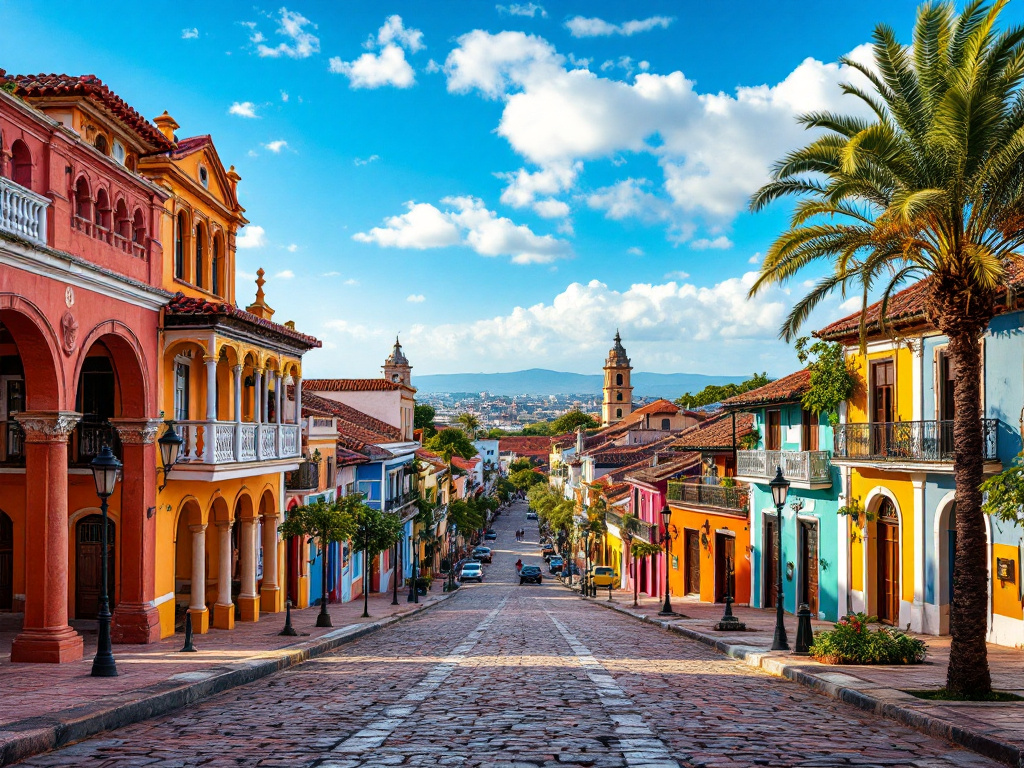
Casco Viejo
The historic district with colorful buildings, narrow streets, and a rich colonial history that contrasts with Panama's modern skyline.
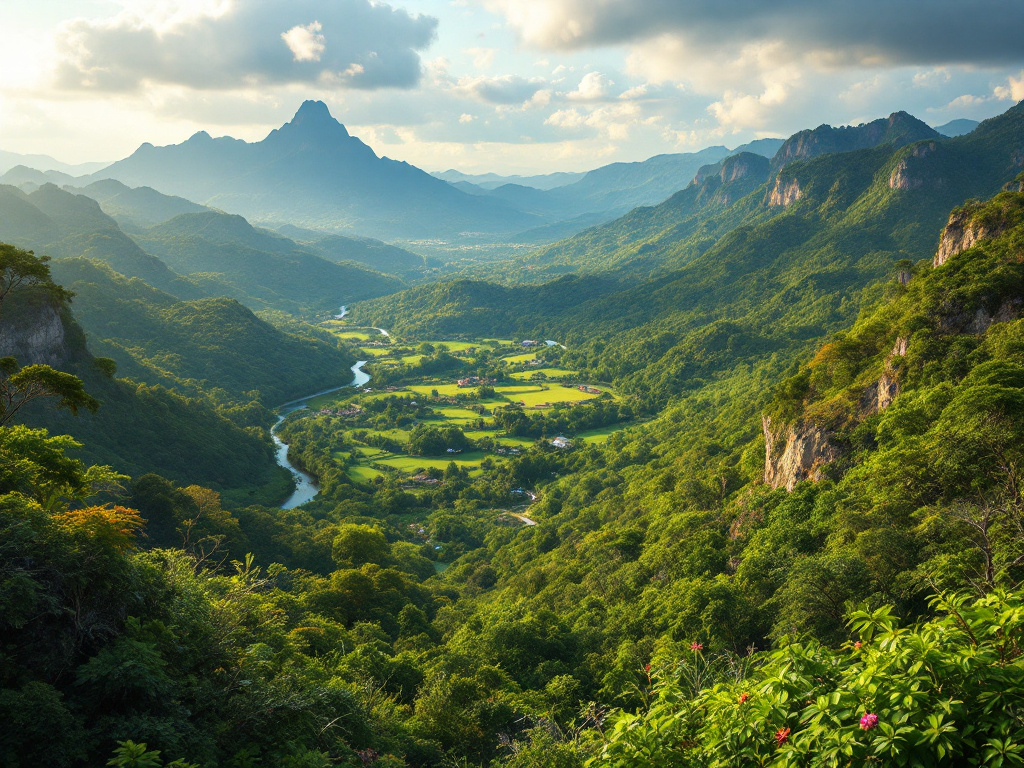
Metropolitan Natural Park
A lush nature reserve just minutes from downtown, perfect for experiencing Panama's wildlife and getting panoramic views of the city.
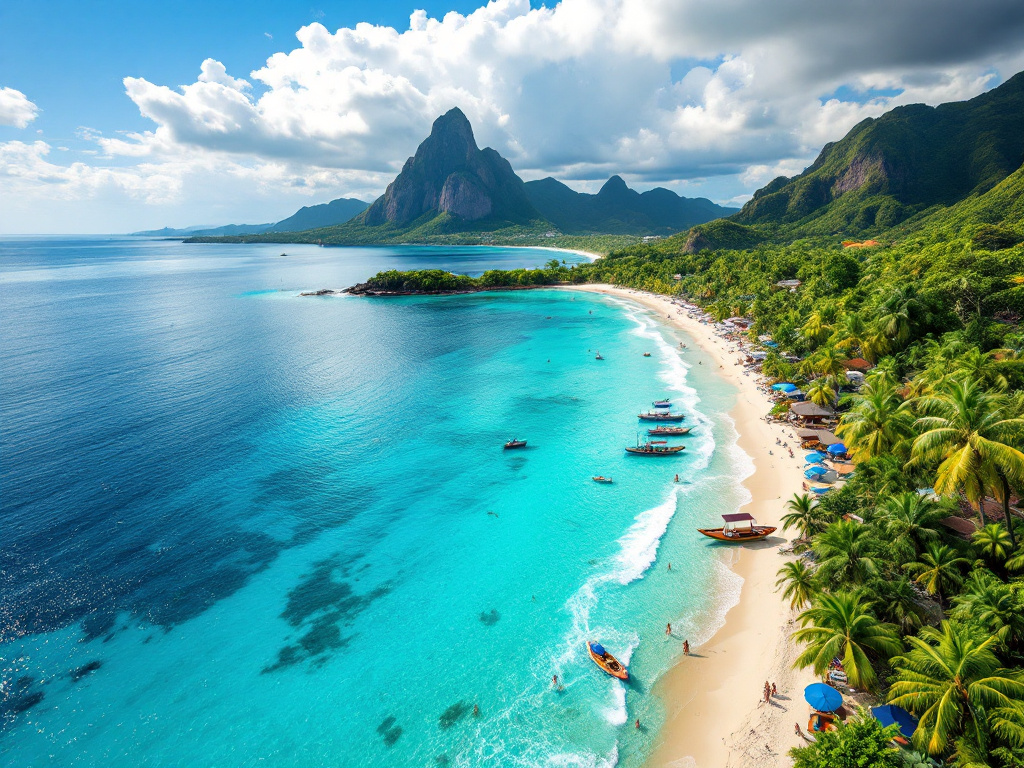
San Blas Islands
An idyllic archipelago in the Caribbean known for untouched beaches, colorful coral reefs, and the local Guna culture.

Boquete
A charming mountain town known for coffee, cool climate, and access to lush hiking routes in the highlands.
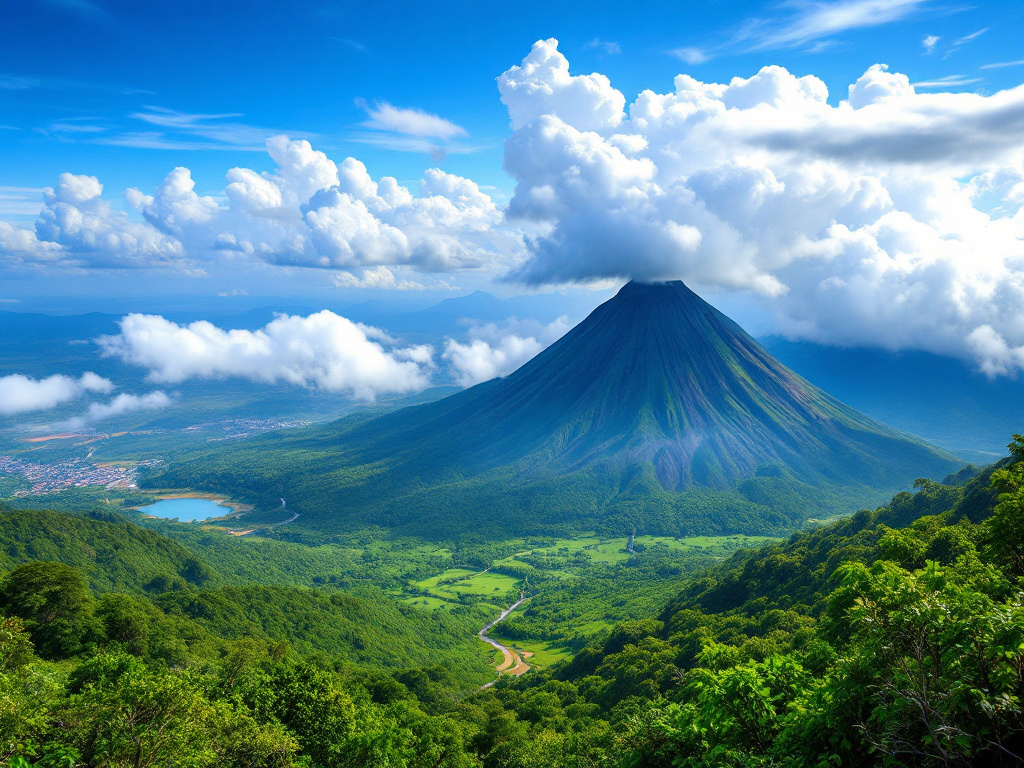
Barú Volcano
A challenging but rewarding trek to Panama's highest mountain with spectacular views over both the Pacific and Caribbean.
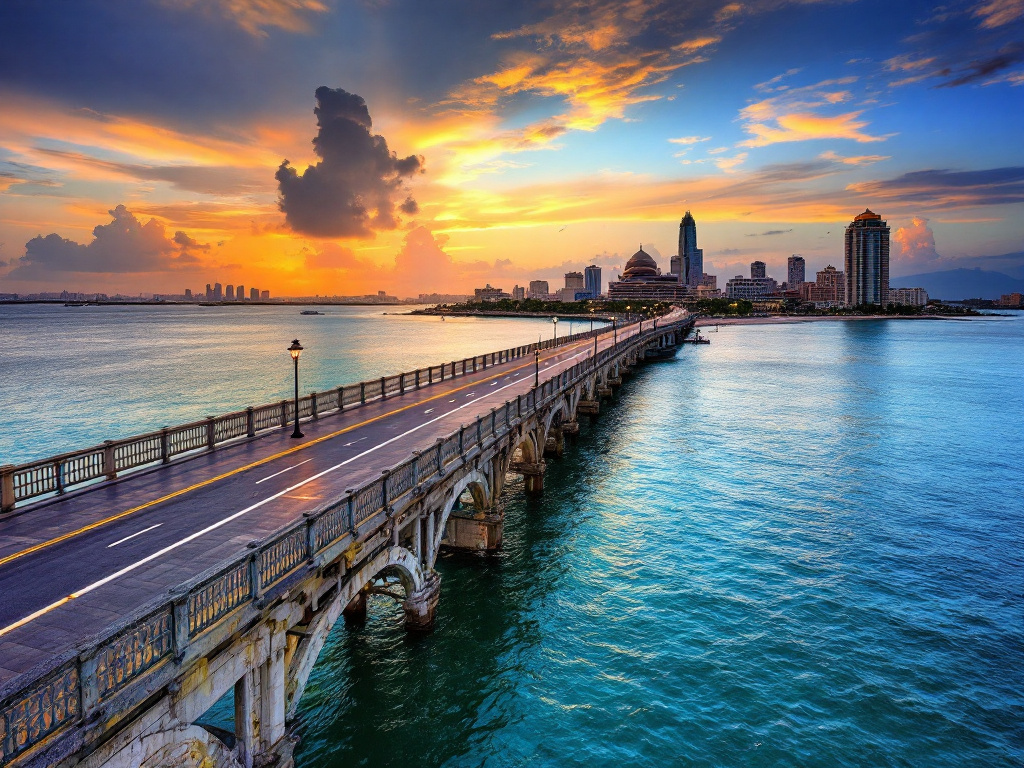
Amador Causeway
A beautiful waterfront promenade that connects several islands and offers fantastic views of Panama City and the Pacific.
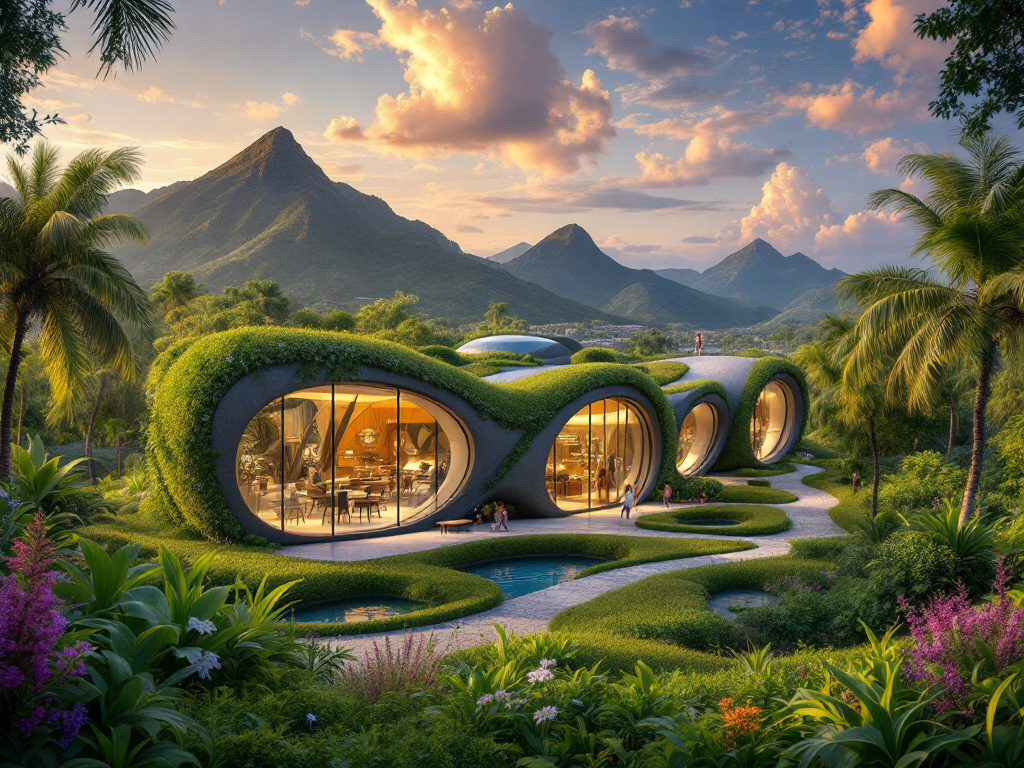
Biomuseo
A modern museum that tells the story of Panama's unique biodiversity through colorful and interactive exhibits.
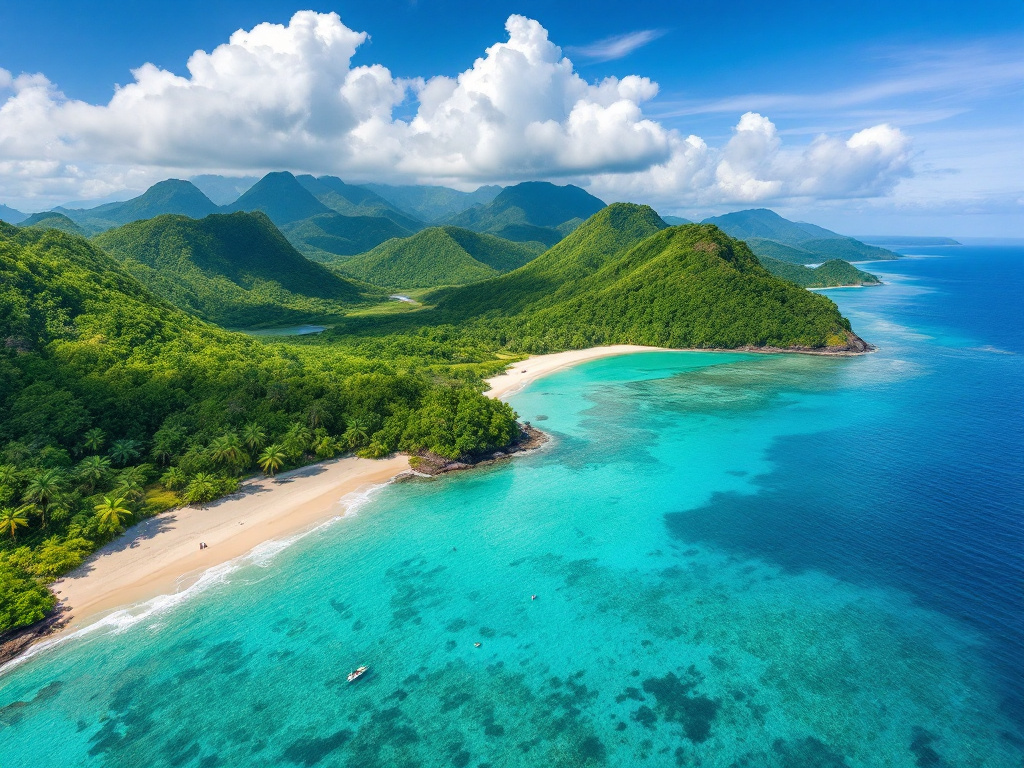
Coiba National Park
One of Central America's best diving spots with rich marine life and strict conservation rules.
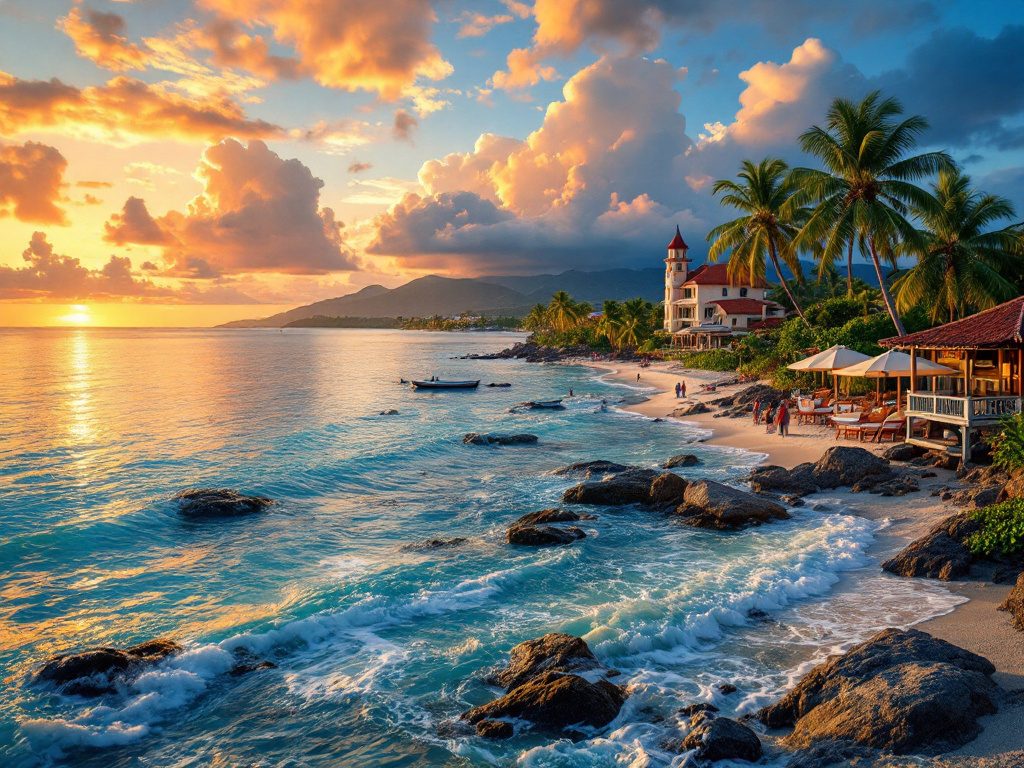
Bocas del Toro
A popular Caribbean destination with tropical beaches, island life, and a laid-back atmosphere.
Famous cuisine
Culinary overview
Panama's food culture is a melting pot of Spanish, African, and indigenous influences, creating a rich and diverse gastronomy. The country's location between two oceans provides access to fresh fish and seafood, while the tropical climate supplies exotic fruits and vegetables year-round. From street vendors serving crispy patacones and freshly made ceviche to elegant restaurants with modern interpretations of traditional dishes, there is something for everyone. Meals are often a social event, bringing family and friends together, and the food is typically accompanied by fresh juice or local rum.
Must-try dishes
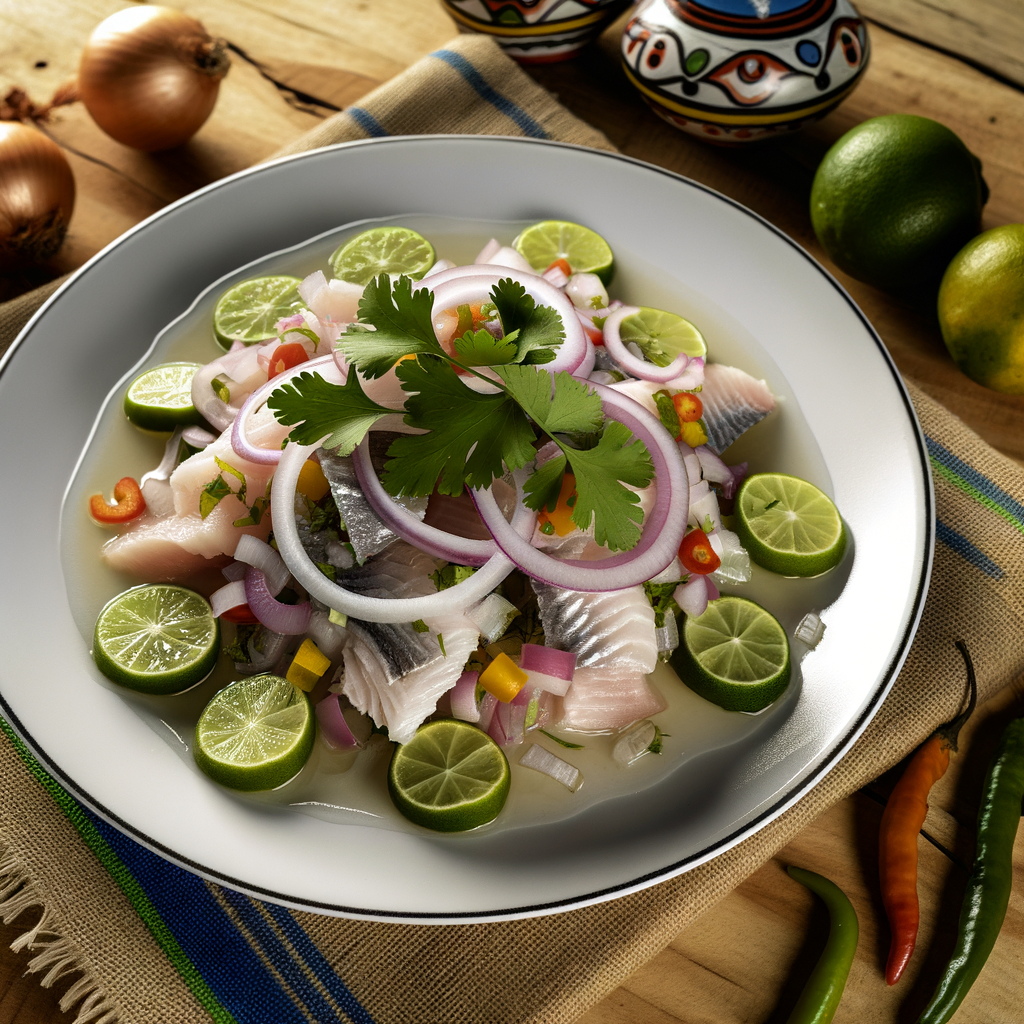
Ceviche
Fresh fish or seafood marinated in lime juice with onions, cilantro, and bell pepper. Often served cold as a starter, especially popular with corvina (white fish).
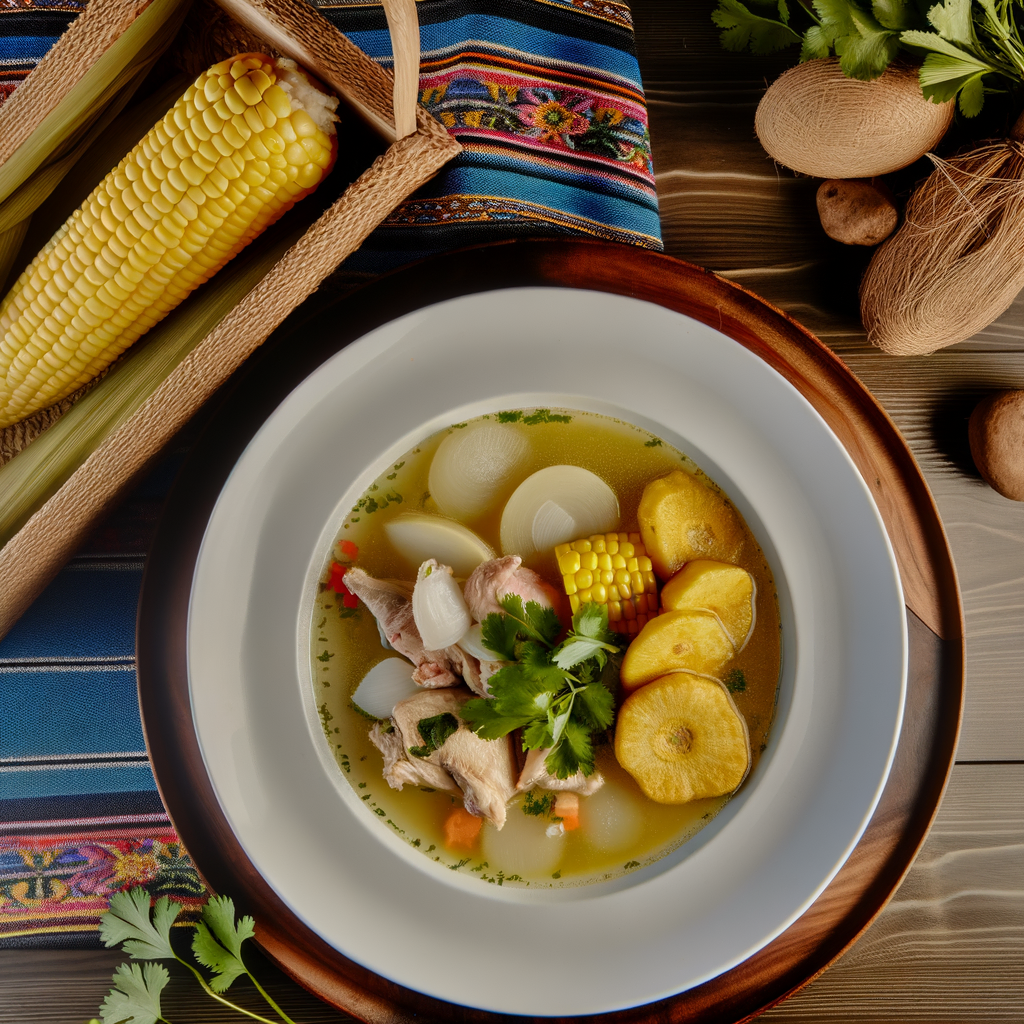
Sancocho
A traditional chicken soup with yuca, corn, cilantro, and other vegetables. This dish is known as Panama's national dish and is often eaten on festive occasions.
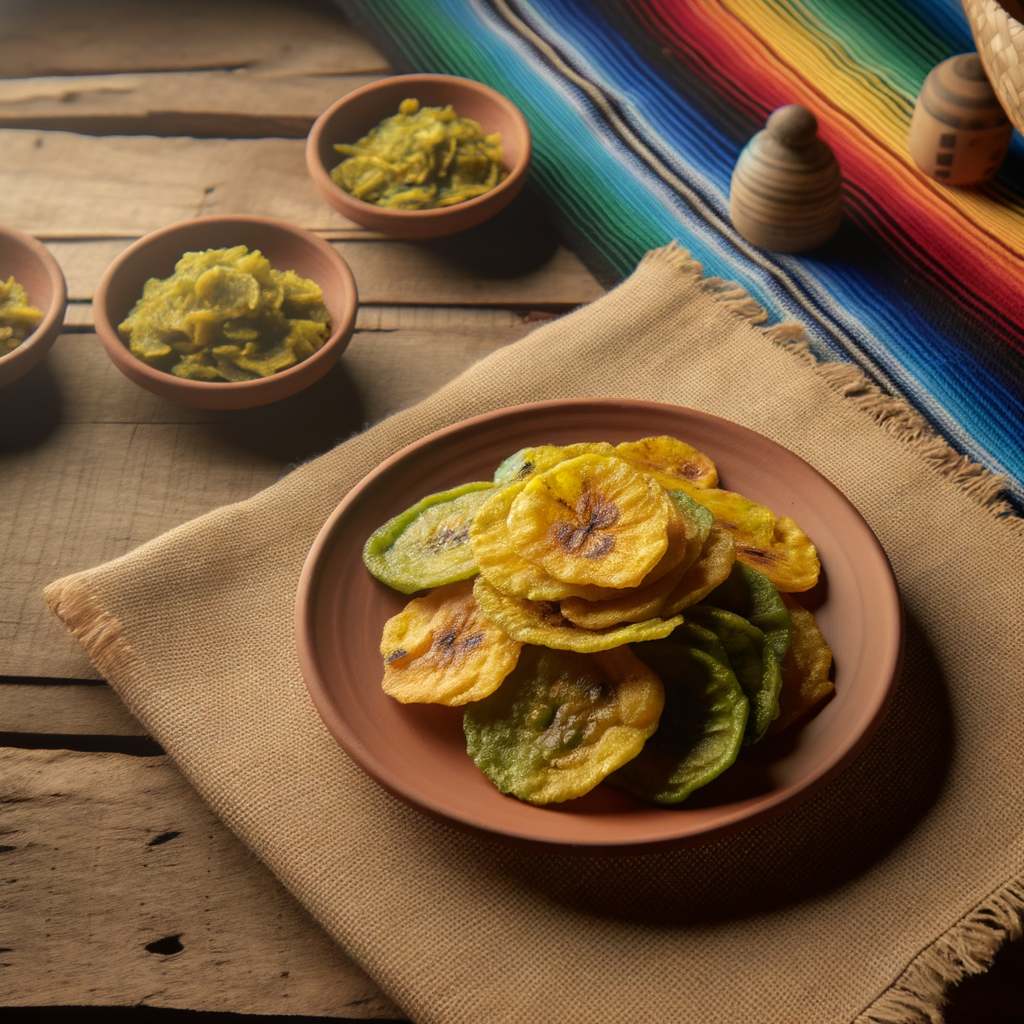
Patacones
Fried green plantains that are flattened and fried again to achieve a crispy texture. Served as a snack or side dish.
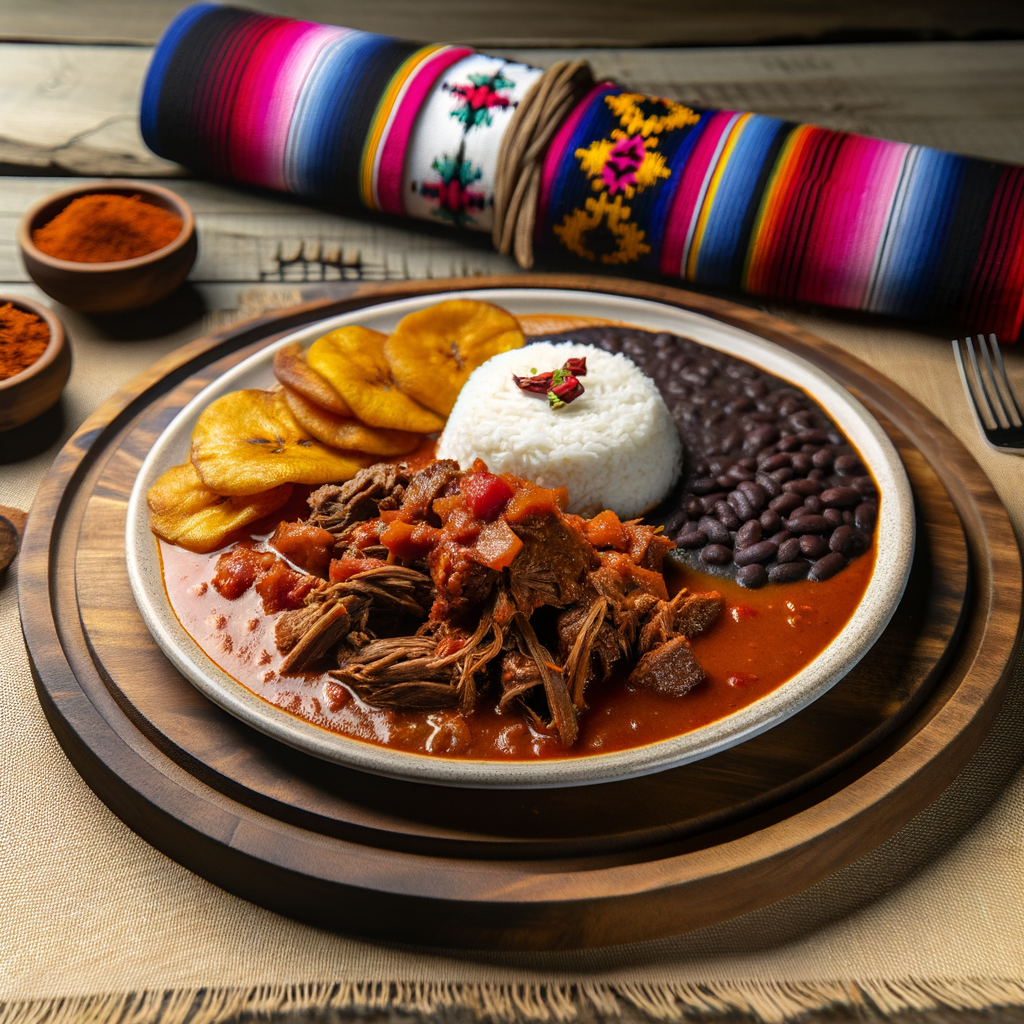
Ropa Vieja
Slow-braised beef in tomato and pepper sauce, often served with rice, beans, and fried plantains. This dish has Spanish roots but is a staple of Panamanian home cooking.
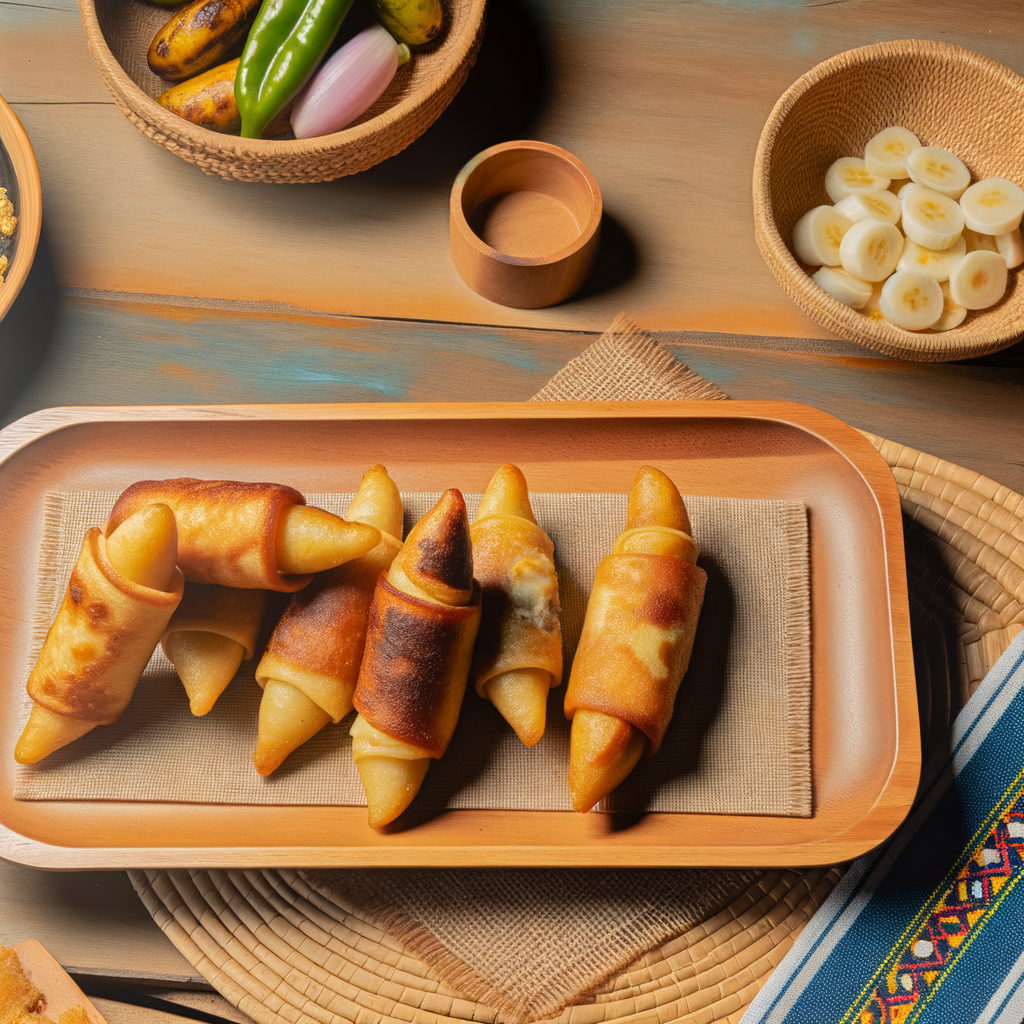
Carimañolas
Fried yuca balls filled with meat or cheese, often eaten for breakfast or as a snack. They have a crispy exterior and soft, flavorful interior.
Restaurant information
Tipping
Tips are not always included in the bill in Panama. It is common to give 10% at restaurants if the service charge is not added. In cafés and bars, it's often customary to round up.
Travel information
Currency
Balboa (PAB) og Amerikansk Dollar (USD)
Language
Spanish
Best time to visit
December to April (dry season)
Major cities
Panama City and other major cities
More countries in North America
Discover more destinations in this region