
Papua New Guinea
Papua New Guinea, a vibrant island nation in Oceania, impresses with its rich cultural heritage, over 800 languages, and breathtaking landscapes of rainforests, coral reefs, and majestic volcanoes.
Overview
Papua New Guinea is one of the world's most diverse and untouched travel destinations. This island nation in Oceania boasts over 800 languages, lush rainforests, dramatic volcanoes, and crystal-clear coral reefs. From the historic Kokoda Track to the stunning Tufi Fjords and the diving paradise of Milne Bay, the country is a true adventure for nature and culture enthusiasts alike. Here, you'll encounter vibrant traditions, colorful festivals, and a hospitality that makes each visit unforgettable.
Official language
English
Government
Parliamentary democracy and Constitutional monarchy
Best time to visit
May to October
Nature
Papua New Guinea is a true paradise for nature lovers, offering a stunning landscape that ranges from lush tropical rainforests brimming with exotic birds and vibrant orchids to dramatic mountain ranges where Mount Wilhelm stands proudly as the nation's highest point. The horizon is dotted with both active and dormant volcanoes, creating a breathtaking backdrop for adventure. Idyllic bays, white sandy beaches, and colorful coral reefs line the coastline, attracting divers from all over the globe. Milne Bay is renowned for its rich marine life, while the Tufi Fjords impress visitors with their deep, picturesque fjords and steep cliffs. The Sepik River weaves through verdant lowlands, home to mangrove forests and wetlands that support a diverse array of wildlife. Tropical in climate, the best time to visit is from May to October, when the weather is dry, ideal for trekking, mountaineering, and exploring the country's natural treasures. Here, travelers can discover areas that remain virtually untouched by modern civilization, making the experience both authentic and unique.
Travel to Papua New Guinea
Traveling to Papua New Guinea takes you on a journey into the unknown and the authentic. The best time to visit is between May and October, when the weather is dry and perfect for outdoor adventures. Flights typically arrive in Port Moresby, which serves as a gateway for further travel to remote areas. From here, you can trek along the Kokoda Track, explore the dramatic landscapes of Tufi Fjords, or dive in Milne Bay's world-class coral reefs. For those interested in culture, a trip along the Sepik River provides a unique opportunity to experience traditional villages and craftsmanship. Planning is essential, as infrastructure outside of major cities can be limited, but the rewards include breathtaking natural experiences and encounters with a living cultural heritage. Papua New Guinea is for the adventurous traveler seeking something truly different—a place where the beauty of nature and the richness of human traditions converge into an unforgettable experience.
Culture
The culture of Papua New Guinea is one of the most diverse in the world, with over 800 languages and countless ethnic groups making it a vibrant tapestry of traditions, rituals, and art forms. Each region boasts its own dances, musical styles, and colorful attire, often showcased during ceremonies and festivals. Handicrafts such as wood carvings, masks, and woven textiles reflect both spiritual beliefs and the necessities of daily life. Along the Sepik River, intricately carved totem poles and canoes adorned with symbolic patterns are central elements of local identity. The cuisine is just as varied as the culture, featuring dishes like mumu—a traditional earth oven dish—kaukau (sweet potatoes), and coconut curry that combine fresh ingredients with age-old cooking methods. Despite modernization, many communities continue to live by traditional ways, often inviting guests to partake in everyday activities. This deep cultural authenticity makes Papua New Guinea a unique destination for those seeking to experience a vibrant living heritage.
History
Papua New Guinea's history stretches back thousands of years, with archaeological sites like the Kuk Early Agricultural Site revealing that agriculture was practiced here over 7,000 years ago, making it one of the oldest known agricultural regions in the world. The land has been home to diverse tribes and cultures that developed in isolation due to the challenging terrain. During the colonial era, the area was divided between Germany, Britain, and later Australia, before Papua New Guinea gained independence in 1975. World War II saw the country as a battleground, particularly along the Kokoda Track, which today serves as a historic monument. The history of Papua New Guinea is closely intertwined with its natural beauty and culture, providing visitors with a deeper understanding of the nation’s identity.
Top attractions
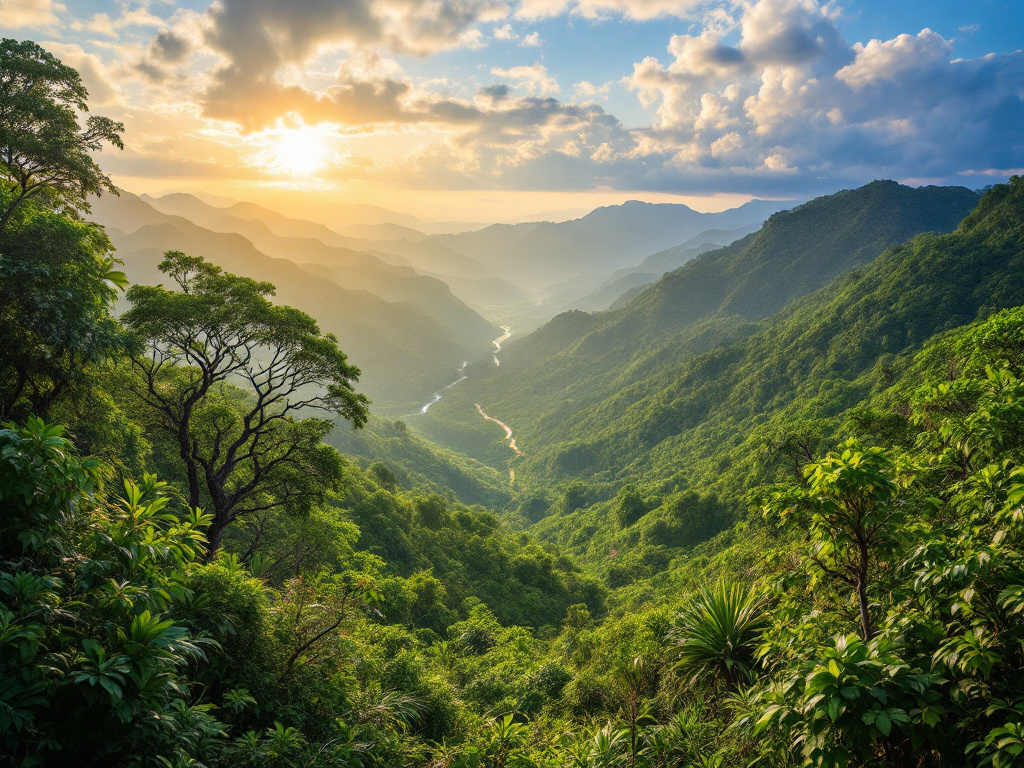
Kokoda Track
A famous and demanding hiking route through dense jungle, known for its historical significance and scenic surroundings.
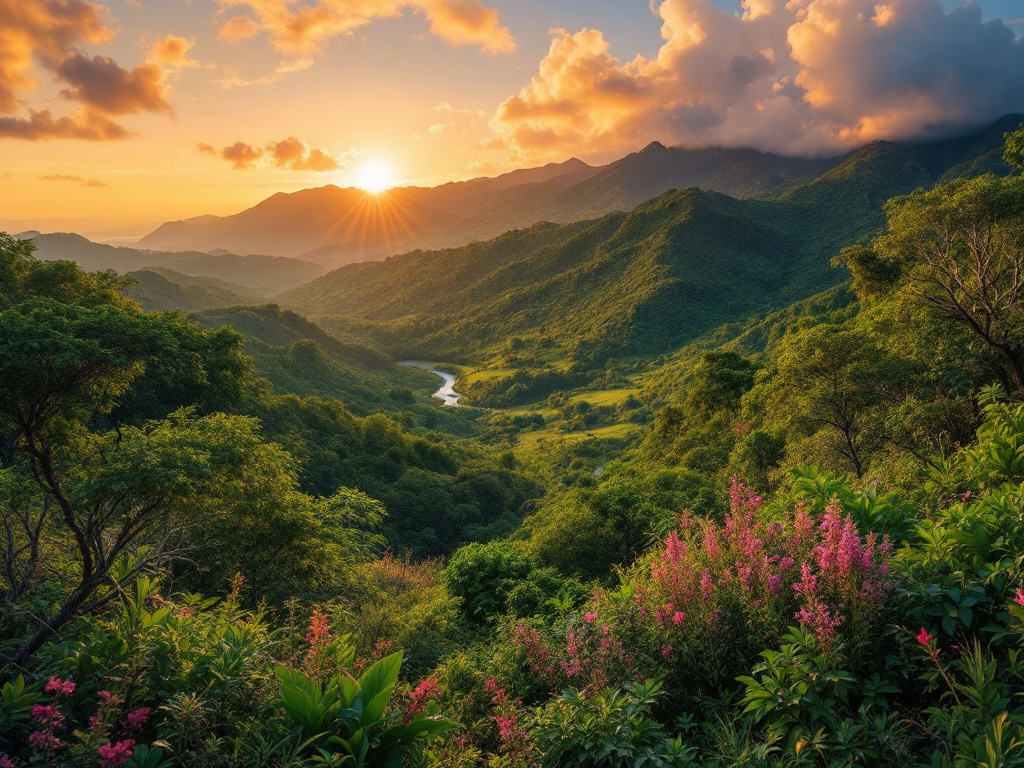
Port Moresby Nature Park
A well-maintained nature park focusing on Papua's unique wildlife and plants, suitable for all ages.
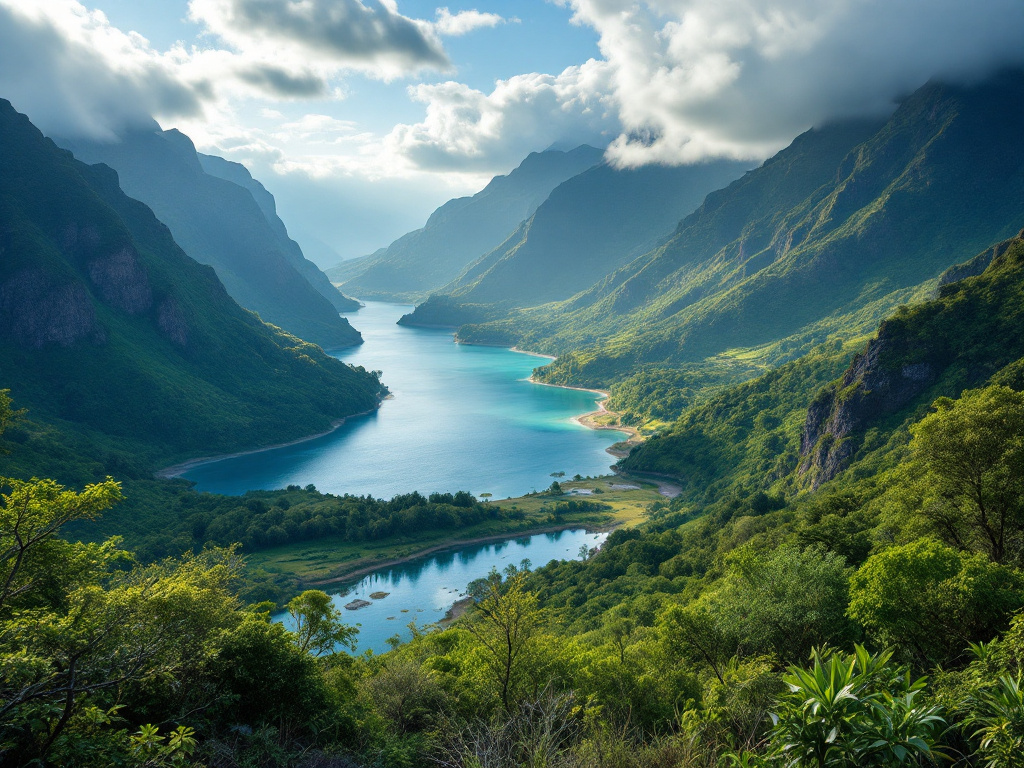
Tufi Fjords
A spectacular fjord system with crystal clear water and lush rainforest, known as one of the country's most beautiful areas.
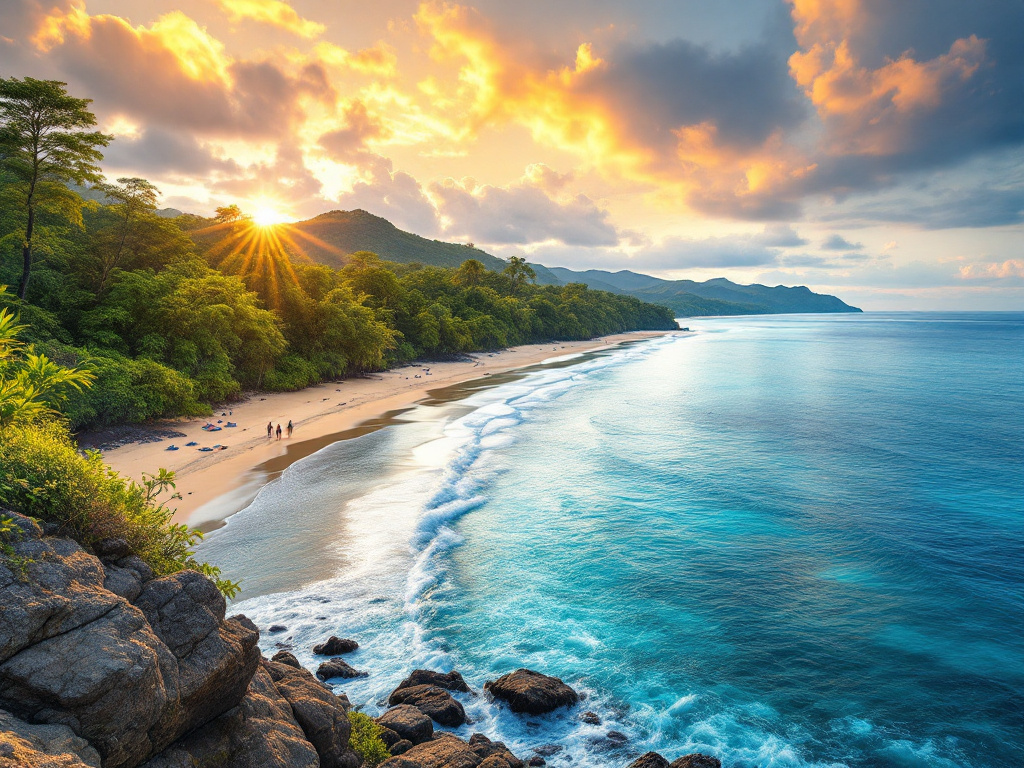
Madang Coast
A relaxed coastal stretch known for its calm beaches, islands, and excellent snorkeling opportunities.
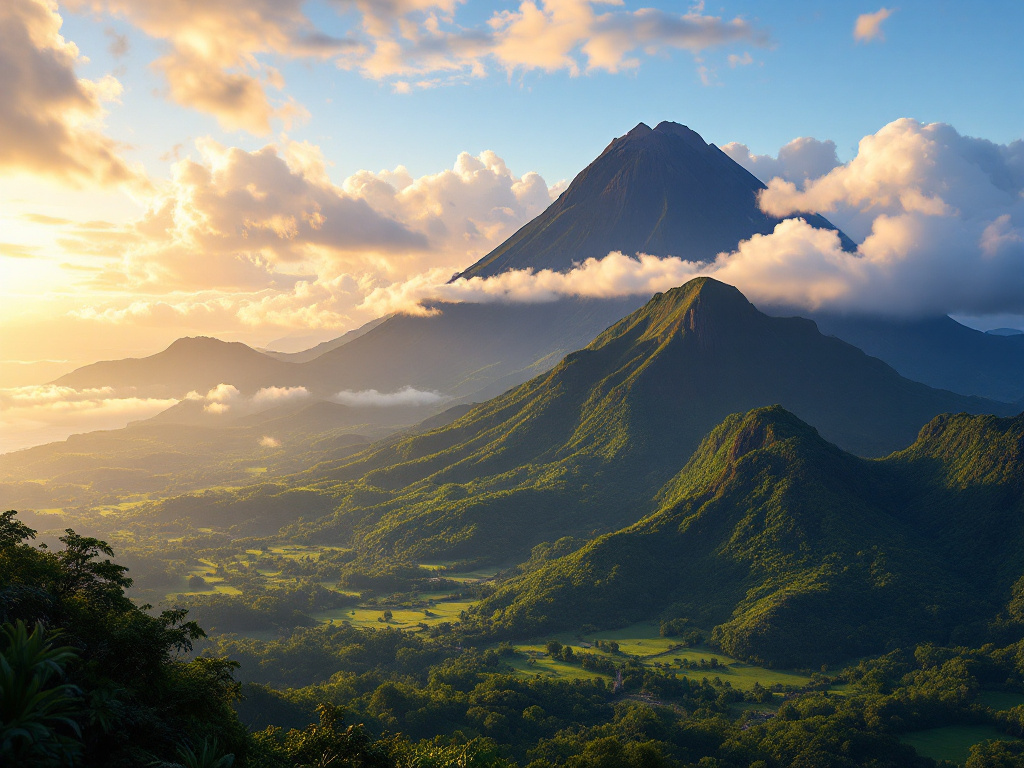
Owen Stanley Mountains
An impressive mountain range that dominates central Papua New Guinea, offering rugged nature and challenging hikes.
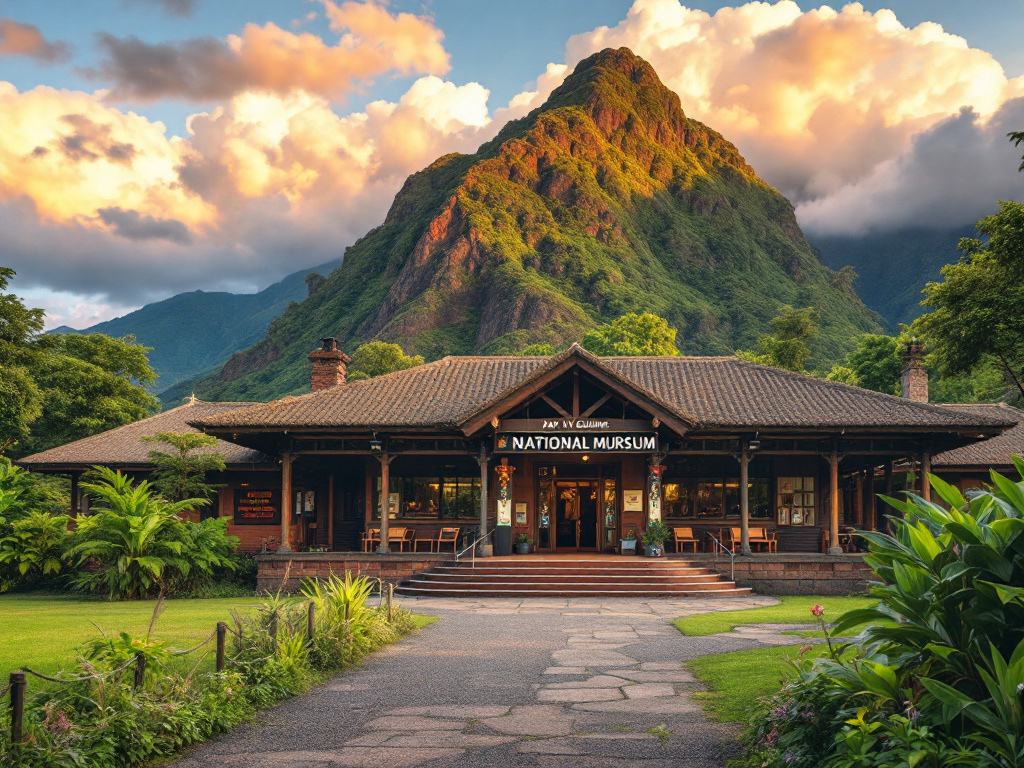
Papua New Guinea National Museum
The country's foremost museum with collections telling the story of Papua New Guinea's diverse cultures and history.
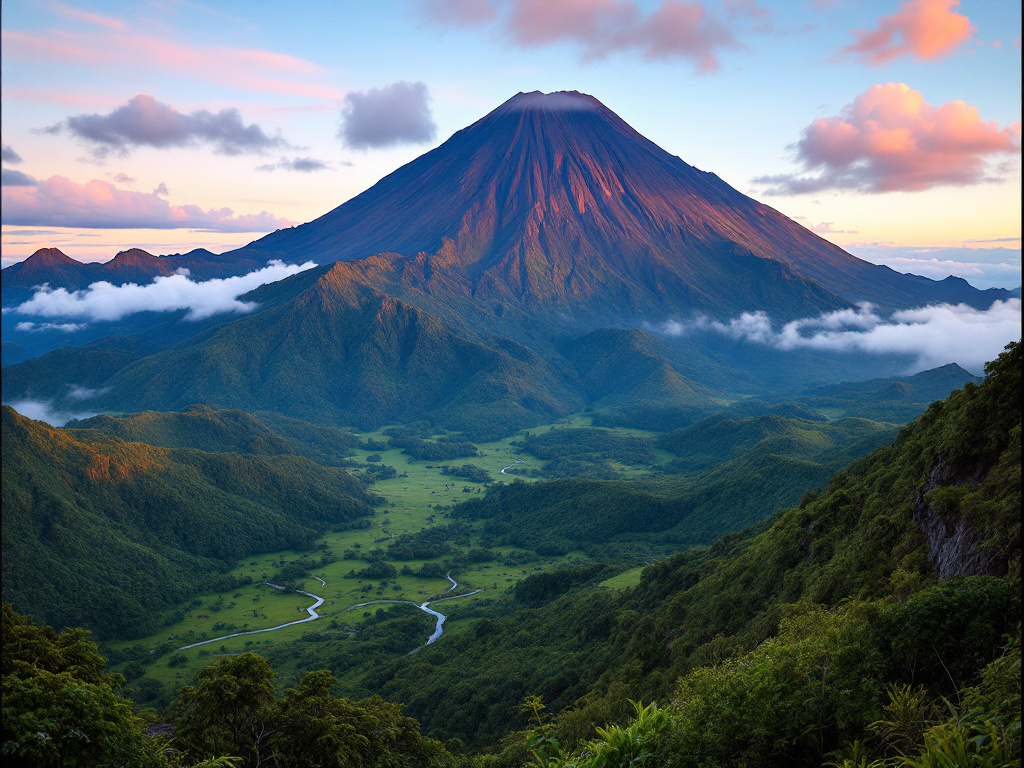
Mount Wilhelm
The highest point in Papua New Guinea, popular among adventurous hikers and climbers.
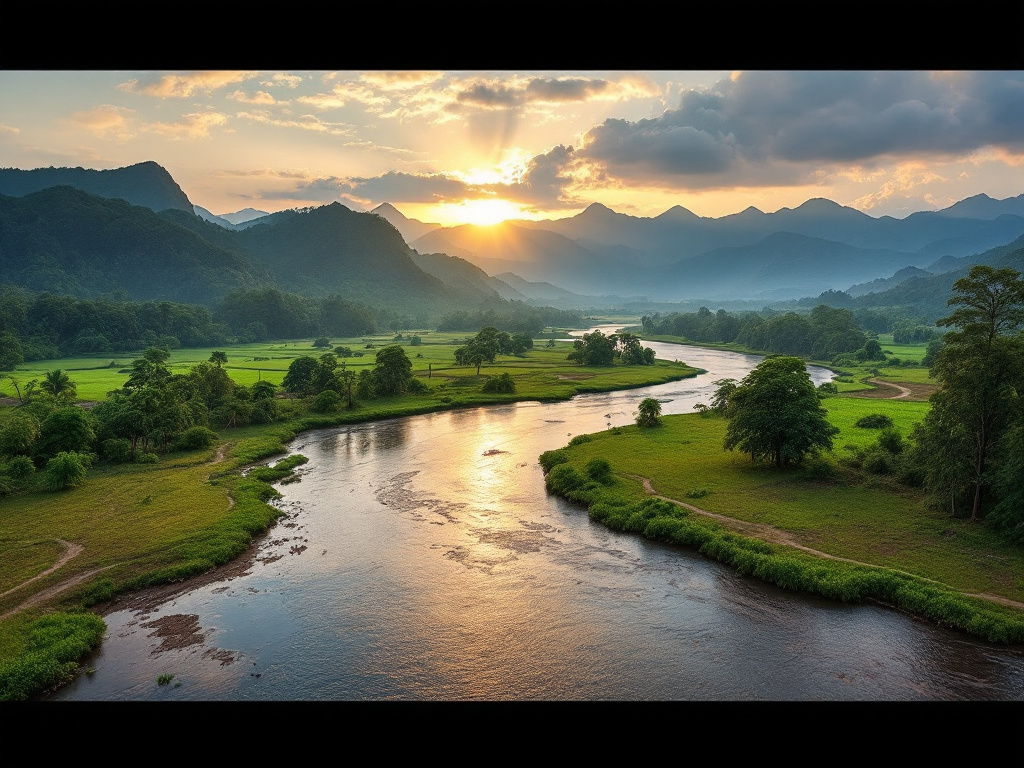
Sepik River
One of the country's major rivers, known for its vibrant culture and remote villages.
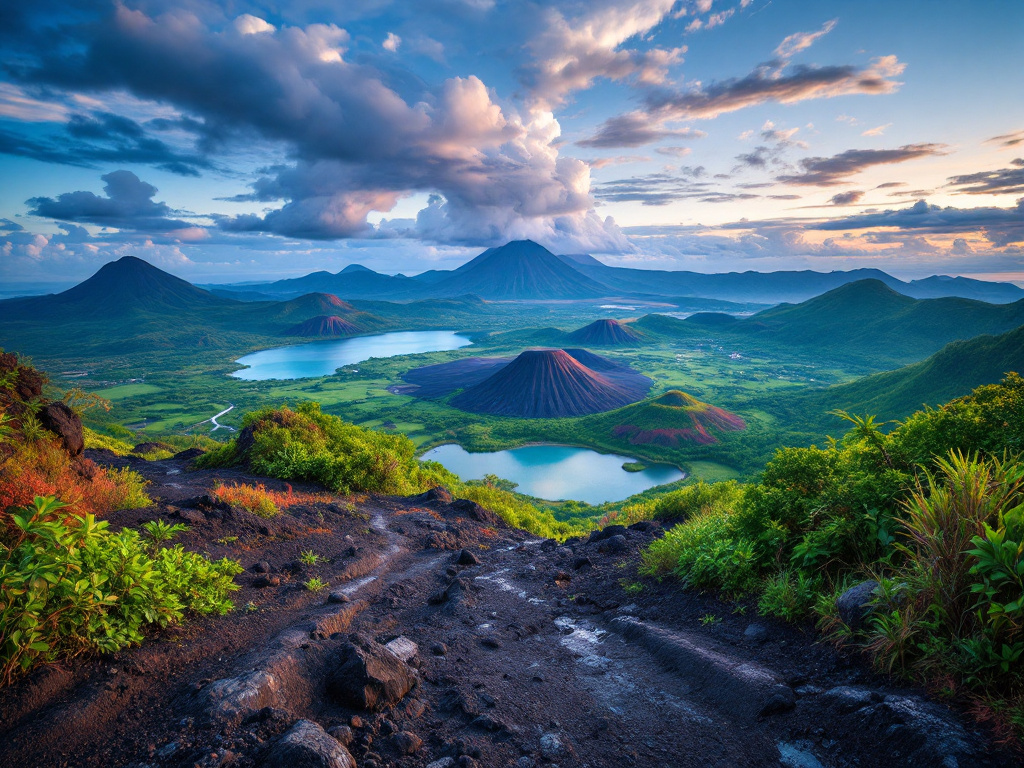
Rabaul Volcanoes
A dramatic volcanic landscape around Rabaul, showcasing the area's geological forces.
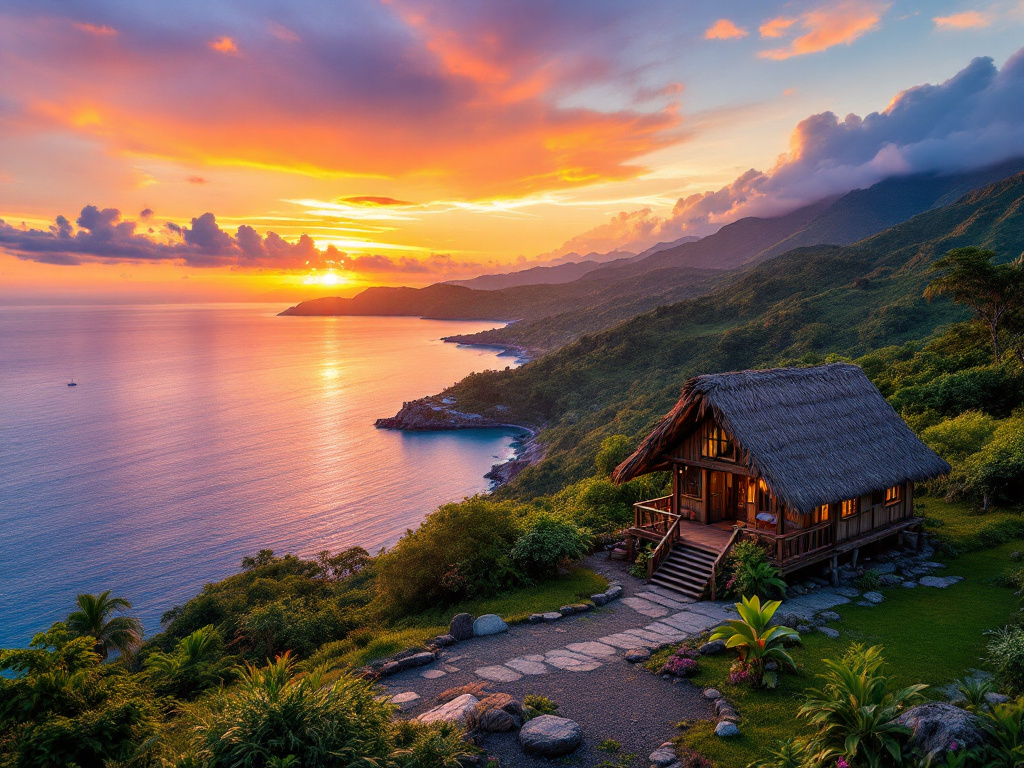
Alotau Coastal Walk
A relaxed coastal trail that provides insight into daily life in Alotau and offers beautiful views of the sea.
Famous cuisine
Culinary overview
Papuan cuisine is an exciting blend of traditional ingredients, local produce, and influences from Asia and the Pacific region. Many dishes are prepared with fresh vegetables, root vegetables like sweet potatoes (kaukau), taro, and cassava, as well as fish and seafood from the rich coastal areas. Coconut milk and banana leaves are often used in cooking, and mumu – an earth oven – is a central part of feast meals. The food culture reflects the country's diverse ethnic groups, and meals are often social events where food is shared together.
Must-try dishes
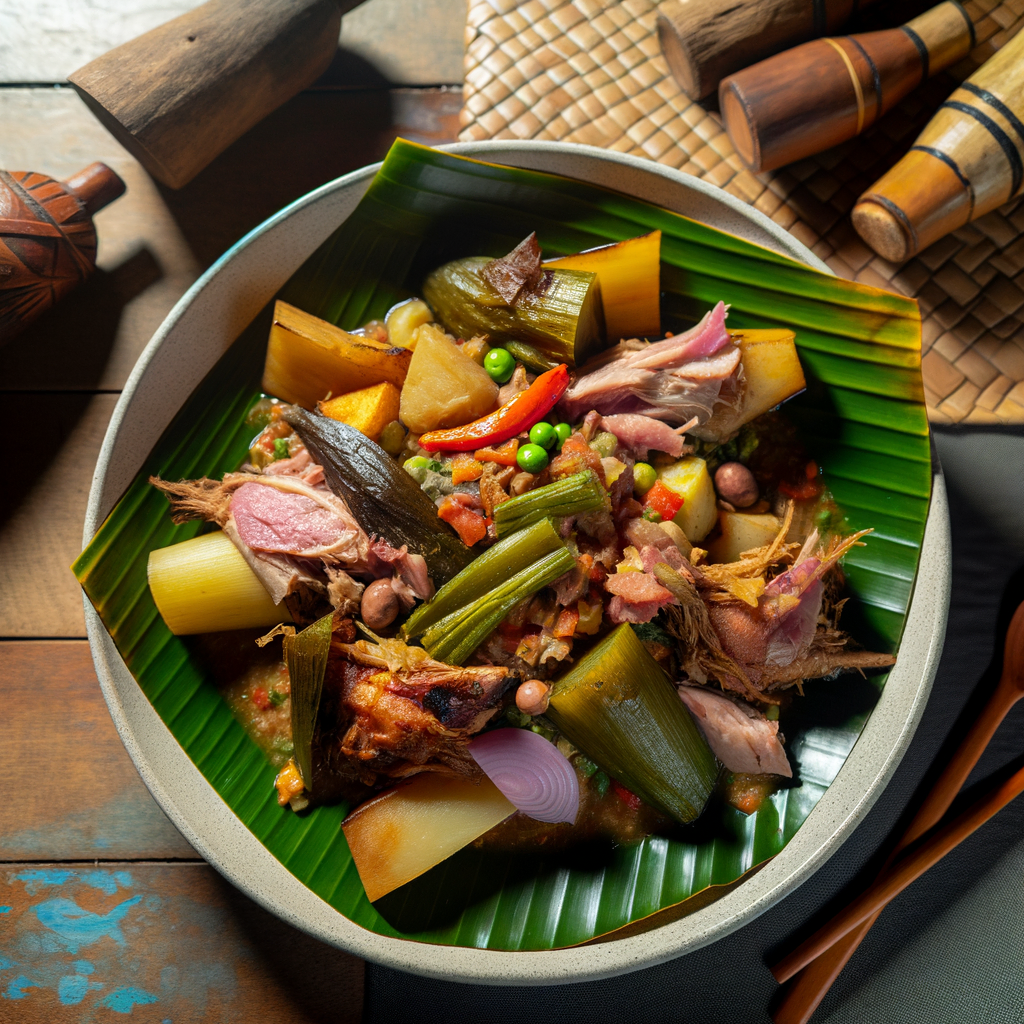
Mumu
A traditional feast dish where meat (often pork), vegetables, and root vegetables are slowly cooked in an earth oven lined with hot stones and banana leaves, giving it a smoky and juicy flavor.
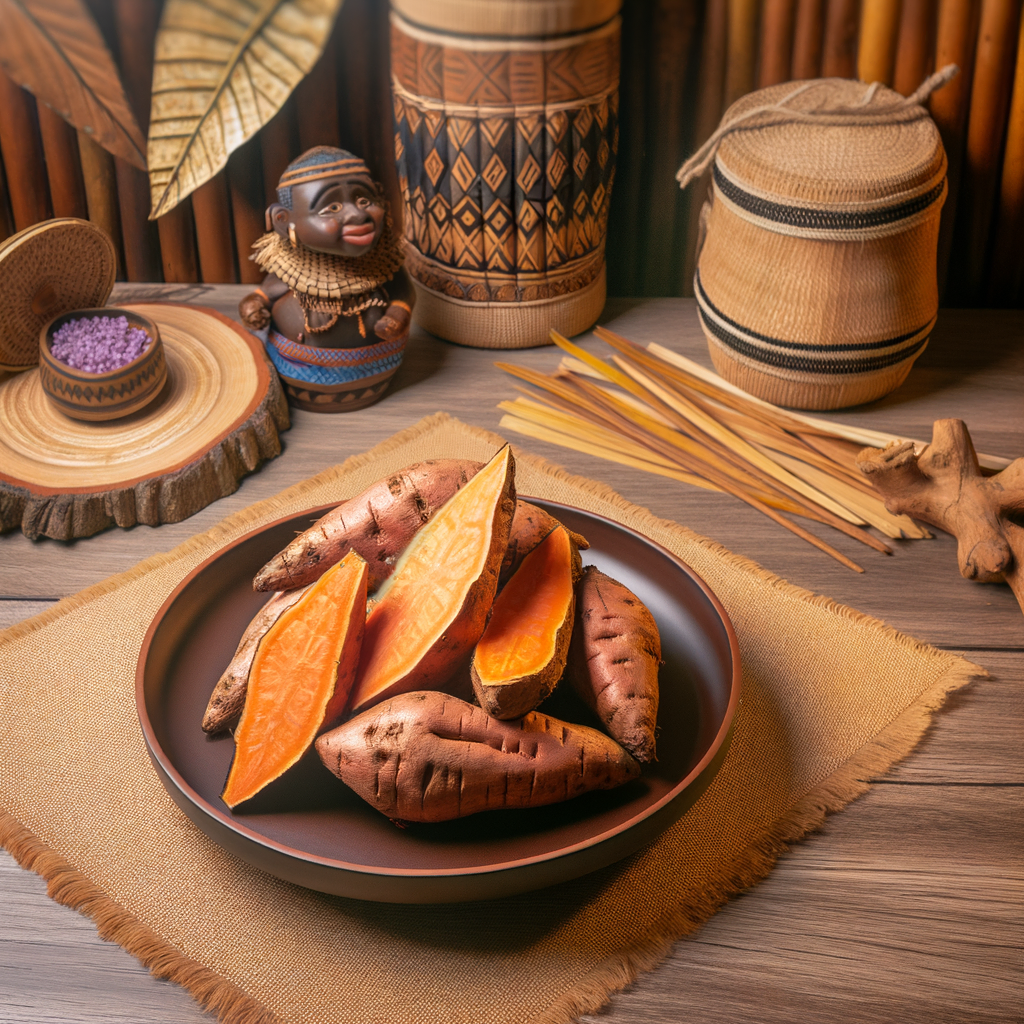
Kaukau
Sweet potatoes, which are one of the country's main staples, served baked, boiled, or as part of stews. They have a natural sweetness and are very nutritious.
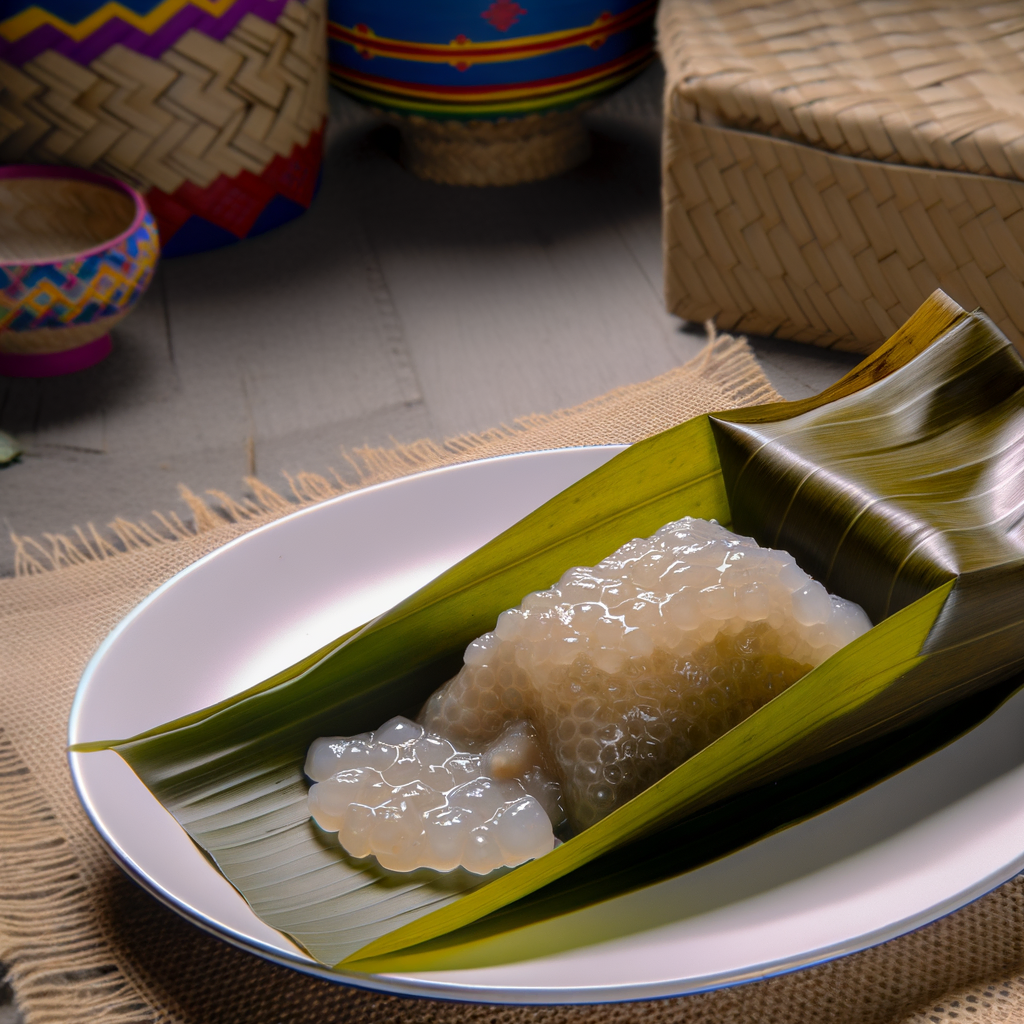
Saksak
A dessert made from sago pearls mixed with coconut milk and wrapped in banana leaves, then steamed. It has a soft, gelatinous consistency and a mild, sweet flavor.
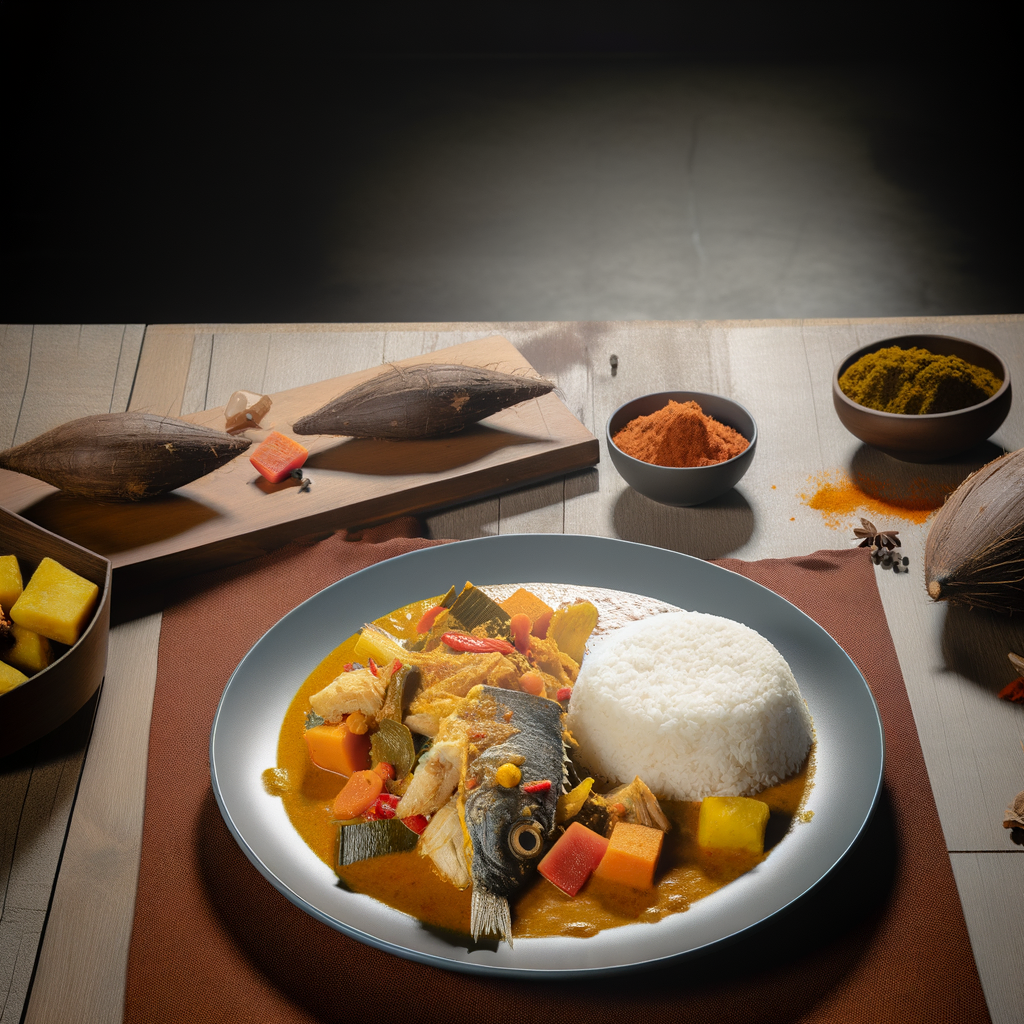
Coconut Curry
An aromatic curry dish with fish or chicken, cooked in coconut milk with spices and vegetables. Often served with rice or taro.
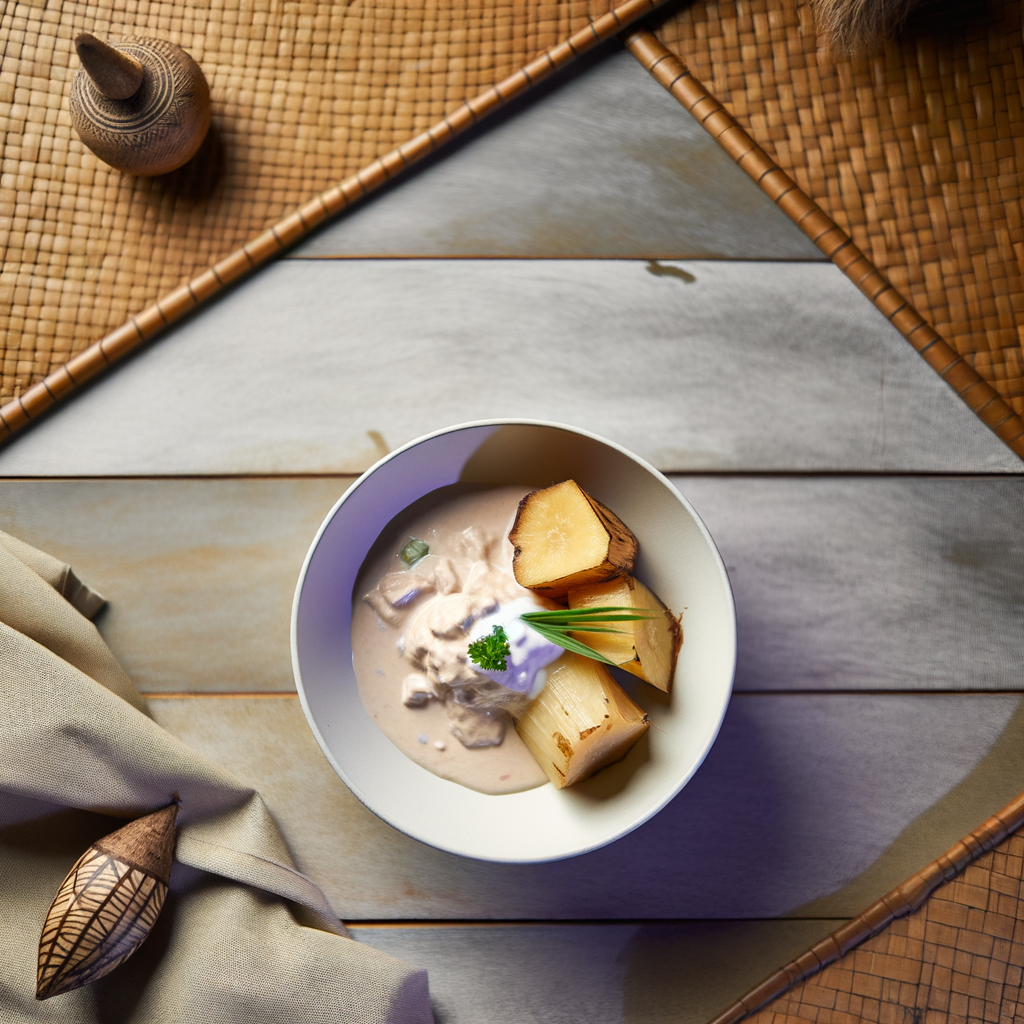
Taro with Coconut Cream
Boiled taro served with a rich sauce of coconut milk and a bit of salt, a simple yet tasty dish that is often eaten for lunch.
Restaurant information
Tipping
Tipping is not a fixed part of the culture in Papua New Guinea, but in tourist areas and hotels, it is appreciated to give 5-10% of the bill as a thank you for good service.
Travel information
Currency
Papua Ny Guineansk Kina (K)
Language
English
Best time to visit
May to October
Major cities
Port Moresby and other major cities
More countries in Oceania
Discover more destinations in this region