
Solomon Islands
Experience the untouched beauty of the Solomon Islands, where emerald green forests, WWII relics, and a vibrant traditional culture meet pristine lagoons and volcanic landscapes.
Overview
Discover the Solomon Islands, a hidden paradise in Oceania where time seems to stand still and nature remains untamed. With over 900 islands, this destination offers remarkable experiences—from crystalline lagoons and emerald-green rainforests to dramatic volcanic landscapes and crocodile-filled mangroves. Explore fascinating WWII relics hidden in the jungle, visit traditional villages with thatched huts where ancient customs continue to thrive, and experience the unique ecosystems of UNESCO-listed East Rennell and Marovo Lagoon. Whether you seek adventure, pristine nature, or rich culture, the Solomon Islands promise an unforgettable journey far from the crowded tourist trails.
Official language
English
Government
Parliamentary monarchy
Best time to visit
May to October
Nature
The Solomon Islands are a breathtaking treasure trove of biodiversity, boasting over 900 islands adorned with lush rainforests, towering volcanic mountains, and pristine white sandy beaches. Nature enthusiasts can immerse themselves in the enchanting landscapes of East Rennell, a UNESCO World Heritage site featuring Lake Tegano, the world's largest raised coral atoll, home to rare bird species and endemic plants. Marovo Lagoon, one of the largest saltwater lagoons globally, is a diver's paradise, with vibrant coral reefs and a rich marine life. The vast Tetepare Island, the largest uninhabited island in the South Pacific, offers refuge to endangered species like dugongs and leatherback turtles. Experience the raw beauty of mangrove forests and crocodile-filled river deltas, or take a refreshing plunge at the stunning Mataniko waterfalls. The best time to explore this natural wonderland is from May to October when the weather is dry and ideal for diving, trekking, and soaking in the untouched beauty of the islands.
Travel to Solomon Islands
Traveling to the Solomon Islands is like stepping into another world, away from bustling tourist hotspots. The ideal time to visit is from May to October, when the dry weather makes for perfect conditions to dive, trek, and enjoy cultural excursions. Honiara, the capital, serves as the gateway to the islands, with links to smaller islands via boat or domestic flights. Travelers can explore WWII artifacts, snorkel in Marovo Lagoon, hike through rainforests to the breathtaking Mataniko Falls, or visit Langa Langa Lagoon, famous for its pearl farming. Accommodation options range from simple guesthouses to small eco-resorts typically run by local communities, providing a genuine experience. The local cuisine is fresh and flavorful, with seafood and local specialties taking center stage. While planning a trip requires some foresight, the reward is an authentic Pacific experience, untouched nature, and a culture that welcomes visitors with open arms.
Culture
The culture of the Solomon Islands is deeply rooted in traditions that have been cherished over generations. Each island and village boasts its unique customs, languages, and crafts, which create a vibrant cultural tapestry. Visitors can stroll through traditional villages, where thatched-roof huts and intricately carved canoes invite exploration. Music and dance play a central role in local life, often accompanied by drums and song, sharing the stories of ancestors and nature's powers. Local markets overflow with handcrafted jewelry, woven mats, and wooden carvings, while the culinary scene tantalizes with dishes such as coconut crab, freshly caught fish, and poi made from taro. While Pijin serves as a common language, many locals also speak English and various indigenous dialects. The warm hospitality of the Solomon Islanders is genuine and inviting, offering travelers opportunities to join in meals, dances, or fishing trips, facilitating a deep and authentic understanding of life on these islands.
History
The history of the Solomon Islands is a rich tapestry woven with tradition and dramatic events. For thousands of years, these islands have been inhabited by Melanesians, who developed distinct cultures and societal structures. In the 16th century, European explorers were drawn to the islands' wealth, leading to their incorporation into a British protectorate. The islands were a strategic battleground during World War II, most famously known for the Battle of Guadalcanal, where Allied and Japanese forces fought fiercely. Today, remnants of that period—including shipwrecks, aircraft parts, and bunkers—remain hidden in the jungle and beneath the sea's surface. The Solomon Islands gained independence in 1978, preserving a strong link to both its colonial past and indigenous traditions, providing a unique context for cultural exploration.
Top attractions
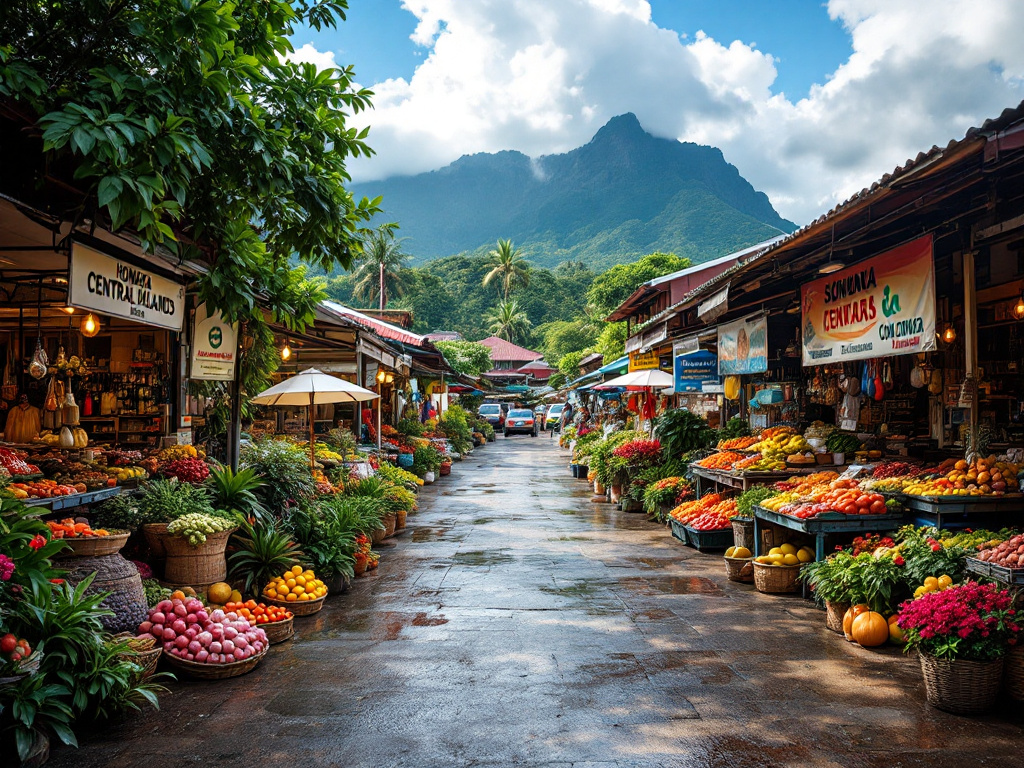
Honiara Central Market
The most important market in the capital with a wide selection of local produce, fish, tropical fruits, and handmade products.
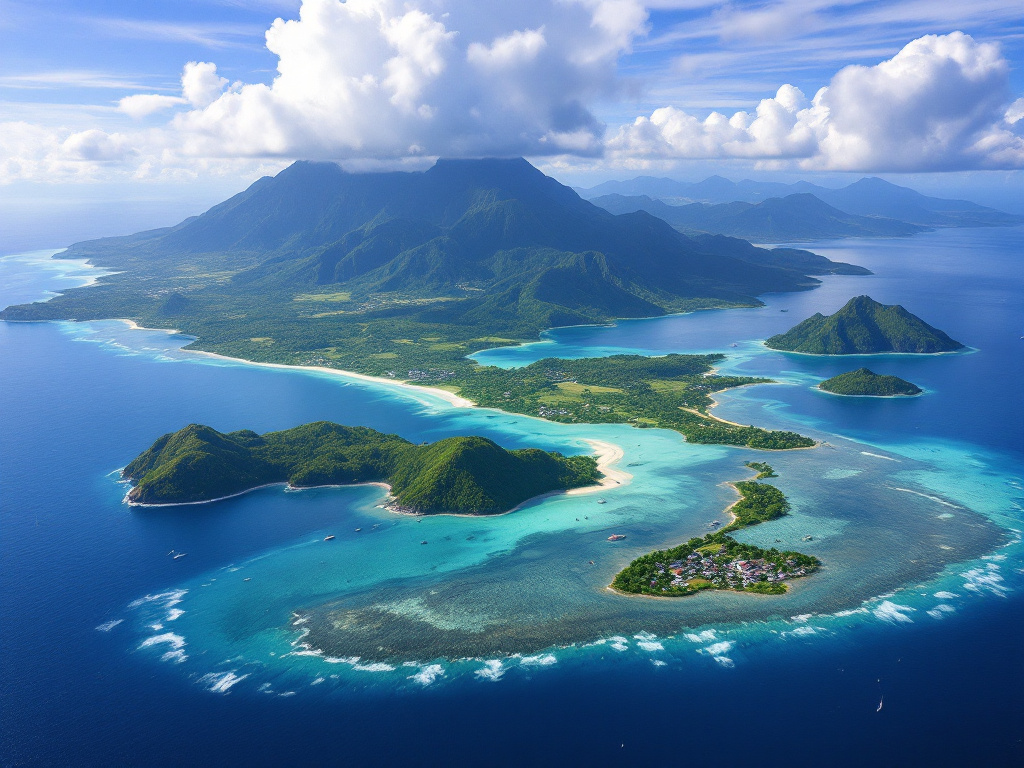
Guadalcanal WWII Sites
Areas in Guadalcanal where crucial battles took place during World War II, featuring memorials and stories from that time.
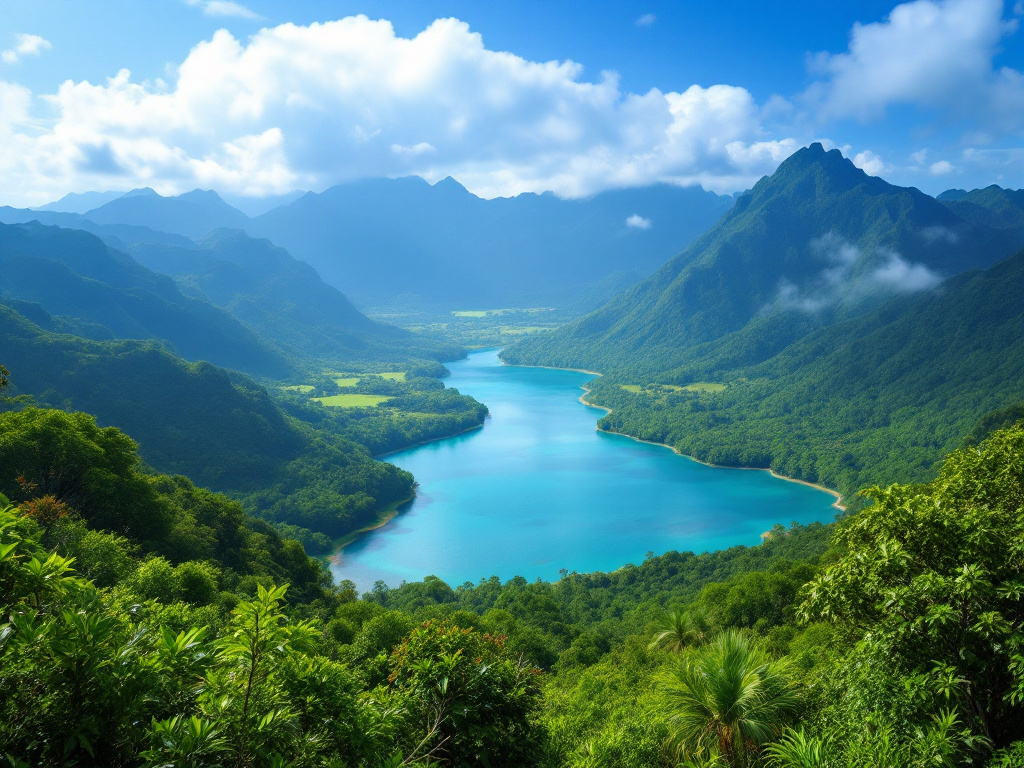
Tenaru Falls
Beautiful waterfall surrounded by tropical forest, popular among both locals and visitors.
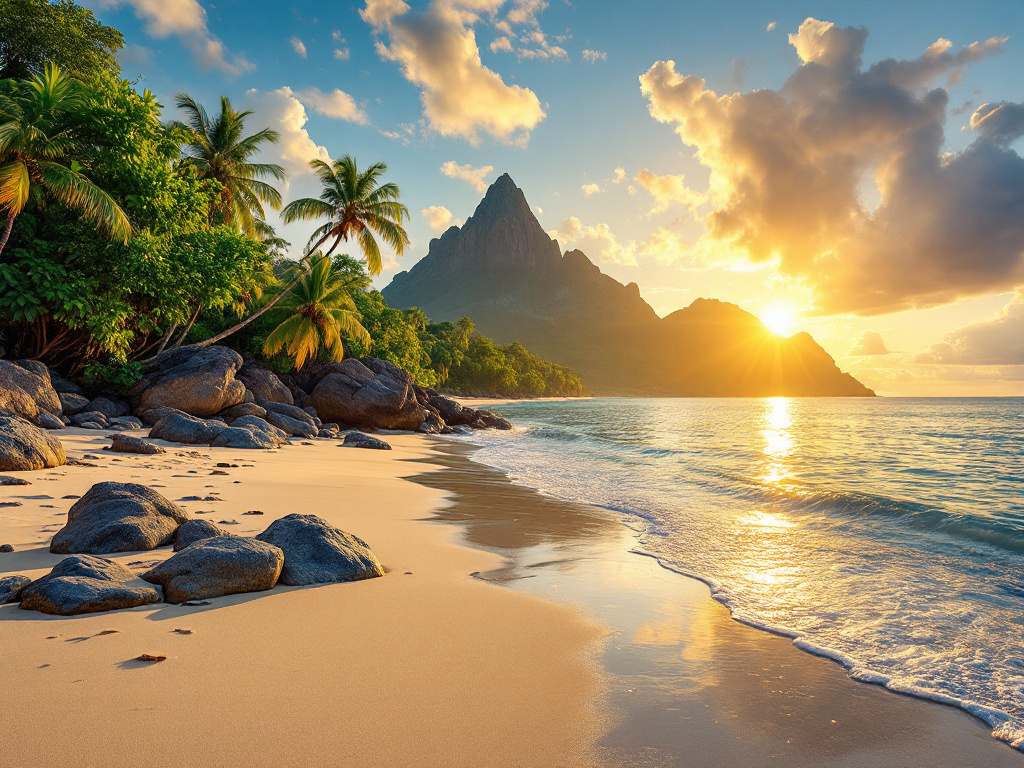
Mbonege Beach
Popular beach close to Honiara, known for its tranquil surroundings and beautiful sunsets.
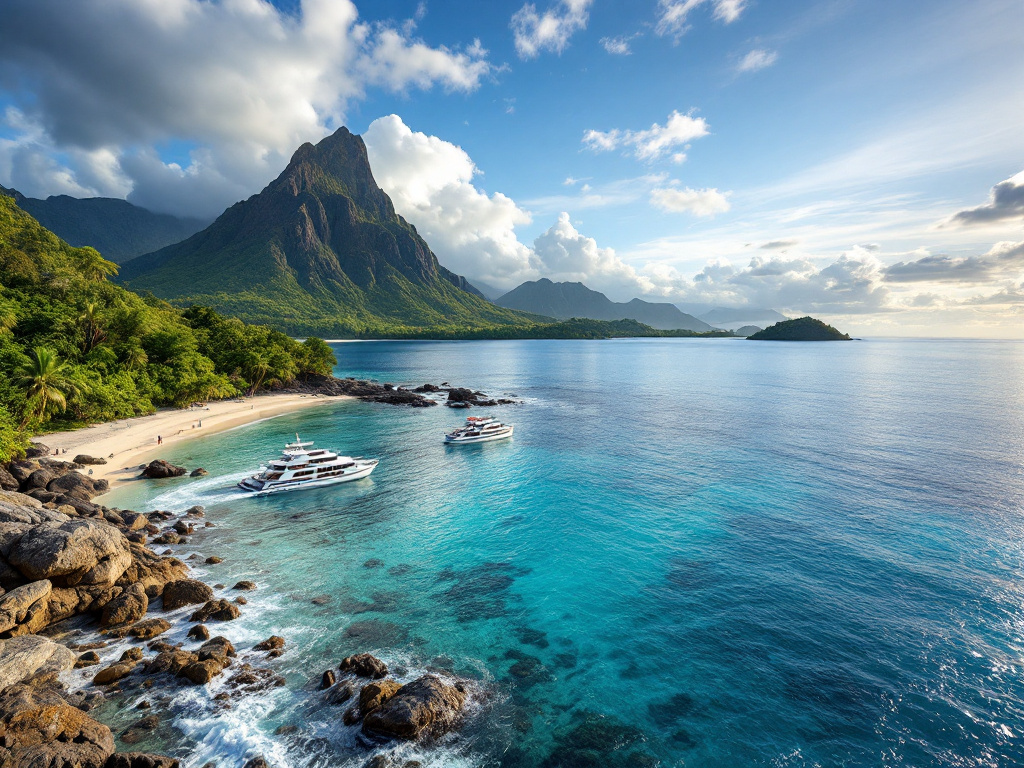
Bonegi Wrecks
Two famous Japanese warships from World War II, easily accessible for snorkelers and divers.
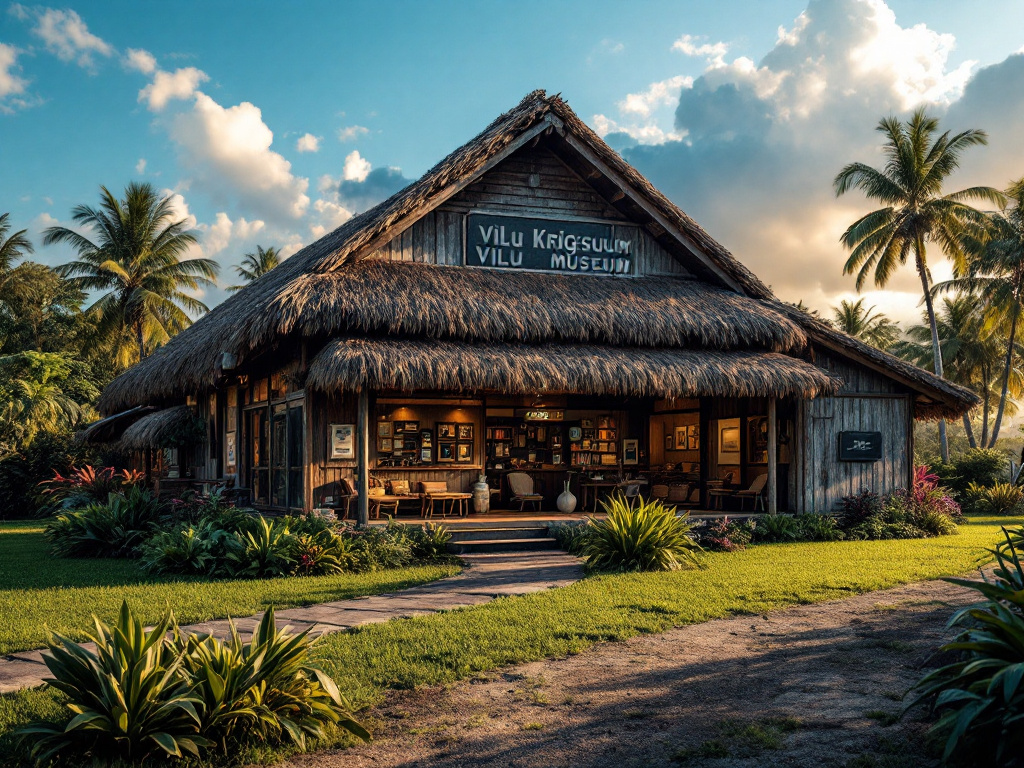
Vilu War Museum
Small private museum focused on World War II and local stories from the area.
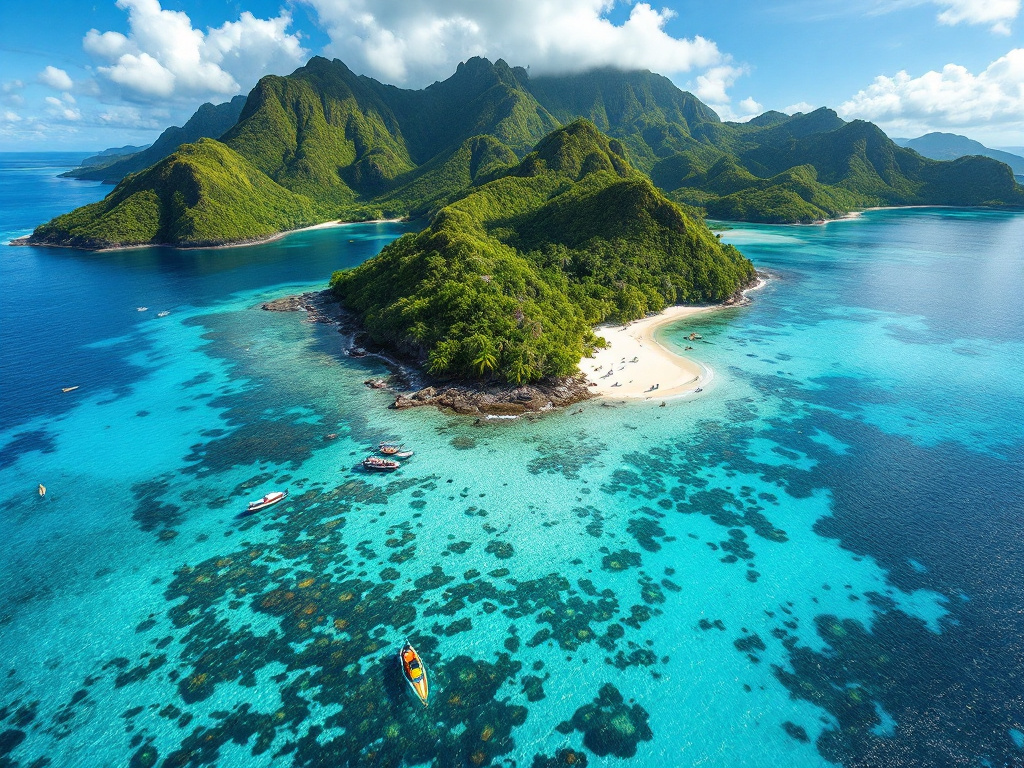
Gizo Island
One of the most popular islands for visitors, with beautiful beaches and excellent snorkeling.
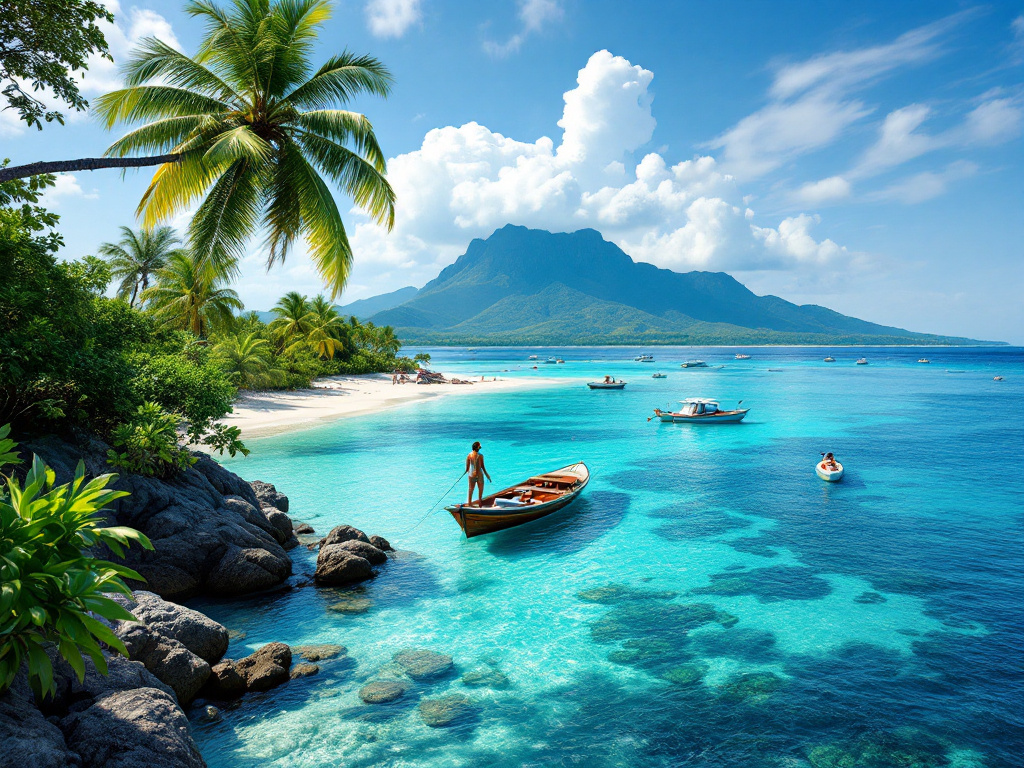
Kennedy Island
Small island known for its role in the story of John F. Kennedy's rescue during the war.
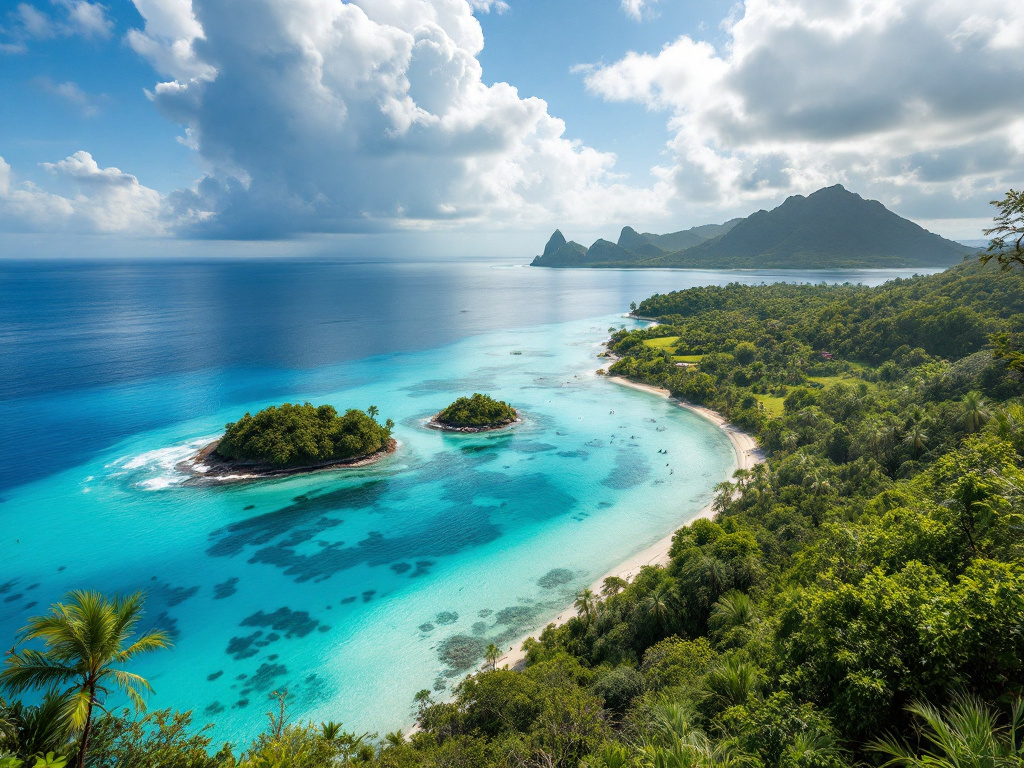
Marovo Lagoon
A spectacular lagoon with crystal clear water, rich wildlife, and traditional island communities.
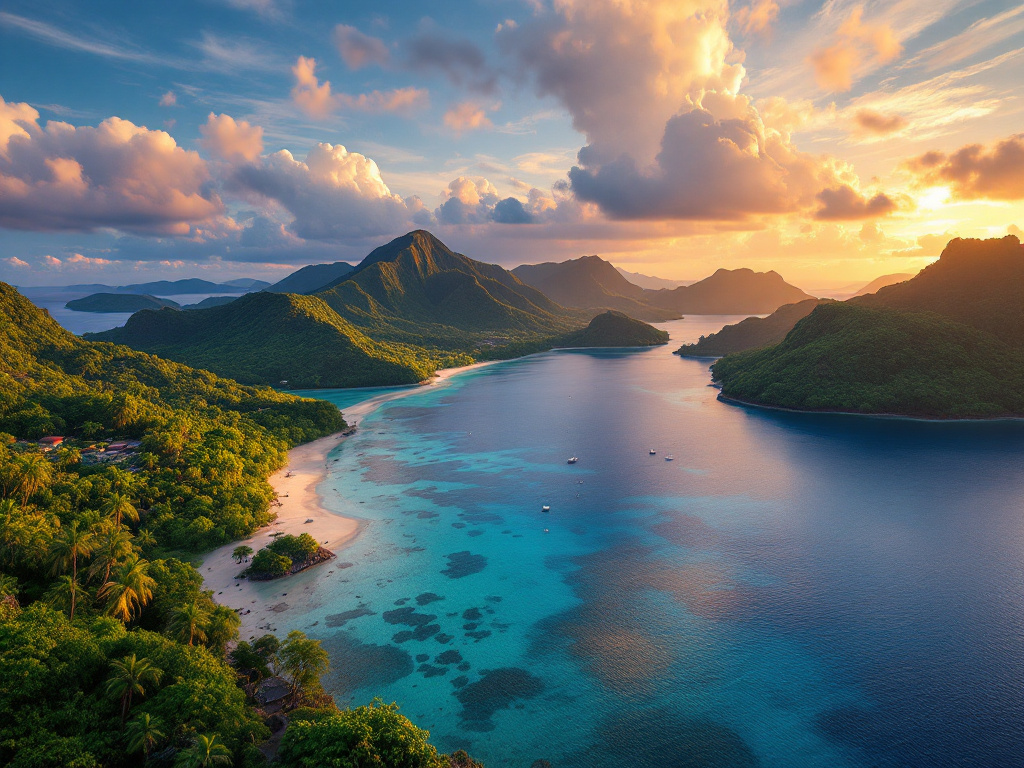
Roviana Lagoon
Lagoon known for its rich cultural heritage and scenic surroundings.
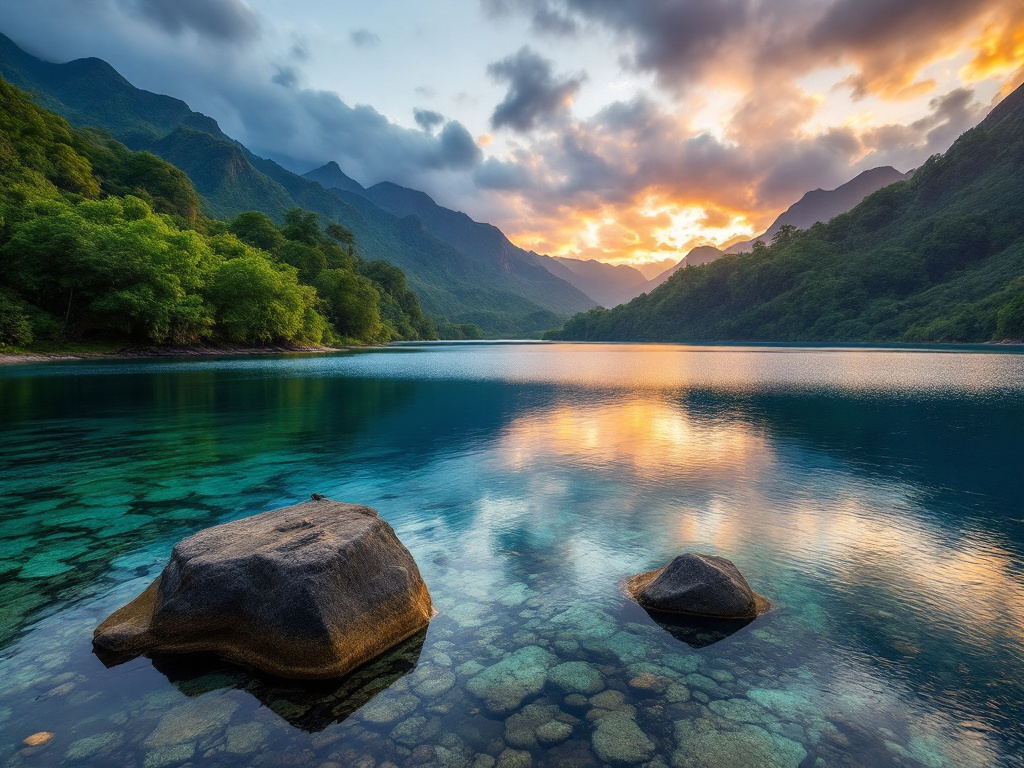
Lake Tegano in East Rennell
UNESCO-protected area with a tranquil lake, rainforest, and unique wildlife.
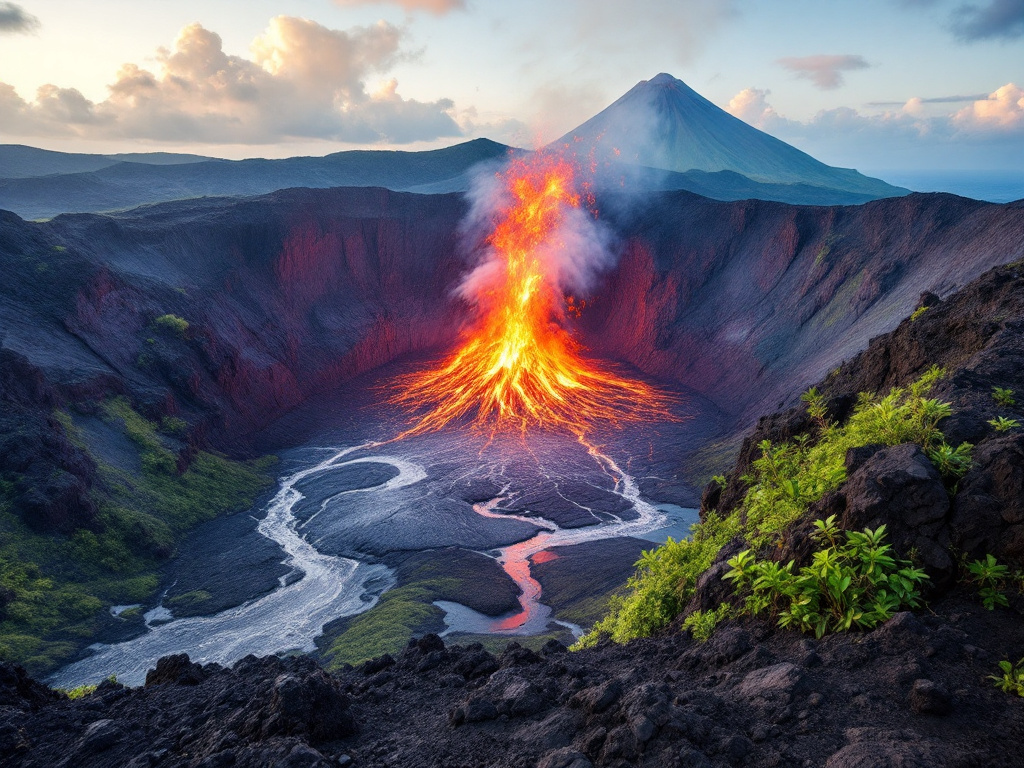
Savo Island Volcano
An adventurous trip to an active volcano with dramatic landscapes and hot springs.
Famous cuisine
Culinary overview
The culinary landscape of the Solomon Islands is deeply rooted in the islands' natural resources and traditional lifestyles. The food is often based on freshly caught fish and seafood, root vegetables such as taro and cassava, and coconut, which is used both in cooking and as a drink. The dishes are simple but full of flavor, and the preparation often takes place over an open fire. Guests can experience everything from street kitchens with grilled fish to small family-run eateries, where recipes have been passed down through generations. The influences of Melanesia, Polynesia, and European colonial times can be traced in many dishes, creating a unique fusion of flavors.
Must-try dishes
Poi
A traditional dish made from fermented taro or cassava, mashed into a thick, slightly sour puree. Often served as a side to fish or meat.
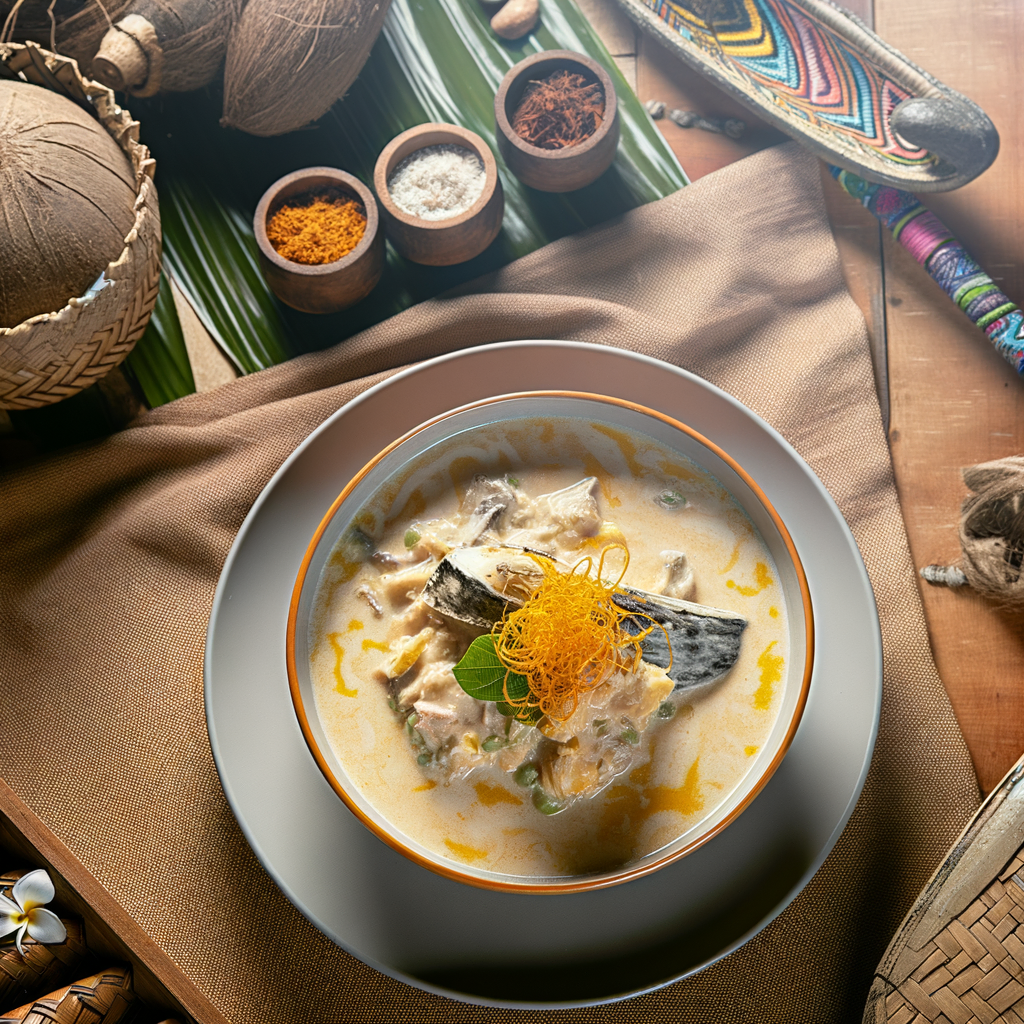
Coconut crab
A local delicacy and the world's largest land-living crab, prepared with coconut milk and spices for a rich and creamy flavor.
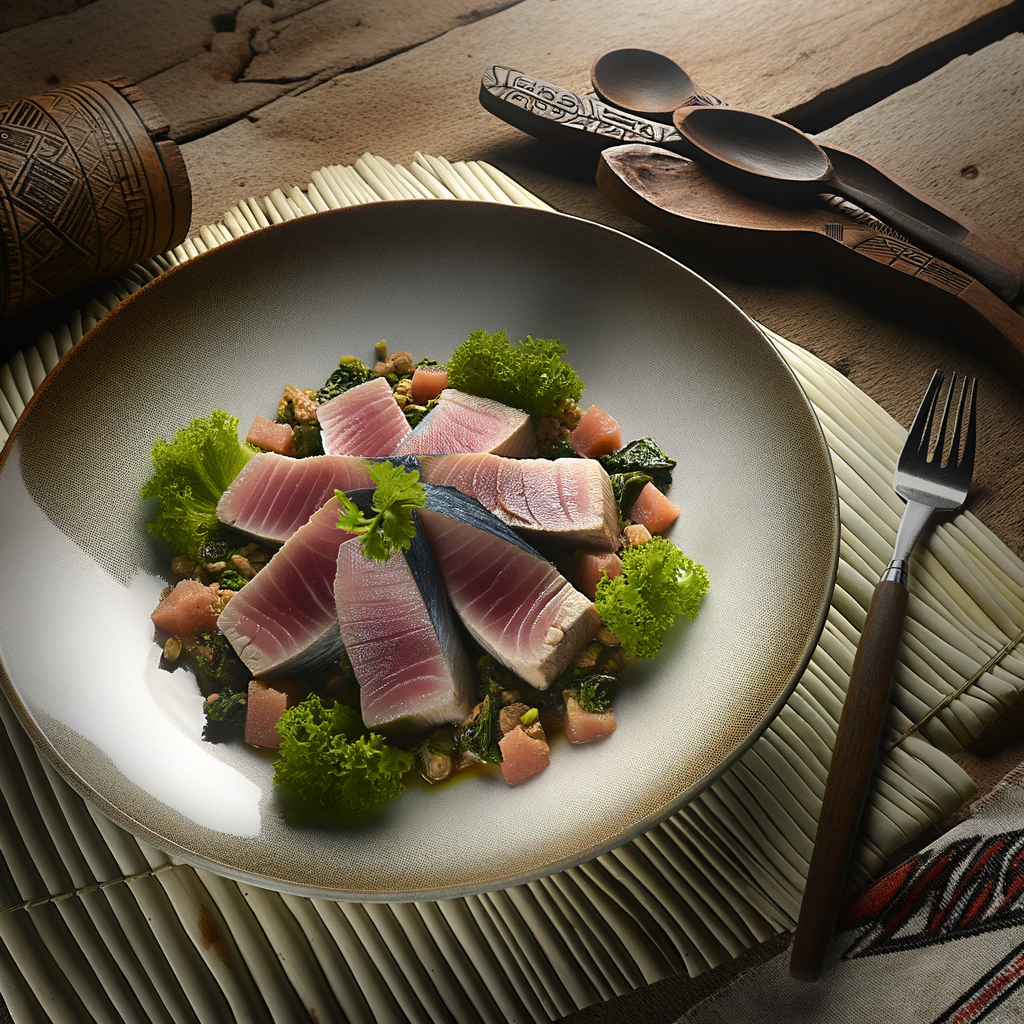
Fresh tuna
Tuna caught directly from the surrounding waters, often served grilled or as sashimi with local herbs.
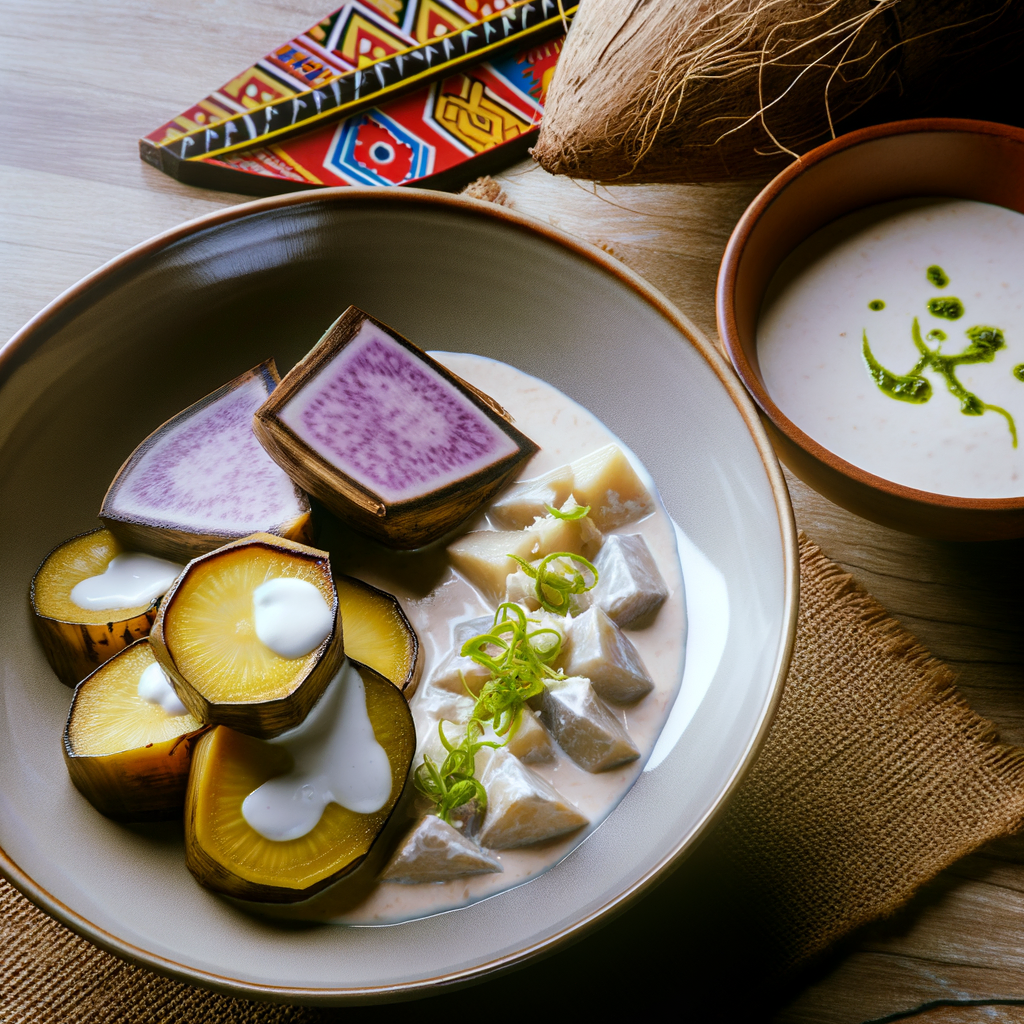
Taro with coconut cream
Boiled taro served with a sauce of freshly pressed coconut milk, a classic combination in the Melanesian-inspired cuisine.
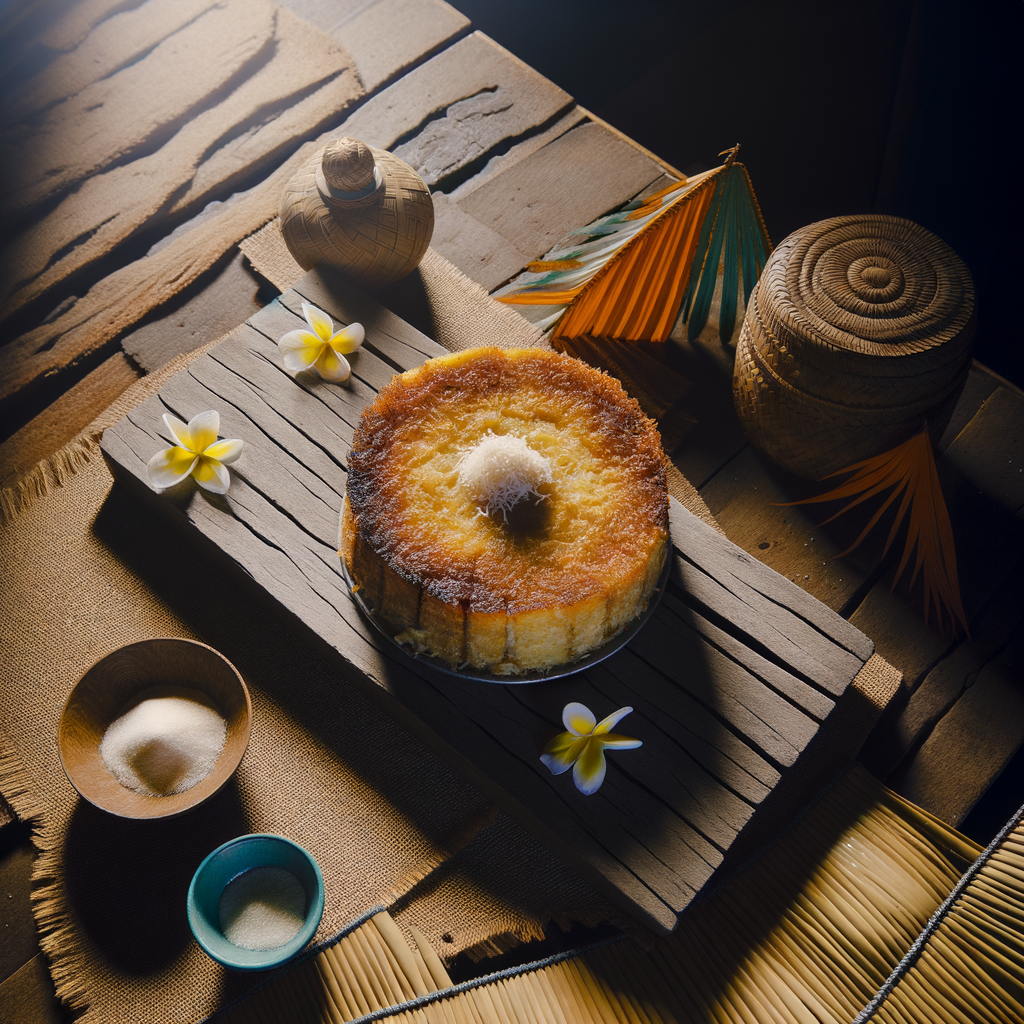
Cassava cake
A sweet dessert made of grated cassava, coconut milk, and sugar, baked into a moist and aromatic cake.
Restaurant information
Tipping
Tipping is not a customary part of the culture in the Solomon Islands, but it is appreciated to round up or give a small amount (around 5-10%) for good service, especially at hotels and tourist restaurants.
Travel information
Currency
Salomonøernes dollar (SBD)
Language
English
Best time to visit
May to October
Major cities
Honiara and other major cities
More countries in Oceania
Discover more destinations in this region