
British Virgin Islands
Set sail in the British Virgin Islands, a Caribbean paradise boasting over 50 sun-kissed islands, where steady trade winds, hidden coves, and pirate ship bars create a world-class haven for adventurers and sailors alike.
Overview
Set sail for the British Virgin Islands—a Caribbean paradise of over 50 sun-kissed islands, crystal-clear lagoons, and world-class sailing conditions. Here, stable trade winds, calm bays, and hidden beaches create a dream destination for both adventurers and leisure seekers. From the iconic granite formations of The Baths on Virgin Gorda to the turquoise waters of White Bay Beach and the lush rainforests of Sage Mountain National Park, the islands offer unforgettable natural experiences. Combine relaxation with snorkeling, diving, and the local culinary culture—and immerse yourself in the true Caribbean spirit.
Official language
English
Government
British Overseas Territory
Best time to visit
December-April
Nature
The British Virgin Islands are a true natural paradise, where land and sea converge in harmonious tropical beauty. Comprising over 50 islands, cays, and islets surrounded by crystal-clear turquoise waters and sheltered bays, this stunning archipelago is perfect for sailing and water sports. The Baths National Park on Virgin Gorda is a marvel of nature, with gigantic granite boulders creating labyrinths of caves and tidal pools. White Bay Beach on Jost Van Dyke tempts visitors with its soft, white sand and calm waters, ideal for swimming and relaxation. On Tortola, Sage Mountain National Park rises with lush rainforests and hiking trails offering panoramic views over the Caribbean Sea. Anegada Island stands out as the only coral island in the group, with long, deserted beaches, flamingos, and vibrant coral reefs that attract divers from around the globe. Here, you can snorkel among tropical fish, explore hidden coves, or simply bask in the sunset over the Caribbean Sea. The nature here is both dramatic and serene—a perfect retreat for nature lovers.
Travel to British Virgin Islands
Traveling to the British Virgin Islands feels like stepping into a postcard of the perfect Caribbean. The best time to visit is from December to April when the weather is sunny, dry, and ideal for beach life and sailing. The archipelago is a sailor's haven, with short distances between the islands, steady trade winds, and protected bays. Flights to Tortola are available through nearby airports in Puerto Rico or St. Thomas, followed by ferry connections. Enjoy activities ranging from snorkeling and diving at colorful coral reefs to hiking in lush rainforests and lounging on secluded beaches. Road Town offers charming markets and cafés, while beach bars on Jost Van Dyke serve rum cocktails with stunning sunset views. For the adventurous, there are opportunities to explore hidden caves, sail between islands, or visit historic sites. A journey here promises both tranquility, adventure, and authentic Caribbean charm.
Culture
The culture of the British Virgin Islands is a vibrant mix of Caribbean traditions and British heritage, creating a unique and laid-back atmosphere. Life here follows island time—things move at a leisurely pace, and the sense of community is strong. Music plays a central role, particularly calypso, reggae, and steelpan, often heard at beach bars and local festivals. Cane Garden Bay on Tortola is famous for its lively music scene, where locals and visitors dance under the stars. The culinary landscape reflects the islands' history and diversity: freshly caught fish and seafood are served alongside Johnny Cakes, Pate, and Roti—dishes with roots in African, Indian, and British cooking traditions. Markets in the capital, Road Town, offer colorful fruits, spices, and handmade souvenirs, while quaint cafés and rum bars invite cozy moments. The warm hospitality of the locals, combined with a rich maritime tradition, makes the culture vibrant and authentic—an experience that resonates in taste, sound, and atmosphere.
History
The history of the British Virgin Islands is marked by seafaring, colonialism, and piracy. The islands were first inhabited by Arawak and Carib Indians before European explorers arrived in the 15th century. In the 17th century, the British established a presence here, and the archipelago became a crucial center for sugar plantations run by enslaved labor. Its strategic location in the Caribbean made the islands a favored haunt for pirates, a legacy that still pervades many local legends and attractions. After the abolition of slavery in 1834, the economy declined, but in the 20th century, tourism blossomed. Today, the BVI is a British Overseas Territory with self-government, where history can still be experienced through old plantation buildings, museums, and maritime traditions.
Top attractions
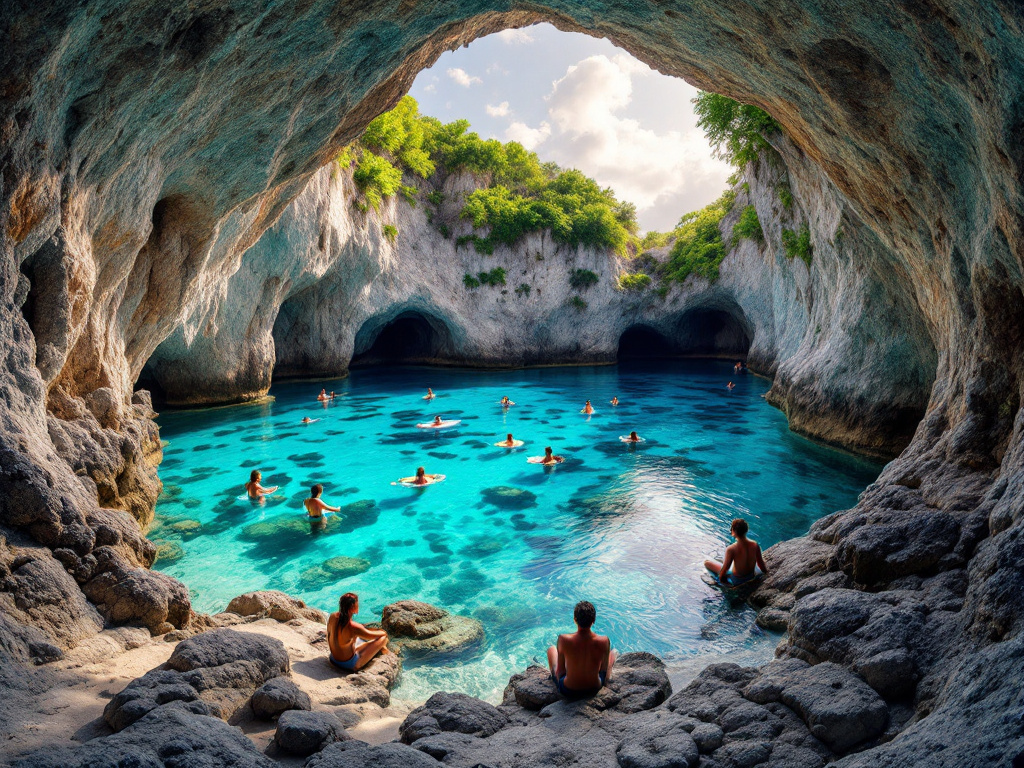
The Baths
An iconic natural area known for enormous granite boulders, hidden caves, and tranquil bathing beaches.
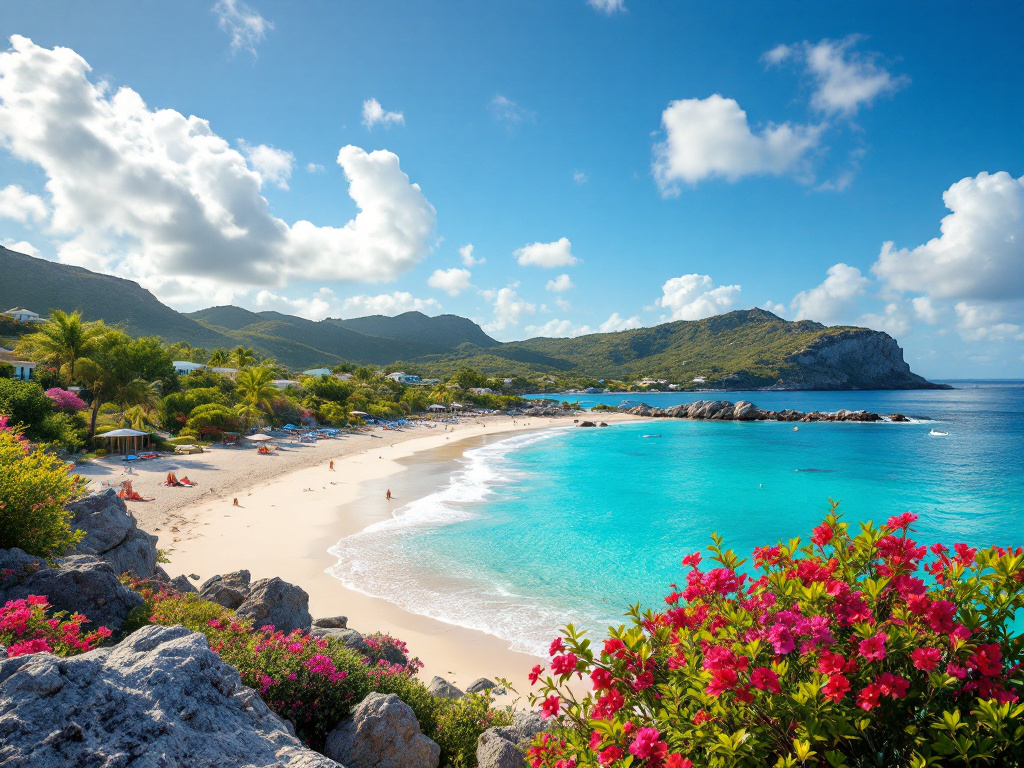
White Bay
One of the most famous beaches in the Caribbean with soft sand and a relaxed atmosphere.
Soggy Dollar Bar
A legendary beach bar known for its laid-back atmosphere and classic cocktails.
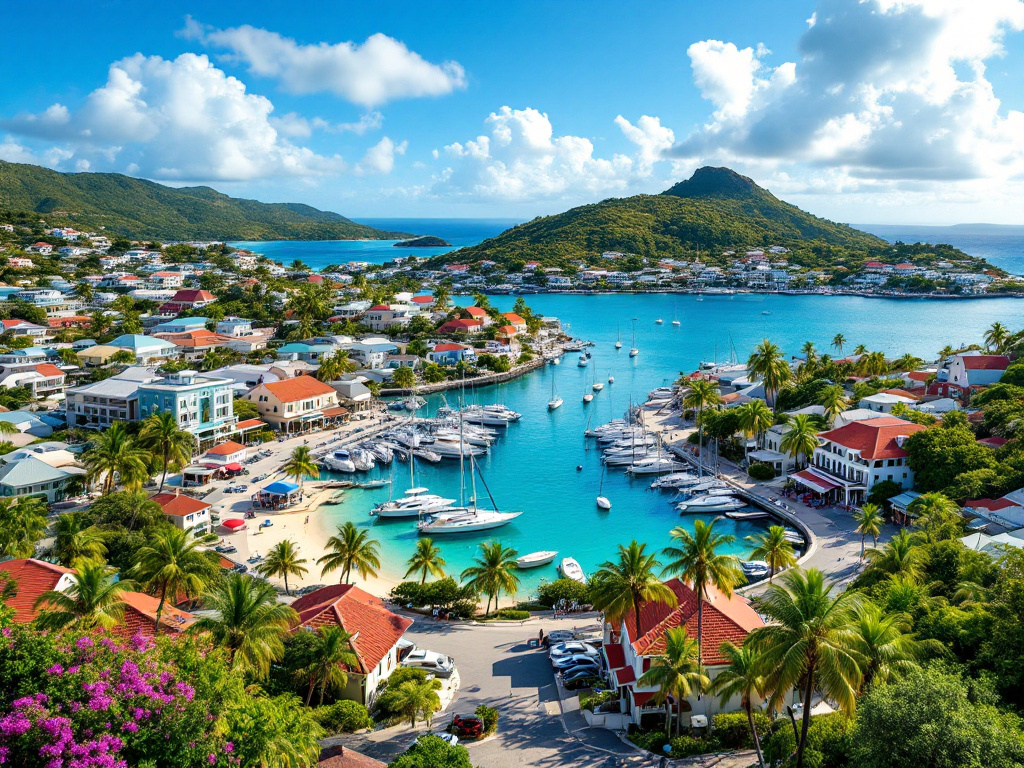
Road Town Harbor
Main harbor and center of the island group with a lively atmosphere and views of the Caribbean.
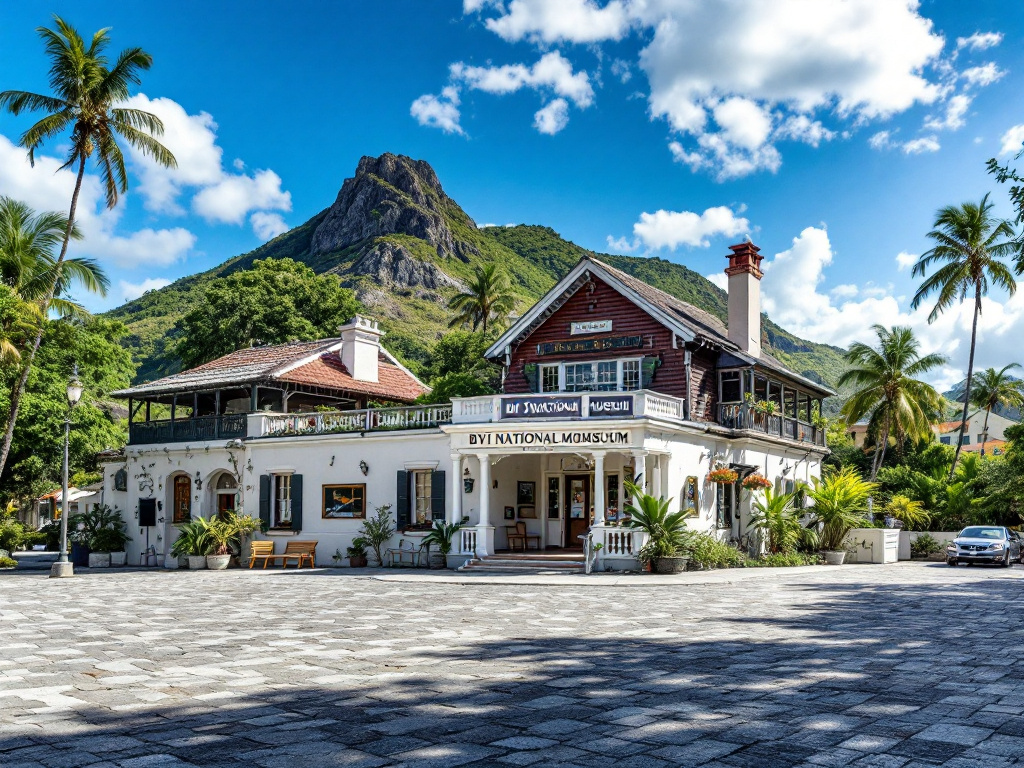
BVI National Museum
A small but informative museum that tells the history of the British Virgin Islands.
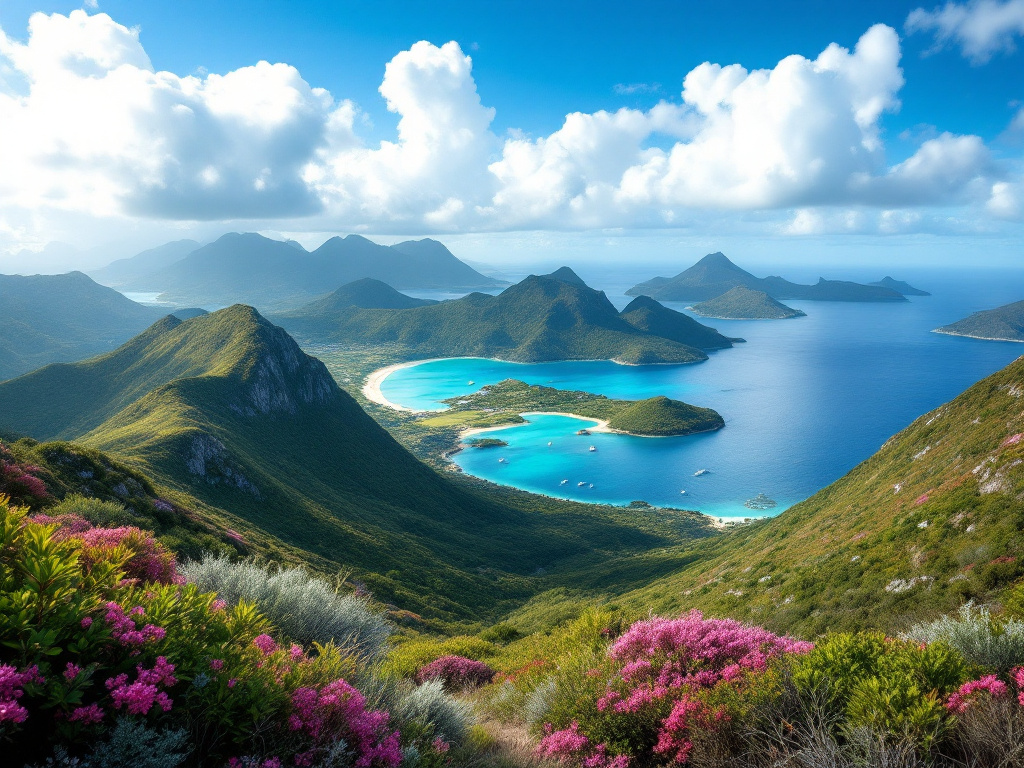
Sage Mountain National Park
A lush national park with forested trails and impressive views over Tortola.
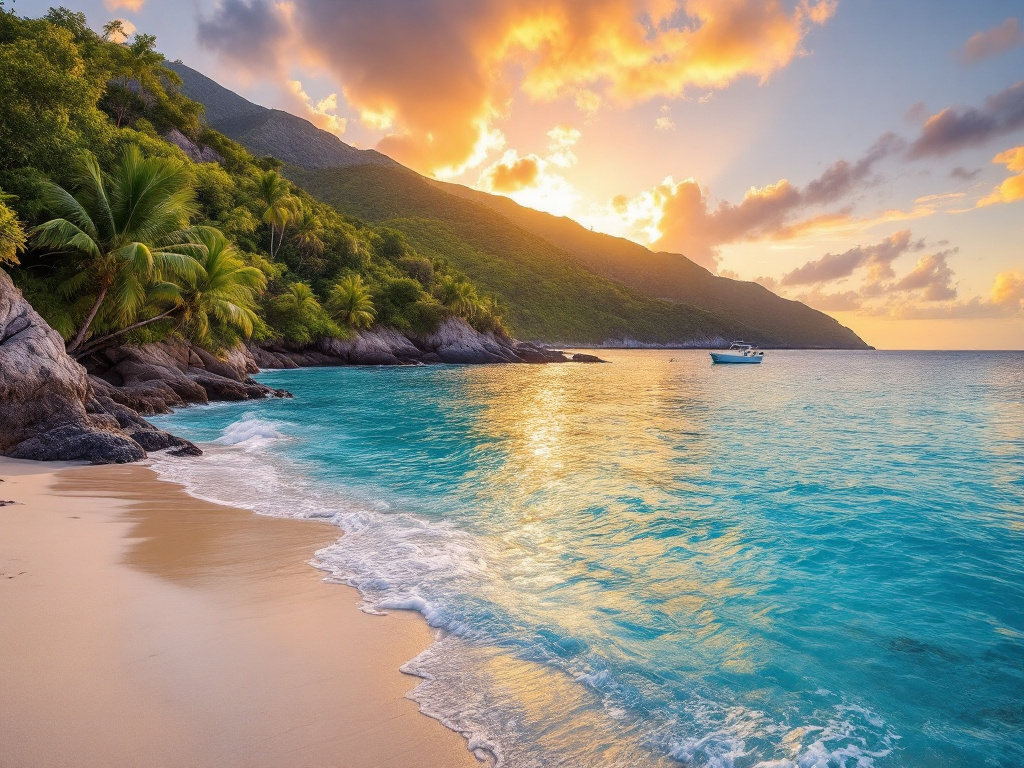
Cane Garden Bay
A lively beach bay known for music, relaxation, and beautiful sunsets.
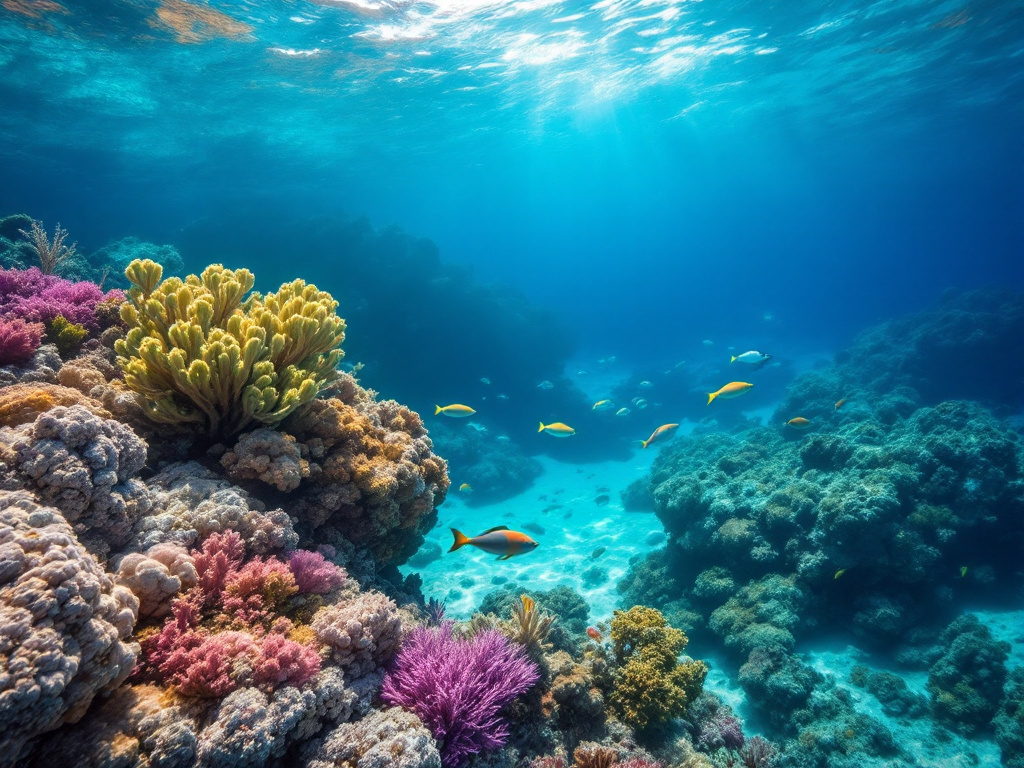
Norman Island Caves
Exciting sea caves with clear water and abundant snorkeling opportunities.
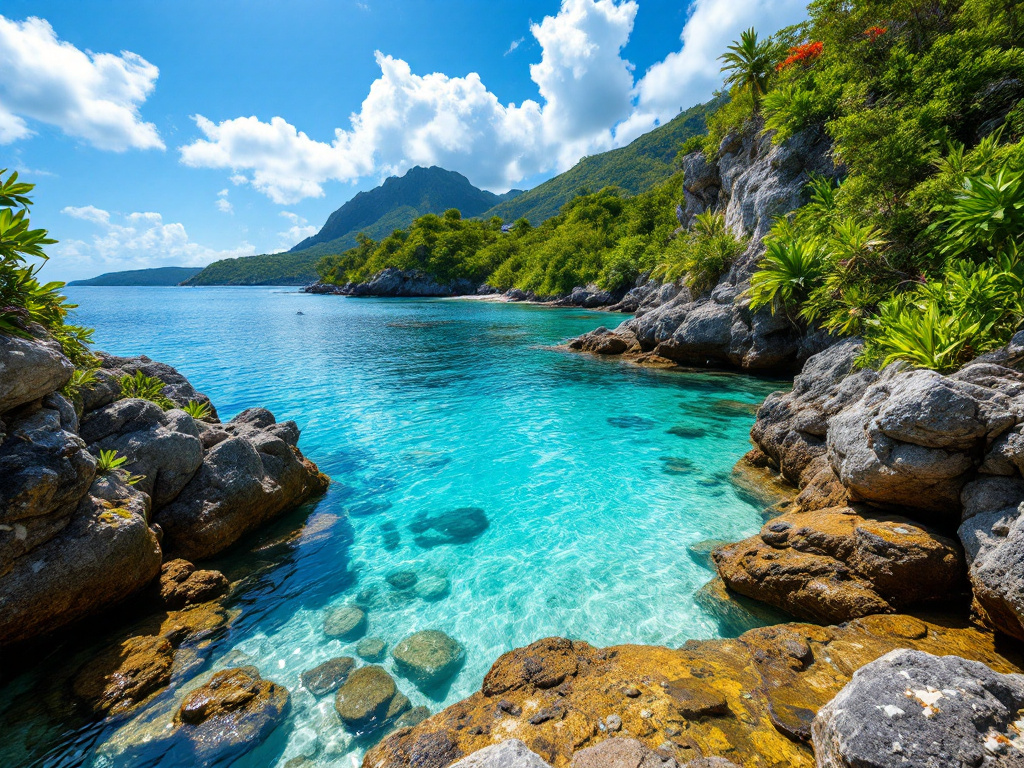
The Indians Snorkeling Area
One of the best snorkeling spots in the island group with clear water and rich marine life.
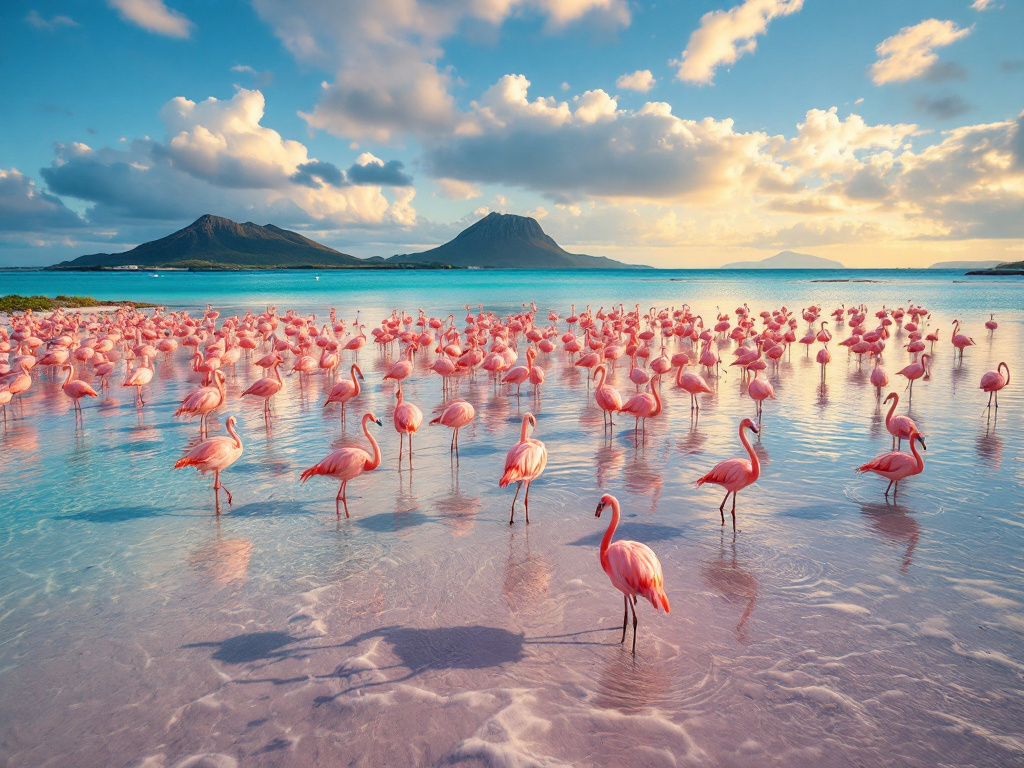
Anegada Flamingo Pond
A peaceful natural area on Anegada, known for its wild flamingo population.
Famous cuisine
Culinary overview
The food culture of the British Virgin Islands is a flavorful blend of Caribbean, British, and Creole traditions. Freshly caught fish and seafood are the cornerstone of many dishes, often prepared with local spices and tropical fruits. Street food like Johnny Cakes and Pate are popular among both locals and visitors, while Roti reflects the Indian and Trinidadian influence in the region. Meals are often enjoyed in relaxed beachfront settings, accompanied by a rum cocktail and the sound of the waves. Local markets offer fresh fruits, spices, and homemade sauces that provide an authentic glimpse into the islands' flavor universe.
Must-try dishes
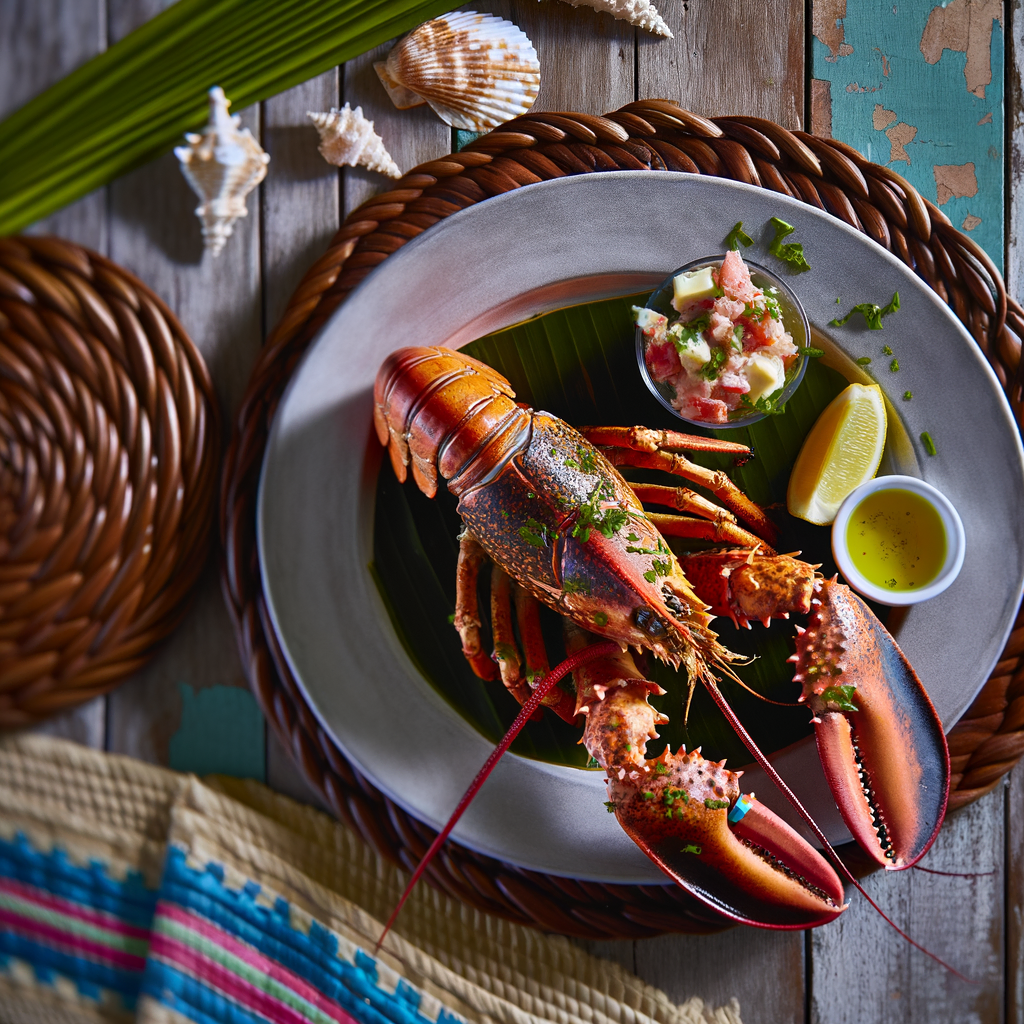
Fresh lobster from Anegada
Grilled lobster caught off the coast of Anegada, served with butter, garlic, and local herbs. A signature dish, especially popular during the annual lobster festival.
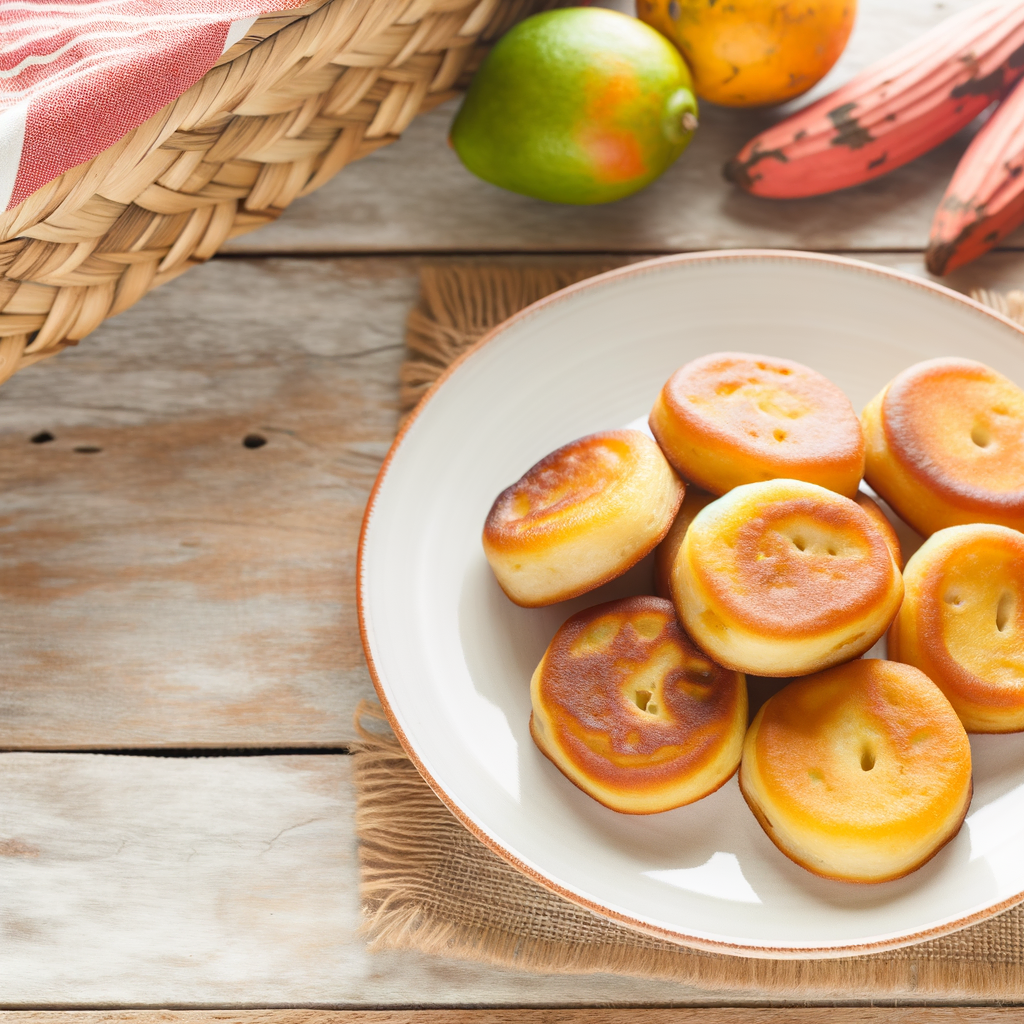
Johnny Cakes
Small, slightly sweet fried breads, crispy on the outside and soft on the inside. Often served as a side to fish or as a snack.
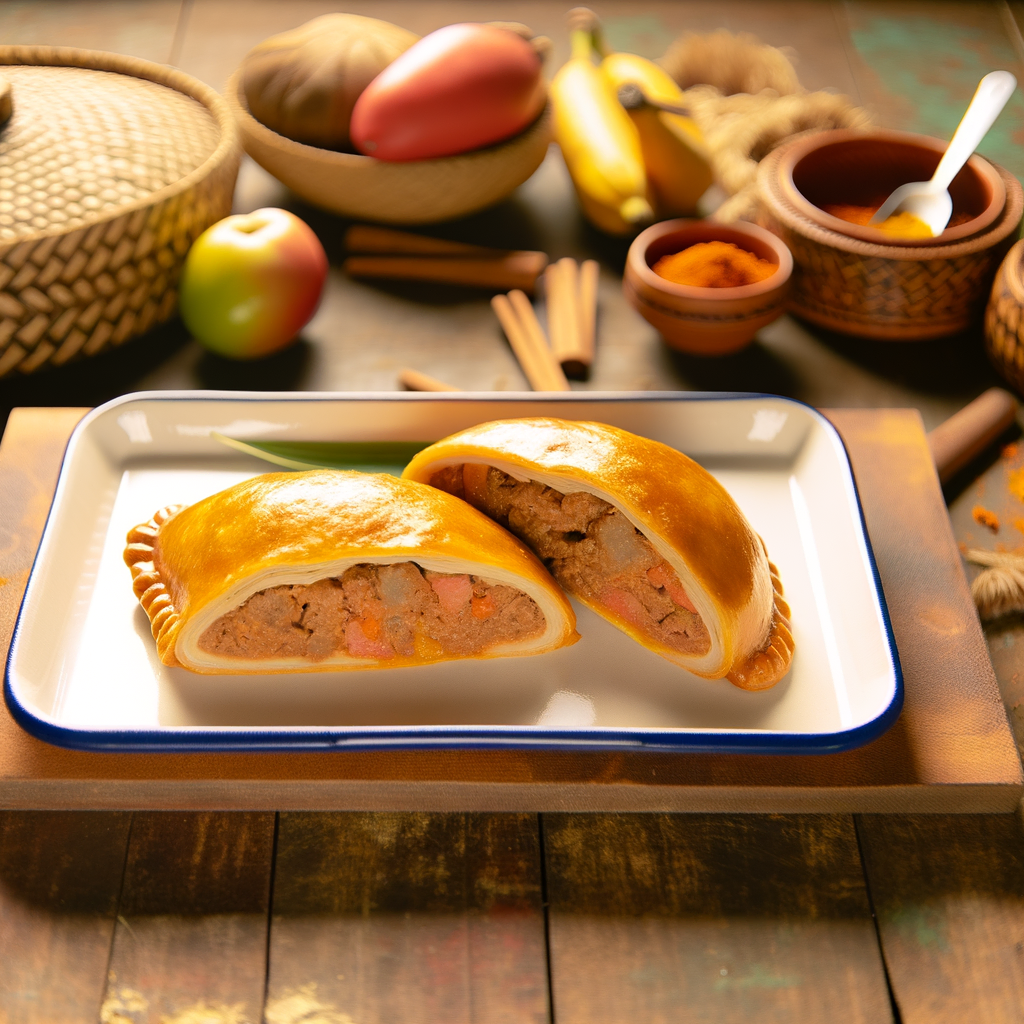
Pate
A filled pastry pocket, typically with spicy meat, fish, or vegetables, inspired by both Caribbean and African culinary traditions.
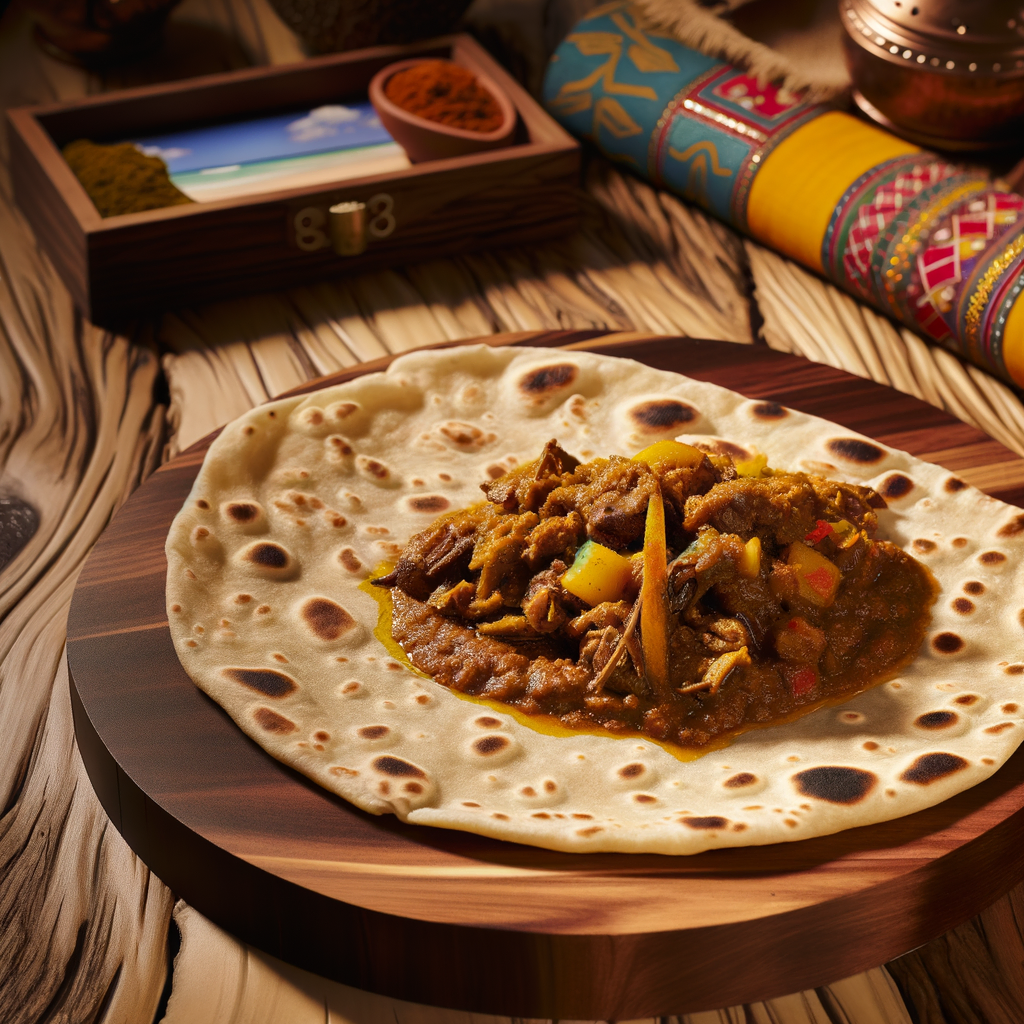
Roti
Flatbread filled with curries, often with chicken, goat, or vegetables, reflecting the Indian influence in the Caribbean.
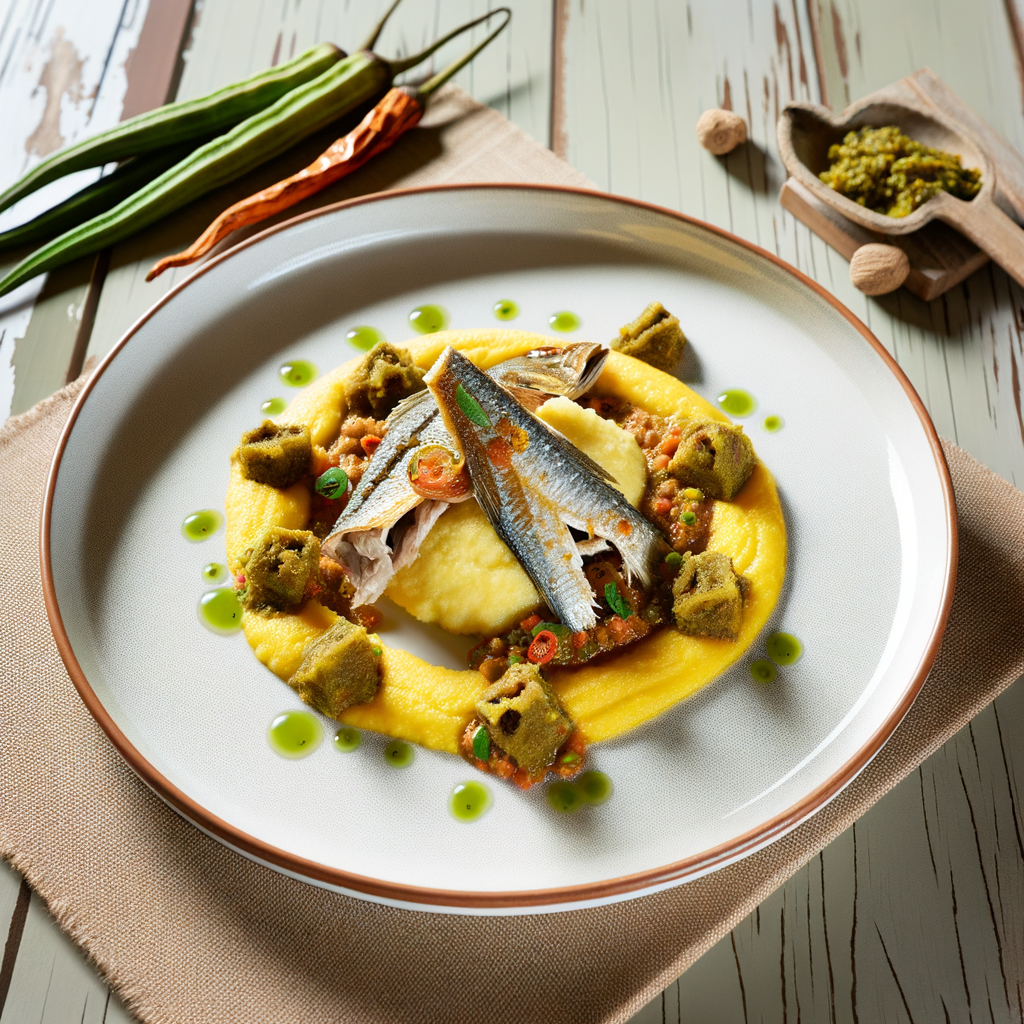
Fish and fungi
National dish consisting of fish served with fungi, a polenta-like dish made of cornmeal and okra, often seasoned with local herbs.
Restaurant information
Tipping
Tipping is appreciated, but not always included. In restaurants, it is common to give 10-15% of the bill if a service charge has not already been added. At bars, rounding up or giving 1-2 USD per drink is typical.
Travel information
Currency
US dollar (USD)
Language
English
Best time to visit
December-April
Major cities
Road Town and other major cities
More countries in North America
Discover more destinations in this region