
Argentina
Argentina, where tango meets the majestic Andes, offers a passionate blend of vibrant culture, breathtaking landscapes, and world-class cuisine.
Overview
Argentina, where the rhythms of tango meet the majestic Andes, is a land brimming with contrasts and passion. From the lively streets of Buenos Aires to the dramatic landscapes of Patagonia and the sun-kissed vineyards of Mendoza, Argentina offers unforgettable experiences. Discover the roaring Iguazú Falls, witness the stunning Perito Moreno glacier, and indulge in world-renowned Malbec wine. This destination melds culture, nature, and gastronomy into a journey that awakens all the senses.
Official language
Spanish
Government
Federal præsidentiel republic
Best time to visit
March-May and September-November
Nature
Argentina boasts some of the most diverse and breathtaking landscapes in the world. From the lush subtropical rainforest surrounding the magnificent Iguazú Falls in the north, which is one of the largest waterfall systems on the planet, to the sweeping grasslands of the Pampas that are home to the country's iconic gaucho culture, nature lovers will be captivated at every turn. Venture south to Patagonia, where endless vistas meet crystal-clear lakes and the dramatic peaks of the Andes Mountains. The awe-inspiring Perito Moreno glacier in Los Glaciares National Park showcases nature's power as massive ice formations crack and calve into turquoise waters. With pristine beaches along the Atlantic coast and rich bird reserves, Argentina offers a playground for adventurers. The best times to visit are during spring (March to May) and autumn (September to November), when the weather is mild and ideal for both urban explorations and outdoor adventures.
Travel to Argentina
Traveling to Argentina is a journey through contrasts—from the electric pulse of the city to the serene embrace of nature. Buenos Aires invites exploration with its European-style architecture, bustling markets, and electric tango nights, while Mendoza beckons wine aficionados with tastings set against the backdrop of the Andes. Adventurers can hike in Patagonia's national parks, sail among icebergs, or delve into Tierra del Fuego's rugged beauty. The must-see Iguazú Falls enchant nature lovers, while the Pampas provide an authentic glimpse into gaucho life. The ideal times to visit are in spring (March to May) and autumn (September to November) when the climate is agreeable and experiences abound. With a well-connected network of domestic flights and buses, it's easy to explore multiple regions in one trip. Argentina is a land that invites deep exploration—whether you're seeking culture, nature, culinary delights, or adventure.
Culture
Argentinian culture is a vibrant tapestry woven from European roots and Latin American soul. Buenos Aires serves as the cultural heartbeat of the nation, where tango originated and continues to thrive in the streets, cafés, and elegant venues. Music and dance are deeply ingrained in the national identity, alongside a passionate love for football, which many regard as a religion. The gaucho culture remains alive in the Pampas, celebrated through traditional horse riding, colorful attire, and asado gatherings. Food lovers will delight in the country's famous beef, delicious empanadas, and the sweet temptation of dulce de leche, often paired with a fine Malbec wine. The literary scene is rich, featuring notable figures like Jorge Luis Borges, and the arts flourish throughout the country, inviting visitors to experience the proud and hospitable spirit of the Argentine people.
History
Argentina's history unfolds through a tale of indigenous cultures, colonialism, and a quest for independence. Prior to Spanish colonization in the 16th century, the land was home to various native peoples, as evidenced by ancient cave paintings in Cueva de las Manos. Spanish influence dominated with the establishment of missions and settlements; the Jesuit missions played a pivotal role in cultural exchanges. Argentina declared its independence in 1816, navigating various phases of political strife, immigration, and economic development throughout the 19th and 20th centuries. The influx of European immigrants in the late 1800s significantly shaped the population and cultural landscape. The nation has witnessed both democratic and military regimes that have left profound impacts on its contemporary identity.
Top attractions
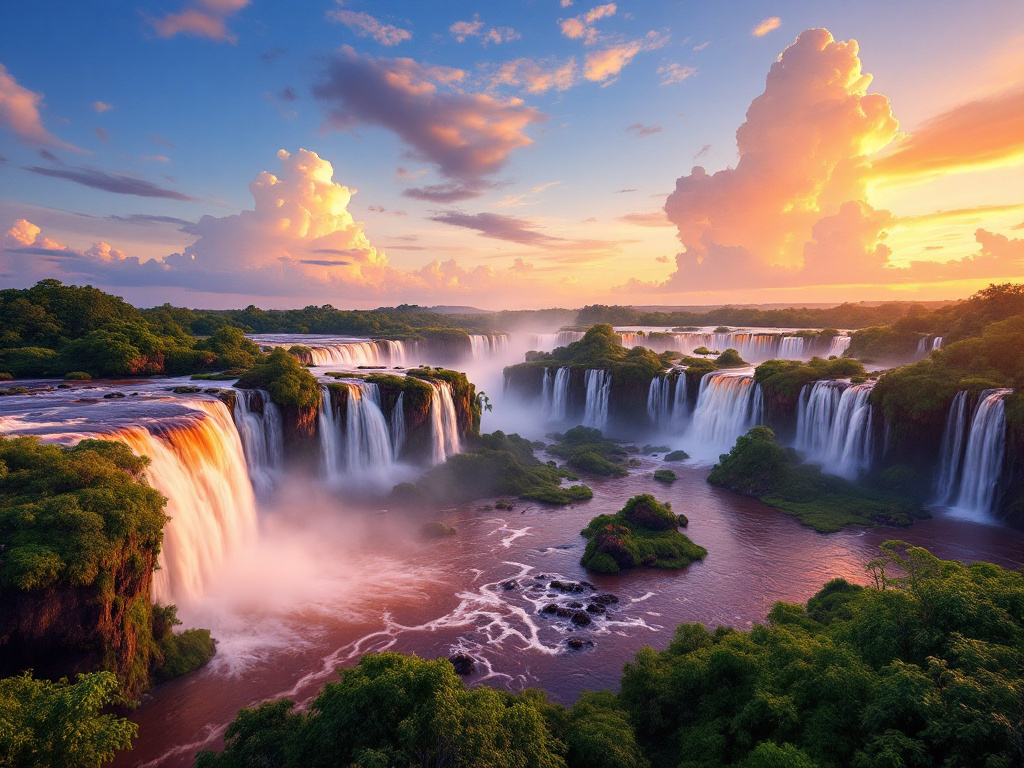
Iguazú Falls
One of the largest and most impressive waterfall systems in the world located in a subtropical rainforest on the border between Argentina and Brazil.
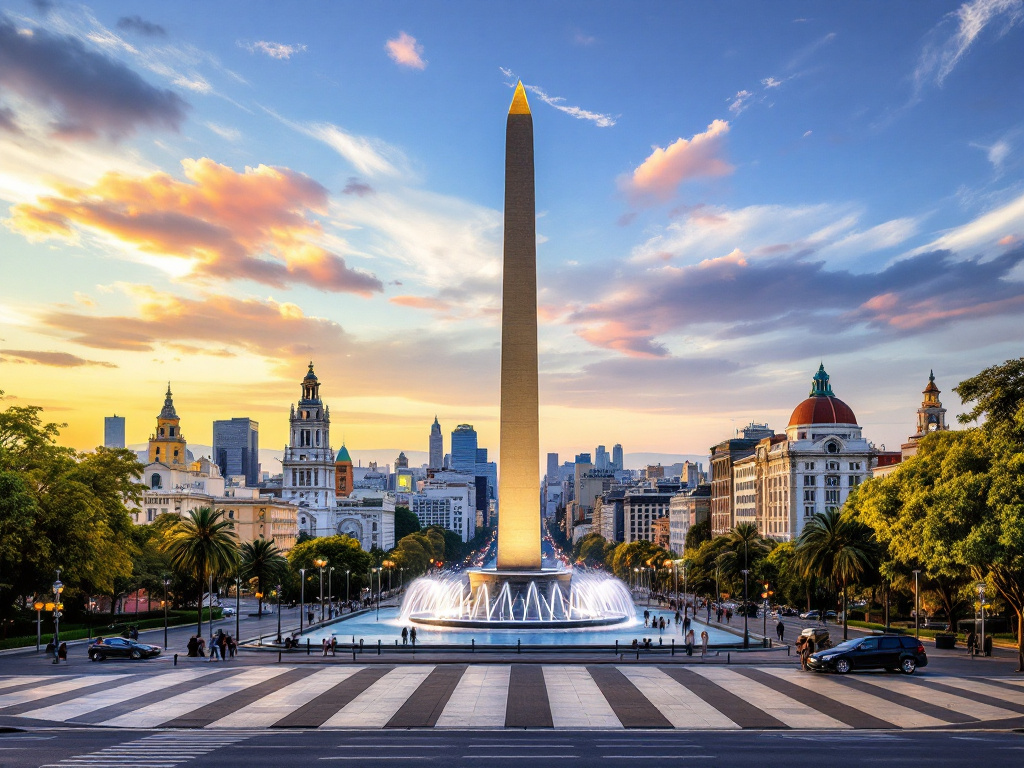
The Obelisk of Buenos Aires
An iconic landmark in the heart of Buenos Aires and a symbol of the city's modern history and culture.
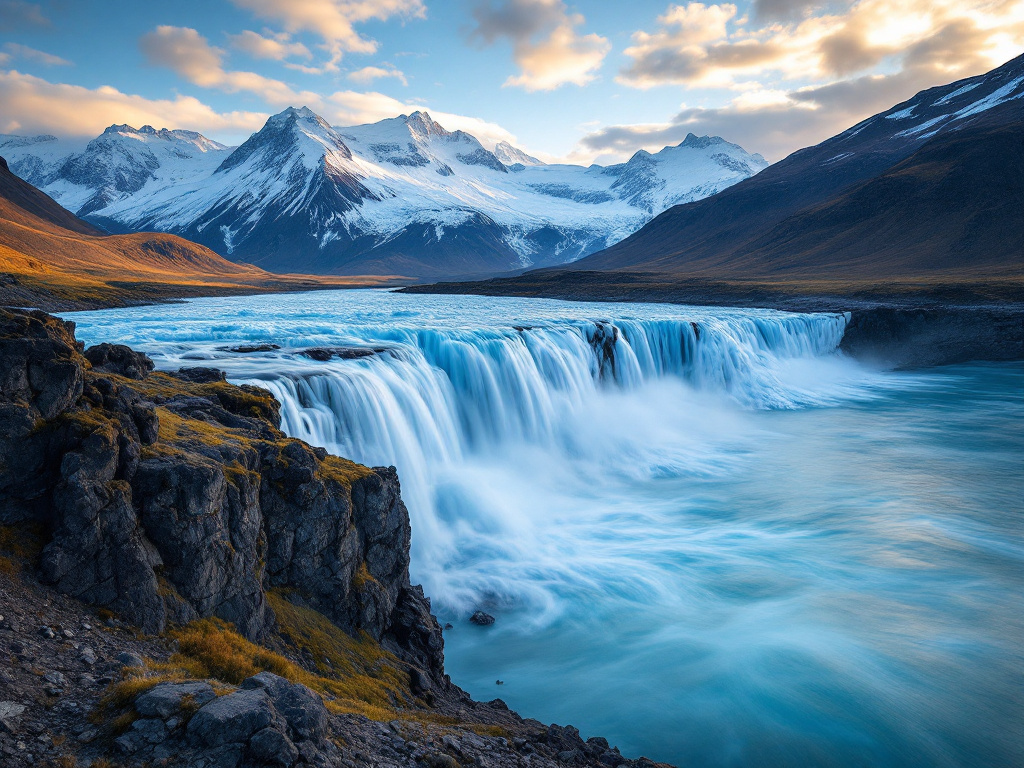
Perito Moreno Glacier
A spectacular glacier in Patagonia known for its active ice and dramatic nature.
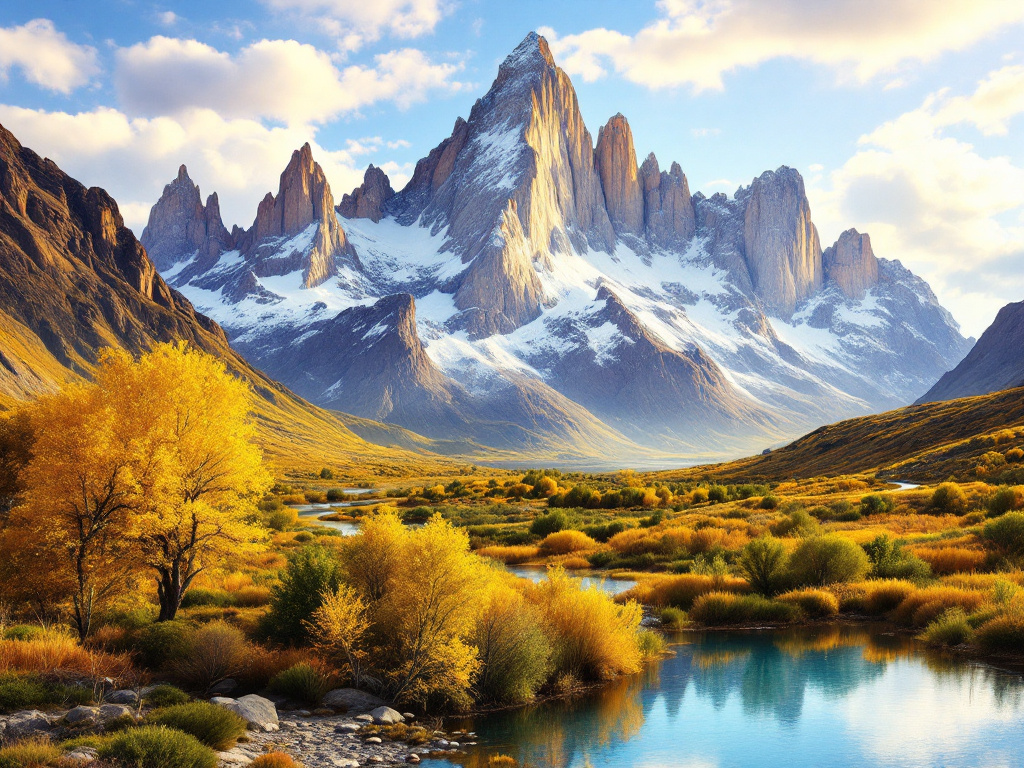
Mount Fitz Roy
An iconic mountain in Patagonia and a mecca for hikers and climbers.
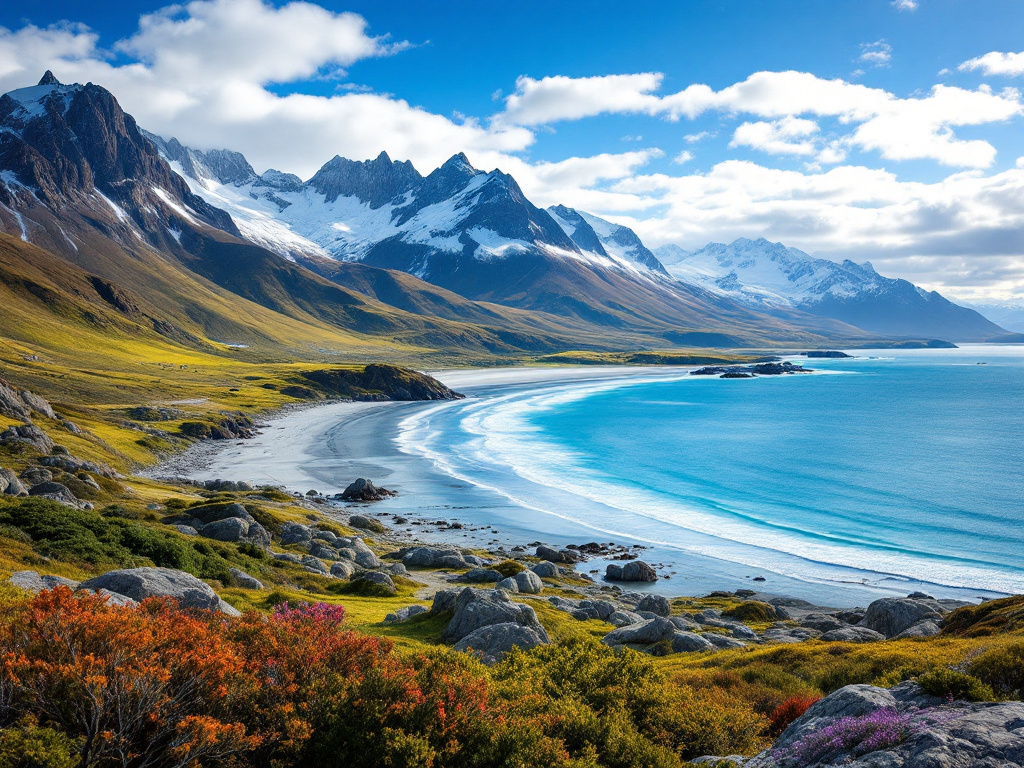
Tierra del Fuego National Park
A spectacular national park at the end of the world with forests, mountains, and sea.
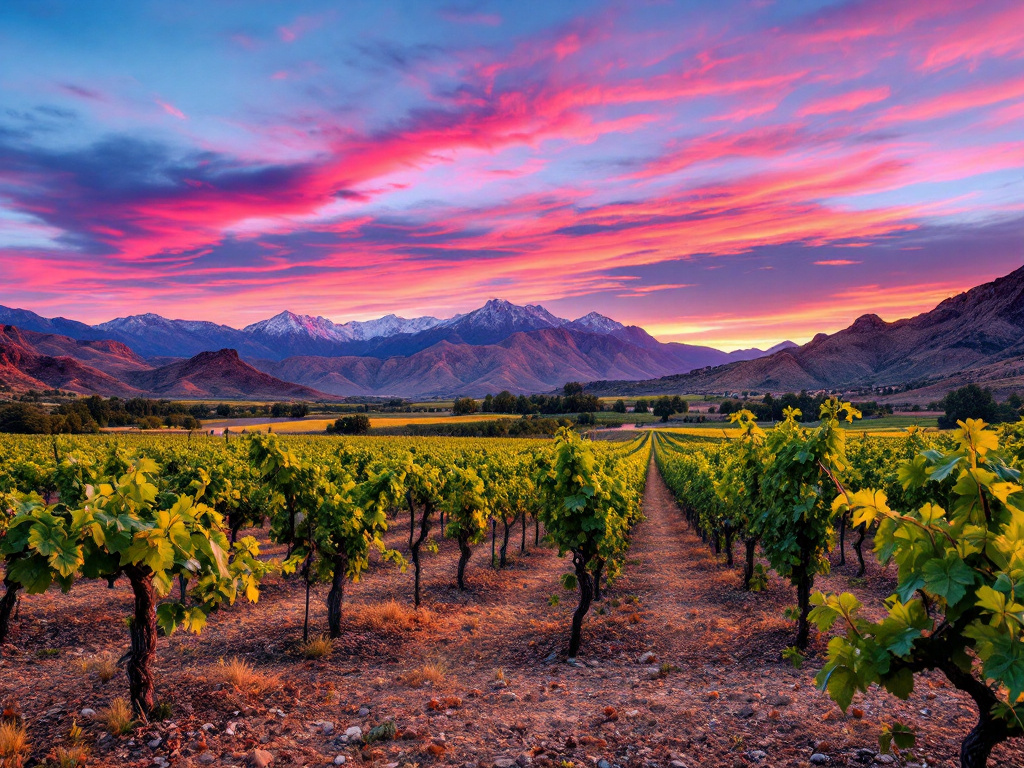
Mendoza Vineyards
Argentina's leading wine region famous for Malbec and beautiful landscapes.
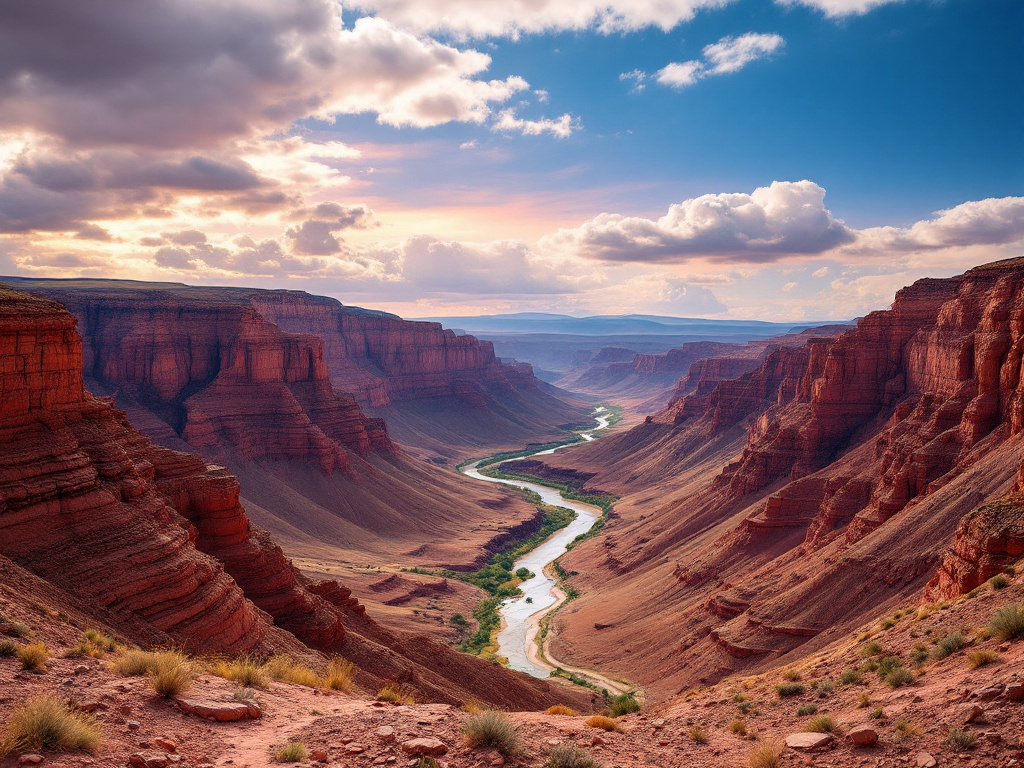
Quebrada de Humahuaca
A historical valley with colorful mountains and rich Andean traditions.
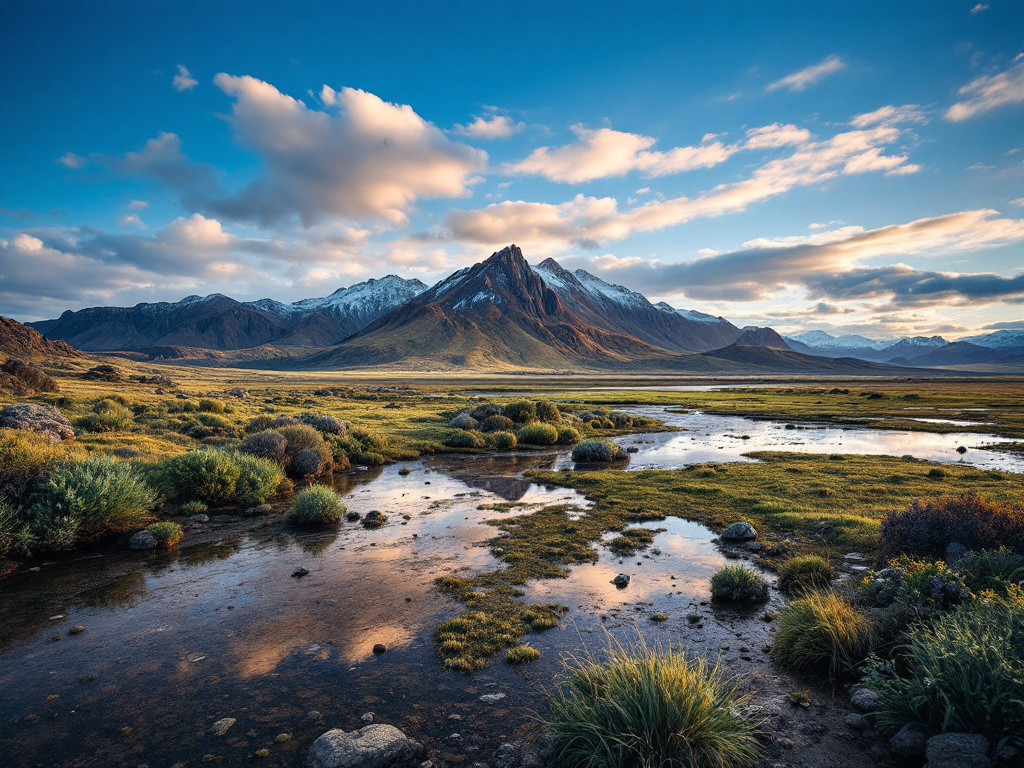
Península Valdés
An important nature reserve known for rich wildlife and whale watching.
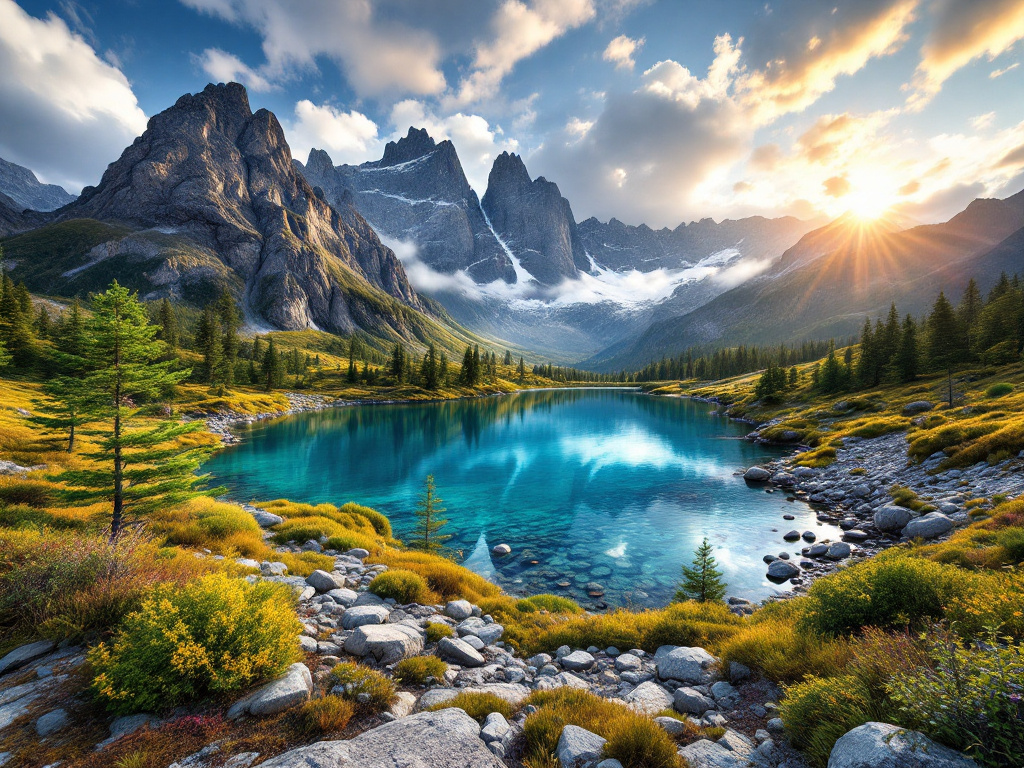
Nahuel Huapi National Park
A versatile national park with lakes, mountains, and year-round activities.
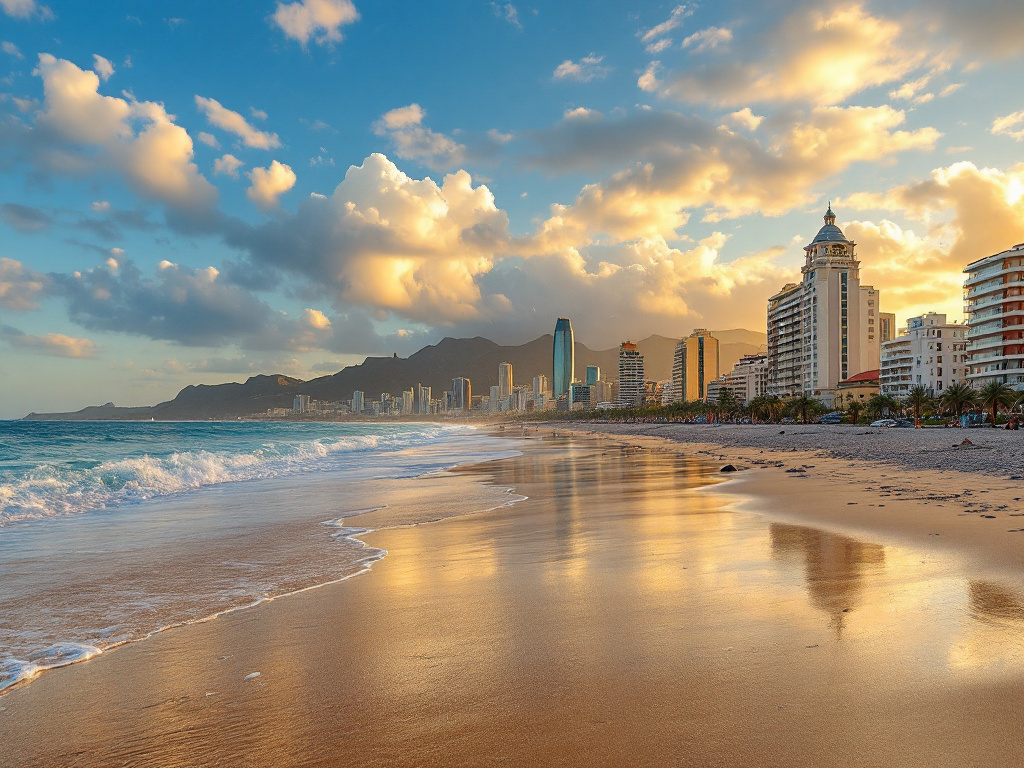
Mar del Plata Beach
Argentina's most famous beach destination with vibrant city life and coastal atmosphere.
Famous cuisine
Culinary overview
Argentinian cuisine is a passionate blend of European roots and local traditions, with meat, wine, and sweet desserts playing leading roles. The country's large cattle production has made the barbecue culture, known as 'asado', a national pride. From Buenos Aires' elegant parrillas to small village empanada stalls, food is a social event that brings people together. Wine regions like Mendoza offer world-class Malbec, while Patagonia provides lamb and freshly caught fish. Got a sweet tooth? Try dulce de leche in everything from cakes to ice cream. Meals are often enjoyed late, and it is normal to have dinner after 9 PM.
Must-try dishes
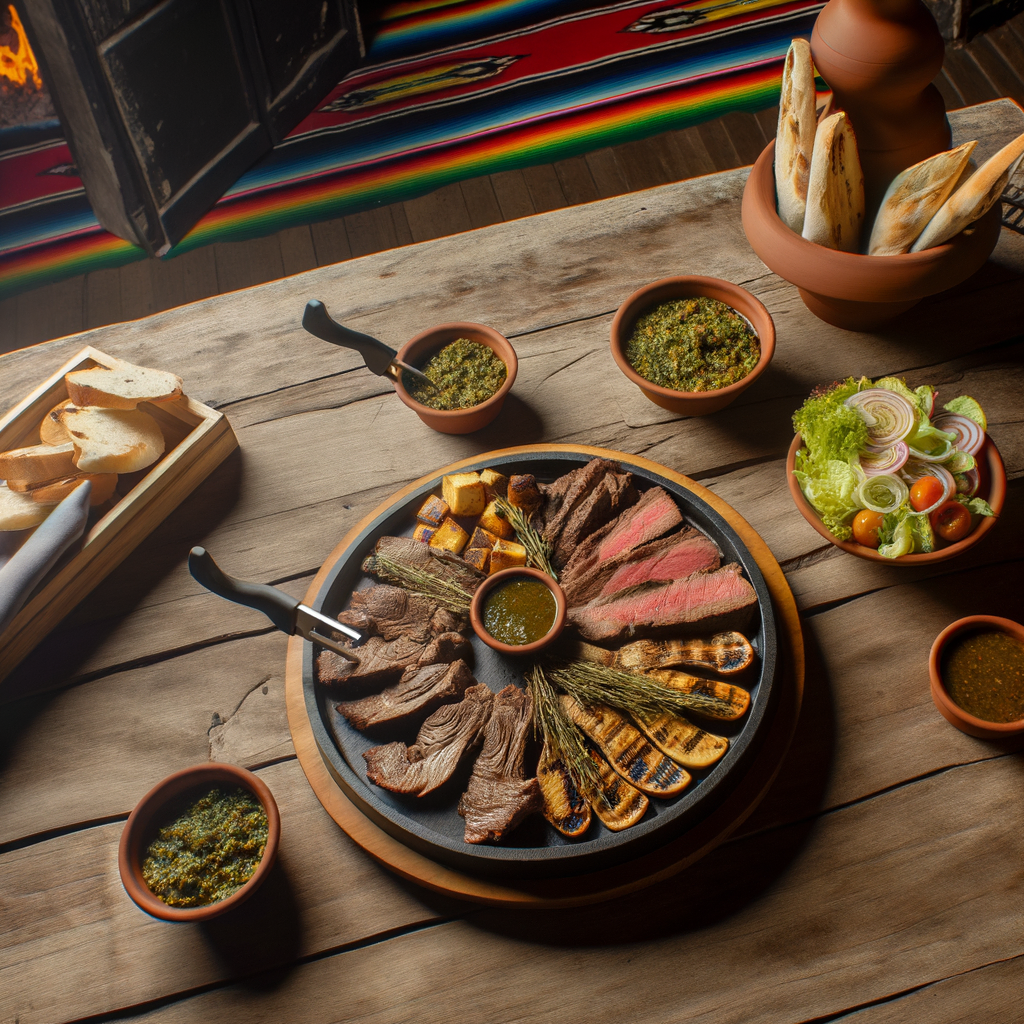
Asado
A traditional Argentinian barbecue dinner with various cuts of beef, often cooked over charcoal or an open flame. Served with chimichurri and accompanied by salads and bread.
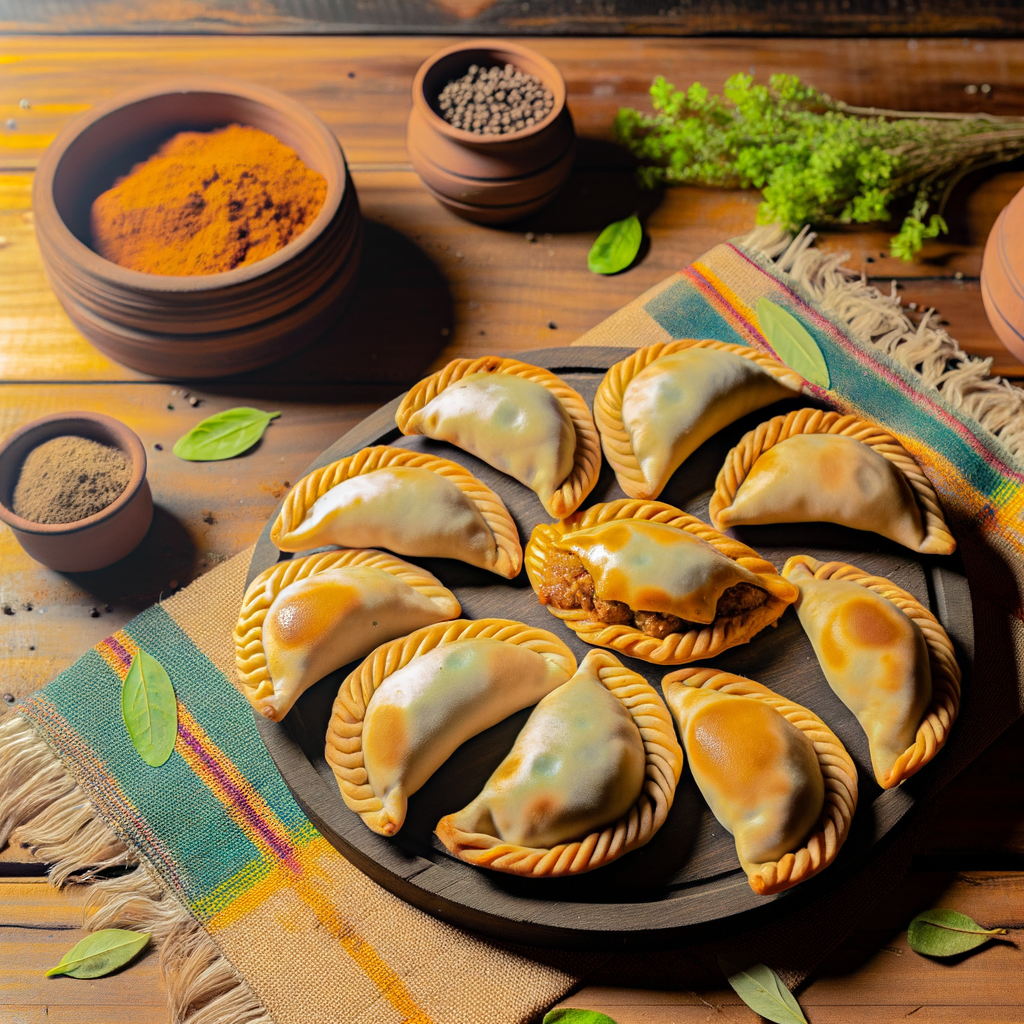
Empanadas
Small filled pastry pockets, baked or deep-fried, with fillings like beef, chicken, cheese, or vegetables. The variations depend on the region.
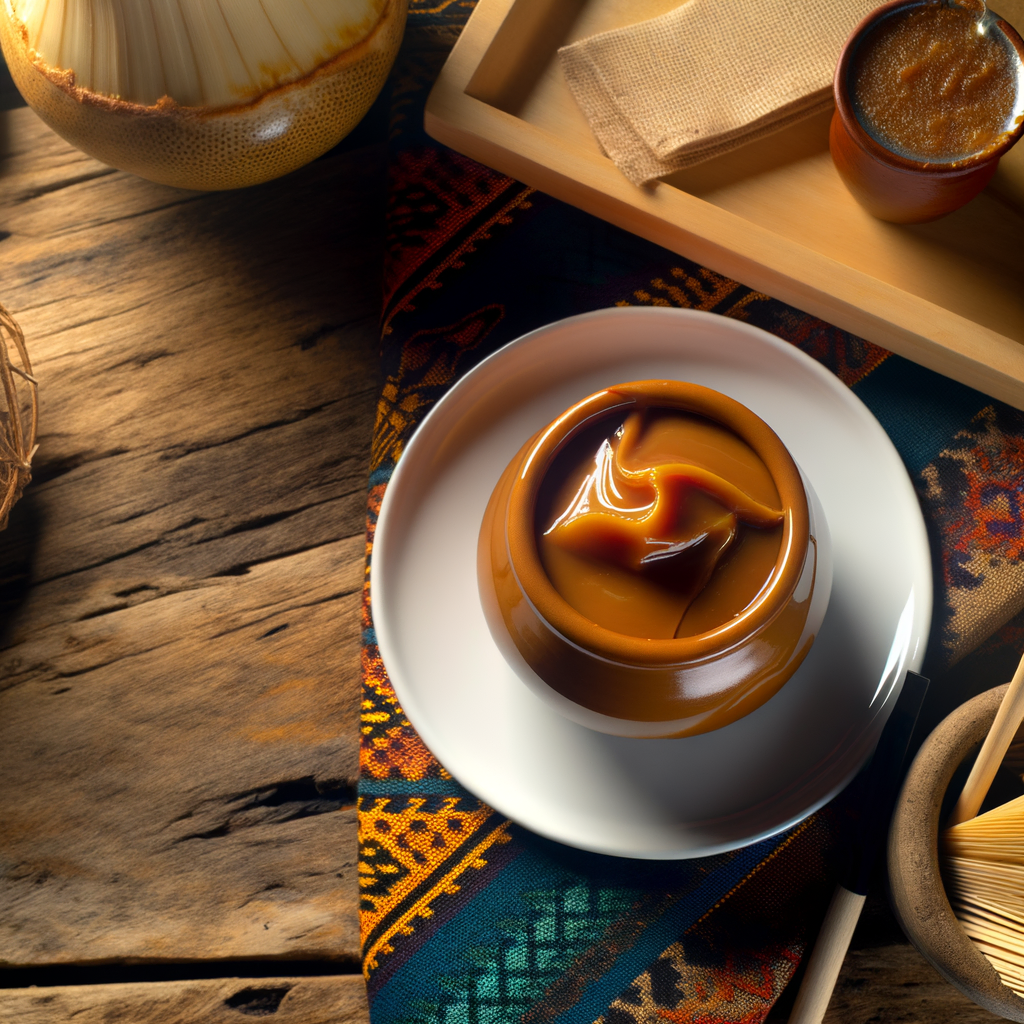
Dulce de Leche
A sweet, caramelized milk cream used as filling in cakes, pancakes, or simply spread on bread.
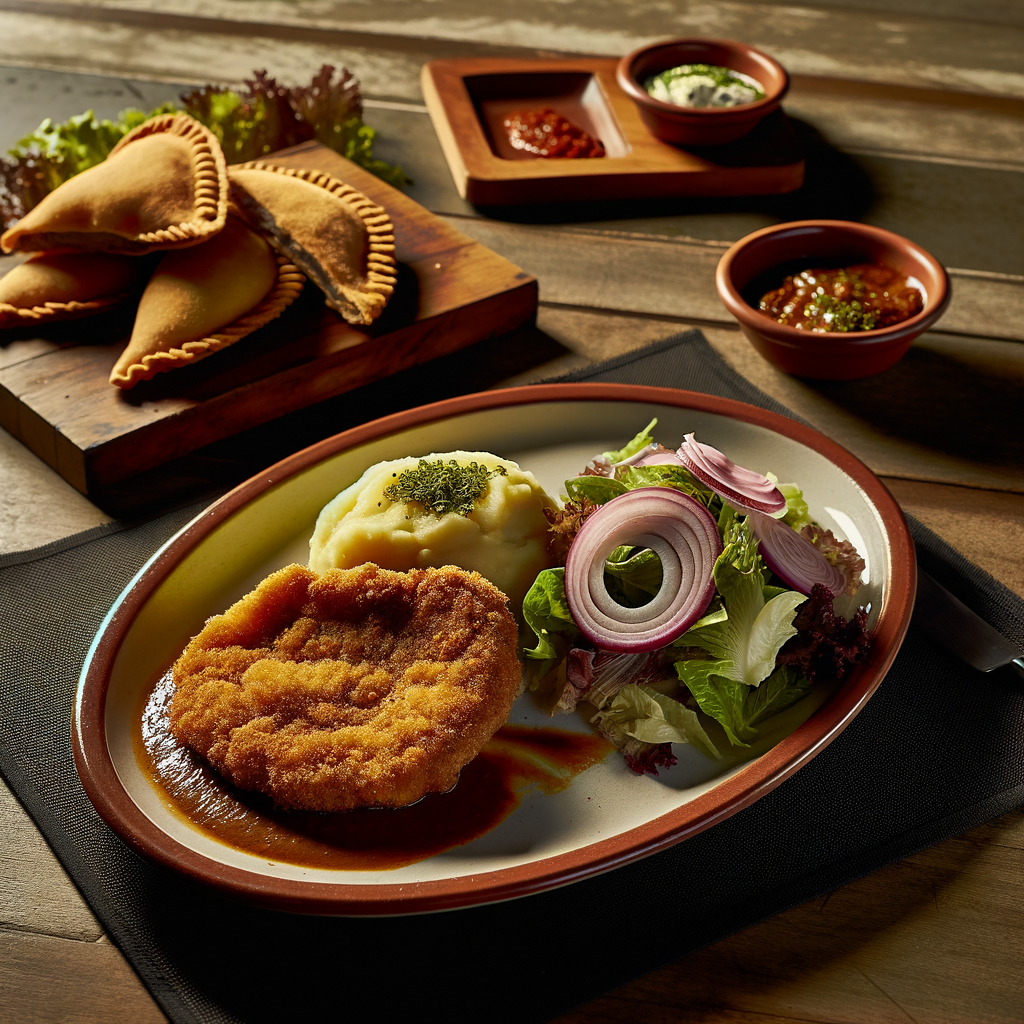
Milanesa
Breaded and fried meat slice, often beef or chicken, served with mashed potatoes, salad, or as a sandwich.
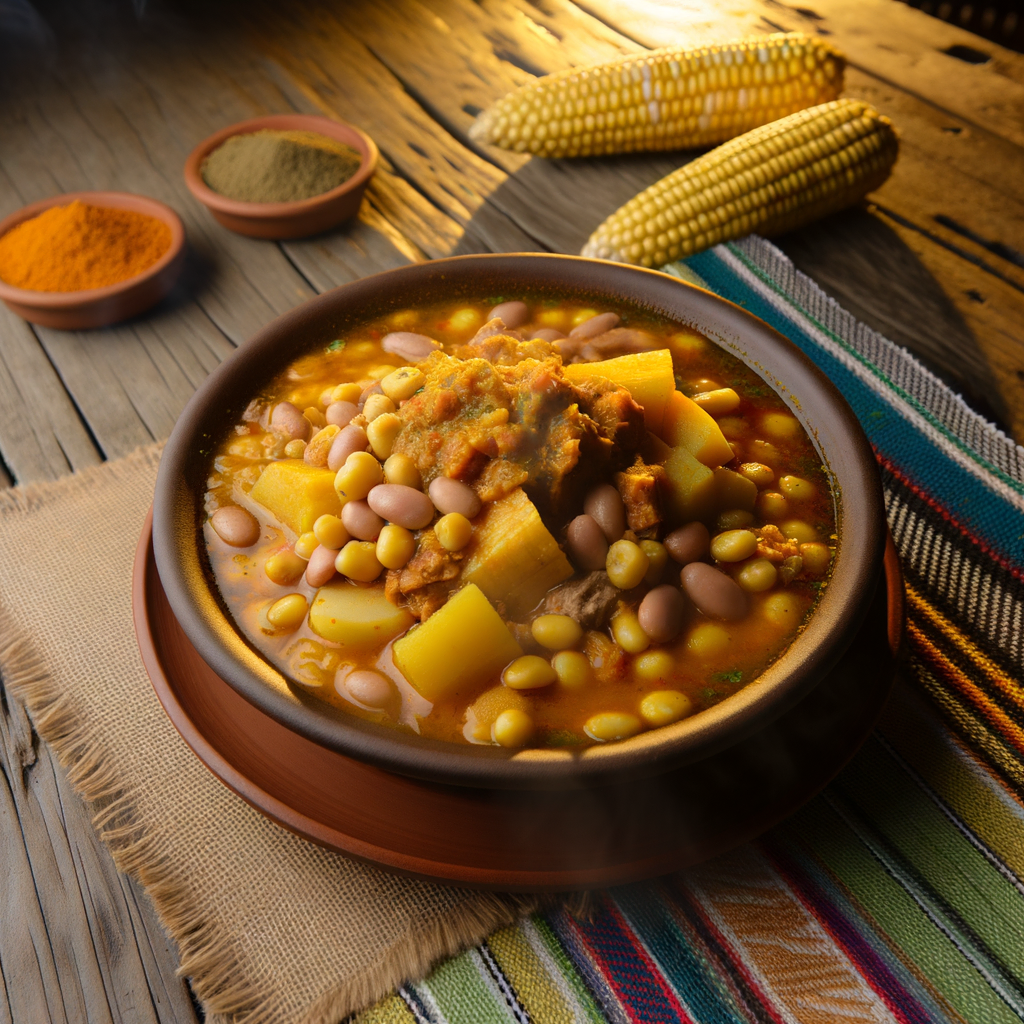
Locro
A hearty stew of corn, beans, potatoes, and meat, traditionally eaten on national holidays like May 25.
Malbec Wine
Argentina's signature wine, known for its deep color, full-bodied flavor, and aromas of dark berries. Best enjoyed with red meat.
Restaurant information
Tipping
In Argentina, it is common to give around 10% in tips at restaurants if service is not already included. At cafes and bars, people often round up the amount.
Travel information
Currency
Argentinsk peso ($)
Language
Spanish
Best time to visit
March-May and September-November
Major cities
Buenos Aires and other major cities
More countries in South America
Discover more destinations in this region