
Brazil
Brazil, the heartbeat of South America, captivates with its lush rainforests, iconic landmarks, vibrant cities, and sun-drenched beaches – all in sync with the rhythms of samba and joy.
Overview
Brazil, the heartbeat of South America, captivates travelers with its unique blend of breathtaking nature, iconic landmarks, and joyful culture. From the legendary beaches of Copacabana to the Amazon's endless green depths and the roaring Iguaçu Falls, the country offers a true feast for the senses. Discover the awe-inspiring Cristo Redentor, feel the rhythm of Rio de Janeiro, and savor authentic dishes like feijoada and pão de queijo. With sunny days from December to March, Brazil is a paradise for adventurers and those who seek joy in every moment.
Official language
Portuguese
Government
Federal præsidentiel republic
Best time to visit
December-March
Nature
Brazil boasts some of the most diverse and spectacular natural landscapes in the world. The Amazon rainforest, often referred to as the lungs of the Earth, stretches over millions of square kilometers and is home to an extraordinary variety of flora and fauna, including vibrant parrots, majestic jaguars, and rare orchid species. To the south, the Iguaçu Falls create one of the most stunning waterfall systems globally, where hundreds of cascades plunge into a dramatic mist, surrounded by lush rainforest. Along the coastline, long stretches of white sandy beaches await, from the iconic Copacabana to hidden coves in Bahia. The Pantanal, the world's largest tropical wetland, is a paradise for wildlife enthusiasts, offering the chance to spot caimans, giant river otters, and a plethora of bird species. With its peaks in Minas Gerais and savanna-like cerrado regions, Brazil is truly a sanctuary for nature lovers and adventurers alike, especially during the sun-soaked months from December to March.
Travel to Brazil
Traveling to Brazil is an experience filled with contrasts and unforgettable moments. The country presents everything from urban adventures in Rio de Janeiro and São Paulo to relaxing days on tropical beaches. The ideal time to visit is from December to March, when the sun shines brightly and the rhythms of samba fill the air. Frequent flight connections from Europe make access easy, and domestic travel is facilitated by a well-developed network of flights and buses. Visitors can combine natural experiences like the Amazon and Iguaçu with cultural highlights such as Carnival, historical cities, and modern architecture in Brasília. Brazil's hospitality, culinary delights, and vibrant atmosphere make it an ideal destination for adventurers, culture enthusiasts, and those seeking pure relaxation.
Culture
Brazilian culture is a vibrant mosaic created from Portuguese colonial history, indigenous traditions, and strong African roots. This rich blend is clearly reflected in the country’s music, dance, food, and festivals. Samba and bossa nova pulse through the rhythm of the nation, while Rio de Janeiro's Carnival stands as a world-renowned spectacle filled with colorful costumes, dance, and exuberance. In Salvador de Bahia, the Afro-Brazilian influence shines through in candomblé religion and the energetic capoeira dance. Brazilian cuisine is as diverse as its people, offering delights such as hearty feijoada, fresh-moqueca, and delectable brigadeiros. Throughout the country, you'll be greeted by warm hospitality and a zest for life that makes every visit unforgettable. Be it in the colonial churches of Ouro Preto or the futuristic structures of Brasília, the spirit of Brazil thrives.
History
The history of Brazil is marked by the intersection of indigenous peoples, Portuguese colonizers, and African slaves. Discovered by the Portuguese in 1500, Brazil rapidly evolved into a vital colony primarily centered on sugar production and, later, coffee cultivation. Millions of Africans were brought to Brazil as slaves, leaving profound cultural imprints. Brazil declared its independence in 1822 and became an empire before transitioning to a republic in 1889. The 20th century saw both democratic periods and military dictatorship, until the return to democracy in 1985. This complex history has shaped a society rich in cultural heritage and a strong national identity, making it one of the most diverse countries on the planet.
Top attractions
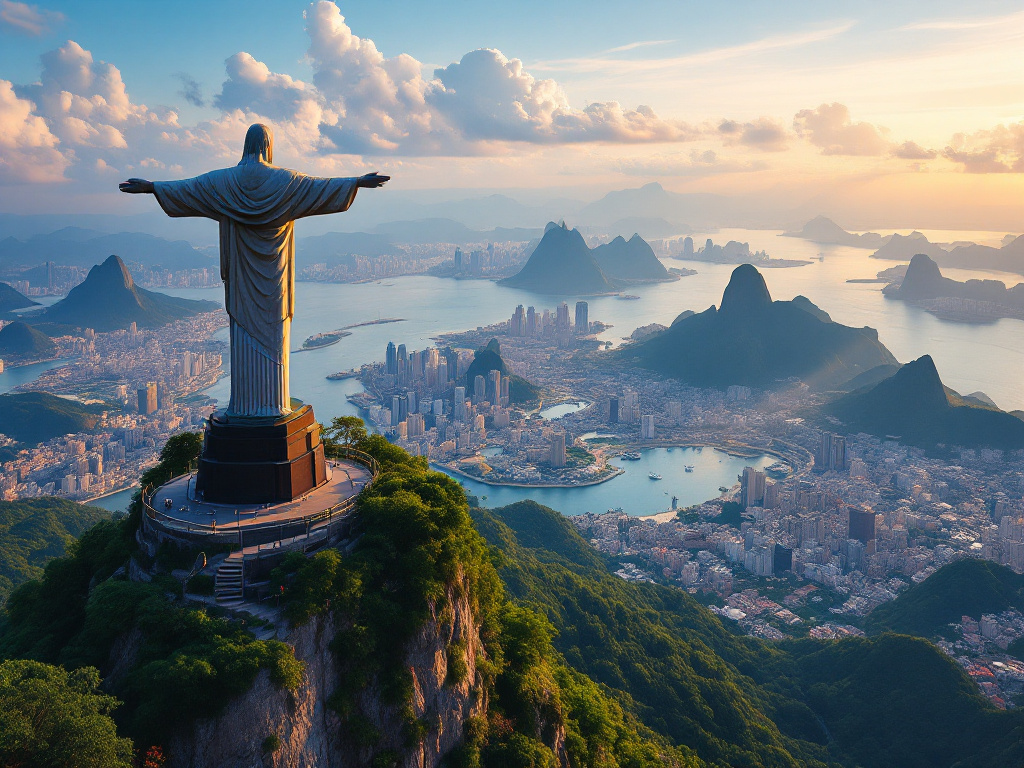
Christ the Redeemer
One of the world's most famous statues with outstanding views over Rio de Janeiro, the sea, and the mountains.
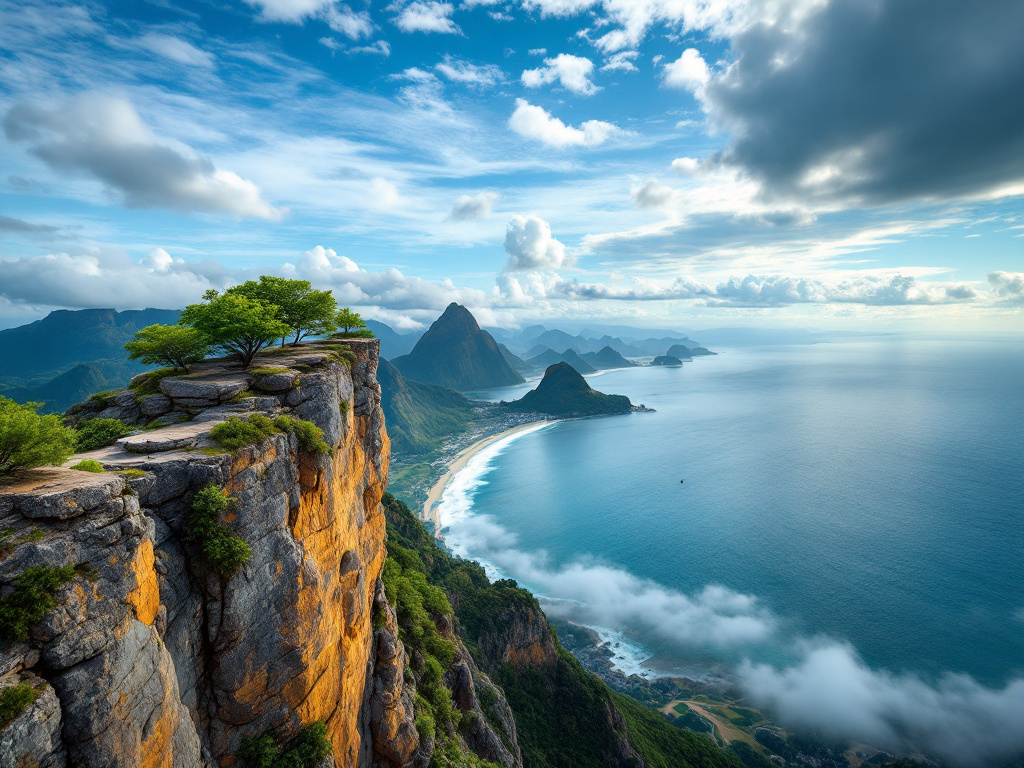
Sugarloaf Mountain
A prominent granite peak with a cable car and impressive views over Rio and the Atlantic Ocean.
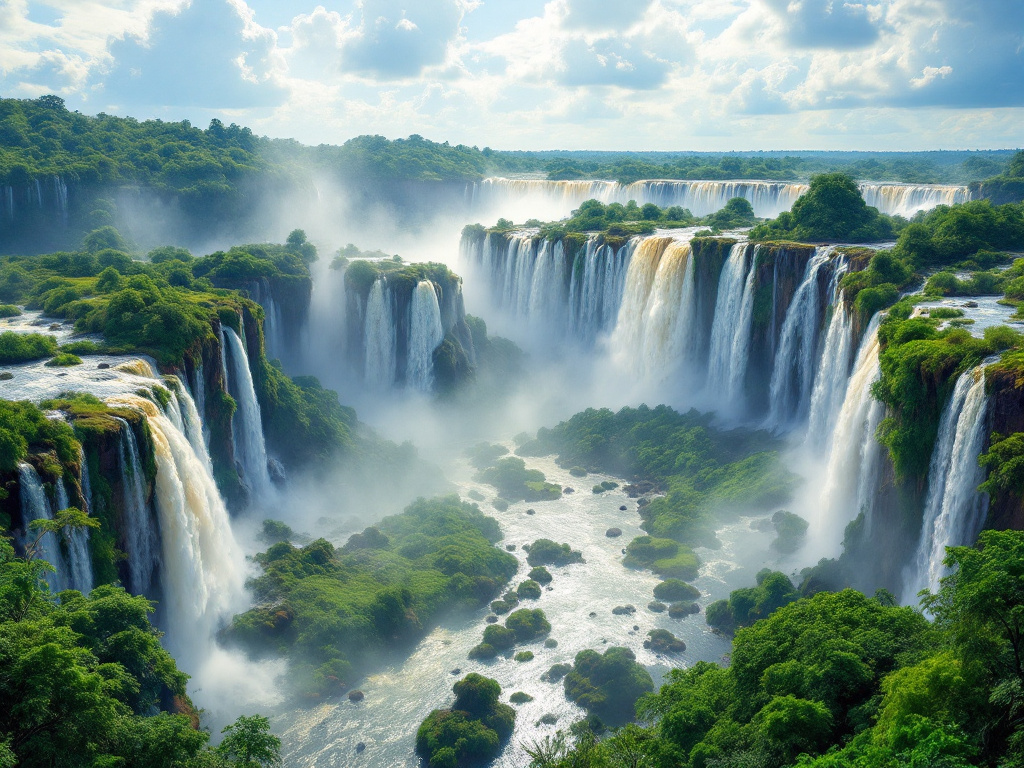
Iguazu Falls
One of the world's largest waterfall systems, known for its immense power and scenic beauty.
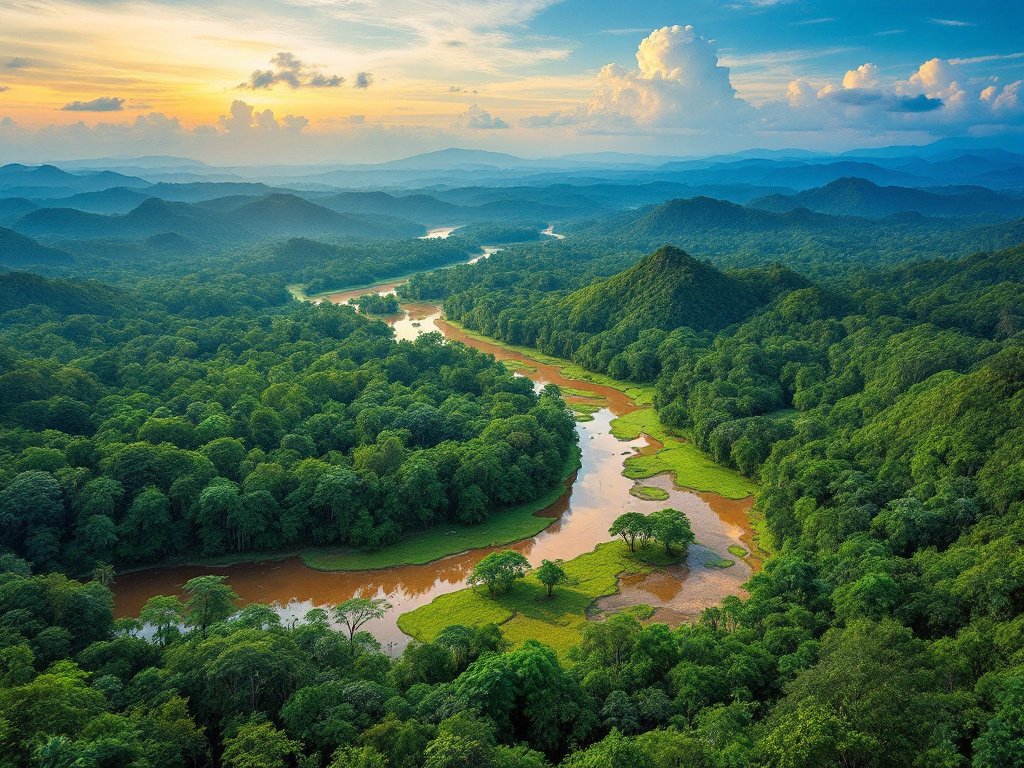
Amazon Rainforest
The world's largest rainforest with unique biodiversity and unforgettable natural experiences.
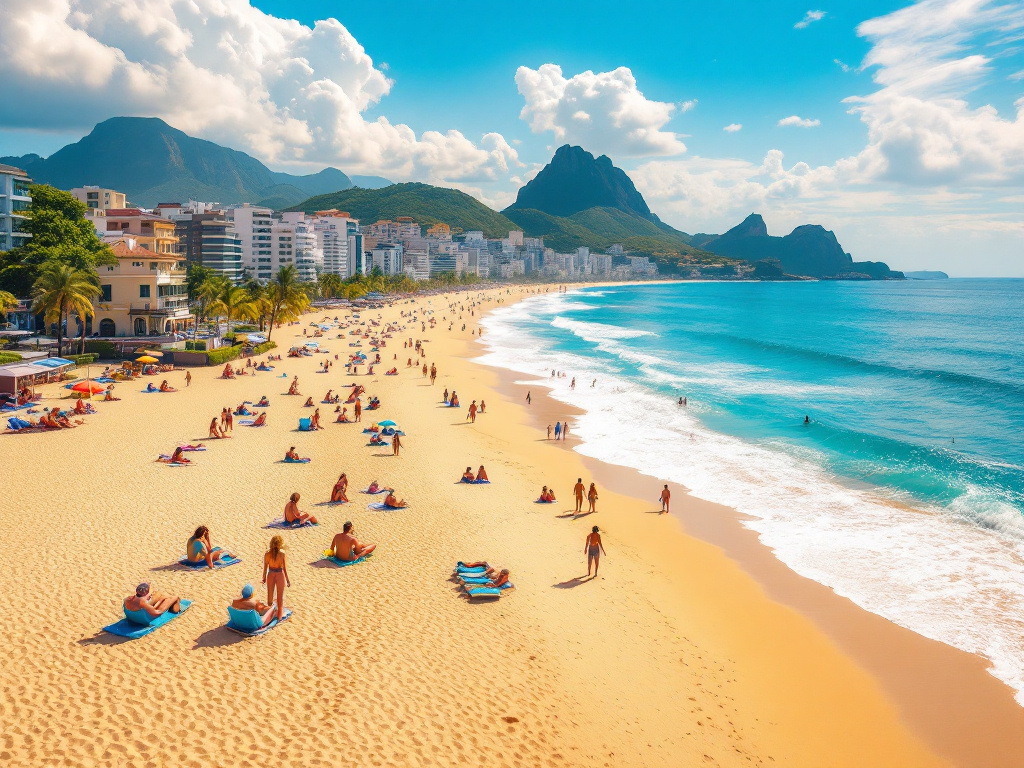
Copacabana Beach
One of the world's most famous beaches, renowned for its atmosphere and location in the heart of Rio.
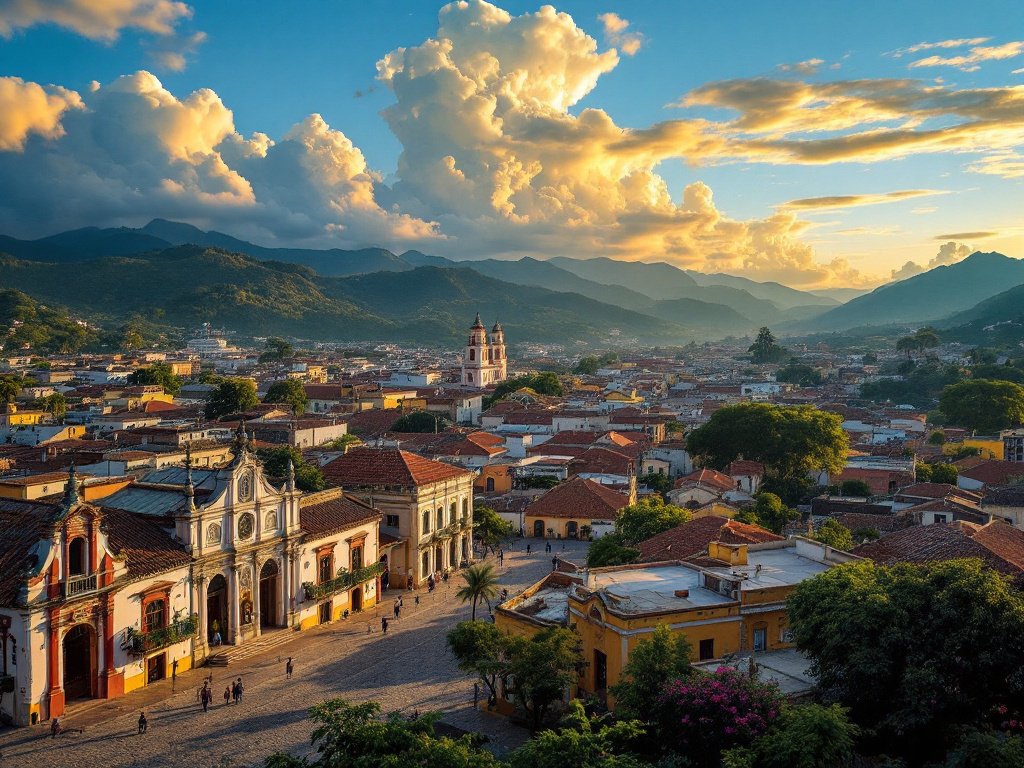
Pelourinho
Salvador's colorful historic center filled with music, history, and colonial buildings.
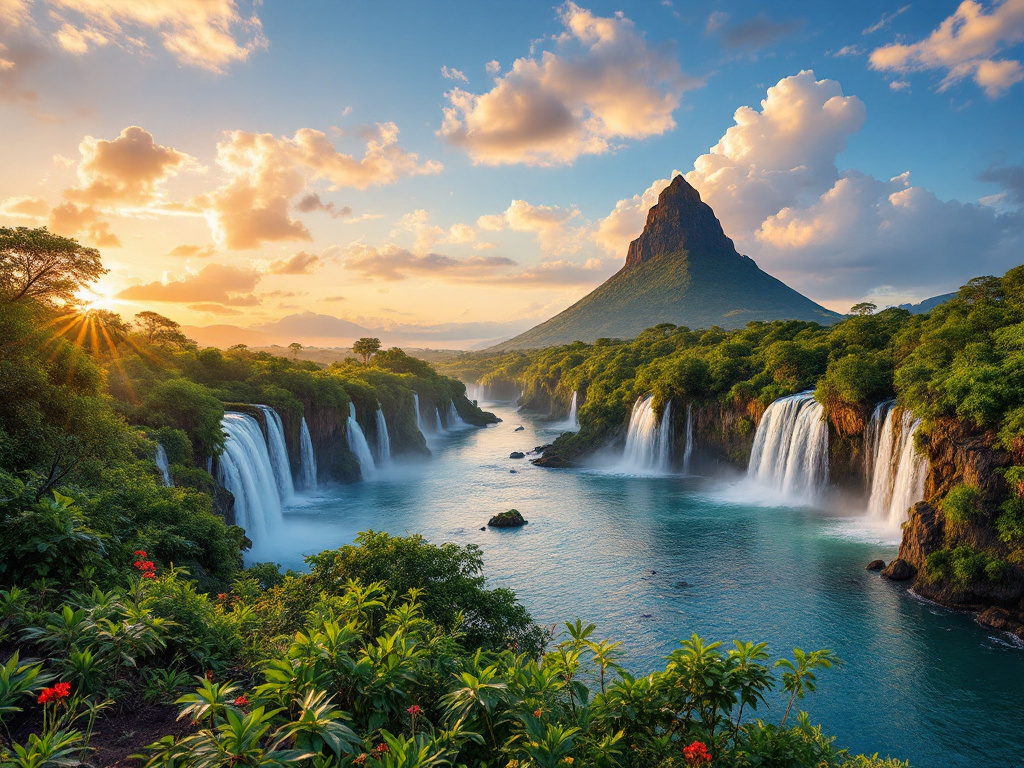
Iguape Lagoon
A peaceful lagoon known for its birdlife and relaxing nature experiences.
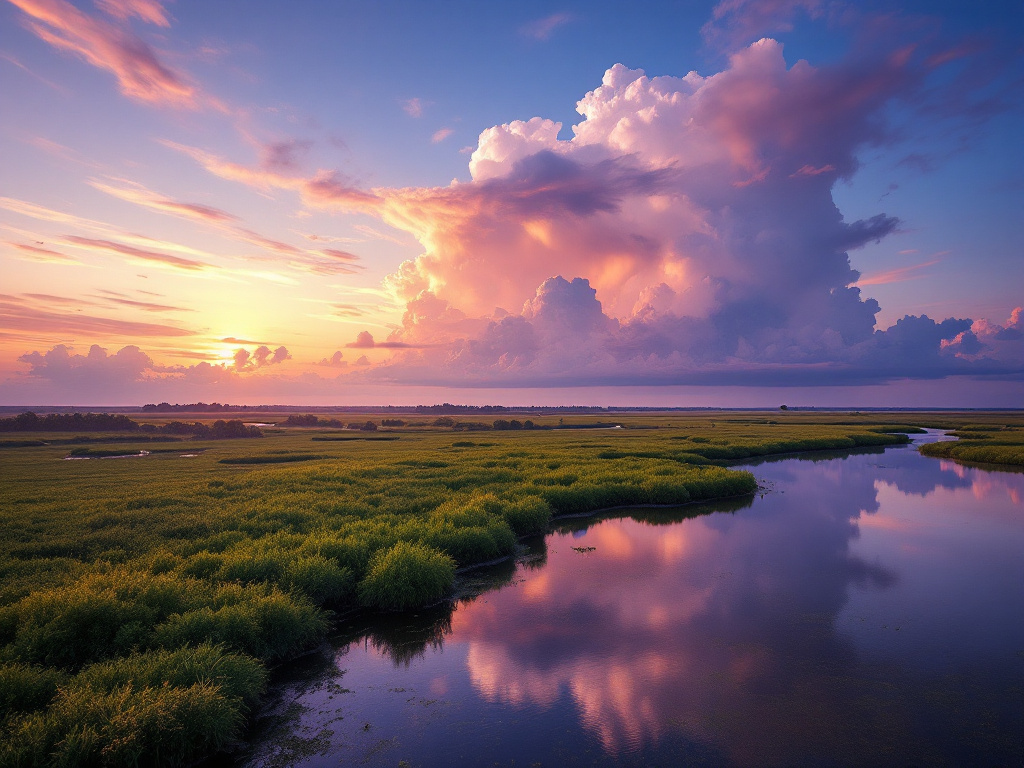
Pantanal
The world's largest tropical wetland with unique opportunities to see wildlife.
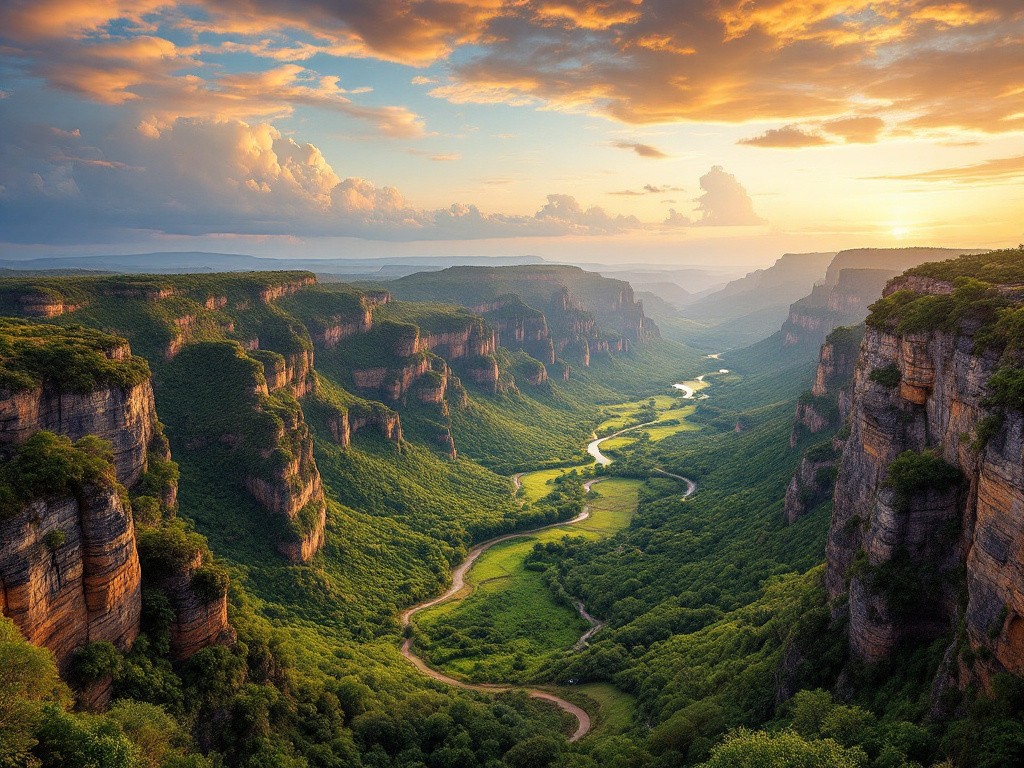
Chapada Diamantina
A spectacular national park with waterfalls, canyons, and dramatic landscapes.
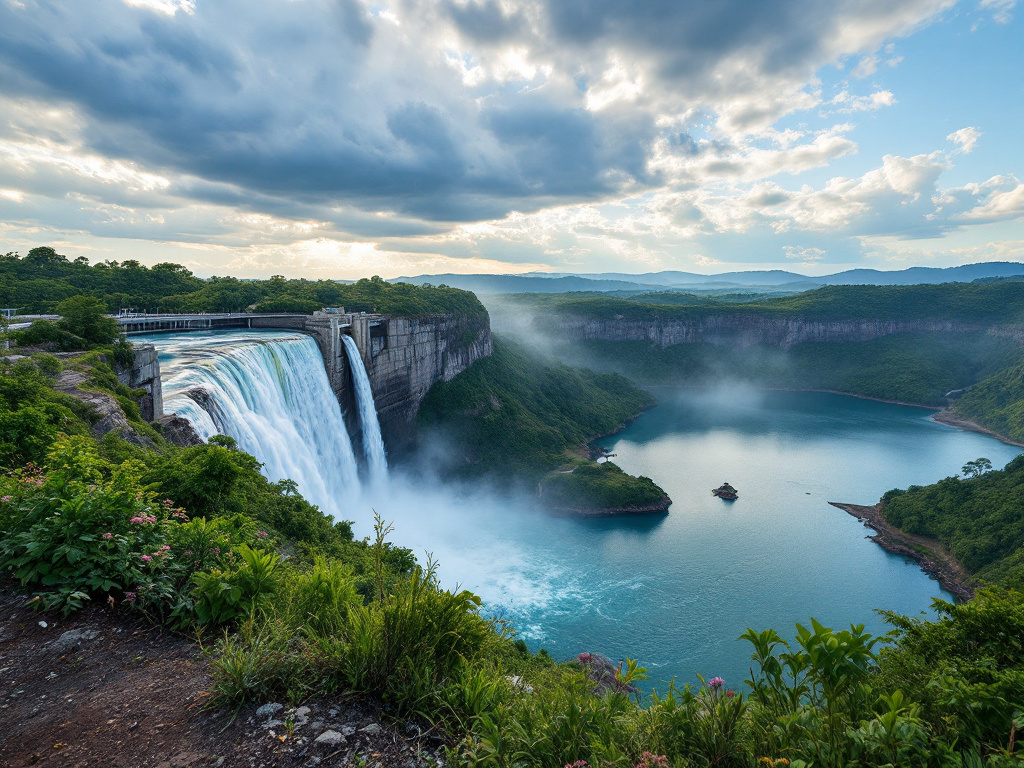
Itaipu Dam
A technological masterpiece and one of the world's most impressive hydroelectric plants.
Famous cuisine
Culinary overview
Brazilian cuisine is a colorful blend of Portuguese, African, and indigenous influences. The country's enormous size means that food culture varies significantly from region to region – from fish dishes in coastal areas to meat and bean stews in the interior. Meals are often social events, and Brazilians appreciate freshness, intense flavors, and colorful presentations. Street food is widespread, and markets are overflowing with exotic fruits like açaí, cupuaçu, and guava.
Must-try dishes
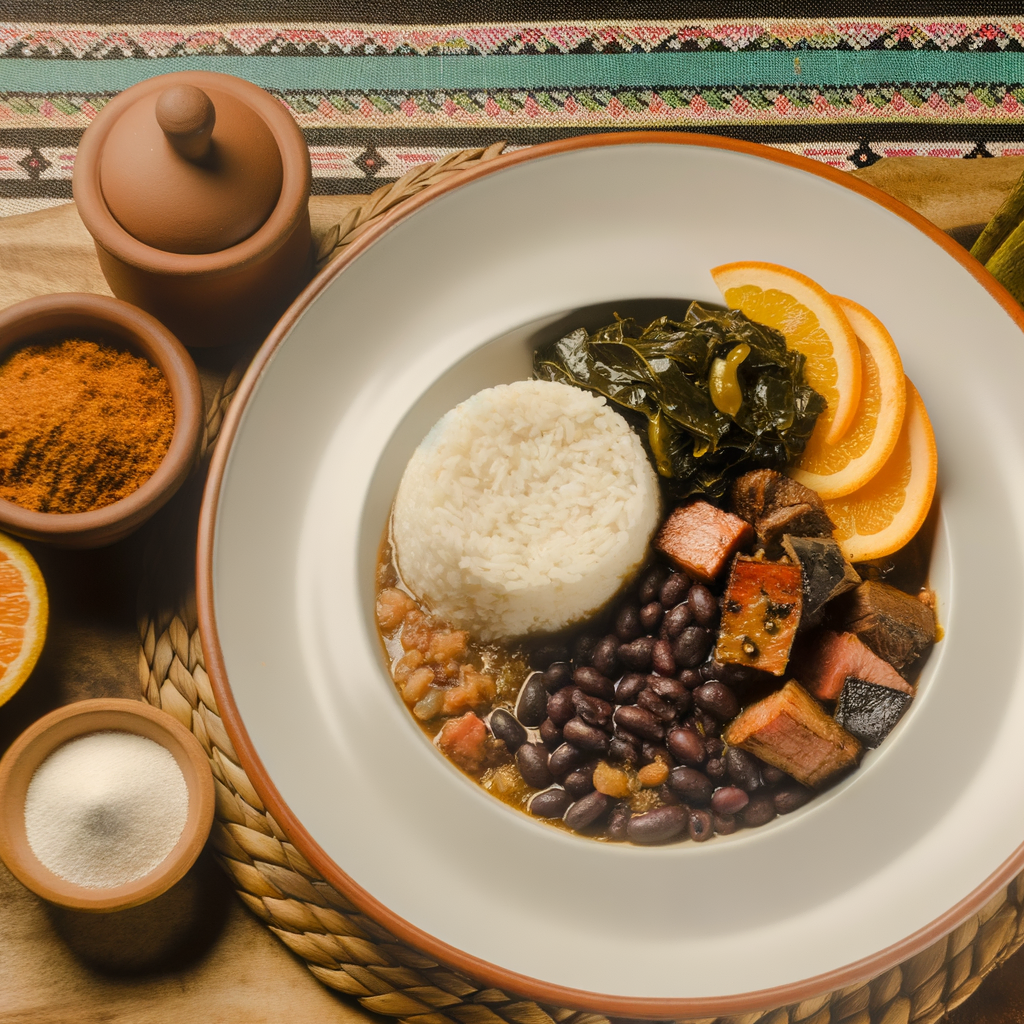
Feijoada
A hearty stew made of black beans, pork, and beef, often served with rice, farofa (toasted cassava flour), kale, and orange slices. The dish is a national favorite and is traditionally eaten on Saturdays.
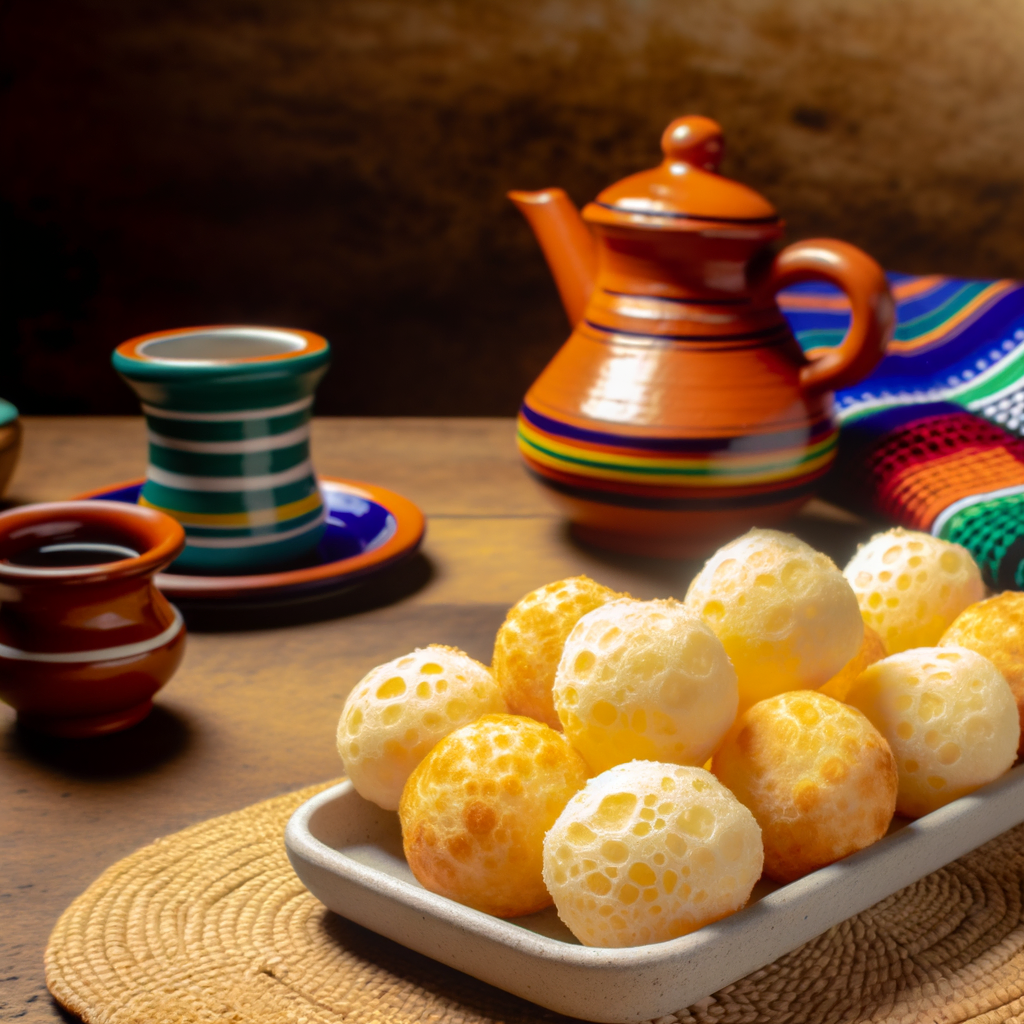
Pão de queijo
Small, airy cheese balls made from tapioca flour and cheese, typically eaten for breakfast or as a snack. They are crunchy on the outside and chewy on the inside.
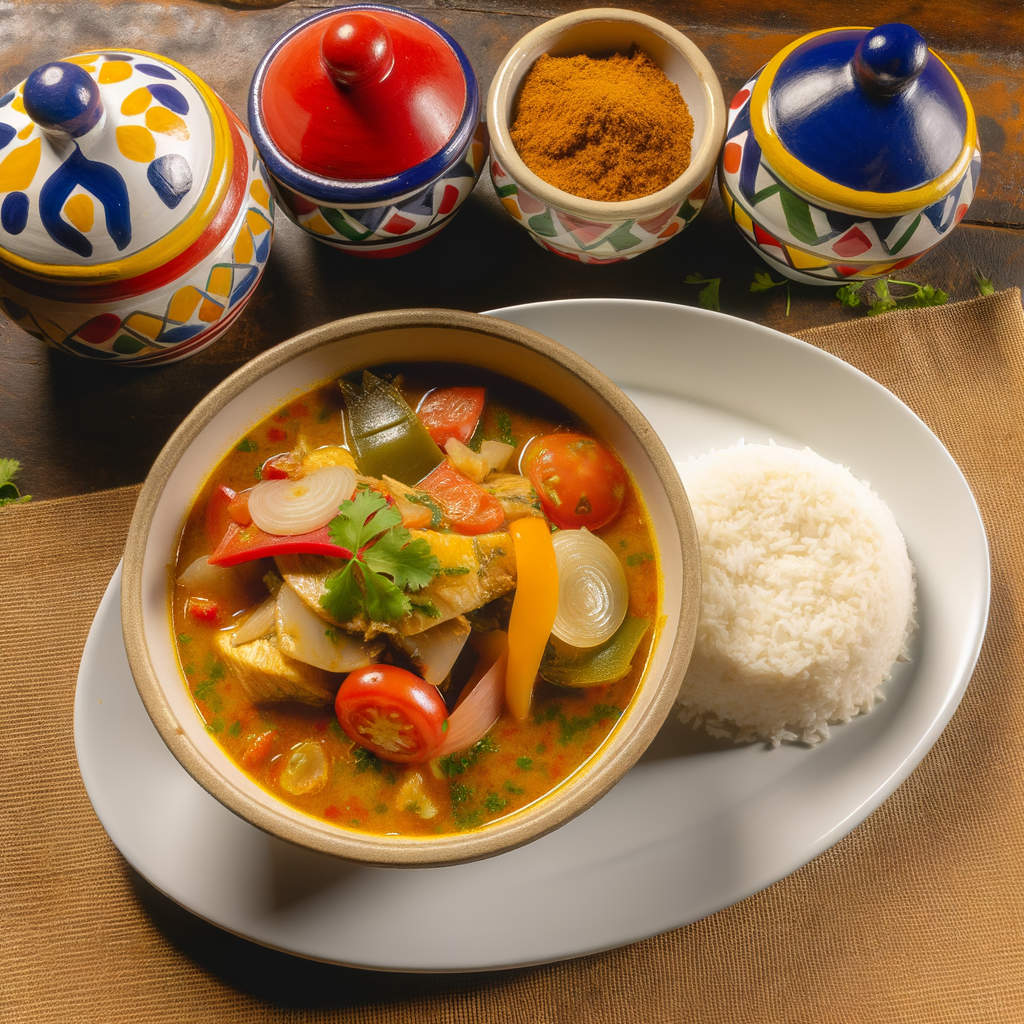
Moqueca
An aromatic fish stew from Bahia, prepared with coconut milk, dendê oil (palm oil), tomatoes, onions, peppers, and coriander. Served with rice and farofa.
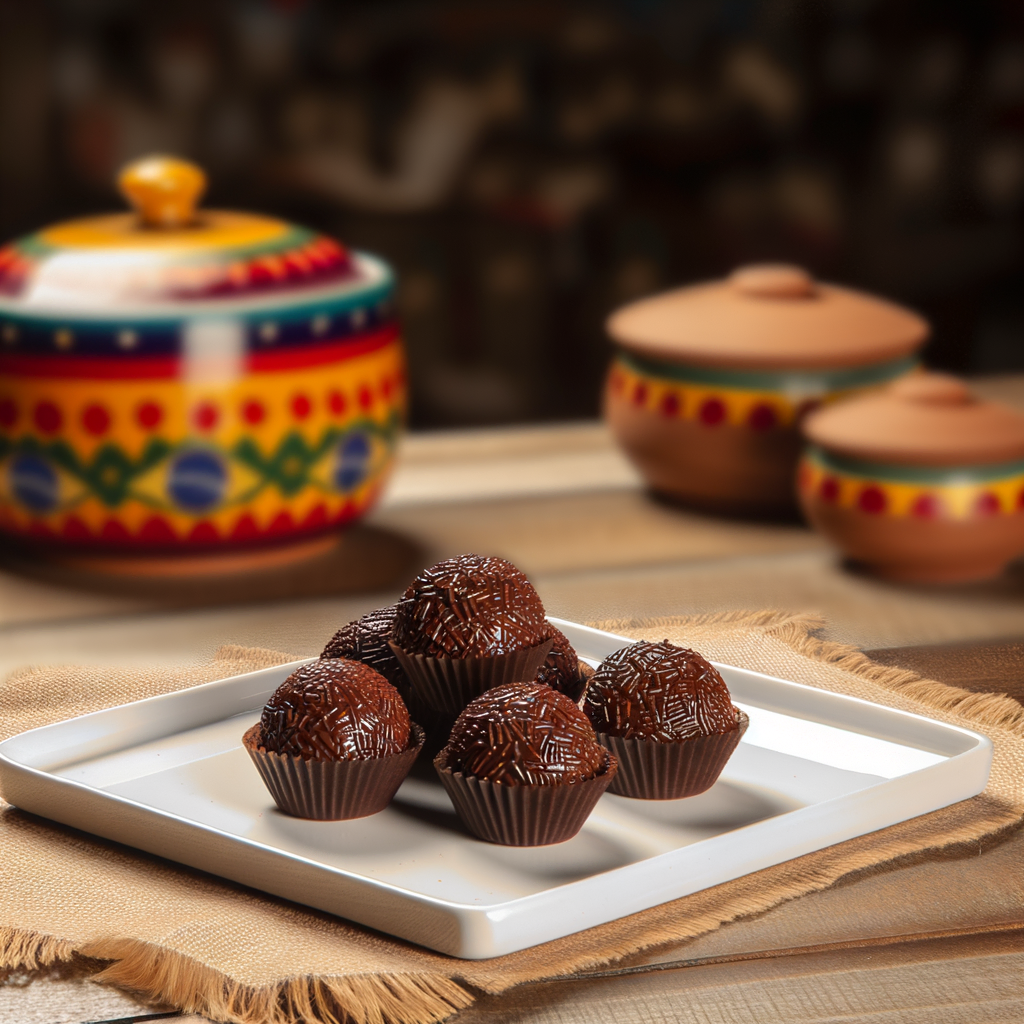
Brigadeiro
A popular Brazilian dessert made from condensed milk, cocoa, and butter, rolled in chocolate sprinkles. Often served at birthdays and festive occasions.
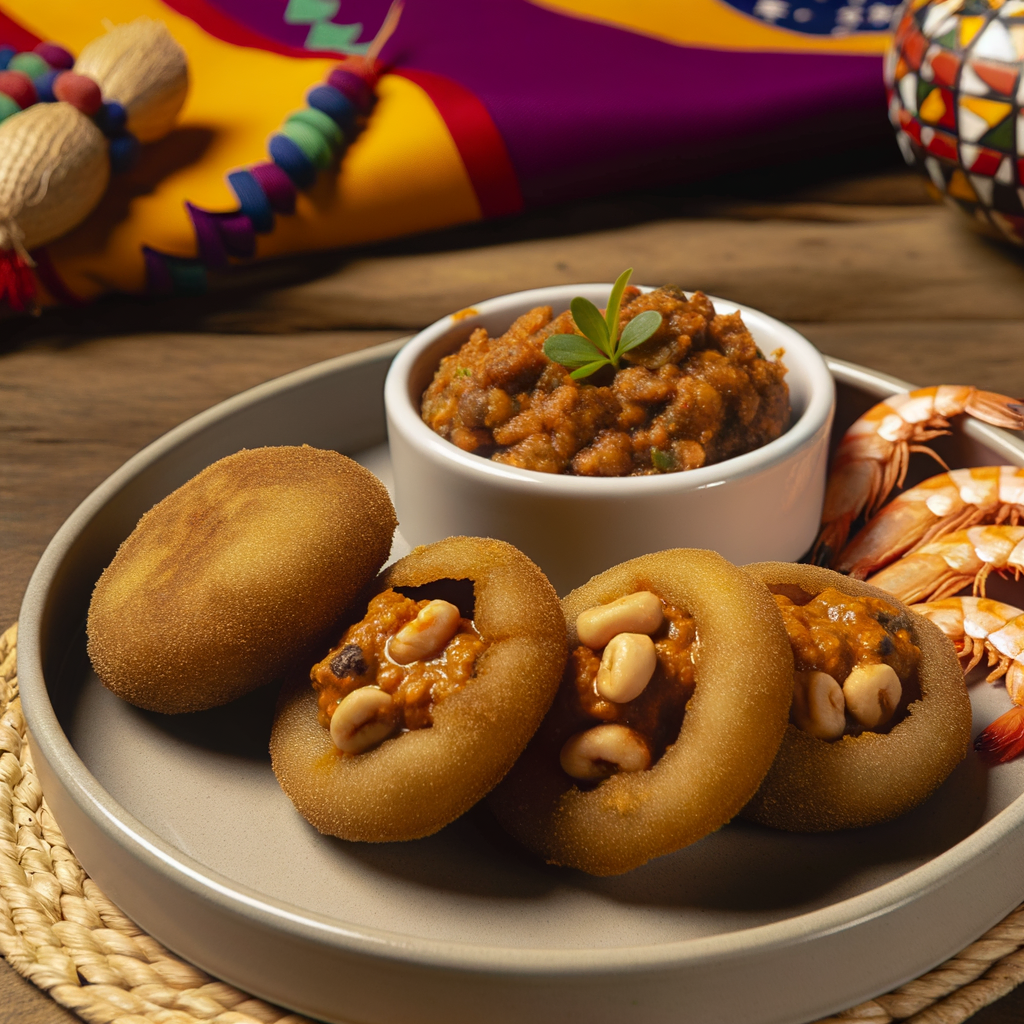
Acarajé
An Afro-Brazilian specialty from Bahia, made from deep-fried balls of crushed black-eyed peas, filled with vatapá (spiced paste of bread, shrimp, peanuts, and coconut milk) and dried shrimp.
Restaurant information
Tipping
In Brazil, tips are often included as a service charge of about 10% on the bill. However, it is common to give a little extra if the service has been particularly good. At bars, it is usual to round up to the nearest whole amount.
Travel information
Currency
Brasiliansk real (R$)
Language
Portuguese
Best time to visit
December-March
Major cities
Brasília and other major cities
More countries in South America
Discover more destinations in this region