
Guyana
Guyana, South America's hidden pearl, offers lush rainforests, breathtaking waterfalls like Kaieteur, and a vibrant mix of cultures – perfect for eco-adventurers seeking untouched beauty.
Overview
Guyana is South America's hidden gem, a paradise for adventurous travelers in search of authentic natural experiences far from mass tourism. With over 80% of the nation covered in unspoiled rainforest, stunning natural wonders like Kaieteur Falls and the serene Shell Beach beckon nature lovers from all corners of the globe. Georgetown, the capital, enchants with its colonial charm and the iconic St. George's Cathedral. A colorful blend of African, Indian, Indigenous, and European heritage is evident in both culture and cuisine, making Guyana a must-visit destination for those seeking raw beauty and rich experiences.
Official language
English
Government
republic
Best time to visit
February to April and September to November
Nature
Guyana is a nature lover's paradise, where over 80% of the country is blanketed by pristine rainforest teeming with incredible wildlife. The majestic Kaieteur Falls, one of the world's highest single-drop waterfalls, cascades 226 meters into a dramatic gorge surrounded by lush greenery. The Iwokrama rainforest offers thrilling eco-tourism experiences, allowing visitors to trek through treetop walkways and connect with nature up close. Shell Beach, a vital nesting site for four species of sea turtles, stretches along 140 kilometers of tranquil coastline. In the Rupununi Savannah, open grasslands, rivers, and quaint villages create a diverse habitat for wildlife. The best time to visit is from February to April and September to November, when the weather is pleasantly dry, perfect for hiking and wildlife watching.
Travel to Guyana
Traveling to Guyana is an adventure for those who seek authenticity and unspoiled beauty. The country is a haven for eco-tourism, with opportunities to explore rainforests, waterfalls, and savannahs without the crowds of mass tourism. Georgetown serves as the gateway with international flight connections, offering a charming introduction to the local culture. From here, travelers can embark on guided tours to Kaieteur Falls, boat trips along the Essequibo River, or multi-day expeditions into the Iwokrama rainforest. A spirit of adventure and a willingness to embrace spontaneity are essential, but the reward is unforgettable encounters with breathtaking nature, welcoming communities, and the feeling of discovering one of South America's best-kept secrets.
Culture
The culture of Guyana is a vibrant mosaic that intertwines African, Indian, Indigenous, and European influences, shaping a unique identity. This diversity is reflected in lively music styles, festive dances, and a rich culinary scene that features traditional dishes like pepperpot, a spicy meat stew, metemgee, a creamy root vegetable dish, and cassava bread made from manioc. Festivals such as Mashramani celebrate independence with colorful parades and lively calypso music. In the villages, Indigenous traditions, craftsmanship, and languages are preserved, while the capital, Georgetown, boasts colonial architecture, bustling markets, and cultural institutions. The English language facilitates communication, but the local Creole dialect and Indigenous languages create a rich linguistic landscape, welcoming travelers to experience the warmth and pride of the Guyanese people.
History
Guyana's history is a tapestry woven from the presence of Indigenous peoples, European colonization, and a blend of cultures. Before the arrival of Europeans, the land was inhabited by various Indigenous tribes, including the Arawak and Carib. In the 17th century, the Dutch colonized the area, followed by the British, leaving lasting marks on the architecture and social structure. The plantation economy centered around sugar production, relying on African slave labor and later Indian indentured workers. Guyana gained independence from Britain in 1966 and became a republic in 1970. This complex past has shaped a society rich in cultural roots and unique identities, inviting exploration and understanding.
Top attractions
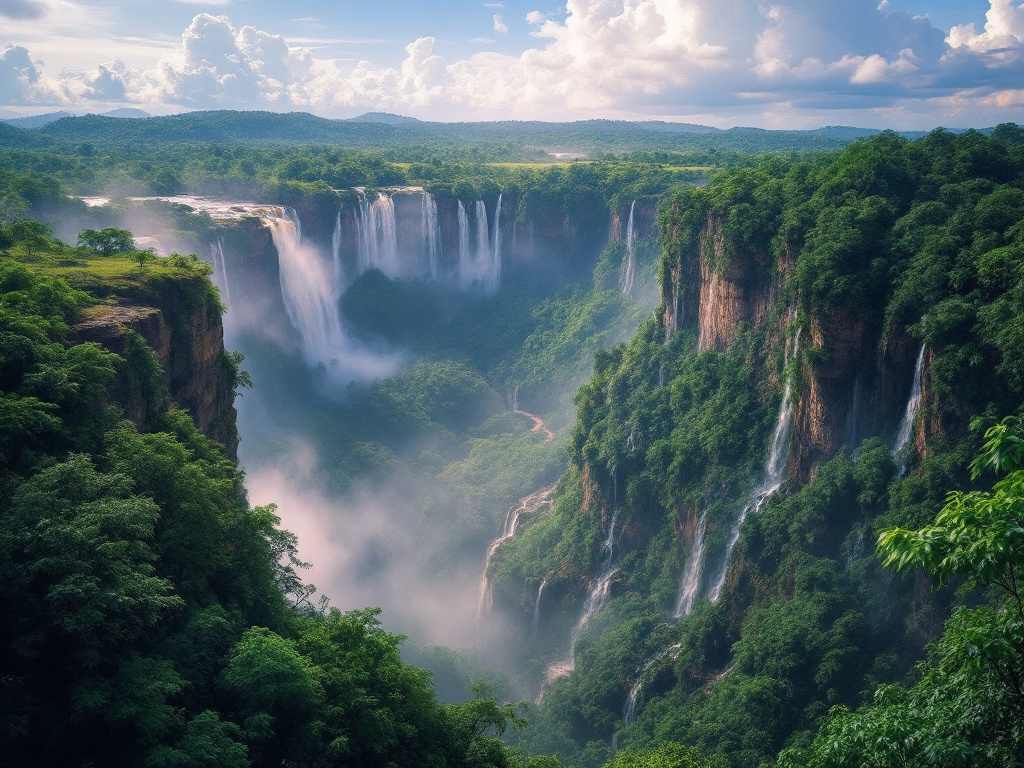
Kaieteur Falls
Kaieteur Falls is Guyana's most famous natural icon, where the Potaro River dramatically plunges into the pristine rainforest.
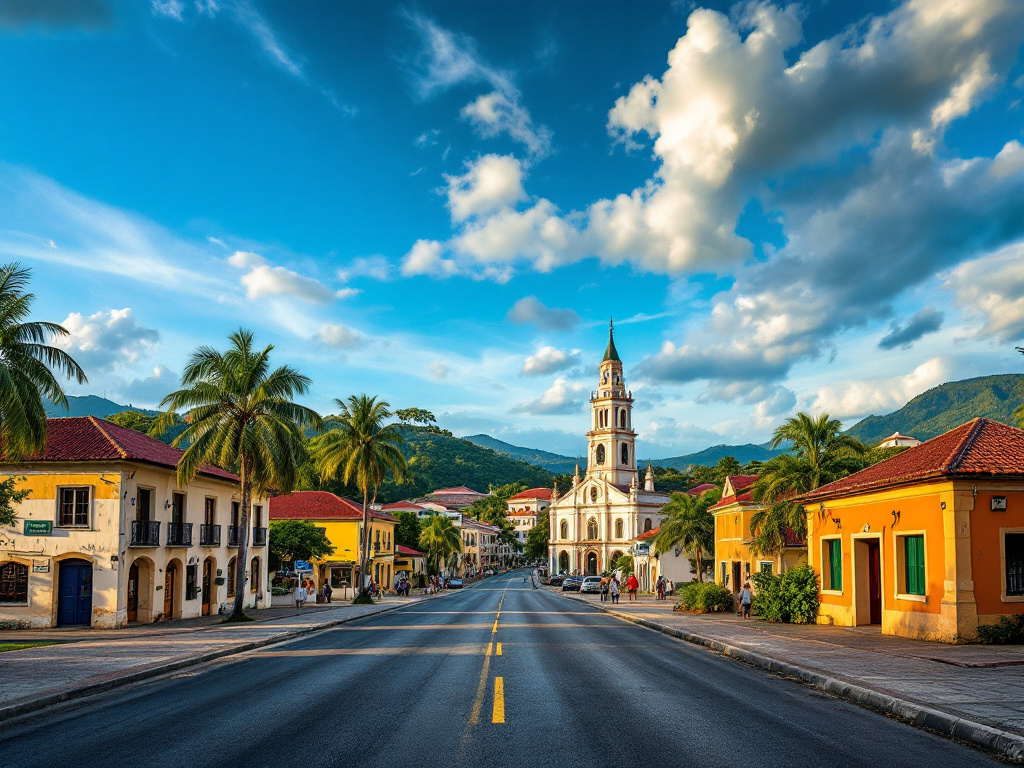
Georgetown's Historic Center
Georgetown's historic center features colorful wooden buildings and insights into Guyana's colonial past.
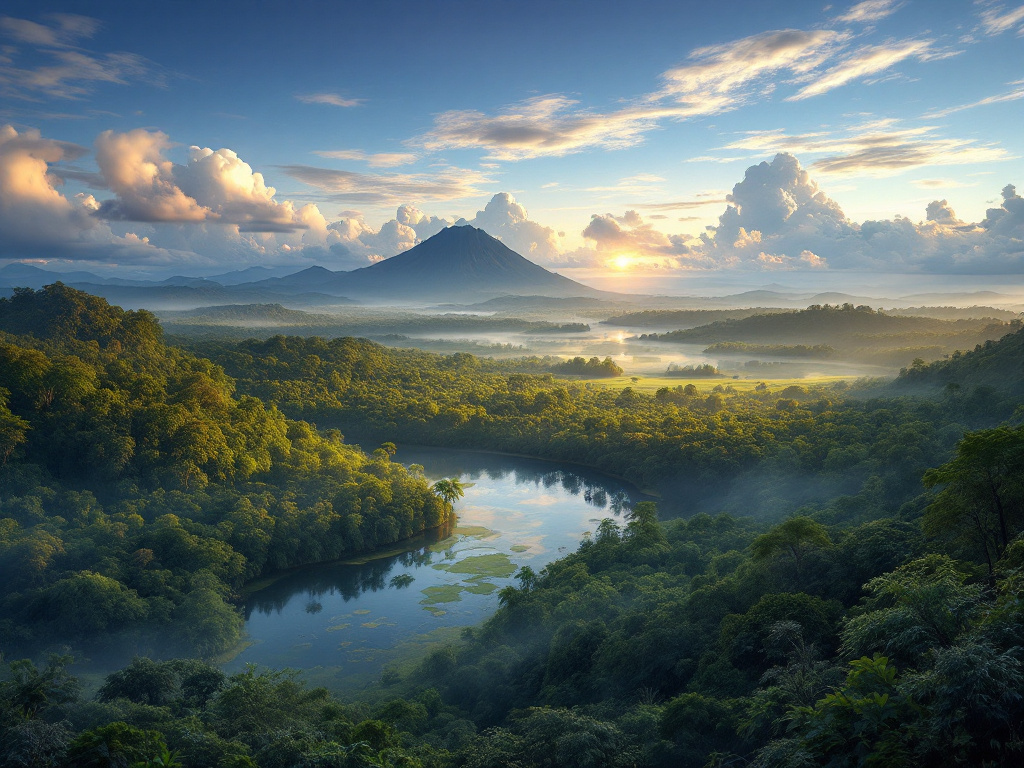
Iwokrama Rainforest
Iwokrama Rainforest is a vast protected area filled with biodiversity and ecotourism experiences.
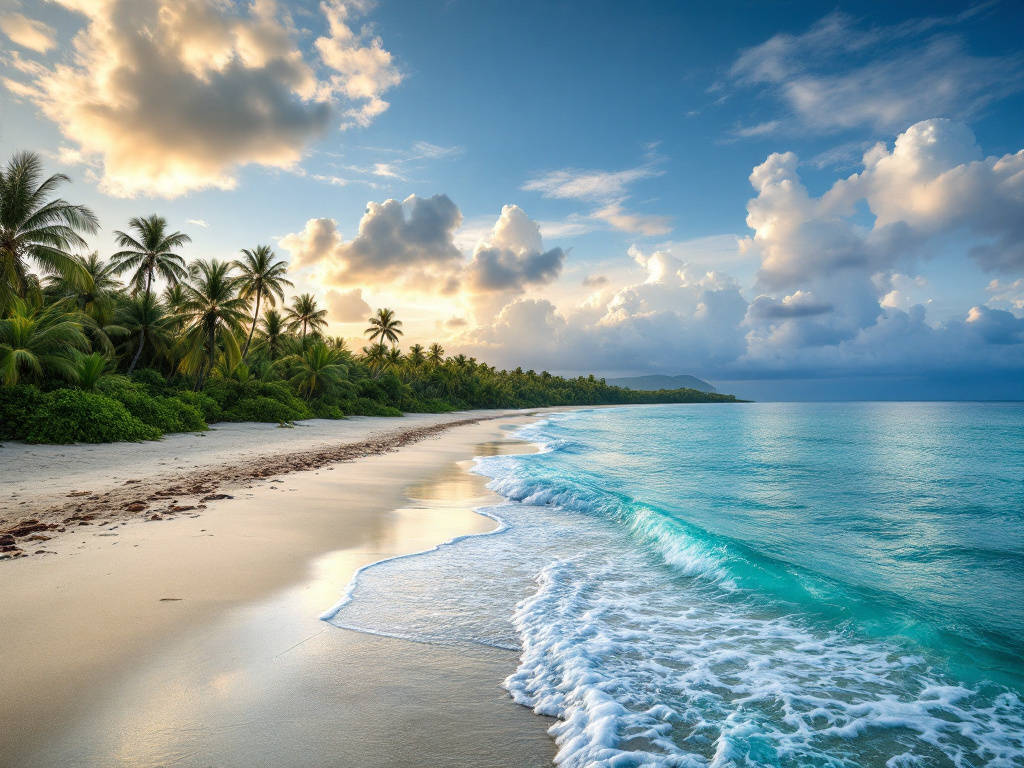
Shell Beach
Shell Beach is known for its sea turtles and long, unspoiled shorelines.
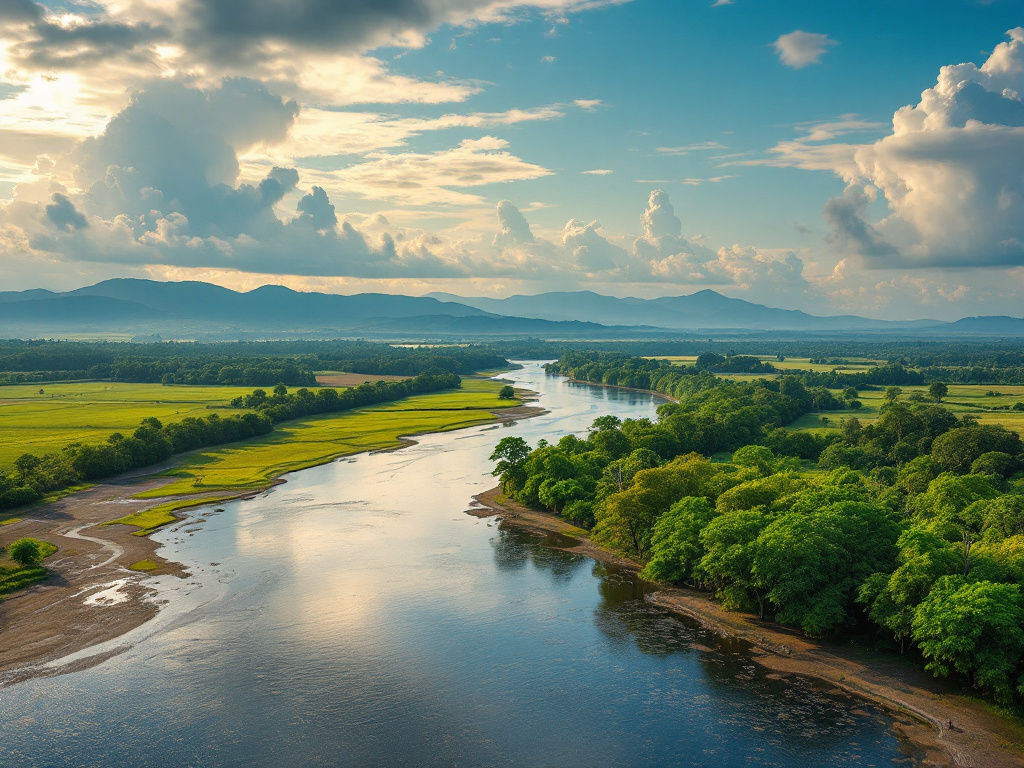
Essequibo River
The Essequibo River is Guyana's longest river and features islands, villages, and rich wildlife.
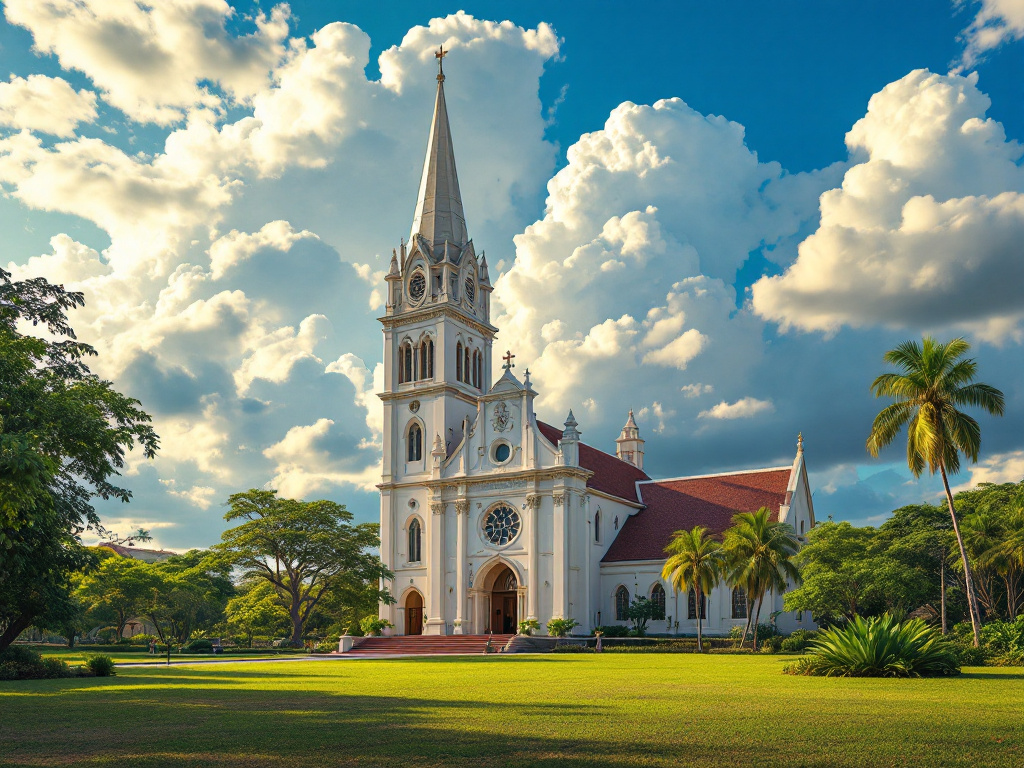
St. George's Cathedral
St. George's Cathedral is an architectural landmark and a symbol of Georgetown's history.
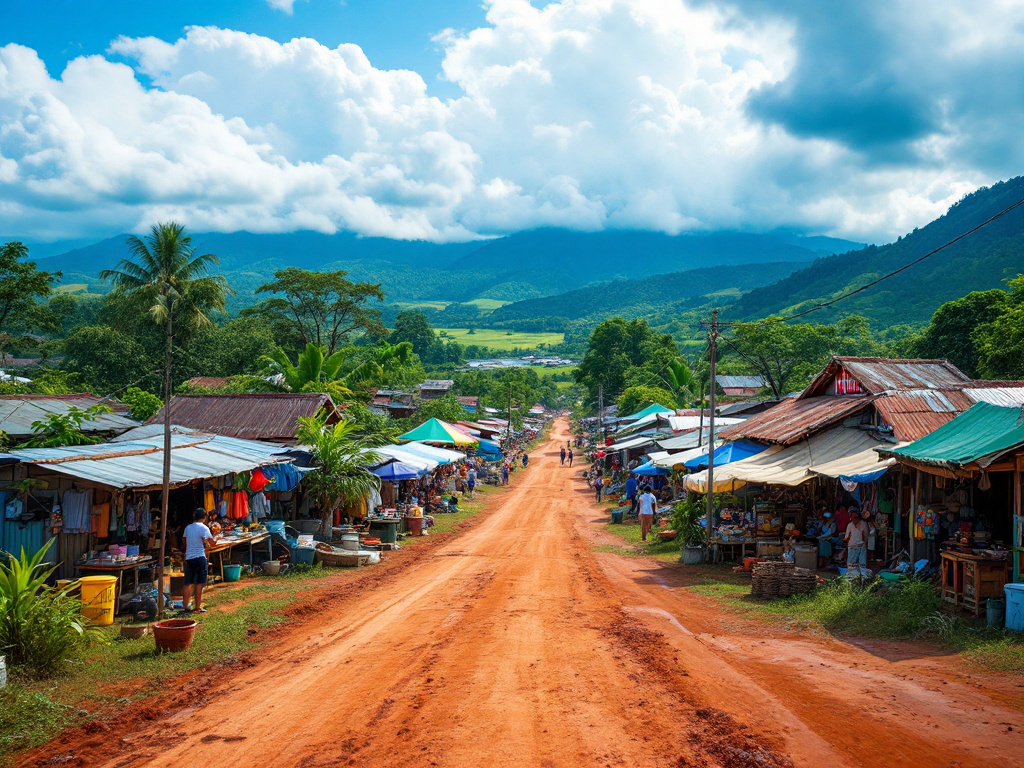
Bourda Market
Bourda Market is a lively place filled with colors, scents, and local atmosphere.
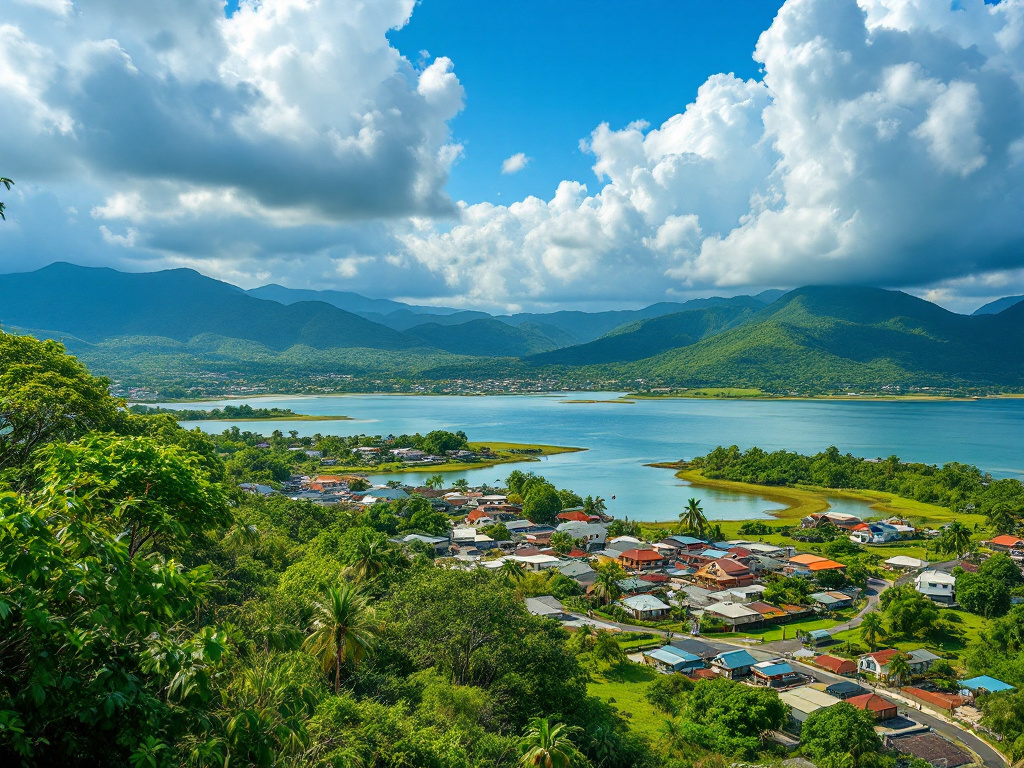
Bartica
Bartica is a charming river town and the gateway to Guyana's interior regions.
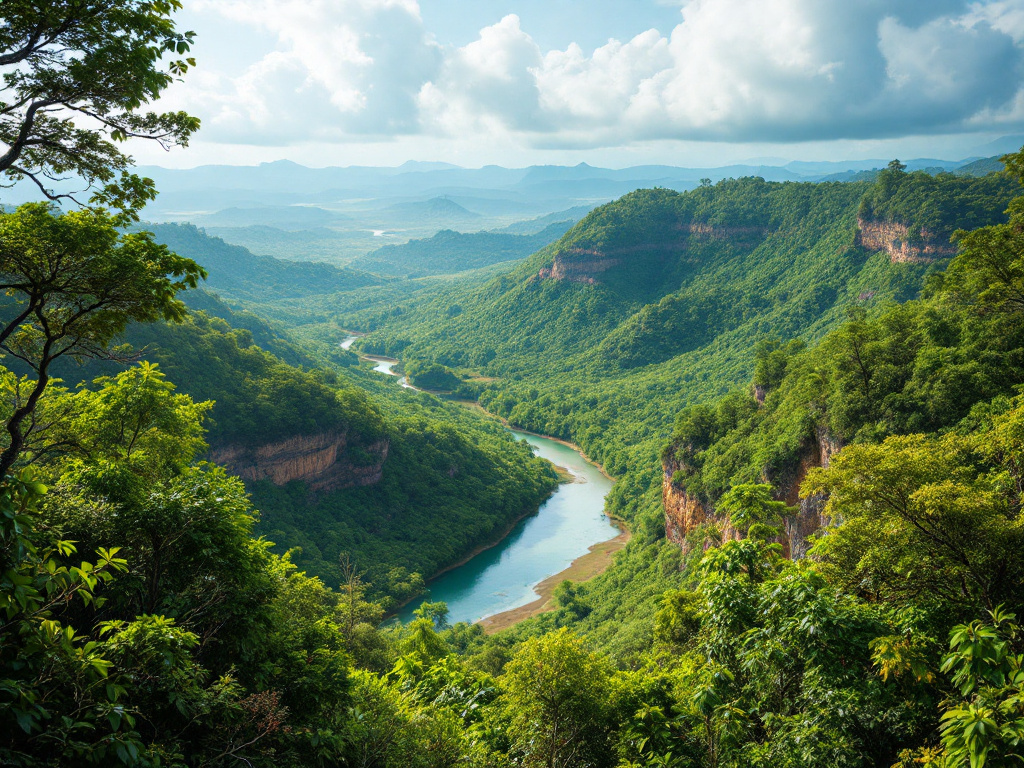
Kanuku Mountains
The Kanuku Mountains are a wild and isolated area known for its unique biodiversity.
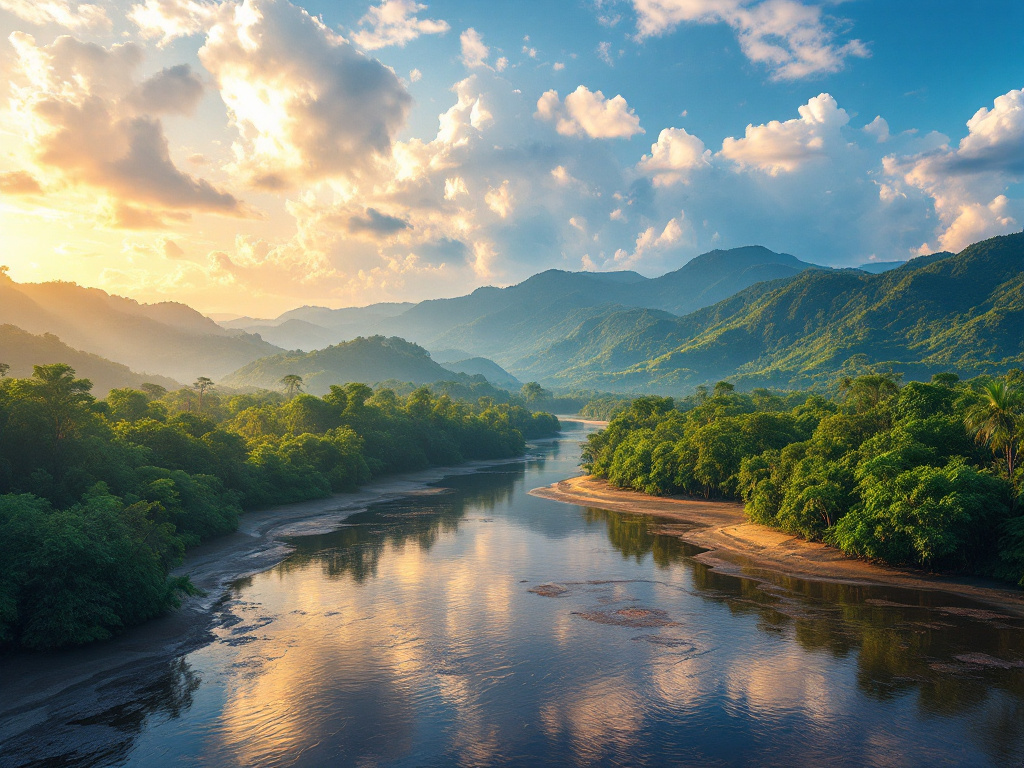
Potaro River
The Potaro River flows through dramatic landscapes and is a central part of the Kaieteur area.
Famous cuisine
Culinary overview
Guyana's culinary culture is a melting pot of African, Indian, Indigenous, and European influences. The country's dishes are often spicy, hearty, and based on local ingredients such as cassava, rice, fish, and tropical fruits. Street food plays a big role, and markets are filled with fresh fruit, spices, and homemade snacks. Meals are often social events where family and friends gather. From the traditional pepperpot served during holidays to the everyday cook-up rice, the cuisine reflects Guyana's cultural diversity.
Must-try dishes
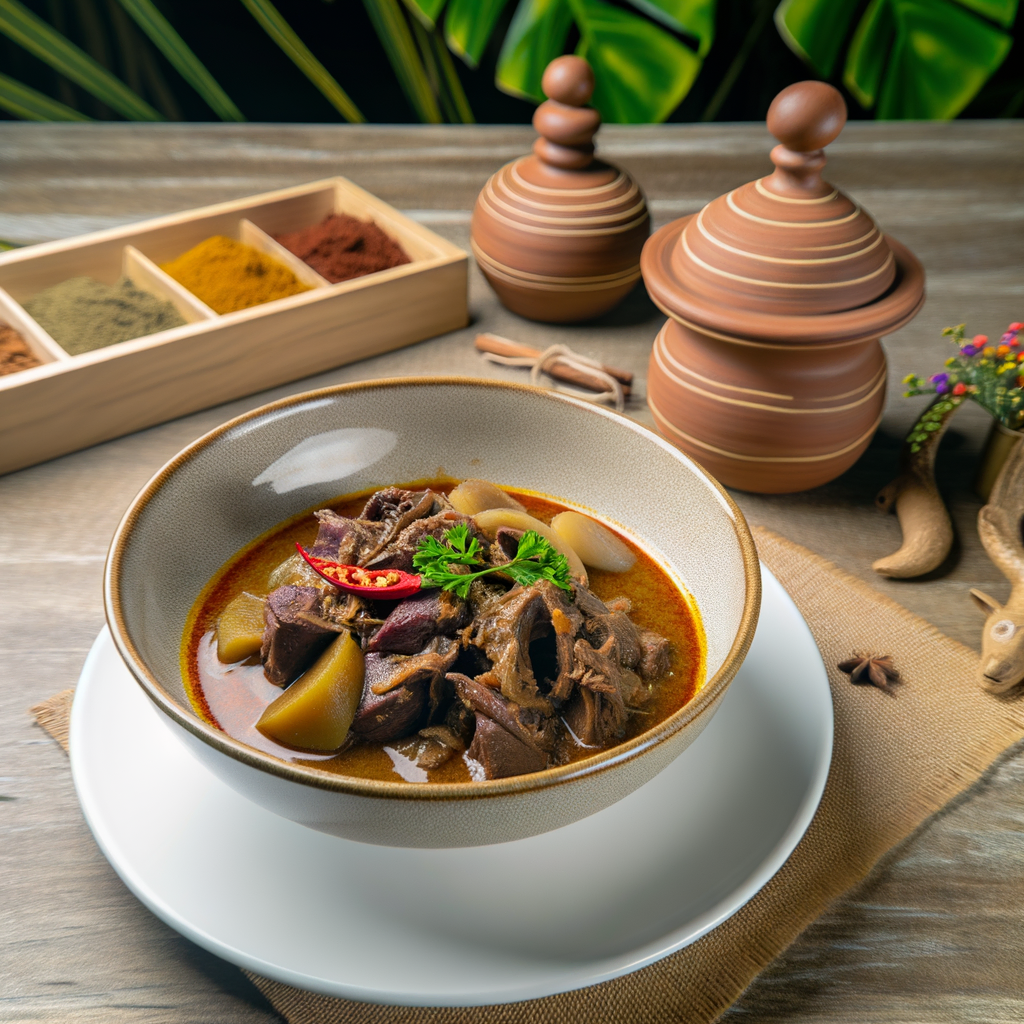
Pepperpot
A slowly simmered meat stew, often made with beef or game, seasoned with cassareep (a sauce made from cassava), cinnamon, and chili. Traditionally served at Christmas and large family events.
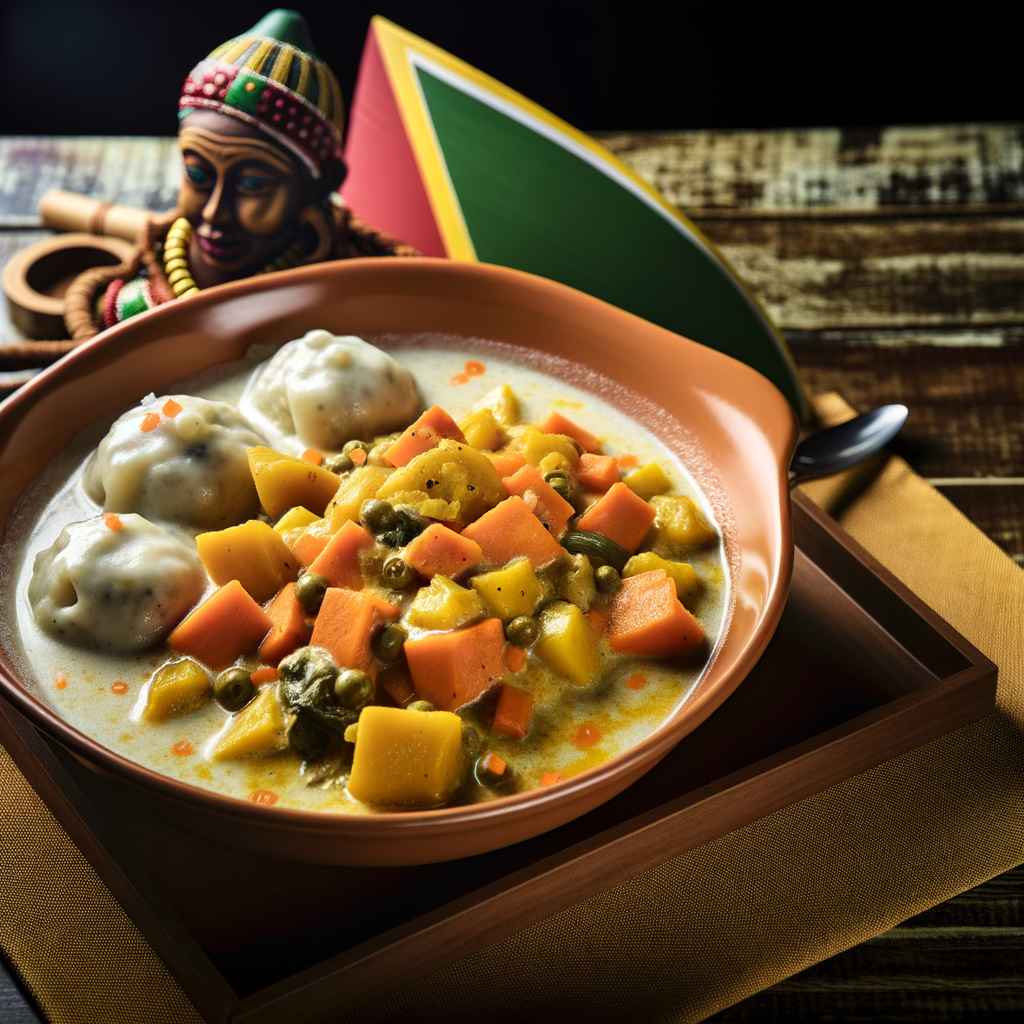
Metemgee
A creamy stew made with root vegetables such as sweet potatoes, cassava, and pumpkin, enriched with coconut milk and often served with dumplings. A hearty dish with roots in African communities.
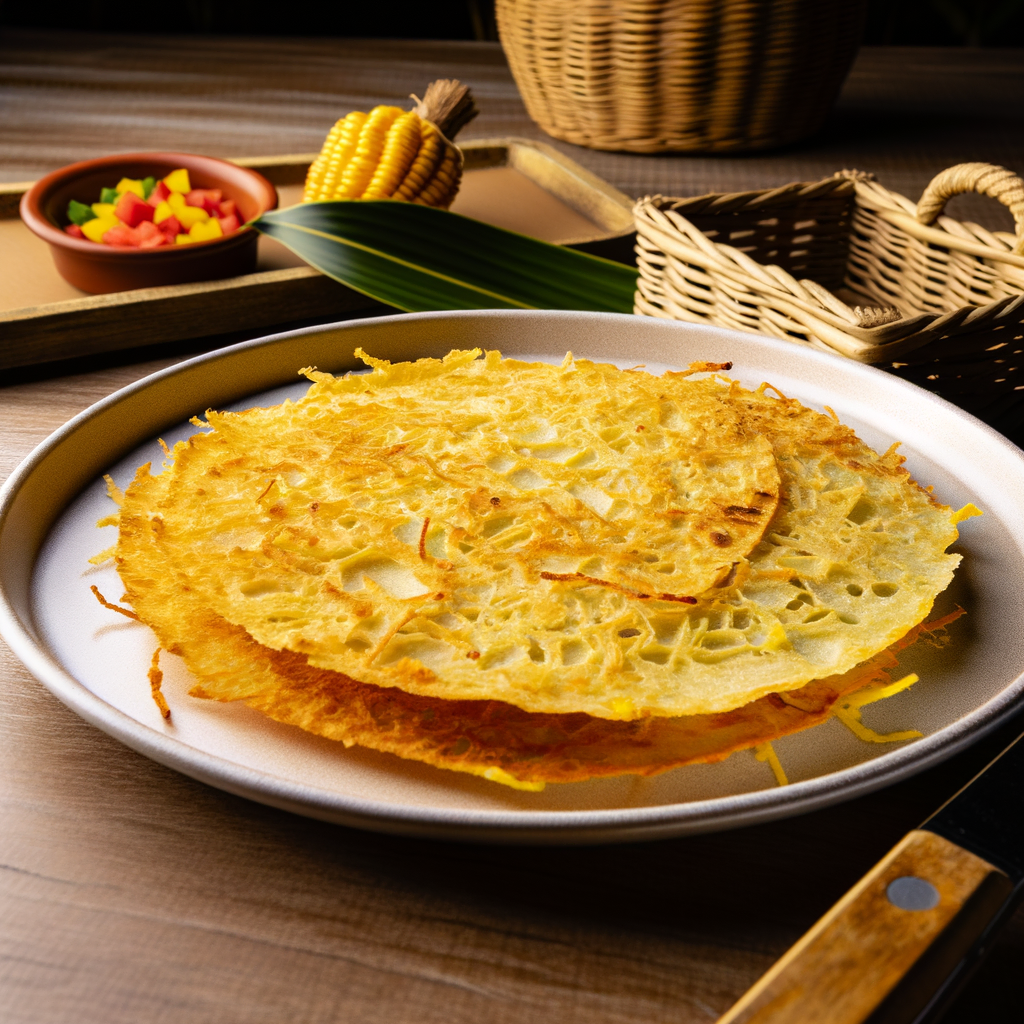
Cassava Bread
A flat, crispy bread made from grated cassava, baked on a hot plate. It has a slightly nutty flavor and is often eaten as a side with meat and fish dishes.
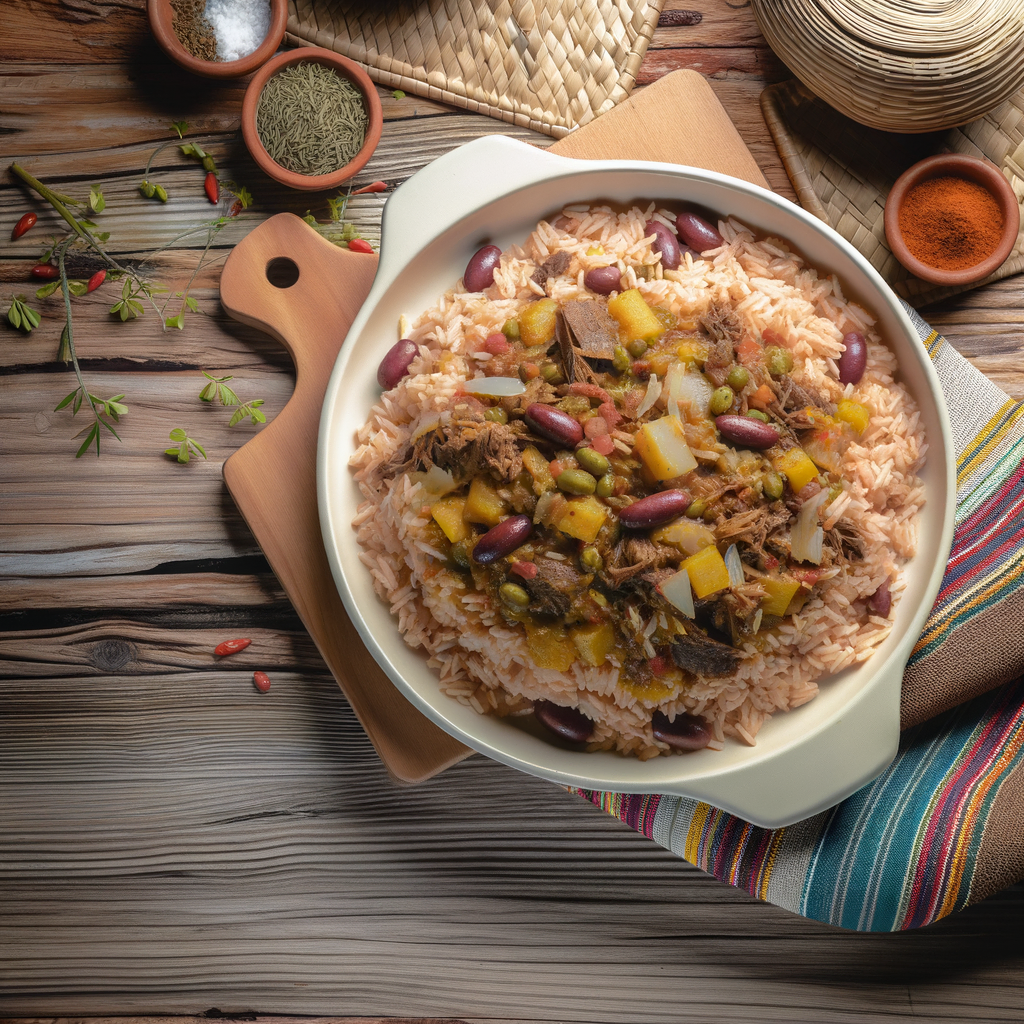
Cook-up Rice
A popular everyday dish where rice is cooked together with beans, meat, coconut milk, and spices. Variants can be found in almost every home, and the dish is known for its hearty flavor.
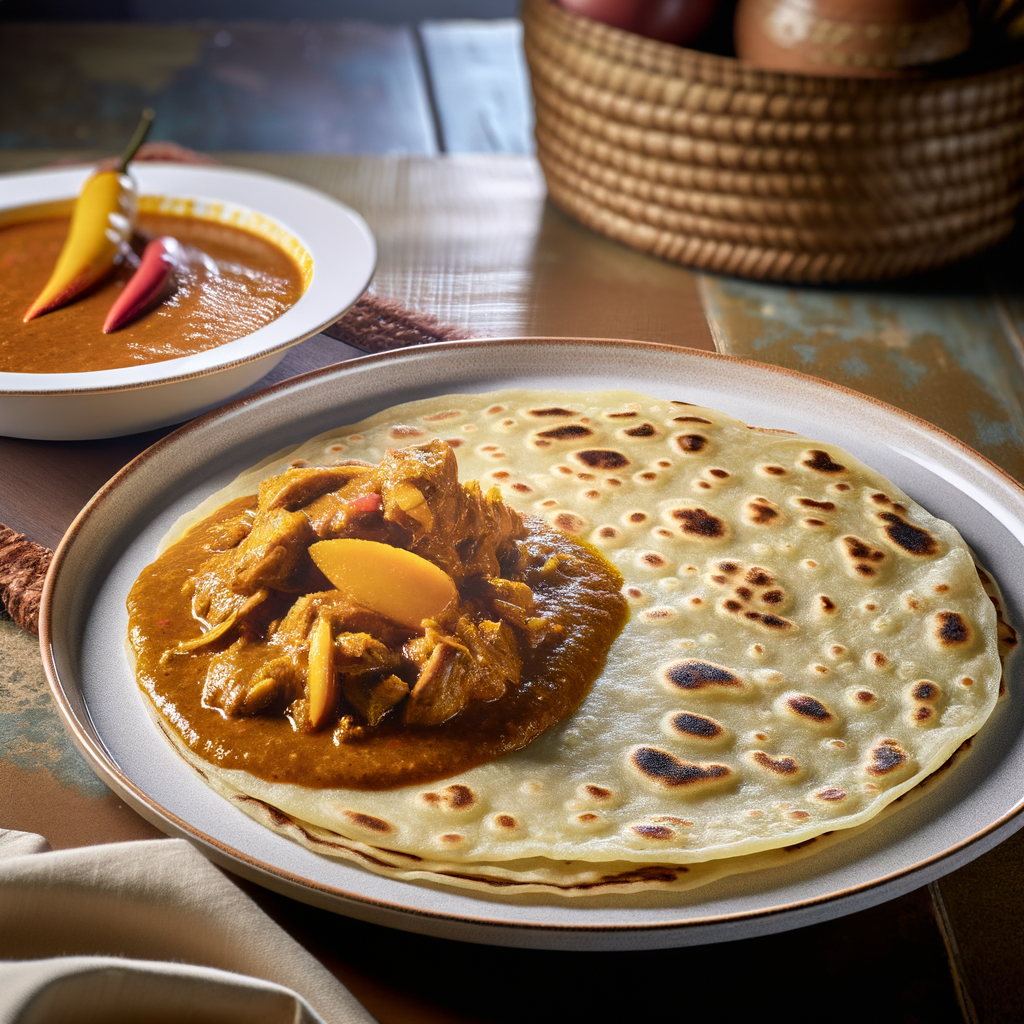
Roti med Curry
A soft, flat pancake (roti) served with spicy chicken or lamb curry, an example of the strong Indian influence in Guyana's cuisine.
Restaurant information
Tipping
Tipping is not always expected in Guyana, but at restaurants, it is common to give 5-10% of the bill if a service charge is not included. In markets and street kitchens, tipping is usually not given.
Travel information
Currency
Guyansk dollar (GYD)
Language
English
Best time to visit
February to April and September to November
Major cities
Georgetown and other major cities
More countries in South America
Discover more destinations in this region