
Afghanistan
Afghanistan, the heart of Central Asia, boasts a rich tapestry of history, breathtaking landscapes like Band-e Amir, and resilient cultures shaped by centuries of triumphs and challenges.
Overview
Afghanistan, located in the heart of Central Asia, offers travelers a captivating blend of dramatic landscapes and deep cultural heritage. From the stunning sapphire lakes of Band-e Amir National Park to the lush Panjshir Valley, the country presents world-class natural experiences. Historical gems like the Bamiyan Valley and the Minaret of Jam testify to Afghanistan's pivotal role along the Silk Road. In Kabul, vibrant markets, fragrant cuisines, and enchanting gardens await exploration. For the adventurous traveler, Afghanistan promises a unique fusion of untouched nature, heartfelt hospitality, and a rich tapestry of cultural heritage that remains unparalleled.
Official language
Pashto and Dari
Government
Islamic republic
Best time to visit
April-June and September-October
Nature
Afghanistan is a land of breathtaking and rugged natural beauty. At the heart of the country lies the stunning Hindu Kush mountain range, where snow-capped peaks and deep valleys create dramatic vistas that captivate the soul. The Band-e Amir National Park stands as one of its most iconic natural treasures, showcasing six sapphire-blue lakes surrounded by limestone cliffs—an almost otherworldly sight. The lush Panjshir Valley is known for its fertile landscapes, crystal-clear rivers, and verdant fields framed by majestic mountains. The contrasting arid desert regions to the south and west further highlight the remarkably diverse geography, where fertile northern valleys come alive with the cultivation of pomegranates, grapes, and almonds. With climate variations ranging from harsh winters in the mountains to warm summers in the lowlands, Afghanistan offers an impressive array of landscapes. For nature enthusiasts, it serves as an uncharted paradise where hiking, climbing, and exploring pristine locales create a sense of stepping back in time.
Travel to Afghanistan
Traveling to Afghanistan is an adventure for those seeking authentic encounters and unblemished landscapes. The optimal times to visit are spring (April to June) and autumn (September to October), when the climate is mild and nature is in full bloom. Kabul offers historical gardens like Babur’s Garden, bustling bazaars, and a wealth of culinary delights awaiting your palate. Beyond the capital, UNESCO sites like Bamiyan Valley and the Minaret of Jam, as well as natural treasures such as Band-e Amir and Panjshir Valley, beckon exploration. Travelers should be mindful of the current security situation and plan with local expertise. The rewards are profound connections with a people whose hospitality and pride are as impressive as the country's enduring history, providing experiences that are truly one-of-a-kind.
Culture
Afghanistan's culture is a rich tapestry woven from centuries of interactions between East and West. The dominant languages, Pashto and Dari, are the heartbeat of a vibrant society where poetry, music, and handicrafts flourish in daily life. Afghan cuisine is a delightful journey on its own, featuring aromatic dishes like Kabuli Pulao infused with saffron and raisins, steamed Mantu dumplings, and crispy Bolani stuffed with vegetables. The bustling markets of Kabul and Herat brim with colorful carpets, exquisite jewelry, and fragrant spices, reflecting the region's rich trading heritage. Hospitality is deeply rooted in Afghan customs; guests are greeted with tea and warm smiles, showcasing the spirit of generosity. Traditional clothing, lively festivals, and storytelling remain integral to the fabric of society, while religious life shapes the community's structure. Afghanistan's culture stands as a proud testament to resilience, shaped by historical adversities yet brimming with a determination to preserve its identity and heritage.
History
Afghanistan boasts a history that stretches back thousands of years, serving as a vital hub on the legendary Silk Road. This land has been home to great civilizations and empires, from the Persian Achaemenid Empire to the mighty Kushan Empire. The Bamiyan Valley once flourished as a center for Buddhism, adorned with monumental statues of Buddha before the influence of Islam transformed its architectural landscape. The Minaret of Jam, constructed in the 12th century, is a masterpiece of Islamic design and a testament to the grandeur of the Ghurid dynasty. Afghanistan's strategic location has rendered it a battleground throughout history, from the campaigns of Alexander the Great to more recent conflicts. This complex past has forged a nation enriched with profound historical layers and a unique cultural identity, making it a place of deep significance.
Top attractions
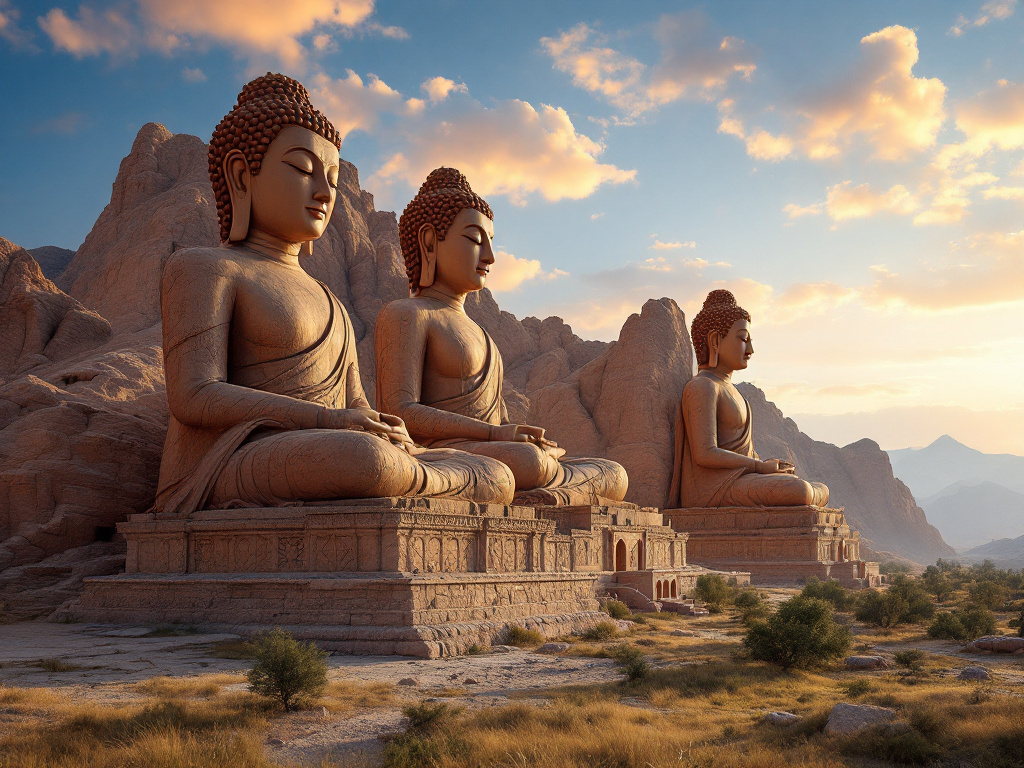
Bamiyan Cliffs and the Buddha Niches
A famous historical area known for the enormous Buddha niches carved into the cliffs and the spectacular Bamiyan valley.
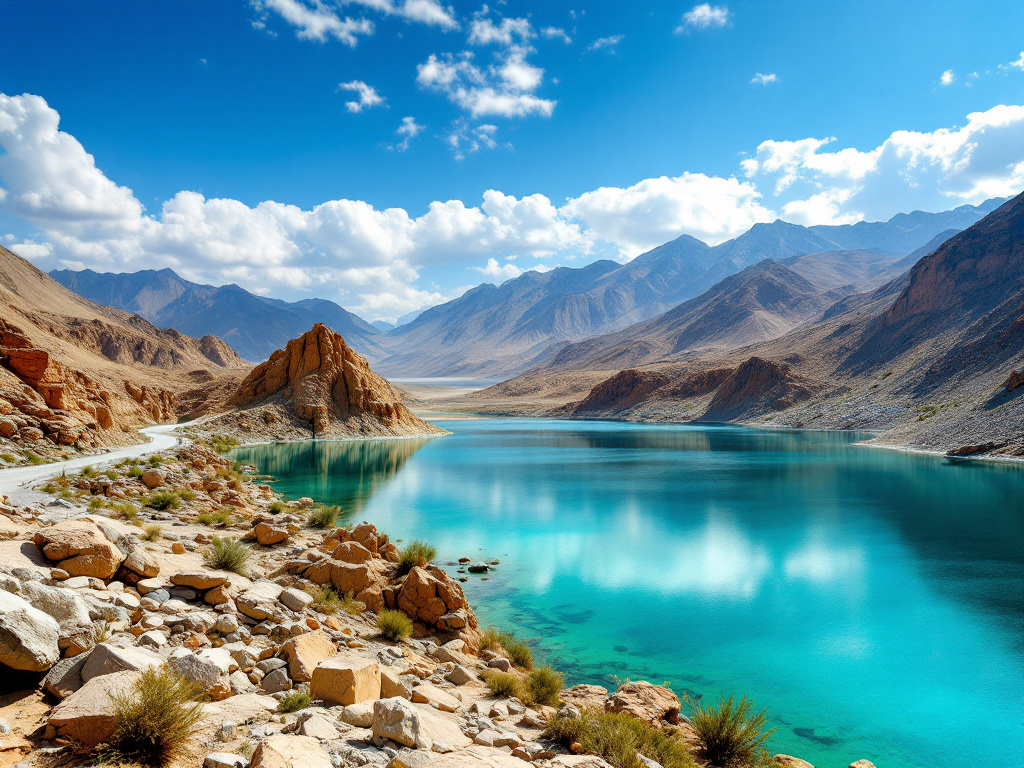
Band-e-Amir Lakes
A series of captivating natural lakes known for their clear blue color and peaceful surroundings in central Afghanistan.
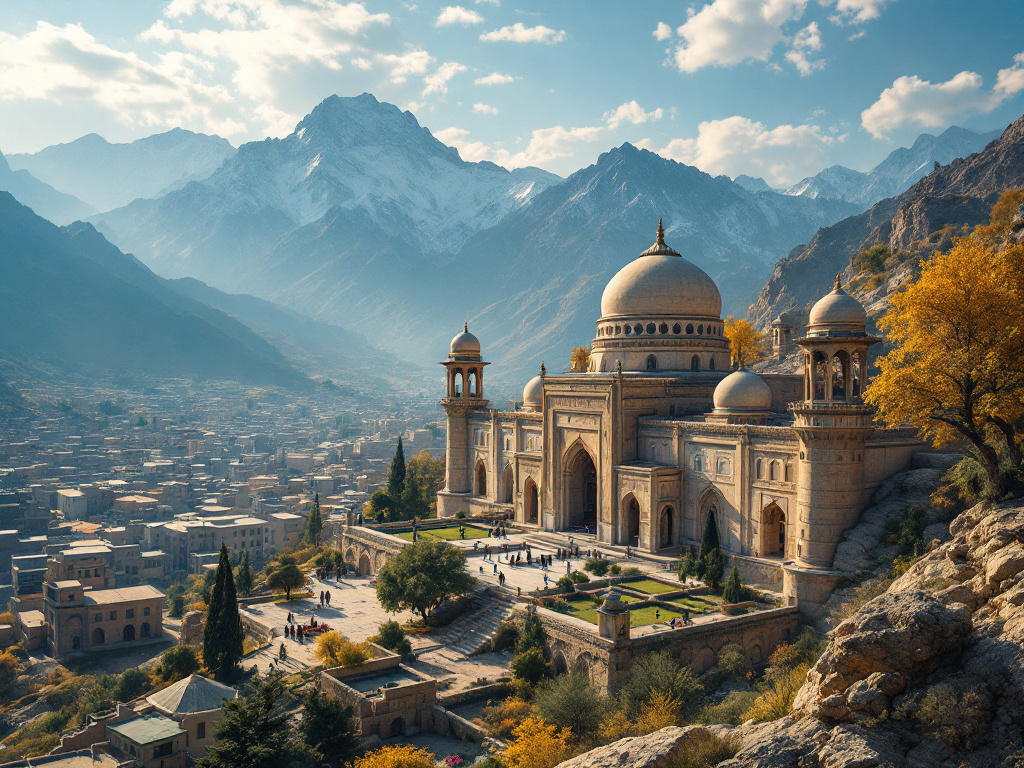
Bagh-e Babur
A historical garden in Kabul established by the first Mughal emperor Babur, known for its peaceful atmosphere and historical significance.
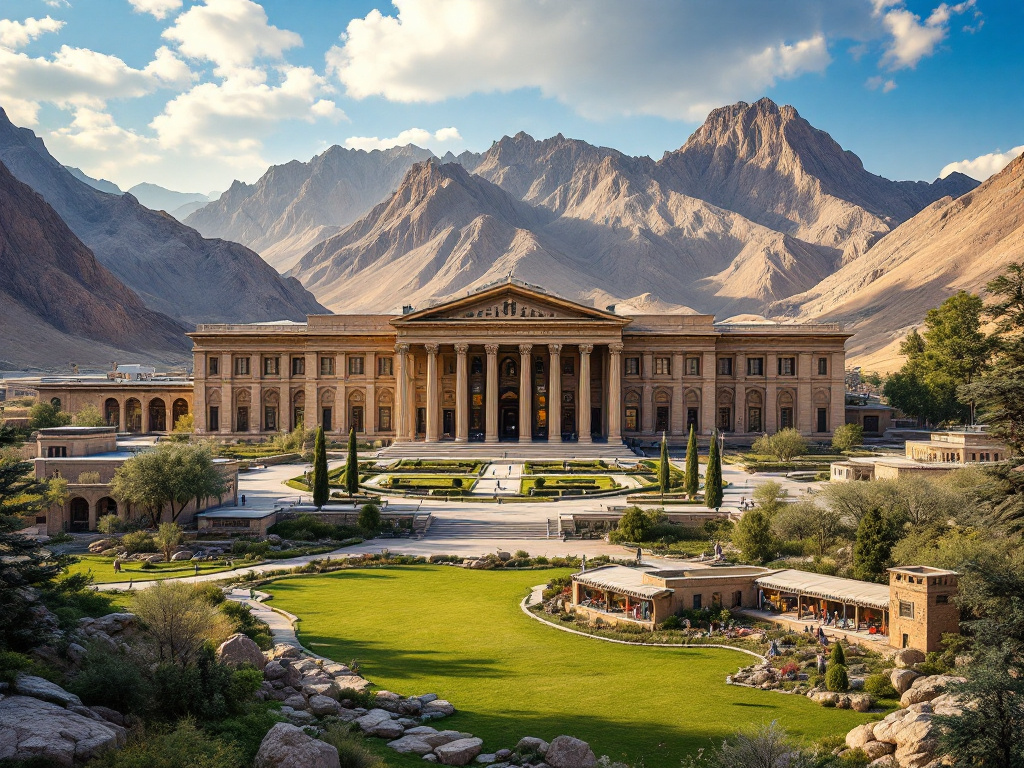
Afghanistan National Museum
The national museum houses a comprehensive collection that tells Afghanistan's diverse history from ancient times to the present.
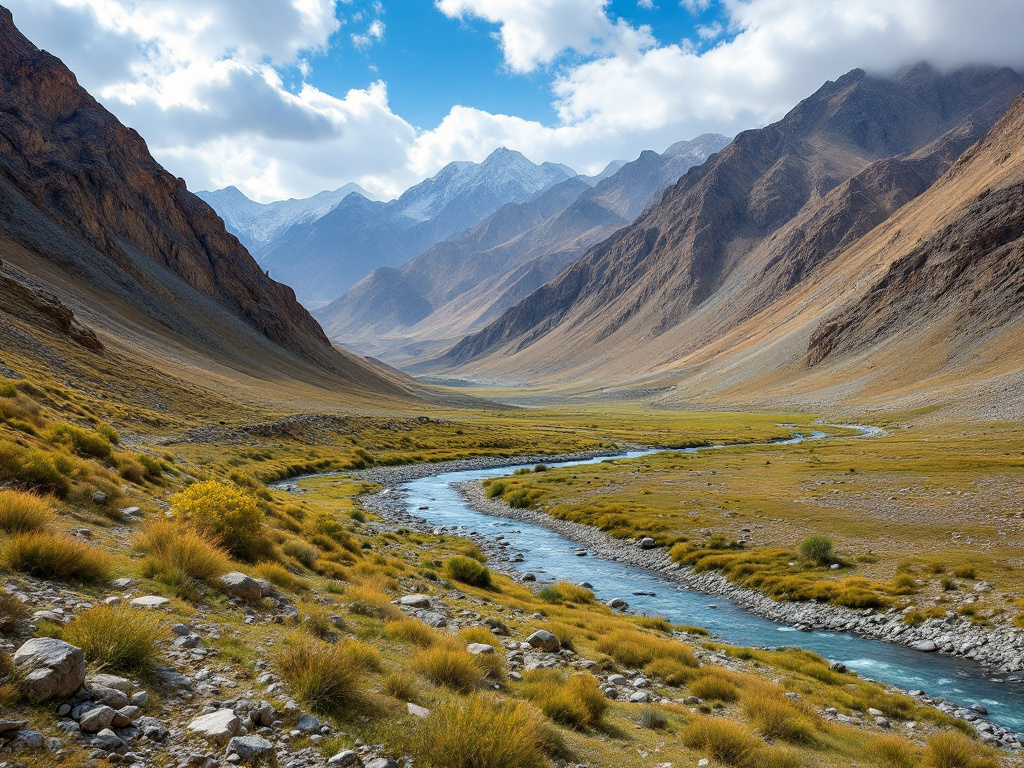
Panjshir Valley
A scenic valley north of Kabul known for its green landscapes, rivers, and dramatic mountain views.
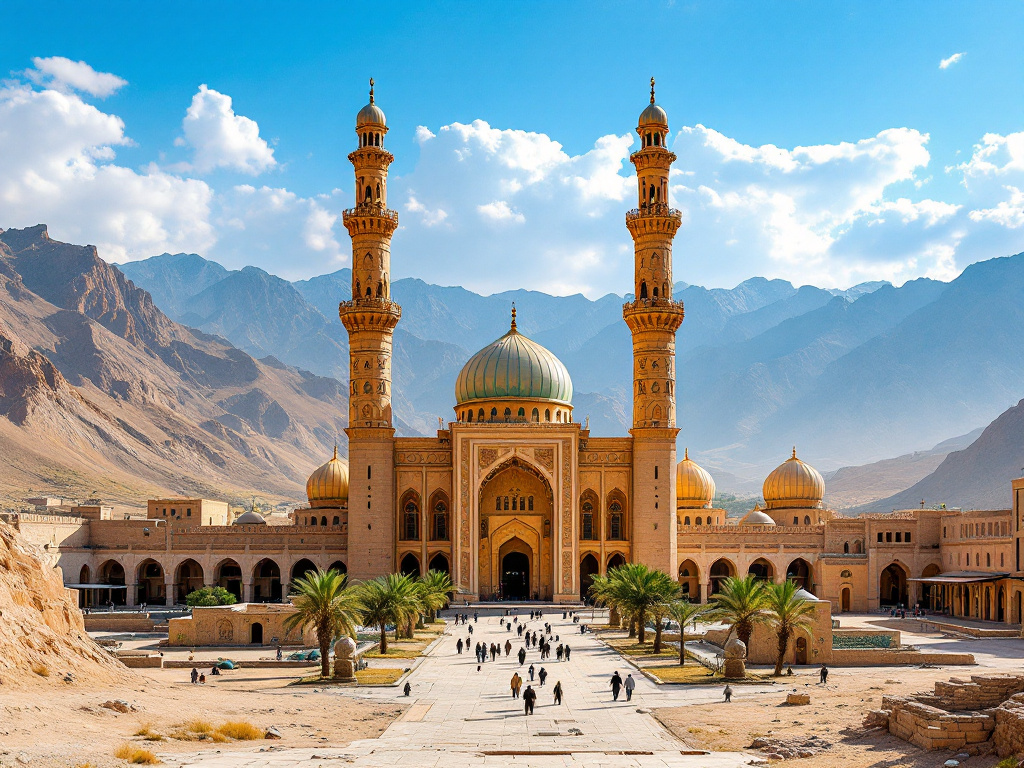
The Great Mosque of Herat
One of the most beautiful and oldest mosques in the region, famous for its detailed Islamic architecture.
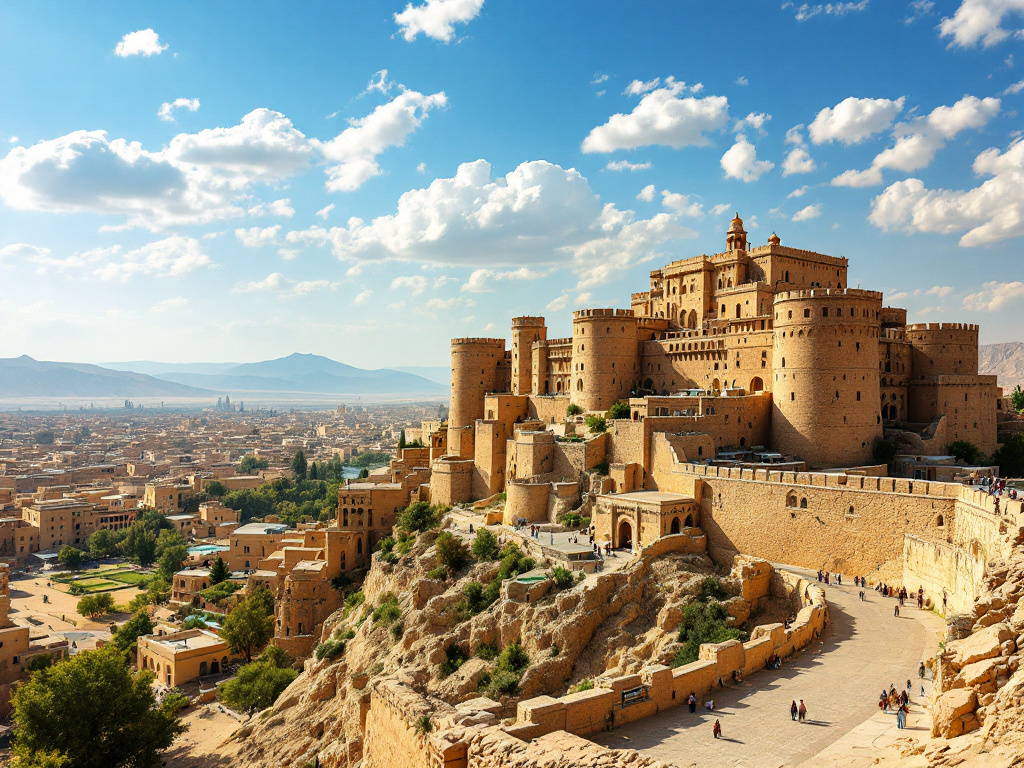
The Citadel of Herat
An impressive historical citadel that has protected Herat for centuries and offers a great view of the city.
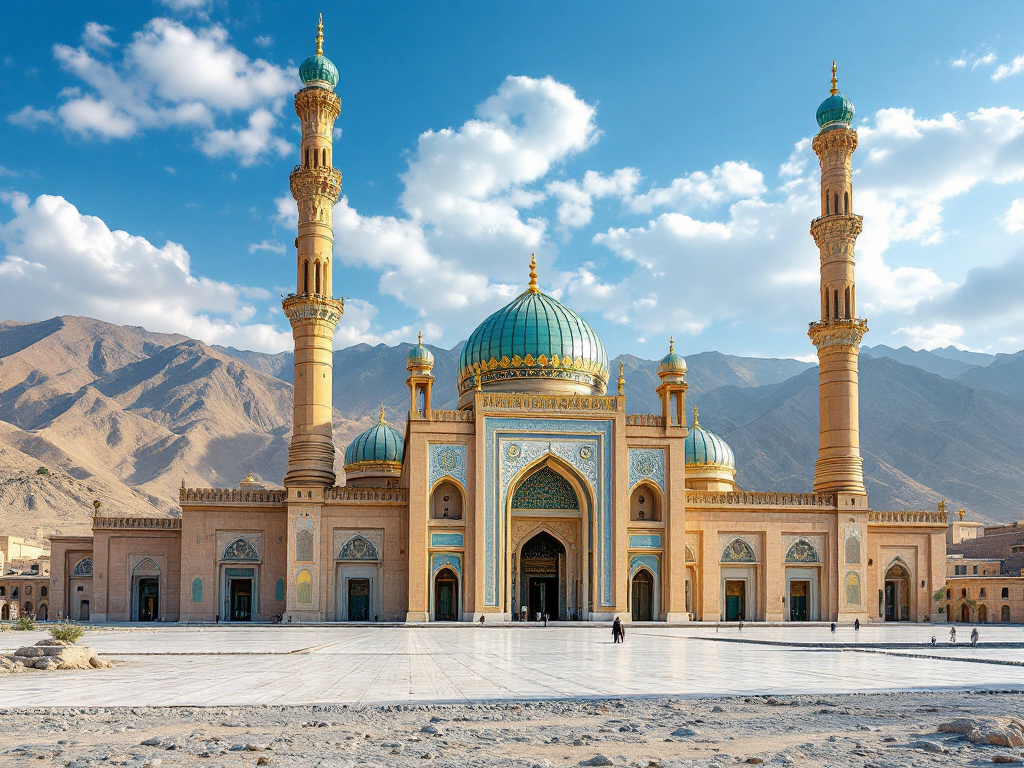
The Blue Mosque in Mazar-e-Sharif
An iconic mosque known for its brilliant blue tiles and as an important religious center in northern Afghanistan.
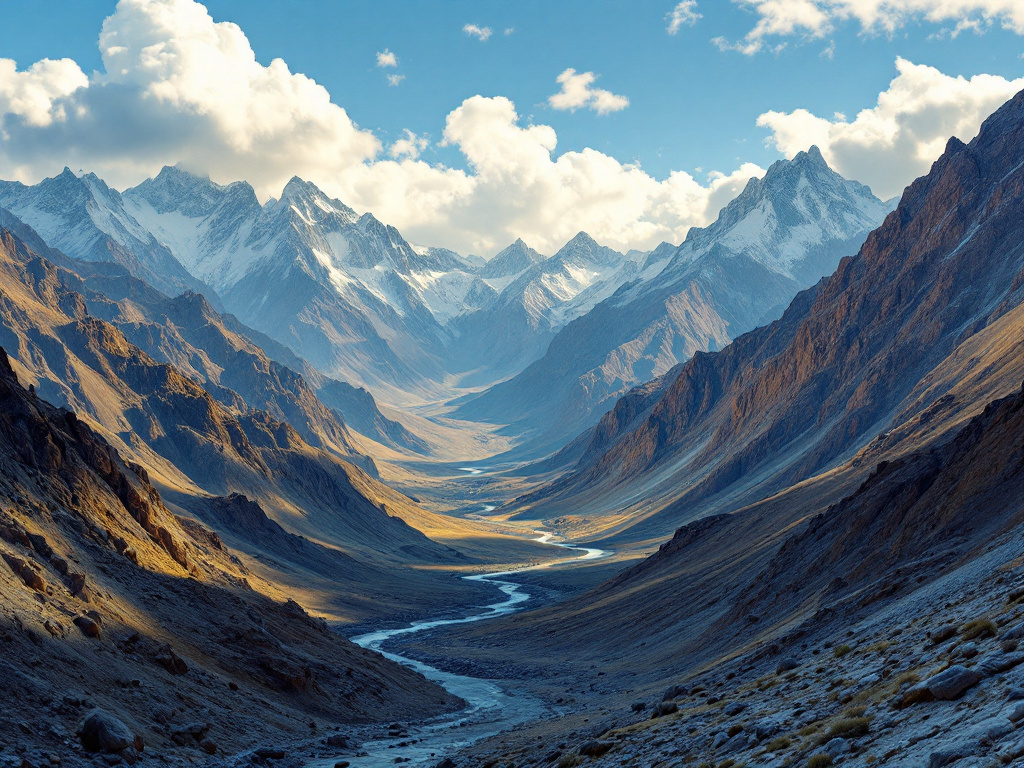
Salang Pass
A high-altitude mountain pass that connects the north and south and offers stunning views of the Hindu Kush Mountains.
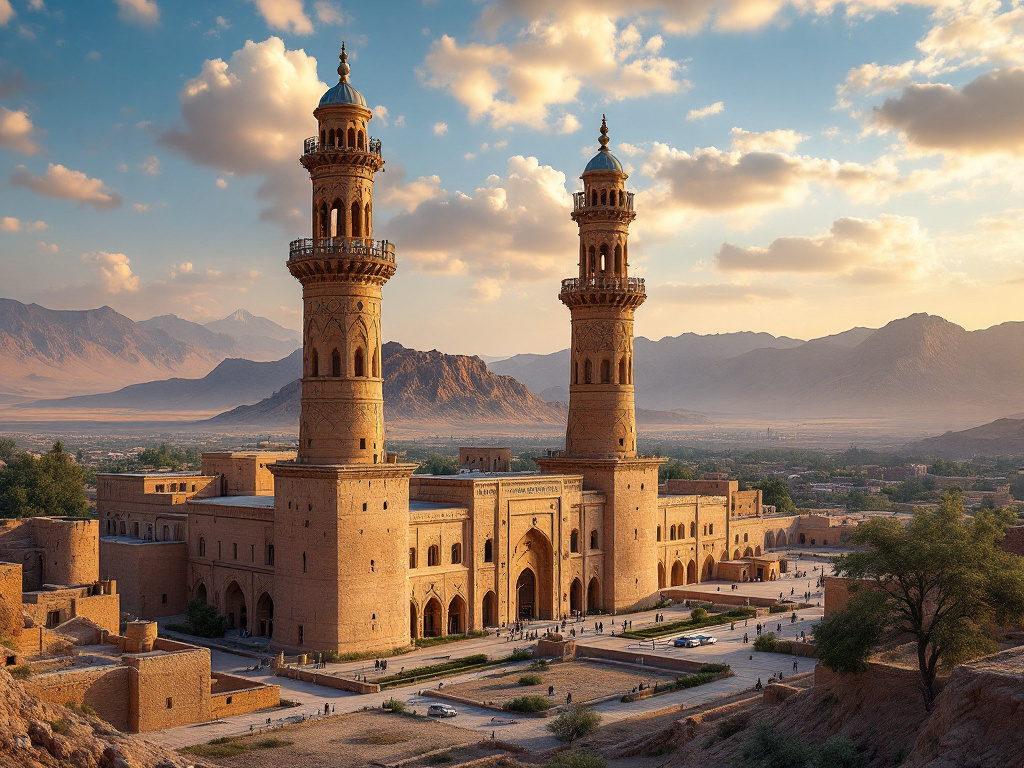
The Minarets of Ghazni
Two historical minarets from the 12th century that testify to Ghazni's former significance as a cultural center.
Famous cuisine
Culinary overview
Afghanistan's food culture is a rich blend of Persian, Central Asian, and Indian influences, shaped by the country's location on the Silk Road. Meals are often centered around rice, bread, and meat, accompanied by fresh herbs and spices like saffron, coriander, and cardamom. Hospitality is a cornerstone of the culture, and it is common to share large platters with family and guests. Traditional tea houses (chai khana) are popular meeting places where green tea and sweet pastries are enjoyed.
Must-try dishes
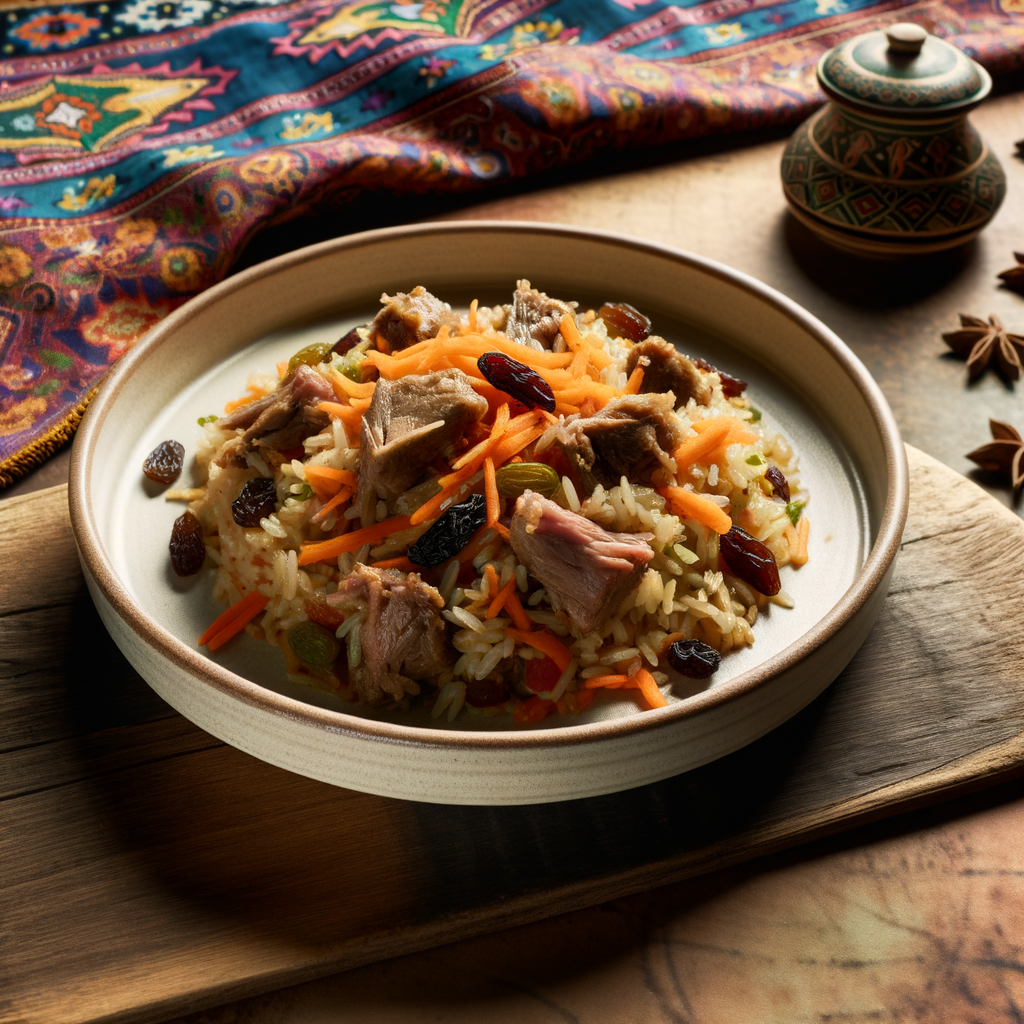
Kabuli Pulao
The national dish of Afghanistan – an aromatic rice dish with lamb, raisins, carrots, and spices like cardamom and cinnamon. Often served on festive occasions.
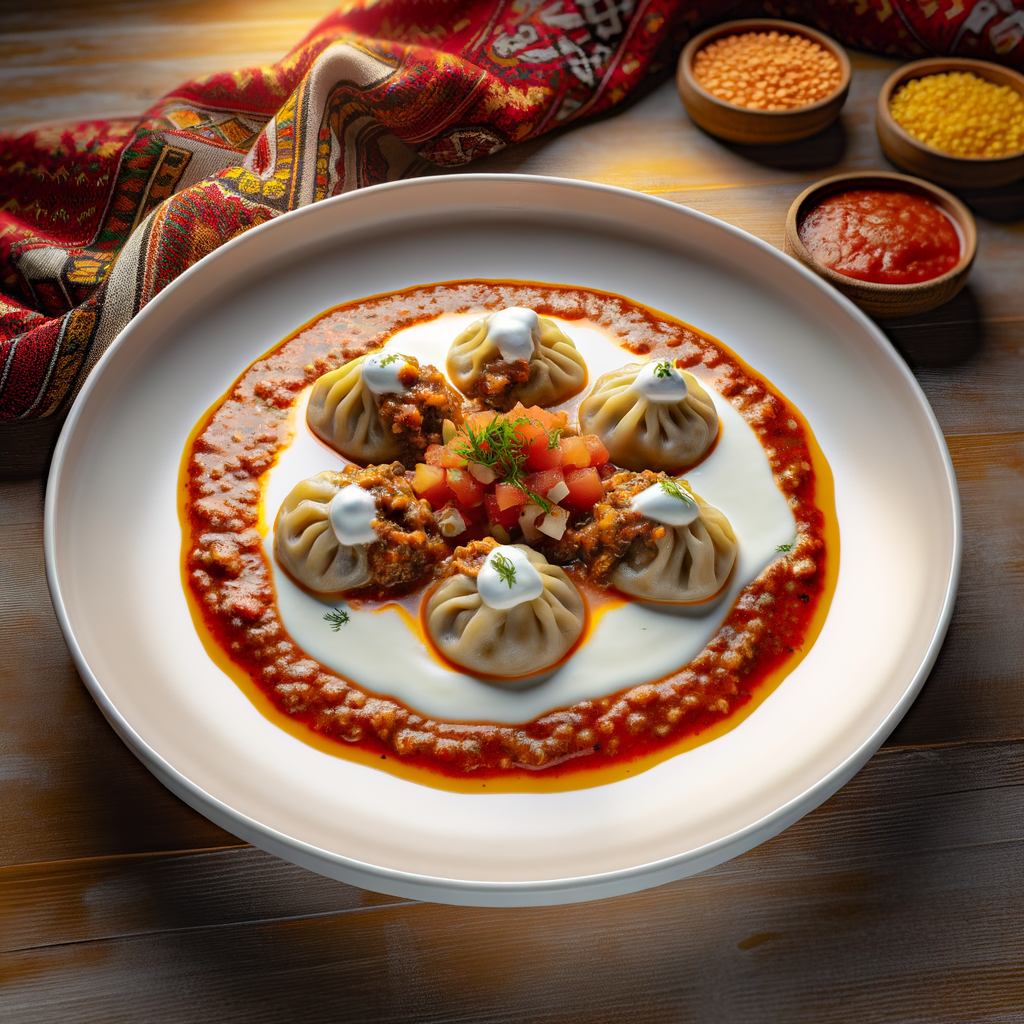
Mantu
Steamed dumplings filled with minced meat and onions, topped with yogurt and lentil-based tomato sauce. A popular dish for both everyday and special occasions.
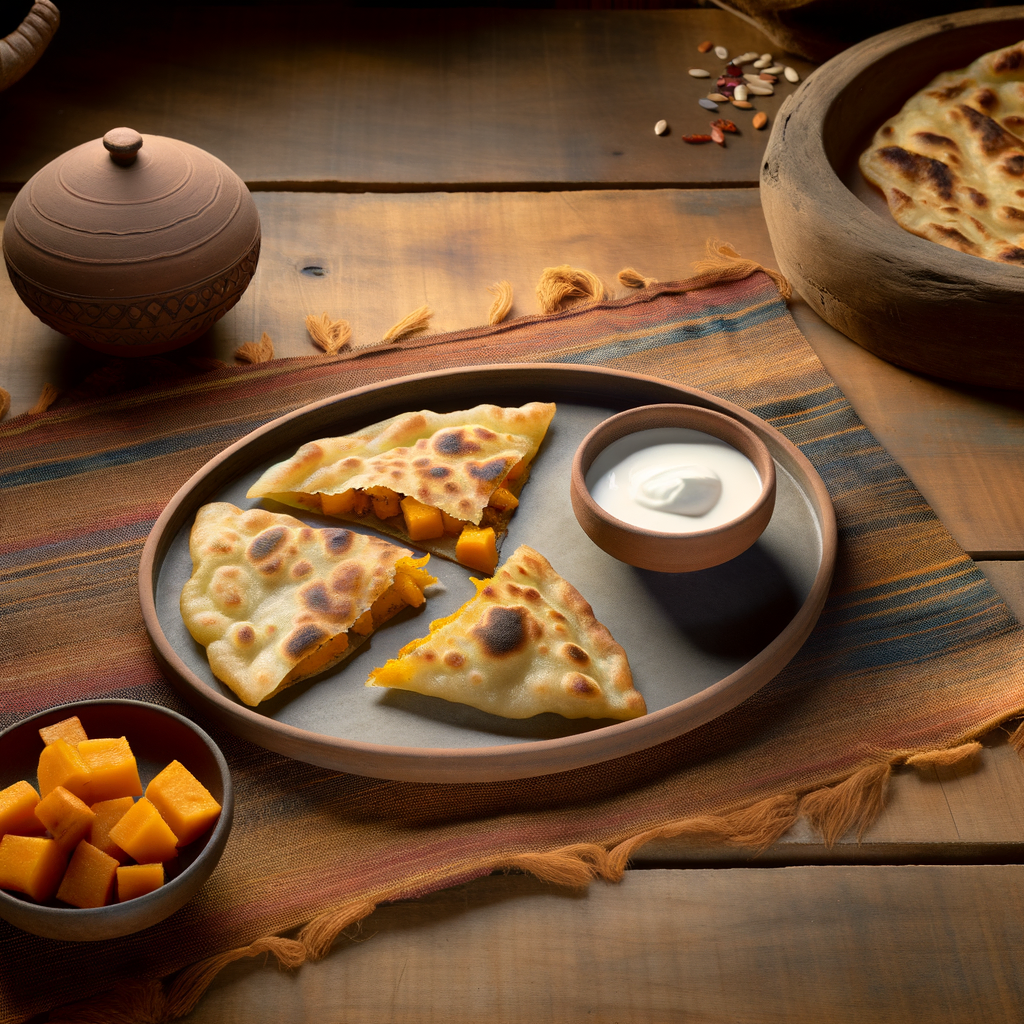
Bolani
Flatbread filled with potatoes, pumpkin, or spinach, fried crispy on the pan. Often served as a snack or appetizer with yogurt.
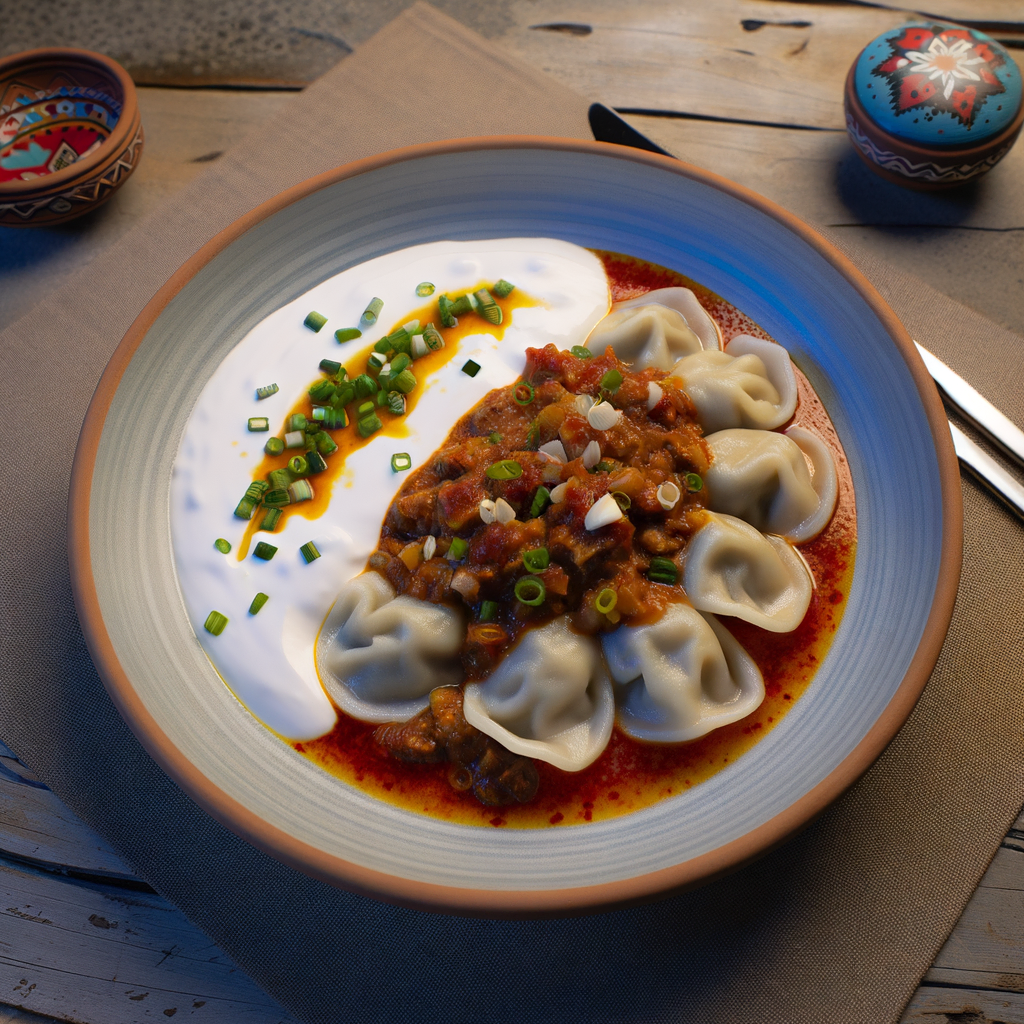
Ashak
Thin dough filled with leeks, served with yogurt and meat sauce. A specialty from the Kabul region.
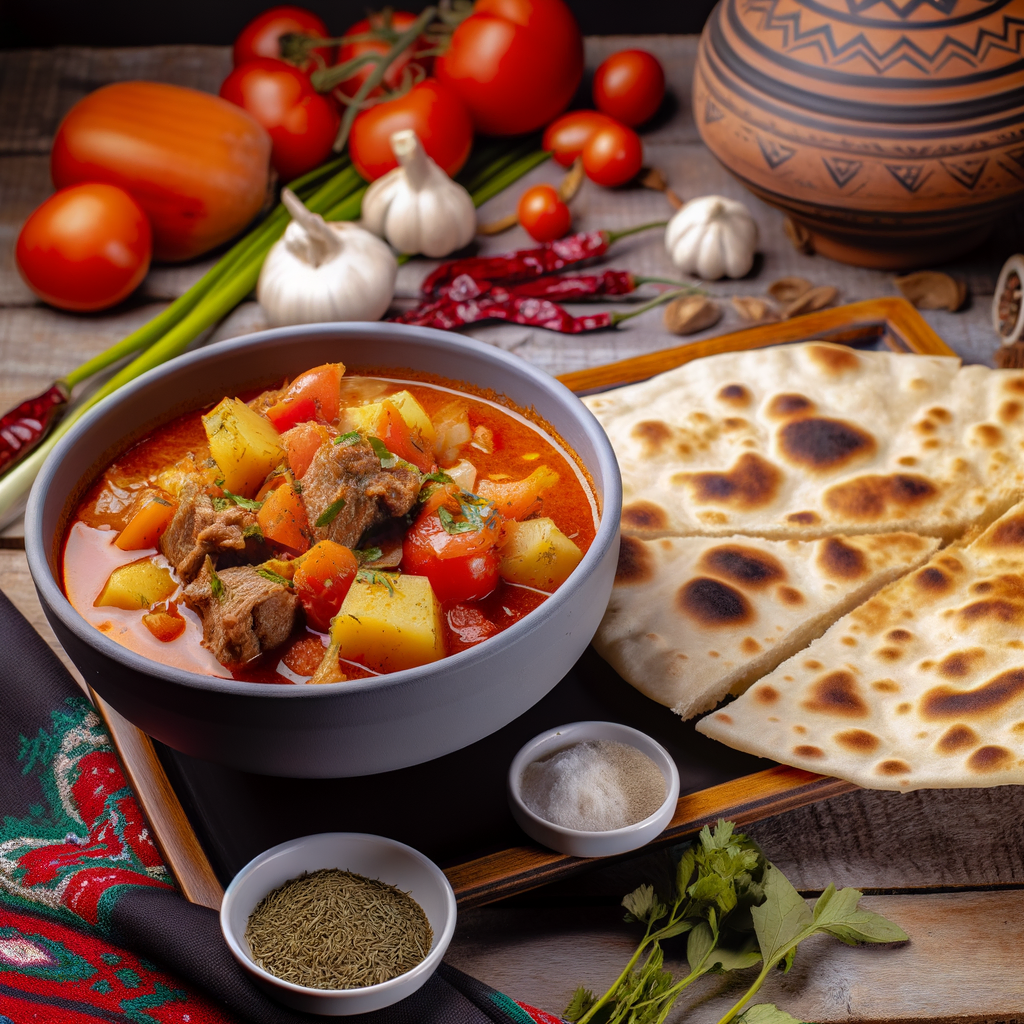
Shorwa
A traditional Afghan soup made with lamb, potatoes, tomatoes, and spices. Often served with freshly baked naan.
Restaurant information
Tipping
Tipping is not always expected in Afghanistan, but it is appreciated in restaurants and hotels. 5-10% of the bill is appropriate if the service has been good.
Travel information
Currency
Afghani (AFN)
Language
Pashto and Dari
Best time to visit
April-June and September-October
Major cities
Kabul and other major cities
More countries in Asia
Discover more destinations in this region