
Bangladesh
Bangladesh, South Asia's emerald jewel, is a country with meandering rivers, vibrant culture, and breathtaking natural beauty – perfect for adventurous explorers.
Overview
Bangladesh, the emerald jewel of South Asia, offers a unique blend of lush nature, vibrant culture, and fascinating history. From the colorful markets and historic palaces of Dhaka to the world’s longest natural sandy beach at Cox's Bazar, the country is filled with experiences for the curious traveler. Explore the Sundarbans, the largest mangrove forest on Earth and home to the rare Bengal tiger, or wander through the rolling tea estates of Srimangal. With UNESCO World Heritage sites, culinary delights, and unparalleled hospitality, Bangladesh is an authentic destination that surprises and captivates.
Official language
Bengali
Government
Parliamentary republic
Best time to visit
November to March
Nature
Bangladesh is a treasure trove of contrasts and unique ecosystems. The country is crisscrossed by hundreds of rivers, creating lush delta regions and vibrant landscapes. The Sundarbans, the world's largest mangrove forest, is one of the country's most iconic natural areas, home to the majestic Bengal tiger, saltwater crocodiles, and a rich variety of birdlife. To the south, Cox's Bazar boasts the world's longest natural sandy beach, where golden sands meet the azure sea. In northeastern Srimangal, rolling tea plantations, pineapple fields, and tropical forests invite you to hike and relax. The climate varies from tropical to subtropical, fostering a rich plant and animal life. From tranquil river cruises to adventurous jungle trails, Bangladesh offers a nature that is both untouched and brimming with life, making it an excellent destination year-round, especially from November to March when the weather is pleasantly cool.
Travel to Bangladesh
Traveling to Bangladesh is an adventure into an authentic and uncharted corner of Asia, perfect for those seeking both cultural experiences and natural beauty away from the beaten path. The best time to visit is from November to March when the climate is cool and pleasant. Dhaka serves as a vibrant gateway with easy access to historic landmarks and scenic areas. From the capital, you can embark on river cruises, enjoy beach life in Cox's Bazar, or explore the Sundarbans on guided boat tours. Transportation options range from domestic flights to trains and buses, while accommodations vary from simple guesthouses to comfortable hotels. Food enthusiasts will relish the local cuisine, while adventurers can immerse themselves in the country's diverse landscapes. Bangladesh promises a travel experience that blends hospitality, authenticity, and unforgettable impressions.
Culture
The culture of Bangladesh is deeply rooted in Bengali traditions, art, and music. Renowned for its hospitality, the warm-hearted people proudly share their heritage with visitors. Dhaka, the capital, serves as a cultural hub, overflowing with colorful bazaars, artisan markets, and historic structures like Ahsan Manzil and Lalbagh Fort. Bangladeshi cuisine is an adventure in itself, featuring the national fish Hilsa, often prepared with mustard seeds, alongside spicy biryani and crispy fuchka. Music and dance are integral to life here, with classical Rabindra Sangeet and Baul folk traditions thriving vibrantly. Festivals such as Pohela Boishakh (Bengali New Year) transform the streets into a tapestry of colors, melodies, and dance. Textile arts, particularly the famous muslin and nakshi kantha embroidery, reflect a long tradition of craftsmanship, embodying a living mosaic of past legacies intertwined with contemporary creativity.
History
The history of Bangladesh is marked by both grandeur and struggle, showcasing ancient civilizations and the splendor of the Bengal Sultanate, which is still evident in its many mosques and palaces. During colonial times, the land was under British rule as part of India, until it became East Pakistan in 1947. After years of political turmoil and a bloody independence war in 1971, Bangladesh emerged as an independent nation. Historical sites such as Bagerhat, with its 60 domed mosques and Lalbagh Fort in Dhaka, narrate the country's rich past. This history has shaped a strong national identity and a palpable pride that resonates throughout the land, making it a cornerstone of Bangladesh's present-day cultural fabric.
Top attractions
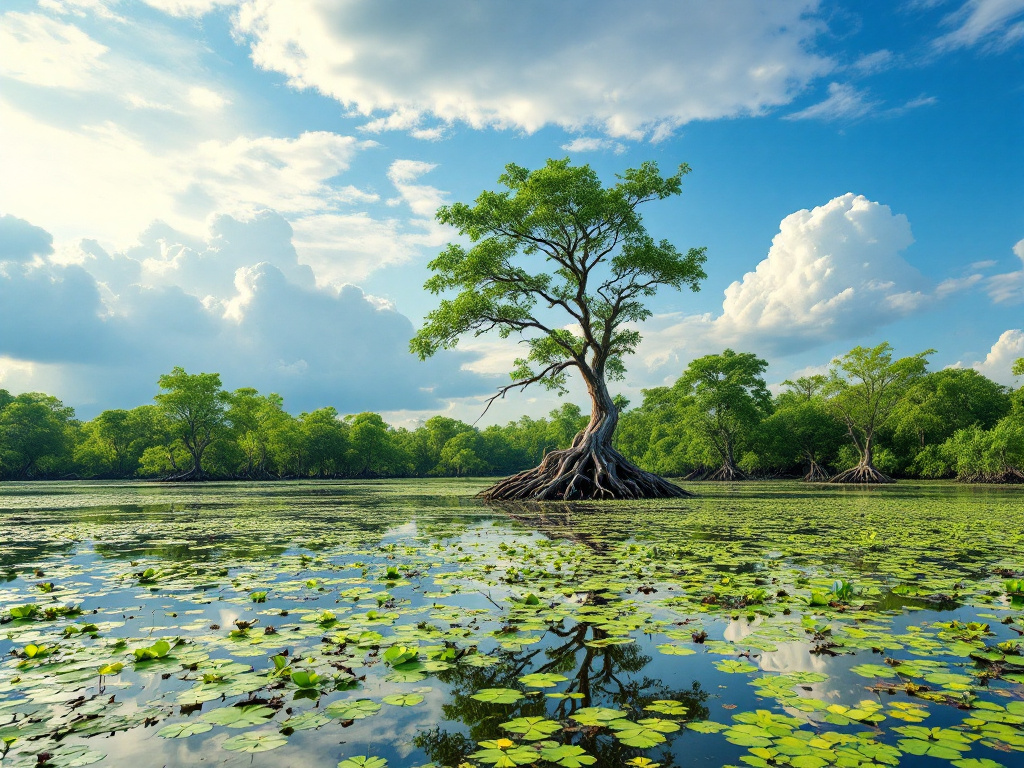
Sundarbans Mangrove Forest
The world's largest mangrove forest and a UNESCO World Heritage site known for its rich wildlife and complex network of rivers.
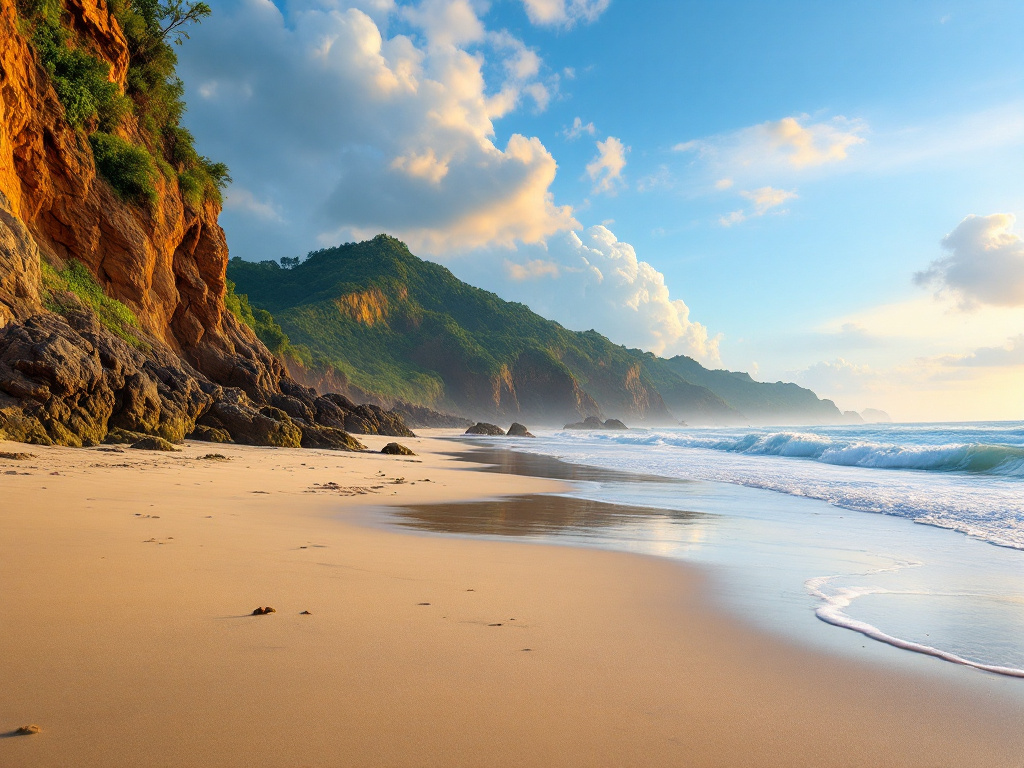
Cox's Bazar Beach
An iconic coastal destination known for its long sandy beach and vibrant holiday atmosphere.
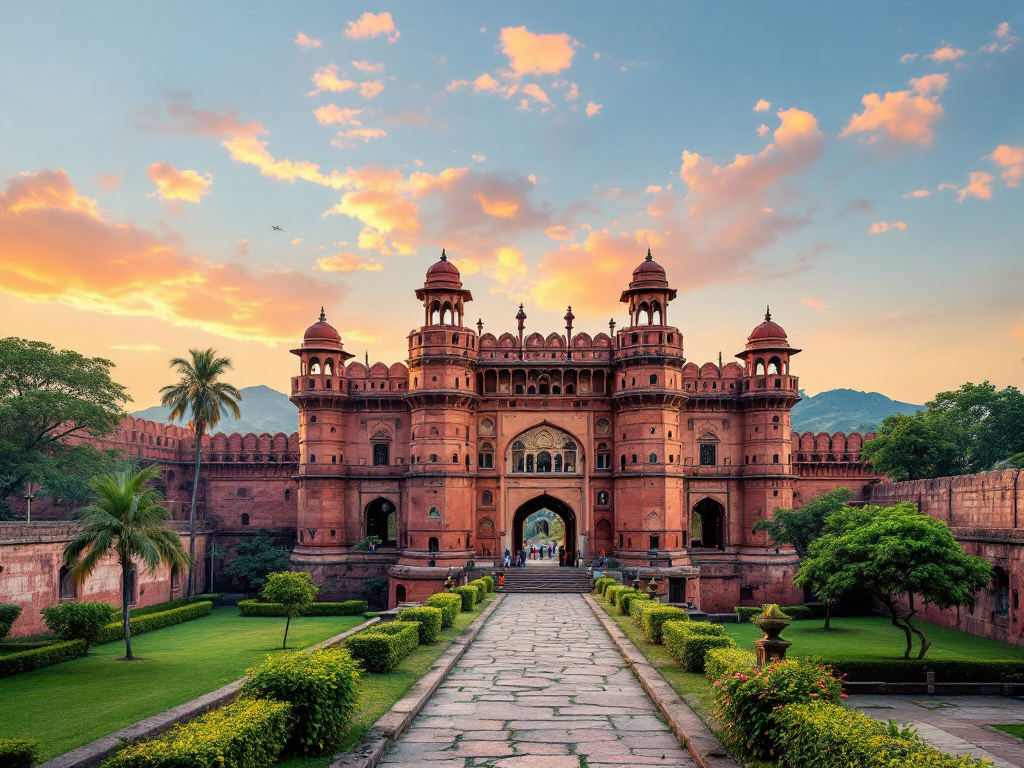
Lalbagh Fort
An unfinished Mughal fort from the 17th century and one of Dhaka's most important historical landmarks.
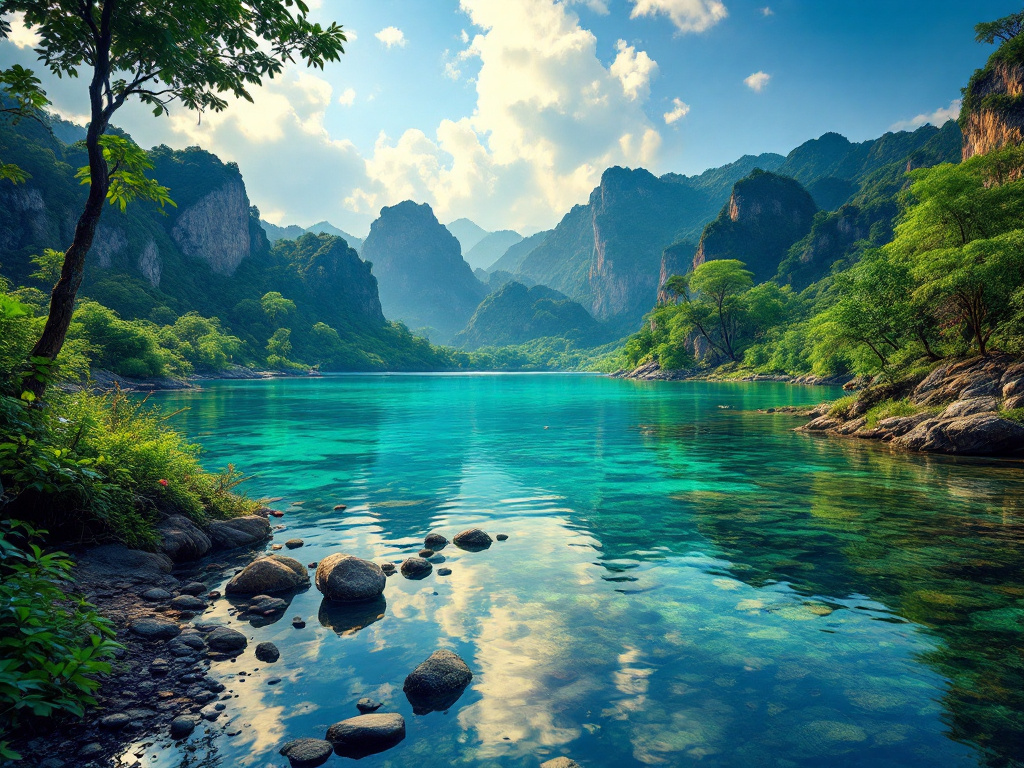
Saint Martin's Island
Bangladesh's only coral island, known for its clear water and relaxed atmosphere.
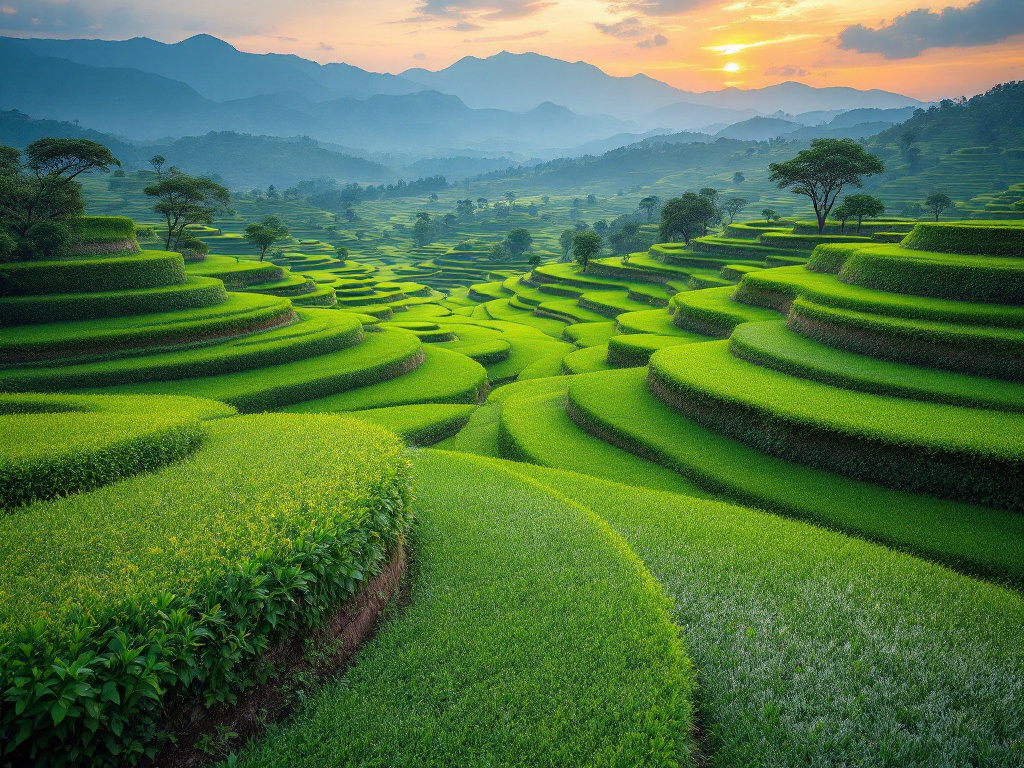
Srimangal Tea Estates
A lush area known as Bangladesh's tea capital with tranquil green hills.
Famous cuisine
Culinary overview
Bengali cuisine in Bangladesh is a harmonious blend of spicy, aromatic, and fresh flavors, heavily influenced by the country's rivers, agriculture, and cultural history. Rice is the staple food, often accompanied by fish, lentils, and vegetables. Spice blends such as turmeric, cumin, and chili are used generously, and the meals reflect a balance of heat, acidity, and sweetness. The street food culture is vibrant, especially in Dhaka, where small stalls serve everything from crispy fuchka to sweet mishti. Festive meals like biryani are an important part of weddings and holidays, while everyday dishes such as panta bhat showcase the simple yet deeply rooted food tradition.
Must-try dishes
.webp)
Hilsa Fish (Ilish)
Hilsa is Bangladesh's national fish and is often served fried or in a mustard seed sauce. It has a delicate, fatty flavor and is especially popular during the monsoon season.
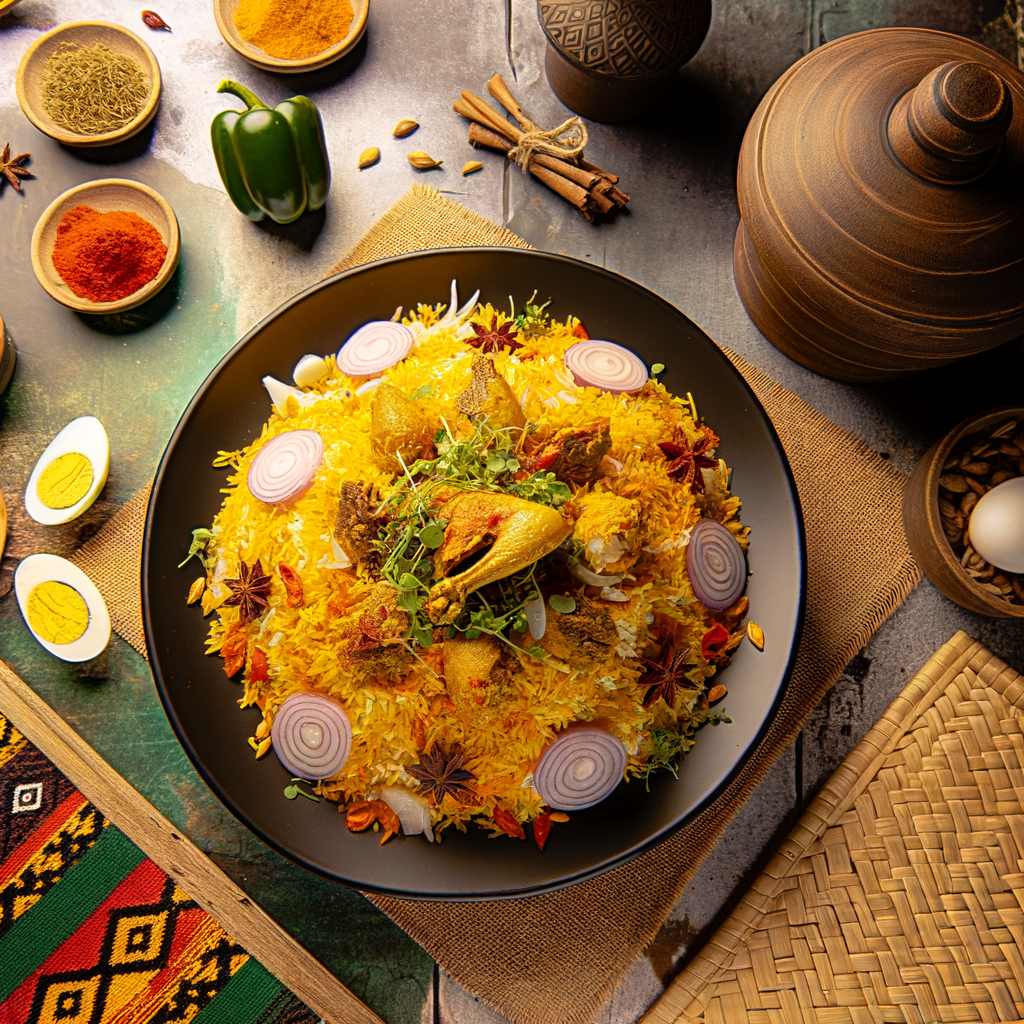
Biryani
A festive rice dish with saffron, spices, and meat such as chicken or lamb. The Dhaka style is known for its rich aroma and is often served with boiled eggs and salad.
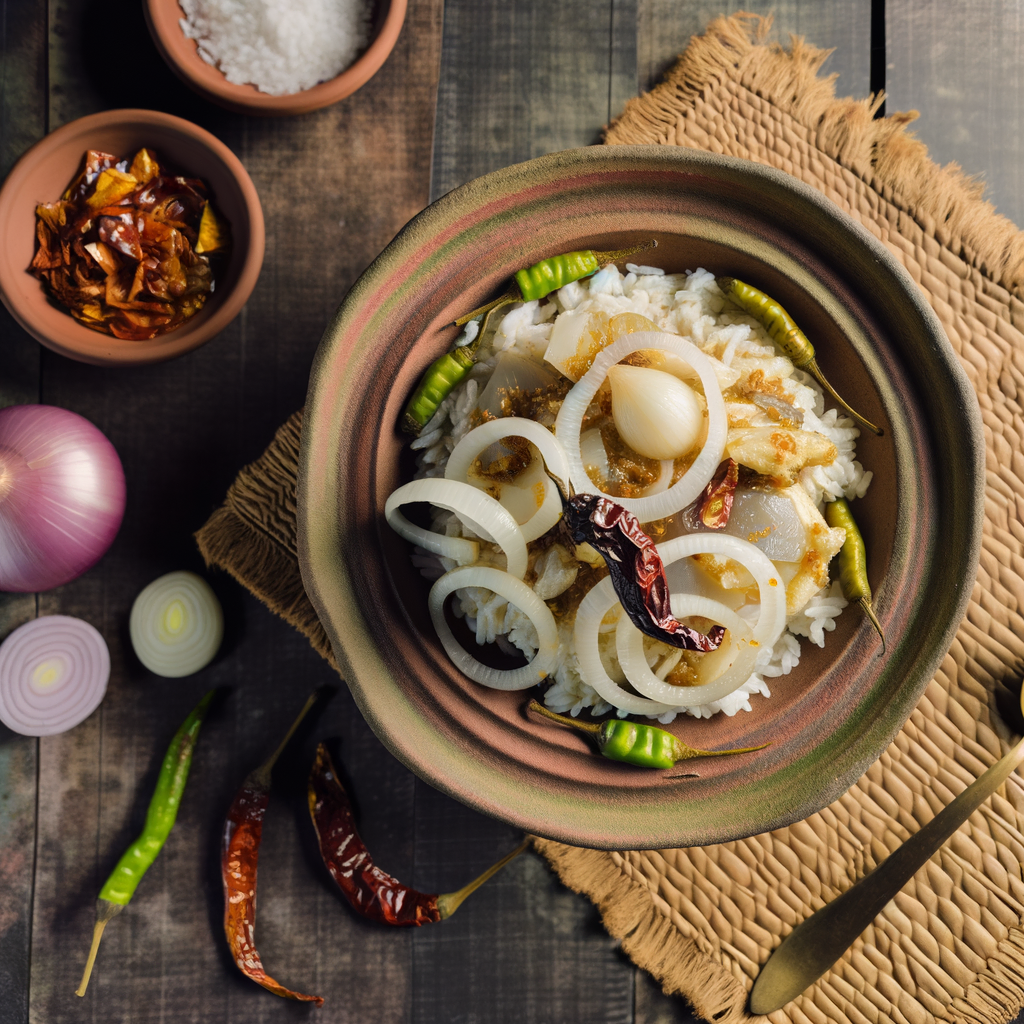
Panta Bhat
Fermented rice served with onions, chili, and salt, traditionally eaten as a refreshing dish on hot days, especially during the Bengali New Year.
.webp)
Fuchka (Pani Puri)
Crispy balls filled with potato, chickpeas, and spicy tamarind water. A popular street snack that is eaten in one bite.
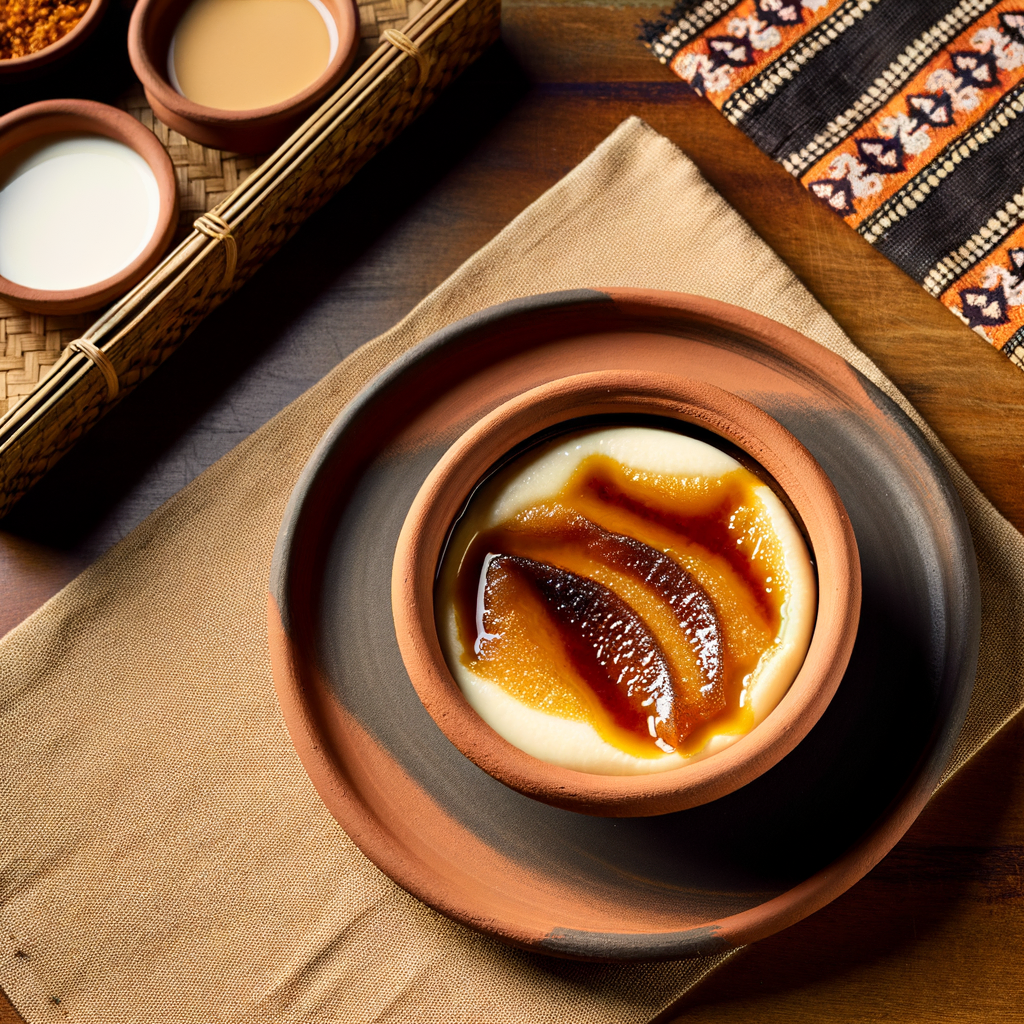
Mishti Doi
A sweet, caramelized yogurt made from milk and sugar, often served as dessert on festive occasions.
Restaurant information
Tipping
Tipping is not mandatory in Bangladesh, but appreciated. At restaurants, you can round up or give about 5-10% of the bill if you are satisfied with the service.
Travel information
Currency
Taka (৳)
Language
Bengali
Best time to visit
November to March
Major cities
Dhaka and other major cities
More countries in Asia
Discover more destinations in this region