
Bahrain
Bahrain, a pearl on the Arabian Peninsula, brings ancient history together with modern luxury – offering lively souqs, azure seas, and a flourishing cultural scene in a welcoming and down-to-earth atmosphere.
Overview
Bahrain, a gem in the Arabian Gulf, merges millennia of history with modern luxury and a relaxed atmosphere. Here, UNESCO World Heritage sites like the Pearl Routes of Muharraq and the majestic Qal'at al-Bahrain Fort meet Manama’s bustling souks, art galleries, and culinary delights. From azure coastlines to the excitement of Formula 1 at the Bahrain International Circuit, the country offers a unique blend of culture, adventure, and hospitality. The best time to visit is between November and March, when the climate is comfortable, allowing you to enjoy both beach life and cultural heritage.
Official language
Arabic
Government
Constitutional monarchy
Best time to visit
November to March
Nature
Bahrain's landscapes are a stunning contrast between the warm, arid desert and the shimmering azure waters of the Arabian Gulf. The archipelago consists of over 30 islands, with the main island being the largest. Its coastline boasts beautiful sandy beaches, perfect for relaxation, swimming, and water sports such as sailing, kayaking, and diving. Historically, the waters surrounding Bahrain have been the center of pearl fishing, with divers still able to explore pearl banks and colorful coral reefs. The inland area is dominated by flat desert regions dotted with date palms and the famous 'Tree of Life', a solitary tree that has survived for centuries without a visible water source, symbolizing the resilience of the land. The hot and dry climate prevails most of the year, but from November to March, temperatures are more pleasant, making it ideal for exploring both coast and desert. Sunsets over the sea and the clear starry skies in the desert provide unforgettable natural experiences.
Travel to Bahrain
Traveling to Bahrain is an experience that combines culture, relaxation, and adventure. The country is easily accessible via Bahrain International Airport, which has good connections to major cities in the Middle East, Europe, and Asia. The prime travel period is from November to March when the weather is mild and pleasant. Visitors can explore UNESCO sites like Qal'at al-Bahrain and the Pearl Routes of Muharraq, shop in the Manama Souq, enjoy the beaches, or experience the thrill of the Bahrain International Circuit. Water sports enthusiasts can dive for pearls or sail in the clear waters, while food lovers can savor both traditional and contemporary dishes. Known for its hospitality, Bahrain's compact size makes it easy to experience a lot in a short time. The combination of authentic Arab charm and modern conveniences makes Bahrain an ideal destination for culture and history enthusiasts.
Culture
Bahrain's culture is a fascinating blend of traditional Arab heritage and a modern cosmopolitan lifestyle. The country has a rich history as a center of pearl trade, which is still reflected in its craftsmanship, music, and storytelling. In Manama, vibrant souks are filled with spices, textiles, gold, and handmade souvenirs, while modern shopping centers offer international brands. The culinary scene ranges from traditional dishes such as machboos, harees, and balaleet to innovative gourmet experiences. Bahrain is also known for its flourishing art scene featuring galleries, festivals, and musical events that attract both local and international artists. Religion plays an important role, with Al-Fateh Grand Mosque serving as an iconic symbol of the country’s Islamic heritage. Simultaneously, Bahrain is one of the most open societies in the Gulf region, where Arab hospitality meets an international atmosphere, making it a warm and welcoming destination for visitors.
History
Bahrain's history dates back thousands of years to the ancient Dilmun civilization, which was a vital trading hub between Mesopotamia and the Indus Valley. The country has been under Persian, Portuguese, and British control, clearly marking its architecture and culture. Qal'at al-Bahrain, a UNESCO World Heritage site, stands testament to centuries of strategic significance. For centuries, Bahrain was known as the center for the world’s finest pearls, until the oil industry transformed the economy in the 20th century. Today, Bahrain is a constitutional monarchy that combines its rich heritage with modern development while maintaining a strong connection to its maritime and commercial past.
Top attractions
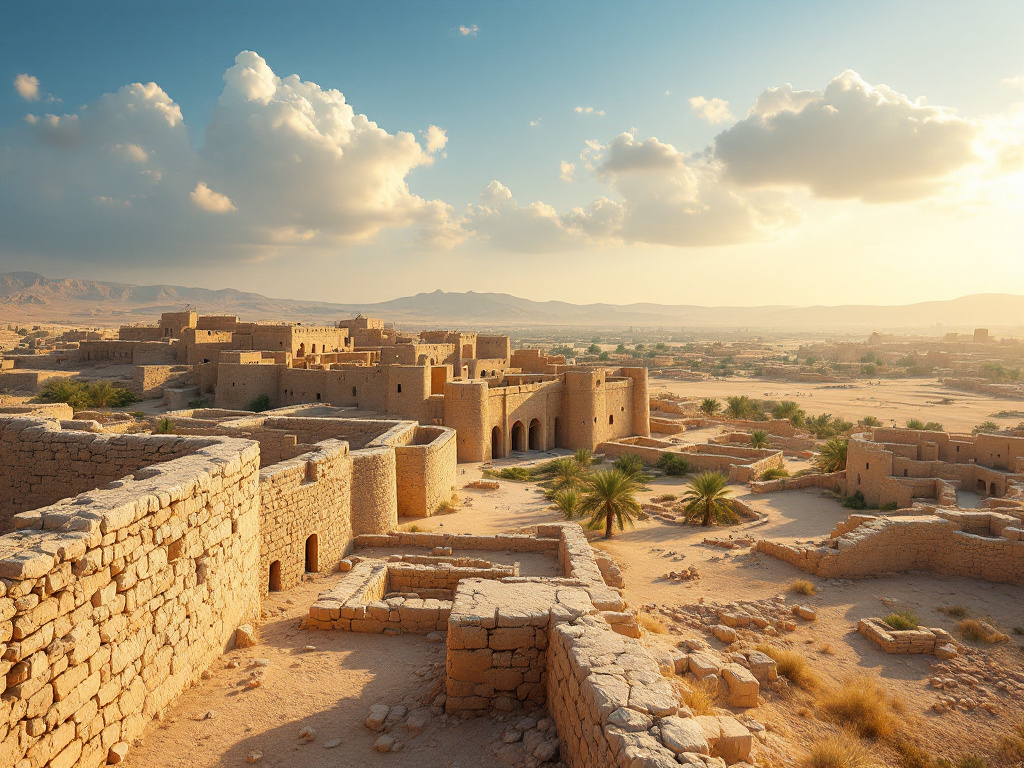
Qal'at al-Bahrain
One of Bahrain's most important historical sites with ruins from several civilizations, located by the coast and surrounded by archaeological finds.
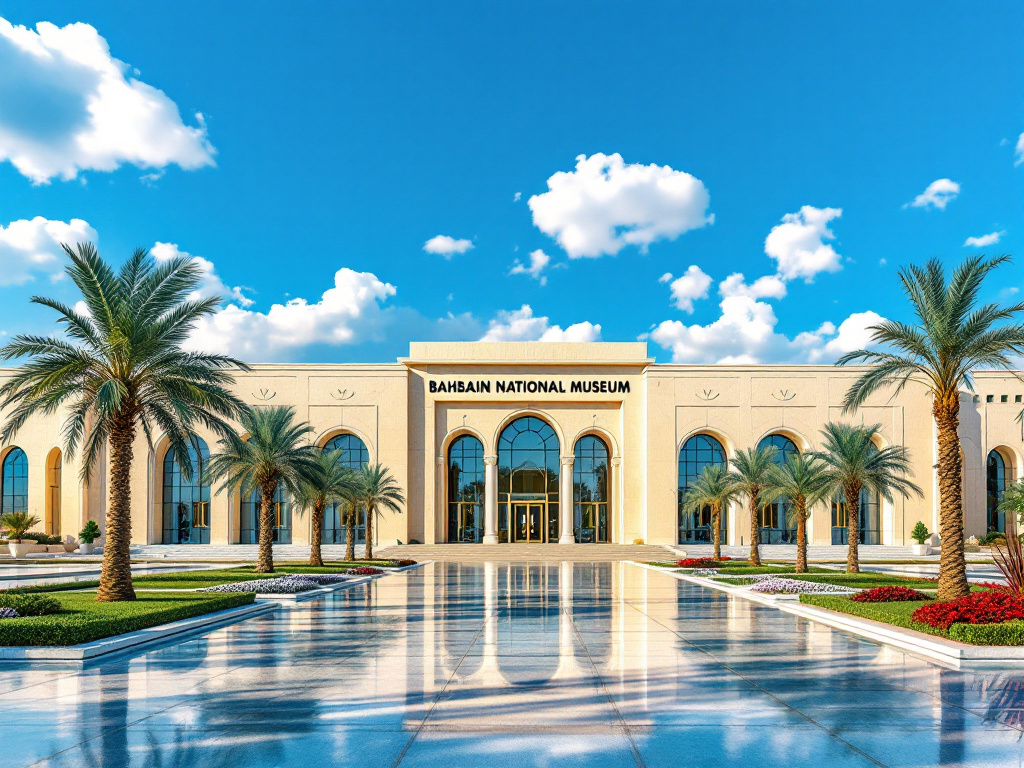
Bahrain National Museum
The largest museum in Bahrain with extensive collections that tell the country's history from ancient times to the present.
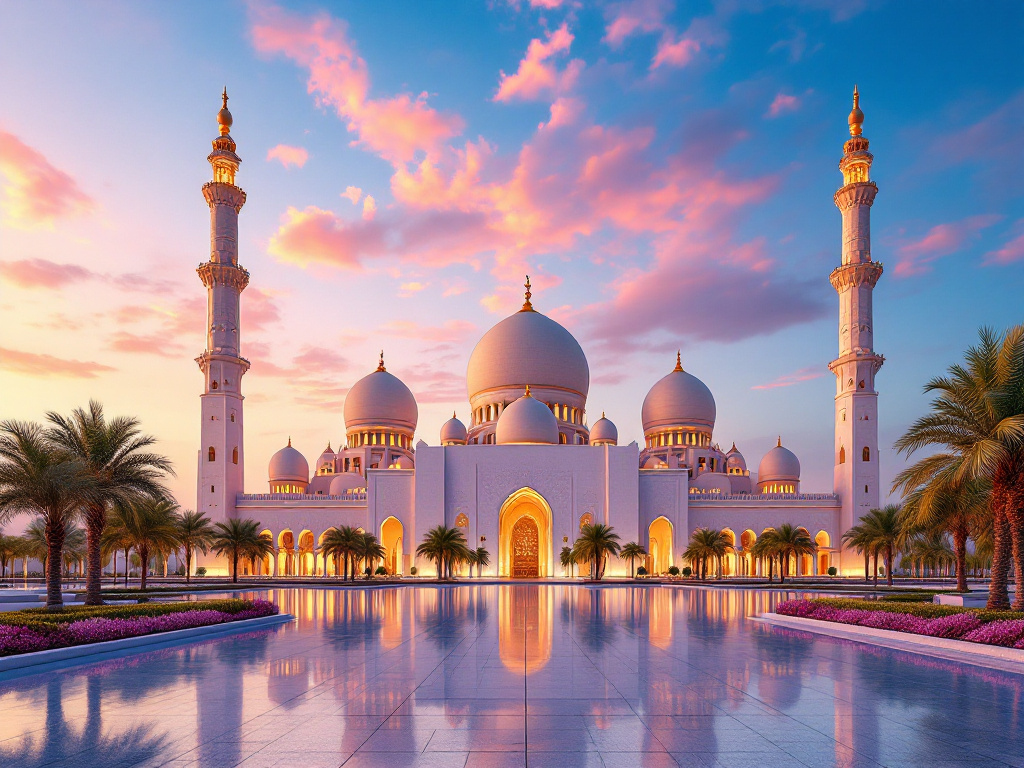
Al Fateh Grand Mosque
A majestic mosque and one of Bahrain's largest religious landmarks, open to visitors of all faiths.
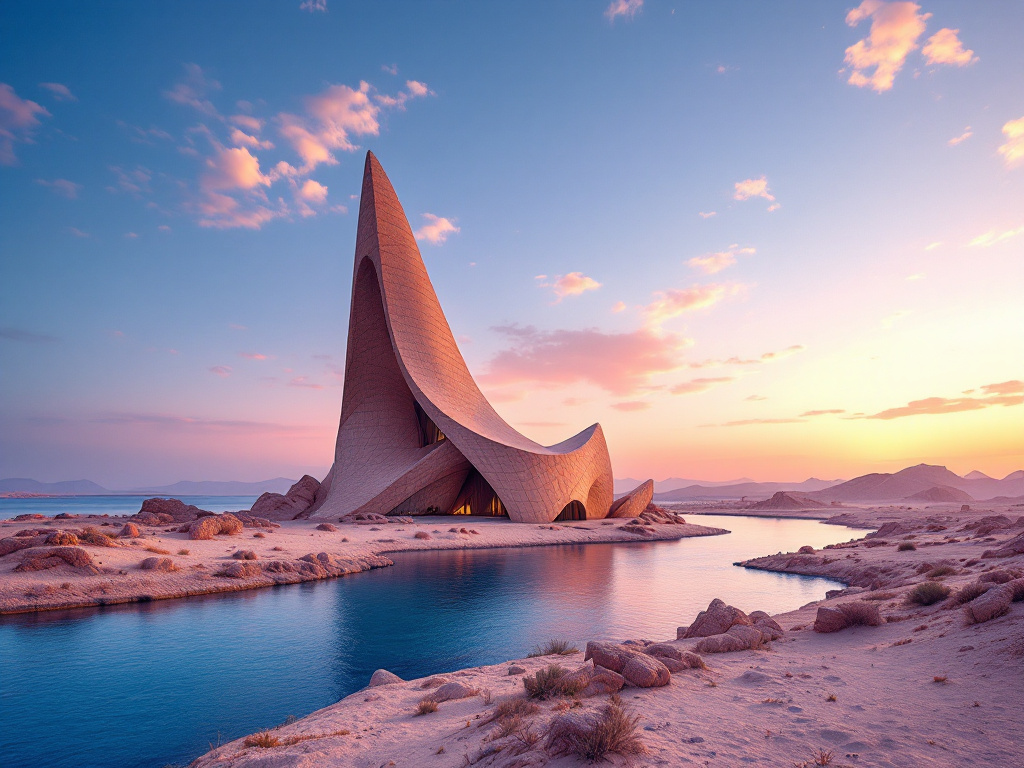
Tree of Life
A mysterious and symbolic tree that stands alone in the desert and has become a national landmark.
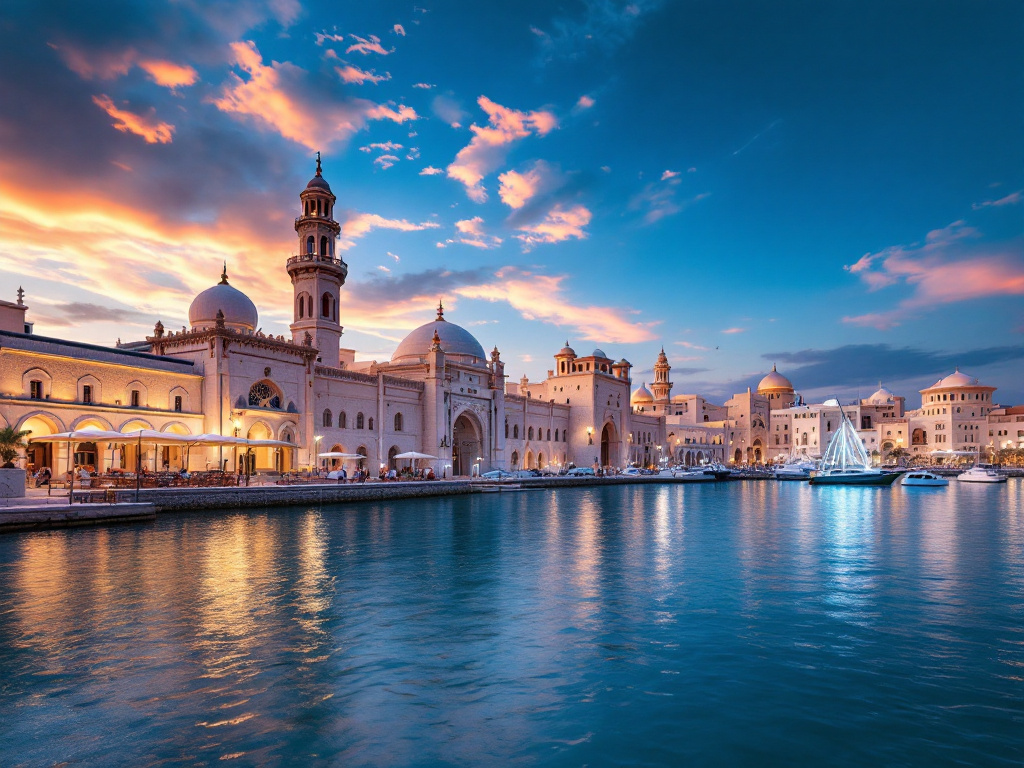
Bab Al Bahrain
A historic city gate marking the entrance to Manama's traditional souk and trading areas.
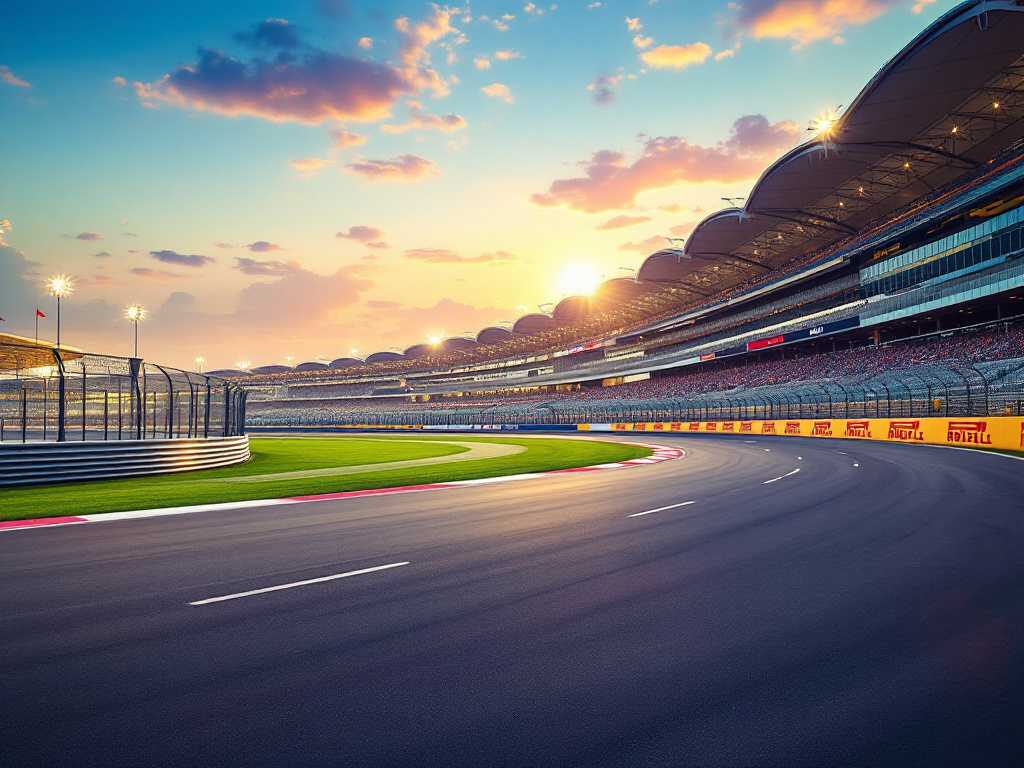
Bahrain International Circuit
A world-renowned motorsports facility and home to Bahrain's Formula 1 Grand Prix.
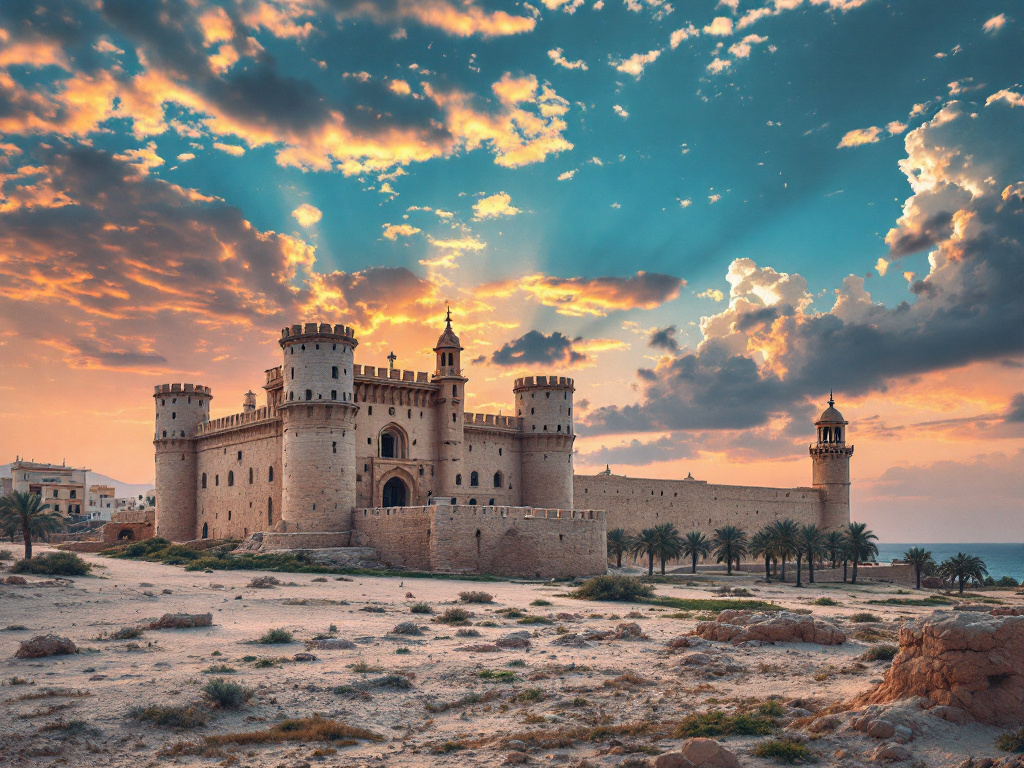
Arad Fort
A well-preserved fort from the 19th century that reflects Bahrain's defense history.
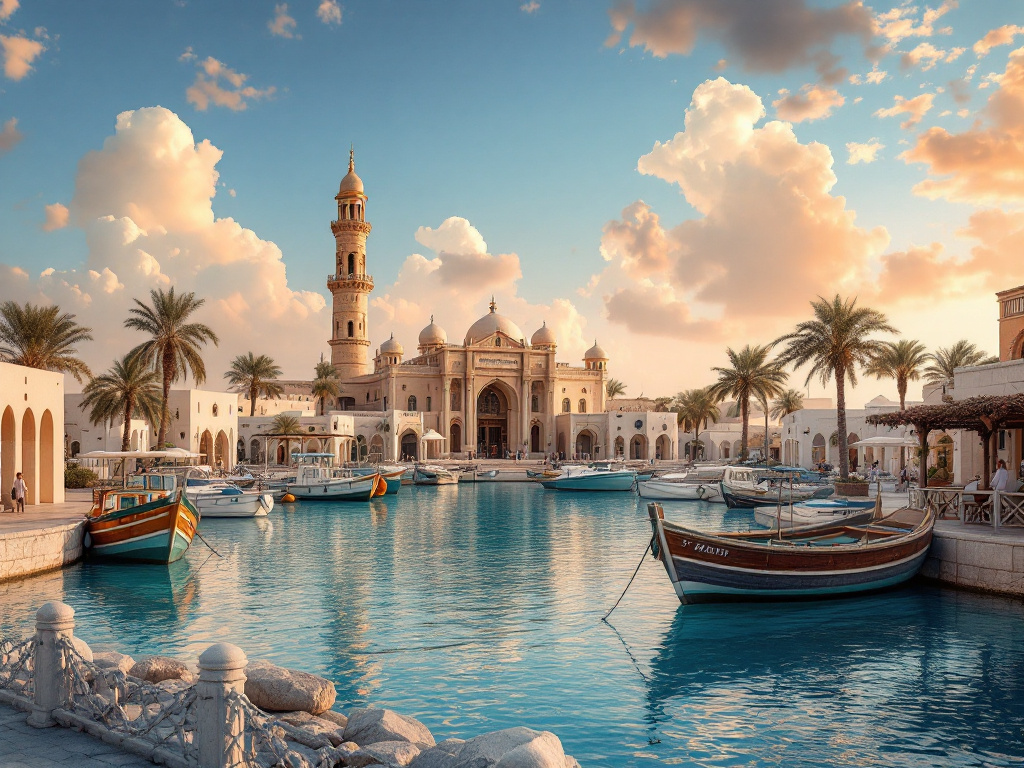
Muharraq Pearling Path
A cultural path that tells the story of Bahrain's pearl industry through historic buildings and waterfront areas.
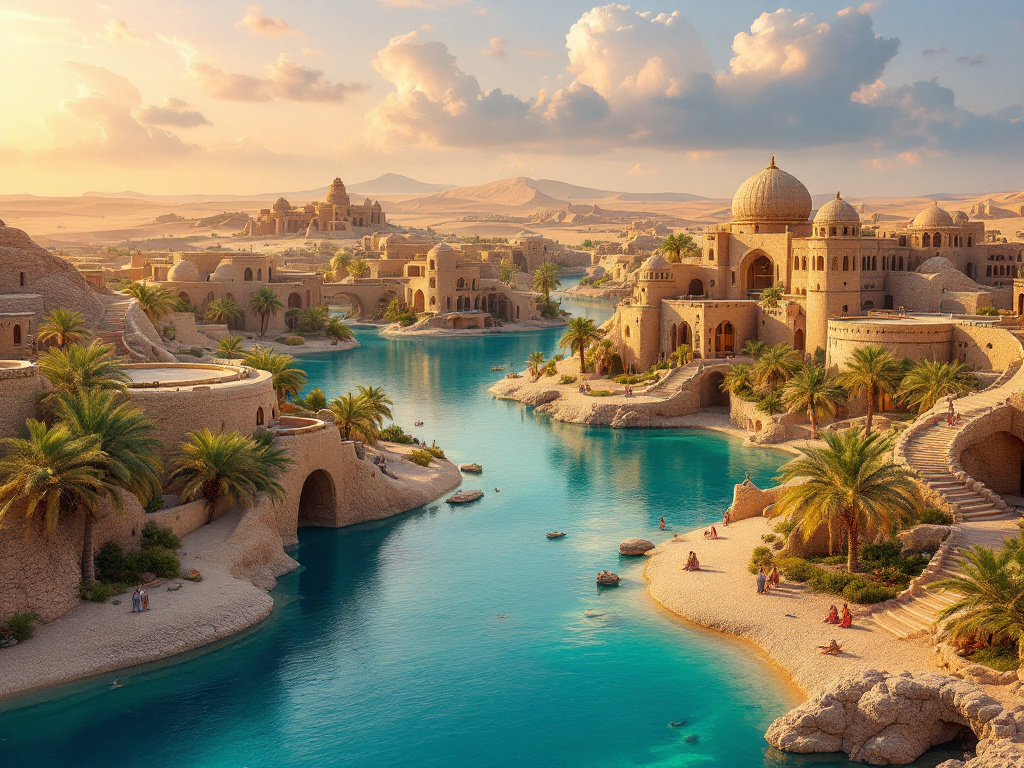
Lost Paradise of Dilmun Water Park
A large water park themed around Bahrain's ancient Dilmun civilization, ideal for families.
Royal Camel Farm
A public camel farm that allows visitors to view Bahrain's traditional and royal camels.
Famous cuisine
Culinary overview
Bahrain's culinary scene is an exciting blend of traditional Arab dishes, Persian flavors, and Indian spices, reflecting the country's historical role as a trading hub in the Persian Gulf. From vibrant souks, where the scent of freshly ground spices fills the air, to modern gourmet restaurants with sea views, Bahrain offers dining experiences for every taste. The country's cuisine is known for its hospitality, with meals often shared in large portions, and both meat, fish, and vegetarian dishes playing a central role. Especially popular are the slowly cooked rice dishes, sweet breakfast dishes, and freshly caught fish, often served with aromatic spices such as cardamom, saffron, and cinnamon.
Must-try dishes
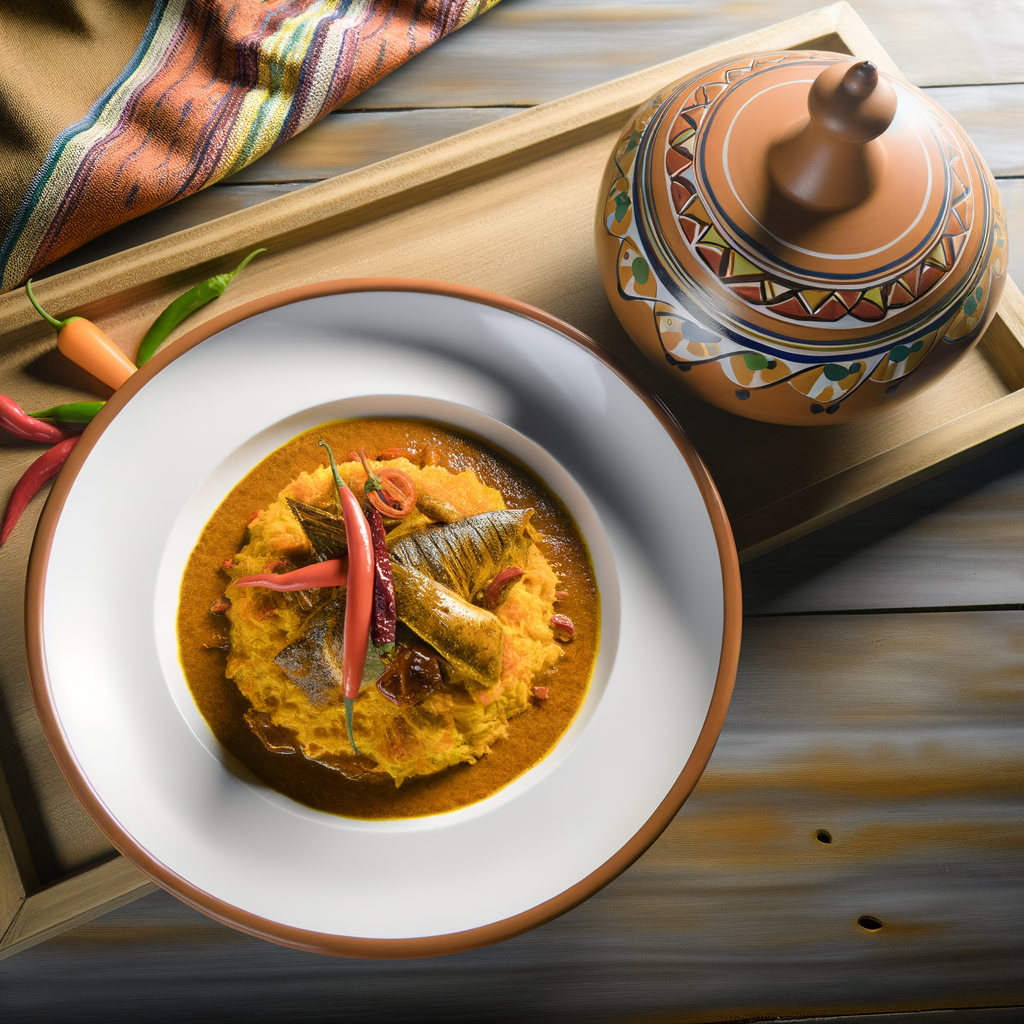
Machboos
A traditional rice dish cooked with saffron, spices, and either chicken, lamb, or fish. The dish is known for its deep flavor and is often served as a festive meal.
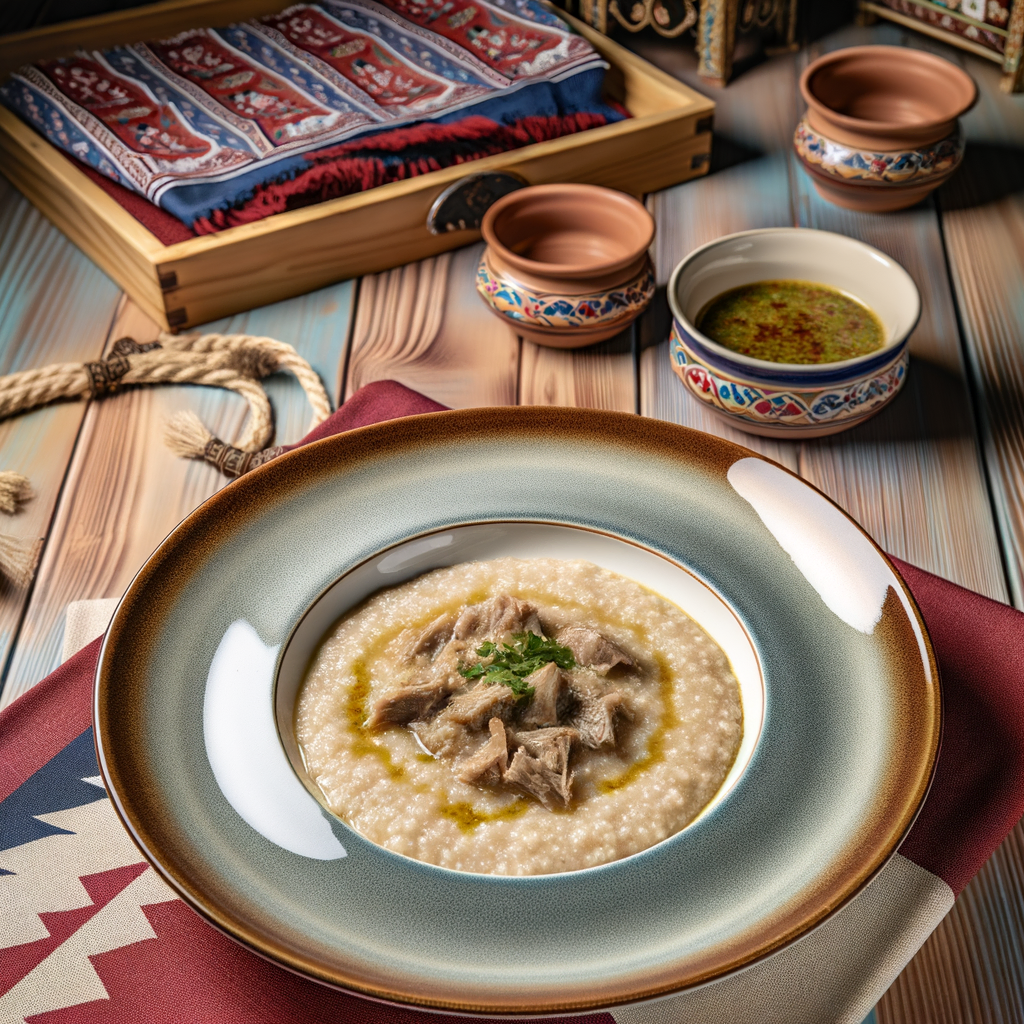
Harees
A soft porridge made from cracked wheat and meat, typically lamb or chicken, that simmers for hours. Often served during Ramadan and on special occasions.
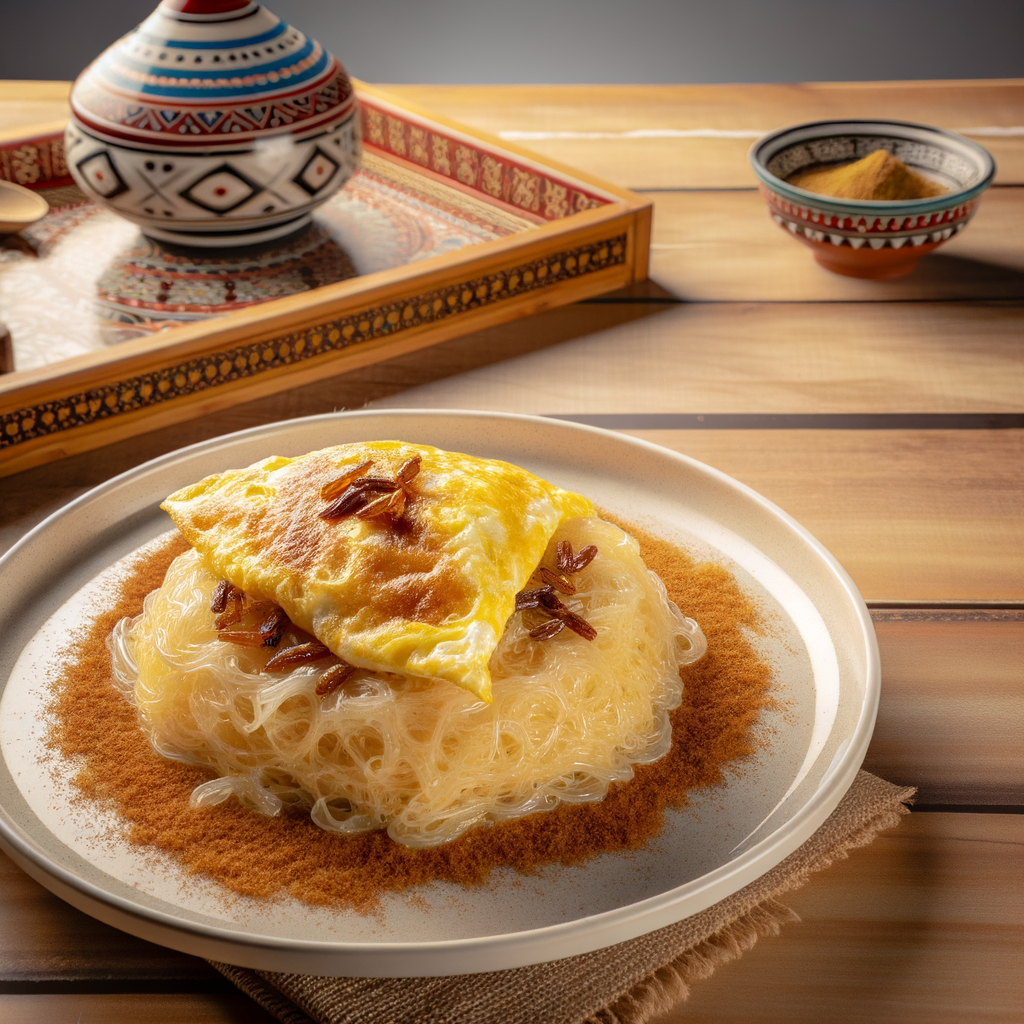
Balaleet
A sweet and savory breakfast dish consisting of vermicelli noodles with sugar, cinnamon, and cardamom, topped with an omelet.
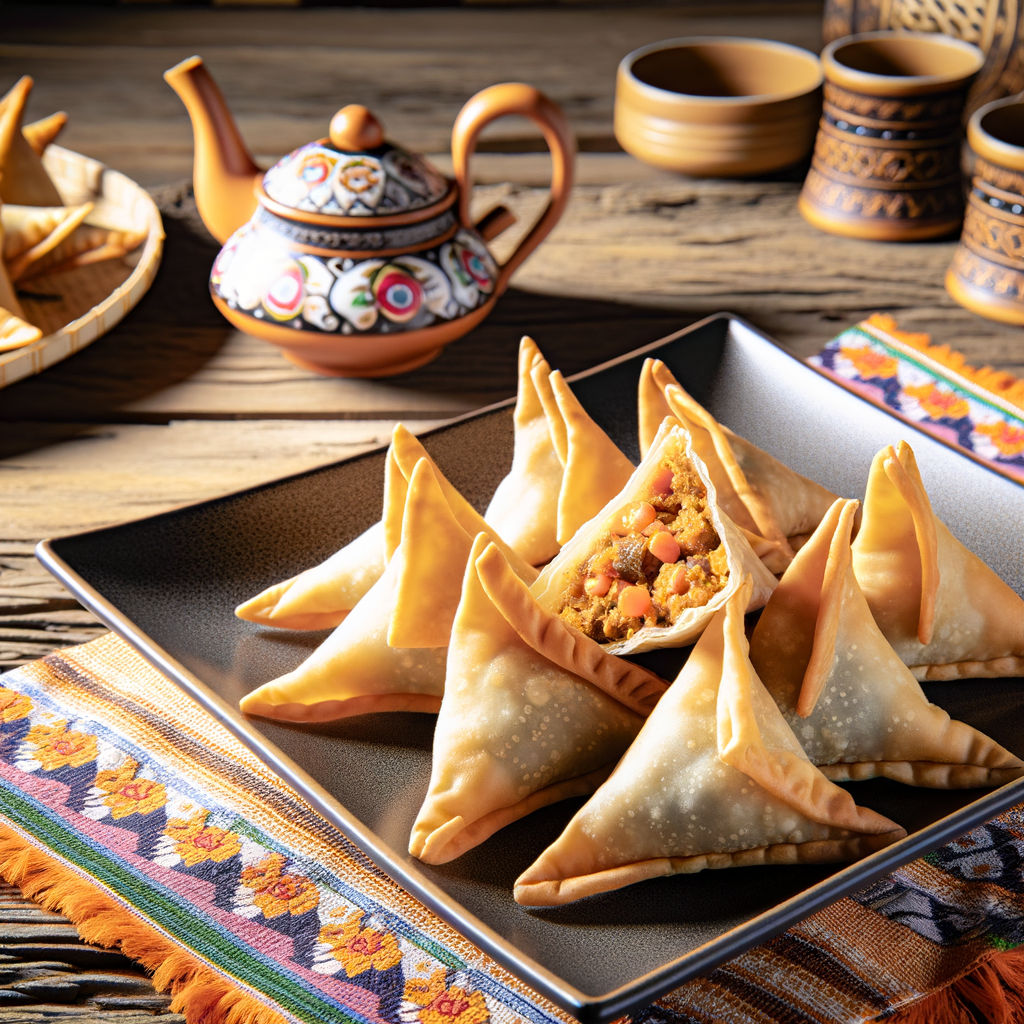
Samosa
Crispy triangular pastry pockets filled with spiced meat, vegetables, or lentils. Popular as a snack or appetizer, especially during Ramadan.
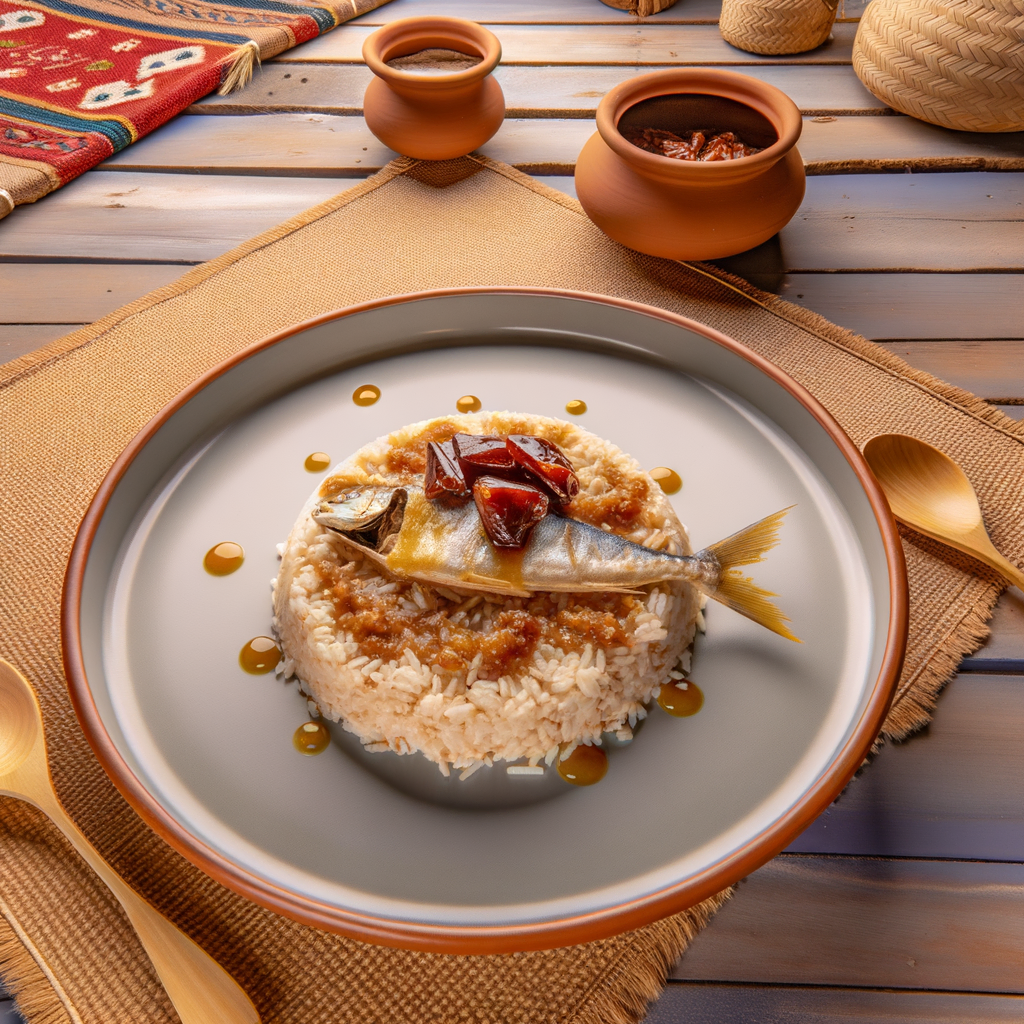
Muhammar
A sweet rice dish prepared with date syrup and spices, often served with fresh fish for a unique combination of sweet and salty.
Restaurant information
Tipping
Tipping is not mandatory in Bahrain, but it is appreciated. In restaurants, service charges are often included in the bill. If not, it is common to give 10% as a tip for good service.
Travel information
Currency
Bahrainsk dinar (BD)
Language
Arabic
Best time to visit
November to March
Major cities
Manama and other major cities
More countries in Asia
Discover more destinations in this region