
Armenia
Armenia, a land of ancient wonders and indomitable spirit, captivates with breathtaking landscapes, rich culture, and timeless monuments, offering travelers a journey that is both challenging and deeply rewarding.
Overview
Armenia is a land where history, nature, and culture converge into a unique travel experience. From the vibrant Republic Square in Yerevan to UNESCO-protected monasteries like Haghpat and Sanahin, the ancient Echmiadzin Cathedral, and the rock-hewn Geghard Monastery, the country is a treasure trove for history enthusiasts. Experience the deep blue Lake Sevan, dramatic mountain gorges, and authentic Armenian dishes such as dolma, khorovats, and lavash. Armenia is the cradle of Christianity, where hospitality and cultural heritage go hand in hand—a destination that leaves travelers with unforgettable memories.
Official language
Armensk
Government
republic
Best time to visit
May-June and September-October
Nature
Armenia's nature presents a breathtaking blend of dramatic mountain landscapes, lush valleys, and crystal-clear lakes. Nestled in the heart of the Caucasus, the country showcases everything from snow-capped peaks to sunlit vineyards. Lake Sevan, one of the largest highland lakes in the world, sparkles in deep blue hues and is framed by green hills and ancient churches. The Azat Valley impresses with its steep cliffs and thriving surroundings, while the Tatev region offers spectacular views over deep gorges. For nature lovers, Armenia is truly a paradise, inviting you to hike through unspoiled landscapes, explore volcanic formations, and savor the tranquility of remote mountain villages. Spring and autumn accentuate the country's vibrancy, as flowers bloom or the leaves turn to golden shades. Armenia's natural beauty is not just stunning; it intertwines with the nation’s history and culture, making every outing a journey through both time and terrain.
Travel to Armenia
Traveling to Armenia is an adventure that combines exploration, culture, and hospitality. The best times to visit are during the spring and autumn months when the weather is mild, and the landscapes are in full bloom or adorned in golden hues. Direct flights to Yerevan are available from several European cities, providing access to a city rich in vibrant streets and stunning natural scenery. While infrastructure can be challenging, travelers are rewarded with authentic experiences far from mass tourism. Day trips to Lake Sevan, exploring monasteries like Geghard and Tatev, or hiking in the mountains are just some of the activities that await. The Armenian cuisine is a culinary journey in itself, and the warm hospitality ensures that visitors quickly feel at home. Armenia is perfect for those seeking a journey filled with depth, history, and genuine encounters with locals.
Culture
Armenia's culture is deeply rooted in millennia of history and profoundly influenced by its place as one of the world's first Christian nations. The architecture harmonizes Byzantine and Caucasian traditions, evident in the numerous monasteries, churches, and stone crosses (khachkars) that adorn the landscape. Music and dance are integral parts of social life, often accompanied by traditional instruments like the duduk, whose melancholic tones symbolize Armenian identity. The Armenian cuisine is rich and varied, featuring dishes like dolma, khorovats, and lavash, which are not merely food but part of the community and hospitality. Crafts such as carpet weaving and stone carving showcase a proud tradition of artistic skill. Armenians are known for their warm and welcoming nature, inviting visitors to share meals and stories. The cultural heritage is vibrant and palpable, making a visit an authentic experience of a people who cherish their roots.
History
Armenia’s history spans thousands of years, marked by both grandeur and resilience. The country was part of some of the earliest civilizations in the region and, in AD 301, became the first nation to adopt Christianity as its state religion. This legacy is vividly reflected in the multitude of churches and monasteries, several of which are designated UNESCO World Heritage Sites. Over the centuries, Armenia has been ruled by various empires, including Persian, Roman, Byzantine, and Ottoman, yet it has retained a unique identity. Despite periods of war and oppression, the nation has continuously rebuilt and preserved its cultural heritage. The narrative of Armenia is inscribed not only in monuments and ruins but also in the strong national consciousness of its people.
Top attractions
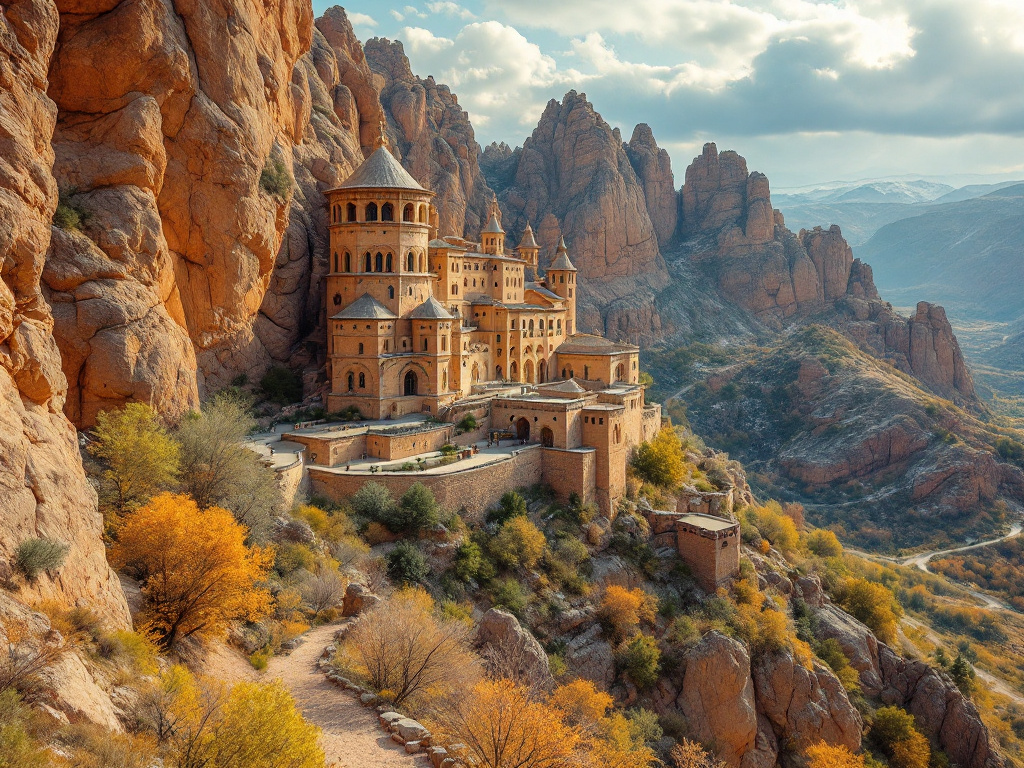
Geghard Monastery
A spectacular medieval monastery partially carved into the rock, famous for its history and unique architecture.
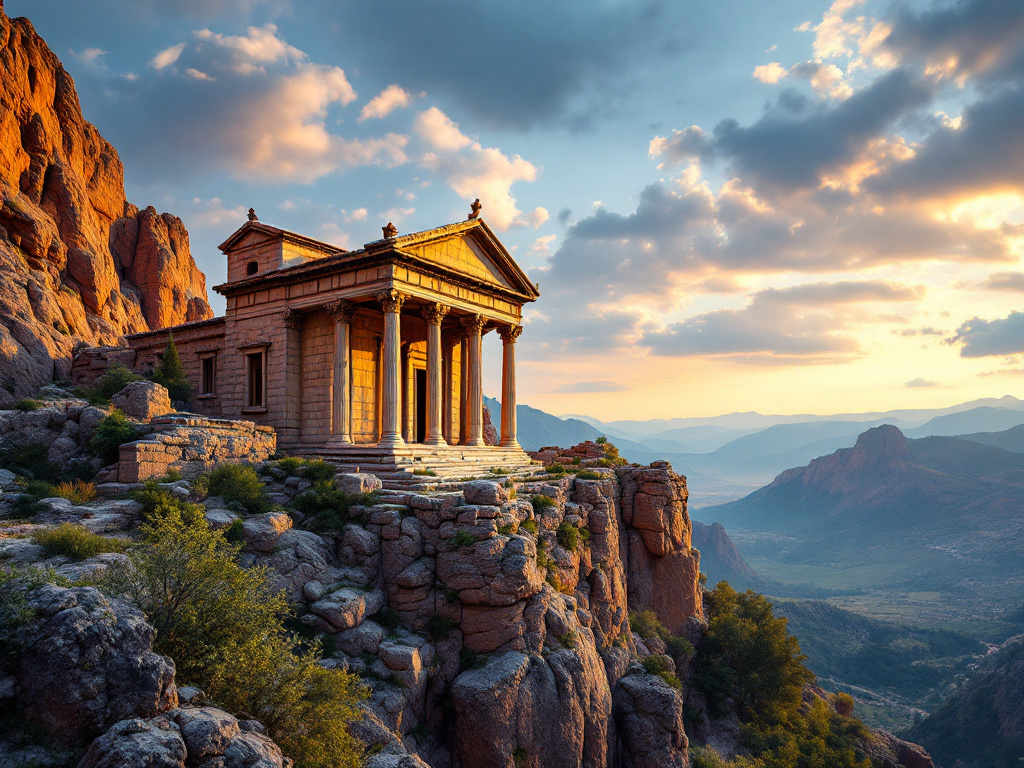
Garni Temple
A classic Roman temple from the 1st century, dramatically located on a cliff top.
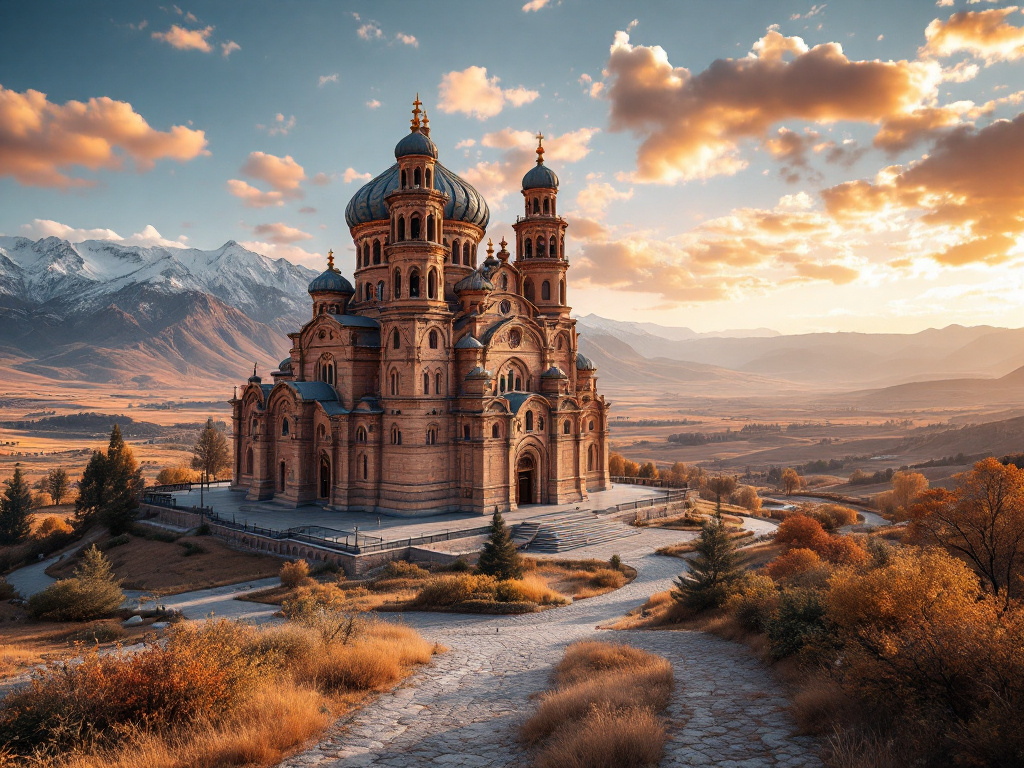
Echmiadzin Cathedral
The spiritual center of the Armenian Apostolic Church and an important pilgrimage site.
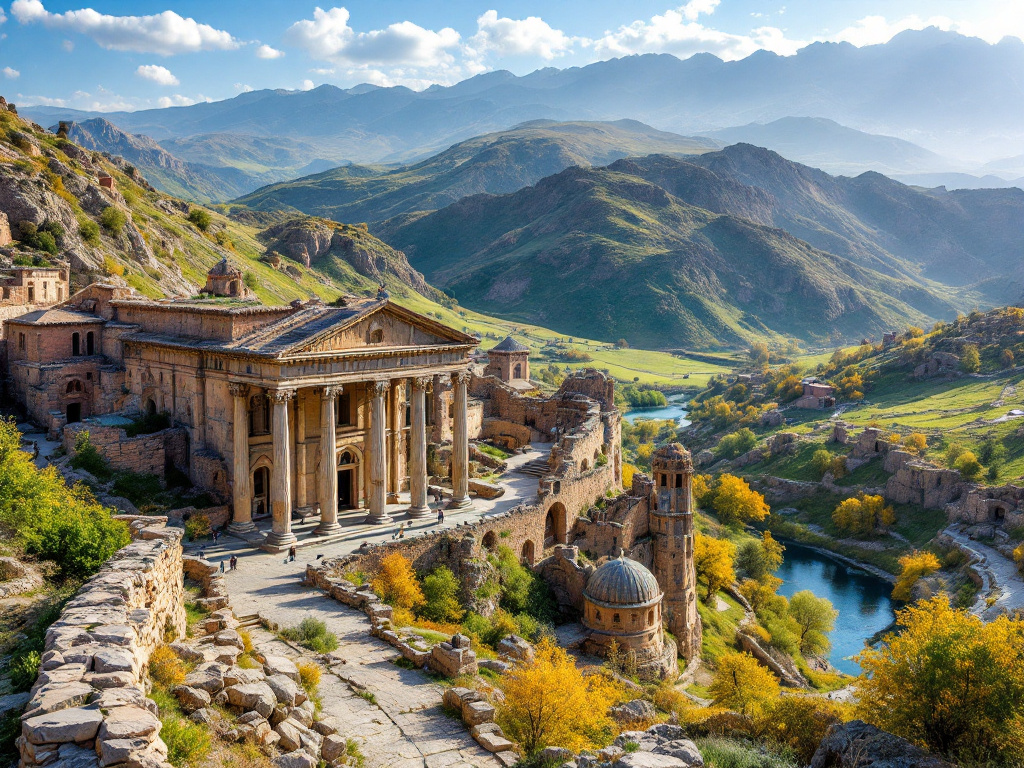
Zvartnots Ruins
The ruins of a magnificent cathedral from the 7th century with unique architecture.
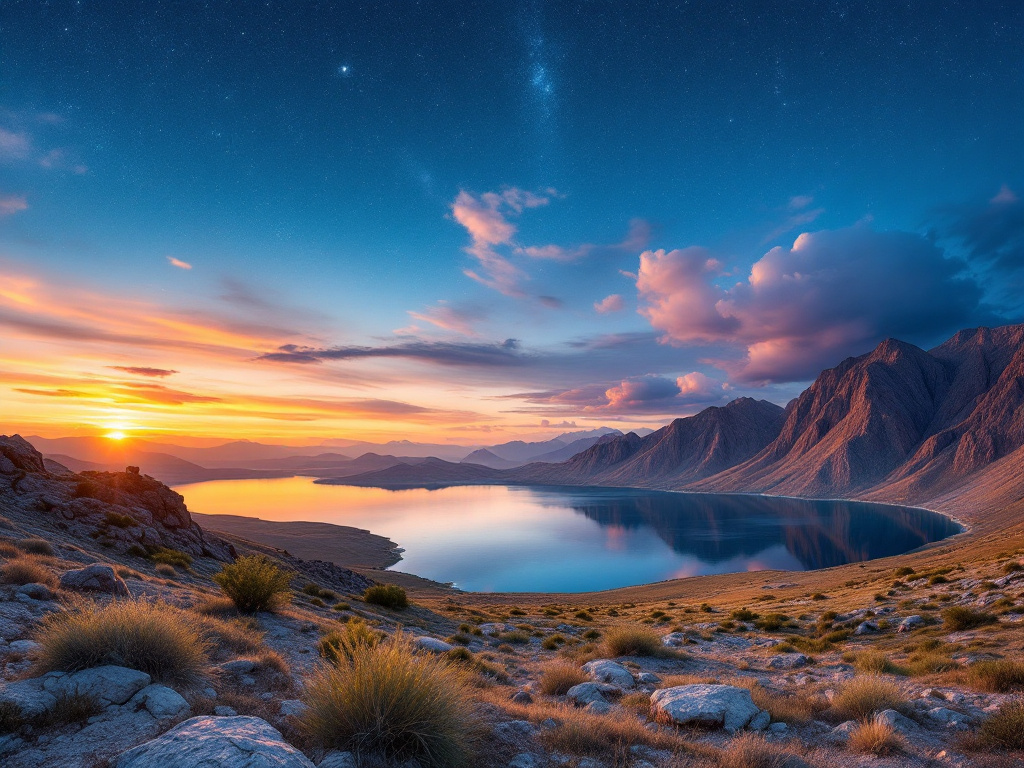
Lake Sevan
A huge mountain lake, popular for summer outings and nature experiences.
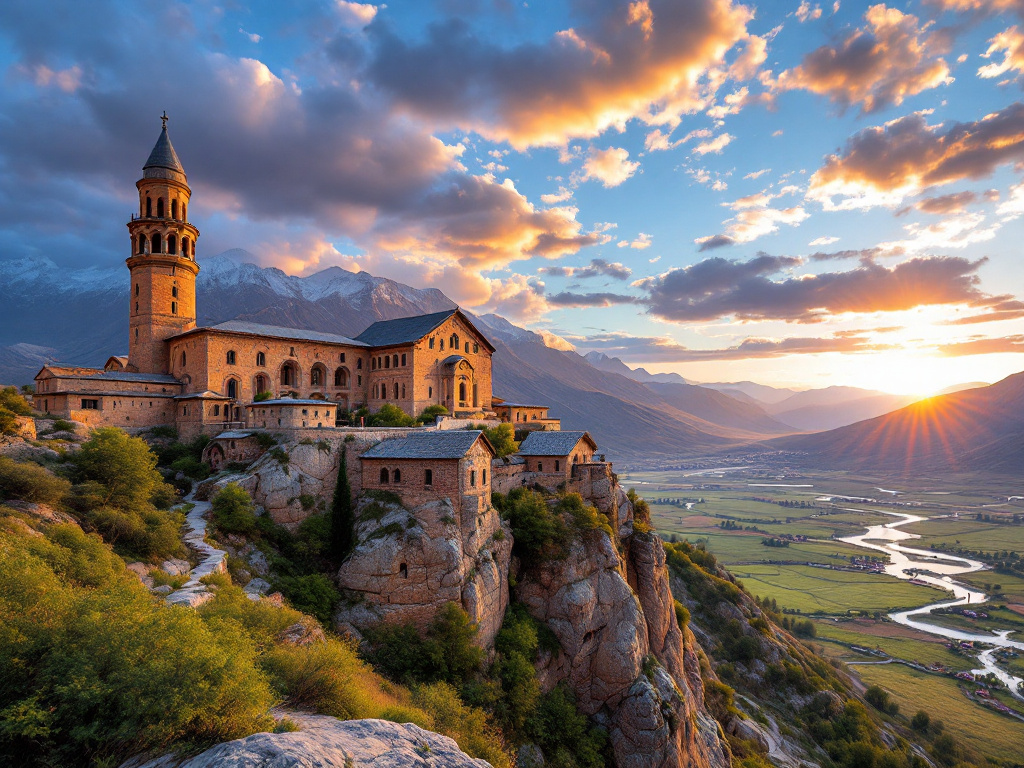
Sevanavank Monastery
A picturesque monastery located on a peninsula with stunning views over the lake.
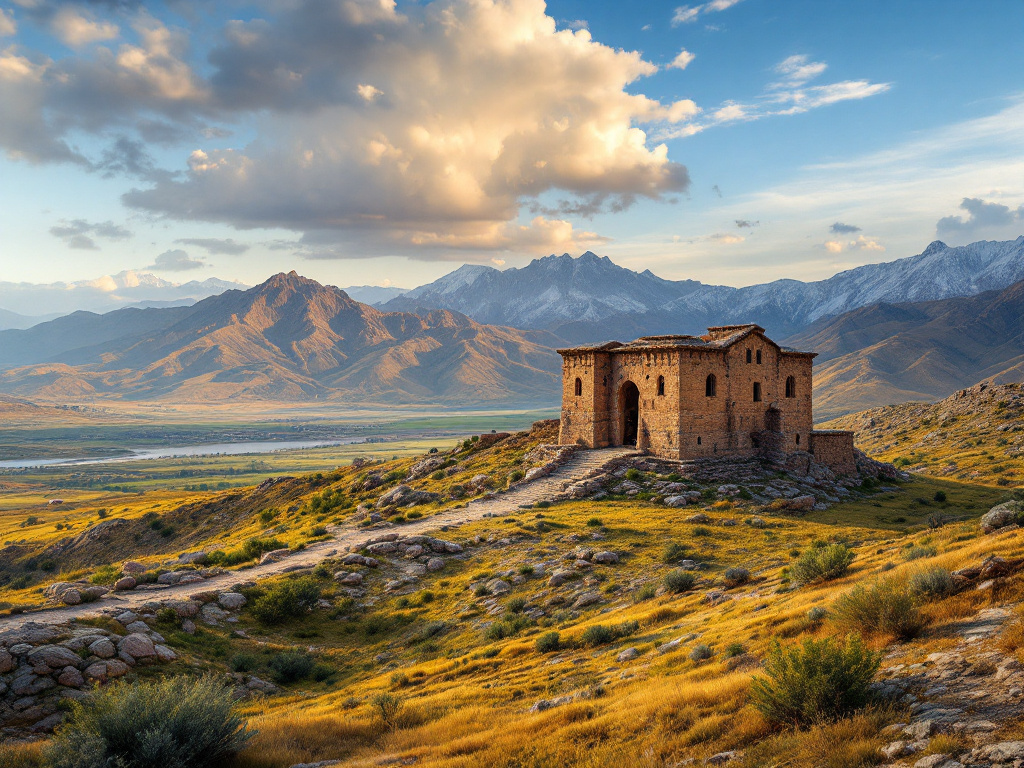
Khor Virap
An iconic monastery known for its historical significance and exceptional view of Ararat.
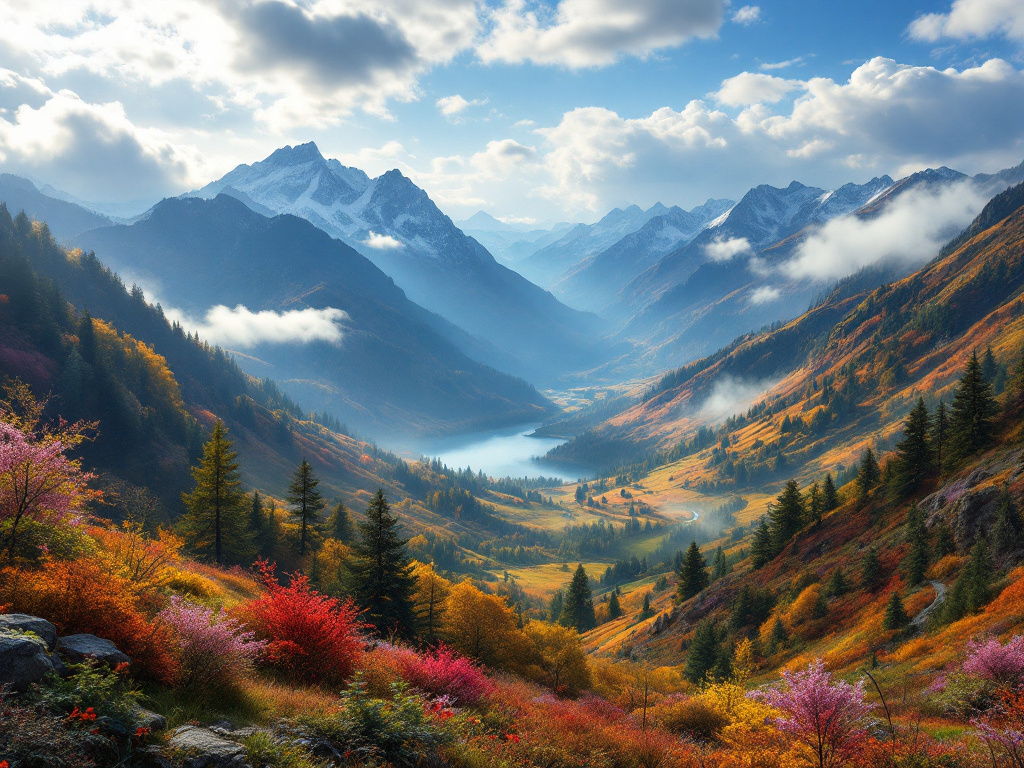
Dilijan National Park
A lush natural area known as Armenia's Switzerland with forests and mountains.
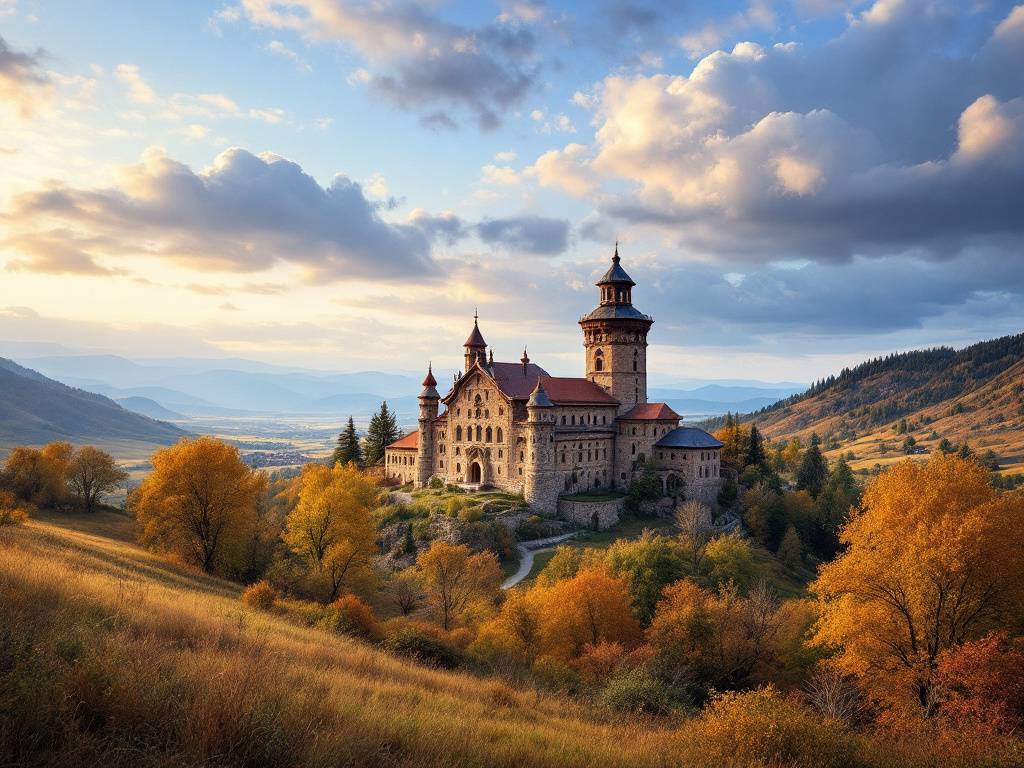
Haghartsin Monastery
A peaceful monastery surrounded by forest, ideal for a cultural and nature-centric experience.
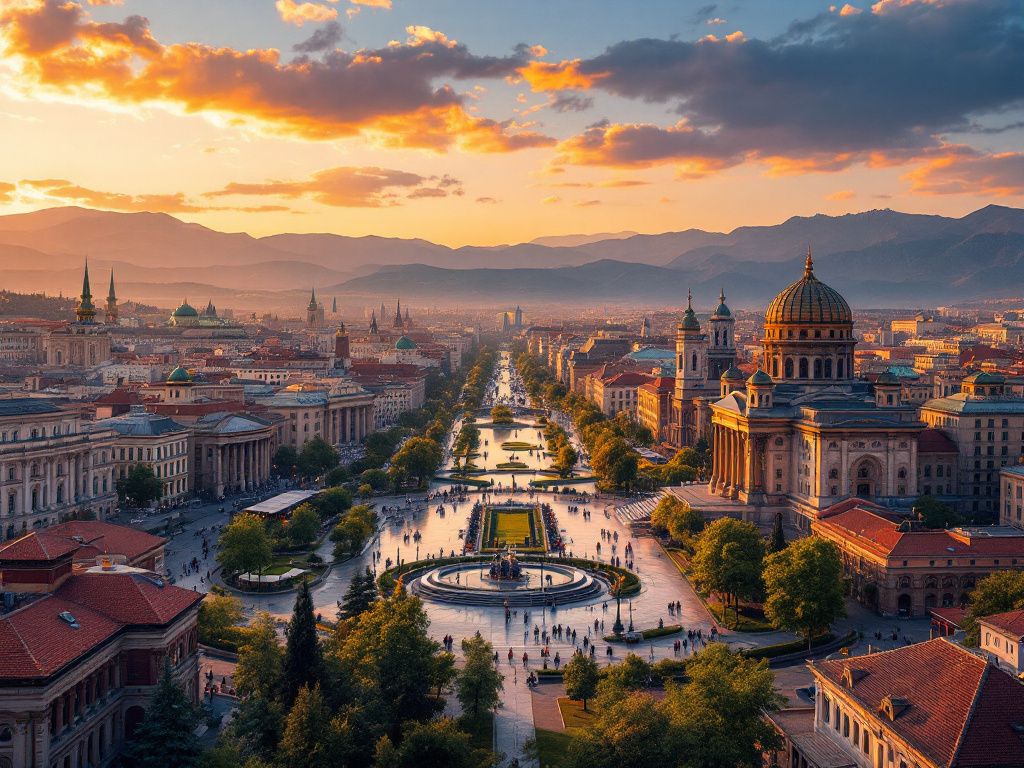
Republic Square
The heart of Yerevan with vibrant life, music, and stunning architecture.
Famous cuisine
Culinary overview
Armenian cuisine is a rich blend of ancient traditions, fresh ingredients, and influences from both the Middle East and the Caucasus. Meals are often social events where family and friends gather around a table filled with appetizers, freshly baked lavash, and aromatic spices. Armenia is known for its hospitality, which is reflected in the generous servings and intense flavors. From juicy grilled dishes to slow-cooked stews and fresh herbs – Armenian cuisine is a journey in itself.
Must-try dishes
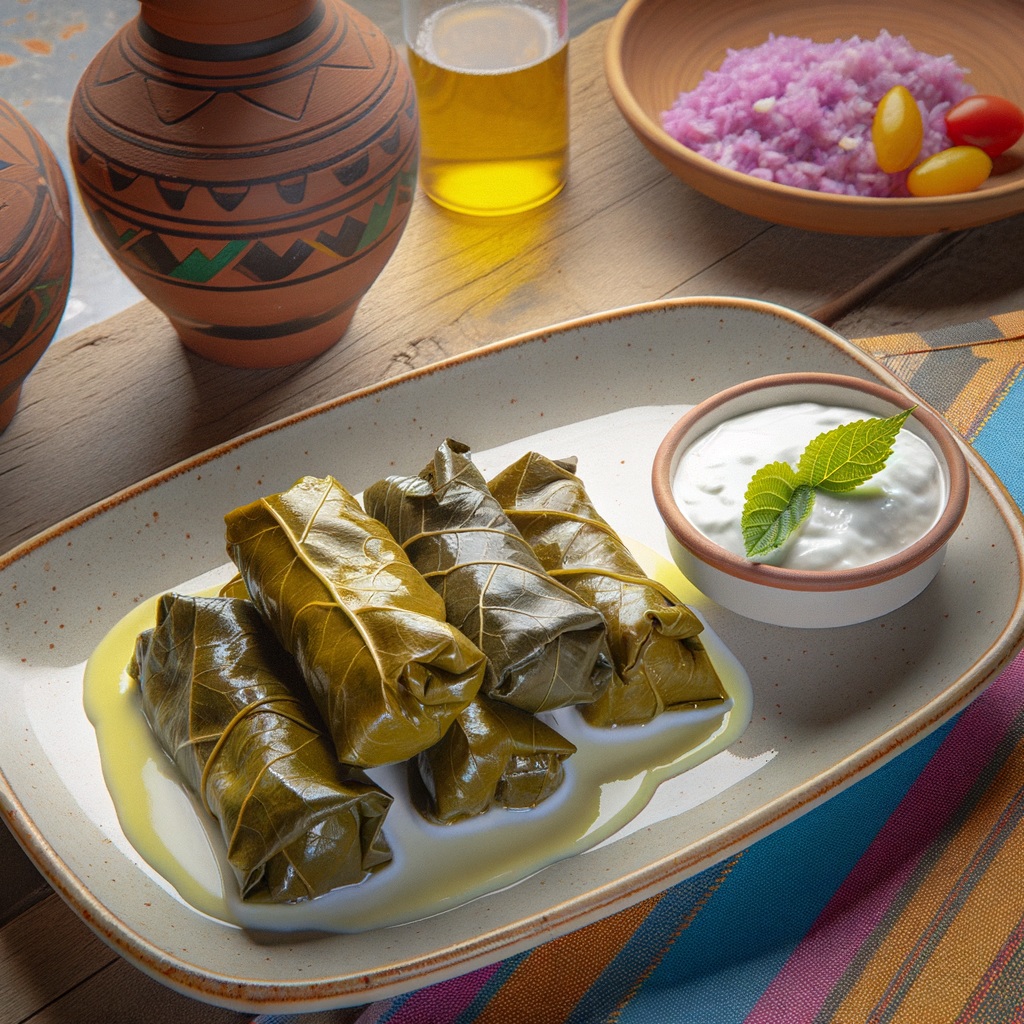
Dolma
Grape leaves filled with a mixture of minced meat, rice, onions, and spices, often served with yogurt. A classic dish found in many variations throughout the country.
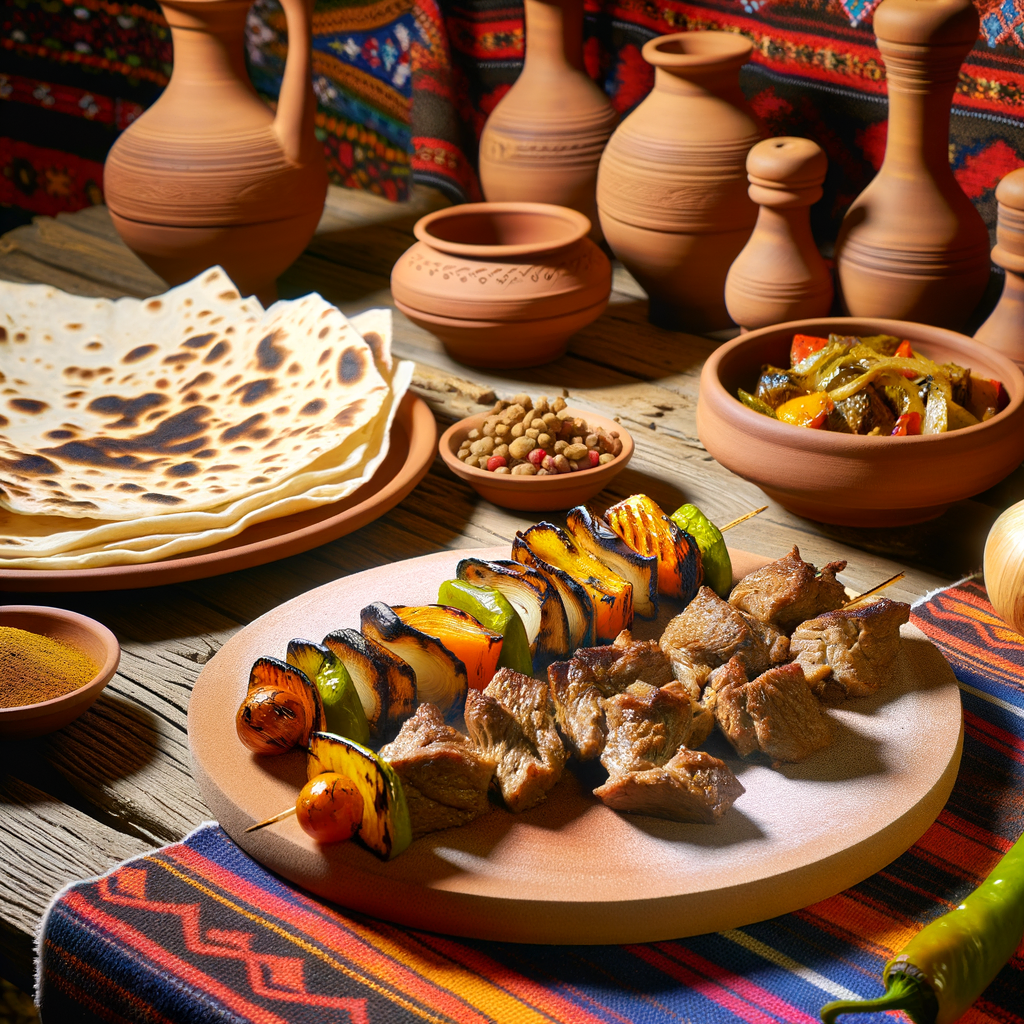
Khorovats
Traditional Armenian grilled dish, typically with pork or lamb, marinated in herbs and spices and grilled over an open flame. Often served with fresh lavash and grilled vegetables.
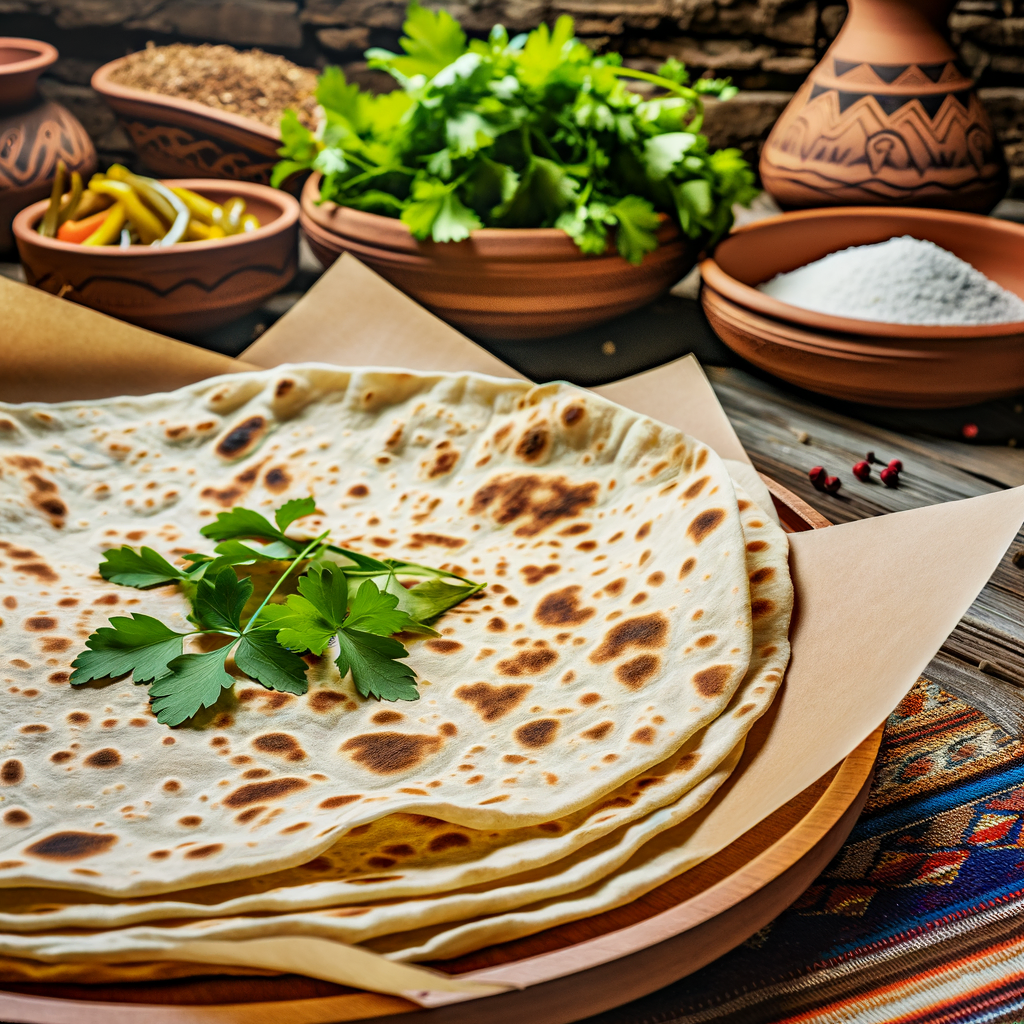
Lavash
Thin, soft flatbread baked in a traditional underground oven called 'tonir'. Lavash is a central part of the Armenian meal and is used both as a side and as a wrap for meat and vegetables.
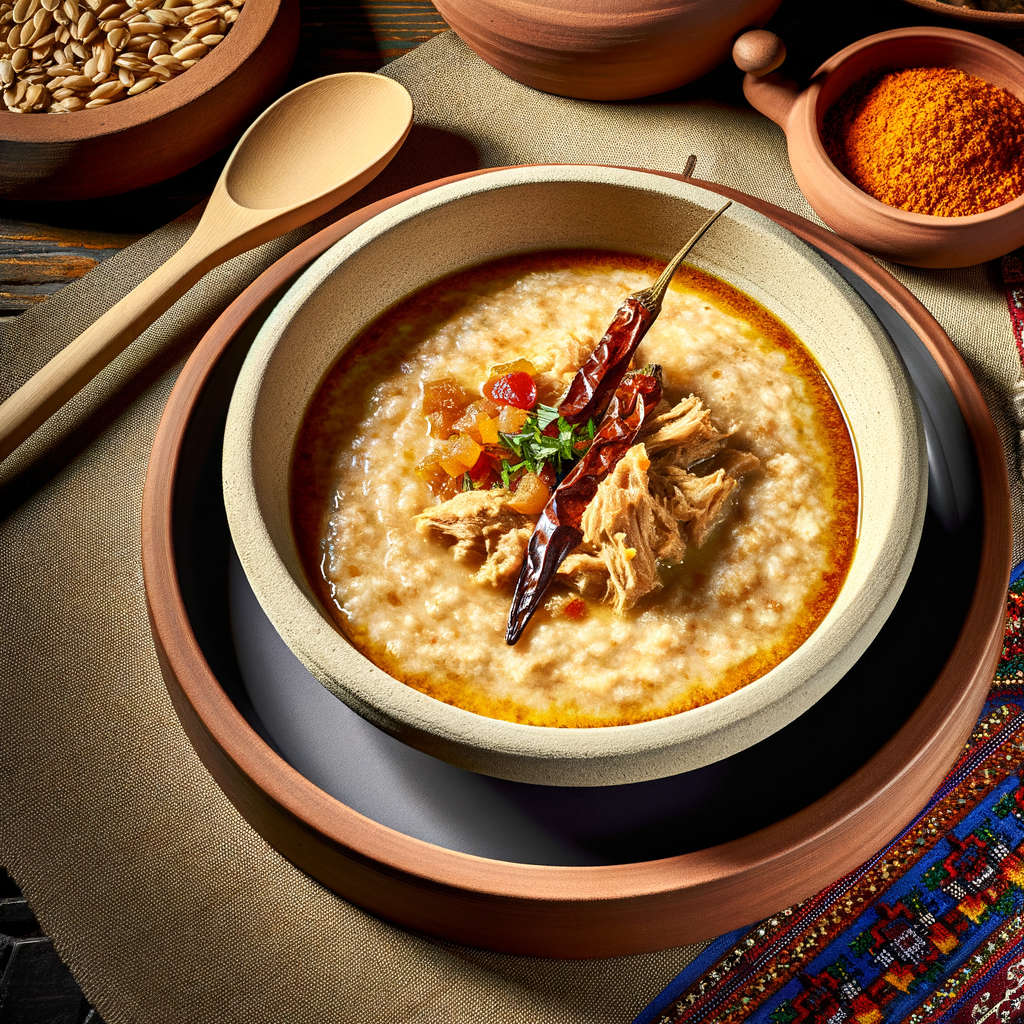
Harissa
A warming porridge made from wheat and slow-cooked meat (often chicken or lamb), simmered for several hours until it reaches a creamy consistency. Often served on special occasions.
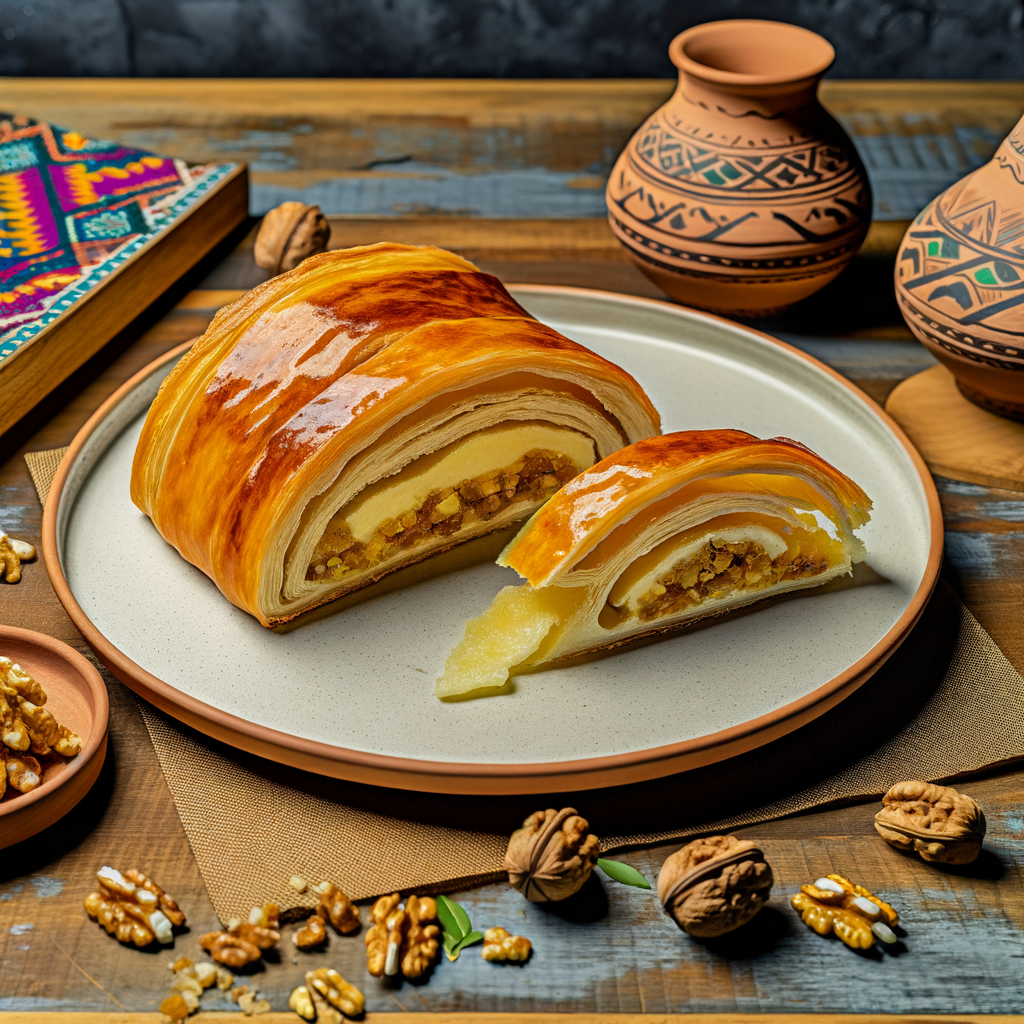
Gata
A sweet, filled cake made from puff pastry-like dough with a sugary walnut or butter filling. A popular dessert for tea or coffee.
Restaurant information
Tipping
Tipping is not always included in the bill in Armenia. It is common to give 5-10% in tips at restaurants if the service has been good. At cafes, it is acceptable to round up to the nearest whole amount.
Travel information
Currency
Dram (֏)
Language
Armensk
Best time to visit
May-June and September-October
Major cities
Jerevan and other major cities
More countries in Asia
Discover more destinations in this region