
Angola
Angola, Africa's hidden gem, offers breathtaking landscapes, vibrant culture, and wild adventures, providing a journey for the bold and curious.
Overview
Angola is Africa's hidden gem — a land where unspoiled nature, breathtaking landscapes, and rich cultural heritage collide. Discover the mighty Kalandula Falls, the dramatic Tundavala Gap, and the wild beauty of Quicama National Park. The capital, Luanda, blends modern vibrancy with historic neighborhoods and a lively waterfront, while Ilha do Mussulo beckons with its serene beaches. From the UNESCO-protected Mbanza Kongo to authentic dishes like Muamba de Galinha, Angola offers a unique travel experience unlike any other, far from the beaten tourist path.
Official language
Portuguese
Government
Presidential republic
Best time to visit
May to October (dry season)
Nature
Angola is a stunning tapestry of landscapes, from its pristine white sand beaches to dramatic cliffs and lush national parks. The magnificent Kalandula Falls, one of the largest waterfalls in the world, cascades into verdant surroundings, creating a breathtaking sight. The Tundavala Gap offers dizzying views over deep ravines and expansive plains, while Quicama National Park is home to elephants, giraffes, and rare bird species. Along the coast, Ilha do Mussulo tempts travelers with its palm-fringed shores and crystal-clear waters, perfect for relaxation. Angola also boasts vast savannas and dense forests, inviting adventure. The dry season from May to October provides ideal conditions for exploring nature reserves and mountain landscapes, with sunsets painting the sky in vibrant hues. The untouched nature of Angola promises an authentic experience for travelers seeking the wild and unspoiled side of Africa.
Travel to Angola
Traveling to Angola is an adventure for those seeking an authentic African experience. The country remains relatively untouched by mass tourism, allowing for unique encounters with both nature and culture. A visa is required for entry, and costs can be high, but the rewards are immense: from safaris in Quicama National Park to hiking at Tundavala Gap and unwinding on Ilha do Mussulo. Luanda offers an exciting mix of modern city life and historical quarters, while Mbanza Kongo provides fascinating insights into the past. The best time to visit is during the dry season from May to October when the climate is ideal for both coastal and inland adventures. A journey to Angola calls for planning, but it promises lifelong memories in a land where hospitality and breathtaking nature go hand in hand.
Culture
Angola's culture is a vibrant mosaic of traditions, music, dance, and culinary delights, shaped by African roots and Portuguese colonial history. In Luanda, the energy of lively markets pulsates as locals sell handcrafted jewelry, textiles, and crafts. Music plays a central role in daily life, with rhythms ranging from kizomba and semba to modern afrobeat. Mbanza Kongo, a UNESCO World Heritage site, unveils the story of the powerful Kongo Kingdom, showcasing ruins of palaces and churches that speak of a rich past. The Angolan cuisine is a journey in itself, featuring dishes like Muamba de Galinha, Calulu, and Funge, which blend spicy African flavors with Portuguese influences. Festivities and dance are woven into the fabric of everyday life, with warmth and hospitality evident in every interaction. Angola is a place where culture is not just seen but felt — in the music, in the food, and in the connections made with its people.
History
Angola's history is a story of powerful kingdoms, colonization, and a prolonged struggle for independence. Mbanza Kongo was the epicenter of the mighty Kongo Empire, a cultural and political stronghold in Central Africa for centuries. The arrival of the Portuguese in the 15th century marked the beginning of trade, missionization, and eventual colonization. Angola became a critical part of the transatlantic slave trade, leaving profound impacts on its people. After decades of colonial rule, Angola gained independence in 1975 but was soon embroiled in a lengthy civil war that lasted until 2002. Today, Angola is on a path of reconstruction and development, all while honoring and celebrating its rich cultural heritage.
Top attractions
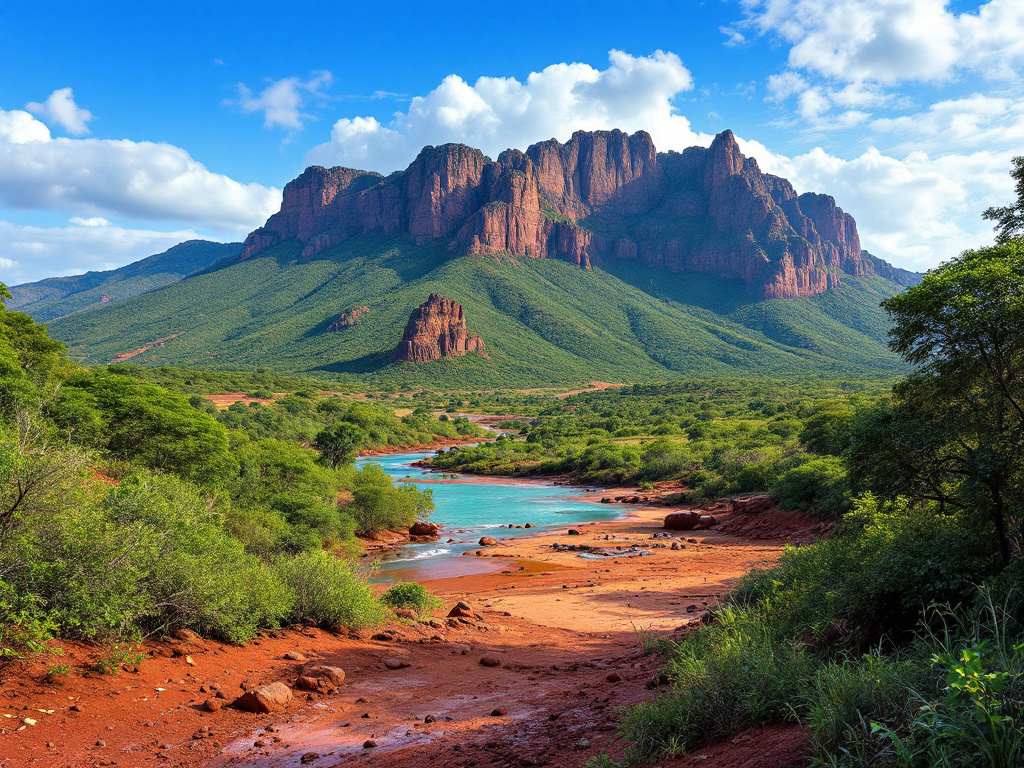
Kalandula Falls
Majestic waterfalls surrounded by lush nature and dramatic rock formations in central Angola.
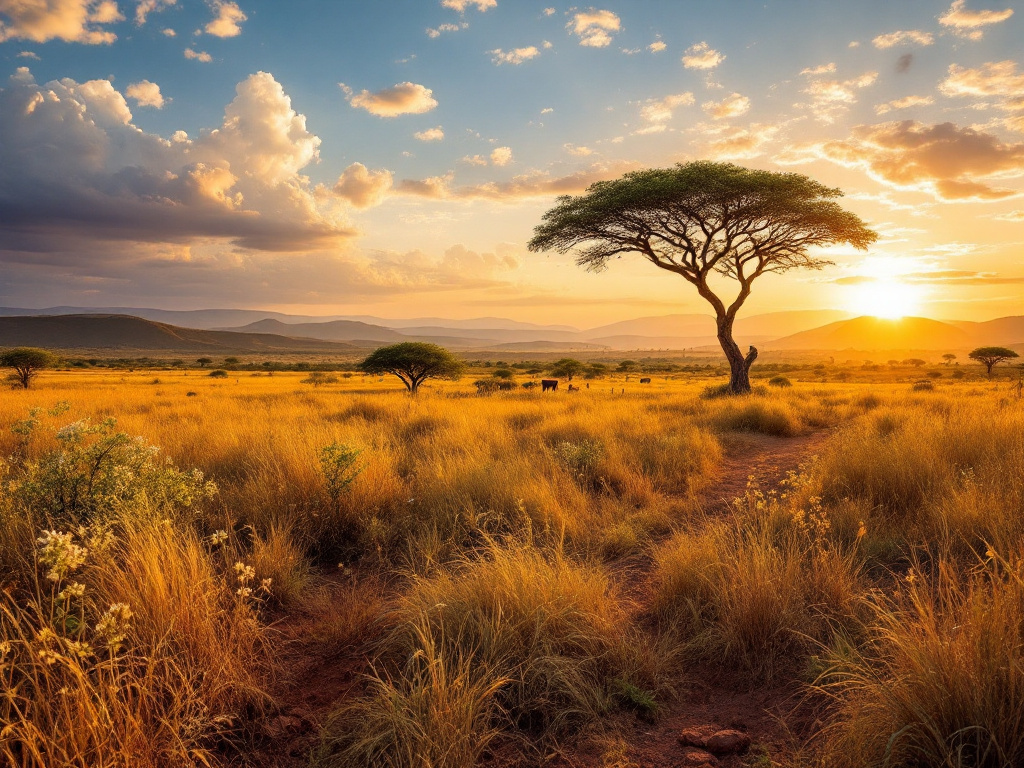
Kissama National Park
Angola's most famous national park with restored wildlife and diverse ecosystems.
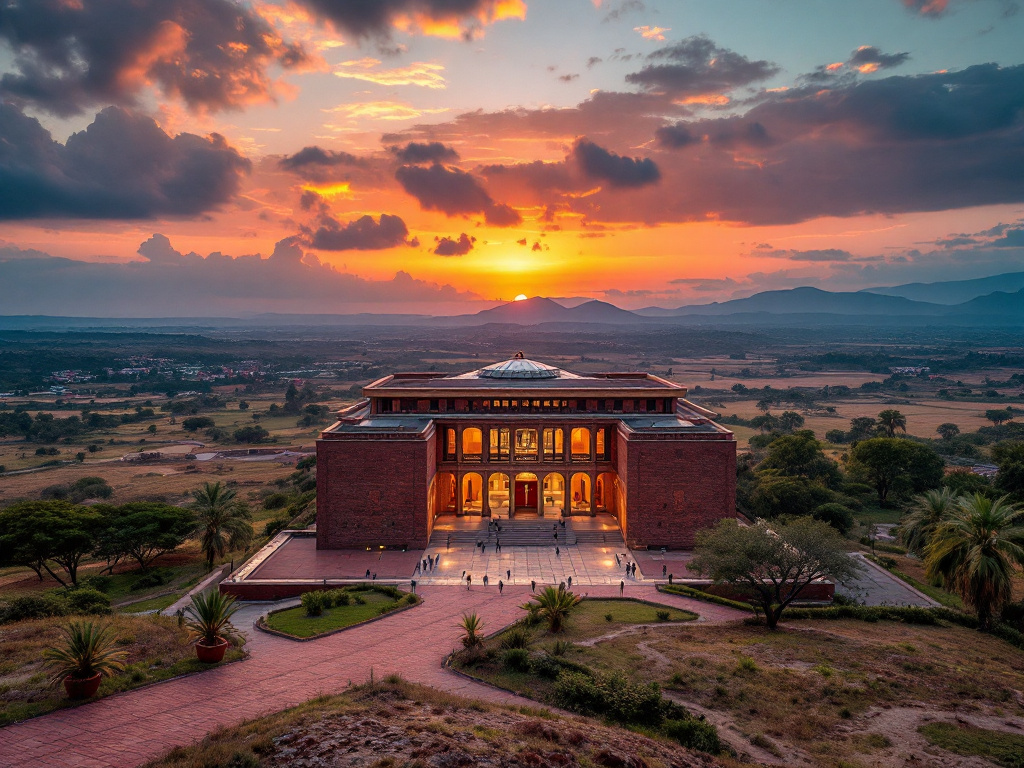
National Museum of Anthropology
An important museum that showcases Angola's diverse cultures and historical traditions.
Fortaleza de São Miguel
Historical Portuguese fortress with a museum and views over Luanda Bay.
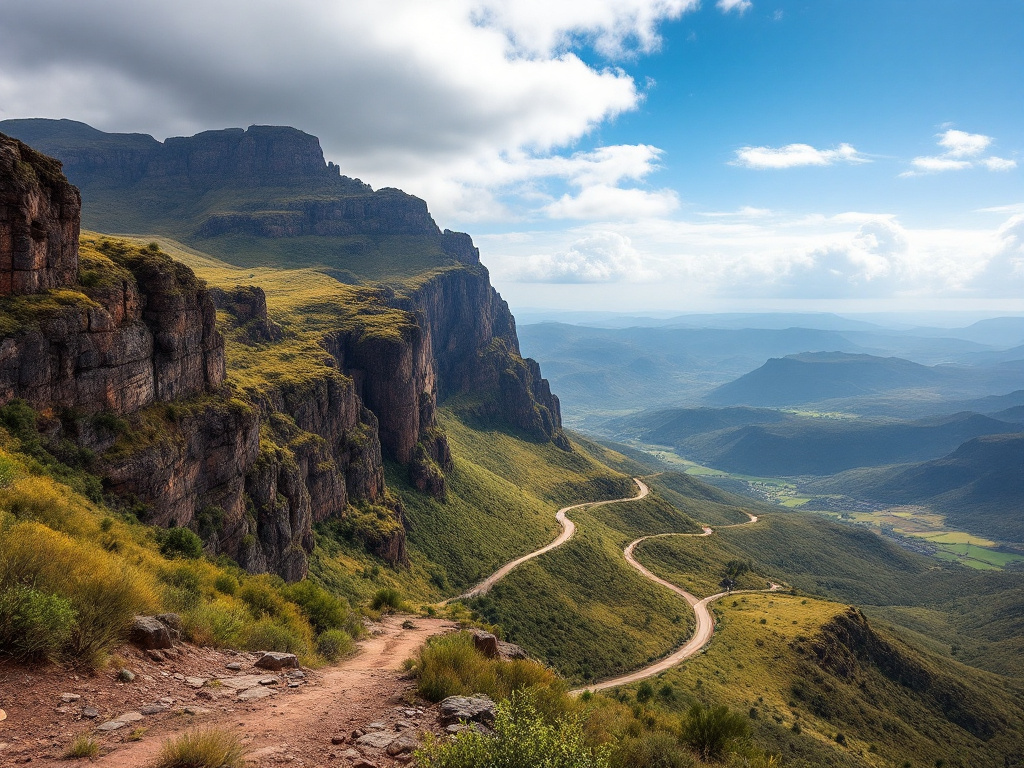
Serra da Leba
Famous mountain road with iconic views and one of Angola's most photographed places.
Famous cuisine
Culinary overview
Angola's cuisine is an exciting blend of African traditions and Portuguese influences, reflecting the country's history and cultural diversity. Dishes are often based on local ingredients such as cassava, maize, fish, chicken, and tropical fruits. Many meals are served with funge – a thick porridge made from cassava flour – which acts as a side to both meat and fish dishes. Street stalls and markets offer fresh grilled fish, fried bananas, and spicy stews, while restaurants in cities present both traditional and modern interpretations of Angolan cuisine.
Must-try dishes
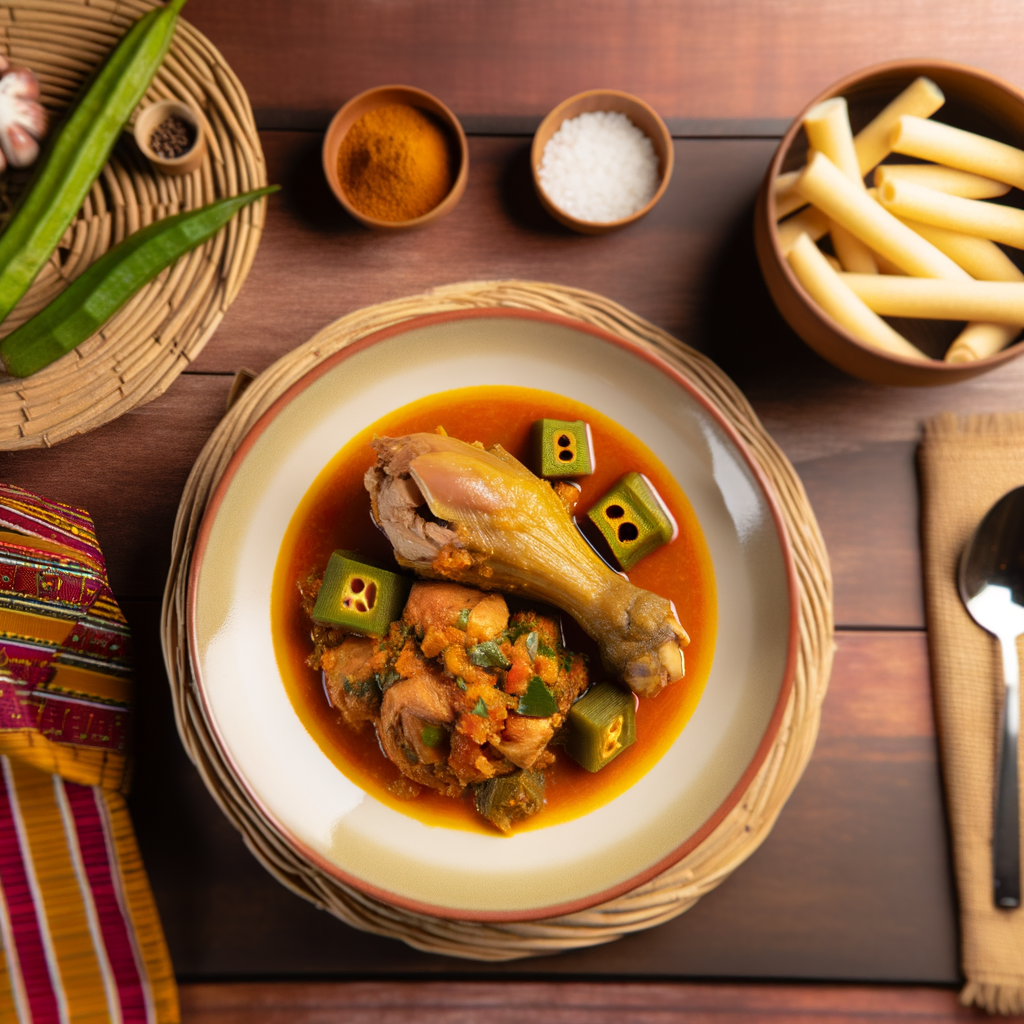
Muamba de Galinha
A classic Angolan chicken stew prepared with palm oil, okra, garlic, and spices. Often served with funge and known for its rich, hearty flavor.
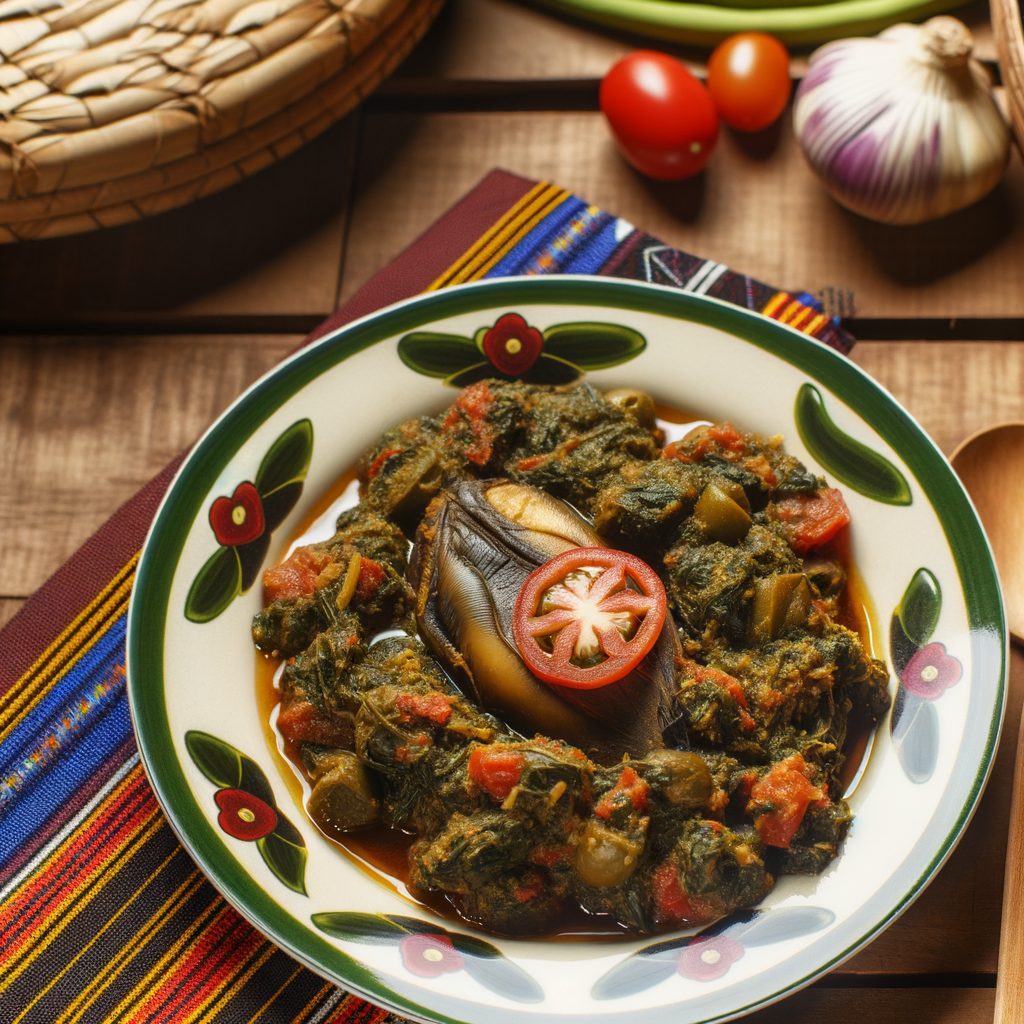
Calulu
A traditional dish made with dried fish or meat, cooked together with vegetables such as spinach, tomatoes, and okra. The flavor is intense and deep, often rounded with palm oil.
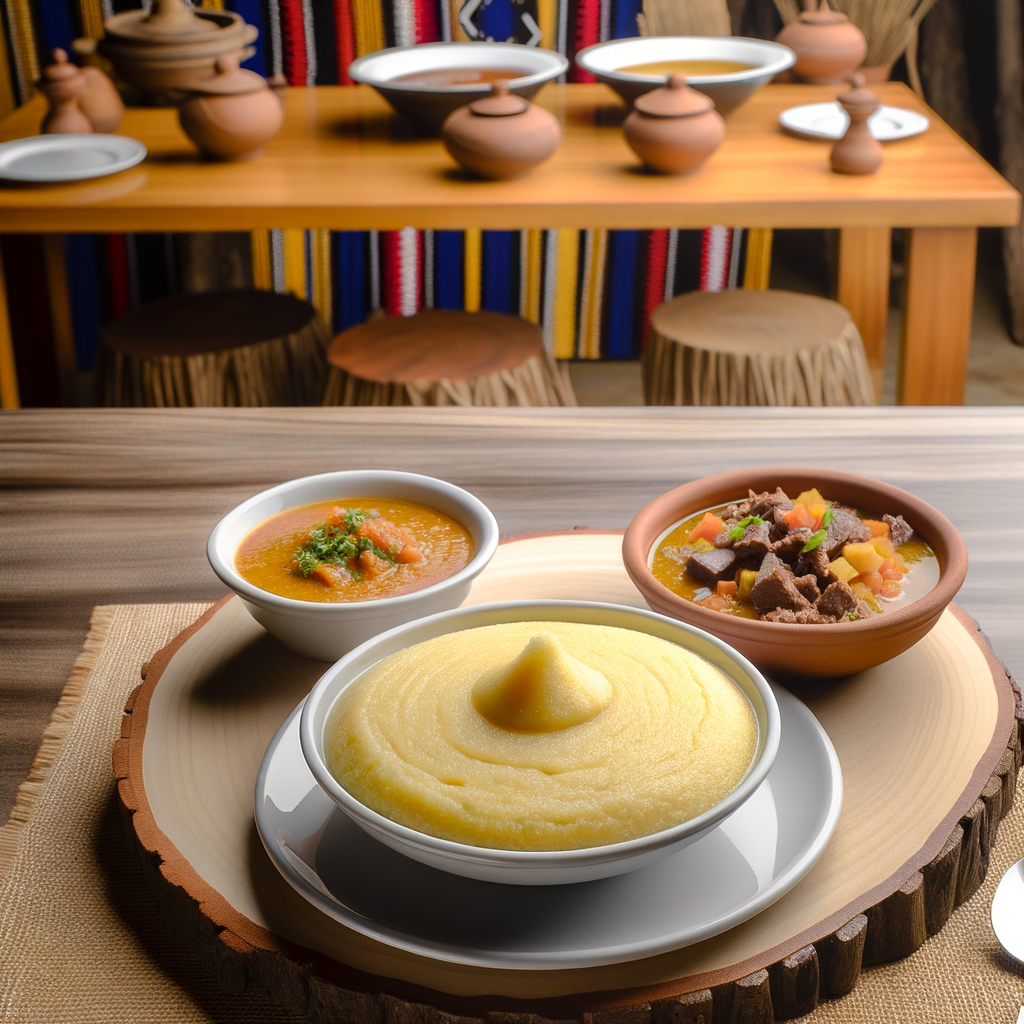
Funge
A thick, smooth porridge made from cassava flour or maize flour, used as a side dish for many meals. It is eaten with the hands and works as a 'spoon' for stews.
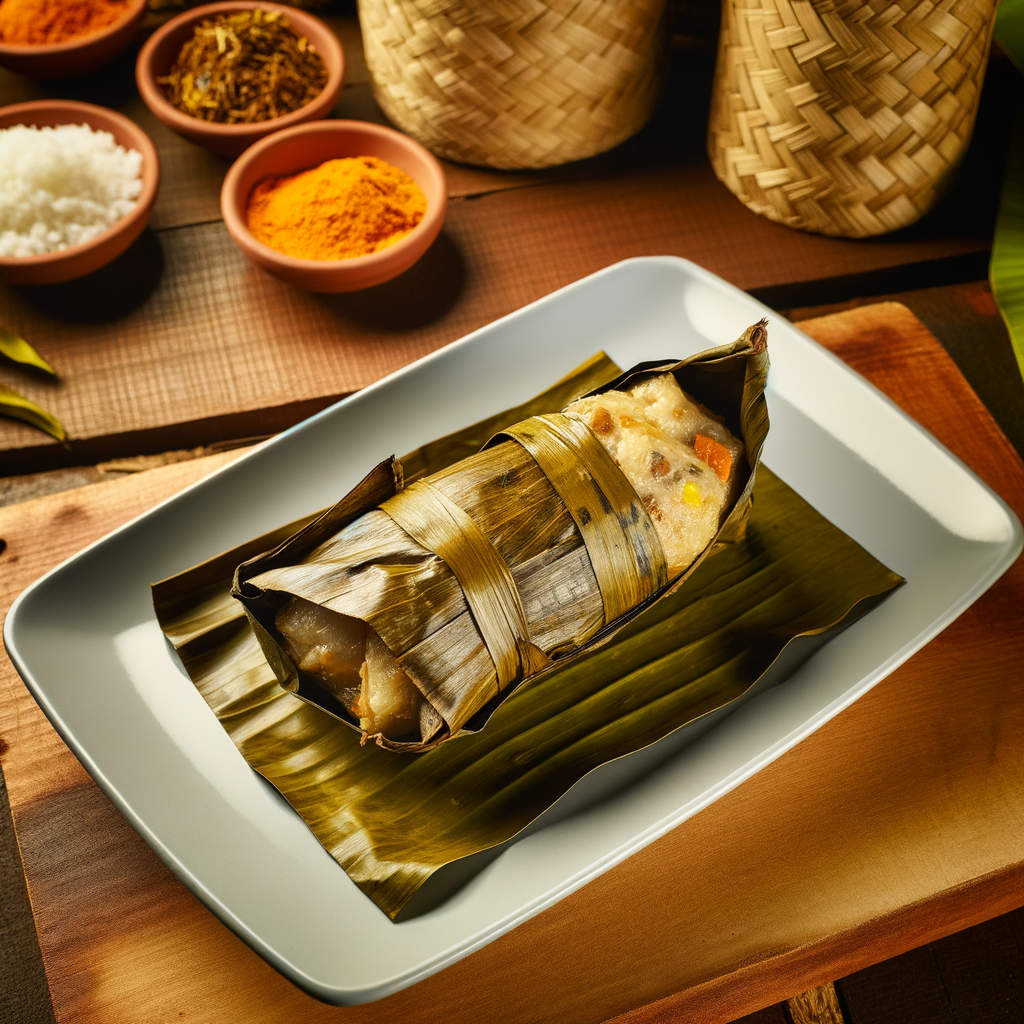
Chikuanga
A fermented cassava bread wrapped in banana leaves, giving it a slight tangy flavor and unique texture. Often served with fish dishes.
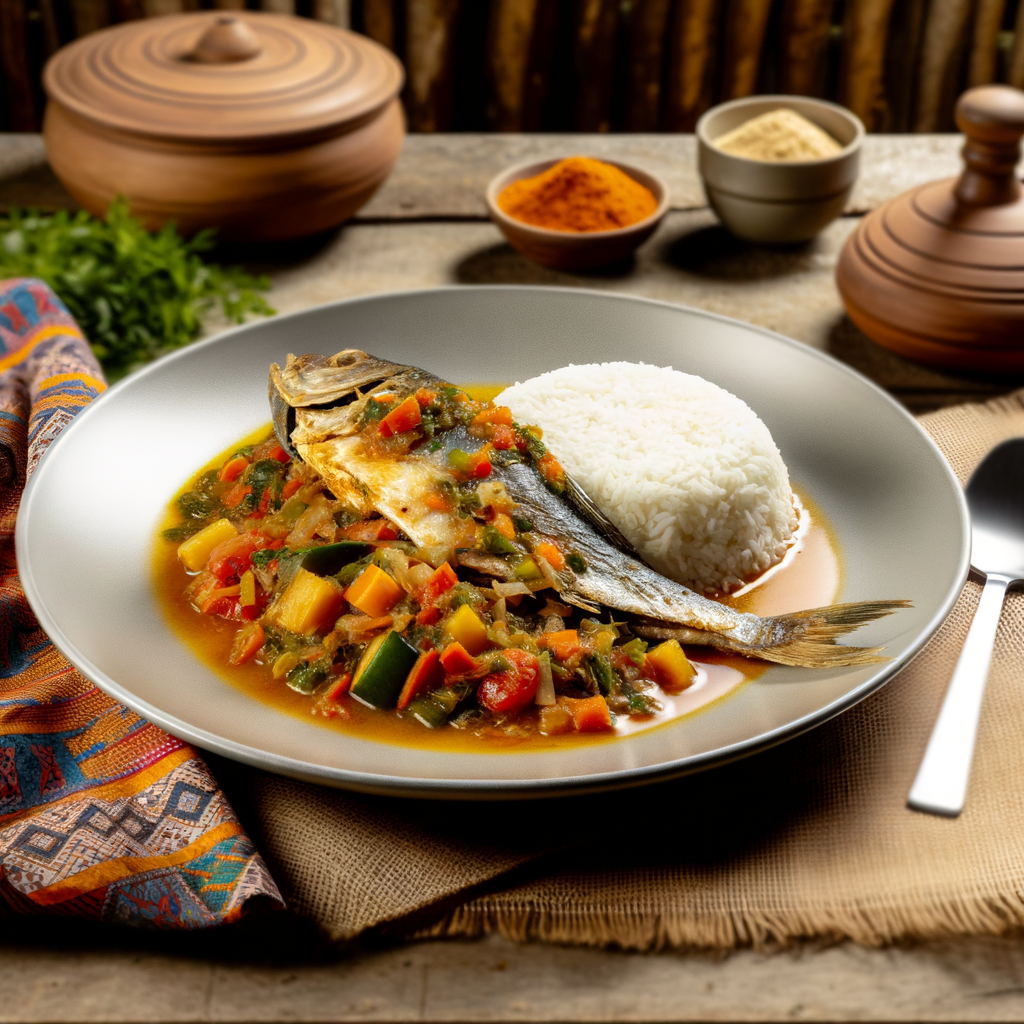
Moamba de Peixe
A fish dish prepared in palm oil with vegetables and spices, typically served with rice or funge. The flavor is both spicy and aromatic.
Restaurant information
Tipping
Tipping is not always expected in Angola, but in restaurants in the cities, it is common to give 5-10% of the bill if the service has been good. At markets and small eateries, tipping is rare.
Travel information
Currency
Kwanza (Kz)
Language
Portuguese
Best time to visit
May to October (dry season)
Major cities
Luanda and other major cities
More countries in Africa
Discover more destinations in this region