
Comoros
Comoros, a peaceful island nation in the Indian Ocean, enchants with its lush landscapes, untouched beaches, and vibrant cultural heritage, nestled between Africa and Madagascar.
Overview
Comoros, a peaceful island nation nestled in the Indian Ocean between Africa and Madagascar, is a hidden paradise for travelers seeking authentic experiences. Here, African, Arab, and French cultural heritage converge in a unique blend that is felt in everything from architecture to cuisine. The capital city, Moroni, offers a charming medina, historic mosques, and vibrant markets. Nature enthusiasts can conquer Mount Karthala, one of the world’s largest active volcanoes, or explore the crystal-clear waters of Mohéli Marine Park, home to sea turtles and colorful coral reefs. With stunning white sand beaches such as Chomoni and Itsandra, Comoros is the perfect destination for tranquility, adventure, and cultural immersion.
Official language
Komorisk, French, Arabic
Government
Federal republic
Best time to visit
May to October
Nature
Comoros is a true natural paradise where lush volcanic landscapes meet turquoise waters. The archipelago consists of four main islands, each with its own unique charm. Mount Karthala on Grande Comore is one of the world's largest active volcanoes, making it a must-visit for hikers eager to witness dramatic craters and breathtaking panoramas. The Mohéli Marine Park is one of the Indian Ocean's most pristine marine reserves, renowned for its sea turtles, dolphins, and vibrant coral reefs that attract snorkelers and divers from around the globe. Stroll along postcard-perfect beaches like Chomoni Beach and Itsandra Beach, where white sands and crystal-clear waters invite relaxation. With tropical forests, mangroves, and lagoons teeming with wildlife, the islands offer an ideal setting for outdoor adventures, particularly between May and October when the warm, sunny climate enhances every experience.
Travel to Comoros
Traveling to Comoros feels like entering a world far removed from mass tourism. With direct flights available from select African and Middle Eastern cities, the archipelago strikes a balance between accessibility and exclusivity. The best time to visit is from May to October when the weather is dry, sunny, and pleasant. Travelers can indulge in relaxation on pristine beaches while embarking on adventures such as hiking on Mount Karthala or snorkeling in Mohéli Marine Park. Moroni beckons with authentic markets, historical sites, and an atmosphere that invites deep immersion into local culture. Comoros is ideal for those seeking a mix of nature, culture, and serenity—a place to experience genuine island life, savor unique dishes, and enjoy a hospitality that makes each visit memorable.
Culture
The culture of Comoros is a captivating blend of African, Arab, and French influences, shaped by centuries of trade and migration. In the capital, Moroni, wander through the old medina where narrow streets, vibrant markets, and the historic Ancienne Mosquée de Vendredi testify to the islands' Islamic heritage. Music and dance play an essential role in daily life, often accompanied by traditional drums and songs that narrate stories of the sea and island life. The local cuisine is a culinary journey in itself, featuring delights such as langouste à la vanille, which combines fresh lobster with the island's renowned vanilla, and mkatra foutra, a traditional coconut bread. Festivals and ceremonies are colorful and community-oriented, where hospitality is always at the forefront. The Comorian lifestyle reflects a laid-back pace, prioritizing family, traditions, and harmony with nature.
History
The history of Comoros is marked by its strategic location between East Africa, the Middle East, and Asia. For centuries, the islands have served as a hub for trade, particularly in spices, vanilla, and coconuts. Arab merchants introduced Islam to the islands in the 10th century, leaving a lasting impact on the culture to this day. Later, Comoros experienced the effects of French colonial rule, which influenced the language, administration, and infrastructure. Since gaining independence in 1975, the country has maintained its cultural diversity while facing various political challenges. This rich history is reflected in the architecture, ancient mosques, and bustling ports where the echoes of past trade routes can still be felt.
Top attractions
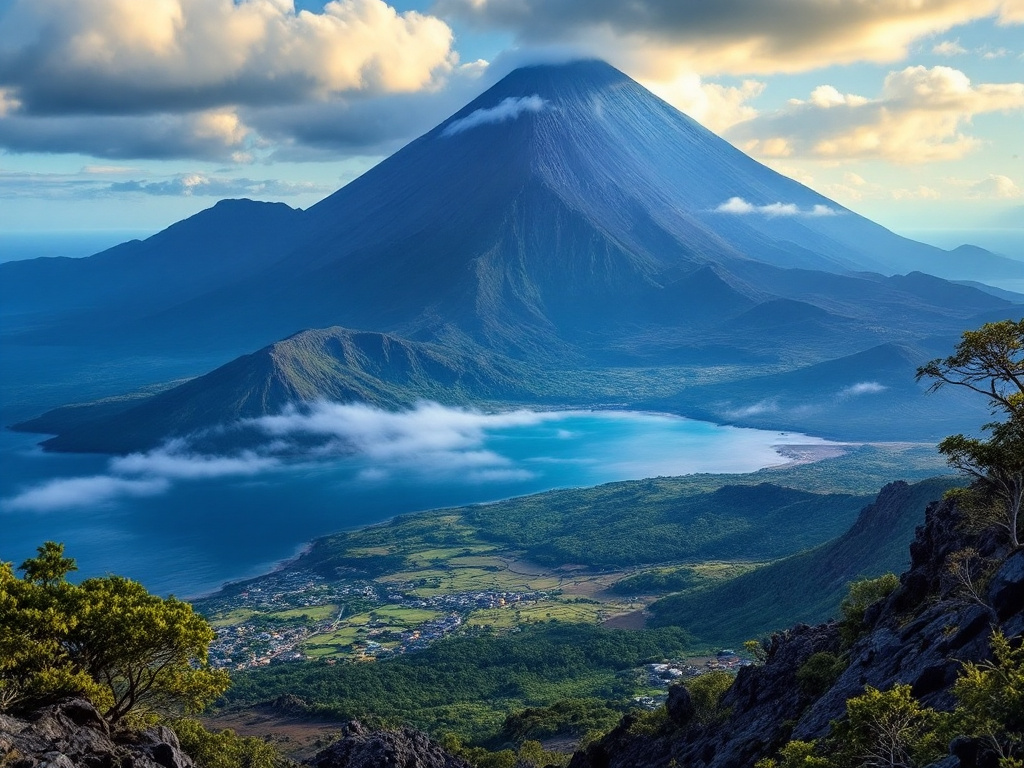
Mount Karthala
Mount Karthala is a massive active volcano and Comoros' most impressive natural attraction, known for its dramatic landscapes and challenging trails.
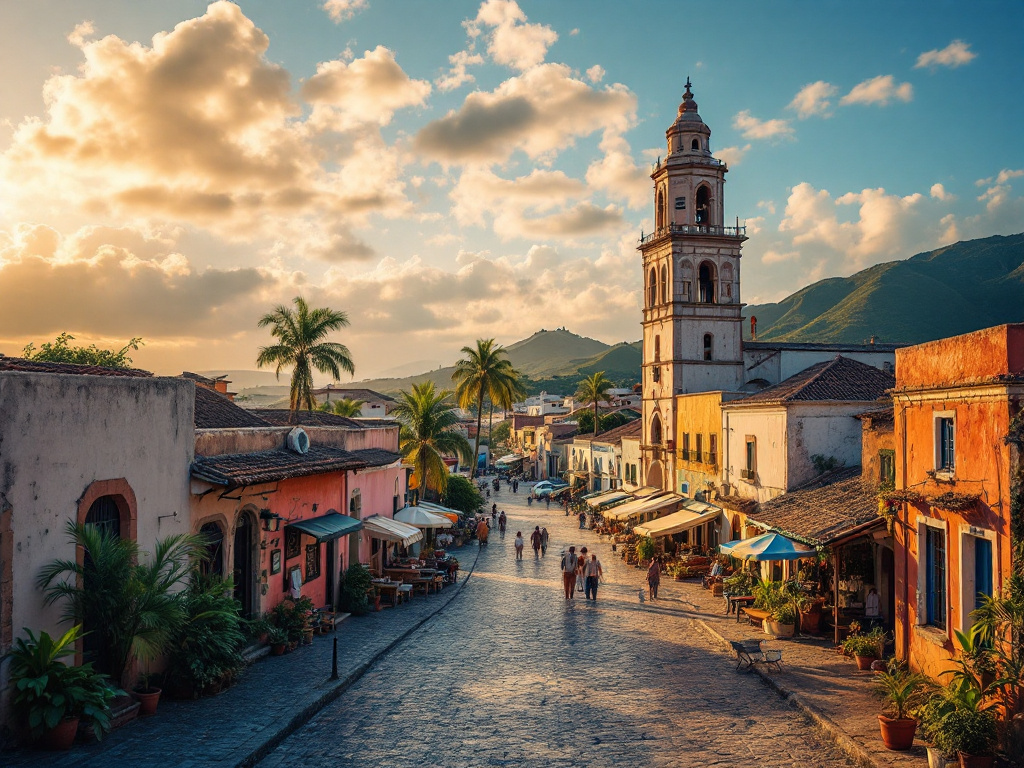
Medina in Moroni
The historic medina in Moroni offers authentic Comorian culture with traditional buildings, lively markets, and local crafts.
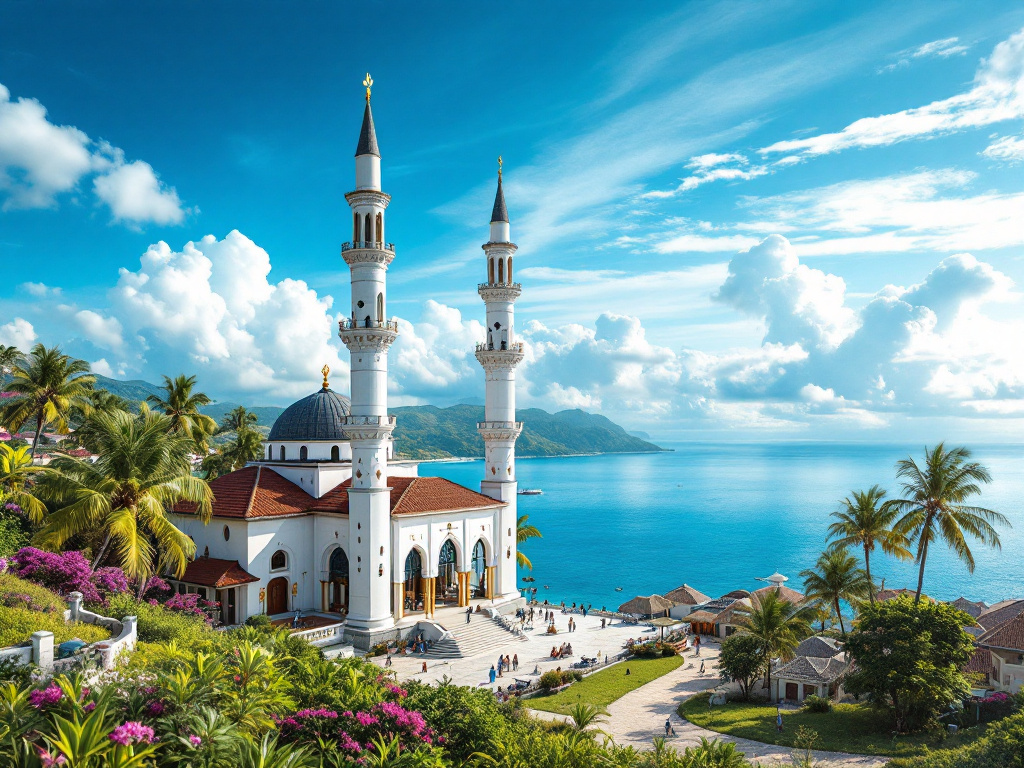
The Great Mosque in Moroni
The Great Mosque in Moroni is an important religious and architectural landmark overlooking the Indian Ocean.
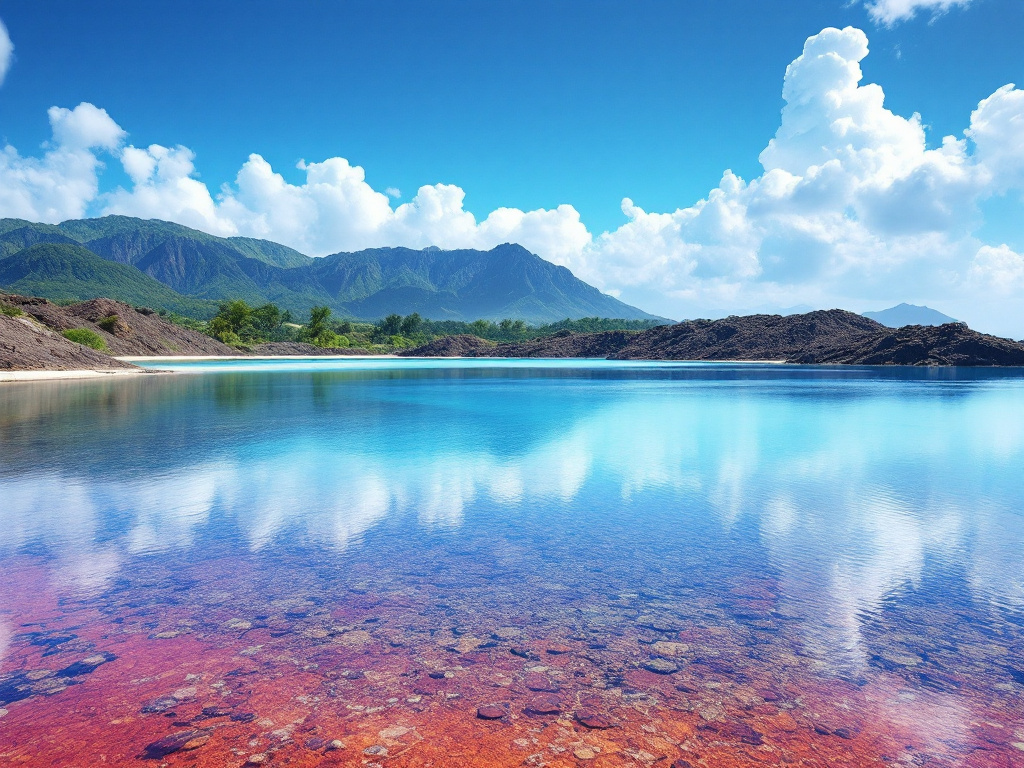
Lac Salé
Lac Salé is a unique salt lake located in a volcanic crater, surrounded by rugged and beautiful nature.
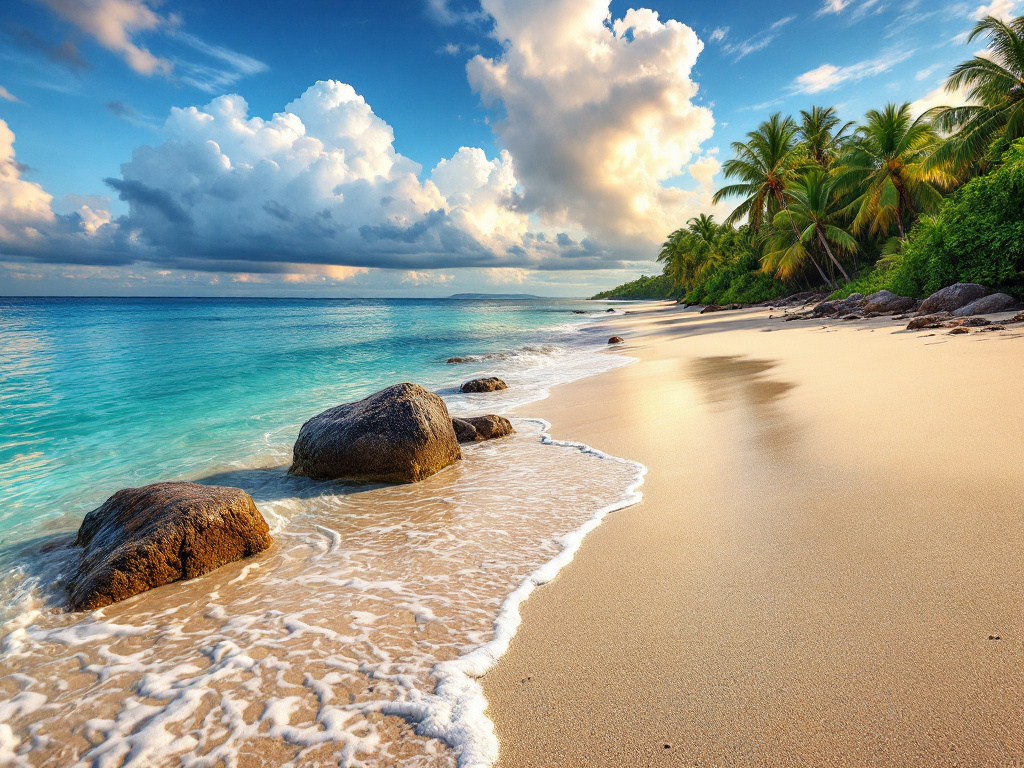
Chomoni Beach
Chomoni Beach is known for its clear water and tranquil atmosphere, ideal for relaxation away from the city life.
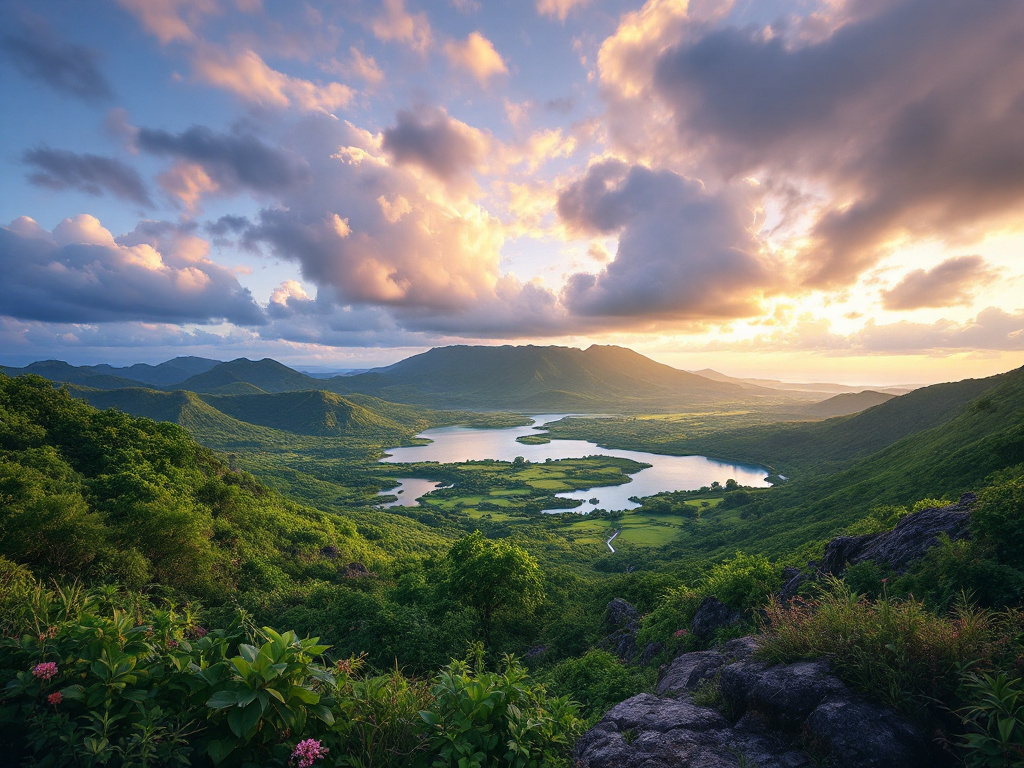
Moya Waterfall
Moya Waterfall is a lush natural area with cool freshwater and a relaxing atmosphere.
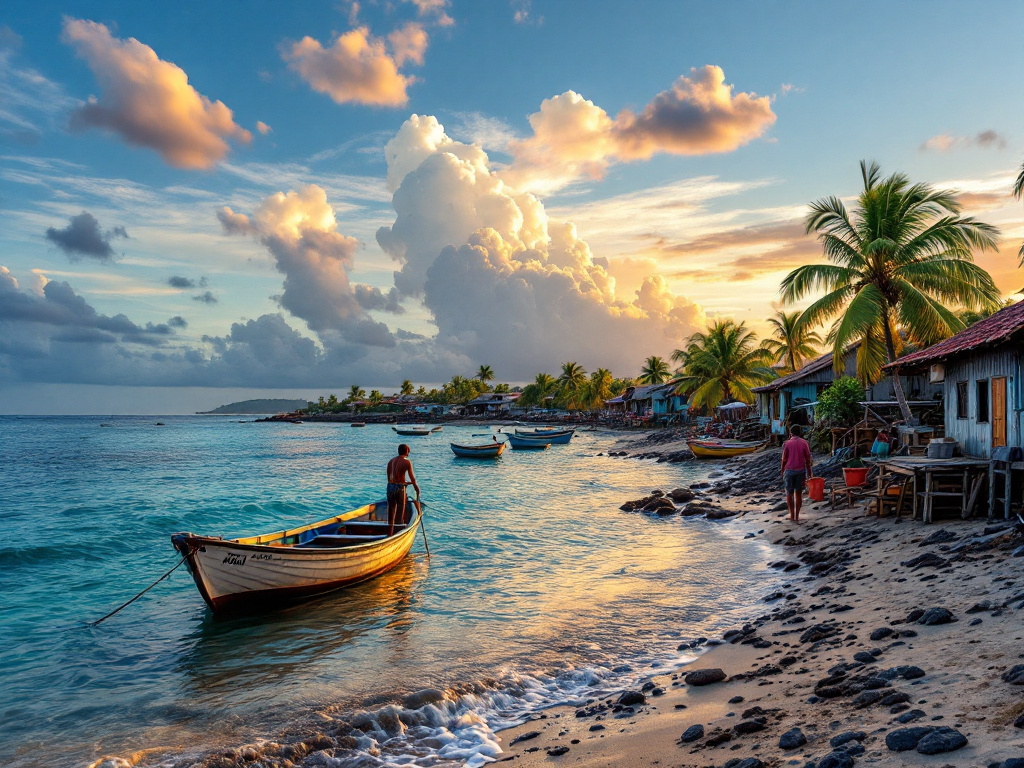
Fomboni Harbor
Fomboni Harbor gives insight into daily life on the island with local fishermen and small trading boats.
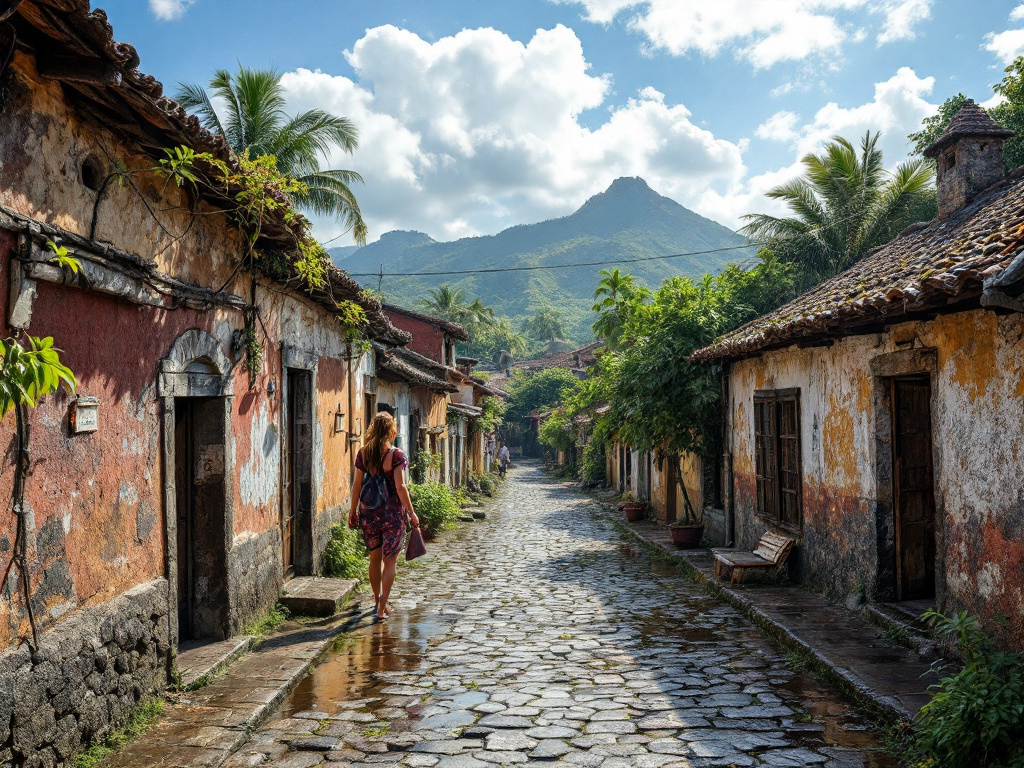
The Old Town in Mutsamudu
The old town in Mutsamudu is rich in history with well-preserved buildings and an authentic atmosphere.
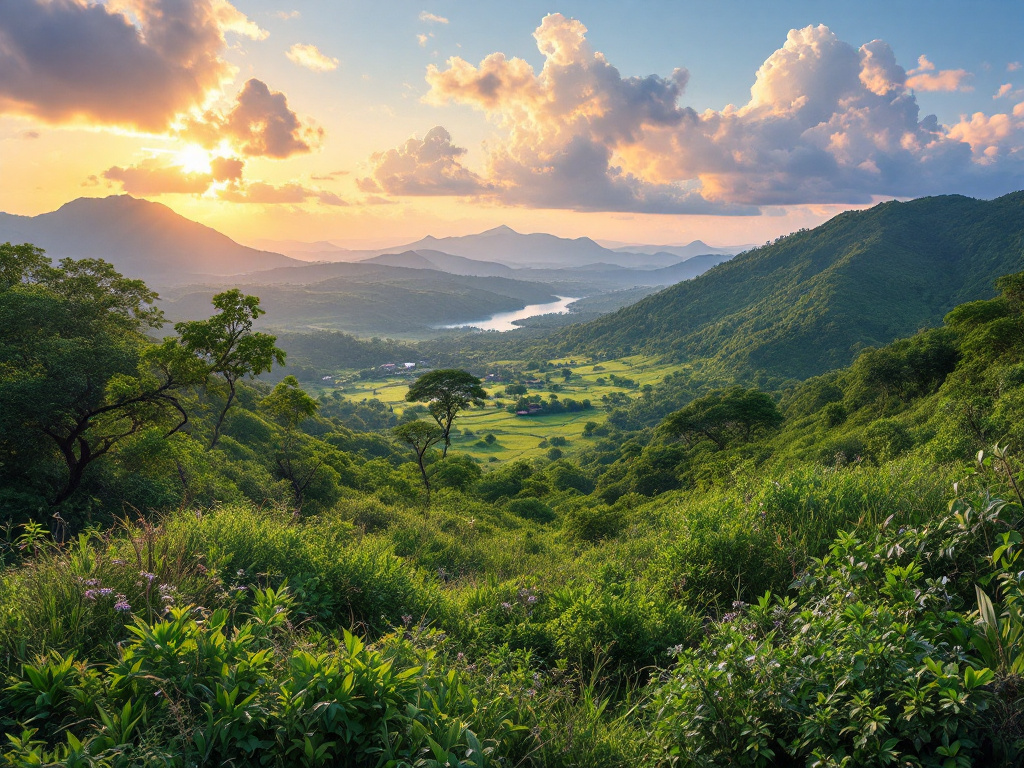
Ntsoudjini Forest Reserve
Ntsoudjini Forest Reserve protects part of Comoros' rich biodiversity with dense forests and rare species.
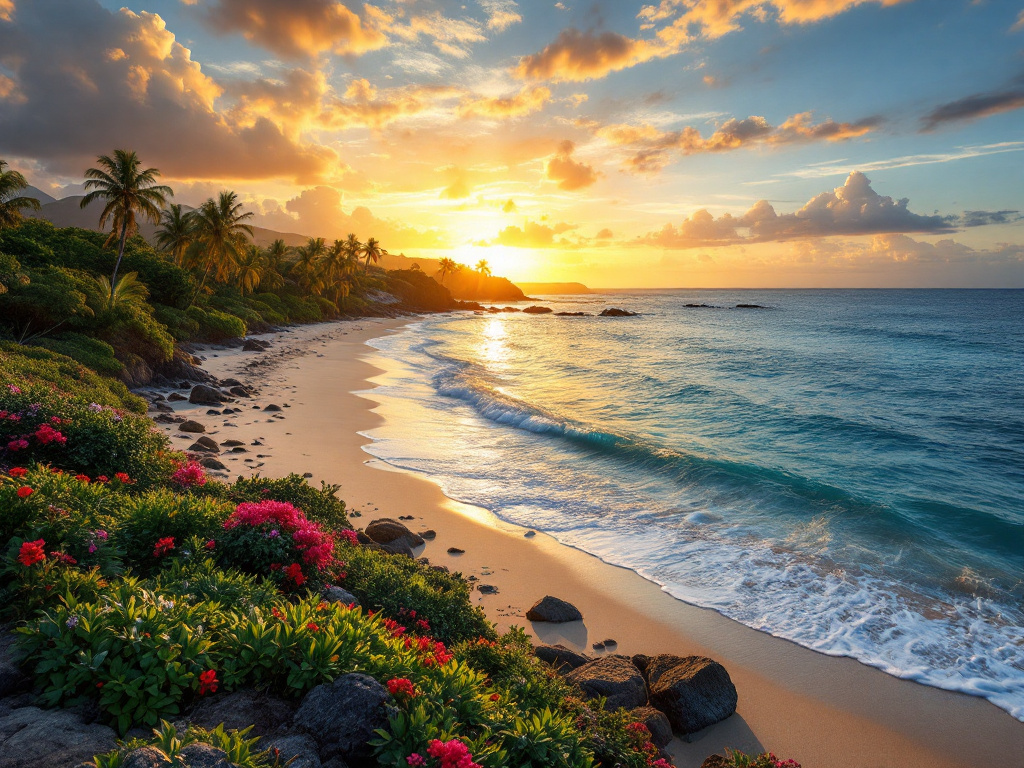
Mitsamiouli Beach
Mitsamiouli Beach is one of Comoros' most beautiful beaches, perfect for snorkeling and relaxation by the sea.
Famous cuisine
Culinary overview
Comorian cuisine is a flavorful blend of African, Arab, and French culinary traditions, characterized by the islands' rich access to fresh fish, seafood, and tropical fruits. Vanilla, coconut, cloves, and cinnamon are key ingredients, and many dishes combine sweet and savory flavors. Street food is popular in the cities, while villages offer homemade specialties. Meals are often enjoyed together, and hospitality is an important part of the food culture.
Must-try dishes
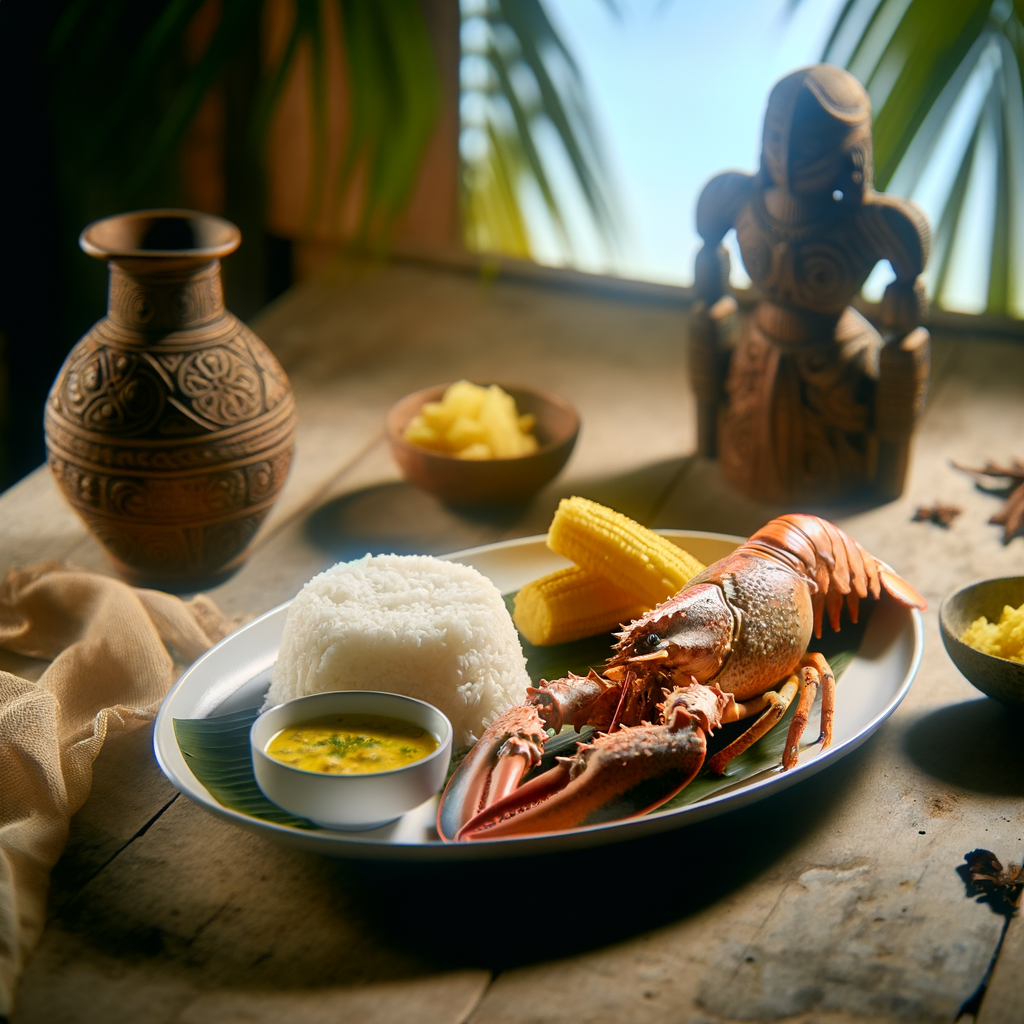
Langouste à la vanille
Lobster prepared with fresh vanilla and coconut milk, providing a delicate balance between sweetness and ocean flavor. Often served with rice or fried bananas.
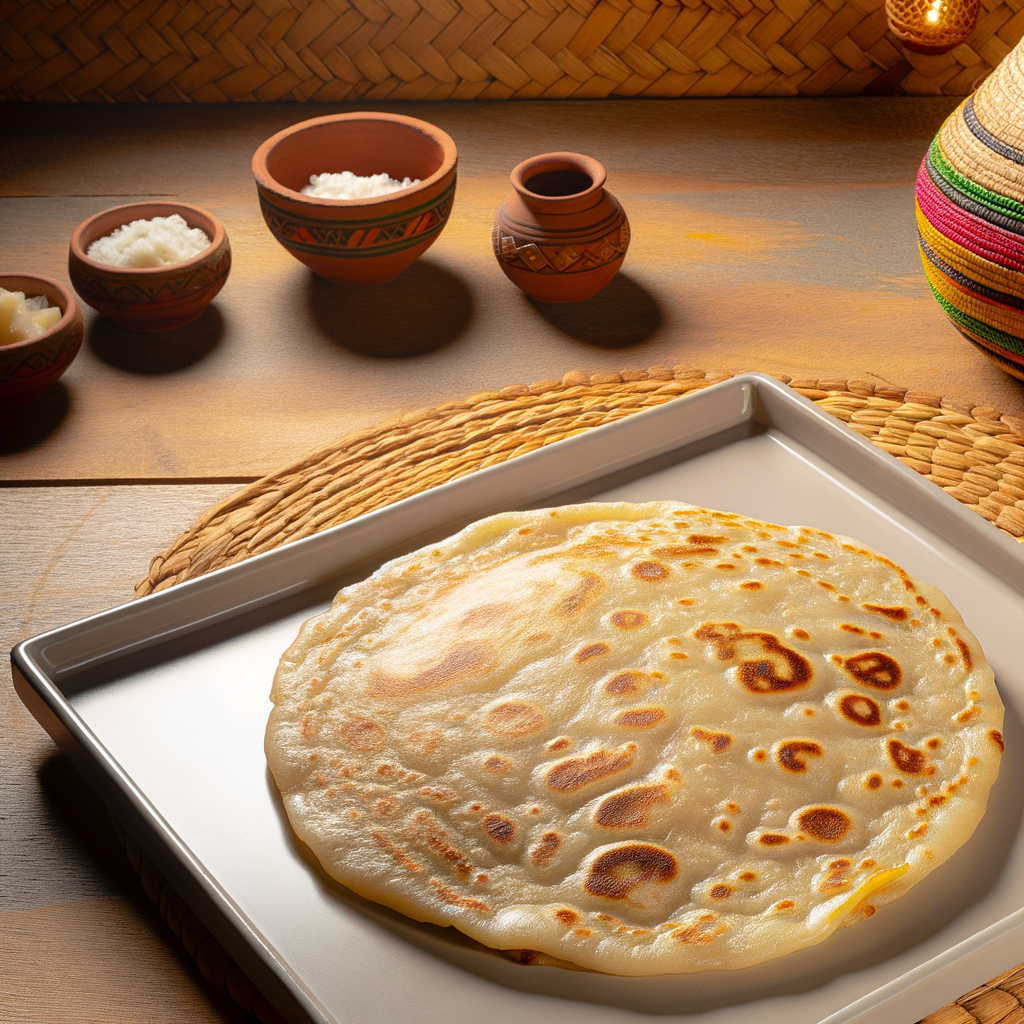
Mkatra foutra
A soft, flat bread made with coconut milk, often served for breakfast or as a side to stews.
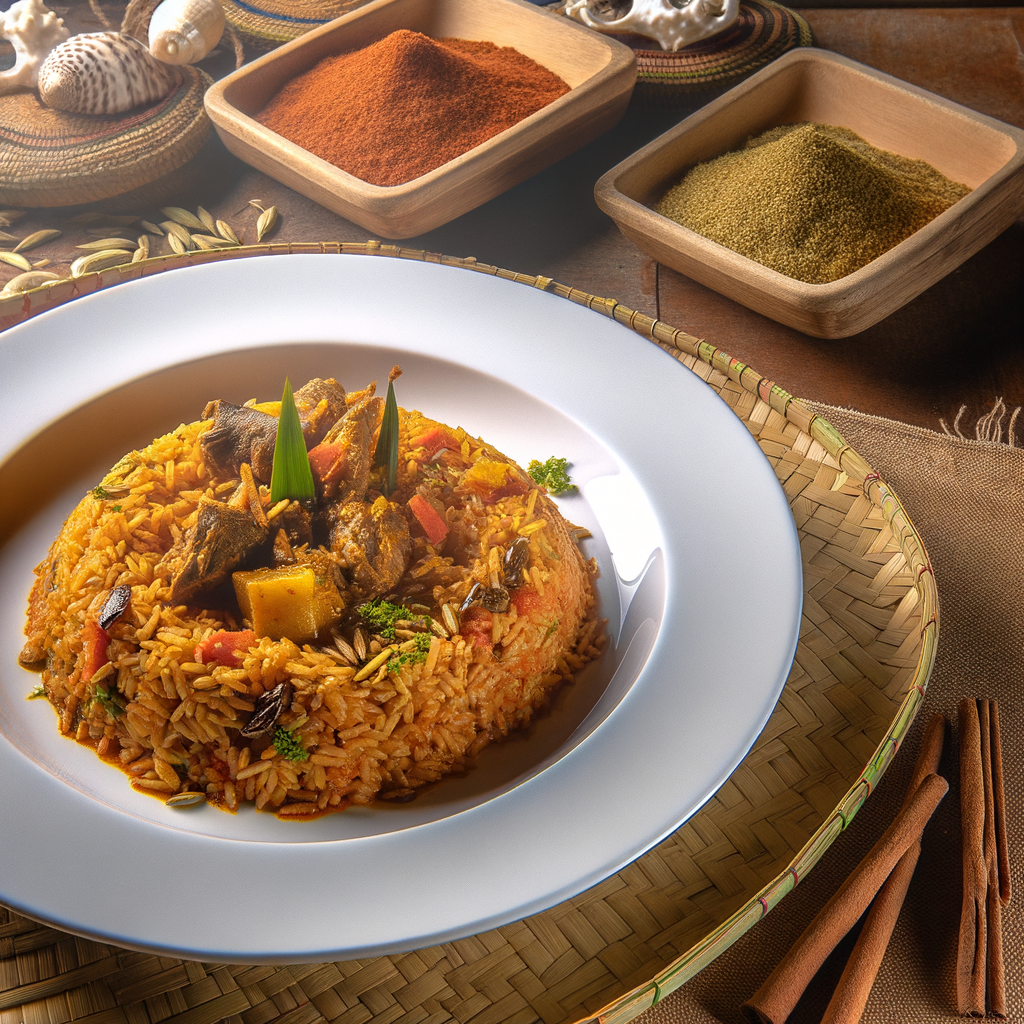
Pilaou
A spiced rice dish with meat or fish, prepared with cinnamon, cardamom, and cloves, inspired by Middle Eastern pilaf dishes.
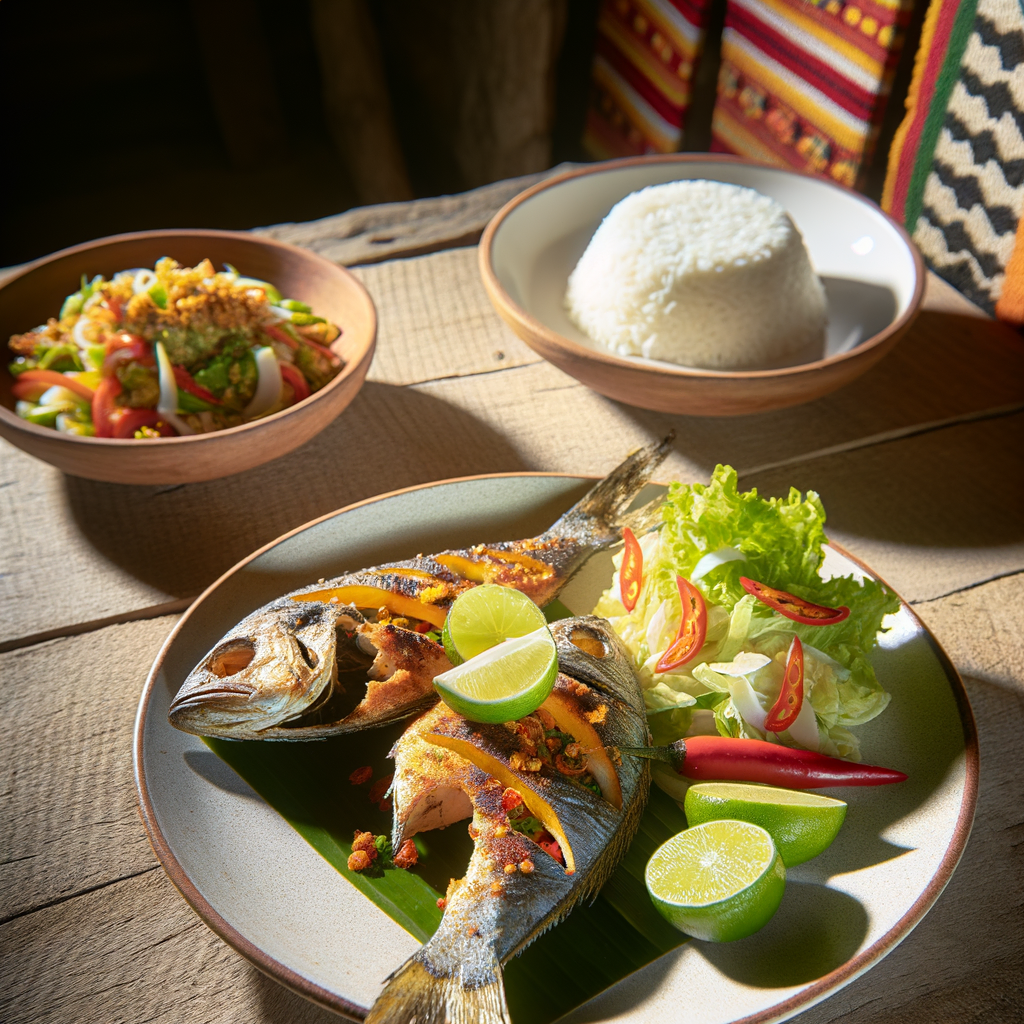
Grillet fisk
Freshly caught fish, often marinated in lime, chili, and spices, grilled over an open fire and served with salad and rice.
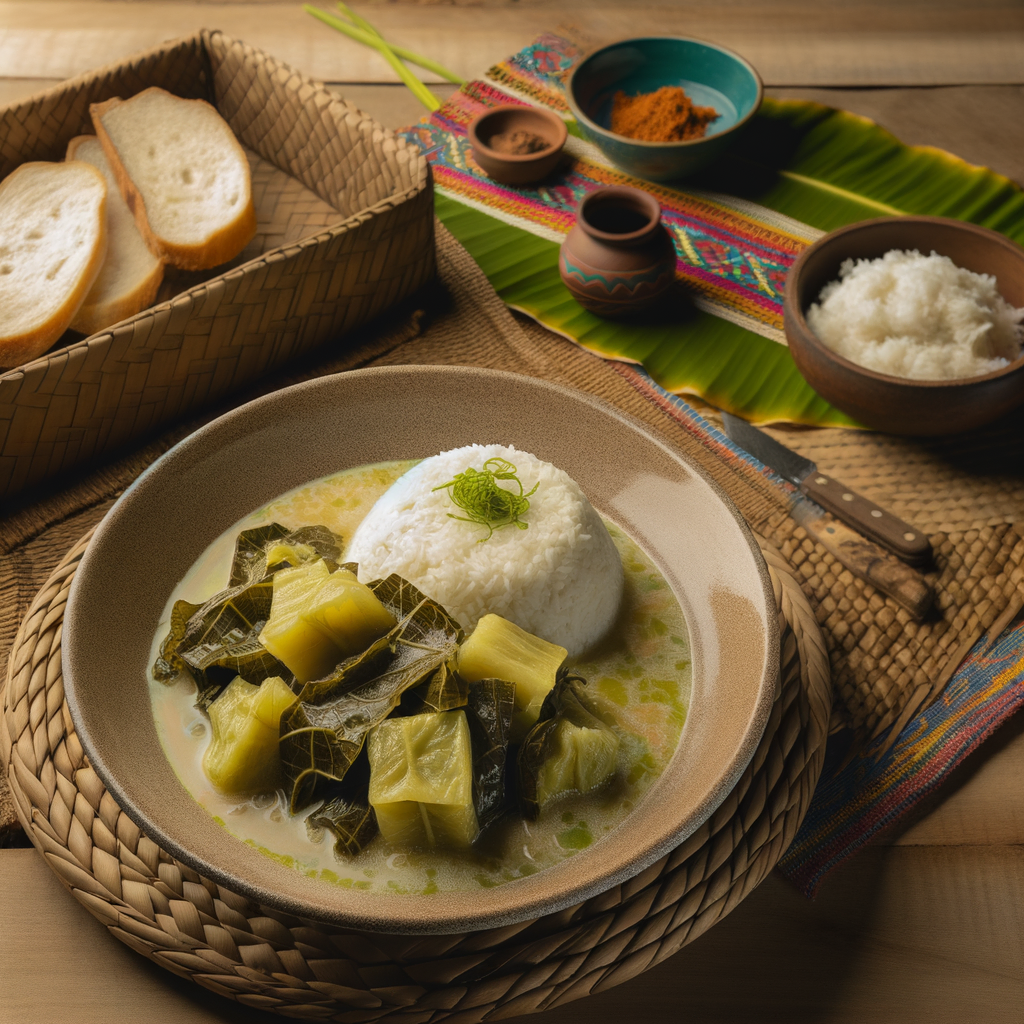
Mataba
A dish made from cassava leaves cooked in coconut milk, often served with rice or bread – a popular everyday dish on the islands.
Restaurant information
Tipping
Tipping is not a fixed part of the culture in Comoros, but it is appreciated to round up or give 5-10% in restaurants, especially if the service has been good.
Travel information
Currency
Komorisk franc (KMF)
Language
Komorisk, French, Arabic
Best time to visit
May to October
Major cities
Moroni and other major cities
More countries in Africa
Discover more destinations in this region