
Equatorial Guinea
Equatorial Guinea, a hidden gem in West Africa, offers lush rainforests, rich wildlife, and pristine coastlines where nature's beauty blends with a rich, yet complex, cultural tapestry.
Overview
Equatorial Guinea is a hidden gem in West Africa, where golden beaches, lush rainforests, and a fascinating cultural heritage converge. From the volcanic Bioko Island with the capital Malabo to the remote Annobón Island, discover dramatic landscapes, exotic wildlife, and authentic experiences far from the crowds. Explore Monte Alén National Park with its rare primates and colorful butterflies, or savor freshly caught fish at local markets. With a unique blend of Spanish colonial history and African traditions, this country is ideal for travelers seeking both adventure and relaxation.
Official language
Spanish
Government
republic
Best time to visit
December to February
Nature
Equatorial Guinea is a true paradise for nature lovers, showcasing stunning landscapes that transition from volcanic peaks on Bioko Island to dense tropical rainforests on the mainland. Monte Alén National Park is one of West Africa's most untouched natural wonders, where you can hike through lush jungles and spot rare primates such as drills and colobus monkeys, as well as a plethora of bird species and vibrant butterflies. The coastline boasts long, golden beaches, particularly at Bata, where the Atlantic Ocean meets soft sand. The remote Annobón Island entices with its steep cliffs, crystal-clear waters, and rich marine life, perfect for snorkeling and diving. With a tropical climate providing fertile vegetation year-round, mangrove forests, rivers, and waterfalls create a varied ecosystem. As Equatorial Guinea remains relatively untouched by mass tourism, the natural beauty here appears authentic and undisturbed—a rare sight in today's world.
Travel to Equatorial Guinea
Traveling to Equatorial Guinea presents an opportunity to experience one of Africa's most overlooked destinations. The country offers a rare combination of untouched nature, rich wildlife, and authentic culture without the throngs of mass tourism. The best time to visit is from December to February when the weather is dry and sunny—perfect for both beach holidays and rainforest trekking. Flights primarily arrive in Malabo on Bioko Island, from where you can explore both the island and the mainland. Journey from the tranquil beaches of Bata to the adventurous trails of Monte Alén National Park or diving spots at Annobón Island. Local markets and eateries provide insight into the country's culinary traditions, while historical buildings and churches reveal its past. Equatorial Guinea is perfect for those seeking a journey off the beaten path, allowing for deep immersion in both nature and culture.
Culture
The culture of Equatorial Guinea is a unique blend of African traditions and Spanish colonial influence, making it the only Spanish-speaking country in Africa. The daily life in cities like Malabo and Bata is vibrant, filled with bustling markets where the scents of grilled fish, peanut soup, and fufu fill the air. Music and dance play a central role in social life, with rhythms inspired by local tribes and Latin American influences. Traditional ceremonies and colorful attire reflect a deep connection to ancestral customs, while modern art and architecture, such as the impressive neo-Gothic Malabo Cathedral, showcase the country's openness to the world. Religion, particularly Catholicism, plays a significant role, with churches often serving as community hubs. Equatorial Guinea offers a rich cultural experience where ancient rituals coexist with contemporary lifestyles.
History
Equatorial Guinea's history is marked by both African roots and European colonization. The region was initially inhabited by various ethnic groups, including the Fang and Bubi peoples. In the 18th century, the islands and parts of the mainland were colonized by Spain, establishing Equatorial Guinea as the only Spanish-speaking country in Africa. This Spanish influence is still evident in the language, architecture, and religion. After gaining independence in 1968, the country faced political challenges, but it has managed to retain a strong cultural identity, with traditions and history playing a central role in everyday life.
Top attractions
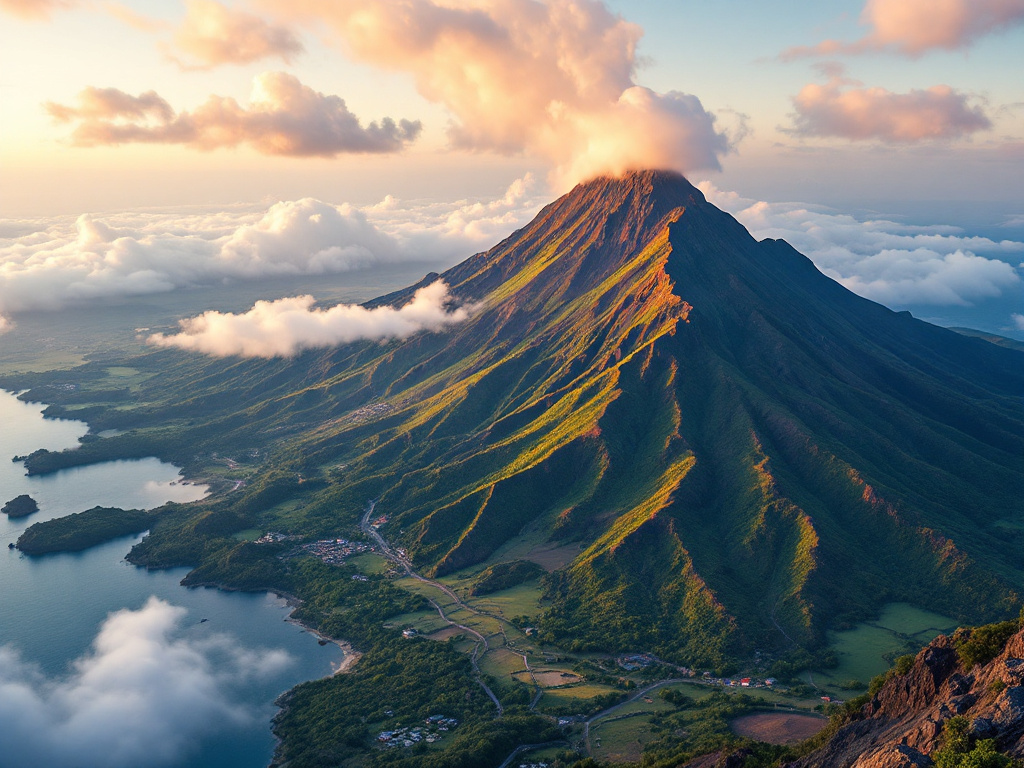
Pico Basilé
Pico Basilé is an impressive volcanic mountain and the highest point in Equatorial Guinea with breathtaking views over Bioko Island.
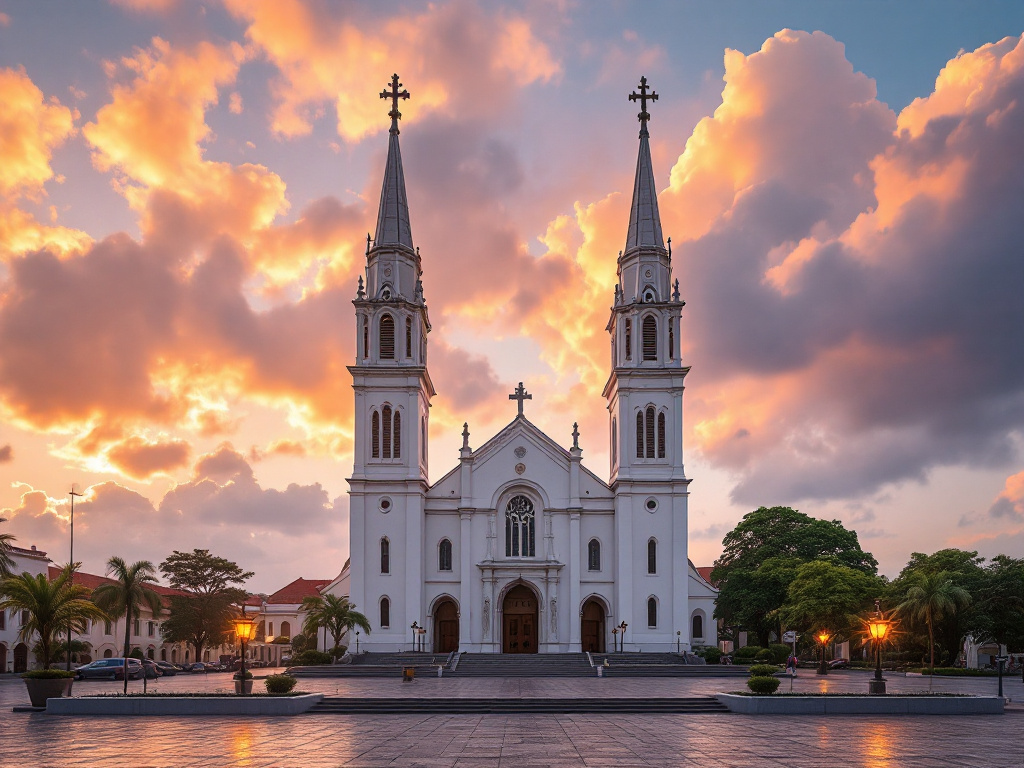
Malabo Cathedral
A prominent cathedral in the center of Malabo, known for its historical and religious significance.
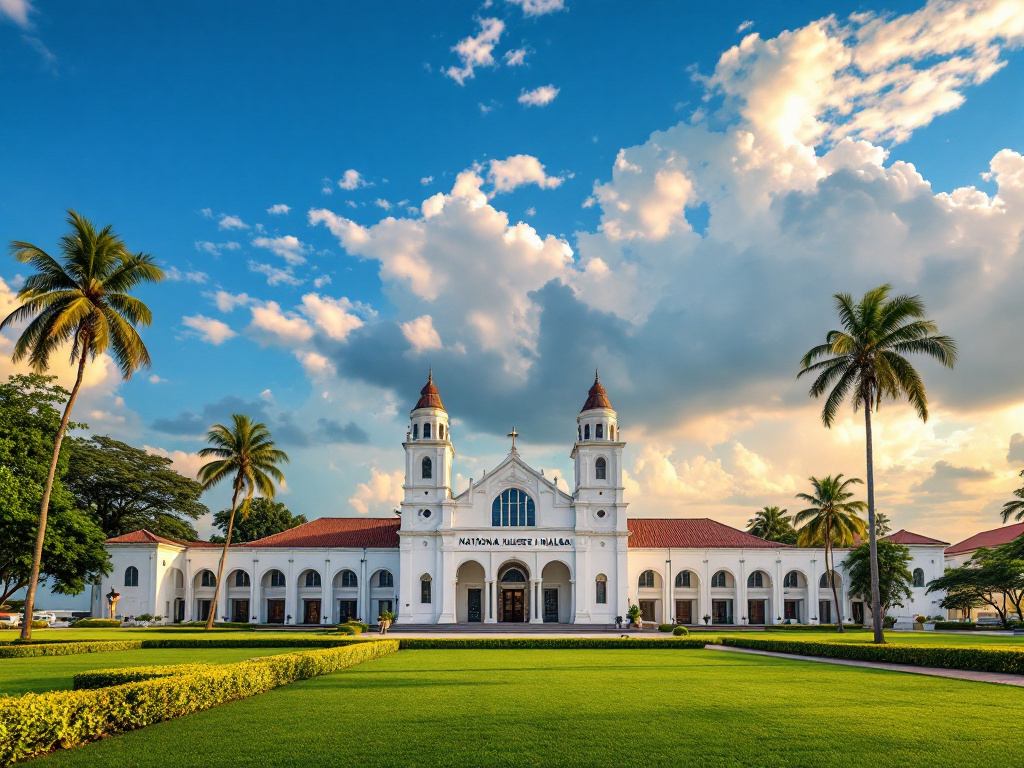
National Museum of Malabo
The museum provides an overview of the country's rich culture, history, and ethnic diversity.
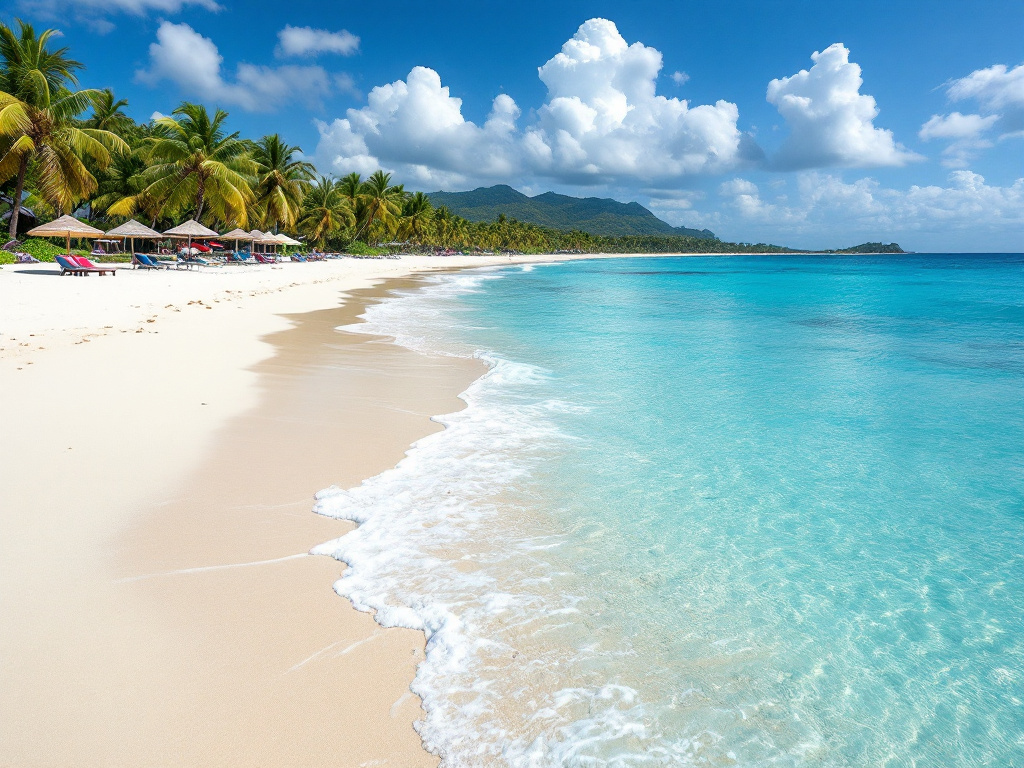
Arena Blanca Beach
One of the most beautiful beaches on Bioko Island with fine sand and clear water.
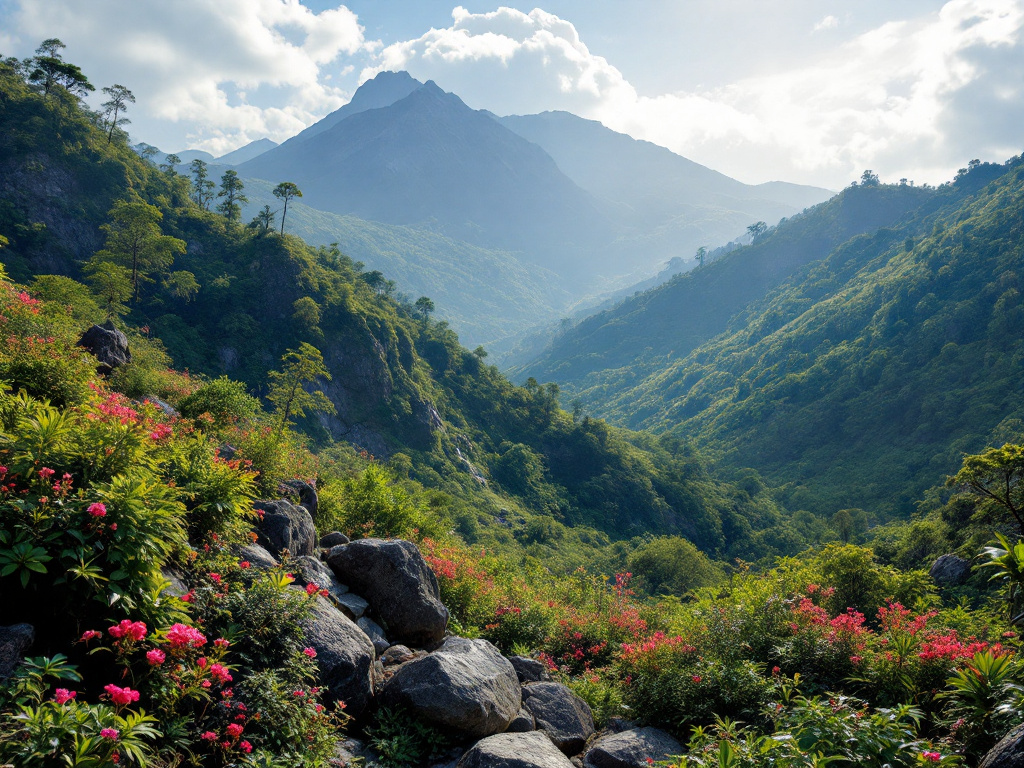
Monte Alen National Park
One of Central Africa's most biodiverse national parks with rich flora and fauna.
Famous cuisine
Culinary overview
Equatorial Guinea's cuisine is an exciting blend of African traditions and Spanish colonial influences. Fresh seafood, tropical fruits, and local vegetables play a central role. Many dishes are based on cassava, plantain, and peanuts, often combined with fish or meat in spicy sauces. The food is generally flavorful, but not overly strong, and meals are often enjoyed communally. Street markets and small local eateries offer the chance to taste authentic dishes at affordable prices, while hotels and restaurants in larger cities provide more refined versions of traditional recipes.
Must-try dishes
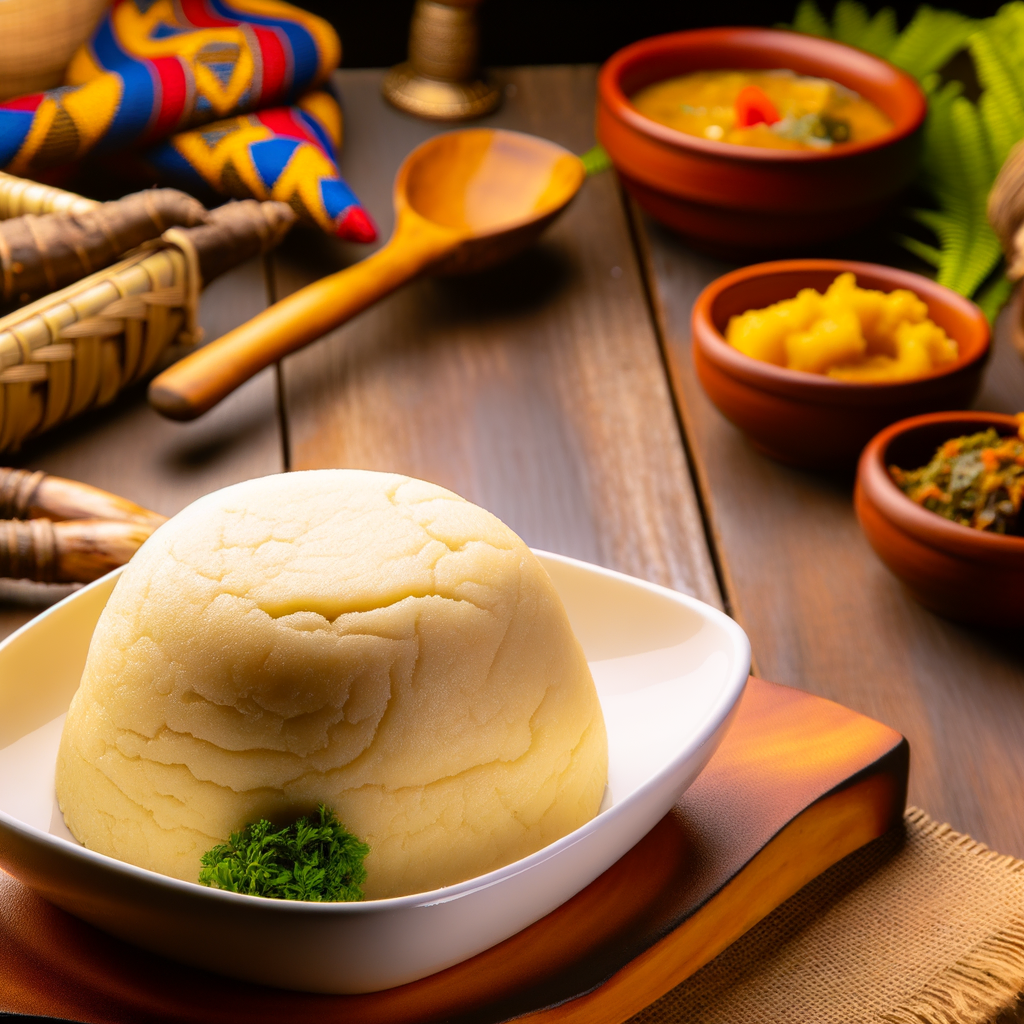
Fufu
A classic starchy dish made from boiled and mashed cassava or plantain, served as a side to soups and stews. The texture is soft and elastic, perfect for soaking up flavorful sauces.
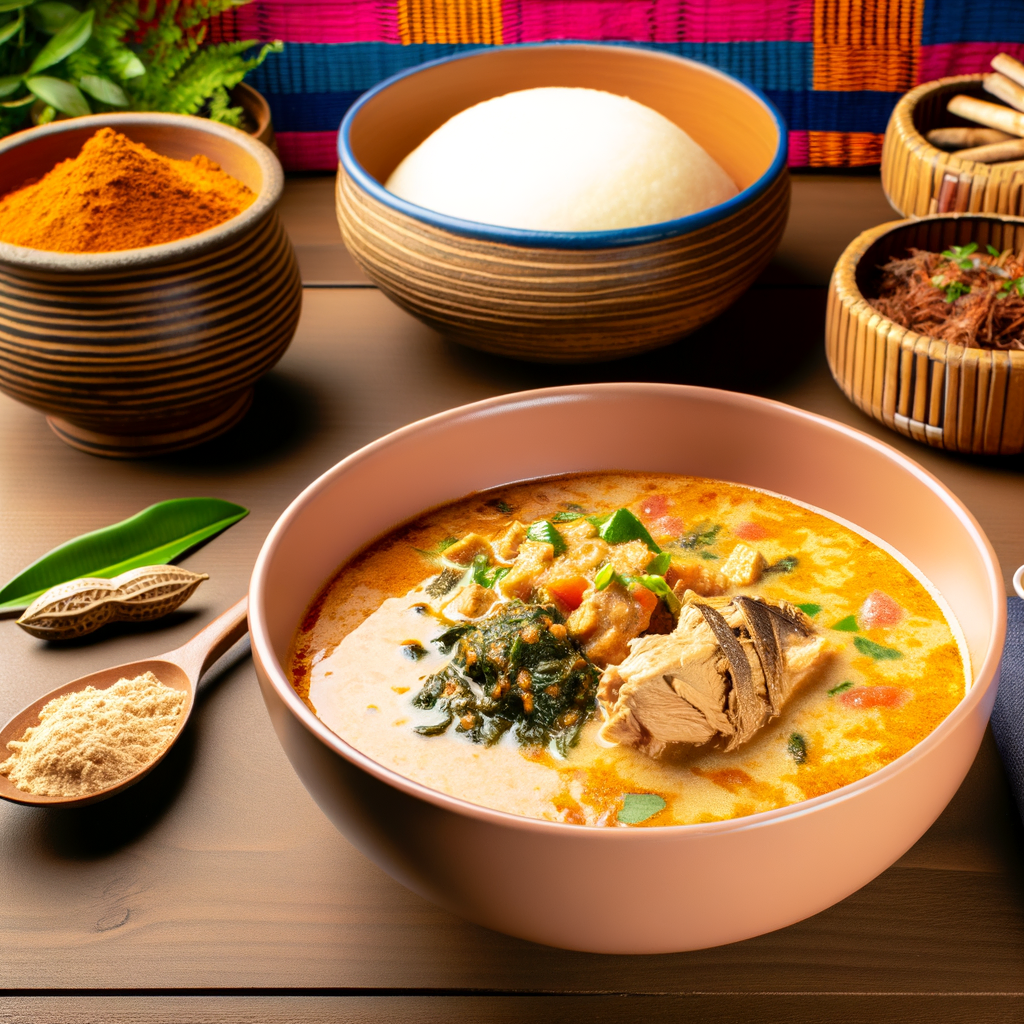
Jordnøddesuppe
A creamy and hearty soup made from ground peanuts, often combined with chicken or fish and seasoned with local herbs. Typically served with fufu or rice.
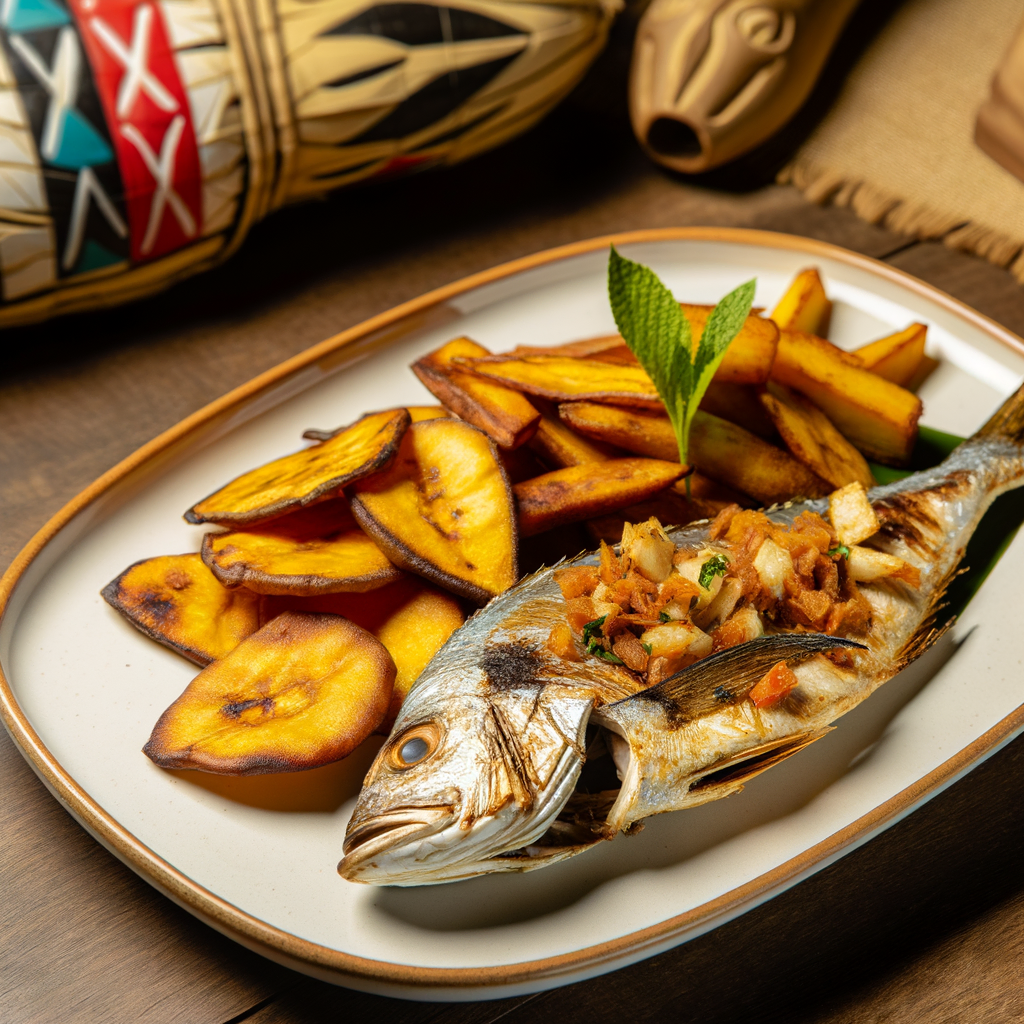
Grillet fisk
Freshly caught fish, often snapper or barracuda, marinated in spices and grilled over an open fire. Served with fried plantains or cassava.
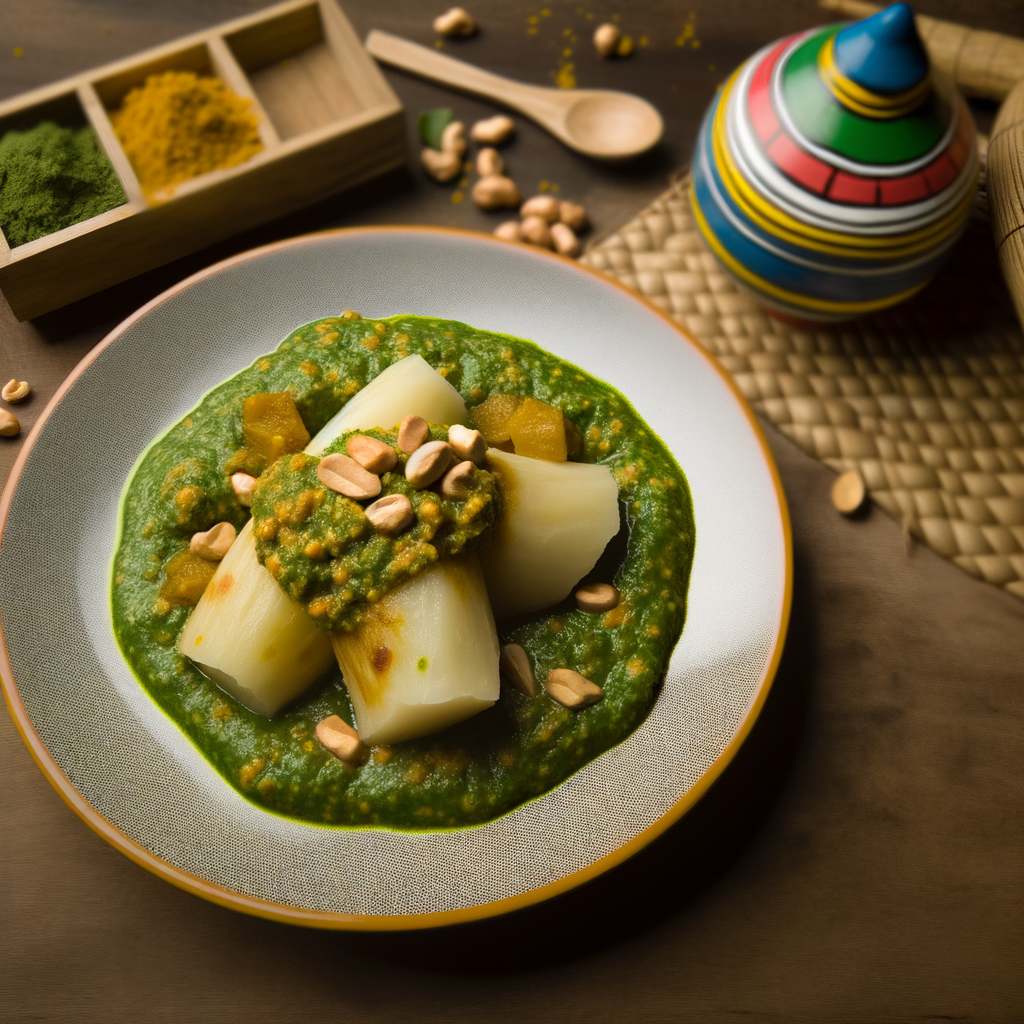
Cassava med grøn sauce
Boiled cassava served with a sauce made from green leaves, peanuts, and spices. A popular dish in both cities and villages.
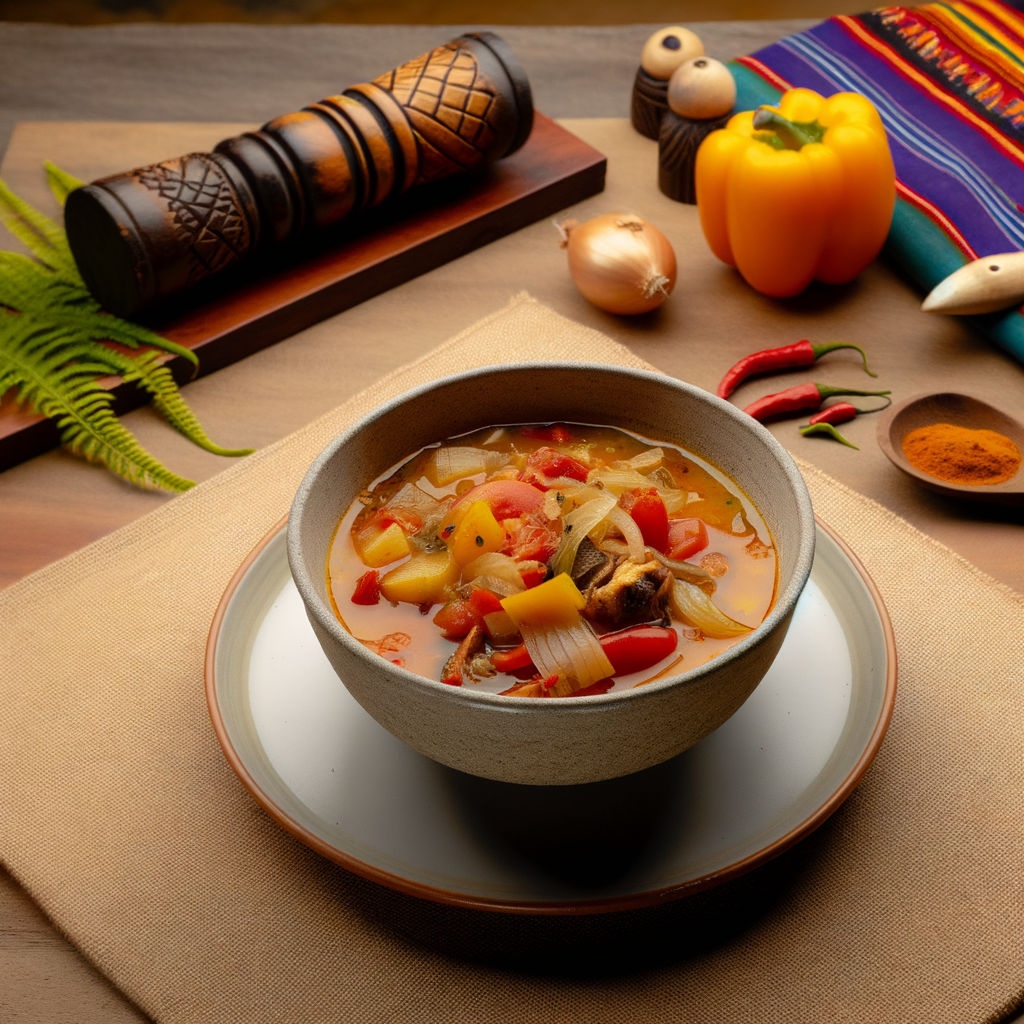
Sopa de Pescado
A Spanish-inspired fish soup with tomato, onion, bell pepper, and spices, often enhanced with local herbs for extra flavor.
Restaurant information
Tipping
Tipping is not a fixed tradition in Equatorial Guinea, but in restaurants, especially in urban areas, it is appreciated to round up or give about 5-10% of the bill if the service has been good.
Travel information
Currency
Centralafrikansk CFA-franc (XAF)
Language
Spanish
Best time to visit
December to February
Major cities
Malabo and other major cities
More countries in Africa
Discover more destinations in this region