
Overview
Austria is a captivating destination where the dramatic peaks of the Alps meet imperial elegance and musical greatness. From Vienna's magnificent baroque palaces like Hofburg and Schönbrunn to Salzburg's charming old town—Mozart's birthplace—the country offers a unique blend of culture, history, and scenic beauty. Whether you're hiking through UNESCO-protected landscapes, driving the breathtaking Grossglockner High Alpine Road, or enjoying world-class winter sports, Austria fascinates year-round with its enchanting offerings.
Official language
German
Government
Federal republic
Best time to visit
May-September and December for winter sports
Nature
Austria's natural beauty is truly a jewel in the heart of Europe, dominated by the majestic Alps which cover two-thirds of the country. Here, travelers will encounter breathtaking vistas, deep valleys, and glittering glaciers. The UNESCO World Heritage site of Hallstatt-Dachstein/Salzkammergut is iconic, where crystal-clear lakes reflect steep mountain faces, and ancient salt mines speak to the relationship between humanity and nature. Summer invites visitors to hike, bike, and climb, while winter transforms the landscape into a paradise for skiers and snowboarders. The Grossglockner High Alpine Road is one of Europe's most spectacular drives, showcasing lush alpine meadows and snow-capped peaks. Austria's lakes, such as Wolfgangsee and Achensee, offer peaceful settings for sailing, swimming, and relaxation, making nature not just beautiful but also accessible to all who seek unforgettable outdoor adventures.
Travel to Austria
Traveling to Austria is convenient and seamless, with Vienna, Salzburg, and Innsbruck serving as international gateways equipped with excellent connections to the rest of Europe and beyond. The country's efficient train network allows for easy combinations of urban and natural experiences in the Alps. The best time to visit depends on your interests: from May to September, enjoy hiking, cycling, and cultural festivals, while December to March brings the magic of winter sports. Austria is renowned for its hospitality, high standards of service, and safety, making it a welcoming choice for families, couples, and solo travelers alike. With its combination of stunning nature, rich cultural heritage, and culinary delights, Austria promises an unforgettable travel experience in the heart of Europe.
Culture
Austria's culture is deeply rooted in imperial traditions and a passion for music, art, and gastronomy. Vienna is known as the capital of music, the birthplace of composers like Mozart, Beethoven, and Strauss, and home to iconic institutions such as the Vienna State Opera and Musikverein. Salzburg, with its well-preserved old town, is both an architectural masterpiece and a hub for the renowned Salzburg Festival. The country's café culture, particularly in Vienna, is UNESCO-recognized, inviting long conversations over a melange and a slice of decadent sachertorte. Culinary traditions range from the crispy wienerschnitzel to sweet delights like apfelstrudel and kaiserschmarrn. Traditional crafts, folk costumes, and vibrant festivals like the Almabtrieb in Tyrol highlight a living cultural legacy that thrives to this day, providing visitors with a rich and authentic experience.
History
Austria's history is marked by the grandeur of the Habsburg Empire, which once ruled large parts of Europe from Vienna. This era established the country as a cultural and political center for centuries, evident in its opulent palaces, churches, and museums. Following the dissolution of the monarchy in 1918, Austria became a republic while retaining its cultural significance. During World War II, Austria was annexed by Nazi Germany but regained its independence in 1955. Today, it is known for its stability, prosperity, and as a bridge between Eastern and Western Europe, inviting travelers to explore its rich historical tapestry.
Top attractions
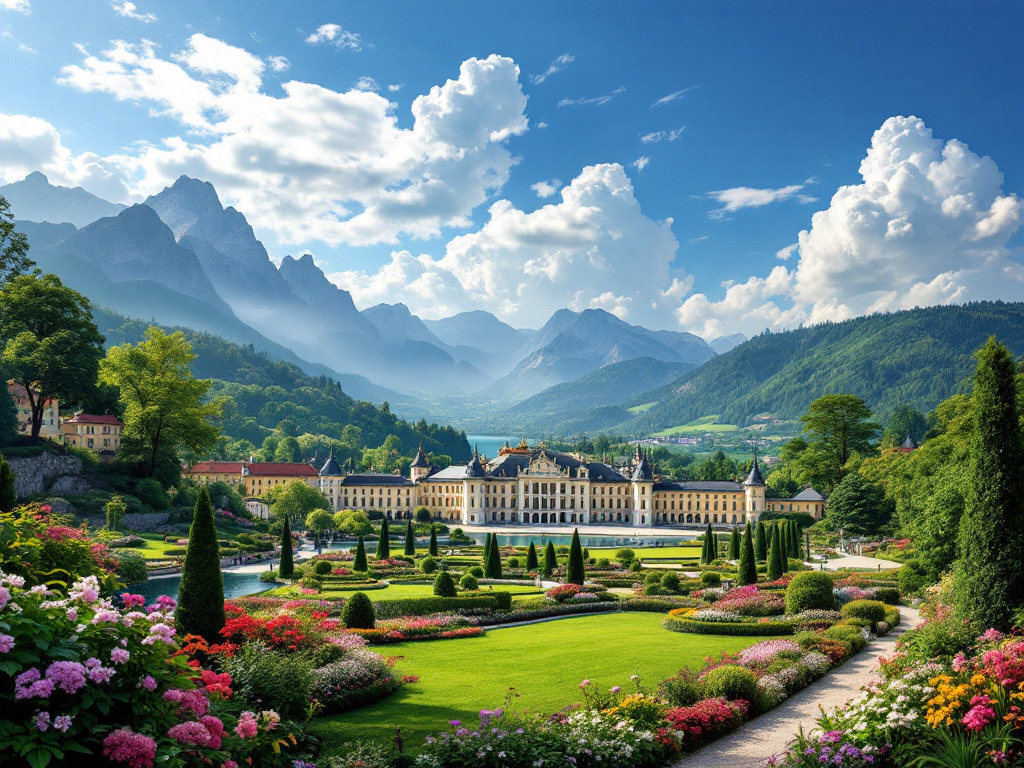
Schönbrunn Palace
The former summer residence of the Habsburgs and one of Austria's most visited attractions.
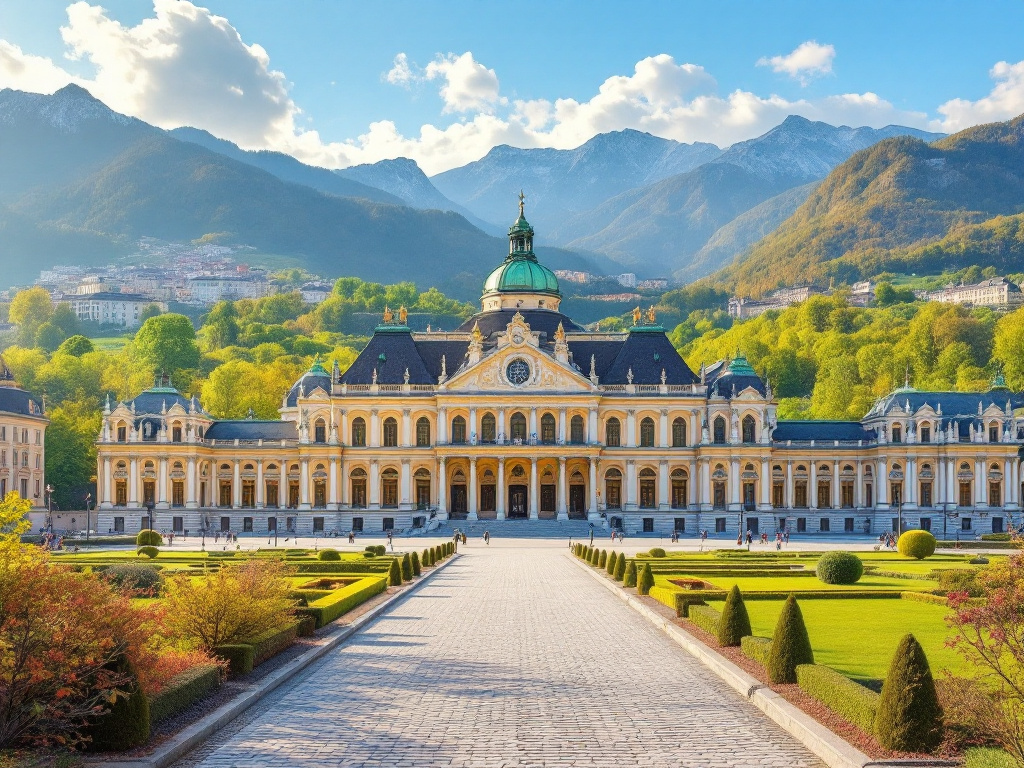
Hofburg
A huge palace complex in the heart of Vienna that was the center of the Austrian Empire.
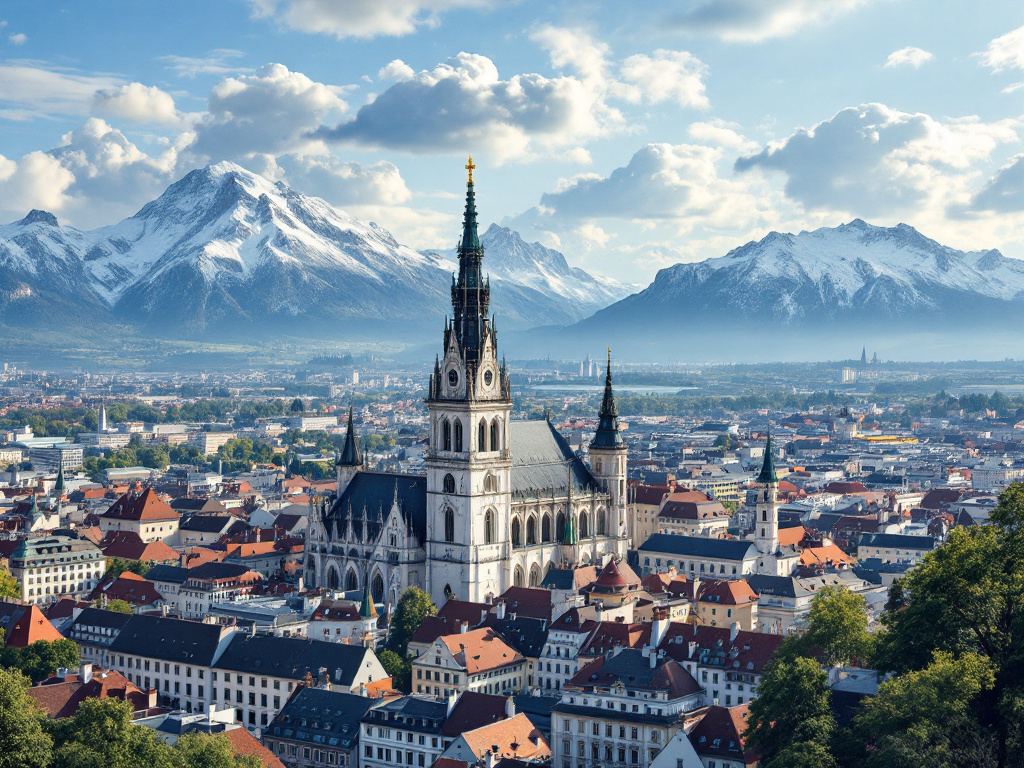
St. Stephen's Cathedral
Vienna's most famous cathedral and a symbol of the city.
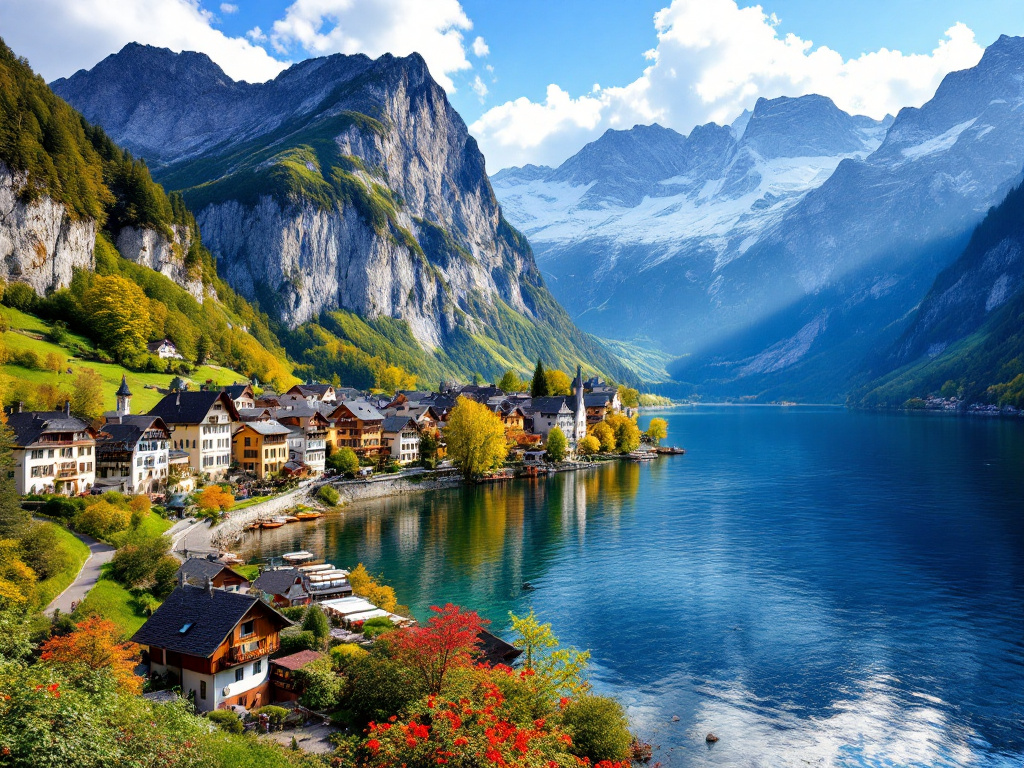
Hallstatt
A picturesque Alpine village by the lake, often regarded as one of the most beautiful in Europe.
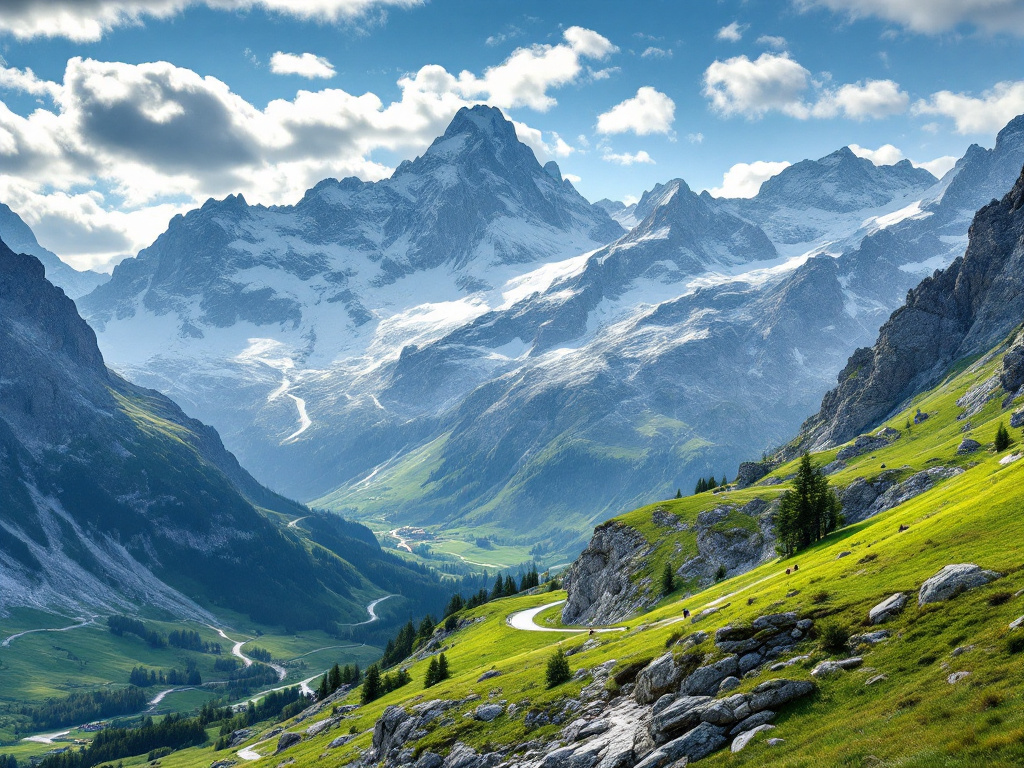
Grossglockner High Alpine Road
One of Europe's most spectacular mountain roads through Hohe Tauern.
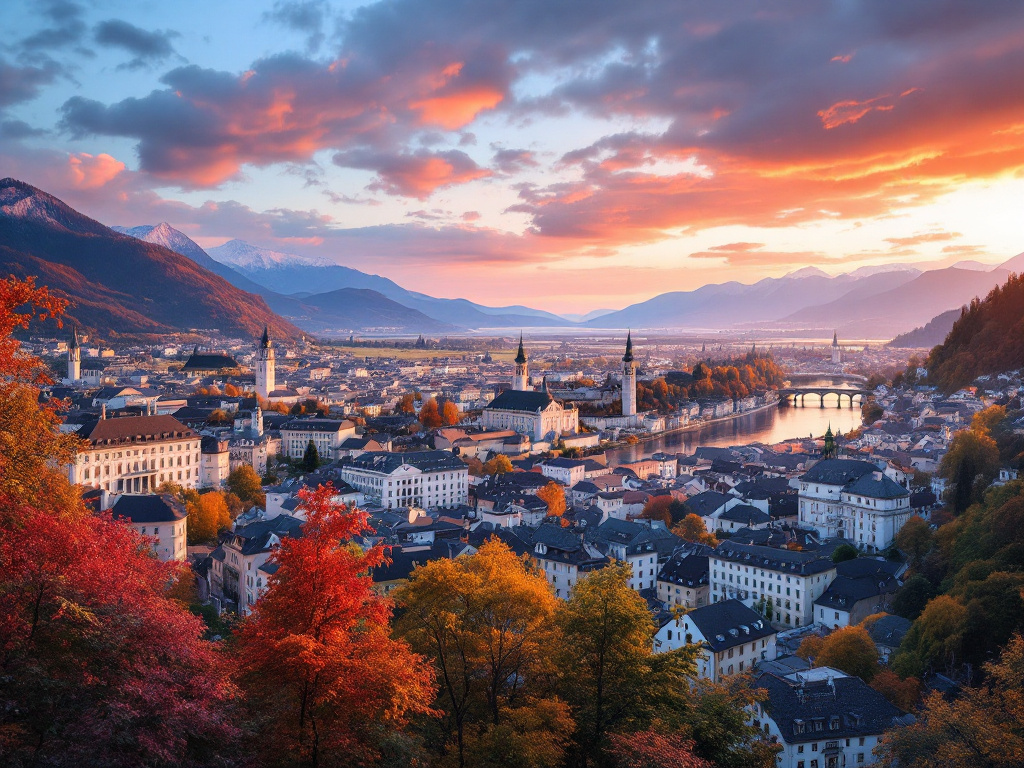
Salzburg's Old Town
A well-preserved historical center and the birthplace of Mozart.
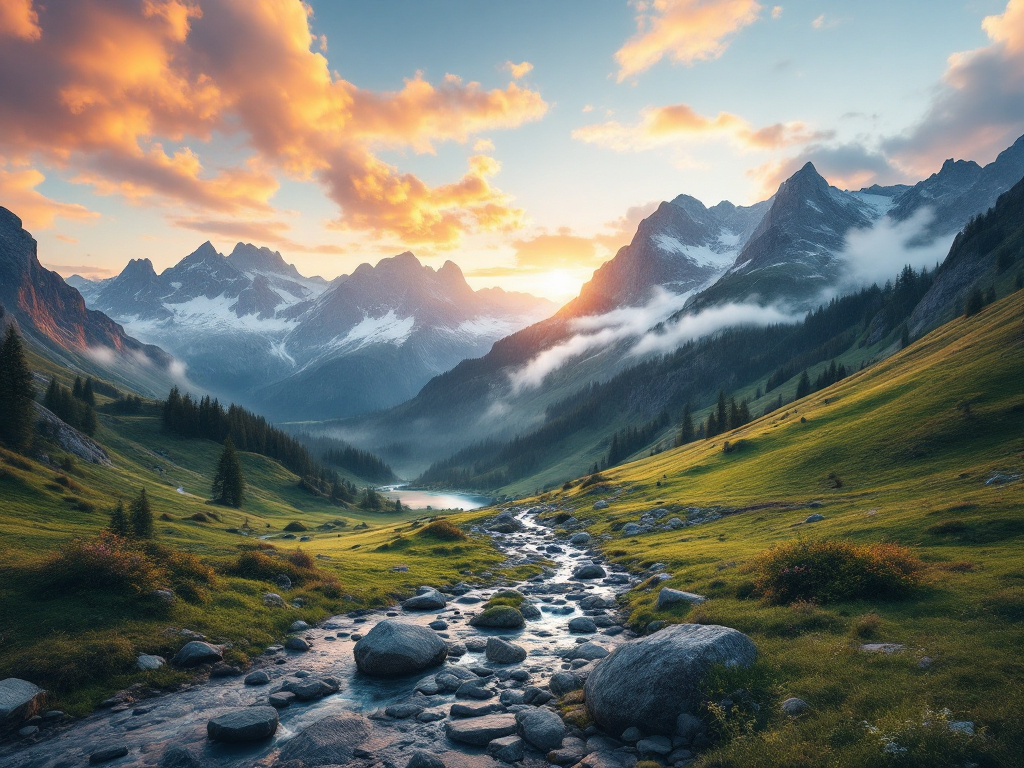
Krimml Waterfall
Impressive waterfall in three levels set in the Alpine landscape.
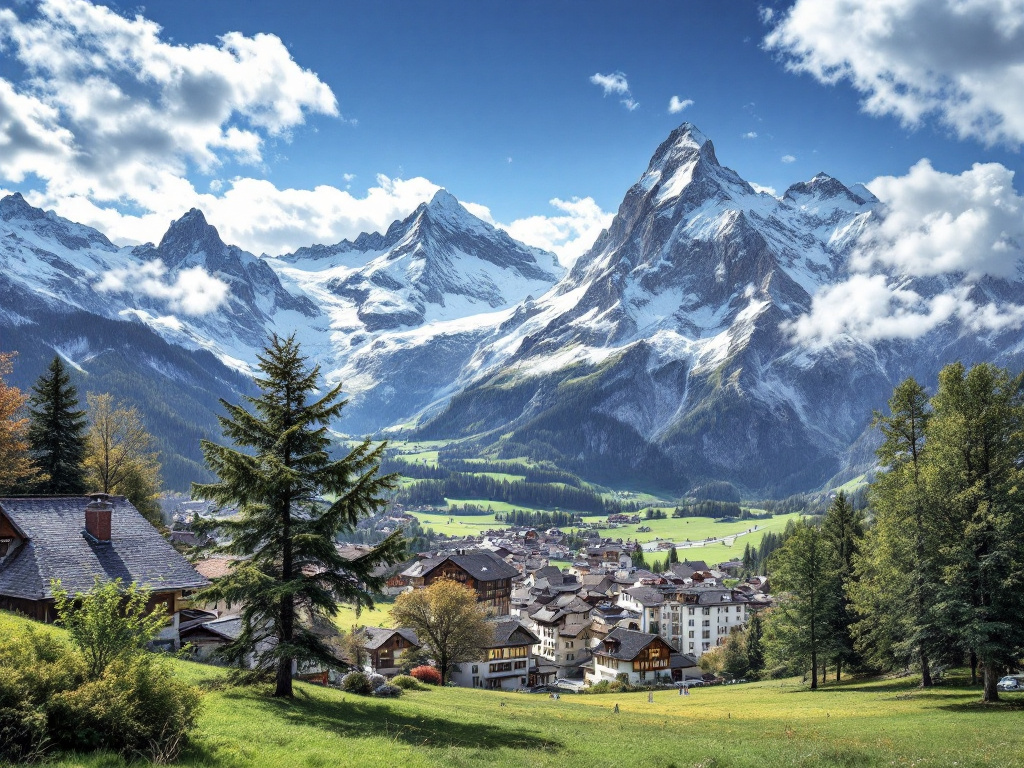
Nordkette Innsbruck
Spectacular mountain area right outside Innsbruck.
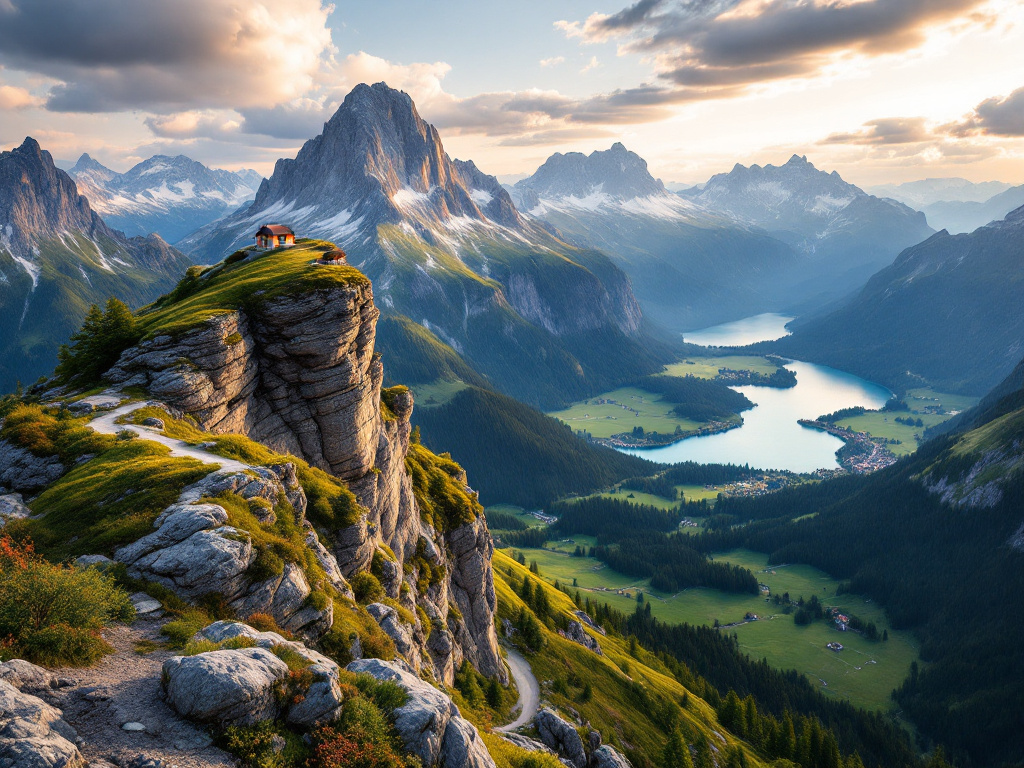
Zwölferhorn
A peaceful mountain with exceptional views over Salzkammergut.
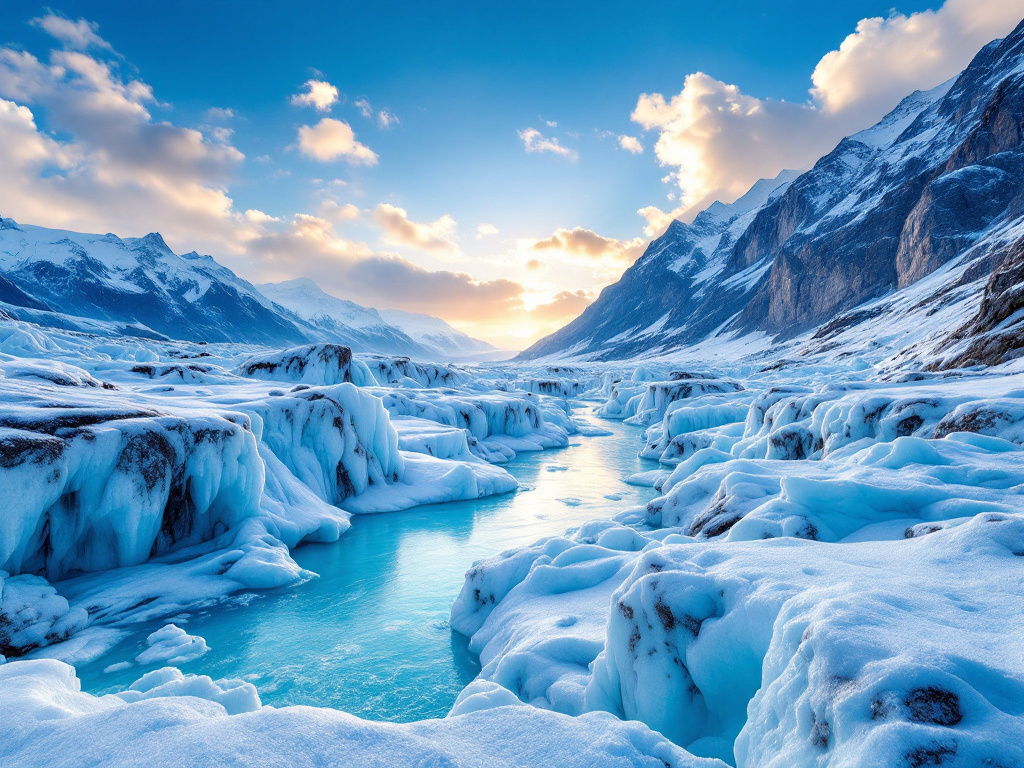
Eisriesenwelt
An impressive ice cave with huge ice formations deep inside the mountain.
Famous cuisine
Culinary overview
Austria's food culture is a harmonious blend of imperial elegance and rustic alpine cuisine. The country's culinary traditions are influenced by both Central European and regional elements, as reflected in everything from lavish cakes in Vienna's cafés to hearty dishes in mountain villages. Vienna is known for its coffeehouse culture, where one can enjoy classic cakes accompanied by a melange, while the alpine regions offer filling dishes like goulash and cheese specialties. Markets such as Naschmarkt in Vienna provide a lively insight into the country's produce and flavor universe.
Must-try dishes
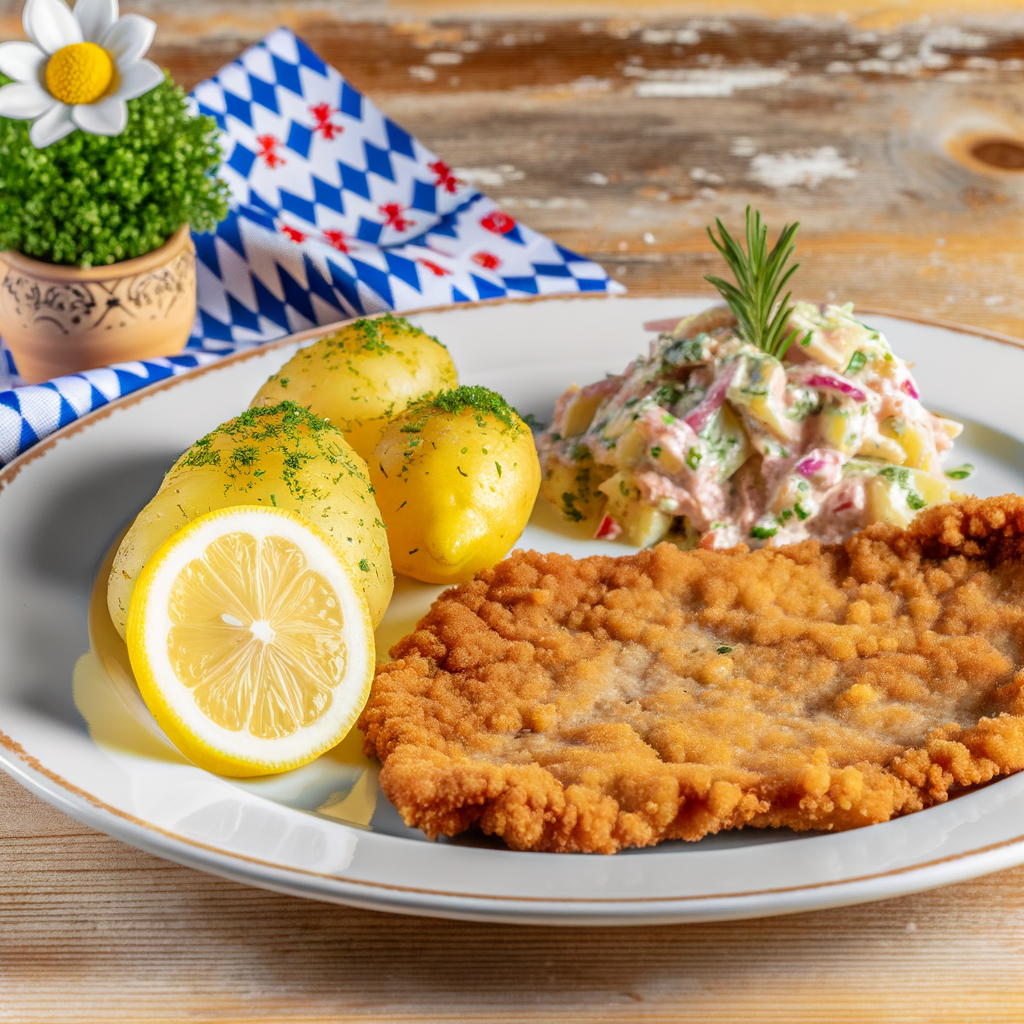
Wienerschnitzel
A thin slice of veal (or pork) breaded and fried golden brown, traditionally served with a slice of lemon, potato salad, or parsley potatoes.
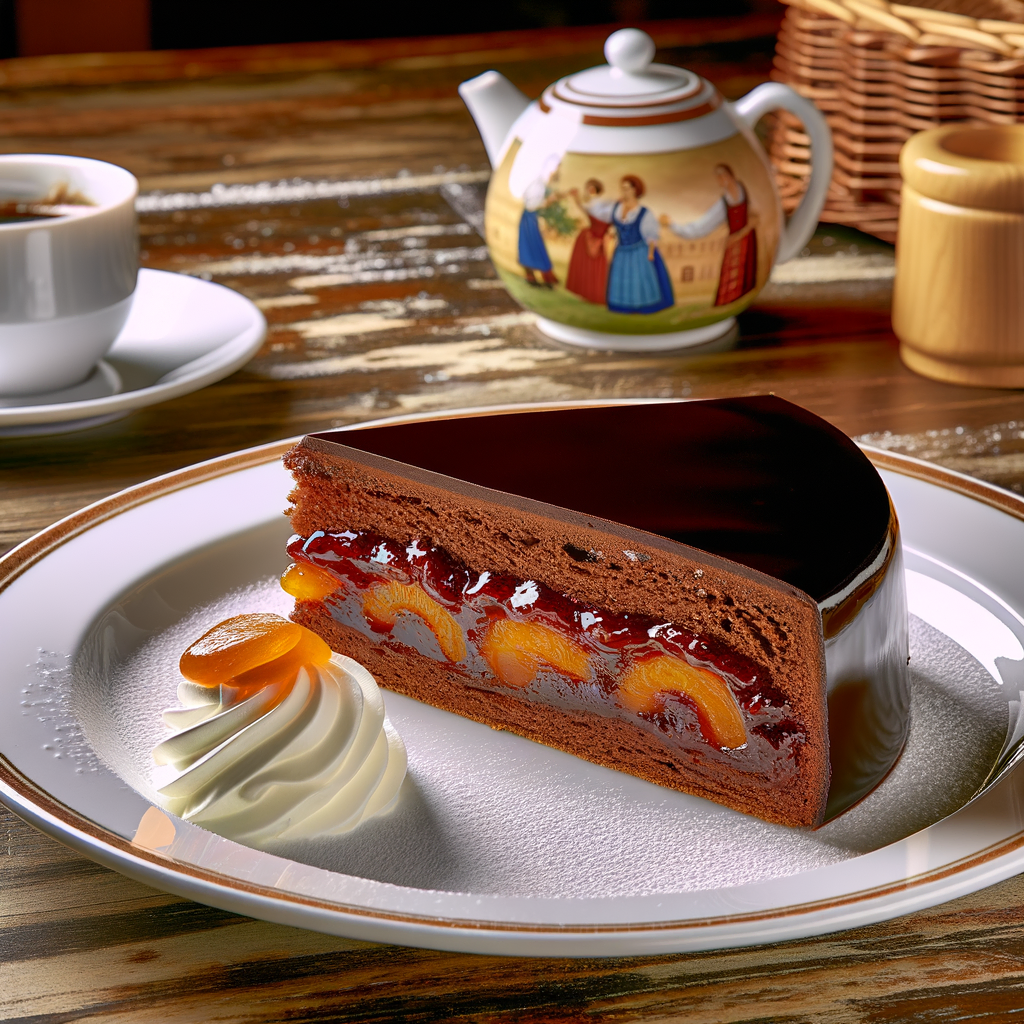
Sachertorte
A rich chocolate cake with a layer of apricot jam, covered with dark chocolate glaze, often served with unsweetened whipped cream. An icon of Vienna's pastry artistry.
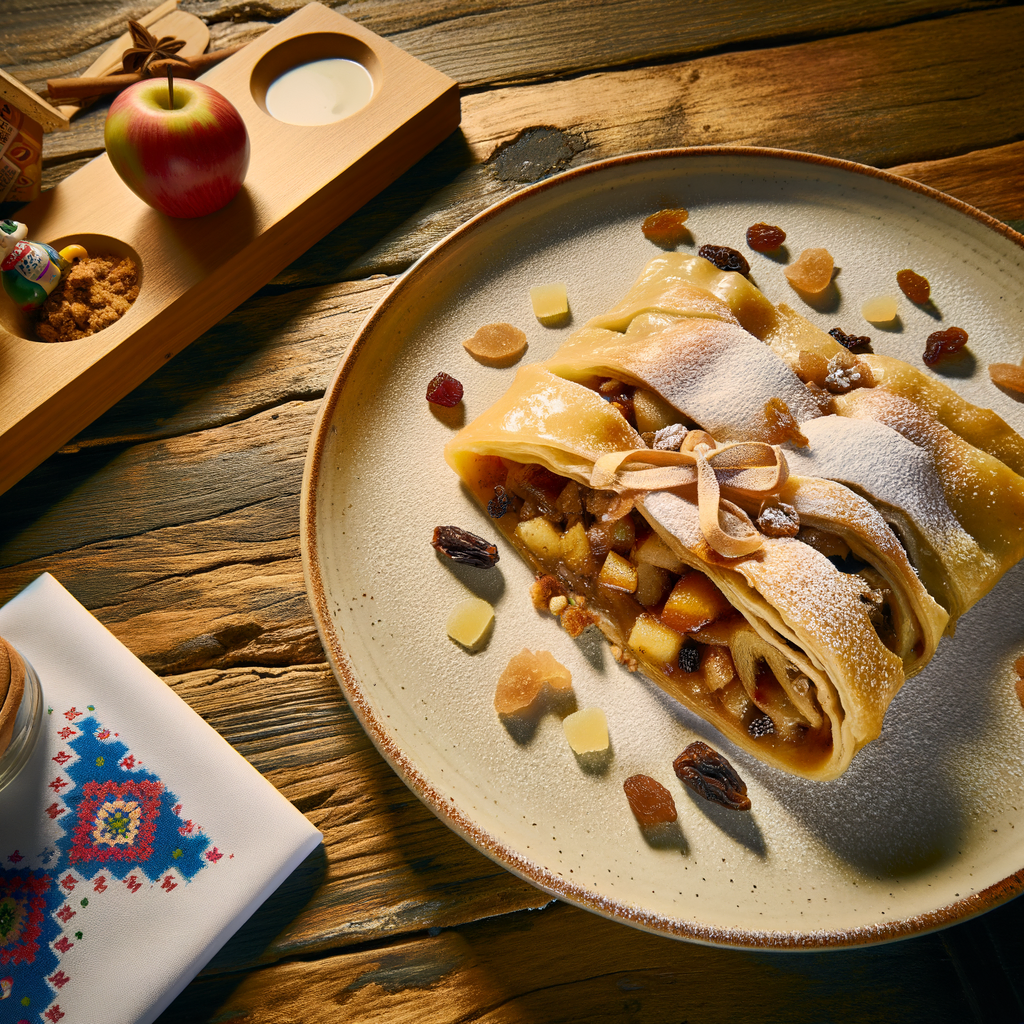
Apfelstrudel
Thinly rolled dough filled with apples, sugar, cinnamon, raisins, and sometimes nuts, baked crispy and served with powdered sugar and possibly vanilla sauce.
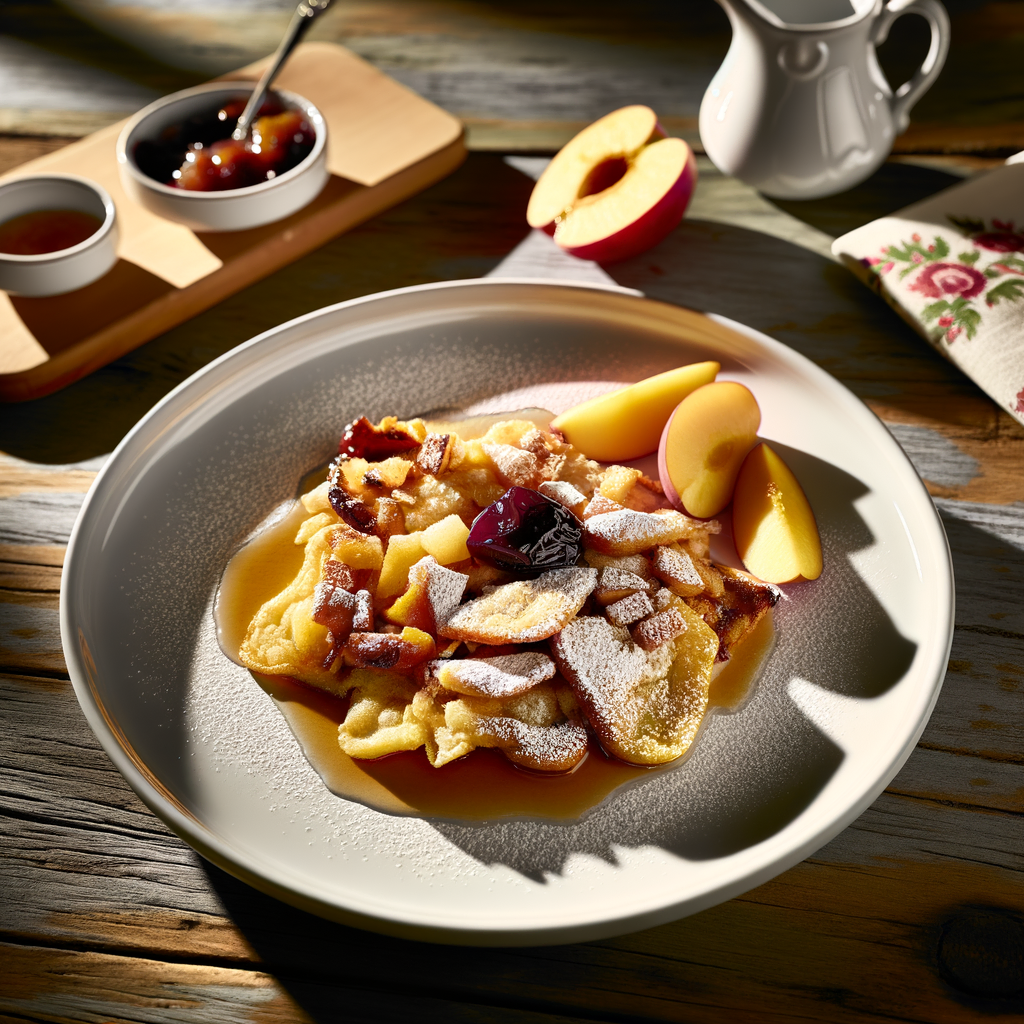
Kaiserschmarrn
A light, caramelized pancake torn into pieces and served with powdered sugar and fruit compote, often plum or apple compote.
Tafelspitz
Boiled beef served in broth with root vegetables, accompanied by apple-horseradish sauce and potatoes - a classic court dish from Vienna.
Restaurant information
Tipping
In Austria, service is typically included in the price, but it is customary to round up or give about 5-10% in tips, especially at restaurants and cafés. Tips are given directly to the server when paying.
Travel information
Currency
Euro (€)
Language
German
Best time to visit
May-September and December for winter sports
Major cities
Wien and other major cities
More countries in Europe
Discover more destinations in this region