
Lithuania
Lithuania, the southern gem among the Baltic states, enchants with amber-strewn beaches, mystical forests, and a timeless mix of medieval traditions and vibrant culture.
Overview
Lithuania, the southernmost gem among the Baltic states, is a destination rich in contrasts—from golden amber-strewn beaches along the Baltic Sea to UNESCO-protected cityscapes and dramatic dune landscapes. The capital, Vilnius, dazzles with its architectural diversity, while historical gems like Trakai Castle, the Hill of Crosses, and the Curonian Spit draw visitors with their stories and scenic beauty. Here, medieval traditions meet vibrant festivals and a welcoming atmosphere, making the country ideal for exploration from May to September.
Official language
Litauisk
Government
Parliamentary republic
Best time to visit
May-September
Nature
Lithuania's nature is a harmonious blend of coastlines, forests, and lake landscapes that invite both serenity and adventure. Along the Baltic Sea, you can find broad, golden sandy beaches, often scattered with amber, which reflects the country's maritime heritage. The Curonian Spit, a UNESCO World Heritage site, offers dramatic dunes, pine forests, and quaint fishing villages, where time seems to stand still. Inland, deep forests, tranquil lakes, and winding rivers create perfect settings for hiking, cycling, and kayaking. The mystical woodlands, adorned with wooden sculptures and folk symbols, add a cultural dimension to the natural beauty, while national parks like Aukštaitija and Žemaitija protect rare species and unique landscapes. Each season transforms Lithuania—from blooming meadows in spring to colorful foliage in autumn—making it a living canvas of natural splendor.
Travel to Lithuania
Traveling to Lithuania is an experience that combines history, culture, and natural beauty in a compact space. The country is easily accessible via direct flights to Vilnius from many European cities, making it simple to explore both urban centers and serene landscapes. The best time to visit is from May to September, when long, bright days and a mild climate provide optimal conditions for sightseeing, beach life, and outdoor activities. Travelers can start their journey in Vilnius’ charming Old Town, venture to Trakai Castle, and enjoy a day at Curonian Spit. Food lovers will delight in the local cuisine, while culture enthusiasts can dive into festivals, art exhibitions, and historical monuments. Lithuania's compact size allows for a wealth of experiences in a short time, ideal for both weekend getaways and longer stays.
Culture
Lithuania's culture is deeply rooted in centuries-old traditions while also embracing modern influences. In Vilnius’ Old Town, Gothic spires, Baroque churches, and Neoclassical facades come together in a harmonious architectural mosaic. Folk music, dance, and craftsmanship thrive through festivals and markets, where visitors can experience everything from traditional costumes to exquisite amber art. The country’s culinary heritage plays a significant role in the culture; dishes such as cepelinai, the refreshing cold beet soup šaltibarščiai, and freshly baked rye bread narrate tales of the nation’s agriculture and climate. Lithuania also boasts a rich tradition of song and poetry, with the Hill of Crosses standing as a symbol of faith, resilience, and national identity. In cities like Kaunas, modern art flourishes, with museums and galleries showcasing both local and international works. This blend of past and present gives Lithuania a unique cultural pulse.
History
Lithuania's history is marked by greatness, resistance, and cultural richness. In the Middle Ages, it was the center of the powerful Grand Duchy of Lithuania, which spanned much of Eastern Europe. Later, the country united with Poland in one of Europe’s most formidable unions. After centuries of changing rule, including Russian and Soviet control, Lithuania regained its independence in 1990 as the first of the Baltic states. Historical sites like Trakai Castle, the archaeological site of Kernavė, and the Hill of Crosses bear witness to both the nation's grandeur and its struggle for freedom. This complex history has shaped a strong national identity that resonates throughout the country.
Top attractions
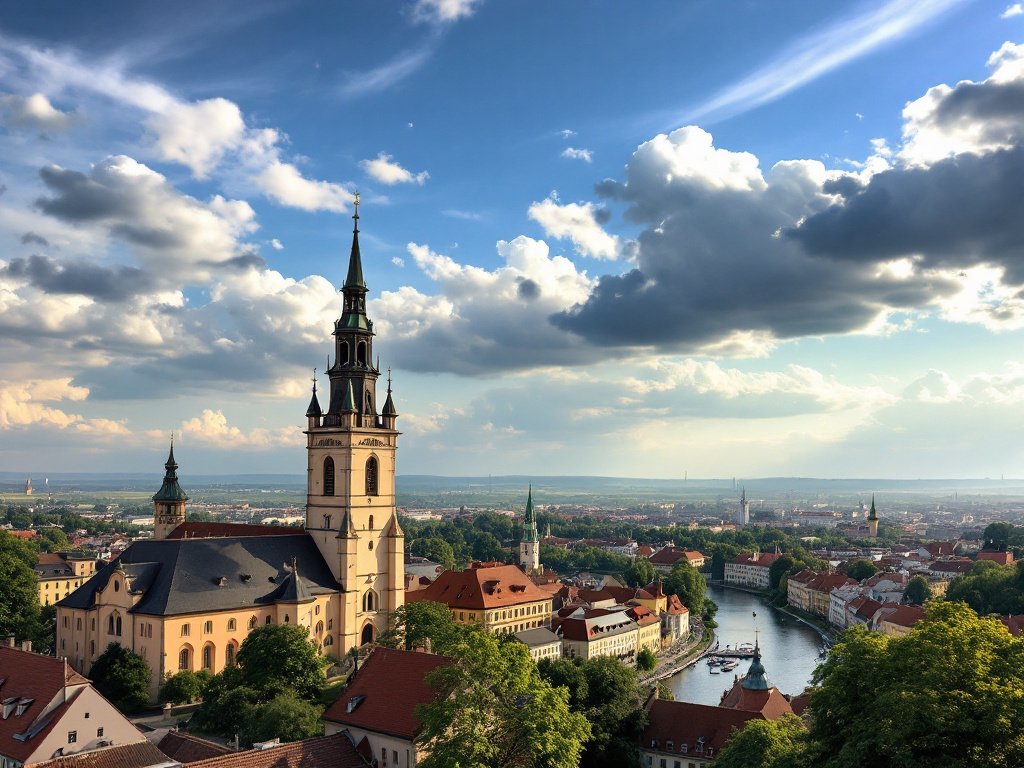
Vilnius Old Town
One of Europe's largest preserved medieval old towns featuring baroque churches and vibrant squares.
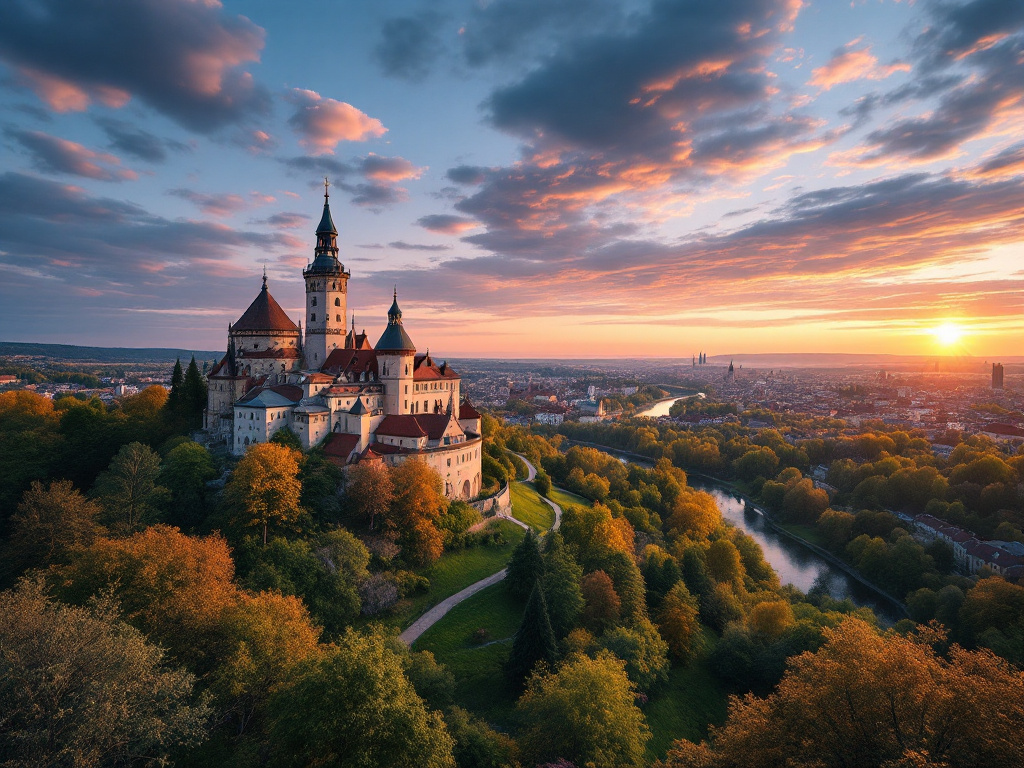
Gediminas Tower
A historic tower on the castle hill offering stunning views over Vilnius.
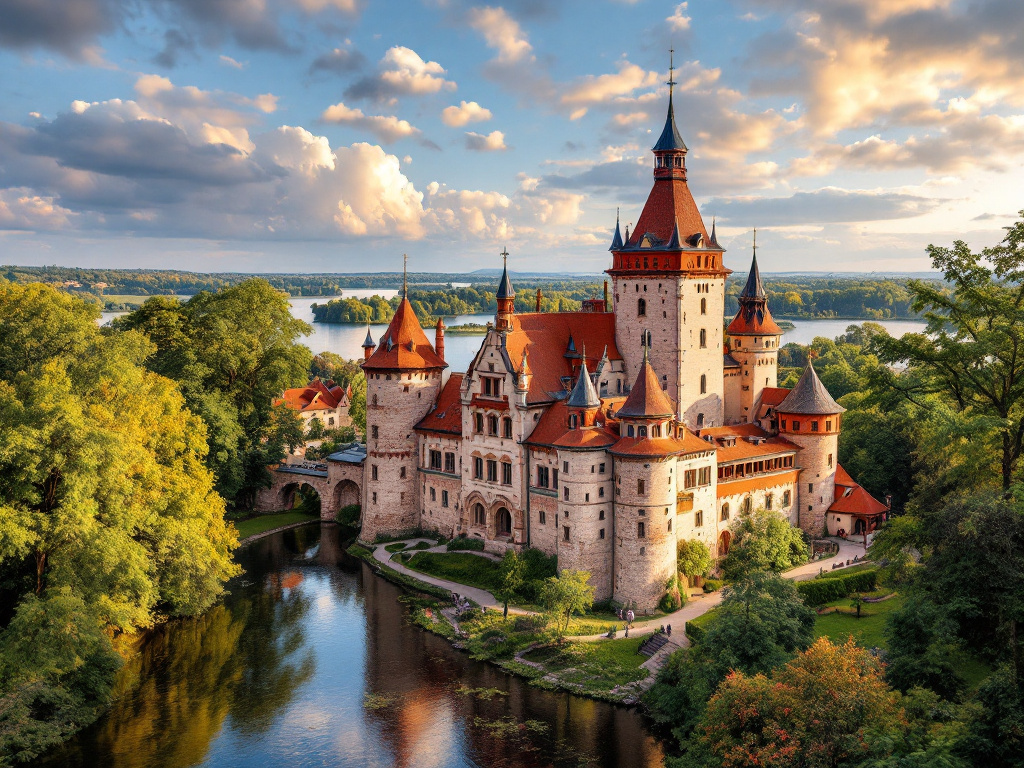
Trakai Castle
A fairy-tale medieval castle located on an island surrounded by lakes.
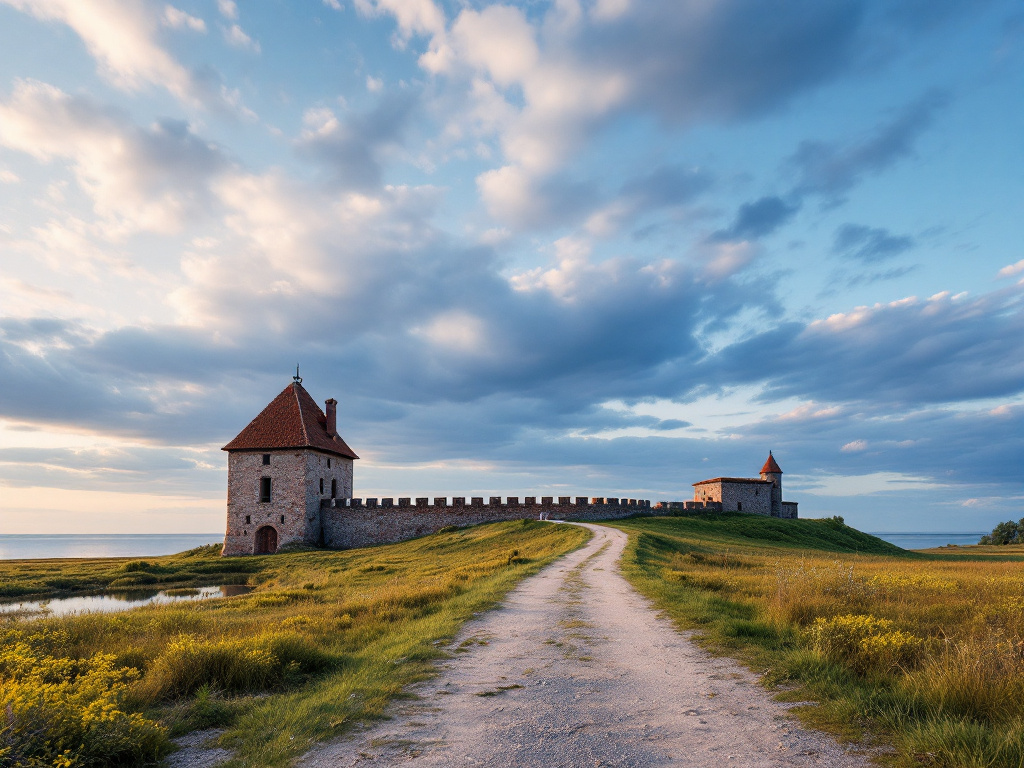
Hill of Crosses
A unique site with hundreds of thousands of crosses, symbolizing faith and resistance.
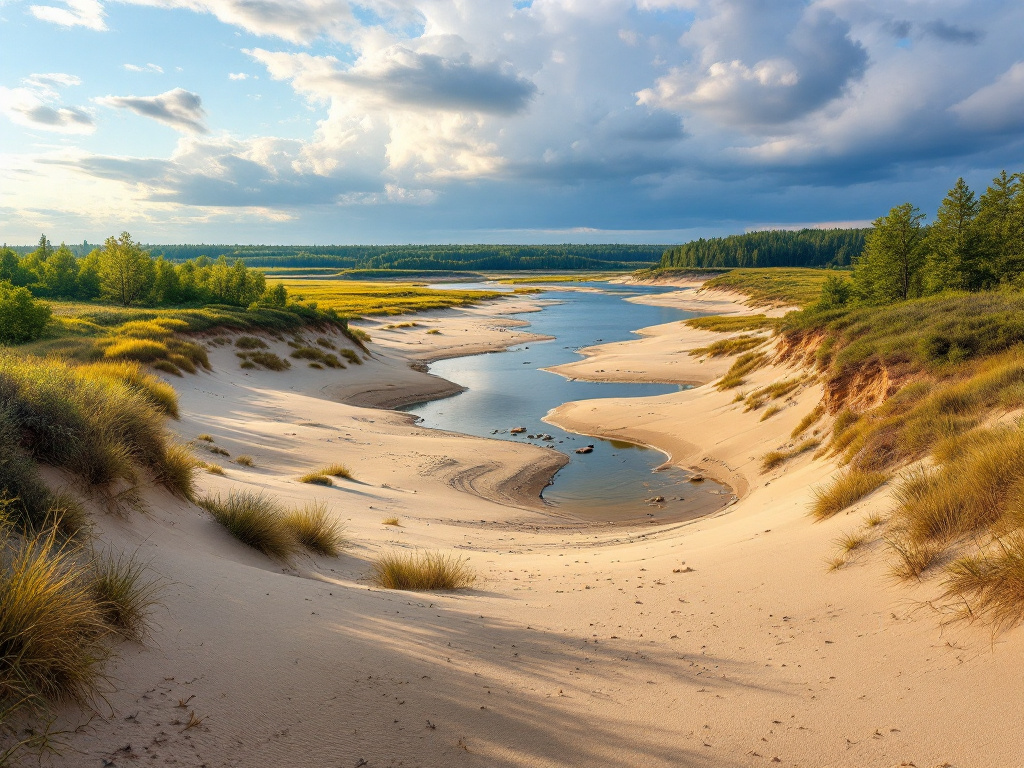
Curonian Spit
A narrow sand spit with dramatic dunes and charming coastal towns.
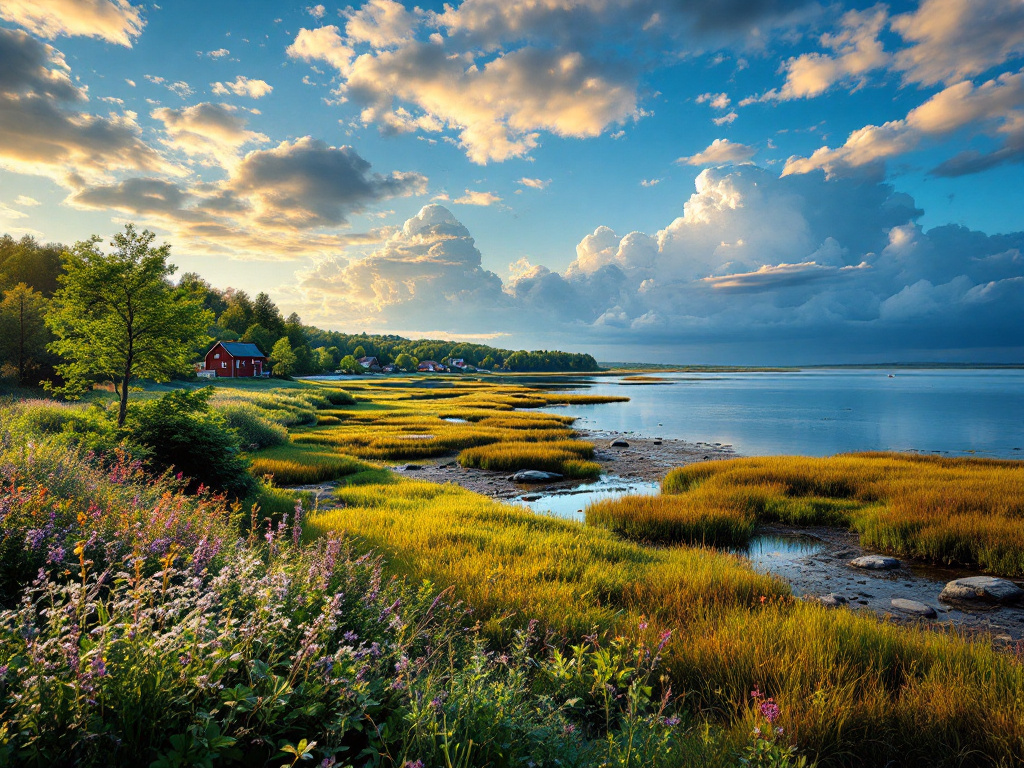
Nida
A picturesque holiday village known for artists, beaches, and a tranquil atmosphere.
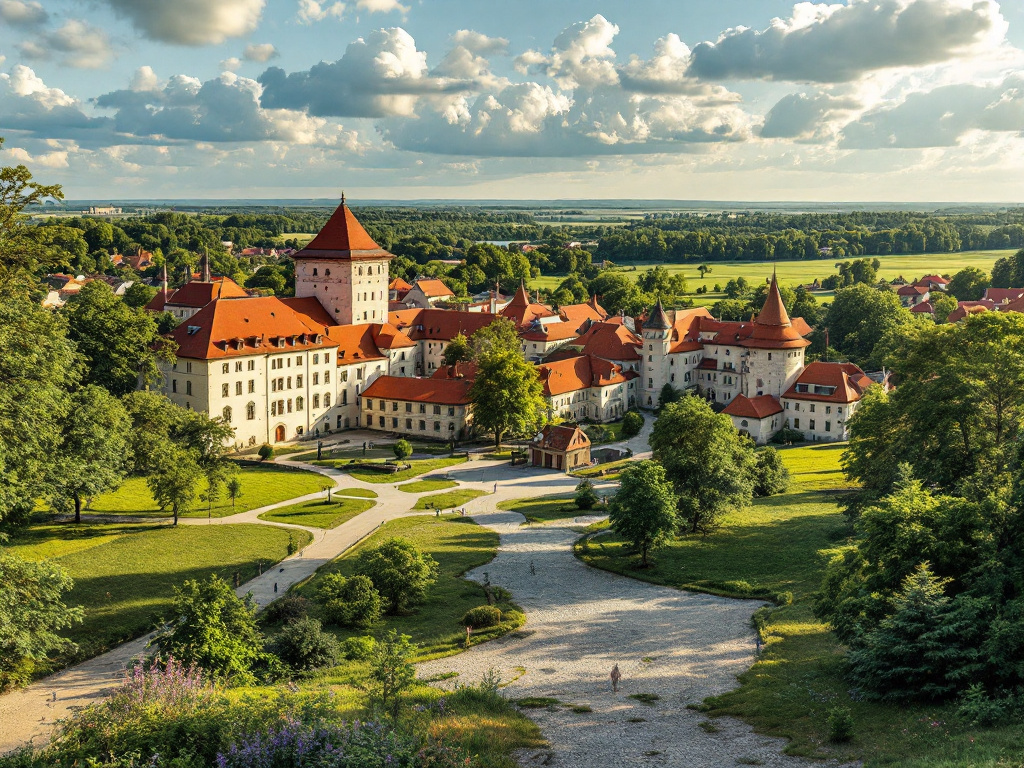
Kaunas Castle
One of the oldest castles in Lithuania located at the confluence of rivers.
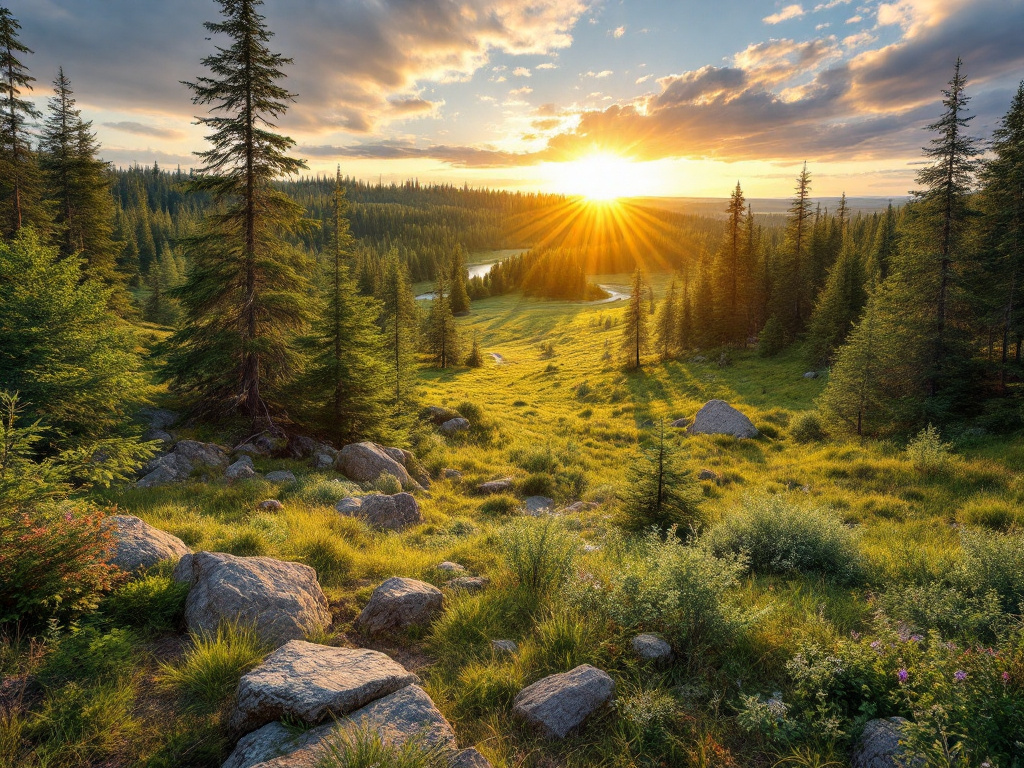
Aukštaitija National Park
A large national park known for lakes, forests, and outdoor activities.
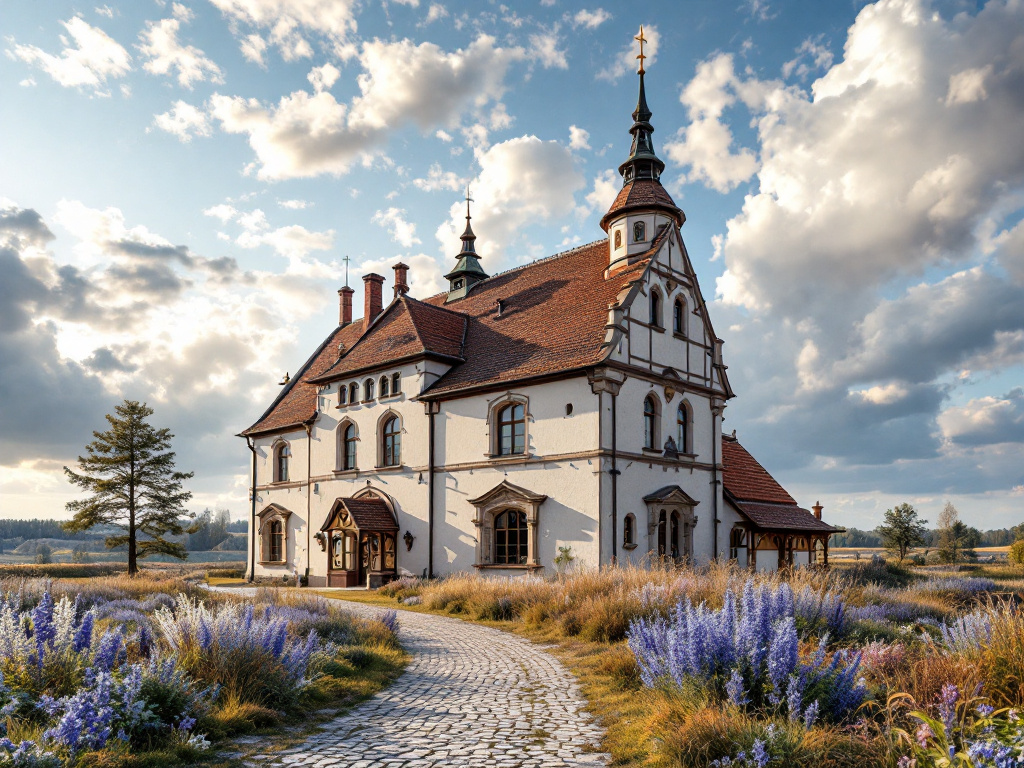
Rumšiškės Open-Air Museum
A large open-air museum showcasing Lithuania's regional culture and architecture.
Famous cuisine
Culinary overview
Lithuanian cuisine is a harmonious blend of ancient peasant dishes, regional specialties, and influences from neighboring countries such as Poland, Russia, and Belarus. The country's food culture is marked by seasonal ingredients, robust flavors, and a strong tradition of using local ingredients such as potatoes, rye, beets, and mushrooms. Meals are often hearty and nourishing, reflecting the country’s agricultural tradition and climate. Guests can expect warm hospitality, where food is served with pride and often accompanied by local beverages like mead or beer.
Must-try dishes
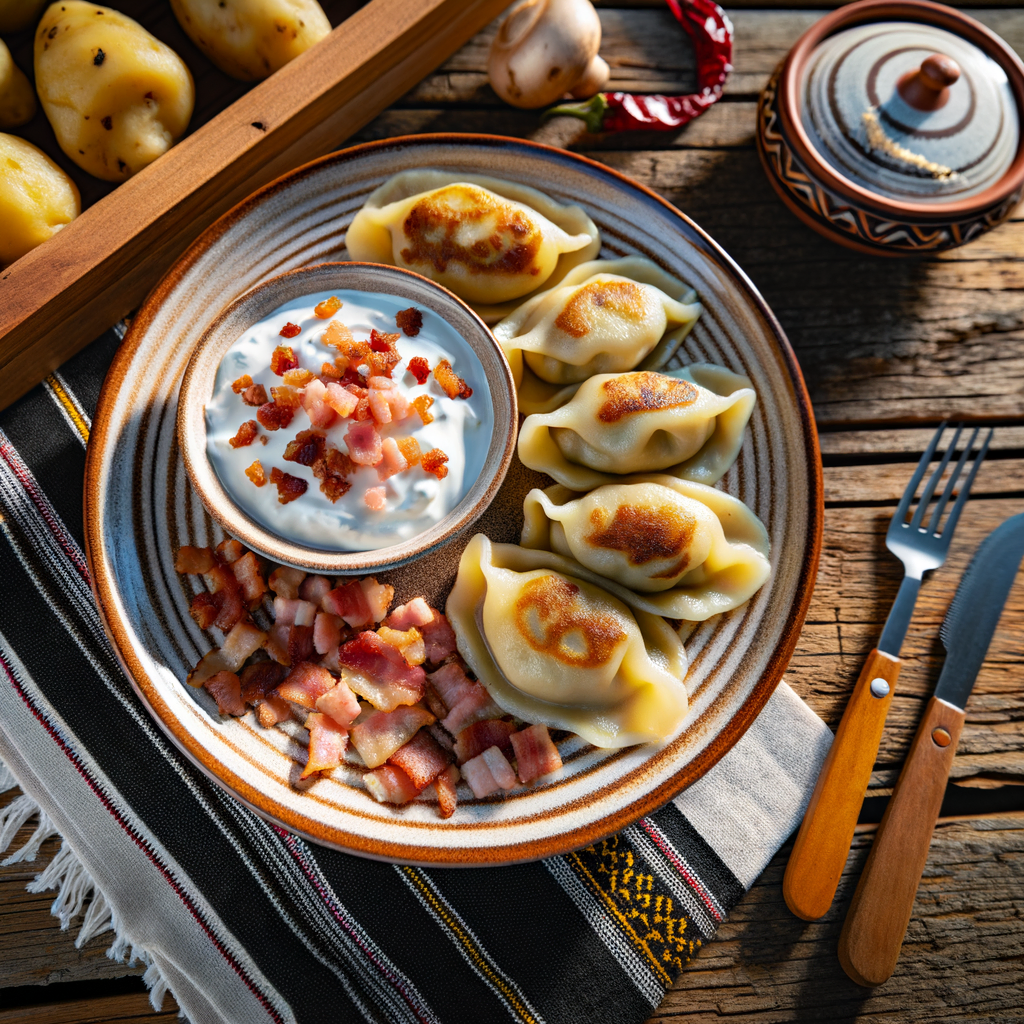
Cepelinai
Large potato dumplings filled with minced meat, cottage cheese, or mushrooms, served with bacon and sour cream. The dish gets its name from its shape, which resembles an airship (zeppelin).
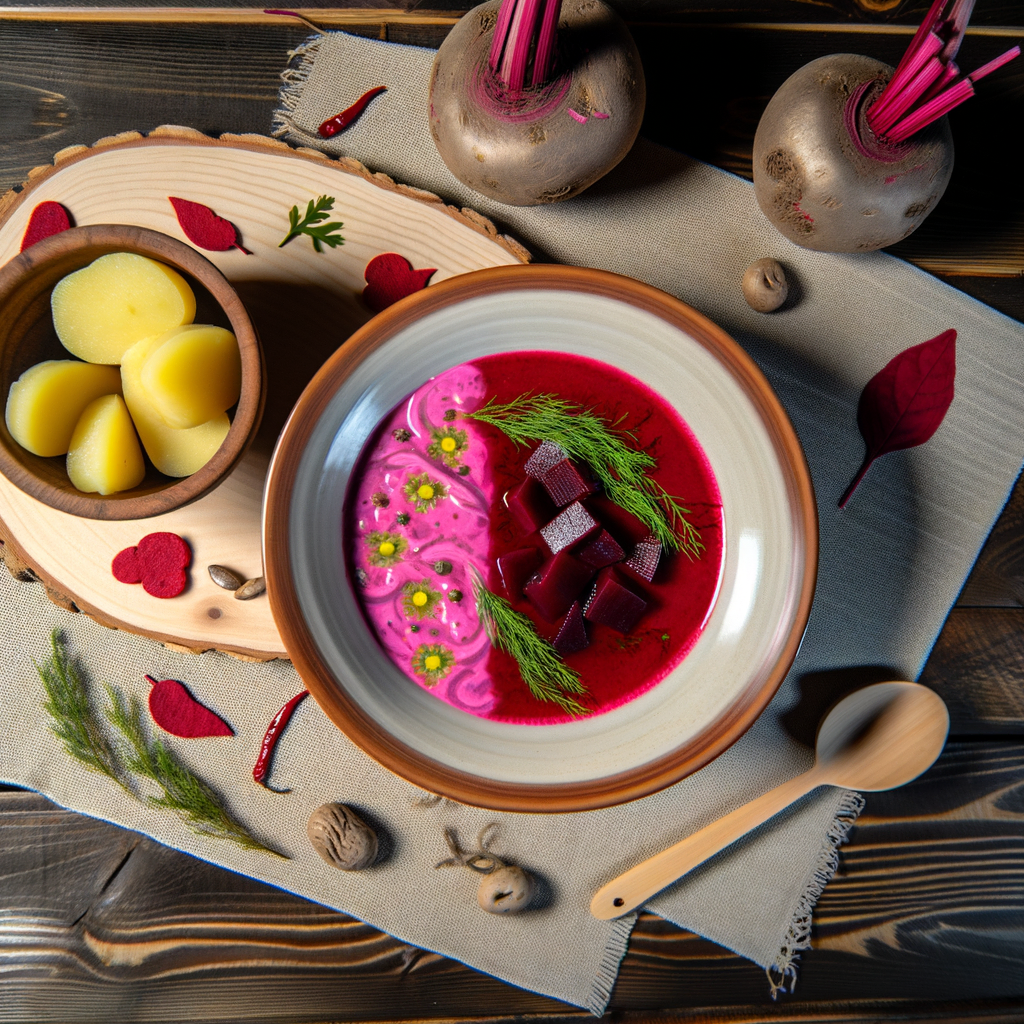
Šaltibarščiai
A refreshing cold beetroot soup, often served with boiled potatoes on the side. Its pink color and fresh taste make it a summer favorite.
Juoda Ruginė Duona
Traditionally dark rye bread baked with sourdough, known for its dense texture and deep flavor. Often served as an accompaniment to soups and main dishes.
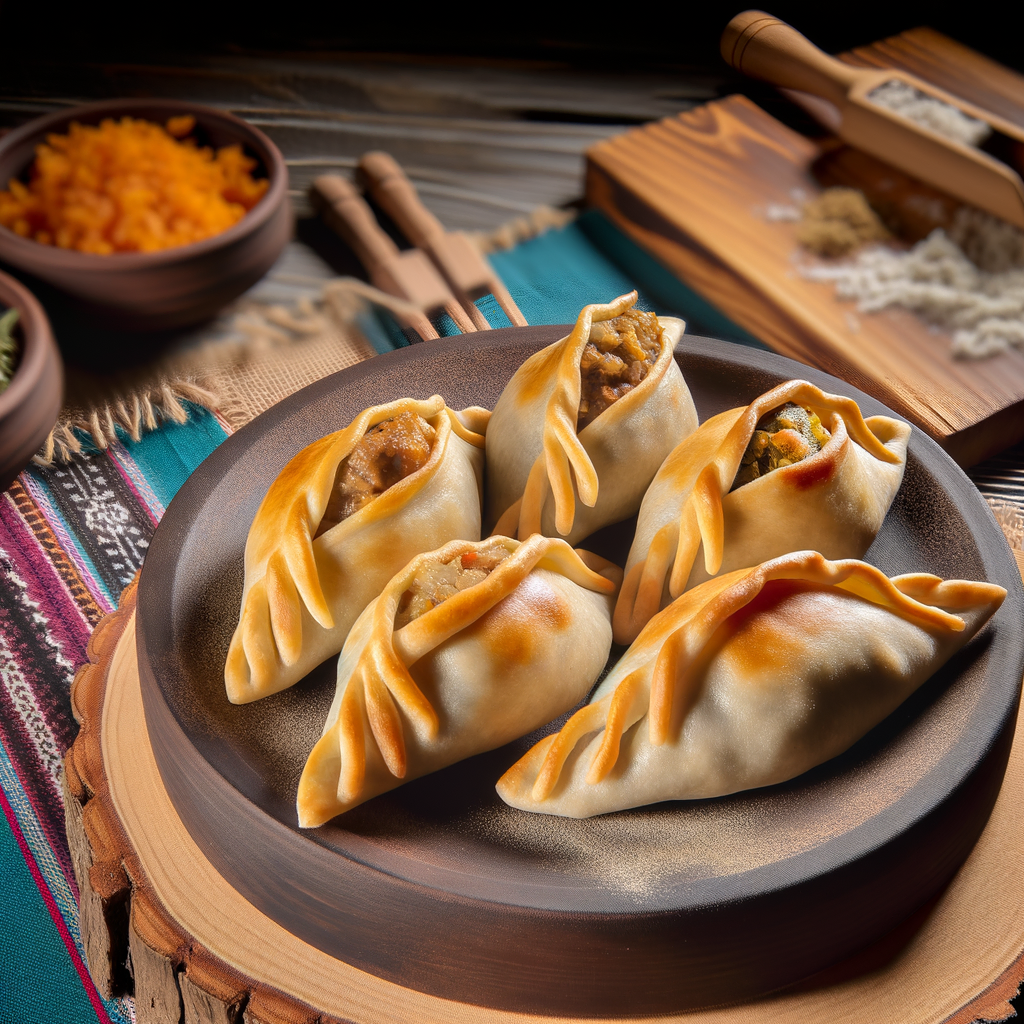
Kibinai
Baked dough packets filled with meat or vegetables, originally from the Karaite minority in Trakai. Perfect as a snack or light lunch.
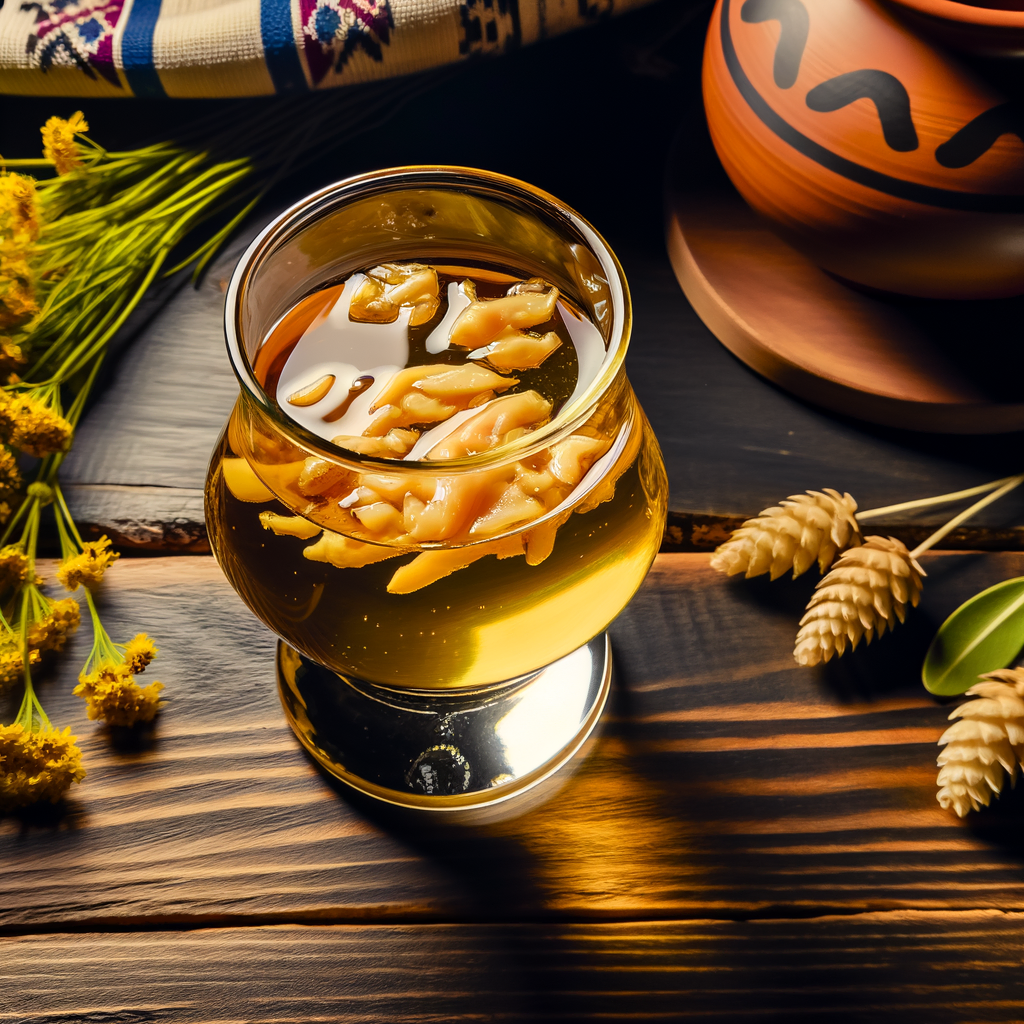
Medus Mjød
Traditional Lithuanian mead made from honey, water, and yeast, often spiced with herbs. Enjoyed both as an aperitif and for dessert.
Restaurant information
Tipping
In Lithuania, tipping is not mandatory but appreciated. In restaurants, it is common to give 5-10% of the bill if you are satisfied with the service. In cafes and bars, you can round up to the nearest whole euro.
Travel information
Currency
Euro (€)
Language
Litauisk
Best time to visit
May-September
Major cities
Vilnius and other major cities
More countries in Europe
Discover more destinations in this region