
Burkina Faso
Burkina Faso, 'The Land of Honest People,' offers warm hospitality, vibrant traditions, and breathtaking landscapes, making it a hidden gem in West Africa.
Overview
Burkina Faso, known as 'The Land of Honest People', is a hidden gem in West Africa where warm smiles and hospitality meet a rich cultural heritage. The capital city, Ouagadougou, pulses with life, featuring vibrant markets, dynamic music, and exhilarating dance, while historic towns like Bobo-Dioulasso showcase remarkable architecture such as the grand mosque. From the stunning heights of the Sindou Peaks to the wildlife-rich Nazinga Game Reserve and the enigmatic ruins of Loropéni, the country offers authentic experiences rarely found elsewhere. Prepare for a journey filled with heartfelt encounters, cultural treasures, and breathtaking landscapes that promise to leave a lasting impression.
Official language
French
Government
Presidential democracy
Best time to visit
November to February
Nature
Burkina Faso boasts an impressive array of landscapes that blend breathtaking beauty with an abundance of wildlife. From the sprawling savannahs to the remarkable rock formations, nature enthusiasts will find endless adventures. Notably, the Nazinga Game Reserve is a wildlife paradise teeming with elephants, antelopes, and a myriad of bird species thriving in their natural habitat. To the west, the stunning Sindou Peaks rise dramatically, showcasing nature's artistry shaped by centuries of erosion. The country's varied climate offers the joy of experiencing everything from arid golden plains to lush areas populated with mango and acacia trees. The life-giving rivers, such as the Mouhoun and Comoé, serve as vital oases in the otherwise dry terrain. For those seeking adventure, opportunities abound for trekking, safaris, and exploring remote villages where the wilderness remains untouched and authentic. The ideal time to visit is from November to February when the weather is cool and conducive to exploration.
Travel to Burkina Faso
Traveling to Burkina Faso takes you deep into the heart of authentic West Africa. The best time to visit is from November to February, when the climate is pleasantly cool and ideal for discovering both urban life and the natural wonders of the countryside. Ouagadougou offers lively markets, vibrant music scenes, and a lively street life, while Bobo-Dioulasso impresses visitors with its magnificent mosque and relaxed vibe. Nature lovers can embark on safaris in Nazinga Game Reserve or hike amidst the dramatic formations of the Sindou Peaks. History enthusiasts will find the ruins of Loropéni utterly captivating. Although the current security situation requires careful consideration and updated travel information, a forthcoming journey to Burkina Faso promises a unique blend of culture, nature, and human connections that are seldom experienced elsewhere.
Culture
The culture of Burkina Faso is a vibrant tapestry woven from diverse traditions, music, dance, and craftsmanship. Home to numerous ethnic groups, including the Mossi, Dioula, and Fulani, each contributes unique customs and languages to the rich cultural landscape. Ouagadougou, the bustling capital, is a cultural hub overflowing with colorful markets selling handmade textiles, jewelry, and intricate wood carvings. Music is deeply ingrained in daily life, ranging from rhythmic drumming to contemporary African sounds, with dance playing a vital role in celebrations and ceremonies. Festivals like FESPACO, Africa's largest film festival, draw artists from across the continent, enriching the cultural experience. The local cuisine is an essential part of this heritage, featuring dishes such as riz gras, poulet bicyclette, and the traditional maize porridge, to (pronounced 'toh'), often enjoyed communal-style. The warmth of Burkinabé hospitality ensures that visitors are welcomed with open arms and smiles, making interactions with locals unforgettable.
History
The history of Burkina Faso is both rich and intricate, marked by ancient kingdoms, trade routes, and colonial rule. The Mossi Kingdom, which emerged in the 11th century, dominated much of the territory and developed a robust political and military framework. The ruins of Loropéni, the country's first UNESCO World Heritage site, stand as a testament to a thriving gold trade that once connected West Africa to North Africa over a millennium ago. In the 19th century, Burkina Faso came under French colonization and was referred to as Upper Volta. Following its independence in 1960, the nation underwent significant political changes, most notably renaming itself Burkina Faso in 1984 under President Thomas Sankara, who sought to emphasize national pride and autonomy. This layered history continues to shape the nation's identity and cultural narrative today.
Top attractions
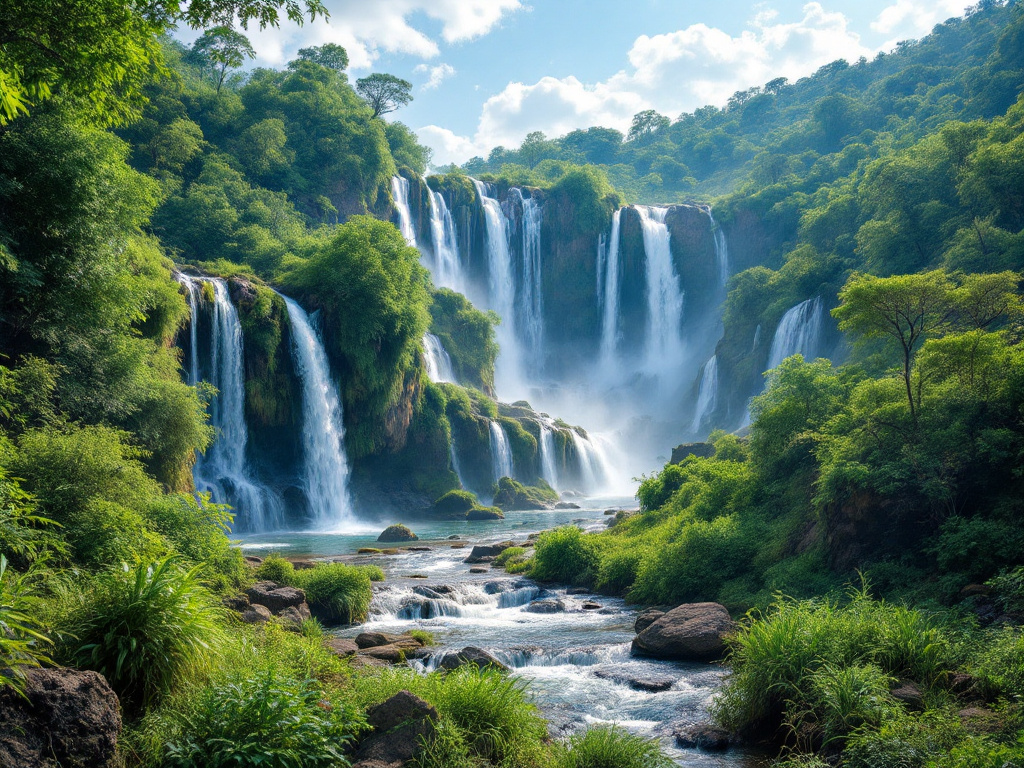
Cascades de Banfora
One of Burkina Faso's most renowned natural areas with multi-tiered waterfalls surrounded by lush vegetation.
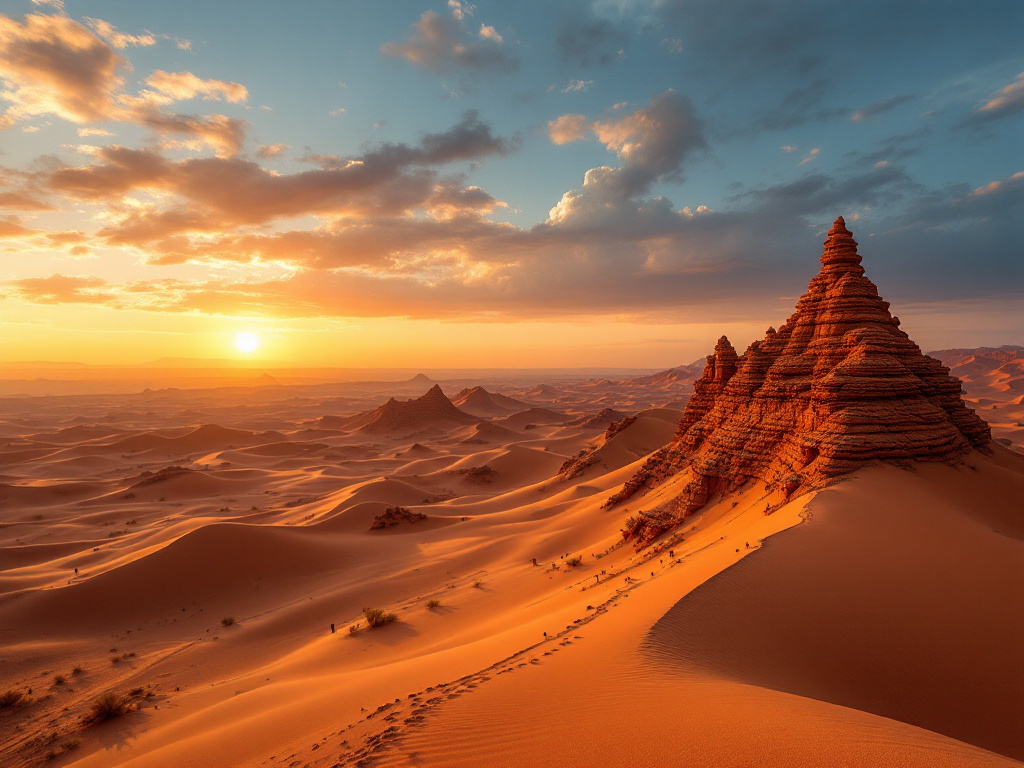
Sindou Peaks
Unique sandstone formations shaped by erosion, known as one of the country's most impressive landscapes.
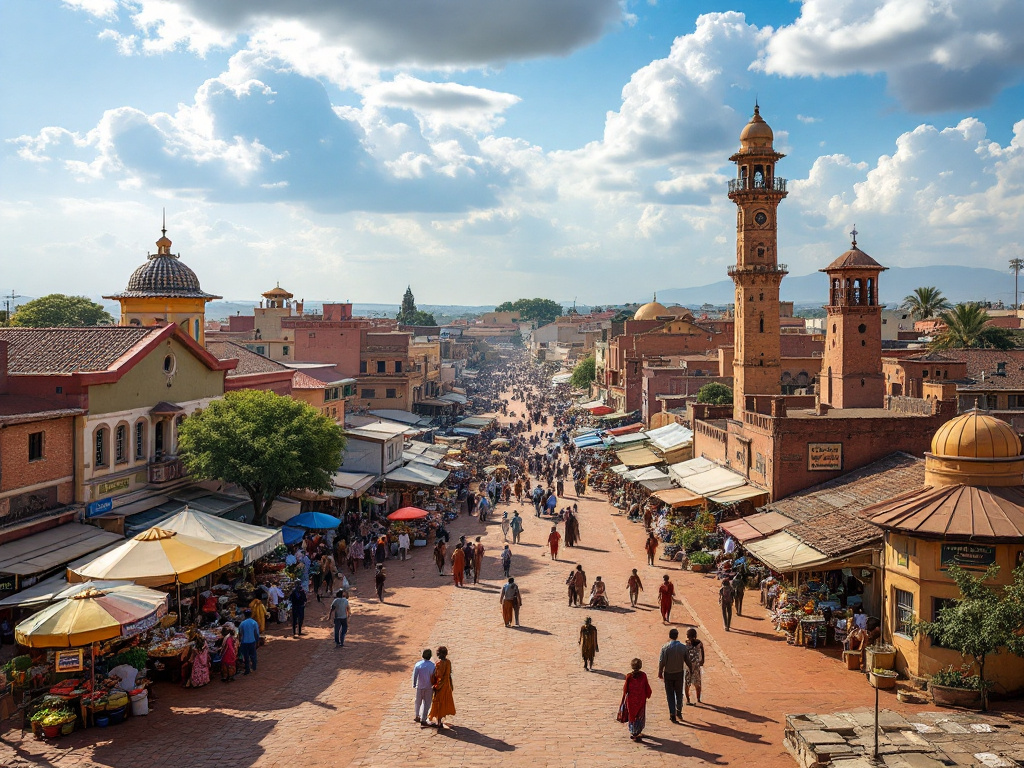
The Central Market in Ouagadougou
A vibrant hub for trade and daily life in the capital of Burkina Faso.
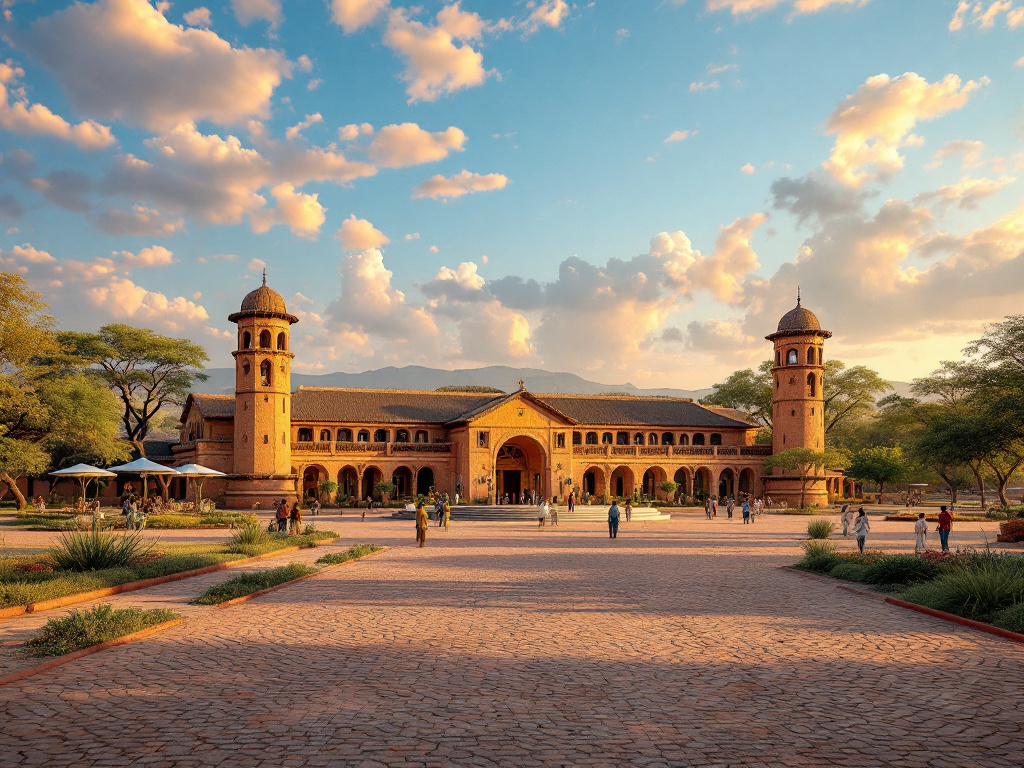
The National Museum of Burkina Faso
An important museum showcasing the country's diverse ethnic groups and historical heritage.
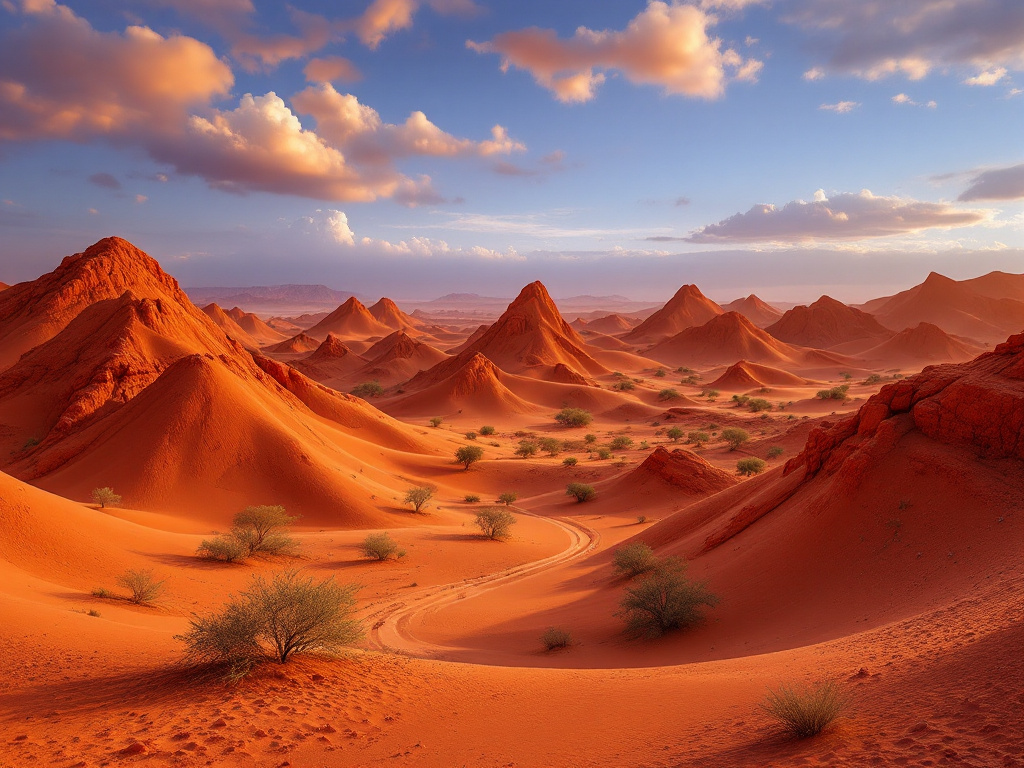
Dômes de Fabédougou
Characteristic sandstone domes formed by erosion over millions of years.
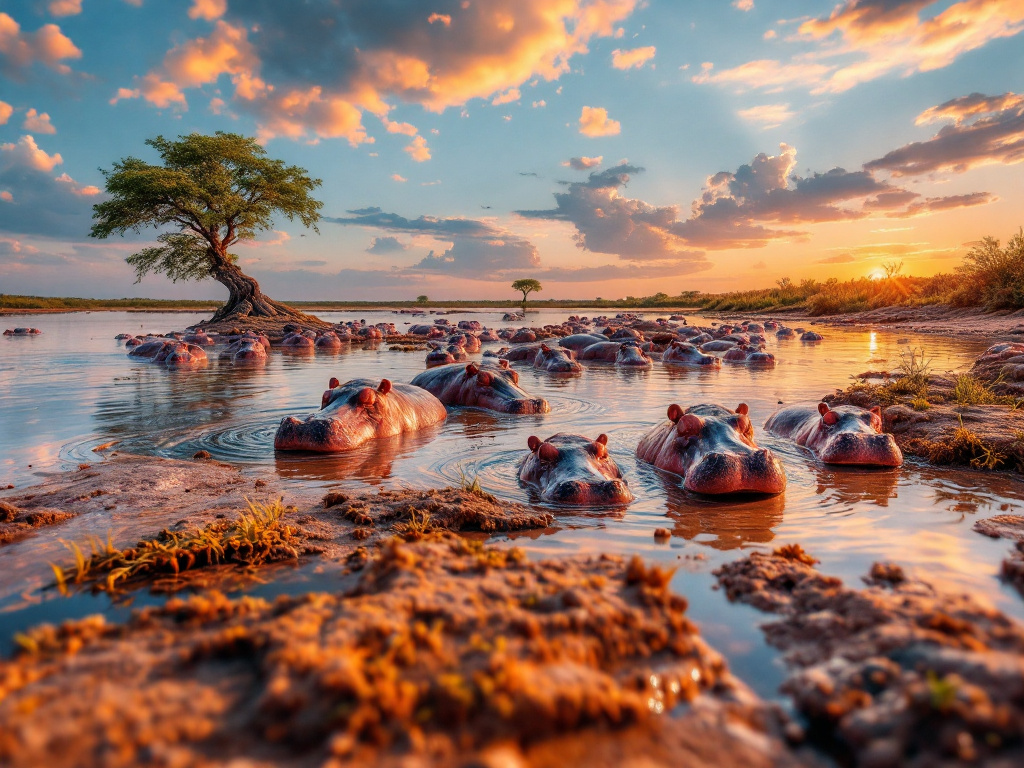
Mare aux Hippopotames
A protected wetland known for its stable population of hippos.
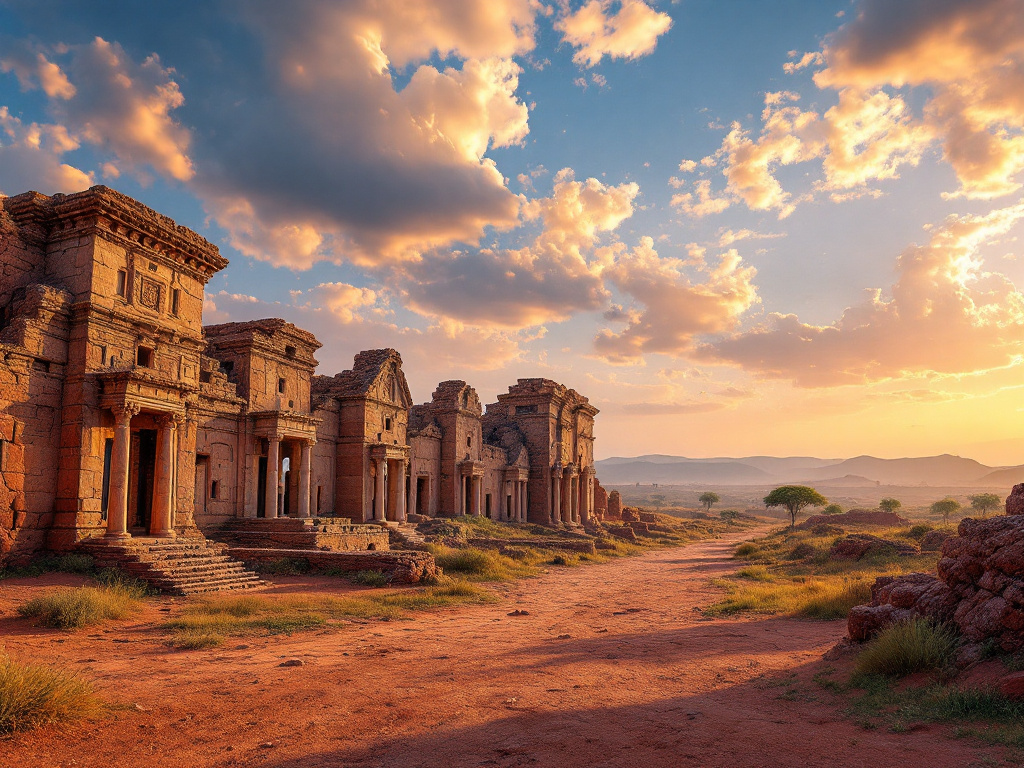
The Ruins of Loropéni
A remarkable archaeological site with massive stone walls from pre-colonial times.
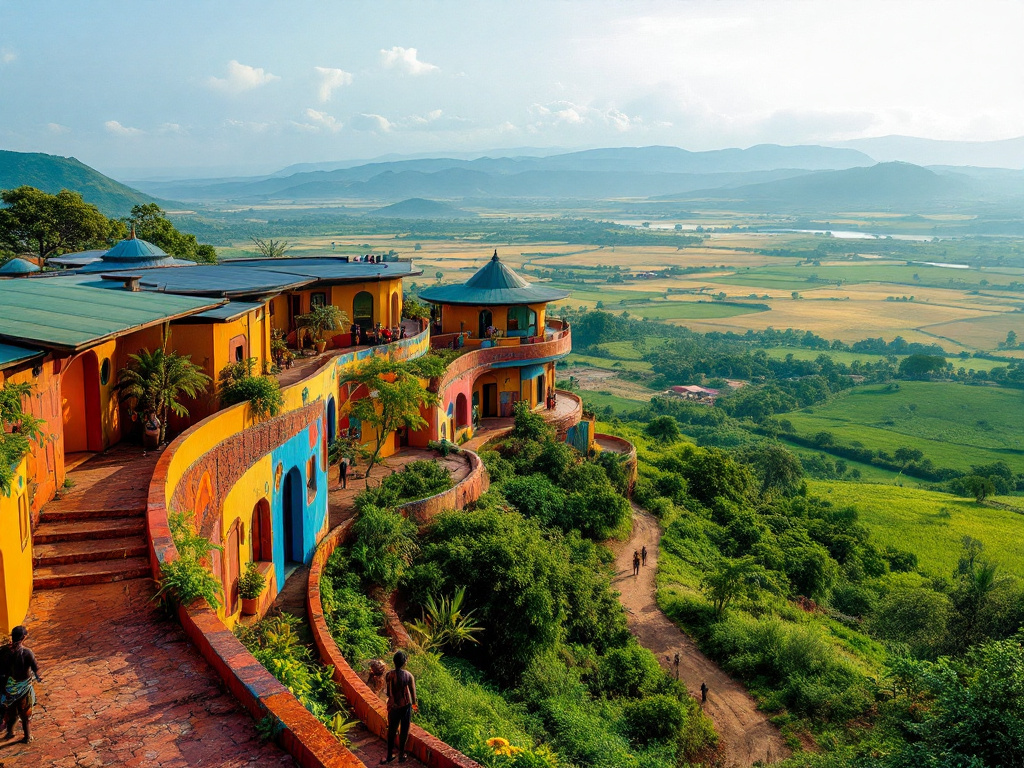
The Village of Laongo
A visionary cultural project that combines art, architecture, and community.
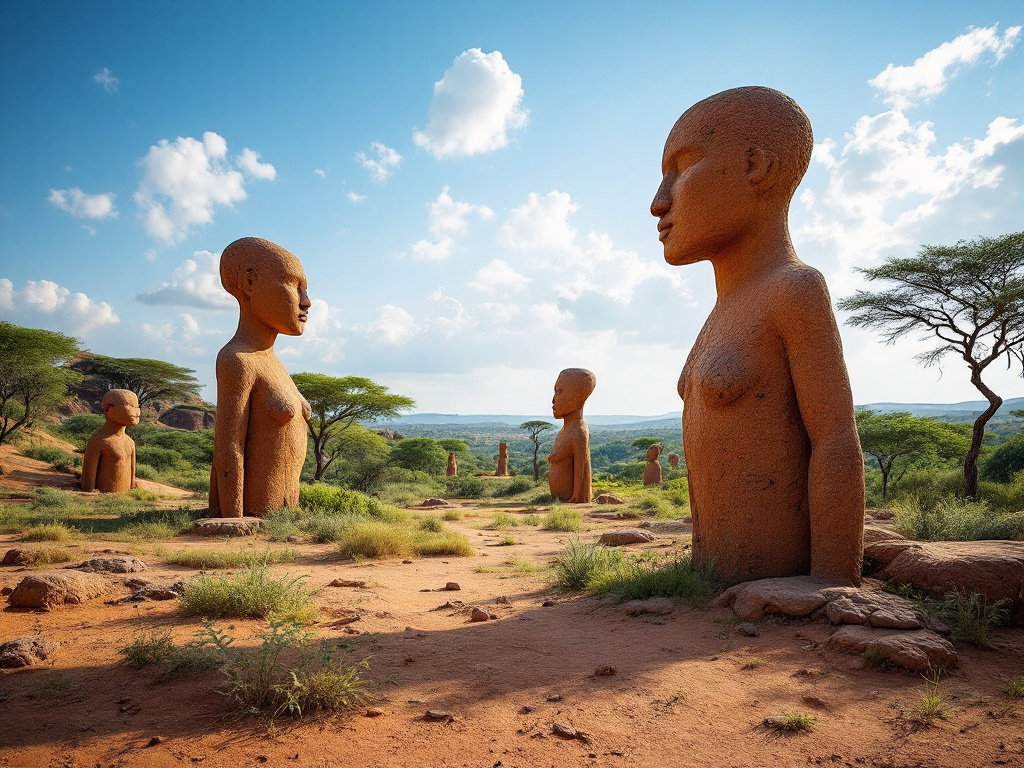
Laongo Sculpture Park
A large outdoor park with sculptures carved directly into granite rocks.
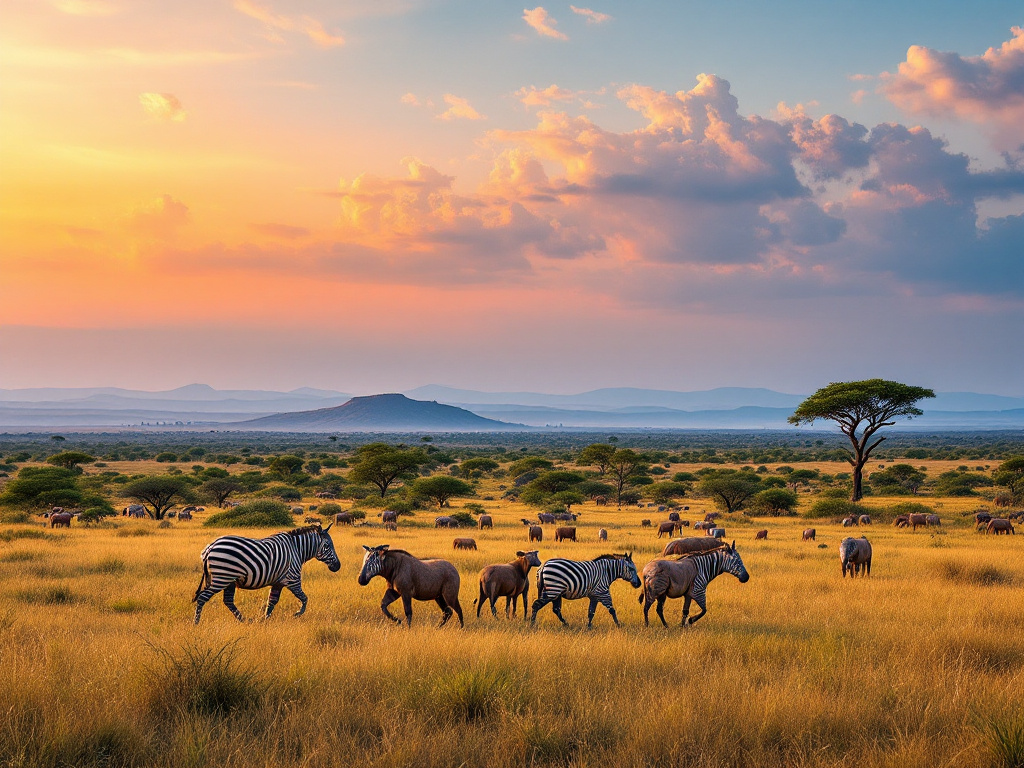
Nazinga Wildlife Reserve
One of the best places in the country for safari and wildlife observation.
Famous cuisine
Culinary overview
Burkinabé cuisine is a flavorful mix of local ingredients, traditional cooking methods, and influences from neighboring countries. Meals often center around grains such as millet, corn, and rice, combined with vegetables, peanuts, and spicy sauces. Meat such as chicken, beef, and goat is frequently used, but many dishes are also vegetarian. Street food plays a significant role in daily life, with markets bursting with fragrant stews, grilled skewers, and fresh fruit. Mealtime is social, and food is often shared communally, reflecting the country's hospitality.
Must-try dishes
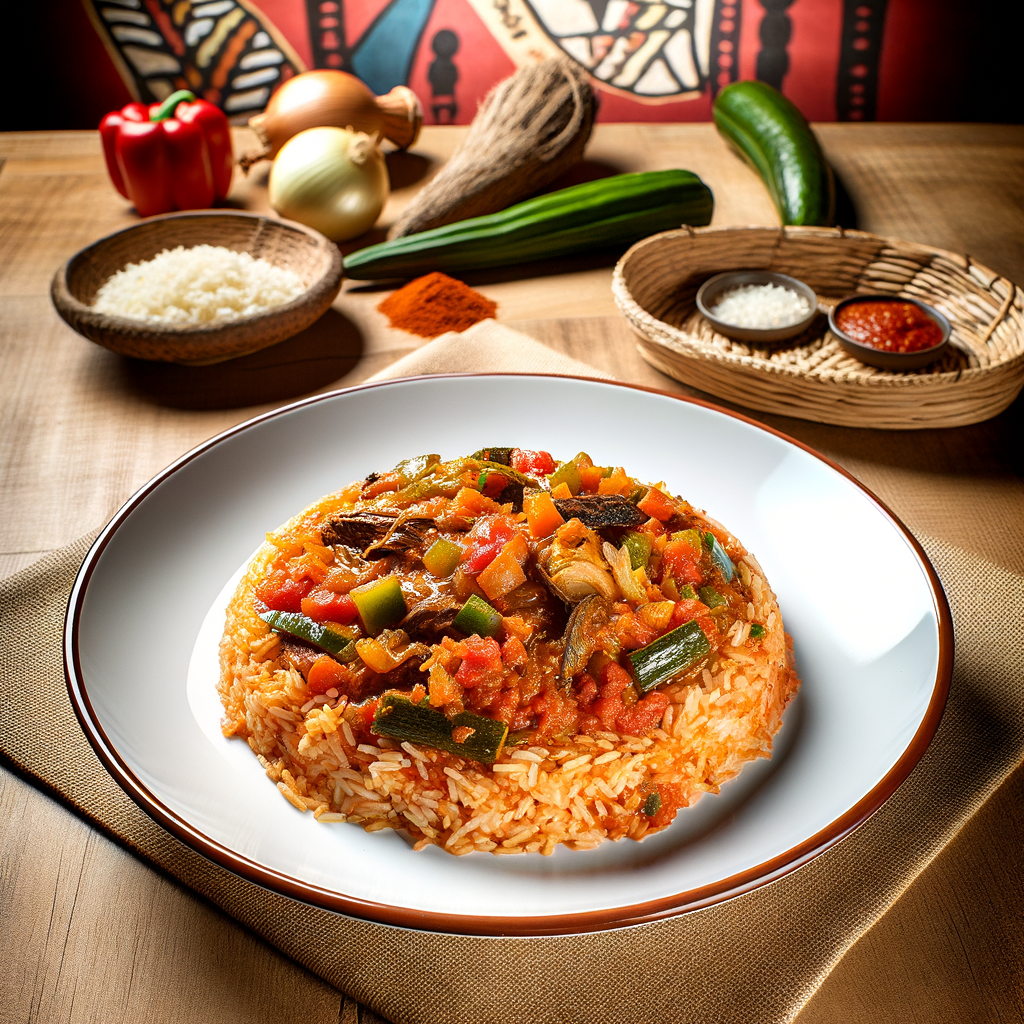
Riz gras
A popular national dish consisting of rice cooked in a spicy tomato and onion sauce with vegetables and often meat such as chicken or beef. Usually served on festive occasions.
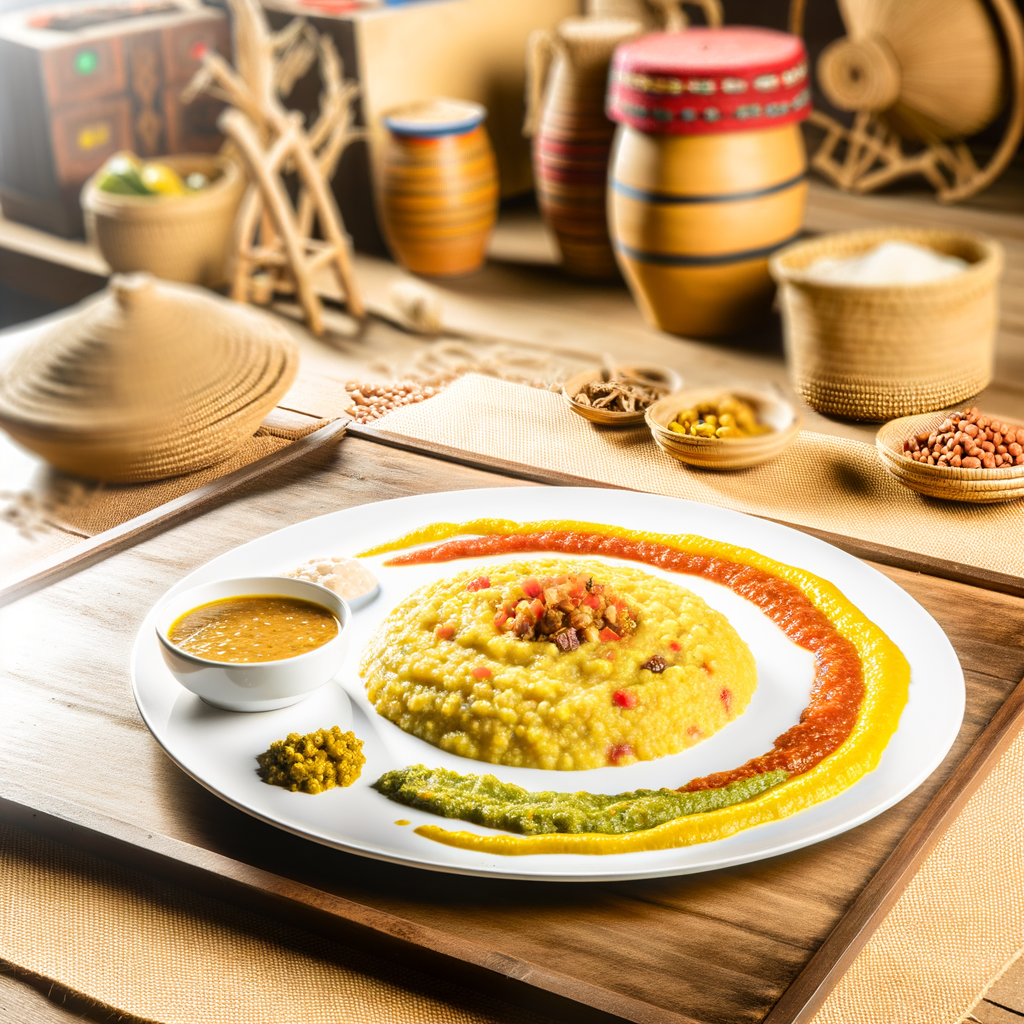
To
A traditional corn or millet porridge with a firm consistency, served with various sauces, often based on peanuts, okra, or tomato.
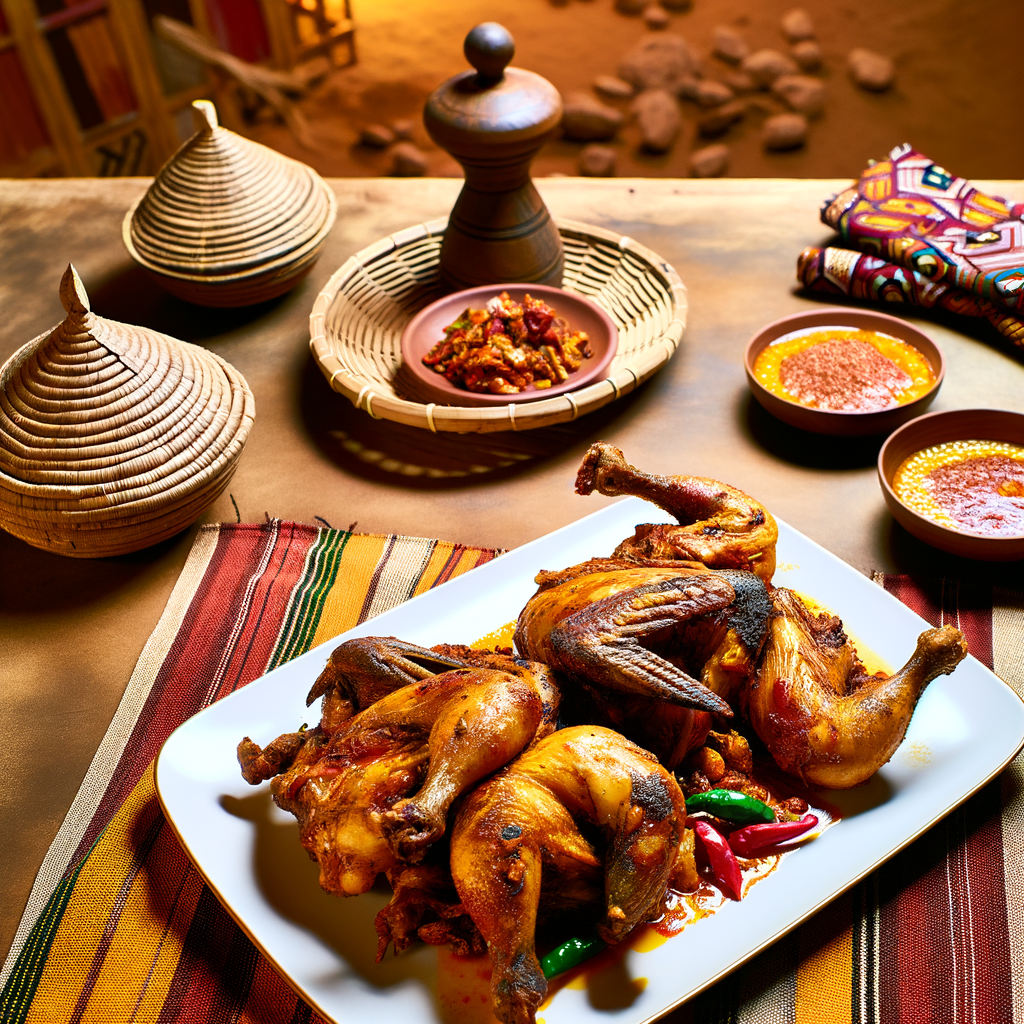
Poulet bicyclette
Free-range chicken known for its firm texture and intense flavor, grilled or fried and served with spicy marinades.
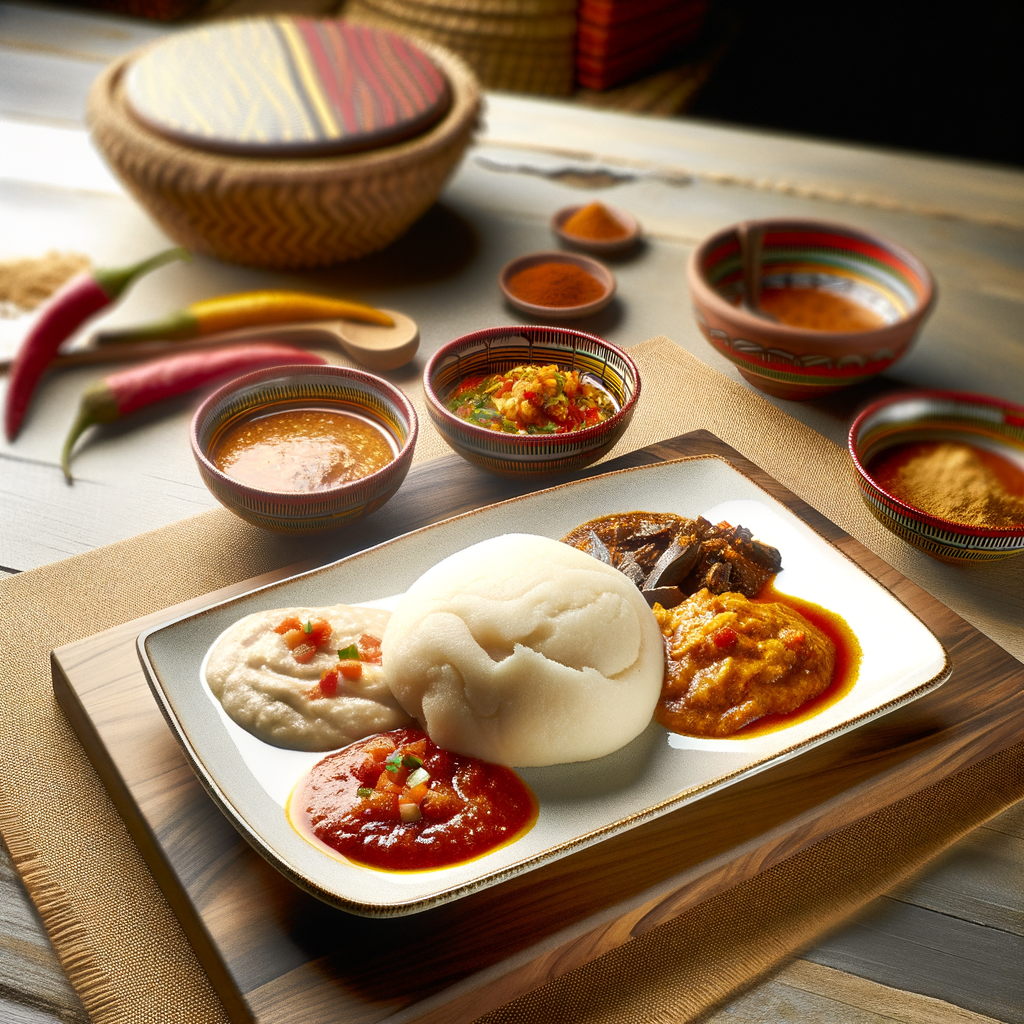
Fufu
A soft dough-like dish made from boiled and pounded tubers such as yam or cassava, served with spicy sauces.
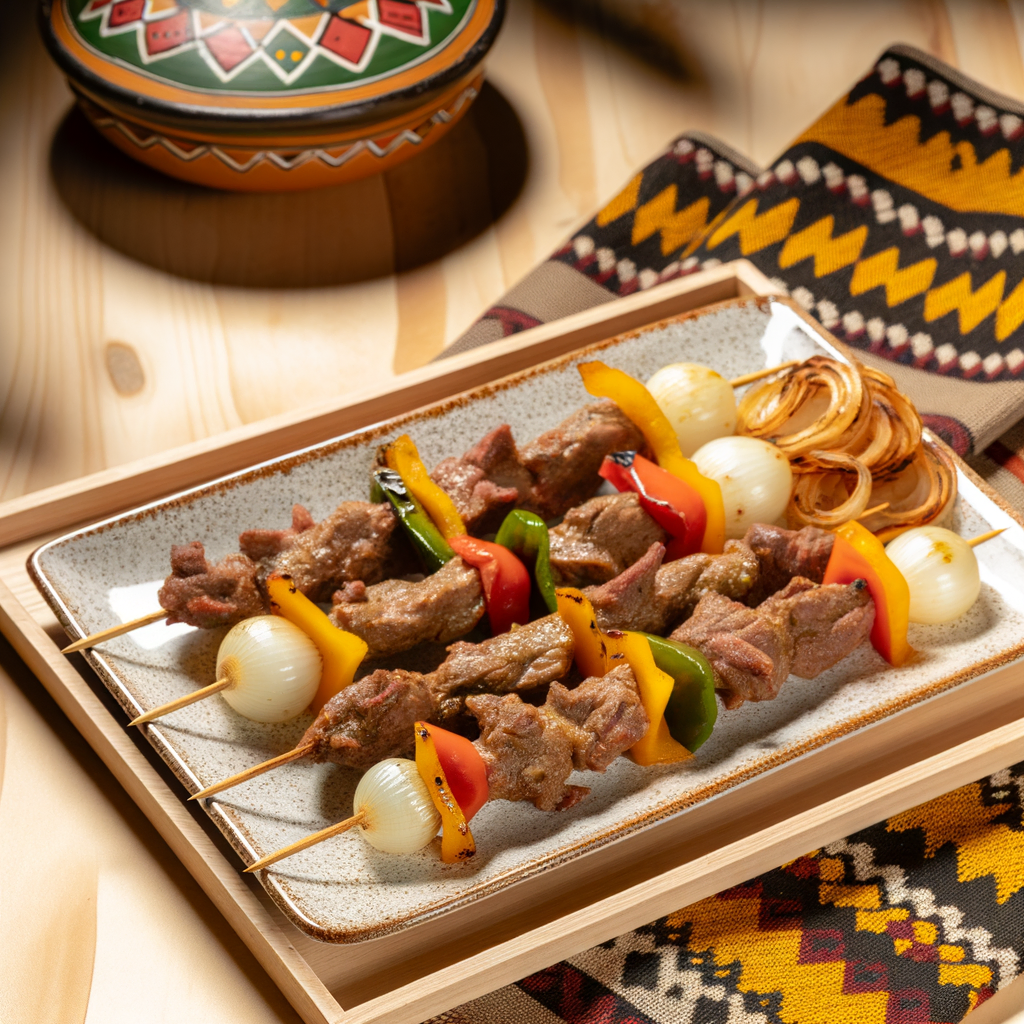
Brochettes
Grilled meat skewers, often made of beef or goat, marinated in spices and served with onions and bell peppers—a popular street food.
Restaurant information
Tipping
Tipping is not mandatory in Burkina Faso, but it is appreciated. In restaurants, it is common to round up or give 5-10% of the bill if the service has been good.
Travel information
Currency
Vestafrikansk CFA-franc (XOF)
Language
French
Best time to visit
November to February
Major cities
Ouagadougou and other major cities
More countries in Africa
Discover more destinations in this region